 Skip to content
Custom Dress Manufacturer for Polished Feminine Brands
Refined dress development for brands built around elegant shape, soft structure, fabric quality, and controlled bulk production.
Duolan translates polished feminine direction into production-ready dress programs across satin, crepe, chiffon, lace, mesh, ruffle, pleated, day-to-evening, and soft occasion styles. Each project is reviewed through fabric handfeel, drape, neckline, waistline, lining, finishing, photo-ready sample quality, PP approval, and bulk consistency.
- 300–400 pattern and sample roles refine silhouette, proportion, fit corrections, and sample versions.
- 110–200 fabric and trim specialists review satin, crepe, lace, chiffon, lining, and tonal trims.
- 130–200 process development roles control seams, ruffles, pleats, zippers, pressing, and finishing.
- 3,000–8,000 monthly style workflows support polished dress lines with multi-style development discipline.
- 15,000–35,000 monthly sample capacity covers first, fit, photo-ready, PP, and golden samples.
- 1996-rooted dress development experience supports feminine silhouettes, fabric judgment, and commercial execution.







Built for Polished Feminine Brands
Polished feminine brands need a manufacturer able to protect softness, refinement, proportion, and clean execution. Duolan supports brand teams with dress development, material review, sample refinement, production preparation, and long-term bulk coordination.
Contemporary Dress Brands
Contemporary feminine brands often work with clean midi dresses, refined minis, soft tailoring, satin slips, crepe silhouettes, lace details, and polished day-to-evening styles. Duolan helps translate brand mood into fabric, fit, construction, and production standards.
- Silhouette review focuses on neckline, shoulder line, bust balance, waist position, skirt fall, and length.
- Fabric selection connects handfeel, drape, opacity, surface, lining, and target price position.
- Sample refinement helps remove roughness before photo-ready sample or PP sample approval.
Premium Ecommerce Teams
Online fashion teams need dresses capable of looking polished on screen and staying consistent in bulk. Visual appeal, fit balance, color accuracy, and clean finishing all influence launch quality and review performance.
- Photo-ready samples are reviewed for drape, surface, proportion, color, pressing, and detail clarity.
- Production-ready samples confirm fabric, trims, construction, size spec, labeling, and QC checkpoints.
- Repeat styles can keep pattern, BOM, PP sample, and inspection notes for future development.
Occasionwear Brands
Soft occasionwear requires elegance without heavy bridal feeling. Wedding guest, cocktail, graduation, brunch, vacation dinner, and social-event styles need graceful proportion, camera-ready fabric, and reliable movement.
- Duolan reviews occasion dresses through wearing scenario, fabric mood, coverage, support, and finishing.
- Satin, chiffon, lace, crepe, and soft mesh are matched with intended level of polish.
- PP approval and final QC help preserve delicate appearance through production and packing.
Office-to-Evening Labels
Office-to-evening dress lines require a refined balance between comfort, shape, and sophistication. Clean seams, moderate coverage, controlled waistlines, polished fabric, and subtle details matter more than heavy decoration.
- Crepe, soft twill, satin-back fabric, viscose blends, and structured knits can support balanced silhouettes.
- Neckline, sleeve, slit, hem, and closure details are reviewed for day and evening wearability.
- Production standards protect clean appearance across sizes and repeated orders.
Designer-Led Labels
Commercial designer-led labels need a supplier able to read aesthetic intention, not only technical drawings. Duolan helps convert moodboards, reference samples, fabric ideas, and collection directions into refined dress samples with production logic.
- Design intention is translated into silhouette, material, construction, detail balance, and finishing direction.
- Sample comments are organized into pattern, fabric, trimming, lining, or sewing adjustments.
- Confidential development can support capsule, occasion, or premium feminine dress programs.
Sourcing and Product Teams
Sourcing offices and product teams need clear communication, reliable samples, and supplier discipline. Duolan supports project review, material selection, sample notes, revision summaries, PP sample locking, production updates, and QC coordination.
- Project files can include tech packs, sample photos, fabric direction, color palette, size range, and launch timing.
- Fit, material, construction, finishing, and production risks are reviewed before bulk starts.
- Clear records help long-term programs move from one season to another with fewer repeated corrections.
Why Polished Feminine Dresses Are Hard to Manufacture
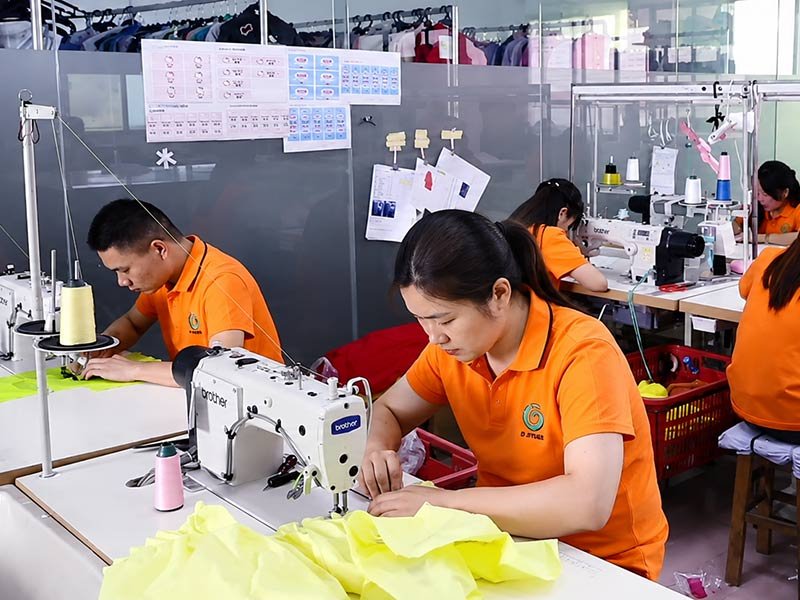
Polished feminine dresses fail quietly. A satin surface may look too shiny. A crepe dress may lose softness. Lace placement may look careless. A ruffle may become childish. A zipper may break the clean back view. A waistline may sit only one centimeter away from the ideal point and still change the entire mood of the garment.
Duolan approaches refined feminine dress development as a balance of fabric, body proportion, detail restraint, sample refinement, and production discipline. The goal is not excessive decoration. The goal is a garment with controlled softness, elegant shape, clean surface, comfortable structure, and repeatable bulk standard. Every neckline, seam, lining, trim, pleat, ruffle, and pressing decision contributes to a polished final result.
Dress Styles for Polished Feminine Collections
Polished feminine collections often depend on subtle product judgment. The right fabric, neckline, hem, ruffle, lace placement, sleeve shape, and pressing finish can make a dress feel refined. Duolan develops dress categories where feminine softness must stay clean, wearable, and bulk-ready.

Satin Slip Dresses
Satin slip dresses need smooth drape, controlled bias behavior, clean strap placement, elegant neckline, and careful seam handling. A thin or overly shiny satin can look inexpensive, while poor cutting can cause twisting, clinging, or uneven hems.
- Review satin weight, shine, slippage, opacity, and lining requirement before sampling.
- Control bias direction, bust ease, waist skim, hip fall, hem sweep, and pressing.
- Confirm packing method early to protect smooth surface and reduce crease marks.

Crepe Midi Dresses
Crepe midi dresses suit polished day-to-evening collections because the fabric can hold structure while remaining feminine. The challenge lies in finding the right balance between body, softness, and refined fall.
- Review crepe weight, texture, drape, stretch option, and surface appearance.
- Control waistline, shoulder line, neckline, sleeve shape, slit height, and hem balance.
- Keep seams flat and pressing clean for a more expensive garment impression.

Lace Dresses
Lace dresses can move from refined to rough quickly when motif placement, lining color, seam alignment, or edge treatment is weak.
Duolan reviews lace as both fabric and decoration.
- Match lace scale and motif density with bust, waist, hem, sleeve, and neckline positions.
- Choose lining color, opacity, stretch, and attachment method with care.
- Control lace placement and seam joins during cutting and production.

Day-to-Evening Dresses
Day-to-evening dresses require a clean, versatile finish. The garment must feel polished for work, dinner, travel, or social occasions without looking heavy or overly decorated.
- Review neckline, sleeve, slit, waist, pocket, closure, and hem choices for multi-scenario wear.
- Use refined fabrics with enough comfort and shape retention.
- Keep construction clean so styling can shift between day and evening.

Soft Occasion Dresses
Soft occasion dresses serve wedding guest, cocktail, graduation, brunch, and social-event moments.
They need elegance, comfort, camera appeal, and polished detail without bridal heaviness.
- Review color softness, fabric drape, lining, support, and surface quality.
- Control feminine details such as lace, bow, ruffle, pleat, strap, and sleeve.
- Confirm PP and final QC around color, seam, pressing, and packing.
From Feminine Direction to Real Dress
Step 1 Brand Mood Review
Duolan starts by reading the brand direction: modern feminine, soft romantic, polished contemporary, clean elegant, day-to-evening, occasion-ready, or refined partywear.
Mood matters because identical construction can express different values through fabric, proportion, color, trim, and finishing. A feminine dress may need softness, but softness without structure can appear weak. A polished dress may need clean lines, but clean lines without warmth can feel plain. Early mood review gives the development team a sharper target.
Step 2 Silhouette Translation
Aesthetic direction must become garment geometry.
Duolan reviews waistline, bust position, shoulder balance, neckline curve, skirt length, sweep, slit, sleeve volume, and body ease. These decisions shape the emotional reading of the dress: graceful, romantic, tailored, youthful, polished, or occasion-ready.
A small change around neckline depth or waist height can move a design from refined to ordinary, so pattern direction begins with proportion rather than flat shape only.
Step 3 Fabric Language
Fabric carries the brand voice.
Satin can feel liquid and evening-ready, crepe can feel polished and structured, chiffon can feel airy, lace can feel romantic, and soft mesh can create layering.
Duolan reviews handfeel, drape, opacity, thickness, texture, shine, stretch, lining compatibility, and production stability.
A fabric chosen only for visual appeal may fail during sewing, wearing, pressing, or packing, so material judgment enters development early.
Step 4 Detail Balance
Polished feminine dresses often use ruffles, pleats, lace edges, bows, cut-outs, ties, trims, soft sleeves, or delicate straps.
These details need restraint. Too little detail may feel plain; too much can feel costume-like or low value.
Duolan reviews detail scale, placement, edge finishing, material thickness, seam bulk, and production repeatability. Detail balance protects brand taste while keeping the garment wearable and manufacturable.
Step 5 Sample Refinement
The first sample rarely carries the final polish. Duolan uses sample review to refine proportion, drape, lining, seam smoothness, closure, hem, ruffle, lace, and pressing.
For photo-ready samples, visual finish and surface quality receive extra attention. For production-ready samples, the focus moves into measurements, BOM, construction, trims, labels, QC points, and PP approval.
Each sample stage has a purpose, preventing scattered revisions.
Step 6 Production Standard
Refined style must be translated into production instructions. After sample approval, Duolan aligns pattern version, fabric and trim records, BOM, construction sheet, PP sample, measurement points, finishing requirements, and inspection standards.
Clean feminine garments often lose quality through small deviations, so production teams need a clear standard before bulk cutting. Approved aesthetic direction becomes a repeatable manufacturing reference.
Fabrics Creating a Polished Feminine Look
Fabric selection decides whether a feminine dress feels refined or inexpensive. Duolan reviews material by touch, weight, drape, shine, opacity, stretch, lining compatibility, surface finish, color behavior, sewing response, and bulk stability.
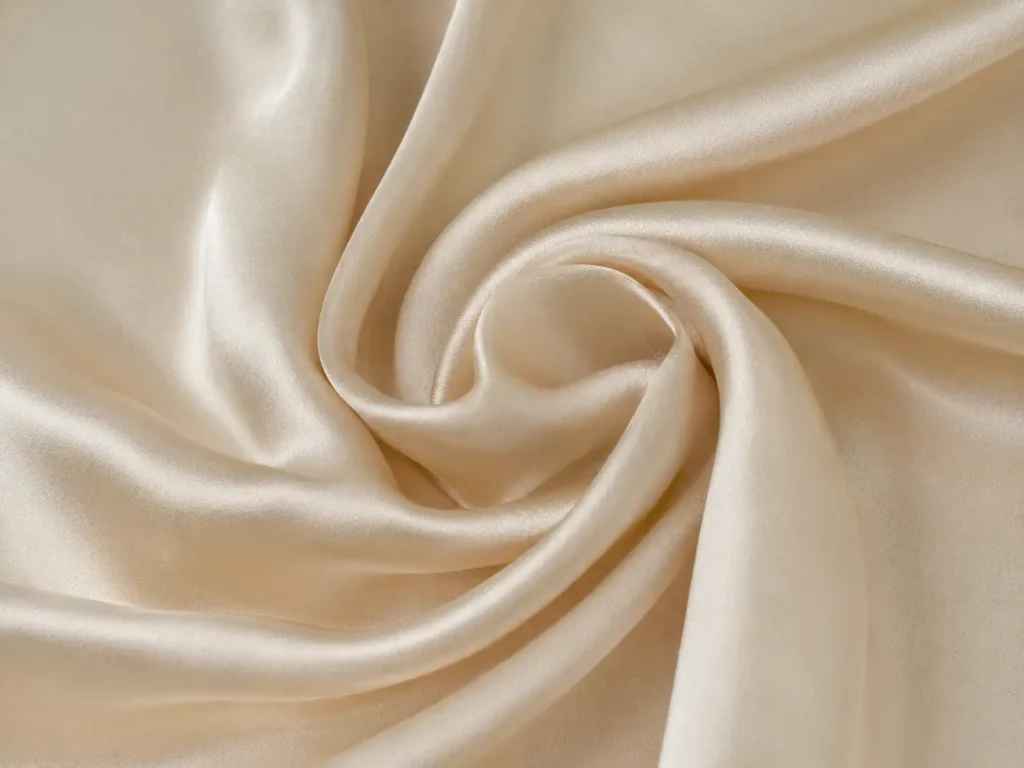
Satin / Charmeuse
Satin works for slip dresses, cocktail styles, wedding guest dresses, soft evening looks, and feminine party silhouettes. The same category can look premium or inexpensive depending on shine, weight, drape, slippage, and seam performance.
- Review gloss level, handfeel, opacity, shrinkage, and cutting behavior.
- Control seam puckering, bias distortion, pressing shine, and packing creases.
- Match lining and finishing with garment price position and wearing comfort.

Crepe
Crepe offers clean structure for midi dresses, work-to-evening silhouettes, polished occasion styles, and refined fitted garments. Its value lies in balanced body and softness, yet wrong weight can make a dress stiff or flat.
- Review fabric body, surface texture, stretch, drape, and pressing response.
- Match crepe with tailoring, waist shaping, sleeves, slit, and clean hems.
- Control seam smoothness and garment balance during bulk production.
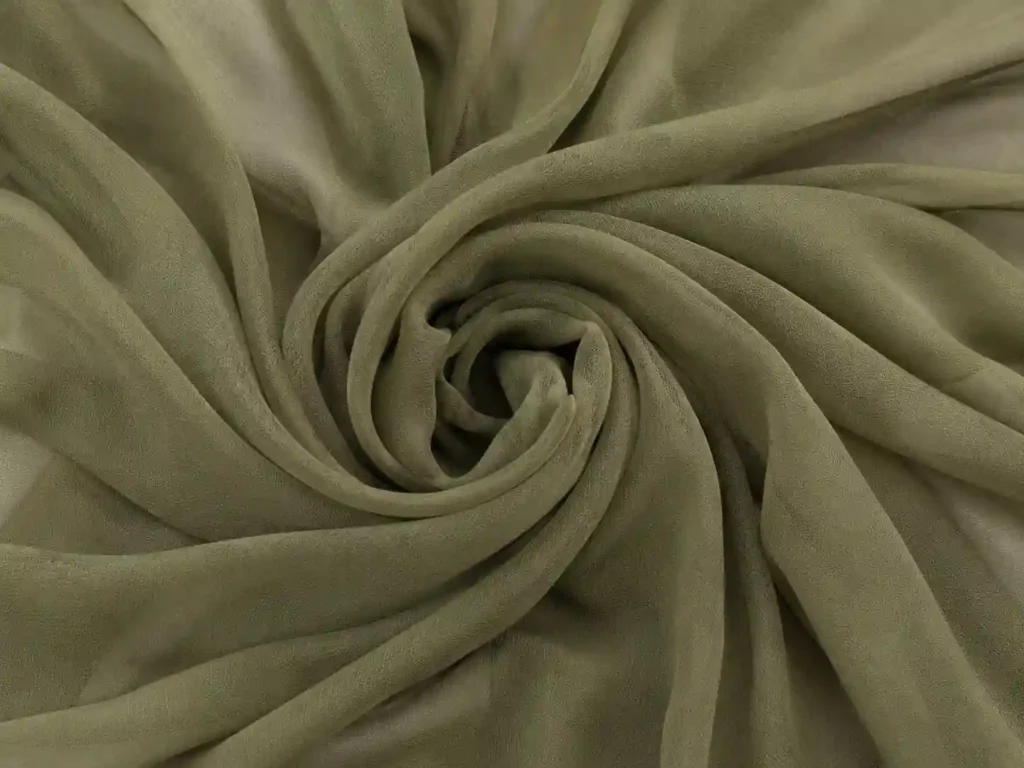
Chiffon / Georgette
Chiffon and georgette bring lightness, romance, and movement. They support layered skirts, soft sleeves, feminine ruffles, and gentle occasion looks. Production risk comes from transparency, fraying, static, and fragile handling.
- Review layer count, lining tone, sheerness, seam finish, and hem method.
- Control gathers, sleeve volume, ruffle softness, and skirt movement.
- Protect lightweight fabric during cutting, sewing, ironing, and packing.

Lace
Lace creates refined romance when motif, scale, placement, and lining are handled carefully. Poor lace execution can feel rough, especially around bust, waist, hem, neckline, and sleeve edges.
- Review motif scale, repeat, edge use, stretch, and seam placement.
- Match lining color and opacity with the desired feminine tone.
- Control lace cutting and joining so bulk remains consistent.
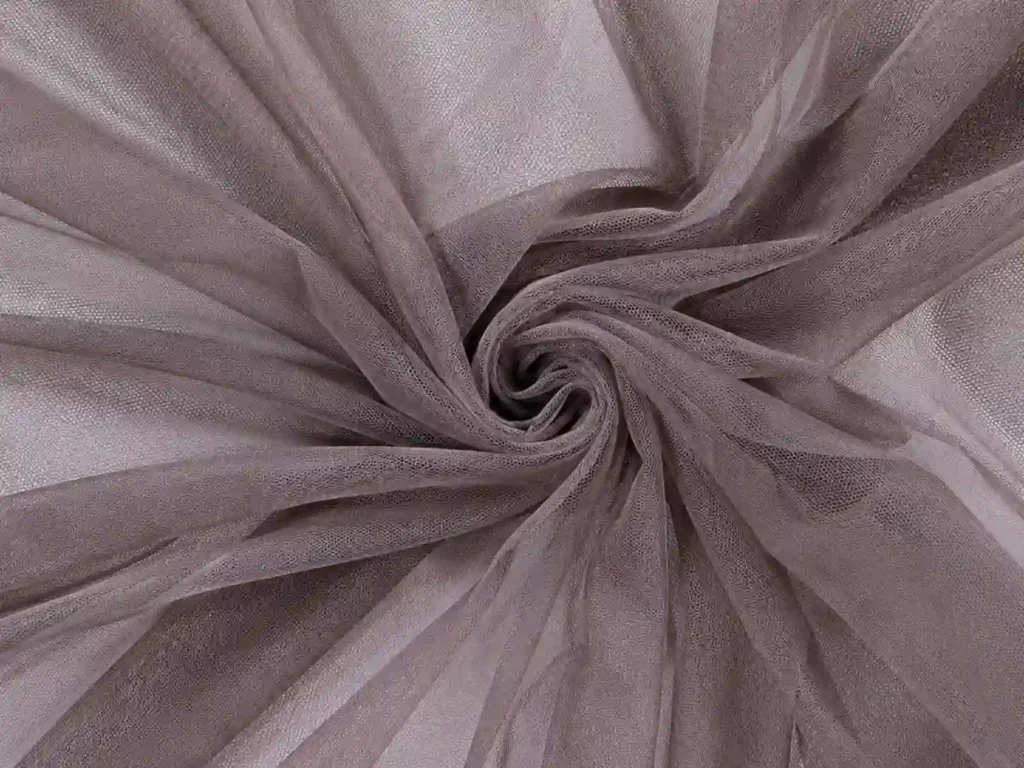
Soft Mesh / Tulle
Soft mesh and tulle can create illusion, layering, soft volume, and party-ready femininity. They require careful control around transparency, stretch direction, softness, lining, edge treatment, and seam stability.
- Review opacity, stretch, handfeel, color match, and recovery.
- Match mesh with lining and print or embroidery placement.
- Control edges, armholes, neckline, and panel tension during production.

Viscose / Rayon Blends
Viscose and rayon blends support polished day dresses, printed feminine silhouettes, soft shirt dresses, and vacation-ready styles. These fabrics can drape beautifully but require shrinkage and stability review.
- Review shrinkage, twisting risk, color fastness, drape, and handfeel.
- Match fabric with prints, soft waistlines, button fronts, sleeves, and relaxed silhouettes.
- Control pre-treatment, sewing, pressing, and care label accuracy.
Sample Development for Photo-Ready Feminine Dresses
Polished feminine dresses often need samples for visual approval, photography, fit review, internal decision, and production locking. Duolan separates sample purpose so a beautiful shoot sample does not become a weak production standard.
| Sample Type | Main Role | Polished Feminine Control |
|---|---|---|
| First Sample | Confirm first physical direction | Silhouette, fabric direction, detail scale, construction possibility |
| Fit Sample | Check body proportion | Bust, waist, hip, shoulder, neckline, sleeve, skirt fall |
| Revised Sample | Refine garment expression | Pattern correction, lining adjustment, seam finish, trim change |
| Photo-Ready Sample | Support shoot or line review | Surface quality, drape, color, pressing, clean details |
| Salesman Sample | Support showroom or presentation | Handfeel, garment rack appearance, near-view finishing, series consistency |
| PP Sample | Lock production standard | Final fabric, trims, measurements, construction, labels, packing |
| Golden Sample | Keep long-term reference | Reorder comparison, QC standard, fit memory, production record |
Silhouette Details Creating Refinement
Polished feminine quality lives in small shape decisions. Neckline depth, shoulder angle, bust ease, waist placement, skirt fall, ruffle scale, lining tone, and closure method can alter the entire product mood. Duolan reviews these details before sample approval and production.
| Detail Area | Risk If Uncontrolled | Duolan Review Focus |
|---|---|---|
| Neckline | Too wide, too low, gaping, or visually heavy | Depth, curve, edge finish, body coverage, and movement |
| Bust Area | Flat shape, tight pull, weak support, or uneven volume | Dart, cup, lining, ease, seam direction, and support |
| Waistline | Wrong body proportion or ordinary shape | Natural waist, empire line, dropped waist, side seam curve |
| Shoulder Line | Heavy, awkward, or too casual | Slope, strap width, sleeve shape, armhole depth |
| Skirt Fall | Stiff, messy, twisted, or unbalanced | Drape, grainline, hem sweep, lining, and pressing |
| Ruffle / Pleat | Bulky, childish, uneven, or overworked | Volume, spacing, fabric weight, edge finish, and placement |
| Lining | Visible, tight, loose, or uncomfortable | Color, stretch, opacity, attachment, and garment balance |
| Zipper / Closure | Damaged clean look or back view | Invisible zipper, seam control, back balance, and strength |
Clean Finishing and Delicate Detail Control
A polished feminine garment cannot rely on front-view styling alone. Near-view finishing, seams, closure, lining, edges, lace, pleats, ruffles, pressing, and packing all shape the final impression. Duolan reviews delicate details before and during production so refinement is not lost after sample approval.

Seam Smoothness
Satin, crepe, chiffon, and lightweight blends reveal seam problems quickly. Puckering, pulling, uneven tension, and heavy seam allowance can reduce the refined look of a dress.
- Review seam type, stitch density, needle choice, pressing method, and fabric behavior.
- Control side seams, bust seams, waist seams, hem joins, and sleeve attachment.
- Confirm seam appearance in PP sample before bulk production.

Invisible Zippers
A visible or uneven zipper can ruin a clean back view.
Polished feminine dresses often need invisible closures, smooth seam alignment, and stable zipper placement.
- Review zipper weight, tape color, pull strength, and placement.
- Control back seam, side seam, lining attachment, and waist crossing point.
- Check zipper smoothness during inline and final QC.

Lining Attachment
Lining influences comfort, opacity, shape, and garment life. Wrong lining can twist, show through, pull the outer layer, or make a soft dress feel heavy.
- Match lining color, stretch, weight, opacity, and handfeel with outer fabric.
- Review attachment method around neckline, armhole, zipper, slit, and hem.
- Confirm lining behavior after pressing and movement.

Ruffle Edges
Ruffles add femininity only when scale and finish stay controlled.
Thick edges, uneven gathers, or poor fabric choice can make a refined detail look messy.
- Review ruffle width, spacing, layer count, edge finish, and seam bulk.
- Match ruffle shape with chiffon, crepe, mesh, satin, or lace.
- Keep placement consistent across sizes and bulk production.

Lace Placement
Lace needs placement control around body areas and garment edges. Motif misalignment can immediately reduce premium perception, especially on pale colors or semi-sheer styles.
- Review motif direction, border use, seam joining, neckline edge, and hem layout.
- Match lining tone and opacity with the visual mood.
- Check cutting and placement before sewing starts.

Pressing and Packing
Pressing and packing can preserve or damage polish. Satin shine marks, chiffon crush, lace flattening, pleat distortion, or fold lines can change arrival quality.
- Review ironing temperature, steam level, hanger or fold method, and packing protection.
- Control hem balance, surface smoothness, crease risk, and garment presentation.
- Confirm packing method before shipment planning.
Color, Print and Soft Palette Control
Soft color can make a feminine dress feel refined, but pale and muted tones reveal risk. Ivory, cream, blush, champagne, sage, dusty blue, soft rose, butter yellow, and muted florals need careful material, lining, lab dip, and trim matching.
Soft Solid Colors
Soft solids need clean fabric surface, correct lining, and careful handling. Pale dresses can show transparency, color inconsistency, stains, or seam shadows more easily than dark colors.
- Review opacity, lining tone, fabric batch, and surface cleanliness.
- Match zipper, thread, label, binding, straps, and trims to the main color.
- Control packing and workshop handling to reduce visible marks.
Muted Pastels
Muted pastel shades look refined only when color stays balanced.
Slight color drift can make blush too pink, champagne too yellow, sage too gray, or dusty blue too dull.
- Review lab dips and bulk fabric under consistent lighting.
- Control fabric batch, trim color, lining tone, and thread match.
- Keep shade approval connected with PP sample and final inspection.
Feminine Florals
Floral prints can support polished romantic collections when scale, density, and placement stay controlled. Oversized or poorly placed prints can distort proportion or weaken garment refinement.
- Review print scale, repeat, color softness, motif density, and placement.
- Control front bodice, waist seam, skirt panels, sleeves, and hem alignment.
- Match print mood with silhouette, fabric drape, and collection story.
Tonal Trims
Tonal trims create quiet refinement. A zipper, button, lace edge, bow, elastic, or thread in the wrong tone can make a soft dress look unfinished.
- Review trim shade, material finish, surface shine, and attachment method.
- Match trims with fabric handfeel, lining, labels, and packaging.
- Confirm final trim selection before PP sample approval.
From Refined Sample to Bulk Consistency
Approved Sample Review
Sample approval should capture more than a general “looks good.”
Duolan reviews the approved garment for fabric, drape, silhouette, neckline, waistline, lining, closure, seam finish, ruffle, lace, pleat, pressing, and measurement points.
Polished feminine styles often lose value through small changes, so the approved sample becomes a detailed production reference rather than a single visual target.
Fabric and Trim Locking
Material changes can alter the entire result.
A different satin shine, lace motif, lining tone, zipper tape, button, thread, or elastic can reduce refinement.
Duolan aligns fabric, trims, lining, labels, and packaging before PP sample approval.
The goal is to prevent bulk substitution from changing handfeel, color, drape, support, or finish.
Pattern Version Confirmation
Pattern version control protects silhouette. Once sample corrections are approved, Duolan confirms pattern files and grading direction before production use.
Waistline position, neckline depth, bust shape, sleeve shape, skirt fall, and hem balance must remain consistent during cutting and sewing.
Version clarity helps reduce avoidable differences across sizes and batches.
BOM and Construction Sheet
A refined garment needs records.
BOM and construction notes help production teams follow the approved sample for fabric, trims, lining, seam method, edge finish, pressing, labels, and packing.
Delicate details such as ruffle scale, lace placement, pleat direction, bow size, or zipper placement should not rely on memory.
PP Sample Approval
The PP sample brings the aesthetic and production standard together. Duolan checks final fabric, color, trims, measurements, construction, surface, pressing, and packing requirements before bulk starts.
For polished feminine dresses, PP approval should preserve soft appearance while creating a clear line-level reference for sewing and QC teams.
Production and Reorder Control
Bulk production needs inline checks, final inspection, and garment presentation review.
Duolan focuses on surface cleanliness, seam smoothness, lining behavior, zipper operation, hem balance, lace or print placement, pressing, packing, and measurement consistency. For repeat programs, approved records support future color extensions, reorders, and related silhouettes.
QC Standards for Feminine Dress Production
Polished feminine QC looks beyond defects. It checks whether the garment still feels clean, elegant, soft, balanced, and aligned with approved samples. Duolan connects quality inspection with aesthetic control, material behavior, fit, and final presentation.
| QC Stage | Duolan Checks | Brand Risk Controlled |
|---|---|---|
| Fabric Check | Color, handfeel, drape, opacity, surface, shrinkage | Cheap look, shade difference, weak drape, transparency |
| Cutting Check | Grainline, print position, lace placement, size marker | Distorted silhouette, mismatched motifs, unstable panels |
| Sewing QC | Seam smoothness, zipper, lining, edge, ruffle, pleat | Rough finishing, pulling, uneven details, weak closure |
| Fit Measurement | Bust, waist, hip, length, neckline, sleeve, slit | Poor body proportion, size inconsistency, wearing discomfort |
| Detail QC | Lace, bow, trim, button, strap, thread, label | Messy decoration, poor tone match, weak premium feel |
| Pressing QC | Shine mark, crease, hem balance, seam flattening | Unpolished surface, damaged drape, poor presentation |
| Packing QC | Fold line, hanger, polybag, carton, moisture control | Arrival creases, surface marks, garment deformation |
Manufacturing System for Refined Dress Programs
Duolan supports polished feminine dress programs through a development and production structure built around fashion dress execution. Pattern and sample teams help refine silhouette, fabric teams review satin, crepe, lace, chiffon, mesh, lining, and trims, while process development teams focus on sewing methods, clean finishing, ruffles, pleats, zippers, pressing, and bulk feasibility.

Core factories can handle high-control styles and key programs where sample accuracy, fabric handling, and finishing matter most. Satellite factories and regional production bases support repeat orders, mature styles, and volume planning after standards are confirmed. Surrounding fabric markets, trim resources, printing, embroidery, washing, and finishing partners help Duolan connect feminine design direction with material sourcing and production execution.
For established fashion brands, Duolan’s value is not only sample development or bulk capacity. The stronger value lies in controlled transition: brand mood to sample, sample to PP standard, PP standard to production, production to QC, QC to packing, and packing to repeat cooperation.
Custom Dress Manufacturer for Polished Feminine Brands case studies
Duolan protects private brand work. Program records below describe region, product direction, development challenge, and control focus without exposing confidential names, unreleased styles, or brand marks.
US Contemporary Dress Program
A US contemporary dress brand developed satin slips, soft midi dresses, and day-to-evening silhouettes. The core challenge involved satin shine, waistline proportion, lining attachment, and photo-ready sample quality.
- Program range: 12–18 styles across satin, crepe, and soft feminine shapes.
- Order planning: approximately 30,000–50,000 pieces across launch and repeat needs.
- Control focus: fabric review, fit correction, lining refinement, photo-ready sample, PP approval.

Australian Feminine Partywear Program
An Australian partywear label developed ruffle minis, soft corset dresses, and lace-up feminine silhouettes. The challenge involved keeping sweetness refined while controlling cup support, ruffle volume, and lace placement.
- Program range: 15–25 styles across feminine party, occasion, and going-out directions.
- Order planning: approximately 40,000–70,000 pieces for seasonal launch and reorder planning.
- Control focus: ruffle balance, cup position, lace placement, sample revision, golden sample reference.

UK Occasionwear Program
A UK occasionwear brand developed wedding guest, cocktail, and soft formal-inspired dresses. The challenge involved pale colors, chiffon layers, lace details, lining opacity, and final packing quality.
- Program range: 10–16 styles across soft occasion and refined social-event silhouettes.
- Order planning: approximately 20,000–40,000 pieces for a controlled launch program.
- Control focus: soft palette matching, lining control, hem balance, pressing, final inspection.

FAQ for Polished Feminine Dress Manufacturing
Yes. Duolan develops refined feminine dress programs across satin, crepe, chiffon, lace, mesh, ruffle, pleated, day-to-evening, and soft occasion styles. The development process reviews brand mood, fabric language, silhouette, detail balance, sample purpose, PP approval, and bulk execution. Clear references and fabric direction help the team align visual goals with production feasibility.
Common choices include satin, crepe, chiffon, georgette, lace, soft mesh, tulle, viscose blends, and refined printed fabrics. The best choice depends on silhouette, season, price position, opacity, drape, support, and garment purpose. Duolan reviews fabric handfeel, weight, shine, stretch, lining compatibility, color behavior, and production stability before sample confirmation.
Yes, when fabric, cutting, seam method, pressing, lining, and packing are controlled together. Satin can look refined or inexpensive depending on shine level, weight, slippage, seam tension, and surface handling. Duolan reviews satin before cutting, checks seam smoothness during sample work, and confirms pressing and packing standards before bulk production.
Lace placement is reviewed through motif scale, repeat, border use, body position, seam joining, neckline, hem, sleeve, and lining tone. For refined feminine dresses, lace should enhance garment proportion rather than look randomly attached. Duolan checks lace layout before cutting and keeps placement control connected with sample approval and bulk production.
Yes. Photo-ready samples can be developed for ecommerce shoots, line reviews, showroom presentations, and internal approvals. These samples focus on surface quality, garment balance, drape, color, pressing, and detail finish. When production will follow, Duolan also recommends a production-ready or PP sample stage to lock measurements, trims, construction, labels, and QC standards.
Detail restraint comes from scale, placement, fabric choice, edge finish, and sample review. Ruffles, bows, pleats, lace trims, straps, and soft sleeves should support the silhouette rather than overpower it. Duolan reviews detail thickness, seam bulk, spacing, placement, and production repeatability so feminine design remains refined and wearable.
Yes. Duolan supports soft occasionwear such as wedding guest, cocktail, graduation, brunch, vacation dinner, and social-event dresses. Development focuses on polished silhouettes, camera-ready fabric, comfortable lining, graceful movement, soft color, and clean finishing. Programs can include first samples, fit samples, photo-ready samples, PP samples, bulk production, and repeat order support.
Color consistency begins with fabric and trim review. Soft tones such as ivory, blush, champagne, sage, dusty blue, cream, and muted floral prints require careful lab dip review, lining tone selection, thread matching, trim confirmation, and bulk fabric checking. Duolan connects color approval with PP sample and final inspection to reduce avoidable shade issues.
Yes. After sample approval, Duolan can align pattern version, fabric, trims, BOM, construction method, measurements, PP sample, QC checkpoints, packing, and delivery preparation. Polished feminine styles need strict sample-to-bulk control because small differences in seam, lining, lace, color, pressing, or packing can change garment quality perception.
Please prepare tech pack, reference images, moodboard, fabric direction, color palette, size range, sample purpose, target quantity, launch date, and any previous sample comments. Original samples or close-up detail images are also helpful. These materials help Duolan review aesthetic direction, fabric suitability, silhouette balance, sample route, and production feasibility.
Send Your Polished Feminine Dress Brief
Share your tech pack, reference styles, brand moodboard, fabric direction, color palette, size range, sample purpose, target quantity, and launch timing. Duolan can review your polished feminine dress program around aesthetic translation, fabric suitability, silhouette balance, delicate details, sample path, PP sample standard, and bulk feasibility.
A strong brief may include:
- Dress categories, target occasions, brand mood, reference images, and desired feminine tone.
- Fabric ideas, color palette, lining preference, trims, detail focus, and finishing expectations.
- Size range, sample purpose, production plan, delivery window, and repeat order direction.


