Skip to content
Custom Dress Manufacturer for Retail Group Private Labels
Dress-focused development, multi-label project control, scalable production, and brand-specific delivery for established retail groups and fashion portfolios.
- 30+ years of womenswear development experience behind Duolan’s dress manufacturing system.
- 16 owned womenswear factories supported by 20+ long-term satellite factories.
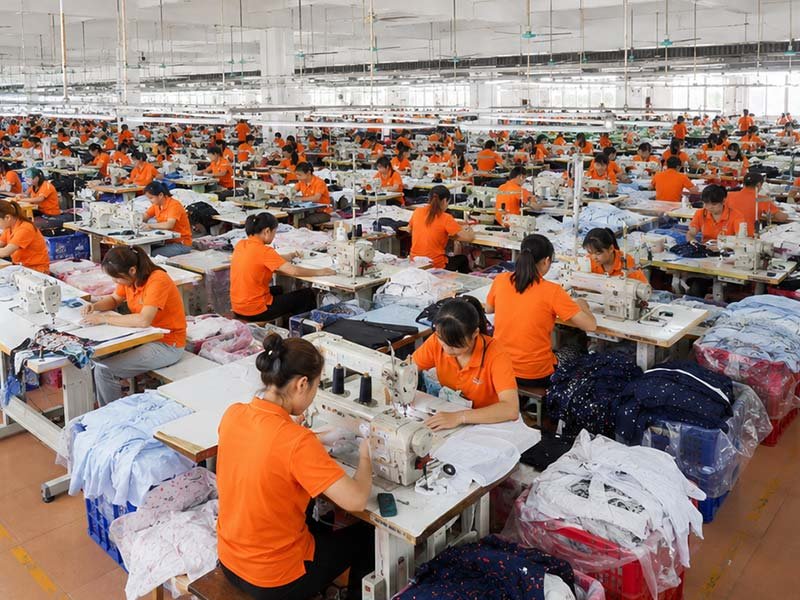
- 300 sewing lines and 50+ quick-response lines for multi-style launches, repeat orders, and volume growth.
- Monthly sample development capacity of approximately 15,000-35,000 pieces across the wider manufacturing system.
- Dress programs commonly involve 10-30 styles and total order volumes of 20,000-80,000 pieces per brand release.
- SMETA audit and SMETA 2-Pillar audit records support formal vendor evaluation and social responsibility review.







Built for Multi-Label Dress Development and Production
16 Owned Factories
20+ Satellite Factories
Long-term satellite factories add capacity for stable repeat styles, larger runs, seasonal peaks, and replenishment. Duolan keeps project files, approved standards, and inspection points under coordinated management before any order moves across production locations.
300 Sewing Lines
50+ Flexible Lines
12,000+ Workers
15,000-35,000 Samples
Monthly sample development capacity supports high style counts and overlapping calendars. Volume alone is not the objective; each sample must have a defined purpose, such as first prototype, fit review, photo use, salesman presentation, revision, or PP approval.
Teams Supported Across Retail Group Dress Programs
Buying Teams
Product Teams
Sourcing Offices
Private Label Directors
Private label directors protect brand positioning across several labels. Product direction, size profile, fabric level, trim language, brand files, packaging, price architecture, and launch timing are kept separate while shared manufacturing resources remain coordinated.
Why Retail Group Programs Need Deeper Manufacturing Control
Multiple Brand Languages
Overlapping Calendars
High SKU Density
Different Margin Structures
Several Approval Owners
Repeat-Order Exposure
Retail Group Risks and Duolan Control Points
Major losses rarely begin at final inspection. They usually start as unclear design decisions, unconfirmed materials, mixed brand files, incomplete fit comments, weak PP standards, or late launch planning.
| Risk Area | Common Failure | Duolan Control Point |
|---|---|---|
| Brand Direction | Different labels drift toward similar styling or inconsistent product language. | Separate brand briefs, reference boards, price tiers, fit profiles, and project folders. |
| Design Translation | Reference images look correct, yet construction and proportion miss the intended effect. | Feasibility review covering silhouette, fabric behavior, support, closure, lining, and workmanship. |
| Sample Revision | Comments are acknowledged without measurable pattern or construction actions. | Revision summary linking each comment to pattern, measurement, material, or workmanship changes. |
| Material Consistency | Approved sample fabric or trims are replaced during bulk preparation. | BOM confirmation, fabric and trim locking, color approval, and bulk availability review. |
| Multi-Style Planning | Styles enter production in the wrong order and critical processes become bottlenecks. | Order breakdown by style, color, size, quantity, complexity, material status, and delivery priority. |
| Label and Barcode | Correct garments receive incorrect brand labels, size stickers, or barcode files. | Brand-specific packing files, SKU verification, sample packing check, and final packing inspection. |
| Bulk Difference | Fit, drape, support, or visual finish differs from the approved sample. | PP basis, first-piece confirmation, inline checkpoints, measurement control, and appearance review. |
| Reorder Drift | Later production uses changed materials, pattern versions, or workmanship details. | Reorder file preservation, change review, updated BOM, retained standards, and issue history. |
One Development Path from Brief to Retail Delivery
Duolan links commercial direction, product engineering, manufacturing, and branded delivery. Every stage prepares the next decision instead of operating as a separate service.

Brief and Feasibility

Material and Pattern

Sample and Revision
Bulk and Quality

Delivery and Reorder
Development Models for Different Retail Group Workflows
Tech Pack OEM
Reference Development
Collection Co-Development
Branded Delivery
Suitable when garments must arrive with brand labels, care information, hangtags, barcodes, price tickets, protective packing, size-color identification, carton marks, and channel-specific packing instructions already executed.
Keeping Every Private Label Distinct and Confidential
Separate Brand Briefs
Controlled File Access
Version Discipline
Material Separation
Sample Identification
Packing Verification
Brand labels, care labels, size labels, barcodes, stickers, price tickets, packing ratios, and carton marks are checked against the relevant SKU file before shipment.
Structured Communication for Multi-Team Retail Projects
Clear Project Window
Development Notes
Comment Conversion
Production Updates
Risk Escalation
Formal Confirmations
Email supports formal approvals and file records; messaging tools support rapid clarification; video meetings support complex design, fit, and production questions. The method follows the importance of the decision.
Dress Categories for Retail Group Private Labels

Mini Dresses

Midi Dresses

Maxi Dresses

Party Dresses
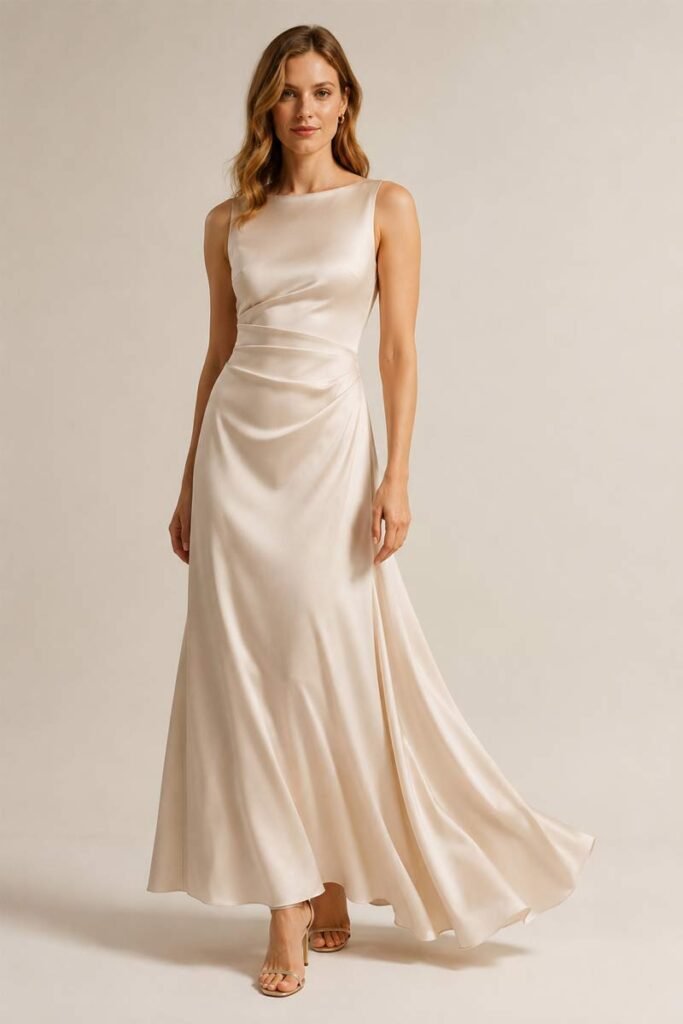
Occasion Dresses

Wedding Guest Dresses

Going Out Dresses

Bodycon Dresses

Corset Dresses

Satin Dresses

Mesh Dresses

Sequin Dresses
Sequin styles require evaluation of base fabric, density, weight, cutting loss, attachment, seam bulk, skin contact, lining, repair, packing, and batch consistency.
Different Collection Structures for Different Private Labels

Youth Trend Label

Occasionwear Label

Contemporary Label

Resort Label
Turning Retail Insights into Commercial Dress Directions
Product direction becomes useful only when it can guide silhouette, materials, fit, workmanship, cost, and calendar decisions.
Target Consumer
Retail Price Position
Sales Channel
Occasion and Season
Collection Role
Reorder Potential
Fabric and Trim Planning Across Private Label Tiers
Material selection determines more than cost. It controls drape, support, opacity, stretch, comfort, surface quality, workmanship difficulty, packing behavior, lead time, and repeat-order stability.
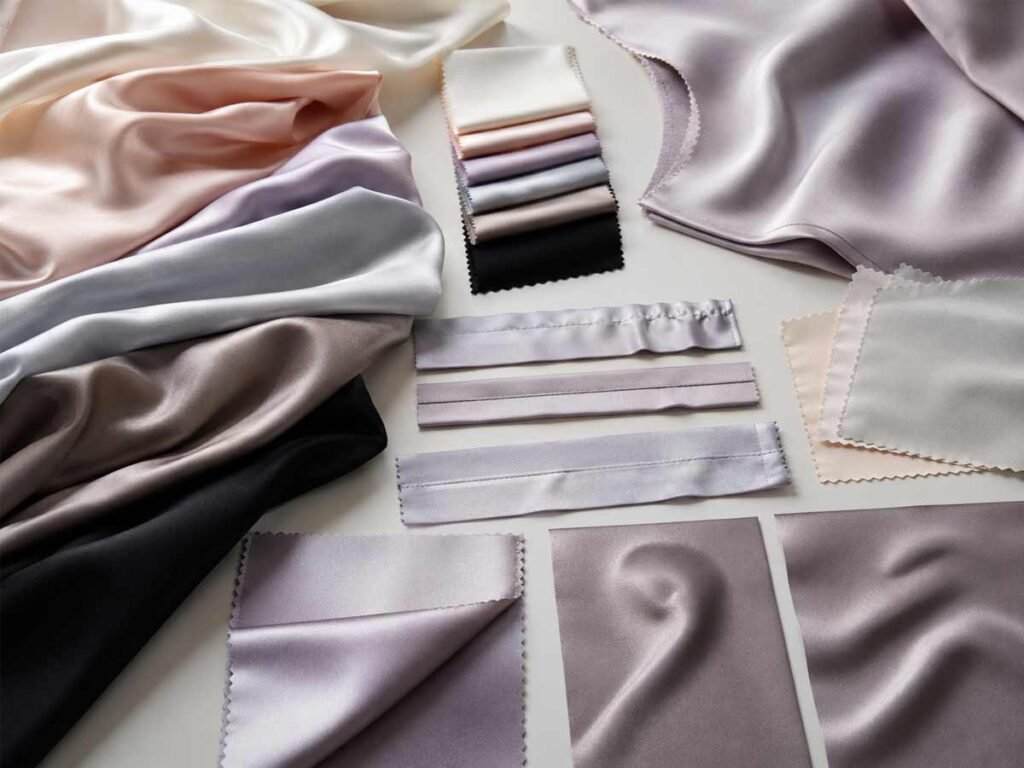
Satin Direction and Control

Mesh, Lace, and Transparency

Stretch and Bodycon Fabrics

Sequin and Embellished Bases

Structure and Functional Trims

Brand and Packaging Trims
Main labels, size labels, care labels, hangtags, price tickets, barcode stickers, polybags, tissue, hanger components, and carton marks form part of the product standard. Dimensions, material, print quality, legal text, placement, SKU link, packing ratio, and delivery method should be confirmed before bulk packing materials are released.Material planning by price tier: entry commercial labels prioritize stable qualities, clear visual value, and efficient repeatability.
Technical Review Before Dress Sampling Begins
Files We Can Review
Feasibility Questions
Measurement Readiness
Commercial Readiness
Target quantity, colorways, size range, price position, sales channel, photo date, launch date, testing, packaging, and delivery method influence sample decisions. A beautiful sample can still fail commercially when material, workmanship, or timing cannot support the intended program.
Pattern and Fit Control for Consistent Private Labels
Brand-Specific Fit Profiles
Critical Balance Points
Structured Bodice Control
Stretch and Contour
Grading Consistency
Comment-to-Pattern Action
Fit comments are translated into measurable changes: add or remove circumference, move seam position, adjust dart intake, alter neckline depth, rebalance front and back length, change strap position, modify cup shape, or revise ease. A revision summary keeps each action traceable.
A Controlled Sample Path for Retail Decisions
Every sample needs a defined decision. Duolan separates development stages so teams know what to review and avoid treating an early prototype as a production standard.
First Prototype
Fit Sample
Revised Sample
Photo Sample
Salesman Sample
PP Sample
Workmanship Support for Fashion-Driven Dress Collections
Workmanship selection should follow fabric behavior, product function, visual goal, order volume, price position, and bulk repeatability. Process availability alone is not enough.

Pleating and Draping

Ruching and Smocking

Embroidery

Printing

Sequin and Beading

Rhinestone Application

Boning and Support

Cut-Out Reinforcement

Special Finishing
For special processes such as printing, dip dyeing, embroidery, washing, pleating, or decorative application, Duolan can coordinate long-term partner resources and use strike-offs, workmanship samples, color checks, placement confirmation, PP approval, and first-piece review to reduce production variation.
From Approved Sample to Production-Ready Standard
Approval Status
Order Purpose
Material Locking
Technical Locking
Production Path
Visible Output
A concise Bulk Start Confirmation or Production Readiness Note can record approved standards, pending actions, critical checkpoints, and timing dependencies before production begins.
Private Label Branding Built into Production Planning
Branding components are production standards, not finishing accessories. Incorrect legal text, size information, placement, barcode, or brand identity can make a correct garment unacceptable for retail delivery.

Main Labels
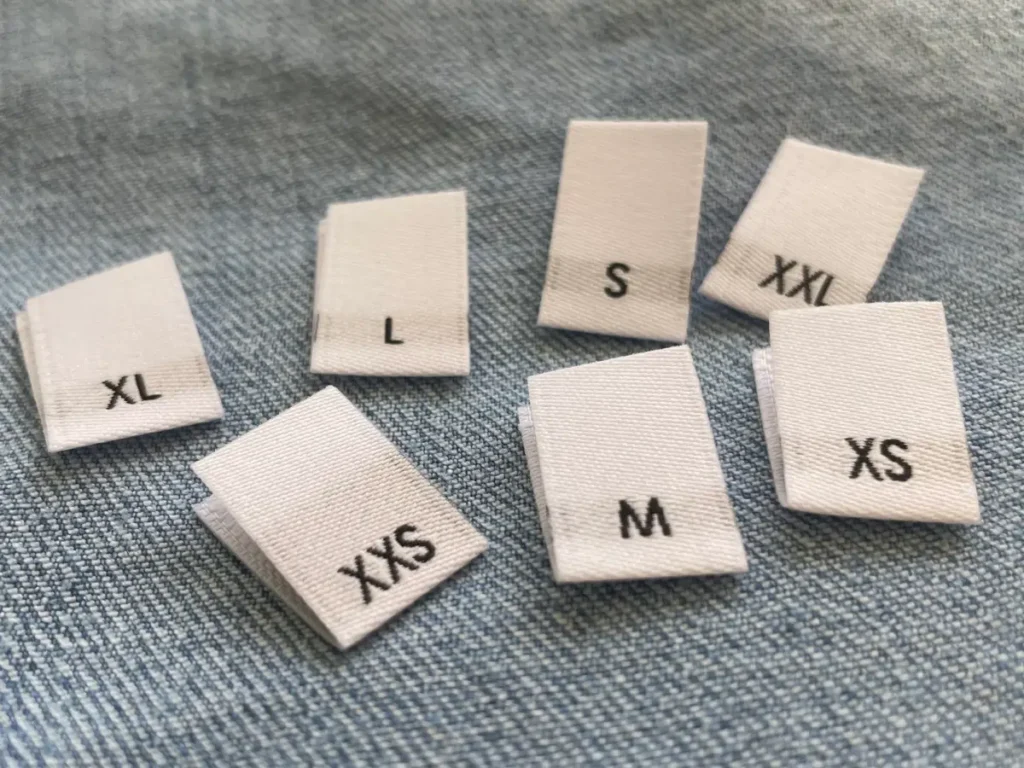
Size Labels

Care Labels

Hangtags

Barcode Stickers

Packaging Stickers

Spare Components

Carton Marks
Packaging, SKU, and Barcode Control for Retail Delivery
Packaging protects garment appearance, preserves brand presentation, supports warehouse identification, and reduces receiving errors across stores, distribution centers, and ecommerce operations.
Garment Protection
SKU Identification
Assortment Packing
Pack Approval
Final Packing QC
Delivery Readiness
Cost and Order Planning for Multi-Label Programs
Commercial planning should protect product value, target margin, production stability, and launch timing. A useful quotation explains the main cost drivers and identifies where alternatives are possible.
| Cost Area | Main Variables | Commercial Effect |
|---|---|---|
| Main Fabric | Composition, construction, weight, width, consumption, color, print, finish, loss, testing, and order quantity. | Drape, opacity, support, comfort, visual quality, lead time, and repeatability. |
| Lining and Support | Lining, interlining, cups, boning, elastic, gripper tape, padding, and reinforcement. | Coverage, structure, comfort, shape retention, and wearing security. |
| Workmanship | Panel count, seams, gathers, pleats, ruching, draping, embroidery, sequin, beading, printing, washing, or hand finishing. | Labor depth, production speed, risk, rework, and inspection requirements. |
| Color and Size | Number of colors, size range, grading complexity, material minimums, lab dips, and SKU count. | Purchasing efficiency, line changes, packing complexity, and assortment control. |
| Branding and Packing | Labels, care information, hangtags, barcodes, price tickets, polybags, tissue, hangers, cartons, and pre-packs. | Retail readiness, warehouse accuracy, product protection, and brand presentation. |
| Testing and Inspection | Material tests, garment tests, third-party inspection, AQL level, documentation, and reinspection risk. | Market compliance, quality assurance, schedule, and release conditions. |
| Timeline | Material availability, sample approvals, special processes, quantity, production path, packing, and shipping method. | Launch-date feasibility, airfreight exposure, overtime pressure, and buffer needs. |
Production Scheduling for Multi-Style Private Label Orders
A multi-style order should not enter production as one block. Duolan breaks the program into controllable paths based on style complexity, materials, approvals, processes, quantity, and delivery priority.
Order Breakdown
Style Classification
Material Readiness
Line Matching
Critical Path
Progress Visibility
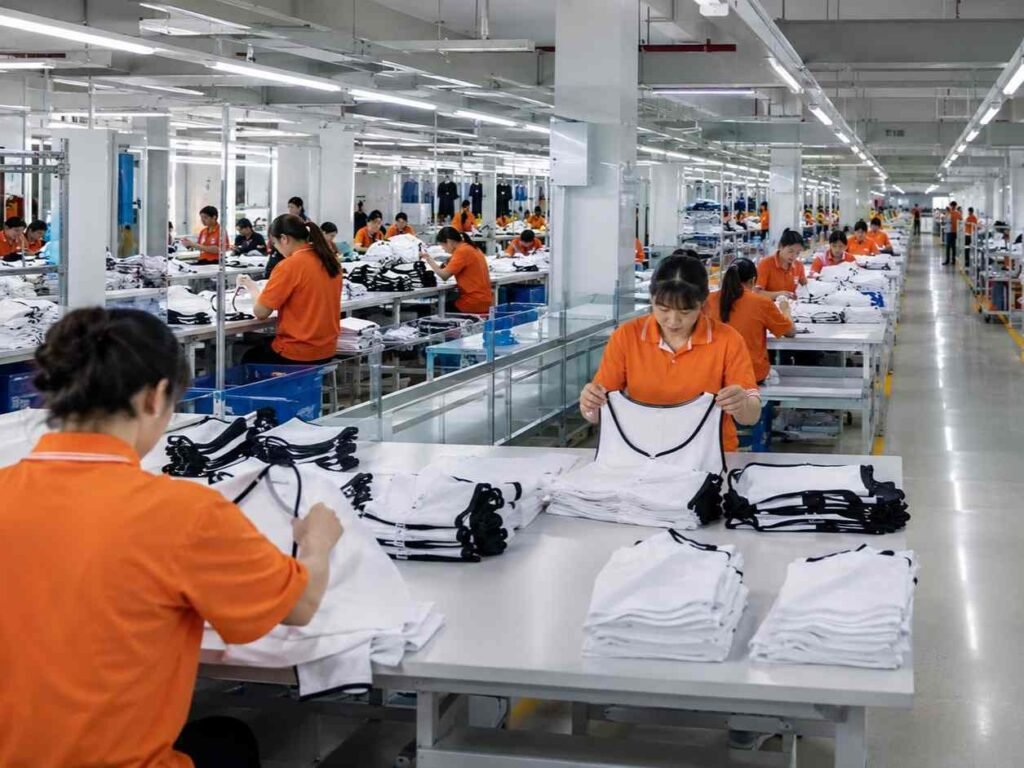
A Scalable Manufacturing Network for Retail Group Growth

Owned Factory Control

Satellite Capacity
Regional Buffer

Special Process Network

Central Project Control

Growth Support
Retail programs can begin with a controlled launch allocation and expand into repeat or scale-up orders when sales support additional volume. Production planning is revised around material readiness, line capacity, and delivery timing.
Quality Control from Development to Retail Delivery
Dress quality is protected through linked control points. Final inspection alone cannot recover a wrong pattern, unsuitable fabric, weak support structure, incorrect brand file, or unconfirmed packing method.
Development Review
Material Inspection
Sample Standard
Pre-Production Review
First-Piece Check
Inline Inspection
Final Inspection
Packing and Shipment
Category-specific focus: satin needs seam and pressing appearance; mesh needs transparency, stretch, and lining coverage; bodycon needs recovery and measurement stability; corset styles need cup, boning, zipper, top edge, and comfort; sequin styles need placement, attachment, skin protection, repair, and packing; long dresses need hem balance, length grading, and transport protection.
Compliance Support for Retail Group Vendor Requirements
SMETA Records
Program Standards
Testing Coordination
Third-Party Inspection
Corrective Action
Documentation Readiness
Relevant records may include audit files, test reports, inspection reports, material information, care content, production references, packing lists, carton data, and shipment documents according to program requirements.
Repeat-Order Consistency Across Seasons and Private Labels
Pattern and Fit Record
Material Record
Workmanship Record
QC History
Packing Record
Change Review
Before a reorder starts, compare quantity, colors, sizes, materials, process, labels, packaging, delivery, and factory path against the previous order.
Private Label Dress Programs Managed by Duolan

North American Multi-Label Drop

European Occasionwear Program
Program profile: 17 styles, 36,800 pieces, 4 size groups, and a mix of satin, lace, mesh, sequin, and corset-inspired dresses. The main challenge was sample-to-bulk consistency across shine, drape, transparency, support, and decorative placement. Duolan reviewed fabric and lining combinations, cup and boning positions, zipper behavior, lace placement, sequin seam treatment, and packing protection before PP approval. Production was split by workmanship profile instead of using one line plan. First-piece review focused on bust support, waist balance, hem level, lining coverage, and surface condition. A dedicated packing review reduced pressure marks and snag risk for satin and embellished styles. Sample revisions moved in 6-9 working days after consolidated comments, and bulk production followed a 40-48 day plan after material and PP confirmation.

Regional Retail Replenishment
Program profile: 12 proven styles, 28,500 pieces for the first repeat wave, followed by a 22,000-piece color extension. Products included core bodycon shapes, going-out minis, and two repeatable occasion midis. The main challenge was preserving the original fit and visual standard after new fabric lots, colors, and quantity changes. Duolan compared retained patterns, BOM records, approved samples, measurements, and QC findings before production. New fabric lots were reviewed for color, stretch, recovery, opacity, and hand feel; only approved changes entered the updated BOM. Production planning kept high-return fit points under tighter measurement control. Packing files were updated for new colors without changing the core brand standard. The repeat wave used a shorter approval path because pattern, workmanship, and packaging records were already controlled.
Retail Group Private Label Frequently Asked Questions

Discuss Your Retail Group Private Label Program
Share the information already available, even when the full technical package is still in progress. Duolan will review the label structure, dress categories, development basis, fabric and fit risks, style count, quantities, sample needs, production path, quality requirements, branding, packaging, and launch timing before confirming the most suitable next step. Clear project information supports a more accurate sample plan, quotation basis, order structure, and delivery review.
- Company or retail group name, website, country, and contact details
- Number of private labels and positioning of each label
- Dress categories, target style count, and quantity per style
- Reference images, tech packs, original samples, moodboards, or previous comments
- Fabric direction, colorways, size range, and fit standard
- Sample purpose, photo date, target launch date, and delivery destination
- Main labels, care labels, hangtags, barcodes, price tickets, and packaging requirements
- Testing, social responsibility, third-party inspection, and quality requirements
Recommended form fields: Company / Retail Group; Website; Country; Contact Name; Email; Tel / WhatsApp; Number of Private Labels; Product Categories; Target Style Count; Quantity per Style; Colorways; Size Range; Fabric Direction; Launch Date; Label Requirements; Packaging and Barcode Requirements; Inspection Requirements; Message; Upload Files.