 Skip to content
Custom Dress Manufacturer for Retail Packaging Requirements
Dress development, bulk production, labeling, retail packaging, carton control, and delivery preparation managed through one coordinated manufacturing path.
Duolan supports fashion brands that need more than a finished garment. Product construction, care information, hangtags, barcode data, unit packaging, carton marks, and packing instructions are reviewed as connected delivery requirements. Each dress is prepared around its fabric behavior, silhouette, embellishment, size-color matrix, sales channel, and receiving rules.
- 30+ years of fashion dress development experience
- 16 owned womenswear factories and 20+ satellite factories
- 10-30 styles commonly managed within one brand program
- 20,000-80,000 pieces commonly coordinated per brand order
- Five-layer packing control from garment check to carton reconciliation
Retail-ready Dress Manufacturing Requires Two Standards
Garment Standard
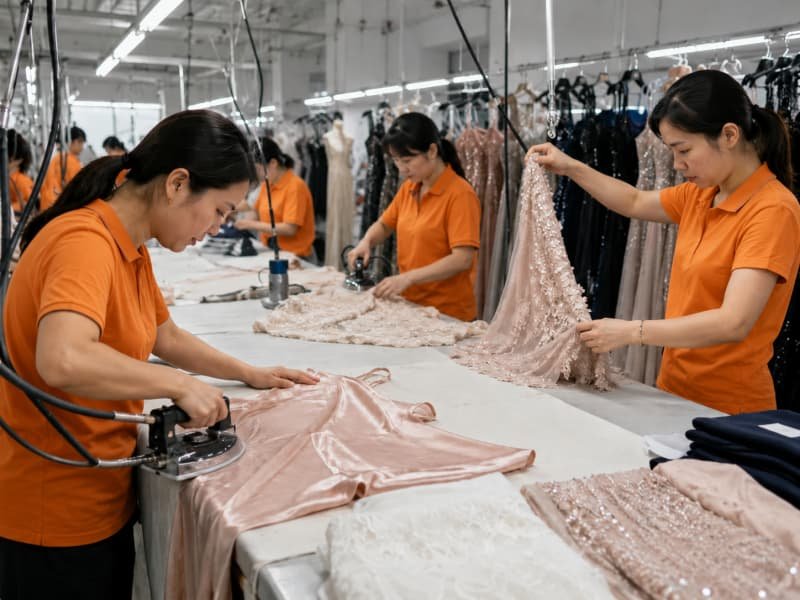
The approved dress establishes silhouette, measurements, material direction, lining, trims, workmanship, color, and visual finish. Production cannot be considered complete when sewing alone is finished. The garment must also pass appearance, measurement, construction, pressing, and style-specific protection checks before any label or packaging component is applied.
Retail Delivery Standard
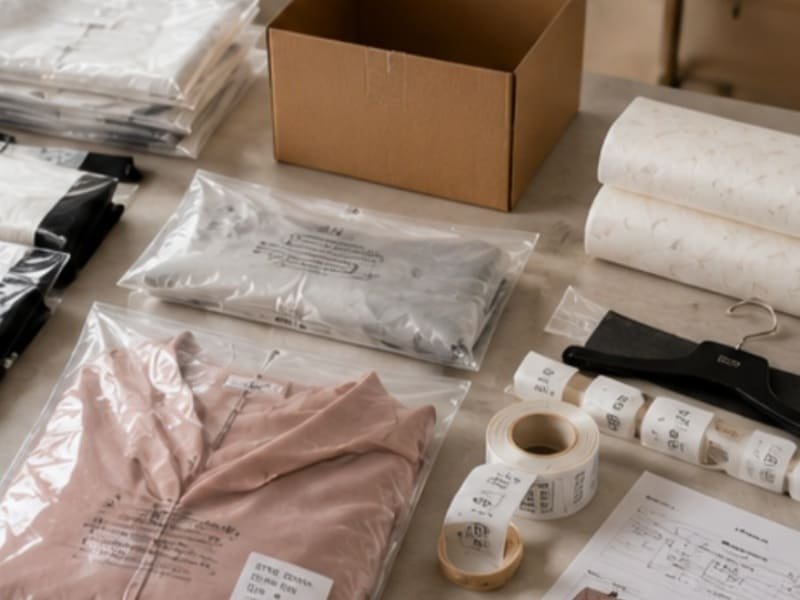
The receiving standard governs how each finished dress is identified, protected, scanned, counted, packed, and handed over. Main labels, care labels, size labels, hangtags, barcodes, SKU stickers, folding methods, inner bags, carton ratios, carton marks, weights, and packing documents must correspond to the approved style-color-size matrix.
Built for Brand, Retail, and Product Teams
Fashion Brand Teams
Retail Buying Teams
Product Development Teams
Sourcing Offices
Packaging Errors That Disrupt Retail Delivery
Wrong Barcode Data
Mixed Sizes or Colors
Incorrect Care Information
Damaged Surface Finish
Wrong Tag Placement
Carton Mark Mismatch

One Controlled Path Reduces Packaging Disconnects
| Disconnected Workflow | Duolan Controlled Workflow |
|---|---|
| Packaging details arrive after production | Labels and packing requirements are reviewed before bulk release |
| Garment and barcode files are managed separately | Style-color-size data links garment, tag, bag, and carton records |
| One folding method is used for every dress | Protection method follows fabric, structure, and embellishment risk |
| Packing mistakes appear during final inspection | Approval samples and checkpoints reduce late-stage corrections |
| Warehouse teams relabel or re-sort goods | Retail identification and assortment are checked before handover |
| Repeat orders rebuild the process from zero | Approved label, packaging, and carton standards are retained for review |
Packaging Designed Around Dress Category Risks
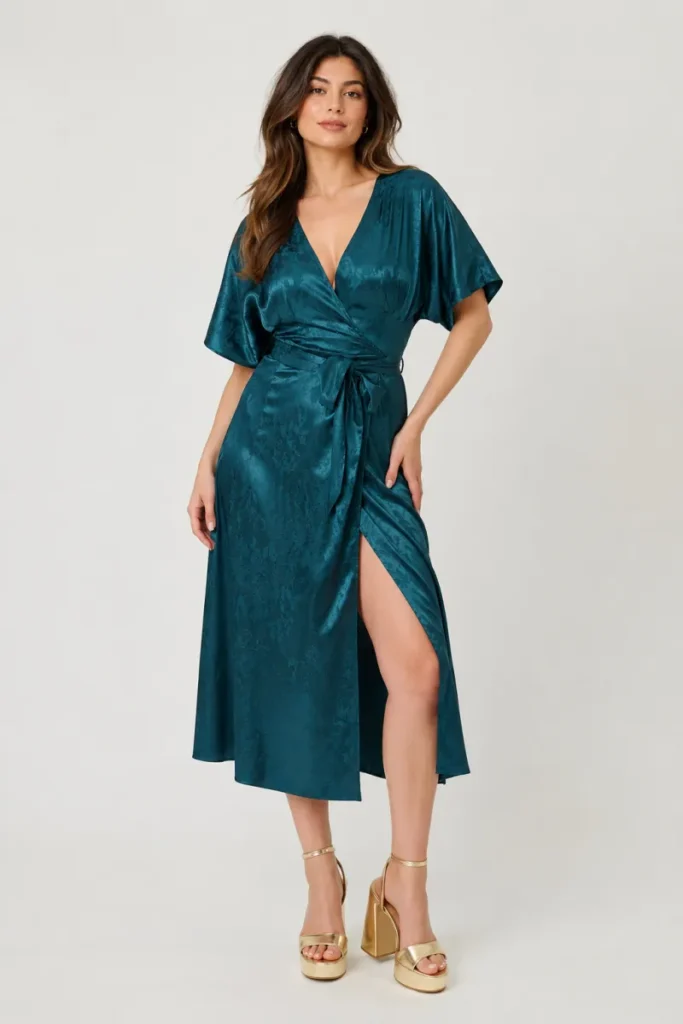
Satin Dresses

Sequin Dresses

Lace Dresses

Mesh Dresses

Corset Dresses

Pleated Dresses
Material Behavior Determines the Protection Method

Surface Friction

Crease Recovery

Stretch and Recovery

Transparency and Lining
Sheer dresses often use multiple layers, partial lining, nude tones, or contrasting inner structures. Care labels, security tags, size labels, and stickers must be positioned without showing through the garment or creating an unwanted visual line.
Moisture Sensitivity

Color Transfer Risk
Workmanship Details That Change Packing Decisions
Beading and Pearls
Boning and Cups
Zippers and Hardware
Draping and Ruching
Pleats and Hems
Applique and Placement
Files Reviewed Before Packaging Development Starts
Packing Manual
Label Artwork
Hangtag Artwork
Barcode Files
Size Color Matrix
Unit Pack Spec
Carton Requirements
Delivery Instructions
Labels Managed as Product and Compliance Details
Labels must agree with the actual garment, approved materials, size system, market destination, and brand instructions. Duolan treats label information as controlled product data, not generic sewing accessories.

Main Brand Label
Brand name, label material, weave or print quality, color, dimensions, fold type, sewing edge, placement, seam construction, and skin contact are reviewed before approval. Delicate fabrics may require lighter labels or alternative attachment methods.

Care and Content
Fiber content, lining content, care instructions, symbols, origin information, and responsible-party details are aligned with confirmed materials and market instructions. The approved wording is linked to the style rather than reused without review.

Size Identification
Size labels must follow the approved size range and agree with hangtags, unit stickers, barcode records, carton assortment, and packing lists. A wrong size label creates a product identity error even when garment measurements are correct.

Placement Control
Label position is checked against seam type, lining, transparency, wearer comfort, neckline construction, side seam visibility, and brand preference. Placement is recorded in the approved sample or label instruction before bulk sewing.

Sewing Quality
Stitch density, thread color, fold accuracy, label orientation, trapped lining, puckering, and loose corners are checked. Fine satin, lace, mesh, and lightweight linings need controlled sewing to avoid visible pulling or distortion.

Version Management
Artwork revisions, language changes, fiber updates, origin changes, and retailer-specific versions are separated by style and destination. Obsolete files are not mixed with current production materials, and approved versions are retained for repeat-order review.
Hangtags, Barcodes, and SKU Data Stay Connected
Style Code Match
Color Code Match
Size Code Match
Print Quality Check
Attachment Control
Three-way Verification
Packaging Options Selected for Protection and Presentation

Folding and Tissue

Individual Bags

Hanging Preparation

Structured Inserts

Boxes and Presentation

Outer Cartons
Retail Packaging Approved Before Bulk Packing Begins
Requirement Review
Risk Review
Artwork Check
Physical Mock-up
Brand Approval
Standard Release
Packaging Requirements Locked During Bulk Readiness Review
Sample Status
Material Lock
Measurement Lock
Workmanship Lock
Packaging Lock
Timeline Lock
Approved Packaging Applied Across Multi-style Bulk Orders

Material Receiving

Style Segregation

Pre-pack Inspection

Unit Pack Application

Carton Allocation

Final Reconciliation
Five Checks Before Retail-ready Dresses Leave Production
Garment Check
Style, color, size, fabric appearance, measurements, workmanship, pressing, stains, damage, and protection-sensitive details are reviewed before packing. Failed pieces are separated rather than corrected inside a sealed pack.
Label Check
Ticket and Barcode Check
Unit Packaging Check
Carton Check
Record Release
Packing list, carton details, inspection status, shipment split, exception records, and final quantity are reconciled before release. Any discrepancy is closed or clearly documented before handover.
Carton Assortment and Warehouse Receiving Accuracy
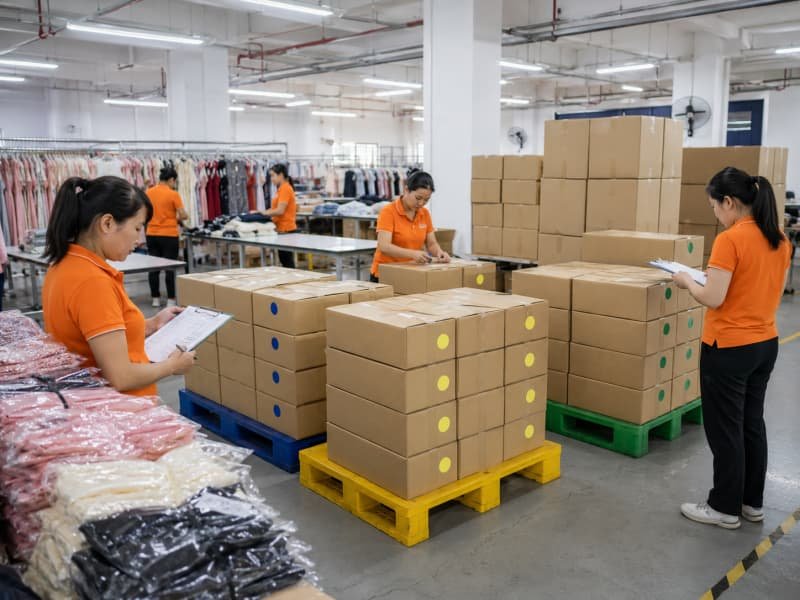
Retail receiving depends on consistent information from the individual dress through the final packing list. Multi-style, multi-color, and multi-size orders require controlled identity at every level.
| Control Level | Information to Confirm | Primary Risk |
|---|---|---|
| Garment | Style, color, size, labels, appearance | Incorrect physical unit |
| Hangtag / Barcode | Style code, color code, size code, SKU, barcode | Scan or identity error |
| Individual Pack | Fold, tissue, bag, stickers, seal, presentation | Damage or wrong unit labeling |
| Carton Contents | Quantity, size-color ratio, solid or assorted pack | Shortage, mix-up, wrong assortment |
| Outer Carton | Carton number, PO, destination, marks, dimensions, weight | Receiving delay or routing error |
| Shipment File | Packing list, carton details, quantity, split, document version | Physical and document mismatch |
Production Timelines Planned Around Retail Delivery Windows
Simple Styles
Regular Styles
Complex Styles
Packaging Timing
Inspection Timing
Shipping Timing
A Dress-focused Manufacturing System Behind Every Program

30+ Years Experience

16 Owned Factories

20+ Satellite Factories

12,000+ Supporting Workers
50+ Response Lines

Dress Category Focus
Compliance and Inspection Support for Brand Delivery
SMETA Audit Basis
Market Requirements
Testing Coordination
Third-party Inspection
Document Readiness
Claim Verification
Retail Packaging Programs Across Dress Categories

US Omnichannel Dress Program

European Occasionwear Collection

Regional Fast-fashion Launch
Retail Packaging Questions from Fashion Teams
Send Your Dress and Packaging Requirements
Share the materials already available for your dress program. A complete brief helps Duolan review garment complexity, fabric and structure risks, label content, barcode data, unit packaging, carton assortment, inspection needs, production timing, and delivery preparation with greater accuracy. Your team does not need to prepare every file before contact; send the current tech packs, reference images, packing manual, label artwork, SKU matrix, order quantities, size range, colorways, delivery destinations, and target dates. We will identify missing decisions and recommend the next review stage.
- Tech pack, reference image, or approved sample information
- Dress categories, number of styles, colorways, and size range
- Estimated program quantity and launch or delivery dates
- Main label, care label, hangtag, barcode, and SKU files
- Unit packaging, carton marks, warehouse rules, or retail manual
- Required inspection, test, shipping, and destination information


