 Skip to content
Custom Dress Manufacturer for SMETA-Audited Production
Custom dress development for fashion brands needing SMETA-audited production readiness, vendor evaluation support, PP approval, QC flow and bulk manufacturing discipline.
Duolan supports fashion brands seeking custom dress production with social audit readiness, structured vendor review documents, fashion dress development, PP sample approval, quality control and bulk delivery coordination. Our work connects audited production foundations with real dress manufacturing across occasion dresses, party dresses, satin styles, corset structures, lace, chiffon, mesh, sequin and multi-style dress programs.
- Completed SMETA 2-Pillar audit supports social audit review for brand vendor onboarding.
- SMETA social audit record provides a responsible sourcing foundation for qualified evaluation requests.
- Supplier evaluation document support helps vendor forms, factory profiles, QC overviews and production-flow reviews.
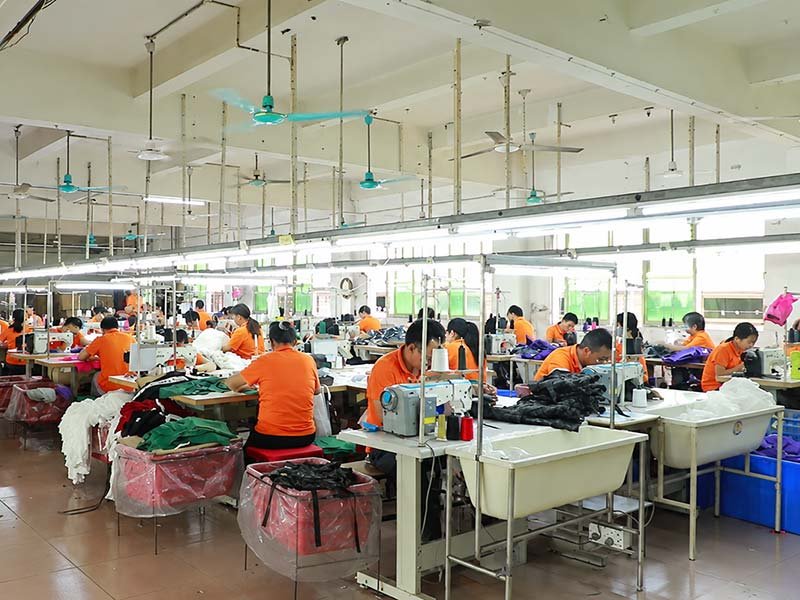
- 16 owned womenswear factories support direct production management for core fashion dress programs.
- 20+ long-term satellite factories support mature styles, repeat orders and controlled capacity flexibility.
- 300 sewing lines support bulk dress production allocation across different style groups and delivery windows.




Built for Brands Requiring Audited Production
Global Fashion Brands
- SMETA 2-Pillar audit record supports early social audit review.
- Factory and production information helps sourcing, compliance and product teams evaluate manufacturing suitability.
- Dress development can move forward after vendor review, product scope and document requirements become clear.
Premium Ecommerce Dress Brands
Premium ecommerce brands need compliant supplier foundations along with fast and reliable custom dress execution. Campaign timing, photo samples, PP approval and bulk quality all need clear coordination.
- Duolan can support first samples, fit samples, photo-ready samples, PP samples and golden samples.
- Vendor evaluation documents and production information can be prepared alongside project review.
- Bulk execution follows approved samples, BOM records, QC checkpoints and packing standards.
Retail-Channel Fashion Brands
- Audit record, factory profile and production scope help initial supplier screening.
- Label, packing, carton and barcode requirements can be reviewed before PP approval.
- QC and shipment documents can be aligned before bulk release.
Sourcing Offices
- Duolan can support supplier profile, capability sheet, sample process and QC overview.
- Project review can include target market, product category, sample needs and expected order scale.
- Follow-up review can include video factory discussion, additional forms or brand-specific files.
Vendor Management Teams
Vendor management teams focus on risk. They need to know which factory is involved, how production is organized, how satellite capacity is managed, how QC works and how follow-up questions will be handled.
- Owned factory structure supports clearer production management for core projects.
- Satellite factory use can be explained by mature style, repeat order or capacity path.
- Document support can help internal onboarding and supplier database review.
Product and Production Teams
- Dress category, style count, sample stage and launch timing guide project setup.
- PP sample and BOM records help convert development into production standard.
- QC flow and delivery planning support bulk execution after vendor review.
Why SMETA-Audited Production Matters in Dress Manufacturing
Mature fashion brands face two types of supplier risk at the same time: compliance risk and product execution risk. A factory may know how to make samples yet fail to provide the records needed for vendor onboarding. Another supplier may show audit language yet lack fashion dress development depth, PP sample discipline, fabric handling or bulk quality control. For custom dress production, audited readiness only becomes valuable when paired with real manufacturing execution.
SMETA-audited production readiness helps brands review supplier responsibility at an early stage. Dress manufacturing still needs fabric development, pattern work, sample correction, PP approval, BOM locking, inline inspection, final QC, packing and delivery coordination. Duolan’s role is to connect audited production foundations with the daily work needed to produce commercial fashion dresses.
- Supplier approval risk
- A brand may pause sourcing discussions when audit background, factory profile, capability sheet or production scope cannot be shared clearly. Duolan supports vendor evaluation requests with structured supplier information.
- Responsible sourcing risk
- Fashion brands often need social audit records related to labor, health and safety, environmental basics and business ethics. Duolan’s completed SMETA 2-Pillar audit supports responsible sourcing review at the supplier screening stage.
- Factory information risk
- Incomplete factory information can slow approval. Duolan can prepare factory profile, production scope, owned factory structure, satellite factory explanation and product category overview for qualified project reviews.
- Documentation risk
- Vendor forms, audit summaries, production flow, QC flow, sample process and capability sheets often need to move before product development advances. Duolan helps organize these files so product discussion and supplier review can progress together.
- Product execution risk
- Social audit readiness does not automatically guarantee a strong dress. Satin, mesh, lace, chiffon, sequin, corset and bodycon styles still require product-specific fabric judgment, fit control, PP approval and QC discipline.
- Long-term cooperation risk
- Mature brands need suppliers willing to support follow-up reviews, updated files, additional audits, corrective actions, QC records and repeat-order references. Duolan’s system supports continued vendor communication after the first order.
Dress Categories Supported Under Audited Production Readiness
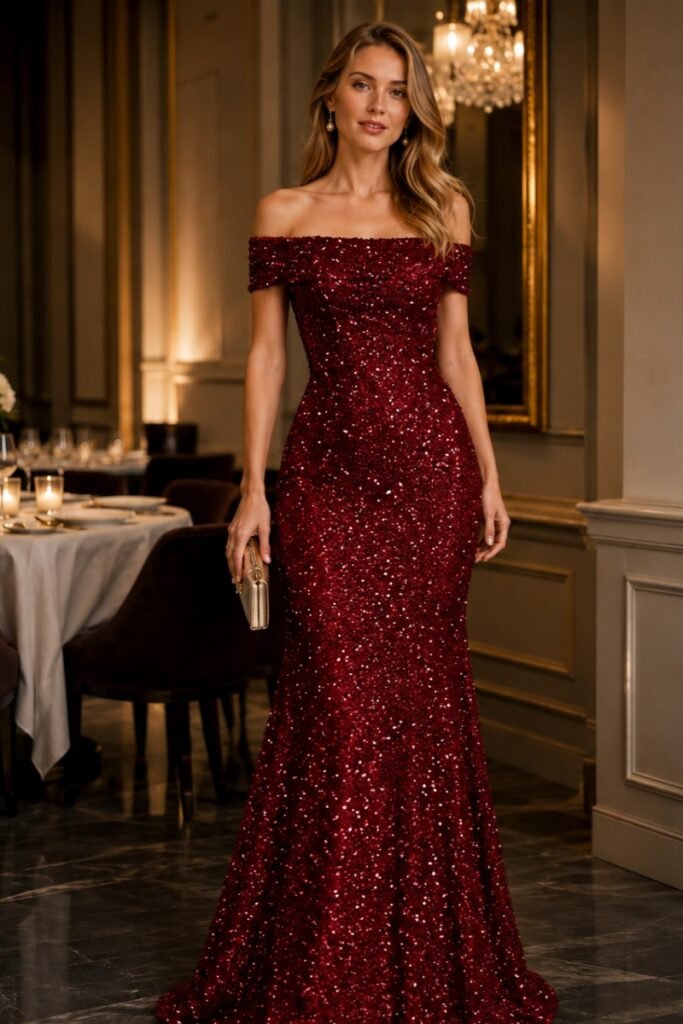
Occasion Dresses
- Review fabric handfeel, drape, lining, transparency, closure and hem balance.
- Connect PP sample approval with measurements, labels, packing and QC focus.
- Support bulk production after material and standard locking.
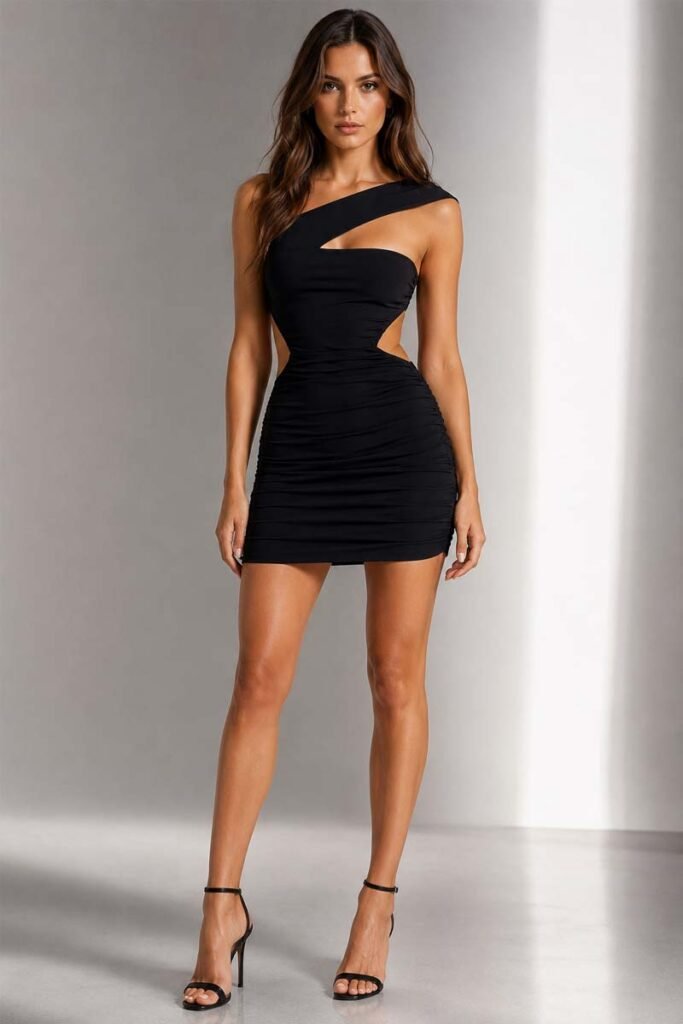
Party Dresses
- Review stretch, coverage, opening placement, support and movement.
- Separate high-risk styles for earlier sample or PP review.
- Inspect fit points, seam tension, embellishment and final appearance.
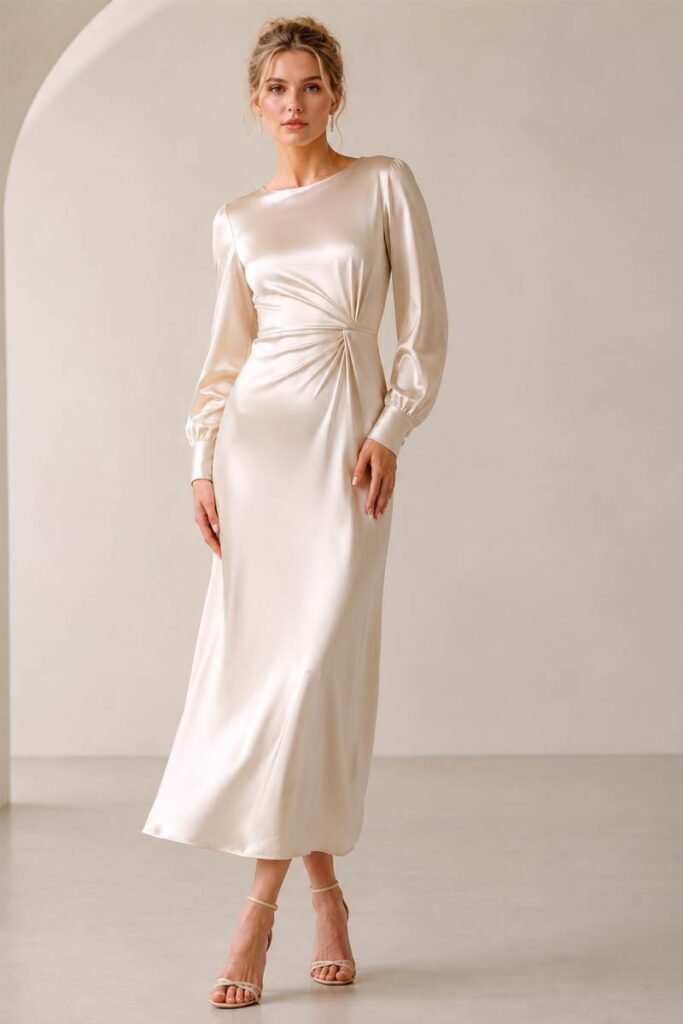
Satin Dresses
- Review satin weight, gloss level, opacity, slippage and lining requirement.
- Confirm seam method, pressing temperature and packing before bulk release.
- Check surface quality through inline and final inspection.
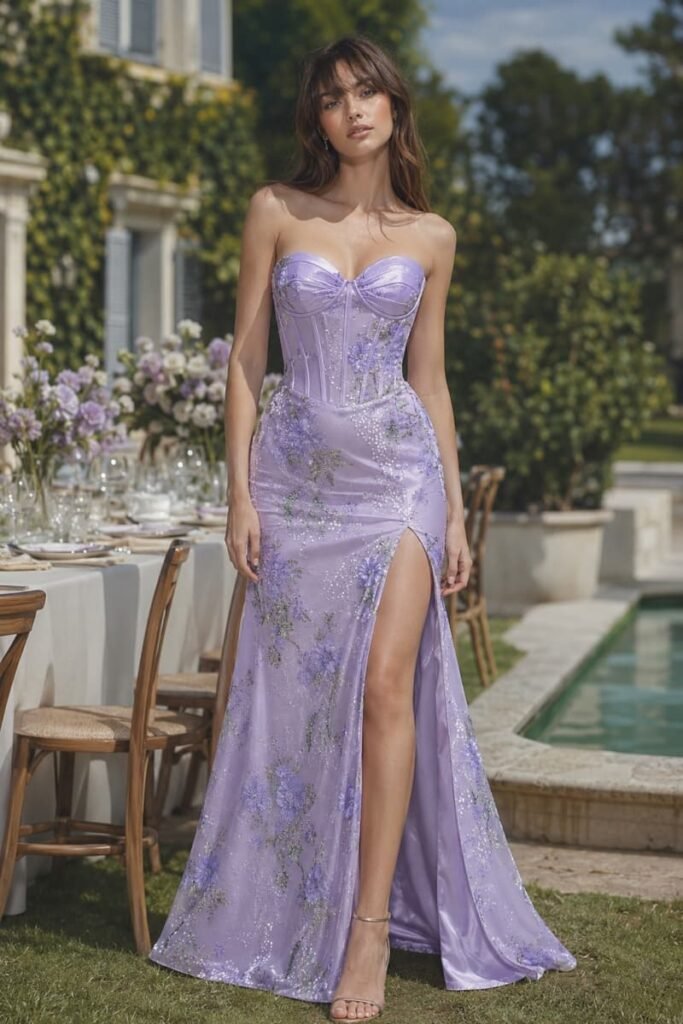
Corset Dresses
- Review cup height, underbust, boning position, side support and back stability.
- Confirm construction standards before production allocation.
- Inspect support, zipper operation, lining and measurement points during bulk.
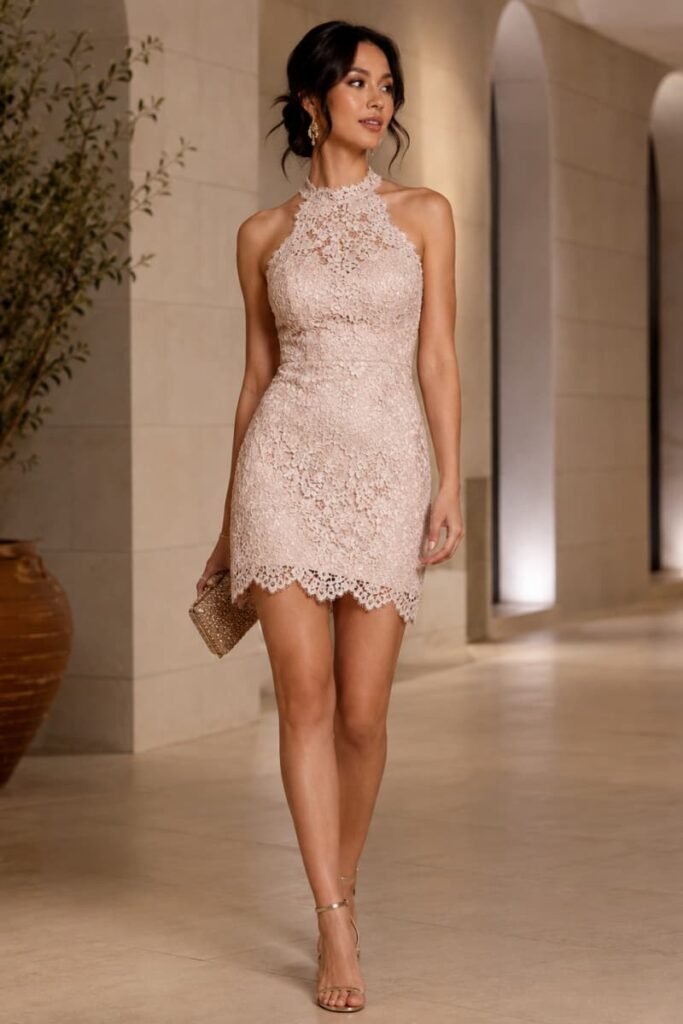
Lace and Chiffon Dresses
- Review lace motif, chiffon layer count, lining opacity and hem method.
- Check fabric testing needs according to target market or brand manual.
- Protect light fabrics during cutting, sewing, pressing and packing.

Sequin and Embellished Dresses
- Review embellishment density, seam allowance, lining and repair method.
- Confirm production loss allowance and inspection focus before bulk.
- Check surface stability, loose elements and garment comfort.
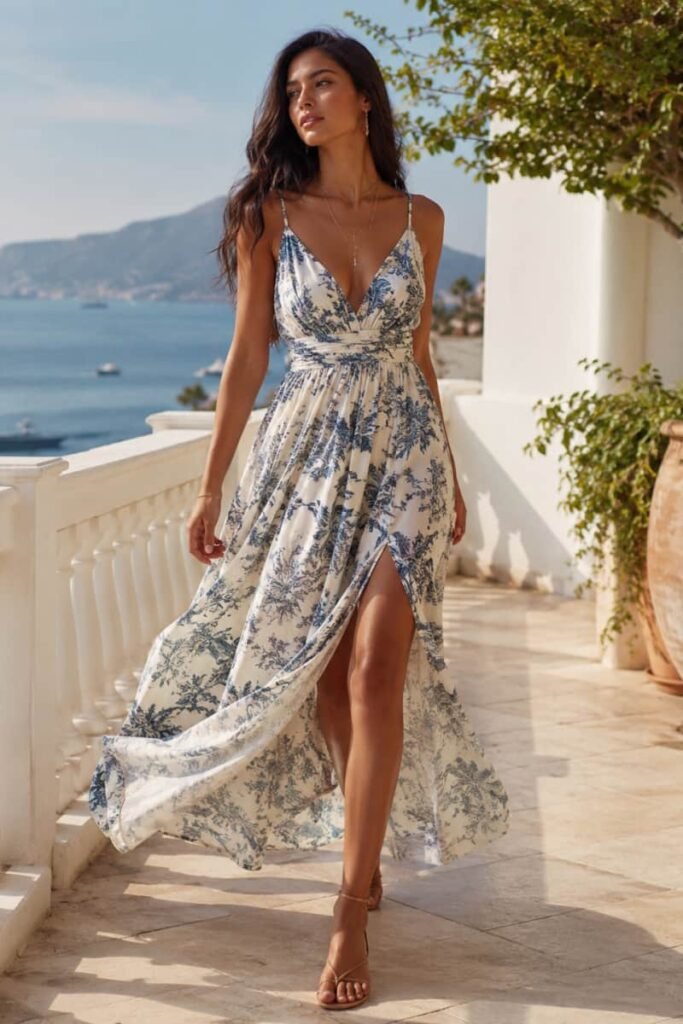
Resort Dresses
Resort dresses may include printed maxis, vacation midis, lightweight wovens and soft color stories. Print, color, shrinkage, care labeling and shipping method matter early.
- Review strike-off, color family, shrinkage, fabric base and print placement.
- Confirm labels, packaging and carton needs before shipment.
- Plan air or sea delivery around launch timing and seasonality.

Multi-Style Dress Programs
- Organize styles by fabric group, fit risk, PP status and production path.
- Track BOM, material approvals, sample comments and QC focus by style.
- Support launch orders, repeat orders and future related styles with stored records.
Audit Record and Supplier Evaluation Support
Step 1|SMETA Record Review
Step 2|Factory Profile Preparation
Step 3|Audit Summary Sharing
Step 4|Supplier Information Sheet
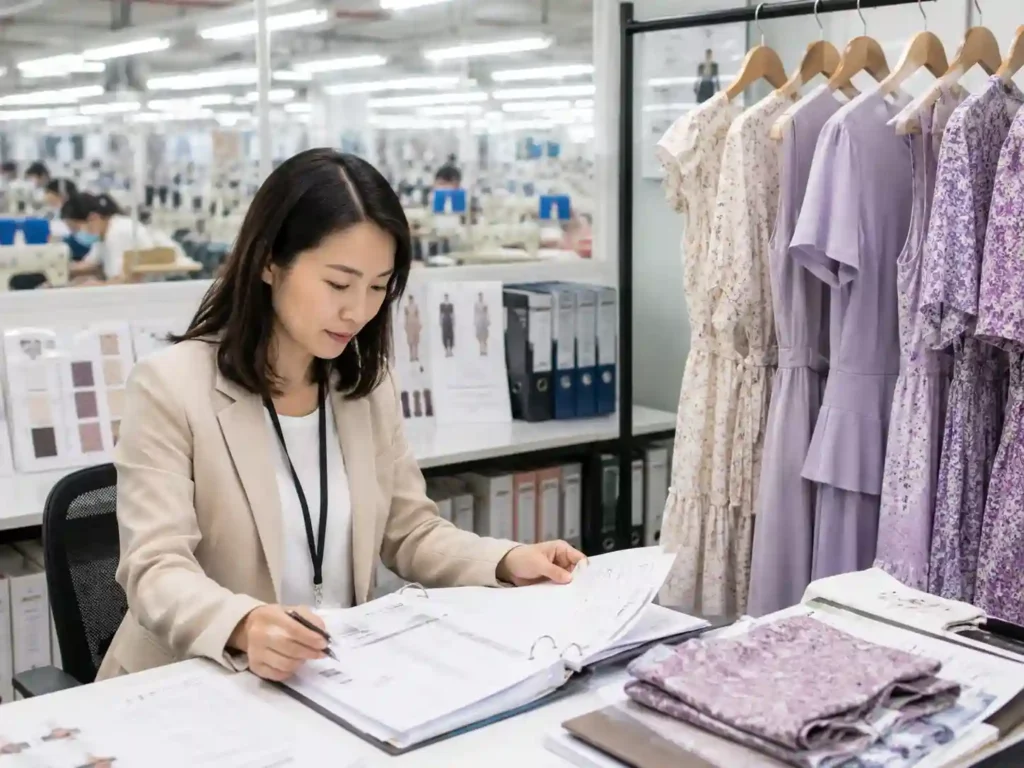
Brand vendor systems often require structured forms. Duolan can help complete supplier information sheets, capability forms, factory questionnaires, product category forms and production capability reviews. Information may cover factory type, workforce scale, production lines, product scope, sample flow, QC process, capacity range, packing process and shipment coordination.
Step 5|QC and Production Flow Overview
Supplier evaluation often includes production and quality process questions. Duolan can provide overviews for sample development, PP sample approval, material confirmation, cutting, sewing, inline QC, final inspection, packing and shipment coordination. Fashion brands gain a clearer view of how audited production readiness connects with day-to-day dress manufacturing control.
Step 6|Further Review Coordination
Some brands request video factory discussions, additional document checks, third-party audit coordination, brand-specific vendor manuals or follow-up clarification. Duolan can coordinate further review according to project stage, confidentiality requirements and brand compliance process. The goal is to support supplier onboarding while keeping custom dress development and bulk planning moving in parallel.
SMETA-Audited Production Is Not the Same as Product Compliance
Social Audit Readiness
- Supports responsible sourcing review.
- Helps vendor teams assess supplier background.
- Does not replace fabric or finished-garment testing.
Fabric and Material Testing
- Satin, mesh, lace, chiffon and dyed fabrics may need different testing.
- Material testing should be confirmed before bulk shipment.
- Test needs depend on country, sales channel and brand requirements.
Market Requirements
US, UK, EU, AU and other markets may have different expectations for labeling, fiber content, care instructions, origin marking, chemical restrictions or import documents.
- Market destination should be shared early.
- Label language and content need project-level review.
- Shipment documents should align with importing and warehouse requirements.
Brand Manual Requirements
- Brand manuals should be reviewed before sample or PP approval.
- Packing and label details need to match receiving standards.
- AQL or inspection requirements should be confirmed before bulk.
Shipment Documents
Commercial invoice, packing list, carton marks, HS code information, inspection reports and available test records may be requested for shipment release and warehouse receiving.
- Document needs should be confirmed by Incoterms and destination.
- Carton and label requirements should be prepared before packing.
- Final files should match style, color, size and quantity records.
Supplier Evaluation Risk and Duolan Support
Supplier evaluation can stall when audit records, factory data, QC flow or production documents are incomplete. Duolan supports evaluation by linking social audit readiness with dress manufacturing information.
| Supplier Evaluation Risk | What Goes Wrong | Duolan Support Focus |
|---|---|---|
| No audit basis | Brand review stops before product discussion | SMETA 2-Pillar audit record, factory information |
| Factory profile incomplete | Internal supplier system cannot review properly | Supplier profile, capability sheet, production scope |
| Social audit document unclear | Compliance team requests repeated clarification | Audit summary support, non-sensitive document sharing |
| QC process missing | Production risk remains unverified | QC flow, PP sample path, inline and final inspection overview |
| Product compliance confused with SMETA | Wrong expectation around audit scope | Clear separation of social audit, testing, labeling and documents |
| Subcontracting concern | Brand questions production transparency | Owned factory structure, satellite factory explanation, production allocation notes |
Compliance Alignment Before Dress Development
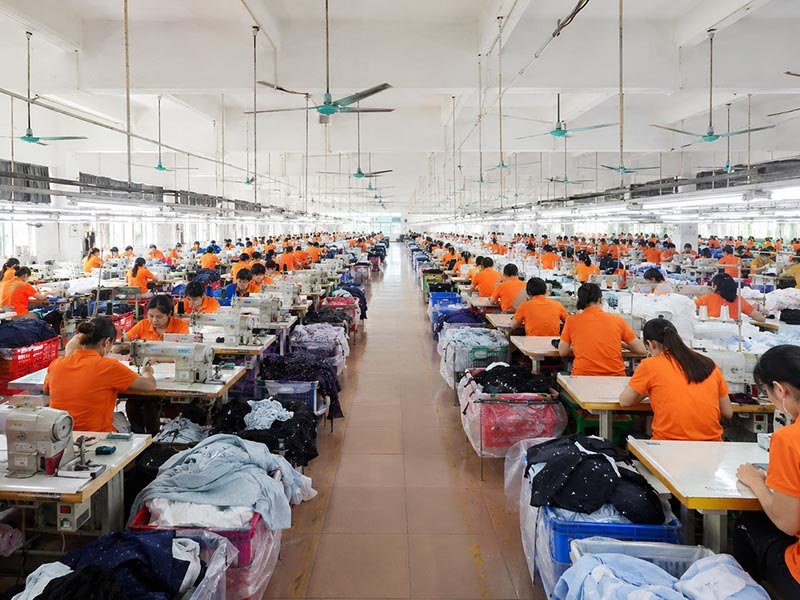
Factory and Social Audit Readiness
- Factory profile and capability overview can support initial review.
- Audit-related questions can be handled with qualified brand teams.
- Follow-up review can be coordinated according to project needs.
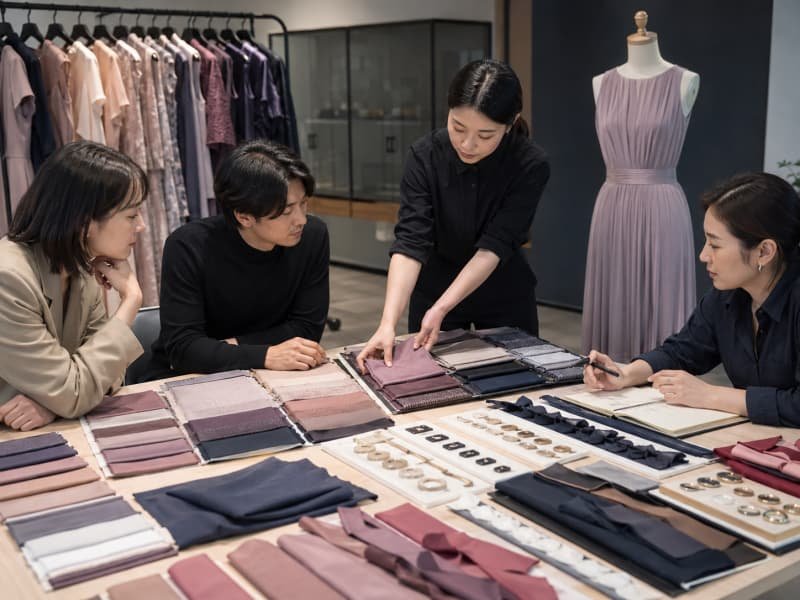
Fabric and Material Testing
Testing needs depend on fabric type, color, dyeing process, trims and target market. Duolan can review possible test directions before bulk shipment planning.
- Satin, dyed lace, mesh, printed fabric and trims may require different review.
- Brand RSL documents should be shared early.
- Testing timeline should be included before delivery dates are finalized.
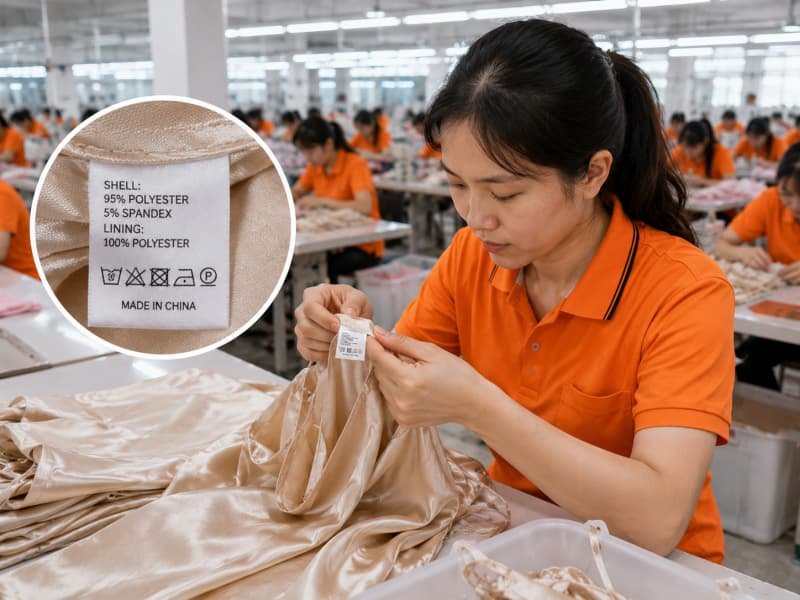
Labeling and Care Information
- Composition and care details should match approved materials.
- Label language may depend on target market.
- Label placement and attachment need PP sample confirmation.
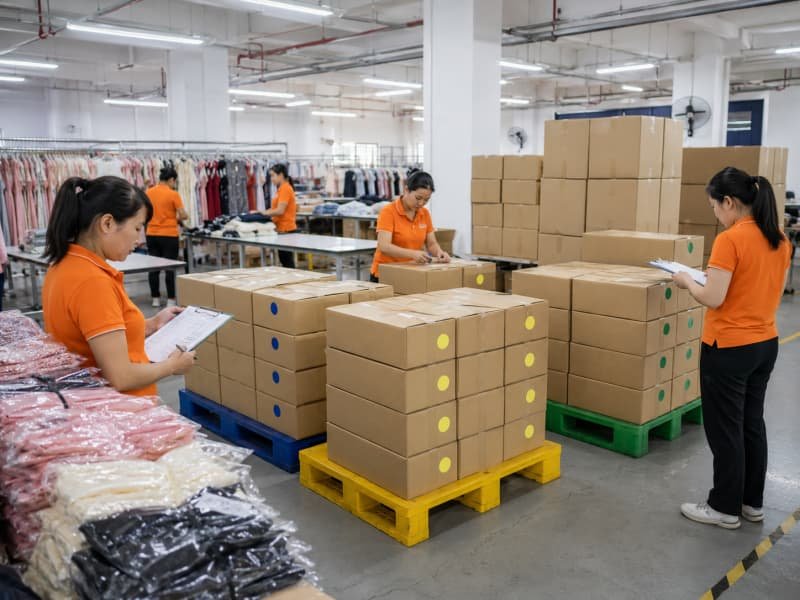
Packaging and Warehouse Requirements
- Packing guide should be reviewed before PP sample or bulk packing.
- Soft fabrics, satin and structured dresses may need special folding or hanging decisions.
- Carton grouping should match delivery and warehouse receiving needs.
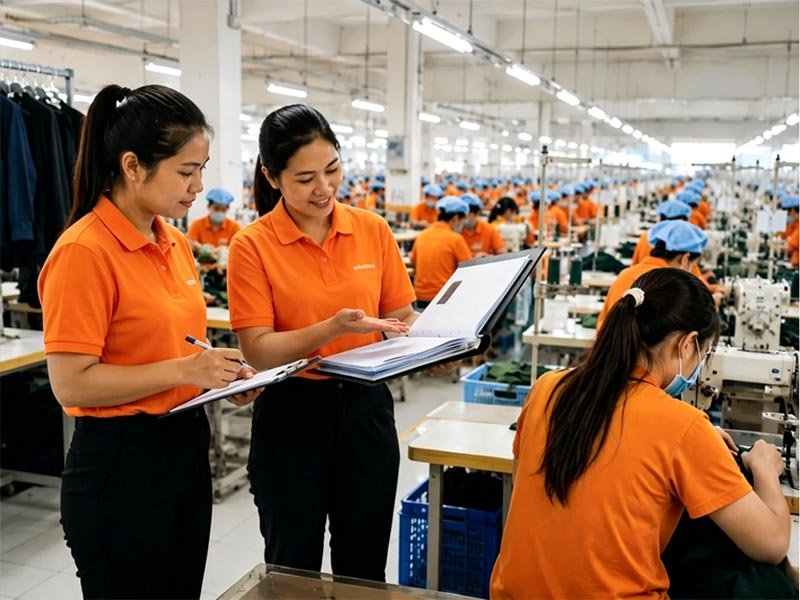
Brand-Specific Standards
- Brand manuals help define product and process expectations.
- Inspection level and AQL should be confirmed before production.
- Vendor forms can be prepared alongside supplier profile documents.
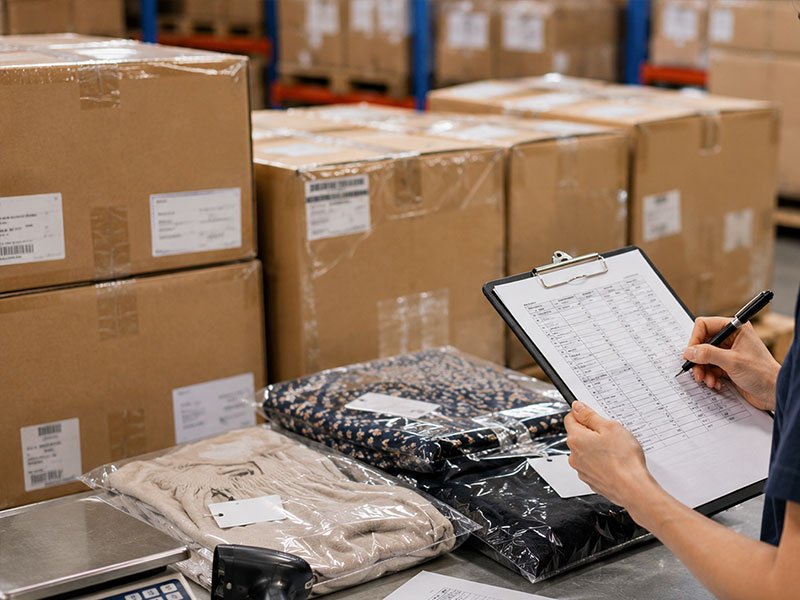
Documentation Before Shipment
- Document checks help reduce release delays.
- Style, color, size and quantity details should match final packing records.
- Forwarder or warehouse requirements should be shared early.
From Brand Vendor Review to Production Start
Step 1|Vendor Review Request
A brand may begin by asking for supplier profile, audit background, factory information, product category scope and production capacity. Duolan reviews the request and identifies which documents can be shared, which information needs confidentiality control and which project details are needed for a useful response.
Step 2|Supplier Pack Sharing
Step 3|Project Scope Confirmation
Step 4|Compliance Requirement Mapping
Step 5|Sample and PP Path
Step 6|Bulk Production Release
Bulk release should happen after PP sample, BOM, material approvals, labels, packing, QC points and shipment requirements are clear. Duolan connects production release with documentation, inspection and delivery planning so supplier readiness and product readiness support the same order.
Audited Production for Dress Sample-to-Bulk Control
Audited production readiness supports supplier trust, but dress quality still depends on controlled development. A SMETA record helps brands review social responsibility foundations; approved garments still need product-specific standards. For custom dresses, the stable path from sample to bulk depends on sample purpose, PP approval, BOM locking, material confirmation, QC checks, packing and delivery coordination.
Duolan connects audited production foundations with manufacturing discipline. Once a brand has reviewed supplier documents, the project still needs clear style information, fabric direction, size range, quantity, testing needs, label guide, packing rules and timeline. Social audit readiness opens the door; sample-to-bulk control keeps the production relationship stable.
- Sample purpose clarity
First sample, fit sample, photo-ready sample, salesman sample, PP sample and golden sample carry different responsibilities. Duolan separates sample purpose so visual approval does not replace production approval.
- PP sample as production standard
PP sample approval locks final fabric, trims, measurements, construction method, labels, packing and QC focus. Mature brands need PP clarity before bulk release.
- BOM and material locking
Main fabric, lining, zipper, boning, elastic, lace, sequin, care label, hangtag and packing components should be confirmed by style. BOM records reduce wrong-material and substitution risk.
- Dress-specific QC points
Satin needs surface and pressing control. Mesh needs transparency and stretch control. Lace needs placement and lining review. Sequin needs loss and comfort checks. Corset styles need cup, boning and support checks. Chiffon needs soft handling and hem balance.
- Bulk production transparency
Brand teams need production status, issue reporting, inspection timing and corrective action communication. Duolan’s production flow supports updates around PP status, line progress, QC findings, packing and shipment.
- Repeat order memory
Audit records support supplier onboarding, while golden samples, QC notes, BOM records and pattern versions support repeat production. Repeat orders become stronger when production memory is stored clearly.
Documents a Mature Brand May Request
Vendor review often needs more than an audit mention. Duolan can support qualified brand teams with supplier documents, process overviews and project-specific production information.
Factory Profile
Audit Record Summary

Supplier Capability Sheet
Sample Development Process
QC Process Overview
Production Flow Overview
QC and Compliance Checkpoints for SMETA-Audited Dress Production
SMETA-audited readiness supports supplier review. QC and compliance checkpoints protect real dress production. Duolan connects vendor review, material needs, sample approval, PP standards, inspection and shipment documents.
| Checkpoint | Duolan Checks | Brand Risk Controlled |
|---|---|---|
| Supplier Review | Factory profile, SMETA record, capability sheet | Vendor approval delay |
| Material Review | Fabric, lining, trims, RSL or test needs | Product compliance gap |
| Sample Review | Fit, fabric, construction, comments | Unclear development direction |
| PP Approval | Final fabric, BOM, measurements, labels, packing | Bulk production without standard |
| Inline QC | Workmanship, measurements, fabric handling | Late rework and quality deviation |
| Final QC | PP comparison, labels, packing, carton marks | Shipment rejection or receiving issue |
| Document Review | Invoice, packing list, test records, inspection files | Delayed release and compliance follow-up |
Duolan Manufacturing System Supporting Audited Production
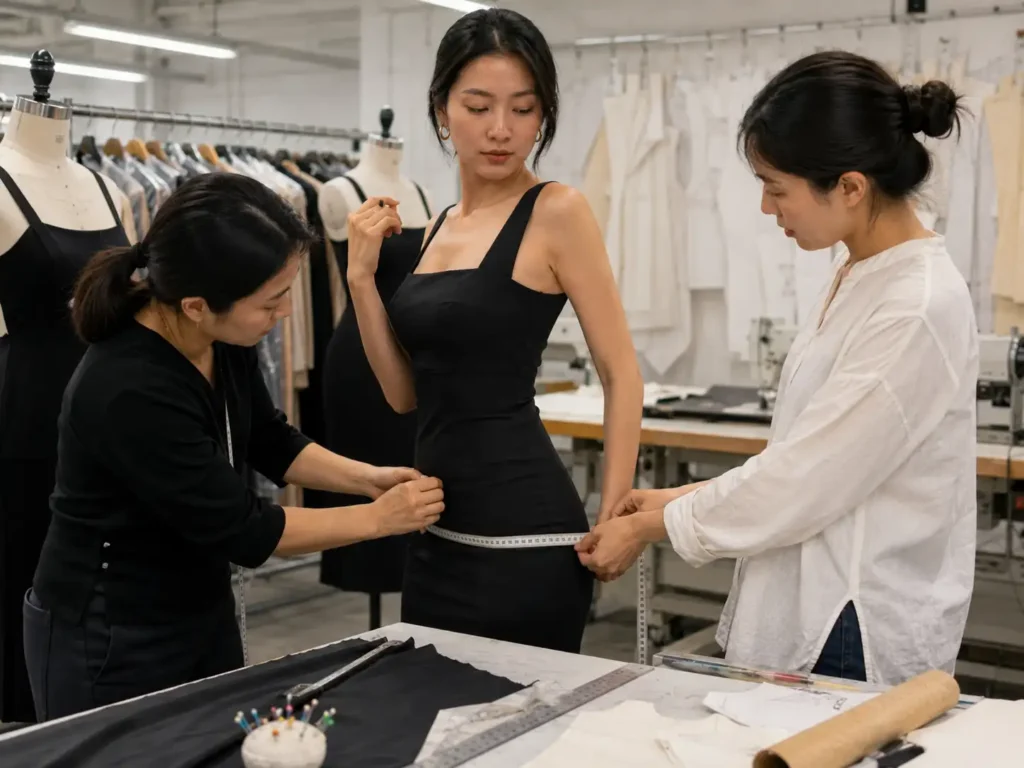
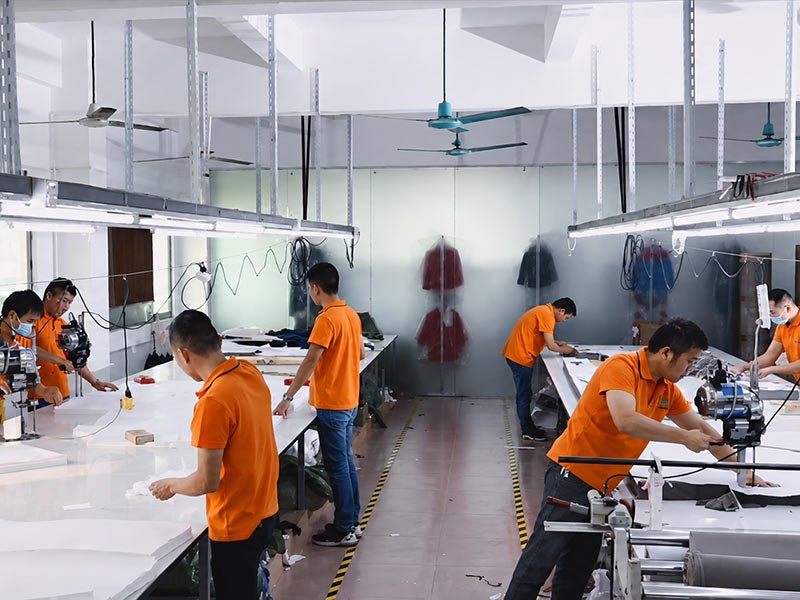
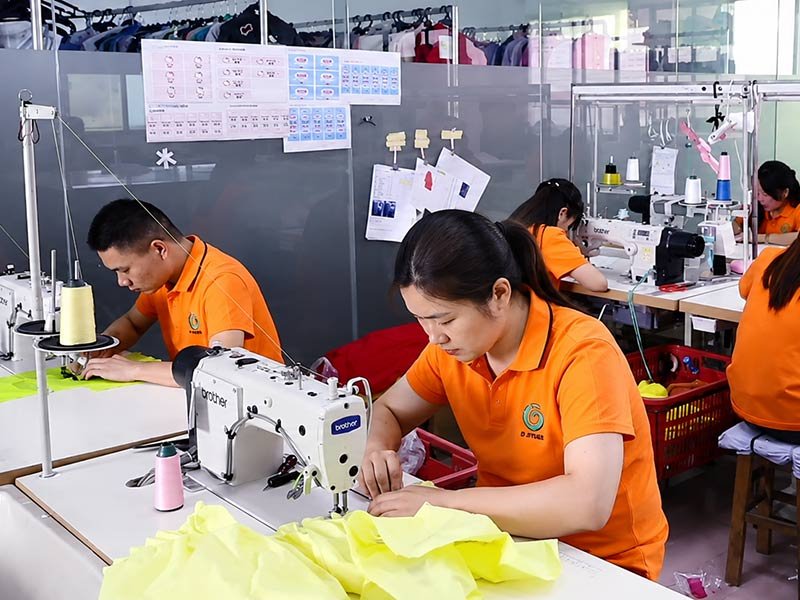
Duolan’s value is not only a SMETA audit record. Mature fashion brands need to know whether a supplier has real manufacturing organization behind audited production readiness. Custom dress programs require supplier review support, sample capacity, fabric and trim review, pattern and sample work, PP approval, production allocation, QC coordination, packing and shipment follow-up. Duolan connects these elements through a dress-focused manufacturing system designed for commercial brand programs.
- Completed SMETA 2-Pillar audit
Supports supplier review and responsible sourcing discussion for brands needing social audit foundations before order placement. - SMETA social audit record
Provides a social audit reference point for qualified vendor evaluation requests and follow-up review. - 16 owned womenswear factories
Support direct management of core dress programs, high-control styles, key launches and complex garment production. - 20+ long-term satellite factories
Support mature styles, repeat orders, volume extension and controlled capacity flexibility after standards are locked. - 12,000+ workers across the manufacturing system
Support multi-style programs, long-term orders, production allocation and seasonal manufacturing needs. - 300 sewing lines
Allow dress groups to be allocated by fabric type, construction difficulty, quantity and delivery window. - 50+ quick-response lines
Support selected replenishment, repeat orders and timing-sensitive programs when PP standards and materials are ready. - 15,000–35,000 monthly sample capacity
Supports first samples, fit samples, photo-ready samples, PP samples and golden samples before bulk production. - 3,000–8,000 monthly style workflows
Help manage style records, sample comments, BOM files, PP status, QC focus and production preparation across dress programs.
Duolan’s audited production readiness becomes stronger because these resources connect with one another. Supplier evaluation documents can lead into sample development. PP approval can lead into bulk production. QC checkpoints can lead into delivery records. Golden samples and BOM records can lead into repeat order stability.
Anonymous SMETA-Audited Dress Production Case Studies

US Premium Ecommerce Dress Program
A US premium ecommerce dress brand developed a partywear and occasionwear program across fitted dresses, satin styles, mesh pieces and structured silhouettes.
- Program range: 12–18 styles with approximately 30,000–50,000 pieces planned across launch and repeat needs.
- Project challenge: The brand needed supplier profile, audit record summary, QC process overview and PP sample control before bulk commitment. Product development and supplier review had to move together.
- Duolan support: A supplier evaluation pack was prepared while style groups moved through sample review. PP samples, BOM records, fit comments and QC focus were tracked by style.
- Production focus: Satin, mesh and structured styles received separate fabric, lining, PP and QC review before production allocation.

Australian Occasionwear Program
- Program range: 15–25 styles with approximately 40,000–70,000 pieces planned for seasonal launch and reorder planning.
- Project challenge: Pale colors, lace, chiffon, lining, packaging and label requirements created multiple compliance and quality questions. The brand also needed social audit readiness for internal supplier review.
- Duolan support: Audit-related supplier information, label guidance, material testing discussion and PP sample planning moved together before bulk release.
- Production focus: Lining tone, care labels, fabric testing needs, soft-fabric handling, packing method and final QC were reviewed by style group.
UK Fashion Group Dress Program
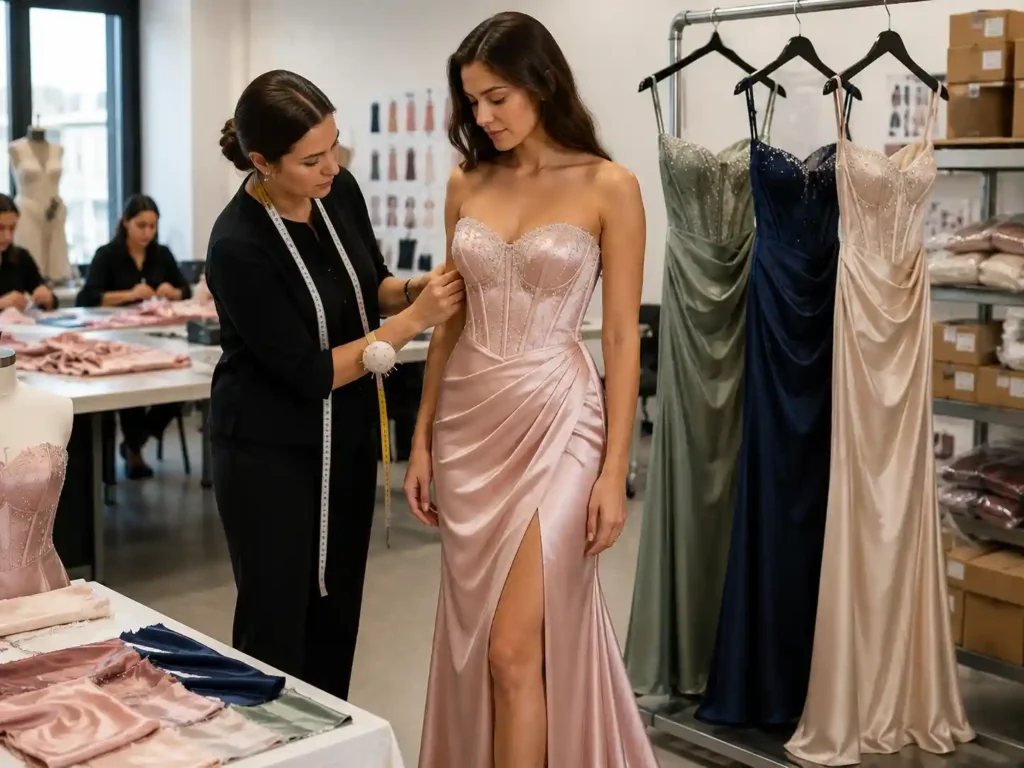
A UK fashion group developed a multi-style dress program across satin, mesh, corset and lace categories for separate brand lines.
- Program range: 10–16 styles with approximately 20,000–40,000 pieces planned for controlled launch production.
- Project challenge: Multiple brand lines required supplier evaluation documents, QC records, style-level BOM control and stable production across different dress categories.
- Duolan support: Supplier evaluation pack, production flow, QC flow, PP sample records, golden sample references and repeat-order records were organized by brand line and style group.
- Production focus: Satin surface control, mesh coverage, corset support, lace placement, PP comparison and packing standards supported launch and repeat planning.
FAQ for SMETA-Audited Custom Dress Production

Request SMETA-Audited Production Review
Share your supplier evaluation form, vendor manual, compliance manual, tech pack, line sheet, target quantity, dress categories, audit document request, label guide, packing guide, testing requirements, target market and launch date. Duolan can review your project around SMETA-audited production readiness, vendor information, custom dress development, PP approval, QC flow, product compliance needs and bulk production coordination.
A strong review brief may include:
- Brand vendor form, compliance manual, target market and audit-related request.
- Dress categories, style count, quantity plan, sample stage and launch date.
- Label rules, packing guide, testing needs, QC standard and shipment document requirements.

