Skip to content
Custom Dress Manufacturer for Tech Pack Handoff
Custom dress manufacturing support for tech pack review, BOM validation, POM reading, sample launch, PP approval, and bulk release.
Duolan helps established fashion brands turn tech packs into reviewed files, validated materials, measurable samples, approved PP standards, and production-ready dress programs. From spec sheets and BOMs to construction notes, artwork files, label details, packing instructions, QC checklists, and reorder records, every handoff is reviewed for clarity before sampling and bulk production.
- 6 handoff file groups reviewed: tech pack, BOM, spec sheet, artwork, label file, packing instruction.
- 8 dress-specific zones checked: neckline, bust, waist, hip, back, zipper, slit, lining.
- 6 sample standards aligned: first, fit, photo-ready, salesman, PP, and golden sample.
- 300–400 pattern and sample roles support POM review, pattern correction, sample comments, and production-ready files.
- 110–200 fabric and trim specialists support BOM validation, fabric matching, trim sourcing, and substitute review.
- 140–180 quality and data support roles support QC points, sample records, version control, and reorder files.
Built for Teams With Production-Ready Files
Premium Ecommerce Dress Brands
- Duolan supports multi-style file review across satin dresses, mesh dresses, bodycon styles, occasion dresses, cut-out minis, slips, midis, and core reorders.
- Tech pack comments can be separated by pattern, BOM, material, construction, artwork, measurement, and packing issue.
- Photo-ready and PP sample goals can be planned separately so visual launch needs do not confuse production standards.
Contemporary Womenswear Labels
Contemporary womenswear labels need accurate handoff for refined dress categories such as midi dresses, slip dresses, wrap dresses, shirt dresses, soft tailored dresses, and clean occasion styles.
- Duolan reviews files around fit line, fabric behavior, finish level, trim selection, size range, and production feasibility.
- Dress-specific measurement points need more attention than generic garment specs.
- Approved handoff files help preserve brand fit, fabric, and workmanship across repeated style updates.
Occasionwear Brands
Occasionwear tech packs often include complex fabric, lining, support, color, and finish requirements. Satin, chiffon, lace, mesh, sequin, and corset-inspired styles need file review before sample cutting.
- Duolan checks lining coverage, transparency, slit height, zipper placement, boning, cups, strap tension, and fabric drape.
- Artwork, colorways, lab dip notes, trims, and packing details need clear links to each style.
- PP sample approval should connect final look, fit, construction, and bulk QC.
Product Development Teams
Product development teams need handoff partners able to identify missing or conflicting information before samples begin. A tech pack may look complete while still leaving production questions open.
- Duolan reviews flats, BOM, POM, construction, color, trims, labels, artwork, sample comments, and file versions.
- Question lists help separate design intent from production risk.
- Sample feedback can become revision notes for the next development round.
Technical Design Teams
- Duolan reviews base size, measurement method, key dress POMs, tolerance logic, and size set notes.
- Fit comments can be linked with pattern action, material adjustment, or construction update.
- PP lock helps move technical decisions into production and QC records.
Sourcing Offices
- Duolan supports style status tracking across file intake, question list, costing, material review, sampling, revision, PP approval, and bulk release.
- Missing information, risk level, and approval bottlenecks can be separated by style.
- Production handoff records help reduce avoidable confusion before bulk starts.
Manufacturing Discipline for Tech Pack Handoff
A tech pack can look complete and still fail during sampling. A flat sketch may miss back details. A BOM may list fabric unavailable for bulk. A POM table may omit strap length or slit height. A construction note may say “clean finish” without enough sewing detail. A label file may not match packing needs. Mature brands need a manufacturer able to read beyond the PDF and identify hidden production risks before fabric is cut.
Duolan treats tech pack handoff as a production entry gate. The file set is reviewed for missing information, conflicting instructions, dress-specific measurement points, material feasibility, construction clarity, artwork placement, label requirements, packing method, approval status, and version control. Early file review reduces repeated sample corrections and protects the path from development to PP approval.
A tech pack gains value only when the factory, sample team, production line, QC team, packing team, and reorder team work from the same standard. Duolan connects file review with sample comments, PP approval, bulk release, QC checklist, and future reorder records.
Dress Tech Pack Files Duolan Can Review
Technical Flats
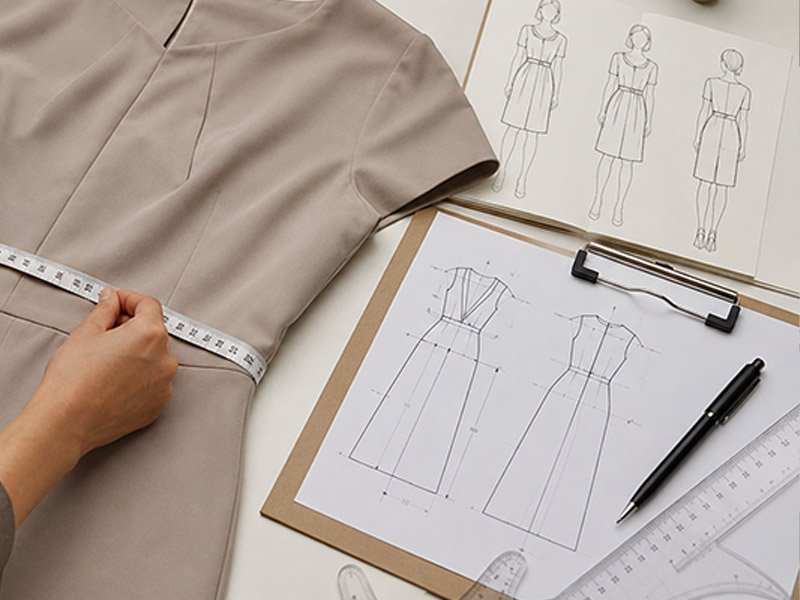
Technical flats explain front view, back view, side details, seams, panels, straps, closures, slits, pockets, lining, and decorative elements.
- Duolan checks whether the front and back views describe the same garment logic.
- Strap placement, neckline shape, waist seam, zipper location, slit position, and hem shape need clear visual direction.
- Missing back details often create early sample errors.

Spec Sheet and POM
Spec sheets and POMs define the measurement language for fit, sample review, size grading, and QC.
- Duolan reviews bust, waist, hip, front length, back length, strap length, armhole, neckline drop, slit height, and hem sweep.
- Measurement method must match garment structure and fabric behavior.
- Incorrect or missing POMs can create sample and bulk size drift.

BOM
BOM details decide material accuracy, costing, sample preparation, trim sourcing, and production readiness.
- Duolan checks shell fabric, lining, zipper, buttons, cups, boning, elastic, labels, hangtags, polybags, carton needs, and substitutes.
- Fabric composition, weight, width, handfeel, and stretch should be clear.
- Trim codes and color matching need enough information for sourcing.

Construction Details
- Duolan reviews seam type, lining method, zipper finish, edge finish, hem method, slit reinforcement, pressing, and support structure.
- Satin, chiffon, mesh, lace, jersey, crepe, and sequin fabrics need different construction treatment.
- Construction clarity helps sample room and production line follow one standard.

Artwork and Placement Files
Artwork files support print, embroidery, rhinestone, applique, logo, placement motif, and scaled decoration.
- Duolan reviews artwork size, file format, placement position, garment scale, color, and production method.
- Print placement must match pattern pieces and garment size range.
- Artwork notes should connect with fabric direction and sample purpose.

Colorways and Lab Dip Notes
Color files guide fabric, lining, trims, thread, labels, and bulk shade control.
- Duolan reviews color codes, lab dip status, shade band, lining tone, trim matching, and reorder color records.
- Satin, crepe, chiffon, mesh, lace, and linen can show shade differently.
- Colorway clarity prevents mismatch between sample and bulk material.
Label and Packing Files
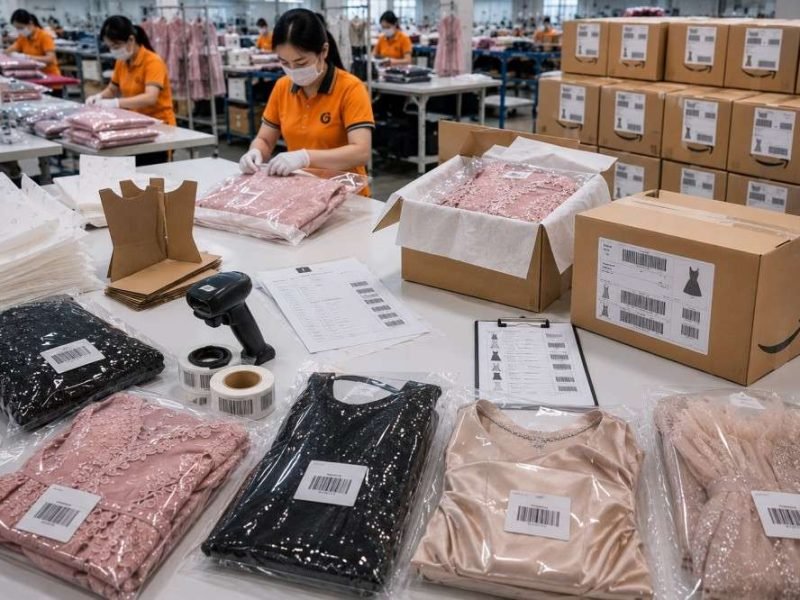
- Duolan reviews main label, care label, size label, hangtag, barcode, sticker, polybag, hanger, carton mark, and carton ratio.
- Packing files should match destination and receiving requirements.
- Missing label or packing instructions can delay final shipment.

Revision History
- Duolan reviews file date, revision owner, sample comment records, approval status, and changed fields.
- Updated BOM, POM, construction, color, and packing notes should remain visible.
- Version records help protect multi-style orders from outdated file use.
Tech Pack Audit Before Sampling
A tech pack audit helps identify file gaps before sample work begins. Duolan reviews technical drawings, measurements, materials, construction, artwork, color, packing, and version status.
| Handoff Area | Common Risk | Duolan Review Focus |
|---|---|---|
| Technical Flats | Front and back details do not align | Neckline, strap, seam, zipper, slit, lining, back view |
| POM / Spec | Dress measurements missing or unclear | Bust, waist, hip, length, armhole, neckline, slit, sweep |
| BOM | Materials unavailable or incomplete | Fabric, lining, trims, labels, packaging, substitute options |
| Construction | Sewing method too vague | Seam type, lining, zipper, hem, edge finish, pressing |
| Artwork | Placement and scale unclear | Print size, embroidery position, logo, motif direction |
| Colorways | Bulk shade risk | Lab dip, lining tone, shade band, trim matching |
| Packing | Warehouse needs missing | Polybag, hanger, barcode, carton, carton mark |
| Version Control | Outdated files enter production | Revision date, sample comments, PP approval status |
Dress-Specific Details We Check in Tech Packs

Neckline and Upper Body
- Duolan checks neckline depth, facing, binding, lining turn, strap placement, halter tension, armhole, and exposure risk.
- Slip dresses, strapless styles, halters, square necks, and cowl necks need different notes.
- Upper body specs should connect with fabric stretch and lining behavior.

Bust and Waist Structure
Bust and waist information must be clear for fitted, corset-inspired, ruched, wrap, strapless, and party dress styles.
- Duolan reviews dart direction, cup position, boning, waist level, side seam, ease, gathers, and fabric recovery.
- Support materials should be listed in BOM and construction details.
- Fit comments should become pattern updates, not only visual remarks.

Hip and Skirt Balance
Hip and skirt balance affect comfort, body line, movement, and hem fall. Missing notes can lead to pulling or twisting.
- Duolan checks hip ease, seat curve, side seam fall, skirt sweep, bias direction, lining length, and walking movement.
- Bodycon, slip, sheath, A-line, and maxi dresses need different balance.
- Fabric drape and size grading should support skirt behavior.

Zipper and Closure
Closures influence fit, comfort, construction sequence, and final garment appearance.
- Duolan reviews center-back zipper, side zipper, invisible zipper, buttons, hooks, eyelets, lacing, ties, and puller comfort.
- Zipper tape firmness and top edge finish can affect the back line.
- Closure notes should match fabric thickness and lining structure.

Lining and Coverage
- Duolan checks lining color, softness, stretch compatibility, coverage zone, attachment method, and length.
- Light colors, lace, chiffon, mesh, satin, and cut-out styles need careful lining notes.
- Lining should support the garment instead of pulling against the shell.

Slit, Cut-Out and Hem
- Duolan reviews slit height, cut-out position, edge finish, reinforcement, hem method, and walking range.
- Roll hems, blind hems, binding, facing, and coverstitching must match fabric type.
- Approved details need transfer into PP sample and QC checklist.
BOM Validation and Material Handoff
Main Fabric
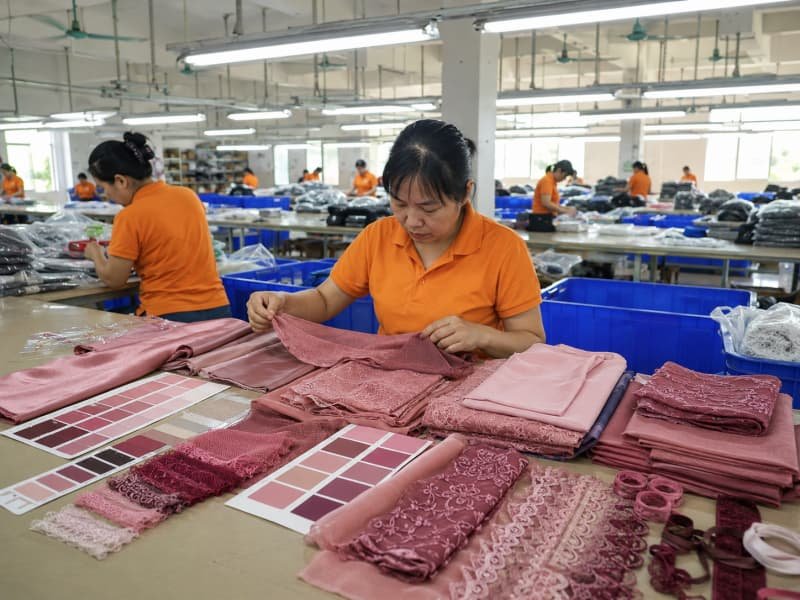
- Duolan reviews composition, weight, width, stretch, recovery, handfeel, drape, shrinkage, opacity, color, and bulk availability.
- Satin, crepe, chiffon, mesh, lace, jersey, ponte, linen blends, and sequin fabrics need different sourcing checks.
- Fabric alternatives should match garment purpose before sample work begins.

Lining
Lining choice affects comfort, coverage, movement, and final quality.
- Duolan reviews color, softness, breathability, stretch compatibility, thickness, anti-static needs, length, and coverage zone.
- Light colors, semi-sheer fabrics, lace, mesh, chiffon, and satin need close lining review.
- Lining substitutes should be approved before PP sample.

Zippers and Closures
Zippers and closures must match fabric, fit, garment use, and design finish.
- Duolan reviews invisible zippers, metal zippers, side zippers, hooks, eyelets, buttons, ties, and lacing.
- Color, length, tape firmness, puller comfort, and closure strength should be confirmed.
- Closure changes can alter fit and construction.

Support Materials
Support materials define structure and body security for many dress types.
- Duolan reviews cups, boning, fusing, elastic, shoulder pads, strap tape, inner grip, and waist support.
- Corset, strapless, halter, backless, and cut-out dresses need support details inside BOM.
- Missing support materials can delay sample correction.

Labels and Packaging
- Duolan checks main labels, wash labels, size labels, hangtags, barcode stickers, polybags, hangers, cartons, and carton marks.
- Care label content should match fabric and destination needs.
- Packing standards should match garment surface and warehouse receiving rules.

Substitution Review
- Duolan reviews equivalent fabric, lining, zipper, trim, support, label, and packing options.
- Substitutes should preserve fit, appearance, price position, and delivery timing.
- All substitutions need record updates before PP approval.
POM, Spec and Measurement Translation
Step 1|Base Size Review
Step 2|Dress POM Mapping
Step 3|Tolerance Review
Step 4|Grading Logic Check
Grading must protect proportion across the size range. Duolan checks whether bust, waist, hip, neckline, strap, slit, length, and hem sweep retain the intended balance as sizes change. A base size can look correct while extended sizes lose fit or coverage. Grading logic should support brand fit standards and garment movement.
Step 5|Sample Measurement Report
After sample completion, Duolan can measure against the POM table and report within-tolerance points, deviations, and areas needing correction. Measurement review is linked with visual fit, not handled as numbers alone. A measurement can pass while the garment still needs pattern or construction adjustment.
Step 6|PP Measurement Lock
PP sample approval should lock final POM, tolerance, measurement method, high-risk points, and QC focus. Duolan transfers approved measurement standards into production and inspection records. PP lock reduces the chance of bulk teams using sample-stage assumptions or older spec versions.
Construction Translation From File to Sample
Tech pack construction notes need translation into sewing actions, material choices, sample comments, and PP standards. Duolan reviews how each instruction affects garment fit, surface, comfort, and production repeatability.
Seam Method
Seam method influences stretch, drape, comfort, and appearance.
- Duolan reviews plain seam, overlock, French seam, coverstitch, topstitch, flatlock, seam allowance, and thread tension.
- Satin, chiffon, mesh, lace, jersey, and sequin fabrics need different seam handling.
- Seam choice should match garment style and QC standard.
Lining Attachment
Lining attachment can support or distort a dress.
- Duolan reviews full lining, half lining, partial lining, mesh layer, underlayer, cup insertion, and lining length.
- Lining should move with the shell fabric and remain comfortable on body.
- Attachment method should appear in construction notes before PP approval.
Edge Finish
Edges around neckline, armhole, strap, slit, cut-out, hem, and back opening need clear methods.
- Duolan reviews binding, facing, roll hem, blind hem, baby hem, overlock, turnback, and topstitch.
- Edge finish should protect shape and avoid bulk.
- Cut-outs and slits need reinforcement notes.
Support Construction
Support construction keeps fitted and open styles wearable.
- Duolan reviews boning, cups, elastic, fusing, grip tape, tie placement, eyelets, back support, and waist structure.
- Strapless, corset, halter, backless, and cut-out dresses need internal support planning.
- Support details should be tied to BOM and fit sample review.
Pressing Method
Pressing method affects final polish and sample-to-bulk repeatability.
- Duolan reviews fabric surface, seam flattening, temperature, pressure, steam, and shine risk.
- Satin, crepe, linen, chiffon, mesh, lace, and sequin materials need different pressing decisions.
- Pressing notes should move into PP and packing standards.
Packing Method
Packing method affects how garments arrive and present in sales channels.
- Duolan reviews folding, hanging, tissue, polybag, carton pressure, hanger needs, and trim protection.
- Satin, lace, sequin, chiffon, and structured styles need different packing approaches.
- Packing should be checked before final shipment preparation.







Sample Start After Tech Pack Handoff
Handoff File Intake
Question List and Risk Notes
Before sampling, Duolan prepares a question list covering missing information, conflicting specs, material risk, POM doubts, construction uncertainty, artwork placement, label gaps, and packing needs. Risk notes help the brand see which issues can affect sample accuracy, costing, production timing, and bulk readiness.
Costing and Material Route
Pattern and Sample Preparation
Pattern and sample preparation follows approved file direction. Duolan reviews POM, measurement method, pattern details, fabric behavior, trims, construction route, sample sequence, and required sample type. First samples, fit samples, photo-ready samples, and PP samples should not be treated as the same stage.
Sample Review and Comment Return
Revision File Update
Sample Comments, Version Control and PP Lock
Version control protects sampling, PP approval, bulk release, and reorders. Duolan tracks what changed, which version is approved, and which file standard should move forward.
| Stage | What Must Be Updated | Why It Matters |
|---|---|---|
| First Sample Review | Fit, fabric, construction, measurement comments | Prevents repeated sample errors |
| Revised Sample | Changed pattern, BOM, trims, workmanship | Keeps new standard visible |
| Fit Sample | POM deviation, tolerance, grading notes | Protects size consistency |
| Photo Sample | Color, drape, surface, visual finish | Supports ecommerce and campaign review |
| PP Sample | Final fabric, trims, measurements, labels, packing | Creates bulk release standard |
| Golden Sample | Approved reference for reorder and QC | Protects long-term repeat production |
| Version Record | Date, file name, approval status, owner | Prevents old file use in production |
A file without controlled revision history can create sample and bulk confusion. Duolan treats version records as production protection, not admin work.
Tech Pack Handoff for Multi-Style Dress Programs
Style Status
Each style needs a clear stage: file review, question list, costing, material matching, sample, revision, PP approval, bulk release, production, QC, packing, or shipment.
- Duolan tracks status so delayed files or samples are easier to identify.
- Style status helps multi-style programs avoid confusion between sample-stage and PP-ready styles.
- Teams can see which styles need action before bulk planning.

Missing Information
Missing information can block sampling, costing, or bulk release.
- Duolan identifies missing size specs, BOM details, colorways, artwork, labels, packing, construction, or approval notes.
- Missing fields are organized by urgency and production impact.
- Early identification reduces repeated back-and-forth during sample development.

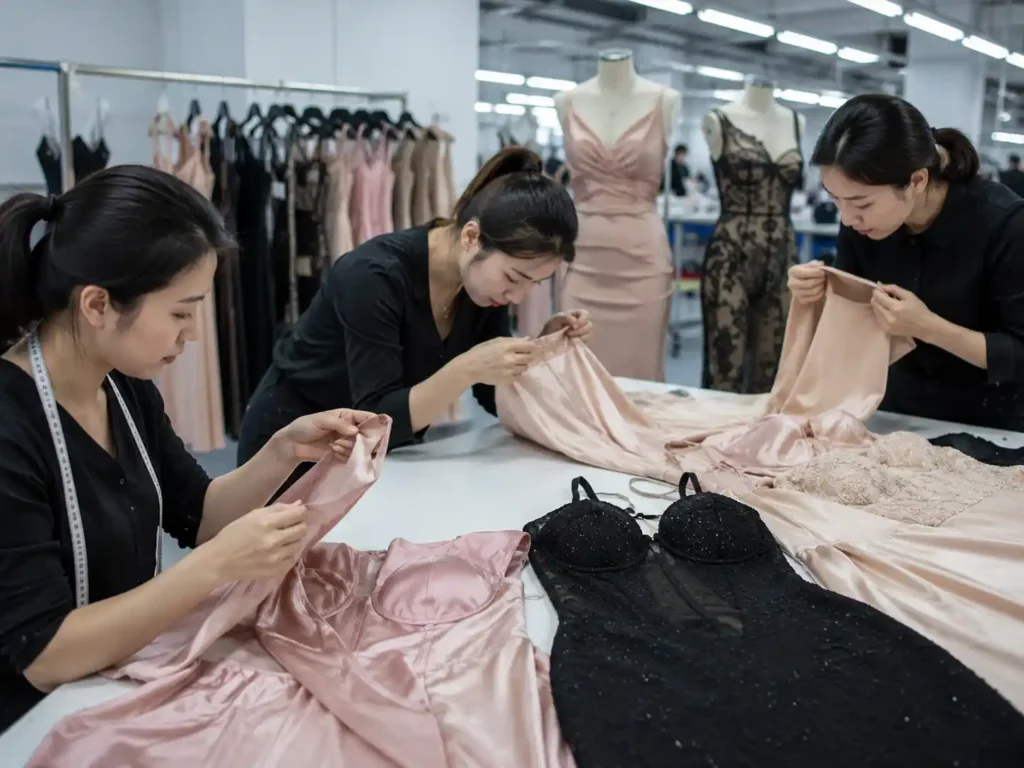
Risk Level
- Duolan reviews satin, mesh, lace, sequin, corset, cut-out, print, pleated, and special-trim styles as higher-risk groups.
- High-risk styles can move earlier in material and sample review.
- Risk tracking helps protect PP deadlines and bulk timing.
Approval Bottleneck
- Duolan separates bottlenecks by next action and owner.
- Bottleneck review helps reduce silent delays across multi-style handoff.
- Clear approval tracking helps production teams plan with fewer surprises.

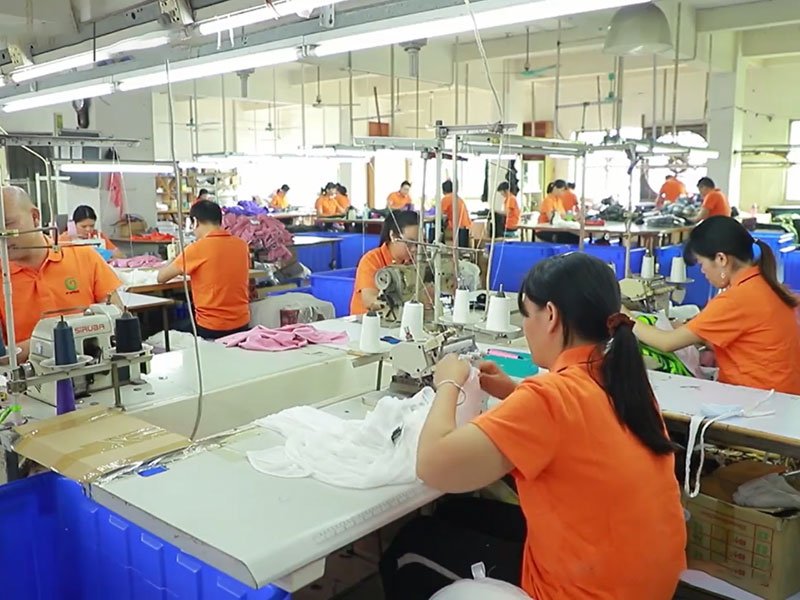
Bulk Readiness
A style is bulk-ready only after approved PP sample, pattern, BOM, POM, trims, construction, QC points, labels, and packing are confirmed.
- Duolan reviews readiness before production release.
- Bulk readiness prevents unresolved details from entering factory execution.
- Strong readiness records support future reorders.
From Tech Pack to Bulk Release
Step 1|Approved File Review
Duolan reviews final tech pack, BOM, spec sheet, artwork, label files, packing details, and PP sample to confirm alignment before bulk release. Approved files should match the garment in hand. Any mismatch between file, sample, and material record needs correction before production teams begin bulk work.
Step 2|Pattern and Grading Lock
Pattern and grading lock protects fit across size range. Duolan records final pattern version, grading rule, POM, tolerance, measurement method, and high-risk measurement points. Dress styles with straps, slits, cups, boning, lining, stretch, or bias cuts need careful lock before production release.
Step 3|Material and Trim Lock
Material and trim lock confirms shell fabric, lining, zipper, buttons, cups, boning, elastic, labels, hangtags, polybags, cartons, color, substitutes, and batch records. A confirmed BOM helps reduce waiting time, wrong trims, and sample-to-bulk differences.
Step 4|Production Method Alignment
Production method alignment transfers construction standards to the factory team. Duolan clarifies seam method, lining attachment, zipper setting, slit reinforcement, neckline finish, hem method, pressing, packing, and handling. Production teams need instructions tied to the approved PP sample.
Step 5|QC Checklist Release
QC checklist release turns approved files into inspection points. Duolan reviews measurements, workmanship, fabric surface, trims, labels, packing, color, artwork placement, and high-risk dress zones. QC focus should reflect the style, not a generic checklist alone.
Step 6|Bulk Production and Reorder Record
After production, Duolan keeps records for file version, BOM, PP sample, golden sample, QC notes, packing method, shipment details, and reorder comments. These records help future repeats, color extensions, and supplier-transfer programs move with stronger continuity.
Anonymous Tech Pack Handoff Case Studies

US Premium Ecommerce Dress Handoff
- Project difficulty: Multi-style file handoff created gaps across BOM, POM, lining coverage, artwork placement, sample priority, and PP deadline.
- Duolan solution: Styles were tracked by status, missing information, risk level, BOM readiness, and PP target. High-risk mesh, satin, and cut-out styles moved earlier in review.
- Order scale: 14–20 styles with approximately 35,000–55,000 pieces across launch colors and size ranges.
- Control focus: Satin seam smoothness, mesh transparency, cut-out placement, POM deviation, PP samples, bulk QC, and packing protection.

Australian Occasionwear Tech Pack Transfer
An Australian occasionwear label moved wedding guest dresses, chiffon midis, satin slips, and soft evening styles from a prior supplier file set into a new production path.
- Project difficulty: Previous files had mixed versions, unclear sample comments, incomplete color records, inconsistent lining notes, and no unified PP status.
- Duolan solution: Tech pack versions, BOM, lab dip notes, lining tone, sample comments, and PP approval status were reorganized before new sample and production planning.
- Order scale: 18–25 styles with approximately 45,000–70,000 pieces across occasion colors and size groups.
- Control focus: Chiffon transparency, satin surface, shade control, lining, photo-ready samples, PP samples, packing method, and delivery timing.

UK Core Dress Reorder Handoff
A UK womenswear brand handed over old tech packs and sample photos for wrap dresses, crepe sheaths, soft tailored midis, and core slips planned for repeat production.
- Project difficulty: Reorder styles had old files, incomplete BOMs, limited golden sample notes, missing QC comments, and uncertain color extension standards.
- Duolan solution: Pattern notes, BOM, POM, QC checklist, packing method, and reorder review were rebuilt from available files, sample photos, and material records.
- Order scale: 10–16 styles with approximately 20,000–40,000 pieces across core silhouettes and seasonal color extensions.
- Control focus: Crepe batch control, zipper sourcing, lining quality, size tolerance, color extension, packing standard, and reorder timing.
FAQ for Tech Pack Handoff Manufacturing

Send Your Tech Pack Handoff Package
Share your tech pack, line sheet, spec sheet, BOM, reference images, original sample photos, artwork, colorways, label files, packing instructions, target quantity, sample goal, delivery window, and reorder expectation. Duolan can review the package around file completeness, BOM validation, POM reading, construction translation, sample path, PP approval, bulk release, QC standards, and repeat production records.
A useful handoff package may include:
- Dress category, style count, file version, approval status, and current stage.
- Tech pack, BOM, POM, artwork, label, packing, colorway, and reference files.
- Sample goal, PP deadline, target quantity, size range, packing method, and delivery window.
- Reorder expectation, original sample availability, golden reference, and future production needs.