Skip to content
Custom Dress Manufacturer for UK Designer-Led Fashion Brands
Dress-focused development and manufacturing support for UK fashion teams building refined collections, production-ready samples and repeatable bulk programs.
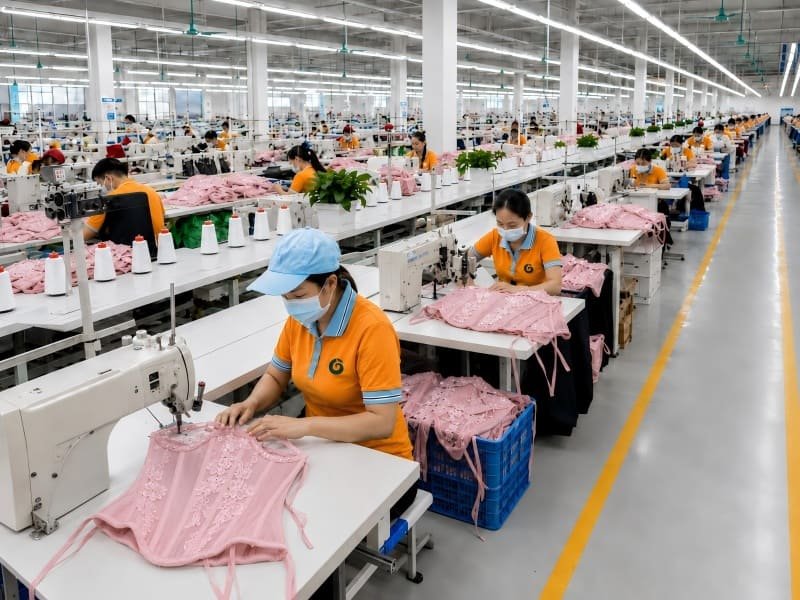
Duolan works with established fashion brands, product teams and sourcing offices developing custom dress programs for the UK market. We support design direction review, fabric and trim planning, pattern development, fit correction, sample refinement, PP preparation, bulk production and quality-controlled delivery. Our manufacturing structure is built for multi-style dress projects where visual accuracy, fit discipline, workmanship execution and repeat order stability matter from the first sample to scaled production.
- 16 owned womenswear factories
- 20+ satellite factory partners
- 12,000+ workers across production bases
- 300 sewing lines
- 50+ quick-response lines
- 15,000–35,000 monthly sample development capacity
- SMETA 2-Pillar audit record







What UK Designer-Led Brands Need From a Dress Manufacturer
Designer-led dress programs need more than sewing capacity. The right manufacturing partner must understand design language, fabric behavior, fit review and bulk execution.
Project Need | Hidden Manufacturing Risk | Duolan Response | Strong Evidence to Show |
Design-led custom dress development | Reference images or sketches may lose proportion, fit balance or fabric character during sampling | Duolan reviews design intention, silhouette, fabric direction and construction feasibility before sample development | Reference review notes, fabric cards, pattern files, sample comments |
Production-ready dress samples | A sample may look close but fail once moved into bulk production | Sample review focuses on fit, workmanship, fabric stability, lining, trims, pressing and repeatability | Fit comments, revision summary, PP standard, measurement record |
Multi-style collection planning | Several styles may move at different speeds, causing launch delay or confused approvals | Duolan organizes style-by-style development paths, sample priorities, material locking and production readiness review | Development calendar, style tracker, fabric allocation list |
Fabric and trim matching | Satin, mesh, lace, sequin, jersey and structured dresses need different construction logic | Duolan checks drape, stretch, opacity, lining, seam response, decoration density and bulk handling risk | Fabric test notes, trim samples, sewing trial photos |
Sample-to-bulk consistency | Confirmed samples may shift in measurement, color, feel or workmanship during large production | Duolan uses PP basis, first-piece confirmation, inline QC, measurement checks and final inspection | PP sample record, inline report, final inspection checklist |
Repeat order support | A strong first launch can fail if pattern, fabric, color and trim records are not controlled | Duolan keeps project references for repeat production, bestseller extension and seasonal reorder planning | Locked pattern, material references, size spec, packaging standard |
Wedding Guest Dress Styles Duolan Develops
Duolan supports wedding guest, occasionwear and social-event dress styles across fabric, fit, silhouette and production needs.
Established Fashion Labels
UK fashion labels with defined handwriting need dress suppliers who understand product direction before quoting. Duolan supports brands working across occasionwear, partywear, resort, going-out and refined fashion dress categories. The project team can review design references, tech packs, fabric mood, target fit, order structure and launch timing before moving into sample work. For brands managing seasonal drops, capsule edits or recurring dress lines, the value lies in controlled development rather than one-time execution.
Designer-Led Product Teams
Design-led teams often need a manufacturing partner capable of translating visual language into a garment with the right proportion, hand feel, fit balance and production feasibility.
Duolan reviews silhouette, seams, lining, fastening, support structure, decoration placement and fabric behavior before sampling. The goal is not only to create an attractive sample, but to create a sample version suitable for review, correction, approval and future production control.
Sourcing Offices
Sourcing offices managing UK market programs need supplier discipline across documents, comments, production records, inspection and delivery timing. Duolan can support supplier evaluation, project feasibility review, sample progress, PP preparation, QC coordination and shipment planning. Clear communication across style details, material status, bulk readiness and packing requirements helps sourcing teams reduce back-and-forth during multi-style dress orders.
Buying Teams
Fashion buying teams need reliable project movement from development through test order, launch quantity and repeat production. Duolan’s multi-factory structure gives room for different style complexities, from satin midi dresses and fitted bodycon styles to embellished party dresses and resort capsules. Procurement discussions can cover target quantity, size breakdown, fabric direction, production timing, inspection requirements and delivery routes for UK-bound programs.
Which Supplier Type Fits Your Dress Program?
Different supplier models support different stages. Duolan is strongest when a brand needs design-to-sample development plus scalable production and repeat order control.
Supplier Model | Best Fit | Limitation | Where Duolan Fits |
UK sample studio | High-touch local sample review, premium prototypes, runway sample work | Often limited in bulk capacity, price structure and repeated large-volume production | Duolan supports refined sample development with stronger scale after approval |
UK CMT unit | Cutting and sewing when patterns, fabrics and trims are already confirmed | Less support for design interpretation, fabric sourcing, development correction or global capacity | Duolan can assist from development review to production planning |
White label manager | Predefined garments, relabeling, basic modifications or multi-country sourcing | Less suitable for deeply designed custom dress styles needing fit and construction control | Duolan supports custom dress styles built around brand direction |
General garment factory | Broad product coverage and standard sewing capacity | May lack dress-focused development logic for satin, corset, mesh, lace, sequin or fitted silhouettes | Duolan’s core direction is fashion dress development and manufacturing |
Duolan system | Custom dress sampling, fabric review, pattern correction, PP preparation, bulk production and repeat order support | Best suited for projects with defined product direction, sample needs and planned production | Suitable for UK designer-led brands moving from development into structured supply |
Reduce Dress Development Risks Before Production
Designer-led dress programs carry hidden risks in fabric, fit, structure, sample approval and bulk transition. Duolan reviews these areas early.

Design Translation Risk
A dress sketch, reference photo or runway-inspired direction can lose proportion once pattern work begins. Neckline depth, bust shape, waist position, skirt length, slit height and strap angle all affect the final look. Duolan reviews design intention before sampling and checks whether the proposed fabric, seam placement, lining and construction method can support the target silhouette in real wearing conditions.
Fabric Match Risk
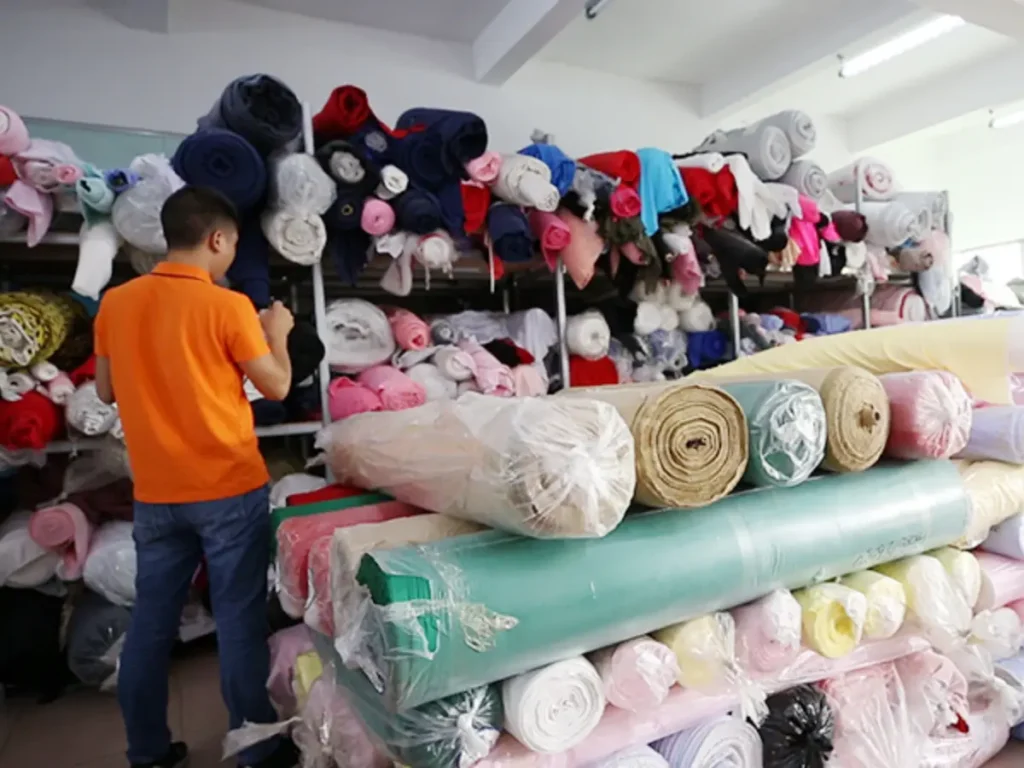
Fabric selection determines drape, weight, stretch, opacity, seam reaction, pressing behavior and bulk consistency. A satin mini dress, mesh bodycon dress and structured corset dress cannot follow the same development path. Duolan checks fabric behavior against garment shape before final sample direction, helping brand teams avoid styles where visual reference and material performance do not align.

Fit Comment Risk
Fit comments are often short, but their production meaning can be complex. “Tighter waist,” “better bust support,” “cleaner hip line” or “shorter strap” may require pattern correction, seam adjustment, lining changes or elastic review. Duolan organizes fit comments into measurable correction points so sample revisions can move toward production-ready standards instead of repeated visual guessing.

PP Standard Risk
A sample approved for appearance alone is not enough for bulk. PP approval should define fabric, color, measurement, construction, lining, trims, logo, label, pressing, packing and workmanship standards. Duolan treats the PP stage as a production reference point, not a formality. Clear approval standards reduce confusion when several styles enter sewing lines together.
Bulk Deviation Risk
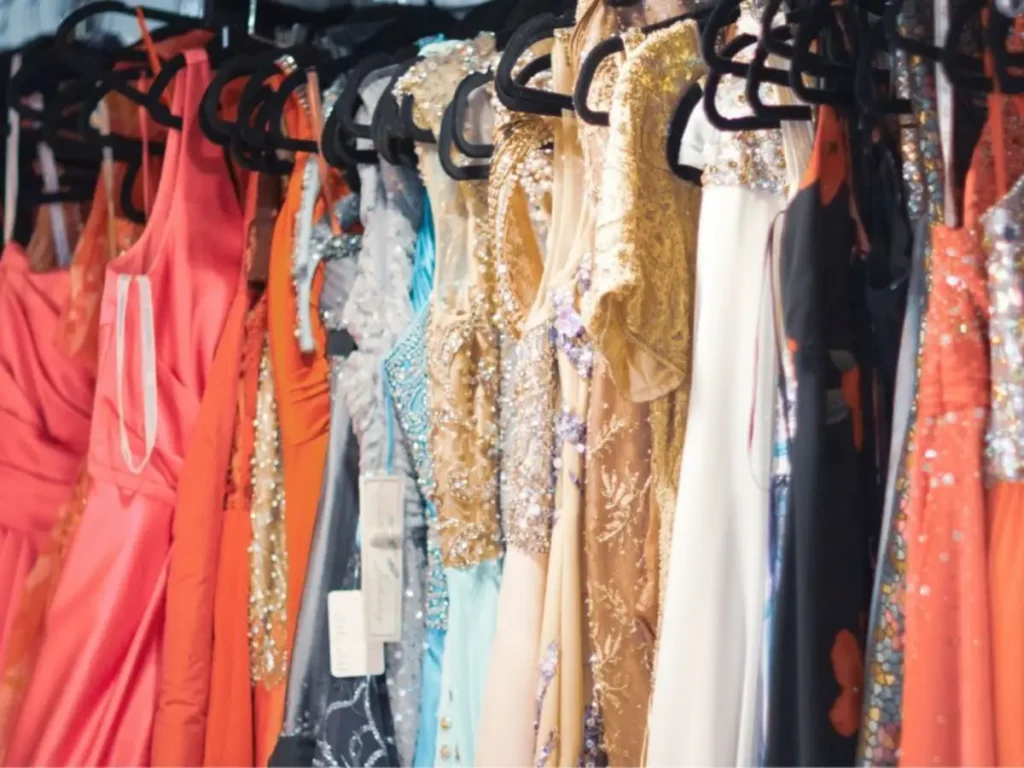
Bulk deviation often appears through measurement shift, seam tension, uneven pressing, lining exposure, decoration loss, color inconsistency or packaging marks. Duolan uses material confirmation, first-piece review, inline QC and final inspection to reduce the gap between approved sample and shipment goods. Stronger control is especial

Launch Timing Risk
UK dress programs often follow occasion calendars, seasonal edits, party periods and campaign shooting schedules. Delay at sample, trim confirmation, PP approval or bulk inspection can affect launch. Duolan reviews project stage, material readiness, sample comments and production route before confirming a working plan, helping brand teams manage development and delivery with clearer milestones.
Dress Categories for UK Fashion Programs
Duolan supports custom dress categories where silhouette, material behavior, construction detail and production repeatability all influence commercial performance.
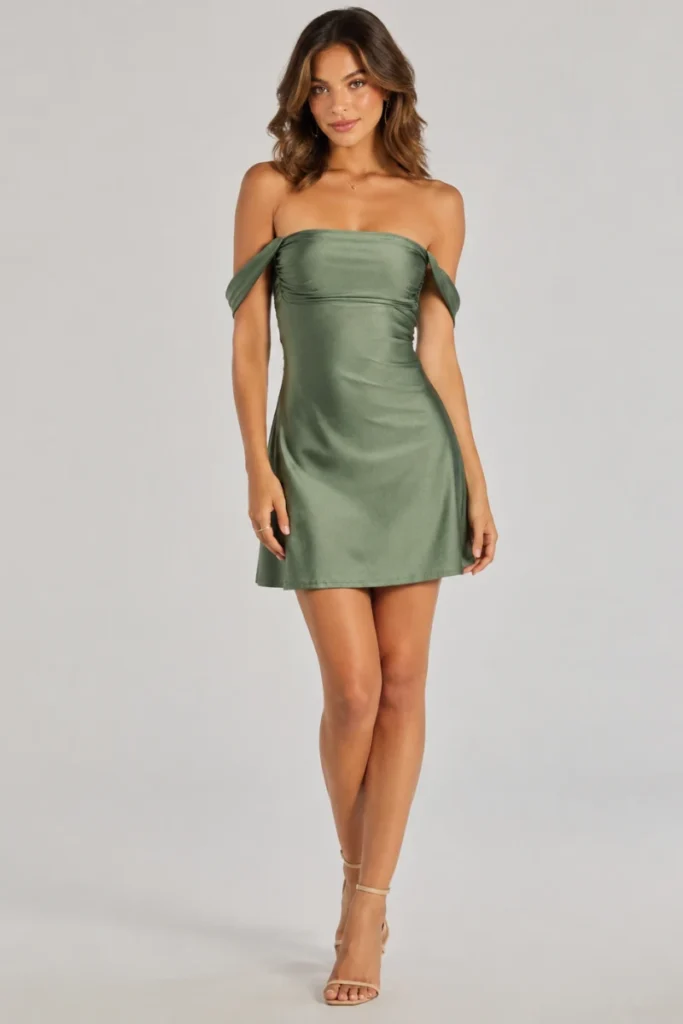
Mini Dresses
Mini dresses need strict proportion control because small measurement shifts can change the garment’s visual balance. Duolan reviews bust height, waist position, hem length, lining coverage, zipper placement and movement comfort before production. For UK fashion edits, mini dresses often appear in partywear, going-out, resort and festive drops, where fit and visual impact must stay consistent across colorways and repeat orders.
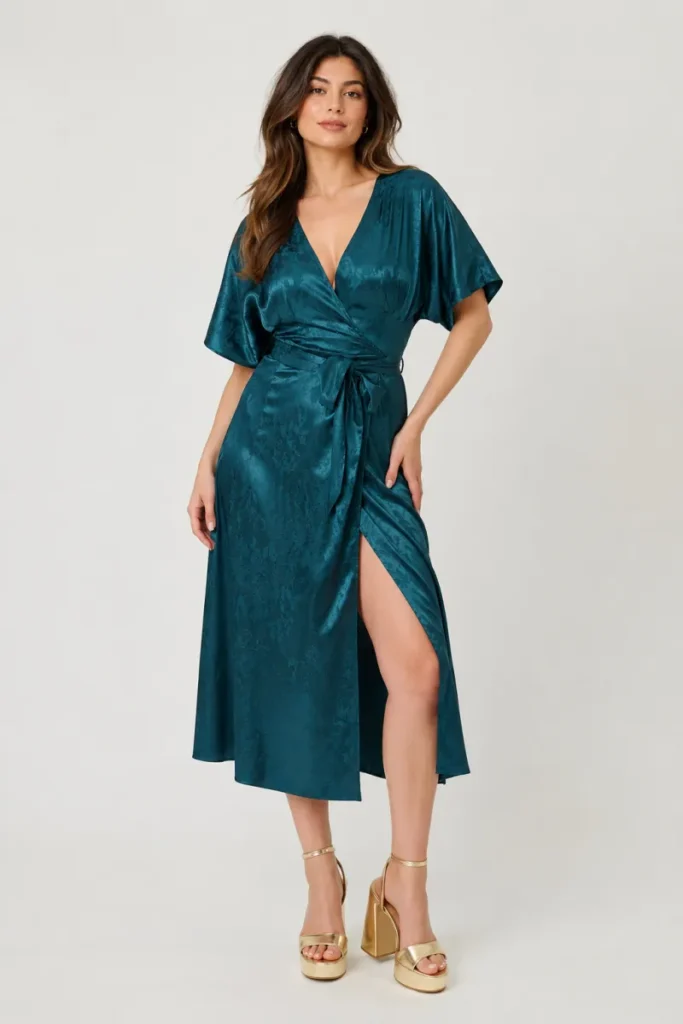
Midi Dresses
Midi dresses depend heavily on fabric drape, side seam balance, hip ease and hem movement. A successful midi style should photograph cleanly, hang naturally and fit across size ranges without pulling at the waist or hip. Duolan supports pattern development, length grading, lining choice, slit adjustment and pressing standards for satin, crepe, jersey, mesh and occasion-ready midi designs.

Maxi Dresses
Maxi dresses require control across fabric weight, seam stability, length grading, neckline support and packing marks. Long panels can reveal twisting, uneven hems or color shading more clearly than shorter silhouettes. Duolan reviews fabric roll consistency, cutting direction, panel balance, lining length, hem finishing and shipping fold method when working on resort, evening, vacation and event-focused maxi dress programs.

Wedding Guest Dresses
Wedding guest dresses need a refined balance between fashion detail and comfort for long wear. Satin, chiffon, lace, crepe, jacquard and mesh combinations require attention to drape, lining, seam visibility and color consistency. Duolan reviews coverage, transparency, slit height, bust security, sleeve movement, zipper smoothness and packing method for UK eventwear brands serving seasonal ceremony calendars.
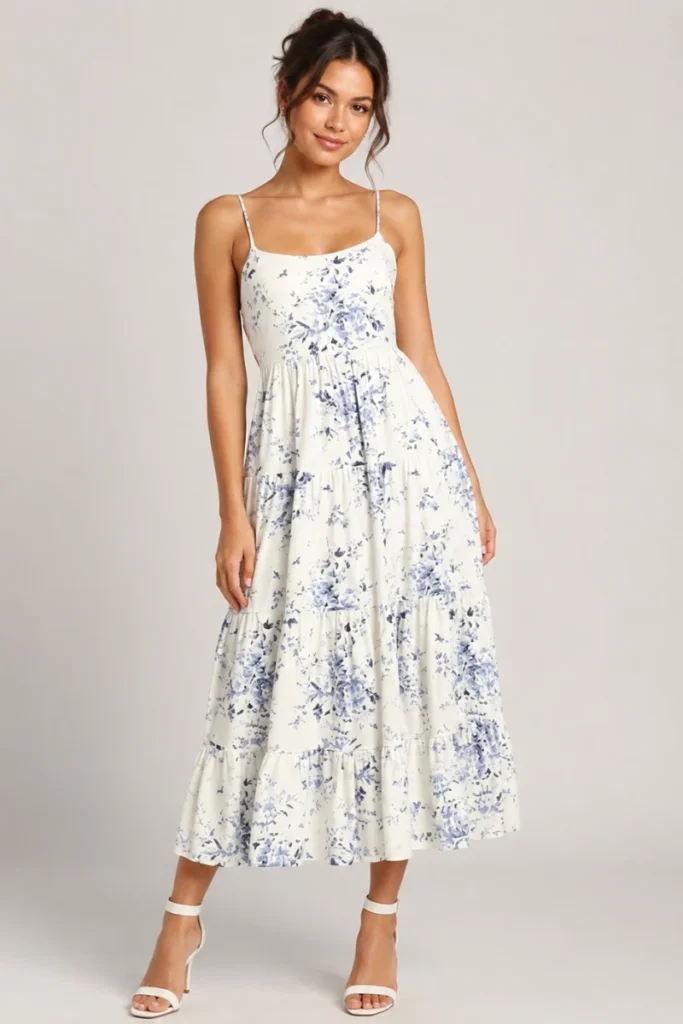
Resort Dresses
Resort dresses need lightness, fabric breathability, color clarity and packable construction. Vacation edits often include slip dresses, halter shapes, tie-back styles, printed maxis, lightweight midis and relaxed occasion pieces. Duolan reviews shrinkage, print placement, strap strength, lining weight, hem flow and fabric recovery after folding so the garment can support warm-weather retail and travel-led styling.

Satin Dresses
Satin dresses are attractive but unforgiving. Seam puckering, needle marks, water spots, shade variation, lining cling and packing creases can affect final presentation. Duolan checks fabric weight, cutting direction, needle choice, seam tension, pressing temperature, lining compatibility and packaging fold points. Strong satin control is critical for UK occasionwear, bridesmaid-inspired fashion and evening dress programs.

Bodycon Dresses
Bodycon dresses require fabric stretch, recovery, opacity and size grading discipline. A fitted style may look correct on one sample size yet fail across the full size range if fabric tension is not controlled. Duolan reviews elastic behavior, seam strength, lining need, bust-waist-hip balance, hem stability and movement comfort before PP approval and bulk sewing.
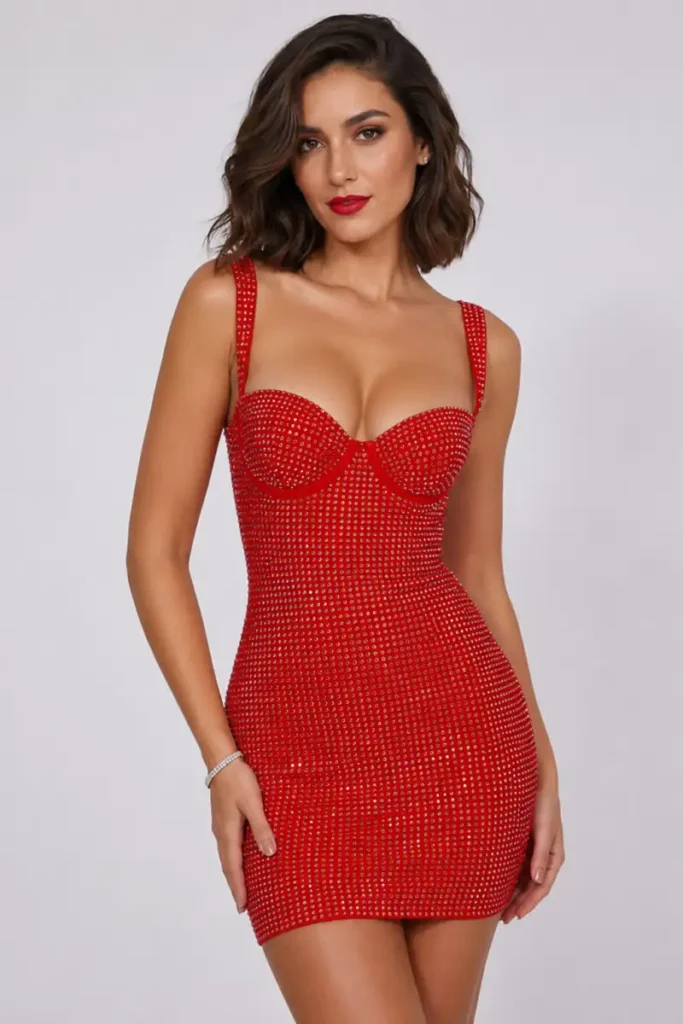
Corset Dresses
Corset dresses need engineered support rather than decorative structure only. Cup shape, boning position, inner lining, front balance, back closure and top edge stability all affect wearing performance. Duolan reviews construction feasibility, seam allowance, boning channel, fabric strength, bust support and size grading so corset-style dresses can move beyond sample appearance into stable production.

Mesh Lace Sequin
Mesh, lace and sequin dresses require careful handling because transparency, stretch, decoration weight and edge comfort affect both look and wearability. Duolan reviews lining coverage, motif placement, seam bulk, sequin loss, skin contact points, stretch direction and repair method. These styles suit partywear, occasion edits and statement collections where detail quality determines perceived value.
Collection Scenarios Duolan Can Support
UK designer-led brands often develop around seasonal stories, occasion calendars and repeatable bestsellers rather than isolated single styles.
Seasonal Dress Drop
A seasonal dress drop usually combines several silhouettes, colors and fabric directions within one launch window. Duolan can review the style mix, sample priority, fabric readiness and production path before work begins. Mini, midi, maxi and fitted styles may need separate sample routes while sharing trims, colors or lining decisions. Strong planning helps keep development organized when 10–30 styles move together.
Occasionwear Capsule
Occasionwear capsules need clear visual cohesion and careful finishing. Satin, lace, crepe, chiffon, mesh and structured fabrics can appear in one capsule, yet each garment requires different handling. Duolan supports material review, fit correction, lining decisions, zipper placement and packing notes for dresses designed for weddings, evening events, race day dressing and formal social calendars.
Partywear Line
A partywear line often includes fitted, shiny, embellished or high-impact garments. Development risks include stretch distortion, decoration loss, scratchy seams, weak straps and inconsistent measurements across sizes. Duolan reviews fabric recovery, inner construction, trim durability, seam comfort and final inspection points so brand teams can move from campaign samples to bulk quantities with stronger control.
Wedding Guest Edit
A wedding guest edit must feel refined, flattering and wearable for long events. Duolan checks hem movement, bust security, sleeve comfort, lining opacity, slit position, fabric drape and color consistency across styles. For UK market programs, timing may link to spring and summer event calendars, so sample review and production planning should begin with enough space for revision.
Resort Collection
A resort collection often requires lightweight fabrics, prints, halter details, tie straps, open backs, relaxed drape and packable finishing. Duolan supports print placement review, fabric shrinkage checks, strap reinforcement, lining weight decisions and folding tests. These steps help vacation dresses keep shape and color quality during shipping, storage, campaign photography and retail handling.
Test to Repeat
Many mature fashion programs move through development, test order, launch order and repeat production. Duolan can help organize pattern records, fabric references, trim specifications, measurement standards and packing instructions so successful styles can return with better speed and consistency. Repeat production becomes easier when the approved sample standard is documented from the beginning.
Send the Right Materials for Development Review
Duolan can review different project inputs before sampling. Clear files help the team evaluate feasibility, risks, sample path and production readiness.
Tech Pack
A complete tech pack is the strongest starting point for custom dress development. Duolan can review flat sketches, construction details, measurement specs, fabric information, trims, labels, colorways, size ranges and packaging notes. When technical information is incomplete, our team can mark unclear areas and request missing points before sample work begins, reducing repeated revisions during later stages.
Reference Images
Reference images help communicate mood, silhouette, styling and visual direction. Duolan uses them to understand proportion, neckline, sleeve shape, waist position, hem flow, cut-out details, drape and decoration. Reference-led projects still need material and measurement decisions, so the team will translate visual ideas into development notes before pattern and sample work move forward.
Original Sample
An original sample is useful when a brand wants to adjust fit, fabric, construction or detail direction from an existing garment. Duolan can review garment measurements, seam construction, lining, zipper, internal support, pressing, decoration and production complexity. The team can also suggest which details should be preserved, improved or simplified for future bulk production.
Fabric Direction
Fabric direction may come from a physical swatch, fabric code, mood board, target hand feel or desired surface effect. Duolan reviews drape, stretch, opacity, weight, shrinkage risk, seam response and color availability. Fabric choice should match dress structure, price position and production quantity, especially for satin, mesh, lace, sequin, jersey and structured occasionwear.
Size Chart
A size chart gives the production team a measurable basis for fit and grading. Duolan can review bust, waist, hip, length, shoulder, strap, sleeve, slit and key POM requirements.
For fitted styles, stretch fabric behavior may affect final specs. For structured dresses, the pattern and lining must match body balance across the full size range.
Collection Brief
A collection brief helps Duolan understand the larger commercial plan behind individual styles. Useful information includes target market, season, launch date, style count, fabric direction, color range, target quantity, price position and repeat order expectation. With a clearer brief, Duolan can organize sample priority, material planning and production route more effectively.
Development Review Before Sampling
Strong dress development begins with technical judgment before fabric is cut. Duolan reviews design, fabric, structure and production path early.

Design Intention Review
A designer-led dress often carries a clear mood: sharp, romantic, sculpted, minimal, feminine, glamorous or resort-ready. The manufacturing task is to protect the design language while turning it into a wearable garment. Duolan reviews the design before sampling by checking neckline depth, bust shape, waist position, hip balance, skirt volume, panel layout, strap direction, sleeve movement, closure placement and decoration scale.
The review also considers whether the dress can be repeated in several colorways or sizes without losing visual identity. A dramatic front drape may need hidden tack points. A backless shape may need strap engineering. A corset-inspired bodice may need inner support. A satin slip dress may need adjusted seam placement to avoid surface interruption. These decisions influence both sample beauty and bulk feasibility.

Fabric Behavior Review
Fabric selection shapes the final garment as much as pattern work. Satin highlights seam tension. Mesh reveals lining decisions. Lace needs motif placement. Jersey requires recovery. Sequin fabric adds weight and edge comfort concerns. Chiffon and georgette need control over transparency and hem flow. Velvet needs nap direction and pressure care.
Duolan reviews fabric against the target silhouette before sample cutting. The team checks drape, stretch, opacity, thickness, surface sensitivity, shrinkage risk, pressing response and lining compatibility. For a UK designer-led program, this step helps avoid a common problem: an attractive concept developed in a material unable to support the intended fit or commercial production. Fabric review also helps plan sewing method, needle selection, seam finish, pressing control and packing notes.

Construction Risk Review
Complex dress construction should be reviewed before pattern work locks the style. Corset dresses need support lines, cup shape, boning channel, lining and back closure review. Bodycon styles need stretch direction, recovery and seam strength. Halter and backless dresses need strap security and neckline stability. Sequin dresses need edge comfort and decoration loss control. Satin dresses need seam tension and pressing care.
Duolan checks whether the structure can remain stable during fitting, production, pressing, packing and repeated wear. The goal is to avoid a beautiful first sample that becomes unstable in production. Construction review also helps define which details should be sewn, reinforced, bonded, lined, taped, topstitched or adjusted before PP approval.

Bulk Feasibility Review
A sample only has value when it can guide future production. Duolan reviews whether materials, trims, workmanship steps, measurements, decoration method and packing requirements can be repeated at the planned quantity. When a project includes 10–30 styles and total order quantities from 20,000–80,000 pieces, production planning must match style complexity with factory route, sewing line skill and QC focus.
Bulk feasibility review covers fabric availability, color control, trim sourcing, sample revision records, PP standard, first-piece confirmation, inline inspection, packing method and delivery schedule. For UK-bound programs, the team can also review carton packing, hanger or folded pack, polybag and label requirements before production begins.
Fabric and Trim Decisions for Dress Programs
Fabric and trim choices influence fit, sewing method, QC focus, packing and cost structure. Duolan reviews materials through garment performance, not swatch appearance only.
Material or Trim | Best Use | Key Risk | Production Impact | Duolan Recommendation |
Satin | Slip dresses, occasion midis, evening minis, wedding guest edits | Seam puckering, needle marks, shade variation, packing creases | Requires careful cutting, needle choice, seam tension and pressing control | Confirm weight, lining and packing fold before PP approval |
Crepe | Refined midis, tailored dresses, occasion pieces | Drape inconsistency, shrinkage, surface variation | Needs stable pattern balance and fabric inspection | Use for cleaner lines where movement and structure must balance |
Mesh | Bodycon overlays, sleeves, panels, printed styles | Transparency, stretch distortion, seam weakness | Requires lining review, stretch direction control and seam reinforcement | Confirm opacity and lining coverage during sample stage |
Lace | Event dresses, feminine panels, trims, overlays | Motif mismatch, edge fray, stiffness, transparency | Needs placement planning and careful cutting | Review motif scale and lining color before sample cutting |
Chiffon | Resort dresses, flowing maxis, sleeve details | Sheerness, hem stretching, panel twisting | Needs fine sewing, lining and hem control | Use for light movement, with attention to lining and seam finish |
Jersey | Bodycon, ruched, draped and stretch dresses | Poor recovery, opacity loss, size inconsistency | Requires fabric recovery test and grading discipline | Confirm stretch, recovery and full-size measurement logic |
Sequin Fabric | Party dresses, statement minis, event styles | Decoration loss, scratchy seams, heavy panels | Needs edge treatment, lining and sewing trial | Test comfort, seam bulk and decoration durability early |
Velvet | Winter event dresses, refined party styles | Nap direction, pressure marks, shade shift | Needs cutting direction control and careful pressing | Plan cutting layout and packing method before bulk |
Lining | Occasion, satin, mesh, lace and structured styles | Cling, transparency, poor breathability, wrong stretch | Affects comfort, opacity and internal finishing | Match lining stretch and weight to outer fabric |
Boning | Corset dresses and structured bodices | Weak support, visible channels, poor comfort | Requires accurate placement and inner construction | Confirm boning position through fit sample review |
Invisible Zipper | Fitted dresses, satin midis, corset backs | Waviness, breakage, uneven sewing | Needs stable seam allowance and quality zipper selection | Test zipper smoothness on real fabric before PP |
Labels and Packaging | UK retail and ecommerce orders | Wrong placement, poor barcode workflow, packing marks | Affects warehouse handling and presentation | Lock label, polybag, carton and folding standard before bulk |
Fit and Pattern Control for Designer-Led Dresses
Fit control turns a visual design into a garment suitable for approval, production and repeat orders across full size ranges.
From Visual Proportion to Pattern Logic
A designer-led dress may begin with a strong image, but pattern logic determines whether the final garment keeps the right shape on body. Duolan reviews the relationship between bust, waist, hip, length, neckline, strap, sleeve, side seam and center front. These points decide whether a dress appears balanced, stable and suitable for UK fashion retail or ecommerce presentation.
For mini dresses, the difference between confident and risky can be a few centimeters at hem or neckline. For midi dresses, hip ease and slit height influence movement. For corset dresses, bust support and back closure determine comfort. For bodycon styles, fabric tension and recovery decide whether measurements can scale across sizes. Duolan links style intention with measurable pattern decisions before revision work begins.
Fit Comment Translation
Fit comments from brand teams often arrive as visual language: “cleaner waist,” “stronger bust,” “less pulling,” “better neckline,” “more flattering hip,” or “more secure back.” Duolan translates these comments into pattern actions. The correction may involve dart movement, seam reshaping, strap length, neckline curve, bust cup adjustment, elastic tension, lining change, panel balance or size spec revision.
Clear translation matters because repeated sample rounds often happen when comments stay subjective. Duolan organizes changes by garment area and explains the action behind each correction. A revision record can then support later PP approval and bulk production. The goal is a sample that can move from brand review into production control without losing design intention.
Size Range Control
A dress approved in one sample size must still work across the production size range. Duolan reviews grading direction, fabric stretch, seam tolerance, length rules, slit position, strap scaling and bust-waist-hip balance. Fitted garments need special attention because stretch fabric can hide pattern issues in sample size but reveal problems in larger sizes.
Structured dresses also need grading discipline because support lines, boning, cups and panels must remain correctly positioned. The team reviews key POMs and style-specific tolerances before bulk preparation. For multi-style programs, consistent size logic across a dress family helps brand teams build better repeat orders and reduce fit complaints across future launches.
Fit-to-Bulk Discipline
Fit approval is not the end of fit control. Duolan carries approved measurements, pattern corrections, fabric behavior notes and PP sample references into production. First-piece checks help confirm whether sewing execution follows the approved basis. Inline measurement checks then monitor important points such as bust, waist, hip, length, strap, sleeve and slit height.
For UK designer-led dress programs, fit-to-bulk discipline protects brand consistency. A strong launch depends not only on one beautiful sample but on cartons of garments matching the approved standard. Duolan’s process connects sample room decisions with production line checks, reducing the common gap between development approval and shipment quality.
Construction Details That Protect Dress Quality
Complex dress styles need hidden engineering. Duolan reviews structure, comfort, finishing and bulk repeatability before large production.

Corset Support
Corset-inspired dresses need support lines built into the garment rather than decorative seams only. Duolan reviews bust position, cup shape, boning channel, lining strength, back closure and top edge stability. The aim is to keep shape on body while avoiding stiffness, pressure points or uneven pulling. Fit sample review should confirm comfort, support and visual proportion before PP approval.

Boning Position
Boning position affects support, comfort and garment balance. Incorrect placement can create twisting, bulging or pressure marks. Duolan checks boning length, channel width, seam allowance, top and bottom protection, and relation to bust and waist points. For bulk production, the boning method must be repeatable across sizes and sewing lines without damaging the outer fabric surface.

Cup Shape
Cup shape determines the front view of corset, bustier and structured occasion dresses. Duolan reviews cup height, curve, inner lining, seam angle, padding need and grading across sizes. A strong cup structure should support the design without causing gaps, flattening or uneven tension. Sample fitting and measurement notes help define whether the cup can enter bulk production.

Lining Coverage
Lining affects opacity, comfort, structure and perceived quality. Mesh, lace, satin, chiffon and sequin dresses often need different lining choices. Duolan reviews stretch compatibility, weight, color, coverage area, seam finish and attachment method. A lining that feels good in one sample can create pulling or transparency problems if the fabric behavior is not matched correctly.

Invisible Zipper
Invisible zippers are common in fitted and occasion dresses, yet poor zipper sewing can create waves, weak closure or uneven side seams. Duolan checks zipper quality, seam allowance, fabric stability, waistband crossing, hook position and top edge finishing. For satin and fitted dresses, zipper testing on real fabric is important before PP approval.

Slit Safety
High slits can add movement and fashion value, but the position must balance style with security. Duolan reviews slit height, reinforcement, lining opening, seam strength and movement range. On midi and maxi dresses, slit location also affects walking comfort and photography. Bulk production should follow the approved slit measurement and reinforcement method precisely.

Satin Seam
Satin seam control requires suitable needle, thread tension, seam type, pressing and handling. Puckering or needle marks can reduce perceived quality quickly. Duolan reviews cutting direction, seam testing, lining compatibility and pressing temperature before bulk. For satin occasionwear, even small surface issues are visible in studio photography and retail presentation.

Sequin Comfort
Sequin dresses need visual shine without discomfort. Duolan reviews sequin density, seam edge, lining softness, underarm contact, zipper area, hem finish and repair method. Decoration loss and scratchy edges should be addressed during sample development. For bulk orders, sewing teams need clear instructions on handling, cutting loss and final inspection focus.
Sample Development Path for UK Dress Projects
Duolan’s sample work is organized around review, correction and production readiness rather than appearance alone.
Step 1: Brief and File Review
The sample path begins with a review of available files: tech pack, reference images, original sample, size chart, fabric direction, trim idea, target quantity, launch date and delivery requirement. Duolan checks whether the project is ready for sampling or still needs clarification. Missing information may include fabric weight, lining direction, key measurements, closure details, label placement or packaging method.
For mature brand teams, this step saves time because the sample room receives clearer technical direction. If several styles are included, Duolan can help organize priority by launch timing, fabric complexity and production risk. A 10–30 style dress program should not be treated as isolated samples. It needs a development order, material route and review rhythm.
Step 2: Fabric and Pattern Preparation
After the brief is reviewed, Duolan aligns fabric, trims and pattern work. For fabric-led projects, the team checks swatches, availability, drape, stretch, opacity and sewing behavior. For image-led projects, the pattern team interprets silhouette, seam line, length, neckline, bust and waist balance. For original-sample projects, measurements and construction details are documented before adjustment.
Pattern preparation also considers future production. A style with too many unstable details may need a more secure construction method. A fitted style may need recovery review. A sequin dress may need trim handling trials. These decisions help reduce unnecessary sample rounds and improve the chance of reaching a production-ready version.
Step 3: First Sample and Internal Review
The first sample is checked internally before shipping or presenting for review. Duolan reviews shape, construction, measurement, workmanship, fabric behavior, lining, trim placement and finishing. For complex dresses, internal review may identify early issues such as weak strap support, unstable neckline, puckered satin seams, exposed lining, heavy decoration or zipper waviness.
A first sample should open a clear discussion, not create confusion. The team can summarize visible differences, technical risks and recommended changes. When the first sample is used for brand review, comments can be organized by garment area so revision work becomes measurable and easier to confirm.
Step 4: Revision and PP Direction
Once comments are received, Duolan reviews whether requested changes affect pattern, fabric, trims, construction, measurements or production route. Revisions may include neckline change, waist tightening, cup adjustment, lining update, slit correction, length grading, seam reshaping or decoration relocation. Each change should be recorded so the next sample can be compared with the previous version.
When the sample reaches approval direction, Duolan prepares for PP thinking: which fabric is locked, which trims are confirmed, which measurements matter most, which workmanship points need line training, and which packing notes must be followed. A sample becomes production-ready only when it can guide bulk execution.
What to Confirm Before Bulk Production
Sample approval should lock the garment standard for production. Duolan helps brand teams confirm the points that affect bulk consistency.
Fabric Approval
Fabric approval should cover more than color and hand feel. Duolan recommends checking weight, drape, stretch, opacity, shrinkage risk, surface sensitivity, shade control and lining compatibility. For satin, mesh, lace, jersey and sequin fabrics, the approved material should match both sample appearance and bulk sewing needs. Fabric source and color reference should be locked before production preparation.
Fit Approval
Fit approval should define measurable points. Bust, waist, hip, length, strap, sleeve, slit height, neckline and key seam positions should be checked against the approved size spec. For fitted or structured dresses, movement and support need review as well. Duolan connects approved fit comments with pattern correction records so production can follow a clear measurement basis.
Construction Approval
Construction approval should include seams, lining, zipper, boning, cup shape, slit reinforcement, hem finish, strap attachment and decoration method. Complex garments can fail during bulk if construction details remain informal. Duolan reviews internal and external workmanship before PP direction, especially for corset, satin, sequin, mesh, lace and structured occasionwear styles.
Color and Visual
Color and visual approval should include shade reference, print placement, lace motif direction, sequin coverage, surface shine, panel balance and final pressing appearance. Studio photography and ecommerce presentation can expose small differences quickly. Duolan recommends confirming color and visual standards under controlled lighting before bulk fabric cutting.
Label and Packing
Label and packing approval should cover main label, care label, size label, barcode, polybag, hanger, carton marking, folding method and crease-sensitive areas. Satin, velvet, structured bodices and embellished dresses may need specific packing methods. Duolan can prepare packing instructions for UK-bound shipments based on brand warehouse or retail requirements.
Bulk Start Basis
Bulk start should follow confirmed PP sample, material status, size breakdown, color breakdown, production quantity, QC focus and shipping requirement. Duolan organizes production preparation around approved records rather than verbal approval. For programs with 20,000–80,000 pieces across several styles, clear bulk start basis protects timing and consistency.
From Approved Sample to Bulk Production
Duolan connects sample room decisions with production floor execution, helping approved dress styles remain stable during larger orders.
ckaging, testing and documentation needs for structured US dress programs.
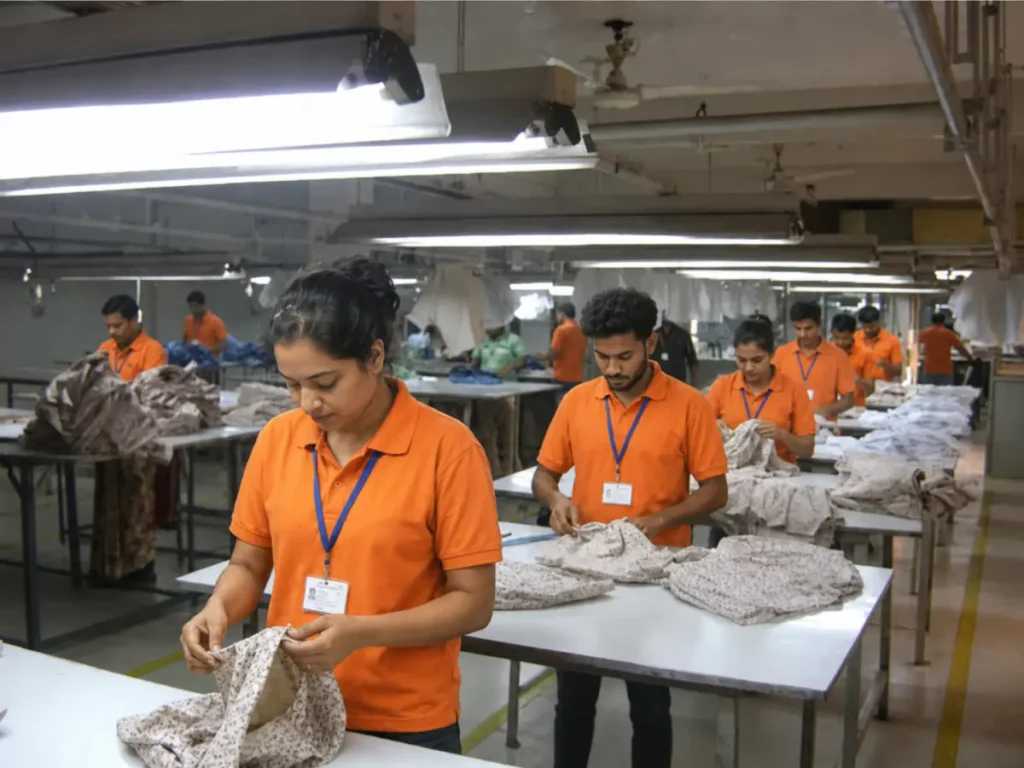
Bulk Readiness Review
Before bulk starts, Duolan reviews whether the approved sample has enough information to guide production. The team checks fabric, lining, trims, measurements, pattern, construction method, sewing difficulty, pressing requirement, packaging method and inspection focus. A visually approved sample can still be risky if material, workmanship or packing details are not locked.
Bulk readiness matters most when a brand plans 10–30 styles in one launch and total quantities reach 20,000–80,000 pieces. Each style needs a production route based on complexity. A satin midi may need careful seam and pressing control. A sequin mini may need decoration handling and lining comfort review. A corset dress may need support structure training before line production.

First-Piece Confirmation
First-piece confirmation checks whether the sewing line can reproduce the approved standard. Duolan reviews measurement, seam quality, zipper setting, lining, pressing, shape, trim placement and overall appearance before continuous output. Any early issue can be corrected before large quantities are produced.
This step is important for multi-line or multi-factory production. When several dress styles move together, first-piece review helps protect style-specific standards. For example, fitted jersey dresses require stretch and measurement control, while satin dresses require surface protection and seam stability. A shared production checklist is not enough. Each style needs its own focus points.
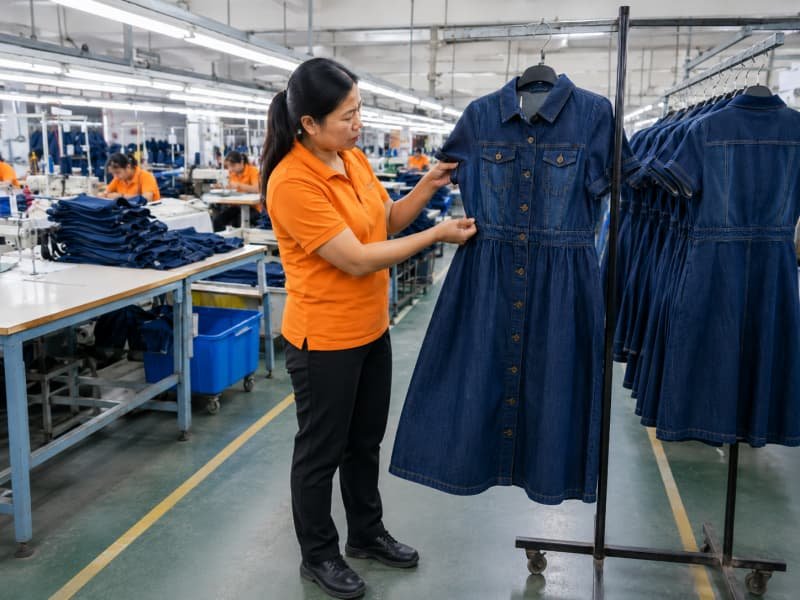
Inline QC and Measurement Checks
Inline QC helps identify issues while production is active. Duolan monitors workmanship, measurement, color, seam tension, trim placement, decoration condition, pressing and packaging preparation. Measurement checks are especially important for dresses because small deviations can affect fit, body balance and customer experience.
QC focus changes by category. Bodycon styles need stretch and size control. Mesh and lace styles need lining and transparency review. Sequin dresses need decoration and comfort checks. Corset dresses need support and closure review. Satin dresses need surface and pressing control. Duolan organizes inspection based on garment risk rather than a generic checklist only.
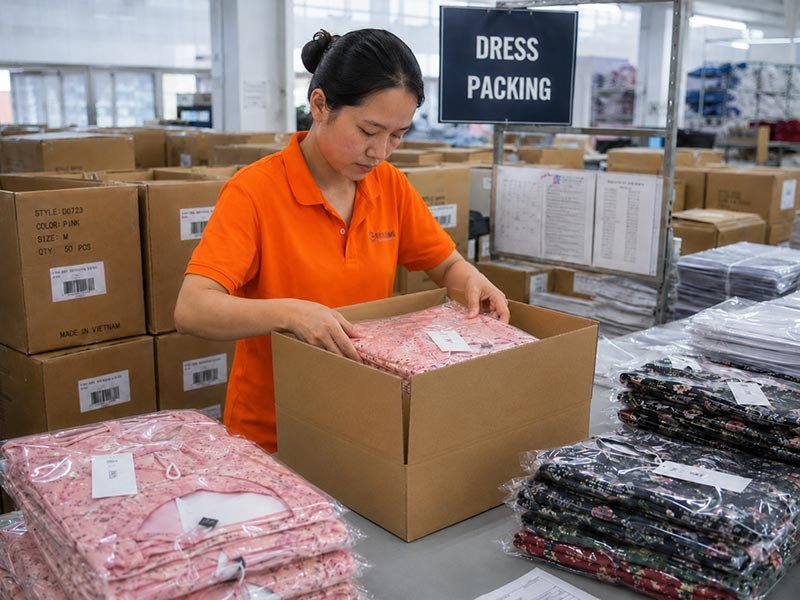
Final Inspection and Shipment Preparation
Final inspection confirms finished goods against approved sample, size specs, workmanship standard, label placement, packing method and shipment requirements. Duolan can coordinate inspection records, packing details, carton information and delivery communication before release. For UK-bound programs, shipping preparation may include folded pack, hanger pack, carton marks, label accuracy and forwarder coordination.
Sample-to-bulk control gives brand teams stronger confidence when moving from campaign samples to commercial quantities. The aim is not only to finish production, but to deliver garments that match the approved development result.
Manufacturing Capacity Behind Dress Programs
Duolan’s manufacturing structure supports development density, multi-style production, flexible replenishment and controlled bulk delivery for fashion dress programs.
16 Owned Factories
Duolan is supported by 16 owned womenswear factories, giving stronger control over core styles, development follow-through and production standards. Owned factory capacity is valuable for designer-led programs because key dress styles often need close coordination between sample team, production team and QC team. Core projects can be managed with clearer technical records and stronger responsibility across sample-to-bulk transition.
20+ Satellite Partners
More than 20 long-term satellite factory partners support flexible capacity, repeat orders and style allocation. Satellite factories are useful when a dress program includes several style types or when production needs to expand after a successful launch. Duolan can match garment complexity with suitable production resources, rather than forcing all styles through one production route.
12,000+ Workers
The broader production network includes more than 12,000 workers across supporting manufacturing bases. For established fashion programs, labor scale matters when several styles, colors and size ranges move within one production calendar. Larger workforce support can help manage launch windows, replenishment pressure and high-season production demand with better resource planning.
300 Sewing Lines
Around 300 sewing lines support Duolan’s broader garment manufacturing system. For dress projects, sewing-line structure allows style allocation based on skill need, fabric type, construction difficulty and quantity. Fitted jersey, satin, corset, lace, mesh and embellished dresses require different levels of handling, so line matching becomes part of production planning.
50+ Quick Lines
More than 50 quick-response lines support development follow-up, test orders, repeat production and urgent seasonal needs. For UK fashion programs linked to occasion calendars, fast-moving lines help support shorter production cycles after materials and standards are confirmed. The value is not speed alone, but structured speed linked to sample approval and production readiness.
15,000–35,000 Samples
The system can support 15,000–35,000 monthly sample development capacity across the broader manufacturing structure. High sample capacity matters for brands working on multi-style collections, seasonal edits and repeated launches. It allows several concepts, fabrics and revisions to move in parallel, while still requiring clear briefs, confirmed materials and organized comments for efficient progress.
Craft Options for Statement Dress Development
Dress cost depends on fabric, construction, process, size range, colorways and production path.

Printed dresses require more than artwork placement. Duolan reviews print scale, panel position, fabric shrinkage, color clarity, cutting direction and size grading impact. Digital print, heat transfer or screen-based methods may suit different quantities and fabric bases. For resort, occasion and going-out dresses, print planning should connect artwork, fabric behavior and sewing layout before sample cutting.

Dip Dye
Dip dye and gradient effects add movement and visual character but need careful color control. Duolan reviews fabric absorbency, color transition, panel matching, hem position and bulk repeatability. These details matter for resort dresses, flowing maxis and eventwear styles where uneven shade or mismatched panels can reduce presentation quality.

Embroidery
Embroidery can elevate collars, bodices, sleeves, waist panels and hem areas. Duolan reviews stitch density, backing, fabric strength, placement accuracy, thread color and skin comfort. Heavy embroidery may affect drape or create pulling if not balanced with fabric weight. Sample trials help confirm whether embroidery works as a decorative detail and a production-ready technique.

Washing
Washing and finishing treatments can adjust hand feel, surface texture and garment character. Duolan reviews fabric reaction, shrinkage, color change, seam stability and bulk consistency before approval. For fashion dresses, washing should support the style rather than distort shape. Pre-production testing is important when garment structure, decoration or lining may react differently after finishing.

Sequin Work
Sequin work needs shine, stability and comfort. Duolan reviews sequin size, backing fabric, decoration density, cutting loss, seam edge, lining, underarm contact and repair methods. For party dresses, bulk production should include clear inspection points for decoration loss and scratchy areas. A good sequin dress should look strong without creating uncomfortable wearing points.

Pearl Detail
Pearl decoration can add refined visual value to occasion dresses, statement minis and premium party styles. Duolan reviews attachment method, spacing, garment weight, washing limitation, packing pressure and bulk labor requirements. Pearl placement should match the garment’s silhouette and movement; dense decoration near stretch areas or high-friction zones may require adjusted construction planning.

Bead Detail
Bead detailing requires balanced decoration density, secure attachment and smooth contact with the body. Duolan reviews bead weight, seam interference, lining coverage, edge comfort and bulk handling method. For designer-led dresses, beadwork should enhance the garment without making production unstable. Early sample review helps define acceptable bead placement and repair standards.

Rhinestone Detail
Rhinestones add strong visual effect for partywear and evening styles, but attachment durability and placement are critical. Duolan reviews heat application, hand setting, surface fabric, spacing, washing care, packing pressure and inspection method. Rhinestone designs should be tested on actual fabric before bulk approval because different bases react differently to pressure and heat.
Quality Control for UK-Bound Dress Orders
Duolan’s quality work follows the garment risk profile, approved sample standard and brand requirements across development, production and shipment.
Material and Cutting Control
Quality control begins before sewing. Duolan checks fabric roll condition, shade difference, fabric direction, shrinkage concern, surface defects, print placement and cutting layout where required.
Satin, velvet, mesh, lace and sequin fabrics need careful handling because surface or placement issues become visible quickly. For long-panel dresses, cutting direction and panel balance are especially important.
Material records also support repeat production. When an approved fabric, lining or trim is used across future orders, reference control helps reduce variation. Duolan’s supply chain resources include fabric, trim, accessory and special process partners, with mature cooperation resources for printing, dip dye, embroidery and washing.
Inline and Final Inspection
During production, Duolan reviews workmanship, measurements, seam strength, zipper setting, lining, support structure, decoration, pressing and packing preparation. Inline inspection helps identify issues before large quantities are completed. Final inspection checks finished garments against approved sample, size spec, visual standard and packing requirement.
Dress QC should be category-specific. Satin dresses require seam and surface inspection. Corset dresses require support and closure review. Bodycon dresses require measurement and stretch control. Sequin dresses require decoration and comfort checks. Mesh and lace dresses require lining and transparency review. Duolan’s QC process is adjusted to garment construction rather than generic garment inspection alone.
Standards and Audit Awareness
Duolan’s manufacturing system has SMETA audit and SMETA 2-Pillar audit record. The team can cooperate with brand requirements related to social responsibility, quality management, material testing, garment testing and specific market standards. Depending on project requirements, discussions may include BSCI, ISO 9001, AATCC, ASTM, OEKO-TEX®, EN, China GB standards, GOTS or brand-specific requirements.
Compliance support should be confirmed according to garment category, market, material, label claim and brand policy. Duolan can help prepare records, supplier information and inspection communication as part of a structured sourcing process.
Packing and Shipment Check
Packing affects presentation, warehouse handling and returns risk. Duolan checks label placement, care label, size label, polybag, barcode requirement, hanger pack or folded pack, carton marks and carton quantity. Satin, velvet, structured and embellished dresses may need added care because creases, pressure marks or decoration damage can appear during transit.
For UK-bound shipments, Duolan can coordinate shipping terms such as FOB, CIF or DDP according to project arrangement. Final shipment preparation should align with brand warehouse, forwarder, inspection and documentation
Structured Communication for Dress Development
Clear communication keeps dress programs moving from brief review to sample approval, production updates and shipment release.
Development Communication
Duolan can communicate with overseas fashion teams through email, WhatsApp and online meetings during project review, sampling and production. The development stage usually includes file review, fabric questions, construction discussion, sample progress, fit comments and revision summaries. Strong communication matters when a UK team sends design language, while the factory team must convert it into pattern and production steps.
The team can organize comments by style and garment area: neckline, bust, waist, hip, strap, sleeve, length, slit, lining, zipper, trims, packing and QC focus. Organized comments reduce confusion during revision and help prepare the sample for PP direction.
Production Communication
Production communication should cover material status, bulk start, first-piece review, inline progress, inspection focus, packing plan and shipping coordination. For multi-style dress orders, each style may have its own production difficulty and timing. Duolan can update based on style status rather than giving a single broad message.
For established brand teams, communication should support decisions. Useful updates include what is completed, what is pending, what risk remains and what confirmation is needed. This approach helps UK teams manage internal approval, campaign planning, warehouse timing and replenishment discussion more effectively.
File and Record Discipline
A strong dress program needs records. Duolan can work with tech packs, size charts, fit comments, sample photos, material references, trim records, PP standard, packing notes and inspection communication. When a style repeats, these records become valuable for faster production and more stable results.
Record discipline is especially useful for 10–30 style programs where several samples, colorways and quantities move at the same time. Without organized records, approved details can be lost between development and bulk. Duolan’s workflow keeps the project centered around confirmed standards.
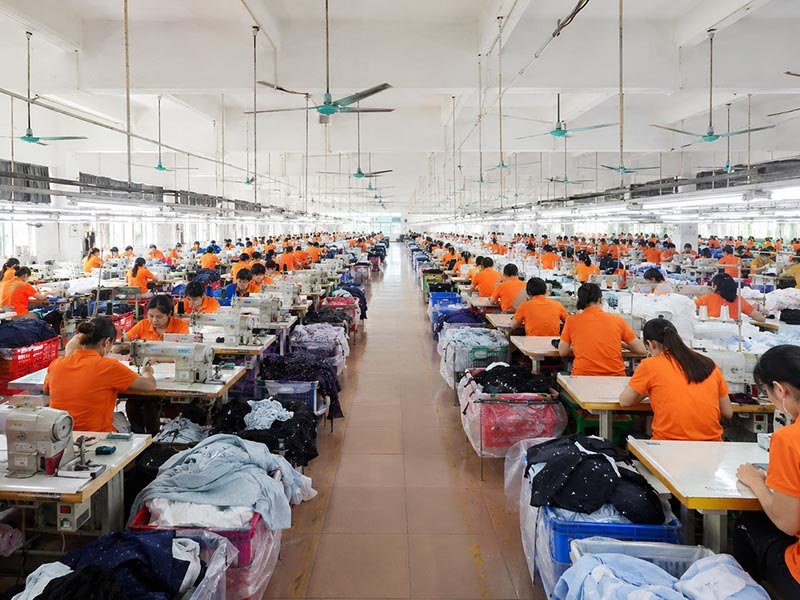
Support for Launch Calendars and Delivery Plans
Fashion dress programs often need sample timing, campaign preparation, bulk production and shipment aligned with launch windows.
Sample Timing
Sample timing depends on file clarity, fabric readiness, trims, construction complexity and revision needs. Simple dress styles can move faster when materials and measurements are clear. Satin, corset, sequin, lace, mesh or multi-style programs need additional review. Duolan confirms the working timeline after reviewing project files and material direction, helping brand teams plan internal approval and photo sample use.
PP Approval
PP approval should happen after sample comments, material confirmation and construction details are locked. Duolan helps confirm the PP basis before bulk begins, including fabric, fit, measurements, trims, lining, workmanship, label and packing. When approval is unclear, production risk increases. A structured PP stage gives brand teams better control over bulk quality.
Bulk Scheduling
Bulk scheduling considers style count, quantity, fabric arrival, trim readiness, sewing complexity, factory route and delivery requirement. Programs with 20,000–80,000 pieces across 10–30 styles need organized production allocation. Duolan’s manufacturing network allows style matching across owned factories, satellite resources and quick-response lines according to garment complexity and required output rhythm.
Inspection Milestones
Inspection milestones may include first-piece review, inline QC, measurement checks, final inspection and packing review. Duolan applies QC focus based on dress type. Fitted styles need measurement control, satin styles need surface review, sequin styles need decoration checks and corset styles need support inspection. Milestone planning helps reduce late-stage surprises before shipment.
Shipping Options
Duolan can support shipment planning through express, air, sea and agreed trade terms such as FOB, CIF or DDP according to project arrangement. UK-bound dress programs may involve warehouse delivery windows, forwarder booking, carton marks, label requirements and documentation. Shipment planning should begin before packing, especially for time-sensitive launch calendars.
Repeat Planning
Repeat planning should begin when early sales performance becomes visible. Duolan can help keep pattern, fabric, trim, color, measurement and packing records for future production. Strong repeat records help a successful satin midi, party mini, wedding guest dress or resort style return faster with fewer approval gaps. Reorder stability protects brand continuity across seasons.
Custom Dress Manufacturer for UK Designer-Led Fashion Brands case studies
London Occasionwear Label
A London-based occasionwear label needed a refined wedding guest capsule covering satin midis, structured minis, lace sleeve dresses and asymmetric necklines. The program included 18 styles and an initial production plan of 36,000 pieces. Main concerns were satin seam quality, bust coverage, invisible zipper smoothness, lining opacity and consistent hem length across sizes. Duolan reviewed fabric weights, created sample revisions by garment area and prepared PP standards for each approved style.
The project moved from design file review to two focused sample rounds, followed by bulk readiness confirmation. Production was allocated based on fabric and construction difficulty. Satin styles received additional seam and pressing control, while lace styles received motif and lining checks. Final delivery followed a staged packing plan for UK warehouse scheduling.

UK Ecommerce Dress Brand
A UK ecommerce dress brand planned a partywear line with bodycon, mesh, sequin and ruched mini dresses. The order covered 24 styles and 58,000 pieces across several color directions. The brand needed strong visual impact for campaign photography but also required better wearability than previous supply. Problems in earlier projects included weak straps, scratchy sequin seams, inconsistent stretch recovery and neckline movement during fitting.
Duolan reviewed fabric recovery, lining softness, sequin edge comfort, strap attachment and size grading. The sample comments were translated into measurable pattern and construction actions. During production, QC focused on decoration loss, seam strength, measurements, zipper setting and packing condition. Styles with higher decoration density were assigned separate handling instructions.

Manchester Sourcing Office
A Manchester sourcing office managed a multi-brand dress program for occasion, resort and going-out collections. The program included 12 styles and 22,000 pieces, with different fabric directions including crepe, chiffon, printed woven, satin and jersey. The sourcing office needed a supplier able to manage development records, material confirmation, sample comments, PP approval and shipment communication for several internal stakeholders.
Duolan organized each style by development status, material risk and production path. Fabric and trim notes were confirmed before sampling, then sample revisions were tracked by garment area. Production preparation included PP sample reference, size spec check, packing instructions and final inspection focus. Shipment communication included carton marks, packing details and delivery coordination for the UK route.

Frequently Asked Questions
Yes. Duolan supports UK-facing fashion teams developing custom dress programs from design references, tech packs, original samples, fabric direction or collection briefs. The strongest fit is a brand team with defined product direction, sample goals, target quantity and a planned production pathway.
Yes. Tech packs are a strong starting point. Duolan can review flat sketches, measurements, construction details, fabrics, trims, labels, colorways and packing notes before sampling. If technical information is incomplete, the team can mark unclear areas for confirmation before development moves forward.
Yes. Reference images can guide silhouette, proportion, mood and detail direction. Duolan will still need decisions around fabric, measurements, construction, lining, trims and production quantity. Visual references are translated into development notes before sample and pattern work begin.
Yes. Satin dresses require special control over fabric weight, cutting direction, seam tension, needle marks, lining, pressing and packing. Duolan reviews satin behavior before bulk production because surface issues and creases can affect retail and campaign presentation.
Yes. Duolan can support corset-inspired and structured dress development. Review points include cup shape, boning position, lining strength, back closure, neckline stability and comfort. These details should be confirmed through sample fitting and PP preparation before bulk sewing.
Yes. Sequin dresses need review of decoration density, seam edge, lining comfort, cutting loss, zipper area and repair method. Duolan checks construction and QC focus during sampling so bulk production can reduce decoration loss and uncomfortable contact points.
Many mature dress programs include 10–30 styles in one seasonal launch, capsule or partywear line. Duolan can review style count, fabric direction, sample priority, target quantity and production route before confirming the working plan.
Duolan is strongest for structured brand programs moving from sample development to test order, launch quantity, repeat order and scaled production. Many brand projects involve total order quantities from 20,000–80,000 pieces across multiple styles, depending on fabric, color, size and construction.
Yes. Duolan can coordinate UK-bound shipments through express, air or sea according to project arrangement. Trade terms may include FOB, CIF or DDP depending on order details, forwarder arrangement, packing method and delivery requirement.
Send tech packs, reference images, original samples, fabric direction, size charts, target quantity, launch timing and delivery requirements. Duolan will review development basis, fabric and construction risk, sample path and bulk feasibility before moving into the next step.

Start a Custom Dress Development Review
Duolan supports UK designer-led fashion brands, established fashion labels, product teams and sourcing offices developing custom dress programs with clear commercial direction. Share your project files and our team will review style feasibility, fabric and trim direction, sample path, production risk and bulk planning needs before giving the next-step recommendation.
Please include as much project information as available:
- Tech pack, reference images or original sample photos
- Target dress category, style count and fabric direction
- Size range, colorways and approximate quantity
- Sample purpose, PP approval needs and launch timing
- UK delivery route, packing requirements and warehouse notes
- Special concerns such as satin seams, corset support, mesh lining, sequin comfort or fit comments
Duolan is a stronger fit for brands with defined development needs, sample plans and production goals. A clear brief helps our team evaluate whether the project should begin with fabric review, sample development, PP preparation or bulk production planning.