...

Custom Dress Manufacturer for UK Occasionwear Brands

Dress-focused development and manufacturing support for UK occasionwear brands planning refined styles, controlled samples, and scalable production.

Duolan helps UK occasionwear brands develop custom dresses from concept direction to production-ready samples and bulk delivery. Our work focuses on fit, fabric behavior, structure, decorative workmanship, size control, and repeatable production standards. Brand teams can send tech packs, reference images, original samples, fabric ideas, or collection briefs for structured review before sampling begins.

Key support includes:

  • Occasionwear dress development for wedding guest, party, cocktail, event, holiday, and going-out collections
  • Fabric, lining, trim, pattern, sample, PP standard, bulk production, and QC coordination
  • Manufacturing capacity backed by 16 owned womenswear factories and 20+ satellite factories
  • SMETA 2-Pillar audit record and brand-level production coordination experience

Manufacturing and case facts:

  • 16 owned womenswear factories and 20+ satellite factories support controlled development, production allocation, QC and delivery planning.
  • 10-30 style UK occasionwear drops can be reviewed by fabric group, construction risk, sample stage and production path.
  • 20,000-80,000 piece brand-level programs require material locking, PP confirmation, first-piece review and packing control before shipment.
  • A UK occasionwear program covered 18 styles and 36,000 pieces across satin, crepe, lace and chiffon categories.

Built Around UK Occasionwear Dress Programs

UK occasionwear brands need more than dress sewing capacity; they need development judgment before bulk production starts.

UK occasionwear products carry high visual pressure. A wedding guest dress, cocktail dress, race day dress, or party dress must look polished in photos, feel stable when worn, and stay consistent across colorways, sizes, and repeat orders. Satin must fall cleanly. Mesh must cover correctly. Sequin styles must avoid harsh skin contact. Corset-inspired dresses must hold shape without making movement difficult.

Duolan works with dress-focused project logic. Before sampling, our team reviews style direction, fabric suitability, lining choice, support structure, seam placement, decorative workmanship, and future production feasibility. For UK occasionwear brands planning 10-30 styles per drop and 20,000-80,000 pieces per brand order, early technical review helps reduce unnecessary sample rounds and protect launch timing.
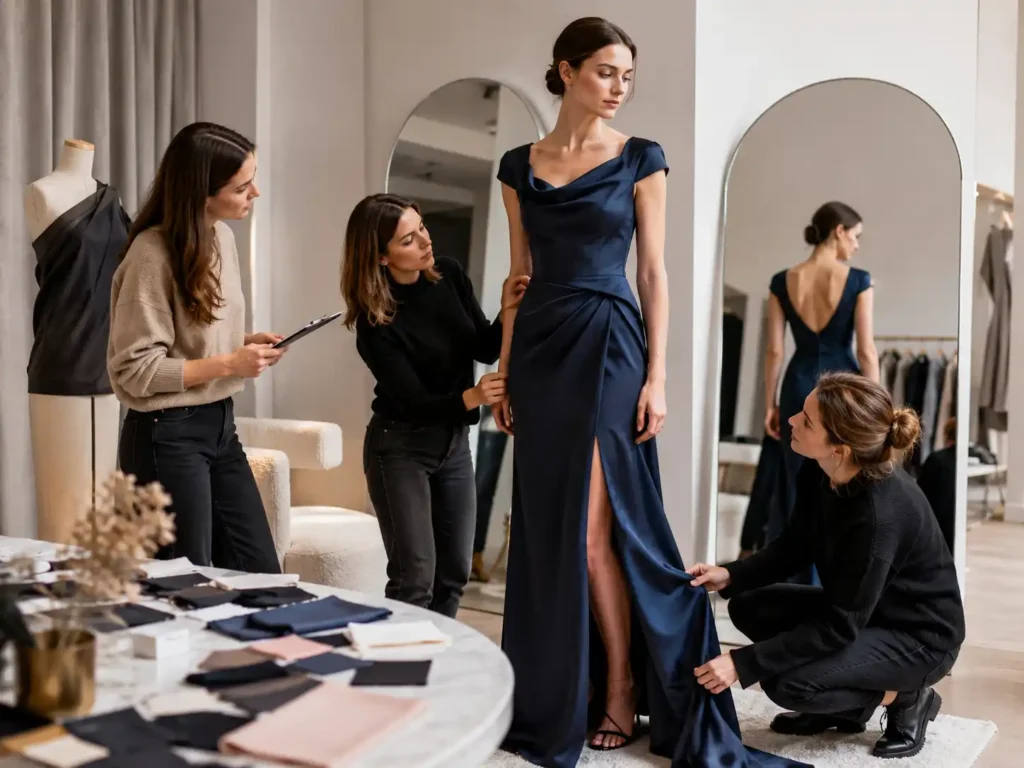
Designed for Serious Occasionwear Teams

Duolan supports fashion teams planning repeatable dress development, organized sampling, and production programs with clear commercial targets.

UK Occasionwear Brands

UK occasionwear brands often work around seasonal calendars, event dressing periods, wedding guest demand, party season, and holiday drops. Their dress lines must balance visual appeal with controlled production. Duolan supports these teams through fabric review, silhouette planning, sample correction, PP standard confirmation, bulk production coordination, and quality control before shipment.

US Brands Selling UK

American fashion brands entering the UK market often need a supplier able to read UK occasionwear styling while managing overseas production scale. Duolan supports multi-style dress programs covering satin, mesh, lace, sequin, crepe, velvet, and structured designs, with project coordination for samples, revisions, production windows, packing, and export delivery.

Buying Teams

Buying teams need stable product execution, not loose promises. Duolan helps organize style files, fabric cards, sample comments, PP sample records, measurement standards, workmanship points, and delivery schedules. Each dress project can be reviewed by product type, fabric risk, structure complexity, decorative workmanship, and bulk production path before order confirmation.

Product Teams

Product teams care about design translation. A reference image may look simple, yet fabric weight, lining, cup shape, waist balance, zipper position, strap angle, and skirt fall decide the final result. Duolan helps convert design direction into sample versions suitable for internal review and production planning.

Sourcing Offices

Sourcing offices need supplier clarity across development, audit, quality, and delivery. Duolan provides dress-focused production support backed by owned factories, satellite production resources, quick-response lines, special process partners, and SMETA 2-Pillar audit record for supplier evaluation work.

Multi-style Programs

Occasionwear lines often include fitted mini dresses, satin midis, sequin party dresses, mesh detail dresses, and romantic lace styles in one development cycle. Duolan supports 10-30 style projects with sample development, production path planning, and capacity coordination across different construction levels.

What UK Occasionwear Teams Need

Dress manufacturing decisions depend on style accuracy, fabric control, sample discipline, production repeatability, and delivery reliability.

Procurement NeedWhy It Matters for OccasionwearDuolan Response
Style direction reviewOccasionwear styles need clear event positioning, length, fit, fabric, color, and visual impact.Duolan reviews silhouettes, references, construction needs, and production risks before sample planning.
Fabric suitabilitySatin, mesh, lace, sequin, velvet, and crepe behave differently during cutting, sewing, pressing, and packing.Fabric cards, lining options, stretch direction, weight, transparency, and drape are reviewed against the target style.
Fit and pattern controlOccasionwear often depends on bust balance, waist shape, hip contour, strap position, and skirt fall.Pattern and sample teams check measurements, wearing points, support placement, and correction notes.
Sample revision disciplineUnstructured sample feedback can delay launch timing and weaken production accuracy.Proto, fit, revised, SMS, and PP samples can be organized with revision summaries and next-step records.
Bulk consistencyApproved samples must transfer into production without fabric, trim, size, or workmanship drift.PP standard, material locking, first-piece review, inline inspection, and final QC help protect consistency.
Multi-style coordinationOccasionwear brands often develop 10-30 styles per drop with mixed construction difficulty.Duolan coordinates styles by category, fabric risk, process complexity, production line fit, and delivery priority.
Brand-level supplier reviewEstablished teams need audit, quality, production, and communication evidence.Duolan supports supplier evaluation with SMETA 2-Pillar audit record, production data, process notes, and project files.

Occasionwear Dress Categories We Develop

Each dress category needs a different fit, fabric, structure, and production path before bulk order planning.

Wedding Guest Dresses

Wedding guest dresses usually require polished fabrics, refined colors, balanced length, elegant movement, and comfortable wear across long events. Duolan reviews satin, chiffon, crepe, lace, mesh, and jacquard options against neckline, sleeve, waist, slit, lining, and back detail requirements. For UK wedding guest ranges, development should avoid over-heavy construction while keeping a clean silhouette and stable fit from sample to bulk.

Cocktail Dresses

Cocktail dresses require precise proportion. Necklines, straps, waist seams, hip shaping, hem length, and lining coverage must work together.

Duolan supports fitted mini, structured midi, halter, one-shoulder, ruched, lace, mesh, and satin cocktail styles. During sampling, pattern balance and material behavior are checked early so the garment keeps shape during movement and photography.

Party Dresses

Party dresses often use sequin, metallic fabric, mesh panels, bodycon stretch, rhinestone trim, bold color, or high-shine satin.

Duolan helps review skin comfort, seam strength, lining protection, zipper durability, hem finish, embellishment density, and production loss points.
The goal is a dress with strong visual energy and stable bulk repeatability.

Going-out Dresses

Going-out dresses need fast market reaction, sharp silhouettes, and controlled fit.

Bodycon, cut-out, backless, halter, ruched, asymmetric, and mesh-panel styles need careful stretch, recovery, support, and coverage review.

Duolan works on fabric tension, seam elasticity, strap placement, lining length, and size grading so the final product keeps its intended shape.

Holiday Dresses

Holiday occasion dresses often feature velvet, satin, sparkle fabric, metallic thread, jacquard, sequins, or rich colorways. These styles need stronger attention to fabric shade, pile direction, shine consistency, packing pressure, and decorative workmanship. Duolan supports holiday drops through sample scheduling, material locking, and production path coordination before peak delivery periods.

Race Day Dresses

Race day occasionwear favors structured elegance, refined colors, midi length, floral prints, lace, organza, pleating, and clean finishing. Duolan reviews fabric handfeel, print scale, skirt volume, lining coverage, seam stability, and pressing method. These products need elevated appearance without becoming too heavy for spring and summer event wear.

Graduation Dresses

Graduation dresses need flattering fit, polished appearance, and efficient production control across sizes and colors. Satin, crepe, chiffon, lace, and light stretch fabrics are common choices. Duolan helps check neckline stability, waist balance, sleeve comfort, lining coverage, zipper smoothness, and measurement consistency for photo-ready results.

Event Dresses

Event dresses cover dinner parties, award evenings, formal gatherings, private events, and seasonal promotions. They may require draped satin, shoulder detail, side slit, corset inspiration, bead trim, or refined lace. Duolan reviews dress structure and workmanship against the brand’s intended price band, presentation standard, order quantity, and repeat order plan.

Style Directions for UK Occasionwear Lines
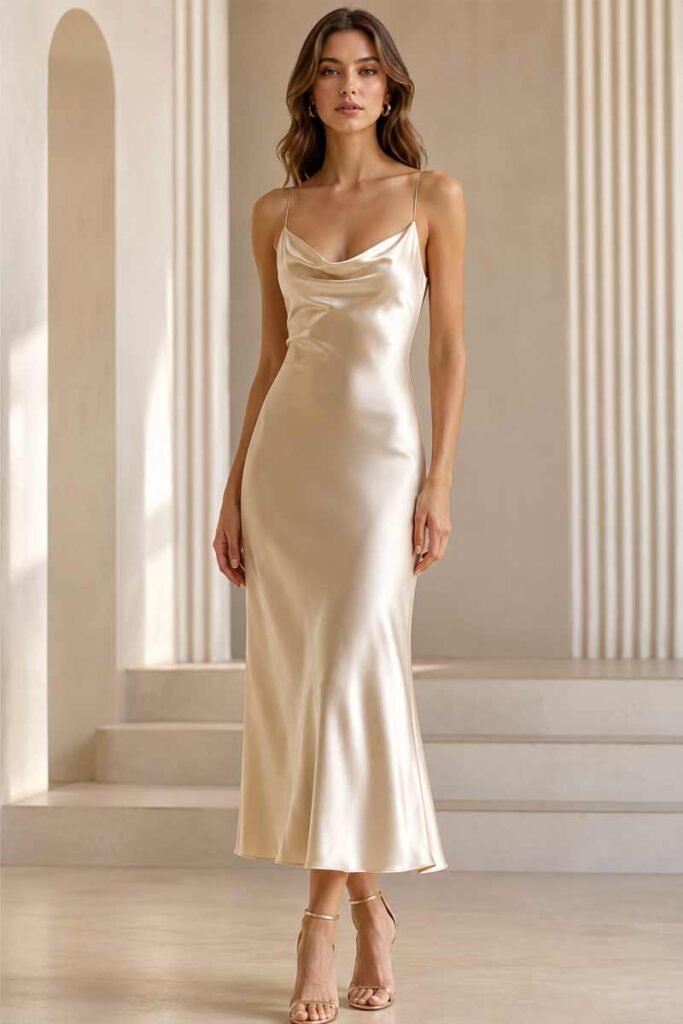
Duolan helps brands build dress directions with clearer fabric, fit, silhouette, and production logic.

Minimal Satin

Minimal satin dresses depend on fabric quality, drape, seam control, and clean pressing. A simple bias midi can fail when satin is too thin, too stiff, too shiny, or poorly lined. Duolan reviews satin weight, reverse-side texture, lining need, seam placement, needle choice, zipper position, and packing pressure before bulk planning.

Fitted Bodycon

Fitted bodycon dresses require fabric recovery, opacity, size grading, seam elasticity, and controlled tension. Duolan checks stretch direction, lining compatibility, waist compression, hip contour, bust area, hem stability, and movement comfort. For UK going-out ranges, fit must remain flattering without seam distortion across sizes.

Corset Inspired

Corset-inspired dresses need support without overbuilding. Cup position, boning length, waist tension, back opening, lining, zipper, and top-edge stability must be checked together. Duolan reviews structure during sample development so the garment can move from visual concept to production-ready construction.

Mesh Detail

Mesh occasionwear needs balanced coverage, stretch, print placement, seam softness, and lining control. Transparent areas must look intentional, not accidental. Duolan reviews mesh GSM, elasticity, edge finishing, lining color, placement accuracy, and body movement before sample revision and bulk production planning.

Sequin Party

Sequin dresses create high shelf impact but bring production risks in cutting, sewing, lining, comfort, and packing. Duolan reviews sequin density, base fabric strength, seam allowance cleaning, skin contact areas, zipper insertion, needle damage, and garment weight so bulk production can run with fewer preventable issues.

Romantic Lace

Lace dresses need pattern matching, lining color, trim placement, edge finishing, and soft handfeel. Duolan supports lace selection for mini, midi, sleeve, panel, and overlay designs. During development, lace scale, motif direction, seam position, and lining coverage are checked against the intended UK occasionwear styling.

Fabric Options for Occasionwear Dresses

Fabric selection decides drape, support, shine, comfort, transparency, stitch behavior, packing result, and production stability.

Satin

Satin works well for wedding guest, cocktail, holiday, and evening-inspired dresses, yet material choice must match the silhouette. Duolan reviews surface shine, weight, bias performance, crease resistance, needle mark risk, lining need, seam puckering, and packing pressure. A satin mini, midi, and bias dress often need different fabric weight and construction choices.

Satin-back Crepe

Satin-back crepe offers a cleaner balance between fluidity and structure. It can suit elegant midi dresses, wrap styles, and refined event dresses. Duolan reviews face direction, reverse-side usage, drape, seam stability, pressing response, and lining requirement so the final garment holds a polished shape without looking too rigid.

Chiffon

Chiffon is useful for soft sleeves, overlays, flowing skirts, and romantic occasionwear. Development must control transparency, seam neatness, hem finish, print clarity, and layering weight. Duolan reviews chiffon density, lining color, gathering volume, edge finishing, and skirt movement before moving into larger sample or production rounds.

Mesh

Mesh supports sheer sleeves, illusion necklines, overlays, panels, and printed party dresses. Risks include poor recovery, weak seam strength, rough handfeel, transparent imbalance, and inaccurate placement. Duolan reviews mesh elasticity, GSM, lining pairing, cutting stability, and stitch choice for sample correction and bulk consistency.

Lace

Lace gives occasionwear a refined visual language. It requires motif scale control, pattern matching, placement planning, lining shade, edge finishing, and seam accuracy. Duolan supports lace review for overlay dresses, sleeve detail, bodice panels, hem detail, and romantic midi styles, especially where motif position affects final appearance.

Sequin Fabric

Sequin fabric needs more than a surface check. Duolan reviews sequin density, base fabric quality, stretch behavior, weight, cutting loss, seam allowance cleaning, lining protection, zipper insertion, and packing thickness. These checks help protect appearance and wear comfort during party dress and holiday dress production.

Velvet

Velvet suits holiday, winter occasion, and premium party dresses. Development must control pile direction, shade consistency, seam pressure, pressing marks, lint, and packing compression. Duolan reviews velvet weight, stretch, cutting direction, lining need, and finishing method before production planning.

Stretch Knit

Stretch knit is common for bodycon and going-out dresses. It must provide recovery, coverage, tension balance, and comfort. Duolan checks fabric composition, stretch direction, opacity under tension, seam elasticity, lining need, and size grading behavior across the selected range.

Crepe

Crepe supports refined silhouettes, clean tailoring, wrap dresses, and occasion midis.
Duolan reviews handfeel, drape, seam grip, opacity, color depth, and pressing response. For UK occasionwear, crepe can offer a more controlled alternative when satin feels too delicate or too glossy.

Taffeta

Taffeta provides crisp volume, structured bows, puff sleeves, and statement skirts. It can suit event dresses and occasion capsules needing architectural shape. Duolan reviews noise, stiffness, crease behavior, seam visibility, lining comfort, and packing method before approving sample direction.
Organza​

Organza

Organza works for layered skirts, transparent sleeves, structured overlays, and special event details. Its development risks include fraying, edge finishing, transparency, stiffness, and pressing marks. Duolan reviews layering volume, hem finishing, seam choice, lining pairing, and garment balance.

Jacquard

Jacquard gives occasionwear a richer texture, often used for structured mini, midi, and event dresses. Duolan reviews fabric weight, motif placement, cutting direction, seam bulk, lining need, and pattern matching. Jacquard requires early sample testing because the fabric can affect size, drape, and seam thickness.

Satin, Mesh and Sequin Control

High-impact occasionwear fabrics need technical control before sampling, not correction after bulk issues appear.

Satin Control

Satin looks clean in concept drawings but reacts strongly to weight, needle marks, seam tension, lining, pressing, and packing. A satin dress may lose value through puckered side seams, visible pull lines, poor zipper insertion, hard creases, or uneven hem fall. Duolan reviews satin weight, bias behavior, reverse surface, color depth, lining compatibility, seam placement, needle selection, and packing plan during development. For satin midis and bias styles, early fabric testing is essential because minor tension changes can distort the final silhouette.

Mesh Control

Mesh creates sheer texture, coverage effects, and modern occasionwear styling, yet it can fail when stretch, transparency, lining, or print placement are not controlled. Duolan reviews mesh GSM, recovery, body coverage, lining tone, seam softness, sleeve comfort, and cutting stability. For printed mesh, placement records help protect visual consistency across sizes. For illusion panels, edge finishing and skin comfort must be checked before PP approval.

Sequin Control

Sequin party dresses need strong visual finish and controlled production handling. Risks include heavy garment weight, rough skin contact, broken needles, missing sequins, bulky seams, weak zipper areas, and poor folding. Duolan reviews sequin density, base fabric strength, lining protection, seam allowance cleaning, needle selection, trimming method, zipper reinforcement, and packing thickness. These checks reduce preventable production problems in holiday, party, and event dress programs.

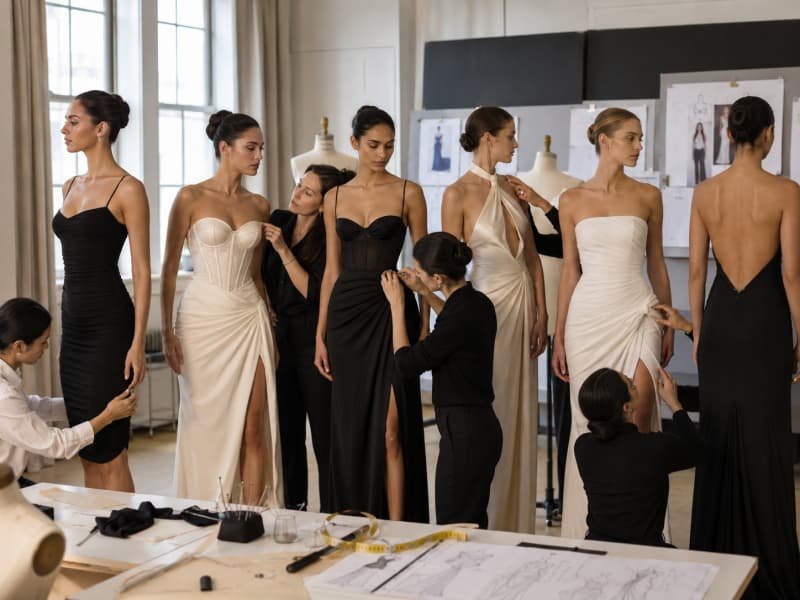
Pattern and Fit Development for Occasionwear

Fit decisions decide whether an occasion dress feels polished, wearable, and ready for production.

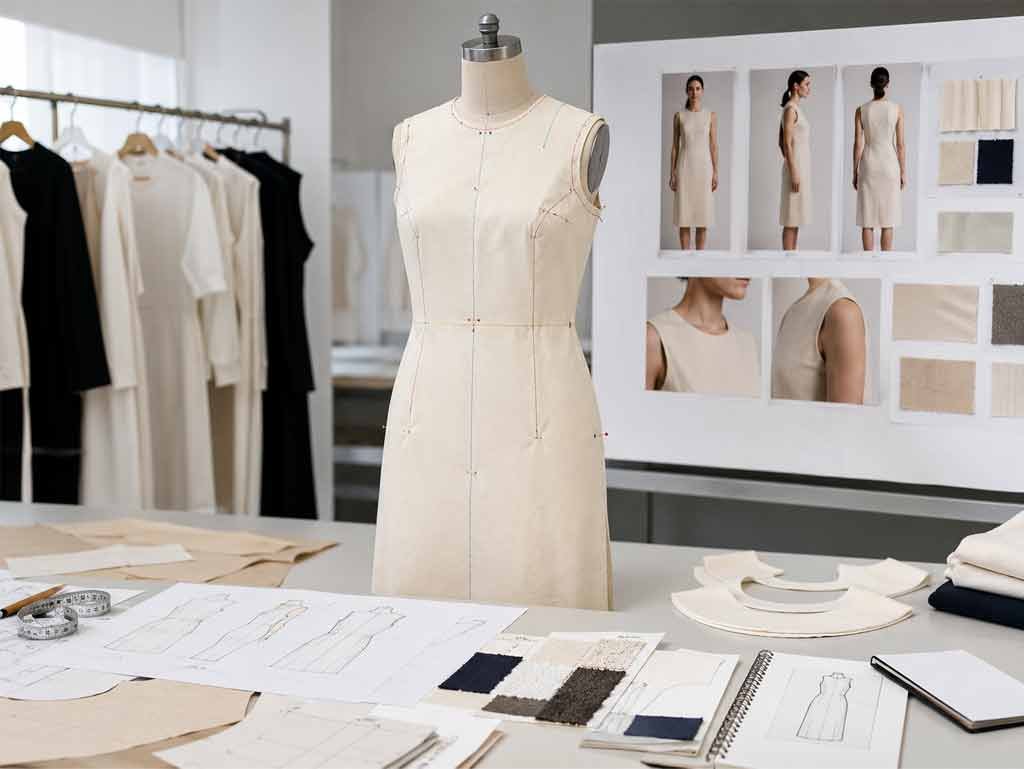
Occasionwear fit cannot depend only on size charts. A dress may meet flat measurements yet still fail on bust balance, waist placement, hip contour, strap pressure, neckline stability, skirt fall, back opening, or movement comfort. Duolan reviews fit through pattern logic, fabric behavior, sample measurement, mannequin review, wearing points, and revision records.

For fitted bodycon styles, stretch and recovery affect every size. For corset-inspired dresses, cup shape, boning position, and back closure determine stability. For satin midis, seam tension and bias direction influence drape. For halter and backless dresses, strap angle and upper body support require careful checking before PP sample approval.

Duolan can work from tech packs, original samples, reference images, and development notes. During sample review, our team records correction points and separates appearance issues from production risks. This helps brand teams move from creative idea to a dress sample suitable for internal approval, pre-production planning, and bulk execution.

Structure Details That Shape Occasionwear Quality

Construction details decide support, comfort, movement, photo appearance, and repeatability across bulk production.

Boning Placement

Boning adds support to corset-inspired and structured occasion dresses, yet poor placement can twist, press, or deform the bodice. Duolan reviews boning length, channel position, flexibility, edge protection, lining coverage, and size grading needs so support remains stable without creating discomfort.

Cup Position

Cup position affects bust balance, neckline shape, and wearing confidence. Duolan checks cup size, placement height, foam thickness, lining compatibility, seam transition, and sample correction notes. For occasionwear, cup structure must match the intended visual style without creating bulk or distortion.

Lining Coverage

Lining controls comfort, transparency, fabric stability, and premium appearance. Duolan reviews lining weight, color match, stretch compatibility, attachment method, opacity, hem length, and skin contact areas. Mesh, lace, sequin, satin, and chiffon styles often require different lining strategies.

Invisible Zipper

Invisible zippers must sit flat while moving smoothly through curved seams, waist seams, or textured fabrics. Duolan checks zipper length, tape strength, seam allowance, top hook placement, fabric thickness, and surrounding reinforcement. Poor zipper setting can damage both appearance and wearability.

Side Slit

A side slit affects movement, visual line, seam strength, and event comfort. Duolan reviews slit height, reinforcement, lining opening, stitch finish, pressing method, and measurement consistency. For satin and crepe dresses, slit finishing needs special care to avoid twisting and seam pulling.

Halter Tie

Halter dresses require correct strap width, tie length, neckline stability, and back support. Duolan reviews strap construction, top-edge tension, lining, seam strength, and knot comfort. If fabric is slippery or heavy, strap angle and attachment points need extra sample review.

Backless Support

Backless occasion dresses need controlled body support without visible structure. Duolan reviews neckline balance, side seam tension, inner tape, cup support, closure position, elastic elements, and lining coverage. The goal is a clean back view with reliable wearing stability.

Adjustable Strap

Adjustable straps support size flexibility and fit control. Duolan reviews strap width, slider quality, attachment strength, stitch density, metal or plastic finish, and fabric compatibility. For UK occasionwear, strap hardware must match garment value and avoid cheapening the final look.

Decorative Workmanship for Fashion Dresses

Decoration must enhance visual value while staying wearable, consistent, and suitable for bulk production.

Sequins

Sequin workmanship affects surface shine, garment weight, seam bulk, lining comfort, and production speed. Duolan reviews sequin type, density, base fabric, cutting loss, seam allowance treatment, skin contact areas, and packing thickness before bulk planning. For party and holiday dresses, sequin control protects both visual impact and wearing comfort.

Beading

Beaded dresses need secure placement, balanced weight, clean reverse finishing, and careful packing. Duolan reviews bead size, attachment method, layout density, fabric support, stress points, and inspection needs. For occasionwear programs, bead placement must align with pattern shape and avoid heavy pulling around seams.

Pearls

Pearl decoration can create a refined evening or party look, yet placement must avoid rubbing, weak attachment, and uneven spacing. Duolan reviews pearl size, stitch method, fabric reinforcement, spacing records, washing restrictions, packing pressure, and inspection checkpoints for consistent bulk execution.

Rhinestones

Rhinestones add sparkle to event and party dresses but require strong adhesion or secure setting. Duolan reviews stone size, layout, heat application method, fabric tolerance, pressure testing, handfeel, and final inspection. Placement must support movement without creating uncomfortable contact points.

Embroidery

Embroidery supports lace-like panels, logo-free surface detail, floral motifs, and premium decorative direction. Duolan reviews thread type, stitch density, backing, shrinkage, fabric distortion, motif placement, and cutting alignment. Embroidery needs early testing before production because dense stitching can change fabric behavior.

Print Combination

Print can combine with satin, mesh, chiffon, crepe, or special trims.
Duolan reviews print scale, placement, color, fabric absorption, washing behavior, cutting position, and repeat alignment. For occasionwear, print must enhance silhouette rather than overwhelm the dress structure.

From Dress Brief to Production-ready Sample

A sample should help a brand make decisions, not only confirm a visual reference. Duolan organizes custom dress sampling around development purpose. Some samples are created to test shape, some to check fabric, some to approve fit, and some to lock production. UK occasionwear projects often require a sharper sample path because satin, mesh, sequin, lace, lining, support structure, and size balance can change the final garment.

01|Brief Review

Brand teams send tech packs, reference images, original samples, fabric direction, size range, target quantity, and launch window. Duolan reviews product type, material risk, fit priority, construction difficulty, decoration level, and bulk production feasibility.

02|Fabric and Trim Direction

Fabric cards, lining options, zipper, boning, cup, strap hardware, lace, sequin, embroidery, rhinestone, or trim ideas are checked against the dress style. Fabric approval must match final appearance and production requirements.

03|Pattern and First Sample

Pattern work begins after technical direction is clear. First samples help test silhouette, proportion, wearing points, workmanship approach, and material behavior. Fitted, satin, mesh, and corset-inspired styles often need closer review at this stage.

04|Fit and Revision

Sample comments are organized into fit, fabric, workmanship, trim, measurement, and appearance notes. Duolan separates minor visual changes from risks affecting bulk production. Revision records help avoid repeated confusion during later stages.

05|PP Standard

A PP sample or production-ready version locks key standards before bulk order. Fabric, lining, trims, color, construction points, measurement tolerance, packaging, and QC focus are checked before production starts.

06|Bulk Preparation

Production path, line arrangement, material arrival, special process schedule, first-piece review, inline inspection, and delivery preparation are coordinated according to order size and garment complexity.

Sample-to-Bulk Control Before Production

Approved samples need locked standards, clear files, and production checkpoints before bulk sewing begins.

Control PointBulk Risk Without ControlDuolan Control Method
Approved sampleBulk garments may drift from the reviewed version.PP sample and approval notes are used as production reference.
Fabric and liningShade, drape, opacity, stretch, or handfeel may change.Fabric, lining, color, weight, and supplier records are confirmed before cutting.
Trim and hardwareZippers, straps, cups, boning, or stones may vary across batches.Trim cards and key material samples are locked for bulk preparation.
Pattern and gradingLarger sizes may lose shape or support.Pattern corrections and grading review support fit consistency across selected sizes.
Workmanship pointsSeams, slit, lining, decoration, zipper, or hem finish may become inconsistent.Critical construction points are highlighted for line training and inline inspection.
First-piece reviewProduction problems may spread before being noticed.First-piece confirmation checks workmanship, measurement, and appearance before wider sewing.
Inline inspectionDefects may only appear near shipment stage.Production-stage inspection reviews measurement, sewing, fabric, trim, and visual details.
Packing standardSatin, sequin, velvet, or structured dresses may crease, press, or deform.Folding, polybag, hanger, carton, and packing pressure are checked by dress type.

A Dress-focused Manufacturing System

Duolan connects development, sample making, fabric sourcing, production lines, special processes, QC, packing, and delivery coordination.

Duolan is built around a multi-layer womenswear manufacturing system. The structure includes 16 owned womenswear factories, 20+ long-term satellite factories, production support across Guangxi, Guizhou, Sichuan, Jiangxi, and a connected workforce network of more than 12,000 people. This structure helps allocate different dress projects according to product type, construction difficulty, fabric behavior, decorative process, order scale, and delivery window.

Owned factories support core project control, sample accuracy, PP standards, and priority styles. Satellite factories support repeat orders, volume scaling, and flexible capacity distribution. Special process partners support printing, tie-dye, embroidery, washing, decorative applications, and finishing. Material sourcing benefits from access to South China fabric resources and Dongguan Humen trim market networks.

For UK occasionwear brands planning 10-30 styles per cycle and 20,000-80,000 pieces per order, manufacturing organization matters. Different dresses cannot always run through the same path. Satin midis, sequin minis, mesh bodycon styles, lace dresses, and corset-inspired silhouettes may require different line arrangements and pre-production controls.

Capacity for Multi-style Dress Programs

Fast fashion occasionwear needs sample density, line planning, production coordination, and order scaling capacity.

16 Owned Factories

Duolan’s owned womenswear factory base supports core dress programs requiring stronger development control, sample follow-up, PP approval, and production discipline. These facilities are suited for priority styles, structured dresses, high-control fabric projects, and orders requiring closer communication between development and production teams.

20+ Satellite Factories

Long-term satellite factory resources help distribute repeat orders, volume demand, and schedule pressure. For brands running several occasionwear drops, satellite coordination provides added production flexibility while Duolan project teams manage standards, files, quality focus, and delivery coordination.

300 Sewing Lines

Around 300 sewing lines across the group support different garment categories and order structures. Dress programs can be arranged by product complexity, material risk, workmanship requirements, and timeline. Fitted dresses, satin styles, sequin pieces, and structured silhouettes are not treated as identical production tasks.

50+ Quick-response Lines

More than 50 quick-response and flexible lines support sample-linked production, test runs, repeat orders, and time-sensitive dress programs. These lines are valuable for occasionwear brands planning seasonal ranges, party season launches, capsule drops, and replenishment orders.

15,000-35,000 Samples Monthly

Monthly sample development capacity of 15,000-35,000 pieces supports high development density. For dress-focused brands, sample capacity matters because one collection may include multiple fabrics, colors, silhouettes, and revision rounds before production approval.

6.5M Stable Monthly Capacity

The manufacturing system supports around 6,500,000 pieces of stable monthly output, with higher peak capacity available through coordinated production resources. For established fashion teams, capacity strength protects launch calendars, repeat order planning, and multi-style delivery windows.

Quality Control for Occasionwear Production

Occasionwear quality control must cover fabric, fit, structure, decoration, measurement, packing, and final appearance.

Duolan controls dress production through staged checks rather than relying only on final inspection. Fabric inspection checks shade, surface, stretch, defects, and batch consistency before cutting. Trim checks cover zipper, lining, strap hardware, cups, boning, stones, lace, sequin materials, and labels. PP sample confirmation gives the production team a clear garment reference before bulk sewing begins.

During production, first-piece review and inline inspection help catch issues early. Measurement, seam quality, lining attachment, zipper setting, slit reinforcement, strap strength, decoration placement, and pressing result are checked according to garment type. For satin, QC pays attention to seam puckering, pulls, and pressing marks. For mesh, QC checks transparency and seam softness. For sequin dresses, QC checks missing pieces, scratchy contact areas, lining protection, and seam bulk.

Packing checks are also important. Satin can crease, velvet can mark, sequin can press into fabric, and structured dresses can lose shape when packed incorrectly. Duolan reviews folding, hanger, polybag, tissue, carton direction, carton loading, and shipping preparation according to dress style and client requirement.
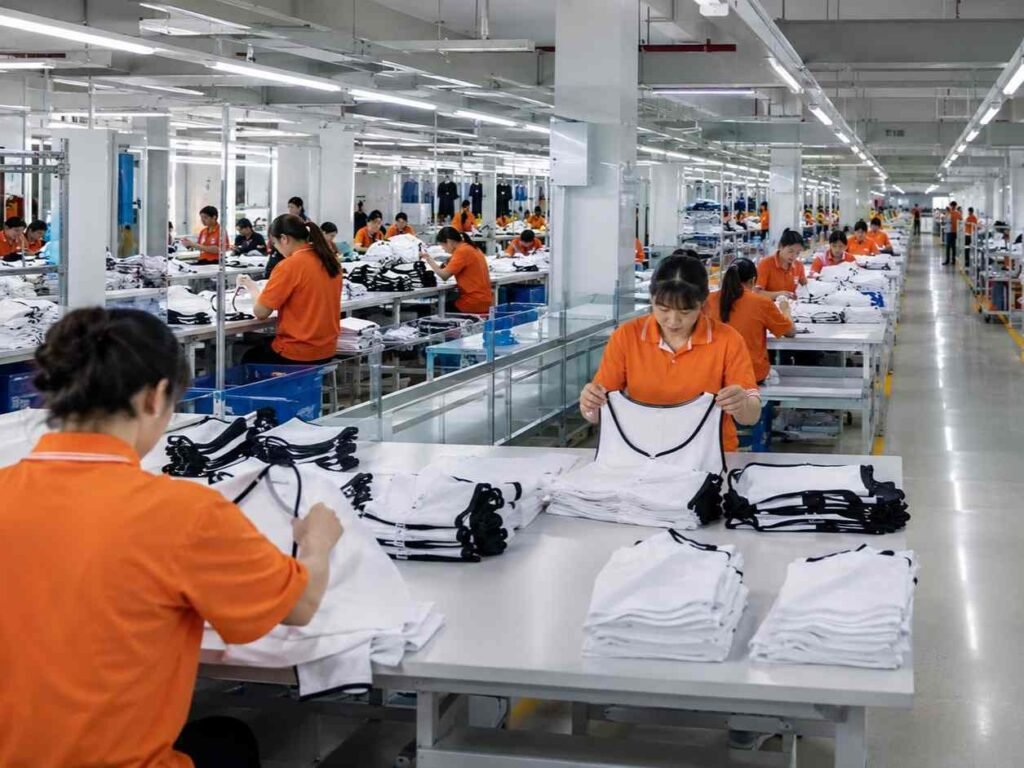
Supplier Review and Compliance Support

Established fashion teams need manufacturing ability, documentation discipline, audit awareness, and quality standard cooperation.

SMETA Audit Record

Duolan’s manufacturing system has SMETA audit background and SMETA 2-Pillar audit record. This helps support supplier review work for fashion teams that need social responsibility visibility before adding a manufacturing partner into an approved production structure.

Quality Standard Cooperation

Duolan can coordinate work according to brand requirements involving quality, measurement, workmanship, inspection, and product testing needs. Relevant standards may include ISO 9001, AATCC, ASTM, OEKO-TEX®, EN, China GB, GOTS-related requirements, and specific client standards when applicable to the project.

Production Documentation

Project records help teams control dress development and production. Duolan can support sample notes, PP confirmation, material records, measurement files, workmanship focus points, production timeline communication, inspection coordination, packing notes, and shipment preparation details.

Brand-level Coordination

Large dress programs need organized communication between product, sourcing, QC, factory, special process, packing, and delivery teams. Duolan coordinates these layers so dress development and production remain structured from initial review to shipment.

Design Details We Check Before Sampling

Small design details can change the fit, cost, production path, and final appearance of an occasion dress.

Neckline Balance

Neckline shape affects bust support, shoulder comfort, photo appearance, and movement. Duolan reviews neckline depth, curve, binding, facing, lining, seam stability, and strap connection before sample development. Halter, square neck, cowl neck, sweetheart, and off-shoulder styles require different internal support logic.

Waist Placement

Waist placement decides proportion and size comfort. A waist seam placed too high, low, tight, or loose can weaken the garment even when the fabric looks correct. Duolan checks waistline height, seam tension, darts, panels, shirring, elastic, and grading before bulk planning.

Back Design

Back details influence support, closure, lining, and wearing stability. Duolan reviews backless depth, tie structure, zipper placement, button loop, elastic support, inner tape, and lining edge. Occasionwear back views need clean finishing because they are highly visible in event photography.

Sleeve Shape

Sleeve design affects comfort and production difficulty. Puff sleeves, sheer sleeves, lace sleeves, mesh sleeves, long fitted sleeves, and off-shoulder sleeves require different fabric and seam approaches. Duolan checks armhole, sleeve cap, elastic opening, lining, and movement range during sampling.

Hem Finish

Hem finishing changes the perceived value of chiffon, satin, mesh, organza, lace, and crepe dresses. Duolan reviews rolled hem, blind hem, clean finish, lace edge, slit opening, and pressing method. The hem must remain even after cutting, sewing, pressing, and packing.
Colorway Planning​

Colorway Planning

Colorways affect fabric sourcing, shade control, lining match, zipper color, thread selection, trim compatibility, and production grouping. Duolan helps review whether a style can run across multiple colors without changing appearance, opacity, or delivery risk.

Controlled Workflow for Custom Dress Production

A clear workflow keeps dress development, sampling, bulk production, and delivery aligned.

Project File Review

Duolan reviews tech pack, reference image, original sample, size range, fabric direction, target quantity, price band, delivery window, and special requirements. Missing details are clarified before sample or quotation work begins.

Development Evaluation

The team checks fabric behavior, silhouette feasibility, pattern difficulty, support structure, decorative workmanship, special process needs, and production path. The goal is to reduce avoidable changes after sampling starts.

Sample Planning

Sample type, material choice, trim preparation, pattern method, and timeline are confirmed. Regular dress samples may move faster than heavily embellished, structured, or special process styles.

Revision Coordination

Fit, measurement, material, workmanship, trim, and appearance comments are organized into clear correction records. Revisions are managed according to the development purpose and production readiness.

Bulk Readiness Review

Before bulk production, the approved version, PP sample, material records, size chart, colorway list, trim cards, workmanship notes, inspection focus, packing method, and delivery plan are checked.

Production and QC

Production is arranged by garment type, quantity, complexity, and delivery schedule. Fabric inspection, first-piece review, inline inspection, final inspection, packing check, and shipment preparation are coordinated.

Anonymous Occasionwear Project Examples

Selected project scenarios show how Duolan supports multi-style dress programs without exposing brand information.

UK Occasionwear Brand

A UK occasionwear brand planned a wedding guest and cocktail dress drop with 18 styles across satin, crepe, lace, and chiffon. The main risk was uneven fit across fitted bodices, sleeve styles, and midi lengths. Duolan reviewed fabric direction, lining options, neckline stability, waist placement, zipper position, and sample comments before production. The order moved into a 36,000-piece program after revised samples were approved. Core styles included satin midi dresses, lace sleeve dresses, and printed chiffon event dresses. Duolan coordinated material locking, PP sample confirmation, first-piece review, inline inspection, and packing notes. The brand used the approved patterns and material files for later repeat planning, reducing development confusion for follow-up colorways.
1.Market and Channel Review

US Fast Fashion Brand for UK Market

A US fast fashion brand prepared a UK-facing partywear program with 24 styles and 62,000 total pieces. The range included sequin minis, mesh bodycon dresses, ruched going-out dresses, and halter satin styles. The project challenge was balancing strong visual appeal with comfort, lining coverage, zipper quality, and delivery timing before party season. Duolan separated styles by construction risk. Sequin dresses received lining and seam allowance checks. Mesh dresses received transparency and stretch review. Satin halter styles received strap and neckline stability checks. Production was arranged through coordinated line planning, first-piece confirmation, inline QC, and packing checks. The project helped the brand keep style variety while controlling execution across different fabric groups.

European Partywear Label

A European partywear label developed 12 elevated event dress styles with a 21,500-piece launch order. The range used velvet, rhinestone detail, stretch knit, lace panels, and corset-inspired construction. Early samples showed risk around cup placement, boning comfort, stone attachment, and velvet pressing marks. Duolan revised structure details before PP approval, including cup height, boning length, lining coverage, rhinestone placement, zipper reinforcement, and velvet packing. Special process partners supported decoration testing, while QC teams focused on attachment strength, measurement stability, seam quality, and final appearance. The label kept three styles for repeat production after launch review and used Duolan’s development notes for a new holiday capsule.

How Duolan Fits Supplier Planning

UK occasionwear brands often need several supplier types, yet scalable dress programs need a manufacturing system with development depth.

UK local sampling studios can support quick fit reviews, premium sample communication, and domestic edits, yet they may not always suit high-volume dress programs with 10-30 styles and tens of thousands of pieces. UK-based low-volume manufacturers can help with selected local runs, yet complex partywear and event dress programs may face cost, capacity, or special process limits.

European premium manufacturers can be valuable for high-price capsules, refined tailoring, and near-market positioning, yet order cost and lead time may not match all fast fashion occasionwear programs. India-based full-service factories can support embroidery, handwork, and natural fabric projects, yet UK occasionwear brands still need careful review of fit, sizing, delivery window, and bulk consistency.

Duolan fits brands needing dress-focused development, fabric and structure review, sample-to-bulk control, large production coordination, repeat order support, and multi-style capacity. The value is not only sewing cost. The value comes from organized development, factory network coordination, special process access, quality control, and brand-level supplier review support.

What Shapes Custom Dress Cost

A reliable quotation comes from style evaluation, not from a single flat dress price.

Custom dress cost depends on fabric, lining, structure, workmanship, size range, colorways, quantity, sample stage, production complexity, packing, and delivery requirements. A simple crepe midi, a bias satin dress, a sequin party mini, and a corset-inspired mesh dress should not be priced with the same logic.

Duolan reviews key cost drivers before quotation. Fabric selection affects drape, opacity, cutting loss, and sewing method. Lining choice affects comfort, transparency, and garment weight. Structure such as boning, cups, adjustable straps, and invisible zippers adds material and sewing work. Decorative details such as sequins, beadwork, pearls, rhinestones, embroidery, print, and lace placement can change production time and inspection requirements.

For multi-style UK occasionwear programs, quotation should reflect project structure. A 20-style program with 40,000 pieces may need grouped fabric sourcing, shared trims, planned colorways, and line allocation. Early project review helps the brand understand which styles are production-efficient, which styles need sample testing, and which styles should be treated as premium or high-risk.

UK Occasionwear Development Checklist

Prepare clearer files before sending a custom dress development request.

A complete development brief helps reduce avoidable sample changes and unclear quotation work. Duolan can help UK occasionwear brands review dress type, target market, fabric direction, lining, trim, size range, quantity plan, delivery window, fit priority, and production requirements before sample development begins.

The checklist can be prepared as a downloadable PDF for brand teams and sourcing teams. It should help users organize project information before contacting Duolan.

Checklist includes:

  • Dress category and occasion scenario
  • Tech pack or reference image preparation
  • Target fabric, lining, trims, and decoration notes
  • Size range and fit priority points
  • Sample type and revision expectation
  • PP sample and bulk readiness notes
  • Packing and delivery requirement list
  • Order forecast and launch calendar notes
Frequently Asked Questions

Yes. Duolan supports custom occasionwear dress development and production for UK-focused fashion teams. Common products include wedding guest dresses, cocktail dresses, party dresses, going-out dresses, holiday dresses, event dresses, satin midis, mesh dresses, sequin minis, lace dresses, and corset-inspired styles.
Yes. Tech packs help our team review measurements, construction, fabric, trims, colors, labels, packing, and production requirements. If some details are missing, Duolan can still review the project direction and list the points needed before sampling or quotation.
Yes. Duolan can review reference images, original samples, sketches, moodboards, and fabric ideas. For reference-based development, the team checks silhouette, fabric suitability, construction risk, size logic, and production feasibility before creating a sample plan.
Common choices include satin, satin-back crepe, chiffon, mesh, lace, sequin fabric, velvet, stretch knit, crepe, taffeta, organza, and jacquard. Fabric choice should match dress length, fit, lining, support, movement, price band, and production quantity.
Fit control starts with fabric stretch, recovery, opacity, pattern balance, bust position, waist placement, hip contour, strap angle, and grading review. Samples are measured and checked against wearing points before production standards are approved.
Yes. Duolan regularly supports multi-style programs with 10-30 styles per cycle. Order totals can range from 20,000 to 80,000 pieces depending on brand planning, style mix, fabric groups, delivery window, and production complexity.
Duolan uses approved samples, PP standards, material locking, trim records, first-piece review, inline inspection, measurement checks, workmanship focus points, and final packing confirmation. These controls help protect consistency between sample approval and bulk shipment.
Yes. Duolan supports sequins, beadwork, pearl decoration, rhinestones, embroidery, print combinations, lace placement, and special process coordination. Decoration is reviewed for visual value, attachment strength, comfort, production speed, and QC requirements.
Duolan’s manufacturing system has SMETA audit background and SMETA 2-Pillar audit record. Project teams can also discuss quality, testing, documentation, inspection, and brand-specific supplier review requirements before cooperation begins.
Send tech packs, reference images, original sample photos, fabric ideas, target size range, quantity plan, target delivery window, colorways, packing needs, and current project goal. Clear files help Duolan review feasibility, sample path, production risk, and quotation logic.

Start Your UK Occasionwear Dress Project

Duolan supports UK occasionwear brands and international fashion teams developing custom dresses for wedding guest, cocktail, party, going-out, holiday, graduation, race day, and event dressing programs. Our work covers design review, fabric direction, pattern development, sample correction, PP standard confirmation, bulk production planning, quality control, packing, and shipment coordination.

A stronger project review starts with clear files. Brand teams can send tech packs, reference images, original samples, fabric cards, size charts, colorway plans, target quantities, launch windows, and packing requirements. Duolan will review the garment category, fabric suitability, fit risk, construction difficulty, decorative workmanship, sample path, production capacity, and next-step requirements.

Please include:

  • Product category and target occasion
  • Tech pack, sketch, reference image, or original sample photo
  • Fabric, lining, trim, and decoration ideas
  • Size range, colorways, and fit priorities
  • Estimated quantity and delivery window
  • Required sample type or production stage
  • Packing, labeling, audit, or inspection requirements

Start Your Apparel Development Project

OEM/ODM Manufacturing Support for Fashion Brands

Share your collection details, estimated quantities, target market, development timeline, and technical requirements. The production team will review your request and provide a tailored manufacturing solution based on your product category, fabric selection, construction needs, and delivery schedule.

Fashion Manufacturing Support with Scalable Production Capacity

From sample development to bulk production, Duolan supports fashion brands with confidential OEM/ODM manufacturing, stable quality management, flexible production planning, and coordinated multi-factory execution for seasonal and capsule collections.

Need Direct Assistance?

Seraphinite AcceleratorOptimized by Seraphinite Accelerator
Turns on site high speed to be attractive for people and search engines.