Skip to content
Custom Dress Manufacturer for US Occasionwear Brands
Dress-focused development and manufacturing support for US fashion brands building occasion, party, wedding guest and going-out collections.
Duolan helps US occasionwear brands turn dress concepts, tech packs, reference styles, original samples and seasonal collection briefs into production-ready garments. Our work covers product direction review, fabric and trim matching, pattern development, sample correction, PP sample confirmation, bulk production, QC control, private label packing and long-term repeat production support. Backed by a multi-factory womenswear manufacturing system, Duolan is structured for brands needing style accuracy, controlled execution and scalable dress production.
- 30+ years garment R&D background
- 16 owned womenswear factories
- 20+ long-term satellite factories
- 12,000+ workers in supporting production bases
- 300 sewing lines across the group system
- 50+ quick-response lines for flexible programs
- SMETA 2-Pillar audit record






Built for US Occasionwear Brand Teams
Duolan works with brand-side teams managing dress development, sourcing, sampling, bulk production and repeat-order planning for the US market.
US Dress Brands
US occasionwear brands need more than a sewing supplier. Each collection must balance commercial style direction, seasonal timing, fabric behavior, visual finish, fit stability and reorder potential. Duolan supports teams developing wedding guest dresses, cocktail dresses, party dresses, homecoming styles, going-out looks and vacation occasionwear with a structured path from concept review to production-ready approval.
Buying Teams
Buying teams often compare suppliers through price, sample accuracy, production discipline, QC records, delivery timing and communication clarity. Duolan supports order evaluation with fabric feasibility review, sample path planning, production readiness notes, first-piece confirmation, inline inspection and packing control. The goal is not only to make dresses, but to reduce uncertainty before bulk production starts.
Product Developers
Product developers care about whether design language can be translated into a wearable, sellable and scalable garment. Duolan helps review silhouette, fabric drape, stretch recovery, lining coverage, trim selection, support structure, construction logic and sample revision comments. The process helps product teams move from design intent to a sample standard ready for internal review and production approval.
Sourcing Offices
Sourcing offices need supplier information that can support internal evaluation. Duolan can provide company capability details, factory structure, development workflow, production coordination, QC checkpoints, compliance support and project communication records. For multi-style occasionwear programs, sourcing teams can assess Duolan as a dress-focused manufacturing partner rather than a general garment vendor.
Occasionwear Scenarios Duolan Supports
US occasionwear lines cover many dress moments. Each scene requires different fabric, fit, length, structure and finishing decisions.
Wedding Guest Dresses
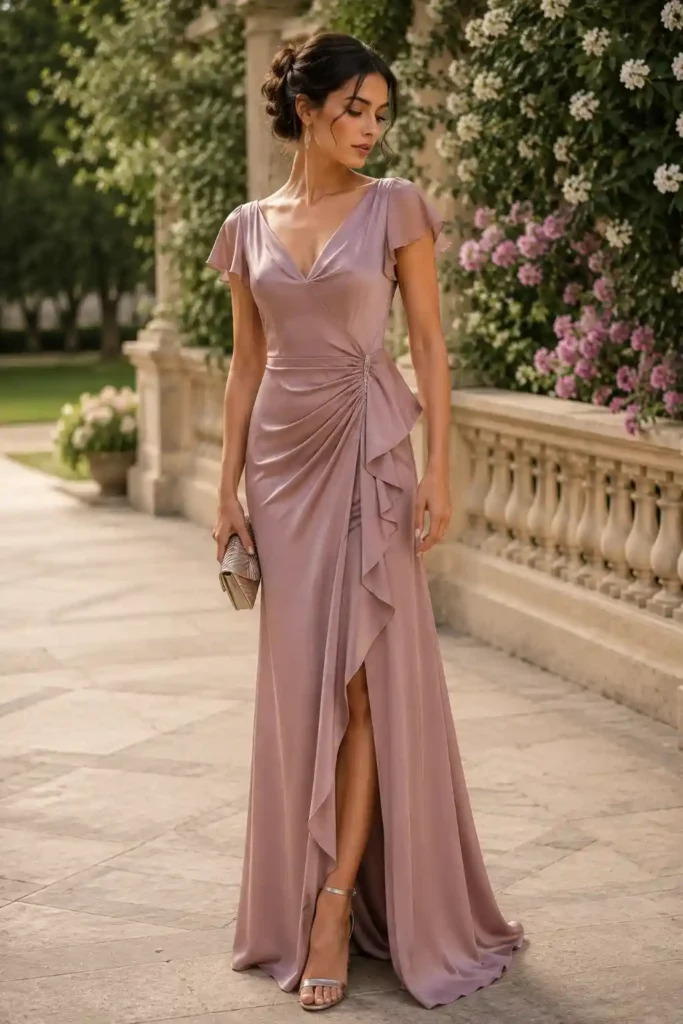
Wedding guest dresses need elegance, movement and color discipline. Duolan reviews drape, lining coverage, neckline security, hem balance, sleeve finish and packing effect before production. Satin, chiffon, crepe, mesh and lace programs need careful fabric handling so the garment looks polished during photography, fitting, shipping and retail display.

Cocktail Dresses
Cocktail dresses often sit between occasion style and commercial wearability. Duolan focuses on silhouette balance, waist shaping, zipper smoothness, neckline finish, hem control and fabric recovery. For fitted styles, pattern correction and size grading must protect the intended shape without creating tension lines, transparency issues or uncomfortable seams.

Homecoming Dresses
Homecoming styles often require shorter lengths, youthful color direction, glitter, sequin, mesh, satin, ruching or fitted construction. Duolan reviews movement comfort, strap strength, lining safety, skirt volume, edge finish and size consistency. Fast-moving seasonal programs benefit from clear sample routes and production planning across multiple colorways.

Prom Dresses
Prom dress programs need stronger visual impact and stronger construction review. Long lengths, high slits, bodice support, corset details, tulle layers, beading, sequins and dramatic silhouettes require controlled pattern work and production feasibility checks. Duolan helps brands evaluate whether a design can move from sample room beauty into stable bulk execution.

Holiday Party Dresses
Holiday party dresses often rely on velvet, sequin, metallic fabrics, mesh, satin and fitted silhouettes. Duolan checks fabric weight, seam strength, lining comfort, sequin abrasion, pressing requirements and packing pressure. For seasonal launch windows, production planning must protect calendar timing while keeping workmanship consistent across style groups.

Going-out Dresses
Going-out dresses need body fit, visual confidence and comfort. Duolan reviews stretch percentage, fabric recovery, opacity, ruching direction, bust support, back opening security, side seam balance and movement performance. For US brands, these styles often need consistent grading across XS–XL or extended size ranges.

Graduation Looks
Graduation dress programs often combine youthful styling with clean wearability. Duolan reviews fabric hand feel, photo-ready color, neckline stability, skirt length, zipper quality, lining comfort and packing presentation. Midi, mini and fit-and-flare silhouettes need different pattern logic to protect proportion across multiple sizes.

Vacation Occasionwear
Vacation occasionwear needs lightness, color, comfort and movement. Duolan helps develop resort dresses, vacation dinner dresses, printed mesh styles, lightweight maxi dresses and relaxed occasion sets. Fabric behavior, shrinkage, transparency, print placement, seam finishing and wrinkle resistance become important before bulk planning begins.
Why Occasionwear Needs Dress-focused Development
Occasionwear dresses are judged quickly by fit, drape, support, shine, surface detail and final presentation. A garment may look strong in a reference image yet fail during sampling if the fabric does not match the silhouette, the lining creates bulk, the zipper waves, the slit moves too high, or the bodice cannot support the intended neckline. Dress-focused development helps prevent those problems before they become bulk production loss.
For US occasionwear brands, the challenge is not simply creating attractive styles. A wedding guest capsule, holiday party drop or going-out line must support sales timing, model photography, fit sessions, packaging, warehouse handling and repeat-order planning. Satin needs seam and pressing control. Mesh needs coverage and lining review. Sequin needs comfort and shedding control. Bodycon styles need stretch recovery and opacity checks. Corset dresses need cup position, boning strength and back stability.
Duolan approaches custom dress programs through fabric, fit, construction and production feasibility together. The sample is not treated as a one-off prototype. It becomes the decision standard for PP approval, bulk start, QC inspection, packing control and repeat production.

Duolan as a Dress Development Partner

Duolan is a womenswear development and manufacturing partner focused on fashion dresses and occasionwear programs for international fashion brands. The company is backed by a garment R&D and production system shaped by more than 30 years of fast fashion womenswear experience, with long-term practice in dress design, fabric development, sample execution, decorative workmanship and commercial production coordination.
Duolan is not positioned as a low-price, ready-stock or generic garment supplier. The company supports brands that need product development depth, sample accuracy, material matching, workmanship feasibility, bulk consistency and repeat production coordination. Core dress categories include mini dresses, midi dresses, maxi dresses, party dresses, cocktail dresses, wedding guest dresses, going-out dresses, vacation dresses and collection-based occasionwear programs.
The manufacturing system behind Duolan includes 16 owned womenswear factories, 20+ long-term satellite factories, regional supporting production bases and a mature South China fabric, trim and special-process supply environment. For fashion dress programs, this structure allows Duolan to manage sample development, core style production, flexible repeat orders, special workmanship coordination and multi-style bulk delivery within one organized supply system.
How Duolan Differs from Common Supplier Options
US occasionwear teams often compare local studios, general garment factories, platform suppliers and overseas manufacturing partners. The right supplier depends on development depth, style complexity, bulk volume, compliance needs and repeat-order planning.
Supplier Type | Common Strength | Common Limitation | Duolan Position |
US local sample studio | Close communication, strong early design support, suitable for small controlled development runs | Bulk scale, unit cost and repeat production capacity may be limited for fast fashion dress programs | Duolan supports development, samples, PP approval, bulk production and repeat orders within one dress-focused supply system |
General apparel manufacturer | Broad garment coverage, basic production capacity, multiple categories | Dress-specific fabric, fit, lining, support and surface workmanship knowledge may be uneven | Duolan focuses on fashion dresses and occasionwear, including satin, mesh, sequin, lace, bodycon, party and wedding guest styles |
Marketplace supplier directory | Easy to compare many factories quickly | Supplier control, communication quality, sample discipline and production ownership vary widely | Duolan offers direct project communication, factory-backed production planning and structured QC checkpoints |
Low-price dress factory | May offer aggressive quotes for simple styles | Higher risk in fabric substitution, fit distortion, inconsistent workmanship and weak sample-to-bulk control | Duolan evaluates fabric, structure, workmanship, quantity, timeline and QC requirements before confirming project direction |
Dress-focused Duolan system | Development support, multi-factory capacity, sample-to-bulk control, private label packing and compliance coordination | Best suited for brands with clear dress programs, sampling plans and bulk production goals | Duolan is positioned for US occasionwear brands needing scalable custom dress development and production coordination |
Custom Dress Categories for US Occasionwear Lines
Duolan supports collection-ready dress development across key US occasionwear categories, with each style reviewed for fabric, fit, construction and bulk feasibility.

Mini Dresses
Mini dresses need careful length control, hem balance and movement safety. For party, homecoming and going-out programs, Duolan reviews fabric recovery, lining coverage, side seam position, strap stability and size grading. A small change in hem length or waist placement can affect wearability across XS–XL or larger size ranges.

Midi Dresses
Midi dresses require proportion control between bodice, waist, hip and hem. Satin, crepe, mesh and jersey midi programs need fabric drape review before pattern approval. Duolan checks zipper behavior, slit position, lining length, shoulder balance and packing marks so the garment keeps a clean look from sample to bulk.

Maxi Dresses
Maxi dresses bring higher fabric consumption, hem control and packing risk. Duolan reviews skirt weight, seam stability, lining structure, slit height, train length, hanger presentation and carton folding. For occasionwear programs, long dresses need extra attention during first-piece confirmation and final pressing.

Party Dresses
Party dresses often combine fitted silhouettes, shine, surface detail, ruching, mesh, sequin or velvet. Duolan evaluates fabric tension, zipper stress, lining comfort, decoration durability and body movement. Strong partywear production requires a balance between visual impact and repeatable construction.

Cocktail Dresses
Cocktail dresses need polished construction without feeling overbuilt. Duolan checks neckline shape, waist seam placement, darts, cup area, lining thickness, sleeve finish and hem accuracy. For multi-color programs, color consistency and fabric hand feel are reviewed before bulk cutting.

Wedding Guest Dresses
Wedding guest dresses require color planning, tasteful drape and clean finishing. Duolan reviews soft satin, chiffon, crepe, lace, mesh and print direction for suitability. Fit should remain elegant without pulling at bust, waist or hip. Packing control also matters because surface creases can affect brand presentation.
Homecoming Dresses
Homecoming dresses often feature short lengths, bright colors, sequins, glitter mesh, satin or fitted shapes. Duolan checks active movement, skirt volume, strap strength, lining comfort and surface safety. Bulk production needs clean style separation across colorways, trims and size sets.
Prom Dresses
Prom dresses can involve corset structures, boning, tulle, sequins, lace, long skirts or high slits. Duolan reviews support structure, cup position, skirt weight, hem finishing, zipper strength and packing method. Complex prom styles need stronger PP sample discipline before production release.
Going-out Dresses
Going-out dresses are often fitted, stretch-based or visually bold. Duolan reviews stretch recovery, fabric transparency, bust support, back opening safety, ruching control and side seam balance. Bulk grading must keep the intended body shape without creating size-to-size distortion.

Vacation Dresses
Vacation dresses need lightweight materials, comfort and easy movement. Duolan reviews print placement, shrinkage, transparency, lining choices, seam finish and wrinkle behavior. Resort-oriented occasionwear often works best when fabric and silhouette are planned together before sampling begins.

Resort Dresses
Resort dresses often use flowing silhouettes, prints, linen blends, chiffon, crepe, satin or lightweight knits. Duolan checks fabric weight, seam strength, color direction, belt or tie construction and packing recovery. For seasonal programs, style grouping and fabric sourcing speed are important.

Bodycon Dresses
Bodycon dresses require precise stretch control. Duolan reviews GSM, elasticity, recovery, opacity, lining requirement, seam tension and size grading. A strong bodycon sample must fit close to the body while avoiding transparency, twisting, waist rolling or uncomfortable compression.
Satin Dresses
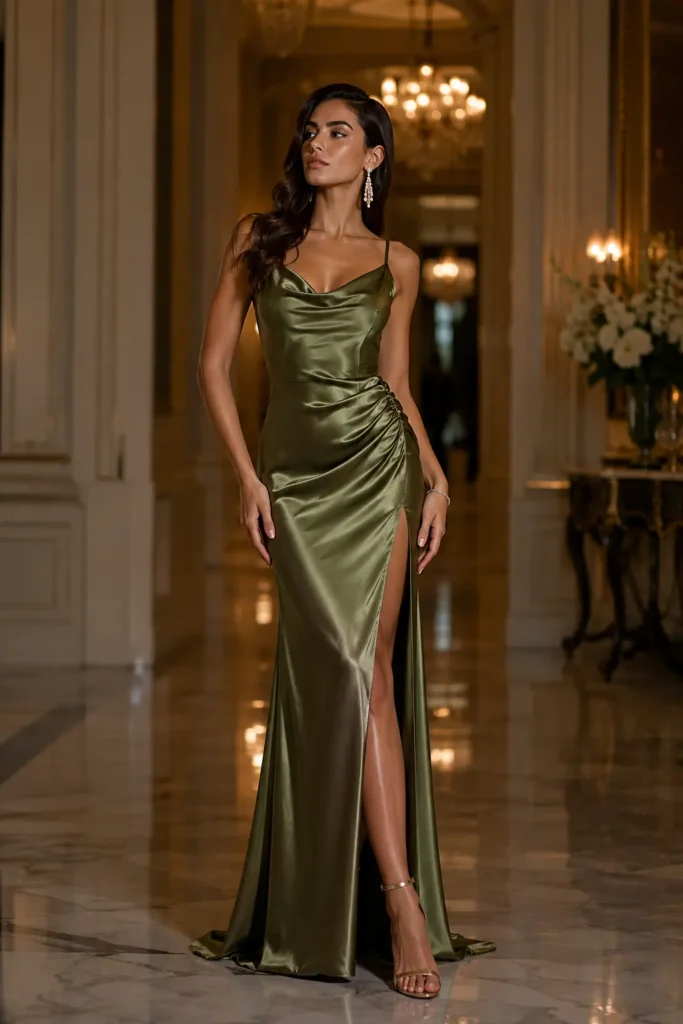
Satin dresses need special control over shine direction, seam puckering, needle marks, lining, pressing and packaging. Duolan reviews fabric weight, drape, edge finish, zipper smoothness and carton folding method before bulk planning. Satin programs often require stricter handling from cutting to packing.

Mesh Dresses
Mesh dresses depend on transparency, stretch, lining coverage and print or embroidery placement. Duolan reviews mesh direction, recovery, panel matching, seam allowance, lining tone and edge finish. For printed mesh, artwork position and size grading require careful production records.

Sequin Dresses
Sequin dresses bring higher production complexity due to surface weight, needle damage, skin comfort, trimming loss and packing abrasion. Duolan reviews sequin density, base fabric strength, lining coverage, seam allowance cleaning, zipper protection and final inspection points before bulk shipment.
Collection Development for US Occasionwear Drops
US occasionwear programs often move as a collection rather than a single dress. A brand may plan a wedding guest edit, a holiday party drop, a homecoming capsule, a going-out line, a vacation resort story or a prom season program. Each group needs structure: hero styles, commercial styles, supporting colorways, fabric families, fit priorities, target delivery windows and reorder potential.
Duolan supports collection-based planning by reviewing style direction, silhouettes, fabric groups, trim choices, construction risks and sample sequence before development begins. A 12-style partywear drop may include fitted mesh dresses, satin minis, jersey bodycon dresses and sequin statement pieces. A 24-style wedding guest capsule may include midi, maxi, slip, halter and one-shoulder styles across selected color stories. Development planning helps avoid scattered sampling, mismatched fabrics and unclear production priorities.
The goal is to move the collection through a controlled path: design review, fabric direction, sample grouping, first sample, revision, PP sample, bulk readiness, production allocation, QC and delivery. For brands managing 10–30 styles per program and 20,000–80,000 pieces per order cycle, early structure can protect launch timing and reduce decision delays.

Start from Different Development Inputs
Duolan can review different project materials and convert them into a clearer dress development path before sampling begins.

Tech Pack
A tech pack helps Duolan review garment sketch, measurement spec, construction notes, fabric request, trim details, label position and packing needs. When the file is complete, the team can move faster into pattern work, fabric matching, sample preparation and production feasibility evaluation.

Reference Image
A reference image can show the intended silhouette, neckline, fabric mood, surface detail or styling direction. Duolan reviews which parts are visual inspiration and which parts must become production details, including fabric selection, support structure, seam placement, lining and finishing.

Original Sample
An original sample helps confirm fit, size, construction and finishing standards. Duolan can review the garment’s pattern logic, fabric behavior, stitch type, trims, measurements, workmanship and possible bulk risk before preparing a remake, corrected sample or production-ready version.

Fabric Direction
Some brands begin with a fabric idea rather than a complete design. Duolan can review satin, mesh, sequin, lace, velvet, chiffon, crepe, jersey, tulle or lining options and advise how each material may affect drape, opacity, stretch, sewing difficulty and cost structure.

Collection Moodboard
A moodboard helps define occasion, color, fabric, silhouette and styling direction. Duolan uses it to understand whether the program is built for wedding guest, party, holiday, going-out, resort or prom scenarios, then organizes development priorities around the strongest commercial dress groups.

Target Price Range
A target price range helps narrow fabric, lining, trim, workmanship and packing decisions. Duolan does not reduce a dress only to a unit price. The team reviews whether the intended look, construction and quantity can align with the target commercial level and production route.
Fabric Directions for Occasionwear Dress Projects
Fabric choice decides whether a dress can carry the intended silhouette, comfort, structure, shine and production standard.

Satin
Satin is widely used for wedding guest, cocktail and evening-inspired dresses. Development review should cover GSM, drape, shine direction, seam puckering, needle marks, lining, pressing and packing recovery. Duolan checks satin behavior before sample approval because surface flaws become highly visible after production and photography.

Mesh
Mesh supports sheer overlays, printed dresses, ruched bodycon styles and occasionwear panels. Key checks include stretch, transparency, recovery, lining tone, print placement, edge finish and seam strength. For US going-out and partywear programs, mesh must balance visual effect with coverage and comfort.

Sequin
Sequin fabrics create strong party and holiday impact but require controlled handling. Duolan reviews sequin density, base fabric strength, weight, scratch risk, trimming loss, needle path, lining coverage and packing abrasion. Bulk production must define seam cleaning and inspection standards before cutting begins.

Lace
Lace is used in wedding guest, cocktail and feminine occasionwear styles. Development checks include pattern placement, edge usage, backing fabric, transparency, stretch, scallop direction and seam finishing. For bulk programs, lace cutting and matching records are important to keep style consistency across sizes.

Velvet
Velvet gives party and winter occasion dresses a rich surface, but pile direction, color shading, pressing marks and packing pressure must be managed. Duolan reviews cutting direction, nap consistency, seam bulk, lining needs and carton folding methods before bulk production.

Chiffon
Chiffon supports soft maxi, midi, sleeve and overlay designs. Key controls include transparency, lining length, seam slipping, hem finish, layer balance and shrinkage. Duolan reviews chiffon against intended movement and opacity before sample confirmation, especially for wedding guest and vacation occasionwear.

Crepe
Crepe works well for structured yet fluid occasion dresses. Duolan checks weight, stretch, drape, seam recovery, wrinkle behavior, lining compatibility and pressing. Crepe dresses often need clean tailoring discipline around waist, neckline, darts, zipper and slit areas.

Jersey
Jersey is common in going-out and bodycon occasionwear. Development review focuses on GSM, stretch direction, recovery, opacity, seam tension, size grading and wash behavior. Duolan checks whether the fabric can hold shape without twisting, sheering out or losing fit after movement.

Tulle
Tulle supports volume, overlay and prom-inspired silhouettes. Duolan reviews stiffness, softness, layer count, hem method, skin contact and packing volume. For production, tulle layers must be controlled carefully to avoid uneven hem lines, twisting and size inconsistency.

Knit
Knit dress programs may require compact rib, sweater knit or stretch knit structures. Duolan reviews gauge, stretch, recovery, yarn hand feel, weight, seam stability and measurement control. Knit occasion dresses need stronger size discipline because fabric relaxation can affect finished measurements.

Jacquard
Jacquard adds texture and structure for premium occasion styles. Development checks include motif placement, weight, seam bulk, lining, shrinkage and cutting direction. Duolan reviews whether the pattern scale works across sizes and whether the garment can maintain balanced panel matching.
Lining
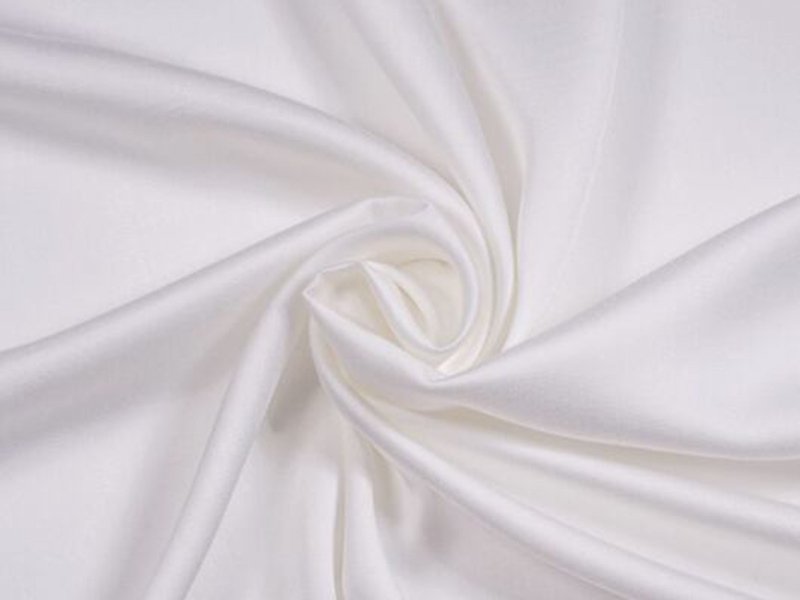
Lining affects comfort, coverage, structure and garment finish. Duolan reviews lining color, stretch, hand feel, opacity, friction, length and seam allowance. For satin, lace, mesh, sequin and chiffon dresses, lining choice can decide whether the finished garment feels brand-level or unstable.
Fit and Structure Control for Occasion Dresses
Fit is one of the most expensive risks in custom occasionwear production. A dress can have strong visual direction but still fail because the bust area collapses, the waist seam rides up, the hip curve pulls, the strap slips, the zipper waves, the slit opens too much, or the lining restricts movement. Duolan reviews fit and structure as part of development, not only during final inspection.
For fitted dresses, the focus is body balance, fabric stretch, recovery and opacity. For corset-inspired dresses, cup position, boning strength, back closure and seam tension become central. For halter and backless styles, the shoulder and back structure must support movement without distorting the neckline. For long prom and maxi dresses, hem balance, skirt weight and walking comfort must be checked before bulk approval.
Duolan can help brands review measurement specs, fitting comments, revised patterns, grade rules, fabric behavior and production feasibility. The team translates fit feedback into actionable sample revisions and production notes, helping the approved sample become a reliable standard for bulk manufacturing.

From Design Direction to Production-ready Sample
A strong dress sample is not only a visual prototype. It becomes the decision standard for fit review, internal approval, PP sample confirmation, bulk production, QC and repeat order reference.
Step 1|Project Brief Review
Duolan reviews style category, occasion scenario, target market, reference image, tech pack, target fabric, color direction, size range, quantity plan and launch timing. The goal is to understand the garment as a product program rather than a single sewing request.
Step 2|Fabric and Trim Review
Fabric, lining and trim options are reviewed against silhouette, drape, stretch, transparency, support, decoration and workmanship needs.
Satin, mesh, sequin, lace, velvet and chiffon styles often need different risk checks before pattern development.
Step 3|Pattern Development
Pattern work converts the intended silhouette into garment structure. Duolan reviews neckline, bust, waist, hip, length, sleeve, back opening, lining, seam allowance and production feasibility. For fitted or structured styles, pattern decisions affect both comfort and bulk stability.
Step 4|First Sample
The first sample verifies overall look, fabric behavior, proportion, construction and key details. It is used to identify fit changes, workmanship issues, fabric mismatches, trim adjustments and potential bulk production risks.
Step 5|Fit Comments
Brand comments are sorted into measurement, fit, fabric, trim, construction, visual finish and production risk categories. Clear classification helps avoid repeated revisions and keeps the project moving toward approval.
Step 6|Revision Summary
Duolan prepares correction actions for pattern, fabric, lining, trim, workmanship or packing details. Updated notes help the revised sample reflect agreed changes rather than informal conversation.
Step 7|PP Sample
The PP sample is prepared as the production reference. It should confirm approved fabric, color, trims, labels, measurements, construction, finishing and packing direction before bulk release.
Step 8|Bulk Readiness
Before bulk production, Duolan reviews material status, size set, approved sample, production path, QC checkpoints and delivery schedule. This step helps connect development decisions with manufacturing execution.

How Duolan Manages Fit Comments and Revisions
In dress development, a comment is valuable only when it becomes a controlled action. Brand teams may send notes through PDF files, marked photos, fit sheets, sample review calls or email summaries. Duolan organizes comments into clear categories so pattern makers, sample room teams, sourcing staff and production coordinators work from the same correction direction.

For example, a satin midi dress may receive comments about waist tightness, bust gaping, lining length, zipper waviness and hem balance. Each comment belongs to a different action group. Waist and bust issues may require pattern correction. Zipper waviness may involve seam tension, fabric behavior or sewing method. Lining length may affect movement and opacity. Hem balance may require measurement and pressing review.
Duolan’s revision loop helps reduce confusion between visual preference, fit correction and production feasibility. The team can prepare revision notes, sample comparison records, updated measurement points and bulk readiness reminders, especially for multi-style programs with 10–30 dresses under one development calendar.
Sample-to-Bulk Control Before Production
Occasionwear brands need the approved sample to remain stable during bulk production. Duolan reviews risk points before production release and connects each risk with a control action.
Risk Point | Why It Matters | Duolan Control Action | Brand Confirmation |
Fabric mismatch | Drape, shine, stretch or hand feel may change the dress effect | Fabric behavior review, material approval and bulk fabric confirmation | Approve fabric quality, color and hand feel |
Fit distortion | Size grading or fabric tension may change body balance | Pattern correction, size set check and measurement review | Confirm spec points and fit priority |
Color difference | Multi-color programs need stable shade control | Lab dip, bulk fabric check and color record management | Confirm approved color standard |
Lining change | Lining can affect opacity, comfort and structure | Lining quality, color, stretch and length review | Approve lining direction |
Trim substitution | Zipper, elastic, boning or straps can affect performance | Trim sourcing confirmation and PP sample locking | Confirm trim quality and position |
Sequin loss | Surface damage affects appearance and comfort | Seam cleaning, lining protection and inspection points | Confirm decoration standard |
Measurement tolerance | Size inconsistency creates fit complaints | Inline measurement, final measurement and size set review | Confirm tolerance requirement |
Unclear PP standard | Production team may follow incomplete references | PP sample, BOM, workmanship notes and packing details locked | Approve PP sample before bulk |
Packing pressure marks | Satin, velvet and sequin surfaces can be damaged in cartons | Folding test, pressing control and carton packing review | Confirm packing method |
Timeline compression | Rushed bulk may increase error risk | Production calendar, first-piece confirmation and QC nodes | Confirm launch and delivery priorities |
A Multi-factory System for Dress Production
Duolan is backed by a multi-layer womenswear manufacturing system built around fashion dress development, quick-response production, scalable bulk delivery and repeat-order coordination. The system includes 16 owned womenswear factories, 20+ long-term satellite factories and supporting production bases in regions including Guangxi, Guizhou, Sichuan and Jiangxi, with more than 12,000 workers across supporting manufacturing resources.
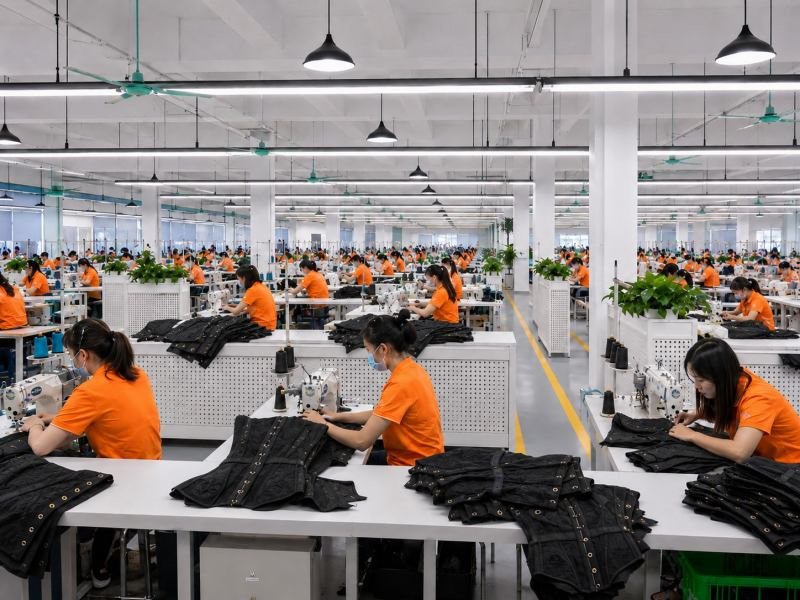
The value of this structure is not only factory count. Core styles and higher-control programs can be managed through owned factories, where sample accuracy, workmanship control and production discipline remain tighter. Repeat orders, larger bulk programs and capacity peaks can be coordinated with long-term satellite factories. Special processes such as printing, dip dyeing, embroidery and washing are supported through mature partner resources, often with 2–3 regular factories available for each process direction.
For US occasionwear brands, this structure supports multi-style development, seasonal order concentration, flexible repeat production and category-specific production allocation. A 20-style dress program does not need every style to follow the same path. Simple jersey bodycon styles, satin midi dresses, sequin minis and structured prom dresses may require different production handling, different QC focus and different process timing.
Equipment Support for Development and Bulk Execution
Duolan’s manufacturing background is supported by a broad garment equipment base across the group system. The total equipment scale reaches approximately 12,000–20,000 units or sets, covering fabric inspection, spreading, cutting, pattern development, sample preparation, core sewing, special sewing, printing, finishing, quality control and packing-related production needs.
Fabric and cutting preparation are supported by equipment such as shrinkage machines, rolling machines, fabric inspection machines, GSM testers, needle detectors, color light boxes, automatic spreading machines, automatic cutting machines, computerized cutting beds, cutting tables, straight-knife cutting machines, end cutters, punching machines and numbering machines. These resources help stabilize fabric preparation before sewing begins.
Pattern, sample and development resources include CAD pattern systems, marker systems, pattern plotters, sample sewing machines, overlock machines, coverstitch machines, electric cutters and sample pressing tables. Core sewing equipment includes single-needle and double-needle lockstitch machines, overlock machines, coverstitch machines, bartack machines, buttonhole machines, button attaching machines, special machines, template machines, chainstitch machines and other garment machinery. Printing resources include DTG, heat transfer, screen printing, digital printing and related setting equipment.
For dress programs, equipment only matters when connected with planning and control. Duolan uses these resources to support fabric preparation, sample development, cutting accuracy, sewing stability, special workmanship and QC execution for multi-style occasionwear orders.
Production Planning for Multi-style Dress Orders
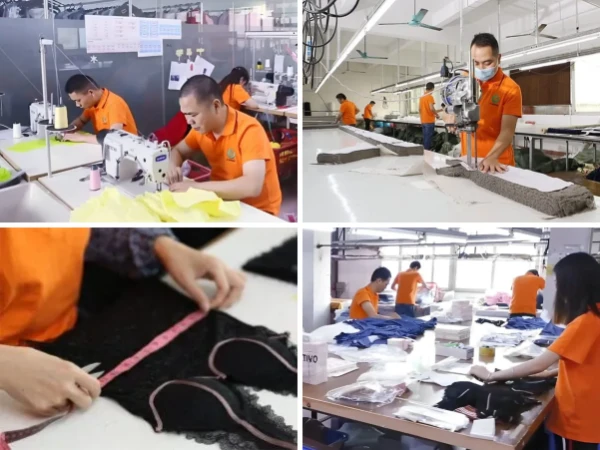
US occasionwear brands often work with 10–30 styles per program and 20,000–80,000 total pieces per order cycle. Duolan structures production planning around style complexity, material readiness, process route, quantity, colorway, size range and delivery timing.
Step 1|Style Breakdown
Each dress is reviewed by category, fabric, construction, trims, decoration, lining, colorways, size range and order quantity. Satin, sequin, mesh, jersey and corset-style garments are separated by production risk level.
Step 2|Material Status
Bulk fabric, lining, trims, zippers, labels and packing materials are checked before production release. Programs with multiple colorways or special fabrics need stronger material tracking.
Step 3|Production Route
Styles are matched with suitable production resources. Core styles may stay in owned factories, while repeat or larger volume styles can be planned with long-term satellite partners under Duolan coordination.
Step 4|First-piece Confirmation
Before full production, the first piece is checked against PP sample, measurements, workmanship, label position and packing direction. Any mismatch is corrected before larger sewing quantities begin.
Step 5|Inline Control
Inline inspection focuses on sewing accuracy, seam tension, lining, zipper, surface decoration, measurements and style-specific risk points. Findings are communicated early enough to correct production direction.
Step 6|Final Review
Final review checks workmanship, measurements, pressing, labels, packing, carton marks and delivery preparation. Occasionwear styles with sensitive surfaces such as satin, velvet or sequin receive extra packing attention.
Workmanship Details for Occasionwear Dresses
Workmanship decides whether an occasion dress feels brand-ready after the first wearing, the first photo shoot and the first shipment. Duolan reviews workmanship according to fabric type, garment structure and wearing scenario. A satin dress cannot be handled like a jersey dress. A sequin mini cannot be inspected like a crepe midi. A corset-inspired prom dress needs different checks from a vacation maxi dress.

Core workmanship areas include seam straightness, stitch density, thread tension, overlock finish, lining attachment, zipper installation, strap reinforcement, boning placement, cup position, hem balance, slit security, ruching consistency, decorative trimming, pressing and packing. For satin and velvet, surface marks and pressing control matter. For mesh, edge finishing and lining tone matter. For sequin, seam cleaning and skin comfort matter. For lace, motif placement and edge handling matter.
Duolan can create style-specific workmanship notes before bulk production. These notes help production teams understand which details carry the highest risk and which details define the brand standard. During production, workmanship review connects with first-piece confirmation, inline checks and final inspection so approved details are not lost during scale-up.
Design Details That Shape Occasionwear Quality
Dress details must be reviewed as production features, not only design decoration. Duolan helps brands evaluate detail feasibility before sampling and bulk planning.

Neckline Control
Necklines affect visual balance, support and comfort. Duolan reviews sweetheart, halter, square, cowl, V-neck, off-shoulder and one-shoulder structures against fabric weight, lining, cup position and strap stability.

Bodice Support
Bodice structure matters for corset, bustier, prom and fitted party dresses. Duolan reviews cup shape, seam placement, boning, inner layer, elastic, zipper strength and back closure before production approval.

Back Opening
Backless, lace-up, cut-out and zipper-back dresses need movement safety. Duolan checks opening position, edge finishing, strap routing, fabric tension and wearer comfort during sample review.

Ruching Direction
Ruching can improve body shape or create distortion if direction and tension are not controlled. Duolan reviews fabric stretch, panel width, gathering density, seam placement and size grading.

Slit Placement
Slits affect walking comfort and wearing safety. Duolan reviews height, reinforcement, lining clearance, seam strength and movement range, especially for maxi, midi and prom dresses.

Strap Strength
Thin straps, halter ties, adjustable straps and cross-back details must hold position. Duolan reviews attachment, bar-tack needs, slider quality, elastic recovery and garment weight.

Lining Coverage
Lining decides opacity, comfort and structure. Duolan checks tone, length, stretch, friction, attachment points and coverage around bust, hip, slit and mesh panels.

Decorative Surfaces
Sequin, bead, rhinestone, embroidery, lace and pearl details require production feasibility review. Duolan checks weight, abrasion, placement, seam clearance, repair method and packing protection.

Packing Shape
Packing affects final presentation. Duolan reviews folding, hanger packing, polybag size, carton pressure, pressing and protection for sensitive surfaces such as satin, velvet, sequin and tulle.
Quality Control for Dress Fit, Fabric and Finish
Duolan’s QC approach starts before final inspection. Occasionwear quality depends on fabric preparation, cutting accuracy, sewing control, size discipline, surface protection, pressing and packing. A final random inspection cannot replace process control, especially for satin, mesh, lace, sequin, velvet, bodycon and structured dresses.
Fabric checks include material quality, color direction, GSM, shrinkage risk, shade difference and visible defects. Cutting checks protect panel accuracy, fabric direction and size matching. First-piece confirmation compares the sewn garment against the approved PP sample, measurement points, workmanship details, label position and packing method. Inline inspection identifies early problems in seam tension, lining, zipper, surface decoration, measurements and pressing.
Final review focuses on finished measurements, workmanship, visual defects, thread trimming, labels, hangtags, care labels, polybags, carton marks and packing list consistency. For brand programs, Duolan can coordinate with client-specific standards, AQL requirements and third-party inspection arrangements when requested. Sensitive styles receive additional checks: satin for press marks, sequin for shedding and scratching, mesh for transparency and lining, bodycon for recovery and opacity, and corset dresses for support placement.

Private Label Support for Occasionwear Collections
Private label delivery is not just adding a logo. For occasionwear brands, label, packing and shipment records must support retail, e-commerce, warehouse and reorder operations.

Brand Labels
Duolan can support main labels, size labels, care labels and brand-specific label placement according to garment style and brand requirements. Label position, stitch method and fabric compatibility are checked before bulk production.

Care Labels
Care labels must match fabric composition, washing requirements, market language needs and brand format. Satin, sequin, lace, mesh and velvet dresses often require clear care communication to reduce product handling issues.

Hang Tags
Hang tags help maintain brand presentation during retail or e-commerce fulfillment. Duolan can coordinate tag size, string, barcode position, style number, color code and attachment requirements based on client files.

Poly Bags
Polybag size, warning text, barcode position, folding method and garment protection matter for warehouse handling. Sensitive dresses may need larger bags, tissue paper, protective sheets or hanger packing.

Carton Marks
Carton marks help identify style, color, size, quantity, PO number, destination and shipment batch. Duolan can support clear carton marking to reduce receiving confusion for multi-style programs.
Delivery Files
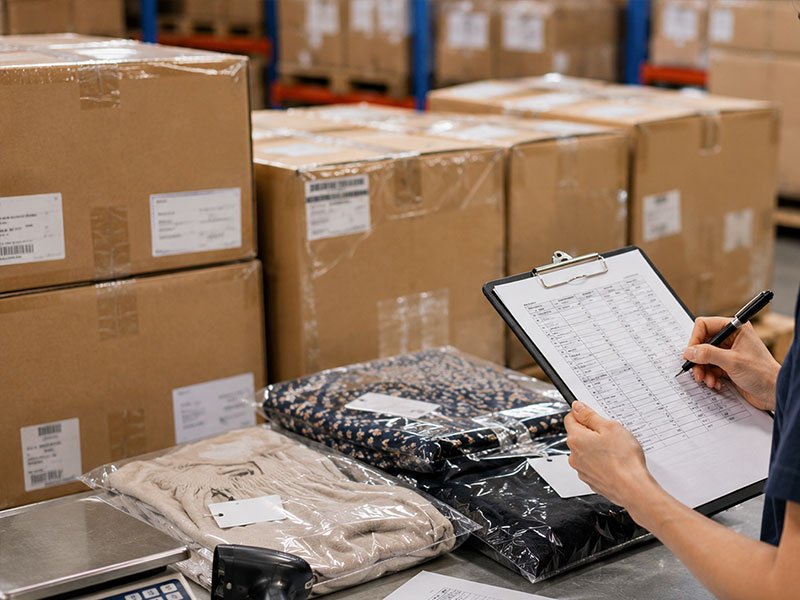
Packing lists, size-color breakdowns, carton information, production records and shipment coordination details can support brand operations after goods leave the factory. Clear records also help repeat order planning.
custom dress manufacturer for US occasionwear brands case studies
Duolan respects brand confidentiality. The following anonymous examples show common project structures handled for occasionwear-style programs.
US Wedding Guest Capsule
A US occasionwear brand planned a spring wedding guest capsule with 18 dress styles across satin, chiffon and crepe directions. The program included midi dresses, slip dresses, halter maxis, one-shoulder styles and soft draped silhouettes. The main challenge was keeping elegant drape while protecting lining coverage, zipper smoothness and color consistency across 6 main color groups.
Duolan reviewed fabric behavior before sampling, separated styles by construction risk, prepared first samples for fit review and supported revised samples for the strongest commercial styles. Before bulk, PP standards were locked for fabric, lining, measurement, label and packing. The final order structure reached approximately 46,000 pieces across 18 styles, with style-level production planning based on fabric group and delivery priority.
US Partywear Bodycon Drop
A fast-moving US partywear brand prepared a going-out dress drop with 22 styles across mesh, jersey, stretch satin and ruched bodycon directions. The challenge was not only creating fitted silhouettes, but keeping opacity, recovery, bust support, side seam balance and size consistency across multiple colorways. Several styles required quick sample comments and controlled revisions before launch approval.
Duolan reviewed stretch behavior, lining needs, pattern tension and measurement points before bulk planning. High-risk bodycon and mesh styles were separated for closer first-piece and inline inspection. The program reached approximately 58,000 pieces across 22 styles, with key styles prepared for repeat production after launch feedback. Fit comments were converted into revised pattern notes and sample comparison records to protect repeat-order accuracy.

US Holiday Sequin Program
A US holiday occasionwear line required 14 sequin and velvet dress styles for a year-end party collection. Styles included sequin minis, velvet midi dresses, one-shoulder party dresses and fitted sparkle looks. The main risks were surface scratching, sequin loss, seam bulk, lining comfort, zipper protection, pressing marks and carton packing pressure during shipment.
Duolan reviewed sequin base fabric, lining coverage, seam cleaning, decoration clearance and packing method before bulk start. Sensitive styles received specific workmanship and inspection points. The order plan reached approximately 32,000 pieces across 14 styles. Production records separated sequin, velvet and stretch fabric routes, helping the brand manage delivery timing while protecting surface finish and wearing comfort.

Frequently Asked Questions
Yes. Duolan can review reference images together with fabric direction, target silhouette, occasion scenario, size range and quantity plan. The team converts the visual direction into fabric review, pattern development, sample planning and production feasibility notes.
Yes. Duolan supports brands developing wedding guest dresses, cocktail dresses, party dresses, homecoming dresses, prom dresses, holiday dresses, going-out dresses and vacation occasionwear. The workflow covers development, samples, bulk production, QC and private label packing.
Yes. Duolan works with satin, mesh, sequin, lace, velvet, chiffon, crepe, jersey, tulle and lining materials. Each fabric direction is reviewed for drape, stretch, transparency, surface risk, sewing behavior and packing needs.
Duolan uses fabric confirmation, pattern correction, PP sample approval, first-piece confirmation, inline inspection, final review and packing control. Key details such as fabric, lining, trims, measurement points, workmanship and labels are locked before bulk production.
Yes. Duolan is structured for multi-style programs involving 10–30 styles and larger order cycles. The team reviews each style by fabric, complexity, colorways, size range, quantity and delivery timing before arranging production paths.
Yes. Duolan can support brand labels, care labels, hang tags, size labels, polybags, carton marks, packing lists and related delivery files according to brand requirements and project structure.
You can send tech packs, reference images, original samples, fabric ideas, moodboards, target quantities, size range, colorways, timeline and packing requirements. More complete files help Duolan review feasibility faster.
Duolan’s factory system has SMETA audit and SMETA 2-Pillar audit record. The team can also coordinate requirements related to BSCI, ISO 9001, AATCC, ASTM, OEKO-TEX®, EN, China GB, GOTS and brand-specific standards when needed.
Sample timing depends on style complexity, fabric availability, trim sourcing and revision rounds. Simple dress samples and complex structured or decorated styles require different development paths. Duolan reviews timing after receiving project files.
Send your dress category, reference styles, tech pack or sample photos, fabric direction, expected quantity, colorways, size range, launch timing and private label requirements. Duolan will review development feasibility and next-step sample planning.

Send Your Dress Project to Duolan
Duolan supports US occasionwear brands that need custom dress development, production-ready samples, controlled bulk production and long-term supply coordination. Share your project files with our team for a structured review covering style direction, fabric suitability, fit and construction risks, sample path, production readiness, QC requirements, private label packing and delivery planning.
For a faster review, please include the strongest files available. A complete brief helps our team understand not only what the dress should look like, but how it should be sampled, approved, produced, inspected and delivered.
Please Prepare
- Dress category and occasion scenario
- Tech pack, reference image or original sample
- Target fabric or fabric direction
- Estimated quantity per style
- Expected total order volume
- Colorways and size range
- Sample deadline and launch window
- Label, packing and carton requirements
- Testing, audit or compliance needs
- Message about current sourcing challenges