Skip to content
Custom Embellished Dress Manufacturer
Custom embellished dress development and manufacturing for established fashion brands.
Duolan supports fashion brands developing embellished dresses where bead placement, sequin handling, rhinestone attachment, pearl detail, embroidery density, lace appliqué, trim comfort, garment weight, PP records, QC checkpoints and packing protection decide final value across party, cocktail, evening and occasion programs.
- 1996 fashion dress development background supports deep judgment in decorative garment structure.
- Pearl, cannon bead and rhinestone dress experience supports craft-led style development.
- Composite decorative process knowledge supports layered sequin, bead, lace and trim combinations.
- South China textile resources support base fabric, lining and craft material matching.
- Humen trim market access supports beads, crystals, pearls, straps and hardware sourcing.
- Printing, embroidery, dyeing and washing partners support coordinated surface-development routes.
- 10–30 styles per cooperating order fits multi-style embellished dress programs.
- 20,000–80,000 pieces per brand order supports mature launch and repeat production needs.








Embellished Dresses Are Production-sensitive Garments
Embellished dresses create value through surface detail, light reflection, texture, handwork and visual identity. Beads, sequins, pearls, rhinestones, crystals, embroidery, lace appliqué, 3D flowers and fringe can lift a dress program, yet every craft decision changes garment weight, comfort, sewing order, QC workload, packing method, cost structure and delivery planning. Weak craft development often creates fallen beads, scratching sequin edges, uneven crystal placement, heavy pearl areas, stiff embroidery, distorted mesh, crushed 3D flowers or bulk pieces failing to match approved samples.
Duolan reviews embellished dresses as production-sensitive garments. Decoration type, base fabric, placement, density, attachment method, skin-contact areas, garment support, sample records and packing protection are evaluated before bulk production. A strong embellished dress should look refined, wear comfortably, hold each craft detail securely and remain presentable after inspection, packing and shipment.
Built for Brand-level Embellished Dress Programs
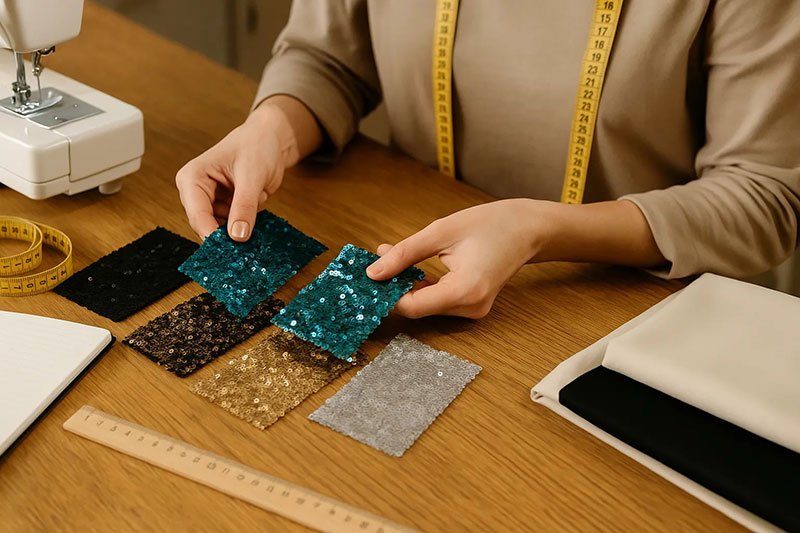
Duolan works with fashion brands, product teams and sourcing offices developing embellished party, cocktail, evening and occasion dress programs with sample approval needs, controlled craft standards and repeat production value. Complex decoration requires more than a skilled sample room; it needs placement records, trim cards, attachment review, comfort checks, QC discipline and protected delivery.
Partywear Brands
Partywear brands need strong visual impact without garment failure after wear. Duolan supports sequin minis, rhinestone mesh, beaded bodycon and crystal strap styles with attachment review, lining decisions and surface protection.
Occasionwear Brands
Occasionwear brands need refined decoration for weddings, dinners, events and seasonal social dressing. Duolan reviews pearl detail, lace appliqué, embroidery density, color direction, lining comfort and packing presentation.
Eveningwear Teams
Eveningwear teams need embellished long dresses, structured bodices and formal silhouettes. Duolan controls decoration weight, support areas, long hems, inner structure, final appearance and carton protection.
Cocktail Dress Brands
Cocktail dress brands often use focused embellishment around neckline, waist, straps, sleeves or hem. Duolan helps balance decoration density, fit, movement, comfort and polished eventwear presentation.
Social-first Fashion Brands
Social-first fashion brands need camera-facing sparkle and close-up detail. Duolan transfers approved photo sample craft effects into trim records, PP notes and first-piece comparison.
Sourcing Offices
Sourcing offices need decoration standards capable of surviving bulk execution. Duolan supports craft documentation, production sequencing, QC checkpoints, packing references and repeat-ready project records.
Embellished Dress Types Duolan Can Develop
Embellished dress programs often mix sequin impact pieces, beaded party styles, crystal details, lace appliqué, embroidery and dimensional trims. Duolan groups styles by base fabric, decoration route, attachment method, skin-contact risk, garment weight and production record requirements.

Beaded Party Dresses
Beaded party dresses need more than attractive sparkle. Bead size, spacing, thread route, fabric base and inner finish influence garment weight, comfort, cost and durability. Duolan reviews bead placement around bust, waist, hip, strap and hem areas so decoration supports silhouette without dragging fabric or creating rough skin contact.
- Bead density should enhance shape without pulling fabric or creating uncomfortable weight.
- Bust, waist, hip and hem placement needs clear photos before PP approval.
- Back-side finishing should reduce scratching, loose threads and rough skin contact.

Sequin Mini Dresses
Sequin mini dresses carry strong party value, yet short length and high movement expose many production risks. Sequin direction, edge softness, lining coverage, zipper areas and hem finishing must be checked together. Duolan reviews shine consistency, scratch control and packed surface condition before approving sequin mini styles for production.
- Sequin direction, density and seam allowance affect shine consistency across bulk pieces.
- Neckline, underarm, hem and zipper areas require comfort and abrasion review.
- Packing should avoid bent sequins, crushed surface and hard fold marks.

Crystal Embellished Dresses
Crystal embellished dresses need controlled light reflection and reliable attachment. Crystal size, placement density, edge sharpness and fabric strength influence both appearance and wear comfort. Duolan reviews crystal routes around neckline, waist, straps and bodice areas so sparkle remains refined instead of heavy, fragile or uncomfortable.
- Crystal size and placement should match fabric strength and garment silhouette.
- Attachment route should consider movement, cleaning, packing and long-distance shipment.
- Over-dense crystal areas may distort drape or increase garment support demands.

Pearl Detail Dresses
Pearl detail dresses create softer elegance than crystal or rhinestone styles, but weight and spacing still need strict control. Pearl straps, neckline trims, waist accents and hem details must stay balanced with fabric strength. Duolan reviews pearl scale, fixing route and packing pressure before sample approval moves forward.
- Pearl size, color and finish should match dress fabric and brand styling direction.
- Strap, neckline and waist pearls need comfort review in skin-contact positions.
- Heavy pearl areas require support planning before sample approval moves forward.

Rhinestone Mesh Dresses
Rhinestone mesh dresses combine transparency, stretch and sparkle, making base fabric control essential. Mesh must carry stone weight without sagging, tearing or losing recovery. Duolan reviews stone placement, lining coverage and stretch behavior so the garment keeps both visual sharpness and wearable support.
- Mesh base must carry stones without tearing, sagging or losing recovery.
- Rhinestone placement should protect body coverage and visual proportion.
- Inner lining or support layers may be needed for comfort and stability.

Lace Appliqué Dresses
Lace appliqué dresses depend on motif planning as much as sewing skill. Floral, geometric or scalloped motifs need careful alignment with neckline, bust, waist, side seam and hem areas. Duolan reviews lace placement, edge softness, lining color and symmetry so appliqué feels intentional, refined and repeatable.
- Lace motifs should align with neckline, waist, bodice and hem proportion.
- Edge finishing should feel soft and avoid rough raised areas.
- Lining color changes final lace expression and needs early approval.

Embroidered Cocktail Dresses
Embroidered cocktail dresses need pattern clarity without stiffness. Stitch density, backing choice, thread color, motif scale and base fabric strength affect both outside appearance and inside comfort. Duolan reviews embroidery routes before full garment sampling so decoration stays sharp, wearable and suited to cocktail silhouettes.
- Stitch density should support visual texture without making fabric stiff or heavy.
- Embroidery placement needs alignment across front, side and back views.
- Thread color, backing and inside finish affect comfort and appearance.

3D Floral Dresses
3D floral dresses deliver strong visual depth, yet dimensional trims create special production and packing risks. Flower height, spacing, attachment base and pressure protection should be reviewed before bulk planning. Duolan checks whether raised details support silhouette, neckline, waist or hem design without crushing during packing.
- Flower height, placement and spacing should support silhouette, not overwhelm it.
- Attachment strength must be checked around neckline, shoulder, waist and hem zones.
- Packing method should protect raised elements from crushing during shipment.

Fringe Embellished Dresses
Fringe embellished dresses need controlled motion, length consistency and secure attachment. Fringe can add energy to party or holiday styles, but poor spacing causes tangling, shedding or uneven visual lines. Duolan reviews fringe length, seam route, swing behavior and packing method before production.
- Fringe length should create motion without tangling, dragging or catching hardware.
- Attachment lines should stay straight and secure after movement tests.
- Packing should reduce twisting and preserve natural fringe fall.

Embellished Bodycon Dresses
Embellished bodycon dresses are difficult because stretch, decoration and body pressure interact. Rhinestones, sequins or beadwork must follow body movement without blocking fabric recovery. Duolan reviews stretch behavior after decoration, side seam balance, lining comfort and zipper smoothness before PP confirmation.
- Stretch base fabrics should be tested after decoration to confirm recovery.
- Heavy craft can create pull lines around bust, waist, hip and side seams.
- Lining, mesh support or comfort barriers may be needed in high-contact zones.

Embellished Halter Dresses
Embellished halter dresses place decoration close to neck, shoulder and bust support zones. Pearl straps, crystal necklines or beaded ties need load review because pressure collects around sensitive areas. Duolan checks strap attachment, skin comfort, front support and back view before approving halter embellished styles.
- Halter straps carrying beads, crystals or pearls require careful load review.
- Decoration near neckline should not scratch neck or underarm areas.
- Front support should be checked before approval for backless or open-back versions.

Embellished Evening Dresses
Embellished evening dresses require formal proportion, craft discipline and protected delivery. Long silhouettes often combine beadwork, crystals, lace appliqué or 3D details, increasing garment weight and packing sensitivity. Duolan reviews support points, hem balance, PP craft records and carton protection before bulk execution.
- Long garments require support review around bodice, shoulder, waist and hem.
- Beading, sequins, appliqué and 3D details should be documented for QC.
- Packing references should protect decoration, fabric surface and final presentation.
Embellishment Materials and Craft Routes
Surface decoration should be selected by garment purpose, not by visual appeal alone. Sequins, beads, pearls, rhinestones, crystals, embroidery, lace appliqué, 3D flowers and fringe each affect attachment strength, base fabric behavior, garment weight, comfort, cost, timeline, QC and packing. Duolan reviews craft route before sample approval so decoration can move into stable bulk production.

Sequins
Sequins create strong sparkle and party impact, yet require edge and comfort control.
- Sequin direction, density and backing fabric decide shine, weight and garment flexibility.
- Seam areas may need sequin clearing to reduce bulk and needle damage.
- Underarm, neckline and hem zones should be reviewed for scratch risk.

Beads
Beads add refined texture and handwork value when density remains controlled.
- Bead size, thread strength and stitch route affect durability across wear and shipment.
- Dense beadwork can add weight and change fabric fall.
- Back-side finish should be checked for skin comfort and loose threads.

Pearls
Pearls create elegant occasion detail, especially around straps, neckline and waist.
- Pearl size and spacing should align with dress proportion and fabric strength.
- Pearl areas can become heavy when density is not reviewed early.
- Packing protection should prevent pressure marks and detached pieces.

Rhinestones
Rhinestones add sharp sparkle and social-facing visual impact.
- Heat-set, sewn or applied stones require different testing and QC points.
- Mesh and stretch fabrics need special review before rhinestone placement.
- Stone loss can affect garment value quickly, so attachment checks matter.
Crystals
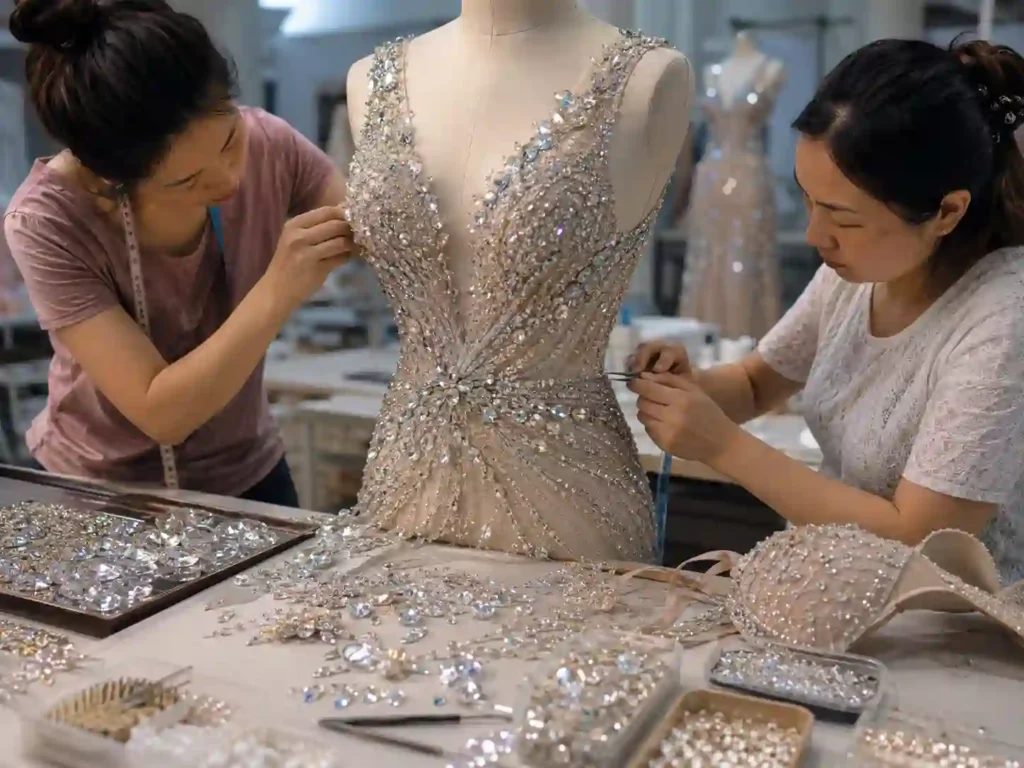
Crystals support premium evening and formal visual effects.
- Crystal weight and edge shape should be compatible with base fabric and lining.
- Placement around bust, waist and straps affects comfort and garment balance.
- Cost and lead time should be evaluated before over-dense development begins.

Embroidery
Embroidery brings pattern, texture and controlled decoration.
- Stitch density should not make lightweight fabrics stiff or warped.
- Backing, thread color and motif placement affect both outside and inside quality.
- Embroidered samples should be reviewed for drape, comfort and edge cleanliness.

Lace Appliqué
Lace appliqué creates refined motif decoration and feminine occasion styling.
- Motif position should be mapped against pattern pieces before cutting.
- Lace edge softness and lining color strongly affect final garment quality.
- Hand placement and bulk repetition need clear records.

3D Floral and Fringe
Dimensional trims create movement and visual depth, yet packing risk increases.
- 3D floral height, fringe length and trim direction need early approval.
- Attachment should withstand movement, handling and packing pressure.
- QC should check crushed volume, twisted fringe and loose components.
Placement, Density and Visual Balance
Decoration becomes valuable only when placement, density and garment balance are controlled. A dress can lose elegance when beadwork is too heavy, crystals sit off-center, lace motifs shift across sizes, sequins scratch skin or 3D flowers overwhelm body proportion. Duolan reviews decoration as part of pattern, fit and production planning.
Placement Around Body Lines
Decoration placement should follow garment structure, not only visual inspiration. Bust, neckline, waist, hip, hem and back opening areas each affect body proportion differently. Duolan reviews placement against pattern lines and sample photos so craft details support the garment instead of creating weight, imbalance or visual confusion.
- Neckline, bust, waist, side seams, straps and hem need clear placement references.
- Placement should improve silhouette rather than create visual weight in wrong areas.
- PP photos should record front, side, back and close-up craft positions.

Density Planning
Craft density controls both visual impact and production difficulty. Dense beading, heavy crystals or concentrated embroidery can raise cost, add weight, stiffen fabric and lengthen production. Duolan reviews decoration density by garment zone, base fabric strength, expected movement and final price positioning before sample approval.
- High-density beading or crystal work can increase support needs and reduce drape.
- Low-density decoration may look weak if spacing lacks rhythm or proportion.
- Density decisions should match price point, garment structure and production calendar.

Symmetry and Continuity
Symmetry is essential for refined embellished dresses, especially around neckline, bust, sleeves and hem. Small placement shifts become obvious when beads, pearls, rhinestones or lace motifs reflect light. Duolan checks left-right balance, motif continuation and seam alignment before turning approved decoration into production records.
- Left and right placement should match around neckline, sleeves, waist and hem.
- Motif continuation across seams needs planning before cutting or appliqué.
- Bulk inspection should compare key visual zones with PP references.

Craft Area Boundaries
Clear craft boundaries prevent random decoration spread during sample correction and bulk production. Neckline borders, waist panels, strap zones, side seams and hem areas need defined limits. Duolan records where decoration starts, stops and changes density so production teams can repeat the approved visual rhythm.
- Clear borders help avoid random decoration spread during bulk execution.
- Edge areas near skin need comfort and soft finish review.
- Dense craft areas should avoid zipper, high-stress seams and delicate openings.

Size Range Behavior
Decoration often shifts visually when garments move across size range. Motif placement, pearl spacing, rhinestone lines and lace appliqué may need adjustment for larger sizes. Duolan reviews grading impact so craft proportions remain balanced around bust, waist, hip, strap and hem areas.
- Larger sizes may shift motif position or require adjusted craft spacing.
- Strap, neckline and bust decoration need size-aware review.
- Grading notes should include decoration-critical points, not only measurement points.

Photo Sample Transfer
Photo samples capture sparkle, placement and texture, but production needs measurable records. Duolan turns approved visual effects into trim cards, placement maps, PP photos and first-piece comparison standards. The goal is to protect camera-facing decoration when moving from sample approval into bulk execution.
- Sparkle, texture, motif position and 3D volume should move into PP documentation.
- Trim cards, placement maps and detail photos protect approved appearance.
- First-piece comparison helps verify craft balance before full production continues.

Attachment Strength and Comfort Control
Embellished dresses must look refined and feel wearable. Decoration failure often appears through fallen beads, loose sequins, sharp rhinestone edges, heavy pearl sections, stiff embroidery, rough appliqué backs or fragile 3D trims. Duolan reviews attachment and comfort before bulk production to reduce avoidable quality and wear risks.
Attachment Method Review
Every decorative component needs a suitable fixing route.
- Hand stitching, machine embroidery, heat setting, appliqué and sewn trims need separate standards.
- Heavy pieces require stronger thread, base support or adjusted placement.
- Sample craft tests help verify security before PP approval.

Pull and Rub Checks
Decoration should withstand movement and handling.
- Beads, pearls, rhinestones and crystals should be checked for pulling and rubbing.
- High-contact areas need added review around underarm, waist, hip and hem.
- Loose components should be corrected before first-piece production.

Skin-contact Comfort
Decoration should not reduce wear confidence.
- Back-side finish should be checked around neckline, underarm, bodice, waist and slit.
- Lining or comfort barriers may be required behind rough decorative areas.
- Edge softness matters for sequins, rhinestones, lace appliqué and crystals.

Weight Distribution
Garment weight should remain balanced after decoration.
- Heavy embellishment around bust or hem can pull the garment out of shape.
- Strap and shoulder areas need support review when decoration adds load.
- Long evening styles need hanger and packing route planning.

Base Fabric Protection
Decoration should not damage the base fabric.
- Mesh, tulle, satin and stretch fabrics require different attachment methods.
- Dense embroidery may stiffen light fabric or change garment fall.
- Sequin and beadwork should not tear seams or distort cut panels.

Post-packing Review
Decoration should remain stable after packing and shipment simulation.
- 3D flowers, pearls, crystals and fringe require protected packing references.
- Carton pressure can crush volume or bend raised decoration.
- Packed sample review helps confirm delivery presentation.

Embellishment Risk Matrix
Embellished dress development carries craft, comfort, cost, timeline and QC risks. Duolan reviews major risk points before PP approval so decorative value can move into repeatable production.
| Risk | Why It Happens | Duolan Control |
|---|---|---|
| Beads fall off | Weak thread, poor fixing or rough handling | Attachment review and pull check |
| Sequins scratch skin | Sharp edges near neckline, underarm or hem | Lining and edge comfort review |
| Rhinestone placement shifts | No clear placement map or PP reference | Placement photos and first-piece comparison |
| Pearl area becomes heavy | Excess density on soft fabric | Weight and base fabric support review |
| Embroidery makes fabric stiff | Dense stitching on weak base fabric | Stitch density and backing review |
| Lace appliqué looks uneven | Poor motif planning or asymmetry | Pattern and appliqué alignment review |
| 3D flowers get crushed | Packing space or carton pressure ignored | Protection route and carton planning |
| Bulk differs from sample | Craft details lack documentation | Trim card, PP notes and QC checklist |
Base Fabrics for Embellished Dresses
Collection sampling needs sequence. Duolan organizes sample development by product role, risk level, fabric uncertainty and launch priority so multiple garments can move forward without confusion.

Mesh
Mesh supports rhinestones, crystals, embroidery and illusion-style decoration.
- Base stretch, transparency and strength should be checked before stone placement.
- Heavy decoration can cause sagging if support layers are not planned.
- Lining choices should protect comfort while preserving intended sheer effect.

Satin
Satin adds shine and elegance but exposes craft mistakes quickly.
- Needle marks, pressure marks and surface scratches appear easily around decoration.
- Beading or rhinestones should avoid excessive pull on smooth satin panels.
- Packing route should protect both shine and raised decoration.
Crepe
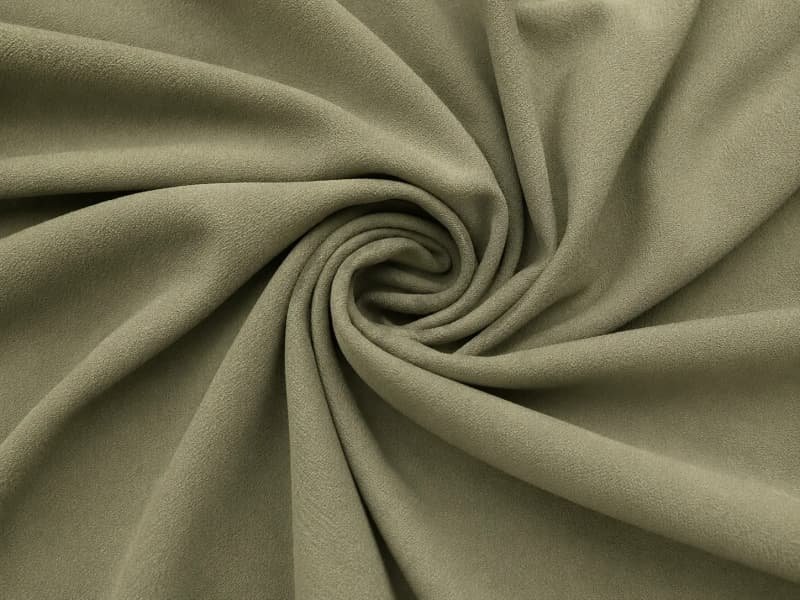
Crepe supports refined embellished occasion dresses with stronger surface stability.
- Crepe can hold embroidery, pearls or lace appliqué with better control than ultra-light fabrics.
- Wrinkle behavior and pressing method should be reviewed after decoration.
- Refined cocktail and midi dresses often benefit from crepe structure.

Lace
Lace can work as both base fabric and decorative appliqué.
- Motif placement, lining color and edge softness shape final value.
- Extra beading or sequins should not destroy lace texture or comfort.
- Appliqué records help protect symmetry during bulk production.

Tulle
Tulle supports 3D floral, crystal and light embroidery effects.
- Delicate tulle can snag or distort under heavy decoration.
- Layers should be planned for volume, coverage and support.
- Packing should protect volume without crushing surface detail.

Stretch Fabric
Stretch fabric supports bodycon embellished dresses, yet attachment becomes more complex.
- Decoration should move with fabric without popping, cracking or restricting recovery.
- Lining and seam elasticity must match final garment behavior.
- Pull checks should include stretched and relaxed states.

Velvet
Velvet supports winter party and evening embellished styles.
- Pile direction, pressure marks and attachment method need careful control.
- Heavy crystals or beads can flatten pile around decorative areas.
- Packing should avoid compression marks and crushed surface.

Lightweight Woven
Lightweight woven fabrics suit controlled local decoration.
- Full heavy embellishment may distort soft fabrics or reduce movement.
- Local embroidery, pearl straps or small appliqué details can work with correct support.
- Opacity, seam behavior and lining should be checked after craft application.
Structure, Fit and Weight Distribution
Decoration changes how a dress fits, hangs and moves. Beads, sequins, crystals, pearls, embroidery and 3D trims add weight and stiffness, often shifting bust position, waist balance, strap load, hem movement and body comfort. Duolan reviews embellished dress structure through fabric support, body zones and production feasibility.
Bust and Bodice
Bodice decoration affects support, shaping and wearer confidence. Beading, pearls, crystals or embroidery around bust areas can add pressure, stiffness or weight. Duolan reviews cup position, neckline coverage, lining, inner support and skin-contact finish so embellished bodices remain stable, comfortable and visually balanced.
- Beading, pearls or crystals around bust may add pressure and weight.
- Structured bodices may need lining, interlining, cups or boning review.
- Neckline decoration should not expose, scratch or distort the upper body.

Waist and Hip
Waist and hip decoration changes body proportion and garment pressure. Dense craft can define shape, yet poor placement may create bulk, pull lines or uneven weight. Duolan reviews waist panels, hip decoration, side seams and stretch zones to keep embellished silhouettes clean and wearable.
- Dense craft around waist can define shape or create unwanted bulk.
- Hip decoration on fitted styles should move without pulling side seams.
- Placement should support garment balance across size range.

Strap and Halter
Decorated straps carry both style value and structural load. Pearl straps, crystal straps, beaded halters or metallic trims can become uncomfortable when attachment, weight or edge finish is not planned. Duolan reviews strap width, fixing route, tension and skin contact before sample approval.
- Crystal straps, pearl straps and beaded halters need load review.
- Attachment points should be strong, smooth and visually clean.
- Neck comfort matters for halter styles with decorated ties or straps.

Backless Structures
Backless embellished dresses need front support, smooth edges and stable decoration. Open-back designs often shift pressure to bust, side seam, strap and waist areas. Duolan reviews support route, back-edge finishing, tie placement and decorative trim comfort so the garment feels secure during movement.
- Decoration near back openings should not stretch edges or scratch skin.
- Front bodice support should be reviewed before open-back approval.
- Tie, strap or elastic routes need hidden reinforcement.

Long Embellished Styles
Long embellished dresses add weight across bodice, skirt panels and hem. Heavy crystals, beads or 3D trims can pull shoulder points, distort hem balance or complicate packing. Duolan reviews weight distribution, hanger support, long-panel handling and carton route before formal embellished styles enter production.
- Heavy lower decoration may pull length, distort hem or affect walking.
- Shoulder and bodice zones may carry more weight in formal silhouettes.
- Carton planning should protect long panels and surface craft.

Bodycon Embellishment
Bodycon embellished dresses require stretch, decoration and fit to work together. Rhinestones, sequins or beads can restrict recovery or create pressure lines across the body. Duolan reviews stretch testing, attachment route, lining, side seams and zipper areas before PP approval.
- Rhinestones, sequins or beads should not block fabric recovery.
- Side seams and zipper areas must remain smooth after stretch testing.
- Lining should improve comfort without fighting against body fit.

Embellished Dress Scenarios Brands Usually Develop
Embellished dress programs serve party, cocktail, evening, occasion and holiday launches. Duolan reviews each scenario by visual effect, craft route, fabric behavior, comfort, weight, sample approval, production records, QC and packing protection.

Embellished Party Dresses
- Sequin, rhinestone and crystal details create strong camera-facing party impact.
- Mini, bodycon and backless shapes need comfort, support and secure attachment.
- Skin-contact areas require lining review around underarm, neckline and hem.
- Packing should protect sparkle, surface shape and raised decorative components.

Embellished Cocktail Dresses
- Cocktail styles often use focused craft around neckline, waist or straps.
- Midi proportion, clean seams and balanced decoration create polished eventwear value.
- Pearl, lace appliqué and embroidery need controlled density and soft finishing.
- PP records should lock placement, trim details and final visual balance.

Embellished Evening Dresses
- Evening styles require formal proportion, weight control and protected long hems.
- Beaded bodices, crystal panels and appliqué details need support planning.
- Long silhouettes should preserve movement, comfort and packed presentation.
- Carton pressure planning protects raised craft, fabric surface and final shape.

Embellished Occasionwear
- Occasionwear decoration should feel refined, wearable and suitable for social events.
- Lace, pearls, embroidery and soft crystals need color and motif coordination.
- Neckline, sleeve, slit and waist details require fit and comfort checks.
- Repeat programs benefit from approved trim cards and retained PP references.

Embellished Holiday Dresses
- Holiday programs often use sequins, metallic trims, crystals and fringe movement.
- Sparkle intensity should match fabric, silhouette, price point and delivery calendar.
- Shedding, scratching, falling components and packing damage require early review.
- Production grouping helps manage craft-heavy styles near seasonal launch windows.

Embellished Social-first Drops
- Social-first drops rely on close-up detail, sparkle, movement and photo impact.
- Photo samples must convert into craft records before production starts.
- Beaded, rhinestone and sequin effects need first-piece comparison during bulk.
- Final QC should check camera-facing areas, comfort zones and packed appearance.
Sample Development Path for Embellished Dresses
Embellished dress sampling should resolve craft, placement, attachment, comfort, weight, fit and packing questions before bulk planning begins. Duolan uses each sample stage to turn decorative ideas into controlled production standards.
Step 1|Craft Direction Review
Duolan reviews garment scenario, base fabric, decoration type, craft density, placement zones, fit structure, target price range, order plan and launch calendar. Early review helps determine whether sequins, beads, pearls, rhinestones, crystals, embroidery, lace appliqué, 3D flowers or fringe suit the garment’s fabric, structure and production route.
Step 2|Material and Placement Feasibility
Craft feasibility review checks trim size, weight, attachment method, base fabric strength, placement area, skin-contact risk, production sequence and packing requirement. A rhinestone mesh dress, pearl strap dress, sequin mini and embroidered cocktail dress need different trials before first sample approval moves forward.
Step 3|First Sample and Craft Test
The first sample checks decoration effect, attachment route, visual balance, left-right symmetry, garment weight, comfort, base fabric response and overall fit. Craft tests may be used for beadwork, sequin direction, embroidery density, lace appliqué, crystal attachment, 3D trim height or fringe movement before full-garment confirmation.
Step 4|Fit, Comfort and Photo Sample Revision
Fit and photo sample revision turns comments into pattern, craft, lining, placement or packing corrections. Duolan reviews how decoration feels during movement, how weight affects garment shape, how sparkle appears under light and whether photo sample craft can be repeated through production methods.
Step 5|PP Sample and Bulk Craft Standard
After approval, trim card, placement map, PP photos, craft instructions, attachment notes, measurement tolerance, QC focus and packing reference are confirmed. Bulk preparation should make decoration visible, measurable and inspectable so approved craft effect can remain stable across all production pieces.
Trim Card, Placement Map and Craft Records
Embellished dress production depends on records. A sample may look correct, yet bulk production can drift when bead size, sequin direction, pearl spacing, rhinestone placement, lace motif position or embroidery density lacks clear documentation. Duolan builds craft records before production begins.
dTrim Card

Trim cards define approved decorative components.
- Beads, sequins, crystals, pearls, rhinestones, lace, thread and special trims need approved references.
- Size, color, finish, backing, supplier route and usage position should be recorded.
- Trim cards reduce confusion across sampling, production, QC and repeat orders.
Placement Map

Placement maps protect visual balance and production repeatability.
- Neckline, bust, waist, straps, side seams, slit, hem and back details need clear positions.
- Photos, sketches or marked pattern references help align craft areas.
- Size grading may require placement adjustment, especially on fitted or structured styles.
Craft Sample

Craft samples test attachment, density and comfort before full production.
- Small-area trials can check bead strength, sequin scratch, embroidery stiffness or rhinestone hold.
- Fabric behavior after decoration should be reviewed before final sample approval.
- Craft samples help avoid expensive full-garment revisions.
PP Photos

PP photos preserve approved craft appearance.
- Front, side, back and close-up views should record decoration effect clearly.
- Raised trims, edges, interior finish and lining relationship should be documented.
- Production and QC teams need access to approved visual references.
First-piece Comparison

First-piece comparison checks production against PP standard.
- Craft placement, attachment, comfort and visual balance should be confirmed before continuing.
- Any deviation should be corrected while production volume remains controlled.
- Photo records support communication across project, production and QC teams.
Repeat Records

Repeat records protect future replenishment and color updates.
- Approved trim cards, placement maps, patterns and packing notes support next-season use.
- Color changes should still review base fabric, trim shade and attachment.
- Records reduce repeated development work and improve continuity across programs.
Production Engineering for Embellished Dresses
Production engineering turns embellished samples into an executable craft route. Duolan breaks each style into material locking, cutting order, decoration sequencing, sewing impact, inline checks, QC focus and packing method so complex surface work can remain stable during bulk execution.
Material Locking
Material locking protects fabric, lining, trims and decoration components.
- Approved trim cards should connect with base fabric, lining and PP sample.
- Bead, sequin, pearl, crystal and lace batches should be checked before production.
- Alternative trims need review for size, color, finish, weight and attachment.
Cutting Sequence
Cutting order affects craft placement and garment balance.
- Some decoration routes require flat fabric work before sewing.
- Some appliqué or beadwork should follow partial garment assembly for accuracy.
- Cut panels should be numbered and protected during craft transfer.
Craft Sequencing
Craft sequencing decides efficiency and quality stability.
- Embroidery, appliqué, beading, sequin work and 3D trims follow different routes.
- Decoration should not block zipper, seam, strap or lining construction.
- Sequence planning reduces rework and surface damage.
Sewing Route
Sewing must respect decorated areas.
- Seams near beadwork, sequins or appliqué need careful allowance control.
- Zipper, strap, slit and lining attachment should avoid bulky decorative zones.
- Sewing teams need craft notes before first-piece assembly.
Inline QC
Inline QC helps catch craft issues before final inspection.
- Placement, missing components, loose threads and comfort problems should be checked early.
- High-risk zones need repeated review around bust, waist, underarm and hem.
- Production notes should guide inspectors toward craft-critical areas.
Packing Route
Packing route protects raised, heavy and fragile decoration.
- 3D flowers, crystals, pearls, feathers and fringe need dedicated protection.
- Tissue, hanger, fold route, polybag and carton pressure should match craft risk.
- Packed garment review helps confirm arrival presentation.
QC and Packing Standards for Embellished Dresses
Embellished dress QC must protect craft material, placement, attachment, comfort, fit, base fabric and packed presentation. Duolan checks decorative garments from material arrival to packed cartons.
| QC Area | Embellished Dress Risk | What Duolan Checks |
|---|---|---|
| Material QC | Wrong beads, sequins, crystals or trim shade | Trim card and approved sample |
| Placement QC | Decoration shifts across bulk pieces | Placement map and PP photos |
| Attachment QC | Beads, pearls or rhinestones fall off | Pull, rub and attachment review |
| Comfort QC | Decoration scratches skin or feels rough | Lining, edge and back-side finish |
| Fit QC | Heavy craft pulls garment shape | Weight balance and body review |
| Surface QC | Base fabric damage around craft areas | Seam, fabric and handling check |
| Packing QC | 3D details or beadwork crushed in cartons | Fold, hanger, tissue and carton plan |
Cost and Timeline Logic for Embellished Programs
Embellished dress cost and timeline depend on craft type, density, placement, base fabric, handwork share, sample trials, QC effort and packing route. Duolan reviews cost logic through garment construction and repeat potential, not decoration names alone.
| Cost Driver | Why It Matters | Program Impact |
|---|---|---|
| Decoration Type | Beads, crystals, sequins and embroidery use different routes | Affects labor, machine work and QC |
| Craft Density | Higher density increases time, weight and inspection workload | Affects cost, lead time and comfort |
| Placement Area | Bust, waist, hem and straps carry different risks | Affects fit, support and inspection |
| Base Fabric | Mesh, satin, lace and stretch fabrics behave differently | Affects attachment and durability |
| Handwork Share | More handwork increases skill and timing needs | Affects sampling and production calendar |
| Packing Method | 3D and heavy embellishment need protection | Affects carton planning and shipment |
| Repeat Potential | Records reduce repeated development work | Supports color updates and replenishment |
Manufacturing System and Embellished Project Evidence
Duolan supports embellished dress programs through long-term fashion dress development knowledge, decorative process experience, fabric and trim access, special-process partners, owned-factory control, satellite production coordination and structured PP handover. Strong fit appears in brand programs needing craft quality, sample accuracy, bulk discipline and repeat records.
Manufacturing capacity connected to embellished programs
- Founder-led fashion dress development knowledge since 1996 supports craft judgment beyond decorative surface application.
- Pearl dress, cannon bead dress and rhinestone dress development experience supports embellished fashion direction.
- Composite decorative process knowledge supports layered craft combinations for party and occasion styles.
- South China textile resources support fabric, lining and craft-base material sourcing.
- Humen trim resources support beads, crystals, pearls, zippers, straps and hardware.
- Printing, embroidery, dyeing and washing partners support coordinated surface-development routes.
- Owned factory and satellite production structure supports core control and seasonal production allocation.
- Typical cooperating brand orders cover 10–30 styles and 20,000–80,000 pieces per order.
US Embellished Party Program
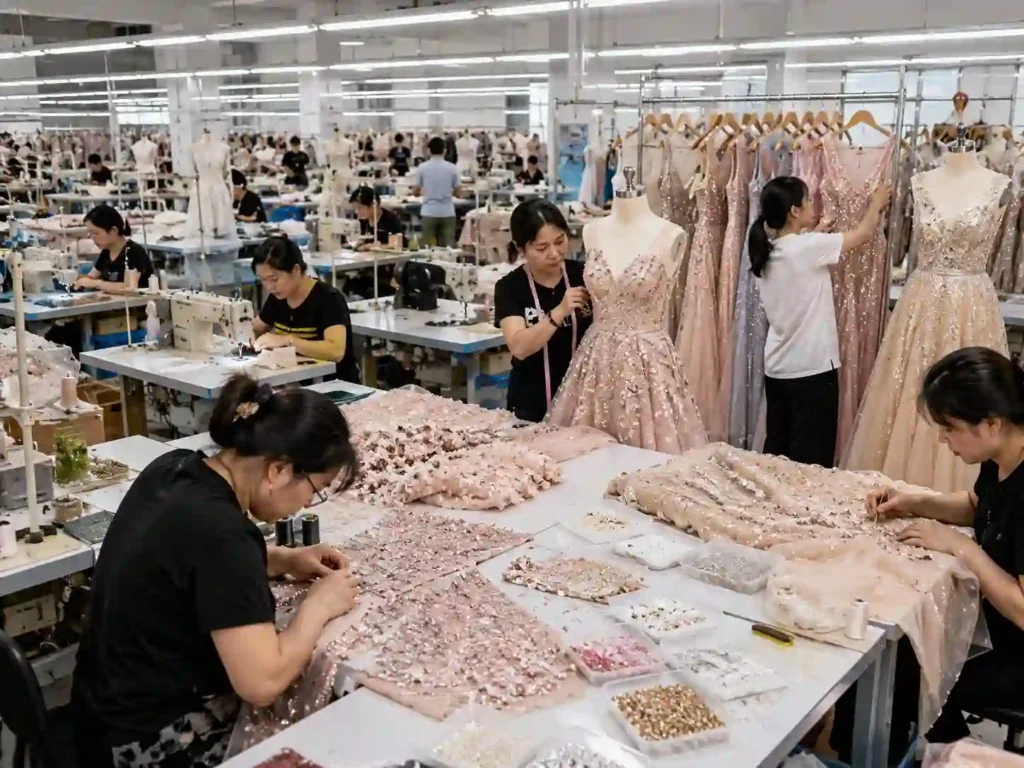
A US fashion brand developed a high-visual party program with sequin, rhinestone and beaded bodycon styles.
- Order scope: 17 styles across sequin minis, rhinestone mesh and beaded bodycon dresses.
- Total program quantity: about 44,000 pieces.
- Main controls: decoration placement, skin comfort, stretch recovery, attachment strength and packing protection.
- Duolan actions: trim card setup, craft test, fit correction, first-piece comparison and carton protection notes.
- Program focus: camera-facing embellished party dresses prepared for controlled bulk execution.

Australian Occasionwear Craft Drop
An Australian occasionwear brand developed embellished midi and cocktail styles with pearl, lace and embroidery details.
- Order scope: 14 styles across pearl strap dresses, lace appliqué midis and embroidered cocktail silhouettes.
- Total program quantity: about 34,000 pieces.
- Main controls: pearl weight, motif placement, embroidery density, lining comfort and PP craft records.
- Duolan actions: appliqué placement review, trim approval, sample revision and craft QC setup.
- Program focus: refined occasion styles transferred from sample approval into repeatable production standards.

European Evening Embellishment Line
A European fashion brand developed evening dresses using crystal panels, 3D floral details and beaded slit designs.
- Order scope: 25 styles across crystal evening dresses, 3D floral styles and beaded slit silhouettes.
- Total program quantity: about 70,000 pieces.
- Main controls: craft weight, bodice support, hem balance, raised decoration and carton pressure.
- Duolan actions: structure review, craft sequencing, PP photo records, inline inspection and packing method planning.
- Program focus: formal embellished garments prepared for protected delivery and stable appearance.

Holiday Sparkle Collection
A holiday-focused fashion program used sequins, metallic trims and fringe details for seasonal launch timing.
- Order scope: 12 styles across sequin bodycon, metallic trim and fringe party dresses.
- Total program quantity: about 28,000 pieces.
- Main controls: sparkle consistency, sequin loss, fringe length, timeline grouping and packed appearance.
- Duolan actions: material locking, craft route planning, inline QC focus and shipment-ready packing review.
- Program focus: seasonal embellished pieces organized by craft complexity and delivery window.
FAQ|Custom Embellished Dress Manufacturing
Embellished dress development involves craft materials, placement, attachment, comfort, weight, sample approval, QC and packing. The following questions help fashion brand teams prepare stronger project files before sampling, PP approval or bulk production review.
A custom embellished dress manufacturer develops and produces dresses with decorative craft details such as beads, sequins, pearls, rhinestones, crystals, embroidery, lace appliqué, 3D flowers and fringe. Duolan supports embellished party, cocktail, evening and occasion dress programs from craft review and sample development to PP approval, QC and bulk production.
Duolan supports beaded party dresses, sequin mini dresses, crystal embellished dresses, pearl detail dresses, rhinestone mesh dresses, lace appliqué dresses, embroidered cocktail dresses, 3D floral dresses, fringe embellished dresses, embellished bodycon dresses, embellished halter dresses and embellished evening dresses. Each style is reviewed by craft route, fabric support, comfort and packing needs.
Yes. Duolan supports beadwork, sequin application and related decorative craft routes for party, cocktail, occasion and evening styles. Development review covers decoration density, placement, attachment, skin comfort, lining, seam areas, garment weight, sample effect, QC focus and protected packing before bulk production planning.
Duolan uses trim cards, placement maps, PP photos and first-piece comparison to control embellishment placement. Neckline, bust, waist, strap, side seam, slit, hem and back details are reviewed with the garment pattern and sample. Size grading may also require decoration placement adjustment.
Attachment strength is reviewed through craft tests, pull checks, rub checks, back-side inspection and movement review. Beads, pearls, rhinestones, crystals, sequins, lace appliqué and 3D trims require different fixing methods. High-contact areas receive added review around underarm, waist, neckline and hem.
Yes. Duolan supports crystal, pearl and rhinestone details when the design direction, base fabric, placement area and production route are suitable. These trims require review for weight, attachment, edge comfort, sparkle, color, cost, timeline, packing protection and bulk inspection standards.
Approved photo sample details are converted into trim cards, placement maps, PP photos, craft notes, measurement records, QC checkpoints and packing references. First-piece comparison helps confirm whether bulk production preserves approved sparkle, motif placement, craft density, comfort and final appearance.
Cost and timeline are influenced by decoration type, craft density, placement area, base fabric, handwork share, sample trials, QC workload, packing method, style count, colorways and delivery window. Complex craft programs need early review to keep development, approval and production planning aligned.
Packing is planned according to craft height, garment length, surface sensitivity and trim fragility. 3D flowers, pearls, crystals, sequins, fringe and heavy beadwork may need tissue, hanger support, careful fold route, protective spacing and carton pressure planning to preserve arrival condition.
A brand should prepare reference images, tech packs, base fabric direction, embellishment type, craft placement, target quantity, size range, colorways, sample purpose, launch date, label and packing requirements. Original samples, trim references or previous production notes can improve craft review accuracy.

Send Your Embellished Dress Project
Duolan works best with established fashion brands developing embellished dress programs with clear craft direction, sample approval needs and planned bulk production. Share design references, tech packs, base fabric ideas, decoration type, trim direction or upcoming launch plan, and our team will review craft route, placement risk, sample path, production readiness, QC points and packing protection before development begins.
Share your project details
- Dress type: party, cocktail, evening, occasion, bodycon, mini, midi, maxi, halter, backless or slit style.
- Embellishment type: beads, sequins, pearls, rhinestones, crystals, embroidery, lace appliqué, 3D flowers or fringe.
- Craft location: neckline, bust, waist, straps, side seams, slit, hem, sleeves or back opening.
- Base fabric: mesh, satin, crepe, lace, tulle, velvet, stretch fabric or lightweight woven fabric.
- Craft standard: placement map, trim card, craft sample, attachment review, comfort check or PP photo record.
- Project stage: first sample, craft test, fit sample, photo sample, PP approval, bulk production or repeat order.
- Program information: style count, target quantity, colorways, size range, launch date and delivery window.
- Production needs: trim sourcing, sample correction, production sequencing, QC, packing, labels, barcodes or repeat records.