 Skip to content
Custom Fast Fashion Dress Manufacturer
Dress-focused development, sampling, and scalable manufacturing for established fashion brands with demanding launch calendars, construction standards, and repeat-order programs.
Duolan supports fast fashion dress programs from initial product review through bulk delivery:
- Mini, midi, maxi, party, occasion, fitted, vacation, and going-out dresses
- Fabric sourcing, pattern development, fit refinement, and workmanship engineering
- Multi-style sampling, PP approval, production planning, inline control, and final inspection
- Flexible launch orders, structured repeat production, and volume expansion across coordinated factories
Manufacturing and program facts:
- 16 owned womenswear factories supported by 20+ long-term satellite factories for coordinated dress programs.
- 300 garment sewing lines and 50+ quick-response lines for launch, repeat and scale-up orders.
- 15,000-35,000 monthly sample-development capacity across garment workflows.
- Fast fashion collection profiles commonly cover 10-30 styles and 20,000-80,000 garments.
- An anonymized US partywear program reached 52,400 garments, followed by 21,600 replenishment units across seven repeat styles.
Manufacturing Scale Behind Every Dress Program
Duolan combines long-term dress development experience with owned factories, coordinated production capacity, and flexible lines built for multi-style fashion programs.
30+ Years Development
16 Owned Factories
20+ Satellite Factories
12,000+ Workers
300 Sewing Lines
50+ Flexible Lines
Built for Established Fashion Development Teams
Duolan works with structured fashion organizations requiring reliable development, formal approvals, controlled production, and capacity for continued seasonal cooperation.
Fashion Brand Teams
- Seasonal and capsule collections
- Multi-style dress programs
- Launch and replenishment orders
- Brand-specific quality requirements
Product Development Teams
- Design feasibility review
- Fabric and trim coordination
- Pattern and sample development
- Revision and approval records
Procurement Teams
- Capability documentation
- Production planning
- Quality checkpoints
- Delivery coordination
Sourcing Offices
- Clear contact responsibility
- Recorded sample comments
- Production status updates
- Packing and shipping files
What Strong Dress Programs Require
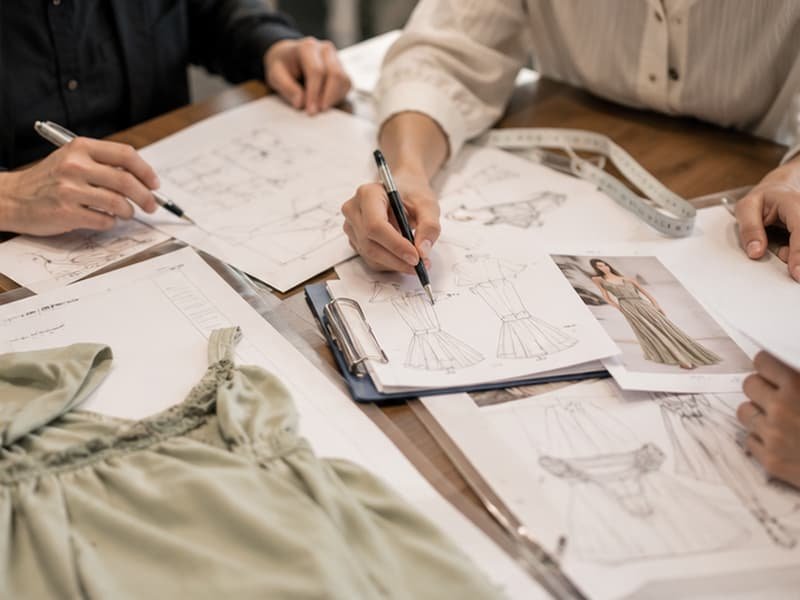
Design Interpretation
- Silhouette and proportion
- Neckline and closure
- Support and coverage
- Commercial production feasibility

Material Judgment
Fabric must work with the intended silhouette, fit, movement, price position, and manufacturing process. Weight, stretch, recovery, opacity, drape, surface sensitivity, shrinkage, and color behavior are reviewed before material approval.
- Main fabric
- Lining and interlining
- Support materials
- Decorative and functional trims

Fit Accuracy
Fit problems often begin in pattern balance rather than final sewing. Bust position, waist shaping, hip ease, strap length, neckline tension, side seam alignment, hem balance, and garment length require measurable development standards.
- Base size review
- Measurement priorities
- Pattern correction
- Size grading

Sample Discipline
Different samples serve different decisions. A visual prototype cannot replace a fit sample, and a photo sample cannot automatically become a production standard. Each sample stage needs a defined purpose and approval record.
- Development sample
- Fit sample
- Revised sample
- PP sample

Bulk Consistency
Approved samples must be translated into repeatable production instructions. Fabric, trims, colors, measurements, workmanship, label position, packaging, and inspection requirements are locked before bulk sewing begins.
- BOM confirmation
- Material standards
- Construction notes
- QC checkpoints
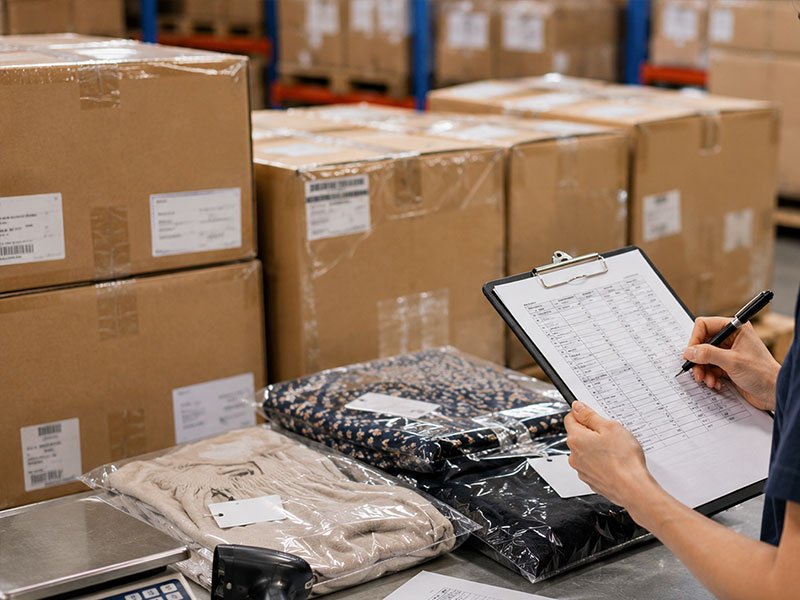
Launch Reliability
- Approval deadlines
- Production milestones
- Inspection windows
- Shipping preparation
Eight Checks Before Selecting a Dress Manufacturer
Product Specialization
- Relevant product portfolio
- Similar construction experience
- Dress-focused development team
- Repeatable manufacturing history
Development Capability
Review how design direction becomes a production-ready garment. Strong development includes feasibility review, material sourcing, pattern development, sample purpose definition, fit correction, workmanship review, and documentation.
- Tech pack interpretation
- Reference-image development
- Original-sample development
- ODM support
Sampling Control
Ask how samples are classified, reviewed, corrected, and recorded. Sample quality is not only appearance; it must help confirm fit, material behavior, construction, workmanship, and future production readiness.
- First-sample objective
- Fit review method
- Revision summary
- PP approval basis
Material Coordination
- Fabric testing direction
- Trim specification
- Color approval
- Material traceability
Production Organization
- Order breakdown
- Factory allocation
- Line planning
- Milestone control
Quality Evidence
- Inspection reports
- Measurement records
- Defect correction
- Packing verification
Compliance Readiness
- Audit documentation
- Testing support
- Third-party inspection
- Brand-specific compliance
Scaling Capacity
A supplier suitable for long-term programs should manage development, launch orders, repeat orders, seasonal peaks, and volume growth without losing communication or quality discipline.
- Flexible production capacity
- Reorder records
- Multi-factory coordination
- Capacity expansion planning
Fast Fashion Speed Requires Controlled Decisions
Speed Starts Before Sewing
- Review product and market direction
- Identify fabric and structural risks
- Define the first sample objective
- Set approval responsibilities and deadlines
Test, Reorder, Scale
- Preserve approved patterns and measurements
- Record BOM and trim specifications
- Maintain workmanship and QC standards
- Review material availability before reorders
Control Protects Speed
Removing essential confirmation stages rarely creates dependable speed. Material approval, PP basis, first-piece verification, inline inspection, final inspection, and packing checks protect the launch schedule by preventing late-stage corrections.
- Lock critical materials
- Confirm production construction
- Inspect high-risk operations early
- Reserve time for corrections and packing
Predictable delivery depends on disciplined approvals rather than last-minute pressure.
Custom Fast Fashion Dress Categories

Mini Dresses
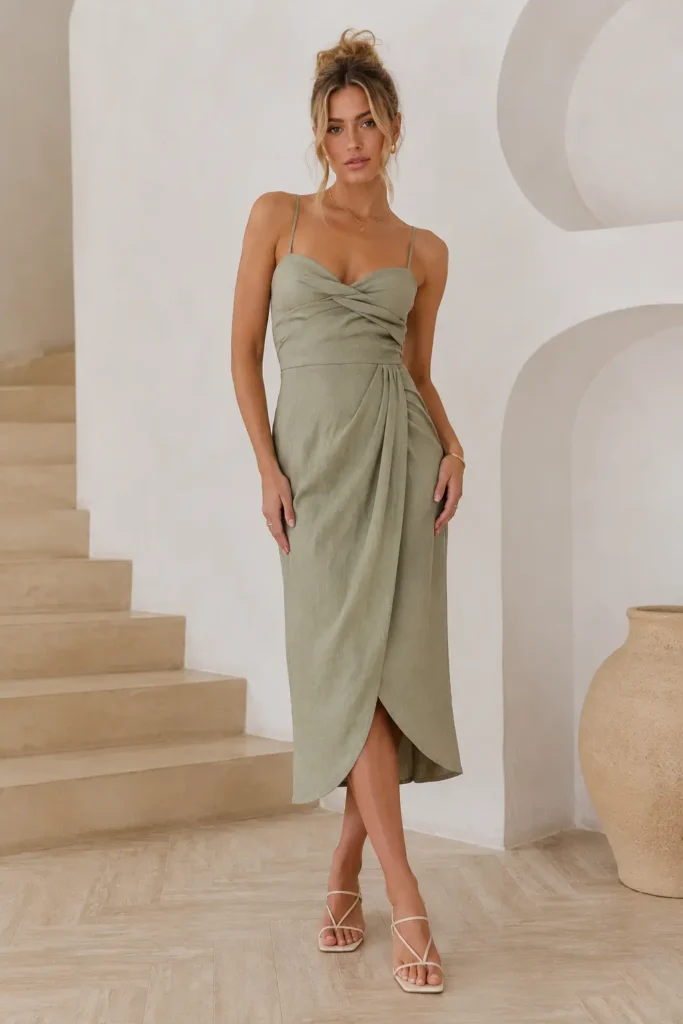
Midi Dresses
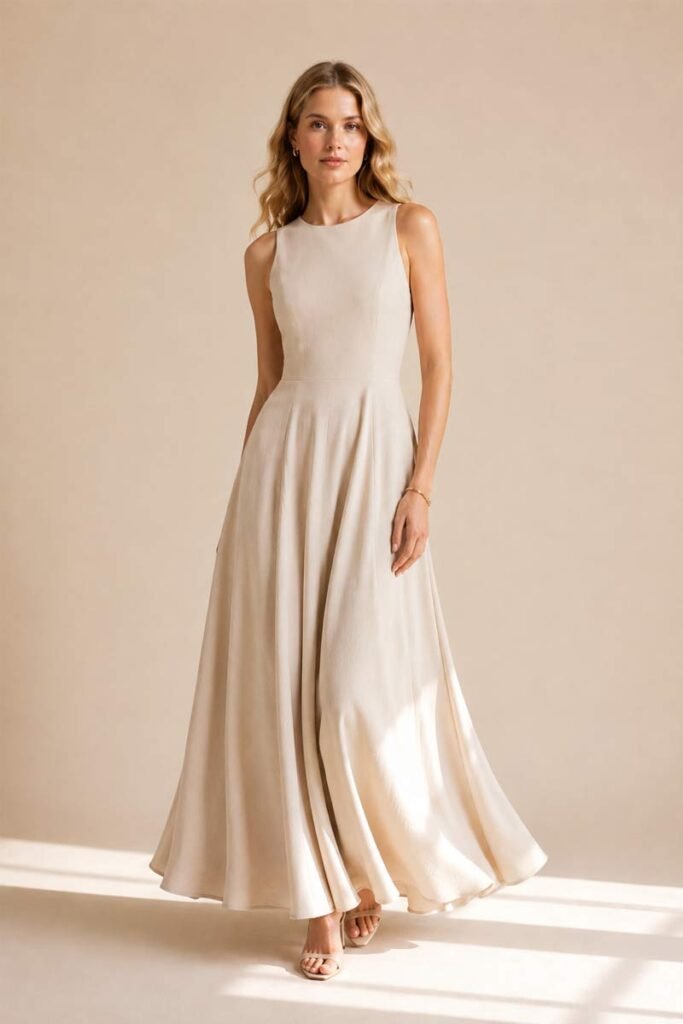
Maxi Dresses

Party Dresses

Occasion Dresses

Going-Out Dresses

Vacation Dresses

Bodycon Dresses

Corset Dresses

Satin Dresses

Mesh Dresses

Sequin Dresses
Dress Programs Built Around Brand Calendars
Multi-style development requires coordinated silhouettes, fabrics, colors, sample priorities, production routes, and launch timing across the complete collection.

Seasonal Dress Drops
- Identify priority launch styles
- Separate simple and complex development paths
- Prepare materials with longer lead times
- Plan production according to approval order

Capsule Collections
- Coordinate color and fabric stories
- Maintain consistent fit language
- Balance statement and commercial styles
- Preserve shared labels and packaging standards

Partywear Programs
- Conduct process trials
- Review skin contact and comfort
- Lock embellishment standards
- Verify production sequence before scale

Occasionwear Lines
- Evaluate drape and support
- Refine proportion and fit
- Confirm lining and internal finishing
- Protect surfaces during production and packing

Resort Collections
- Plan print and color approvals
- Test lightweight fabric handling
- Control transparent areas
- Review finishing after folding

Bestseller Extensions
- Preserve core fit standards
- Evaluate material changes
- Review new color behavior
- Plan repeat production capacity
Dress Development for Major Fashion Markets
United States
- Brand-specific size chart
- Campaign and launch timing
- Channel-ready packaging
- Repeat-order planning
United Kingdom
- High-fashion construction
- Fast sample review
- Occasion-led collections
- Multi-style launch planning
Australia
- Lightweight material review
- Print and color coordination
- Resort silhouettes
- Shipping-calendar planning
European Markets
- Material documentation
- Construction precision
- Label requirements
- Inspection coordination
Six Ways to Start Development
Tech Pack Development
For complete technical files, Duolan reviews measurements, construction, materials, trims, colorways, labels, packaging, order quantity, and delivery expectations before confirming the development path.
- Identify unclear specifications
- Review production feasibility
- Confirm sample purpose
- Prepare an accurate quotation basis
Reference Image Development
- Clarify visual priorities
- Suggest material direction
- Define measurable details
- Build a development brief
Original Sample Development
- Measure and analyze construction
- Review material alternatives
- Identify improvement points
- Prepare pattern and sample standards
ODM Product Direction
- Define collection theme
- Select commercial silhouettes
- Develop fabric and trim directions
- Prepare styles for brand review
Private Label Programs
- Brand files and placement
- Label content and materials
- Packaging approval
- SKU and barcode organization
Collection Development
Collection programs coordinate several styles, colorways, sample deadlines, fit priorities, material families, and production dates. Duolan helps structure the project so approvals and production do not become fragmented.
- Style matrix
- Development priority
- Shared material plan
- Production sequence
From Fashion Direction to Production-Ready Dresses
Product Direction Review Before Pattern Development
- A dress project begins with product judgment. Duolan reviews the intended market, use occasion, price position, sales channel, launch timing, silhouette, visual focal points, fabric expectations, and future order potential before pattern development begins.
- Product purpose: A photo sample, fit sample, showroom sample, launch sample, and PP sample serve different decisions. Clear sample purpose determines the required material accuracy, finishing level, measurement work, and approval standard.
- Silhouette logic: A bodycon mini, bias-cut satin midi, structured corset dress, layered mesh maxi, and embellished party dress require different pattern, support, seam, lining, and production approaches.
- Commercial feasibility: Decorative elements, internal structures, complex cut-outs, shaped necklines, surface-sensitive fabrics, or labor-intensive embellishments may affect cost, sample time, bulk lead time, and repeatability. Early review helps preserve the strongest visual features while avoiding details with low commercial value.
- Development output: Product direction is organized into a brief covering silhouette, fabric behavior, structure, fit priorities, closure, lining, workmanship, sample purpose, target size, quantity range, and launch date.
Turning Design Language Into Technical Standards
- Creative references must become instructions that pattern makers, sample machinists, material teams, production lines, and inspectors can follow consistently. Duolan converts design direction into pattern, measurement, BOM, workmanship, material, and finishing requirements.
- Pattern information: Neckline shape, bust position, waist placement, hip ease, garment length, sleeve shape, armhole, strap position, slit height, hem balance, and internal support are translated into measurable construction.
- Material information: Main fabric, lining, interlining, power mesh, cups, boning, elastic, zippers, hook-and-eye closures, decorative trims, labels, and packaging components are defined according to garment performance.
- Workmanship information: Seam type, edge finish, gathering ratio, pleat construction, drape placement, embellishment position, zipper installation, lining attachment, reinforcement, and pressing requirements are reviewed for repeatability.
- Approval information: Fit comments and visual comments are separated. Each revision should explain what changed, why the change was made, and what remains pending before the sample can move toward PP or bulk readiness.
Engineering Dresses for Commercial Production
- A sample may look attractive while remaining difficult to reproduce across thousands of units. Production engineering identifies construction risks before line allocation and bulk cutting.
- Operation sequence: Complex styles are reviewed for logical sewing order. Corset channels, cups, lining, zippers, draped overlays, mesh panels, lace placement, sequins, and trims must be assembled in a sequence that protects appearance and accuracy.
- Process compatibility: Printing, embroidery, pleating, dip dyeing, washing, rhinestone setting, or sequin application can affect stretch, shade, handfeel, dimensions, surface condition, and delivery time. Process trials may be required before approval.
- Quality access: Important measurement and workmanship points must remain inspectable during production. High-risk operations are checked before later layers hide the construction.
- Scalability: Production planning considers whether one factory, several lines, a dedicated process unit, or coordinated factories provide the safest route for order quantities commonly covering 10-30 styles and 20,000-80,000 garments.
Fabrics Engineered for Fashion Dress Performance
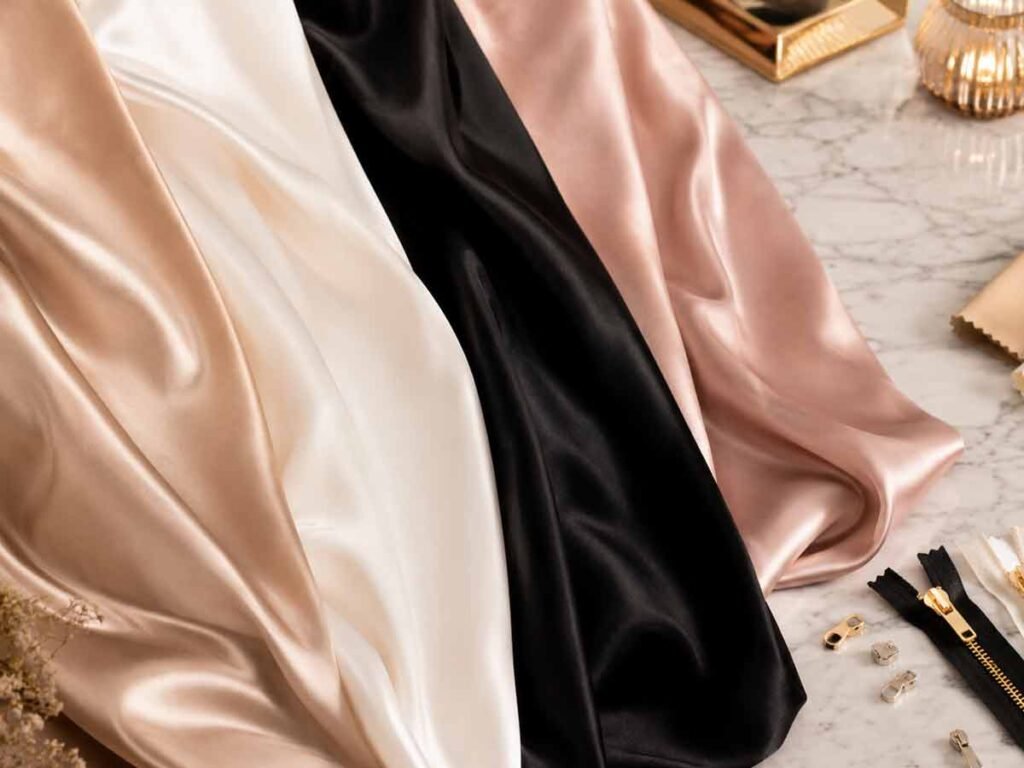
Satin
- Review weight and drape
- Check opacity with lining
- Test seam and needle selection
- Define pressing and packing protection

Mesh
- Confirm coverage areas
- Match lining stretch
- Test seam tension
- Review print placement
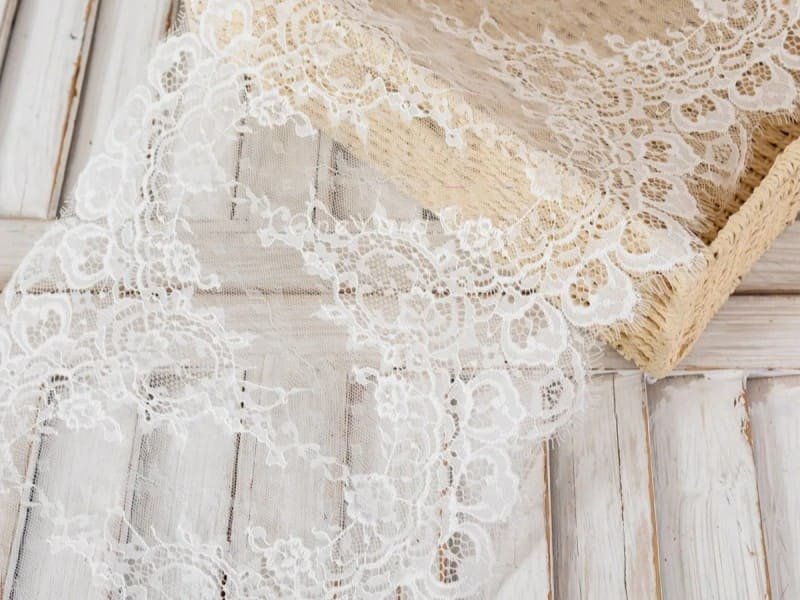
Lace
Lace development must consider motif size, placement, scalloped edges, stretch, softness, stability, lining color, seam visibility, and cutting consumption.
- Map motif placement
- Review symmetry
- Test skin contact
- Confirm cutting method
Large motifs or engineered placement can significantly affect fabric usage and production time, especially across several sizes.
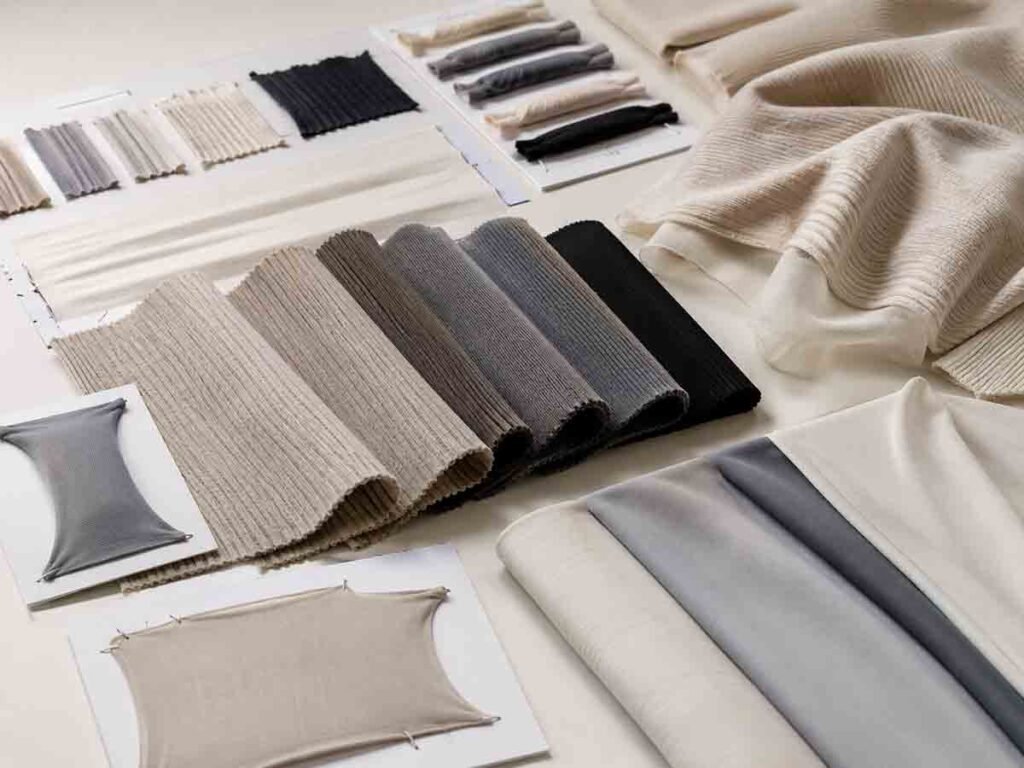
Jersey
Jersey suits fitted, gathered, ruched, draped, and easy-wear dresses. Weight, stretch, recovery, shrinkage, torque, opacity, and surface pilling influence fit and long-term appearance.
- Test stretch and recovery
- Check opacity under tension
- Review shrinkage
- Stabilize necklines and zippers
The pattern must reflect actual fabric performance rather than generic stretch assumptions.

Chiffon
- Select suitable seam finish
- Confirm lining coverage
- Allow hanging before hemming
- Protect during cutting and sewing

Crepe
- Evaluate surface and recovery
- Check shrinkage
- Match weight to silhouette
- Confirm pressing response
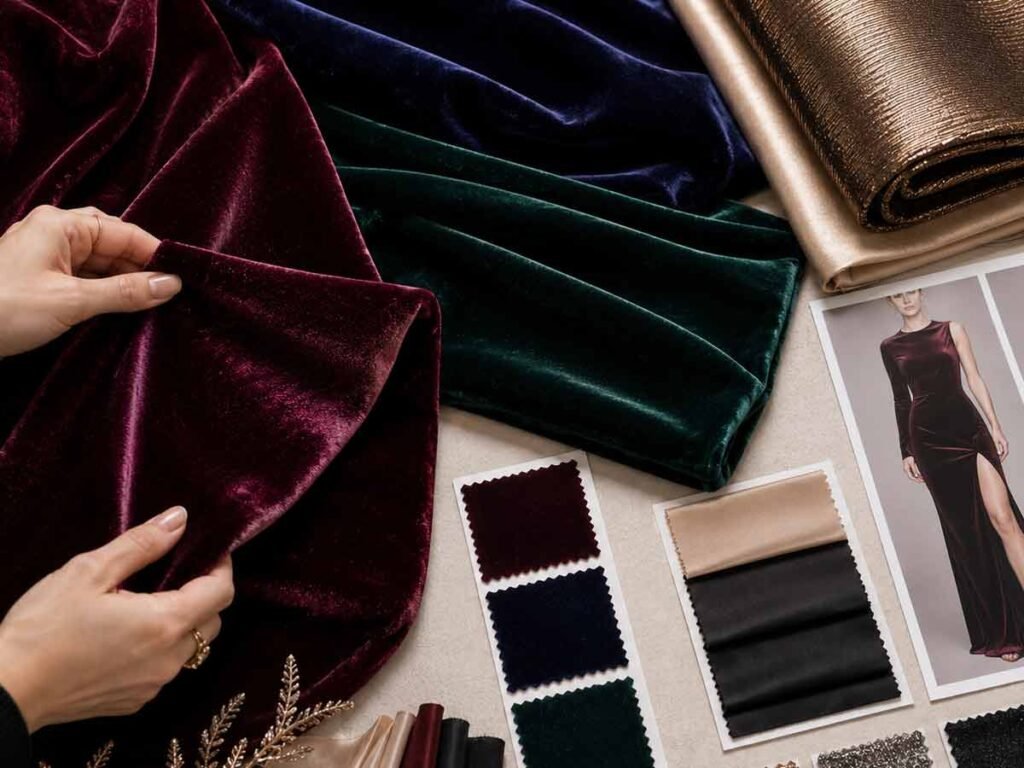
Velvet
- Mark one-way cutting
- Review seam pressure
- Protect the pile
- Control shade direction

Sequin Fabrics
Sequin fabrics vary by base mesh, sequin size, attachment method, density, stretch, weight, and skin-contact risk. Cutting and sewing may require clearing sequins from seam allowances.
- Test embellishment loss
- Protect zipper and seam areas
- Add suitable lining
- Define repair standards
Bulk planning must include inspection and repair procedures before packing.
Compare Fabrics for Custom Dress Development
Material choice should reflect garment shape, movement, coverage, visual effect, production handling, and the planned commercial quantity.
| Fabric | Main Performance | Suitable Dress Types | Key Development Check | Main Production Risk | Recommended Control |
|---|---|---|---|---|---|
| Satin | Fluid drape and reflective surface | Slip, party, occasion, bias-cut dresses | Drape, opacity, grain, seam response | Needle marks, puckering, pressure lines | Seam trial, lining review, surface protection |
| Mesh | Stretch, transparency, layering | Bodycon, printed, ruched, panelled dresses | Recovery, coverage, lining compatibility | Uneven transparency and tension | Stretch test, fit test, seam-tension control |
| Lace | Decorative texture and motif | Occasion, cocktail, fitted, panelled dresses | Motif position, softness, edge use | Placement mismatch and high consumption | Placement map, cutting plan, lining approval |
| Jersey | Stretch, comfort, body movement | Fitted, gathered, ruched, casual dresses | Recovery, opacity, shrinkage | Fit change and seam stretching | Fabric test, stabilized seams, pattern adjustment |
| Chiffon | Lightweight movement and layering | Maxi, occasion, draped, gathered dresses | Transparency, hem behavior, fraying | Slippage, puckering, uneven hems | Fine seam finish, hanging period, layer control |
| Crepe | Controlled drape or structure | Midi, tailored, occasion, fitted dresses | Weight, texture, stretch, pressing | Shrinkage and surface variation | Fabric testing, pressing trial, grain control |
| Velvet | Deep color and soft pile | Holiday, evening, party dresses | Nap direction, pile response, shade | Crushing and visible direction changes | One-way cutting, protected pressing and packing |
| Sequin Fabric | High visual impact and surface texture | Party, statement, occasion dresses | Weight, attachment, skin contact | Sequin loss, rough edges, seam damage | Process trial, lining, repair and inspection plan |
Hidden Components Behind Reliable Dress Construction
Linings
- Match stretch direction
- Avoid visible color change
- Control lining length
- Confirm internal attachment
Interlinings
- Select suitable weight
- Test bonding temperature
- Check shrinkage
- Review edge visibility
Boning
- Map every boning channel
- Protect upper and lower ends
- Check movement and sitting
- Confirm production placement
Bra Cups
- Match target size
- Confirm cup position
- Hide edges and attachment
- Review across size grading
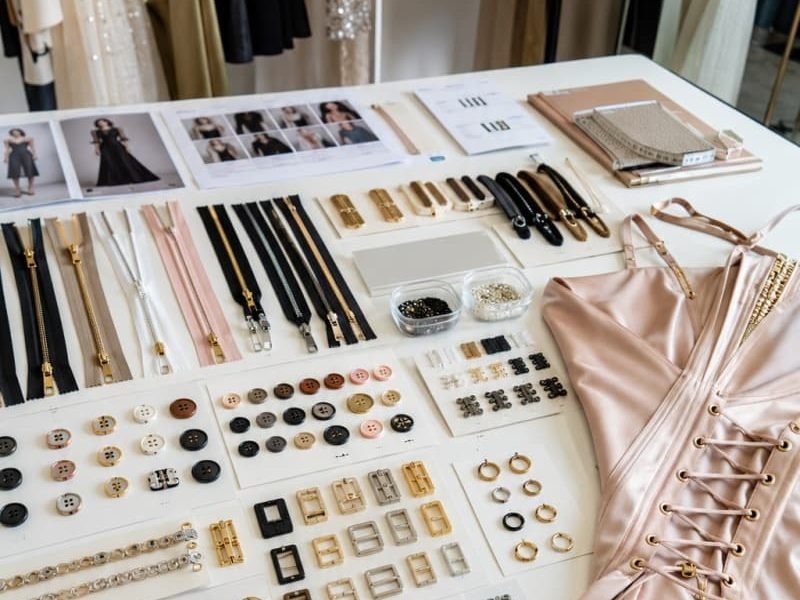
Zippers
- Confirm length and color
- Test operation
- Reinforce stress points
- Control top and bottom finish
Elastic Components
- Define application ratio
- Check recovery
- Test after pressing
- Prevent twisting or exposure
Closures and Eyelets
Hooks, eyes, snaps, buttons, eyelets, loops, ties, and lacing systems must remain secure during wearing. Placement accuracy and reinforcement are important for fitted and structured dresses.
- Confirm hardware finish
- Reinforce attachment
- Check alignment
- Test repeated opening
Decorative Trims
- Approve position and density
- Test attachment strength
- Review comfort
- Define replacement and repair rules
Pattern and Fit Control for Fashion Dresses
Pattern Development Based on Fabric and Silhouette
- Pattern development begins with the intended body relationship. A fitted jersey dress, woven corset mini, satin bias midi, mesh bodycon style, and chiffon maxi cannot share the same pattern assumptions.
- Base measurements: Bust, waist, high hip, full hip, shoulder, back width, armhole, neckline, bodice length, skirt length, strap length, sleeve measurements, slit position, and garment ease are selected according to the design.
- Fabric behavior: Stretch, recovery, shrinkage, drape, weight, grain, and surface stability influence pattern dimensions. Stretch garments may require negative ease; structured garments may need shaping seams, support, and additional wearing ease.
- Construction allowance: Seam type, lining, boning, cups, zippers, gathering, pleats, draped panels, binding, and edge finishes influence pattern shape and seam allowance.
- Fit intention: The target may be body-skimming, compressive, relaxed, tailored, softly draped, or structurally supported. Clear fit language prevents inconsistent interpretation during sample review.

Translating Fit Comments Into Pattern Corrections
- Fit comments should become measurable pattern actions rather than temporary sample alterations. Duolan reviews each issue through location, cause, adjustment, and possible impact on surrounding areas.
- Bust and neckline: Gaping, flattening, spill, low coverage, high tension, or incorrect cup position may involve neckline length, bust shaping, cup size, strap position, or bodice balance.
- Waist and hip: Horizontal wrinkles, pulling, excess fabric, twisting side seams, or riding hems may involve waist suppression, hip ease, grain direction, center balance, or fabric stretch.
- Straps and backs: Falling straps, tight armholes, unstable halter ties, back gaping, and closure tension require coordinated pattern changes rather than strap shortening alone.
- Skirt and hem: Uneven hems, slit distortion, side drape imbalance, or twisting can result from grain, body balance, fabric behavior, or incorrect panel shaping.
- Every revised sample should record the completed changes and remaining review points.

Size Grading for Brand-Specific Ranges
- Duolan develops according to brand size charts rather than applying one universal grading rule. Programs may cover XXS-3XL or another market-specific range when required, with final increments confirmed through the supplied specification and fit standard.
- Grading priorities: Bust, waist, hip, garment length, strap length, cup position, neckline depth, slit height, sleeve, and armhole may require different increments.
- Structured garments: Corset and cup-based styles need special review because cup shape, boning position, support, and neckline proportions cannot always follow simple linear grading.
- Stretch garments: Bodycon styles need fabric-specific grading. Excessive increments may reduce the intended fit, while insufficient increments may create transparency, seam strain, and comfort issues.
- Size-set review: Selected sizes may be produced before bulk cutting to evaluate grading balance. High-risk points are measured and compared against the approved specification.
- Bulk tolerance: Measurement tolerances should reflect material and construction behavior while protecting the intended fit.

Eight Controlled Stages of Sample Development
Development Brief
- Tech pack, reference, or sample basis
- Visual priorities
- Fit priorities
- Future bulk plan
Feasibility Review
Fabric, silhouette, internal structure, closure, decorative process, finishing, and delivery requirements are reviewed before the sample plan is confirmed.
- Identify high-risk details
- Evaluate process compatibility
- Review likely cost drivers
- Define information still required
Fabric and Trim Direction
- Main fabric selection
- Lining and structural components
- Functional trims
- Decorative trims
Pattern Development
The pattern team converts approved design direction into garment balance, fit, shaping, construction, seam allowance, and measurable points.
- Base-size pattern
- Construction interpretation
- Fit allowance
- Internal support planning
First Sample
- Evaluate silhouette
- Review fabric behavior
- Identify fit corrections
- Confirm workmanship direction
Fit and Visual Review
Fit and visual comments are recorded separately. Photos, measurements, annotated comments, and video calls may support remote review.
- Fit balance
- Proportion and coverage
- Material and color
- Workmanship and finishing
Sample Revision
Revision timing commonly ranges from 5-10 working days, depending on material replacement, pattern change, process trials, and comment complexity.
- Apply pattern corrections
- Update measurements
- Refine structure
- Record completed changes
PP and Bulk Readiness
A PP sample or confirmed production basis should align materials, construction, measurements, workmanship, labels, packaging, and quality checkpoints. PP preparation typically takes 7-12 business days.
- Lock production basis
- Confirm remaining risks
- Prepare bulk instructions
- Approve the production path
Samples Designed for Different Brand Decisions
Development Sample
- Review silhouette and proportion
- Evaluate construction
- Identify material risks
- Establish the next development action
Fit Sample
A fit sample evaluates body balance, measurements, comfort, support, coverage, movement, and pattern accuracy. Suitable or approved fabric behavior is important because stretch and drape influence fit.
- Measure key points
- Review body movement
- Record pattern corrections
- Confirm target fit language
Revised Sample
A revised sample verifies changes from the previous review. Revision records should explain pattern, measurement, material, workmanship, and visual adjustments.
- Check whether comments were applied
- Identify remaining open points
- Avoid unrecorded changes
- Prepare the next approval stage
Photo Sample
A photo-ready sample focuses on visual presentation for campaign, ecommerce, lookbook, or content production. Fabric, color, proportion, finishing, and visible details need a high presentation level.
- Protect visual surfaces
- Refine pressing and finishing
- Confirm styling details
- Align with campaign timing
Size-Set Sample
- Compare body proportions
- Review graded support positions
- Check garment lengths
- Confirm size specifications
PP Sample
The pre-production sample should represent the approved production basis using confirmed materials, trims, construction, measurements, labels, and finishing wherever required.
- Lock production details
- Confirm bulk workmanship
- Establish QC reference
- Approve production start conditions
Fashion Workmanship Developed for Repeatable Production
Decorative and structural processes are reviewed for material compatibility, position, comfort, durability, appearance, production sequence, and bulk consistency.

Sequin Application
- Approve density and direction
- Clear seam allowances
- Secure cut threads
- Define loss and repair checks

Embroidery
Embroidery can add logos, motifs, texture, borders, or positioned artwork. Stitch density, backing, thread, placement, fabric distortion, color, and reverse-side comfort require evaluation.
- Produce embroidery trial
- Confirm position by size
- Review puckering
- Protect internal skin contact

Printing
Digital, screen, transfer, foil, flock, or other printing methods require evaluation based on fabric composition, stretch, heat sensitivity, color, handfeel, placement, and wash performance.
- Approve strike-off
- Confirm color standard
- Test stretch response
- Define placement tolerance

Dip Dyeing
- Conduct color trial
- Review garment shrinkage
- Define gradient position
- Control batch comparison

Garment Washing
Washing can adjust softness, appearance, shrinkage, surface, and color. Wash formulas must be reviewed with fabric, trims, labels, prints, embellishments, and garment construction.
- Approve wash trial
- Measure dimensional change
- Review color loss
- Check trim and seam stability
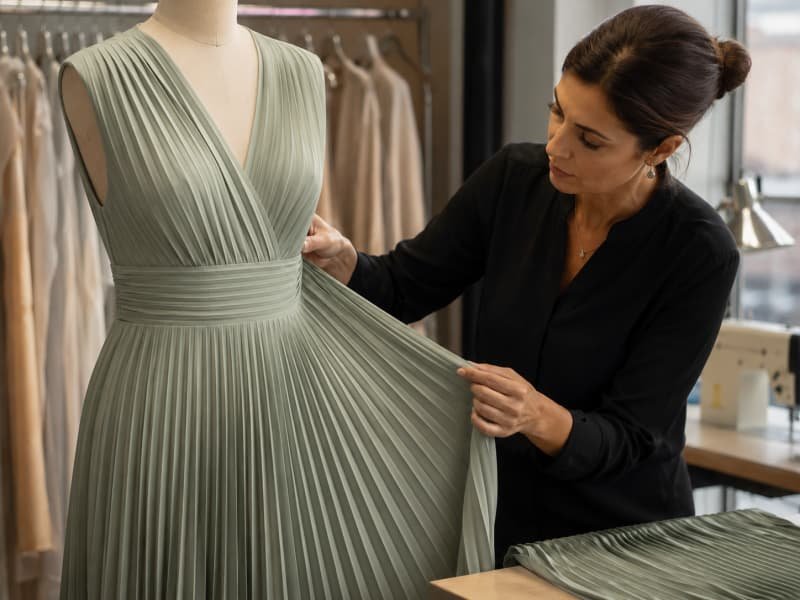
Pleating
- Confirm pleat sample
- Review after steaming
- Control panel matching
- Protect during packing

Rhinestone Setting
Rhinestones can be applied through heat transfer, adhesive, settings, or handwork. Stone quality, adhesive performance, spacing, heat sensitivity, stretch, and skin contact require testing.
- Approve placement template
- Conduct attachment test
- Review stretch areas
- Check missing stones before packing

Pearl Embellishment
- Lock density and position
- Reinforce stress areas
- Inspect sharp or loose points
- Provide repair standards

Draping and Gathering
- Mark anchor points
- Confirm gathering ratio
- Control left-right balance
- Prepare visual production references
Turning Approved Samples Into Bulk Standards
Converting Approval Into Production Instructions
- Approved pattern: The final pattern version is identified and protected from unapproved alteration. Pattern correction history remains connected with the approved measurements and fit comments.
- Bill of materials: Main fabric, lining, interlining, cups, boning, zippers, elastic, closures, decorative trims, labels, packaging, and color references are confirmed.
- Measurement specification: Points of measurement, size chart, grading, tolerance, and high-risk dimensions are prepared for production and inspection.
- Workmanship standard: Seam construction, stitch, reinforcement, draping, gathering, embellishment, lining attachment, edge finish, zipper installation, pressing, and visible appearance are defined.
- Approval reference: PP sample, approved sample, color standard, trim card, construction notes, and annotated images provide references for production teams.
Production Readiness Before Bulk Cutting
- Approval status: Fit confirmed, visual confirmed, PP basis established, or further refinement required.
- Order purpose: Launch order, repeat order, scale-up order, or multi-style seasonal program.
- Material readiness: Fabric, lining, trims, colors, labels, packaging, and process approvals available in the required quantities.
- Production route: Single factory, several lines, special-process coordination, or multi-factory allocation according to complexity and delivery.
- Risk closure: Transparent areas, support structure, surface sensitivity, embellishment stability, print or embroidery placement, critical measurements, and packaging requirements are reviewed before cutting.
First-Piece and Pilot Verification
- Construction check: Seam sequence, internal structure, closure, lining, reinforcement, draping, embellishment, and finishing are compared with the approval reference.
- Measurement check: Critical measurements are reviewed before volume production continues. Early correction prevents repeated deviation across the complete order.
- Material check: Shade, handfeel, stretch, surface, lining, trims, hardware, and labels are compared with approved references.
- Visual check: Silhouette, proportion, drape, placement, symmetry, pressing, and external finish are evaluated.
- Production feedback: Difficult operations, slow steps, potential quality risks, and operator instructions are refined before output increases.
Quick Response Without Losing Production Control
Launch Calendar Planning
- Identify fixed commercial dates
- Set approval deadlines
- Reserve QC and shipping buffers
- Escalate late decisions early
Multi-Style Development
Collections covering 10-30 styles need priority control. Simple commercial styles, complex statement pieces, campaign styles, and long-lead materials cannot follow one identical development path.
- Classify style complexity
- Set sample priorities
- Share materials where suitable
- Track comments by style and version
Flexible Production Lines
More than 50 quick-response and flexible lines support selected launch, replenishment, and priority programs. Allocation considers construction, operator skill, process requirements, material readiness, quantity, and required delivery.
- Match styles with suitable lines
- Avoid mixing conflicting processes
- Protect high-risk operations
- Confirm realistic line capacity
Launch Order Support
Launch orders require enough production discipline to protect the first market release while retaining flexibility for future replenishment.
- Lock production standards
- Preserve approved records
- Track sell-through-sensitive styles
- Prepare repeat-order information
Replenishment Planning
- Check fabric availability
- Review color-batch differences
- Confirm any style changes
- Reserve suitable capacity
Rush Order Evaluation
Urgent production is assessed through material status, pattern and sample approval, quantity, size and color structure, workmanship, current capacity, packing, inspection, and transport requirements.
- Confirm what is already approved
- Identify non-compressible steps
- Prioritize critical path decisions
- Provide a realistic schedule
A Structured Manufacturing Network for Fashion Brands
Owned Factories for Core Control
- Sixteen owned womenswear factories form the core production structure. Important developments, key samples, complex constructions, priority programs, and high-control production can be organized within directly managed operations.
- Development continuity: Pattern, sample, technical, material, merchandising, production, and quality teams can remain connected as styles move from sample approval into line production.
- Complex-style control: Corset structures, fitted dresses, satin surfaces, mesh combinations, embellished styles, draping, and special finishing need factories with suitable skills and management attention.
- Production visibility: Factory allocation, line schedule, first-piece status, inline findings, final quality, and packing progress can be organized through defined project responsibility.
- Core-style protection: Bestsellers, image styles, high-volume repeat products, and commercially important silhouettes benefit from controlled records and stable production routes.
Satellite Factories for Elastic Capacity
- More than 20 long-term satellite factories support production expansion, seasonal peaks, repeat orders, process separation, and order structures requiring additional lines.
- Capacity flexibility: Production can expand when a successful collection requires larger follow-up quantities or when several programs overlap.
- Process matching: Certain factories may be better suited to simple woven dresses, stretch products, detailed occasionwear, or specified supporting operations.
- Delivery protection: Appropriate allocation reduces the risk of forcing too many styles into one facility during a concentrated seasonal period.
- Consistency control: Satellite allocation still requires common patterns, BOM, workmanship references, measurements, quality checkpoints, labels, and packing standards.
Regional Resources for Production Resilience
- Manufacturing resources across Guangdong, Guangxi, Guizhou, Sichuan, Jiangxi, and other supporting areas provide labor, capacity, and process options within a wider coordinated system.
- Capacity buffer: Regional options help manage peak orders, repeat quantities, and delivery concentration.
- Supply-chain access: South China provides mature fabric, trim, printing, embroidery, washing, finishing, packaging, and logistics resources for fashion womenswear.
- Order segmentation: A program may contain core complex styles, regular commercial styles, quick-response styles, and replenishment styles. Each group can follow a suitable production path.
- Scalable order profile: Programs commonly containing 20,000-80,000 garments across 10-30 styles can be planned by style complexity, quantity, color, size, process, and required date.
Eight Stages of Controlled Bulk Production
Order Breakdown
- Identify high-risk styles
- Separate priority products
- Confirm color and size ratios
- Build production milestones
Factory and Line Matching
- Core factory control
- Flexible line allocation
- Special-process coordination
- Multi-factory planning when required
Material Locking
- Check quantity and shade
- Confirm specifications
- Prevent unapproved substitution
- Record batch information
Pre-Production Meeting
- Explain critical workmanship
- Review measurement points
- Identify material handling risks
- Confirm inspection responsibilities
First-Piece Verification
- Confirm construction
- Measure key dimensions
- Review silhouette and appearance
- Correct deviations before volume output
Inline Production Control
- Measurement checks
- Seam and workmanship checks
- Placement and symmetry checks
- High-risk process checks
Final Inspection
- Record findings
- Separate corrections
- Reinspect repaired garments
- Confirm final status
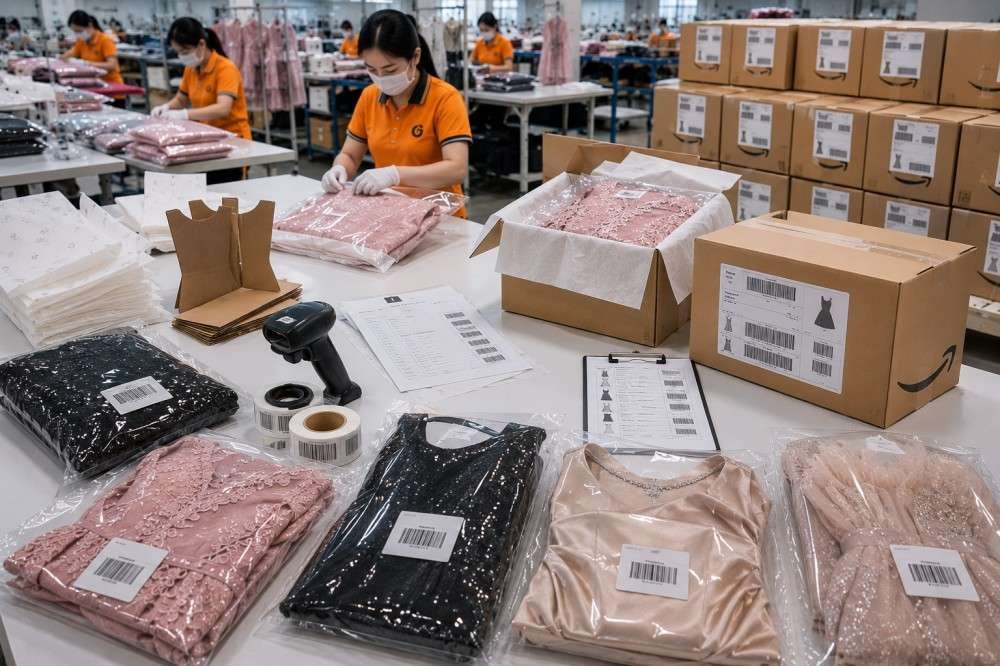
Packing and Shipment
- Verify SKU information
- Confirm carton quantities
- Review shipping marks
- Prepare delivery records
Quality Control Built Around Dress Risks
Development Risk Review
- Review construction feasibility
- Identify critical measurements
- Plan process tests
- Define approval references
Fabric and Trim Control
Fabric rolls and trims are checked against approved composition, weight, stretch, handfeel, shade, surface, width, specification, and quantity where required.
- Shade and batch review
- Trim specification check
- Surface and damage inspection
- Material separation and records
PP Standard Locking
The approved sample, BOM, measurements, construction, workmanship, labels, and packaging provide the basis for production and inspection.
- Confirm sample status
- Lock critical details
- Prepare QC instructions
- Resolve remaining open points
First-Piece Inspection
The first production pieces reveal whether the line understands pattern, seam sequence, fit, support, closure, draping, embellishment, measurements, and finishing.
- Compare with approval reference
- Check critical measurements
- Review internal construction
- Approve corrections before scale
Inline Measurement Control
- Use defined measurement method
- Record deviations
- Correct patterns or operation
- Recheck after pressing
Workmanship Inspection
Inspectors review stitching, seam security, puckering, lining, binding, zippers, hooks, eyelets, straps, gathers, pleats, lace, sequins, rhinestones, loose threads, stains, and pressing.
- Check visible and internal areas
- Inspect high-stress points
- Record defect types
- Verify repaired garments
Final Visual Inspection
- Protect satin and velvet surfaces
- Review mesh coverage
- Inspect sequin loss
- Confirm left-right balance
Packing Quality Control
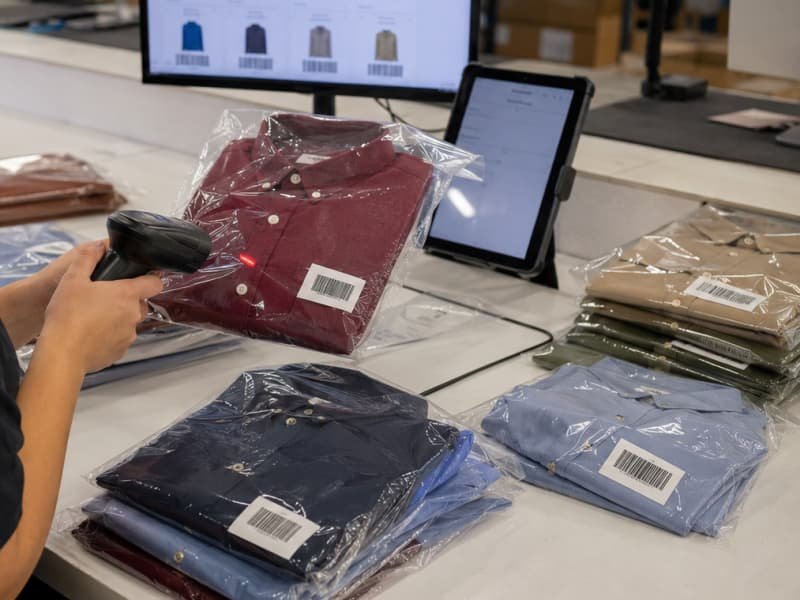
Packing checks prevent warehouse and channel problems involving incorrect SKU, labels, barcodes, size stickers, polybags, assortments, carton quantities, or carton marks.
- Verify product identity
- Check packaging materials
- Confirm assortment ratios
- Review shipping information

Audit and Compliance Readiness for Brand Programs
SMETA Audit Record
- Social responsibility review
- Factory-level documentation
- Supplier evaluation support
- Record verification process
Brand Standards
- Review brand manuals
- Convert requirements into checkpoints
- Coordinate internal responsibility
- Record approval and inspection standards
Testing Coordination
- AATCC and ASTM coordination
- OEKO-TEX?-related material requests
- EN and China GB requirements
- GOTS-related project coordination where applicable
Inspection and Traceability
Duolan can coordinate brand inspection, appointed third-party inspection, internal reports, material records, production records, corrective actions, packing records, and shipping documentation.
- Factory access by arrangement
- Inspection scheduling
- Corrective-action follow-up
- Final packing and shipping records
Brand Details Controlled Through Final Delivery

Main Labels

Care and Size Labels

Hangtags
Barcode and SKU

Individual Packing

Cartons and Shipping Files
Multi-Style Dress Programs Delivered at Commercial Scale

US Partywear Collection
- A style matrix separating regular, structural, and embellished products
- Fabric and trim review by product group
- Pattern and fit priorities for each silhouette
- Separate process trials for sequins and structured bodices
- PP references, BOM records, and first-piece checks
- Two production waves aligned with the launch calendar

UK Occasionwear Program
- Product groups based on structure and process
- Size-set review for selected fitted and corset styles
- Lace placement maps and rhinestone templates
- Satin seam, pressing, and surface-protection standards
- Production-readiness reviews before each factory allocation
- Inline measurements for bust, waist, hip, length, cup, and strap positions
- Final packing checks by SKU and delivery group

Australian Resort Dress Drop
An Australian resort and vacation brand ordered a 12-style program totaling 28,800 garments. Products included printed maxi dresses, gathered midis, halter minis, cut-out styles, lightweight vacation dresses, and lined occasion-resort silhouettes.
The main challenge involved print control, lightweight fabric handling, transparency, shrinkage, and maintaining balanced skirt lengths after hanging. Several products used tie details, elastic components, gathered panels, and adjustable backs, requiring secure construction without a heavy appearance.
Duolan controlled the program through:
- Print strike-off and color approval
- Fabric shrinkage and opacity review
- Grain and hanging evaluation for long silhouettes
- Lining color and length confirmation
- Gathering ratios and tie-position references
- Inline checks for neckline, strap, waist, and garment length
- Fold and packing review for lightweight fabrics
After the initial delivery, four styles were selected for a second drop totaling 15,200 garments, including new colorways and print variations based on the preserved production standards.
Planning Samples, Sizes, Production, and Delivery
Project timing is confirmed after reviewing style complexity, material availability, approval speed, quantity, processes, size range, packing, and required delivery.
| Project Stage | Typical Planning Range | Required Inputs | Main Timing Factors | Output |
|---|---|---|---|---|
| Initial Project Review | 1-3 business days | Product images, tech pack, quantity, target date | File completeness and style count | Initial feasibility direction |
| Standard First Sample | 7-12 working days | Confirmed design and material direction | Pattern complexity and material availability | First development sample |
| Complex First Sample | 12-20 working days | Structural or embellished product information | Corsetry, sequins, embroidery, printing, draping, special sourcing | Complex development sample |
| Sample Revision | 5-10 working days | Clear consolidated comments | Pattern changes, new materials, process trials | Revised sample and update record |
| PP Sample | 7-12 working days | Final comments and production materials | Trim readiness, labels, packaging, workmanship | Production approval basis |
| Regular Bulk Production | 30-50 calendar days | Approved production basis and materials | Quantity, colors, sizes, line capacity, packing | Completed bulk order |
| Complex Multi-Style Production | 45-65 calendar days | Approved style matrix and materials | 10-30 styles, special processes, multiple factories | Phased production delivery |
| Repeat Production | 25-40 calendar days | Previous records and confirmed changes | Fabric availability, color batch, quantity, capacity | Replenishment or repeat order |
Size Planning Note: Duolan works from brand-specific size charts. Programs may cover XXS-3XL or another defined market range. Structured, cup-based, fitted, and stretch products may require selected size-set samples before bulk approval.
Order Planning Note: MOQ is evaluated according to fabric, color, process, trim, order structure, production allocation, and future scaling plan. Final quantity and timing are confirmed after project review rather than applied as one fixed rule across every dress.
Custom Dress Manufacturing Frequently Asked Questions
Duolan focuses on mini, midi, maxi, party, occasion, going-out, vacation, bodycon, corset, satin, mesh, lace, sequin, fitted, and fashion-led dresses. Programs may include single categories, multi-style collections, seasonal drops, replenishment, or long-term production.
Yes. Reference images can support initial development when the intended silhouette, fabric direction, fit, size, construction, quantity, and launch date are clarified. Duolan helps convert visual references into a development brief, pattern basis, material direction, and sample plan.
A complete tech pack improves quotation and sample accuracy, but an initial review can begin with reference images, sketches, original garment photos, a size chart, fabric ideas, or previous comments. Missing technical details must be confirmed during development.
Regular first samples commonly require 7-12 working days after key specifications and material direction are confirmed. Structured, embellished, or special-process styles may require 12-20 working days. Final timing depends on complexity, sourcing, and approval requirements.
Yes. Duolan coordinates main fabrics, linings, interlinings, zippers, elastic, cups, boning, closures, decorative trims, labels, and packaging. Material recommendations are based on silhouette, fit, appearance, price position, process, quantity, and production feasibility.
Development follows the supplied brand size chart and fit intention. Patterns, measurement points, grading increments, tolerances, and high-risk areas are reviewed. Selected size-set samples may be recommended for fitted, stretch, corset, cup-based, or structured dresses.
Approved patterns, BOM, materials, measurements, workmanship notes, PP references, labels, packaging, and QC checkpoints are transferred into production standards. First-piece and inline checks verify whether production follows the approved basis.
Yes. Duolan’s broader manufacturing structure supports programs commonly containing 10-30 styles and total quantities from 20,000 to 80,000 garments. Styles are grouped by complexity, process, priority, quantity, and required delivery date.
MOQ and timing depend on fabric, color, trims, process, style complexity, size structure, order quantity, factory allocation, approvals, packing, and delivery. Duolan reviews the complete order structure before confirming commercially workable conditions.
Send your company or brand details, product images, tech pack or original-sample information, fabric direction, style count, target quantity, colorways, size range, launch date, quality requirements, labels, packaging, and destination market.

Start Your Custom Dress Manufacturing Program
Send Duolan a structured development or production brief for an initial project review. Our team will study the product direction, style complexity, fabric and trim requirements, pattern and fit priorities, sample purpose, quantity structure, quality requirements, and target delivery schedule before recommending a suitable next step.
Useful project information includes:
- Company or brand name, website, country, and main sales market
- Product categories and total number of styles
- Tech packs, reference images, sketches, or original-sample photos
- Preferred fabrics, linings, trims, colors, and decorative processes
- Target quantity by style, color, and size
- Brand size chart and required sample size
- Sample purpose and current approval stage
- Planned campaign, launch, warehouse, or delivery date
- Label, barcode, packaging, inspection, and compliance requirements
- Current need: development, sample, quotation, bulk production, replenishment, or supplier evaluation


