 Skip to content
Custom Formal Dress Manufacturer
Formal dress development and manufacturing for established fashion brands requiring controlled fit, structure, materials, workmanship and scalable delivery.
- Nearly 30 years of focused experience in fashion dress development, material coordination, pattern engineering and commercial production.
- Formal dress programs commonly cover 10–30 styles and 20,000–80,000 pieces across a brand order.
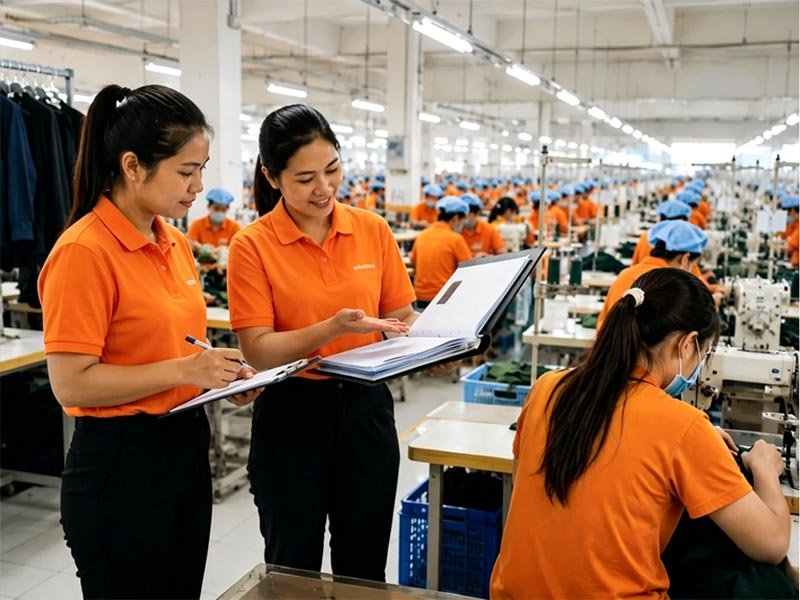
- 16 owned womenswear factories, 20+ long-term satellite factories and a coordinated manufacturing network of 12,000+ workers.
- Development support for evening, cocktail, prom, gala, graduation, homecoming, wedding guest, bridesmaid and black-tie dresses.
- SMETA audited manufacturing system, including a completed SMETA 2-Pillar audit and social audit record.
A Dress Manufacturing System Built for Brand-Level Programs
Nearly 30 Years
16 Owned Factories
Owned factories provide stronger control over core styles, pattern development, sampling, critical workmanship and first production runs.
Structured dresses, satin styles, fitted silhouettes and visually important collection pieces can be assigned to production teams suited to their technical demands instead of being placed wherever temporary capacity is available.
20+ Satellite Factories
Long-term satellite factories add production flexibility for repeat orders, seasonal programs and expanding order volumes. Capacity is allocated according to style complexity, fabric, workmanship, quantity and delivery date. The network allows regular styles, complex styles and special-process styles to follow different production paths under coordinated project control.
12,000+ Workers
Material Supply Network
Duolan operates close to established South China textile, trim and garment-processing resources.
Fabric mills, lining suppliers, accessory factories and special-process partners can be coordinated for satin, chiffon, lace, mesh, velvet, sequin fabrics, embroidery, printing, pleating, dyeing and decorative applications.
Audited Operations
The manufacturing system has passed SMETA audit and completed a SMETA 2-Pillar audit.
Quality, testing and social-responsibility requirements can be reviewed against each brand’s market, inspection plan and supplier standards before production begins.
Formal Dress Development for Established Fashion Teams
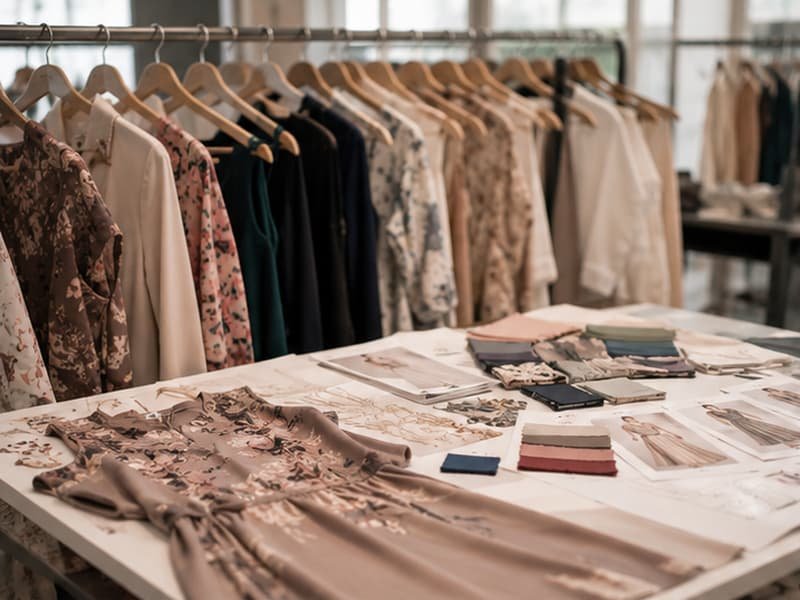
Established Fashion Brands

Occasionwear Brands

Product Development Teams

Buying and Sourcing Teams
Control Formal Dress Risks Before They Reach Bulk
Formal dresses carry concentrated risks around fabric, fit, support, transparency, decoration and movement. Early technical review prevents small development errors from becoming expensive production problems.
| Formal Dress Risk | What Can Go Wrong | Duolan Control Point |
|---|---|---|
| Design-to-sample mismatch | The overall shape may resemble the reference while neckline depth, waist placement, drape or proportion fails to express the intended look. | Design review separates visual priorities from construction requirements before pattern work begins. |
| Fabric and silhouette mismatch | A fabric may be too light, stiff, stretchy, transparent or unstable for the planned shape. | Fabric behavior is reviewed against drape, stretch, support, opacity, seam response and lining requirements. |
| Unstable bust or waist support | Strapless, corset, low-back or fitted styles may shift, collapse or feel restrictive during movement. | Cup position, boning, power mesh, waist support, grip tape and closure placement are checked during development. |
| Fit comments misunderstood | Written comments may be acknowledged without being converted into pattern, measurement or workmanship actions. | Comments are divided into measurable fit actions, visual adjustments, material points and construction changes. |
| Sample-to-bulk inconsistency | Bulk fabric, trims, measurements, stitching, decoration or pressing may differ from the approved sample. | PP approval, BOM confirmation, material locking, first-piece checks and inline inspection create the production basis. |
| Seasonal delivery delay | Late fabric approval, repeated revisions or complex decoration may compress production and shipping time. | Development and production schedules are planned backward from the required warehouse or launch date. |
Eight Tests for a Formal Dress Manufacturing Partner
Category Experience
Pattern Capability
Pattern work must control bust placement, waist balance, hip shaping, neckline security, strap tension, slit height and hem level.
Strong pattern capability is visible in fit corrections, measurable actions and consistent grading rather than vague promises about experienced workers.
Fabric Judgment
Material selection affects almost every formal dress result. Satin can reveal seam and pressing defects. Mesh can create coverage problems.
Chiffon may twist or grow. Velvet direction must remain controlled. Sequin fabrics can scratch, shed or resist clean seam finishing.
Internal Structure
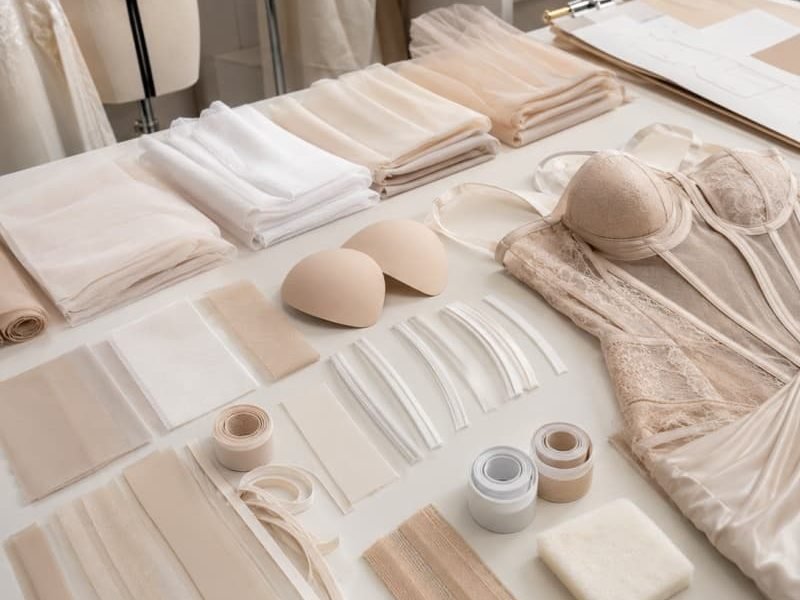
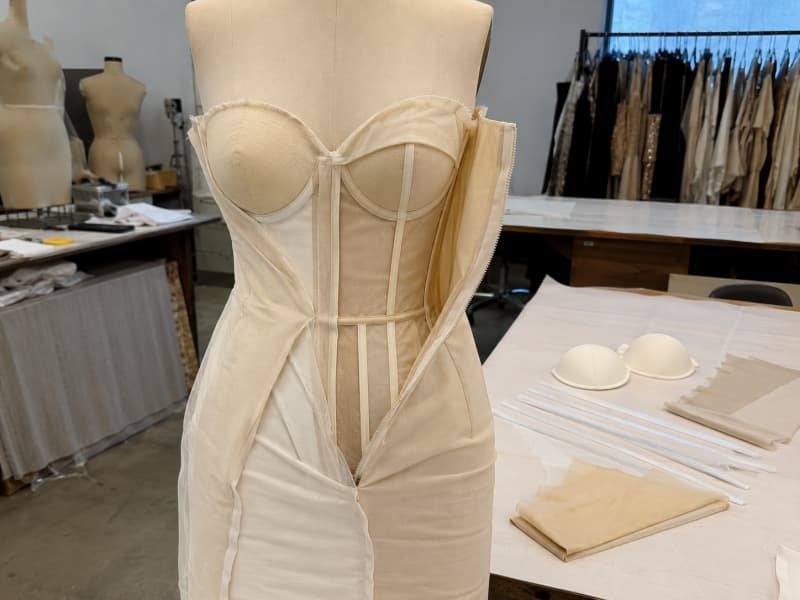
A formal dress may rely on hidden support including cups, boning, power mesh, waist stays, grip tape, modesty layers and reinforced closures.
Internal components must support the silhouette without becoming visible, bulky or uncomfortable.
Decorative Repeatability
Sample Discipline
A useful sample must answer a defined question: appearance, fit, photography, presentation or bulk preparation. Reliable suppliers identify the sample purpose, material basis, review points and next approval stage before development starts.
Bulk Transition
Scalable Control
Custom Formal Dresses Across Major Occasion Categories

Evening Dresses

Cocktail Dresses

Prom Dresses

Gala Dresses

Homecoming Dresses
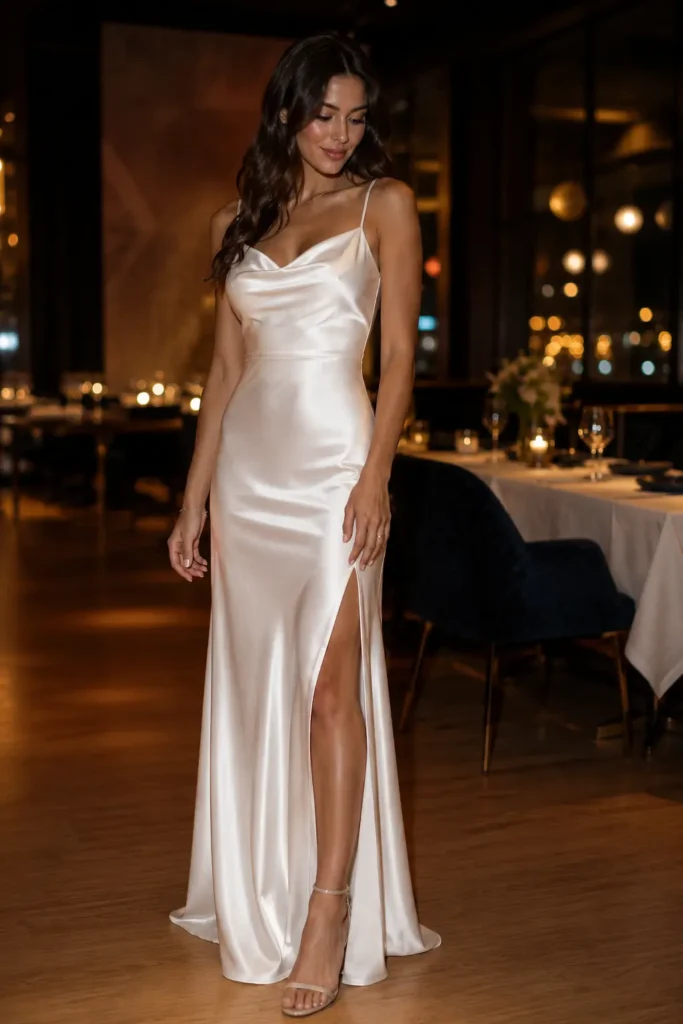
Graduation Dresses

Wedding Guest Dresses

Bridesmaid Dresses

Black-Tie Dresses

Semi-Formal Dresses

Corporate Event Dresses

Formal Jumpsuits
Build a Formalwear Collection With Clear Product Roles
Campaign Hero Styles
Commercial Core Styles
Fit-Safe Styles
Entry Price Styles
Premium Detail Styles
Reorder Styles
Match Every Occasion With the Right Dress Logic
Cocktail Social Events
Prom and Dance
Gala and Black Tie
Gala and black-tie designs rely on formal length, refined drape and disciplined finishing.
Dramatic forms must still hold their line after packing, transport and extended wear. Internal support and pressing quality carry as much importance as visible decoration.
Graduation Events
Wedding Guest Events
Corporate Functions
Holiday Parties
Multi-Event Formalwear
Formal Dress Fabrics Selected for Finished Garment Performance
Fabric selection begins with the intended silhouette, fit, support, transparency, surface and production route. Luxury appearance alone does not guarantee a successful formal dress. Each material must behave correctly during cutting, sewing, pressing, packing and repeated production.
| Material | Best Formal Dress Uses | Main Performance Value | Main Production Risk | Duolan Control Focus |
|---|---|---|---|---|
| Satin | Slip dresses, draped midis, evening gowns, bridesmaid and wedding guest styles | Smooth surface, fluid drape and strong event photography | Needle marks, seam rippling, scratches, pressing shine, transparency and lot variation | Weight, weave, stretch, lining, needle selection, seam method, pressing and protective packing |
| Crepe | Cocktail, corporate formal, fitted midi and structured evening dresses | Matte refinement, controlled drape and broad commercial wearability | Edge stretching, seam impression, inconsistent recovery and surface snagging | Fabric stability, grain control, seam support, interfacing and finished measurement review |
| Chiffon | Layered gowns, soft sleeves, gathered skirts and bridesmaid dresses | Light movement, softness and layered volume | Growth, twisting, fraying, transparency and uneven hems | Cutting control, panel balance, lining, seam finishing, hanging time and hem leveling |
| Mesh | Illusion panels, sleeves, corset inserts, ruched overlays and fitted formal dresses | Transparency control, stretch and visual lightness | Uneven stretch, exposed seam allowances, poor recovery and weak attachment points | Mesh weight, stretch direction, skin-tone matching, reinforcement, lining and edge finishing |
| Lace | Overlay dresses, sleeves, panels, cocktail dresses and decorative formal gowns | Pattern richness, texture and premium visual detail | Motif mismatch, visible joins, fraying, uneven stretch and rough edges | Motif placement, panel matching, seam concealment, backing material and edge treatment |
| Velvet | Holiday, black-tie, winter cocktail and long evening dresses | Rich depth, soft handfeel and strong seasonal character | Directional shade, crushing, marking, seam bulk and difficult pressing | Nap direction, cutting layout, seam grading, pressing protection and packing space |
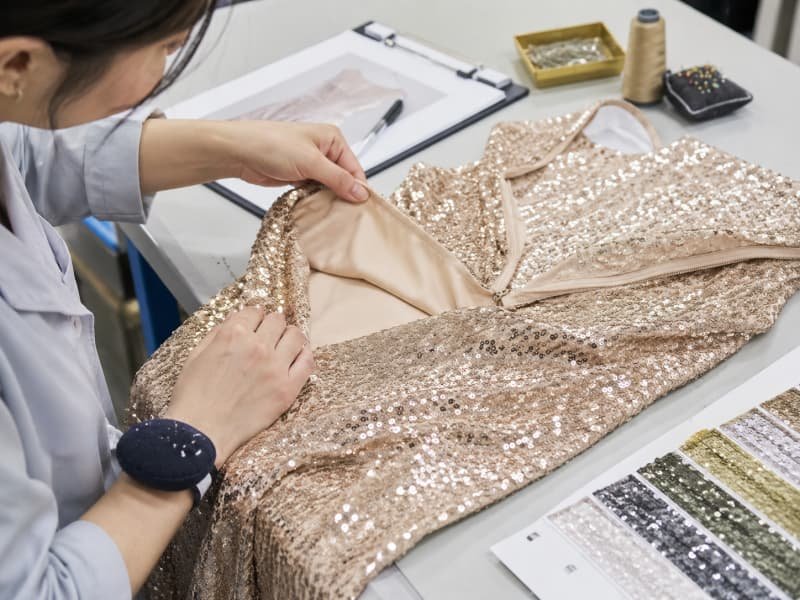
| Sequin Fabric | Prom, party, gala, homecoming and statement dresses | Immediate visual impact and event relevance | Sequin loss, scratching, broken needles, bulky seams and uncomfortable edges | Placement, seam clearing, edge binding, lining, repair standard and spare sequin preparation |
| Jersey | Draped gowns, fitted maxis, one-shoulder and body-skimming formal dresses | Stretch comfort, fluid movement and broad fit flexibility | Growth, twisting, seam stretching, transparency and inconsistent recovery | Fabric recovery, negative ease, seam stabilization, lining and hanging behavior |
| Organza | Structured skirts, overskirts, sleeves and sculpted volume | Crisp shape, light structure and controlled volume | Fraying, seam visibility, crushing and sharp edges | Layer planning, seam finish, hem structure, pressing and transport protection |
| Tulle | Layered skirts, soft volume, corset overlays and decorative formal dresses | Lightweight fullness, transparency layering and romantic movement | Tearing, uneven gathering, exposed seams and volume compression | Layer count, gathering ratio, support, edge finish and carton space |
| Stretch Woven | Fitted cocktail, bodycon formal and structured midi dresses | Clean tailoring with controlled wearing ease | Uneven recovery, seam stress and size variation after pressing | Stretch percentage, recovery test, pattern ease, seam strength and measurement control |
| Satin-Back Crepe | Reversible-detail gowns, draped styles and premium formal dresses | Choice between matte and lustrous surfaces with good drape | Surface inconsistency, pressing sensitivity and direction errors | Face identification, cutting direction, seam method, pressing and lot confirmation |
Hidden Structures That Keep Formal Dresses Secure

Bust Cups

Boning Channels
Boning controls vertical support in corset, bustier and strapless bodices. Position, length, flexibility and channel construction affect comfort and silhouette. Boning should support the garment without digging into the body, twisting at seams or creating visible ridges under the outer layer.

Power Mesh

Waist Support
Internal waist stays or support bands help structured formal dresses remain positioned during movement.
They reduce pressure on zippers, shoulder straps and neckline edges. Placement must match the natural waist and remain smooth under fitted outer fabrics.

Grip Tape
Silicone or elastic grip tape can support strapless necklines and prevent movement. Width, softness, elasticity and application tension matter.
Poorly selected tape may roll, show through fabric or irritate the skin. The support should remain hidden and evenly applied.

Modesty Panels
Modesty layers improve coverage behind lace-up backs, plunging fronts, mesh areas and cut-outs. Color, opacity, shape and attachment method must match the design.
Panels should not interrupt the intended visual line or become visible during normal movement.

Closure Reinforcement

Lining Engineering
Pattern Engineering for Fit, Balance and Formal Proportion
Bust Position
Waist Balance
Hip Shaping
Neckline Security
Plunge, sweetheart, cowl, halter, one-shoulder and strapless necklines require different stability methods. Pattern shape, tape, mesh, cups, facing and seam support must protect the intended line while allowing comfortable movement.
Strap Tension
Backless Stability
Slit Placement
Hem Balance
Draping Creates Flow That Flat Patterns Cannot Predict Alone
Draping is valuable when the design depends on gravity, folds, asymmetry, bias direction or body contour. Fabric is evaluated on a form before final pattern decisions are locked.
Bias-Cut Satin
Draped Necklines
Ruched Bodices
Asymmetric Skirts
Twisted Waist Details
Sculpted Volume
Size Development Built Around Market Fit and Fabric Behavior

Bust Measurement

Underbust Control

Waist Definition
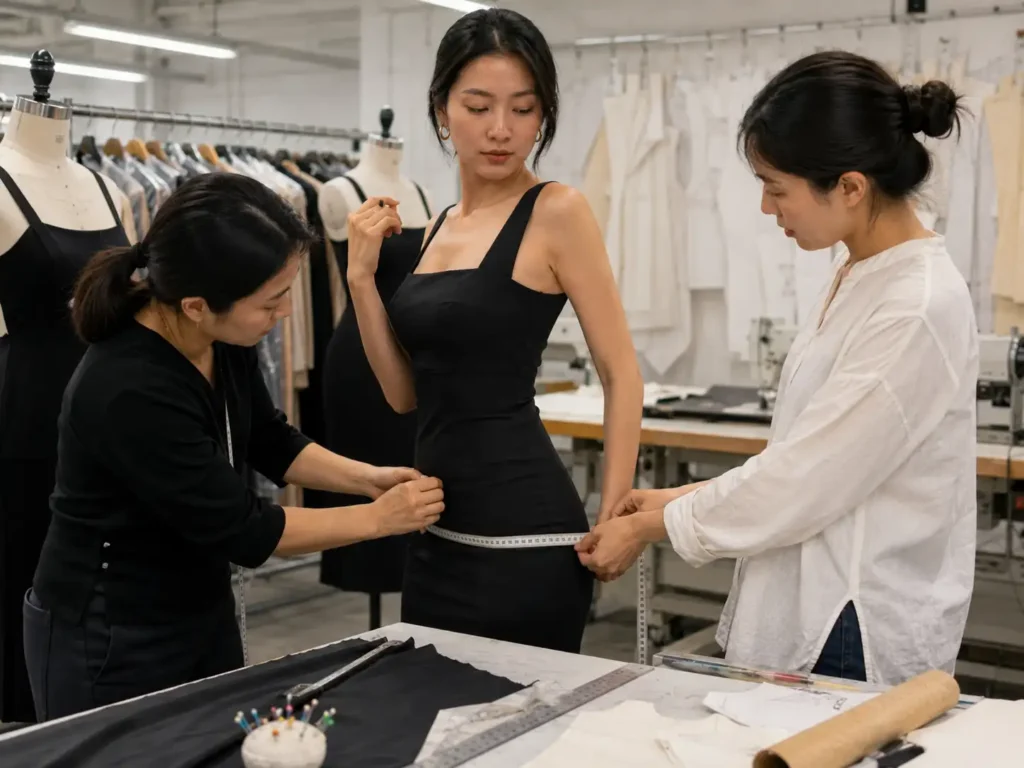
Hip Ease
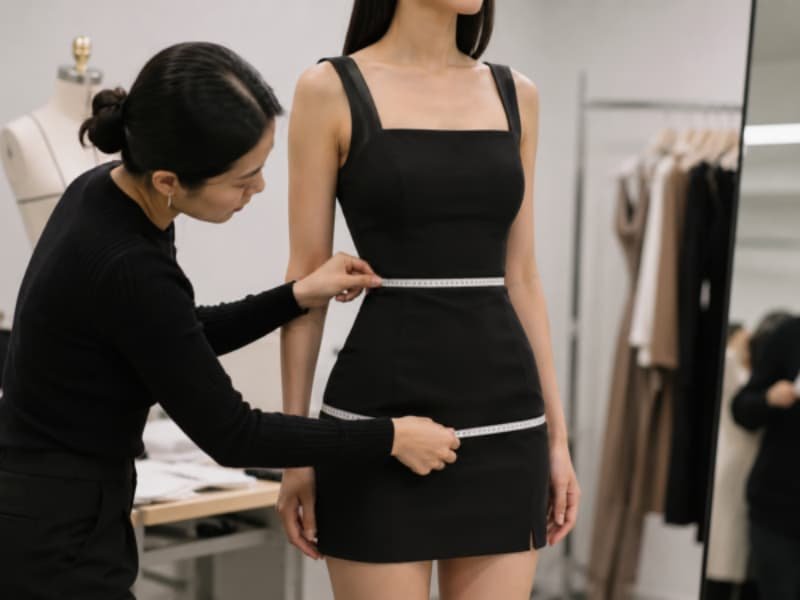
Torso Length
Shoulder-to-waist, neckline-to-waist and rise measurements affect bust placement, waist level and overall proportion.
Torso length becomes especially important in corset, halter, plunge and backless styles.

Strap Length
Adjustable or fixed straps require separate specification. Strap length influences neckline height, armhole position and bust support.
Size grading should protect the same visual balance across the range.

Dress Length

Grading Consistency
Formal Dress Design Details Engineered for Real Wear
Strapless Necklines
Corset Bodices
Open Backs
Lace-Up Closures
High Slits
Ruched Draping
Cut-Out Panels
Detachable Details
Decorative Workmanship Controlled From Sample to Production
Sequin Application

Beaded Surfaces

Pearl Details

Rhinestone Work

Embroidery

Appliqué Placement

Pleating

Feather and Fringe

Mixed Decoration
Start With a Clear Technical and Commercial Development Basis
Design Basis
Fit Priority
Fabric Direction
Structure Review
Quantity and Range
Launch Timing
Production-Ready Formal Dress Sample Development
Brief Review
Project information is organized around product type, sample purpose, fabric direction, target fit, key structure, deadline and future order plan.
Missing information is identified before pattern and material work begins.
Feasibility Check
Material Preparation
Pattern Development
Patterns are created or adjusted around measurements, silhouette, construction and sample purpose.
Draping may be used when the style relies on bias, folds, asymmetry or sculpted volume.
Sample Construction
Internal Review
Before dispatch, Duolan reviews appearance, major measurements, construction, lining, closures and workmanship. Photos or video can be prepared so critical points are visible before international shipping.
Brand Review
The receiving team evaluates the sample according to its purpose: fit, appearance, campaign use, presentation or bulk preparation. Clear comments improve revision accuracy and protect the development schedule.
Next-Step Plan
Sample Comments Converted Into Measurable Development Actions

Fit Actions

Visual Actions
Material Actions
Structure Actions

Version Records
Revision Summary
Lock the Approved Standard Before Formal Dress Production
Approval Status
Fabric Standard
Lining and Trims
Lining, cups, boning, zippers, hooks, elastics, grip tape, eyelets, cords and decorative materials are locked against the approved sample or BOM. Unapproved substitutions can change fit, comfort and appearance.
Measurements
Workmanship
Labels
Packing
Production Path
Pilot Production Tests High-Risk Details Before Full Cutting

First-Piece Measurements

Material Response

Structure Repeatability

Decoration Control

Sewing Sequence

Approval Before Scale
Scalable Production for Multi-Style Formal Dress Collections
Order Breakdown
Complexity Classification
Factory Matching
Special Process Coordination
Production Lead Time
Multi-Style Tracking
Repeat Production
Delivery Coordination
Formal Dress Quality Control From Material to Shipment
Fabric Appearance
Shade Control
Stretch and Recovery
Cutting Direction
Bust and Waist
Seam Appearance
Closure Function
Lining Coverage
Decoration Security
Measurement Check
Final Appearance
Packing Readiness
Compliance Support Aligned With Market and Brand Requirements
SMETA Audit Record
Brand Audit Coordination
Material Testing
Decoration Testing
Applicable Standards
Inspection Coordination
Labels, Packaging and Delivery Planned Around Formal Dress Risk

Main Labels

Care and Size Labels

Hangtags and Barcodes

Protective Tissue

Garment Bags

Folding and Hangers
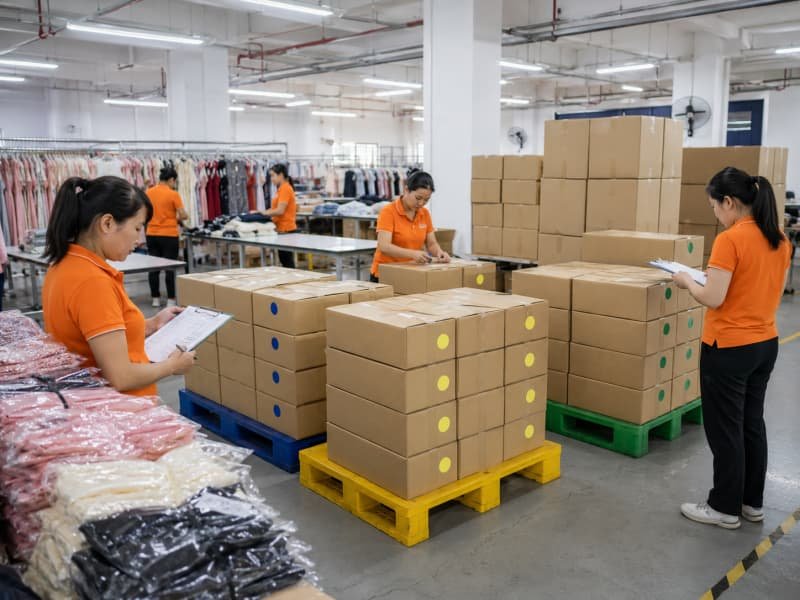
Carton Planning

Delivery Options
Formal Dress Programs Managed Across Styles, Quantity and Risk

United States Occasionwear Program
- Region: United States
- Collection: Cocktail, formal midi, satin maxi and structured occasion dresses
- Styles: 18
- Total Quantity: 36,800 pieces
- Core Challenge: The range combined bias satin, fitted crepe, mesh panels and corset structures. Several styles shared colors but used different fabric qualities, creating shade and coordination risks.
- Duolan Approach: Styles were divided into regular, fitted and structured production routes. Fabric and lining references were aligned before PP approval. Critical measurements included cup position, waist, hip, slit height and finished length. First-piece checks focused on satin seam appearance and corset support.
- Result: The collection moved through coordinated production and packing with separate control points for satin, mesh and structured styles. Development records supported color extensions and future repeat planning.

European Partywear Collection
- Region: United Kingdom and European markets
- Collection: Sequin minis, velvet midis, corset party dresses and embellished evening styles
- Styles: 24
- Total Quantity: 64,000 pieces
- Core Challenge: High decoration density, short seasonal timing and mixed workmanship created risks around missing sequins, rough edges, shade variation and uneven output across styles.
- Duolan Approach: Sequin direction, bead placement and edge protection were approved by style. High-risk decorative pieces followed pilot production and dedicated repair standards. Velvet direction and pressing were controlled separately. Packing included protective layers to reduce surface friction.
- Result: Multi-style production followed differentiated timelines instead of one fixed schedule. Complex decorated styles were prioritized earlier, while regular styles moved through stable production routes. The program reached packing with controlled style and size allocation.

North American Multi-Brand Group
- Region: United States and Canada
- Collection: Prom, graduation, homecoming and black-tie capsule
- Styles: 12
- Total Quantity: 22,500 pieces
- Core Challenge: The group needed related styles across several event categories, with a broad size range and different support requirements. Fit consistency and launch timing carried more weight than developing isolated statement pieces.
- Duolan Approach: The range combined fit-safe and structured silhouettes. Size development reviewed bust, underbust, torso length, waist, hip and hem proportion. Adjustable elements were used where appropriate, while corset and strapless styles received separate structure review. Shipment priorities were aligned with event calendars.
- Result: The group gained a clearer collection structure, controlled grading basis and documented production standard for future development rounds. Several patterns were retained as repeatable foundations for later color and material updates.
Evidence From Development, Manufacturing and Delivery Stages
Development Brief
Fabric Review
Pattern and Draping
Sample Progress
Internal Structure
Craft Details
Production Control
Quality Inspection
Packing and Shipment
Custom Formal Dress Manufacturing Questions
Send a tech pack, reference images, sketches, an original sample, fabric direction or a combination of available materials. Include the intended occasion, target fit, size range, estimated quantity and launch timing. Duolan reviews the development basis before confirming the sample route.
Yes. A reference image can support an initial feasibility review, but accurate development normally requires clarification of fabric, measurements, back view, lining, closures, support, color, size and intended fit. Reference development should create a brand-specific product rather than an uncontrolled copy.
Main categories include evening, cocktail, prom, gala, homecoming, graduation, wedding guest, bridesmaid, black-tie, semi-formal and corporate event dresses. Formal jumpsuits and coordinated occasionwear styles can also be reviewed. Bridal gown manufacturing is not the main focus.
Yes. Development can cover cup placement, boning, panel shaping, power mesh, waist support, grip tape, lace-up backs and other structural elements. The required support depends on the neckline, fabric, size range and intended fit.
Satin development reviews weight, weave, stretch, shine, transparency, lining, seam response and pressing sensitivity. Production control focuses on cutting direction, needle marks, seam rippling, scratches, pressure marks and protective packing.
Yes. Decoration is reviewed for material, density, placement, attachment, edge comfort, seam handling, repair standards and packing. High-risk designs may require decoration trials or pilot production before full manufacturing.
Transparency control combines outer fabric, color, lining, mesh, seam allowance and garment construction. Light colors, chiffon, mesh and fitted satin require particular attention. Coverage is reviewed on the body or mannequin rather than judged only from a folded swatch.
Comments are divided into measurable fit changes, visual corrections, material points and construction actions. Revision summaries record completed changes, remaining questions and the objective of the next sample.
A fit sample evaluates measurements, balance, comfort and silhouette. A PP sample represents the agreed basis for production, including approved fabric, trims, construction, measurements, workmanship, labels and packing details. A fit-approved sample is not automatically ready for bulk.
Duolan aligns the PP sample, BOM, material references, size chart, workmanship instructions and QC checkpoints before production. First-piece checks, inline inspection and final inspection support consistency throughout manufacturing.
Yes. Formalwear programs are divided by style complexity, material, process, quantity and timing. Different production routes can be used for regular, structured, decorated and fast-response styles while project coordination remains centralized.
Reference production periods are 15–20 days for simple styles, 20–30 days for regular styles and 30–45 days for complex styles. Timing is confirmed after material readiness, quantity, decoration and approval status are reviewed.
Sample timing begins after the development basis, sample purpose, material direction and key structure are clear. Duolan provides a sample plan covering first-sample and revision stages according to complexity and material readiness rather than making one fixed promise for every style.
Inspection can include incoming material review, cutting control, inline workmanship checks, measurement sampling, appearance inspection, decoration review, closure testing, lining checks, packing verification and final shipment readiness review.
Yes. Main labels, size labels, care labels, hangtags, barcodes, garment bags, protective tissue, hanger packing, carton assortment and carton marks can be produced according to approved brand files and packing requirements.
Express, air and sea shipment can be coordinated. FOB, CIF, DDP, split shipments and nominated-forwarder arrangements can be discussed according to destination, cost, delivery date and warehouse structure.
Factory visits, sample-room visits, production-area visits and quality-process reviews can be arranged by appointment. Video meetings and remote factory reviews are also available for qualifying projects.
Share the product direction, style count, target quantity, size range, material needs, quality expectations and launch date. Duolan can then review category fit, development route, manufacturing requirements and the information needed for a formal quotation.

Start Your Formal Dress Development and Production Project
Send Duolan the information already available for your formal dress program. A complete tech pack is useful, but reference images, original sample photos, fabric ideas, size charts, previous fit comments or a collection mood board can also support the first review. Our team will assess the design basis, formalwear category, material direction, fit priorities, internal structure, workmanship risk, target quantity and required delivery timing before proposing the next development or production step.
For a more accurate review, include:
- Company or brand name
- Website or social media reference
- Formal dress category
- Tech packs, sketches or reference images
- Number of styles
- Estimated quantity by style or collection
- Colors and size range
- Target fabric or material direction
- Sample purpose
- Required campaign, warehouse or launch date
- Label and packaging requirements
- Inspection or compliance requirements


