Skip to content
Custom Garden Party Dress Manufacturer
Dress-focused development and manufacturing for seasonal garden party, wedding guest, brunch and outdoor occasion collections.
- Seasonal programs commonly cover 10–30 coordinated styles across mini, midi and maxi lengths.
- Product directions include floral prints, lightweight woven fabrics, lace, embroidery, ruffles and structured bodices.
- Order programs can be planned around 20,000–80,000 total garments across styles, colors and size ranges.
- Six controlled stages connect collection review, material development, sampling, PP approval, bulk production and final delivery.
Built for Established Fashion and Occasionwear Teams
Fashion Dress Brands
Occasionwear Brands
Product Development Teams
Sourcing and Buying Teams
What Defines a Commercial Garden Party Dress
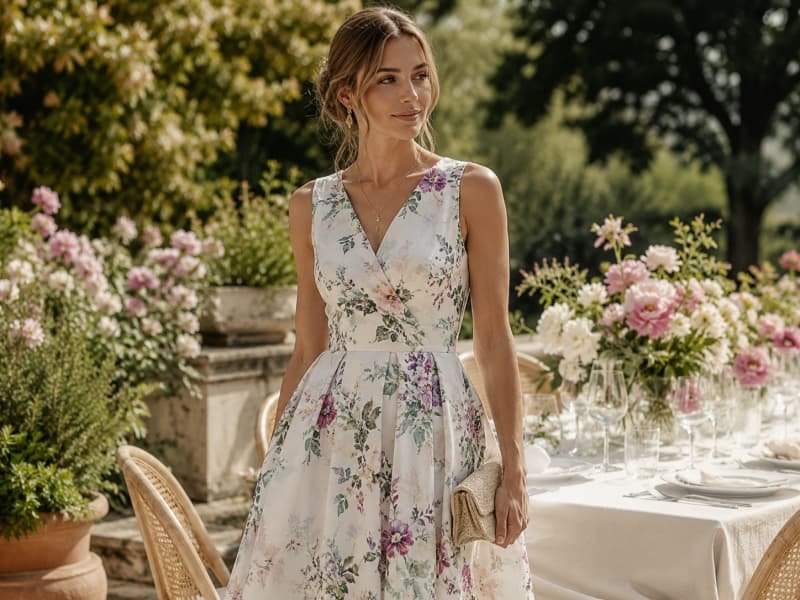
Daytime Occasion Balance

Outdoor Wear Performance

Collection-Level Commerciality
Risks Controlled Before Garden Party Dress Sampling
Print Scale Mismatch
Fabric Silhouette Conflict
Light Color Transparency
Fit Comment Confusion
Sample Bulk Difference
Seasonal Timing Pressure
Build a Balanced Garden Party Dress Collection
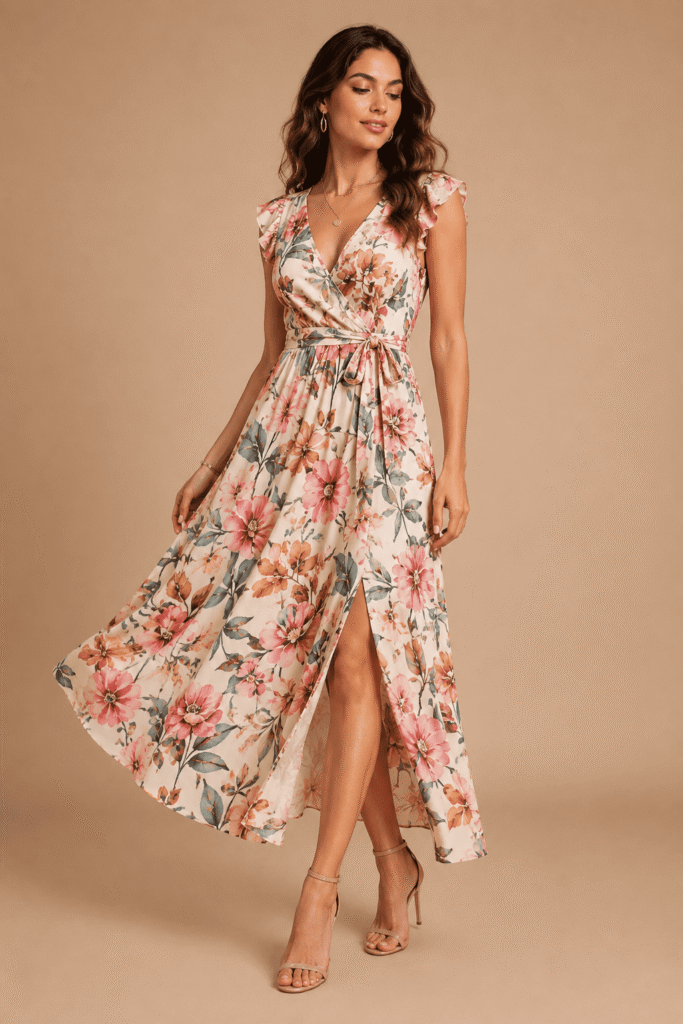
Floral Hero Dresses

Commercial Midi Dresses

Lightweight Maxi Dresses

Structured Garden Dresses
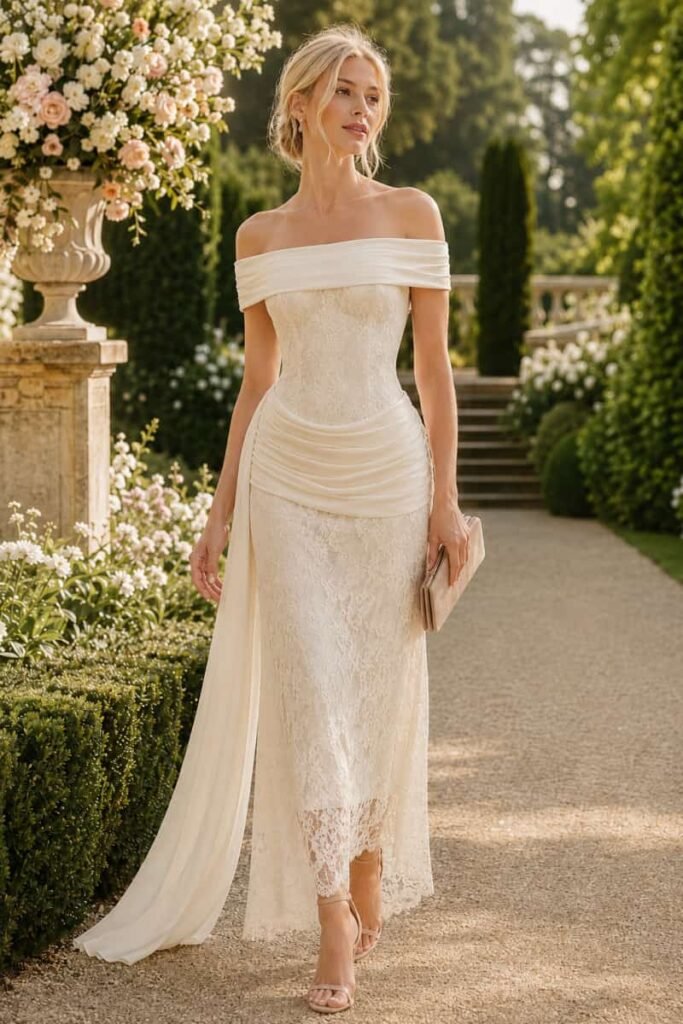
Wedding Guest Styles

Brunch and Day Styles
Garden Party Dress Styles We Develop
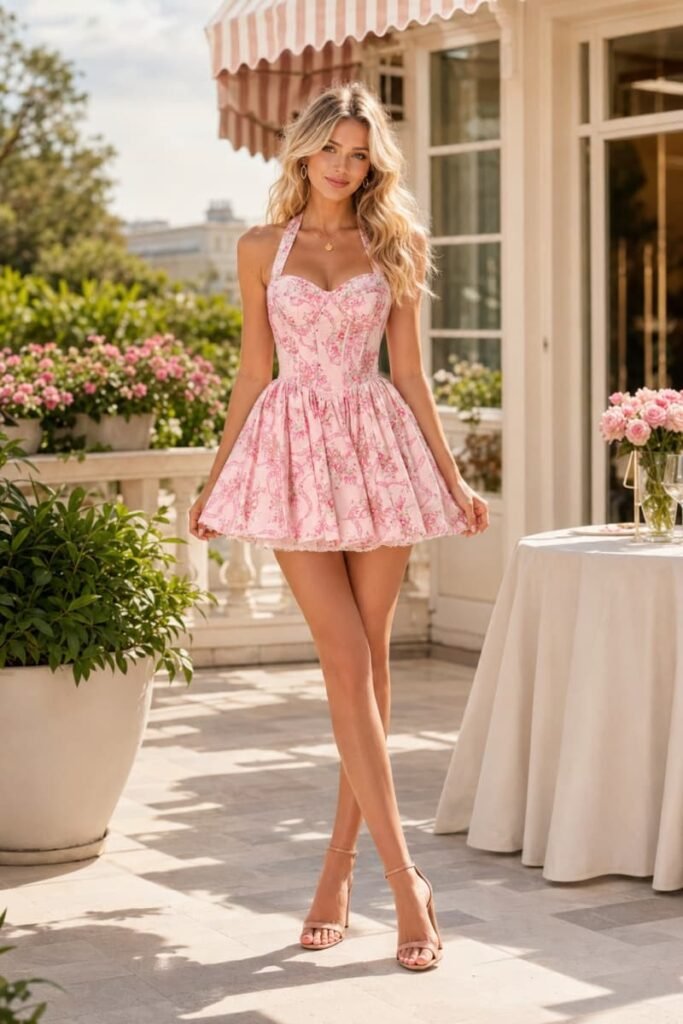
Floral Mini Dresses

A-Line Midi Dresses

Fit-and-Flare Dresses

Tiered Maxi Dresses

Halter Garden Dresses

Off-Shoulder Dresses

Corset-Inspired Dresses

Wrap and Ruched Dresses
Fabrics Selected for Drape, Coverage and Scale
Fabric selection begins with the finished garment result. Weight, surface, transparency, stretch, recovery, shrinkage, print method and availability are assessed together so the chosen material supports both the design and the production program.
| Material Direction | Best-Suited Garden Party Styles | Main Performance | Key Development Risk | Production Control |
|---|---|---|---|---|
| Printed Chiffon | Tiered midi, flutter sleeve, soft maxi | Light movement and layered floral effect | Transparency, seam puckering, print variation | Strike-off approval, lining test, fine seam control |
| Cotton Poplin | Structured midi, puff sleeve, fit-and-flare | Crisp shape and clean volume | Excess stiffness, shrinkage, seam bulk | Pre-shrinkage review, pattern ease, pressing standard |
| Cotton Voile | Day dress, gathered midi, lightweight maxi | Breathable hand feel and soft volume | High transparency and distortion | Full or partial lining, gentle handling, seam stability |
| Linen Blends | Brunch, resort-inspired, shaped day dresses | Natural texture and warm-weather value | Creasing, shrinkage, shade variation | Composition review, wash test, pressing and packing plan |
| Viscose or Rayon | Wrap, ruched, fluid midi and maxi | Soft drape and comfortable movement | Growth, shrinkage, cutting distortion | Relaxation time, shrinkage test, controlled cutting |
| Crepe | Wedding guest, commercial midi, fitted dresses | Balanced drape, coverage and shape | Surface snagging or different batch hand feel | Batch approval, seam test, pressing temperature control |
| Lace or Embroidery | Occasion midi, bodice overlay, statement sleeves | Refined texture and event-level detail | Motif direction, edge finish, backing and distortion | Placement plan, lining match, motif inspection |
| Light Satin or Organza | Cocktail extension, structured day occasion | Shine, volume or clean formal finish | Needle marks, seam puckering, pressing damage | Sewing trial, handling standard, protective packing |
Floral Print and Color Development for Brand Collections
Artwork, Repeat and Garment Proportion
A floral file should be reviewed against the garment rather than evaluated only on screen. Large motifs may dominate a mini bodice, while a small dense repeat can lose impact across a full maxi skirt. Darts, princess seams, waist panels, gathers and tier seams interrupt the artwork differently. Duolan reviews repeat dimensions, motif direction and panel placement before sampling.
For all-over prints, the development team confirms whether the artwork is directional or non-directional. Directional prints may increase fabric consumption because every piece must face the same way. Border prints and placement florals require a cutting layout based on size grading and seam position. A motif placed correctly on the base size may move toward an armhole, dart or waist seam after grading, so placement rules need to account for the full size range.
Artwork review should also consider the distance from major motifs to neckline, waist and hem. Facial or highly recognizable motifs require stricter placement than abstract botanicals. When visual consistency matters, Duolan can recommend engineered placement zones or cutting markers. When commercial efficiency has greater priority, a non-directional repeat may provide better fabric utilization and easier bulk control.
Before production, approved print information should connect to the BOM, fabric specification and inspection standard. The reference should identify artwork version, repeat size, ground color, target fabric and any placement requirement. Such records prevent an approved sample from being followed by a slightly altered bulk print.
Strike-Off, Ground Color and Surface Result
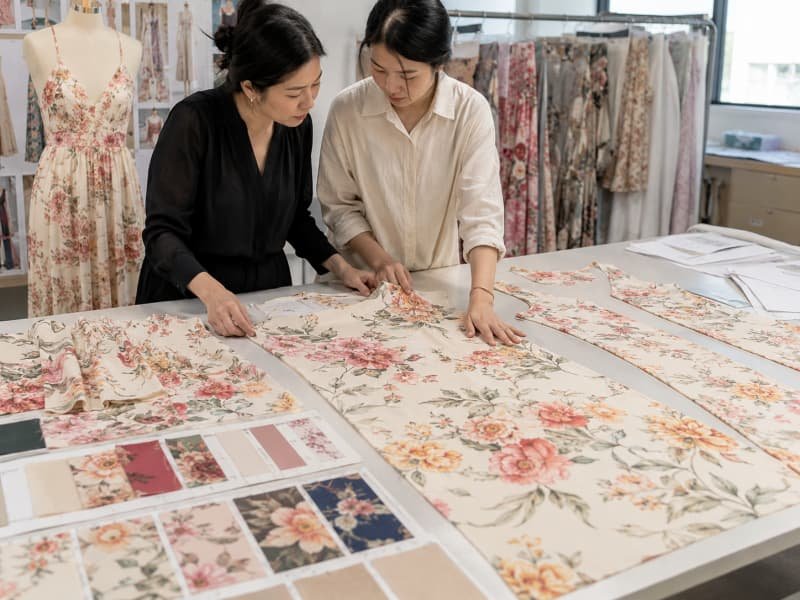
The same floral artwork can produce different results on chiffon, satin, cotton poplin, viscose or textured crepe. Fiber content, weave, absorbency and surface shine change color depth and edge definition. A digital print on smooth satin may look brighter and sharper than the same file on matte crepe. The base fabric must therefore be confirmed before final color evaluation.
Strike-off approval provides a controlled step between artwork and full fabric production. Evaluation should cover hue, saturation, motif sharpness, ground coverage, penetration and visual result under relevant lighting. Pale grounds deserve special attention because small shade differences become visible across large skirt panels. Darker motifs may also show through to the reverse side, affecting seam appearance and lining choice.
Duolan can coordinate strike-off review with the garment development path. If the final base fabric is not ready for the first prototype, the sample proposal should state whether a substitute material is being used and which decisions remain provisional. Fit may be reviewed on substitute fabric, but final drape, color and print approval should move to the correct material before PP confirmation.
Bulk print inspection checks more than visual beauty. Shade variation across rolls, repeat consistency, printing defects, skew and usable width can influence cutting. Roll allocation and shade grouping become important when a dress uses large panels or matching components. The approved strike-off should remain available as a reference during fabric receipt and final garment inspection.

Collection Palette and Colorway Planning
Garden party collections often use soft palettes, botanical greens, floral pinks, blue grounds, ivory neutrals and seasonal accent colors. A coherent range does not require every dress to use the same print. It needs a controlled relationship between ground colors, motif tones, solid fabrics, lining, trims and campaign styling.
Duolan can review how many colorways should share one fabric platform and where a separate material may be justified. Using one approved base fabric across several prints may simplify testing and fit consistency. However, different ground colors can change opacity, lining visibility and colorfastness requirements. White or blush versions may require a different lining solution from navy or green versions, even when the outer construction is identical.
Lab dips, print strike-offs, thread colors, zipper tape, buttons and labels should be reviewed as one color system. A slightly mismatched zipper may be hidden on a printed dress but highly visible on a solid pastel style. Lace edge, embroidery thread and lining shade also influence the perceived finish. Color approval should therefore include all visible components, not only the main fabric.
For multi-style programs, a color matrix can reduce duplication and material confusion. Each style should identify approved color name, Pantone or brand reference where applicable, fabric version, lining shade, trim color and packaging identification. Clear color records make repeat orders more stable and help prevent old and new seasonal shades from being mixed.

Lining, Opacity and Comfort Under Outdoor Light
Daylight Opacity Control
Lining Selection and Attachment
Movement and Wearing Comfort
Design Details That Control Fit and Appearance
Neckline and Bust Coverage
Neckline shape must work with bust width, shoulder position, fabric behavior and intended occasion. Square, sweetheart, plunge, halter and off-shoulder designs each require different support. Development reviews neckline depth, edge stability, cup position, under-bust shaping and exposure during movement. Any internal tape, mesh, cup or elastic should remain discreet and comfortable.
Waist and Bodice Balance
The visual waist may sit at the natural waist, raised waist or dropped position. Even a small shift changes body proportion and skirt fall. Duolan checks front and back waist level, bodice length, dart direction, side-seam balance and closure tension. Structured styles may require panel shaping or support; softer dresses may use elastic, ties or gathering while still preserving the intended silhouette.
Sleeves and Strap Security
Ruffles and Tier Ratios
Closures and Openings
Hem and Skirt Control
Tech Packs, Patterns and Measurement Control
Tech Pack Review Before Sampling
A complete tech pack gives the development team a common reference for quotation, pattern work, material sourcing and quality control. Duolan reviews flat sketches, construction notes, measurement specifications, BOM information, fabrics, trims, stitches, colorways, labels, packaging, tolerance and target quantity.
The review does not mean changing an approved brand specification without permission. Its purpose is to identify gaps or conflicts before they become physical sample problems. A sketch may show a high waist while the measurement table creates a natural waist. A neckline dimension may conflict with the desired coverage. A proposed zipper may be too heavy for fine chiffon. A lining length may become visible through a high slit. Such issues are marked for confirmation.
When the tech pack is incomplete, development can begin from a controlled set of references such as a design sketch, original sample photographs, moodboard, target measurements, fabric idea or previous fit comments. Missing information should be completed as the project progresses. A reference image alone may support an initial feasibility review, but accurate costing and production require decisions on material, construction, sizing, quantity and packaging.
The final development record should capture every approved change. Updated measurements, revised construction, alternate materials and confirmed trims should feed into the next sample version. Clear revision control protects the project from old information being used during PP or bulk production.
Pattern Development by Fabric Behavior
Patterns cannot be separated from fabric behavior. A fitted bodice in stable poplin requires different ease and shaping from the same design in stretch crepe. A bias satin skirt may grow after hanging, while viscose can change after relaxation or pressing. Chiffon tiers may need added control to prevent twisting, and organza volume may require reduced fullness to avoid stiffness.
Duolan develops or adjusts patterns around silhouette, fabric, lining and support. The pattern team reviews bust balance, waist contour, armhole shape, shoulder position, neckline stability, hip ease, skirt fall and hem level. Structured styles may use princess seams, panels, cups, boning or internal waist support. Soft dresses may rely on gathering, drape, ties or elastic, but still require measured control.
Pattern corrections follow the sample objective. A first prototype may focus on overall proportion, while a fit sample needs the correct fabric direction and measurement priorities. Photo-ready samples may require stronger visual finishing, and PP samples must reflect production materials and construction. Treating every sample as the same stage creates confusion and unnecessary revisions.
Grading should preserve the design relationship across sizes rather than enlarging every area equally. Neckline depth, strap position, waist seam, skirt volume and print placement need review throughout the requested range. Brand size charts and target-market fit remain the primary reference.
Measurement and Fit Comment Discipline
Measurement control turns visual feedback into actions that can be checked. Core points for garden party dresses may include bust, waist, high hip, hip, shoulder width, neckline depth, armhole, sleeve opening, strap length, bodice length, skirt length, slit height, lining length and hem sweep.
Fit comments should identify the observed issue, intended result and required adjustment. “Tight at bust” may involve width, cup volume, dart position or fabric stretch. “Waist too low” may require a bodice length correction rather than only raising the seam at the front. “Skirt feels heavy” may come from fabric choice, gathering ratio, lining width or hem finish. Duolan translates comments into pattern, measurement or construction changes and records the revised version.
Photos from front, side and back help explain balance, while close-ups clarify neckline, armhole and seam issues. Measurements taken on the sample confirm whether the garment follows the current specification. Comments should be consolidated before the next revision to avoid conflicting instructions from different teams.
Before PP approval, the measurement specification, tolerance, grading direction and fit basis should be aligned. Production QC then checks against the approved standard rather than relying on visual judgment alone.

Sample Development for Production Decisions
First Prototype
Fit Sample
Revision Sample
Photo-Ready Sample
Salesman Sample
PP Sample
From Approved Sample to Stable Bulk Production
Approval Status Review
Material and Color Locking
BOM and Measurement Control
Workmanship Translation
First-Piece Confirmation
Inline and Final Control
Workmanship Built for Lightweight Occasion Dresses

Fine Fabric Seams

Invisible Zipper Control

Clean Lining Attachment

Controlled Gathering

Lace Edge Finishing

Embroidery Stabilization

Narrow Hem Execution

Final Pressing and Shape
Decorative Processes With Bulk Repeatability
Garden party dresses often depend on floral texture, surface detail and controlled volume. Every decorative process is reviewed for design value, material compatibility, production stability, inspection method and cost effect before bulk approval.
| Process | Suitable Application | Main Risk | Development Control | Bulk QC Focus |
|---|---|---|---|---|
| Digital Floral Printing | All-over chiffon, viscose, satin and crepe | Shade variation, blurred detail, repeat inconsistency | Approved artwork, fabric base and strike-off | Roll shade, repeat, defects and skew |
| Screen Printing | Bold motifs and defined color separations | Hand-feel variation and registration error | Color separation and production trial | Registration, coverage and curing |
| Embroidery | Bodice panels, sleeves, waist and hem details | Puckering, density and placement deviation | Test panel, stabilizer and motif map | Position, thread, distortion and backing |
| Lace Application | Neckline, sleeve, panel inserts and overlays | Motif mismatch and visible seam lines | Lace direction and joining method | Motif continuity, edge and lining |
| Ruffles and Flounces | Neckline, sleeves, tiers and asymmetric skirts | Uneven width and distorted edge | Pattern ratio and sewing sequence | Symmetry, gathering and edge finish |
| Smocking and Elastic Shirring | Back bodice, waist and sleeve areas | Uneven tension and poor recovery | Elastic specification and stitch trial | Stretch, recovery and consistent rows |
| Pleating | Skirt panels, sleeves and decorative inserts | Uneven depth and loss of shape | Pleat type, fabric test and heat response | Pleat width, direction and stability |
| Beads or Pearl Details | Neckline, bodice and selective accents | Detachment, weight and skin discomfort | Placement map and attachment test | Position, security and reverse finish |
Plan Backward From the Garden Party Selling Window
Development and Sample Planning
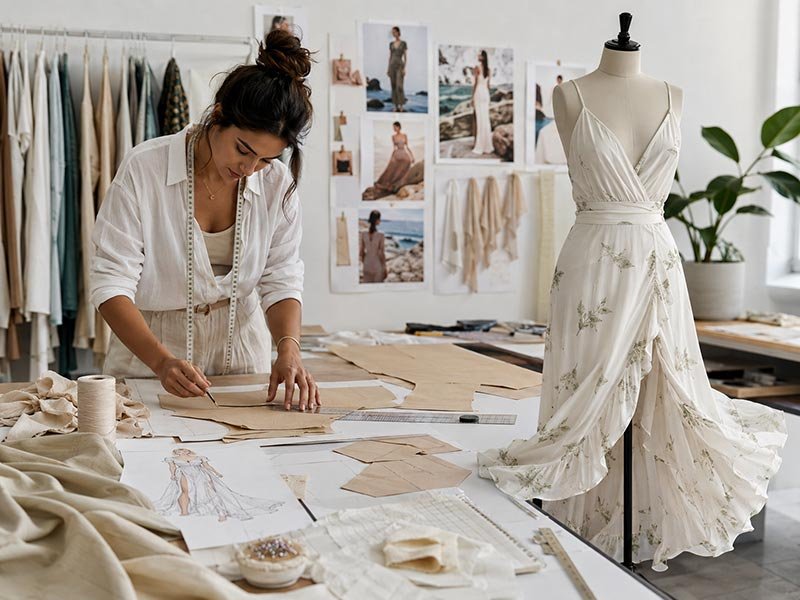
The calendar begins by defining the target launch, campaign shoot, sales meeting or retailer delivery date. Styles are then classified by development difficulty. Standard commercial silhouettes using available fabrics may move faster than custom floral prints, embroidered panels, lace placement or structured bodices.
A structured plan can include eight decision stages: collection direction, material and artwork confirmation, first sample, fit revision, photo or salesman sample, PP approval, bulk production and delivery. Every stage should identify who provides the next input and what happens if approval is delayed.
Sampling windows are confirmed after reviewing style count, fabric readiness, pattern complexity and sample purpose. Duolan does not apply one generic lead time to every dress. A simple commercial shape and a corset-inspired embroidered maxi require different development paths. The sample proposal should state the planned duration, materials available, pending confirmations and any process needing external coordination.
Multi-style programs require priority control. Campaign hero dresses may need to reach photography first, while commercial styles continue through fit review. Shared fabrics or prints can be grouped to reduce repeated development. Styles with long-lead trims or special artwork should be identified before easier products consume the available schedule.
PP Approval and Bulk Preparation
Bulk planning should not begin with an incomplete approval basis. Before release, the team confirms sample status, production fabric, print or color standard, trims, measurements, workmanship, labels, packing and target quantity. Any item still pending receives a responsible person and deadline.
Material preparation and production booking may overlap with final sample work only where the risk is understood and authorized. For example, greige fabric or standard lining may be secured earlier, while final print production waits for strike-off approval. Ordering all finished material before the garment direction is stable can create expensive waste; waiting too long can remove production capacity and shipment buffers.
Duolan breaks orders down by style, color, size, quantity, material path and construction complexity. Standard dresses, complex bodices, special embroidery and print-sensitive styles may follow different lines or factories within the manufacturing network. Production dates should reflect those differences rather than treating the whole collection as one block.
For programs of 10–30 styles, a shared timeline helps product, sourcing and production teams track approvals without mixing versions. Style-level status, material readiness and PP confirmation determine the final line release order.

Inspection, Packing and Delivery Buffers
A realistic calendar leaves time for inline correction, final inspection, packing review and shipment preparation. Removing every buffer may create an attractive early quotation but weak delivery reliability. Garden party collections often have fixed spring, wedding season or event-driven windows, so predictable execution matters more than an unsupported promise of speed.
Packing information should arrive before the production tail end. Label artwork, care instructions, hangtags, size stickers, barcode files, polybag warnings, carton marks and assortment ratios require review. Late changes can delay packing even after garments are finished.
Shipment planning considers express, air, sea, FOB, CIF, DDP, split shipment and designated forwarder arrangements according to the project. Campaign or launch-critical styles may ship earlier while balance quantities follow by a different method. Such decisions should be planned rather than made after the warehouse deadline is already at risk.
Duolan provides stage updates during sampling and production so teams can see what has been completed, what needs approval and which issue may affect the next milestone. The goal is a controlled route from brief to warehouse arrival.

Multi-Style Production for Seasonal Dress Programs
Style Complexity Review
Material Path Planning
Production Line Matching
Priority and Launch Control
Repeat Order Readiness
Order Scale Coordination
Quality Control for Garden Party Dresses
Fabric Inspection
Print and Color Review
Opacity and Lining Check
Measurement and Balance
Workmanship Inspection
First-Piece Review
Inline Production Checks
Final Packing Review
Labels, Packaging and Delivery for Dress Programs

Brand Labels and Care Information

Hangtags and Product Identification

Garment Protection and Packing

Carton and Shipment Coordination
A Manufacturing System Built for Brand Dress Programs
30+ Years Experience
16 Owned Factories
20+ Satellite Factories
12,000+ Workers
300 Sewing Lines
50+ Quick-Response Lines
Garden Party Dress Program Case Studies

United States Wedding Guest Program
An established US occasionwear label planned an 18-style spring garden party and wedding guest edit with a total order structure of 42,800 garments. The range included floral chiffon midis, fitted crepe dresses, tiered maxis and two corset-inspired hero styles.
The main development risk involved pale floral grounds, inconsistent lining coverage and different bust structures across the range. Several reference garments used similar visual language but required different pattern and support solutions. Duolan separated the collection into soft-drape, structured-bodice and commercial woven groups.
Floral strike-offs were reviewed against the intended chiffon and crepe bases. Lining colors were tested under outdoor-level light, and the two structured styles received focused review for cup position, waist contour and zipper stability. Fit comments were consolidated by style group to avoid repeated changes across related patterns.
Before bulk release, approved material, color, measurement and workmanship information was organized by style. The order moved through PP review, first-piece checks for the higher-risk bodices, inline measurement control and final packing verification. Campaign-critical styles were prioritized within the production plan while the remaining commercial styles followed the main delivery schedule.
The project structure demonstrates how a seasonal edit can retain one visual direction while using different material and production paths.

United Kingdom Occasionwear Collection
A UK fashion dress brand developed a 24-style garden occasion collection planned around 63,600 garments. The assortment combined floral midi dresses, lace-panel styles, printed maxis, gathered sleeve dresses and refined solid-color options intended for weddings, race-day dressing and spring celebrations.
The initial challenge involved collection balance. Too many styles relied on similar soft shapes, while several decorative concepts carried high sewing time without adding enough commercial distinction. Duolan reviewed the assortment by silhouette, fabric platform, process and intended selling role.
The range was reorganized into hero, commercial and extension groups. Shared base fabrics were used across selected colorways, reducing unnecessary material variation. Print scale was adjusted for smaller bodices and fuller skirts. Lace application was limited to areas where motif continuity and visible value justified the additional process. Ruffle ratios and sleeve volumes were standardized across related styles while preserving individual design details.
Sampling followed separate priorities for campaign pieces, fit-sensitive styles and easier commercial products.Quality checks focused on print shade, lace direction, lining, sleeve symmetry, hem balance and packing presentation.
The program illustrates how product editing and process selection can protect visual impact while keeping a large collection manufacturable.

Australian Spring Summer Drop
An Australian fashion label planned a 12-style spring and summer garden party capsule totaling 28,400 garments. Products included linen-blend midis, printed viscose wrap dresses, embroidered cotton styles and lightweight maxis designed for outdoor events, resort venues and daytime celebrations.
Climate and wearing comfort were central. The brand required breathable materials, reliable light-color coverage and relaxed movement without losing a refined silhouette. Duolan reviewed fabric weight, shrinkage, opacity, lining coverage and pressing behavior before final sampling.
Linen-blend styles received wash and crease consideration, while viscose dresses were allowed appropriate relaxation before cutting and hem balancing. Embroidery density was tested to prevent lightweight cotton from becoming stiff or distorted. Wrap overlap and tie positions were adjusted to protect coverage across the size range. Partial lining was used where full lining would have added unnecessary heat and weight.
The collection was divided by fabric and decorative process for production. Shared colors and trims were recorded across styles, while individual QC points covered embroidery placement, wrap coverage, slit height, lining length and final garment measurement. Packing methods protected embroidery and reduced excessive compression of long skirts.
The capsule demonstrates how material and construction decisions can be aligned with climate, occasion and order scale.
Development and Manufacturing Evidence
Collection Brief Review
Floral Fabric Selection
Show floral swatches alongside solid companions, lining and trims. The caption should identify the review of print scale, fabric hand feel, drape, opacity and collection color relationship.Avoid photographing random fabrics without explaining which garment decision the selection supports.
Print Strike-Off Approval
Show an approved strike-off beside the artwork or garment reference.
The caption should state that ground color, motif scale, sharpness and fabric surface are checked before bulk printing. Include a ruler or repeat reference where appropriate to make the evidence more informative.
Pattern Development
Sample Cutting
Fit Review
Show front, side and back review on a mannequin or fit model, together with pins, tape marks or comment notes.
The caption should identify the specific area being reviewed, such as waist position, neckline coverage, strap length or skirt balance.
Lining and Opacity
Show outer fabric layered with lining under strong light or a garment section checked for coverage. The caption should explain how pale colors, seams and slit areas are assessed before approval. Images should demonstrate a real control action rather than only displaying lining fabric.
Workmanship Detail
PP Sample Confirmation
Inline Measurement
Packing Inspection
Shipment Preparation
Custom Garden Party Dress Frequently Asked Questions

Start Your Garden Party Dress Program
Send Duolan your collection brief, tech packs, reference images, original sample photographs, floral artwork, fabric direction or current fit comments. Please include the number of styles, target quantities, intended size range, sales market, desired launch date and any required labeling, testing or packing standards.
After receiving the files, our team will review:
- Product and collection direction
- Fabric, lining and trim requirements
- Floral artwork or color development
- Pattern, fit and measurement priorities
- Sample purpose and revision path
- Decorative process feasibility
- Bulk production structure
- Quality and packing requirements
- Target timeline and delivery route
Clear project information allows development and quotation to begin from a realistic basis. Duolan will identify the main confirmations needed before sampling and explain which decisions may affect material cost, sample timing, production planning or delivery.