...

Custom Garment Dye Dress Manufacturer

Dress development, PFD material planning, garment dye coordination, fit control and scalable production for established global fashion brands.

  • Dress programs planned around fiber response, shrinkage allowance, trims, construction and approved color standards.
  • Manufacturing support for collection programs covering 10–30 styles and approximately 20,000–80,000 garments per seasonal order.
  • 16 owned womenswear factories, 20+ satellite factories, 300 sewing lines and 50+ quick-response lines supporting development, launch orders, repeat orders and scale-up production.
  • Garment dyeing, washing and finishing coordinated through established specialist resources, with Duolan controlling the dress specification, sample standard and production transition.
  • Pre-dye and post-dye measurements, dye-lot identification, shade review and bulk-readiness checks built into the project path.

What Garment-Dyed Dress Manufacturing Really Involves
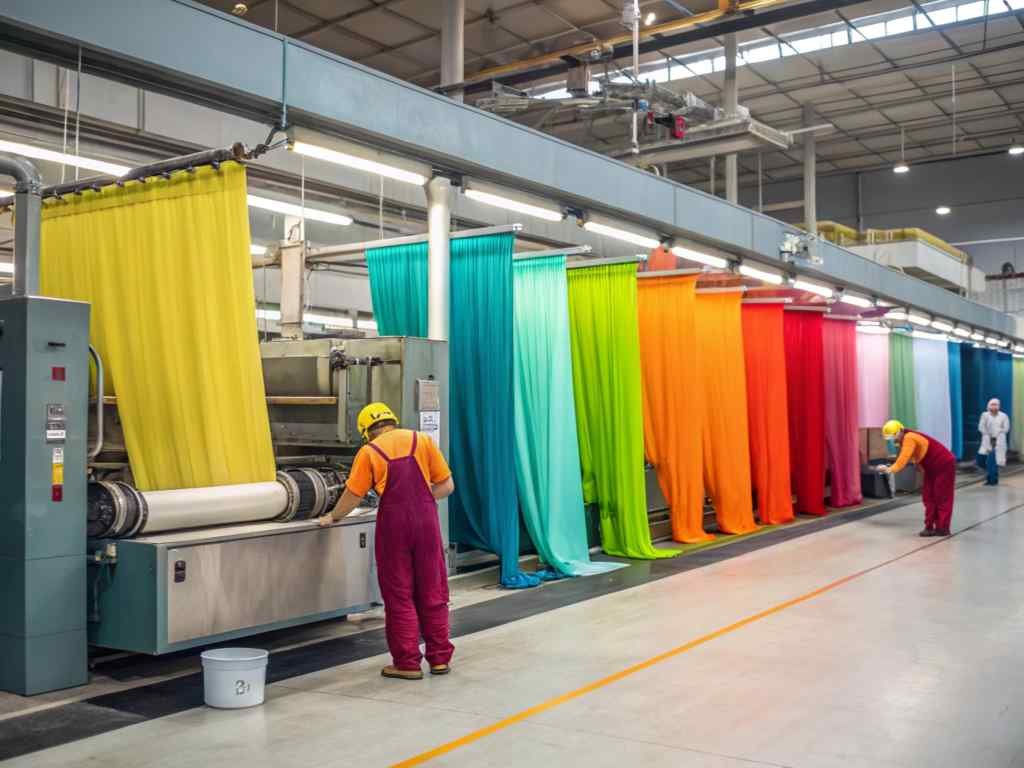
Garment dyeing happens after the dress has been cut and sewn. The process creates distinctive color depth and washed character, but also exposes the finished garment to moisture, heat, movement and chemical treatment. A strong result begins long before the dye bath.

Fabric-Dyed Dress Production

Fabric-dyed production starts with material already dyed to an approved color before cutting. The approach is suitable when a brand requires a stable, repeatable color across structured dresses, mixed-material designs or garments with complex trims. Key characteristics include:

  • Color approval takes place at fabric level.
  • Pattern development uses material in its production condition.
  • Trims and linings can be sourced in coordinated colors.
  • Dimensional changes are normally assessed before sewing.
  • Fabric lots can be inspected before cutting.
  • Large repeat programs can follow locked fabric standards.

Fabric dyeing generally offers stronger color predictability where a dress contains several fiber types, shaped structures, fusible components or decorative elements.

Garment-Dyed Dress Production

Garment-dyed production begins with a prepared-for-dyeing dress, often made from PFD fabric and selected components. The sewn garment is dyed, washed, dried, finished and inspected as a complete product. Development must account for:

  • Fiber and sewing-thread dye response.
  • Zipper tape, elastic, lining and label compatibility.
  • Expected length, width and circumference shrinkage.
  • Seam movement, spirality and panel distortion.
  • Color build-up around thick seams and gathered areas.
  • Approved shade range and natural garment variation.
  • Post-dye pressing and silhouette recovery.

Duolan approaches garment dyeing as a dress engineering project rather than an isolated finishing operation.

Built for Established Fashion Development Teams

Duolan supports organizations with defined product direction, seasonal development calendars, structured approval processes and ongoing production plans. Each program is reviewed around product identity, market position, dye effect, size range and commercial scale.

Global Fashion Brands

Global brands require more than an attractive sample. Development must connect approved color, fit, construction, testing, documentation, capacity planning and regional delivery requirements. Duolan structures garment-dyed dress projects around controlled milestones that can be reviewed by design, technical, sourcing and quality teams.

Contemporary Dress Labels

Contemporary labels often need washed color, relaxed elegance and material character without losing a clean silhouette. Duolan reviews the relationship between dye effect, fabric weight, drape, seam treatment, dress length and intended retail positioning before establishing the sample route.

Resortwear Brands

Resort and vacation collections benefit from sun-faded colors, earthy palettes, mineral tones, dip-dye effects and relaxed garment finishes. Development considers packing recovery, warm-climate comfort, colorfastness, fabric transparency and how the dress moves after washing and finishing.

Product Development Teams

Product teams need clear answers on feasibility. Duolan reviews reference images, tech packs, original garments, fabric ideas, dye targets, construction points and intended quantities before confirming whether the design should follow garment dye, fabric dye or another color route.

Buying and Sourcing Teams

Sourcing teams require disciplined documents, clear approval stages and measurable production controls. A program may include sample status records, material confirmations, pre-dye measurements, post-dye measurements, shade bands, PP approval, first-load review and shipment inspection.

Multi-Brand Fashion Groups

Multi-brand groups often manage different price levels, silhouettes and launch windows at the same time. Duolan can organize separate development and production paths by style complexity, color process, material system, target volume and delivery schedule while preserving brand-specific standards.

What a Garment Dye Partner Must Control

A garment-dyed dress program succeeds when decisions made by design, pattern, fabric, sewing, dyeing and quality teams remain connected. Mature fashion organizations evaluate the full control chain, not only the visible color.

Dress Development

The supplier must understand silhouette, proportion, wearability and market positioning. Dye treatment cannot rescue an unsuitable pattern or unstable construction. Dress development should establish the intended shape before wet processing begins.

Dye Feasibility

Every style requires a compatibility review covering fiber composition, trims, seam construction, lining, interlining, elastic, labels and decoration. Feasibility must be checked before sample sewing and cost confirmation.

PFD Material Planning

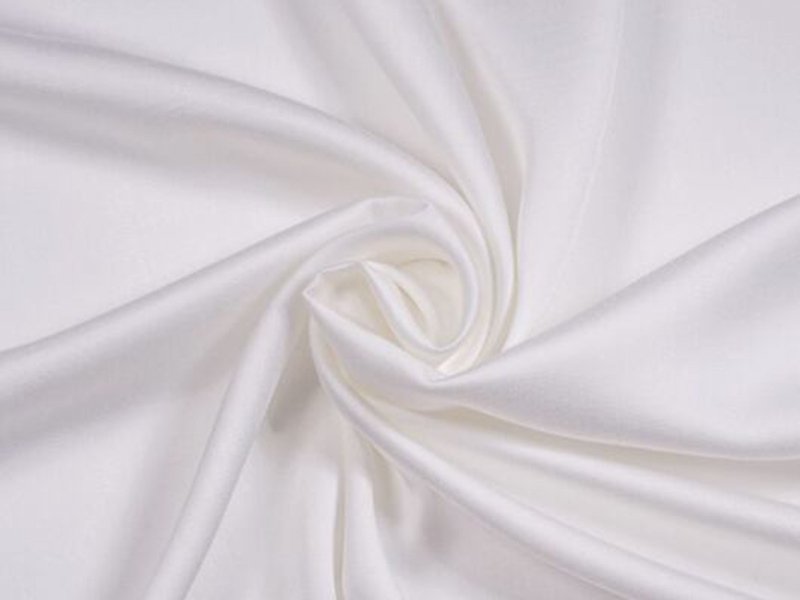
Prepared-for-dyeing material must be selected around absorbency, pretreatment, weight, surface finish, dimensional behavior and bulk availability. Ordinary white fabric is not automatically suitable for garment dyeing.

Shrinkage Engineering

Patterns must account for dimensional change caused by dyeing, washing, drying and finishing. Length and circumference may change at different rates, especially in viscose, cotton, linen and mixed constructions.

Color Development

A screen image is not a production color standard. Pantone references, physical swatches, approved garments, lab work and garment trials must be translated into an achievable shade and finish.

Sample Validation

A dye sample should be assessed for color, handfeel, shrinkage, fit, seam appearance, twisting, component response and wash performance. Visual approval alone is not enough.

Bulk Dye-Lot Control

Bulk production may be processed in several loads. Each load requires identification, shade comparison, measurement review and packing control to avoid uncontrolled shade mixing.

Repeat-Order Records

Repeat orders need preserved information covering approved material, dye recipe basis, shade band, wash condition, measurements, workmanship, trim source and previous bulk observations.

Risks Identified Before Bulk Production

Most garment-dye problems originate before the dye bath. Duolan reviews risks at design, material, pattern, sewing and approval stages, then converts each risk into a measurable control point.

Uneven Fiber Response

A cotton shell, polyester thread, nylon zipper tape and synthetic lining may react differently to the same dye process. Duolan maps every visible and hidden component before development so unexpected contrast can be avoided or used intentionally.
Key controls:
  • Confirm fiber composition.
  • Review dye class compatibility.
  • Test mixed-material areas.
  • Lock the approved component system.

Unexpected Shrinkage

Length, width and circumference do not always shrink evenly. Bias panels, gathered sections and loose constructions may react differently from straight-grain panels.
Key controls:

  • Record pre-dye measurements.
  • Test shrinkage by direction.
  • Adjust patterns after trial results.
  • Inspect post-dye measurements before approval.

Seam Puckering

Thread tension, stitch density, seam construction and unequal shrinkage can produce puckering after dyeing. Thin fabrics and curved seams need particular attention.

Key controls:

  • Confirm stitch construction.
  • Review thread and fabric behavior.
  • Test high-visibility seams.
  • Inspect after drying and pressing.

Garment Twisting

Knitted materials, bias cuts and unstable fabric preparation can cause side seams or center lines to rotate. A dress may look balanced before dyeing but distorted after finishing.
Key controls:
  • Review grain direction.
  • Check fabric spirality.
  • Record panel alignment.
  • Compare before-and-after garment balance.

Trim Color Mismatch

Zipper tape, elastic, labels, bra components and bindings may remain lighter, darker or completely undyed.
Key controls:

  • Create a full trim board.
  • Test every exposed component.
  • decide tonal or contrast intent.
  • Prohibit unapproved substitutions.

Shade Variation

Temperature, load size, liquor ratio, garment weight and process timing can affect shade. Natural variation may form part of the design, but uncontrolled variation is not acceptable.
Key controls:
  • Establish an approved shade band.
  • Separate production by dye lot.
  • Review the first production load.
  • Prevent mixed-lot packing.

Handfeel Change

A soft material may become dry, harsh or overly limp after dyeing and washing. Surface treatments can also change absorbency.
Key controls:

  • Assess untreated material.
  • Approve the post-finish handfeel.
  • Lock finishing requirements.
  • Review handfeel across bulk loads.

Fit Distortion

Shrinking straps, armholes, necklines, waist seams and skirt lengths can alter wearability. Close-fitting dresses carry greater risk than relaxed silhouettes.
Key controls:
  • Fit the dyed sample.
  • Review critical measurement points.
  • Adjust pattern allowances.
  • Repeat fit review after revisions.

Repeat-Order Drift

A repeat color may move when material lots, component sources or dye conditions change. Verbal references are not enough.
Key controls:
  • Preserve approved garments and swatches.
  • Maintain material and trim records.
  • Compare repeat lots under controlled lighting.
  • Document approved deviations.

Garment-Dyed Dress Categories We Develop

Duolan develops dress categories where garment dyeing creates commercial color depth, soft handfeel and visual character. Every style is screened for material compatibility, construction stability, fit risk and bulk repeatability before the dye route is approved.

Garment-Dyed Mini Dresses

Mini dresses require careful control of total length, hem balance and fit security after shrinkage. Cotton poplin, cotton twill, jersey, viscose and suitable blends may create clean casual or washed fashion effects. Pattern allowances are reviewed around body length, waist position and hem safety.

Garment-Dyed Midi Dresses

Midi silhouettes provide room for gathered skirts, panel construction, shirt-dress details and relaxed resort shapes. Development focuses on vertical shrinkage, side-seam balance, skirt fall and post-wash drape. Longer seam lines also require closer review for puckering and twisting.

Garment-Dyed Maxi Dresses

Maxi dresses amplify dimensional movement because several centimeters of shrinkage can become visible across full garment length. Duolan records pre-dye and post-dye lengths, hem levels, panel behavior and shoulder-to-floor balance before setting production tolerances.

Casual Day Dresses

Casual day dresses suit solid garment dye, washed effects and softened natural colors. Shirt dresses, tiered dresses, utility dresses and relaxed waisted designs can be planned with tonal stitching, controlled seam character and retail-ready handfeel.

Resort Dresses

Resort dresses may use mineral tones, sea-washed colors, sun-faded finishes and soft natural textures. Fabric opacity, breathability, packing recovery, movement and colorfastness are reviewed alongside the desired visual effect.
Vacation Midi Dresses

Vacation Dresses

Vacation dresses often combine open backs, adjustable straps, gathered panels and lightweight fabrics. Garment dye planning must prevent strap shrinkage, elastic distortion, see-through risk and irregular color build-up around gathered seams.

Shirt Dresses

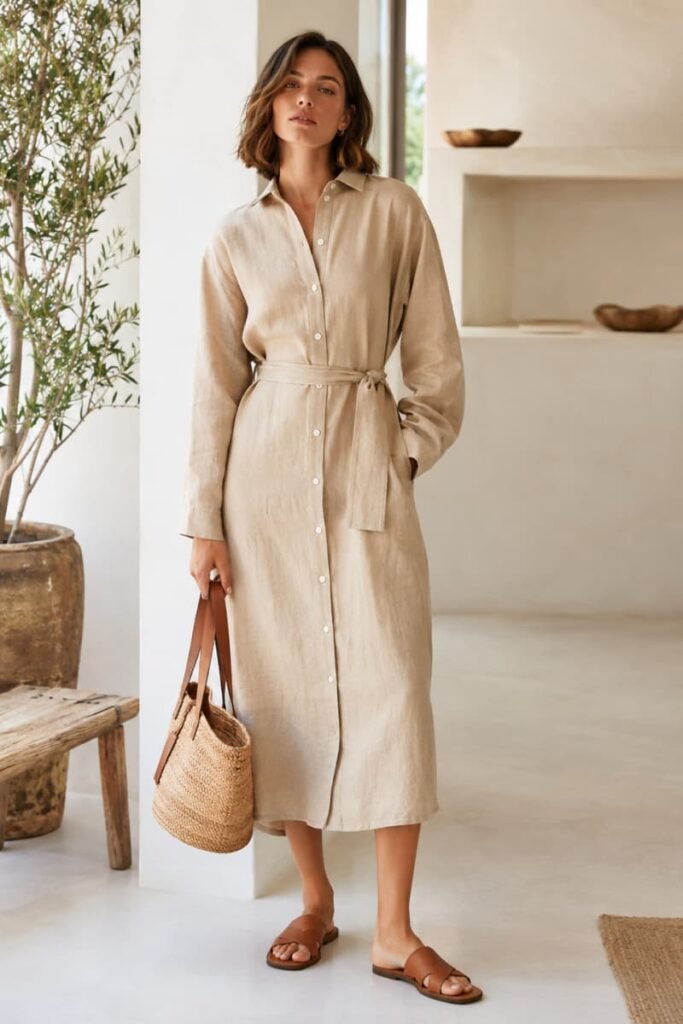
Shirt dresses can support clean solid garment dye or vintage-washed finishes. Collar shape, placket stability, button response, sleeve length, cuff balance and topstitch appearance are checked after wet processing.

Sundresses

Sundresses usually rely on lightweight materials, simple structures and clear summer colors. Strap length, neckline coverage, bodice fit, elastic response and lining compatibility require confirmation before bulk release.

Relaxed Slip Dresses

Relaxed slip dresses may work in suitable viscose, rayon or blended materials when bias behavior and shrinkage are understood. Neckline shape, strap length, side-seam movement, hem fall and post-dye surface character need dedicated trials.

Jersey Dresses

Jersey dresses can absorb garment dye effectively when fiber composition, spirality and recovery are controlled. Development reviews stretch direction, body fit, side-seam rotation, neckline recovery and dimensional stability after repeated washing.

Utility Shirt Dresses

Utility Dresses

Utility dresses use pockets, topstitching, belts and structured seams that can develop attractive washed definition. Thick areas may absorb color differently, so pocket corners, belt loops, plackets and seam intersections require controlled sampling.

Cotton-Blend Dresses

Cotton blends can offer better shape retention, but synthetic percentages may reduce dye uptake or create mélange effects. Duolan reviews the actual blend ratio and intended shade before recommending solid dye, pigment effect or an alternative color route.

Dye Effects Evaluated for Dress Production

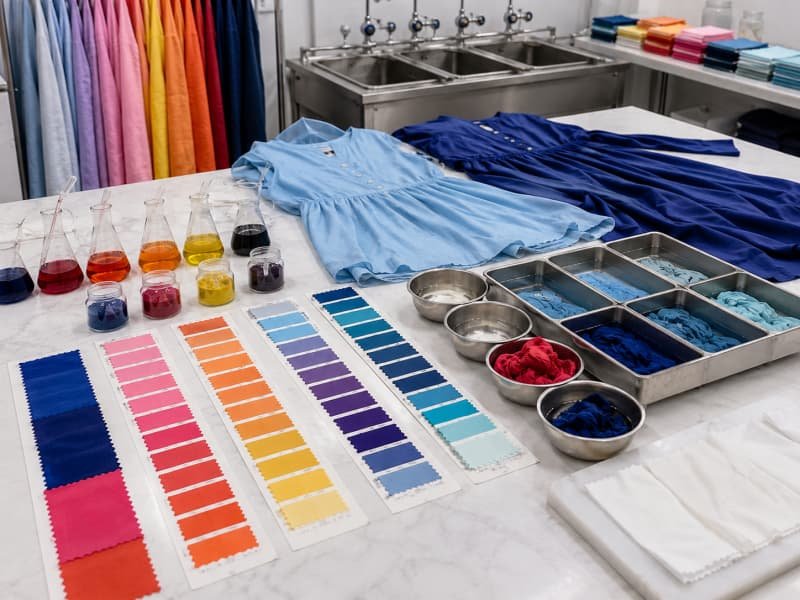
Color effects are selected according to fiber, dress structure, visual direction, order quantity, repeat-order needs and acceptable variation. Duolan develops the garment first, then coordinates a suitable dye and finishing route with specialist resources.

Solid Garment Dye

Solid garment dye produces color after sewing and can create a unified, soft appearance across suitable natural-fiber dresses. Strong results depend on PFD preparation, compatible thread, predictable trims and controlled load conditions.
Control points:
  • Approved physical color.
  • Full-garment dye trial.
  • Shade band.
  • Post-dye measurements.
  • Dye-lot identification.

Reactive Dye Color

Reactive dyes are commonly associated with cellulose fibers such as cotton and viscose. They can deliver cleaner shades and stronger wash performance when material preparation and process conditions are properly managed.
Control points:
  • Fiber purity and pretreatment.
  • Dye penetration.
  • Rinsing and fixation.
  • Wet rubbing.
  • Shade repeatability.

Pigment-Dyed Appearance

Pigment effects create surface character, washed depth and gradual aging. Variation is part of the visual language, but abrasion, crocking and finish consistency need careful approval.
Control points:
  • Surface coverage.
  • Seam highlights.
  • Dry and wet rubbing.
  • Approved vintage level.
  • Packaging protection.

Soft Washed Color

Soft washing can reduce stiffness and create a broken-in handfeel. The process may also change drape, dimensions and surface texture.

Control points:

  • Handfeel standard.
  • Dimensional change.
  • Seam appearance.
  • Pressing recovery.
  • Bulk-load comparison.

Faded Finish

Faded finishes support casual, utility and vintage-inspired dresses. Placement and intensity must be controlled so the result looks designed rather than damaged.

Control points:

  • Approved fading level.
  • High-contact areas.
  • Edge and seam character.
  • Colorfastness.
  • Repeat-order reference.

Dip-Dye Effect

Dip dye places color in selected areas, often at the hem or lower body. Maxi and midi dresses need position control because dress length, suspension method and liquid movement affect the final boundary.
Control points:
  • Dip height.
  • Gradient transition.
  • Front-to-back balance.
  • Style length.
  • Piece-to-piece range.

Ombré Gradient

Ombré requires a smooth movement between tones. Long dresses offer visual impact but also expose irregular transitions.

Control points:

  • Gradient start and end.
  • Color sequence.
  • Transition width.
  • Hanging method.
  • Approved placement tolerance.

Irregular Artistic Dye

Tie-dye, clouded color and organic effects can create high visual identity. Natural variation must be defined in advance using approved ranges and reference garments.
Control points:

  • Pattern scale.
  • Color distribution.
  • Negative-space level.
  • Acceptable uniqueness.
  • Assortment balance.

Compare Color Routes Before Development

Different color methods produce different commercial results. The selected route should support the dress structure, launch calendar, required consistency, target handfeel and repeat-order strategy.

Color MethodProduction StageBest ApplicationsMain StrengthMain RiskDuolan Development Focus
Fabric DyeBefore cuttingStructured dresses, mixed materials, stable core colorsPredictable material color and easier trim matchingColor commitment occurs earlierFabric lot approval, shade continuity and cut-panel consistency
Solid Garment DyeAfter sewingCotton, viscose, linen and suitable relaxed dressesSoft handfeel and garment-level color characterShrinkage, trim mismatch and dye-lot variationPFD system, measurements, shade band and load control
Reactive Garment DyeAfter sewingCellulose-fiber dresses needing clean shadesGood color depth and wash performanceRequires suitable pretreatment and rinsingFiber confirmation, fixation, rubbing tests and bulk repeatability
Pigment EffectAfter sewing or finishingWashed casual, utility and vintage looksDistinctive surface character and natural agingCrocking, abrasion and visible variationApproved effect level, surface tests and packaging protection
Dip DyePartial garment immersionResort, festival, statement midi and maxi dressesStrong visual identityPlacement inconsistency and gradient variationDip position, garment suspension and approved placement range
Ombré DyeControlled gradient processMaxi and vacation silhouettesSmooth multi-tone transitionDifficult piece-to-piece matchingGradient map, transition width and assortment review
Garment WashAfter sewingSoft casual dresses and vintage handfeelImproves softness and lived-in characterDimensional movement and surface changeWash recipe basis, measurements, handfeel and seam recovery

Designs Suited to Garment Dyeing

Not every dress should enter a dye bath after sewing. Strong development begins by identifying structures that can tolerate wet processing and structures that require deeper testing or a different color route.

Stronger Starting Points

Garment dyeing is generally easier to control when a dress uses a coherent material and component system.

More suitable starting conditions include:

  • One dominant dyeable fiber family.
  • Cotton, linen, viscose, rayon, lyocell or suitable blends.
  • Limited synthetic lining.
  • Simple or moderately structured silhouettes.
  • Compatible tonal thread.
  • Dye-ready zipper and elastic choices.
  • No heat-sensitive decoration.
  • Clear shrinkage allowance.
  • Relaxed, casual, resort or utility construction.
  • Approved acceptance of natural shade character.

Suitable construction does not remove the need for testing. It reduces the number of uncontrolled variables.

High-Risk Constructions

Certain dresses can still be evaluated, but approval requires focused trials and may lead to a fabric-dyed alternative.

Higher-risk conditions include:

  • Polyester lining inside a cellulose shell.
  • Fusible interlining with uncertain wet-process stability.
  • Molded cups, foam pads or rigid bra components.
  • Boning, corset structures and shaped bust seams.
  • Invisible zippers with synthetic tape.
  • Sequins, stones, glued decoration or foil surfaces.
  • Multiple fiber types in visible panels.
  • High-stretch bodycon construction.
  • Very precise satin surfaces.
  • Heat-sensitive pleats.
  • Complex lace or embroidery.
  • Contrasting components expected to remain tonal.

Fiber Behavior Determines the Final Dress
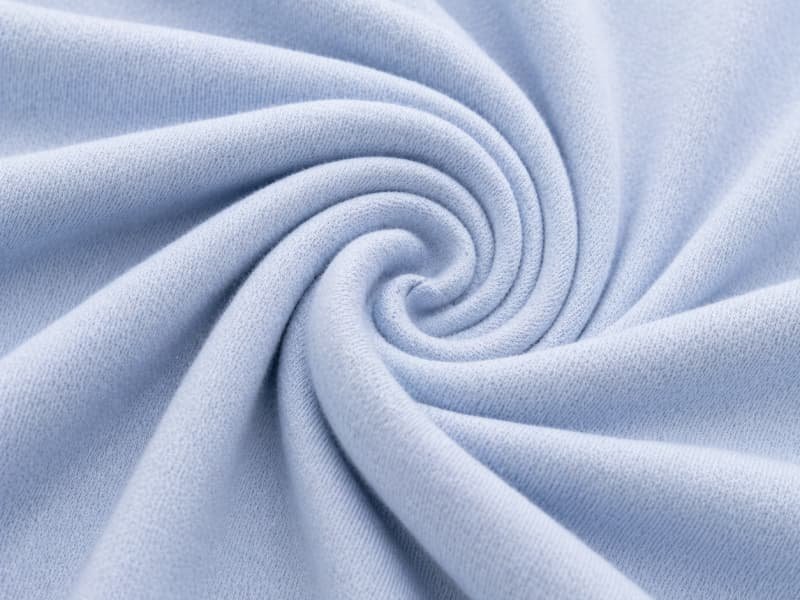
Fiber composition affects dye uptake, shade depth, wash response, shrinkage, handfeel and repeatability. Duolan evaluates the full material specification before recommending a production route.

Cotton

Cotton is one of the strongest candidates for garment dyeing, especially in poplin, twill, voile, jersey and lightweight canvas constructions. Results vary by yarn, weave, weight and pretreatment. Development checks:
  • Expected length and width shrinkage.
  • Surface absorption.
  • Seam density.
  • Reactive or pigment direction.
  • Wet-rubbing performance.
  • Final softness.

Linen

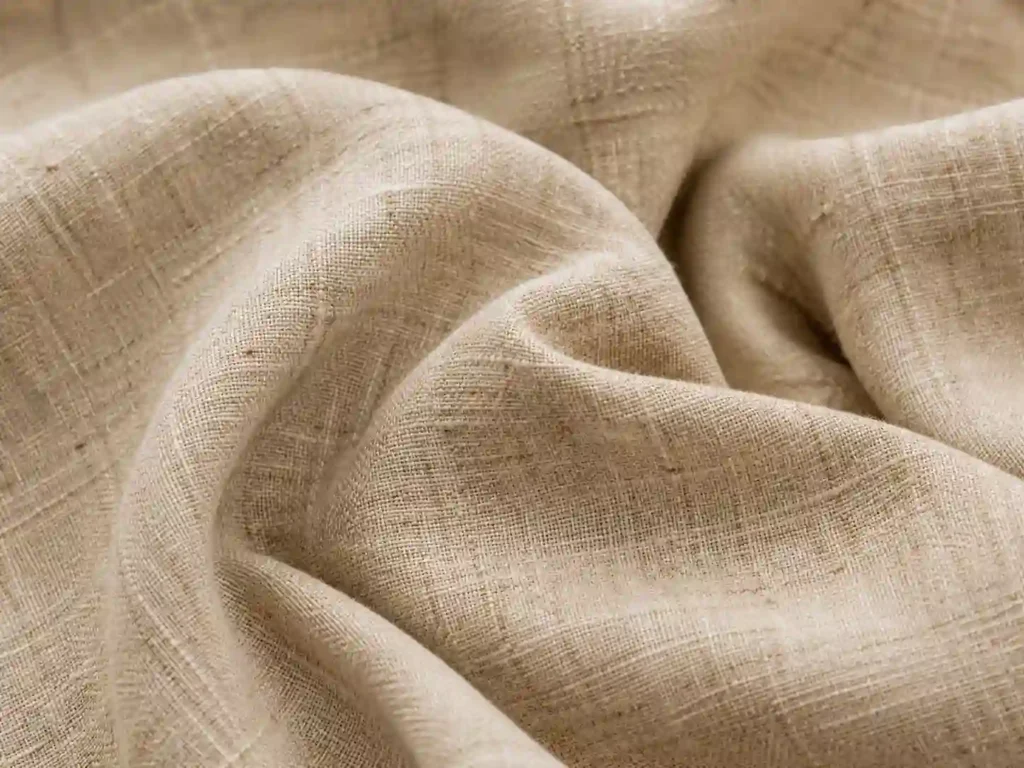
Linen creates natural texture and relaxed color character. Slubs and fiber variation can produce organic shade movement, which may suit resort and vacation dresses. Development checks:
  • Creasing.
  • Dimensional change.
  • Surface irregularity.
  • Seam recovery.
  • Pressing method.
  • Accepted natural variation.

Viscose

Viscose can offer rich color and fluid drape, but wet processing may cause substantial dimensional movement and temporary strength reduction. Development checks:
  • Wet shrinkage.
  • Skirt length.
  • Bias movement.
  • Seam stability.
  • Drying method.
  • Post-finish drape.

Rayon

Rayon materials can create soft handfeel and vibrant color but need controlled handling. Construction should avoid unnecessary stress during wet processing. Development checks:
  • Fabric strength.
  • Panel distortion.
  • Gathering behavior.
  • Neckline stability.
  • Hem recovery.
  • Measurement tolerance.

Lyocell

Lyocell provides smooth drape and a refined washed surface. Fibrillation or peach-like character may appear depending on treatment. Development checks:
  • Surface effect.
  • Dye evenness.
  • Softness.
  • Seam definition.
  • Washing condition.
  • Repeat appearance.

Modal

Modal offers softness, fluidity and color depth in suitable knit or woven applications. Dimensional stability and recovery remain important for fitted silhouettes. Development checks:
  • Stretch recovery.
  • Body fit.
  • Length retention.
  • Pilling risk.
  • Colorfastness.
  • Handfeel consistency.

Hemp

Hemp can create a natural, dry texture and earthy color story. Fiber irregularity may influence shade character, making physical sample approval essential. Development checks:
  • Surface texture.
  • Fabric softness.
  • Seam bulk.
  • Shrinkage.
  • Color depth.
  • End-use comfort.

Cotton Blends

Cotton-rich blends may improve durability or shape retention, but non-cellulose fibers can stay lighter and create a mélange or heathered result. Development checks:
  • Exact blend ratio.
  • Desired solid or heather effect.
  • Thread response.
  • Shade depth.
  • Rubbing performance.
  • Repeat-lot behavior.

Synthetic Blends

Polyester or nylon blends often require another dye class or a more complex process. A single garment-dye bath may not color all fibers evenly. Development checks:
  • Fiber percentage.
  • Heat tolerance.
  • Component response.
  • Multi-stage process need.
  • Commercial cost.
  • Alternative fabric-dye route.

Material Compatibility for Garment-Dyed Dresses

The best material is not simply the softest or most expensive option. Selection should support the dye target, dress construction, size stability, retail position and future production plan.

MaterialDye ResponseDimensional RiskHandfeel ChangeBest Dress ApplicationsMain Control PointDuolan Recommendation
Cotton PoplinClean color on suitable PFD qualityModerateSofter after washingShirt dresses, sundresses, casual midisSeam puckering and width shrinkageStrong option after full garment trial
Cotton TwillGood color depth and washed characterModerateCan become softer and more relaxedUtility dresses, structured casual stylesThick-seam shade build-upApprove seam and pocket appearance
LinenNatural, textured shadeModerate to highBecomes softer with visible textureResort midis, relaxed maxisCreasing and uneven natural appearanceSuitable when organic variation is accepted
ViscoseRich color and fluid finishHighSofter with increased drapeTiered dresses, relaxed slips, vacation dressesLength change and wet handlingTrial full garment and adjust pattern
LyocellSmooth color with refined washed surfaceModerateSoft, fluid and sometimes peach-likeContemporary day dresses, utility stylesSurface fibrillationApprove exact finish before bulk
Cotton JerseyGood absorption on suitable qualityModerateSofter with potential relaxationT-shirt dresses, fitted casual dressesSpirality and recoveryTest side-seam rotation and body measurements
Cotton-Linen BlendNatural color with improved balanceModerateTextured but softerResort, brunch and day dressesBlend consistencyConfirm actual fiber ratio and bulk lot
Cotton-Poly BlendCotton portion dyes more stronglyLow to moderateStable but may look heatheredCasual dresses needing shape retentionTwo-tone fiber responseUse only when mélange effect is approved
PolyesterLimited response to common cellulose garment-dye routesProcess-dependentCan remain stableSelected technical or special-process stylesDye class and heat requirementFabric dye usually offers better control

PFD Materials Planned Before Pattern Cutting

Prepared-for-dyeing development begins with material readiness, not with a finished white dress. Duolan reviews base fabric, pretreatment, absorbency, construction and bulk sourcing before a PFD garment enters sampling.

Base Fabric Selection

Fiber composition, yarn type, weave or knit structure, weight, stretch and surface finish determine how a material responds. A fabric selected only for its initial appearance may change significantly after dyeing and washing. Review points:
  • Composition certificate.
  • Fabric weight.
  • Stretch direction.
  • Dimensional behavior.
  • Surface treatment.
  • Bulk availability.

Pretreatment Readiness

Residual oil, softener, optical brightener or finishing chemical can interfere with dye uptake. PFD material should be prepared for the intended dye class and finish.
Review points:

  • Scouring condition.
  • Bleaching level.
  • Absorbency.
  • pH suitability.
  • Surface cleanliness.
  • Trial-lot consistency.

PFD Color Base

The starting white or natural base can influence the final shade. Optical white, warm white and unbleached bases may not produce the same result.
Review points:

  • Base-color consistency.
  • Visual undertone.
  • Lot-to-lot variation.
  • Deep-shade suitability.
  • Light-shade cleanliness.
  • Staining risk.

Fabric Lot Control

Sample fabric and bulk fabric should follow a controlled basis. Changing the material lot after color approval can shift absorption, handfeel and shrinkage. Review points:
  • Sample-lot identification.
  • Bulk-lot comparison.
  • Weight tolerance.
  • Width and shrinkage.
  • Surface inspection.
  • Replacement approval.

Full Garment Trial

A fabric swatch cannot reveal every dress risk. Seams, gathers, pockets, bindings, zippers and multilayer areas change how color develops. Review points:
  • Thick-seam uptake.
  • Panel evenness.
  • Component contrast.
  • Post-dye measurements.
  • Fit.
  • Pressing recovery.

Bulk Material Reservation

Commercial programs need enough compatible PFD material for approved colors, size range, testing, replacement and future continuity. Review points:
  • Order quantity.
  • Color allocation.
  • Cutting allowance.
  • Dye-trial consumption.
  • Replacement reserve.
  • Repeat-order planning.

Threads, Zippers, Linings and Hidden Components

A garment dye bath reaches visible and hidden components. Every sewing thread, zipper tape, lining, elastic, label and support element must be considered before the dress is approved.

Sewing Thread

Polyester thread may remain lighter than a cotton shell, creating intentional or unwanted contrast. Cotton or compatible thread can support a more tonal result but may have different strength and shrinkage behavior. Control points:
  • Fiber content.
  • Ticket size.
  • Tensile requirement.
  • Tonal or contrast intent.
  • Seam test.
  • Bulk source lock.

Invisible Zippers

Invisible zipper tape is commonly synthetic and may not follow the shell color. Wet processing can also affect zipper movement and seam flatness. Control points:

  • Tape composition.
  • Initial tape color.
  • Slider finish.
  • Opening performance.
  • Post-dye seam check.
  • Replacement source approval.

Metal Zippers

Metal finishes may react to processing conditions, abrasion or chemical exposure. Teeth, puller and stopper appearance must remain suitable for the intended retail level. Control points:

  • Metal finish.
  • Corrosion resistance.
  • Puller movement.
  • Protective handling.
  • Wash test.
  • Final inspection.

Dress Linings

A synthetic lining inside a cellulose shell may remain a different color. Differential shrinkage can pull the shell, alter fit or distort hems. Control points:
  • Lining composition.
  • Color strategy.
  • Shrinkage.
  • Attachment method.
  • Hem freedom.
  • Post-dye fit.

Elastic Components

Elastic at waist, neckline, cuff or strap can lose recovery or absorb color differently. Heat and chemical exposure may also affect performance. Control points:
  • Elastic composition.
  • Stretch ratio.
  • Recovery.
  • Color response.
  • Attachment tension.
  • Post-process measurement.

Interlining

Fusible or sewn interlining can change shape, delaminate or shrink differently. Structured collars, plackets and waistbands need trial validation. Control points:
  • Adhesive stability.
  • Base fiber.
  • Bonding condition.
  • Shape recovery.
  • Surface bubbling.
  • Final pressing.

Bra and Support Parts

Foam cups, underwires, boning, channeling and support mesh introduce multiple material systems. Many require another color route or separate assembly after dyeing. Control points:
  • Heat tolerance.
  • Water response.
  • Color compatibility.
  • Assembly sequence.
  • Support retention.
  • Wear comfort.

Brand and Care Labels

Labels must remain readable, securely attached and visually appropriate after dyeing. Some woven labels can stain the surrounding fabric or resist color differently. Control points:
  • Label material.
  • Ink durability.
  • Attachment stage.
  • Migration risk.
  • Readability.
  • Market-required information.

Buttons and Fasteners

Buttons, snaps, hooks and eyelets may stain, corrode or remain visibly different. Attachment timing can be changed when post-dye assembly offers better control. Control points:
  • Material.
  • Finish.
  • Chemical resistance.
  • Attachment sequence.
  • Pull strength.
  • Final color coordination.

Dress Construction Designed for Wet Processing

A garment-dyed dress must survive dyeing, washing, extraction, drying, finishing and pressing without losing shape. Duolan develops construction details around both appearance and process stress.

Seam Allowance

Seam allowances need enough stability for wet processing without creating unnecessary bulk. Thick seams can absorb more dye and form dark edges. Development focus:
  • Width.
  • Overlock coverage.
  • Fraying risk.
  • Bulk build-up.
  • Pressing direction.

Stitch Density

Overly dense stitching may create puckering or rigid seam lines, while loose stitching can reduce durability. Density is matched to fabric weight, stretch and shrinkage. Development focus:
  • Stitches per inch.
  • Thread tension.
  • Seam elasticity.
  • Needle selection.
  • Post-dye appearance.

Side Seams

Long side seams expose twisting and differential shrinkage. Maxi dresses and jersey dresses need clear before-and-after alignment checks. Development focus:
  • Grain direction.
  • Panel balance.
  • Match points.
  • Spirality.
  • Hem alignment.

Curved Seams

Bust seams, princess lines and shaped waist seams carry more stress and can pucker after processing.
Development focus:

  • Notching.
  • Clipping.
  • Seam tension.
  • Reinforcement.
  • Pressing recovery.

Gathered Sections

Gathering creates multiple fabric layers and can produce darker dye build-up around seams. Uneven gathering may become more visible after washing. Development focus:
  • Gather ratio.
  • Stitch stability.
  • Layer thickness.
  • Color evenness.
  • Bulk consistency.

Tiered Skirts

Tier seams affect total length, weight distribution and dye movement. Each tier must maintain proportion after shrinkage.
Development focus:

  • Tier depth.
  • Seam weight.
  • Vertical shrinkage.
  • Hem level.
  • Finished silhouette.

Bias-Cut Panels

Bias panels offer fluid movement but can stretch, torque and lengthen unevenly during wet treatment. Development focus:
  • Hanging allowance.
  • Grain direction.
  • Seam stabilization.
  • Post-dye resting.
  • Final hem correction.

Neckline Finishing

Necklines may stretch or ripple after dyeing. Binding, facing and edge stitching must work with the shell material. Development focus:
  • Edge support.
  • Facing shrinkage.
  • Binding composition.
  • Shape retention.
  • Final pressing.

Strap Construction

Straps can shrink in length or become uneven. Open-back and vacation dresses depend on accurate strap positioning. Development focus:
  • Finished width.
  • Internal support.
  • Attachment points.
  • Adjustable hardware.
  • Post-dye length.

Pocket Construction

Patch pockets, inseam pockets and utility pockets create layered areas that may absorb color differently.
Development focus:

  • Pocket placement.
  • Corner reinforcement.
  • Layer thickness.
  • Drainage during processing.
  • Seam appearance.

Hem Treatment

Hems must remain level after dimensional change. Narrow hems, blind hems and deep hems respond differently.
Development focus:

  • Hem depth.
  • Stitch type.
  • Skirt length.
  • Bias movement.
  • Final pressing.

Reinforcement Areas

Stress points such as zipper ends, strap attachments, pocket corners and side openings require reinforcement that remains flexible after washing.Development focus:

  • Bar-tack position.
  • Reinforcement material.
  • Thread compatibility.
  • Surface visibility.
  • Strength testing.

Pattern Allowance Based on Measured Shrinkage

Pattern compensation cannot be guessed from a general fabric percentage. Duolan compares fabric tests, PFD garment measurements and dyed-sample measurements before defining the pattern basis for production.

From PFD Measurements to Dyed Fit

The first garment provides a controlled baseline. Key points are recorded before dyeing, then measured again after the full process and conditioning period.

Measurement review may include:

  • High-point shoulder to hem.
  • Center-front and center-back length.
  • Bust, waist and hip.
  • Armhole depth.
  • Shoulder width.
  • Strap length.
  • Sleeve length.
  • Skirt sweep.
  • Slit height.
  • Tier depth.

For programs covering XS–XL or wider size ranges, the approved sample-size correction becomes the basis for grading review. Proportions such as waist height, bust point, strap length and hem safety must remain balanced across all sizes.

Pattern Corrections Before Bulk

After the dye trial, Duolan converts observed movement into pattern, specification and workmanship actions.

Possible corrections include:

  • Increasing selected vertical dimensions.
  • Adjusting chest or waist ease.
  • Changing strap construction.
  • Stabilizing necklines.
  • Revising seam allowance.
  • Reducing gather density.
  • Modifying lining attachment.
  • Changing thread or component selection.
  • Altering drying or finishing conditions.
  • Setting post-dye measurement tolerances.

The revised garment is checked again before PP approval. Bulk tolerances are based on the finished dyed garment rather than the undyed sewing-stage garment. Clear pre-dye and post-dye records help technical teams understand where dimensional change occurs and whether it remains stable enough for production.

Fit and Silhouette Checked After Dyeing

A dress can pass flat measurements and still lose the intended silhouette. Duolan evaluates the dyed sample on a dress form or fit model, connecting measurements with visual balance, comfort and movement.

Bust Balance

Bust position can change when bodice length, strap length or curved seams shrink. The review checks neckline placement, coverage, seam shape, gaping and compression.

Waist Position

A raised or lowered waist changes the entire proportion of a dress. Post-dye review confirms waist seam level, elastic position, shaping and visual balance.

Hip Ease

Fitted skirts and straight dresses need enough movement after shrinkage. Hip circumference, seat curve, side seams and walking comfort are reviewed together.

Strap Length

Straps carry neckline position and bust coverage. Even small changes can affect comfort and security, especially on open-back, halter-inspired or slip silhouettes.

Hem Balance

Mini, midi and maxi lengths require level hems and safe finished measurements. Bias movement, panel shrinkage and side-seam torque are assessed before final hemming standards are approved.

Drape and Movement

Dyeing and washing can soften or relax fabric, changing how a skirt hangs. Fit review considers swing, cling, transparency, recovery and movement rather than relying only on static photographs.

Information Needed for Accurate Color Development
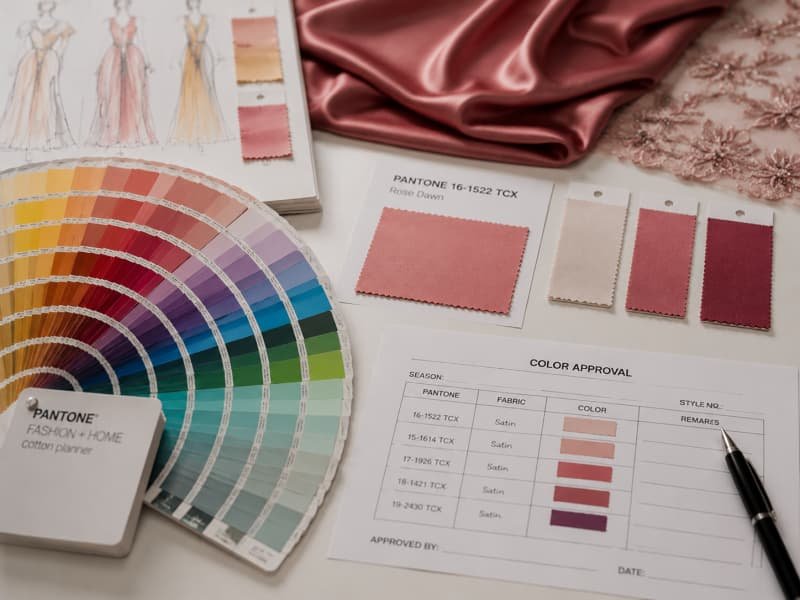
Clear color information allows the development team to evaluate feasibility, sample path, approval method and production risk before work begins.

Physical Color Standard

A fabric swatch, approved garment, color chip or Pantone reference provides a stronger basis than a screen image. Physical references should be identified by color name, code and intended material.

Target Dye Effect

Specify whether the goal is clean solid color, washed softness, pigment character, faded surface, dip dye, ombré or irregular artistic variation. Visual references should show both desired and unacceptable results.

Fabric Composition

Provide the full fiber percentage, fabric construction, weight and finish where available. “Cotton blend” is not enough when the synthetic percentage affects dye uptake.

Quantity by Color

Order quantity influences dye-load planning, shade control and cost. Share expected units by style, color and size rather than only a total program quantity.

Acceptable Variation

Some effects require natural piece-to-piece variation. Define whether the color must remain tightly controlled or whether a wider artistic range is part of the design.

Destination Market

Testing, labeling, shade expectations and care instructions may differ by region. Confirm the sales market before finalizing the development and compliance path.

Production-Ready Garment Dye Sample Development

A successful sample must support internal review, fit decisions, color approval and future production. Duolan separates sample stages so each garment answers a defined question.

Feasibility Review

Reference images, tech packs, material ideas and color targets are reviewed before sewing. The output is a clear direction on garment dye suitability, major risks and missing information.

First Prototype

The first prototype checks silhouette, construction and general proportion. A full dye process may be included when color treatment materially affects fit or structure.

Dye Trial Sample

The dye trial validates fiber response, component behavior, shrinkage, shade, handfeel and seam appearance. Pre-dye and post-dye data are compared.

Fit Sample

The dyed garment is evaluated on a dress form or fit model.
Comments focus on bust, waist, hip, strap, length, movement and silhouette.

Revised Sample

Corrections are translated into pattern, specification, construction or finishing changes. Revision records separate visual requests from production-critical actions.

Photo-Ready Sample

Where required, a photo-ready garment follows the approved visual direction closely enough for campaign, showroom or internal sales use. Differences from PP requirements are identified clearly.

Size-Set Review

Selected sizes can be checked to confirm grading, length progression, bust-waist-hip balance and dye-related dimensional behavior across the range.

PP Sample

The PP sample locks material, color basis, trims, workmanship, measurements, labels, finishing and packaging before production release.

Bulk Readiness Review

The team confirms whether approvals are complete, what remains open and which production controls are required for the first dye load, inline inspection and final shipment.

Washing and Finishing Define the Final Handfeel

Garment dyeing is only one part of the finished result. Washing, rinsing, softening, drying and pressing influence color, surface, dimensions, drape and wear comfort.

Soft Handfeel

Softening should improve comfort without making the dress limp, oily or difficult to press. The approved garment becomes the handfeel reference for bulk comparison.

Broken-In Character

A broken-in finish can make cotton, linen and casual dresses feel relaxed from first wear. Seam definition and surface character should remain controlled.

Vintage Surface

Vintage effects may include faded color, softened seams and natural abrasion. Approval should define intensity, variation and acceptable rubbing performance.

Enzyme-Assisted Effect

Selected cellulose materials may use enzyme-supported finishing to soften the surface or reduce fuzz. Fabric strength, color movement and seam appearance need review.

Controlled Drying

Drying method affects shrinkage, torque, handfeel and surface appearance.

Bulk conditions should follow the approved sample basis as closely as possible.

Dimensional Recovery

Some materials relax during processing and stabilize after conditioning or pressing. Measurements should be taken under an agreed condition rather than immediately after removal from the dryer.

Final Pressing

Pressing restores collars, waist seams, hems and garment shape.

Excess heat or pressure can cause shine, flatten texture or mark seam allowances.

Packaging Condition

The dress should be packed only after color, handfeel, measurements and moisture condition are acceptable. Long garments and soft finishes need folding plans that limit creasing and color transfer.

Testing for Color, Size and Wear Performance

Testing requirements are selected according to fiber, dye route, market, color depth, garment use and brand manual. The final test plan should be confirmed before bulk production.

Washing Fastness

Checks whether color changes or transfers during laundering. Test conditions should reflect the intended care label and market requirements.

Dry Rubbing

Evaluates color transfer under dry friction. Deep shades and pigment effects require particular attention.

Wet Rubbing

Evaluates transfer under wet friction. Dark and highly saturated colors may need stronger control.

Perspiration Fastness

Assesses color change and staining under acidic or alkaline perspiration conditions, relevant for summer and close-to-skin dresses.

Water Fastness

Checks color stability and transfer when exposed to water, useful for resort, vacation and warm-climate products.

Dimensional Stability

Measures changes in length and width after the defined care process. Critical points should match the finished-garment specification.

Spirality

Assesses rotational movement, particularly in knitted dresses. Side seams and center lines are reviewed after washing.

Seam Performance

Evaluates seam strength, slippage, elasticity and appearance. Lightweight woven and stretch materials may require different methods.

Appearance After Wash

Reviews puckering, twisting, fading, surface change, hem balance, trim condition and overall silhouette after laundering.

Trim Durability

Checks zippers, buttons, snaps, hooks, eyelets, elastic and decorative components after processing and care cycles.

Label Readability

Care labels and required information must remain legible and securely attached after washing.

Brand-Specific Tests

Additional testing can follow the brand manual, destination market, third-party laboratory plan or specific product risk.

Bulk Dye-Lot Control for Consistent Deliveries

Absolute zero variation is not a credible garment-dye promise. Strong production control defines the acceptable range, keeps each load traceable and prevents uncontrolled mixing.

Load Planning

Style, color, garment weight and quantity are divided into planned dye loads. Load size and composition are reviewed to reduce inconsistent processing conditions. Control actions:
  • Calculate garment weight.
  • Separate styles where needed.
  • Confirm load sequence.
  • Allow testing and replacement quantity.

Lot Identification

Each processed load receives a clear identity that follows the garments through finishing, inspection and packing. Control actions:

  • Dye-lot code.
  • Processing date.
  • Style and color.
  • Quantity.
  • Inspection status.

First-Load Review

The first production load is compared against the approved color, handfeel, measurements and workmanship before wider release. Control actions:
  • Shade comparison.
  • Post-dye measurements.
  • Seam appearance.
  • Trim response.
  • Finish approval.

Shade Band

An approved shade band defines the acceptable visual range when natural variation is part of the process. Instrumental color data may be added where required by the brand. Control actions:
  • Lightest accepted sample.
  • Target sample.
  • Darkest accepted sample.
  • Controlled lighting.
  • Written acceptance rule.
Color and Fabric Continuity​

Cross-Lot Comparison

Later loads are compared with the approved standard and previous accepted lots. A load should not be judged in isolation. Control actions:

  • Side-by-side review.
  • Lighting consistency.
  • Visual grouping.
  • Measurement check.
  • Deviation record.

Size Segregation

Different sizes may carry different garment weights and seam densities. Load planning considers whether size mixing could influence process uniformity. Control actions:

  • Balanced load composition.
  • Size count records.
  • Garment-weight review.
  • Post-process size sampling.

Finishing Consistency

Drying, softening and pressing can alter color perception and handfeel. Bulk review includes the full finishing route. Control actions:

  • Drying condition.
  • Softener basis.
  • Moisture condition.
  • Pressing method.
  • Handfeel comparison.

Packing by Dye Lot

Accepted dye lots are kept identifiable during packing. Mixed-lot packing is controlled where visible shade differences could affect retail presentation. Control actions:
  • Carton lot marking.
  • Color grouping.
  • Assortment review.
  • Warehouse separation.
  • Shipment traceability.

Repeat-Order Reference

Approved bulk samples, shade records, material details and finishing observations are preserved for later production. Control actions:

  • Retained garment.
  • Retained swatch.
  • Material lot record.
  • Process basis.
  • Repeat-order comparison.

Quality Control from PFD Garment to Shipment

Quality control starts before dyeing and continues after color, fit and finishing have changed. Duolan sets inspection points around the actual risks of garment-dyed dresses.

Design Feasibility Check

The team reviews whether the desired dress can support the proposed dye route without unacceptable structural, material or commercial risk.

Material Inspection

PFD fabric is checked for shade base, defects, weight, width, surface condition and lot consistency before cutting.

Trim Compatibility Check

Thread, zipper, lining, elastic, labels and hardware are verified against the approved component plan.

PFD Garment Inspection

The sewn undyed garment is checked for construction, dimensions, symmetry, seam quality and readiness for processing.

Pre-Dye Measurement

Critical measurements are recorded before the garment enters wet processing.

Dye Trial Inspection

Color, handfeel, surface, components, seams and visible variation are reviewed after the trial.

Post-Dye Measurement

Measurements are compared against the baseline, then translated into pattern or process corrections.

PP Sample Approval

The approved sample becomes the reference for color, fit, workmanship, finishing and packaging.

First-Load Inspection

The first bulk load receives focused review before wider production continues.

Inline Quality Control

Production checks focus on construction points that may affect dyeing, including seam density, components and garment measurements.

Final Garment Inspection

Finished garments are assessed for shade, lot identity, measurements, workmanship, surface, labels and overall appearance.

Packing and Shipment Check

Packing assortment, carton information, dye-lot segregation, quantity and shipping requirements are verified before release.

Manufacturing Capacity for Multi-Style Dress Programs

Duolan combines dress-focused development with a structured manufacturing network. Scale is used to support style allocation, parallel development, launch orders, repeat orders and seasonal volume rather than serving as an isolated factory statistic.

16 Owned Factories

Owned womenswear factories provide direct control over core dress development, critical styles, production standards and priority programs.

20+ Satellite Factories

Long-term satellite factories add capacity flexibility for repeat orders, volume expansion and selected production paths under coordinated standards.

12,000+ Workers

The wider manufacturing network includes more than 12,000 workers across supporting locations, enabling multi-program and seasonal capacity planning.

300 Sewing Lines

Approximately 300 sewing lines support varied silhouettes, construction levels, order volumes and production timelines.

50+ Response Lines

More than 50 quick-response and flexible lines support development transitions, launch orders, selected replenishment and time-sensitive production needs.

Multi-Style Coordination

Programs involving 10–30 styles can be divided by material, construction, dye route, risk level and delivery window rather than treated as one undifferentiated order.

Audit, Testing and Market Requirement Support

Compliance needs differ by destination, material, product type and brand manual. Duolan coordinates manufacturing records, social-audit information and product testing requirements according to each program.

SMETA Audit Basis

The manufacturing system has completed SMETA and SMETA 2-Pillar audit work, supporting supplier evaluation for organizations that review labor and social-responsibility practices.

Brand Requirement Alignment

Production can be organized around specific brand manuals covering materials, restricted substances, workmanship, measurement, inspection, packaging and documentation.

Textile Test Standards

Programs can be reviewed against relevant AATCC, ASTM, EN, China GB or other required methods according to destination market and brand instructions.

Material Certification Support

Where certified materials are required, documentation such as OEKO-TEX or GOTS-related evidence must be confirmed for the specific material, supplier and production order rather than assumed from a general statement.

Third-Party Testing

Testing can be coordinated through approved laboratories when required. Submission timing, sample quantity, test scope and reporting responsibility are confirmed before production deadlines.

Wet-Process Documentation

Chemical, dyeing and finishing documentation should be reviewed with the selected processing resource according to brand policy, destination requirements and the approved production path.

Selected Garment-Dye Dress Production Programs

The following anonymized examples reflect the scale and control logic of multi-style brand programs. Commercial details have been simplified while preserving realistic style counts, order volumes and production challenges.
Australia|Resort and Party Dress Brand

United States Resort Program

  • Region: United States
  • Program: Resort and vacation dress collection
  • Styles: 18
  • Total quantity: 42,600 garments
  • Size range: XS–XL
  • Color direction: Six coordinated mineral and botanical colors
  • Materials: Cotton poplin, viscose twill and cotton jersey

The main challenge was maintaining a connected color story across three material families while controlling different shrinkage rates. Maxi lengths also required stronger vertical measurement control. Duolan separated the program into material-specific development paths. Each material received its own dye trial, pre-dye and post-dye measurement set, shade band and finishing basis. Cotton poplin shirt dresses used one construction standard, viscose maxis received revised length allowances, and jersey dresses were checked for spirality and recovery. The first production loads were reviewed before wider release. Packing remained separated by dye lot, and retained samples were prepared for repeat-order comparison. The final program entered shipment with controlled color families rather than forcing unlike materials to match an unrealistic single visual standard.
Case 02 Australian Contemporary Capsule

European Contemporary Program

  • Region: Europe
  • Program: Washed casual dress line
  • Styles: 12
  • Total quantity: 28,800 garments
  • Size range: EU 34–44
  • Color direction: Stone, washed black, muted olive and clay
  • Materials: Cotton twill and lyocell

The major risk involved seam highlights, zipper-tape contrast and inconsistent handfeel between production loads. Several styles included patch pockets, utility seams, belts and metal components. Duolan developed a full trim map before sampling. The team selected intentional tonal and contrast relationships rather than expecting all components to absorb dye identically. Pocket corners, belt loops, plackets and thick seams were evaluated in the first garment trials. Lyocell styles received a separate finishing route to control surface fibrillation and drape. Bulk production followed first-load approval, shade-band control and handfeel comparison. Garments were packed by dye lot to avoid visually mixed retail assortments. Repeat-order records included approved garments, trim sources, measurement specifications and finishing observations.

Australian Vacation Program

  • Region: Australia
  • Program: Dip-dye and ombré vacation collection
  • Styles: 24
  • Total quantity: 63,200 garments
  • Size range: AU 6–16
  • Color direction: Ocean blue, sunset coral, sand and botanical green gradients
  • Materials: Viscose, cotton voile and cotton-linen blends
The main challenge was maintaining gradient placement across mini, midi and maxi lengths. A fixed dip height would not create the same visual proportion on every silhouette. Viscose length movement also affected the final gradient position. Duolan created style-specific placement maps based on finished length rather than using one universal process setting. Each length group received approved light, target and deep visual references. Pre-dye and post-dye garment lengths were recorded, and pattern allowances were adjusted before PP approval. Bulk loads were organized by style length, material and color family. Gradient position, transition width, shade depth and hem balance were checked together. The program maintained a coherent visual identity while allowing a controlled degree of artistic variation between individual garments.

Frequently Asked Questions About Garment Dye Dresses

A garment-dyed dress is sewn in a prepared-for-dyeing condition and colored after assembly. The finished garment enters dyeing, washing, drying and finishing as a complete product. The method can create soft color depth, washed character and distinctive seam definition, but requires controlled materials, pattern allowances, trims and production loads.
Fabric dyeing colors the material before cutting and sewing. Garment dyeing colors the completed dress after sewing. Fabric dye normally offers easier control for mixed materials and structured garments. Garment dye can create a more integrated washed appearance but introduces shrinkage, component and dye-lot risks.
Cotton, linen, viscose, rayon, lyocell, modal and suitable cellulose-rich blends are common starting points. Suitability depends on exact fiber percentage, construction, pretreatment, weight, surface finish and desired dye effect. A complete garment trial remains necessary.
Polyester usually requires different dye chemistry and higher-temperature processing than cellulose fibers. Standard cotton or viscose garment-dye routes may not color polyester effectively. Fabric dyeing or another specialized route often provides better control.
Lined dresses can be evaluated, but shell and lining may shrink or absorb color differently. Synthetic lining may remain a contrasting color. Attachment method, hem freedom, fit and component response must be tested before production approval.
Yes, selected zipper systems can be evaluated. Zipper tape may not match the shell, and metal parts must tolerate processing conditions. Zipper operation, seam flatness and color relationship are checked after the dye trial.
Duolan records critical measurements before dyeing and again after the full process. Results are used to adjust the pattern, specification, construction or finishing route. Finished post-dye measurements become the inspection basis for bulk production.
Pantone references can guide development, but the final result depends on fiber, base fabric, dye route and finish. Physical garment trials and approved shade standards provide a stronger production basis than digital color alone.
Garment dyeing can produce natural variation between loads and pieces. The goal is controlled variation within an approved range, supported by shade bands, first-load review, lot identification and packing discipline. An absolute zero-variation promise is not scientifically credible.
Approved garments, physical swatches, material information, trim sources, shade bands and finishing records are preserved. Repeat material is compared with the previous basis before production. A repeat order may still require confirmation when fabric lots or processing conditions change.

Start Your Garment-Dyed Dress Development Program

Share the information already available for your collection. A complete tech pack is helpful, but an initial review can also begin with reference images, an original garment, fabric composition, color standards or a collection brief. Duolan will assess the dress structure, PFD material basis, trim compatibility, expected shrinkage, dye effect, sample path and bulk-production requirements before confirming the next step.

For a more accurate review, include:

  • Dress category and number of styles.
  • Reference images, design sketches or tech packs.
  • Fabric composition, weight and preferred handfeel.
  • Pantone reference, physical swatch or approved garment.
  • Desired solid dye, washed, pigment, faded, dip-dye or ombré effect.
  • Quantity by style and color.
  • Sample size and full size range.
  • Destination market and testing requirements.
  • Label, packaging and barcode requirements.
  • Target launch date and required delivery window.
  • Existing fit comments, size charts or previous bulk references.

After receiving the files, the Duolan team will review feasibility, missing information, sample purpose, likely control points and the most suitable development-to-production path.


Start Your Apparel Development Project

OEM/ODM Manufacturing Support for Fashion Brands

Share your collection details, estimated quantities, target market, development timeline, and technical requirements. The production team will review your request and provide a tailored manufacturing solution based on your product category, fabric selection, construction needs, and delivery schedule.

Fashion Manufacturing Support with Scalable Production Capacity

From sample development to bulk production, Duolan supports fashion brands with confidential OEM/ODM manufacturing, stable quality management, flexible production planning, and coordinated multi-factory execution for seasonal and capsule collections.

Need Direct Assistance?

Seraphinite AcceleratorOptimized by Seraphinite Accelerator
Turns on site high speed to be attractive for people and search engines.