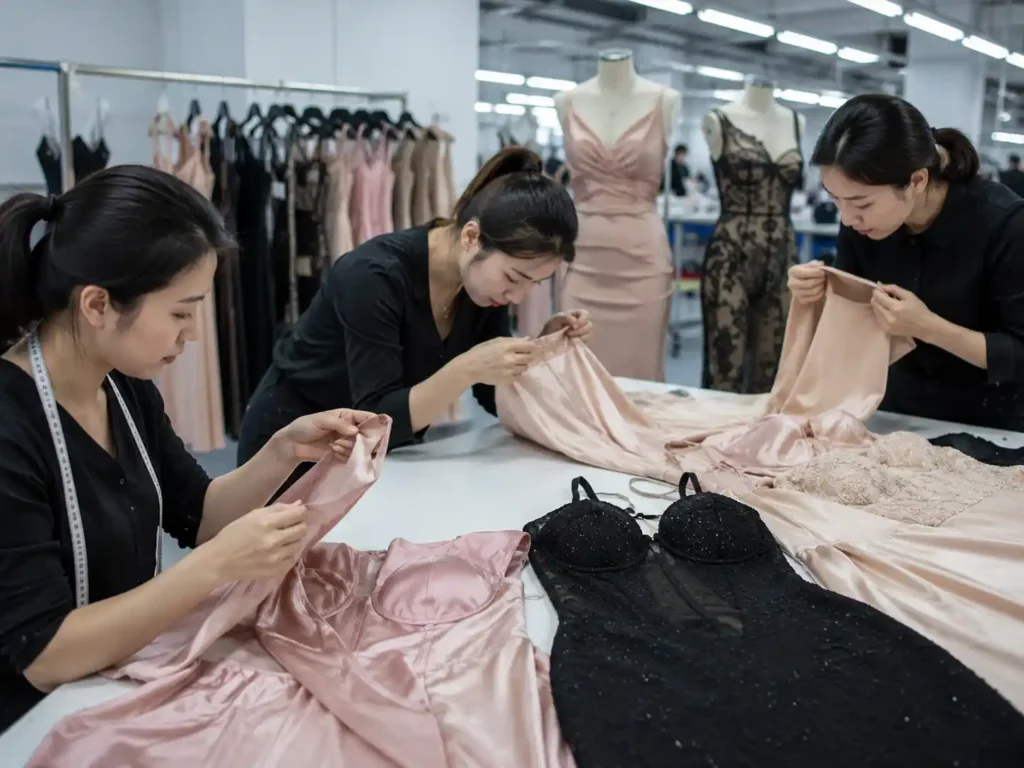
...

Custom Homecoming Dress Manufacturer

Dress-focused development and manufacturing for fashion brands building structured, embellished and commercially balanced homecoming collections.

  • Develop 10–30 coordinated styles across corset, satin, sequin, bodycon, mesh, lace and A-line directions.
  • Support collection orders commonly ranging from 20,000 to 80,000 total pieces across styles, colors and sizes.
  • Coordinate fabric sourcing, pattern development, fitting, sample revisions, PP approval, bulk production, quality control and branded packing.
  • Backed by 16 owned womenswear factories, 20+ satellite factories and a manufacturing network of more than 12,000 workers.
  • Built around almost 30 years of fashion dress development, workmanship research and production experience.

A Dress Manufacturing System Built Around Brand Programs

A homecoming collection demands more than short dresses and decorative surfaces. It requires coordinated development, structured production planning and enough capacity flexibility to move successful styles from approval into repeat production.

30+ Years of Development

Duolan’s manufacturing background grew from fashion dress research, fabric development and product work beginning in the 1990s. Long-term experience with European and American fashion directions supports informed decisions around silhouette, fabric behavior, decorative density, fit balance and commercial production.

16 Owned Factories

Core styles, sensitive samples and priority programs can be placed within owned womenswear factories where development records, pattern standards and production-critical details remain under closer control. Factory allocation is based on product structure rather than convenience alone.

20+ Satellite Factories

Long-term satellite factory relationships provide additional capacity for repeat orders, seasonal peaks and planned scale-up. Production is distributed according to garment complexity, workmanship requirements, launch timing and approved quality standards.

12,000+ Workers

The wider manufacturing network includes more than 12,000 workers across several production regions. Capacity depth supports multi-style programs where development, first orders, repeats and additional colorways may overlap during the same season.

50+ Flexible Lines

Quick-response and flexible production lines support style testing, controlled first orders and replenishment planning. They also help separate sensitive corset, sequin or satin projects from simpler commercial styles requiring a different production rhythm.

South China Resources

Access to major fabric, trim and apparel-processing clusters shortens the route between fabric selection, sample correction, special workmanship and bulk preparation. Printing, embroidery, dye effects, washing and decorative processes can be matched to individual designs.

Manufacturing Support for Established Fashion Teams

Duolan works best with organized fashion operations requiring product development, disciplined sampling, repeatable production and a clear route from seasonal concept to commercial delivery.

Established Fashion Brands

Mature brands often manage several price levels, silhouettes and selling channels in one collection. They need a manufacturer able to distinguish campaign pieces from volume styles, maintain consistent fit language and protect approved product details across repeated production.

Occasionwear Brands

Homecoming frequently sits beside prom, cocktail, party, graduation and going-out collections. Occasionwear specialists need stronger control over shine, support, body contour, lining, decorative placement and visual finish than a general casualwear factory usually provides.

Buying Teams

Buying teams require clear quotation bases, comparable sample stages, documented revisions, controlled approvals and credible delivery planning. Duolan organizes development information so purchasing decisions can be made against fabric, fit, workmanship, quantity and timeline requirements.

Product Development Teams

Product teams need design intent translated into fabric behavior, pattern shape, support structure and feasible workmanship. Feedback must become measurable actions rather than informal comments passed between departments.

Sourcing Offices

Sourcing offices assess product match, compliance readiness, production discipline, capacity and communication quality. Duolan supports supplier review with manufacturing facts, audit records, process evidence and project-specific development information.

Multi-brand Groups

Groups operating several labels may require different fits, prices and visual identities under one sourcing structure. Project allocation can be separated by brand standard while production resources remain coordinated across a wider manufacturing network.

What Homecoming Programs Usually Need From Manufacturing

A successful program starts with a clear product and supply objective. Duolan reviews where each project sits before recommending fabric, sampling and production paths.

New Seasonal Collection

A new homecoming drop may combine statement pieces, core commercial shapes and color extensions. Development begins by identifying target occasions, consumer age, expected retail position, collection size, hero silhouettes and repeat potential.

Supplier Replacement

Brands changing suppliers often bring approved samples, previous bulk garments, measurement charts or quality comments. Duolan reviews what must remain unchanged, what needs correction and which production weaknesses should not be repeated.

Style Expansion

An existing bestseller may need new necklines, skirt shapes, fabrics, colors or decorative treatments. Pattern balance and recognizable fit should remain consistent while each extension gains enough visual difference to justify the wider assortment.

Sample-to-Bulk Transition

Some projects already have attractive samples but lack bulk standards. Approved appearance must be converted into controlled patterns, measurements, material specifications, workmanship instructions, PP references and inspection points.

Seasonal Capacity Support

Homecoming selling periods create concentrated deadlines. Brands may require additional support for simultaneous sampling, first production, repeat orders or late color additions without losing control of existing programs.

Private Label Delivery

Branded delivery includes main labels, size labels, care labels, hangtags, barcodes, protective packing and carton marks. These elements should be planned before final production rather than added after garments are finished.

Homecoming Risks We Review Before Sampling

Many costly production problems can be identified while the design is still a specification, reference image or first pattern. Early review protects both development time and bulk consistency.

Design Translation

A reference image may communicate appearance without explaining construction. Neckline depth, cup placement, support, skirt volume, lining and closure need to be converted into measurable product decisions before a reliable sample can be made.

Fabric Mismatch

A silhouette designed for firm stretch satin will not behave the same in soft woven satin. Mesh transparency, sequin base stretch and lining weight can also change fit, drape and visual value.

Corset Instability

Boning quantity alone does not create support. Cup spacing, front balance, side seam position, back closure, lining tension and waist shaping work together. Weak coordination can cause gaping, rolling or distorted bust shape.

Mini Length Exposure

A mini dress can look balanced on a static mannequin yet become unsuitable when sitting, walking or dancing. Body rise, skirt contour, lining length and stretch recovery affect real-wear coverage.

Decoration Variation

Sequin direction, rhinestone spacing, bead density and lace placement may vary visibly across bulk pieces unless clear placement references, tolerances and first-piece checks are established.

Fit Comment Loss

Comments such as “tighten the waist” or “improve the bust” are too general for controlled revision. Each comment should become a measurement, pattern or construction action and remain traceable through the next sample.

Bulk Deviation

Material substitutions, unrecorded pattern versions and changed sewing methods can move bulk production away from the approved sample. Material locking and production-readiness review reduce those gaps.

Calendar Compression

Late fabric confirmation, repeated fitting and delayed PP approval can compress production, inspection and freight time. The launch date should be worked backward into measurable approval stages.

Homecoming Dress Styles Developed for Fashion Collections

Duolan supports coordinated product programs rather than unrelated dress selections. Each category below carries different fabric, fit, workmanship and production requirements.

Corset Homecoming Dresses

Corset minis depend on accurate cup position, boning direction, waist contour and stable back construction. Options include fixed cups, underwire, lace-up backs, invisible zippers, power mesh, shaped panels and structured lining. 

Sequin Mini Dresses

Sequin Mini Dresses

Sequin products require attention to base-fabric stretch, nap direction, motif placement, cutting loss, seam clearing and skin protection. Armholes, zipper seams and hems need clean treatment so the dress looks polished rather than heavy or abrasive.

Satin Homecoming Dresses

Satin supports sleek, feminine and camera-ready looks but exposes poor handling. Needle marks, seam puckering, pressing shine, scratches, color variation and packing creases must be considered from sample selection through final packing.

Bodycon Dresses

Bodycon silhouettes rely on controlled stretch and recovery. Pattern negative ease, lining compatibility, seam stability and bust-waist-hip balance determine whether the dress shapes the body cleanly or becomes transparent, restrictive or unstable.

A-line Mini Dresses

A-line homecoming styles combine a fitted upper body with a freer skirt. Waist position, skirt sweep and fabric structure must work together. Corset, halter, strapless and embellished bodices can be developed over this commercial shape.

Mesh Panel Dresses

Mesh can create cut-outs, illusion necklines, corset panels and layered skirts. The key decisions involve transparency, skin-tone matching, recovery, seam finishing and clean junctions between mesh and solid fabric.

Lace Dresses

Lace selection affects pattern placement, transparency, stretch and edge treatment. Floral direction, scallop use, motif matching and lining color influence both visual refinement and production cost.

Halter Dresses

Halter designs transfer tension toward the neck and upper back. Strap width, neckline shape, cup support, armhole coverage and closure strength should be assessed together to avoid pressure and movement instability.

Backless Dresses

Backless products require hidden support through side seams, internal elastic, cups, adhesive-compatible areas, cross straps or waist anchoring.

A low back should remain visually clean without sacrificing security.

Ruched, Mesh and Sequin Mini Dresses

Ruched Mini Dresses

Ruching can soften fit variation and strengthen body contour, but uncontrolled gathering creates side-to-side differences. Gathering ratio, elastic tension, seam position and fabric recovery require measurable production standards.

Rhinestone Dresses

Rhinestone layouts may be scattered, patterned, gradient or concentrated around the bodice. Stone quality, attachment method, spacing, heat resistance, weight and reverse-side comfort determine whether embellishment remains stable in wear.

Plus-size Homecoming Dresses

Plus-size development requires proportion changes rather than uniform enlargement. Cup scale, strap strength, waist placement, armhole shape, skirt length, support distribution and grade rules should be adjusted for the intended body range.

Build a Balanced Homecoming Collection

A commercially useful collection normally combines visual impact with repeatable volume styles. Duolan can help organize the product mix around brand positioning, price architecture and selling channels.

Campaign Hero Styles

Hero styles create campaign attention through structured corsetry, strong shine, decorative density or unusual cut-outs. Their value lies in visual recognition, so sample refinement and photo-ready finish deserve more time than routine styles.

Core Sales Styles

Commercial styles should offer clear occasion relevance without excessive production risk. Satin corset minis, ruched bodycon dresses, halter A-lines and refined black party dresses often provide a stable center for the range.

Reorder Styles

Reorder candidates benefit from available fabrics, repeatable trims, stable fit and manageable workmanship. Material records and approved standards should be preserved so successful colors or sizes can return without restarting development.

Color Story Styles

A coherent color story may include black, red, royal blue, emerald, pink, champagne, silver and selected seasonal shades. Satin, mesh, lace and sequins reflect color differently, so color approval must consider the actual material.

Price Entry Styles

Simpler silhouettes can open the collection at a lower retail point without appearing basic. Focused design—such as a strong neckline, back detail or controlled ruching—often adds more selling value than unnecessary construction.

Fit-inclusive Extensions

Selected shapes can extend across wider sizes when structure and grading are planned early. Retrofitting support after a base sample is approved usually produces weaker results than developing proportion and reinforcement together.

Full Customization Across Every Product Layer

Custom development should connect brand identity with manufacturing feasibility. Each choice affects appearance, cost, fit, sampling time and bulk repeatability.

Silhouette Direction

Choose bodycon, A-line, fitted-and-flared, draped, corset, column or layered shapes according to target occasion and retail position. Pattern structure is developed around the intended fabric rather than copied across incompatible materials.

Neckline Development

Options include sweetheart, straight, cowl, plunge, asymmetric, square, scoop, halter and off-shoulder necklines. Neckline depth must coordinate with cup coverage, internal support and intended movement.

Length and Proportion

Mini length can be developed against brand measurement standards, model height, target market and silhouette. Front, back and side balance matter when fitted skirts, curved hems or draped overlays are used.

Fabric Selection

Duolan can source or match satin, stretch satin, mesh, lace, velvet, jersey, sequin fabric, crepe, chiffon, organza and related linings. Selection considers drape, support, stretch, opacity and bulk availability.

Color Development

Color can be based on Pantone references, physical swatches, approved garments or seasonal palettes. Light, surface shine and transparency may change perceived color across satin, mesh, sequins and velvet.

Support Structure

Cups, underwire, boning, power mesh, internal elastic, waist stay and grip tape can be combined according to neckline, back depth and fit objective. Hidden support should not disturb the outer appearance.

Decorative Treatment

Available directions include sequins, pearls, beads, rhinestones, lace appliqué, embroidery, pleating, ruching and selected surface treatments. Each process is reviewed for weight, comfort and production stability.

Size Development

Patterns can follow brand-specific measurements and grading requirements. Fit work focuses on bust position, waist balance, hip contour, skirt length and support behavior across the intended range.

Branding and Packing

Main labels, size labels, care labels, hangtags, barcode tickets, garment bags and carton marks can be coordinated into the approved production specification.

Fabric Decisions That Shape the Finished Dress

Homecoming dresses are highly sensitive to fabric behavior. Visual similarity at swatch level does not guarantee similar drape, fit, support or performance after cutting and sewing.

MaterialBest Applied ToMain Performance ValueMain Development RiskDuolan Review Focus
Stretch SatinCorset minis, fitted dressesShine with controlled flexibilityNeedle marks, seam waves, weak recoveryWeight, stretch direction, lining and pressing
Woven SatinA-line, draped and structured stylesSmooth surface and refined drapeFraying, puckering, scratches and creasesNeedle choice, seam construction and packing
Sequin FabricStatement minis and bodycon stylesStrong evening visibilityDirection, cutting loss, weight and skin irritationBase stretch, motif placement and seam clearing
Power MeshCorsetry and internal supportCompression with low visual bulkExcess tension or visible reinforcementRecovery, color, layer position and comfort
Illusion MeshCut-outs and transparent panelsClean visual supportSkin-tone mismatch and seam distortionShade, transparency, recovery and edge finish
LaceRomantic and refined party stylesSurface texture and motif identityPlacement waste, transparency and mismatchMotif direction, scallop use and lining
VelvetWinter and richer occasion looksDepth, softness and strong colorNap direction, pressure marks and bulkCutting direction, pressing and packaging
Stretch JerseyRuched bodycon silhouettesComfort and close fitTransparency and poor recoveryGSM, stretch ratio, recovery and lining
ChiffonDraped overlays and soft skirtsLightweight movementSheerness, seam slippage and uneven hemsLayer count, lining and hanging time
OrganzaStructured skirts and statement volumeCrisp shape with low weightScratchiness, seam visibility and crushingLayering, edge finish and packing
CrepeClean fitted or draped stylesRefined matte surfaceVarying stretch and surface snaggingComposition, weight and pattern adjustment
Lining FabricsAll structured and sheer stylesCoverage, comfort and supportRestricting stretch or changing drapeCompatibility with outer fabric

Satin Requires Disciplined Development and Handling

Satin appears simple from a distance, yet its smooth surface exposes small production errors. Selection should be based on the required silhouette and manufacturing behavior, not gloss alone.

Lightweight and Draped Satin

Light satin suits cowl necklines, draped skirts and fluid details. It may also reveal seam allowance, underwear lines and uneven tension. Bias-cut areas require controlled pattern handling, while the lining should not pull against the outer layer.

Stretch Satin for Fitted Styles

Stretch satin can support corset and bodycon directions when recovery is strong enough. Excess stretch may weaken support, while limited recovery can cause rippling after wear. Pattern ease, lining stretch and boning structure need to be developed as one system.

Needle and Seam Control

Visible needle holes, puckering and seam waves often come from unsuitable needles, stitch density, tension or repeated unpicking. Construction tests should be completed before bulk sewing standards are released.

Pressing and Surface Protection

High heat, moisture or pressure can leave shine and impressions. Pressing methods should match the satin construction, and work surfaces must remain clean to avoid scratches or marks.

Color and Batch Review

Dark satin can show shade changes under directional light; light satin may become transparent or reveal lining differences. Fabric approval should consider finished garments under both controlled lighting and natural light.

Packing Against Creasing

Folding position, tissue use, garment-bag size and carton pressure influence arrival condition. Packing methods should protect cups, boning and satin surfaces rather than compressing every style identically.

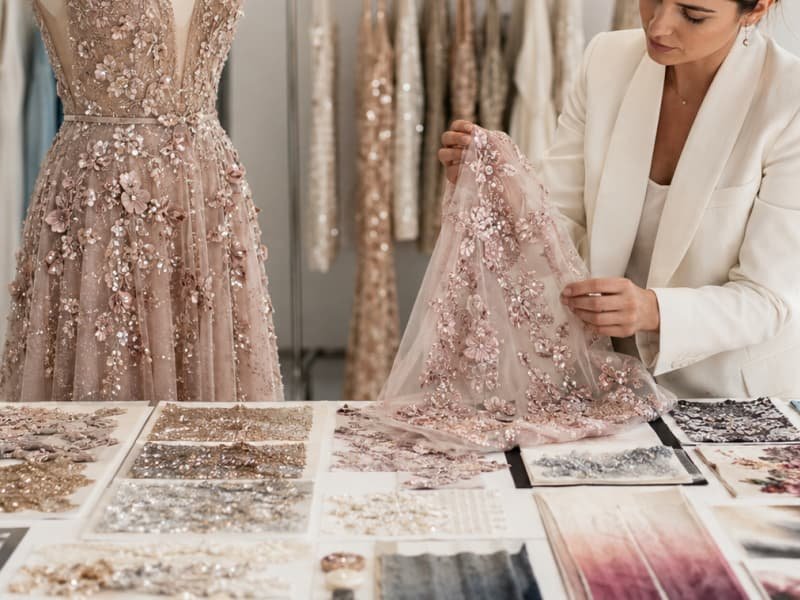
Sequins and Rhinestones Need More Than Visual Approval

Decoration must remain attractive after cutting, sewing, fitting, packing and repeated handling. Duolan evaluates surface design together with base fabric, seam construction and skin contact.

Sequin Direction and Placement

Directional sequins and repeated motifs need clear cutting layouts. A reversed panel or shifted motif can be obvious even when measurements are correct. Placement references should identify center lines, key joins and acceptable variation.

Seam Area Preparation

Bulky sequins may need removal from seam allowances before stitching. Remaining pieces can then be secured or restored around finished seams. Poor clearing produces broken needles, bulky joins and uncomfortable edges.

Base Fabric Behavior

Many sequin fabrics use mesh or knit bases. Stretch, recovery and weight determine whether a fitted dress holds shape or grows during wear. Lining and pattern ease should be tested with the actual fabric.

Skin-contact Protection

Armholes, necklines, zipper areas and hems can irritate skin when sharp pieces remain exposed. Binding, facing, lining coverage and controlled clearing improve comfort without making edges heavy.

Rhinestone Spacing and Strength

Rhinestone attachment requires stable temperature, pressure and dwell time when heat application is used. Hand-applied layouts require spacing references and attachment checks. Weight concentration should not distort lightweight fabrics.

Final Surface Inspection

Inspection should cover missing pieces, reversed sequins, detached stones, asymmetry, sharp edges and visible adhesive. Finished garments must also be protected from abrasion during packing.

Hidden Structure Makes Homecoming Dresses Wearable

A strong design can fail when cups, boning, lining, straps and closures are treated as separate parts. Internal structure should support the intended silhouette while remaining visually clean.

Cup Position and Shape

Cup size alone does not determine fit. Spacing, angle, height and neckline coverage must align with the outer bodice. An incorrect cup position can make the waist and bust appear unbalanced even when garment measurements fall within tolerance.

Boning Placement

Boning should follow the structure requiring support. Center front, princess seams, side seams or back panels may need different combinations. Ends must be secured and protected to prevent twisting or piercing through the garment.

Underwire Integration

Underwire affects lift, cup shape and comfort. Channel position, wire length and cup relationship need assessment during fitting.

Decorative fabric should not hide a poorly aligned internal structure.

Power Mesh Support

Power mesh can add control without heavy visible layers. Recovery, shade and cutting direction matter.

Excess tension may pull seams or distort the neckline, while weak mesh adds little support.

Closure Construction​(闭合结构)

Closure Engineering

Invisible zippers, lace-up backs, hooks, eyes and adjustable straps influence both fit and dressing ease.

Closure length and location should support the silhouette rather than simply follow the reference image.

Lining Coverage

Lining controls opacity, comfort and structure. Coverage must protect against scratchy sequins, visible boning and transparent mesh while preserving intended cut-outs or illusion effects.

Movement Review

Fitting should include sitting, walking, lifting arms and turning. Static appearance cannot reveal whether a neckline gaps, a mini skirt rises excessively or straps carry too much tension.

Waist and Back Stability

A waist stay, internal elastic or carefully placed reinforcement can help stabilize low-back and strapless shapes. Support should anchor the garment without creating visible lines.

Fit Engineering for Short Structured Occasion Dresses

Homecoming fit is judged through appearance and movement. Pattern development must connect the brand’s measurement chart with fabric behavior, support structure and intended body contour.

Bust Balance

Bust fit depends on cup placement, neckline shape, side coverage, under-bust position and strap direction. Adjustments should distinguish between circumference issues and shape issues; adding width alone often fails to correct poor cup positioning.

Waist Placement

The visual waist should align with the design and target body proportions.

Corset seams, ruching, cut-outs and skirt joins can make a technically correct waistline look too high or low.

Hip Contour

Fitted skirts need enough shape to follow the hip without diagonal drag lines.

Stretch fabrics also require recovery so the garment returns after sitting and walking.

Mini Length

Length should be measured against brand standards and reviewed on the target fit body. Curved hems, fitted backs and raised side seams may create different front, side and back coverage.

Armhole and Side Coverage

Halter, strapless and low-back styles often reveal too much at the side when armhole shape and cup coverage are not coordinated. Side seam angle and internal support can improve security.

Strap Tension

Straps should stabilize rather than carry the entire garment. Adjustable hardware, anchoring points and elastic recovery influence comfort and neckline position.

Stretch Allowance

Negative ease should reflect actual stretch and recovery, not a fixed percentage copied from another fabric. Outer fabric and lining must work together.

Size Grading

Grading requires proportion decisions for cup position, waist depth, strap length, skirt length and decorative placement. Uniform enlargement can move critical details away from the body.

Plus-size Proportion

Larger sizes may need added support, wider straps, revised armholes, stronger closures and adjusted skirt balance. Scale should be controlled without losing the intended fashion identity.

Tech Packs Turn Fashion Ideas Into Controlled Development

Clear technical information reduces interpretation gaps, speeds feasibility review and creates a stronger foundation for sampling, quotation and later production.

Front, Back and Side Views

Multiple views clarify neckline, back depth, seam position, skirt balance and decorative placement. One front image rarely explains enough for structured or asymmetric dresses.

Measurement Chart

Point-of-measure definitions, sample size and tolerances should match the brand’s fit system. Ambiguous measurement locations create revisions even when the factory follows the listed numbers.

Construction Notes

Notes should identify lining, cups, boning, underwire, closures, seam finish, hem method and support elements. Construction choices influence both appearance and cost.

Fabric Direction

Provide composition, weight, stretch, surface and color requirements when known. A swatch, previous garment or named material direction can also support sourcing.

Trim Specifications

Zippers, hooks, eyes, straps, eyelets, stones, beads and labels require dimensions, finish and color references. Substitutions should be approved rather than assumed.

Artwork and Placement

Prints, embroidery, rhinestones and decorative motifs need scale, location and alignment references. Placement should also consider grading.

Size and Grade Rules

Specify the base size, intended range and brand grading requirements. Critical positions such as cup, waist and mini length may need separate rules.

Branding Information

Main label, care label, size label, hangtag, barcode and packaging artwork should be prepared early enough for sampling or production approval.

Quantity and Colorways

Style, color and size quantities affect material sourcing, cost, production path and timeline. A collection-level quantity view is more useful than isolated style estimates.

From Design Brief to First Homecoming Sample

Sampling begins with understanding what the garment must prove. A visual prototype, fit sample, photo sample and PP sample serve different decisions.

Project Review

Duolan first reviews product direction, brand position, intended market, quantity, launch timing and available references. Early questions focus on the areas most likely to change fit, appearance or production feasibility.

Risk Clarification

The team identifies sensitive points such as satin handling, mesh transparency, corset support, sequin weight, decoration placement, mini length and difficult closures. Decisions are clarified before pattern work begins.

Fabric and Trim Direction

Available swatches, nominated materials or proposed alternatives are compared against required drape, stretch, opacity, support and cost. Trims are reviewed for function and visual fit.

Pattern Development

Patterns are created or adjusted around the selected fabric and measurement basis. Corset panels, cups, curved seams, fitted skirts and asymmetric details require more than outline tracing.

Sample Construction

The sample room follows the confirmed development basis and records important construction decisions. High-risk details may be tested separately before the full garment is assembled.

Internal Review

Completed samples are checked for measurements, visual proportion, support, workmanship and obvious production issues before photos or shipment.

Development Update

Brands can receive clear progress images or short videos showing materials, partial construction, mannequin balance and important details. Updates should explain project movement rather than provide random workshop images.

Sample Handover

The finished sample is supported by front, side and back images, detail close-ups and a short review note highlighting achieved points, areas requiring evaluation and suggested next actions.

A Production-ready Sample Is More Than a Prototype

The approved garment must support commercial decisions and later manufacturing. Visual approval alone is not enough for a structured, embellished or fitted homecoming style.

Fit-reviewed Basis

The base size should be reviewed against the intended measurement standard and fit objective. Critical points include cup location, waist position, hip contour, skirt length, strap tension and closure behavior.

Confirmed Material Direction

Outer fabric, lining, mesh, support materials and trims should be identified clearly. Bulk availability and color direction need confirmation before production planning.

Pattern Version Control

The pattern used for the approved sample becomes the production basis after accepted comments are incorporated. Version references reduce accidental use of earlier patterns.

Workmanship Definition

Key sewing, lining, support and decorative methods should be documented. Details such as sequin clearing, boning channels, zipper finish and hem treatment should not depend on memory.

Approved Appearance Reference

The physical PP sample or approved reference should show silhouette, proportion, decoration, finishing and pressing expectations. Photos alone may not reveal handfeel or internal structure.

Measurement and Tolerance Basis

Critical measurements require agreed tolerances suited to the fabric and construction. Tighter tolerance is not automatically better when a process or material naturally varies.

Bulk Readiness Review

Before release, Duolan reviews the approved sample, material status, pending comments, packaging requirements, order structure and production risks.

Repeat-order Record

Preserved standards help repeat colors, sizes or quantities after launch. Material changes or unavailable trims can then be assessed against the original approved basis.

Sewing Details Behind a Refined Homecoming Dress

Clean workmanship is especially visible on short, fitted and high-shine dresses. Internal construction must support the outside appearance without adding unnecessary bulk.

Invisible Zipper Installation

The zipper should run smoothly and remain flat against the body. Waist joins, lining and top hooks need alignment so the back does not twist or form a visible ridge.

Corset Panel Seams

Curved panels create shape through controlled seam matching and pressing. Inconsistent seam allowance or tension can make cups, waist and center front asymmetrical.

Boning Channels

Channels should hold boning securely without creating external ridges. Boning ends require protection, while channel width and direction should match the selected support material.

Cup Attachment

Cups must remain stable within the bodice and align across both sides. Secure internal attachment helps prevent shifting during wear and production handling.

Mesh Edge Finishing

Illusion mesh edges need fine, stable finishing suited to transparency. Heavy binding can destroy the intended visual effect; raw or unstable edges can stretch and wave.

Strap Reinforcement

Halter, spaghetti and decorative straps require secure anchoring. Stress points should be reinforced without creating bulky outer stitches.

Sequin Seam Finishing

Sequins near seams may need removal, controlled stitching and careful restoration. Rough edges at armholes, necklines and zippers require extra attention.

Hem Balance

Mini hems are highly visible and sensitive to uneven stretch or bias behavior. Some fabrics need hanging time or staged pressing before final length confirmation.

Final Pressing

Pressing shapes seams and supports visual finish, but satin, velvet, sequins and rhinestones require different heat and pressure methods.

Corset Dress Production Requires Structural Accuracy

Corset-inspired homecoming dresses remain commercially important, yet they expose weaknesses in pattern, support and assembly quickly.

Bodice Architecture

The outer bodice, lining, cups, boning and closures must form one balanced structure. Adding more boning cannot correct poor panel shape or wrong bust placement.

Cup Spacing

Center spacing affects cleavage, neckline balance and front proportion. The correct value depends on cup shape, sample size, intended coverage and brand fit.

Princess Seam Control

Princess seams often create the main bust and waist shaping. Seam curves should remain smooth after sewing and pressing, without points, hollows or mismatched sides.

Boning Selection

Plastic, spiral or other boning options behave differently. Selection depends on support level, flexibility, garment weight and target price.

Waist Suppression

A corset waist should look defined without creating excessive pressure or horizontal pulling. Pattern shaping, closure and fabric stability share the load.

Back Construction

Lace-up, zipper and combination backs require different fit allowances. Eyelets, loops, modesty panels and zipper tops need clean alignment and reinforcement.

Symmetry Standards

Cup height, seam positions, boning, neckline points and straps should be compared left to right. Small asymmetries become visible on structured bodices.

Grade Development

As sizes change, cup position, panel width, neckline coverage and boning length require controlled rules. Simple enlargement can weaken the intended shape.

Pilot Verification

Complex corset styles benefit from first-piece or small pilot confirmation before full release. The check can verify structure, sewing method, symmetry and fitting-critical areas.

Sample Standards Must Survive Bulk Production

Approved appearance becomes repeatable only when material, pattern, workmanship and inspection references are locked before line release.

Approved Sample

The approved sample or PP reference defines the intended silhouette, visual finish and important internal details. 

Pattern Version

The production pattern must match the approved revision. Files, paper patterns and marker references need consistent identification.

Measurement Chart

Base measurements, grade rules and tolerances should reflect the approved fit. Critical points require clear measuring methods.

Material Specification

Outer fabric, lining, mesh, cups, boning, zippers, stones and labels need approved specifications or physical references. Substitutions require review.

Color Standard

Approved swatches, lab dips, strike-offs or bulk fabric references provide a usable color basis. Satin, mesh and sequins may require material-specific evaluation.

Workmanship Points

Construction methods affecting fit or appearance—such as cup attachment, sequin clearing, ruching ratio and hem finish—should be confirmed before line start.

First-piece Confirmation

The first completed garment is checked against the approved basis before production expands. Sensitive styles may require targeted pilot work.

Inline Inspection

Measurements, sewing quality, decoration and symmetry are reviewed while correction remains possible. Waiting until final inspection raises rework risk.

Final Appearance

Pressing, loose threads, surface damage, shade, missing decoration and overall balance are checked before packing.

Packing Standard

Folding, tissue, bag size, labels, barcodes and carton arrangement should protect the dress and match retail or warehouse requirements.

Reorder Preservation

Patterns, BOM information, material references, comments and inspection priorities are retained for future repeat production.
Reorder and Lifecycle Support

Coordinating Ten to Thirty Styles Without Losing Control

Homecoming programs often move through sampling, revision and production in overlapping waves. A clear style-level plan prevents urgent pieces from disrupting the whole collection.

Style Classification

Each style is classified by construction sensitivity: commercial standard, fitted stretch, corset structure, heavy decoration, special fabric or time-critical repeat. Classification informs sample and production routing.

Priority Mapping

Photo samples, campaign styles, early-selling pieces and long-lead materials may require earlier action. Priority is based on launch impact rather than style number alone.

Material Grouping

Styles sharing satin qualities, linings, zippers, stones or labels can gain sourcing efficiency. Grouping should not force inappropriate material compromises.

Sample Tracking

First samples, fit samples, revised versions and PP references require clear statuses. Comments and file versions should remain linked to the correct style.

Colorway Control

Each color may behave differently in satin, mesh, lining and decoration. Color approvals and quantity splits are recorded by style rather than managed informally.

Production Path

Simpler styles, corset pieces and heavily embellished garments may need different lines or specialist resources. Production planning should reflect actual workmanship.

Shared Fit Language

A collection feels more coherent when waist position, skirt length, cup coverage and body contour follow an intentional brand direction across styles.

Repeat Planning

Styles with strong early sales can move toward repeats more efficiently when materials, patterns and QC references are preserved from the first production.

Plan Backward From the Homecoming Selling Window

A reliable delivery plan is built from the required warehouse or launch date. Fabric confirmation, revisions, PP approval, production, inspection and freight all need protected time.

StageMain DecisionRequired InputRisk if Delayed
Collection BriefStyle mix and target launchStyle list, market, quantitiesWrong priority and weak range balance
Feasibility ReviewFabric, structure and craft pathTech packs or referencesRework begins after sampling
Material DirectionSwatches, trims and colorsFabric goals and price bandSample and quote remain unstable
First SampleDesign translationMeasurements and construction notesFit review starts too late
Fit RevisionCorrect shape and proportionConsolidated commentsRepeated samples compress the calendar
Photo SampleCampaign-ready appearanceApproved visual directionContent creation misses launch timing
PP ApprovalLock production standardFinal materials and commentsBulk begins without a reliable basis
Bulk ProductionExecute style planConfirmed quantities and packingLines and materials are poorly matched
InspectionVerify product and packingQC standard and approved referenceProblems surface after shipment
Freight BufferProtect warehouse arrivalShipping plan and documentsSelling window is exposed to transit delay

Sampling and production timing is confirmed after reviewing style count, material status, structural difficulty, decoration, approval rounds and required delivery date. Complex corset, sequin and rhinestone styles should enter development earlier than standard commercial shapes.

Quality Control Designed for Homecoming Dress Risks

Quality inspection should reflect how a homecoming dress is built and worn. A generic checklist cannot adequately assess corset balance, mini length, sequin comfort or satin finish.

Fabric Surface

Inspect shade, stains, scratches, pulls, holes, nap direction, sequin alignment and visible defects. Satin and velvet require surface-specific handling.

Measurements

Check critical dimensions using agreed methods and tolerances. Bust, under-bust, waist, hip, body length, skirt length and strap length deserve close attention.

Bust and Waist Balance

Compare cup position, neckline, panel symmetry and waist seam. A garment can pass circumference measurements yet still appear unbalanced.

Support Structure

Review cups, underwire, boning, power mesh, internal elastic and grip tape for position, security and comfort.

Mini Length and Movement

Assess front, side and back coverage on the intended fit body. Sitting and walking can reveal problems hidden during static inspection.

Pressing and Shape

Verify smooth seams, cup shaping, hem balance and fabric-specific pressing. Shine or pressure marks require attention on sensitive materials.

Branding and Packing

Confirm labels, care information, hangtags, barcode tickets, polybags, protective material and carton marks against approved files.

Final Reference Comparison

Finished garments are compared with the approved sample, workmanship instructions and material references before shipment release.

Compliance Support for Brand-level Manufacturing Programs

Manufacturing suitability includes social responsibility records, quality awareness, test coordination and the ability to follow market-specific requirements.

SMETA Audit Foundation

Duolan’s manufacturing system has completed SMETA audit work, including a SMETA 2-Pillar audit record. Relevant documentation can be reviewed during supplier qualification.

Brand Requirement Execution

Different brands maintain their own restricted-substance, workmanship, labeling, inspection and social compliance requirements. Project standards are reviewed before production planning.

Testing Coordination

Depending on material, product and market, testing can be coordinated against requirements connected with AATCC, ASTM, OEKO-TEX?, EN, China GB standards, GOTS-related material programs or client-specific protocols.

Third-party Inspection

Independent inspection requirements can be incorporated into the production and shipment plan. Inspection timing and sample references should be confirmed before final packing.

Quality Documentation

Measurement records, inspection findings, material confirmations, production notes and packing references support traceable project management.

Label and Market Review

Care labels, fiber information, country-of-origin marking, size labels, barcodes and packaging should follow the brand’s approved files and destination requirements.

Private Label Details Complete the Product Experience

A dress reaches the market as a finished branded item, not an unmarked garment. Labels, tickets and packing require the same approval discipline as fabric and fit.

Main Labels

Main labels should match approved artwork, dimensions, folding method, material and attachment position. Label feel matters when placed near the skin.

Care Labels

Fiber content, care symbols, origin information and required language versions should follow approved files and destination rules.

Hangtags

Hangtags may include brand story, product information, prices or campaign messaging. Hole position, string, safety pin and attachment location require confirmation.

Barcode Tickets

UPC, EAN, SKU, color, size and price information should match order data.

Scan quality and ticket placement should be checked before packing.

Protective Packing

Satin, sequins, rhinestones, cups and boning may need tissue, shape protection or individual folding rules. Packing should prevent abrasion and crushing.

Garment Bags

Bag dimensions should fit the garment without excessive compression.Warning text,recycling marks,adhesive position and ventilation requirements can be customized.

Carton Marks

Style, color, size, quantity, purchase order, destination and carton number must align with the approved shipping specification.

Size Labels

Size identification must remain consistent with the brand’s grading and packaging information. Placement should be easy to inspect and comfortable in wear.

E-commerce Packing

Direct-to-consumer or fulfillment-channel packing may require stronger presentation, barcode placement, size visibility and reduced handling damage.

Retail Distribution

Store-ready delivery can include assortment packing, ticketing, folding standards and carton breakdowns matched to distribution plans.
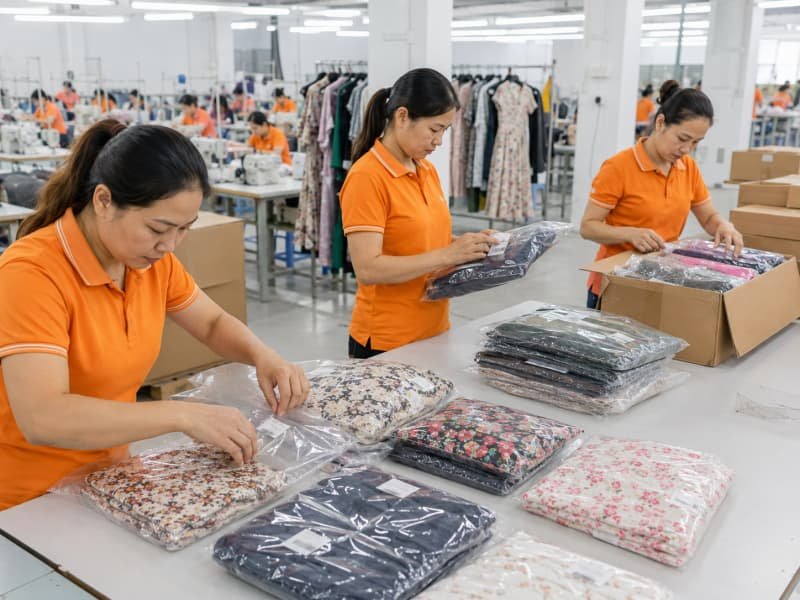
Real Project Structures for Homecoming Programs

The following project examples represent realistic order structures used for collection planning. Final case publication should use approved project images and verified records.

US Homecoming Collection

A US occasionwear brand developed 18 homecoming styles across corset satin, sequin bodycon, mesh-panel and A-line mini directions. The production program covered 42,000 pieces across multiple colors and sizes. Key challenge: several styles used similar visual references but required different internal support, stretch allowances and lining systems. Duolan approach:
  • Classified styles by corset, stretch-fit, sequin and commercial construction.
  • Grouped material sourcing without forcing one fabric across incompatible silhouettes.
  • Built fit priorities around cup position, waist level, mini length and movement.
  • Locked decoration and lining details through approved samples and first-piece checks.
  • Separated complex styles from higher-volume commercial lines.
Result: the range moved through coordinated production rather than 18 isolated orders, giving the brand a clearer route for follow-up colors and repeat quantities.

Multi-style Party Program

A North American fashion group placed a 26-style party and homecoming program totaling 68,000 pieces. The assortment included black commercial minis, rhinestone corsets, stretch satin dresses, halter styles and plus-size extensions. Key challenge: sample comments came from merchandising, design and fit teams, creating a risk of conflicting revisions. Duolan approach:
  • Consolidated comments by style and sample stage.
  • Converted general fit feedback into measurement, pattern and construction actions.
  • Maintained revision records and separated visual approval from bulk readiness.
  • Allocated styles according to construction sensitivity and launch priority.
  • Preserved approved standards for potential replenishment.
Result: development records remained aligned across departments, and production planning could prioritize long-lead decorated styles without delaying core commercial products.

Seasonal Reorder Project

A European and US-focused fashion label launched 14 homecoming and going-out styles with an initial total of 24,000 pieces, followed by repeat production after early sales review. The program centered on satin corset minis, ruched jersey styles and two sequin statement dresses. Key challenge: the repeat order required consistent color, fit and decoration after original production materials had been partially consumed. Duolan approach:
  • Retrieved pattern versions, BOM references and approved workmanship points.
  • Rechecked available fabric and trims against retained standards.
  • Reviewed replacement risks before approving any substitute material.
  • Used first-piece comparison for repeat colors and decoration.
  • Maintained size and packing requirements from the original program.
Result: the brand could expand successful products without rebuilding the entire development path or accepting uncontrolled material changes.

Evidence From Development Through Final Packing

Visible process evidence gives sourcing and product teams a clearer basis for supplier assessment. Images should show real decisions and controls rather than generic factory scenes.

Development Brief

Show a sanitized project brief containing product direction, style count, launch timing, fabric needs and target quantities.

Material Board

Present satin, mesh, lace, lining, cups, boning, zippers and decoration together to demonstrate material coordination.

Pattern Development

Use CAD or paper pattern images highlighting corset panels, skirt shape, cup position and critical measurements.

First Sample

Show front, side and back views on a mannequin or fit body, supported by detail images of structure and finishing.

Fit Comments

Display marked-up sample photos or a sanitized comment sheet connecting visible issues to measurable changes.

Revised Sample

Show before-and-after comparisons for neckline, waist, cup, skirt length or structure corrections.

PP Reference

Present the approved reference with confirmed materials, workmanship and branded details.

Cutting and Bundling

Show fabric inspection, controlled cutting, panel identification and style separation.

Sewing and Structure

Capture boning channels, cup attachment, mesh finishing, zipper installation and lining assembly.

Decoration Work

Show sequin clearing, rhinestone placement, bead attachment or lace positioning at production stage.

Inline Inspection

Provide measurement, symmetry, workmanship and decoration checks while garments remain in production.

Packing Review

Present labels, hangtags, barcodes, tissue, polybags and carton markings before shipment.

Frequently Asked Questions About Homecoming Dress Manufacturing

Duolan focuses on fashion-driven dresses including corset minis, satin dresses, sequin bodycon styles, A-line minis, mesh-panel dresses, lace styles, halter dresses, backless dresses, ruched dresses, rhinestone dresses and coordinated occasionwear products.
Yes. Reference images, sketches, original sample photos, moodboards or previous garments can support an initial review. More detailed information on measurements, fabric, structure, size range and target quantity improves development accuracy.
Yes. Tech packs help define measurements, construction, materials, trims, decoration, labels and packing. Duolan reviews unclear or production-sensitive points before sampling or quotation.
Sampling time depends on fabric availability, structure, embellishment, sample purpose and required revisions. A corset or heavily decorated dress normally requires a different schedule from a simple commercial mini. A project-specific timeline is confirmed after feasibility review.
MOQ is assessed through fabric minimums, color quantities, trims, special workmanship, size breakdown, production efficiency and overall collection volume. Duolan is structured for organized brand programs moving from development into launch, repeat and scaled production.
Yes. Programs commonly include 10–30 styles. Styles are classified by fabric, structure, workmanship, sample priority and production path so complex and commercial products can move in a coordinated sequence.
Yes. Plus-size development should address cup scale, strap strength, armhole coverage, waist placement, skirt balance and grade rules rather than simply enlarging the base pattern.
Duolan locks pattern versions, measurements, materials, colors, trims, workmanship, decoration and packing against approved references. First-piece review, inline QC and final comparison support bulk execution.
Yes. Development considers base stretch, decoration direction, seam clearing, attachment strength, skin comfort, placement and packing protection.
Yes. Main labels, size labels, care labels, hangtags, barcode tickets, polybags, protective tissue and carton marks can be produced to approved specifications.
Yes. Third-party inspection can be included in production planning. Inspection standards, timing, reference samples and packing status should be confirmed before the visit.
Send available tech packs or references, target styles, fabric direction, size range, colorways, estimated quantities, launch date, quality requirements and label or packing information.

Start Your Homecoming Dress Development Program

Share the information already available for your upcoming homecoming collection. A complete tech pack is helpful, but development can also begin with reference images, design sketches, an original sample, a fabric direction or an organized collection brief.

Duolan will review the product direction before confirming the next step. The review considers style complexity, fabric behavior, fit requirements, corset or support structure, decoration, size range, estimated quantities, sample purpose, production feasibility and required delivery timing.

For a more useful project response, include:

  • Company or brand name
  • Website or social profile
  • Target market and selling channel
  • Number of styles
  • Tech packs, sketches or reference images
  • Fabric and color direction
  • Base size and full size range
  • Estimated quantity by style
  • Planned launch or warehouse date
  • Label, barcode and packing requirements
  • Sample, quotation or bulk production status
  • Important quality or fit concerns

Start Your Apparel Development Project

OEM/ODM Manufacturing Support for Fashion Brands

Share your collection details, estimated quantities, target market, development timeline, and technical requirements. The production team will review your request and provide a tailored manufacturing solution based on your product category, fabric selection, construction needs, and delivery schedule.

Fashion Manufacturing Support with Scalable Production Capacity

From sample development to bulk production, Duolan supports fashion brands with confidential OEM/ODM manufacturing, stable quality management, flexible production planning, and coordinated multi-factory execution for seasonal and capsule collections.

Need Direct Assistance?

Seraphinite AcceleratorOptimized by Seraphinite Accelerator
Turns on site high speed to be attractive for people and search engines.