Skip to content
Custom Layered Multi-Tier Dress Manufacturer
Custom layered and multi-tier dress development and manufacturing for established fashion brands needing tier placement control, gather ratio balance, fabric weight review, lining coordination, bulk consistency and brand-ready delivery.
Duolan supports dress-focused brands with layered dress programs built around tier structure, fabric selection, sample correction, layer balance, PP approval, bulk production, QC, packing and repeat delivery.
- 16 owned womenswear factories support direct control for core layered dress programs.
- 20+ satellite factories provide flexible capacity for multi-style tiered dress launches.
- 300 sewing lines support parallel bulk production across dress structure programs.
- 50+ quick-response lines support sampling, structure tests and launch preparation.
- 15,000–35,000 monthly sample capacity supports frequent layered dress development cycles.
- 3,000–8,000 monthly style development workflows support first samples, revisions and PP approval.
- SMETA 2-Pillar audit record supports supplier evaluation for mature fashion brands.








Layered and Multi-Tier Dress Manufacturing Focus
A layered multi-tier dress is not simply a dress with extra ruffles. The value comes from how each tier sits on the body, how much fabric volume each layer carries, how the lining supports opacity, and how the finished garment moves after sewing, pressing and packing.
Duolan reviews layered dresses as structure-sensitive womenswear products. Tier placement, gather ratio, layer length, ruffle edge, fabric weight, seam bulk, lining pull, hem level, print placement and packing recovery need clear decisions before PP approval.
Layered, tiered and multi-tier dresses can appear in resort, vacation, occasion, romantic, boho, printed, mini, midi and maxi programs. The manufacturing focus remains consistent: turn soft layered movement into repeatable bulk standards.
Manufacturing Focus
- Tier placement: Controls body proportion, layer rhythm and garment balance.
- Gather ratio: Shapes volume, softness, fabric use and seam thickness.
- Fabric weight: Decides whether layers float, collapse or feel heavy.
- Layer proportion: Each tier should support the full silhouette.
- Lining relation: Inner layers should protect opacity without blocking movement.
- Bulk repeatability: PP samples turn layered shape into production standards.
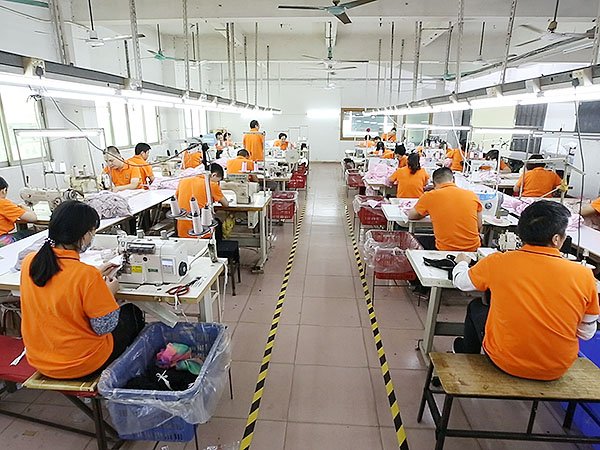
Built for Established Layered Dress Brands
Duolan works with fashion brands and product teams needing structured layered dress development, not handmade single-piece dresses, retail tiered styles or marketplace sourcing. Strong alignment begins with clear product direction, launch calendar, quality standards and repeat production value.
Resort and Vacation Dress Brands
Resort brands often use tiered dresses for movement, color and lightweight styling. Duolan reviews printed woven fabrics, lining, opacity, tier rhythm, travel packing and recovery after folding before bulk planning.
Occasionwear Brands
Occasion programs need refined layered effects with controlled softness. Duolan supports chiffon, tulle, lace, ruffle tiers and romantic silhouettes through fabric review, lining decisions, photo samples and PP sample confirmation.
Contemporary Womenswear Brands
Contemporary brands need layered dresses with restraint, proportion and polish. Duolan reviews tier placement, fabric handfeel, skirt weight, hem balance and final pressing so the garment feels elevated rather than bulky.
Romantic and Feminine Dress Brands
Romantic dress brands often rely on ruffle tiers, soft volume, floral prints and layered skirt movement. Duolan helps control gather distribution, layer rhythm, transparency, edge finishing and bulk shape consistency.
Product Development Teams
Development teams need samples answering clear questions: Are the tiers flattering? Is the gather ratio controlled? Does the lining affect movement? Can the approved layered shape enter bulk production? Duolan organizes comments around these decisions.
Sourcing Offices
Sourcing offices evaluate layered dress suppliers through sample accuracy, bulk consistency, compliance readiness, QC discipline, production timing and packing accuracy. Duolan supports formal review with manufacturing data and structured execution standards.
Layered Multi-Tier Dress Product Scenarios
Layered and multi-tier dresses work across resort, occasion, romantic, boho and commercial collections. The same layered structure changes according to length, fabric, tier count, print direction, lining and final selling scene.

cResort Tiered Dresses
Resort tiered dresses need lightness, color and easy movement. The garment should feel soft and travel-friendly without losing structure in packing.
- Light fabrics: Chiffon-touch, rayon and cotton blends need shrinkage and opacity review.
- Printed tiers: Floral, tropical and border prints need tier-level cutting references.
- Travel recovery: Folded layers should recover without deep crease marks.
- Soft volume: Tier rhythm should feel relaxed, not heavy or overbuilt.

Romantic Occasion Tiered Dresses
Romantic occasion tiered dresses need visual softness and refined finish. Chiffon, tulle, lace and delicate overlays require careful lining and edge control.
- Soft layers: Layers should move gracefully without twisting or collapsing.
- Opacity planning: Lining supports comfort and coverage without adding excess weight.
- Photo sample value: Layer movement, color and side profile need campaign review.
- Refined finish: Ruffle edges, seams and hems shape perceived garment value.

Boho Layered Dresses
Boho layered dresses often use cotton, rayon, embroidery, tassels or soft printed fabrics. The style needs a relaxed feeling with controlled garment balance.
- Natural handfeel: Cotton and rayon need shrinkage and wash behavior review.
- Embroidery weight: Embroidery can pull layers downward if not balanced.
- Gather control: Excess fullness can make boho layers look heavy.
- Hem finish: Soft hems need clean movement without uneven waves.

Printed Multi-Tier Dresses
Printed multi-tier dresses need planning before cutting. Every tier can interrupt print flow if placement is not reviewed.
- Floral scale: Print size should match bodice and layered skirt proportion.
- Border placement: Tier length and hem position should be planned together.
- Stripe alignment: Tier seams expose cutting errors quickly.
- Color records: Shade consistency matters across bodice and tier panels.

Commercial Tiered Midi and Maxi Dresses
Commercial tiered midi and maxi dresses need stable production logic. These styles can support repeat orders when tier proportion, fabric behavior and PP records stay clear.
- Midi rhythm: Tier breaks should flatter the body and support movement.
- Maxi weight: Long tiers need fabric weight and lining review.
- Repeat value: Approved pattern, BOM and tier notes support future colorways.
- Packing discipline: Full layered skirts need careful folding or hanging rules.
Tiered Dress Types Duolan Can Support
Layered dress programs can include mini, midi, maxi, ruffle-tiered, chiffon, tulle, cotton poplin, printed and border-tiered styles. Duolan reviews each type through tier proportion, fabric behavior and production repeatability.

Tiered Mini Dresses
Tiered mini dresses suit party, summer and youthful feminine collections. Short length makes coverage, tier placement and hem balance more sensitive.
- Short tier placement must protect coverage during walking and sitting.
- Gather volume should feel playful without adding unwanted hip bulk.
- Hem balance is highly visible on short layered silhouettes.

Tiered Midi Dresses
Tiered midi dresses suit contemporary, occasion and day-to-evening programs. The length makes tier rhythm, side seams and hem level easier to judge visually.
- Midi length makes tier rhythm and hem balance more visible.
- Fabric weight should not pull the lower tiers downward.
- Waist and hip proportion need review across the size range.

Tiered Maxi Dresses
Tiered maxi dresses suit resort, vacation, boho and romantic collections. Long layered panels need stronger weight, lining and packing review.
- Long tiered panels need fabric weight and hanging behavior review.
- Lining should support opacity without making the skirt heavy.
- Packing method should reduce deep creases across long layers.

Ruffle Tiered Dresses
Ruffle tiered dresses create movement and feminine value. Ruffle width, edge finish and tier position affect both appearance and sewing difficulty.
- Ruffle width changes visual softness, edge weight and sewing time.
- Edge finishing should prevent curling, twisting or uneven waves.
- Ruffle placement must keep neckline, waist and hem balanced.

Chiffon Layered Dresses
Chiffon layered dresses need softness, opacity and edge control. Lightweight fabric can shift during cutting, sewing and pressing.
- Chiffon layers need opacity, lining and edge finishing review.
- Lightweight tiers can shift during cutting and sewing.
- Pressing should keep layers soft without flattening movement.

Tulle Multi-Layer Dresses
Tulle layered dresses can create volume for party and occasion programs. The stiffness, number of layers and lining all affect comfort.
- Tulle stiffness controls volume, silhouette and comfort.
- Multiple layers need careful seam and lining management.
- Packing should protect shape without crushing soft volume.

Cotton Poplin Tiered Dresses
Cotton poplin supports crisp summer and commercial tiered styles. Structure is useful, but seam bulk and shrinkage need attention.
- Poplin supports crisp tiers but can create waist seam bulk.
- Shrinkage should be checked before final tier length approval.
- Gather distribution needs control to avoid uneven skirt volume.

Printed and Border Tiered Dresses
Printed and border-tiered dresses need cutting plans before bulk. Artwork scale and tier length should be reviewed together.
- Border placement should match tier length and hem position.
- Directional prints need clear cutting references before production.
- Print scale should suit both upper body and layered skirt.
Tier Structure and Layer Design Options
Layered dress structure decides whether the garment feels light, romantic, voluminous, commercial or overly heavy. Duolan reviews tier construction before sample work so pattern, fabric, lining and sewing method match the intended result.
Gathered Tiers
Gathered tiers create soft volume and feminine movement. The key is controlled fullness, not maximum fabric.
- Gather ratio: Excess fullness creates bulk and unnecessary weight.
- Distribution: Fullness should stay balanced across front, side and back.
- Seam thickness: Multiple gathered seams need careful sewing control.
- Layer rhythm: Each tier should connect naturally with the next one.

Ruffle Tiers
Ruffle tiers create expressive movement. They need careful edge finishing and proportion control.
- Ruffle width: Width changes softness, weight and visual scale.
- Edge finish: Rolled or narrow edges should stay clean and stable.
- Pressing: Ruffles should keep movement without hard flattening.
- Production control: Ruffle shape should match the approved sample.

Panel Tiers
Panel tiers create cleaner layered silhouettes. They work well for commercial midi and maxi dresses.
- Panel length: Each layer needs clear measurement standards.
- Side seam alignment: Panel tiers should meet cleanly at side seams.
- Symmetry: Left and right panels should balance visually.
- Repeatability: Panel tiers are often easier to standardize for bulk.

Flounce Layers
Flounce layers create movement through curved patterns rather than gathered fullness.
- Curve control: Pattern curve decides how the flounce falls.
- Bias behavior: Some fabrics drop after hanging or steaming.
- Edge treatment: Flounce edges need suitable finishing.
- Fabric choice: Too stiff or too soft fabric can distort movement.

Overlay Layers
Overlay layers use lace, mesh, tulle or sheer fabrics to create depth. Inner structure matters as much as outer layer beauty.
- Transparency: Overlay needs lining and color review.
- Friction: Layers should not cling or twist during movement.
- Comfort: Inner seams should not scratch or restrict wear.
- Visual depth: Overlay and base layer should work as one garment.

Asymmetric Layering
Asymmetric layered dresses need strong pattern records. High visual value also brings higher production risk.
- Front-back balance: Length changes should remain intentional.
- Left-right control: Shape must follow approved pattern, not production drift.
- Photo review: Visual sample approval is important for asymmetric layers.
- Bulk standard: PP sample and pattern records protect consistency.

Fabric Choices for Layered Multi-Tier Dresses
Fabric decides whether layered dresses look airy, sculpted, soft, heavy or collapsed. A strong layered style begins with material behavior, not only tier count.
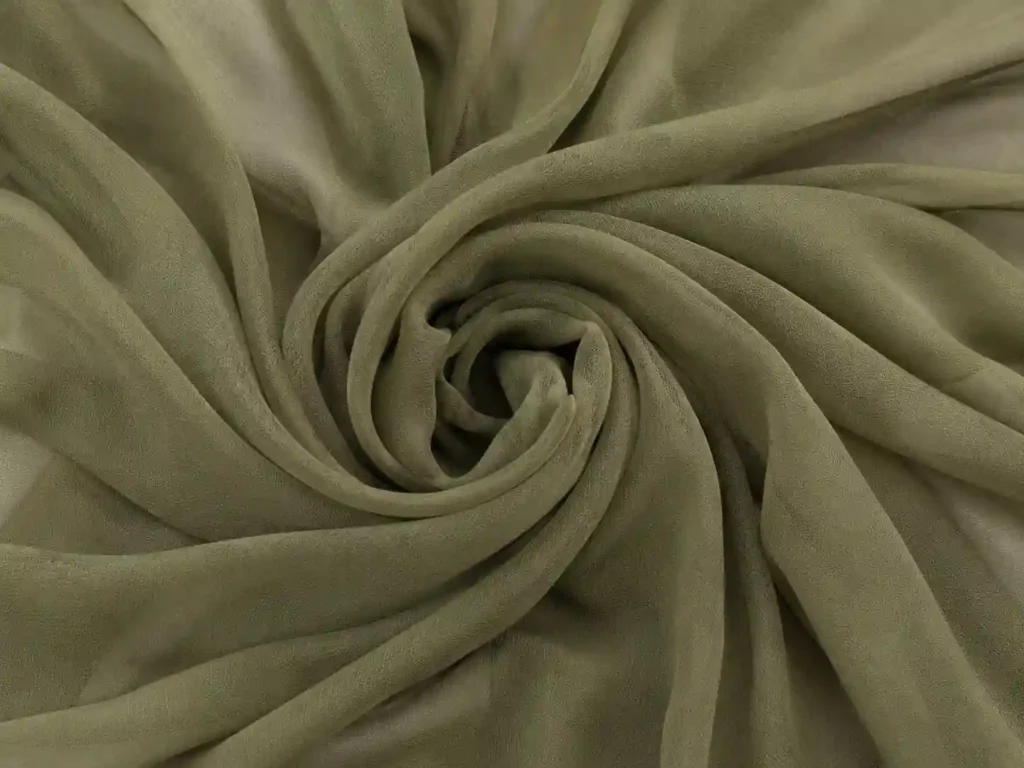
Chiffon and Georgette
Chiffon and georgette suit romantic occasion, resort and soft layered dresses. They create movement but require opacity and edge review.
- Transparency: Lining and color should be reviewed early.
- Cutting stability: Lightweight pieces can move during cutting.
- Edge control: Rolled hems and ruffle edges need clean finishing.
- Layer movement: Soft fabrics should float without twisting.
Tulle and Mesh
Tulle and mesh create visible volume, especially for party and occasion styles. Comfort and stiffness need careful balance.
- Stiffness: Tulle controls volume but may feel scratchy.
- Layer count: More layers increase weight and seam complexity.
- Lining: Inner lining protects comfort and coverage.
- Packing: Volume should recover after folding or shipment.

Cotton Poplin and Crisp Woven
Crisp woven fabrics suit summer, resort and commercial tiered dresses. They create shape, but seam bulk and shrinkage need review.
- Structure: Poplin holds clean tier shapes.
- Shrinkage: Natural fibers need wash behavior review.
- Gather bulk: Crisp fabrics can create thick tier seams.
- Pressing: Final pressing should keep shape without hard creases.

Rayon, Viscose and Soft Woven
Rayon and viscose suit boho, vacation and soft printed tiered dresses. Drape is attractive, yet stability needs review.
- Soft fall: These fabrics create relaxed movement.
- Shrinkage: Wash and steam behavior can change tier length.
- Side seams: Fabric direction and tension affect seam balance.
- Layer weight: Lower tiers may pull the garment downward.

Lace and Embroidered Fabrics
Lace and embroidered fabrics add value to occasion and boho layered dresses. Weight, transparency and edge behavior matter.
- Embroidery weight: Heavy embroidery can drag layers downward.
- Lining color: Lining changes the visual depth of lace.
- Edge finish: Lace edges may require special handling.
- Layer balance: Decorative fabrics should not overwhelm the silhouette.

Printed and Border Fabrics
Printed fabrics add strong commercial value. Tiered structures require print planning before bulk cutting.
- Print scale: Motif size should match layer depth.
- Border placement: Hem and tier seams should follow artwork logic.
- Cutting wastage: Placement-sensitive prints may increase material use.
- Shade control: Multi-tier styles need panel-to-panel color consistency.

Tier Placement, Gather Ratio and Layer Proportion
Tier placement and gather ratio decide whether a layered dress flatters the body or adds unwanted volume. More tiers do not automatically create more value. A strong multi-tier dress needs the right tier breakpoints, controlled fullness and a rhythm suited to length, fabric and brand direction.
Duolan reviews tier placement before sample cutting. First tier position, layer depth, gather ratio, seam placement, hem sweep, fabric weight and body proportion are connected. Once PP approval is reached, these details must enter pattern records, production notes and QC checkpoints.

Tier Placement
Tier placement decides visual rhythm and body balance. The first tier often carries the greatest fit risk because it sits close to waist and hip.
- High first tier: Can create youthful volume, but may widen the hip.
- Lower first tier: Can elongate the body, but may feel heavy.
- Midi placement: Needs balanced spacing so the skirt does not look chopped.
- Maxi placement: Needs vertical rhythm without dragging the silhouette downward.

Gather Ratio
Gather ratio controls volume, sewing time, fabric consumption and seam thickness. Too much fullness can make the garment heavy; too little can make the style look flat.
- Soft gather: Works well for chiffon, rayon and resort dresses.
- Moderate gather: Supports commercial midi and maxi styles.
- Full gather: Adds drama, but increases fabric use and seam bulk.
- Size review: Larger sizes need fullness control, not automatic expansion.

Layer Proportion
Each layer should support the full dress silhouette. Tier depth should follow length, body line and fabric behavior.
- Mini dresses: Need shorter tier intervals and coverage review.
- Midi dresses: Need clean rhythm from waist to hem.
- Maxi dresses: Need weight and lining review with every tier.
- Printed styles: Tier length should work with print scale and placement.

Seam Position
Tier seams create visible horizontal lines. Poor seam position can interrupt the body line or make the garment look heavy.
- Waist relation: First seam should not create unwanted hip width.
- Side seam match: Tier seams should meet cleanly at side seams.
- Pattern record: Each tier seam needs clear measurement standards.
- Bulk QC: Seam position should be checked before final packing.

PP Standard
Layered dresses need measurable tier standards. Visual approval alone is not enough.
- Tier length: Each tier depth should be locked by size.
- Tier width: Gathered panels need width records.
- Gather notes: Fullness and distribution should enter production notes.
- Hem sweep: Final hem width should match approved movement and cost plan.
Layer Weight, Lining and Movement Control
Layered dresses often sell through movement. Production risk appears when a garment looks light in a sample but becomes heavy, bulky or stiff in bulk. Duolan reviews fabric weight, lining, layer friction, hem behavior and packing recovery before PP approval.
A layered dress should move naturally during walking, sitting and styling. Lining should protect opacity without blocking skirt movement. Tier seams should not create hard horizontal bands. Packing should preserve layer shape without crushing ruffles or tulle volume.
Layer Weight
Every tier adds fabric, seam weight and volume. Too many layers or heavy materials can pull the garment downward.
- Short dresses: Excess layer weight can create bounce and coverage risk.
- Midi dresses: Lower tiers may drag if fabric is too heavy.
- Maxi dresses: Long layered panels need hanging and packing review.
- Decorative fabric: Lace and embroidery can add hidden weight.

Lining Balance
Lining should support comfort and coverage while allowing layers to move. Poor lining can make the skirt feel stiff or heavy.
- Opacity: Light chiffon, mesh and tulle often need lining.
- Lining length: Inner length should support coverage without showing awkwardly.
- Movement: Lining should not block skirt flow.
- Weight: Heavy lining can reduce the soft layered effect.

Movement Check
Layered dresses should be checked in motion. Static fitting is not enough for ruffle, chiffon or multi-tier skirts.
- Walking: Layers should open and fall naturally.
- Sitting: Skirt bulk and lining should remain comfortable.
- Stairs: Maxi and midi layered dresses need movement review.
- Side profile: Layer volume should look balanced from every angle.

Layer Friction
Different fabrics move differently against each other. Friction can make layers cling, twist or lose flow.
- Chiffon layers: Need soft edge and lining management.
- Tulle layers: Can catch or create scratchy movement.
- Lace layers: Need inner comfort and friction review.
- Mesh overlays: Need stable seams and smooth inner contact.

Packing Recovery
Layered dresses are vulnerable to crushed volume, deep crease marks and flattened ruffles. Packing should match fabric and layer structure.
- Fold points: Folds should avoid crushing visible tiers.
- Compression: Full skirts need carton planning.
- Ruffle recovery: Ruffle edges should recover after unpacking.
- Retail presentation: Garment should regain shape before display or shooting.

Pattern, Grading and Tier Consistency

Pattern Control
The pattern should record each tier separately. Layered dresses depend on tier length, panel width, seam position and hem sweep.
- Tier length: Each tier needs clear depth records.
- Panel width: Gathered tiers require width standards.
- Side seam: Tier seams should meet accurately.
- Hem sweep: Final sweep should match approved sample movement.

Grading Logic
Layered dresses should not be graded mechanically. Fullness and proportion need size-level review.
- Larger sizes: Need controlled gather volume around waist and hip.
- Smaller sizes: Need reduced visual bulk and balanced tier spacing.
- Midi styles: Layer rhythm should remain clean across sizes.
- Maxi styles: Extra length should not add uncontrolled weight.

Ruffle and Flounce Consistency
Ruffles and flounces need repeatable shape. Edge width, curve and placement should follow approved standards.
- Ruffle width: Width should remain consistent by size.
- Edge shape: Curling or twisting requires process review.
- Flounce curve: Curved pieces need accurate cutting.
- Pressing: Final finish should protect approved movement.

Layer Symmetry
Layer symmetry matters because horizontal lines are easy to read visually. Uneven layers reduce perceived quality quickly.
- Left-right balance: Tier lines should align across garment sides.
- Front-back balance: Front and back lengths should feel intentional.
- Side seam match: Tier seams should connect cleanly.
- Final QC: Layer symmetry needs checking before packing.
Print, Stripe and Border Placement for Tiered Dresses
Printed tiered dresses need planning before fabric cutting. Multi-tier structures can break print flow, shift border placement or create stripe mismatch if artwork and pattern are not reviewed together.

Border Print
Border prints are highly sensitive in tiered dresses because the artwork often sits near hems or tier seams.
- Hem position: Border artwork should align with final hem.
- Tier depth: Each tier length should support the border placement.
- Cutting plan: Fabric consumption may increase with placement needs.
- PP approval: Border position should be confirmed before bulk cutting.

Stripe and Check Alignment
Stripe and check fabrics expose construction errors quickly. Tier seams, pockets and side seams need clear references.
- Tier seams: Horizontal stripe breaks should look intentional.
- Side seams: Left and right stripes need visual balance.
- Bodice relation: Upper body and skirt should work as one design.
- Cutting control: Stripe alignment requires slower cutting review.

Floral and Tropical Prints
Floral and tropical prints support resort and vacation tiered dresses. Print scale should match layer depth.
- Large florals: Need enough tier depth to avoid broken motifs.
- Small prints: Can work for commercial tiered dresses.
- Directional prints: Cutting direction should be locked before production.
- Color balance: Bodice and skirt panels need shade consistency.

Print Cost and Waste
Placement-sensitive prints can increase fabric use. These decisions should be reviewed before final costing.
- Artwork repeat: Repeat size affects cutting efficiency.
- Panel placement: Tiered panels may require selective cutting.
- Shade lots: Each colorway needs review before bulk release.
- Repeat orders: Artwork and cutting records support future runs.
Layered Dress Development Path
Layered dress development should move from tier concept to PP standard through controlled fabric, fit and layer review. Duolan uses each stage to clarify structure, movement, lining and bulk feasibility.
Step 1|Design and Tier Structure Review
Duolan reviews reference images, tech packs, target scene, dress length, tier count, tier placement, gather ratio, ruffle width, lining need and fabric direction. Early structure review helps prevent a layered design from becoming heavy or visually unbalanced.
Step 2|Fabric and Layer Weight Review
Fabric is checked for weight, drape, transparency, shrinkage, edge behavior, lining relation and packing recovery. Chiffon, tulle, cotton poplin, rayon, lace and printed woven fabrics need different sample routes.
Step 3|First Sample Development
The first sample tests tier position, layer rhythm, gather volume, fabric behavior, lining relationship, hem balance and overall visual effect. Duolan uses the first sample to identify proportion risk and production concerns.
Step 4|Layer and Fit Revision
Sample comments are translated into clear adjustments. Tier length, gather ratio, layer sweep, ruffle edge, lining, waist fit, bust fit, side seams, print placement and hem balance may need correction.
Step 5|PP Sample and Bulk Readiness
Approved styles move into PP sample preparation, BOM locking, tier standards, production notes, QC checklist and packing standards. PP review confirms final layer proportion, fabric, lining, workmanship, labels and packing before bulk cutting begins.

Layered Multi-Tier Dress Sample Standards
Different samples answer different layered dress decisions. Duolan helps brands use each stage to check tier structure, fit, lining, fabric behavior, visual effect and bulk readiness.
| Sample Type | Purpose | Duolan Checks |
|---|---|---|
| First Sample | Tests overall tier structure | Tier placement, gather ratio, fabric behavior and lining need |
| Fit Sample | Reviews body and dress proportion | Bust, waist, hip, length, movement and coverage |
| Layer Balance Sample | Tests tier volume and layer rhythm | Tier length, sweep, symmetry, seam bulk and hem balance |
| Fabric / Lining Sample | Reviews opacity and weight | Transparency, layer friction, lining pull and garment comfort |
| Photo Sample | Supports campaign or ecommerce review | Layer movement, surface, color, print scale and presentation |
| PP Sample | Becomes bulk production benchmark | Material, measurement, tier standards, labels, packing and QC points |
Layered Multi-Tier Dress Risk Matrix
Layered dresses carry concentrated risks around tier proportion, fabric weight, lining, ruffle edges, print placement and bulk repeatability. Duolan reviews these risks before sampling and locks controls before bulk.
| Layered Dress Risk | Why It Happens | Duolan Control |
|---|---|---|
| Layers look bulky | Gather ratio or fabric weight not controlled | Gather review and fabric weight check |
| Tier placement widens hip | First tier starts at poor body position | Tier placement review during sampling |
| Layers collapse | Fabric too soft or tier sweep too weak | Fabric support and layer balance sample |
| Dress feels too heavy | Too many layers, lining or heavy fabric | Layer weight and lining review |
| Ruffles twist or curl | Edge finish or fabric behavior unsuitable | Ruffle edge standard and pressing review |
| Hem becomes uneven | Cutting, shrinkage or layer pull not controlled | Hem balance and final QC |
| Print alignment breaks | Tier cutting plan not defined | Cutting references and print placement review |
| Bulk tier shape drifts | PP standard and QC points not locked | Inline QC and final layer check |
Bulk Manufacturing, QC, Cost and Brand Delivery
Layered dress bulk production needs controlled tier standards, fabric release, QC focus and packing protection. Duolan connects manufacturing scale with structure-sensitive dress execution.
Manufacturing System Data
- 16 owned womenswear factories: Direct control supports core layered dress programs and sensitive tiered structures.
- 20+ satellite factories: Flexible capacity supports repeat orders, multi-style programs and seasonal demand.
- 300 sewing lines: Parallel production supports dress structure programs.
- 50+ quick-response lines: Samples, structure tests and launch preparation can move faster.
- 15,000–35,000 monthly sample capacity: Frequent layered dress development cycles can be supported.
- 3,000–8,000 monthly style workflows: First samples, revisions and PP samples can move through organized development.
- 6,500,000 stable monthly capacity: Planned bulk production and repeat delivery can be supported.
QC Focus
- Tier placement: Confirms approved layer position by size.
- Gather ratio: Controls fullness, seam bulk and fabric use.
- Layer length: Checks each tier depth against PP standard.
- Layer symmetry: Reviews left-right and front-back balance.
- Ruffle edge: Prevents curling, twisting and uneven waves.
- Seam bulk: Controls heavy horizontal seams.
- Lining balance: Protects opacity without blocking movement.
- Hem level: Keeps final skirt line clean.
- Print placement: Checks stripe, floral and border positioning.
- Packing recovery: Confirms layers recover after folding.
Cost Logic
Layered dress cost is shaped by fabric volume, tier count, edge finishing, lining and sample correction.
- Fabric consumption: More tiers and wider sweeps increase material use.
- Number of tiers: More layer seams add sewing and QC work.
- Gather ratio: Higher fullness increases fabric, seam bulk and sewing time.
- Ruffle or flounce edge: Edge finishing affects labor and final appearance.
- Lining and opacity solution: Inner layers change comfort, coverage and cost.
- Printed or border fabric placement: Cutting plans may increase fabric use.
- Sample revision: Tier proportion often needs more correction before PP.
- Pressing and finishing: Layers need careful shaping before packing.
- Packing method: Full skirts may need extra protection.
- Repeat potential: PP records and BOM continuity improve future production efficiency.
Brand Delivery and Compliance
- Main labels and size labels are placed without affecting comfort or garment appearance.
- Care labels are reviewed for fabric type, lining, washing behavior and skin contact.
- Hangtags and barcodes are aligned by style, color, size and channel need.
- Folding methods protect ruffle edges, tier volume and layered skirt shape.
- Carton marks and packing ratios support warehouse receiving across multi-style shipments.
- SMETA audit records support supplier review for established fashion brand programs.
- Testing discussions can follow AATCC, ASTM, EN, GB or brand-specific standards.
- OEKO-TEX® or GOTS material requirements can be coordinated for certified fabrics.
Custom Layered Multi-Tier case studies
Duolan respects brand confidentiality. These anonymized layered dress project patterns reflect realistic program sizes, sample cycles and order volumes aligned with current brand cooperation ranges.
United States|Tiered Resort Dress Program
A US resortwear brand developed a tiered resort program covering tiered midi dresses, printed tiered dresses and soft layered vacation styles. The program needed movement, color, lining control and stable print placement across several colorways.
Project data
- Region: United States
- Program type: Tiered resort dress launch
- Style scope: 12–18 styles
- Order volume: 30,000–65,000 pieces
- Sample cycle: 12–18 days for first sample rounds
- Main fabrics: Printed woven, rayon blend, chiffon-touch and soft lined fabrics
Key controls
- Tier placement: First tier position and layer rhythm were reviewed before PP approval.
- Gather ratio: Fullness was adjusted to reduce bulk around waist and hip.
- Print alignment: Floral and border placements were checked before cutting.
- Lining balance: Inner layers supported opacity without blocking skirt movement.

Australia|Layered Vacation Dress Collection
An Australian vacation brand prepared chiffon tiered dresses, ruffle mini dresses and lightweight layered styles. The line needed soft movement, daylight coverage and travel packing recovery.
Project data
- Region: Australia
- Program type: Layered vacation dress collection
- Style scope: 10–16 styles
- Order volume: 28,000–70,000 pieces
- Sample cycle: 10–16 days for first sample rounds
- Main focus: Opacity, layer weight, hem balance and packing recovery
Key controls
- Opacity review: Chiffon and light colors were checked with lining options.
- Layer weight: Fabric and lining were balanced to avoid heavy skirt feel.
- Hem balance: Tiered hems were reviewed before PP approval.
- Packing recovery: Folding method was tested to reduce crushed ruffles.

United Kingdom|Romantic Occasion Tiered Line
A UK occasionwear brand developed tulle layered dresses, chiffon tiered dresses and wedding guest styles. The program required soft volume, refined surface and photo-ready layer movement.
Project data
- Region: United Kingdom
- Program type: Romantic occasion tiered line
- Style scope: 8–14 styles
- Order volume: 22,000–52,000 pieces
- Sample cycle: 14–21 days depending on fabric and structure
- Main fabrics: Tulle, chiffon, lace overlay and lined woven fabrics
Key controls
- Lining structure: Inner layers were reviewed for comfort and opacity.
- Ruffle edge: Edge finish and curl control were checked during sampling.
- Photo sample: Layer movement and side profile supported campaign review.
- PP handover: Tier standards, BOM and QC points were prepared by style.

France|Contemporary Multi-Tier Midi Capsule
A French contemporary brand developed refined tiered midi dresses, soft layered dresses and printed tiered styles. The capsule focused on restrained volume, fabric handfeel and clean final pressing.
Project data
- Region: France
- Program type: Contemporary multi-tier midi capsule
- Style scope: 6–10 styles
- Order volume: 20,000–38,000 pieces
- Sample cycle: 14–20 days for fabric-sensitive styles
- Main risks: Fabric handfeel, tier rhythm, layer symmetry and final pressing
Key controls
- Fabric handfeel: Materials were reviewed for softness, drape and weight.
- Tier rhythm: Layer depth and spacing were adjusted for midi proportions.
- Layer symmetry: Left-right and front-back layer balance were checked.
- Final pressing: Tier seams and ruffle edges received packing guidance.

Layered Multi-Tier Dress FAQ
Yes. Duolan develops and manufactures custom layered and multi-tier dresses for established fashion brands, including tiered mini dresses, tiered midi dresses, tiered maxi dresses, ruffle tiered dresses, chiffon layered dresses, tulle layered dresses, printed tiered dresses and resort layered programs.
Multi-tier dress production is difficult because tier placement, gather ratio, fabric weight, lining, ruffle edges, print placement, hem balance and packing recovery all affect final garment quality. A sample can look soft and romantic, yet bulk production can become heavy, bulky or uneven without clear PP standards.
Yes. A tiered dress uses horizontal layers or tier panels to build skirt structure. A ruffle dress may use ruffles on neckline, sleeves, hem or other areas without full tiered skirt construction. Layered multi-tier dresses can include ruffles, but ruffles alone do not define the entire structure.
Yes. Duolan can support tiered mini, midi and maxi dresses. Each length needs different tier placement, gather ratio, fabric weight, lining and hem review. Mini styles need coverage control, midi styles need tier rhythm, and maxi styles need weight and packing recovery review.
Common options include chiffon, georgette, tulle, mesh, cotton poplin, rayon, viscose, lace, embroidered fabrics, printed woven and border fabrics. Fabric choice should match the intended volume, movement, opacity, layer weight and packing standard.
Duolan reviews tier placement, tier length, panel width, gather ratio, seam position and hem sweep during sampling. PP sample approval should lock these details into pattern records, production notes and QC checkpoints before bulk cutting begins.
Duolan reviews fabric weight, number of tiers, lining choice, gather ratio, ruffle width and hem sweep before PP approval. The goal is to protect movement and coverage without adding unnecessary skirt weight or seam bulk.
Duolan reviews outer fabric transparency, lining color, lining length, layer friction and movement comfort during sample development. Chiffon, tulle, mesh, lace and light colors often need lining review before final sample approval.
Yes, once approved samples become production standards. Duolan connects approved samples to BOM, PP samples, tier records, gather notes, fabric standards, QC checkpoints and packing requirements. Visual approval alone is not enough for layered dresses.
Yes. Duolan can follow requirements for main labels, care labels, size labels, hangtags, barcodes, polybags, folding methods, carton marks and packing ratios. Layered dresses with ruffles, tulle, chiffon or full skirts may need special packing review to protect volume and presentation.

Send Your Layered Dress Project
Duolan reviews layered and multi-tier dress projects from development and manufacturing angles. Share your design files, references, fabric direction, tier structure, size range, target quantity and launch timing for a structured review.
Share Your Project
- Layered dress style: mini, midi, maxi, resort, occasion, ruffle, tulle or printed.
- Design files: tech pack, sketch, original sample photos or reference images.
- Structure details: tier quantity, tier placement, gather ratio, ruffle width and hem sweep.
- Fabric direction: chiffon, tulle, cotton poplin, rayon, lace, mesh or printed woven.
- Production details: quantity, colorways, launch date, label and packing requirements.
Duolan Will Review
- Tier placement, gather ratio, fabric weight and lining feasibility.
- Sample path, revision needs and PP sample readiness.
- Production route, QC focus and packing requirements.