Skip to content
Custom Lightweight Dress Manufacturer
Lightweight Dress Development Built Around Fabric Behavior, Fit and Production Consistency
Duolan develops and manufactures lightweight dresses for fashion brands, product teams and sourcing offices requiring controlled fabric performance from first sample through repeat production.
- Lightweight fabrics commonly evaluated across approximately 45–160 GSM, depending on fiber, construction, opacity and silhouette.
- Mini, midi, maxi, slip, wrap, tiered, resort and lightweight occasion dress development.
- Multi-style programs commonly structured around 10–30 styles and 20,000–80,000 garments per brand order.
- Fabric, lining, pattern, stitching, hem and bulk-readiness controls planned before production release.
Dress Manufacturing Capacity Built for Multi-Style Brand Programs
30+ Years Development
16 Owned Factories
Core styles, sensitive fabrics and priority projects can be allocated to owned womenswear factories where development information, approved samples, workmanship requirements and production decisions remain under closer control.
20+ Satellite Factories
12,000+ Supporting Workers
300 Sewing Lines
50+ Flexible Lines
Developed for Established Fashion and Product Teams
Fashion Brands
Buying Teams
Product Teams
Sourcing Offices
Resortwear Labels
Occasionwear Brands
What Makes a Lightweight Dress Commercially Wearable
Weight Must Match the Silhouette
- Whether the fabric can hold the intended neckline, waistline and sleeve shape.
- Whether gathered volume becomes bulky after seams and lining are added.
- Whether the skirt falls cleanly or collapses around the body.
- Whether the final garment remains comfortable after trims, zippers and labels are installed.
- Whether the same behavior can be maintained in approved bulk fabric.
Opacity Must Be Designed
Lightweight does not mean transparent. Coverage depends on fabric density, color, stretch, surface texture, body contact and lighting conditions. Pale colors, close-fitting areas and stretched fabric generally reveal more than the same material in a loose or darker garment.
Opacity planning may involve:
- Full lining for complete coverage.
- Partial lining for bodice or skirt areas.
- Double-layer self fabric where visual consistency matters.
- Layered chiffon, georgette or mesh for movement.
- Skin-tone or color-matched lining selected for the target market.
- Pattern changes that reduce tension across the bust, hip or seat.
Movement Must Remain Controlled
A lightweight dress should move easily without losing its intended proportion. Side seams, skirt panels, tiers, bias sections and hems can shift when the fabric stretches under its own weight. Wider maxi skirts may require hanging and rechecking before final hemming.
Development therefore considers:
- Grainline and bias behavior.
- Skirt-volume distribution.
- Lining length and movement.
- Hem method and stitch tension.
- Dress length under hanging conditions.
- Movement during walking, sitting and raised-arm positions.

Lightweight Dress Styles for Seasonal Fashion Collections
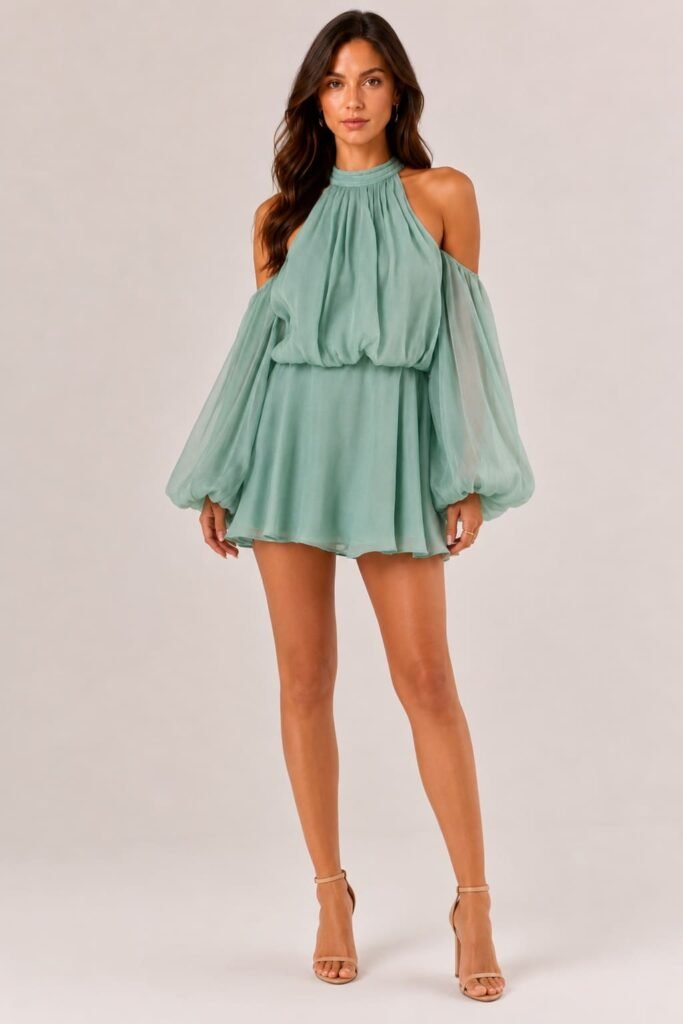
Lightweight Mini Dresses

Flowing Midi Dresses
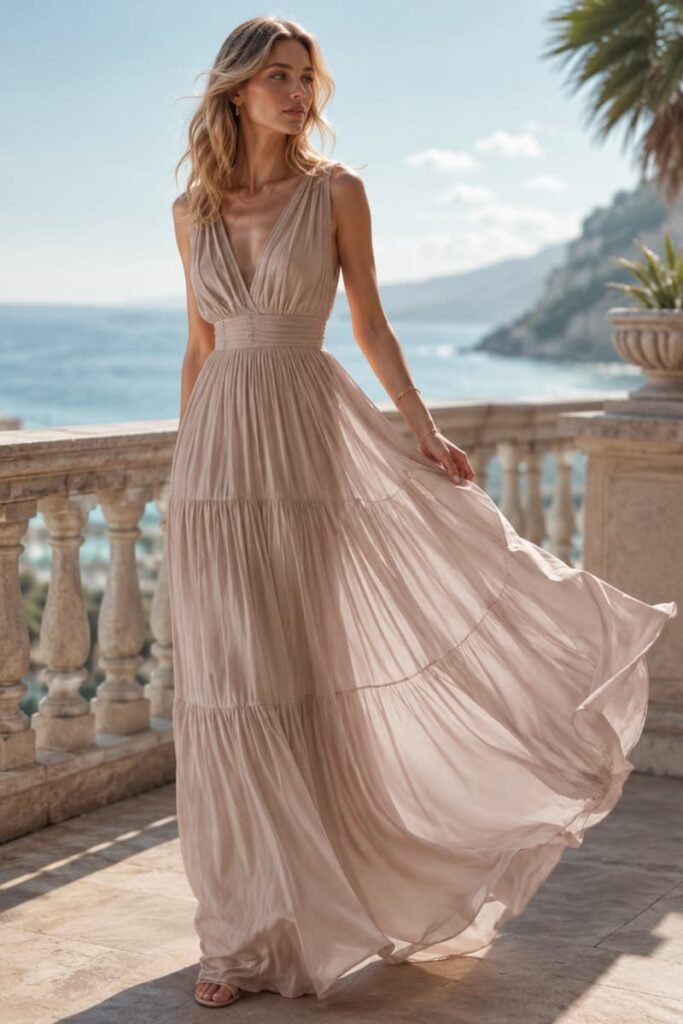
Lightweight Maxi Dresses

Slip Dresses

Wrap Dresses

Shirt Dresses

Tiered Dresses

Resort Dresses

Lightweight Occasion Dresses
Lightweight Collections Planned Around Selling Seasons

Spring Collection
Spring programs often combine soft color, lighter layering and transitional coverage. Midi dresses, shirt dresses, printed day dresses and lightweight occasion pieces can be developed with controlled sleeve volume, lining and early-season comfort.
- Fabrics: crepe, viscose, cotton lawn and georgette.
- Focus: layering compatibility and color consistency.
- Risk: fabric selected too thin for transitional weather.

Summer Collection
Summer dresses require breathable construction, reduced unnecessary layers and stable coverage in stronger light. Mini, wrap, sundress, slip and loose maxi silhouettes are evaluated for comfort, sweat exposure and repeated wear.
- Fabrics: cotton voile, cotton lawn, viscose and lightweight linen blends.
- Focus: breathability, opacity and easy movement.
- Risk: heavy lining defeating the intended summer feel.

Resort Drop
- Fabrics: printed viscose, chiffon, crepe and soft woven blends.
- Focus: print placement, movement and packing recovery.
- Risk: uneven hems and visible packing creases.

Vacation Capsule
- Fabrics: lightweight satin, viscose and printed polyester woven.
- Focus: coordinated styling and compact assortment logic.
- Risk: individual styles feeling disconnected from the collection.

Warm-Climate Market
- Fabrics: breathable cotton, viscose and lightweight blends.
- Focus: durability with reduced weight.
- Risk: fragile fabric selected only for appearance.

Lightweight Occasion Edit
- Fabrics: georgette, chiffon, lightweight satin and mesh.
- Focus: polish, coverage and photographed appearance.
- Risk: support components becoming visible through the shell.
Silhouette Engineering for Mini, Midi and Maxi Dresses
Mini and Short-Length Balance
- Front-to-back hem balance.
- Hip and seat ease.
- Skirt opening during walking and sitting.
- Lining coverage under daylight.
- Fabric lift caused by static or low weight.
- Whether a narrow hem changes the intended length.
Midi Proportion and Movement
Midi dresses can look elegant or visually heavy depending on waist position, skirt shape and hem placement. Lightweight materials may collapse too close to the body when the pattern lacks controlled volume.
Our pattern review considers:
- Natural waist versus raised or dropped waist.
- Hip release and skirt opening.
- Panel direction and flare distribution.
- Tier placement relative to the body.
- Side-seam fall and hem level.
- Lining ending position.
For printed midi dresses, scale and panel placement are also reviewed so the design remains balanced after grading.
Maxi Length and Hem Stability
Long skirts amplify small cutting and grainline errors. Bias sections may lengthen after hanging, while different panels may settle at different rates. Control points include:
- Fabric relaxation before cutting.
- Grain direction and panel matching.
- Hanging or settling before final hem confirmation.
- Separate assessment of shell and lining lengths.
- Sweep circumference and movement.
- Packing method to reduce deep creasing.
A lightweight maxi should appear fluid rather than unstable. Final length must be checked after fabric behavior, construction and pressing have reached the approved condition.
Lightweight Fabrics Selected for Drape and Stability
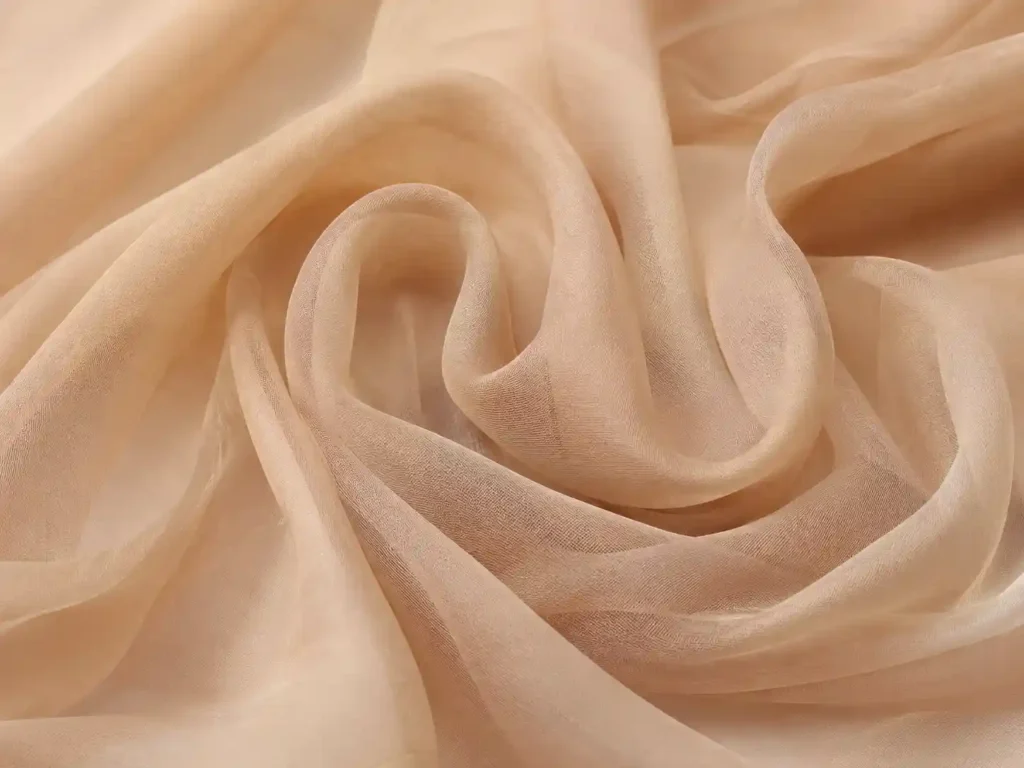
Chiffon

Georgette

Cotton Voile

Cotton Lawn

Cotton Gauze

Viscose
Viscose provides soft drape, fluid movement and strong print potential. It works well for wrap, midi, maxi and day dresses. Wet-state behavior, shrinkage, skew and fabric growth should be considered before bulk cutting.

Rayon Blends

Linen Blends

Lightweight Crepe

Lightweight Satin
Lightweight satin creates fluid shine and elevated visual value. Slip, draped, bias and occasion dresses benefit from its surface. Seam marks, needle damage, pressure shine, zipper waves and packing creases require disciplined handling.
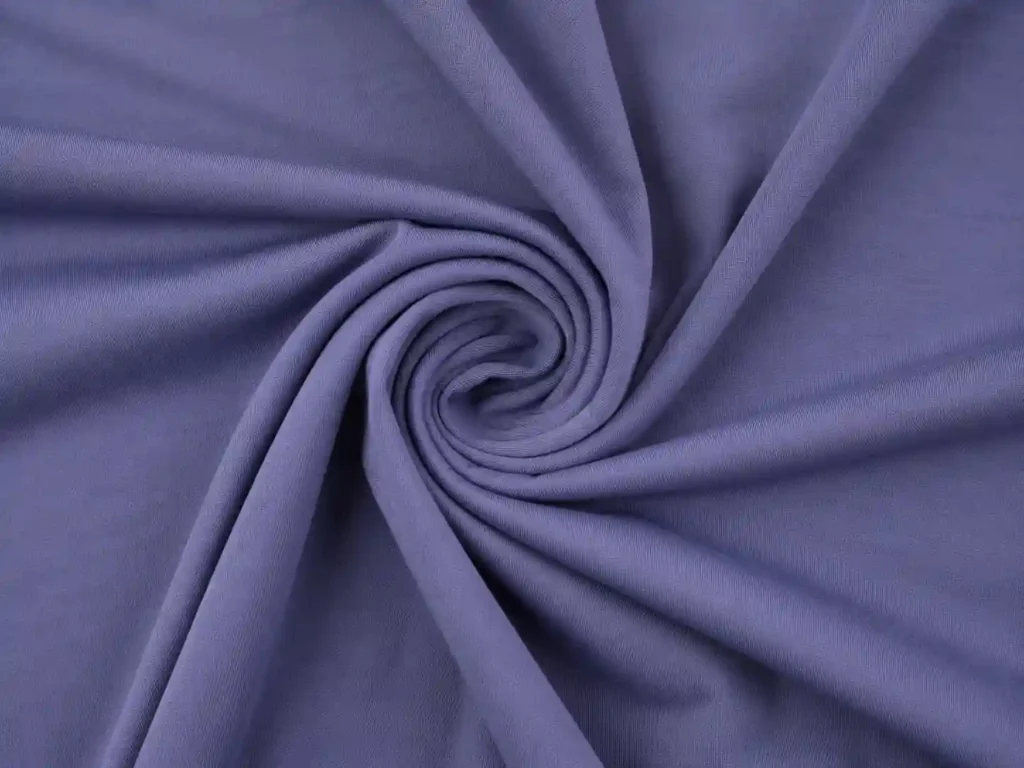
Fine Jersey
Fine jersey supports fitted, ruched and comfortable day-to-evening dresses. Weight alone is not enough; stretch percentage, recovery, opacity and surface stability determine whether the garment retains shape after wear.
Lightweight Polyester Woven
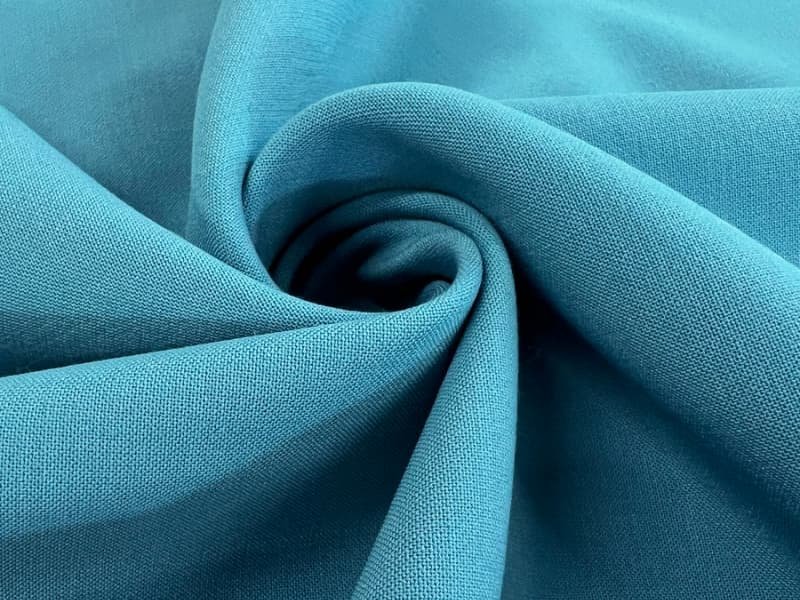
Lightweight polyester woven fabrics can provide color stability, print clarity, easy care and controlled cost. Breathability, static, opacity and handfeel vary by construction and finishing, so fabric selection should be based on end use rather than composition alone.
Match Fabric Behavior to the Intended Dress Silhouette
The matrix below provides a development reference. Final decisions depend on confirmed swatches, color, finish, garment construction, lining and brand-specific testing requirements.
| Fabric Direction | Drape | Opacity Tendency | Structure Level | Recommended Uses | Main Development Risk |
|---|---|---|---|---|---|
| Chiffon | Very fluid | Low | Very low | Layered maxis, sleeves, overlays | Fraying, transparency, uneven hems |
| Georgette | Fluid | Low to medium | Low | Wrap, midi, maxi, occasion | Seam puckering, grain movement |
| Cotton Voile | Soft and airy | Low to medium | Low | Summer, tiered, relaxed dresses | Shrinkage, see-through pale colors |
| Cotton Lawn | Light and clean | Medium | Medium-low | Shirt, day and gathered dresses | Creasing, seam show-through |
| Viscose | Fluid and heavy-flowing | Medium | Low | Wrap, maxi, midi, printed dresses | Shrinkage, skew, wet-state change |
| Linen Blend | Relaxed and textured | Medium | Medium | Resort, shirt and day dresses | Wrinkling, slub and shade variation |
| Lightweight Crepe | Controlled fluidity | Medium to high | Medium-low | Occasion, workwear and midi | Tension marks, pressing response |
| Lightweight Satin | Fluid with shine | Medium | Low | Slip, draped and evening dresses | Needle marks, seam waves, creasing |
| Fine Jersey | Body-following | Varies under stretch | Low | Fitted, ruched and casual dresses | Recovery, stretched opacity |
| Lightweight Polyester Woven | Variable | Medium | Low to medium | Printed, travel and seasonal styles | Static, handfeel and breathability |
Control Opacity Without Losing Lightweight Movement
Choose Coverage by Garment Area
- Bodice lining with an unlined sleeve.
- Skirt lining ending above a slit or tier.
- Double-layer self fabric at the bust.
- Separate slip construction for flowing sheer dresses.
- Partial lining under lace, mesh or chiffon panels.
- Selective facing and binding where full lining would add weight.
Match Lining Weight and Behavior
- Lining weight compared with shell weight.
- Static, cling and surface friction.
- Stretch compatibility.
- Shrinkage compatibility.
- Color influence under pale or transparent shells.
- Seam and hem visibility.
- Care-label compatibility.
Check Opacity Under Real Conditions
Opacity should be evaluated beyond the cutting table. Color, body stretch, sunlight and photography can reveal problems not visible indoors.
Review conditions may include:
- Flat fabric over a contrast background.
- Fabric under expected garment tension.
- Garment on a form or fit model.
- Front, side and back movement.
- Daylight and strong indoor lighting.
- Flash or campaign-shooting conditions where relevant.
White, ivory, pastel and skin-adjacent colors receive closer attention because lining shade can alter the final appearance.

Color and Print Development for Lightweight Dress Collections

White and Ivory
- Check under daylight and photography lighting.
- Confirm shell-to-lining color relationship.
- Control oil marks, handling stains and packing cleanliness.

Soft Pastels
Pastel colors reinforce spring, occasion and feminine resort direction but can expose fabric irregularities and internal construction.
Lab dips should be assessed on the final fabric quality rather than a different base cloth.
- Review shade under multiple light sources.
- Confirm opacity after lining selection.
- Evaluate color consistency across fabric lots.

Floral Prints
Floral prints suit mini, midi, maxi and vacation dresses. Print scale should fit the garment length and panel structure.
Larger motifs may require placement planning at the bodice, center front, seams and tiers.
- Confirm strike-off color.
- Review panel joins and directional motifs.
- Protect visual balance during grading.

Tropical Prints
Tropical and placement-driven prints perform strongly in resort programs.
Print proportion, repeat size and color saturation need evaluation against skirt volume and garment scale.
- Review placement across multiple sizes.
- Confirm repeat alignment where required.
- Consider print visibility through gathering.

Earth Tones
Earth tones support natural, travel and linen-oriented collections. Fabric texture and dye behavior may create intentional visual variation, but shade limits still need agreement before bulk approval.
- Confirm acceptable slub and tonal variation.
- Check wash and rubbing colorfastness.
- Match labels and trims to the approved tone.

Deep Seasonal Colors
- Review wet and dry rubbing performance.
- Confirm lining and thread shade.
- Protect dark surfaces during pressing and packing.
Fabric Testing and Inspection Before Cutting Begins
Development Testing Before Approval
Testing requirements vary by fiber, market, care method and brand manual. Lightweight dress programs commonly require attention to:
- Dimensional change after care.
- Colorfastness to washing and rubbing.
- Stretch and recovery where applicable.
- Seam slippage on loosely constructed woven fabric.
- Fabric strength for tie, strap and closure areas.
- Surface appearance after pressing or laundering.
- Fiber composition and restricted-substance requirements when specified.
Results should be interpreted against the intended product. A fabric may pass a general test but still fail to support a narrow strap, fitted hip or heavy gathered skirt.
Incoming Bulk Fabric Inspection
Bulk fabric is checked against approved swatches, color standards and project records before cutting.
Inspection focuses on:
- Roll-to-roll and within-roll shade.
- Width and usable width.
- Weight or construction consistency.
- Handfeel and finish.
- Stretch direction and recovery.
- Opacity and lining interaction.
- Weaving, knitting or printing defects.
- Stains, oil marks, holes and surface damage.
- Bowing, skew or distortion where relevant.
Fabric rolls may be grouped by shade to reduce visible variation within one garment or one color shipment.
Release Decision Before Cutting
Material should not enter cutting simply because it has arrived.
A release decision should confirm:
- Approved quality and color are matched.
- Required testing status is clear.
- Quantity and usable yield support the order.
- Shade grouping has been planned.
- Pattern and marker assumptions remain valid.
- Lining and trims remain compatible.
- Any accepted variation is recorded.
Early fabric control protects pattern accuracy, sewing efficiency, final appearance and delivery timing.
Review Lightweight Dress Feasibility Before Sampling Starts
Design Reference
Fabric Direction
Fit Intention
Lining Strategy
Construction Path
Project Timeline
Confirm Fabric Direction Before Evaluating the Sample
Fabric Direction Review
- Drape and body.
- Stretch and recovery.
- Surface shine or matte appearance.
- Texture.
- Transparency.
- Weight.
- Softness.
- Support.
- Care expectations.
- Target price position.
Swatch and Color Evaluation
Swatches are assessed against the silhouette and use case. Where color development is required, lab dips or strike-offs may be used before final fabric approval.
Review includes:
- Shell color under expected lighting.
- Lining color under the shell.
- Print scale and repeat.
- Fabric hand before and after expected care.
- Availability for sample and bulk.
- Lot consistency risk.
Alternative Fabric Review
An alternative may be proposed when the original material creates excessive cost, unstable supply, high minimum material quantities or unsuitable performance.
A responsible alternative should preserve the key product intention:
- Similar drape.
- Comparable opacity.
- Appropriate handfeel.
- Suitable sewing response.
- Acceptable care behavior.
- Commercially workable bulk availability.
The alternative should be approved as a deliberate development decision, not quietly substituted during production.

Why Tech Packs Matter Before Lightweight Dress Sampling
Define the Visual and Technical Basis
- Front, back and detail flats.
- Style description and intended occasion.
- Fabric composition or performance direction.
- Desired weight, handfeel, shine and opacity.
- Colorways, Pantone references or print files.
- Main measurements and fit intention.
- Lining coverage and color.
- Closure, straps, ties and support components.
- Seam, hem and finishing requirements.
- Label, hangtag and packaging information.
Reduce Misinterpretation During Development
Reference images often show mood but not construction. A dress may appear simple while hiding internal support, double layers, bias cutting or specific finishing.
Clear technical information helps prevent:
- Wrong fabric behavior.
- Unintended neckline or armhole shape.
- Incorrect skirt volume.
- Lining ending in the wrong position.
- Hem finish changing the garment length.
- Sample details that cannot be repeated in bulk.
- Cost changes discovered too late.
Build a Basis for Bulk Production
A production-ready file evolves during sampling. Approved changes should be reflected in the measurement chart, BOM, construction notes and packaging details.
The final basis should align:
- Approved sample condition.
- Pattern version.
- Fabric and lining.
- Trim and label details.
- Measurements and tolerances.
- Workmanship points.
- Inspection priorities.
- Packing requirements.
Pattern Development That Preserves Lightweight Dress Balance
Upper-Body Balance
The bodice is reviewed around:
- Bust position and shaping.
- Neckline stability.
- Front and back armhole shape.
- Shoulder and strap placement.
- Side-seam position.
- Waist seam level.
- Dart, princess or gathering distribution.
- Closure tension.
Very soft fabrics may need controlled facing, lining or stabilizing tape. Support should remain invisible from the garment exterior.

Skirt Fall and Grain Direction
- Straight grain, cross grain and bias sections.
- Flare distribution.
- Panel width and joining.
- Gather or pleat ratio.
- Tier depth.
- Side-seam balance.
- Slit position.
- Hem sweep.
- Fabric growth under hanging.

Lining Pattern Relationship
Shell and lining require separate pattern consideration. Copying the shell without adjustment can cause restriction, twisting or visible lining.
The lining pattern should account for:
- Ease relative to the shell.
- Stretch compatibility.
- Hem length and movement.
- Slit or opening construction.
- Waist or bodice attachment.
- Seam location.
- Shrinkage difference.
- Bulk at gathered areas.

Measurement and Grading Control for Consistent Fit
Establish Clear Measurement Points
- High point shoulder to hem.
- Center-front and center-back length.
- Bust, waist and hip.
- Armhole depth.
- Neckline depth and width.
- Strap length and placement.
- Sleeve opening.
- Waist-seam position.
- Slit height.
- Skirt sweep.
- Lining length.
- Tier depth.
- Tie or belt length.
Set Tolerances by Product Risk
Tolerance should reflect construction, fabric behavior and the visual importance of each point.
Examples of higher-priority areas include:
- Neckline symmetry.
- Strap length.
- Mini-dress length.
- Waist position.
- Slit height.
- Lining exposure.
- Tier alignment.
- Side-seam balance.
Loose skirt sweep may allow more variation than a fitted bust or short hem. Tolerances should be agreed before production inspection begins.
Grade Around Silhouette and Fabric
Grading is not only proportional enlargement. Lightweight dresses need size-to-size review around:
- Bust shaping.
- Neckline coverage.
- Armhole exposure.
- Strap placement.
- Waist height.
- Hip ease.
- Skirt volume.
- Hem sweep.
- Lining coverage.
Brands may provide their established block and size chart. Where a chart is under development, fit comments and approved sample measurements help create a clearer graded basis.

Turn Sample Comments Into a Production-Ready Dress
Separate Sample Purposes
Different samples answer different questions:
- First prototype: checks overall direction.
- Fit sample: evaluates measurements and body balance.
- Revision sample: confirms corrected pattern and construction.
- Photo-ready sample: supports campaign or ecommerce imagery.
- Salesman sample: supports internal or wholesale presentation.
- PP sample: confirms the production basis before bulk release.
Confusing sample purposes creates unnecessary revisions.
The required decision should be clear before each sample begins.
Translate Comments Into Actions
- Neckline gaping may require pattern correction, not stronger pressing.
- Uneven hem may come from grainline or fabric settling.
- Tight hip appearance may require ease adjustment rather than a larger seam allowance.
- Visible lining may require pattern, length or attachment changes.
- Zipper waves may require fabric stabilization and tension correction.
- Heavy skirt appearance may require reduced gathering or lighter lining.
Complete the Bulk-Readiness Review
Before bulk starts, Duolan reviews:
- Approved sample status.
- Fabric and lining.
- Color and print.
- Measurements and tolerances.
- Construction details.
- Critical workmanship points.
- Labels and packaging.
- Inspection requirements.
- Launch and delivery timing.
- Production-line suitability.
Simple bulk styles commonly require around 15–20 production days, regular styles around 20–30 days, and complex styles around 30–45 days after material and approval readiness. Final timing is confirmed by style, quantity, fabric, process and production schedule.
Sewing Methods for Clean Lightweight Dress Construction
Needle and Thread Selection
The trial checks:
- Needle holes.
- Yarn damage.
- Skipped stitches.
- Thread show-through.
- Seam strength.
- Puckering.
- Surface pulling.
- Appearance after pressing.
Stitch Density and Tension
Excessive stitch density can perforate fragile fabric, while loose density can reduce seam security. Upper and bobbin tension should form a flat seam without pulling the fabric into waves.
Control includes:
- Testing across straight and curved seams.
- Reviewing bias sections.
- Checking seam appearance after pressing.
- Matching settings to layered thickness.
- Rechecking after thread, color or fabric-lot changes.
- Recording approved settings for the production line.
Clean Seam Finishes
Construction may include:
- French seams for selected sheer woven styles.
- Narrow overlock where bulk must remain low.
- Bound seams for clean internal presentation.
- Enclosed yokes or facings.
- Fine edge stitching.
- Stabilized zipper seams.
- Clean lining attachment.
The method should match fabric transparency, product price position, care requirements and production repeatability.
Neckline and Armhole Stability
Checks include:
- Neckline symmetry.
- Armhole shape.
- Strap insertion.
- Shoulder stretching.
- Facing roll-out.
- Lining visibility.
- Edge waviness.
Invisible Zipper Installation
The process considers:
- Seam reinforcement.
- Zipper length.
- Waist-seam matching.
- Top-edge finish.
- Lining attachment.
- Pull operation.
- Pressing temperature.
- Flatness after hanging.
Straps, Ties and Delicate Parts
Narrow straps and ties experience concentrated stress. Construction should balance visual delicacy with use durability.
Review points include:
- Finished width.
- Turning method.
- Attachment security.
- Stretch under load.
- Symmetry.
- Adjuster compatibility.
- Reinforcement hidden inside the garment.
Hem Balance and Finishing for Lightweight Dress Movement
Select the Right Hem Method
- Baby hem.
- Rolled hem.
- Narrow double-turn hem.
- Clean-finished lining hem.
- Binding for selected designs.
- Raw or heat-cut edge only where fabric, design and durability allow.
Allow Fabric to Settle
Long and bias-cut skirts may lengthen after hanging. Tiered, paneled and multi-layer dresses can settle unevenly because each section carries a different weight.
The finishing sequence may involve:
- Initial assembly.
- Controlled hanging or settling.
- Dress-form or measurement review.
- Shell and lining length comparison.
- Final trimming.
- Hem sewing.
- Final pressing.
- Recheck after cooling.
Press Without Damaging the Surface
Lightweight satin, viscose, synthetic woven fabrics and delicate textures can react to excessive heat, steam or pressure. Pressing control covers:
- Temperature testing.
- Press cloth use.
- Avoiding seam impressions.
- Protecting shine and texture.
- Cooling before stacking.
- Preventing stretching during pressing.
- Confirming measurements after finishing.
Packing should preserve the final appearance. Folding lines, compression and polybag size are reviewed for fabrics likely to retain creases.
Cutting Control for Slippery and Distortion-Sensitive Fabrics
Prepare Fabric Before Spreading
Fabric condition should be stabilized according to its construction and finishing. Fold marks, roll tension or dimensional change may affect cutting accuracy.
Preparation may include:
- Fabric inspection and shade grouping.
- Relaxation before spreading.
- Confirmation of face and back.
- Nap, shine or directional print identification.
- Width and usable-width check.
- Shrinkage allowance confirmation.
- Lining-to-shell lot coordination.
Control Spreading and Cutting
- Appropriate layer height.
- Low and consistent spreading tension.
- Grainline alignment.
- Edge control.
- Marker accuracy.
- Pattern-piece restraint where needed.
- Clean blade condition.
- Panel numbering.
- Directional print and motif placement.
Protect Cut Components
Cut panels should remain organized and protected before sewing.
Bundle control covers:
- Style, color, size and shade identification.
- Shell and lining matching.
- Paired component control.
- Strap and tie length identification.
- Print placement reference.
- Protection against stretching, contamination and fraying.
- Transfer of critical notes to the sewing line.

Prevent Lightweight Dress Problems Before Bulk Production
Known risks should be converted into development and production checkpoints. Control begins before sampling and continues through material approval, first-piece review, inline inspection and final packing.
| Risk | Likely Cause | Development Check | Bulk Control |
|---|---|---|---|
| Excessive transparency | Low fabric density, pale color or body tension | Opacity and lining review | Light check and on-form inspection |
| Lining exposure | Incorrect length, attachment or shell movement | Shell-to-lining pattern review | First-piece and final-length check |
| Seam puckering | Needle, thread, tension or unstable fabric | Sewing trial | Approved settings and inline review |
| Fabric slippage | Low surface friction and high cutting layers | Spreading and cutting trial | Controlled lay height and bundle checks |
| Twisted side seams | Grainline, skew or sewing feed imbalance | Pattern and fabric-behavior review | First-piece hanging check |
| Uneven hem | Bias growth, poor grain alignment or rushing | Settling and hem method review | Hang, measure, trim and recheck |
| Shrinkage | Unconfirmed care behavior | Development testing | Bulk-lot verification where required |
| Shade variation | Fabric-lot differences | Lab dip and swatch approval | Roll grouping and cut-plan control |
| Needle marks | Wrong needle or surface sensitivity | Sewing and pressing trial | Needle-change discipline |
| Drape inconsistency | Material substitution or lot variation | Approved fabric basis | Incoming handfeel and weight comparison |
| Strap stretching | Weak fabric, construction or attachment | Load and fit review | Reinforced attachment inspection |
| Zipper waviness | Unstable seam and tension imbalance | Zipper trial | First-piece and inline flatness check |
Maintain Standards From Approved Sample to Bulk
Approved Sample Review
Material Locking
Pattern Version Control
Measurement Confirmation
Workmanship Standard
First-Piece Approval
Inline Inspection
Final Inspection
Reorder File Preservation
Quality Checkpoints for Lightweight Dress Production
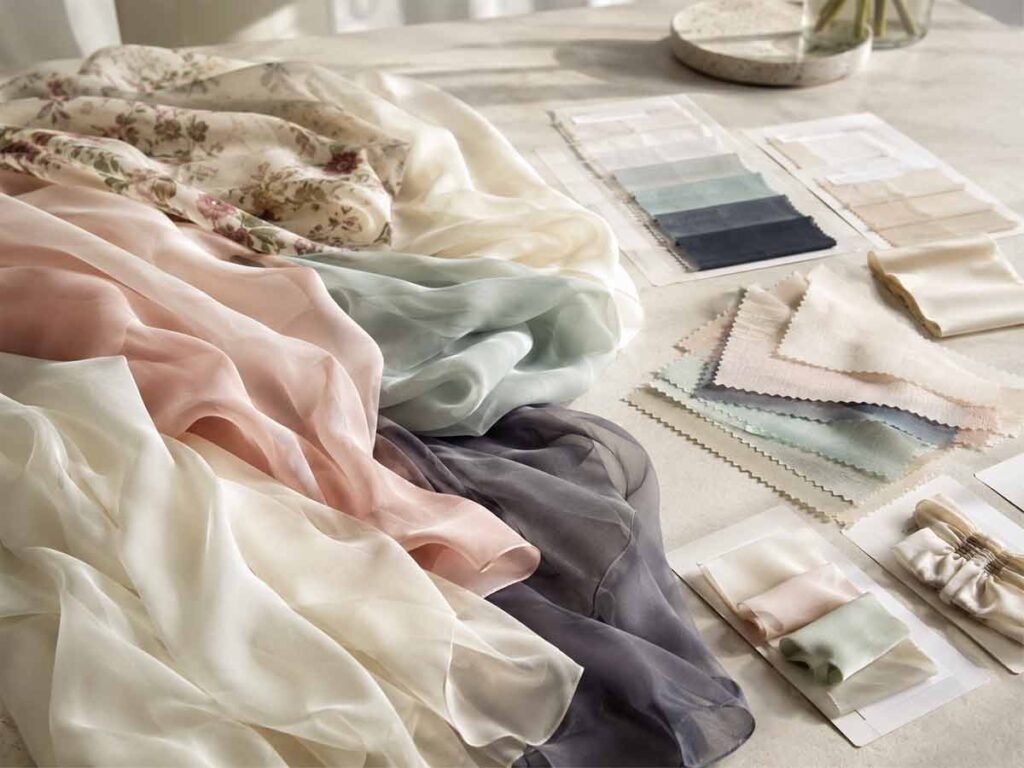
Incoming Fabric Check
- Compare with approved swatch.
- Record roll conditions.
- Protect pale fabrics from contamination.
- Confirm lining compatibility.

Cutting Inspection
Cut components are reviewed for grainline, notches, matching, size identification, print position and fabric damage.
- Check paired parts.
- Verify panel direction.
- Confirm shell and lining quantities.
- Identify distorted or frayed pieces.

First-Piece Approval
- Review fit and balance.
- Check seam appearance.
- Confirm opacity and lining.
- Verify hem and pressing.
- Close issues before full release.

Inline Inspection
- Seam puckering.
- Uneven gathering.
- Neckline stretching.
- Zipper waves.
- Strap inconsistency.
- Measurement drift.
- Stains and handling damage.

Measurement Inspection
- Follow POM instructions.
- Prioritize high-risk points.
- Record deviations.
- Recheck after corrective action.

Final Packing Check
Final review includes workmanship, appearance, labels, size stickers, folding, polybags, carton marks and quantities.
- Protect crease-sensitive fabrics.
- Confirm lining is not exposed.
- Check loose threads and cleanliness.
- Verify barcode and packing details.
- Match shipment documents to packed goods.
Scalable Manufacturing for Lightweight Dress Programs
Match Styles to Production Paths
Orders are broken down by:
- Style and color.
- Size and quantity.
- Fabric sensitivity.
- Construction complexity.
- Print or special processes.
- Fit risk.
- Required delivery date.
- Inspection and packing requirements.
Core, complex or high-risk styles can remain under tighter owned-factory control.
Stable repeat styles and larger quantities can be allocated through the wider manufacturing network after standards are established.
Coordinate Multi-Style Programs
Orders involving 10–30 styles need coordinated development and production timing. Different styles may reach approval at different dates, use different fabrics or require different processes.
Planning covers:
- Material readiness by style.
- Sample and PP status.
- Cutting release.
- Sewing-line allocation.
- Special process timing.
- Inspection windows.
- Packing completion.
- Partial or combined shipment.
The objective is not to force all styles through one schedule, but to keep the overall collection aligned with the agreed launch plan.
Support Repeat and Scale-Up Orders
Repeat production should not restart from zero. Previous pattern versions, BOMs, color records, workmanship decisions, QC findings and packing standards provide the basis for a faster and more controlled review.
Before a repeat order, Duolan checks:
- Whether the same material remains available.
- Whether a new dye lot or print lot needs approval.
- Whether fit or size ratios have changed.
- Whether prior QC findings require preventive action.
- Whether volume requires a different production path.
- Whether the launch date requires split delivery.
Compliance and Branded Delivery for International Programs
Audit Readiness
Duolan’s manufacturing system has a SMETA social audit record and can cooperate with further brand-specific supplier review requirements.
- Factory information.
- Social responsibility documents.
- Production-process review.
- Quality-system coordination.
- Client-specific assessment support.
Material Standards
- AATCC and ASTM-related requests.
- OEKO-TEX-related material requirements.
- EN and China GB references.
- GOTS-related requirements where applicable.
- Client RSL and quality manuals.
Brand Labels
Brand identity elements are incorporated into the approved production file.
- Main labels.
- Size labels.
- Care labels.
- Country-of-origin information.
- Hangtags.
- Brand-specific attachments.
Barcode Control
- Barcode artwork.
- Size stickers.
- Polybag labels.
- Carton labels.
- Warehouse labels.
- Assortment information.
Packaging Method
- Folding method.
- Tissue or protective material.
- Polybag dimensions.
- Crease-sensitive handling.
- Carton assortment.
- Carton strength and marks.
Shipment Coordination
- Express: approximately 3–7 days.
- Air freight: approximately 5–8 days.
- Sea freight: approximately 20–35 days.
Lightweight Dress Projects Developed for International Markets
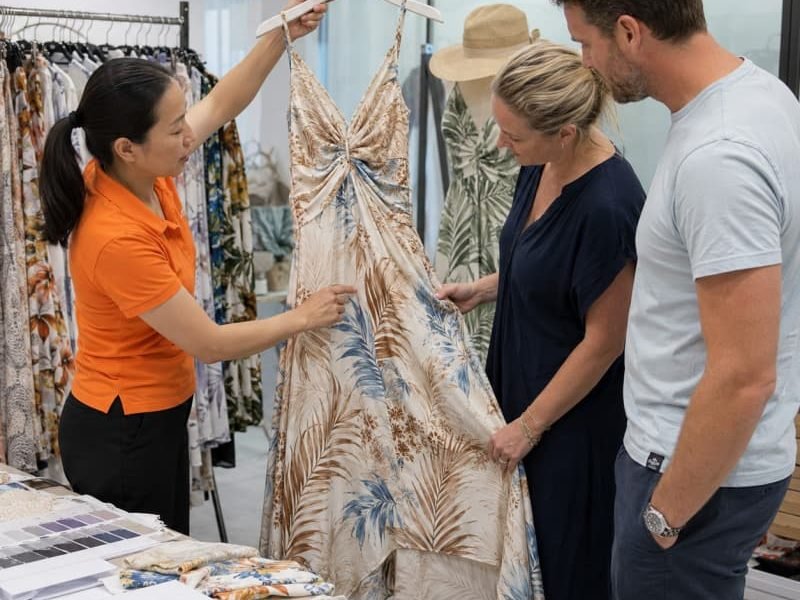
United States Resort Collection
- Pale printed fabrics became transparent under daylight.
- Several maxi samples developed uneven hems after hanging.
- Viscose shrinkage affected finished length.
- Print placement changed across graded sizes.
- Different lining qualities altered skirt movement.
- Shell and lining combinations were reviewed by color.
- Opacity was checked on form under strong lighting.
- Viscose qualities were assessed for dimensional change.
- Maxi patterns were reviewed for grainline and panel balance.
- Hem confirmation followed a controlled settling stage.
- Print placement guides were prepared for key bodice and skirt areas.
- Approved fabric, lining and workmanship standards were locked before bulk.

United Kingdom Spring-Summer Edit
- Pale colors exposed internal seams and facings.
- Necklines stretched during sample handling.
- Midi waist positions varied across the first graded set.
- Cotton fabrics showed inconsistent shrinkage.
- Several zipper seams appeared wavy after pressing.
- Pale shell fabrics were tested over multiple lining shades.
- Neckline stabilization was adjusted by fabric quality.
- Measurement points were clarified for waist and bodice lengths.
- Cotton qualities were reviewed before production-marker confirmation.
- Zipper insertion was tested with localized support and revised tension.
- Size grading was reviewed around bust, waist height and armhole coverage.
- PP samples confirmed the final measurement and workmanship basis.

Australian Vacation Dress Program
An Australian fashion label developed a 26-style warm-climate collection totaling 67,400 garments. The assortment included linen-blend day dresses, printed viscose maxis, lightweight wrap dresses, relaxed minis and evening resort pieces. Initial concerns:
- Linen-blend texture varied between lots.
- Printed viscose panels shifted during cutting.
- Maxi skirt lengths changed after assembly.
- Gathering became bulky on several tiered styles.
- Crease-sensitive dresses required improved packing.
Development actions:
- Acceptable texture and shade limits were agreed from approved swatches.
- Printed fabric spreading and layer height were controlled.
- Panel numbering and print-direction references were introduced.
- Tier gathering ratios were reduced according to fabric weight.
- Long skirts were allowed to settle before final hemming.
- Folding methods and polybag dimensions were reviewed by silhouette.
- Repeat-order material and pattern records were retained by style.
Production result: The 26 styles were produced through separate core, flexible and repeat-ready production paths. QC concentrated on print direction, side-seam balance, tier fullness, maxi length and packing creases. The 67,400-piece collection was organized for staged delivery around the brand’s seasonal launch calendar.
Frequently Asked Questions About Lightweight Dress Manufacturing

Start Your Lightweight Dress Development Project
Send your tech pack, reference images, original-sample photos or collection brief to begin a structured review. Duolan will evaluate the silhouette, fabric direction, opacity, lining, fit priorities, construction, sample purpose, target quantity, size range, colorways, launch timing and branded-delivery requirements.
Clear project information allows our team to provide a more useful response covering the recommended development path, missing technical details, fabric considerations, sample basis, production feasibility, timing and quotation requirements. Projects can begin from a complete tech pack or from an earlier design stage, provided the main product direction and commercial plan are clear.
Please include:
- Company or brand name.
- Website or brand profile.
- Country and target market.
- Product type and number of styles.
- Tech pack, sketch or reference images.
- Fabric, color and print direction.
- Target quantity and size range.
- Sample purpose and required date.
- Target launch or delivery date.
- Label, packaging and compliance requirements.
- Main quality or fit concerns.