 Skip to content
Custom Occasion Top Manufacturer
Occasion top development, production-ready sampling and scalable manufacturing for established fashion brands, buying offices and product development teams.
- 8 focused product directions covering corset, bustier, satin, mesh, lace, halter, off-shoulder and embellished occasion tops.
- 9 critical fit areas reviewed across bust, underbust, neckline, armhole, straps, waist, length, back balance and hem opening.
- 6 pre-production control points covering fabric, fit, support structure, workmanship, embellishment and packaging.
- 30+ years of fashion womenswear development experience supported by a structured multi-factory manufacturing network.
Occasion Top Development Built Around Brand-level Requirements
Development-led Manufacturing
- Tech pack and reference review
- Fabric and trim direction
- Pattern development
- First sample and fit review
- Revision records
- PP or production-ready sample
- Bulk planning and quality checkpoints
Sample-to-Bulk Control
An attractive sample has limited commercial value when its material, workmanship and fit cannot be repeated consistently. Duolan converts approved samples into production references through confirmed patterns, measurements, bills of materials, trim specifications, workmanship notes, PP references and QC checkpoints.
Before production release, critical decisions are reviewed again:
- Approved fit status
- Fabric and lining standards
- Color and trim confirmation
- Construction method
- Decorative placement
- Label and packing instructions
Manufacturing Flexibility
Duolan is supported by 16 owned womenswear factories and more than 20 long-term satellite factories. Core styles and sensitive projects can remain under direct factory control, while repeat production and larger programs can be allocated through a coordinated manufacturing network. Production allocation is not random.
Styles are matched according to:
- Fabric handling requirements
- Fit sensitivity
- Decorative processes
- Quantity
- delivery schedule
- Reorder expectations
Occasionwear Experience
Multi-style Coordination
Brand Compliance Readiness
Manufacturing support includes social audit records, material testing coordination, labeling preparation, packing requirements and documentation for shipment.
Duolan has completed SMETA and SMETA 2-Pillar audit processes and can review project requirements involving AATCC, ASTM, OEKO-TEX®, EN, China GB, GOTS-related materials or brand-specific manuals.
Built for Established Fashion and Occasionwear Teams
Fashion Brand Teams
- Product direction review
- Fabric and trim alignment
- Fit and silhouette control
- Sample revision management
- Production-ready specifications
- Repeat-order record preservation
Buying and Sourcing Teams
Buying offices usually compare suppliers through development accuracy, documentation, compliance readiness, quotation logic, production discipline and delivery coordination.
Duolan helps sourcing teams evaluate:
- Whether a design is production-feasible
- Which materials create major risks
- Which sample stage is required
- Which points must be approved before bulk
- How the order should be divided by complexity
- What documentation is needed for testing and shipment
Product Development Teams
Design intent often arrives through a combination of tech packs, sketches, reference images, original garments, fitting comments and collection mood boards. Product developers need a manufacturing team able to interpret such information without flattening the design into a generic shape.
Duolan reviews fabric behavior, fit priorities, support construction, neckline security, internal finishing and production feasibility before translating comments into measurable sample actions
What Defines a Custom Occasion Top?
Occasion-driven Product Positioning
Product planning should define:
- Target event and selling season
- Styling with bottoms or outerwear
- Desired visual impact
- Expected wear duration
- Target retail position
- Photography and merchandising needs
Higher Construction Sensitivity
Occasion tops frequently combine several risk areas in a small garment:
- Low or shaped necklines
- Strapless or asymmetric support
- Short body lengths
- Sheer fabric zones
- Close-fitting bust and waist areas
- Cup, boning or elastic structures
- Heavy embellishment
- Delicate edge finishing
A small pattern deviation can change coverage, comfort or visual proportion more noticeably than in a relaxed daywear blouse. Development must therefore connect the appearance of the front view with side balance, back security and movement.
Stronger Visual Standards
Retail-ready standards should evaluate:
- Front and back symmetry
- Smooth neckline edges
- Cup and bust balance
- Clean lining coverage
- Controlled seam impression
- Decorative alignment
- Pressing and presentation
Collection Compatibility
Occasion tops often operate as part of a wider capsule rather than as stand-alone products. Fabric, color and decoration may be repeated across dresses, skirts, trousers and matching sets.
A coordinated approach can improve:
- Fabric usage
- Color consistency
- Trim purchasing
- Collection identity
- Styling flexibility
- Reorder planning
Custom Occasion Tops Across High-value Fashion Silhouettes

Corset Tops
- Cup shape and bust point
- Underbust position
- Boning placement
- Waist reduction
- Front and side coverage
- Back zipper or lace-up function
- Lining tension
- Grading across sizes

Bustier Tops
Bustier tops usually rely on a shorter support zone than full corsets, placing greater pressure on cup fit, neckline stability and underbust shaping. Foam cups, molded cups, cut-and-sew cups or supportive lining can produce very different results.
Development focuses on:
- Cup depth
- Center-front shape
- Underwire or non-wire support
- Side seam stability
- Strap placement
- Secure back closure
- Smooth lining
- Wear comfort
A production-ready version must preserve both the intended décolletage and stable coverage during movement.

Satin Tops
Satin highlights drape and shine, but it also exposes sewing tension, seam puckering, pressing marks and grain imbalance. Product design must account for satin weight, surface, weave, stretch, lining and cut direction.
Common development routes include:
- Bias-cut camisoles
- Draped cowl tops
- Structured satin bustiers
- Halter neck tops
- Asymmetric evening tops
- Satin peplum tops
Material testing and sewing trials help determine needle selection, stitch density, seam support and pressing temperature before bulk production.

Mesh Tops
Mesh tops can appear light and simple while containing complex decisions around transparency, stretch, lining, edge support and decorative placement. Power mesh, soft tulle, embroidered mesh and glitter mesh react differently on the body.
Control points include:
- Stretch percentage
- Recovery
- Sheer-area placement
- Lining coverage
- Armhole stability
- Neckline reinforcement
- Seam comfort
- Layer alignment
Mesh is often combined with cups, corset panels, embroidery, crystals or appliqué, increasing the need for structured development.

Lace Tops
- All-over lace
- Lace overlay
- Engineered lace placement
- Scalloped edges
- Appliqué
- Lace and satin combinations
- Partial lining
- Sheer sleeves or panels

Halter Tops
Halter designs transfer support toward the neck and upper back. Incorrect length or angle can create neck pressure, bust movement, side opening or loose front coverage.
Fit review covers:
- Neck strap length
- Bust position
- Armhole coverage
- Side seam tension
- Back opening
- Closure security
- Lining support
- Movement comfort
Halter silhouettes can range from soft draped satin tops to structured corset-inspired pieces.

Off-Shoulder Tops
- Neckline circumference
- Elastic recovery
- Sleeve mobility
- Underarm comfort
- Bust shaping
- Internal grip support
- Hem balance
- Size grading

Embellished Tops
Embellished tops may use sequins, crystals, rhinestones, beads, pearls, embroidery or mixed decoration. Surface design adds weight and can alter stretch, drape and seam behavior. Production planning reviews:
- Decorative density
- Placement map
- Attachment method
- Contact areas against skin
- Seam allowance clearance
- Repair access
- Packing protection
- Inspection method
Bulk standards should define acceptable placement variation and attachment security before full production.
Occasion Top Programs Designed Around Selling Moments

Wedding Guest
Development priorities include:
- Elegant coverage
- Day-to-evening wearability
- Soft or refined color direction
- Comfortable lining
- Clean drape
- Coordinated bottom proportions

Cocktail Evening
Key controls include:
- Bust support
- Waist definition
- Secure necklines
- Smooth fabric surfaces
- Refined closures
- Consistent dark and jewel colors

Birthday and Party
Party tops often demand immediate visual impact through sparkle, color, transparency, cut-outs or body-conscious fit. Product development must protect wearability while preserving a bold look.
Common directions include:
- Crystal mesh
- Sequin embroidery
- Metallic satin
- Rhinestone straps
- Draped asymmetric tops
- Corset-inspired crops
High-impact decoration requires careful weight distribution and skin-contact review.

Holiday Events
Development planning should prioritize:
- Early fabric booking
- Decoration trials
- Color approval
- Photography samples
- PP confirmation
- Shipping buffer

Going Out
Commercial planning should review:
- Styling versatility
- Color extension potential
- Reorder likelihood
- Fit across sizes
- Retail presentation
- Repeat fabric availability

Resort Evening
Resort evening tops combine lighter materials, warm-weather comfort and polished visual finish. Draped satin, chiffon, lace, halter shapes and coordinated sets are frequently used.
Development focuses on:
- Breathability
- Light lining
- Secure open-back shapes
- Soft drape
- Packability
- Coordinated color stories
The same collection may move from daytime resort styling into evening dining or event use.
Critical Risks in Occasion Top Manufacturing
Occasion tops concentrate fit, fabric and workmanship risks into a relatively small garment. Early identification reduces repeated sampling, bulk variation and late-stage corrections.
| Development Risk | Commercial Effect | Duolan Control Direction |
|---|---|---|
| Fabric and silhouette mismatch | Drape, shine or structure fails to match the intended look | Fabric behavior review, swatch comparison and construction assessment |
| Bust or cup imbalance | Poor coverage, unstable support or distorted front shape | Bust-point review, cup evaluation, underbust measurement and fit checking |
| Neckline instability | Gaping, rolling edges or exposure during movement | Pattern correction, reinforcement, elastic or internal support review |
| Mesh transparency variation | Inconsistent coverage between sample and bulk | Mesh stretch review, lining approval and layered construction confirmation |
| Satin seam puckering | Visible rippling under light and reduced garment value | Sewing trial, stitch-density adjustment, seam support and pressing control |
| Embellishment loss | Detached beads, rhinestones or sequins during wear and transport | Attachment method review, placement standard and security inspection |
| Size grading distortion | Cup, strap, neckline or waist proportion changes across sizes | Grading rules linked to critical points and size-set review |
| Sample-to-bulk difference | Approved appearance is not reproduced in production | Material locking, PP reference, first-piece review and inline inspection |
| Late material approval | Photo samples, PP approval or production start are delayed | Material calendar, approval deadlines and production-path planning |
| Incomplete packing instructions | Decoration damage, label errors or warehouse rejection | Packing guide review, protective method and final packing verification |
Development Review Before Sampling Begins
Review of Design Intent
A reference image alone may show appearance but not product construction. Duolan first identifies the intended occasion, body fit, visual focus, target coverage and likely internal structure.
Important questions include:
- Should the top feel soft or structured?
- Is the fit close, shaped or relaxed?
- Which area carries the visual focus?
- Is support expected from cups, boning, elastic or lining?
- Will the top be sold alone or with matching bottoms?
- Which details are essential to brand identity?
Such clarification prevents a visually similar sample from missing the commercial purpose.
Material Feasibility Review
- Composition
- Weight
- Width
- Stretch and recovery
- Transparency
- Drape
- Surface sensitivity
- Color availability
- Reorder potential
- Special finishing needs
Construction Risk Review
Complex occasion tops may combine soft and rigid components. A corset body with a mesh neckline, satin cups and crystal trim requires coordination between pattern, stitching, decoration and lining. Construction review evaluates:
- Seam placement
- Cup and boning method
- Closure position
- Lining assembly
- Edge finishing
- Decoration sequence
- Pressing access
- Repair feasibility
A workable sewing sequence should be considered before the sample becomes too complex to reproduce.
Commercial Feasibility Review
A visually ambitious design may require expensive materials, high labor content or excessive material loss. Product development should protect the elements that create selling value while identifying complexity with limited visible benefit. Review can cover:
- Target retail positioning
- Planned order volume
- Decoration density
- Number of colorways
- Fabric minimums
- Material utilization
- Packaging requirements
- Launch timeline
The goal is a product strong enough for the collection and realistic enough for repeatable manufacturing.
Fabrics Selected for Drape, Structure and Visual Finish

Satin and Blends
- Shine level under lighting
- Grain and bias behavior
- Seam puckering risk
- Needle-mark sensitivity
- Pressing temperature
- Lining requirement
- Color batch consistency
- Wrinkle recovery

Mesh and Tulle
- Stretch direction
- Recovery
- Surface softness
- Sheer appearance
- Dye consistency
- Edge stability
- Layer compatibility
- Embellishment support
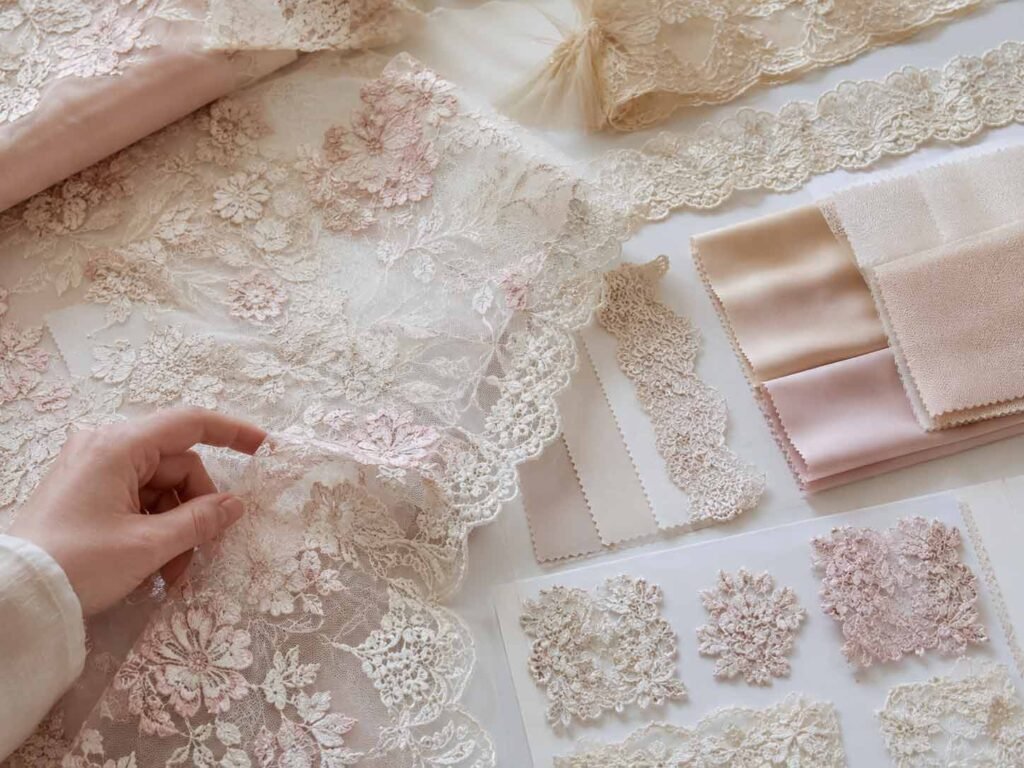
Lace and Embroidery
Lace selection must consider motif scale, repeat, border direction, base stability and cutting utilization. Large motifs can dominate small tops, while irregular repeats may complicate symmetrical placement. Development controls include:
- Motif orientation
- Center-front balance
- Scallop usage
- Lace-to-lining contrast
- Appliqué planning
- Seam matching
- Edge finishing
- Material loss
Embroidered lace may also require special backing, stabilizing or trimming after sewing.

Chiffon and Georgette
- Opacity
- Layer count
- Grain balance
- Seam type
- Narrow-hem quality
- Gathering ratio
- Lining weight
- Static and comfort
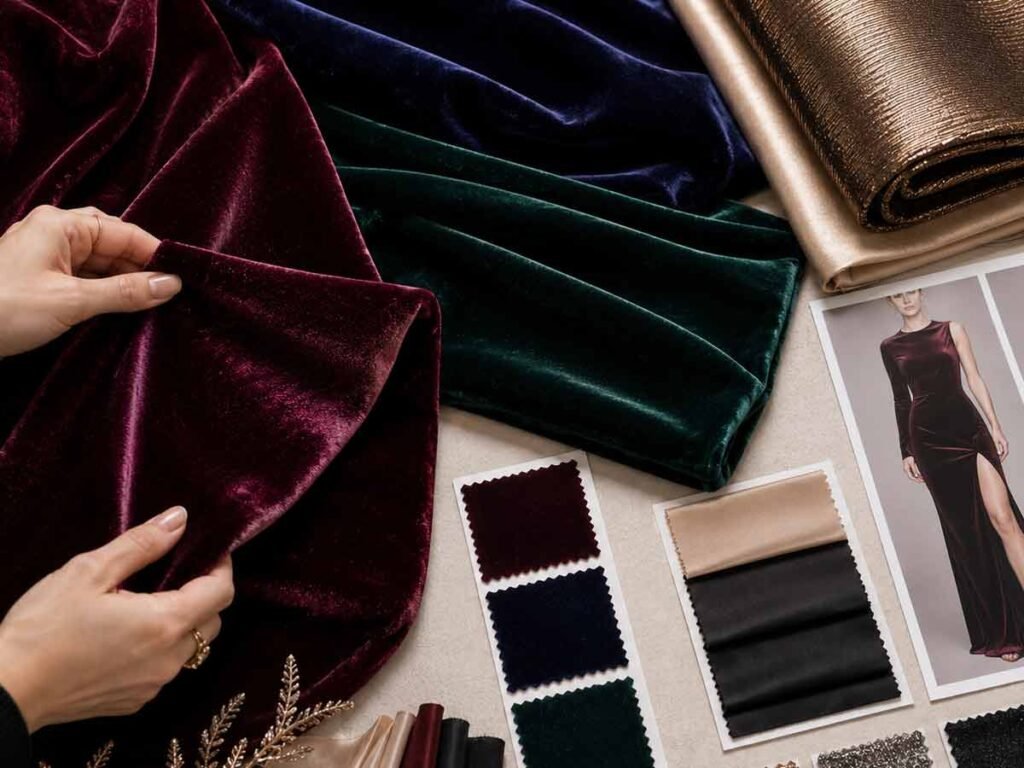
Velvet and Velour
Velvet creates depth and seasonal richness but requires attention to pile direction, pressure marks, seam impression and shade variation. Every panel must follow a controlled nap direction unless design rules state otherwise. Development planning reviews:
- Pile orientation
- Stretch
- Thickness
- Seam bulk
- Pressing method
- Lining compatibility
- Color appearance
- Packing pressure
Structured velvet bustiers and softer draped tops follow different support and finishing methods.

Stretch Fashion Fabrics
- Crosswise stretch
- Lengthwise stretch
- Recovery
- Compression
- Opacity
- Seam stretch
- Edge rolling
- Size tolerance
Internal Components Controlling Fit and Wearing Stability
Bra Cups
Cup selection affects projection, coverage, cleavage and front balance. Foam thickness, cup shape and size progression should match the pattern and intended fit. Control points include:
- Cup width and depth
- Bust-point position
- Center-front spacing
- Cup edge visibility
- Underbust alignment
- Lining attachment
- Size progression
- Wear comfort
A cup suitable for one sample size may not scale evenly across a complete size range, requiring graded cup or pattern solutions.
Boning Support
- Boning length
- Channel width
- End protection
- Side-seam location
- Cup support
- Waist pressure
- Flexibility
- Lining coverage
Lining Systems
Lining controls transparency, comfort, structure and interior finish. A single lining solution cannot serve every occasion top.
Options may include:
- Lightweight woven lining
- Stretch lining
- Power mesh
- Cotton-touch cup lining
- Partial bust lining
- Full bodice lining
- Double-layer self fabric
- Soft backing behind decoration
Lining stretch and shrinkage should remain compatible with the shell to avoid pulling, bubbling or hem distortion.
Elastic Support
- Elastic type
- Finished length
- Stretch ratio
- Recovery
- Skin comfort
- Seam method
- Turn-back allowance
- Size grading
Zippers and Closures
- Zipper length
- Tape stability
- Top-stop finish
- Seam alignment
- Fabric reinforcement
- Hook placement
- Back tension
- Smooth operation
Straps and Adjusters
Straps influence support, neckline level and armhole coverage. Narrow straps may look refined but must withstand wear and remain comfortable. Development assesses:
- Finished width
- Strap length
- Attachment strength
- Adjustment range
- Hardware size
- Placement angle
- Symmetry
- Grading
Rhinestone, chain or decorative straps also require skin-contact and weight evaluation.
Pattern and Fit Control for Occasion Top Silhouettes

Bust and Cup Position
- Bust width
- Bust depth
- Bust-point location
- Cup position
- Underbust circumference
- Center-front length
- Side bust coverage
- Dart or panel shaping

Neckline and Coverage
Neckline design determines the visual focus of many occasion tops. It must remain close enough for security while preserving the intended open or sculpted appearance. Evaluation can include:
- Neckline width
- Front drop
- Curve shape
- Edge tension
- Gaping risk
- Cup exposure
- Lining visibility
- Movement stability
A deep neckline in rigid fabric behaves differently from the same shape in stretch mesh. Internal tape, elastic, facing, lining or support panels may be used depending on the design. Coverage should also be considered for different sizes. A neckline can appear balanced in sample size but become too narrow, too open or too high when grading is applied mechanically.
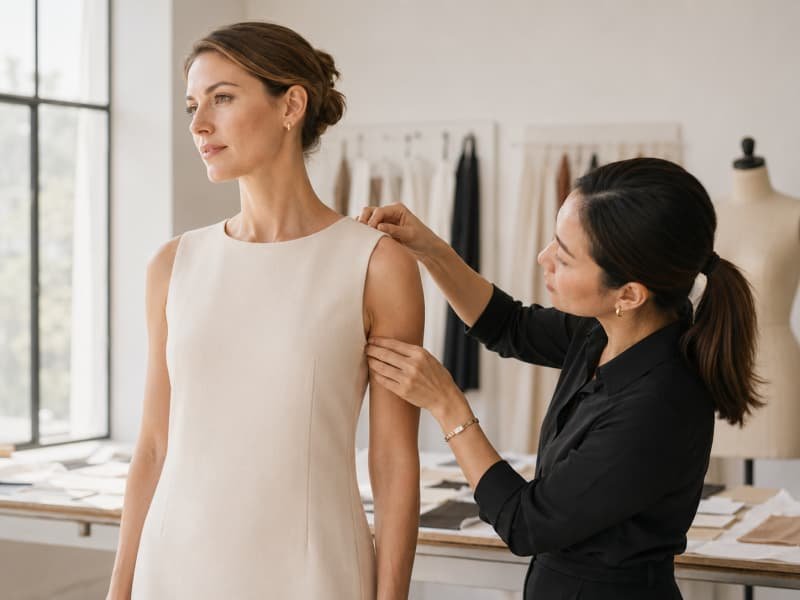
Shoulder and Armhole
- Shoulder angle
- Strap position
- Strap length
- Armhole depth
- Side seam height
- Underarm coverage
- Back width
- Range of motion

Waist and Hem Balance
- Front length
- Back length
- Waist position
- Side length
- Hem opening
- Peplum seam
- Center-front drop
- Matching-bottom relationship
Grading From Sample Size to Full Size Range
Proportion-led Grading
- Bust circumference
- Cup width and depth
- Underbust
- Waist
- Armhole
- Strap length
- Neckline width and depth
- Body length
- Hem opening
Fabric-sensitive Rules
Stretch and non-stretch fabrics cannot share one grading approach. A stable satin corset top depends on shaped panels and closures, while a stretch mesh top uses material extension as part of fit.
Grading considers:
- Fabric stretch
- Recovery
- Compression
- Lining behavior
- Boning rigidity
- Cup progression
- Elastic ratios
- Closure adjustment
A size set or selected graded samples may be recommended when neckline security, cup fit or body length presents higher risk.
Measurement Priorities
Not every point carries the same inspection risk. Critical points are identified according to product structure.
For occasion tops, priority frequently includes:
- Bust
- Underbust
- Waist
- Front length
- Back length
- Strap length
- Armhole
- Neckline drop
- Hem opening
Inspection tolerances should be based on fabric, construction and visual sensitivity. Highly structured areas may require tighter control than softly gathered sections.
Workmanship Standards Behind Retail-ready Occasion Tops
Clean Neckline Finish
Inspection covers:
- Edge smoothness
- Symmetry
- Seam impression
- Understitching
- Elastic distribution
- Corner definition
- Lining position
- Front-drop accuracy
Narrow Hem Control
Chiffon, mesh and light satin tops often require narrow hems. Uneven width, twisting or fabric drag can reduce perceived value.
Production control reviews:
- Hem width
- Stitch consistency
- Curve handling
- Thread balance
- Puckering
- Start-and-stop points
- Side-seam alignment
- Pressed appearance
Small local trials may be used to confirm the best method before sample or bulk sewing.
Lace and Mesh Joining
Joining delicate fabrics requires controlled tension and clean seam allowances. Bulky overlocking or exposed seam edges can create discomfort and affect transparency.
Key points include:
- Seam type
- Thread softness
- Stretch compatibility
- Motif continuity
- Edge trimming
- Reinforcement
- Lining alignment
- Skin-contact comfort
Mesh seams around armholes and necklines should remain stable without reducing movement.
Invisible Zipper Setting
Quality checks include:
- Zipper alignment
- Seam matching
- Top finish
- Smooth opening
- Fabric catching
- Reinforcement
- Back balance
- Lining clearance
Lining Attachment
Lining should support the garment while remaining visually hidden. Poor attachment can create twisting, pulling or unequal lengths.
Review covers:
- Shell-to-lining compatibility
- Seam allowance control
- Tack points
- Hem relationship
- Zipper attachment
- Cup coverage
- Boning channels
- Interior cleanliness
Decoration-heavy tops may need softer backing or additional protection in skin-contact zones.
Symmetry and Balance
Asymmetric design does not remove the need for controlled balance. Intentional asymmetry must remain consistent, while mirrored elements such as cups, straps, side seams and decorative placements require accurate alignment.
Checks include:
- Cup height
- Strap position
- Side-seam length
- Neckline curve
- Peplum level
- Decoration placement
- Back opening
- Finished hem
Embellishment Techniques for High-impact Occasion Tops

Sequin Embroidery
- Sequin size
- Direction
- Embroidery density
- Base stretch
- Seam allowance clearance
- Edge trimming
- Skin-contact areas
- Repair method

Beaded Surfaces
- Bead size
- Weight distribution
- Thread type
- Knot security
- Backing
- Seam interaction
- Comfort
- Packing support

Rhinestone Application
- Adhesion
- Placemen accuracy
- Heat effect
- Stretch behavior
- Abrasion
- Skin contact
- Color consistency
- Transport resistance

Pearl Decoration
- Attachment method
- Spacing
- Weight
- Symmetry
- Edge clearance
- Repair access
- Skin comfort
- Protective packing
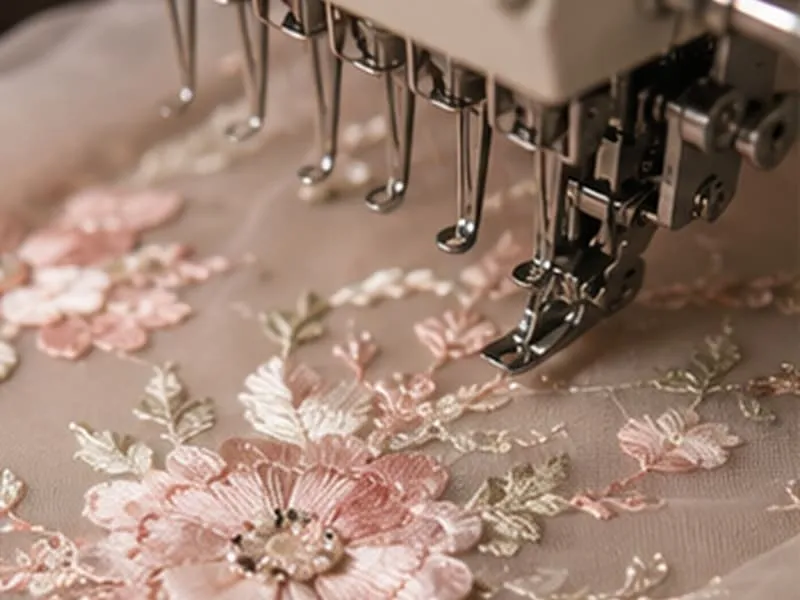
Fashion Embroidery
Embroidery may provide motifs, texture, logo elements or engineered decoration. Fabric stabilization is essential to avoid puckering or distortion. Development checks include:
- Stitch density
- Backing
- Thread type
- Motif scale
- Placement
- Shrinkage
- Edge quality
- Color matching
Embroidery trials can be reviewed before committing full fabric or garment panels.

Composite Decoration
- Prepare base panel
- Apply embroidery
- Add secondary decoration
- Complete cutting
- Assemble garment
- Protect contact areas
- Inspect placement
- Pack securely
From Design Brief to Production-ready Sample
Brief Review
Duolan identifies missing information and prepares a development route covering:
- Pattern source
- Fabric sourcing
- Trim requirements
- Structure
- Decoration
- Sample purpose
- Approval points
- Production concerns
Fabric and Trim
Swatches, colors, lining, cups, boning, zippers, elastic, decorative materials and labels are reviewed against the intended style.
Material decisions consider:
- Appearance
- Fit effect
- Construction
- Availability
- Minimums
- Price position
- Reorder potential
- Lead-time influence
Special materials may need local trials before a complete sample is cut.
Pattern Development
Patterns are created or adapted from tech packs, original garments, reference images or existing brand blocks.
Pattern work defines:
- Silhouette
- Fit ease
- Neckline
- Bust shaping
- Armhole
- Waist
- length
- Internal construction
Risk areas are marked for fitting and sample review.
First Sample
The review may include:
- Mannequin photos
- Flat measurements
- Front, side and back views
- Detail close-ups
- Material notes
- Workmanship observations
- Outstanding questions
- Suggested next actions
Fit Revision
Revision records distinguish:
- Fit corrections
- Visual preferences
- Construction changes
- Material changes
- Decoration changes
- Production preparation
- Approved points
- Pending decisions
PP-ready Sample
A PP or production-ready sample should provide a stable reference for bulk production.
Before release, Duolan reviews :
- approved fit
- fabric, lining
- trims
- measurements
- construction
- decoration
- labels
- packaging requirements.
How Sample Comments Become Controlled Improvements
Fit Comment Translation
- Reduce neckline width
- Raise side coverage
- Adjust cup position
- Increase underbust support
- Change strap angle
- Correct waist balance
- Revise front length
- Modify closure tension
Fabric and Drape
A silhouette problem may come from material rather than pattern. Soft fabric can collapse around a structured design, while rigid fabric can prevent intended drape. Revision review compares:
- Original material target
- Sample material behavior
- Pattern compatibility
- Lining influence
- Surface appearance
- Pressing response
- Movement
- Production availability
The next sample route may involve pattern correction, material replacement or both.
Structural Adjustments
- Cup type
- Boning length
- Lining support
- Elastic tension
- Interfacing
- Closure placement
- Seam location
- Internal reinforcement
Visual Finish
Visual comments cover proportions, color, decoration, edge finish, symmetry and overall refinement.
Duolan can document:
- Decorative position
- Motif scale
- Seam visibility
- Topstitching
- Lining exposure
- Hem shape
- Pressing quality
- Front and back balance
Approved visual points are carried into PP and bulk standards.
Translating Approved Samples Into Bulk Production
Bulk production begins only after the approved design has been converted into controlled manufacturing references. Every checkpoint reduces the risk of material, fit, workmanship or packing deviation.
| Control Stage | Information Locked | Brand-facing Output |
|---|---|---|
| Sample approval | Fit, silhouette, construction and visual direction | Sample Review Note |
| Material confirmation | Shell, lining, cups, boning, zippers, elastic and decoration | Material Confirmation Record |
| Measurement basis | Sample size, critical points, grading and tolerances | Approved Spec Sheet |
| PP preparation | Workmanship, labels, packaging and manufacturing details | PP Approval Basis |
| Bulk readiness | Order purpose, style complexity, quantity and production route | Bulk Start Confirmation |
| First-piece review | Critical measurements, support structure and workmanship | First-piece Confirmation Note |
| Inline control | Sewing, decoration, size, appearance and production consistency | Production Quality Updates |
| Final inspection | Finished measurements, appearance, labeling and packing | Final Inspection Record |
| Reorder preservation | Pattern, BOM, sample reference and QC standards | Reorder Production File |
Lead Times Planned Around Product Complexity

Sampling Timeline Planning
- Fabric availability
- Pattern complexity
- Cup and boning development
- Embellishment trials
- Number of colorways
- Required sample stage
- Fit-review scope
- Approval deadlines

Bulk Production Reference
Common bulk production references across the Duolan manufacturing network are:
- Simple styles: approximately 15–20 days
- Standard styles: approximately 20–30 days
- Complex styles: approximately 30–45 days
Timing begins after material, PP basis and order requirements are sufficiently confirmed.
Corset structures, engineered lace, heavy decoration, custom dyeing or multi-factory programs may require an adjusted schedule.

Delivery Coordination
Available logistics arrangements can include:
- Express: approximately 3–7 days
- Air freight: approximately 5–8 days
- Sea freight: approximately 20–35 days
- FOB
- CIF
- DDP
- Split shipment
- Coordination with nominated forwarders or overseas warehouses
Shipping time is planned separately from manufacturing so inspection, packing and documentation retain sufficient buffer.
Manufacturing Capacity for Multi-style Occasion Programs
16 Owned Factories
Owned factories provide direct control for core womenswear projects, complex styles and production programs requiring closer coordination between development, manufacturing and quality teams.
The structure supports: Sensitive fit,Structured products,Key seasonal styles,Higher-value workmanship,PP control,Reorder stability.
20+ Satellite Factories
Long-term satellite factories add production flexibility for larger orders, repeat programs and seasonal peaks. Allocation follows style capability, fabric handling, workmanship and timing.
Satellite support is coordinated rather than used as uncontrolled outsourcing.
12,000+ Workers
Supporting production bases across multiple regions provide an apparel workforce covering cutting, sewing, pressing, inspection, packing and related production functions.
Workforce scale becomes valuable when combined with clear specifications, PP references and line-level QC.
300 Sewing Lines
Approximately 300 apparel sewing lines support different product categories, order sizes and manufacturing routes across the network.
Occasion tops are assigned according to: Construction,Fabric,Decoration,Quantity,Delivery,Skill requirements.
50+ Flexible Lines
More than 50 quick-response and flexible lines support development-linked orders, launch quantities, rolling production and faster replenishment.
Such lines help brands move from approved samples into controlled first orders before larger scale-up.
Development Density
Monthly development capacity across the wider system can support approximately 3,000–8,000 style development and sampling processes, with 15,000–35,000 sample pieces or development units depending on complexity and project mix.
Actual allocation for an occasion top program is reviewed by style, sample stage and approval schedule.
Multi-style Planning and Repeat-order Stability
Multi-style Development
A program containing 10–30 styles may involve different materials, sample priorities and risk levels. Duolan organizes styles into clear development groups:
- Core hero styles
- Commercial support styles
- Photography styles
- Material-dependent styles
- High-risk construction styles
- Faster repeatable styles
Priority planning keeps complex pieces from delaying the whole range.
Order Path Design
Production planning considers:
- Material readiness
- Decoration sequence
- First-piece requirements
- Production line suitability
- Inspection needs
- Packing requirements
- Delivery priority
- Split-shipment options
Reorder Records
- Pattern version
- Approved BOM
- Fabric direction
- Trim records
- Measurement standards
- Workmanship points
- PP or golden sample reference
- QC and packing records
Bestseller Extensions
A confirmed style can be extended through new colors, fabrics, lengths or decoration while preserving its fit foundation.
Extension review determines:
- Which elements remain locked
- Which changes require a new sample
- Whether grading stays valid
- How new fabric affects fit
- Whether packing changes
- How production time is affected
Quality Control Focused on Fit and Finish
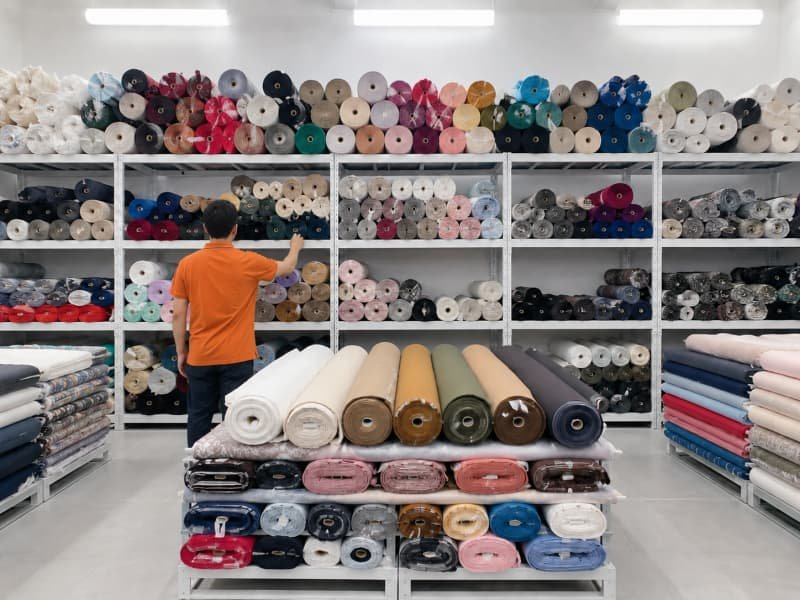
Fabric Inspection
- Surface marks
- Color variation
- Pile direction
- Motif consistency
- Stretch behavior
- Transparency

Shade Control
- Swatch approval
- Lab dip
- Lot separation
- Light-box review
- Cutting allocation
- Finished-garment comparison

Critical Measurements
Inspection prioritizes measurements with the greatest fit impact. Occasion top checkpoints often include:
- Bust
- Underbust
- Waist
- Front length
- Back length
- Strap length
- Armhole
- Neckline drop

Bust and Neckline
QC reviews:
- cup position,
- neckline symmetry,
- gaping,
- side coverage,
- underbust balance
- overall security.
Structured tops are checked on forms or through approved fitting methods when flat measurement alone cannot reveal the result.

Decoration Security
Beads, sequins, rhinestones, pearls and appliqués are inspected for attachment, spacing, placement, loose elements and skin-contact risk.
High-risk zones include:
- Underarms
- Side seams
- Zippers
- Necklines
- Waist edges
- Strap attachments

Sewing and Symmetry
Inspection checks :
- seam consistency,
- stitch quality,
- puckering,
- zipper alignment,
- cup balance,
- strap position
Intentional asymmetry is compared with approved specifications so design features are not mistaken for defects.

Final Appearance
Finished garments are reviewed after pressing for:
- Surface cleanliness
- Shape
- Balance
- Lining visibility
- Hem level
- Decoration presentation
- Thread trimming
- Retail readiness

Packing Verification
Inspection checks :
- seam consistency,
- stitch quality,
- puckering,
- zipper alignment,
- cup balance,
- strap position
- left-right relationships.
Intentional asymmetry is compared with approved specifications so design features are not mistaken for defects.
Compliance Support for Brand and Market Requirements
SMETA Readiness
Duolan’s manufacturing system has completed:
- SMETA
- SMETA 2-Pillar
audit processes and maintains related social audit records.
Relevant non-confidential documents can be reviewed during supplier evaluation, subject to project and confidentiality requirements.
Material Testing
- Fiber composition
- Colorfastness
- Shrinkage
- pH
- Restricted substances
- Physical performance
- Trim safety
- Decorative attachment
Label Information
- Main label
- Size label
- Care label
- Fiber content
- Country of origin
- Hangtag
- Barcode
- Price or warehouse stickers
Packing Manuals
- Folding
- Tissue placement
- Polybag size
- Warning text
- Size stickers
- Barcodes
- Assortment
- Carton marks
- Warehouse labels
Brand Standards
Duolan can review :
- vendor manuals,
- quality manuals,
- restricted-substance requirements,
- testing protocols,
- inspection procedures
- nominated laboratory requirements.
Every applicable standard is confirmed at project level rather than presented as a universal claim.
Shipment Documents
Documentation coordination may include:
- Commercial invoice
- Packing list
- HS code information
- Test records
- Inspection records
- Shipping marks
- Forwarder communication
- Other agreed shipment documents
Branding and Packaging Prepared for Retail Delivery
Main and Size Labels
- Label material
- Position
- Stitching method
- Color
- Orientation
- Compatibility with lining
- Size sequence
- Brand manual
Care and Content
Care labels should reflect fabric composition, decoration, lining and cleaning limitations. Mixed-material tops may require more detailed instructions than basic garments. Information can include:
- Fiber content
- Care symbols
- Country of origin
- Supplier codes
- Style references
- Batch information
- Required legal text
Hangtags and Barcodes
Hangtags, strings, seals, price tickets and barcodes are applied according to retail or warehouse instructions.
Control points include:
- Correct style
- Color
- Size
- Barcode
- Attachment location
- Ticket sequence
- Warehouse label
- Carton assortment
Protective Packing
Packing is selected according to fabric and decoration. Satin requires clean folding and pressure control; rhinestones and sequins may need tissue or separators; structured cups should not be crushed. Options can include:
- Tissue paper
- Card support
- Individual polybags
- Garment separators
- Hanger packing
- Flat packing
- Inner cartons
- Custom outer marks
Occasion Top Programs Delivered Across Key Markets

United States Partywear
A US partywear brand developed an 18-style holiday and going-out top program totaling 48,600 pieces. The range included satin corset tops, crystal mesh styles, draped halters and structured bandeau tops across four color groups.
Main challenges:
- Inconsistent neckline security between silhouettes
- Cup position changing across sizes
- Rhinestone weight stretching mesh panels
- Satin zipper waviness
- Tight photography and launch deadlines
Duolan separated the range into three development routes: structured corset styles, soft satin styles and decorated mesh styles. Cup positions and underbust measurements were reviewed by style, while high-risk mesh panels received local decoration trials before complete samples.
A first-piece confirmation process was used for structured and embellished products. The program entered bulk production in separate line groups so delicate decoration did not interrupt standard satin production. Approved patterns, materials and workmanship notes were preserved for color extensions and follow-up orders.
Project outcome:
- 18 coordinated styles
- 48,600 total pieces
- Four main color groups
- Structured, draped and embellished production routes
- Repeat-order files retained for later extensions

United Kingdom Occasionwear
A UK occasionwear brand placed a 12-style wedding guest and evening separates program totaling 27,400 pieces. The range included lace bustier tops, beaded mesh tops, satin peplums and matching skirt sets.
Main challenges:
- Lace motif imbalance at center front
- Bead contact against skin
- Partial lining appearing uneven under studio lighting
- Different body lengths required for matching bottoms
- Limited margin for late PP corrections
Duolan reviewed lace placement before final pattern cutting and created motif references for mirrored front panels. Skin-contact areas received softer backing and controlled bead-free zones. Lining coverage was assessed on mannequins under direct lighting rather than only by flat inspection.
Top lengths were confirmed against the waistband position of matching skirts. PP references recorded the relationship between each top and bottom to protect styling proportions during bulk sewing.
Project outcome:
- 12 coordinated styles
- 27,400 total pieces
- Lace, satin, mesh and beaded constructions
- Matching-set length standards
- Controlled motif and lining references for bulk inspection

Australian Resort Events
An Australian resort and event brand developed a 24-style collection totaling 63,200 pieces. The program combined draped halter tops, open-back satin shapes, lace evening blouses, asymmetric tops and coordinated trousers and skirts.
Main challenges:
- Multiple style teams submitting comments in parallel
- Soft fabrics reacting differently across silhouettes
- Color continuity across tops and matching bottoms
- Resort launch dates requiring staged delivery
- Reorder planning for stronger commercial styles
Duolan grouped the project by shared fabric families and assigned style priorities according to photography, launch and production needs. Comments were organized by version, with separate records for fit, visual changes, material changes and production actions.
Color and fabric lots for coordinated sets were planned together. The first shipment prioritized campaign and initial launch styles, while later styles followed an agreed production sequence.
Project outcome:
- 24 coordinated styles
- 63,200 total pieces
- Staged delivery by launch priority
- Shared-fabric planning across tops and bottoms
- Reorder preparation for selected commercial silhouettes
Evaluate Duolan for Your Occasion Top Program
Product Capability File
The product section can outline:
- Corset and bustier tops
- Satin and draped tops
- Mesh and lace tops
- Halter and off-shoulder styles
- Embellished occasion tops
- Coordinated sets
- Relevant development routes
- Product risk areas
The goal is to show product depth rather than a generic gallery of unrelated womenswear.
Manufacturing Review File
The manufacturing section can include:
- Factory structure
- Development process
- Sample stages
- Bulk-readiness control
- First-piece logic
- Quality checkpoints
- Compliance support
- Packing preparation
- Reorder file management
Brand teams can use the package for initial vendor review or internal sourcing discussions.
Custom Occasion Top Frequently Asked Questions

Start Your Custom Occasion Top Development Project
Share your tech pack, reference images, original sample, fabric direction or collection brief with Duolan. Our team will review the intended silhouette, occasion, fit priorities, internal support, material risks, decorative workmanship and production objective before proposing a development or manufacturing route.
Clear project information allows a more accurate assessment of sampling, quotation, production timing and bulk feasibility. Your files do not need to be fully complete at the first contact. Send the information already available, and our team can identify which points should be confirmed next.
Please include where available:
- Occasion top category
- Tech pack or reference images
- Fabric and trim direction
- Target quantity
- Number of styles
- Colorways
- Size range
- Target launch date
- Sample or bulk requirement
- Testing and compliance needs
- Label and packaging instructions
- Previous fit or quality concerns


