...

Custom Occasionwear Set Manufacturer

Dress-focused development and manufacturing for coordinated party, wedding guest, evening, cocktail, going-out and social-event collections.

  • Occasionwear programs commonly planned across 10–30 styles per order
  • Brand orders commonly structured around 20,000–80,000 total garments
  • 30+ years of womenswear development and manufacturing experience
  • 16 owned fashion garment factories supported by 20+ satellite factories
  • 300 sewing lines and 50+ quick-response and flexible production lines
  • Development, sampling, bulk readiness, QC and branded delivery managed within one coordinated system

What Defines an Occasionwear Set Manufacturer?

A custom occasionwear set manufacturer develops coordinated garments for moments where fit, proportion, surface quality and visual finish carry greater importance than ordinary separates. The work may involve a corset top with a mini skirt, a satin blouse with tailored trousers, a halter top with a maxi skirt, or a structured vest with a matching bottom.

A strong result depends on more than producing two garments in one fabric. The top and bottom must work as a connected product system.

Coordinated Product Development

The development team must evaluate how both pieces interact on the body. Top length, waist height, bust placement, skirt rise, trouser balance, exposure gap, fabric weight and closure position all influence the final silhouette.

A set may look correct when each piece is reviewed separately yet feel visually unbalanced when worn together. Duolan reviews the complete outfit during pattern development, fitting and sample revision, while also considering whether each piece may be sold or styled independently.

Occasion-Specific Construction

Occasionwear often requires satin surfaces, structured bodices, mesh panels, lace placement, boning, ruching, sequins, pearls, rhinestones or engineered openings. Every decorative or structural feature affects comfort, cost, production time and bulk consistency. The manufacturing path must therefore connect design interpretation, fabric behavior, pattern engineering, sample evaluation, workmanship testing and production control. Attractive development samples alone are not enough; approved details must be repeatable across every size, color and production batch.

Set-Specific Bulk Control

Bulk production requires additional controls beyond ordinary single-garment manufacturing. Fabric shades must match across both pieces. Size pairing must remain correct during sewing, finishing, inspection and packing. Labels, barcodes and packaging instructions must match the selling model.

A coordinated set may use one commercial SKU, separate SKUs or mixed top-and-bottom sizes. Production records must define the exact route before cutting begins, reducing errors during packing, warehousing and online fulfillment.

Built for Established Fashion Product Teams

Duolan works with fashion organizations that manage defined product calendars, planned quantities, quality standards and repeat production. Communication is structured around product decisions, approval milestones and manufacturing readiness rather than generic garment sourcing.

Fashion Brand Teams

Occasionwear labels often need a manufacturing partner capable of understanding the commercial role of each style. A hero set may carry heavier embellishment and stronger visual impact, while volume styles need cleaner construction, repeatable fit and controlled cost. Duolan supports coordinated development across product direction, materials, sample priorities, size standards, production planning and branded delivery. Each style is assessed according to its role within the wider collection.

Product Development Teams

Development teams require more than a sewing response. They need fabric questions answered, fit comments translated correctly and construction risks identified before repeated sample rounds consume the launch calendar. Duolan reviews silhouettes, fabric behavior, support, coverage, finishing and production feasibility. Comments are organized by priority so pattern corrections, visual revisions and manufacturing considerations are handled in a controlled sequence.

Buying and Sourcing Teams

Procurement teams need clear records, accurate quotations, reliable approval stages and production visibility. Multi-style programs may include several fabrics, colorways, construction methods and factories, creating greater coordination risk. Duolan structures projects by style, color, size, quantity, material status and critical workmanship points. Production routes and inspection checkpoints are defined according to garment complexity and delivery requirements.

Multi-Brand Fashion Groups

Groups managing several labels often require different aesthetics, price levels and launch cycles within one supply network. Product confidentiality, version control and accurate identification become increasingly important as the number of styles grows. Duolan can organize separate development files, size standards, BOM records, packaging requirements and production schedules for each label while retaining shared control over materials, factory allocation and quality reporting.

Manufacturing Scale Connected to Product Control

Large figures matter only when they translate into better product execution. Duolan combines owned factory control, coordinated satellite capacity, quick-response lines and a dress-focused development background to support multi-style occasionwear programs.

30+ Years Development

Duolan’s womenswear foundation began with fashion product development, fabric research and dress design work before expanding into the present manufacturing structure. Long-term experience in fashion dresses supports stronger judgment around silhouettes, surface finish, fabric drape, decorative workmanship and commercial execution. The development focus remains especially relevant for satin, bodycon, mesh, halter, backless, corset and embellished occasionwear.

16 Owned Factories

Owned factories provide direct control for core styles, sensitive fits, important launch products and construction-heavy garments. Factory allocation is based on product requirements rather than placing every style into the same production route. Structured bodices, soft satin sets, stretch-fitted sets and decorated styles may require different sewing skills, production preparation and inspection priorities.

20+ Satellite Factories

Long-term satellite partners add capacity flexibility for repeat orders, seasonal volume and multi-style production. They are used within a coordinated manufacturing network rather than as uncontrolled subcontracting points. Before allocation, style complexity, material direction, workmanship, quantities, timing and quality checkpoints are reviewed. Core specifications and approved standards remain controlled through the Duolan project structure.

300 Sewing Lines

A broad sewing-line network allows styles to be matched with production teams experienced in relevant garment structures. A basic satin skirt set should not be planned in the same way as a boned corset set or hand-embellished party style. Line planning considers machine requirements, operator skill, handling difficulty, finishing needs and planned output.

50+ Flexible Lines

Flexible and quick-response lines support development follow-through, launch orders, selected replenishment and urgent style priorities. Their value lies in reducing disruption when one collection contains styles with different approval dates or sales importance. Priority styles can move forward without forcing every item into one identical production sequence.

12,000+ Manufacturing Workforce

Duolan’s wider manufacturing network includes more than 12,000 workers across owned and coordinated production resources. Workforce scale supports multi-style programs and seasonal demand, while production management remains organized by garment type, factory suitability, material readiness and delivery plan. Capacity is evaluated after reviewing the actual collection rather than promised as a generic monthly figure.

Occasionwear Sets Developed for Real Collection Needs
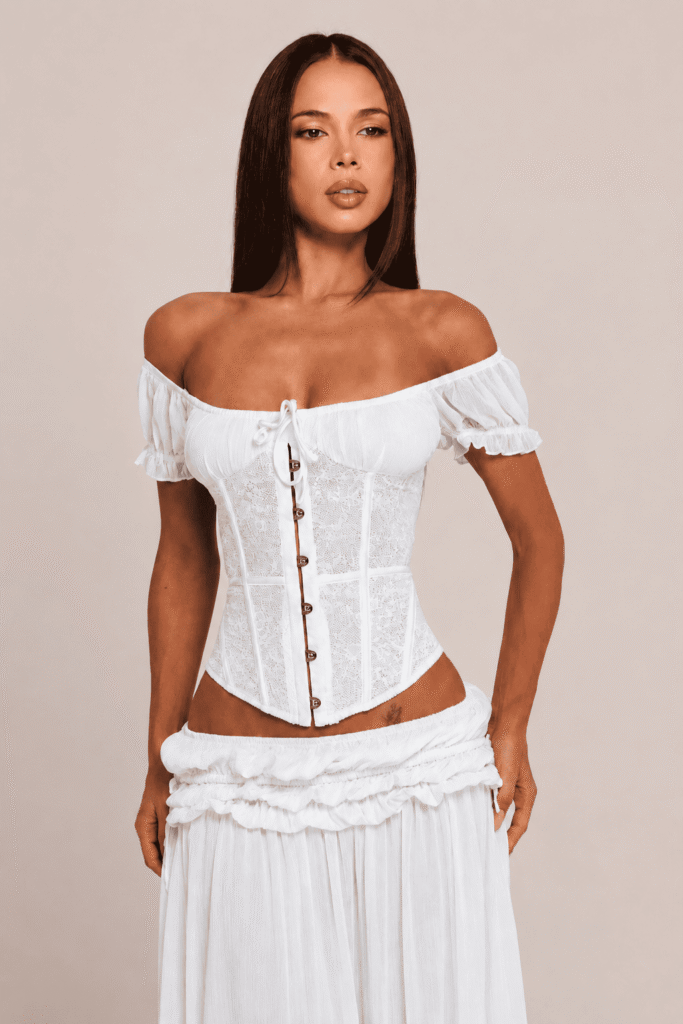
Duolan develops coordinated products around identifiable occasions, market roles and manufacturing requirements. Every set is reviewed for silhouette, fabric suitability, fit balance, construction risk, visual impact and the possibility of stable bulk replication.

Corset Skirt Sets

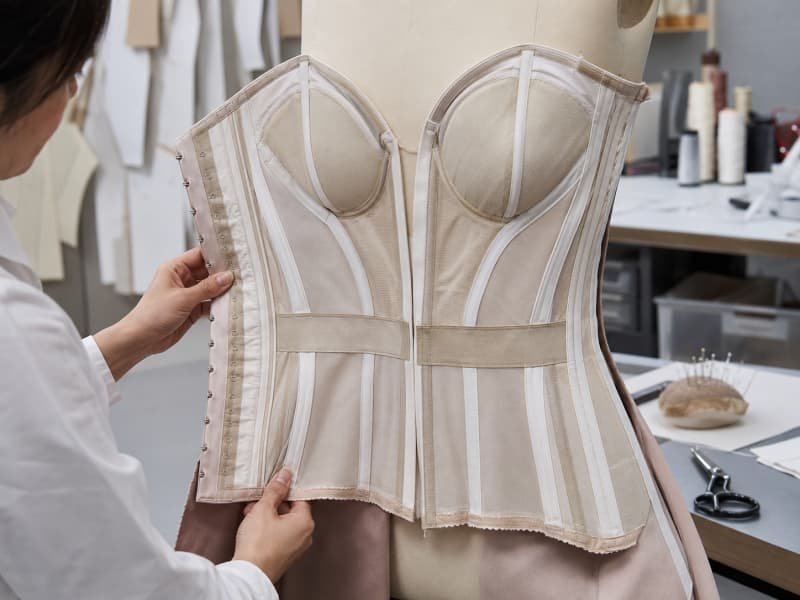
Corset-and-skirt combinations require accurate cup position, bust support, waist alignment and exposure control. Boning must support the silhouette without creating visible ridges or discomfort. Development may include molded or cut-and-sew cups, power-mesh support, lining, waist stays, hook-and-eye closures, adjustable straps or lace-up details. During grading, cup placement, top length and skirt rise must move proportionally so the space between both pieces remains intentional across the size range.

Satin Occasion Sets

Satin sets rely on drape, controlled shine, clean pressing and surface protection. Fabric weight and construction determine whether the outfit appears fluid, structured or overly flat. Key controls include grain direction, seam tension, needle marks, zipper movement, hem balance and shade consistency. Both pieces should be cut from controlled fabric batches, while pressing and packing methods must reduce glazing, crushing and permanent fold lines.

Halter Maxi Sets

Halter tops paired with maxi skirts create a strong occasion silhouette but place additional pressure on neckline support, back coverage and strap comfort. Pattern development evaluates neckline depth, neck strap width, bust stability, side coverage and back closure position. The maxi skirt requires balanced waist height, movement allowance and hem control. Lightweight fabrics may need selective lining so the outfit remains fluid without becoming transparent or unstable.

Sequin Party Sets

Sequin sets carry high visual value and equally high production risk. Sequin density, base-fabric stretch, motif direction, seam bulk and skin contact must be reviewed before sample approval. Edges may require sequin removal, binding or protective lining. Placement should remain balanced across top and bottom. Packing must prevent snagging and surface abrasion. Bulk inspection focuses on attachment security, missing areas, sharp backing, color consistency and garment weight.

Mesh Ruched Sets

Mesh and ruched combinations are effective for body-conscious occasionwear because they create texture while allowing controlled shaping. Development depends on stretch recovery, transparency, lining color and balanced gathering. Ruching must follow marked distribution points rather than being adjusted by eye during sewing. The inner layer should support the outer mesh without twisting. Side seams, openings and hems require enough recovery to remain stable after fitting and repeated wear.

Tailored Vest Sets

Structured vests with skirts or trousers suit modern wedding guest, cocktail and formal-event collections. Success depends on shoulder shape, lapel control, waist definition and clean internal construction. Interlining, lining, darts, pockets and closures must be selected according to fabric weight and target price level. Matching bottoms should share the same visual language while maintaining enough comfort for sitting, movement and extended wear.

Lace Formal Sets

Lace sets require careful motif selection, seam placement, lining coverage and edge finishing. The top and bottom should appear connected without becoming visually heavy. Development may involve engineered lace placement, scallop use, appliqué, transparent panels or contrast lining. Production records need to identify motif direction and placement standards, especially when lace repeat influences cutting consumption and left-to-right symmetry.

Printed Resort Sets

Printed tops and skirts or trousers work well for destination events, vacation dinners and resort celebrations. Print scale, garment proportion and placement influence the entire outfit. Large motifs require alignment around center fronts, waist seams and major panels. Color approval must consider fabric base and printing method. For repeat production, artwork version, placement reference, strike-off approval and cutting orientation should be preserved.

Embellished Evening Sets

Beaded, pearl or rhinestone sets require a controlled balance between visual richness, wearing comfort and production efficiency. Decoration should support the silhouette rather than overwhelm it. Duolan reviews placement density, weight concentration, backing protection, stitch security and interaction with seams or closures. Heavily embellished areas may require reinforcement, while packaging must reduce friction, pressure and damage during transport.

Occasionwear Designed Around Specific Wearing Moments

Different events create different expectations for coverage, movement, fabric finish, color and visual impact. Duolan evaluates occasionwear sets according to where, when and how the garments will be worn.
Wedding Guest and Occasion Peplum Dresses

Wedding Guest

Wedding guest sets need polish without competing with bridalwear. Elegant proportions, controlled exposure, movement comfort and photo-ready color matter more than excessive decoration. Satin, crepe, chiffon, lace and tailored constructions are common directions. Seating comfort, undergarment compatibility, outdoor light and extended wear should be considered during fitting.
Cocktail Peplum Dresses​

Cocktail Events

Cocktail sets often combine defined silhouettes with enough movement for standing, sitting and social activity. Structured tops, fitted skirts, tailored trousers and asymmetric details are suitable when support remains secure. Development should examine neckline stability, closure security, skirt movement and fabric recovery.
Party Peplum Dresses​

Holiday Parties

Holiday party collections often use sequins, metallic surfaces, velvet, crystals and deeper colors. Surface durability and packing protection become significant production concerns. Decoration density, garment weight, lining comfort and abrasion risk need early review. Complex styles should enter development before simpler supporting sets.

Going-Out Collections

Going-out sets depend on strong proportions, fitted shapes, exposure control and trend relevance. Corset tops, asymmetric skirts, halter tops, mesh panels and stretch fabrics are common. Fit needs to remain close without restricting movement. Coverage at bust, side seam and skirt opening should be tested on the body rather than judged only from flat measurements.
Prom-and-Graduation_

Graduation Events

Graduation sets often target younger consumers and warmer selling periods. Light colors, clean proportions, moderate exposure and accessible styling are common priorities. White and pale fabrics require stronger transparency checks. Sitting, walking and gown compatibility may influence top volume, skirt length and sleeve direction.

Birthday Dressing

Birthday styles usually act as visually strong products for photography, nightlife and social content. Statement colors, shine, embellishment and body-conscious silhouettes are common. The design should remain wearable for several hours. Closures, straps, decoration backing and stretch recovery deserve equal attention alongside visual impact.

Formal Dinners

Formal dinner sets favor refined fabrics, controlled tailoring and longer proportions. Satin, crepe, velvet, lace and soft tailoring can create a polished look without relying on heavy decoration. Fit review should cover seated comfort, waist pressure, neckline movement and the relationship between top length and trouser or skirt rise.

Resort Events

Resort occasionwear needs elegance with lower weight, better packability and warm-climate comfort. Printed fabrics, lightweight satin, chiffon, crepe and refined separates are suitable. Travel creasing, transparency, humidity, movement and easy styling influence material and construction choices.

Proportion Control Across Every Coordinated Set

A coordinated outfit succeeds when the top and bottom create one intentional silhouette. Duolan reviews set proportions on the body, on the mannequin and against garment measurements before approving a production-ready direction.

Top Length and Waist Height

The visual gap between a top hem and bottom waist can change dramatically across sizes. A fixed top-length increase combined with an unsuitable skirt-rise grade may create too much or too little exposure. Development begins by defining the intended relationship at the base size. Pattern grading then considers bust depth, torso length, waist position and garment rise. Fit review checks whether the relationship remains balanced across representative sizes rather than assuming separate garment grades will automatically coordinate.

Bust, Waist and Hip Balance

Occasionwear sets often combine a close-fitting top with a fitted or fluid bottom. Each piece may fit correctly on its own while the combined silhouette appears disconnected. Bust support must align with the natural waist and bottom rise. The skirt or trouser should continue the intended contour without creating a visual break. Side-seam balance, dart position and waistband shape influence how smoothly both pieces connect.

Exposure and Coverage

Cut-outs, cropped lengths, open backs and high slits need measurable control. Exposure should be defined by reference points rather than subjective comments such as “slightly shorter” or “more open.” Duolan records top hem position, waist height, side coverage, neckline depth, back opening and slit length. Movement tests cover standing, sitting, walking and raising the arms, helping identify exposure changes before bulk approval.

Volume Distribution

A structured top may need a cleaner or softer bottom to maintain balance. A voluminous skirt can overwhelm a highly decorated top if both pieces compete for visual attention. Fabric weight, gathers, pleats, shoulder width and hem sweep are reviewed together. Collection development also considers whether the outfit photographs well from front, side and back views.

Fit and Grading for Coordinated Separates

Size development must protect the relationship between both garments. Duolan works from the brand’s approved measurement standard and reviews grading according to silhouette, support, exposure and intended selling method.

Brand Size Standards

Projects can be developed from a supplied size chart, existing block, approved sample or agreed market standard. Common programs may cover US 0–16, XXS–XXL or a brand-specific numerical range. Broader size coverage is evaluated according to bust structure, fabric stretch, cup construction, grading history and planned consumer profile. A size chart is treated as a starting standard, not a substitute for fit evaluation.

Separate Size Pairing

Some brands sell tops and bottoms separately so wearers can select different sizes. Other programs sell one fixed-size set. Both approaches require a clear SKU and packing structure.
Separate selling needs independent labels, barcodes, inventory records and packaging. Fixed sets require reliable pairing controls so one top size is never packed with the wrong bottom size.

Structured Top Grading

Corset and bustier tops cannot be graded only by adding width at side seams. Cup position, cup volume, boning placement, neckline shape, strap point and under-bust level must move correctly. Duolan reviews how support changes through the range. Larger sizes may need revised strap width, stronger inner support, adjusted cup shaping or modified back construction rather than a simple proportional increase.

Bottom Rise Control

Skirt and trouser rise determines where the set visually connects. Grading must maintain the intended waist position while allowing enough room through the hip and seat. For fitted bottoms, waistband shape, zipper length, dart value and stretch direction matter. For fluid skirts, waist stability and hanging balance remain important even when the hip is less fitted.

Stretch and Recovery

Stretch materials can improve fit coverage but create variation if extension and recovery are not controlled. Fabric stretch should be checked in the cutting direction used for production. Fit samples are evaluated after wearing and movement, not only immediately after dressing. Seam type, lining stretch and elastic recovery should work with the outer fabric rather than restrict it.

Measurement Priorities

Not every measurement carries equal importance. Occasionwear sets often require tighter control at the bust, waist, top hem, bottom rise, center-front length, strap length and major opening points. A measurement priority list helps production and QC focus on dimensions with the greatest impact on silhouette and wearing security.

Fabric Selection Based on Structure and Occasion

Material selection determines drape, support, transparency, surface quality, comfort and production stability. Duolan compares fabric options against the intended silhouette, price position, order structure and wearing environment before samples proceed.

MaterialBest Set ApplicationsPerformance StrengthMain Development RiskRecommended Control
SatinCami sets, halter sets, midi skirts, evening trousersFluid drape, refined shine, strong occasion valueSeam puckering, needle marks, shade variation, crushingConfirm weight, grain, stitch tension, pressing and packing method
Stretch SatinCorset sets, fitted skirts, body-conscious party setsShine with added movement and closer fitUneven stretch, seam waving, recovery lossTest extension, recovery, lining compatibility and bulk direction
CrepeTailored sets, formal trousers, fitted skirts, wedding guest stylesClean surface, controlled drape, lower shineWeight variation, snagging, inconsistent hand feelApprove construction weight, shade and pressing response
MeshRuched sets, layered sets, transparent panels, going-out stylesStretch, texture and controlled transparencyTwisting, uneven gathering, edge instabilityLock stretch direction, lining color, ruching marks and seam method
LaceFormal sets, wedding guest sets, decorative tops and skirtsRich surface and feminine visual detailMotif misalignment, cutting waste, transparencyConfirm lace repeat, placement, lining coverage and seam strategy
ChiffonHalter sets, maxi skirts, resort events, soft formal stylesLightweight movement and fluid layeringSlippage, transparency, seam distortion, staticReview lining, panel balance, hem method and handling process
JerseyFitted sets, draped tops, ruched skirts, travel occasionwearComfort, stretch and strong body contourGrowth, twisting, seam stretching and inconsistent recoveryTest weight, stretch ratio, recovery, seam and reinforcement
VelvetHoliday sets, winter partywear and premium evening stylesDepth of color and rich seasonal surfacePile direction, pressure marks, shade appearanceControl cutting direction, pressing, handling and protective packing
Sequin FabricParty sets, birthday sets and statement eveningwearHigh impact and strong campaign valueMissing sequins, sharp edges, seam bulk and garment weightApprove density, edge treatment, backing, lining and inspection standard

Fabric approval should cover more than a small swatch. The development team may review full-width behavior, stretch direction, transparency, surface response, color under different lighting and compatibility with the proposed lining or reinforcement.

Keeping Both Pieces Visually Consistent

Set manufacturing makes differences easier to notice because both garments appear side by side. Color, shine, print direction and fabric hand feel need connected control from material approval through packing.

Fabric Batch Control

Whenever possible, coordinated pieces are cut from approved and traceable material batches. Rolls are reviewed for shade, width, surface defects and hand-feel variation before cutting.
Batch identification remains connected to style, color and cutting records. When a color group needs more than one batch, shade separation and controlled garment pairing reduce visible mismatch.

Satin Shine Direction

Satin can appear lighter or darker when panels are cut in different directions. The issue becomes more noticeable when a top and skirt reflect light differently.
Marker planning and cutting instructions define face direction and grain orientation. Front panels, major skirt sections and matching components are checked under consistent lighting before production continues.

Lace and Lining Color

The final color of lace or mesh depends on both the outer material and the layer underneath. A lining that looks correct alone may shift the surface tone when combined.
Duolan reviews outer fabric, lining, power mesh and elastic together. Color approval may require layered swatches rather than separate component approval.

Print Scale and Placement

Print placement should support the proportions of both garments. A large motif may work on a maxi skirt but overpower a fitted top.
Strike-offs and garment references define artwork scale, orientation and key placement points. Engineered prints may require panel-specific markers and separate cutting controls.

Lab Dip Approval

Solid dyed materials are assessed against the supplied color reference under appropriate lighting. Approval should account for the material surface because satin, crepe and mesh can display the same dye differently.
Color comments need to be specific enough for supplier correction and future repeat production.

Reorder Color Records

Repeat production may involve new dye lots, replacement trims or seasonal extensions. Preserved swatches, lab dips, batch references and trim records give the next order a clearer comparison basis.
A reorder is reviewed against the approved production standard rather than started as a completely new color decision.

Support Structures That Keep Sets Wearable

Occasionwear should remain secure through movement, sitting, photography and extended wear. Internal construction needs to support the design without becoming visible from the outside.

Cup Construction

Cup type depends on neckline, coverage, fabric and intended support. Options may include molded cups, cut-and-sew cups, removable pads or lightly shaped lining. Placement must align with the pattern rather than being attached as a general component. Cup edges should remain smooth under the outer fabric, especially on satin or close-fitting bodices.

Boning Placement

Boning controls vertical support and helps maintain a corset silhouette. Position, length, flexibility and end finishing influence comfort and garment shape. Boning channels must remain symmetrical and avoid pressure points. The structure should support the body without causing the outer fabric to ripple or collapse.

Power Mesh Support

Power mesh can provide internal stability across the bust, side body or back while preserving a clean exterior. Stretch direction and recovery need to match the garment function. Excessive tension may distort the neckline or zipper, while insufficient tension may fail to support the shape.

Anti-Slip Finishing

Strapless and wide-neck styles may use concealed silicone elastic or other anti-slip solutions. Placement and tension should support the garment without causing skin discomfort or visible gathering. The anti-slip material must be compatible with washing, lining and seam construction.

Strap Engineering

Halter, spaghetti and detachable straps carry concentrated load. Strap width, attachment point, adjuster quality and reinforcement influence wearing security. For heavier or embellished tops, decorative straps may need hidden structural support. Strap length grading should be reviewed rather than copied mechanically across sizes.

Secure Closures

Zippers, hook-and-eye components, internal hooks and lace-up systems need to support the garment at stress points. The closure should open easily during dressing yet remain secure during wear. Zipper tops may require hooks, while lace-up constructions need reinforced eyelets or loops and controlled cord strength.

Waist Stabilization

A waist stay or stable internal waistband helps fitted sets remain positioned correctly. The feature is especially useful when a cropped structured top must align closely with a high-rise skirt. Waist stabilization should not create visible ridges or restrict breathing and sitting.

Slit and Opening Control

High slits and open backs must maintain their intended shape during movement. Reinforcement, bar tacks, concealed snaps or controlled overlap may be needed. Opening depth is tested through walking and sitting so the garment remains suitable for the intended occasion.

Embellishment Developed for Stable Bulk Production

Decoration should strengthen product value while remaining wearable, controllable and repeatable. Duolan evaluates every craft by appearance, attachment method, comfort, material interaction, production time and inspection requirement.

Sequin Application

Sequin size, density and direction affect shine, garment weight and sewing difficulty. Placement should remain consistent across sizes without distorting major design lines. Seams and zippers may require local sequin removal. Inner edges need protection from sharp backing. Bulk inspection checks missing areas, loose attachment, direction and surface damage.

Pearl Decoration

Pearls create a refined occasion finish but add point weight to the fabric. Attachment method depends on pearl size, base material and expected movement. Reinforcement may be needed behind concentrated areas. Spacing templates improve consistency, while reverse-side finishing protects the skin and prevents thread abrasion.

Rhinestone Work

Rhinestones may be heat applied, mechanically attached or sewn according to material and stone type. Heat-sensitive fabrics require application testing before approval. Stone position, adhesive response, pressure and cooling time influence retention. Random visual placement should still follow a controlled density standard.

Beading Details

Beading can create lines, motifs or concentrated statement areas. Weight distribution needs early review because dense beadwork may pull lightweight materials out of shape. Stitch security, backing, knot protection and repair access are important. Sample approval should include the reverse side, not only the finished exterior.

Embroidery Placement

Embroidery adds texture and identity but can stiffen fabric or create shrinkage. Stabilizer, stitch density and thread type must suit the base material. Placement references are needed for both pieces so motifs relate visually. After embroidery, panels should be checked for distortion before garment assembly.

Lace Appliqué

Lace appliqué can highlight neckline, waist or hem areas while offering more placement freedom than full lace fabric. Edges should be cut and attached cleanly. Motif direction, overlap, symmetry and thread color need controlled references. Transparent areas require careful reverse-side finishing.

Pleating and Ruching

Pleats and ruching create shape through controlled fabric distribution. Their consistency depends on marking, stitch method, heat setting and operator guidance. Ruching locations should be recorded by measurement. Pleat depth, direction and finished width should remain consistent across garments and sizes.

Print and Decoration Mix

Printed surfaces combined with sequins, stones or embroidery can create distinctive collection pieces. Decoration placement must follow the print composition rather than cover it randomly. The production route should clarify whether decoration occurs before or after cutting and how panel identification is preserved.

Trims and Branding Integrated Across the Set

Functional components, labels and commercial identification must work across both garments. Duolan coordinates trim approval and branded delivery requirements before bulk production begins.

Zippers and Hooks

Zipper length, color, tape quality and puller design should match the garment structure. Top hooks, guards or internal closures may improve security.
Both pieces should use approved components with traceable specifications, especially when the set contains several closure types.

Buttons and Hardware

Buttons, buckles, sliders, rings and decorative hardware influence function and brand presentation. Finish color should coordinate across the entire outfit.
Hardware is reviewed for sharp edges, plating consistency, strength, weight and compatibility with fabric thickness.

Boning and Cups

Internal support components need clear material, size and placement records. Substituting boning stiffness or cup thickness during bulk production can change fit and appearance.
Approved components are linked to the production BOM and sample reference.

Main Brand Labels

Sets sold as one product may use a main label on each piece or a primary label on one garment with additional identification on the other.

The final solution should consider retail presentation, returns, separate styling and legal labeling requirements.

Size and Care Labels

Each garment normally needs accurate size and care identification, particularly when tops and bottoms can separate during fulfillment or returns.
Care instructions must reflect the most sensitive material, decoration and construction method used in the set.

Hangtags and Security

Hangtags may be attached to one or both pieces according to the selling model. Security tags, spare trims and marketing cards require agreed placement.
Attachment should not damage satin, mesh, lace or embellished surfaces.

Barcode Structure

A fixed set can use one master SKU with linked piece identification. Separately sold pieces need independent barcodes and inventory control.
Barcode placement and carton information should match warehouse and fulfillment procedures.

Private Label Packaging

Packaging can include branded polybags, tissue, size stickers, protective sleeves, inserts and retail-ready boxes.
Materials and dimensions should protect garment structure while avoiding unnecessary volume and surface pressure.

Workmanship Standards for Occasionwear Sets

Premium visual results depend on what happens at seams, edges, closures, linings and internal support points. Duolan reviews workmanship according to fabric behavior and garment structure instead of applying one generic standard to every style.

Satin Seam Control

Satin exposes tension imbalance, needle damage and uneven feeding quickly. Stitch length, thread, needle size and operator handling need to match fabric weight. Seams are reviewed for puckering, pulling and shine differences. Pressing must flatten the seam without glazing the surface or creating visible seam impressions.

Clean Zipper Installation

Invisible zippers should close smoothly without waves, gaps or fabric catching. The zipper seam must align across waistlines and major design points. For fitted tops and skirts, reinforcement may be needed near the opening. Hooks or guards can improve security and comfort.

Balanced Lining

Lining should support opacity, comfort and structure without pulling the outer garment. Excess lining creates bulk, while insufficient allowance may distort movement. Hem connection, armhole finishing, zipper attachment and internal anchoring are reviewed according to silhouette and fabric stretch.

Mesh Edge Finishing

Mesh edges may use narrow binding, folded elastic, clean lining construction or specialized seam finishes. The method should preserve stretch and avoid bulky visible lines. Necklines and armholes are tested for recovery after dressing. Uneven tension can cause rippling or gaping.

Lace Joining

Lace seams should respect motif direction and transparency. Standard seam allowances may appear heavy through open lace. Possible solutions include motif joining, narrow seams, concealed binding or lining-supported construction. Seam method is selected according to lace density and garment price position.

Ruching Distribution

Ruching should look natural but remain measurable. Marked start points, end points and gathering ratios help operators reproduce the approved sample. The outer and inner layers must remain aligned. Uneven gathering may twist side seams or change hem balance.

Corset Symmetry

Cup position, boning channels, neckline shape and center-front alignment must remain symmetrical. Small differences become highly visible on structured tops. First-piece checks compare left and right construction, seam lengths, cup height, boning position and closure alignment.

Sequin Edge Protection

Sequin fabric near armholes, necklines and hems may scratch the skin or damage adjacent garments. Edge treatment can include removal, binding, facing or lining coverage. The approved method should be included in workmanship records and inspection references.

Final Pressing Balance

Pressing creates the final silhouette and can also damage delicate surfaces. Temperature, pressure and steam need adjustment for satin, velvet, mesh, lace and decorated garments. Finished sets are checked together for skirt fall, trouser crease, neckline shape and overall presentation before packing.

Start Development From the Materials You Have

A complete tech pack is valuable, yet occasionwear projects may begin from different levels of information. Duolan reviews the available materials and defines a controlled development path before sampling starts.

Tech Pack Development

When a tech pack includes flats, measurements, BOM details, construction notes and branding requirements, Duolan checks whether all information supports the intended garment. Questions may cover fabric behavior, unclear seam details, missing tolerance priorities, grading assumptions or decoration placement. Confirming gaps early reduces avoidable sample rounds.

Reference Image Development

A reference image shows visual direction but does not provide construction information. The team studies silhouette, likely fabric, support requirements, closure type, proportion and production feasibility. A development brief records assumptions and areas needing confirmation before pattern work begins.

Original Sample Review

An original sample can provide fit, construction and material references. Duolan measures the garment, reviews internal workmanship and identifies features worth retaining or improving. The goal may be replication, redevelopment, quality improvement or adaptation for a new size range and price position.

Moodboard Direction

A moodboard can guide collection color, texture, silhouette and occasion. The team translates visual direction into product families, material routes and sample priorities. Clear product decisions are still needed before pattern development, including intended consumer, price range, sizes, quantities and launch timing.

Fabric-Led Development

Some projects begin with an available fabric, print or special surface. Duolan evaluates which silhouettes, supports and finishes suit the material. The selected design should use the fabric’s strengths rather than force an unsuitable shape that creates unstable samples or unnecessary production difficulty.

Collection Brief Development

A multi-style brief may include product roles, target retail prices, key colors, launch dates and planned quantities. Duolan helps organize style priorities, shared materials, development sequence and production risk so the collection moves as a coordinated program.

From Design Brief to Coordinated Set Sample

Sampling is organized around a decision goal. A sample may be required for fit confirmation, visual approval, campaign photography, internal range review or production preparation. Each purpose needs a clear standard.

Project Review

The team first reviews product type, target occasion, silhouette, fabric direction, support, colorways, size range, expected quantity and launch date.
A short development brief identifies available information, missing decisions and the most sensitive construction points.

Feasibility Check

Fabric behavior, structure, decoration, fit difficulty and bulk implications are reviewed before pattern work.
High-risk details may need a trial panel, craft test or material alternative. Early testing helps prevent a complete sample from failing because of one unresolved process.

Fabric and Trim Direction

Available swatches, supplier options, lining, zippers, boning, cups and decoration materials are coordinated according to the intended result.

Color, stretch, transparency, drape and support are assessed as a connected system.

Pattern Development

Patterns are created from the approved information, reference garment or existing brand block. The top and bottom are developed with shared proportion points.
Critical areas include bust position, waist alignment, top hem, bottom rise, opening placement and finished length.

First Sample

A first development sample commonly requires around 7–12 working days after material direction and construction details are confirmed.
Structured corsetry, engineered lace, dense embellishment or several external processes may require around 12–18 working days. Timing is confirmed after style review.

Fit Review

The complete set is reviewed on the body or fit form. Measurement, movement, exposure, support, drape and visual balance are checked together.
Comments are separated into pattern changes, material issues, workmanship changes and design decisions.

Revision Sample

Revision timing commonly ranges from 5–10 working days, depending on the number of changes, material replacement and construction complexity.
A revision summary helps ensure approved points remain unchanged while unresolved areas receive focused correction.

PP Preparation

Once fit, appearance and materials are sufficiently confirmed, a PP or production-basis sample may be prepared using bulk-intended components.

The sample becomes part of the reference package for production preparation and inspection.

Sample Review Based on Brand Decisions

Sample feedback becomes effective when comments are converted into measurable actions. Duolan separates visual preference, fit correction, construction improvement and production risk so each revision has a defined purpose.

Fit Priority Review

Fit comments identify which areas affect wearing performance most. Bust support, waist position, hip contour, shoulder balance and finished length usually carry greater importance than minor non-functional measurements. Priority levels prevent one revision from creating new problems elsewhere.

Proportion Review

Both pieces are assessed together for top length, bottom rise, exposure gap, visual line and volume balance. Front, side and back photographs may be marked to show exact changes. Proportion comments are connected to pattern adjustments rather than handled only during sewing.

Fabric Behavior Review

A sample may reveal that the chosen material lacks drape, recovery, opacity or support. The issue should be identified as a material limitation rather than repeatedly corrected through pattern changes. Alternative fabric directions can be compared before further development.

Movement Review

Standing fit alone does not show whether the set works during wear. Sitting, walking, raising the arms and turning can reveal neckline movement, strap pressure, skirt riding or slit exposure. Movement findings are converted into construction or measurement changes.

Visual Finish Review

Pressing, surface quality, lining visibility, zipper appearance, decoration density and internal finishing influence the final brand impression. Comments should specify the target result and acceptable production standard.

Revision Record

A revision summary records requested changes, completed actions, open questions and items intentionally retained. Version control becomes important when several styles are being revised simultaneously or when different internal teams provide comments.

Turning Approved Samples Into Bulk Standards

An approved sample needs to become a controlled production basis. Duolan conducts a bulk-readiness review before production starts, connecting development decisions with materials, line preparation, QC and packaging.
6. Material Status Communication (1)

Confirmation Status

The team identifies whether the sample is fully fit approved, visually approved, suitable as a PP basis or still pending selected refinements.
A style should not move into production under a vague “almost approved” status. Outstanding points need written resolution or a defined final action.

Material Locking

Fabric, lining, zippers, elastic, cups, boning, decoration and branded components are matched with approved references.
Production-critical information includes material composition, weight direction, color, hand feel, stretch, surface finish and supplier source where required.

Measurement Basis

The approved size chart, graded measurement table, priority dimensions and tolerances form the measurement standard.
Critical points for coordinated sets include bust, waist, top hem, bottom rise, strap length, skirt length and major openings.

Workmanship Standard

Construction notes identify seams, lining, zipper, support, decoration, hems, pressing and protective finishing that must match the approved result.
Close-up images can be included where written descriptions alone may cause interpretation differences.

Production Readiness Note

A concise readiness document records what is approved, what has been locked and which points require first-piece attention.
The note also identifies whether the order is best handled by one factory, several lines or a coordinated multi-factory plan.

Repeat Production Assets

Pattern versions, BOM records, color references, workmanship notes, QC findings and packing records are preserved for replenishment and future color extensions.
A repeat order should build from approved manufacturing assets rather than restart development from the beginning.

Production Paths Matched to Style Complexity

Bulk planning considers garment structure, external processes, material readiness, quantities, approval dates and launch priorities. The following ranges provide planning guidance; confirmed schedules follow a style-by-style production review.

Production CategoryCommon Product DirectionPreparation PrioritiesPlanning Lead Time After ApprovalMain Control Points
Clean Occasion SetsCrepe tops, simple skirts, clean trousers, refined separatesMaterial locking, pattern version, size ratio, first-piece reviewAround 25–35 daysFit, seam balance, shade, labels and pairing
Satin SetsCami tops, halter tops, satin skirts and trousersGrain direction, shade separation, seam trials, pressing methodAround 30–40 daysPuckering, shine direction, zipper, hem and packing
Structured SetsCorset tops, bustiers, tailored vests and fitted bottomsSupport components, pattern symmetry, pilot verificationAround 35–45 daysCups, boning, waist alignment, closure and grading
Embellished SetsSequin, pearl, beaded, rhinestone or embroidered stylesCraft approval, material preparation, attachment testingAround 40–60 daysDensity, security, weight, comfort and inspection
Multi-Process SetsPrint plus embroidery, pleating, wash or mixed decorationsExternal-process sequencing and panel identificationAround 40–60 daysArtwork, color, process order, shrinkage and logistics

Production time begins after relevant approvals and material readiness. Large multi-style orders may be divided into planned waves so approved products move forward while later styles complete final preparation.

For each order, Duolan breaks down style, color, size and quantity before allocating production. Core products, high-risk styles and repeat products may follow different paths within one collection.

Planning Multi-Style Sets Around Launch Dates

An occasionwear range should be scheduled backward from the sales window. Holiday, wedding guest, graduation, resort and party collections each carry different material and production pressures.

18–24 Weeks Before Launch

Collection direction, product roles, initial fabrics, target prices, expected quantities and campaign timing should be reviewed. Complex hero products enter feasibility assessment first. Fabrics with dyeing, printing, lace development or decoration requirements need earlier decisions.

14–18 Weeks Before Launch

First samples, fabric alternatives and initial fit reviews are normally active. Commercial styles and high-risk styles may follow different sample paths. Campaign sample requirements should be identified separately from PP or production samples.

10–14 Weeks Before Launch

Revision samples, color approval, trim confirmation and size development should move toward closure. Unresolved design changes begin to compress bulk time, so product teams need clear approval priorities.

7–10 Weeks Before Launch

PP preparation, bulk-readiness review, material locking and production allocation take place according to style status.

Structured or embellished products may enter pilot verification before full release.

4–8 Weeks Before Launch

Bulk sewing, external craft processes, inline inspections, finishing and final inspection proceed by planned production wave.

Shipping method and destination requirements need confirmation before packing is completed.

Delivery and Reorder Window

After shipment, sales feedback may identify replenishment opportunities. Preserved patterns, BOM data, approved colors, size ratios and production records support faster repeat evaluation. Reorder timing still depends on material availability, color reproduction and production capacity.

Quality Control Designed for Coordinated Sets

Quality control begins before cutting and continues through materials, first-piece approval, sewing, finishing, pairing and packing. Inspection priorities are adjusted according to fabric, structure and decoration risk.

Incoming Fabric Review

Fabric is checked for color, width, surface defects, hand feel and relevant performance concerns before cutting.Satin needs shade and surface review. Stretch fabric needs extension and recovery checks. Lace, mesh and printed material require pattern, repeat and transparency evaluation.

Pre-Production Review

The approved sample, pattern version, BOM, measurement table, workmanship details, labels and packing method are reviewed before line release.

Unclear points are resolved before production volume increases.

First-Piece Confirmation

Structured, fit-sensitive or craft-heavy styles receive additional first-piece or pilot attention.
Measurements, silhouette, support, closures, surface finish and critical workmanship are checked against the approved basis before full production proceeds.

Inline Measurement

Priority measurements are checked during sewing rather than waiting until final inspection.

Early checks help identify pattern handling, seam allowance or operator variation before large quantities are affected.

Workmanship Inspection

Inspection focuses on style-specific risks, including satin puckering, mesh tension, lace joining, corset symmetry, zipper waves, ruching distribution and decoration security.
The inspection standard follows the product rather than a generic list.

Set Pairing Check

Top and bottom color, size, style code and quantity are verified as a coordinated unit.
When separate size selection is allowed, each piece follows its own barcode and packaging route. Fixed sets receive pairing controls before final packing.

Final Appearance

Finished garments are reviewed for pressing, shape, surface cleanliness, lining, hem balance, decoration and presentation.
Both pieces are viewed together so proportion and shade differences are easier to identify.

Packing Verification

Labels, care instructions, barcodes, size stickers, protective materials, assortments and carton markings are checked against confirmed requirements.
Delicate surfaces receive additional protection according to garment risk.

Packaging Sets Without Inventory Confusion

Coordinated products need a clear commercial structure before labels and packaging are ordered. Duolan reviews how the set will be sold, stored, returned and replenished.

Fixed Size Sets

A fixed set may combine one top and one bottom under one selling size and one master SKU. Packing instructions define which two pieces belong together. Style, color and size pairing is checked before bag sealing and carton assortment.

Mixed Size Selection

Brands allowing separate top and bottom sizes need independent SKUs, barcodes, labels and inventory records. Both pieces can still share collection packaging or marketing materials, while warehouse identification remains separate.

One-Bag Packaging

Packing both pieces in one bag reduces separation risk and simplifies fixed-set fulfillment. The folding method must protect cups, boning, sequins, satin surfaces and long skirts. Internal tissue or protective sleeves may be needed.

Separate-Bag Packaging

Separate bags support mixed-size selling and easier warehouse picking. A linking sticker, set code or shared outer package can retain the coordinated product identity. Carton assortment must avoid creating uneven stock between tops and bottoms.

Surface Protection

Sequins, pearls, rhinestones, velvet and satin require tailored packing. Protective layers reduce snagging, abrasion, pressure marks and color transfer. Boned tops may need shape support so cups and necklines are not crushed during transport.

Carton and Marking Control

Carton labels identify style, color, size, quantity, destination and purchase-order information. For multi-style launches, carton planning should support warehouse intake and phased release rather than mixing unrelated products without clear identification.

Compliance Support for International Fashion Programs

Duolan’s manufacturing system includes SMETA audit and SMETA 2-Pillar audit foundations, supporting engagement with fashion organizations requiring documented social responsibility and production management.

Social Audit Readiness

Relevant audit records can be provided during supplier evaluation according to project and confidentiality requirements.

Factory allocation for a program can be reviewed against the brand’s approved-factory process and sourcing policies.

Product Testing Coordination

Testing needs depend on destination, material, product claims and internal standards. Duolan can coordinate testing requirements connected with colorfastness, dimensional stability, seam strength, decoration attachment and restricted substances.The exact test plan should be confirmed before production.

International Standards

Projects may need alignment with AATCC, ASTM, OEKO-TEX®, EN, China GB, GOTS or specific brand protocols.

Such references are handled according to material source, product category and requested test scope rather than presented as universal certificates for every garment.

Material Documentation

Fabric composition, care information, supplier records and available material documents can be collected according to program requirements.

Certified or preferred materials need source verification and clear separation during procurement and production.

Third-Party Inspection

Brand-nominated or independent inspection companies can be coordinated according to the purchase agreement.

Inspection timing, sample size, AQL level and product-specific checkpoints should be confirmed before the final production stage.

Label Compliance

Fiber content, country of origin, care symbols, size, importer information and language requirements vary by market.

Final label artwork remains subject to brand and legal approval before production.

Occasionwear Set Programs for Global Fashion Markets

The following anonymized projects illustrate how multi-style occasionwear orders can be organized around fit, materials, construction, production control and launch timing. Commercial identities remain confidential.

United States Going-Out Program

A US-based digital fashion label planned a 16-style going-out set program totaling 41,600 garments. The range included corset tops, asymmetric mini skirts, stretch-satin halter tops, ruched mesh skirts and two embellished hero combinations. Sizes covered US 0–14, with three color groups distributed across the collection.

The main risk involved inconsistent exposure between tops and bottoms. Early samples showed that using separate standard grades caused the crop gap to increase too quickly in larger sizes. Stretch-satin recovery also varied between two material options, affecting neckline security and skirt shape.

Duolan reworked the set proportion around shared reference points: bust level, natural waist, top hem and bottom rise. Structured tops received revised cup placement and strap reinforcement. Mesh ruching was converted into measured distribution zones. The selected stretch satin was tested with the intended lining before revision samples proceeded.

Production was divided into three waves. Complex corset and embellished products entered first-piece verification before full release, while cleaner commercial sets moved through standard production preparation. Shade records and fixed top-bottom pairing were locked before packing.

The final program shipped through three planned delivery groups aligned with the brand’s launch calendar. Pattern, BOM, color and workmanship records were retained for potential replenishment and color extensions.

United Kingdom Wedding Guest Program

A UK occasionwear label developed 12 coordinated wedding guest styles totaling 24,000 garments. The assortment included satin camisoles with midi skirts, tailored vests with wide-leg trousers, lace tops with crepe skirts and chiffon halter combinations. Sizes covered UK 6–18.

The main development issue was visual inconsistency across soft-shine materials. Several approved color references appeared different when applied to satin, lace and lining. Early satin samples also showed seam impressions after pressing and fold marks after standard packing.

Duolan created layered color references for lace, mesh and lining rather than approving each component separately. Satin grain direction, seam tension, pressing temperature and folding sequence were recorded during sample revision. The midi-skirt block was adjusted to maintain waist position and hem balance across sizes, while tailored styles received seated-comfort checks.

Four fabric families were consolidated across the 12 styles, reducing unnecessary shade fragmentation. Bulk production used separate material identification by style and color. Satin pieces were packed with tissue and reduced fold pressure, while structured vests received support around lapels and front edges.

The order was organized into two shipping batches. Campaign priorities entered the first group, followed by commercial color extensions. Approved pattern and material references created a clear basis for the following wedding guest season.

Australian Occasionwear Program

An Australian fashion brand planned 22 occasionwear set styles totaling 68,200 garments across resort events, formal dinners, birthdays and holiday parties. The collection included seven printed styles, five embellished styles, four tailored sets and six clean commercial combinations. Sizes covered AU 4–16.

The project contained different development speeds. Printed resort sets needed artwork and placement approval, embellished products required attachment tests, and tailored sets depended on fabric weight and interlining decisions. Moving every style through one identical timeline would have delayed the complete launch.

Duolan divided the assortment into product routes. Printed sets followed strike-off, placement panel and bulk print approval. Embellished sets used decoration trials before full samples. Tailored styles moved through fabric and structure review, while cleaner styles entered pattern development earlier.

A shared skirt block and trouser block supported several tops, improving collection consistency and reducing unnecessary pattern fragmentation. Color and trim boards were organized by delivery group. Critical styles entered pilot or first-piece review, and all sets received pairing verification before packing.

Production moved through three planned waves according to approval status and selling priority. The structure allowed earlier commercial products to enter manufacturing while craft-heavy styles completed final confirmation without stopping the entire program.

Frequently Asked Questions About Occasionwear Sets

Duolan develops corset-and-skirt sets, satin separates, halter-and-maxi combinations, tailored vest sets, blazer sets, mesh and ruched styles, lace sets, printed co-ords and embellished party sets. Product direction remains focused on fashion-led occasionwear, partywear, wedding guest, going-out, resort and social-event collections.
Yes. Reference images can begin a development review, but construction, fabric, measurements, support, color, quantity and launch requirements still need clarification. Duolan converts visual references into a structured development brief before pattern work starts.
A standard set commonly requires around 7–12 working days after materials and construction points are confirmed. Corsetry, engineered lace, dense embellishment or several special processes may require around 12–18 working days. A confirmed timeline follows technical review.
The development team defines shared reference points, including top hem, natural waist, bottom rise, bust position and intended exposure. Both garments are fitted together, and grading is reviewed to preserve the relationship across representative sizes.
Yes, when the commercial model supports separate size selection. Independent size labels, barcodes, SKUs, packaging and inventory records are then required. Fixed sets can also be produced with controlled top-bottom pairing instructions.
Fabric batches, shade references, grain direction and layered color combinations are reviewed before cutting. Satin, lace, mesh and lining may need different approval methods. Coordinated pieces are tracked and paired according to the confirmed color standard.
Yes. Feasibility depends on base fabric, decoration type, density, attachment method, quantity, price position and timeline. Trials may be required for sequins, pearls, beads, rhinestones, embroidery or mixed print-decoration work before complete samples proceed.
The approved sample, fabric, lining, trims, color, measurements, workmanship, labels and packaging need clear confirmation. Duolan performs a bulk-readiness review and may arrange first-piece or pilot verification for sensitive styles.
Clean and stable-material sets may require around 25–35 days after approval and material readiness. Satin, structured or embellished programs commonly require around 30–60 days depending on complexity, quantities and external processes. Multi-style orders receive a project-specific schedule.
Yes. Repeat production uses preserved pattern versions, BOM data, material records, approved colors, workmanship references, QC findings and packing instructions. Material availability and new dye lots are reviewed before confirming the reorder timeline.

Start Your Occasionwear Set Development Project

Share the product information available to your team, whether the starting point is a tech pack, original sample, reference image, fabric direction or complete collection brief. Duolan will review the product category, silhouette, material requirements, fit priorities, construction risks, style count, expected quantities, size range, launch date and branded delivery requirements.

A useful project submission includes:

  • Company or brand name and website
  • Target market and sales channel
  • Occasionwear set categories
  • Tech packs, sketches or reference images
  • Original sample photographs where available
  • Fabric, color and trim direction
  • Planned number of styles and colorways
  • Size range and fit standard
  • Expected quantity by style or collection
  • Target launch and delivery date
  • Label, barcode and packaging requirements
  • Required testing, audit or inspection standards

Files remain subject to confidential project review. After the initial assessment, the Duolan team can recommend a development route, identify missing information, outline sample timing and discuss the most suitable production path.


Start Your Apparel Development Project

OEM/ODM Manufacturing Support for Fashion Brands

Share your collection details, estimated quantities, target market, development timeline, and technical requirements. The production team will review your request and provide a tailored manufacturing solution based on your product category, fabric selection, construction needs, and delivery schedule.

Fashion Manufacturing Support with Scalable Production Capacity

From sample development to bulk production, Duolan supports fashion brands with confidential OEM/ODM manufacturing, stable quality management, flexible production planning, and coordinated multi-factory execution for seasonal and capsule collections.

Need Direct Assistance?

Seraphinite AcceleratorOptimized by Seraphinite Accelerator
Turns on site high speed to be attractive for people and search engines.