 Skip to content
Custom Peplum Dress Manufacturer
Custom peplum dress development and manufacturing for established fashion brands needing waistline precision, structured peplum layers, fabric support, bulk consistency and brand-ready delivery.
Duolan supports dress-focused brands with peplum programs built around waist structure review, fabric selection, sample correction, peplum shape control, PP approval, bulk production, QC, packing and repeat delivery.
- 16 owned womenswear factories support direct control for core peplum dress programs.
- 20+ satellite factories provide flexible capacity for multi-style structured dress launches.
- 300 sewing lines support parallel bulk production across varied dress structures.
- 50+ quick-response lines support sampling, structure tests and launch preparation.
- 15,000–35,000 monthly sample capacity supports frequent peplum development cycles.
- 3,000–8,000 monthly style development workflows support first samples, revisions and PP approval.
- SMETA 2-Pillar audit record supports supplier evaluation for mature fashion brands.







Peplum Dress Manufacturing Focus
A peplum dress is not only a dress with a decorative ruffle. Peplum construction sits around the waistline, shaping the body through layer placement, fabric support, seam control and clean proportion. When the waist layer is too soft, too stiff, too thick or uneven, the garment loses its intended shape.
Duolan reviews peplum dresses as waist-structure garments. The key work begins before sewing: waistline position, peplum length, layer sweep, fabric behavior, lining relationship, zipper position, side seam alignment and pressing method all need clear decisions before PP approval.
Peplum can appear in bodycon dresses, midi dresses, cocktail dresses, office-to-evening dresses, party styles and peplum skirt sets. The manufacturing focus remains the same: control the waist structure and keep the approved peplum shape stable from sample to bulk.
Manufacturing Focus
- Waistline structure: Peplum starts from waist placement, not surface decoration.
- Layer control: Peplum length, sweep and symmetry decide visual quality.
- Fabric support: Fabric decides whether the peplum holds shape or collapses.
- Seam bulk: Waist seam thickness can improve or weaken garment refinement.
- Shape repeatability: PP samples turn peplum structure into a production standard.
- Related terms: Peplum bodycon, peplum midi and peplum set directions fit naturally.

Built for Established Peplum Dress Brands
Duolan works with fashion brands and product teams needing structured peplum development, not casual made-to-measure dress service. Strong fit comes from brands with defined product direction, quality standards, launch calendars and repeat production value.
Contemporary Womenswear Brands
Contemporary brands often use peplum dresses for clean waist definition and polished structure. Duolan reviews fabric handfeel, waistline proportion, peplum layer balance, zipper smoothness and final pressing so the garment feels refined across sizes and colors.
Occasionwear Brands
Cocktail, wedding guest, graduation and semi-formal peplum styles require a more elevated finish. Duolan supports these programs through bodice fit review, waist seam control, peplum shape sampling, lining balance and PP sample confirmation.
Party and Going-out Brands
Party peplum dresses need shape, confidence and visual energy. Duolan reviews stretch bases, satin surfaces, bodycon proportions, peplum volume, closure strength and packing protection for structured party dress programs.
Office-to-evening Brands
Office-to-evening peplum dresses need a polished silhouette without excessive volume. Duolan supports structured crepe, woven and stretch-woven styles with moderate peplum flare, clean seams, stable waistlines and brand-ready finishing.
Product Development Teams
Development teams need samples answering clear questions: Is the waistline correct? Does the peplum hold shape? Does the layer add value without bulk? Can the sample become a PP standard? Duolan organizes feedback around these decisions.
Sourcing Offices
Sourcing offices evaluate structured dress suppliers through sample accuracy, bulk consistency, compliance readiness, QC discipline, production timing and packing accuracy. Duolan supports formal review with manufacturing data and project-based execution standards.
Peplum Dress Product Scenarios
Peplum dresses work across polished, event-driven and structured commercial collections. The same waist-layer concept changes according to scene, base silhouette, fabric and brand positioning.

Cocktail Peplum Dresses
Cocktail peplum dresses need a refined waist effect and clean surface finish. The peplum should add shape without creating unnecessary bulk around the waist.
- Polished fabrics: Satin, crepe, jacquard and lace need smooth seam and pressing control.
- Waist definition: Peplum placement should support the body line and event-ready silhouette.
- Layer balance: A peplum layer should feel intentional, not heavy or decorative without purpose.
- Final finish: Lining, zipper, surface marks and hem shape affect perceived value.

Office-to-evening Peplum Dresses
Office-to-evening peplum dresses need structure, maturity and easy transition from professional settings to social events.
- Moderate peplum flare: The layer should define the waist without looking exaggerated.
- Clean seam lines: Side seams, center back and waist seams need polished execution.
- Stable fabrics: Crepe, structured woven and stretch woven support repeatable commercial shapes.
- Packing discipline: Waist shape and peplum layer need protection during folding.

Party Peplum Dresses
Party peplum styles often combine closer body fit with waist structure. The garment must shape the body while remaining secure and comfortable.
- Peplum bodycon: Stretch recovery, waist tension and zipper strength need early review.
- Satin peplum: Surface marks, seam puckering and pressing require tighter control.
- Structured party styles: Peplum volume should enhance the shape without lifting or collapsing.
- Movement check: Sitting, walking and turning reveal peplum balance issues quickly.

Wedding Guest and Occasion Peplum Dresses
Peplum occasion dresses need softer sophistication. The waist structure should create shape while keeping the garment refined and wearable.
- Elegant waist shape: Peplum should flatter the body without harsh stiffness.
- Lining review: Lining supports comfort, opacity and waist structure.
- Photo sample value: Waist shape, side profile and fabric surface need campaign review.
- Bulk consistency: PP samples should lock waistline, layer sweep and pressing method.

Peplum Skirt Sets
Peplum tops and skirt sets naturally extend the category. Proportion, color, fabric batch and packing must be controlled across separate garments.
- Top-to-skirt proportion: Peplum length should match skirt waist and body line.
- Fabric batch: Top and skirt materials need shade and handfeel alignment.
- Color consistency: Separate pieces must look like one coordinated set.
- Packing method: Sets need label, barcode and polybag organization by style and size.
Peplum Dress Structure Options
Peplum design decisions create different production routes. Duolan reviews the peplum type before sample work so the pattern, fabric, waist seam and pressing method match the intended result.
Gathered Peplum
Gathered peplum creates a softer, feminine layer. It works well for party, occasion and more romantic dress directions.
- Gather ratio: Excess gathering creates waist bulk and uneven layer distribution.
- Fabric weight: Heavy fabric makes gathered peplum thick and less refined.
- Symmetry: Front, side and back gathering should remain balanced.
- Lining relation: Lining should not add unnecessary thickness under the waist seam.

Pleated Peplum
Pleated peplum gives a sharper, more structured appearance. It suits polished and contemporary dress programs.
- Pleat depth: Depth controls volume, waist thickness and sewing time.
- Pleat direction: Direction affects visual rhythm and body shaping.
- Pressing control: Pleats need clean pressing before packing.
- Waist seam: Multiple folded layers require careful seam handling.

Panel Peplum
Panel peplum creates a cleaner commercial shape. It works well for office-to-evening and refined day dress programs.
- Panel shape: Curve and length define the peplum profile.
- Side seam alignment: Peplum panel and skirt side seam must meet cleanly.
- Body proportion: Panel placement should support waist and hip balance.
- Bulk repeatability: Panel peplum is often easier to standardize for bulk.

Flounce Peplum
Flounce peplum adds movement through curved pattern shape. It requires careful fabric and edge review.
- Curve control: Curved pattern lines decide how the flounce falls.
- Bias behavior: Fabric may drop after hanging or steaming.
- Edge finish: Rolled, clean or narrow edges affect final refinement.
- Movement: Flounce should move naturally without twisting.

Asymmetric Peplum
Asymmetric peplum creates higher visual value but requires stronger pattern discipline.
- Front-back balance: Uneven length should look intentional, not accidental.
- Left-right control: Shape difference must follow approved pattern, not production drift.
- Photo review: Asymmetric peplum often needs visual sample confirmation.
- Bulk standard: PP sample and pattern records are essential.

Detachable Peplum
Detachable peplum can support special styling concepts. It needs attachment and stability review before bulk.
- Attachment method: Buttons, hooks, snaps or hidden loops need strength checks.
- Waist stability: Detachable pieces should not rotate or sag during wear.
- Packing logic: Separate pieces need clear packing and barcode organization.
- Wear test: Removal and reattachment should remain smooth across samples.

Fabric Choices for Peplum Dresses
Fabric decides how a peplum layer behaves. The same pattern may look clean, flat, bulky, stiff or collapsed depending on material weight, handfeel, stretch, surface and lining.
Crepe and Structured Woven
Crepe and structured woven fabrics support office-to-evening and cocktail peplum dresses. They offer a controlled shape without excessive stiffness.
- Shape support: Medium structure helps peplum hold clean volume.
- Smooth waist: Fabric should press well around the waist seam.
- Bulk control: Waist seam should remain clean after layering.
- Commercial stability: These fabrics often support repeatable peplum programs.

Satin and Polished Fabrics
Satin and polished fabrics bring occasion value, yet surface issues become visible quickly around waist seams.
- Surface marks: Satin can show pressure, puckering and pressing marks.
- Seam smoothness: Waist seam and zipper areas need careful handling.
- Layer fall: Satin peplum should look polished without collapsing.
- Packing protection: Surface-sensitive garments need folding review.

Jacquard and Textured Fabrics
Jacquard and textured fabrics can give peplum dresses strong structure and premium feel. They also increase seam thickness.
- Peplum support: Textured fabric can hold sculptural waist shape.
- Waist bulk: Thick layers need careful seam grading and pressing.
- Zipper smoothness: Center-back or side zipper areas can become bulky.
- Pattern direction: Motif direction may need placement review.

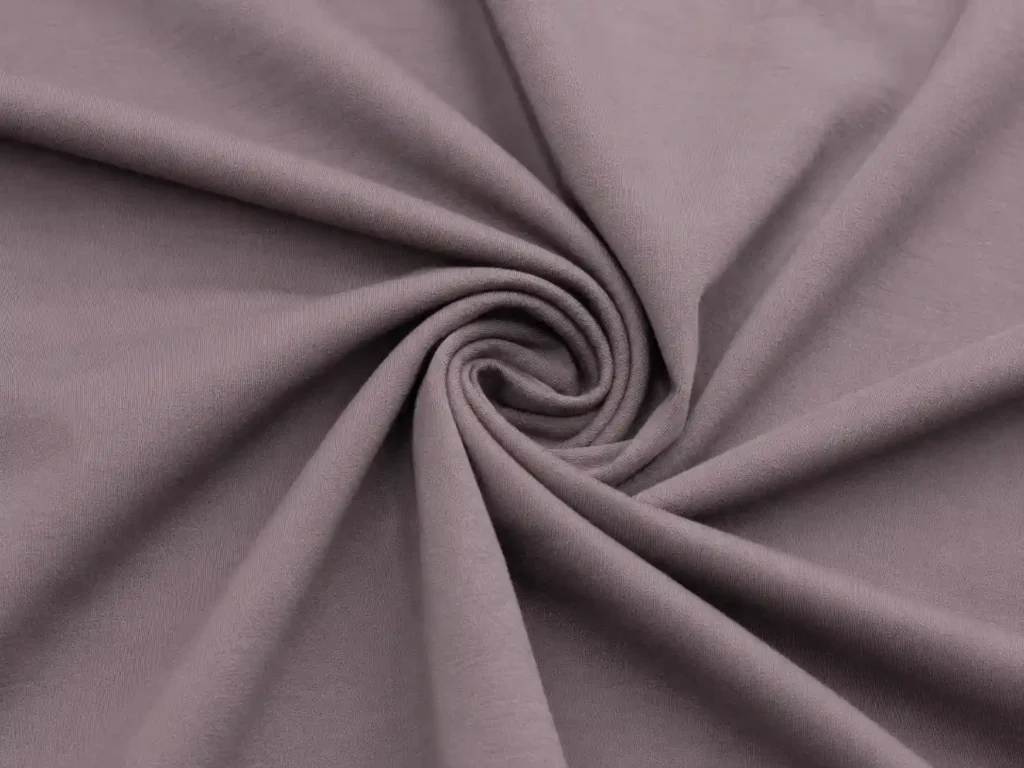
Stretch Woven and Jersey
Stretch fabrics suit peplum bodycon or comfort-driven peplum dresses. Recovery and waistline stability matter most.
- Recovery: Poor recovery can distort waistline and peplum placement.
- Body fit: Base garment tension influences peplum shape.
- Layer stability: Peplum should not wave or stretch out.
- Lining match: Lining should move with the base fabric.
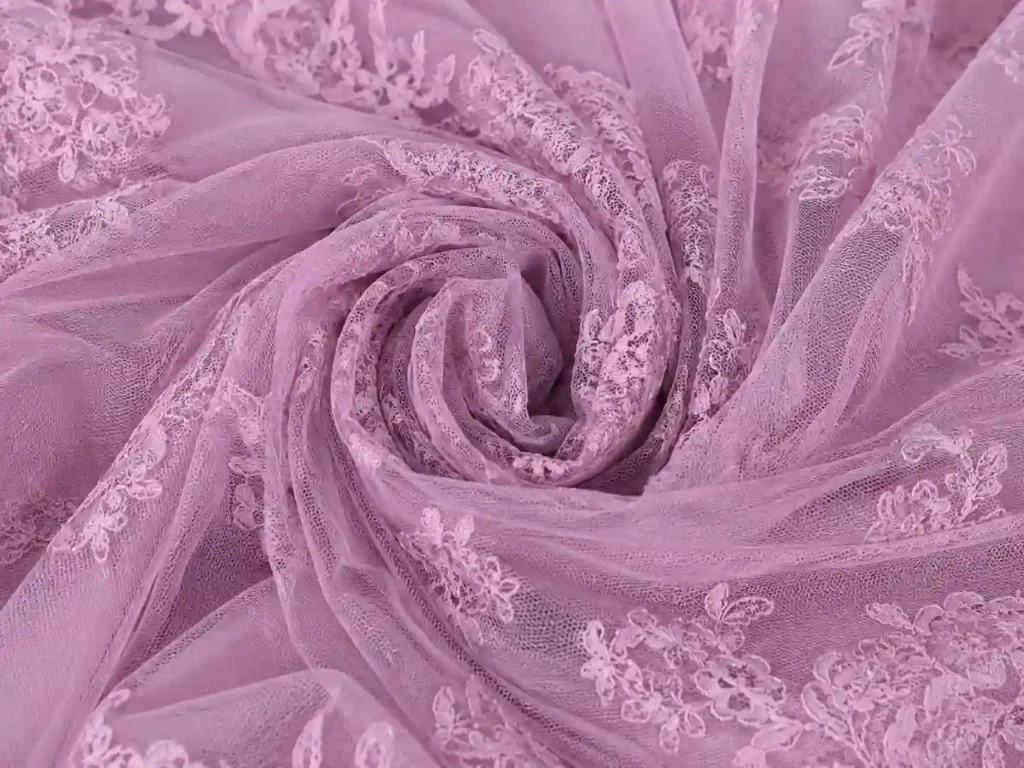
Lace, Mesh and Overlay Fabrics
Overlay fabrics create softer, feminine or occasion-focused peplum dresses. They need lining and edge planning.
- Lace placement: Scallop edge and motif position affect premium appearance.
- Mesh comfort: Mesh edges and seams need soft inner finishing.
- Opacity: Lining color and layer position shape final visual effect.
- Layer movement: Outer and lining layers should not pull against each other.
Waistline and Peplum Layer Control
Waistline control is the center of peplum dress manufacturing. A peplum layer placed too high can shorten the torso visually. A peplum placed too low can lose shaping power. A layer with the wrong sweep or fabric can become bulky, flat or unbalanced.
Duolan reviews the peplum layer as a structural garment component. Waist position, peplum length, layer sweep, side seam alignment, seam thickness, symmetry and pressing method are checked before PP approval. These points decide whether the style looks polished in bulk or only acceptable in the first sample.

Waistline Placement
Waistline placement defines the body proportion and peplum effect. The waist seam should sit where the brand’s silhouette needs it, not where the pattern happens to divide.
- Natural waist: Creates a classic, body-shaping peplum effect.
- Raised waist: Can lengthen the lower body but may shorten the bodice visually.
- Lower waist: Can feel modern but may weaken waist definition.
- PP measurement: Bodice length and waist seam position need clear specification.

Peplum Length
Peplum length changes the garment’s body-shaping result. It can cover the abdomen, balance the hip or create a refined layer.
- Short peplum: Creates sharper waist emphasis and less coverage.
- Medium peplum: Offers balanced shaping for cocktail or office-to-evening styles.
- Longer peplum: Adds coverage but can compete with the skirt shape.
- Size review: Peplum length may need review across the size range.

Layer Sweep
Layer sweep decides whether the peplum looks soft, sculpted or excessive. The sweep should match fabric support and product scene.
- Moderate sweep: Works well for structured commercial dresses.
- Full sweep: Adds drama but increases fabric use and waist seam pressure.
- Soft sweep: Works with crepe, satin or lightweight woven fabrics.
- Controlled curve: Flounce and asymmetric styles need pattern accuracy.

Seam Bulk
Waist seam bulk separates refined peplum dresses from unfinished-looking garments. Gathers, pleats, lining and fabric thickness can stack at the waist.
- Layer grading: Seam allowances need trimming and grading when fabric is thick.
- Lining balance: Inner layers should not increase waist thickness unnecessarily.
- Pressing: Correct pressing keeps the waist seam flatter and cleaner.
- First-piece check: Waist thickness should be checked before bulk continues.

Symmetry and Pressing
Peplum shape must remain balanced from left to right and front to back. Pressing should define the layer without crushing it.
- Left-right balance: Peplum length and sweep should match visually.
- Side seam match: Peplum seams should connect cleanly with garment seams.
- Pressing shape: Pressing should support volume without flattening the layer.
- Packing review: Folding should protect the peplum shape during shipment.
Bodice, Skirt and Peplum Balance
A peplum layer never works alone. The bodice sets the waist position, the skirt controls the lower silhouette, and the peplum bridges both. Duolan reviews these elements together to prevent waist distortion, zipper puckering, side seam mismatch and poor layer balance.
Bodice Fit
Upper-body fit decides where the peplum begins. A bodice with poor bust or waist balance can push the peplum out of position.
- Bust shape: Bust balance affects waistline and side seam behavior.
- Bodice length: Incorrect bodice length shifts the peplum starting point.
- Side seam: Side seam shape should connect cleanly into the peplum seam.
- Lining support: Bodice lining can stabilize the waist structure.

Skirt Relation
Peplum dresses can use bodycon, pencil, midi, mini or straight skirt bases. Each base changes peplum logic.
- Bodycon base: Peplum adds shape while the skirt stays close to the body.
- Pencil base: Waist and hip lines need strong proportion control.
- Midi base: Peplum length must not compete with skirt length.
- Party base: Shorter styles need movement and coverage review.

Side Seam Alignment
Side seam alignment affects the full structure. Peplum layer, bodice and skirt should meet cleanly.
- Peplum-to-bodice: The seam should not jump or twist at the waist.
- Peplum-to-skirt: Lower side seam should connect into the same visual line.
- Asymmetric styles: Intentional shape changes still need controlled seams.
- Bulk QC: Side seam alignment should be checked during first-piece review.

Zipper Smoothness
Zippers often pass through the waist structure. Poor zipper insertion can create puckering or shape distortion.
- Center-back zipper: Needs smooth seam tension through the peplum area.
- Side zipper: May reduce back interruption but needs comfort review.
- Waist tension: Layer thickness and zipper tension should be balanced.
- Closure strength: Hooks or inner supports may help high-tension waist areas.

Lining Balance
Lining should support the garment without pulling the peplum out of shape.
- Outer-lining relation: Lining should not shorten, lift or twist the peplum.
- Comfort: Inner finishing should remain smooth against the body.
- Opacity: Lining supports transparency control for lace, mesh and light colors.
- Movement: Lining and outer shell should move together during wear.

Pattern, Grading and Shape Consistency
Peplum grading must protect waist placement, layer proportion and shape consistency across sizes. A sample can look clean in one size while larger or smaller sizes lose the peplum balance.
Pattern Control
Peplum patterns need clear reference points. Waist seam, side seam, center front, center back, peplum length and layer sweep should all connect into one structure.
- Waist reference: Pattern should define exact peplum start line.
- Layer curve: Curve and sweep need stable pattern records.
- Side seam match: Peplum and skirt seams should stay aligned.
- Zipper area: Pattern should account for closure and seam bulk.
Grading Logic
Peplum should not scale mechanically. Proportion, coverage and body shaping may need size-level review.
- Larger sizes: Peplum length and sweep need review against waist and hip.
- Smaller sizes: Oversized peplum can overwhelm the silhouette.
- Stretch bases: Peplum position can shift when the base fabric stretches.
- Structured bases: Waist seam thickness may increase during grading.
Asymmetric and Flounce Styles
Asymmetric and flounce peplum styles need extra care because their shape depends on curves and directional movement.
- Front-back length: Length difference should remain intentional across sizes.
- Curve control: Flounce curve needs stable fabric behavior.
- Bias drop: Some fabrics may drop after resting.
- Sample review: Visual sample checks are necessary before PP approval.
Shape Records
Bulk consistency depends on records, not memory. Duolan connects approved samples to pattern, PP sample, measurements and QC notes.
- Pattern record: Stores waistline, peplum length, sweep and attachment method.
- PP sample: Gives production teams a physical standard.
- QC notes: Highlight waist seam, symmetry, zipper and pressing points.
- Repeat use: Records support future colorways and replenishment orders.
Peplum Dress Development Path
Peplum dress development should move from visual concept to waist-structure confirmation before bulk planning. Duolan uses each stage to clarify silhouette, fabric support, layer shape, sample correction and PP readiness.
Step 1|Design and Waist Structure Review
Duolan reviews reference images, tech packs, garment base, waistline position, peplum length, layer type, intended scene and fabric direction. Early review helps avoid a peplum layer becoming decoration without body-shaping value.
Step 2|Fabric and Peplum Support Review
Fabric is checked for support, drape, thickness, stretch, lining needs and pressing behavior. Crepe, satin, jacquard, stretch woven, lace and mesh each create a different peplum result. Fabric choice must match the intended waist shape.
Step 3|First Sample Development
The first sample tests bodice fit, waistline, peplum placement, skirt relation, fabric behavior, lining and major construction details. Duolan uses the first sample to identify waist bulk, layer imbalance, zipper issues and fabric limitations.
Step 4|Waist and Peplum Revision
Sample comments are translated into clear adjustments. Waistline, peplum length, sweep, gather ratio, pleat depth, side seam, zipper, lining and pressing may need correction. Revisions move the garment closer to a production-ready standard.
Step 5|PP Sample and Bulk Readiness
Approved styles move into PP sample preparation, BOM locking, production notes, QC checklist and packing standards. PP sample review confirms final waistline, peplum shape, seam bulk, fabric standard, workmanship and packing before bulk cutting begins.
Peplum Dress Sample Standards
Different samples answer different peplum dress decisions. Duolan helps brands use each stage to check structure, fit, peplum shape, visual effect, commercial readiness and bulk standard.
| Sample Type | Purpose | Duolan Checks |
|---|---|---|
| First Sample | Tests overall waist structure | Bodice fit, waistline, peplum placement, fabric behavior and lining need |
| Fit Sample | Reviews body and waist balance | Bust, waist, side seam, zipper, comfort and proportion |
| Peplum Shape Sample | Tests peplum layer | Length, sweep, symmetry, support and seam bulk |
| Photo Sample | Supports campaign or ecommerce review | Waist shape, surface, color, layer effect and pressing |
| Salesman Sample | Supports commercial or showroom review | Fit impression, workmanship, style value and collection fit |
| PP Sample | Becomes bulk production benchmark | Material, measurement, waist seam, peplum shape, labels, packing and QC points |
Peplum Dress Risk Matrix
Peplum dresses carry concentrated waist-structure risks. Duolan reviews risk areas before sampling and locks key controls before bulk.
| Peplum Dress Risk | Why It Happens | Duolan Control |
|---|---|---|
| Waistline sits too high or low | Bodice length or grading not reviewed clearly | Waistline review and PP confirmation |
| Peplum collapses | Fabric lacks support or layer sweep is weak | Fabric support review and shape sample |
| Peplum feels too stiff | Fabric or internal structure is too rigid | Handfeel and movement review |
| Waist seam becomes bulky | Gathers, pleats, lining or thick fabric stack at waist | Waist seam process notes |
| Peplum becomes asymmetric | Pattern, cutting or pressing not controlled | Symmetry check and first-piece review |
| Zipper puckers | Waist tension or seam thickness affects closure | Zipper insertion standard |
| Lining pulls peplum | Inner layer does not balance with outer shell | Lining relation review |
| Bulk shape drifts | PP standard and QC points are not locked | Inline QC and final shape check |
What Brands Should Prepare
A strong peplum dress brief helps Duolan evaluate waist structure, fabric feasibility, sample path, production route and delivery timing. Clear information reduces repeated clarification and improves sample precision.
Design Files
Clear design materials help Duolan understand the intended waist structure before pattern work begins.
- Tech pack or sketch: Include front, side and back views with construction notes.
- Reference sample: Send sample photos or garment sample when peplum shape is hard to describe.
- Detail images: Provide close-ups for waist seam, peplum layer, zipper and lining.
- Style purpose: Mark cocktail, office-to-evening, party, occasion, midi or set direction.
Peplum Structure Information
Peplum details should be defined before sampling because layer shape affects pattern, sewing and cost.
- Peplum position: Share intended waistline or visual start point.
- Peplum length: Indicate coverage and layer depth expectation.
- Peplum type: Gathered, pleated, panel, flounce, asymmetric or detachable.
- Waist seam expectation: Clarify clean, structured, soft or sculpted waist effect.
Fabric and Construction Details
Material and construction choices directly affect peplum support and bulk stability.
- Fabric direction: Share crepe, satin, jacquard, stretch woven, jersey, lace or mesh.
- Lining requirement: Note coverage, comfort, support and opacity needs.
- Closure detail: Clarify center-back zipper, side zipper, hooks or special closure.
- Surface concern: Note pressing marks, seam puckering, shine or texture sensitivity.
Production Planning
Production planning improves when style, size, color and calendar information arrive early.
- Size range: Provide standard size chart and key tolerance points.
- Colorways: Share core colors, seasonal colors and approved references.
- Target quantity: Provide estimated units by style, color and size.
- Launch timing: Include sample deadline, photo date, PP approval and delivery window.
Brand Delivery Requirements
Peplum production should align with packing and channel needs before shipment.
- Label package: Main label, care label, size label and fiber information.
- Packing method: Folding, polybag, barcode, carton mark and ratio requirements.
- Shape protection: Note special handling for structured waist or polished fabrics.
- Project stage: Indicate sample, revised sample, PP approval, bulk or reorder stage.

Production Engineering for Peplum Dresses
Peplum samples need to become production standards before bulk cutting begins. Duolan translates approved waist structure into measurements, seam notes, attachment methods, pressing standards, first-piece checks and QC points.

Waist Seam Process
The waist seam carries peplum structure, lining and garment tension at the same time. Poor process planning creates puckering, thickness and shape loss.
- Seam allowance: Waist seam allowances need trimming and grading when layers stack.
- Layer order: Bodice, peplum, lining and skirt should follow a clear sewing sequence.
- Seam tension: Sewing tension should avoid puckering around the waist.
- Pressing standard: Pressing should flatten the seam without crushing the peplum layer.

Peplum Attachment
Peplum attachment controls whether the layer sits evenly around the body.
- Gather placement: Fullness should distribute evenly around waist areas.
- Pleat direction: Pleats should follow approved sample direction and depth.
- Panel alignment: Panel peplum should connect cleanly with side seams.
- Flounce curve: Curved peplum pieces need stable edge and curve control.

Zipper and Closure Standard
Closures often cross or sit near the waist structure. A poor closure can distort the peplum profile.
- Center-back zipper: Seam tension must stay smooth through waist and peplum.
- Side zipper: Comfort and side seam shape need review.
- Hook support: Hooks can reduce stress at upper openings or waist areas.
- Closure QC: Zippers need strength and smoothness checks before finishing.

Lining and Inner Structure
Lining should support the garment without lifting or dragging the peplum layer.
- Lining length: Lining should match coverage needs without disturbing the peplum.
- Lining attachment: Attachment points should prevent pulling near waist seams.
- Inner comfort: Inner seam finish should remain smooth against the body.
- Opacity support: Lining helps light or sheer fabrics keep a refined look.

First-piece and Inline QC
First-piece review confirms production understanding before wider bulk work.
- Waistline: Position and seam flatness are checked against PP sample.
- Peplum shape: Length, sweep, symmetry and support are reviewed early.
- Zipper area: Closure smoothness and waist tension are checked before bulk continues.
- Pressing effect: Peplum layer should keep shape after pressing.
Bulk Manufacturing, QC, Cost and Brand Delivery
Peplum dress bulk production needs controlled factory routing, sample-to-bulk discipline, waist-structure QC and clear brand delivery standards. Duolan connects manufacturing scale with structured dress execution.
Manufacturing System Data
- 16 owned womenswear factories: Direct control supports core peplum styles and sensitive waist-structure programs.
- 20+ satellite factories: Flexible capacity supports repeat orders, multi-style programs and seasonal demand.
- 300 sewing lines: Parallel production supports different structured dress programs.
- 50+ quick-response lines: Peplum samples, structure tests and launch preparation can move faster.
- 15,000–35,000 monthly sample capacity: Frequent structured dress development cycles can be supported.
- 3,000–8,000 monthly style workflows: First samples, revisions and PP samples can move through organized development.
- 6,500,000 stable monthly capacity: Planned bulk production and repeat delivery can be supported.

QC Focus
- Waistline placement: Checks whether the peplum starts at the approved position.
- Peplum length: Confirms layer depth across size and color.
- Peplum symmetry: Reviews left-right and front-back balance.
- Waist seam flatness: Controls seam thickness, puckering and visible bulk.
- Zipper smoothness: Protects closure quality around the structured waist.
- Lining balance: Prevents inner layers from pulling or lifting peplum.
- Side seam alignment: Keeps bodice, peplum and skirt visually connected.
- Pressing effect: Confirms peplum layer keeps shape after finishing.

Cost Logic
Peplum dress cost is strongly shaped by fabric, waist structure, layer construction and revision work.
- Fabric and lining: Fabric weight, support, lining type and surface sensitivity affect development.
- Peplum layer consumption: Wider sweep, longer layers and flounce curves increase material use.
- Gather or pleat construction: Added fullness increases sewing time and waist seam handling.
- Waist seam and zipper difficulty: Layer thickness affects process complexity.
- Sampling and revision: Waistline, peplum shape and fabric support often need sample correction.
- Pressing and finishing: Structured waist areas need careful final handling.
- Label and packing: Brand packaging, barcode and polybag requirements affect final preparation.
- Repeat potential: PP records and BOM continuity can improve future production efficiency.

Brand Delivery and Compliance
- Main labels and size labels are placed without affecting waist comfort or appearance.
- Care labels are reviewed for fabric type, lining, transparency and skin contact.
- Hangtags and barcodes are aligned by style, color, size and channel need.
- Folding methods protect structured peplum layers and polished fabric surfaces.
- Carton marks and packing ratios support warehouse receiving across multi-style shipments.
- SMETA audit records support supplier review for established fashion brand programs.
- Testing discussions can follow AATCC, ASTM, EN, GB or brand-specific standards.
- OEKO-TEX® or GOTS material requirements can be coordinated for certified fabrics.

Anonymous Peplum Project Evidence
Duolan respects brand confidentiality. These anonymized peplum project patterns reflect realistic program sizes, sample cycles and order volumes aligned with current brand cooperation ranges.
United States|Structured Peplum Dress Program
A US contemporary dress brand developed a structured peplum program covering peplum bodycon, peplum midi and cocktail peplum styles. The program needed clean waist shaping, stable peplum support and smooth zipper execution across several colors.
Project data
- Region: United States
- Program type: Structured peplum dress launch
- Style scope: 12–18 styles
- Order volume: 28,000–62,000 pieces
- Sample cycle: 12–18 days for first sample rounds
- Main fabrics: Crepe, structured woven, satin-touch and stretch woven materials
Key controls
- Waistline precision: Bodice length and peplum start position were reviewed before PP approval.
- Peplum support: Fabric behavior and layer sweep were adjusted during sampling.
- Zipper smoothness: Center-back closures were checked around waist tension points.
- Repeat records: BOM, PP samples and pattern notes were prepared for future colors.

Australia|Party Peplum Dress Collection
An Australian partywear brand prepared peplum mini and satin peplum styles with closer body fit. The program needed stronger visual shape while keeping waist bulk and movement controlled.
Project data
- Region: Australia
- Program type: Party peplum dress collection
- Style scope: 10–16 styles
- Order volume: 25,000–70,000 pieces
- Sample cycle: 10–16 days for first sample rounds
- Main focus: Waist seam, layer symmetry, stretch fabric and peplum bulk
Key controls
- Layer symmetry: Peplum length and sweep were balanced from left to right.
- Stretch review: Base fabric recovery was checked against waistline stability.
- Waist seam control: Layer thickness was reduced through process review.
- Packing protection: Satin surfaces and structured peplum layers received folding guidance.

United Kingdom|Occasion Peplum Line
A UK occasionwear brand developed wedding guest, cocktail and graduation peplum dresses. The line required polished fabric, clean lining and event-ready presentation.
Project data
- Region: United Kingdom
- Program type: Occasion peplum line
- Style scope: 8–14 styles
- Order volume: 22,000–50,000 pieces
- Sample cycle: 14–21 days depending on fabric and structure
- Main fabrics: Crepe, lace overlay, soft satin and lined woven fabrics
Key controls
- Fabric support: Crepe and lace were reviewed for peplum shape and handfeel.
- Lining balance: Inner layers supported comfort without pulling the waist layer.
- Photo sample review: Waist shape, side profile and pressing supported campaign evaluation.
- Bulk handover: PP samples, BOM and QC points were prepared by style.

France|Contemporary Peplum Midi Capsule
A French contemporary brand developed refined peplum midi dresses and office-to-evening styles. The program focused on subtle waist definition, fabric handfeel and final pressing.
Project data
- Region: France
- Program type: Contemporary peplum midi capsule
- Style scope: 6–10 styles
- Order volume: 20,000–38,000 pieces
- Sample cycle: 14–20 days for fabric-sensitive styles
- Main risks: Waistline precision, peplum fall, surface marks and hem balance
Key controls
- Fabric handfeel: Materials were reviewed for support, softness and movement.
- Waist precision: Peplum position and layer depth were confirmed before PP approval.
- Peplum fall: Layer shape was checked after pressing and hanging.
- Final pressing: Waist seam, peplum layer and surface finish received packing guidance.

Peplum Dress FAQ
Yes. Duolan develops and manufactures custom peplum dresses for established fashion brands, including peplum bodycon dresses, peplum midi dresses, cocktail peplum dresses, office-to-evening styles, party peplum dresses and peplum skirt sets. Programs can move from design review and sampling to PP approval, bulk production, QC, packing and repeat delivery.
Peplum dress production is difficult because the waist layer affects body proportion, seam thickness, fabric behavior, zipper smoothness, lining balance and final pressing. A peplum layer may look acceptable in one sample yet fail in bulk if waistline, layer sweep, seam bulk and symmetry are not locked.
Yes. A peplum dress uses a waist-level layer, ruffle, flounce or overskirt to shape the body. A fit-and-flare dress uses a fitted bodice with a flared skirt as the main silhouette. Peplum can appear on bodycon, midi, cocktail, party or set styles without becoming a fit-and-flare dress.
Yes. Duolan can support peplum bodycon dresses, peplum midi dresses, cocktail peplum styles, structured waist dresses and peplum skirt sets. Each direction receives review for waistline placement, fabric support, peplum length, side seam alignment, zipper smoothness, lining and PP sample readiness.
Useful files include tech packs, sketches, reference samples, front and side photos, waistline position, peplum length, peplum type, fabric direction, lining requirements, size range, colorways, target quantity, label requirements and launch timing. Close-up images of waist seams, peplum layer, zipper and lining improve sample accuracy.
Duolan reviews bodice length, waist seam position, peplum start line, layer length, layer sweep, fabric support, side seam alignment and pressing method. PP sample approval should lock key measurements and construction details before bulk cutting begins.
Duolan reviews fabric thickness, gather ratio, pleat depth, lining layer, seam allowance, zipper position and pressing method. Seam allowances can be trimmed or graded when fabric stacks at the waist. First-piece review checks whether waist thickness matches the approved PP sample.
Yes, once approved samples become production standards. Duolan connects approved samples to BOM, PP samples, waist seam notes, peplum shape controls, production instructions, QC checkpoints and packing requirements. Sample approval alone is not enough; structure controls need measurable standards.
Yes. Duolan can follow requirements for main labels, care labels, size labels, hangtags, barcodes, polybags, folding methods, carton marks and packing ratios. Peplum dresses with structured waist layers, satin surfaces or delicate overlays may need special packing review to protect garment shape.
Send Your Peplum Dress Project
Duolan reviews peplum dress projects from development and manufacturing angles. Share your design files, references, fabric direction, size range, target quantity and launch timing for a structured review.
Share Your Project
- Peplum dress style: bodycon, midi, cocktail, party, office-to-evening or set.
- Design files: tech pack, sketch, original sample photos or reference images.
- Structure details: waistline position, peplum length, peplum shape and layer type.
- Fabric direction: crepe, satin, jacquard, stretch woven, jersey, lace, mesh or overlay.
- Production details: quantity, colorways, launch date, label and packing requirements.
Duolan Will Review
- Waistline placement, peplum shape and fabric feasibility.
- Sample path, revision needs and PP sample readiness.
- Production route, QC focus and packing requirements.

