Skip to content
Custom Printed Dress Manufacturer
Custom printed dress development and manufacturing for established fashion brands.
Duolan supports fashion brands developing printed dresses where artwork execution, fabric base selection, print scale, placement accuracy, pattern matching, color consistency, wash performance, photo sample accuracy, PP records and bulk repeatability decide final garment value across resort, floral, party, occasion, satin, chiffon, mesh and contemporary programs.
- 1996 fashion dress development background supports print-to-silhouette judgment for women’s dresses.
- 5 printed-dress-related directions cover floral, resort, placement, party and contemporary programs.
- 6 print-control zones guide artwork, fabric, color, placement, seams and wash review.
- 3-view sample review checks print balance across front, side and back angles.
- 10–30 styles per cooperating order fit multi-print seasonal dress launch programs.
- 20,000–80,000 pieces per brand order support mature printed dress production and repeat planning.
- South China textile resources support printed chiffon, satin, mesh, jersey, cotton, viscose and lining routes.
- Humen trim resources support zippers, buttons, labels, hangtags, barcodes and packing details.
Printed Dresses Need Artwork Control, Not Only Printed Fabric
Printed dresses create value through original artwork, seasonal color, fabric movement, body proportion and camera-facing print effect. A printed fabric may look attractive on a swatch, yet garment quality depends on artwork scale, fabric base, print method, color approval, cutting direction, pattern matching, wash performance and bulk fabric consistency.
Weak development often creates wrong print scale, dull color, unstable placement, mismatched side seams, crooked stripes, fading after wash, shade differences across batches or bulk pieces losing approved photo sample impact. Duolan develops printed dresses through artwork review, strike-off approval, fabric base matching and production records. Print files, repeat size, placement maps, PP photos, bulk fabric inspection and first-piece comparison are reviewed before production so approved print effect can repeat across bulk pieces.
Built for Established Printed Dress Programs
Resort Dress Brands
Contemporary Dress Brands
Occasion and Wedding Guest Brands
Partywear and Social-first Brands
Product Development Teams
Sourcing Offices
Printed Dress Types Duolan Can Develop
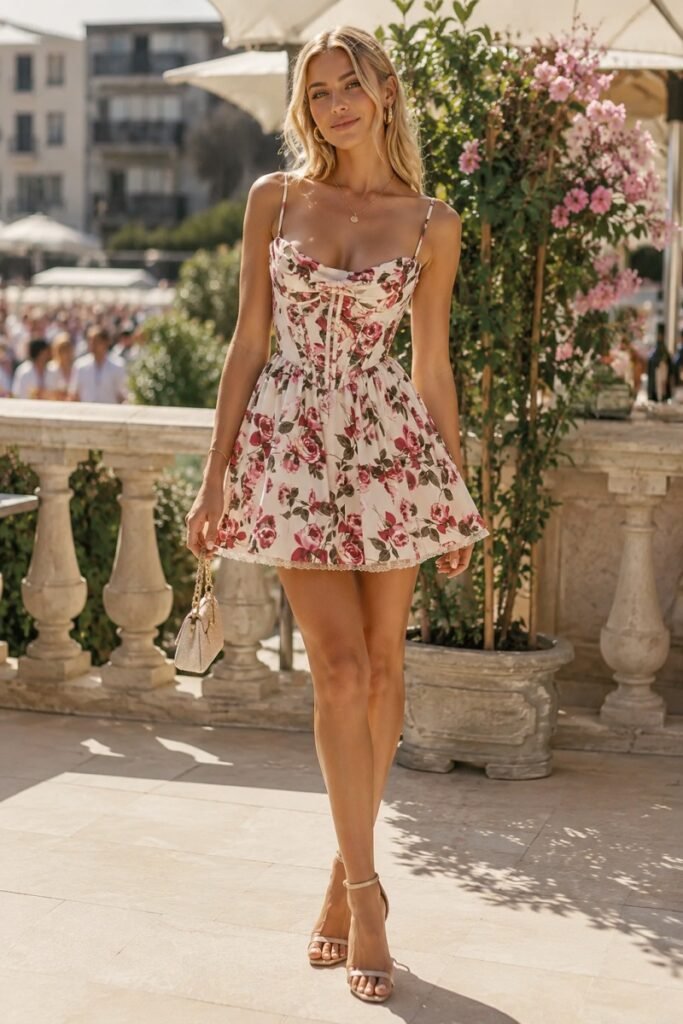
Printed Mini Dresses
- Print scale should match short length without overwhelming body proportion.
- Chest, waist and hem zones need clear artwork placement review.
- Side seams and back view should support clean print balance.

Printed Midi Dresses
- Midi prints need clear balance between upper body and skirt panels.
- Waist placement affects visual height and overall garment proportion.
- Side seams should align cleanly where print repeat requires control.
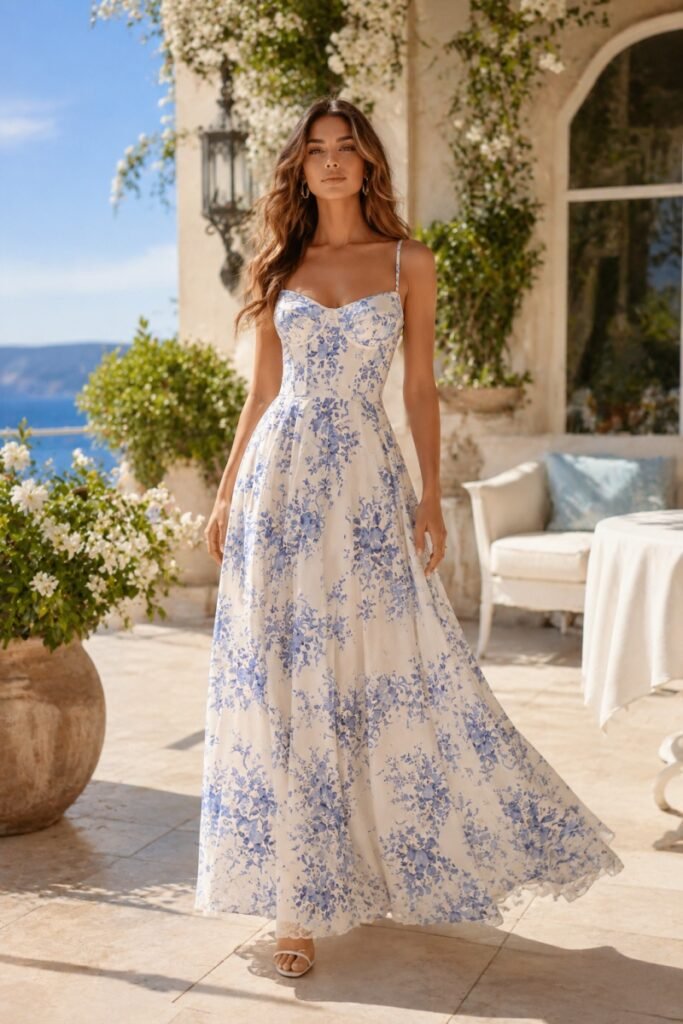
Printed Maxi Dresses
- Maxi artwork needs scale review across full garment length.
- Large skirt panels require color and repeat consistency.
- Packing should protect printed surface and long-panel fall.

Printed Resort Dresses
- Resort prints need strong color without harsh fabric feel.
- Lightweight bases require transparency and lining review.
- Travel packing should preserve garment drape and print surface.

Printed Wrap Dresses
- Wrap panels need artwork direction and overlap review.
- Waist print should remain balanced after tie or closure adjustment.
- Movement review helps prevent uncontrolled opening and print shift.

Printed Slip Dresses
- Slip dress prints need clean scale and soft surface movement.
- Satin bases require color and shine review under light.
- Strap and neckline positions should not interrupt key artwork areas.

Printed Shirt Dresses
- Plackets, collars and pockets need artwork position review.
- Stripe, check and geometric prints require stronger alignment control.
- Belted styles need print balance around waist and front panels.

Printed Bodycon Dresses
- Stretch fabrics can distort print scale across body curves.
- Side seams should remain balanced under garment tension.
- Opacity and print clarity need review during fitting.

Printed Mesh Dresses
- Lining color strongly affects final print visibility.
- Mesh prints need clear side-view and close-up review.
- Edge finish should remain soft and stable against skin.

Printed Satin Dresses
- Satin prints need color review under natural and studio light.
- Glossy surfaces show pressing marks and packing lines quickly.
- Printed satin requires careful handling before shipment.
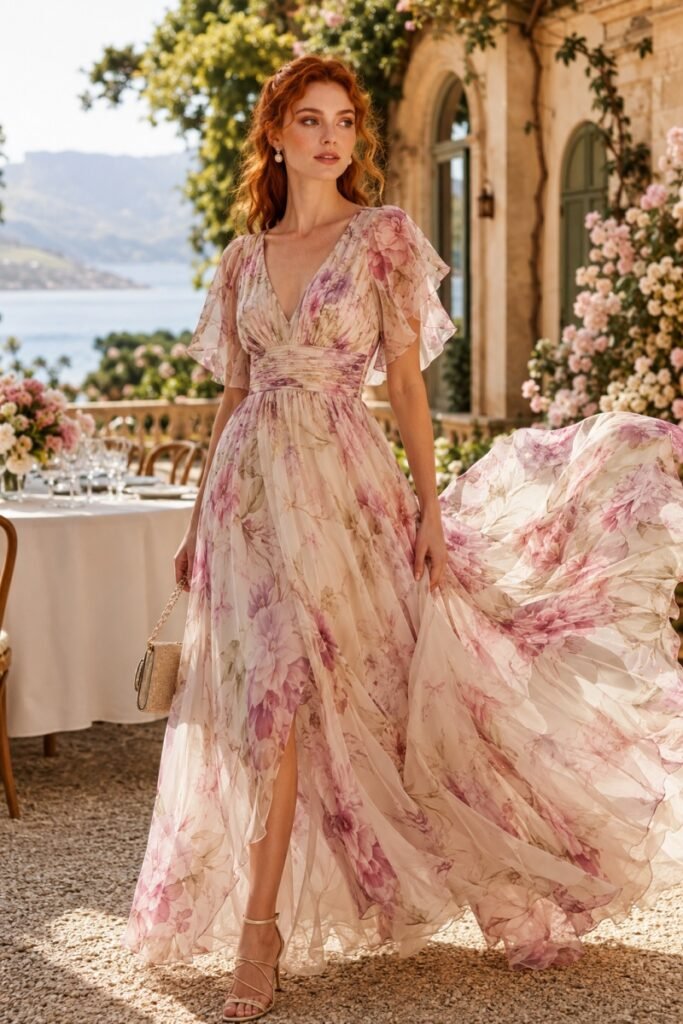
Printed Chiffon Dresses
- Chiffon prints need transparency and layer-color review.
- Lightweight hems should move cleanly without distorting artwork.
- Lining should support coverage without dulling print effect.

Placement Print Dresses
- Placement artwork needs a clear cutting map before production.
- Size grading can shift chest, waist and hem artwork positions.
- PP photos should record approved placement across all key views.
Artwork, Print Scale and Fabric Base Matching
Artwork File Review
- Artwork files should be production-ready, not only visually attractive.
- Repeat direction and file version need clear records.
- Complex artwork may require strike-off review before garment sampling.
Print Scale
- Mini, midi and maxi dresses need separate scale judgment.
- Bodycon styles require stretch and print distortion review.
- Scale records should transfer into PP sample standards.
Repeat Size
- Repeat size should match dress pattern and cutting direction.
- Large repeats may increase material consumption.
- Pattern records should guide bulk fabric cutting.
Fabric Base Selection
Fabric base changes print color, handfeel, drape and wash performance. Chiffon, satin, mesh, jersey, cotton, viscose and crepe respond differently to print methods. Duolan reviews fabric base by color result, opacity, movement, shrinkage and garment scenario.
- Fabric base should match print method and silhouette.
- Lightweight fabrics need transparency and lining review.
- Stretch bases need print distortion and recovery checks.
Color Direction
Color direction should connect with brand palette, season and target market. Print colors may shift across different bases and lighting. Duolan reviews strike-off, lab dip, photo sample effect and bulk shade standards before production.
- Color approval should reference fabric base and print route.
- Dark, red, blue and high-contrast prints need fastness review.
- Bulk shade records support repeat programs.
Garment Silhouette Matching
Artwork must support silhouette, not fight it. Chest, waist, hip, sleeve and hem positions influence how print appears on the body. Duolan reviews print flow, body proportion, seam placement and garment movement before PP confirmation.
- Artwork should enhance neckline, waist and hem proportion.
- Print direction should not distort body-line balance.
- Three-view sample photos should guide final approval.
Print Methods and Fabric Compatibility
Digital Print
- Digital print works well for complex floral and abstract artwork.
- Strike-off review should confirm color and clarity.
- Fabric absorption can change final shade and sharpness.

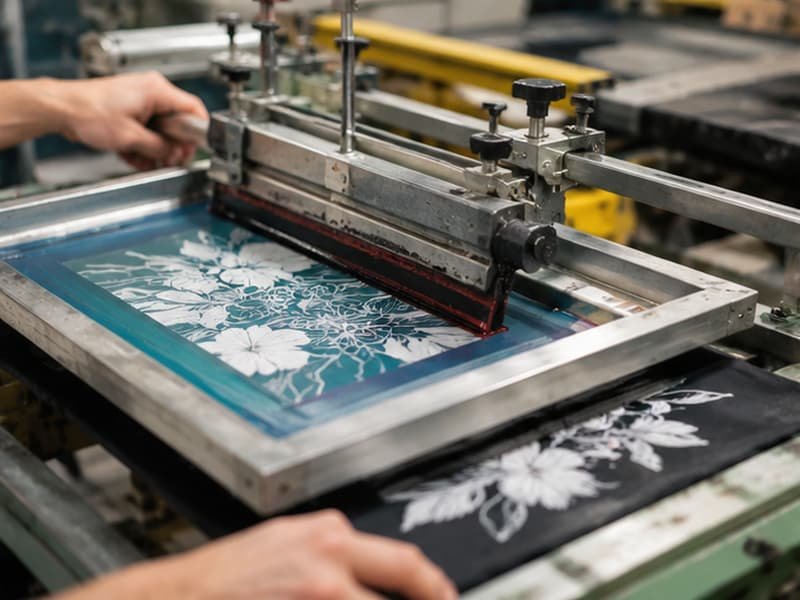
Screen Print
- Screen print needs clear color separation before production.
- Larger programs benefit from stable screen setup.
- Handfeel should match garment value and comfort.
Sublimation Print
- Sublimation works best on suitable polyester bases.
- Fabric limitation should be confirmed before artwork approval.
- Heat process needs color and shrinkage review.

Reactive Print
- Reactive print can support soft natural-fiber handfeel.
- Wash and color fastness need early review.
- Process timing should match launch schedule.

Pigment Print
- Pigment print needs handfeel and rubbing review.
- Heavy coverage may affect softness.
- Wash performance should be checked before bulk approval.
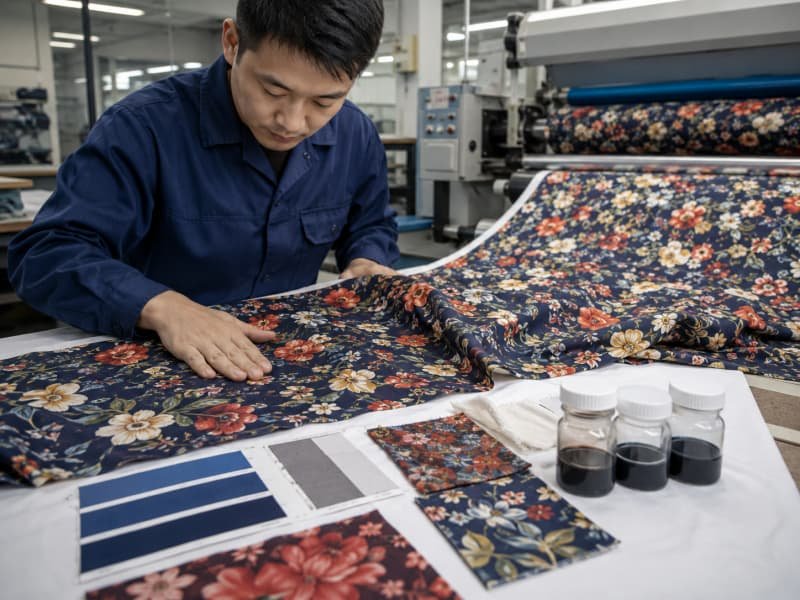
Placement Print
- Placement print should have panel-level production records.
- Size grading can shift artwork position.
- First pieces need direct comparison with PP standards.

All-over Print
- All-over print needs repeat and direction review.
- Seam areas should not create obvious visual breaks.
- Bulk fabric batches need color and handfeel control.

Border / Scarf Print
- Border prints need precise cutting and placement planning.
- Fabric consumption should be assessed before quotation.
- PP photos should record approved border positions.

Color Consistency, Strike-off and Wash Fastness
Strike-off Review
- Strike-off approval should happen before bulk print commitment.
- Print clarity and color depth need fabric-based review.
- Strike-off references should be retained for production comparison.
Lab Dip and Color Direction
- Color direction should match brand palette and launch season.
- Ground color can change overall artwork perception.
- Lab dip records help reduce bulk shade drift.
Bulk Shade Control
- Bulk shade should match approved strike-off references.
- Different fabric lots need shade and handfeel review.
- Multi-color programs need organized batch records.
Color Fastness
- Dark and high-contrast prints need bleeding review.
- Rubbing fastness matters for close-fit dresses.
- Care instructions should align with print behavior.
Wash Stability
- Wash review should include color, handfeel and shrinkage.
- Viscose and cotton bases need shrinkage attention.
- Post-wash references support QC and repeat programs.
Multi-color Program Control
- Each colorway needs approved print and fabric references.
- Multi-print ranges should be grouped by process and base fabric.
- Records help maintain color logic across repeat orders.
Printed Dress Risk Matrix
Printed dress development carries risks across artwork, color, placement, seams, fabric, wash and bulk repeatability. Duolan reviews major risk points during sampling so approved printed garments can move into controlled production.
| Printed Dress Risk | Why It Happens | Duolan Control |
|---|---|---|
| Print scale looks wrong | Artwork is not matched to dress length | Scale and silhouette review |
| Color differs from sample | Strike-off and bulk shade are weak | Color approval and batch review |
| Placement print shifts | Cut panels lack placement records | Placement map and PP photos |
| Side seams mismatch | Repeat or cutting alignment is uncontrolled | Pattern matching and cutting review |
| Print fades after wash | Print method and fabric base mismatch | Wash fastness review |
| Fabric handfeel changes | Printing process affects surface | Handfeel and fabric review |
| Bulk differs from photo sample | Print details lack PP records | PP photos and first-piece comparison |
| Pattern distorts on stretch | Body fit pulls printed fabric | Stretch and fit review |
Placement Print, Pattern Matching and Cutting Control
Placement Print Map
- Placement maps reduce cutting errors and artwork drift.
- Key zones should be recorded before bulk panel cutting.
- PP photos should match placement records clearly.
Front and Back Position
Front and back positions decide how printed dresses look in product photos and real wear. A strong front design can fail when back artwork feels unrelated. Duolan reviews center-front, center-back, neckline, waist and hem placement together.
- Front and back artwork should feel visually connected.
- Center lines need review for symmetry and balance.
- Three-view photos should guide final placement approval.
Side Seam Matching
- Side seams should avoid obvious print breaks where required.
- Repeat flow needs review before bulk cutting.
- Pattern matching may affect fabric consumption and cost.
Stripe / Check / Geometric Alignment
- Geometric prints need stronger cutting and sewing discipline.
- Plackets and pockets can disrupt print alignment.
- PP records should show approved alignment points.
Border Print Cutting
- Border placement should be confirmed before fabric cutting.
- Fabric yield affects cost and production planning.
- Hem and sleeve borders need PP photo records.
Size Range Placement
- Grading can change artwork position across sizes.
- Larger sizes may need adjusted placement review.
- Production records should guide all size panels.
Fabric Routes for Printed Dresses

Printed Chiffon
- Chiffon prints need transparency and layering review.
- Lining can change perceived print color.
- Lightweight hems require careful sewing and packing.

Printed Satin
- Satin print color should be reviewed under light.
- Surface marks and creases need packing control.
- Seam waves can affect printed surface quality.

Printed Mesh
- Mesh requires lining and transparency planning.
- Stretch can change print clarity and motif shape.
- Side seams need review for visual continuity.

Printed Jersey
- Jersey prints need stretch distortion review.
- Opacity should be checked under body tension.
- Side seams should remain balanced after fitting.

Printed Cotton Poplin
- Cotton poplin supports crisp print and shirt dress structure.
- Shrinkage should be reviewed before pattern locking.
- Plackets, pockets and collars need alignment control.

Printed Viscose / Rayon
- Viscose prints need shrinkage and drape review.
- Soft handfeel should remain after wash.
- Wrap and maxi styles need movement review.

Printed Crepe
- Crepe supports polished printed occasion dresses.
- Color and texture should remain stable across batches.
- Pressing should protect fabric surface and drape.

Printed Woven Blends
- Woven blends need fabric-base and print-route matching.
- Handfeel should align with garment price position.
- Bulk batches require shade, GSM and shrinkage review.
Print Route Decision Table
Different print routes solve different design and production goals. Duolan reviews artwork complexity, fabric base, color needs, order planning, handfeel and wash performance before confirming a print route.
| Print Route | Best For | Key Control |
|---|---|---|
| Digital Print | Complex artwork, many colors, seasonal prints | Color calibration, fabric absorption, strike-off |
| Screen Print | Stable designs and larger repeat programs | Screen setup, color layers, handfeel |
| Sublimation Print | Polyester-based printed dresses | Fabric base, color brightness, heat control |
| Reactive Print | Cotton, viscose, rayon directions | Wash fastness, color depth, process control |
| Pigment Print | Casual cotton or blended bases | Handfeel, rubbing fastness, wash review |
| Placement Print | Border, scarf, engineered artwork | Cut panel map, alignment, size grading |
Printed Dress Scenarios Brands Usually Develop
Floral Printed Dress Programs
- Floral prints need scale control across mini, midi and maxi lengths.
- Seasonal color direction should match fabric base and launch timing.
- Wedding guest and resort styles need refined drape and lining.
- Strike-off approval should confirm color depth and print clarity.
Resort Printed Dresses
- Resort prints often use tropical, scarf, abstract and floral artwork.
- Chiffon, viscose and satin bases need transparency review.
- Wrap and maxi styles require movement and packing checks.
- Travel-ready presentation depends on fabric and surface recovery.
Placement Print Dresses
- Placement print needs engineered artwork and cutting discipline.
- Chest, waist, sleeve, border and hem positions require records.
- Size grading can shift motif placement across production sizes.
- First pieces should match PP photos and placement maps.
Printed Party Dresses
- Party prints often use animal, abstract, mesh and bodycon routes.
- Stretch distortion and side seam balance need stronger review.
- Photo samples should record close-up color and body line.
- Mesh and jersey bases require opacity and lining checks.
Printed Occasion Dresses
- Occasion prints need elegant color and polished fabric movement.
- Satin, crepe and chiffon bases require strike-off review.
- Color depth, lining and seam alignment influence final value.
- Packing should preserve drape, print surface and garment shape.
Contemporary Printed Dresses
- Contemporary prints often use geometric, abstract or minimal motifs.
- Shirt, midi and slip silhouettes need clean proportion.
- Plackets, pockets, belts and side seams require alignment control.
- Multi-print programs benefit from organized color and fabric records.
Sample Development Path for Printed Dresses
Artwork and Print Direction Review
Fabric and Print Feasibility
Strike-off and First Sample Development
Fit, Placement and Color Revision
PP Sample and Bulk Readiness
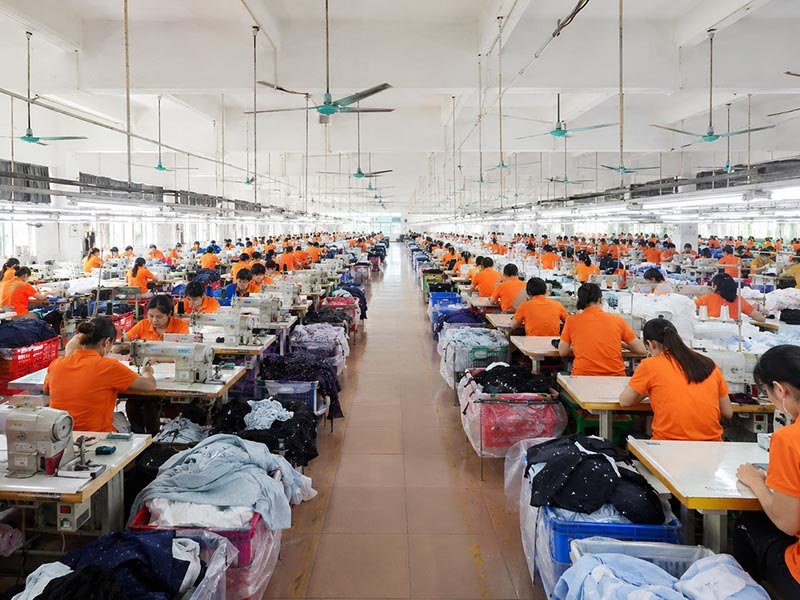
Sample Types for Printed Dress Decisions
Each printed dress sample should answer a clear artwork, color, fabric or placement question. Duolan connects sample purpose with print response, garment balance, campaign effect and production readiness.
| Sample Type | Purpose | Printed Dress Focus |
|---|---|---|
| Print Strike-off | Confirms print color and clarity | Color, scale, fabric response |
| Lab Dip / Color Sample | Reviews shade direction | Color match, fabric base, batch record |
| First Sample | Checks silhouette direction | Fit, print scale, garment balance |
| Placement Sample | Reviews engineered artwork | Position, cutting map, seam alignment |
| Photo Sample | Supports campaign or ecommerce review | Color, print effect, body line |
| PP Sample | Becomes production benchmark | Artwork, fabric, color, QC, packing |
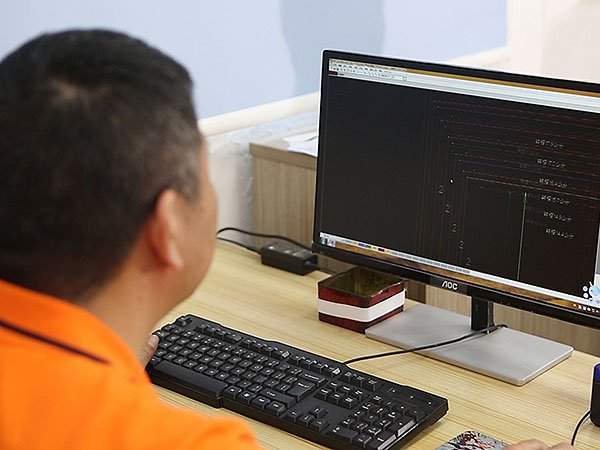
Photo Sample to PP Sample Handover
Artwork Standard
- Final artwork file, repeat, direction and version should be recorded.
- File changes after photo sample need clear approval.
- Production teams should follow retained artwork references.
Print Scale Standard
- Motif size should match approved sample and dress length.
- Mini, midi and maxi styles need separate scale references.
- First-piece review should compare print scale with PP photos.
Color Standard
- Strike-off, lab dip, bulk shade and photo sample references need records.
- Light, dark and high-contrast prints require separate review.
- Color standards should connect with fabric base and print method.
Placement Standard
- Chest, waist, hem, sleeve, side seam and center line positions need references.
- Placement maps should guide cutting and sewing teams.
- Size grading should preserve approved motif balance.
Fabric Standard
- Base fabric composition, GSM, handfeel and transparency need records.
- Wash results should guide QC and care instructions.
- Fabric substitutions require new print and fit review.
First-piece Comparison
- Bulk first pieces should match artwork, color and placement standards.
- Critical zones include front, side seams, back, sleeves and hem.
- Photo records help correct early production drift quickly.
Production Engineering for Printed Dresses
Artwork Locking
- Artwork files should be locked before bulk print.
- Repeat and scale should match approved PP sample.
- File version control reduces production confusion.
Fabric and Print Batch Control
- Printed fabric lots need shade and handfeel review.
- Batch records should support repeat orders.
- Wash fastness and shrinkage should follow approved standards.
Cutting and Placement Control
- Placement styles need panel-level cutting maps.
- Stripe, check and geometric prints require direction control.
- Border prints may need special fabric utilization planning.
Seam Matching Review
- Side seam print breaks should be reviewed before volume expansion.
- Plackets, pockets and belts need alignment attention.
- First-piece records support QC during production.
First-piece Review
- First pieces should match print color and artwork position.
- Fit and print balance should be checked together.
- Photos help align production, QC and project teams.
Multi-print Production Grouping
Printed dress programs often include several artworks, fabrics and delivery windows. Grouping supports stable production and QC. Duolan groups styles by print method, fabric base, color risk, cutting complexity and shipment schedule.
- Multi-print ranges need organized production sequencing.
- Complex placement prints should be separated from simple all-over prints.
- Grouping supports stable quality across 10–30 style programs.
Quality control standards
Printed dress QC must protect artwork, color, placement, seam alignment, wash performance, fabric handfeel and packed presentation. Duolan checks printed quality from strike-off approval to packed cartons.
| QC Area | Printed Dress Risk | Duolan Control |
|---|---|---|
| Artwork QC | Wrong file or scale enters bulk | Artwork and repeat confirmation |
| Color QC | Bulk shade differs from sample | Strike-off and batch review |
| Placement QC | Engineered print shifts | Placement map and cutting review |
| Seam QC | Pattern mismatch appears | Side seam and panel comparison |
| Wash QC | Color fades or bleeds | Wash fastness and rubbing review |
| Fabric QC | Handfeel or drape changes | Fabric base and batch review |
| Packing QC | Print surface wrinkles or transfers | Fold, hanger, tissue and carton route |

Printed Dress Case Studies

US Floral Printed Resort Program
- Order scope: 18 styles across floral maxis, printed wrap dresses and printed chiffon midis.
- Total program quantity: about 52,000 pieces.
- Main controls: print scale, fabric drape, color strike-off, lining transparency and packing recovery.
- Duolan actions: artwork review, fabric base confirmation, strike-off approval and first-piece comparison.
- Program focus: resort printed dresses transferred from artwork approval into controlled bulk production.

European Placement Print Line
- Order scope: 22 styles across scarf print shirt dresses, border print midis and placement print maxis.
- Total program quantity: about 66,000 pieces.
- Main controls: placement map, side seam alignment, color consistency and first-piece comparison.
- Duolan actions: panel mapping, cutting review, PP photo records and QC checkpoint setup.
- Program focus: placement print dresses prepared for accurate bulk replication.

Australian Printed Party Drop
- Order scope: 12 styles across animal print mesh, printed bodycon dresses and abstract print minis.
- Total program quantity: about 30,000 pieces.
- Main controls: stretch distortion, side-view print balance, photo sample color and edge finish.
- Duolan actions: stretch review, lining color check, side seam correction and packed sample check.
- Program focus: camera-facing printed dresses aligned with photo sample standards.

Contemporary Multi-print Capsule
- Order scope: 16 styles across geometric print midis, abstract satin slips and printed shirt dresses.
- Total program quantity: about 44,000 pieces.
- Main controls: multi-print scheduling, fabric base matching, bulk shade and PP records.
- Duolan actions: print grouping, color review, material locking and first-piece comparison.
- Program focus: multi-print dress production prepared for seasonal launch consistency.
FAQ|Custom Printed Dress Manufacturing

Send Your Printed Dress Project
Duolan works best with established fashion brands developing printed dress programs with clear artwork direction, fabric requirements and planned bulk production. Share reference images, tech packs, artwork files, print direction, fabric preference or upcoming launch plan, and our team will review artwork route, sample path, material match, production readiness, QC points and packing needs before development begins.
Share your project details
- Printed dress type: mini, midi, maxi, resort, wrap, slip, shirt, bodycon, mesh, satin, chiffon or placement print style.
- Print direction: floral, abstract, geometric, animal print, tropical, scarf print, border print or all-over print.
- Artwork status: original artwork, reference print, repeat file, AI file, PSD file, Pantone reference or color card.
- Print method preference: digital, screen, sublimation, reactive, pigment, placement print or undecided route.
- Fabric direction: chiffon, satin, mesh, jersey, cotton poplin, viscose, crepe or woven blend.
- Fit / production concerns: print scale, color match, side seam alignment, placement accuracy, wash fastness or bulk shade.
- Project stage: artwork review, strike-off, first sample, fit sample, photo sample, PP approval, bulk production or repeat order.
- Program information: style count, target quantity, colorways, size range, target launch date and delivery window.
- Production needs: fabric sourcing, print development, pattern making, QC, packing, labels, barcodes or repeat records.