 Skip to content
Custom Prom Dress Manufacturer
Prom dress development and manufacturing for established fashion brands, formalwear labels, buying teams and global product development departments.
- 30+ years of dress development and manufacturing experience
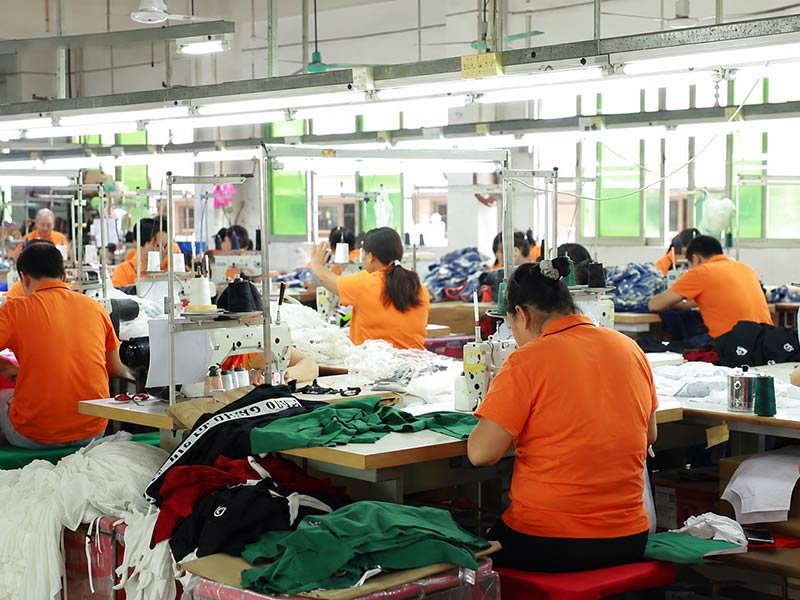
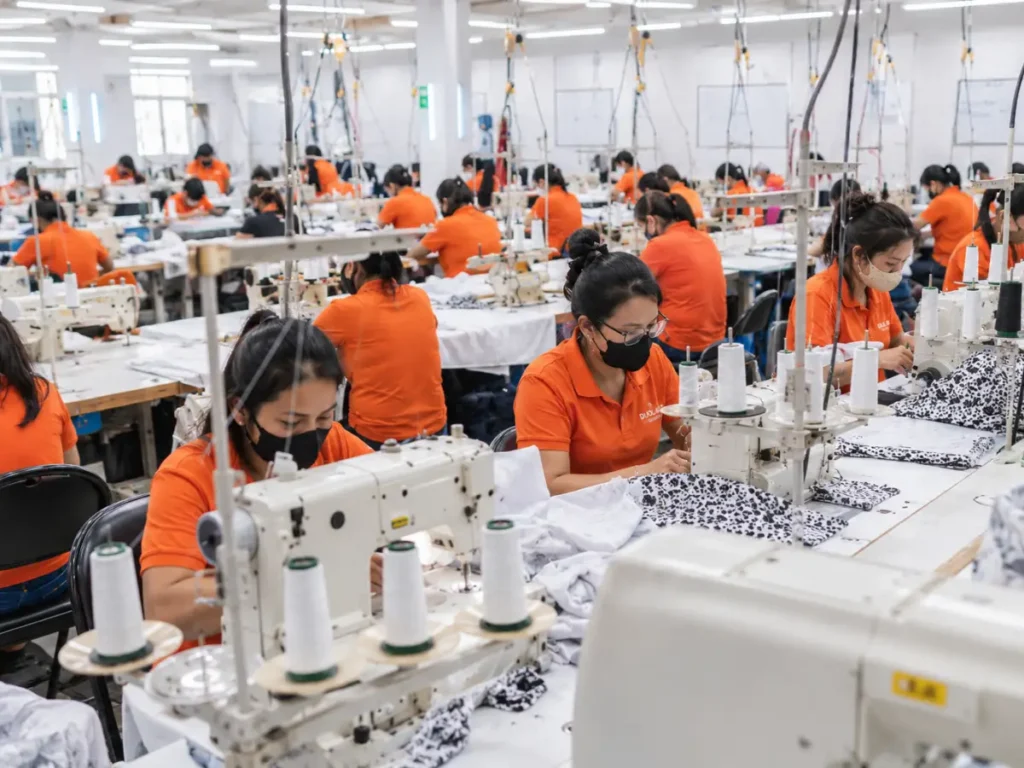
- 16 owned womenswear factories supported by 20+ satellite factories
- Production network involving more than 12,000 skilled garment workers
- Multi-style programs structured for 10–30 styles and 20,000–80,000 total pieces
- Corset, satin, mesh, sequin, rhinestone and structured gown development
- SMETA audited manufacturing system with SMETA 2-Pillar records
Duolan converts tech packs, reference images, original samples and seasonal concepts into production-ready prom dress collections. Development covers fabric direction, pattern engineering, fit refinement, internal support, decorative workmanship, sample approval, bulk readiness, quality control and delivery coordination.
Prom Dress Manufacturing for Established Fashion Teams
Prom Dress Brands
Prom-focused labels often manage many silhouettes, colors and price levels within one selling season. Duolan supports structured collection development, sample sequencing, fabric planning, decorative workmanship and bulk production for brands requiring consistent visual identity across several product groups.
Formalwear Labels
Buying Teams
Product Development Teams
Product teams often work across design, merchandising, technical fit, sourcing and production.
Duolan translates comments from different departments into an organized development path covering silhouette, fabric, construction, measurement, visual details and production feasibility.
What Prom Dress Programs Need to Succeed

Accurate Design Translation

Suitable Fabric Behavior

Secure Wearing Fit
Strapless, backless, corset and fitted styles require controlled support. Cup position, boning direction, upper-edge tension, torso length and movement allowance must be developed together.

Decision-Ready Samples
Samples should help a brand evaluate fit, fabric, proportion, decoration, cost and production readiness. A visually attractive sample without measurable standards creates risk for later production.

Repeatable Bulk Standards
Protected Launch Timing
Control Prom Dress Risks Before Bulk Production
Design Mismatch
- Risk: The sample resembles the reference image but misses the intended proportion, structure or visual attitude.
- Control: Review silhouette, body balance, fabric behavior and construction logic before pattern development.
Fabric Mismatch
- Risk: A fabric looks suitable as a swatch but produces the wrong drape, shine, stretch, transparency or weight in the garment.
- Control: Assess composition, weight, recovery, surface response, lining requirements and bulk availability.
Weak Bust Support
- Risk: The neckline collapses, cups sit incorrectly or the bodice shifts during movement.
- Control: Review cup position, boning layout, upper-edge tension, interlining and back closure construction.
Unstable Strapless Fit
- Risk: The dress slips down, creates pressure at the upper edge or changes shape across sizes.
- Control: Coordinate pattern contour, support layers, anti-slip treatment, elastic tension and grading.
Embellishment Damage
- Risk: Sequins, beads or rhinestones become loose, uncomfortable or damaged during production and packing.
- Control: Define application method, density, seam clearance, thread security, backing, protection and inspection points.
Measurement Deviation
- Risk: Bust, waist, hip, torso or length measurements change after sewing, pressing or handling.
- Control: Set measurable POM standards, tolerances, checking methods and inspection stages.
Sample-to-Bulk Difference
- Risk: Bulk garments use different materials, sewing methods or decorative positioning from the approved sample.
- Control: Lock BOM, PP sample, material standards, workmanship notes and first-piece approval.
Seasonal Delay
- Risk: Sampling, material approval or production starts too late for the required warehouse date.
- Control: Build a backward calendar with approval deadlines, material buffers, QC time and transport allowance.
Develop a Commercial Prom Dress Collection
Build a Balanced Style Architecture
- Hero styles for campaign photography
- Commercial fitted gowns for wider sales volume
- Structured corset styles for visual impact
- Clean satin styles for premium simplicity
- Sequin or rhinestone styles for evening appeal
- Accessible styles with controlled construction costs
- Repeatable silhouettes that support later color extensions
Manage Development Priorities
- Photo-shoot deadlines
- Internal range review
- Sales presentation dates
- PP approval
- Material purchasing
- Production allocation
- Warehouse receiving windows
Protect Commercial Feasibility
Coordinate Silhouette and Color
Custom Prom Dress Product Range

Corset Prom Dresses

Mermaid Prom Dresses

A-Line Prom Dresses

Ball Gown Prom Dresses

Fitted Prom Dresses

Satin Prom Dresses

Sequin Prom Dresses
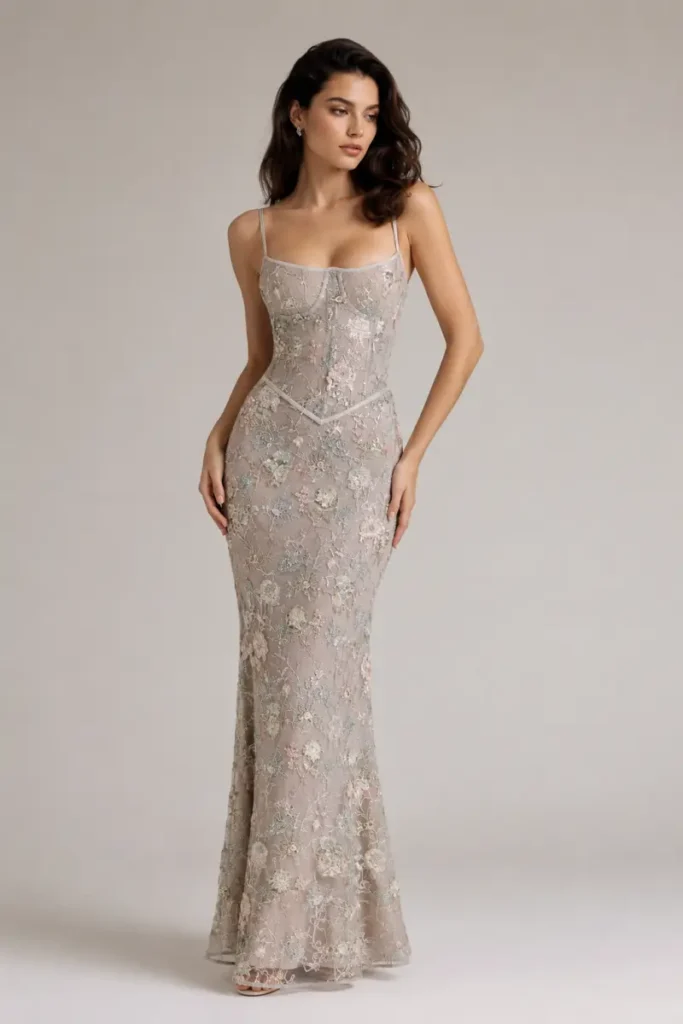
Mesh Embellished Dresses
Match Prom Silhouettes with Construction Requirements
Silhouette decisions influence pattern strategy, materials, support, movement, production risk and packing. The following framework helps align design direction with manufacturing requirements before sampling.
| Prom Silhouette | Main Visual Result | Fit Priority | Construction Requirement | Main Bulk Risk |
|---|---|---|---|---|
| A-Line | Balanced, versatile volume | Bust, waist and hem balance | Stable bodice, controlled skirt opening | Uneven hem or excessive waist bulk |
| Mermaid | Strong body contour | Bust, hip, thigh and flare point | Recovery, shaped seams, movement allowance | Restricted movement or shifted flare |
| Ball Gown | Formal volume and drama | Bodice stability and waist level | Corset support, layered skirt engineering | Heavy waist seam and uneven volume |
| Column | Clean vertical line | Torso, hip and garment length | Precise seam balance and controlled ease | Twisting, pulling or length variation |
| Fitted | Close body definition | Bust-waist-hip relationship | Stretch testing, lining and recovery control | Measurement sensitivity and seam rippling |
| Slip | Fluid minimalist appearance | Bias balance, neckline and strap length | Accurate grain, fine seams and light lining | Stretching, twisting and pressing marks |
| High-Slit | Movement and visual exposure | Hip, slit height and overlap | Reinforcement, lining opening and balance | Unsafe opening or inconsistent slit height |
| Strapless | Clean upper-body line | Upper edge, bust and torso | Cup, boning, grip and contour control | Slipping, pressure or neckline distortion |
Plan Prom Products Around Selling Moments
Main Prom Season
Early Prom Launch
Graduation Crossover
Homecoming Crossover
Formal Event Programs
Ecommerce Campaign Drops
Start Development from the Right Product Information

Tech Pack Development

Reference Image Development

Original Sample Development

Collection Brief Development
Select Fabrics by Finished Garment Performance

Satin and Stretch Satin
Satin can create a premium surface, fluid drape or structured shine depending on fiber content, weave, weight and finishing. Development checks should cover:
- Surface reflection under studio lighting
- Needle marking and seam visibility
- Pressing sensitivity
- Drape and body
- Fraying
- Color variation
- Crease recovery
- Bias stretch
- Lining compatibility.

Mesh and Power Mesh
- Stretch direction
- Recovery
- Transparency
- Skin feel
- Seam stability
- Decoration weight
- Color match with lining
- Edge finishing

Tulle and Organza
Tulle and organza influence skirt volume, stiffness and movement. One gown may require several qualities for outer appearance, inner volume and support. Layer count should be planned according to:
- Desired fullness
- Garment weight
- Waist seam thickness
- Transparency
- Hem finish
- Packing volume
- Movement
Rigid material creates stronger shape, while soft tulle supports fluid layering.

Lace and Embroidered Bases
Lace may function as an all-over fabric, panel, border, appliqué or bodice overlay. Motif position affects material use and visual symmetry.
Review should cover:
- Motif scale
- Border use
- Pattern matching
- Transparency
- Stretch
- Edge treatment
- Appliqué attachment
- Lining color

Chiffon and Crepe
Chiffon works well for fluid overlays, gathered skirts and soft formal silhouettes. Its lightweight construction requires careful cutting, seam control and hem finishing. Crepe offers more body and a softer surface. It may suit column, fitted, draped and cleaner formal styles where the garment needs structure without high shine.

Velvet
Velvet provides rich color and seasonal depth. Nap direction must remain consistent during cutting, and handling should avoid pressure marks.
Bulk preparation should define cutting direction, seam treatment, pressing method, packing and color approval under suitable lighting.

Sequin Fabric
Sequin fabric requires evaluation beyond surface appearance. Base fabric strength, stretch, sequin attachment, weight, motif direction and skin contact all influence garment performance.
Seam areas may need clearing before sewing, followed by decorative repair after assembly.
Build the Internal Support and Trim System

Lining Selection

Interlining and Stabilization

Bra Cups

Boning

Zippers and Closures

Straps and Elastic
Engineer Corset Support for Stable Prom Fit
Begin with Body Balance
The base pattern should define:
- Bust apex
- Cup boundary
- Underbust level
- Center-front length
- Side length
- Waist position
- Back height
- Closure allowance
Position Cups Correctly
During fitting, Duolan reviews:
- Bust coverage
- Cup edge visibility
- Apex position
- Underbust support
- Side containment
- Symmetry
- Interaction with boning
Coordinate the Back Closure
Development should consider:
- Eyelet spacing
- Reinforcement
- Lacing length
- Modesty panel width
- Zipper position
- Back overlap
- Tension distribution
Plan Boning by Function
Poorly placed boning may create pressure, twist the bodice or show through satin. Channel width, end protection and stitching accuracy also affect comfort and durability.
Control the Upper Edge
Possible control methods include shaped pattern edges, internal elastic, grip tape, stable interlining, side support and back tension. The correct combination depends on design, fabric and size range.
Prepare for Size Grading
Corset proportions cannot be graded by increasing every measurement evenly. Cup position, boning length, neckline shape, torso length and back coverage may require separate rules.
A strong base-size sample should be followed by size-set review where necessary, especially for broad US size programs.
Control Necklines, Backs and Wearing Security
Strapless Stability
Halter Tension
Backless Security
Deep-V Coverage
High-Slit Control
Adjustable Strap Balance
Develop Fit Around Fabric and Body Structure

Bust Balance

Waist Placement

Hip Contour

Torso Length

Skirt Fall

Movement Allowance

Fabric-Specific Pattern Adjustment

Visual Fit Review
Follow Brand Size Charts and Measurement Standards
Separate Body and Garment Measurements
Body measurements describe the intended wearer. Garment measurements define the finished product.The difference between both sets creates ease, compression, movement and support. Fitted stretch gowns may use negative ease, while structured woven gowns need carefully distributed wearing ease.
Define Critical POMs
Prom dress measurement control usually focuses on the key points that directly affect fit, support, proportion, and wearing comfort. These include the bust, underbust, waist, high hip, full hip, center-front length, center-back length, side length, strap length, armhole, neckline opening, slit height, hem circumference, and zipper length.
Set Tolerances by Risk
Not every measurement needs the same tolerance. Bust, waist, cup position, strap length and slit height may require tighter control than wide skirt openings.
Tolerance planning should reflect fabric stretch, seam construction, garment length and visual sensitivity.
Grade Structure, Not Only Circumference
Grading rules should protect the intended silhouette across sizes.
Review Size Sets
Control Bulk Measurements
Build Visual Impact with Controlled Embellishment

Sequin Embroidery

Hand Beading

Rhinestone Setting
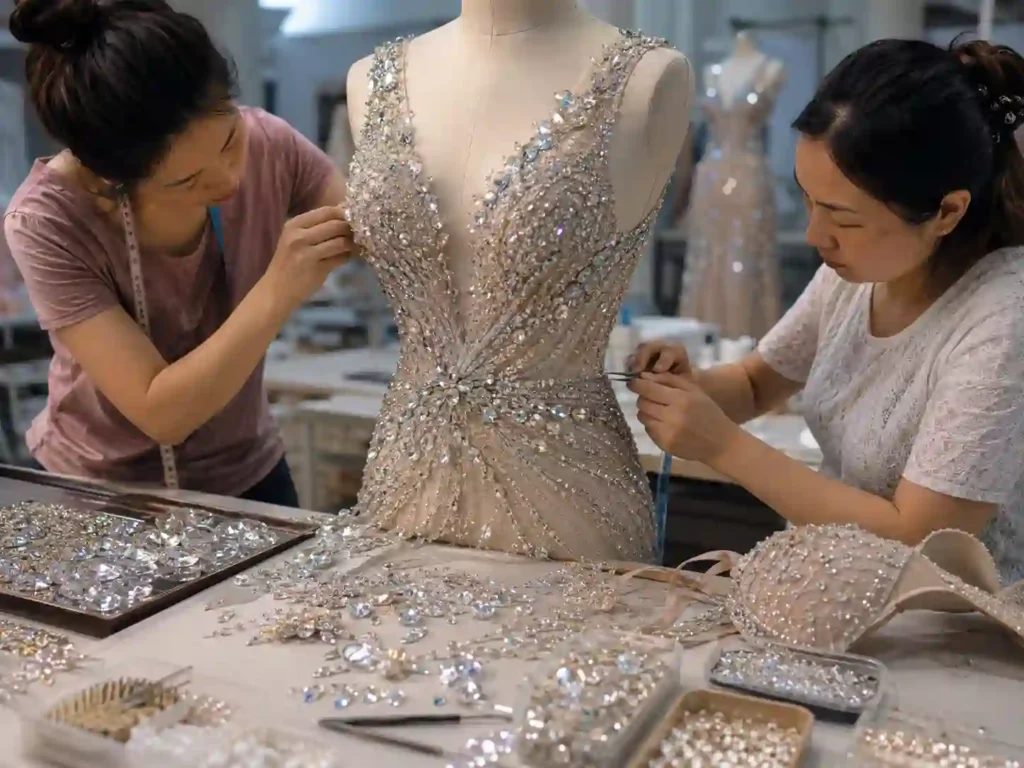
Crystal Application

Pearl Decoration

Lace Appliqué

Three-Dimensional Flowers

Printed Metallic Effects
Control Sequins, Beads and Rhinestones in Bulk
Define the Decoration Map
A clear artwork or placement map establishes motif location, density, direction, spacing and boundary. Reference points may connect decoration to neckline, seam, waist, hip, slit or hem positions.The map should clarify:
- Front and back placement
- Symmetry
- Motif scale
- Color sequence
- Border position
- Areas excluded from seams
Manage Seam Areas
Sequins and beads around seams can create thickness, broken needles, damaged decorations and uncomfortable edges.
Dense areas may be cleared before sewing and repaired after assembly.
The production method should define how much clearance is required and where decorative restoration is needed.
Protect Skin Contact
To reduce irritation, the garment may need decoration-free zones, soft binding, full or partial lining, backing, hand finishing, edge trimming and protective seam construction. These controls help prevent sequins, beads, lace edges, zipper teeth or hard seam finishes from rubbing against the body during standing, walking, sitting and dancing.
Confirm Attachment Strength
Spare components may be retained for repair and service planning.
Control Batch Appearance
Decoration color, shine, size and density should remain consistent.
Approved material references and first-piece comparison help prevent visible batch differences.
Protect During Packing
Balance Decorative Weight
Dense stones or beads can pull down mesh, distort a bodice or change skirt drape. Weight should be distributed across stable areas, and support layers may need adjustment.
Refine Prom Dress Sewing and Workmanship
Invisible Zipper Installation
Boning Channel Construction
Neckline Finishing
Necklines should keep the intended shape without rolling, stretching or visible stitching.
Understitching, stabilization, clean turning and controlled pressing may be used according to fabric.
Mesh Seam Control
Mesh seams can ripple, stretch or become visually heavy. Thread, stitch density, seam type and feeding control should suit the material.
Transparent areas require especially clean internal finishing.
Satin Seam Control
Sequin Seam Clearing
Slit Reinforcement
Strap Reinforcement
Hem Finishing
Prom hems may use narrow rolling, clean facing, horsehair braid, binding or layered finishing depending on fabric and volume.
Length should be checked after the garment has rested and after final pressing where required.
Final Shaping
Pressing and shaping complete the silhouette.
Corset panels, satin seams, layered skirts and velvet surfaces each require appropriate handling to avoid distortion or damage.
Turn Fit Comments into Controlled Revisions
Separate Comment Categories
Feedback is grouped into:
- Fit adjustment
- Measurement change
- Fabric or trim change
- Construction correction
- Visual preference
- Decoration adjustment
- Production-related risk
- Packing or presentation requirement
Create a Revision Summary
A concise summary can record:
- Comment
- Agreed action
- Responsible development area
- Measurement change
- Material change
- Open question
- Next sample objective
Convert Language into Technical Actions
“Bust feels loose” may require checking cup position, neckline contour, side seam, boning and upper-edge tension.
“Waist looks too low” may require changing torso length, waist seam position and skirt attachment.
“Back does not sit flat” may involve back length, zipper, lacing tension, interlining or pattern contour.
Mark the Sample Clearly
Photos, measurement diagrams, pins, notes and pattern references help define the intended change. Complex comments may be discussed through video or online meetings.
Check Change Interaction
A neckline adjustment may change strap length. A waist correction may affect skirt length. A fabric substitution may require a new pattern or lining.
Protect Bulk Feasibility
Some visual ideas work in a single sample but remain difficult to repeat in volume. Production-related concerns should be raised before final approval rather than after the order begins.
Convert Approved Samples into Bulk Standards

Confirm Approval Status
The team first identifies whether the sample is:
- Fit confirmed
- Visually confirmed
- PP basis
- Approved with comments
- Pending material confirmation
- Pending final refinement
Clear status prevents different departments from using different versions.

Lock Materials
The bulk basis should confirm:
- Main fabric
- Lining
- Cups
- Boning
- Zippers
- Decorative components
- Labels
- Packaging materials
Substitution should not occur without controlled review.

Lock Workmanship

Lock Decorative Placement
Embellishment maps, artwork position, motif scale, color and repair method should be confirmed before production.

Lock Packing
Confirm Production Path
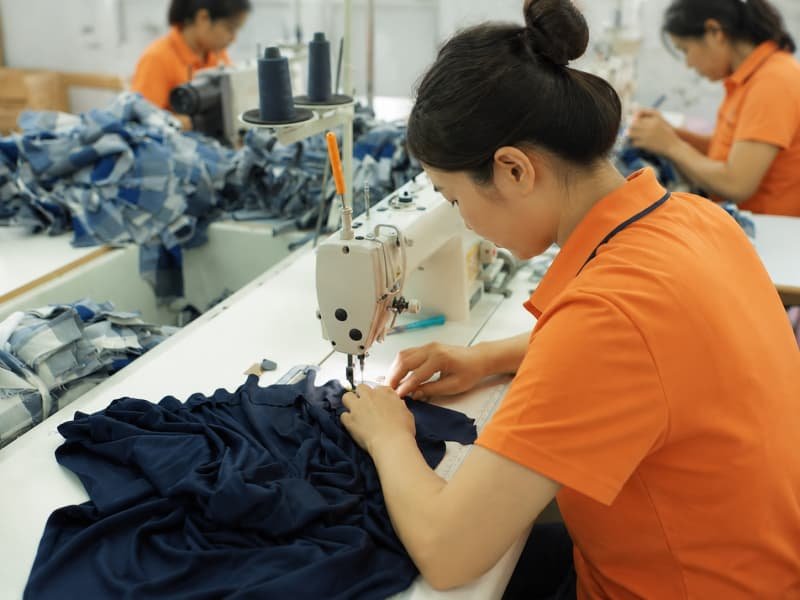
Issue Bulk Start Confirmation
The outcome can be summarized in a Production Readiness Note or Bulk Start Confirmation, giving all teams a shared basis before production begins.

Lock Measurements
Verify High-Risk Styles Before Full Production
Corset, strapless, satin, sequin, mesh-layered and heavily embellished gowns should be validated before a complete production run is released.
First-Piece Confirmation
The first complete garment from the production path is checked against the approved basis. Review can cover:
- Fabric and color
- Measurements
- Pattern balance
- Bust and waist structure
- Boning and cups
- Zipper
- Decoration
- Lining
- Labels and packing
Critical Operation Testing
- Boning channels
- Cup attachment
- Sequin seam clearing
- Mesh joining
- Rhinestone application
- High-slit reinforcement
- Satin pressing
- Long-gown folding
Size Verification
Production Release
Full production begins after identified issues are corrected and the required standards are clear to the production team.The purpose is not to add unnecessary steps.
Pilot Production
Plan Production Backward from the Prom Launch
Prom delivery should be planned from the market date backward. The following ranges provide an early scheduling reference; final timing depends on material readiness, approvals, construction complexity, decoration, order quantity and transport method.
| Project Stage | Cleaner Commercial Styles | Corset or Layered Styles | Heavy Embellished Styles |
|---|---|---|---|
| Feasibility and material review | 2–5 working days | 3–7 working days | 5–10 working days |
| First sample development | 7–12 working days | 12–20 working days | 15–25 working days |
| Revision round | 5–8 working days | 7–10 working days | 8–15 working days |
| PP and readiness review | 5–8 working days | 7–12 working days | 10–15 working days |
| Bulk production planning range | 30–45 days | 40–55 days | 45–60+ days |
| Final inspection and packing buffer | 3–7 days | 5–8 days | 5–10 days |
| Transport buffer | Based on route | Based on route | Based on route |
Inspect Prom Dresses at Product-Specific Control Points
Material Inspection
Main fabric and components are reviewed according to project requirements.
Checks may include:
- Color and shade
- Width
- Weight
- Stretch and recovery
- Surface defects
- Nap direction
- Sequin or bead condition
- Lace motif
- Zipper and trim match
- Lining compatibility
Pre-Production Control
Before bulk release, the production basis should include:
- Approved or PP sample
- Size specification
- BOM
- Color reference
- Workmanship notes
- Decoration map
- Label files
- Packing instructions
- Inspection requirements
Inline Inspection
Inline checks help identify issues while correction remains manageable.
Prom-specific points include:
- Corset symmetry
- Cup position
- Boning
- Neckline
- Strap length
- Zipper flatness
- Slit height
- Mesh tension
- Sequin placement
- Lining coverage
Cutting Control
Cutting review may focus on grain, nap, shade, motif direction, satin handling, sequin pattern, lace placement and bundle identification.
First-Piece Inspection
The first production garment is compared with the approved basis for materials, measurements, structure, decoration and appearance.
Final Appearance Inspection
Finished garments are checked for drape, proportion, surface condition, pressing, symmetry, decoration and overall presentation.
Measurement Inspection
Critical POMs are checked according to the approved specification and tolerances. Fit-sensitive styles may require increased attention to bust, waist, hip, torso, straps and length.
Packing Inspection
Labels, hangtags, barcodes, polybags, folding, protection, assortment, carton quantity and carton marks are reviewed before shipment preparation.
Third-Party Inspection Support
Third-party inspection can be coordinated according to project requirements. Inspection standards, booking, sample basis and documents should be confirmed early.
Protect Prom Dresses During Packing and Delivery

Satin Protection

Sequin Protection

Bead and Rhinestone Protection

Corset Shape Protection

Long-Gown Folding
Manufacturing Scale with Dress-Focused Project Control
Dress Development Background
- Fashion-driven dresses
- Occasion and party dresses
- Mini, midi and maxi dresses
- Satin, mesh and fitted styles
- Corset, halter and backless structures
- Sequin, pearl, bead and rhinestone decoration
- Collection development for established fashion programs
Manufacturing Network
- 16 owned womenswear factories
- More than 20 long-term satellite factories
- Supporting manufacturing bases across several regions in China
- More than 12,000 workers across the wider production network
- Fabric, trim and accessory supply resources
- Long-term printing, embroidery, dyeing, washing and special-process partners
Compliance and Standards
Duolan’s factory system has completed SMETA audit and SMETA 2-Pillar audit, with a SMETA social audit record.Projects can also be coordinated according to relevant requirements involving:
- BSCI
- ISO 9001
- AATCC
- ASTM
- OEKO-TEX
- EN standards
- China GB standards
- GOTS
- Brand-specific testing and quality requirements
Visible Project Evidence
Brand teams may request relevant supporting material such as:
- Factory and production images
- Sample room evidence
- Pattern and development records
- Fabric and trim boards
- Fit measurement images
- First-piece confirmation
- Inline inspection
- Packing and carton evidence
- Audit records
- Capability information
Prom Dress Programs Managed from Development to Delivery
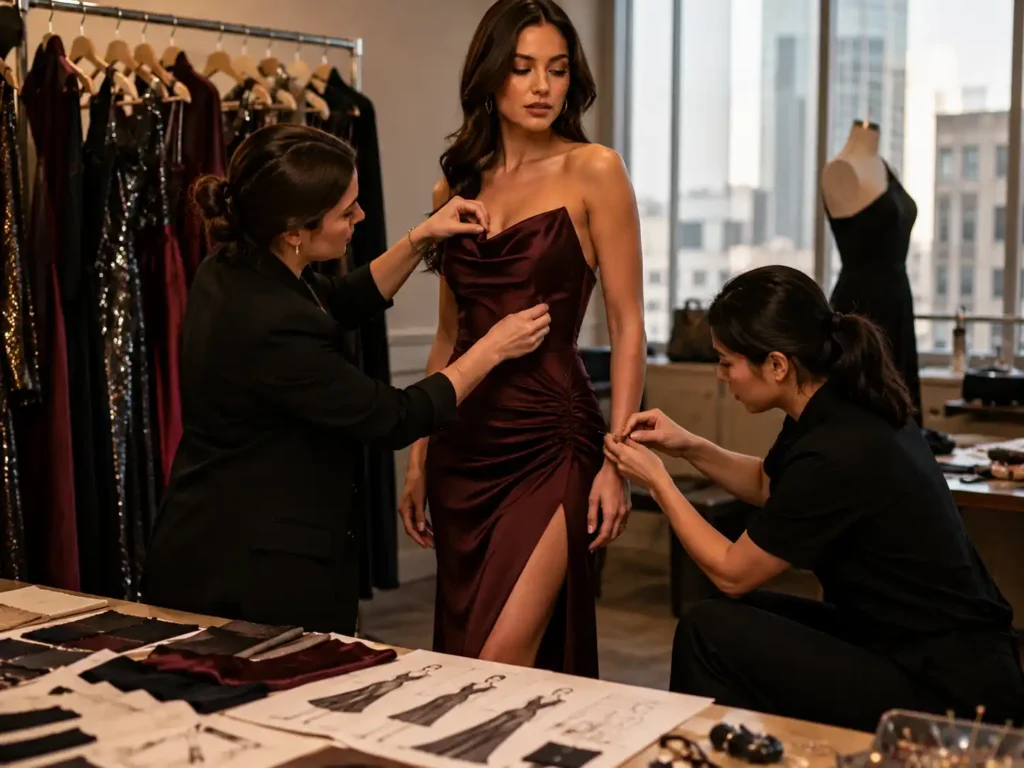
United States Multi-Style Prom Program
Region: United States
Brand Type: Established ecommerce prom and occasionwear label
Program Size: 24 styles
Total Quantity: 68,400 pieces
Main Products: Corset gowns, satin mermaid dresses, sequin fitted dresses, layered tulle gowns
Size Range: US 0–16 with selected extended sizing
Color Count: 2–5 colors per style
Challenge:
The range combined four different construction groups under one launch date. Corset styles needed stable bust support, satin styles required surface protection, sequined products required seam clearing, and layered gowns created packing-volume concerns.
Duolan Approach:
- Classified all 24 styles by fit, material and workmanship risk
- Started corset and heavy-sequin styles before cleaner satin products
- Separated photo sample and PP sample objectives
- Reviewed US measurements, cup placement, torso length and slit height
- Locked lining, boning, cups, zippers and decorative materials
- Used first-piece confirmation for high-risk styles
- Allocated products across suitable owned-factory production paths
Result:
All styles followed one shared launch calendar while retaining separate technical controls. The program moved through sample approval, PP confirmation, staged production and final packing according to the required warehouse schedule.

European Embellished Occasionwear Program
Brand Type: Multi-channel occasionwear label
Program Size: 16 styles
Total Quantity: 31,200 pieces
Main Products: Mesh gowns, rhinestone dresses, hand-beaded bodices, pearl-trim fitted gowns
Size Range: Brand-specific European grading
Decorative Components: Sequins, rhinestones, beads, pearls and lace appliqués
Challenge:
Early references showed strong visual direction but lacked decoration maps, seam-clearance standards and internal comfort details. Dense embellishment around armholes, side seams and zippers could have created scratching, bulk and inconsistent repair.
Duolan Approach:
- Converted references into front and back decoration maps
- Created decoration-free seam zones
- Added selected lining and backing around skin-contact areas
- Reviewed weight distribution on mesh and corset panels
- Confirmed rhinestone spacing and motif position through first samples
- Defined repair requirements after seam assembly
- Checked missing pieces, loose threads and sharp edges during inline inspection
- Used protective folding and tissue around raised decoration
The collection maintained consistent decorative density while improving wearing comfort and production repeatability. Approved placement records were retained for repeat-order review.

Regional Prom Launch with Multiple Delivery Groups
Brand Type: Large regional fashion retailer and online platform
Program Size: 29 styles
Total Quantity: 79,600 pieces
Main Products: A-line gowns, ball gowns, fitted stretch dresses, satin columns and high-slit styles
Delivery Structure: Campaign samples, opening stock and later replenishment
Challenge:
The brand required early campaign products, a main warehouse delivery and capacity for selected repeat styles after initial sales review. Material lead times differed across satin, tulle, mesh and special colors.
Duolan Approach:
- Divided the order into campaign, main stock and replenishment groups
- Prioritized photo samples according to campaign dates
- Confirmed long-lead colors and materials earlier
- Created separate production paths for layered and fitted groups
- Reviewed grading on selected sizes
- Controlled slit height, strap length and dress length through measurement checkpoints
- Preserved approved standards for repeat products
- Evaluated material availability before replenishment confirmation
The brand received campaign-ready samples before main production completion, followed by staged bulk delivery. Repeat planning used preserved pattern, material and workmanship references rather than restarting development.
Custom Prom Dress Frequently Asked Questions

Start Your Custom Prom Dress Project
Duolan supports established fashion brands, formalwear labels, buying departments and product teams developing prom collections with clear commercial, technical and delivery requirements. Share available project information so the team can review product direction, development complexity, material requirements, fit priorities, sample route and production feasibility before confirming the next step.
Useful information includes:
- Tech packs, sketches or reference images
- Original sample photos
- Number of styles
- Estimated quantity by style
- Target size range
- Intended market
- Fabric and color direction
- Corset or support requirements
- Embellishment artwork
- Required sample type
- Photo-shoot deadline
- Target warehouse date
- Inspection requirements
- Label and packing files
Duolan will review the project according to product structure, material availability, sample objectives, order scale and launch timing. Complex points such as corset support, satin handling, sequin placement, extended sizing and multi-style production can be identified before the sample or bulk stage begins.


