Skip to content
Custom Recycled Fabric Dress Manufacturer
Recycled Material Development, Dress Sampling and Scalable Production for Established Fashion Brands
Duolan develops custom dresses using recycled-content fabrics selected around silhouette, handfeel, drape, stretch, opacity, construction, bulk availability and brand documentation requirements.
- Recycled fabric sourcing and material comparison
- Dress-focused pattern and sample development
- Fabric, lining, trim and workmanship coordination
- Multi-style production and repeat-order support
- Brand labeling, packing and delivery coordination
Manufacturing and case facts:
- 15,000-35,000 monthly sample-development capacity supports recycled fabric comparison, fit review and PP preparation.
- 3,000-8,000 style development and sampling processes per month support parallel recycled dress programs.
- A U.S. contemporary recycled dress program covered 18 styles and 46,800 garments across satin and crepe directions.
- A European partywear program covered 12 styles and 27,600 garments using recycled stretch mesh and coordinated lining.
- A North American multi-brand program covered 26 styles and 73,200 garments across jersey, crepe and chiffon groups.
What a Recycled Dress Manufacturer Must Deliver
Material Supply Partner
- Fiber composition and recycled-content claim
- Weight, width, handfeel and surface finish
- Stretch, recovery, shrinkage and opacity
- Color development and batch continuity
- Supporting material and certification documents
Dress Development Partner
- Design and construction review
- Fabric-to-silhouette matching
- Pattern making and grading
- Prototype, fit and revised samples
- Workmanship and production-feasibility checks
Bulk Manufacturing Partner
Bulk production requires more than an approved sample. Fabric, lining, trims, measurements, construction, color, packaging and QC standards must become controlled production references. A reliable manufacturing path should include:
- Material and BOM confirmation
- PP or production-reference sample
- First-piece or pilot validation
- Inline and final quality checks
- Packing and shipment review
- Repeat-order record preservation
Built for Established Dress and Womenswear Teams
Fashion Brand Teams
- Seasonal dress collections
- Occasion and partywear ranges
- Going-out and vacation dresses
- Core silhouettes and fashion updates
- Launch orders followed by replenishment
Product Development Teams
- Design-feasibility review
- Fabric and trim direction
- Pattern and fit priorities
- Revision summaries
- Sample-stage planning
- Production-readiness preparation
Buying and Merchandising Teams
- Style complexity
- Material cost drivers
- Order composition
- Color and size breakdown
- Bulk production path
- Delivery-window requirements
Sourcing Offices
- Capability reviews
- Factory and project information
- Material-source clarification
- Third-party inspection requirements
- Label and packing manuals
- Production status updates
Sustainable Material Teams
- GRS or RCS fabric requirements
- Recycled-content percentage
- Main fabric and lining scope
- Trim and packaging boundaries
- Supplier documentation
- Brand claim wording
Multi-Brand Fashion Groups
Multi-brand groups often require different price positions, silhouettes, size systems and delivery plans under one sourcing structure. Duolan’s manufacturing network can support:
- Parallel development
- Multi-style dress programs
- Different complexity levels
- Staged launch quantities
- Repeat-order planning
- Coordinated production allocation
How Fashion Brands Evaluate Recycled Dress Manufacturers
A sourcing review should connect material credibility, dress-development capability and bulk-control discipline rather than relying on broad sustainability statements.
| Evaluation Area | Questions Worth Asking | Verification Materials to Request | Duolan Working Direction |
|---|---|---|---|
| Dress specialization | Does the team understand fitted, flowing, structured, lined and occasion dresses? | Product examples, patterns, fit notes, workmanship details | Dress-focused development covering mini, midi, maxi, party, occasion, bodycon, vacation and going-out styles |
| Recycled material sourcing | Can suitable recycled-content fabrics be sourced for the intended silhouette? | Swatches, composition, GSM, width, stretch, handfeel and supplier information | Fabric selection based on appearance, performance, price position and bulk availability |
| Material documentation | Is recycled content supported by relevant supply-chain documents? | Scope certificate, material declaration, transaction-related files where applicable | Documentation reviewed according to selected fabric supplier, certification route and order scope |
| Sample development | Can design intent be translated into fit, proportion and construction? | First sample, revision notes, measurement chart and fabric comparison | Pattern, fit, fabric and construction risks reviewed before production release |
| Sample-to-bulk control | Will the approved result remain stable in bulk? | PP sample, BOM, fabric standard, trim board and QC checklist | Material locking, production-readiness review, first-piece confirmation and inline QC |
| Multi-style capacity | Can 10-30 styles move through development and production together? | Production plan, style allocation and delivery schedule | Project breakdown by style, color, size, quantity, complexity and required production route |
| Quality discipline | Are inspection points defined before shipment? | Measurement report, inline records, final inspection and packing review | Risk-based inspection from fabric arrival through sewing, finishing, packing and shipment |
| Compliance coordination | Can brand manuals, audits and third-party requirements be followed? | Audit records, testing plan and inspection instructions | SMETA 2-Pillar background with project-specific testing and inspection coordination |
| Repeat production | Can a confirmed style be reproduced without restarting development? | Pattern version, BOM, approved sample and prior QC records | Pattern, material, workmanship, measurement and packing standards preserved for repeat review |
| Communication | Are comments, approvals and risks recorded clearly? | Sample plan, revision summary and production timeline | Structured project updates linking development, sourcing, merchandising and production teams |
Risks Behind Recycled Fabric Dress Development
Unclear Material Claims
Duolan reviews:
- Fiber composition
- Recycled-content information
- Fabric supplier documents
- Certification requirements
- Main fabric, lining and trim boundaries
- Brand claim expectations
Fabric Effect Mismatch
Review points include:
- Drape and body
- Surface and handfeel
- Stretch and recovery
- Opacity and lining
- Weight and structure
- Sewing behavior
Sample Material Shortage
Before approval, the team checks:
- Bulk availability
- Supplier lead time
- Color MOQ
- Dyeing route
- Alternative options
- Reorder potential
Batch Variation
Controls may include:
- Batch reference review
- Shade grouping
- Bulk fabric approval
- Roll inspection
- First-piece comparison
- Approved sample reference
Incomplete Product Scope
Project records should clarify:
- Main fabric scope
- Lining scope
- Trim scope
- Label wording
- Packaging scope
- Supporting documents
Sample-to-Bulk Drift
An approved sample can lose its value when bulk material, trims, workmanship, dimensions or pressing methods are changed without controlled confirmation.
Duolan reduces drift through:
- PP reference
- BOM locking
- Measurement tolerance
- Workmanship notes
- First-piece review
- Inline checkpoints
A Dress-Focused Development and Manufacturing System
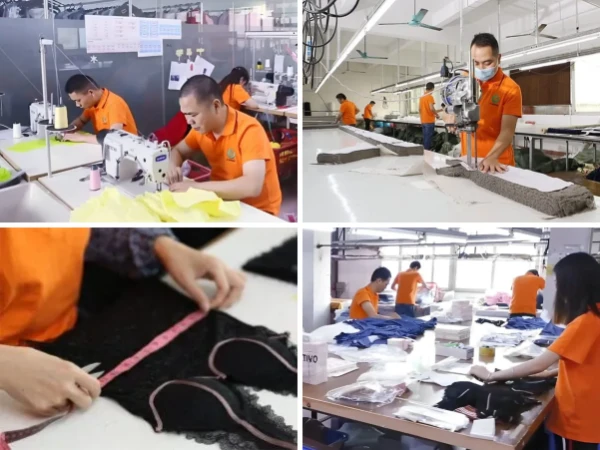
1. Development Knowledge Built Around Fashion Dresses
- European and North American fashion calendars
- Commercial dress silhouettes
- Fabric effect and garment proportion
- Occasion, party and going-out styling
- Decorative workmanship
- Fit-sensitive construction
- Sample revision and production feasibility
2. From Design Direction to Production-Ready Standard
Duolan can begin from:
- Complete tech packs
- Flat sketches and measurement charts
- Reference images
- Original garment samples
- Fabric swatches
- Collection moodboards
- Existing bestsellers requiring material conversion
The first review focuses on product purpose, target market, fabric behavior, fit priorities, construction, special workmanship and bulk intention. A sample should answer more than “Does it look similar?” It should help the brand decide:
- Whether the fabric supports the silhouette
- Whether measurements produce the intended fit
- Whether construction can be repeated in production
- Whether lining and trims are correctly matched
- Whether the product is ready for PP or needs refinement

3. Manufacturing Structure for Multi-Style Programs
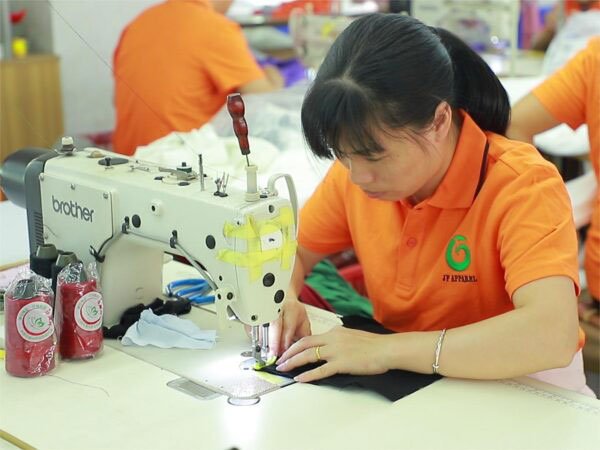
- 16 owned womenswear factories
- More than 20 long-term satellite factories
- More than 12,000 workers across supporting production regions
- More than 50 quick-response and flexible production lines
- Stable cooperating resources for printing, embroidery, washing, dip dyeing and other special processes
- Dress category
- Material behavior
- Construction complexity
- Order quantity
- Required workmanship
- Delivery window
- QC sensitivity
4. High-Density Sample and Development Support
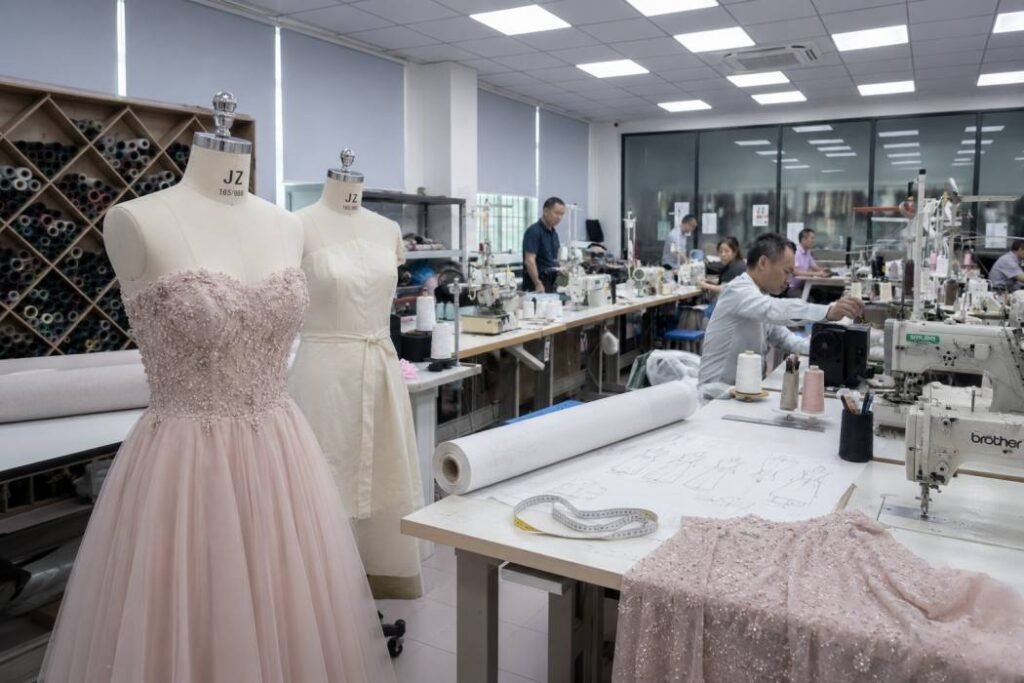
The wider manufacturing system can support approximately:
- 15,000-35,000 sample pieces or development units per month
- 3,000-8,000 style development and sampling processes per month
Capacity alone does not define sample quality. Development value comes from handling many styles while preserving clear material, pattern, revision and approval records. Available sample stages can include:
- First prototype
- Fit sample
- Revised sample
- Salesman or presentation sample
- Photo sample
- Pre-production sample
- Production-reference sample
5. Brand-Level Working Discipline
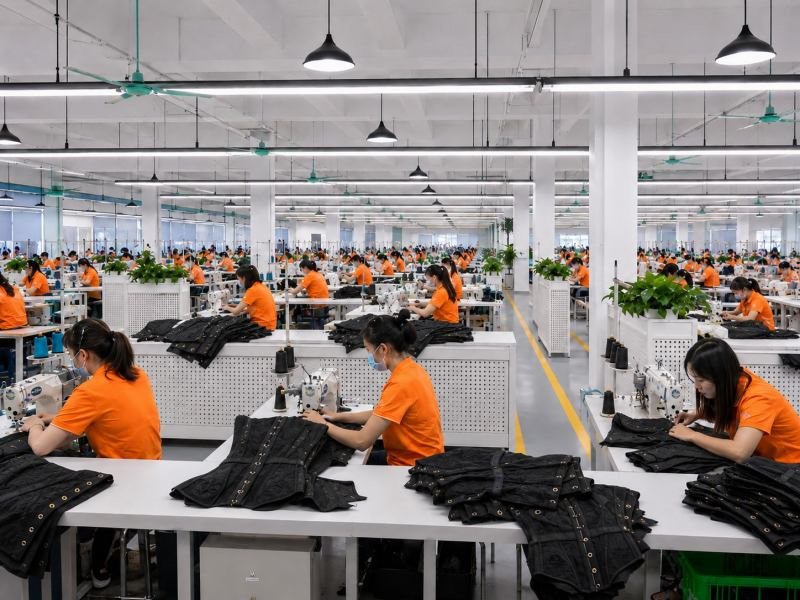
Duolan’s project method connects:
- Project brief review
- Fabric and trim sourcing
- Pattern making
- Sample development
- Revision management
- PP and bulk-readiness review
- Production planning
- Inline and final QC
- Packing and shipment preparation
- Repeat-order records
Duolan has completed SMETA 2-Pillar auditing and can coordinate brand manuals, target-market testing, third-party inspection, labeling, packing, barcode and shipment requirements according to each program.
Recycled Fabric Directions for Custom Dresses

Recycled Satin
- GSM and thickness
- Face and reverse finish
- Needle-mark sensitivity
- Seam puckering
- Pressing marks
- Lining requirement
- Packing protection

Recycled Chiffon
- Transparency
- Layer count
- Yarn pull risk
- Shrinkage
- Print definition
- Hem method
- Lining color
- Static behavior
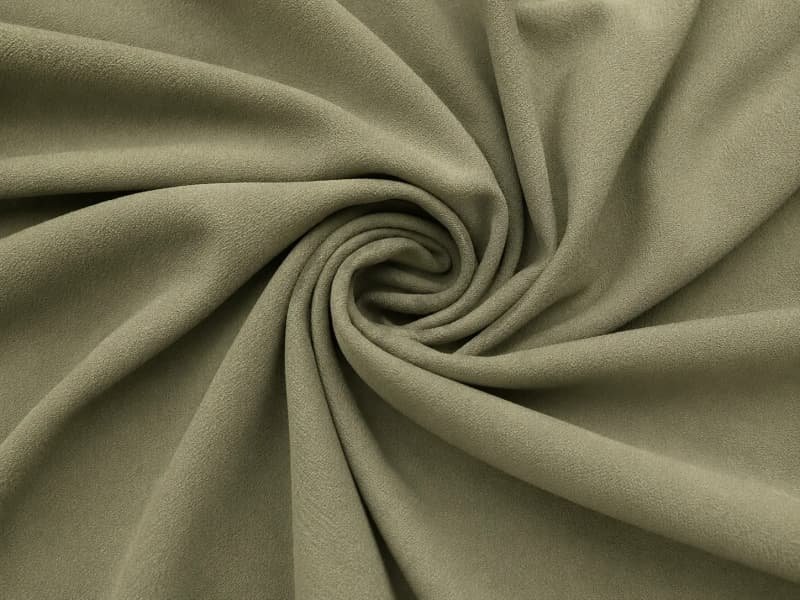
Recycled Crepe
- Grainy surface level
- Drape and weight
- Crease recovery
- Color depth
- Shrinkage
- Seam behavior
- Batch handfeel
- Lining compatibility

Recycled Mesh
- Four-way or two-way stretch
- Recovery
- Hole size
- Surface softness
- Snagging
- Sheerness
- Lining stretch
- Edge finishing

Recycled Jersey
- GSM
- Stretch percentage
- Recovery after extension
- Shrinkage
- Spirality
- Pilling
- Opacity
- Seam elasticity

Recycled Nylon Blends
- Composition
- Luster
- Cooling handfeel
- Stretch and recovery
- Dyeing consistency
- Heat sensitivity
- Pilling resistance
- Lining compatibility

Recycled Cotton Blends
- Blend composition
- Yarn quality
- Tensile strength
- Surface hairiness
- Shrinkage
- Colorfastness
- Weight
- Wash appearance

Recycled Linings
- Fiber composition
- Weight
- Stretch compatibility
- Color matching
- Skin contact
- Static control
- Seam slippage
- Documentation scope
Recycled Fabric-to-Dress Matching Matrix
Fabric names alone do not determine suitability. Silhouette, fit, lining, workmanship, movement, color and commercial price position must be evaluated together.
| Fabric Direction | Suitable Dress Categories | Required Garment Effect | Main Production Risks | Approval Points |
|---|---|---|---|---|
| Recycled satin | Slip, cowl-neck, occasion midi, bias-cut maxi | Fluid drape, controlled shine, smooth surface | Needle marks, puckering, pressing marks, seam slippage, surface scratching | GSM, luster, drape, lining, seam method, pressing and packing |
| Recycled chiffon | Layered maxi, resort, printed dress, ruffle style | Light movement, soft volume, controlled transparency | Yarn pulls, uneven hems, excessive transparency, static and print distortion | Layer count, lining, print scale, hem method, shrinkage and finished length |
| Recycled crepe | Wrap, midi, work dress, relaxed occasion style | Coverage, soft drape, texture and shape stability | Batch handfeel, shrinkage, seam appearance and color variation | GSM, texture, drape, crease recovery, width and bulk batch |
| Recycled mesh | Bodycon, party, sheer sleeve, layered mini | Stretch, controlled transparency, visual depth | Poor recovery, snagging, uneven gathering and lining mismatch | Stretch direction, recovery, softness, opacity and lining elasticity |
| Recycled jersey | Fitted, ruched, casual midi, draped dress | Fit, comfort, recovery and stable measurements | Pilling, spirality, shrinkage, seam breakage and show-through | GSM, stretch, recovery, shrinkage, opacity and elastic stitching |
| Recycled nylon blend | Performance-inspired, contour, modern mini | Smooth touch, strength, stretch and clean appearance | Heat sensitivity, excessive shine, color consistency and pilling | Composition, recovery, surface, dyeing result and pressing method |
| Recycled cotton blend | Shirt dress, casual dress, structured daywear | Natural handfeel, breathability and casual texture | Fiber weakness, shrinkage, surface hairiness and shade change | Blend ratio, weight, strength, shrinkage and wash result |
| Recycled lining | Satin, chiffon, mesh, lace and light-color dresses | Coverage, comfort, smooth movement and structural support | Static, insufficient stretch, color mismatch and seam slippage | Composition, weight, stretch, color, opacity and claim scope |
Custom Dress Categories Using Recycled Fabrics
Duolan develops recycled-content fabric programs around the selling occasion, silhouette, fit, material behavior, price position and production route.

Mini Dresses
Development priorities:
- Hem stability
- Coverage during movement
- Lining length
- Zipper placement
- Body proportion
- Surface protection
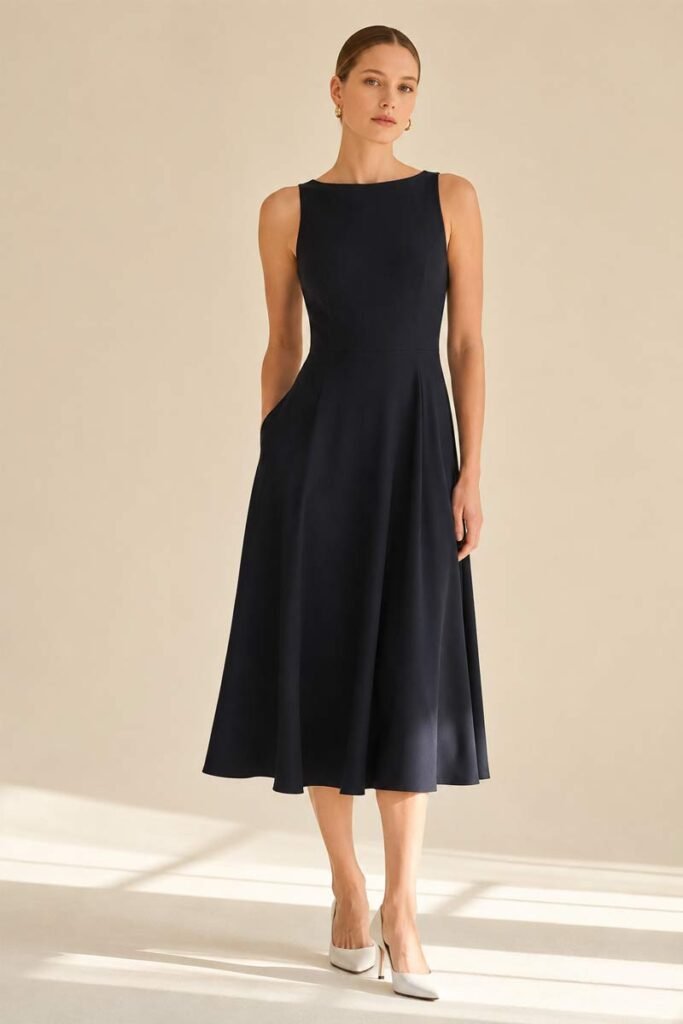
Midi Dresses
Development priorities:
- Waist position
- Skirt balance
- Drape
- Side-seam control
- Lining length
- Size grading

Maxi Dresses
Development priorities:
- Finished length
- Skirt weight
- Hem leveling
- Layer control
- Movement
- Packing method

Party Dresses
Development priorities:
- Fit security
- Transparency
- Strap strength
- Seam elasticity
- Surface appearance
- Movement testing

Occasion Dresses
Development priorities:
- Formal proportion
- Clean seams
- Lining integration
- Bust support
- Pressing
- Packing protection

Going-Out Dresses
Development priorities:
- Body support
- Edge stability
- Closure security
- Stretch recovery
- Coverage
- Fit across sizes

Vacation Dresses
Development priorities:
- Breathable handfeel
- Print scale
- Movement
- Wrinkle behavior
- Lining
- Shipping recovery

Cocktail Dresses
Development priorities:
- Bodice balance
- Waist shaping
- Skirt volume
- Zipper finish
- Hem quality
- Color consistency

Bodycon Dresses
Development priorities:
- Bust, waist and hip fit
- Side-seam position
- Lining stretch
- Seam elasticity
- Recovery
- Wash stability

Slip Dresses
Recycled satin is often chosen for slip dresses, yet the apparently simple construction exposes every seam, edge and pressing mark.
Development priorities:
- Bias control
- Cowl balance
- Strap position
- Seam puckering
- Lining
- Surface protection

Printed Dresses
Recycled chiffon, crepe and woven polyester can support digital or screen-printed dress programs depending on artwork, quantity and fabric structure.
Development priorities:
- Print scale
- Color accuracy
- Placement
- Repeat direction
- Shrinkage
- Cutting alignment

Ruched Dresses
Recycled jersey and mesh work well for ruched silhouettes when the gathering ratio and fabric recovery are stable.
Development priorities:
- Ruching distribution
- Elastic length
- Side-seam balance
- Stretch recovery
- Lining
- Size grading
Recycled Materials Must Deliver the Dress Effect
Drape Defines the Silhouette
- How fabric falls from the shoulder or waist
- Whether folds appear soft or rigid
- Whether bias sections twist
- Whether gathers build excessive volume
- Whether the skirt collapses or holds shape
- Whether lining changes movement
Stretch Requires Recovery
- Fabric stretch direction
- Recovery after extension
- Pattern reduction
- Seam elasticity
- Lining stretch
- Neckline and armhole stability
- Size-grade increments
Opacity Affects Design and Cost
- Fabric at rest
- Fabric under stretch
- Direct light
- Camera flash
- Main fabric over lining
- Seam allowance visibility
- Different skin-tone backgrounds
Surface Finish Controls Perceived Value
- Shine level
- Texture consistency
- Snagging
- Pilling
- Press marks
- Needle marks
- Abrasion
- Packing recovery
Structure Must Match Material Strength
Corset-inspired, strapless, cut-out and fitted styles place stress on fabric, lining and trims. Material strength must support the garment without creating bulk or stiffness.
Structural review may cover:
- Bust support
- Boning channels
- Cup integration
- Waist stabilization
- Zipper area
- Strap attachment
- Seam reinforcement
- Lining support
The goal is not to force a recycled fabric into every design. The goal is to select or engineer a material route capable of protecting the intended product.
Recycled Fabric Sourcing and Alternative Development
Requirement Review
Useful inputs include:
- Design or reference image
- Target composition
- Required recycled content
- Desired handfeel
- GSM or thickness
- Stretch direction
- Colorways
- Target quantity
Supplier Screening
Screening considers:
- Material specialization
- Certification route
- Color capability
- Bulk MOQ
- Lead time
- Repeat-order potential
- Quality consistency
Swatch Comparison
Comparison records can cover:
- Appearance
- Handfeel
- Drape
- Stretch
- Opacity
- Width
- Estimated consumption
- Commercial suitability
Color Development
Color review may include:
- Pantone or supplied standard
- Main fabric
- Lining
- Thread
- Zipper
- Elastic
- Decorative trims
- Packing exposure
Sample Validation
Review points include:
- Silhouette
- Fit
- Seam quality
- Surface behavior
- Lining effect
- Finished measurements
- Wear movement
Bulk Availability
Before production release, the team confirms whether the approved material direction can support quantity, color, delivery and documentation requirements.
Bulk review covers:
- Required meterage
- Color allocation
- Supplier lead time
- Batch planning
- Inspection standard
- Replacement restrictions
- Reorder outlook
Recycled Content, Certification and Claim Boundaries
Recycled Content Is a Material Fact
- Every garment component is recycled
- Every process is certified
- The whole product has one certification
- Environmental impact is zero
- The garment is carbon neutral
- Every future order uses the same source
- Recycled-content main fabric
- Conventional lining
- Standard thread
- Conventional zipper
- Branded labels
- Mixed-material trims
- Standard packaging
Certification Depends on the Supply Chain
GRS and RCS-related requirements should be reviewed through the actual material and production route. Relevant questions include:
- Which entity holds the certificate?
- Does the certificate cover the supplied material?
- Is the certificate valid during the order period?
- Which processing stages fall within the certified chain?
- Are order-level transaction documents required?
- Which product components are included?
Duolan can coordinate certified recycled fabric sourcing and supporting-document review according to the selected supplier, order structure and brand standard.
Duolan should not be described as GRS-certified unless an active scope certificate covering the relevant legal entity and operation is available for publication.
Claims Should Be Defined Early
- Required standard
- Required recycled-content level
- Main fabric or full-product scope
- Target-market wording
- Required supplier records
- Required transaction-related documents
- Label and hangtag wording
- Internal approval process
Social and Quality Compliance Remain Separate
A recycled-content standard does not replace social audit, quality testing or brand production requirements.
Duolan has completed SMETA 2-Pillar auditing and can coordinate:
- Brand compliance manuals
- Material and garment testing
- Third-party inspection
- Label and care instruction execution
- Barcode and packing requirements
- Factory and shipment documentation
Each requirement should be assigned to the correct material, factory, test or order record.
How Recycled Material Documentation Is Reviewed

Define the Requirement
- Recycled fiber type
- Required content level
- Required standard
- Target market
- Main fabric or broader scope
- Product claim wording
- Documentation expectations
Review the Supplier
- Legal supplier name
- Certificate number
- Scope and validity
- Material category
- Processing stage
- Available declarations
- Order-document capability

Approve the Swatch
- Swatch code
- Supplier code
- Composition
- GSM
- Width
- Color
- Surface finish
- Intended dress styles

Connect the Sample
- Actual sample fabric
- Intended bulk fabric
- Pending color
- Pending lining
- Pending documentation
- Required revision
- Bulk approval status

Confirm the Bulk Batch
- Supplier
- Batch or lot
- Color
- Quantity
- Composition
- Fabric inspection
- Supporting records
- Release status

Archive Order Records
Records should remain accessible for claims, inspection, shipment review and repeat-order preparation. The final file may contain:
- Approved sample reference
- BOM
- Fabric records
- Trim records
- Test reports
- Inspection records
- Packing details
- Repeat-order notes
Recycled Fabric Review During Sample Development
Stage 1 - Development Brief Review
- Tech pack or reference image
- Intended dress category
- Target market
- Target quantity
- Size system
- Recycled material requirement
- Certification requirement
- Desired launch window
Stage 2 - Fabric Direction and Swatches
- Composition
- GSM
- Width
- Stretch
- Recovery
- Drape
- Opacity
- Surface
- Color route
- Documentation
Stage 3 - Pattern and Construction Planning
- Fabric stretch or rigidity
- Drape
- Shrinkage
- Lining
- Bust and waist support
- Zipper or closure
- Hem treatment
- Seam allowance
- Size chart priorities
- Production feasibility
Stage 4 - First Sample
- Overall silhouette
- Bust, waist and hip balance
- Finished length
- Fabric effect
- Transparency
- Lining
- Construction
- Trims
- Workmanship
- Bulk risks
Stage 5 - Revision and Fit Review
Comments are converted into clear actions rather than forwarded as isolated notes.
A revision summary may identify:
- Measurement changes
- Pattern changes
- Material changes
- Lining changes
- Trim changes
- Construction changes
- Points still pending
- Points approved for bulk
Duolan normally provides staged updates during sampling, especially where fit, structure or fabric behavior may alter the final result.
Stage 6 - PP and Bulk Readiness
Before bulk production, the project moves through a production-readiness review.
The team confirms:
- Fit status
- Fabric
- Lining
- Trims
- Color
- Measurements
- Workmanship
- Labeling
- Packaging
- Production route
First-sample and revision lead times are listed separately in the sample plan rather than hidden in one blanket promise.
Pattern and Fit Adjustments for Recycled Fabrics

Stretch and Negative Ease
Review points:
- Stretch direction
- Recovery
- Bust, waist and hip reduction
- Lining stretch
- Seam elasticity
- Size-grade progression
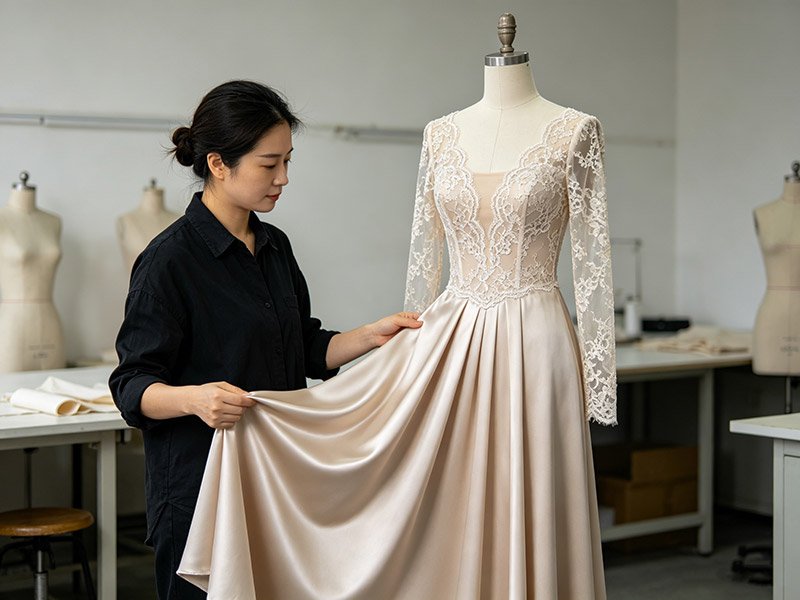
Drape and Skirt Balance
Review points:
- Grain direction
- Bias stability
- Hanging allowance
- Hem leveling
- Skirt volume
- Finished length

Opacity and Coverage
Review points:
- Bust coverage
- Hip coverage
- Light-color opacity
- Lining length
- Seam allowance visibility
- Flash photography

Structure and Support
Review points:
- Cup position
- Boning position
- Waist stay
- Zipper support
- Strap tension
- Neckline stability

Shrinkage Allowance
Review points:
- Length shrinkage
- Width shrinkage
- Lining shrinkage
- Steam response
- Wash method
- Tolerance standard

Brand Size Grading
Review points:
- Base size
- Grade rules
- Bust, waist and hip increments
- Strap and neckline changes
- Dress length
- Fit review sizes
Construction Details for Recycled Fabric Dresses
Seam Selection
- Seam construction
- Allowance width
- Edge finishing
- Tension balance
- Seam strength
- Bulk reduction
- Pressing method
Needle and Stitch
- Needle size and point
- Thread type
- Stitch length
- Stitch elasticity
- Machine tension
- Test seam approval
Lining Integration
- Lining composition
- Stretch compatibility
- Attachment points
- Length
- Color
- Static behavior
- Claim scope
Zipper Installation
- Zipper type
- Tape color
- Length
- Seam stabilization
- Waist alignment
- Top closure
- Opening strength
Hem Finishing
- Rolled hem
- Blind hem
- Coverstitch
- Clean-finished hem
- Stabilization
- Leveling
- Final pressing
Elastic and Recovery
- Elastic width
- Recovery
- Attachment ratio
- Seam stretch
- Finished measurement
- Wash behavior
Pressing Control
- Temperature
- Steam
- Pressure
- Protective cloth
- Cooling
- Press sequence
- Final appearance
Packing Protection
Smooth, embellished or easily creased dresses need packing designed around surface and silhouette protection. Controls include:
- Folding points
- Tissue protection
- Garment bag
- Hanger option
- Metal and trim isolation
- Carton pressure
- Recovery after unpacking
Fabric Performance Checks Before Bulk Production
Shrinkage Review
- Length change
- Width change
- Steam response
- Wash method
- Lining comparison
- Pattern allowance
- Finished tolerance
Colorfastness
- Washing
- Rubbing
- Perspiration
- Water
- Light
- Color transfer
- Brand-specific methods
GSM and Weight
- Approved sample value
- Bulk roll checks
- Tolerance
- Color variation
- Supplier specification
- Garment effect
Stretch and Recovery
- Direction
- Extension
- Recovery
- Repeated movement
- Lining compatibility
- Pattern requirement
- Seam requirement
Pilling and Abrasion
- Surface fiber
- Friction areas
- Pilling tendency
- Snagging
- Print or coating durability
- Required test method
Opacity and Transparency
Opacity should be reviewed under use conditions, not only on a folded swatch. Review includes:
- Fabric at rest
- Fabric under stretch
- Light colors
- Camera flash
- Lining
- Seam visibility
- Body coverage
Bulk Fabric Inspection Before Cutting
Roll and Batch Identification
- Fabric code
- Supplier
- Color
- Batch or lot
- Roll number
- Received quantity
- Width
- Release status
Shade and Surface Review
- Roll-to-roll shade
- Side-to-side shade
- Luster
- Texture
- Streaks
- Marks
- Snags
- Contamination
Performance Spot Checks
- GSM
- Width
- Stretch
- Recovery
- Handfeel
- Opacity
- Shrinkage
- Color comparison
Release Before Cutting
Fabric should not enter cutting merely because it has arrived. Any material outside the approved direction should be isolated and reviewed. Release decisions may be:
- Approved for cutting
- Approved with shade grouping
- Pending supplier clarification
- Pending test result
- Rejected or replaced
- Reserved for a separate approved use
Locking Recycled Materials from Sample to Bulk
Approved Sample Reference
- Approval status
- Approved color
- Approved fabric
- Approved fit
- Approved construction
- Approved trims
- Approved labeling
- Approved packing
Fabric and Lining Lock
- Supplier
- Fabric code
- Composition
- Recycled-content information
- GSM
- Width
- Stretch
- Color
- Surface
- Batch requirement
- Documentation requirement
BOM and Trim Lock
- Material
- Size
- Color
- Finish
- Supplier
- Placement
- Quantity per garment
- Replacement restriction
Measurement and Workmanship Lock
- Base-size measurements
- Grade rules
- Tolerances
- Seam type
- Stitch details
- Lining attachment
- Hem
- Pressing
- Critical appearance points
First-Piece Confirmation
For material-sensitive, fit-sensitive or complex dresses, Duolan prefers to verify the first piece or a pilot stage before releasing the full production run. First-piece review can compare:
- Bulk fabric with approved sample
- Finished measurements
- Fit
- Construction
- Surface
- Color
- Lining
- Trims
- Pressing
- Packing result
Problems discovered in one piece are easier to correct than problems repeated across thousands of garments.

Controlled Bulk Production for Recycled Fabric Dresses
Readiness Review
Before production starts, Duolan confirms whether the sample is fit-approved, visually approved, ready as a PP basis or still pending refinement.
The review also locks:
- Fabric
- Lining
- Trims
- Color
- Measurements
- Workmanship
- Labels
- Packaging
- Inspection requirements
Order Breakdown
Orders are separated by style, color, size, quantity and complexity. A 20-style collection may contain simple crepe dresses, surface-sensitive satin dresses and fit-sensitive mesh bodycon products requiring different production paths.
Planning covers:
- Style allocation
- Material status
- Complexity level
- Required process
- Line selection
- Delivery sequence
- Inspection points
Material Release
Bulk fabric and trims are checked against approved references before cutting.
Release can require:
- Correct supplier
- Correct fabric code
- Correct batch
- Approved color
- Required quantity
- Passed inspection
- Required documents
- Approved trims
Cutting Control
Cutting must account for grain, stretch direction, fabric face, print direction, shade group and surface sensitivity.
Control points include:
- Marker approval
- Size ratio
- Grain direction
- Nap or shine direction
- Shade grouping
- Bundle identification
- Cut-panel inspection
Pilot Confirmation
Complex or high-risk dresses may move through first-piece or pilot confirmation before full line release.
Pilot checks can cover:
- Fit
- Measurements
- Seam appearance
- Lining
- Closures
- Surface
- Pressing
- Workmanship sequence
Bulk Sewing
Production teams follow approved construction, measurements, trim and appearance requirements. Critical operations are identified before line loading.
Special attention may be given to:
- Satin seams
- Mesh stretch
- Jersey recovery
- Zipper areas
- Necklines
- Bust structure
- Ruching
- Hem control
Inline Quality Control
Inline inspection identifies repeated issues while production can still be corrected.
Checks may include:
- Measurements
- Seam quality
- Stitch tension
- Symmetry
- Placement
- Surface damage
- Color
- Workmanship
- Critical construction
Final Inspection
Finished garments are reviewed according to the approved standard, order requirement and inspection plan.
Review can cover:
- Quantity
- Measurements
- Appearance
- Workmanship
- Function
- Labels
- Care instructions
- Packing
- Carton marks
Packing and Shipment
Packing follows the approved folding, protection, label, barcode, polybag and carton requirements.
Bulk lead-time references after PP, BOM, materials and production information are released:
- Simple construction: approximately 15-20 days
- Regular fashion dresses: approximately 20-30 days
- Complex or special-process dresses: approximately 30-45 days
Material development, custom colors, certification records, third-party inspection and shipping time are planned separately.
Scalable Manufacturing for Multi-Style Dress Programs
16 Owned Womenswear Factories
- Core brand styles
- Complex dress construction
- Important launch programs
- Fit-sensitive products
- High-risk workmanship
- Repeat products requiring stable standards
20+ Satellite Factories
- Seasonal peaks
- Repeat orders
- Scaled replenishment
- Multi-style allocation
- Regional production support
- Different construction categories
12,000+ Supporting Workers
- Parallel development
- Large multi-style programs
- Staged production
- Repeat orders
- Volume growth
- Delivery planning
50+ Quick-Response Lines
- Fashion launches
- Multi-style programs
- Test quantities
- Core-style replenishment
- Shorter production runs
- Repeat-order transitions
High-Density Development Capacity
Such density helps Duolan coordinate:
- Multiple collections
- Parallel fit reviews
- Revised samples
- Photo samples
- PP samples
- Production handovers
Commercial Order Structure
Established brand programs commonly contain:
- 10-30 styles
- Several colors per style
- Multiple size ratios
- Mixed construction complexity
- Total program quantities of 20,000-80,000 garments
- One or more planned shipment windows
Duolan breaks such programs into controlled production paths rather than treating every style as identical.
Recycled Fabric Dress Programs in Real Production Contexts

U.S. Contemporary Dress Program
Market: United States
Program: 18 styles, 46,800 garments
Categories: Slip dresses, midi occasion dresses, wrap dresses and fitted styles
Material Direction: Recycled polyester satin and recycled crepe
Colors: 31 style-color combinations
Size Structure: Six brand sizes
Shipment Plan: Two planned delivery windows
The brand required a recycled-content material route without losing the clean surface, fluidity and photographed appearance expected from its existing dress collection.
Initial swatch review identified three main risks:
- Several satin options produced excessive shine under studio lighting.
- The lightest option showed seam puckering and insufficient opacity.
- Two crepe options had suitable texture but inconsistent bulk lead times.
Duolan compared 11 material options and narrowed the selection to three development directions. The sample plan assigned satin to slip and cowl-neck styles, while crepe was used for wrap, draped and higher-coverage silhouettes.
Development actions included:
- GSM and drape comparison
- Lining review for light colors
- Seam and pressing trials
- Strap-position correction
- Bias-cut balance review
- Fabric and lining BOM separation
- Bulk-batch and shade confirmation
Two rounds of fit and surface review were completed for the most sensitive satin styles. Three pilot garments were produced from bulk fabric before full line release.
Result:
All 18 styles moved into production under separate satin and crepe standards. Surface-sensitive garments received additional tissue protection and controlled folding. The project was divided into two shipment windows to align with campaign photography and online launch sequencing.

European Partywear Collection
Market: United Kingdom and European Union
Program: 12 styles, 27,600 garments
Categories: Mesh party dresses, ruched minis, sheer-sleeve midis and lined bodycon dresses
Material Direction: Recycled stretch mesh with coordinated lining
Colors: 18 style-color combinations
Size Structure: Seven brand sizes
Shipment Plan: One launch shipment plus one replenishment window
The main challenge involved matching mesh recovery with lining stretch across fitted silhouettes. Early material options looked similar on the roll but reacted differently during fitting.
Problems found during development included:
- Mesh recovery varied after repeated stretching.
- One lining restricted movement and created horizontal pulling.
- Light colors became too transparent at the hip under tension.
- Ruching distribution changed after size grading.
- Sleeve openings required stronger edge recovery.
Duolan divided material evaluation into outer-mesh and lining performance. Stretch direction, recovery, opacity and seam elasticity were reviewed together.
Development actions included:
- Recovery comparison after repeated extension
- Lining-stretch matching
- Pattern tension adjustment
- Revised side-seam shaping
- Ruching-ratio correction
- Light-box opacity review
- Sleeve-opening reinforcement
- First-piece confirmation in three core styles
The approved standard included separate stretch and recovery requirements for mesh and lining. The BOM also locked elastic width, thread direction, zipper type and lining color.
Result:
Twelve styles entered production after two fit-review cycles. Size grading was corrected before bulk release, preventing the ruching and neckline changes from being repeated across seven sizes. Replenishment records retained the approved material, elastic, pattern and QC references.

North American Multi-Brand Group
Market: United States and Canada
Program: 26 styles, 73,200 garments
Categories: Vacation maxis, jersey midis, crepe day dresses and printed chiffon styles
Material Direction: Recycled jersey, recycled crepe and recycled chiffon
Colors and Prints: 42 style-color or print combinations
Size Structure: Mixed alpha and numeric systems across three labels
Shipment Plan: Three coordinated delivery groups
The sourcing team needed one manufacturing structure capable of handling three labels with different size charts, price positions and launch dates. Material claims and garment performance had to remain clear across several fabric groups.
The project was separated into three product paths:
- Stretch jersey for fitted and ruched dresses
- Crepe for day-to-occasion silhouettes
- Chiffon for printed and layered maxis
Development risks included:
- Three different size systems
- Mixed lining requirements
- Print-scale changes across dress lengths
- Different stretch allowances
- Material documentation by fabric supplier
- Delivery coordination across 26 styles
Duolan created separate pattern, fabric and QC standards for each label. Production planning divided styles by fabric group, construction complexity and shipment deadline.
Actions included:
- Three base-size blocks
- Independent grade-rule confirmation
- Print strike-off review
- Chiffon layer and hem trials
- Jersey recovery and shrinkage checks
- Crepe batch-handfeel review
- Separate BOM and label files
- Multi-line production scheduling
- Shipment-specific packing lists
Result:
The 73,200-garment program moved through three controlled production paths and three delivery groups. Development and production files were retained by label, fabric family and size system, providing a clearer base for repeat orders and future collection extensions.
Recycled Dress Manufacturing Frequently Asked Questions

Start Your Recycled Fabric Dress Project
Share the available design and commercial information so Duolan can review the material route, dress-development requirements and production path with useful detail.
A productive review normally begins with a tech pack, reference image, original sample photograph or collection brief. Add the target recycled fiber, composition, certification requirement, dress category, quantity, colors, size system and planned launch date where available.
Duolan will review:
- Fabric and lining feasibility
- Recycled-content and documentation requirements
- Pattern, fit and construction risks
- Sample purpose and development stages
- Material and trim sourcing route
- Bulk-production readiness
- Order structure and production allocation
- Quality, labeling and packing requirements
- Indicative sampling and production schedule
- Information still required for formal quotation
Clear project information helps the team avoid a generic answer and respond with a more relevant development or production review. Confidential design files and unreleased collection materials are handled as project information.