 Skip to content
Custom Semi-Formal Dress Manufacturer
Dress Development and Production for Established Fashion Brands, Occasionwear Labels and Global Product Teams
Duolan develops semi-formal dress collections built for cocktail events, wedding guest edits, graduation seasons, social occasions and polished evening programs.
- 12 core semi-formal dress directions covering mini, midi, fitted, draped, structured and layered silhouettes
- 8 main fabric families reviewed for drape, stretch, opacity, construction and bulk stability
- 6 production-readiness locks covering fit, fabric, trims, workmanship, BOM and approved sample
- 16 owned womenswear factories supported by 20+ long-term satellite factories
- 300 sewing lines and 50+ quick-response lines for multi-style programs, repeat orders and production scaling
A Dress Manufacturing System Built for Brand Programs
30+ Years Development
16 Owned Factories
20+ Satellite Factories
300 Sewing Lines
50+ Flexible Lines
Scalable Capacity








What Semi-Formal Dress Manufacturing Covers
Semi-formal dress production sits between everyday fashion and full evening gowns. The category requires refined materials, controlled exposure, polished proportions and event-ready finishing while remaining commercially wearable, size-consistent and suitable for repeat production.
| Product Area | Included in Duolan Programs | Manufacturing Focus |
|---|---|---|
| Cocktail Dresses | Mini and midi silhouettes for dinners, receptions and social events | Fit, proportion, fabric finish, secure closures |
| Wedding Guest Dresses | Polished dresses for ceremonies and receptions | Appropriate coverage, movement, color direction, comfort |
| Graduation Dresses | White, black, pastel and seasonal occasion styles | Length, opacity, sitting comfort, photo appearance |
| Homecoming Dresses | Fitted, flared and occasion-driven mini dresses | Support, shape retention, movement, secure construction |
| Spring Formal Dresses | Seasonal semi-formal dresses for school and social events | Color, lightweight fabrics, lining, event suitability |
| Dinner Dresses | Refined midi and fitted silhouettes | Drape, neckline balance, waist definition, finish |
| Holiday Party Dresses | Velvet, satin, sequin and embellished styles | Surface protection, lining, trim security, packing |
| Social Occasion Dresses | Versatile styles for celebrations and brand occasion edits | Commercial fit, repeatable construction, color extension |
| Full Evening Gowns | Evaluated only where aligned with Duolan’s dress capability | Structural complexity and production suitability reviewed |
| Individual Made-to-Measure | Not positioned as a personal one-piece tailoring service | Duolan focuses on brand development and production programs |
A semi-formal dress manufacturer should be able to interpret the occasion, price position, target wearer, fabric direction, size range and launch calendar before confirming a development path. A visually attractive sample is only one part of the work. The final style must remain wearable, measurable, reproducible and commercially suitable across sizes and production batches.
Manufacturing Support for Established Fashion Teams
Established Fashion Brands
Occasionwear Labels
Product Development Teams
Sourcing and Buying Offices
Six Risks Controlled Before They Reach Bulk Production
Design Sample Mismatch
Fabric Silhouette Conflict
Unstable Size Fit
Sample Bulk Difference
Mixed Style Confusion
Reorder Inconsistency
Semi-Formal Dresses Designed Around Real Occasions

Cocktail Events

Wedding Guest

Graduation Season

Homecoming Programs

Spring Formal

Holiday Social Events
Semi-Formal Dress Categories Developed by Duolan

Satin Midi Dresses
- Whether the fabric carries or collapses the intended silhouette
- Needle size and stitch balance to reduce visible punctures
- Seam allowance and pressing methods to limit seam impression
- Lining weight and attachment for movement without pulling
- Zipper installation to reduce rippling
- Folding and packing direction to limit surface marks

Cocktail Mini Dresses
Cocktail minis need strong proportions and secure wearability. Short length increases the importance of hem balance, skirt opening, lining control and movement testing. Fitted styles may also require bust shaping, internal support and controlled stretch. Development focuses on:
- Dress length measured from a consistent high shoulder point
- Bust, underbust, waist and hip relationship
- Armhole and neckline security
- Skirt opening for walking and sitting
- Zipper position and seam stability
- Lining length and hem concealment
- Grading rules that preserve the intended proportion

Draped Midi Dresses
Draping creates visual softness but can hide technical instability. Drape placement, grain direction, fabric stretch, internal tacking and seam location affect whether the garment hangs consistently from size to size. Duolan reviews:
- The starting and ending point of each drape
- Distribution of fullness across the body
- Internal anchoring required to prevent movement
- Side-seam balance and hem leveling
- Whether gathered areas add unwanted bulk
- Fabric recovery after hanging and packing
- How drape placement changes during grading

Structured Crepe Dresses
- Fabric weight against garment structure
- Fusible selection and bonding response
- Bust and waist shaping through darts or panels
- Clean neckline and armhole edges
- Invisible zipper installation
- Hem weight and pressing
- Recovery testing for stretch crepe
- Surface consistency across dye lots

Lace Occasion Dresses
- Motif direction and left-right balance
- Border utilization at necklines, sleeves or hems
- Placement across center front and center back
- Matching at major seams where required
- Lining color and transparency effect
- Skin contact at rough or raised areas
- Cutting loss created by placement requirements
- Repeatability when lace lots vary slightly

Chiffon Layered Dresses
- Layer count and opacity
- Grain control during cutting
- Narrow hem method
- Gathering distribution
- Shoulder and neckline stabilization
- Lining length and color
- Hanging time before final hem leveling
- Packing methods that reduce crushing

Mesh Overlay Dresses
- Stretch direction and recovery
- Lining coverage boundaries
- Seam placement across transparent areas
- Edge finishing around necklines and cut-outs
- Tension balance during sewing
- Bust and waist support under the mesh
- Color matching between mesh and lining
- Puckering risk around zippers or appliqué

Velvet Event Dresses
- One-way pile direction
- Shade appearance under different angles
- Cutting orientation across all panels
- Reduced pressure during pressing
- Seam construction that limits pile crushing
- Zipper and lining compatibility
- Surface inspection before packing
- Folding or hanger packing based on style risk

Ruched Fitted Dresses
- Defined gathering ratio
- Start and stop positions
- Internal elastic or seam anchoring
- Left-right symmetry
- Stable finished length
- Recovery after stretching
- Fit review across waist and hip
- Grading instructions for each size

Halter Social Dresses
Halter dresses place more load around the neck and upper bodice, making bust support, armhole shape and back construction central to comfort and security.
Duolan evaluates:
- Neck strap width and reinforcement
- Closure type and adjustment
- Bust coverage and center-front stability
- Armhole depth
- Back exposure and support
- Lining and understructure
- Weight carried by the neckline
- Fit changes across cup and body sizes
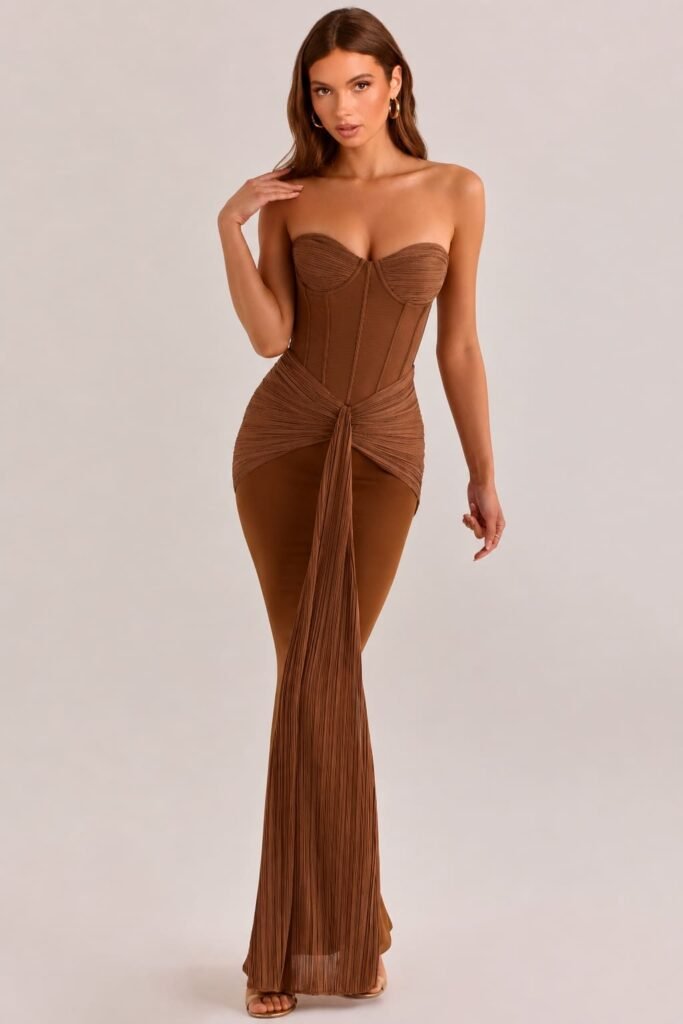
Strapless Structured Dresses
Strapless semi-formal dresses require a stable relationship between bust, underbust, waist and internal support. A visually correct sample can still slip, rotate or create pressure during wear if the structure is not balanced.
Development may include:
- Cup position and bust shaping
- Boning length and placement
- Waist anchoring
- Gripper tape
- Internal elastic
- Center-front stability
- Zipper reinforcement
- Size grading of support components

Minimal Evening Dresses
Minimal dresses leave little room for construction defects. Clean necklines, controlled seams, balanced proportions and refined finishing become more visible when decorative elements are limited.
Duolan focuses on:
- Surface cleanliness
- Seam alignment
- Understitching and edge control
- Precise waist and hip shaping
- Hem consistency
- Invisible closure quality
- Fabric selection appropriate to the silhouette
- Accurate pressing without shine or impressions
Design Details That Define Semi-Formal Dressing
Length and Proportion
Neckline Balance
Sleeve Direction
Sleeveless, cap, short, sheer, puff and long sleeves change the formality and seasonal use of a style.
Sleeve cap height, armhole balance, cuff opening, mesh stretch and lining decisions influence both movement and appearance.
Waist Definition
Back Construction
Movement and Coverage
Building a Commercial Semi-Formal Dress Collection
Visual Hero Styles
Commercial Core Styles
Fit-Safe Styles
Reorder-Ready Styles
Fabrics Selected for Drape, Fit and Production Stability
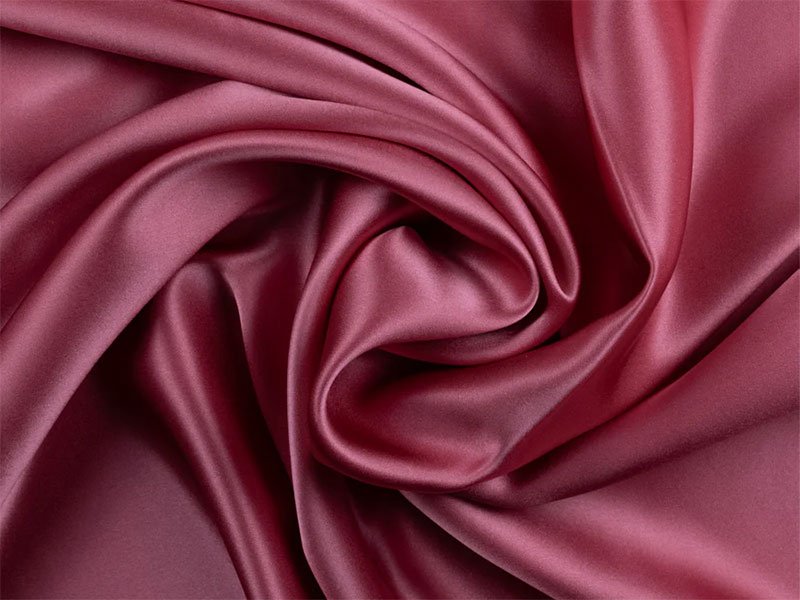
Satin
- Weight and hand feel
- Bias behavior
- Seam marking
- Snagging and abrasion
- Color consistency
- Pressing response
- Lining compatibility
- Packing sensitivity

Crepe
- Directional stretch
- Recovery after wear
- Surface texture
- Fusible response
- Shrinkage
- Seam appearance
- Hem weight
- Lot consistency
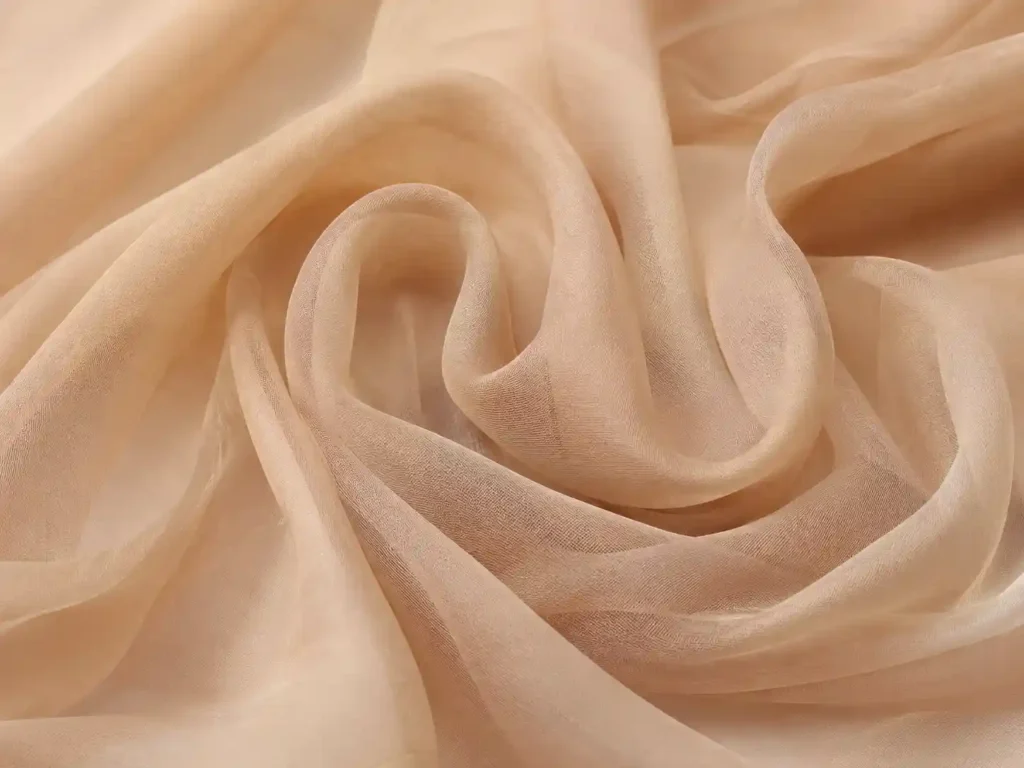
Chiffon
Chiffon is lightweight, transparent and prone to movement during cutting and sewing. Layer structure, lining and hem treatment require early definition. Color can also appear different when layers overlap. Control points:
- Layer count
- Opacity
- Grain direction
- Cutting stability
- Seam finish
- Narrow hem
- Color depth
- Hanging before hemming

Lace
Lace brings pattern, transparency and texture into the garment, making placement part of the design. Motif scale and repeat determine whether a pattern can be centered, mirrored or matched commercially. Control points:
- Motif direction
- Border use
- Placement loss
- Color matching
- Lining effect
- Skin comfort
- Seam visibility
- Lot variation

Mesh
Mesh can provide body contour, soft transparency or layered detail. Stretch and recovery need to match lining and support materials. Unequal tension can distort necklines, seams and cut-outs. Control points:
- Stretch percentage
- Recovery
- Softness
- Transparency
- Edge response
- Color matching
- Puckering
- Support compatibility

Velvet
- Pile direction
- Panel orientation
- Pressure marks
- Seam crushing
- Zipper installation
- Color appearance
- Inspection lighting
- Packing method
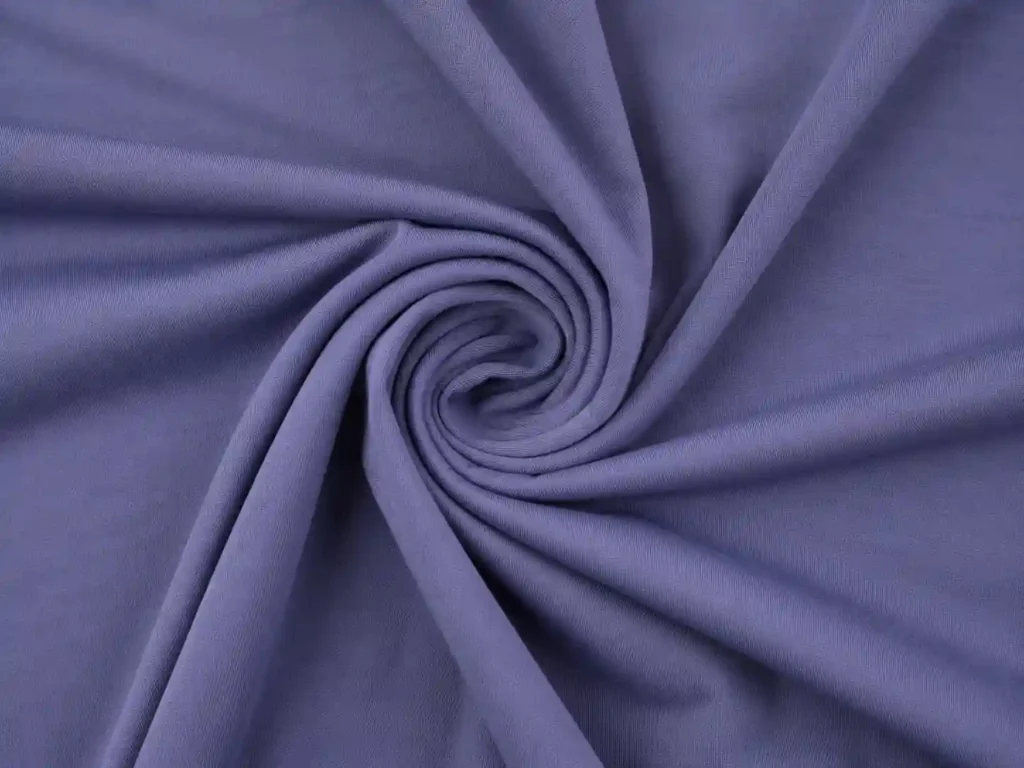
Jersey
- Four-way or two-way stretch
- Recovery
- Torque
- Shrinkage
- Opacity
- Seam elasticity
- Hem method
- Size grading response

Sequin Materials
Sequin fabrics provide event impact but increase weight, abrasion, seam difficulty and packing risk. Sequin direction, base-fabric stretch and edge preparation affect both appearance and wearer comfort. Control points:
- Sequin density
- Attachment strength
- Base stretch
- Seam clearing
- Skin-contact protection
- Lining
- Weight distribution
- Packing abrasion
Linings, Support Structures and Trims Under Control
Lining Coverage
Bust Support
Boning Structure
Zippers and Closures
Straps and Grippers
Decorative Trims
Feasibility Review Before Sample Development Begins
Design Feasibility
Fabric Feasibility
Fit Feasibility
Construction Feasibility
Bulk Feasibility
Cost Timing Feasibility
Tech Packs and Measurement Standards Before Sampling
A clear technical basis reduces interpretation gaps between design, pattern, sample, production and quality teams. Final measurement methods and tolerances follow the brand’s approved specification rather than a generic size assumption.
| Measurement or File | Development Purpose | Semi-Formal Dress Control |
|---|---|---|
| High Shoulder Point Length | Controls total dress proportion | Mini, midi and longer lengths need separate visual review |
| Bust Circumference | Defines upper-body fit | Reviewed with darts, cups, neckline and fabric stretch |
| Underbust | Supports fitted and structured bodices | Important for strapless, corset and halter styles |
| Waist Circumference | Controls silhouette and stability | Checked with seam position, boning and internal support |
| Hip Circumference | Controls movement and body fit | Important for fitted, ruched and stretch styles |
| Shoulder Width | Supports upper-body balance | Linked with neckline, sleeve and strap positions |
| Armhole Depth | Controls coverage and movement | Important for sleeveless, halter and low-back designs |
| Strap Length | Controls bust position and neckline | Fixed and adjustable straps require separate standards |
| Front Neck Drop | Defines exposure | Measured from a consistent point |
| Back Neck Drop | Controls back exposure and support | Reviewed with closure and internal structure |
| Slit Height | Balances movement and coverage | Measured from hem or approved reference point |
| Hem Opening | Controls walking and skirt fall | Important in fitted midi and maxi silhouettes |
| Zipper Length | Supports dressing and construction | Must align with garment opening and seam structure |
| Size Chart | Defines brand fit direction | Duolan follows supplied body or garment measurements |
| BOM | Locks all materials and trims | Version control is required before bulk release |
| Construction Sheet | Defines workmanship | Seam, lining, support and finishing methods are recorded |
Measurement files should state how each point is measured, whether the garment is relaxed or stretched, and whether the tolerance is critical to fit or primarily cosmetic. During sample review, comments are translated into measurable or construction-related actions whenever possible.
Pattern, Fit and Grading for Event-Ready Dresses

Pattern Input

Silhouette Development

Critical Fit Areas

Fit Correction

Size Grading

Bulk Pattern Standard
Sample Development With a Defined Decision Purpose
Project Brief Review
Fabric Trim Direction
Pattern Development
First Sample
Fit Revision
PP Sample
Six Locks Before Approved Samples Enter Bulk Production
Fit and Measurements
Fabric and Color
Lining and Trims
Construction Method
Technical Documents
PP Approval Basis
Workmanship Standards Visible in Every Dress Detail

Satin Seam Control

Lace Placement

Mesh Edge Finish

Ruched Distribution

Zipper Installation

Lining Attachment

Slit Hem Finish

Pressing Final Shape
Material, Color and BOM Control Across Every Style
Approved Fabric Reference
Lab Dip Approval
Fabric Lot Control
Trim Specification
BOM Version Control
Replacement Approval
Production Capacity Matched to Style Complexity
Core Factory Control
Flexible Line Support
Satellite Capacity
More than 20 long-term satellite factories support planned volume and capacity peaks. Allocation follows qualification, product suitability and order requirements.
Satellite capacity is used as an organized extension of the manufacturing system.
Multi-Style Planning
Special Process Coordination
Production Scale
First-Piece Control Before Full Production Release
Order Breakdown
Production Path Matching
First-Piece Validation
Timeline Planning
Quality Control for Semi-Formal Dress Production
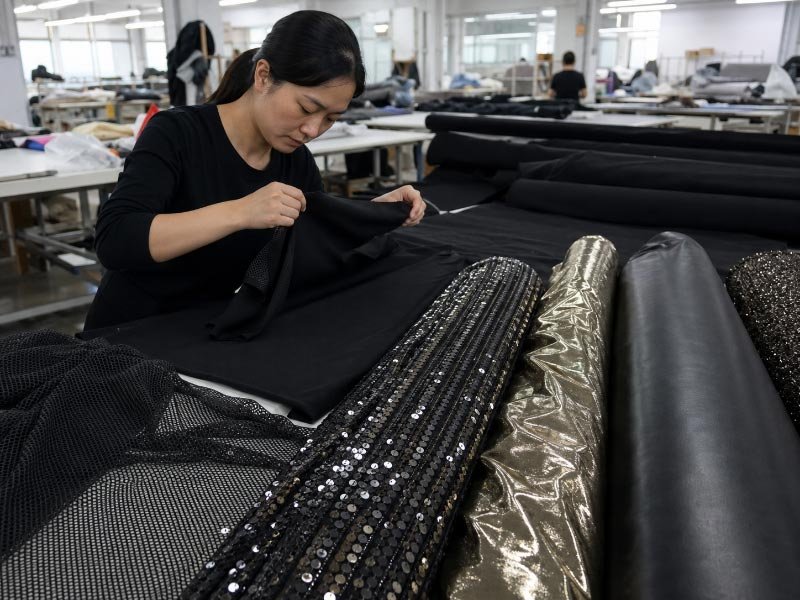
Fabric Inspection
Control evidence may include:
- Fabric roll or lot identification
- Shade grouping
- Defect marking
- Approved swatch comparison
- Surface photographs
- Test or inspection records where required

Cutting Control
Cutting accuracy affects fit, symmetry, motif placement and shade consistency. Grain direction, nap direction, panel marking and bundle identification are checked according to the style.
Key checks include:
- Pattern version
- Size and color identification
- Lace or print placement
- Velvet pile direction
- Shade grouping
- Cut-part completeness

First-Piece Review
Review areas include:
- Measurements
- Neckline and bust position
- Lining
- Zipper
- Slit
- Support structure
- Pressing
- Label placement

Inline Workmanship
Semi-formal priorities include:
- Ruching distribution
- Lace alignment
- Mesh tension
- Zipper rippling
- Boning placement
- Seam puckering
- Trim attachment
- Lining assembly

Measurement Checks
Common priorities include:
- Bust and underbust
- Waist and hip
- Strap length
- Armhole
- Body length
- Slit height
- Hem opening
- Neck drop

Fit-Sensitive Inspection
Focus areas include:
- Bust balance
- Waist anchoring
- Strap position
- Side-seam direction
- Back exposure
- Skirt fall
- Movement
- Coverage

Final Inspection
Final inspection checks overall appearance, workmanship, measurements, color, labels and packing readiness. Defects are classified according to impact, allowing repair, isolation, escalation or approval decisions.
Review includes:
- Surface appearance
- Loose or broken stitching
- Symmetry
- Trim function
- Pressing
- Odor or contamination
- Label accuracy
- Quantity status

Packing Shipment Check
Packing QC confirms style, color, size, barcode, polybag, folding, carton quantity and shipping marks. Sensitive satin, velvet and embellished dresses receive extra surface-protection review.
Records may cover:
- Hangtag and care label
- Barcode match
- Size sticker
- Polybag warning
- Carton assortment
- Shipping mark
- Carton count
- Packed-garment condition
Audit, Testing and Brand Compliance Support
Social Audit Records
Quality Standards
Product Testing
Specific Requirements
Confidential Semi-Formal Dress Programs Managed by Duolan

United States Occasionwear Program
Project Scope:
A U.S. occasionwear label developed an 18-style semi-formal collection covering satin midis, fitted crepe minis, draped one-shoulder dresses, mesh-panel styles and wedding guest silhouettes. The launch order totaled 42,600 garments across 6 colors and a multi-size range.
Development Challenge:
The collection mixed fluid satin, stretch crepe and mesh, creating different fit and production risks. Several styles shared a visual color direction but used different fabric bases. The brand also needed the collection ready for one coordinated online launch.
Duolan Review:
The team classified styles by fit sensitivity, material risk and construction complexity. Strapless, low-back and heavily draped styles entered development earlier. Color approval was separated by fabric base rather than assuming one shade would appear identical across satin, crepe and mesh.
Production Action:
- Separate fabric and fit review by style family
- Defined bust, waist, strap and slit priorities
- Material and trim board locked before PP approval
- First-piece validation for 6 higher-risk styles
- Production split by construction suitability
- Inline QC photographs shared at key stages
- Packing controlled by style, color, size and barcode
Result:
The 18-style order moved through staged production rather than one simultaneous release. Approved standards were retained for repeat planning, including patterns, BOM versions, color references, workmanship points and packing details.

European Wedding Guest Collection
A European fashion group placed a 24-style wedding guest and cocktail program totaling 68,400 garments. The range included lace midis, chiffon layered dresses, satin cowl styles, structured crepe dresses and selected velvet options for a later seasonal delivery.
Development Challenge:
The collection required polished event dressing without crossing into bridal or heavy evening-gown styling. Transparency, lining color, lace placement, sitting comfort and midi proportion were major concerns. The order also included multiple colorways with different material bases.
Duolan Review:
Each style was reviewed according to event use, fabric behavior and visual priority. Lace motif placement was planned in visible zones. Chiffon styles were given hanging and hem-leveling requirements. Satin styles were reviewed for seam marking, zipper rippling and packing pressure.
Production Action:
- 24 styles grouped into 5 construction families
- Separate lining standards for lace, chiffon and mesh
- Critical POMs defined for bust, waist, hip and length
- Lab dip approval managed by material base
- PP samples linked with construction notes and BOM
- First-piece review applied to lace-placement and draped styles
- Final inspection included movement, coverage and surface checks
Result:
The complete program was delivered through phased production planning. Reorder-ready styles were identified based on material availability, fit stability, production efficiency and quality history.

Multi-Market Party Dress Program
A multi-brand group developed 27 semi-formal and party styles for North American, European and Australian channels. The total order reached 76,800 garments across satin, jersey, mesh, sequin and velvet categories.
Development Challenge:
Market requirements varied. North American styles required stronger fitted proportions and wider size grading. European styles prioritized refined midi silhouettes. Australian delivery required seasonal timing different from the Northern Hemisphere. Sequin and velvet pieces also needed protective packing.
Duolan Review:
The project was separated by market, material and production risk. Common styles retained shared construction where possible, while market-specific lengths, colors and grading were controlled by separate files.
Production Action:
- 27 styles divided by market and production path
- 9 fitted styles received additional grading review
- 5 embellished styles used first-piece or pilot validation
- Satin and velvet received separate surface-protection standards
- Color, style and market codes were controlled in the order breakdown
- Production and QC updates followed phased delivery groups
- Reorder files retained market-specific measurements and packaging
Result:
The group obtained a structured production route without forcing all markets into one garment specification. Repeat orders could use preserved pattern, BOM and quality records while maintaining regional differences.
Branded Packaging and Repeat-Order Preparation

Main Labels

Care Labels

Hangtags

Barcode Polybags
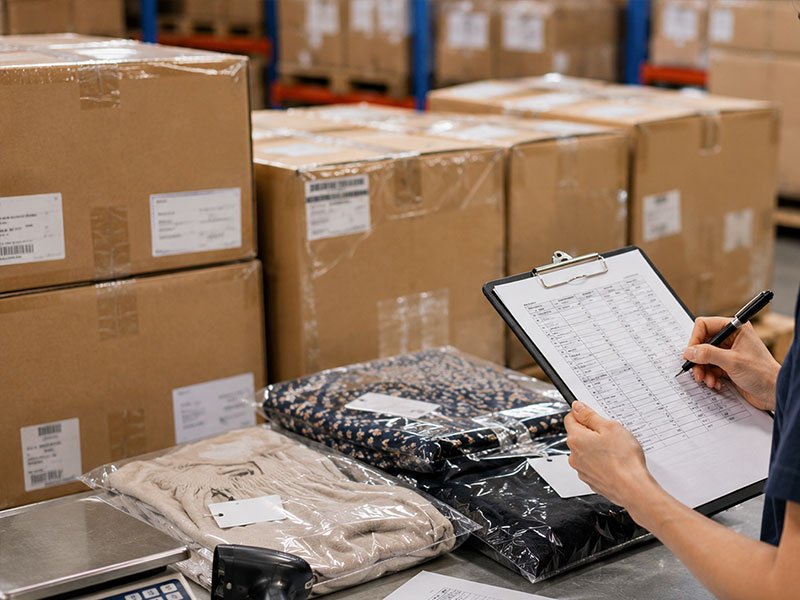
Carton Shipping Marks

Reorder Records
Custom Semi-Formal Dress Frequently Asked Questions

Start Your Semi-Formal Dress Development Program
Send Duolan the available development information so the product, sample and production teams can evaluate the most suitable path. A complete tech pack is useful, but an initial assessment can also begin from reference images, original sample photographs, a collection brief, fabric direction or an existing size chart.
Please include where available:
- Company name and website
- Target market and sales channel
- Semi-formal dress category
- Number of styles
- Reference images or tech packs
- Target fabrics and colorways
- Brand size chart
- Estimated quantity by style or collection
- Required sample purpose
- Expected launch or delivery date
- Label and packaging requirements
- Testing or inspection manual
- Current development challenge
After review, Duolan can respond with the recommended development basis, information still required, key fabric or fit risks, sample route, quotation basis and production-planning direction. More complete project information allows a more accurate assessment of material sourcing, construction, lead time and bulk readiness.


