 Skip to content
Custom Slip Dress Manufacturer
Custom slip dress development and bulk manufacturing for established fashion brands.
Duolan helps fashion brands develop slip dresses where fabric drape, bias-cut control, spaghetti straps, neckline fit, opacity, lining, surface finish and hem balance decide final garment value. From satin-like slip dresses and cowl neck silhouettes to midi slip dresses, maxi slip dresses, lace-trim styles and evening-ready designs, our team connects sampling, PP approval, bulk production, QC, packing and repeat delivery.
- 16 owned womenswear factories support controlled sample-to-bulk handover.
- 20+ satellite factories provide flexible capacity for repeat and seasonal dress programs.
- 300 sewing lines support standard-size bulk production across slip dress structures.
- 50+ quick-response lines support first samples, revised samples and launch preparation.
- 15,000–35,000 monthly sample capacity supports frequent drape and fit revisions.
- 6,500,000 stable monthly capacity supports planned bulk and repeat production.
- Typical cooperating brand orders include 10–30 styles and 20,000–80,000 pieces per order.







Slip Dresses Require More Than a Simple Cami Shape
A slip dress is not only a camisole dress. Its value comes from fluid drape, bias-cut control, delicate straps, neckline position, opacity, clean surface and stable bulk reproduction. Minimal construction makes every issue visible: needle marks, seam tension, strap length, neckline collapse, side seam twist, hem waves and packing creases.
A strong sample can still fail in bulk if fabric relaxation, grainline direction, surface handling, lining compatibility or strap engineering are weak. Satin-like fabrics, viscose blends, crepe, lightweight woven fabrics and lace trims all create different production risks.
Duolan develops slip dresses as lightweight, surface-sensitive womenswear products. Each approved style needs fabric review, pattern control, strap and neckline standards, PP sample approval, QC checkpoints, packing method and repeat records before bulk production.
Built for Established Slip Dress Programs
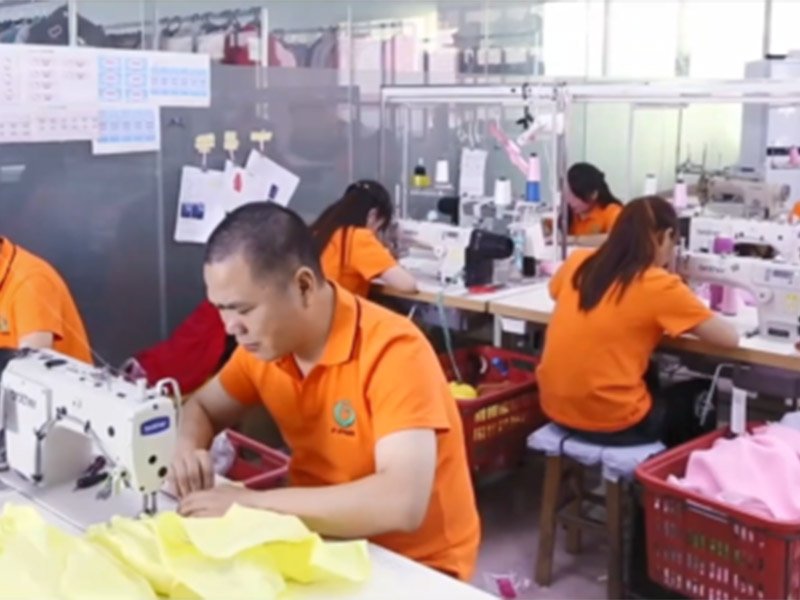
Duolan works with fashion brands, product teams and sourcing offices managing slip dress programs with defined garment standards, launch calendars, quality expectations and repeat value. Slip dress projects need stronger control of fabric, surface, neckline and hem behavior than basic cami dress production.
Contemporary Dress Brands
Contemporary dress brands need minimal slip silhouettes with clean surfaces, smooth drape, refined neckline shape and repeatable fit. Simple styling leaves no room for poor seam control or unstable fabric behavior.
Occasionwear Brands
Occasionwear brands need satin-like slip dresses, cowl neck shapes, V-neck lines, midi or maxi lengths and photo-ready finish. Surface shine, neckline drape and final presentation need careful approval.
Resort and Vacation Brands
Resort brands need lightweight slip dresses with soft movement, opacity, wrinkle awareness and packing recovery. Duolan reviews fabric shrinkage, color, lining and carton behavior before bulk.
Evening and Going-out Brands
Evening and going-out brands need body-skimming lines, back detail, surface glow, strap security and wear confidence. Slip dress construction must feel delicate without becoming fragile.
Product Development Teams
Product teams need samples answering clear fit questions: Does fabric fall well? Is the strap length correct? Does neckline sit cleanly? Does lining support coverage?
Sourcing Offices
Sourcing offices evaluate material stability, bulk surface control, QC discipline, packing accuracy, production capacity and repeat readiness. Duolan supports slip programs through structured sample-to-delivery handover.
Slip Dress Structures Duolan Can Support
Slip dress manufacturing becomes stronger when styles are grouped by structure, length and commercial role. A bias-cut satin slip, cowl neck midi, lace-trim mini and backless evening slip all need different sample logic and production controls.

Bias-Cut Slip Dresses
Bias-cut slip dresses rely on diagonal fabric behavior to create soft body-skimming movement.
- Grainline control protects side seam balance and smooth garment fall.
- Hem level needs checking after fabric relaxation and hanging.

Spaghetti Strap Slip Dresses
Spaghetti strap styles depend on delicate support, correct chest position and clean attachment.
- Strap length should match neckline depth, back height and size range.
- Attachment strength must stay clean without visible bulk or distortion.

Cowl Neck Slip Dresses
Cowl neck slip dresses need soft front drape without neckline collapse or excess exposure.
- Cowl depth should support the intended mood and bust position.
- Fabric weight affects front drape, neckline stability and photo appearance.

V-Neck Slip Dresses
V-neck slip dresses require controlled neckline depth, front stability and lining relationship.
- Neckline edge should stay flat without rolling or pulling.
- Coverage needs review across the confirmed size range.

Backless Slip Dresses
Backless slip styles need strap support, back opening control and secure body balance.
- Back height should match strap tension and garment purpose.
- Low-back structures need support planning before sample approval.

Lace-Trim Slip Dresses
Lace-trim slip dresses need soft edge finishing, clean placement and lining coordination.
- Lace placement should stay balanced across neckline, hem and side areas.
- Edge comfort matters because slip dresses often sit close to skin.

Mini Slip Dresses
Mini slip dresses need coverage, hem safety, proportion and lightweight fabric control.
- Shorter lengths require stronger hem and movement checks.
- Light fabrics need opacity review before PP approval.

Midi Slip Dresses
Midi slip dresses need side seam balance, bias fall, body line and hem stability.
- Longer fabric panels reveal twisting and drape problems quickly.
- Hem balance must remain clean after hanging and packing.

Maxi Slip Dresses
Maxi slip dresses require long-line drape, fabric weight review and packing crease prevention.
- Long hems need stable fabric fall and controlled side seams.
- Packing method should reduce hard creases on satin-like surfaces.

Layered Slip Dresses
Layered slip dresses need outer shell, lining and sheer layer coordination.
- Layers should move together without pulling or bunching.
- Lining color and length influence final garment polish.

Resort Slip Dresses
Resort slip dresses focus on soft movement, breathable feel and travel-ready presentation.
- Lightweight fabrics need wrinkle, opacity and packing recovery review.
- Color and print consistency support stronger seasonal programs.
Evening Slip Dresses
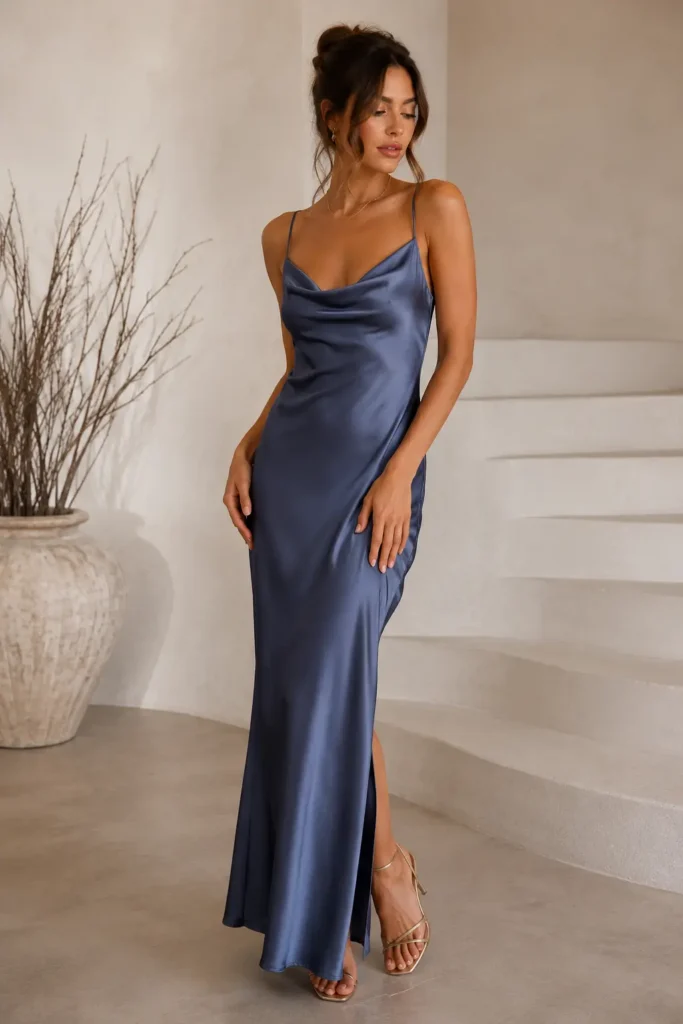
Evening slip dresses need surface glow, clean drape and refined neckline control.
- Photo sample review should confirm shine, cowl, hem and body line.
- Surface handling must reduce marks before final packing.
Satin-Like Fabric Drape and Surface Control
Fabric is the first decision in slip dress development. Slip dresses expose fabric quality more directly than many structured garments because the surface is open, seams are minimal and the silhouette depends on drape. A weak fabric choice can create visible needle marks, poor shine, uneven fall, transparency, hard creases or unstable bulk appearance.
Duolan reviews slip dress fabric through drape, surface, opacity, recovery, shrinkage, lining compatibility and packing behavior. The goal is not to choose the most expensive material. The goal is to select fabric capable of supporting a fluid silhouette, clean surface and repeatable production.
Fabric behavior review for slip dress programs
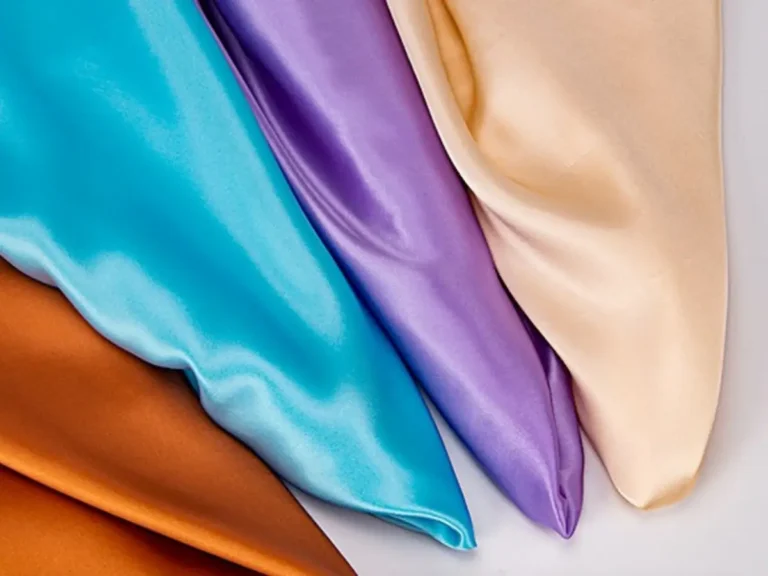
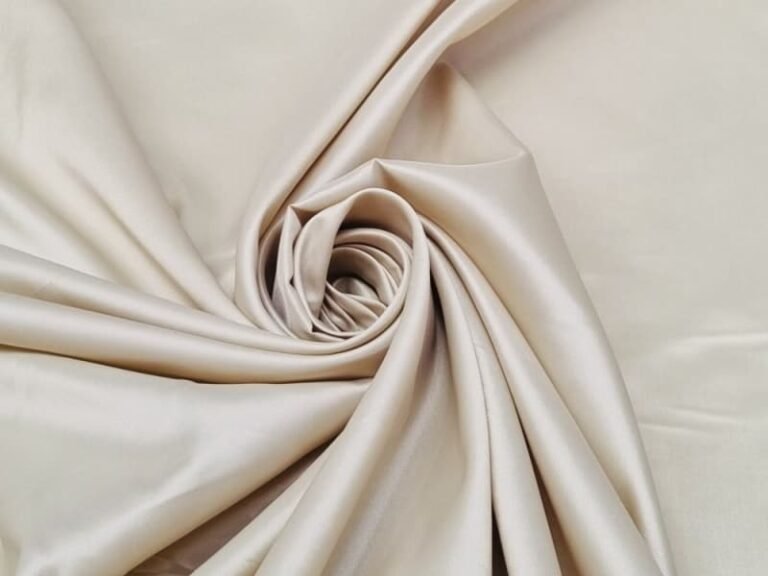
- Silk-like satin creates premium shine, yet needle marks, pressure marks, scratches and seam puckering need strict handling.
- Charmeuse-like fabrics offer liquid drape, with fabric slip, cutting movement and surface sensitivity checked before sampling.
- Viscose and rayon blends feel soft and fluid, while shrinkage, twisting, opacity and color behavior need review.
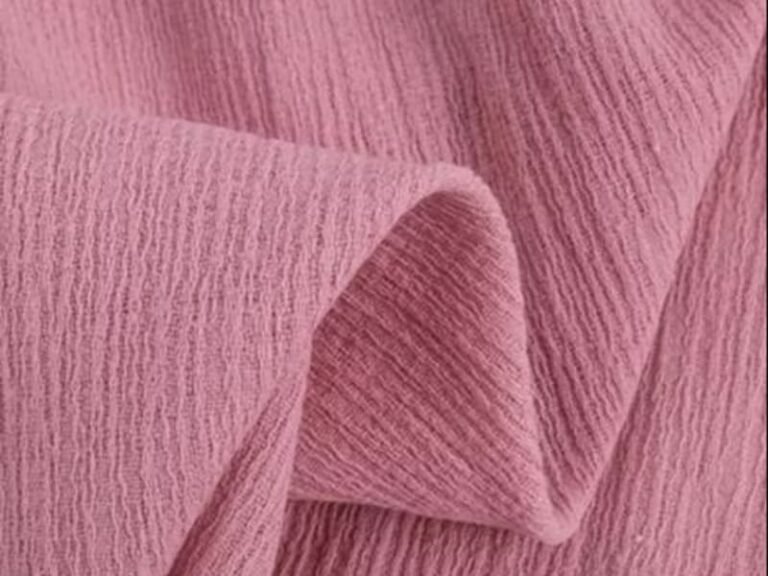
- Crepe offers a more stable handfeel for refined day-to-evening slip styles, with surface texture and drape assessed.
- Poly satin can support commercial programs, yet overly harsh shine, pressing marks and crease recovery need review.
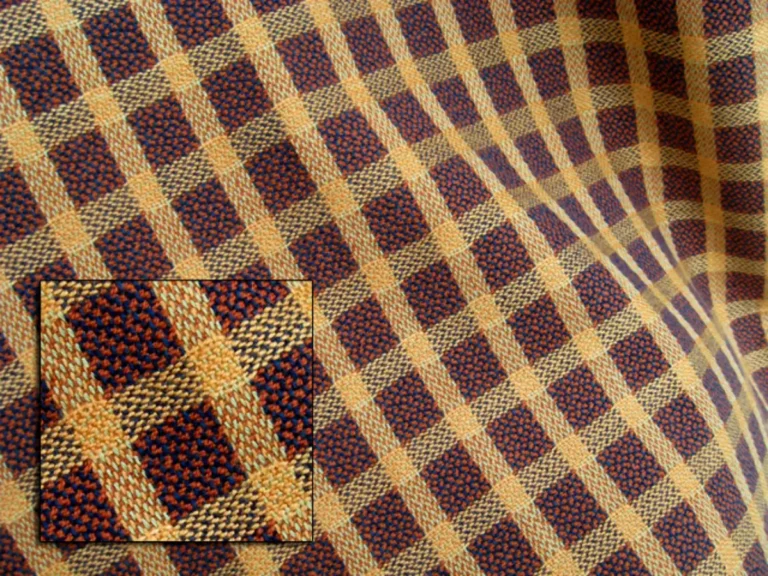
- Lightweight woven fabrics suit resort slip styles, with transparency, wrinkle behavior and hem stability checked.
- Lace trims add delicate value, requiring soft edges, repeat placement and color matching with lining.
- Lining fabrics must move with the outer shell without pulling, rolling or changing the garment fall.
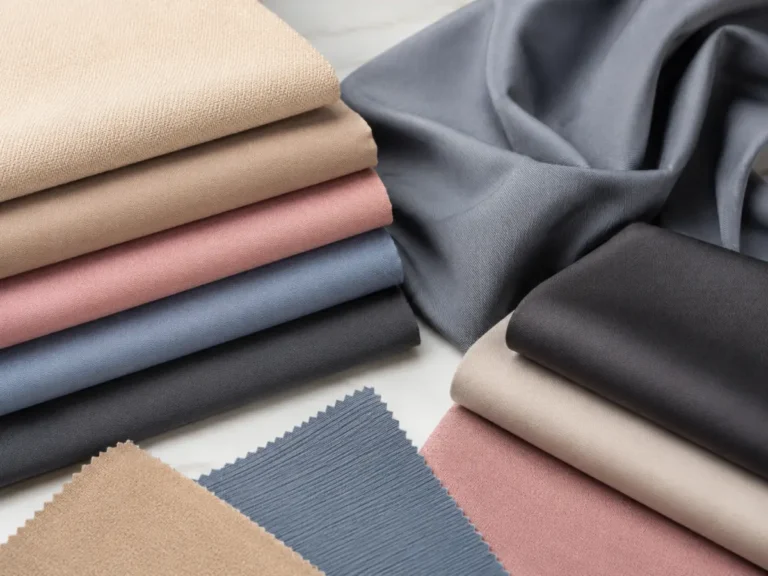
Surface risks Duolan checks before PP approval
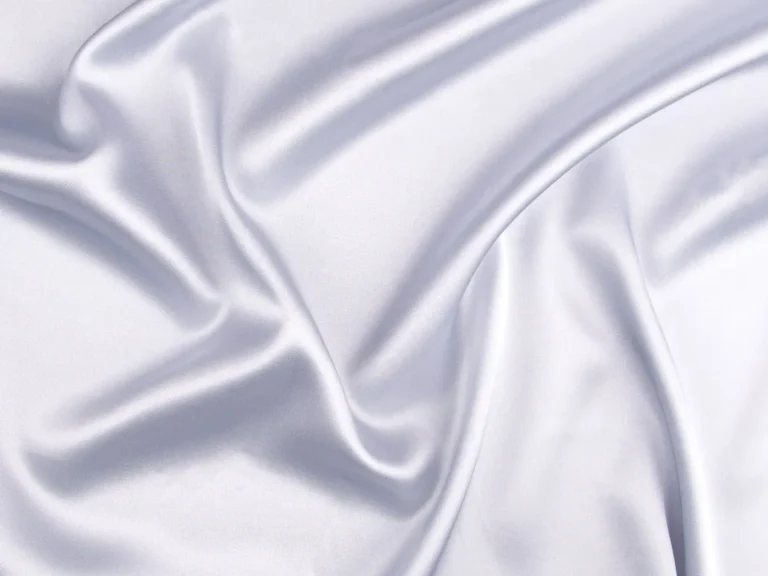
- Needle marks along fine seams.
- Oil marks, scratches or handling stains.
- Pressing shine and surface flattening.
- Seam puckering along neckline or side seams.
- Hard fold lines after packing.
- Shade variation between fabric lots.
- Lining show-through under light.
- Surface recovery after steaming and unfolding.

Bias Cut, Side Seam and Hem Balance
Bias cut can give a slip dress its most refined movement, but it also creates the highest production risk. Fabric cut on the bias stretches and relaxes differently from straight-grain panels. Without careful control, side seams can twist, hems can drop unevenly and the garment can lose its intended body-skimming line.
Duolan treats bias-cut slip dresses as pattern-sensitive and fabric-sensitive garments. Cutting direction, fabric relaxation, panel balance, seam tension, hanging time and final hem finish all influence the finished result. For midi and maxi slip dresses, small grainline errors become visible along the full garment length.
Bias-cut control points
- Grainline alignment protects drape direction and reduces side seam twisting.
- Fabric relaxation should happen before final hem decisions are made.
- Side seam balance keeps the garment smooth along the body.
- Panel symmetry matters because bias-cut pieces can stretch differently.
- Hang review helps identify hem dropping before final finishing.
- Hem level should be checked after resting, not only after sewing.
- Long slip dresses need extra review because fabric weight increases distortion.
- Light satin-like fabrics need gentle handling to avoid waviness at hem.
- Lining panels must follow outer shell movement without pulling.
- PP sample records should include side, front and back drape photos.

Approval records worth keeping
- Grainline direction reference.
- Side seam balance photos.
- Hem level after resting.
- Fabric relaxation notes.
- First-piece drape review.
- Final hem reference before packing.

Spaghetti Straps, Neckline and Bust Position
Slip dress fit often depends on small components. Spaghetti straps, adjusters, neckline depth, cowl drape and bust position decide whether the garment feels refined or unstable. A beautiful satin body can fail if straps stretch, slide, pull the neckline or sit at the wrong chest point.
Duolan reviews strap and neckline engineering during sampling, especially for cowl neck, V-neck, backless, lace-trim and evening slip styles. Each strap decision affects comfort, body line, photo appearance and size grading.
Strap and neckline checks
- Strap length should match neckline depth, back height and intended garment proportion.
- Strap attachment needs strength without bulky stitching or surface distortion.
- Adjuster placement should stay comfortable and visually clean on the back.
- Bust point alignment affects cowl drape, V-neck shape and body-skimming fit.
- Cowl neckline should fall softly without collapsing or exposing too much.
- V-neckline depth needs coverage review across the size range.
- Backless structures require strap tension and body balance review.
- Lace-trim necklines need soft edge contact and clean placement.
- Photo samples should confirm neckline, strap and bust position under camera light.
- PP sample standards should lock strap length, attachment method and neckline depth.

Opacity, Lining and Wear Confidence
Slip dresses often use lightweight, satin-like or body-skimming fabrics, so opacity and lining decisions matter early. A fabric can look opaque on the table yet reveal body lines under light, movement or stretch. Light colors, bias-cut panels and unlined structures need extra review before approval.
Duolan reviews opacity, lining and wear confidence together. Lining can improve coverage, but poor lining can pull the outer shell, add bulk, trap heat or change the garment fall. Double-layer structures can improve confidence but need careful seam and hem control.
Opacity and lining checks
- Light colors need review under daylight, studio light and movement.
- Bias-cut panels can sit closer to the body and reveal more shape.
- Double-layer construction can improve coverage but may add heat or seam bulk.
- Lining length should follow outer shell movement without visible pulling.
- Lining color must support the outer fabric without changing shade perception.
- Seam show-through needs checking on satin-like and lightweight fabrics.
- Undergarment visibility should be reviewed for evening, resort and photo samples.
- Backless styles need wear-method review before final approval.
- Deep neckline styles need coverage support without heavy inner construction.
- Final photo review should confirm surface, opacity and body line.

Wear confidence standards
- No unexpected transparency under normal light.
- No lining twist or hem rolling.
- No harsh seam show-through.
- No uncomfortable trim or lace edge.
- No distorted outer shell caused by lining.
- No hard fold line across front body.
- No visible oil mark, scratch or pressing shine.

Length, Back and Detail Options
Slip dress details should support fluid movement and clean surface. Duolan reviews each direction by its impact on drape, strap balance, opacity and production stability.

Mini Slip Dresses
Mini slip dresses need coverage, hem safety, strap proportion and lightweight fabric control. Shorter lengths make opacity and movement review more important before PP approval.

Midi Slip Dresses
Midi slip dresses need side seam balance, bias fall, body-skimming line and hem stability. Drape problems become more visible along longer panels.
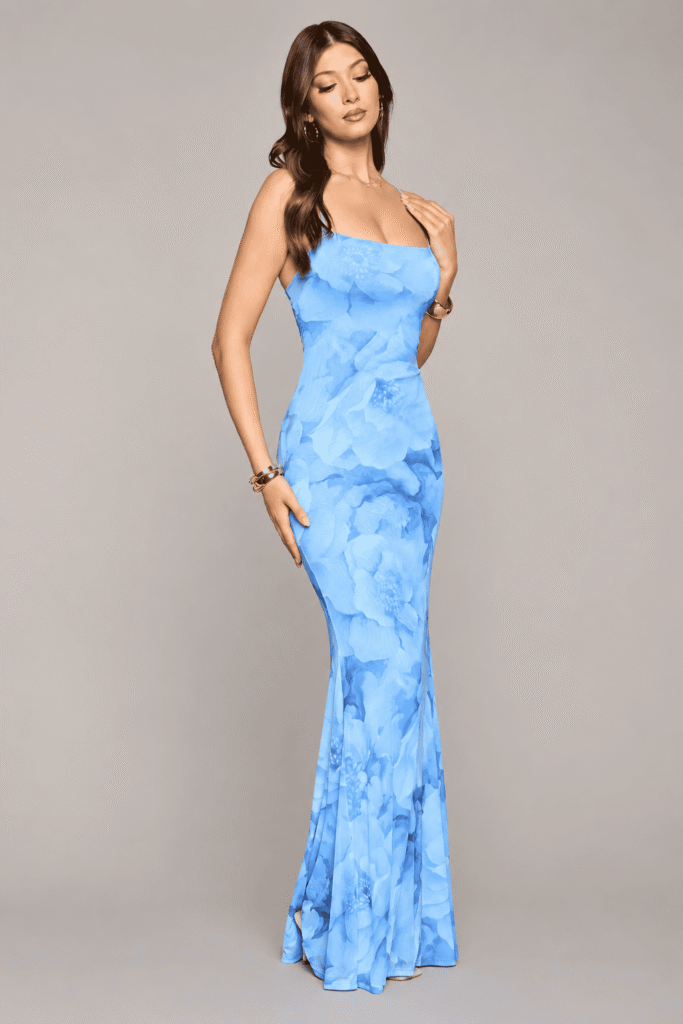
Maxi Slip Dresses
Maxi slip dresses require long-line fabric fall, hem balance and crease-aware packing. Heavy fabric can pull seams, while overly light fabric may twist.
Cowl Neck Slip Dresses
Cowl neck slip dresses need controlled front drape, chest position and surface softness. Fabric weight decides whether the neckline falls cleanly.

Backless Slip Dresses
Backless slip dresses need strap tension, back opening stability and front support. Low-back styles require extra review during movement and fitting.

Lace-Trim Slip Dresses
Lace-trim slip dresses need accurate lace placement, soft edge finishing and lining color control. Trim should enhance delicacy without irritating skin.
Slip Dress Sample Development Path
Slip dress sampling should resolve fabric, drape, strap, neckline and surface questions before bulk planning begins.
Step 1|Fabric and Silhouette Review
Duolan reviews fabric direction, target silhouette, length, neckline, strap design, reference images, size range and order plan. Fabric feasibility comes before pattern confirmation.
Step 2|Drape and Bias Evaluation
Fabric is reviewed for drape, bias behavior, opacity, surface sensitivity, shrinkage and lining need. Slip dresses using satin-like fabrics or longer lengths need extra side seam and hem review.
Step 3|Pattern and First Sample
The first sample checks bust position, strap length, neckline, side seam, hem, back opening, lining and overall body-skimming line. Sample review focuses on wearable elegance, not only outline accuracy.
Step 4|Fit and Surface Revision
Fit comments are translated into changes for neckline, straps, hem, side seams, lining, fabric, length or back detail. Surface corrections are checked before moving toward approval.
Step 5|PP Sample and Bulk Preparation
After approval, the PP sample, BOM, measurements, fabric standard, strap specification, QC points and packing method are confirmed. The PP sample becomes the physical benchmark for production.
Sample Types for Slip Dress Decisions
Slip dress samples should answer specific drape, fit and surface questions. Duolan uses sample stages to reduce uncertainty before bulk manufacturing begins.
| Sample Type | Purpose | Slip Dress Focus |
|---|---|---|
| First Sample | Checks basic silhouette and fabric behavior | Drape, strap, neckline, side seam |
| Fit Sample | Reviews standard-size wear condition | Bust position, body line, opacity |
| Revised Sample | Confirms corrections after comments | Neckline, strap length, lining, hem |
| Photo Sample | Supports campaign or ecommerce review | Surface, shine, cowl, fluid drape |
| Salesman Sample | Supports commercial and internal evaluation | Quality feel, comfort, style value |
| PP Sample | Becomes the production benchmark | Measurements, fabric, workmanship, packing |
Pattern, Grading and Size Consistency
Slip dress grading focuses on a clean body-skimming line across sizes. The garment should not cling like bodycon, collapse like loose sleepwear or twist through side seams. Strap length, bust position, neckline depth, bias behavior, lining and hem balance all need size-specific review.
Duolan reviews grading through fabric behavior and garment proportion. The goal is a standard-size range where each size keeps the same refined slip silhouette and surface quality.
Grading control points
Slip dress grading focuses on a clean body-skimming line across sizes. The garment should not cling like bodycon, collapse like loose sleepwear or twist through side seams. Strap length, bust position, neckline depth, bias behavior, lining and hem balance all need size-specific review.
Duolan reviews grading through fabric behavior and garment proportion. The goal is a standard-size range where each size keeps the same refined slip silhouette and surface quality.
Grading control points
- Bust position must stay aligned with neckline, strap length and cowl shape.
- Strap scaling needs review across sizes, not only the sample size.
- Side seam balance protects body-skimming fit and clean drape.
- Bias-cut panels require size-specific grainline and distortion review.
- Hem length needs resting and final measurement checks.
- Lining dimensions must follow outer shell movement and length.
- Cowl neckline should keep soft drape without collapsing.
- V-neckline depth needs coverage review across sizes.
- Backless styles need support review across the size range.
- Lace trim placement must scale without breaking visual balance.
- PP tolerance should record length, strap, neckline and hem measurements.
- Repeatable styles need approved pattern, BOM and packing records.

Slip Dress Development Risk Matrix
Slip dress development carries fabric, drape and surface risks. Duolan reviews these issues before production standards are locked.
| Risk | Why It Happens | Duolan Control |
|---|---|---|
| Side seams twist | Bias cut or grainline is unstable | Grainline and side seam review |
| Hem becomes uneven | Fabric relaxes after cutting or hanging | Resting and hem-level check |
| Fabric surface marks | Satin-like fabric is sensitive to handling | Surface handling and pressing control |
| Neckline collapses | Cowl or V-neck lacks balance | Neckline and bust position review |
| Straps stretch or shift | Strap material or attachment is weak | Strap strength and length check |
| Dress becomes transparent | Fabric or lining is too light | Opacity and lining review |
| Lining pulls outer shell | Lining and shell drape mismatch | Lining compatibility check |
| Packing creates hard creases | Folding method ignores fabric surface | Packing and carton pressure review |
Production Engineering for Slip Dress Construction
Slip dress production requires engineering around fabric relaxation, grainline, fine seams, strap attachment, neckline edge, lining and surface protection. Duolan turns approved samples into production instructions before bulk sewing begins.
Production engineering focus
- Bias direction control protects drape and reduces side seam twisting.
- Fabric relaxation helps reduce distortion before final cutting and hemming.
- Fine seam handling keeps lightweight fabric clean, smooth and comfortable.
- Narrow seam or refined seam options support delicate slip dress construction.
- Strap attachment needs strength without visible bulk or surface distortion.
- Strap adjuster placement should remain comfortable and visually balanced.
- Neckline edge control protects cowl, V-neck and backless structures.
- Lace trim placement requires soft finishing and repeat alignment.
- Lining attachment should follow outer shell drape without pulling.
- Surface handling reduces needle marks, oil marks, scratches and pressing shine.
- First-piece confirmation checks drape, hem, strap and neckline before bulk.
- Inline surface review prevents visible marks from spreading across the batch.

Critical slip dress control areas
- Fabric surface cleanliness.
- Grainline and bias direction.
- Side seam balance.
- Strap length and attachment.
- Neckline shape and coverage.
- Lining movement.
- Hem level after resting.
- Final garment surface before packing.
- Packing fold and carton pressure.

Cutting, Sewing and Surface Finishing Control
Slip dress quality is created through careful handling at every stage. Lightweight, satin-like and bias-cut garments need controlled preparation before final packing.
Fabric Inspection Before Cutting
Duolan checks shade, surface marks, shrinkage, drape, opacity, fabric skew and lining compatibility before cutting. Sensitive surfaces receive closer review because marks remain visible after sewing.
Cutting Control
Cutting checks include grainline, bias direction, panel balance, strap cutting, lace placement and size bundling. Accurate cutting protects side seam balance and hem stability.
Sewing Execution
Sewing control focuses on fine seams, strap attachment, neckline edge, lining, side seam and hem preparation. Delicate fabrics require clean handling and stable seam tension.
First-piece Confirmation
The first completed garment is checked against the PP sample for drape, strap, neckline, side seam, hem and surface condition. Bulk continues after garment behavior is confirmed.
Surface Finishing and Packing
Final preparation checks pressure marks, needle marks, oil marks, pressing method, folding, polybag and carton pressure. Slip dresses need packing methods that protect surface and drape.
QC and Packing Logic for Slip Dresses
Slip dress QC must protect fabric surface, drape, neckline, straps, lining, hem balance and packed presentation. Duolan checks quality from material arrival to packed cartons.
| Control Area | Slip Dress Risk | What Should Be Confirmed |
|---|---|---|
| Main Fabric | Surface marks, shrinkage, opacity, drape instability | Fabric quality, color, batch, drape, opacity |
| Bias Cut | Side seam twist, hem distortion, uneven drape | Grainline, cutting direction, resting, hem check |
| Straps and Neckline | Strap stretching, neckline collapse, poor bust position | Strap length, attachment, neckline depth, adjuster |
| Lining / Double Layer | Transparency, pulling, bulk, heat discomfort | Lining length, color, drape compatibility |
| Surface QC | Needle marks, oil marks, scratches, pressing shine | Handling standard, inspection photos, final appearance |
| Packing | Hard creases, surface damage, distorted straps | Folding method, polybag, carton pressure, packing photo |
Manufacturing System and Project Evidence
Slip dress programs need sample accuracy, fabric judgment, surface control and repeat-ready records. Duolan’s manufacturing system supports slip dress development from fabric review to bulk delivery and future replenishment.
Manufacturing capacity connected to slip dress programs
- 16 owned womenswear factories support core slip dress structure control and PP standard transfer.
- 20+ satellite factories provide flexible capacity for repeat orders and seasonal dress programs.
- 300 sewing lines support standard-size bulk production across slip mini, midi, maxi and evening styles.
- 50+ quick-response lines support first samples, revised samples and launch preparation.
- 15,000–35,000 monthly sample capacity supports frequent drape, fit and surface revisions.
- 6,500,000 stable monthly capacity supports planned bulk delivery and repeat production.
- Typical cooperating brand orders run across 10–30 styles with 20,000–80,000 pieces per order.
- Fabric and process resources support satin-like fabrics, viscose, crepe, lace, print, dyeing, washing and finishing.

US Evening Slip Dress Program
A US eveningwear brand developed satin-like slip dresses with cowl necklines and delicate straps.
- Order scope: 18 styles across midi, maxi and cowl neck slip silhouettes.
- Total program quantity: about 50,000 pieces.
- Focus areas: satin surface, cowl drape, strap length, bias fall and packing.
- Duolan actions: fabric review, fit sample correction, PP standard, surface QC and packing reference.
- Result focus: elegant slip dresses prepared for polished event-focused delivery.

Australian Resort Slip Drop
An Australian resort brand developed lightweight slip dresses with soft movement and seasonal colorways.
- Order scope: 14 styles across mini, midi and backless slip directions.
- Total program quantity: about 36,000 pieces.
- Focus areas: lightweight drape, opacity, midi length, color consistency and travel packing.
- Duolan actions: opacity review, fabric shrinkage check, sample correction and carton photo record.
- Result focus: soft drape and clean presentation after international transport.

European Minimal Slip Midi Line
A European contemporary brand developed minimal slip midi dresses for refined seasonal collections.
- Order scope: 24 styles across V-neck, straight neckline and lace-trim slip styles.
- Total program quantity: about 66,000 pieces.
- Focus areas: clean surface, side seam balance, neckline control, size grading and hem stability.
- Duolan actions: pattern review, strap adjustment, PP sample locking and final QC focus.
- Result focus: stable slip silhouettes across style range and bulk production.

Occasion Satin Slip Program
An occasionwear brand developed satin-like slip dresses for photo-driven selling channels.
- Order scope: 12 styles across cowl neck, V-neck and maxi slip designs.
- Total program quantity: about 30,000 pieces.
- Focus areas: photo sample accuracy, surface shine, lining, hem balance and final presentation.
- Duolan actions: surface handling review, lining adjustment, hem check and packing standard.
- Result focus: polished garments prepared for occasion-driven launch schedules.

FAQ|Custom Slip Dress Manufacturing
A custom slip dress manufacturer develops and produces slip dresses according to brand direction, fabric standards, size range and delivery needs. Duolan supports satin-like slip dresses, bias-cut slip dresses, cowl neck styles, V-neck styles, lace-trim directions and midi or maxi slip programs from sample development to bulk production.
Slip dresses often use satin-like fabrics, silk-like fabrics, viscose blends, crepe, lightweight woven fabrics, lace trims or lining fabrics. Duolan reviews drape, surface sensitivity, opacity, shrinkage, lining compatibility and packing recovery before production.
Yes. Duolan supports satin-like and silk-like slip dresses for contemporary, evening, resort and occasion programs. Surface handling, seam control, pressing, opacity and packing method receive extra review.
Duolan reviews grainline, fabric relaxation, side seam balance, hem level and drape before PP approval. Bias-cut styles need careful cutting and resting before final hem finishing.
Strap length, strap attachment, adjuster placement, bust position, cowl drape, V-neck depth and back opening are reviewed during sampling. PP records help transfer these details into bulk production.
Mesh edges need suitable finishing methods based on fabric weight, Opacity is checked under light and movement. Lining length, color, drape compatibility and double-layer construction are reviewed when coverage risk appears during sampling.
Yes. Approved samples are connected to BOM records, fabric standards, PP samples, production notes, QC checkpoints and packing requirements. Sample approval becomes a production reference before bulk cutting begins.
A brand can send reference images, tech packs, target silhouette, fabric direction, size range, colorways, style count, quantity, launch date and packing requirements. Duolan will review fabric feasibility, drape risk, sample path, production readiness and QC focus.

Send Your Slip Dress Project
Duolan works best with established fashion brands, product teams and sourcing offices developing satin-like, bias-cut, cowl neck, V-neck, lace-trim, resort or evening slip dress programs. Share your project files, fabric direction or sample requirements, and our team will review the development path before sampling or bulk production.
Share your project details
Slip dress type: bias-cut, cowl neck, V-neck, lace-trim, backless, midi, maxi or evening.
Fabric direction: satin-like fabric, silk-like fabric, viscose blend, crepe, lace or lining.
Neckline and strap direction: spaghetti straps, adjustable straps, cowl neck, V-neck or backless.
Project stage: first sample, fit sample, revised sample, PP approval, bulk production or repeat order.
Program information: style count, target quantity, colorways, size range and launch date.
Production needs: fabric sourcing, bias-cut review, strap control, QC, packing, label, barcode or repeat records.
- Name
- Tel / WhatsApp
- Email address
- Message
- Upload your files


