 Skip to content
Custom Smocked Dress Manufacturer
Women’s smocked dress development and manufacturing for established fashion brands, buying teams and seasonal collection programs.
- Adult women’s mini, midi and maxi dresses with smocked bodices, waists, backs, sleeves and partial elastic panels.
- Development control covering row count, row spacing, relaxed dimensions, stretched dimensions, fit balance and wash recovery.
- Manufacturing support for collection orders containing 10–30 styles and approximately 20,000–80,000 total pieces per brand program.
- Backed by 16 owned womenswear factories, more than 20 satellite factories and over 50 quick-response and flexible production lines.
Women’s Smocked Dresses for Fashion Collections
Elastic-Thread Smocking
- A clean and even surface when the garment is relaxed.
- Sufficient extension for the intended body measurement and fit direction.
- Reliable recovery after movement, fitting, washing and repeated wear.
Machine Shirring
- Whether the desired shirring density matches the fabric weight.
- Whether the finished panel should feel soft, firm or highly supportive.
- Whether the row direction affects print placement.
- Whether the edge requires additional elastic or facing.
- Whether the skirt weight will stretch the bodice vertically.
Fashion-Led Smocking
Smocking can be used as a functional fit structure or as a visible design feature. Fashion-led versions may combine elastic rows with ruffles, tiered skirts, open backs, tie straps, puff sleeves, printed fabrics, embroidery, lace trims or contrasting thread.
Duolan develops the smocked structure around the intended collection identity rather than applying the same treatment to every silhouette. A fitted mini dress may need compact and supportive rows. A resort maxi dress may need a softer bodice with greater comfort. An off-shoulder dress may need upper-edge stability without creating excessive pressure.
The goal is a production-ready women’s dress with controlled stretch, balanced proportions and a clear visual direction.

Developed for Established Fashion Teams
Global Fashion Brands
Regional Market Leaders
Regional dress brands often manage frequent collection drops and fast commercial decisions. Their supply partner must handle multiple silhouettes, colors and fabric directions without losing control of sample comments, fit priorities or production sequencing.
Resortwear Brands
Ecommerce Fashion Brands
Buying Teams
Product Development Teams
Risks Controlled Before Bulk Production
Uneven Row Tension
- Trial panels before the full sample.
- Comparison of relaxed and extended width.
- Review of top, middle and bottom panel tension.
- Visual checks for waviness and inconsistent gathering.
- Production references based on the approved sample.
Poor Elastic Recovery
Extension alone does not prove performance. A panel must recover after stretching and maintain its intended fit through wear and washing. Weak recovery leads to loose, flattened or distorted smocking.
Control points include:
- Repeated stretch review.
- Recovery measurement after release.
- Wash review where required.
- Elastic-thread batch confirmation.
- Comparison across development and production samples.
Fabric Mismatch
Heavy fabric may resist contraction and create bulky ridges. Very light fabric may show thread penetration or become damaged. Slippery fabric may feed unevenly, while high-shrinkage fabric can change the finished panel after laundering. Duolan reviews:
- Fabric weight and density.
- Surface stability.
- Shrinkage direction.
- Print distortion.
- Transparency and lining.
- Intended garment weight.
Size Grading Distortion
- Panel width before smocking.
- Relaxed finished width.
- Target extended width.
- Bodice height.
- Row count.
- Row spacing.
- Armhole and neckline balance.
- Skirt-to-bodice proportion.
Sample-to-Bulk Drift
- Approved fabric.
- Elastic thread direction.
- Panel dimensions.
- Row count and spacing.
- Workmanship reference.
- PP sample basis.
- First-piece and inline inspection points.
Production Timing Risk
- Material review.
- First sample.
- Fit revision.
- Photo or salesman sample where needed.
- PP confirmation.
- Bulk readiness.
- Production, QC, packing and shipping.
Manufacturing Strength Behind Every Collection
Duolan combines long-term women’s dress development experience with a structured manufacturing network designed for multi-style programs, seasonal launches, repeat orders and controlled scale-up.
Nearly 30 Years
16 Owned Factories
20+ Satellite Factories
Long-term satellite factories add production flexibility for repeat orders, scale-up programs and multi-style allocation. Production is not assigned only by available space; style complexity, fabric, workmanship and timing influence the path.
12,000+ Workers
The wider manufacturing structure includes more than 12,000 workers across supporting regions.
The value lies in coordinated capacity, not in a single headline number.
300 Sewing Lines
50+ Flexible Lines
Custom Smocked Dress Styles We Develop
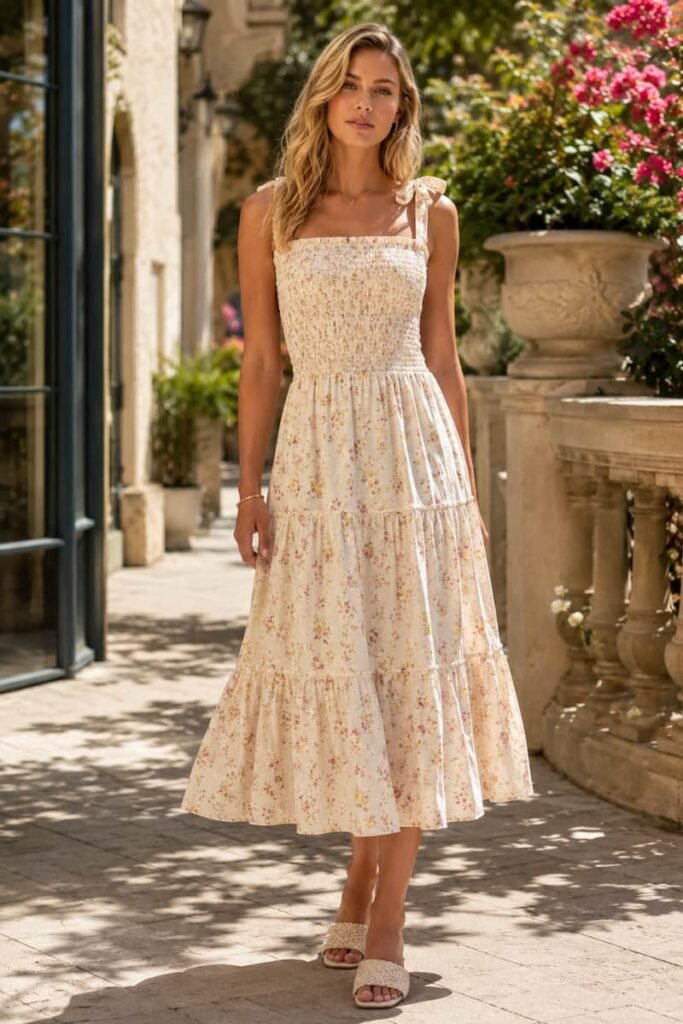
Smocked Bodice Dresses
- Square necklines.
- Straight necklines.
- Tie straps.
- Puff sleeves.
- Tiered skirts.
- Floral or engineered prints.

Shirred Back Dresses
A shirred back panel can improve entry, comfort and fit while preserving a cleaner front bodice. It is often used with fitted fronts, cup shapes, buttons, zippers, corset-inspired seams or open-back structures.
Key controls include:
- Back panel width.
- Side-seam position.
- Center-back stability.
- Strap balance.
- Front-to-back tension.
- Lining connection.

Smocked Waist Dresses
Waist smocking creates shape without relying entirely on a zipper or rigid waistband. It can connect a soft bodice to a fuller skirt and works well in day dresses, vacation styles and midi silhouettes. Development focuses on:
- Waist placement.
- Panel height.
- Skirt seam bulk.
- Elastic pressure.
- Waist-to-hip proportion.
- Visual transition into gathers or tiers.

Smocked Mini Dresses
Mini dresses require careful balance because a compact body length amplifies proportion problems. A smocked bodice that is too long can shorten the skirt visually, while a short bodice can raise the waist excessively.
Common directions include:
- Puff sleeve minis.
- Strapless smocked minis.
- Ruffled hem minis.
- Open-back minis.
- Day-to-night printed minis.

Smocked Midi Dresses
Midi dresses offer broad commercial use across daywear, resort, brunch, wedding guest and seasonal lifestyle collections. The longer skirt adds weight, so bodice recovery and waist stability become more important.
Duolan evaluates:
- Skirt volume.
- Tier placement.
- Side-seam balance.
- Waist drop.
- Movement.
- Packing and hanging behavior.

Smocked Maxi Dresses
- Upper-edge security.
- Strap reinforcement.
- Vertical stretch.
- Hem balance.
- Lining weight.
- Garment support during packing.

Off-Shoulder Dresses
Off-shoulder smocked dresses require controlled pressure around the upper chest and sleeves. Excessive pressure creates discomfort; insufficient tension allows the neckline to move.
Development reviews:
- Upper-edge elastic.
- Sleeve connection.
- Arm movement.
- Front and back neckline height.
- Smocked panel recovery.
- Wear stability.

Tiered Smocked Dresses
Tiered dresses combine elasticized bodices with gathered skirt sections. The tier ratio affects visual volume, cost, fabric consumption, seam bulk and movement.
Duolan reviews:
- Tier depth.
- Gathering ratio.
- Print continuity.
- Seam strength.
- Hem level.
- Packing recovery.
- Balance between fitted top and fuller skirt.
Built for Seasonal Dress Programs
Resort Collections
Vacation Collections
Summer Drops
Brunch Edits
Day Dress Lines
Commercial day dresses benefit from repeatable fit, easy movement and dependable care performance.
Duolan evaluates whether the smocked area supports daily wear, sitting, movement and washing.
Wedding Guest Collections
Wedding guest dresses require stronger visual finish, considered coverage and more polished construction. Smocking may be combined with satin-touch fabrics, chiffon, ruffles, lace trims or asymmetric skirts when the material remains suitable for elastic gathering.
Festival Collections
Festival styles may use cut-outs, open backs, bold prints, short lengths and statement sleeves.
Functional stability remains essential so the garment stays secure during active wear.
Contemporary Casual Lines
Contemporary casual programs often combine clean silhouettes with understated elastic panels.
Back shirring or narrow waist smocking can improve wearability without dominating the visual design.
Commercial Value Beyond Visible Gathering
Flexible Fit
Easier Dressing
Smocking may reduce dependence on long zippers, rigid openings or complex closures. The garment can be easier to put on while maintaining a fitted appearance.
Ease of entry must be verified through the neckline, armhole, waist and hip path. A garment that looks flexible may still be difficult to put on when the pattern opening is too narrow.
Strong Repeat Potential
Commercial smocked silhouettes can be adapted across colors, prints, sleeve options, lengths and skirt structures. Once fit, fabric and workmanship standards are established, proven shapes can support repeat orders and seasonal updates.
Duolan preserves the approved pattern, measurements, material basis and workmanship notes to make later development more efficient.
Customise Every Visible Design Element
Neckline Direction
Square, straight, sweetheart, scoop, off-shoulder and halter-inspired necklines can work with smocked construction. Neckline depth, facing, elastic and strap placement are reviewed together.
Sleeve Construction
Dress Length
Smocking Coverage
Tiered Skirts
Print and Color
Lining Coverage
Trim Integration
Smocking Placement Engineered Around Fit

Full Bodice

Back Panel

Waist Panel

Side Waist

Sleeve Cuff

Shoulder Panel

Under-Bust Panel

Skirt Section
Smocking Engineered for Stretch and Recovery
Defining the Measurement Standard
Every smocked panel needs a clear measurement basis before approval. Duolan records the panel in both relaxed and extended conditions because one measurement cannot describe the fit.
A useful specification can include:
- Cut-panel width before smocking.
- Finished relaxed width.
- Target comfortably extended width.
- Maximum review width where required.
- Finished panel height.
- Number of rows.
- Row spacing.
- Distance from the panel edge.
- Measurement method and garment position.
The extended measurement should represent usable wear rather than the absolute mechanical limit of the elastic. Pulling a panel to its maximum can produce a misleading figure and may damage the recovery performance.
Measurements are linked to the intended size chart. For example, a back panel supporting a fitted front bodice has a different role from a full smocked bodice. The front structure, side seams, strap position and garment opening all influence the required extension.
Controlling Row Formation
Duolan reviews:
- Stitch length consistency.
- Bobbin tension direction.
- Top-thread appearance.
- Row spacing.
- Panel alignment.
- Fabric grain.
- Start and finish security.
- Thread-end control.
- Edge stability.
Production instructions use the approved sample as a visual and measurement reference. The purpose is not to make every stitch mechanically identical, but to keep the panel within the approved fit, appearance and recovery standard.
Balancing Support and Comfort
Smocking must support the garment without creating excessive pressure. The required firmness depends on dress length, fabric weight, neckline, straps, coverage and target fit.
A strapless mini dress may need greater upper-edge security. A soft resort maxi may need a more relaxed panel to avoid compression. A back-smocked dress with a structured front may need controlled extension so the front neckline and cup position remain stable.
Duolan reviews the garment during movement, not only on a mannequin. Key observations include:
- Does the upper edge remain in position?
- Does the panel recover after sitting and stretching?
- Do side seams remain vertical?
- Does the skirt pull the bodice downward?
- Does the panel create pressure at the top or bottom edge?
- Does the fit remain balanced across the size range?
The final standard combines appearance, measurements, wear behavior and production repeatability.

Smocking, Shirring and Ruching Compared
These techniques may create gathered surfaces, but their construction, stretch and fit functions differ. Selecting the right method prevents design confusion during sampling and quotation.
| Technique | Main Function | Common Placement | Stretch Level | Visual Result | Main Production Risk |
|---|---|---|---|---|---|
| Elastic Smocking | Flexible fit and shaping | Bodice, waist, back | High | Repeated textured rows | Tension and recovery variation |
| Machine Shirring | Fine elastic gathering | Bodice, sleeves, waist | Medium to high | Soft narrow rows | Uneven spacing or feeding |
| Ruching | Visual shaping and drape | Side seams, waist, hip | Low to medium | Controlled folds | Irregular gathering and asymmetry |
| Elastic Casing | Adjustable or secure opening | Waist, neckline, cuffs | Medium to high | Cleaner gathered edge | Twisting or uneven distribution |
| Hand Smocking | Decorative structured gathering | Traditional decorative panels | Project dependent | Embroidered surface | Labor consistency and timing |
Smocking and shirring usually contribute directly to fit. Ruching is more commonly used to shape the visual line or conceal fullness. A design may combine methods, but each area should have a separate construction standard.
Fabrics Selected for Smocking Performance

Cotton Voile
Key considerations:
- Pre-production shrinkage review.
- Needle selection.
- Thread penetration.
- Lining compatibility.
- Print compression.
- Seam support around tier connections.

Cotton Poplin
Control points include:
- Fabric density.
- Smocking firmness.
- Bodice bulk.
- Recovery.
- Edge finishing.
- Skirt volume.

Viscose
Viscose offers fluid drape and strong movement for midi and maxi dresses. It can create an attractive soft bodice but requires attention to shrinkage, seam growth and wet handling.
Development should review:
- Fabric relaxation.
- Wash result.
- Vertical growth.
- Bodice support.
- Skirt weight.
- Printing stability.
Rayon
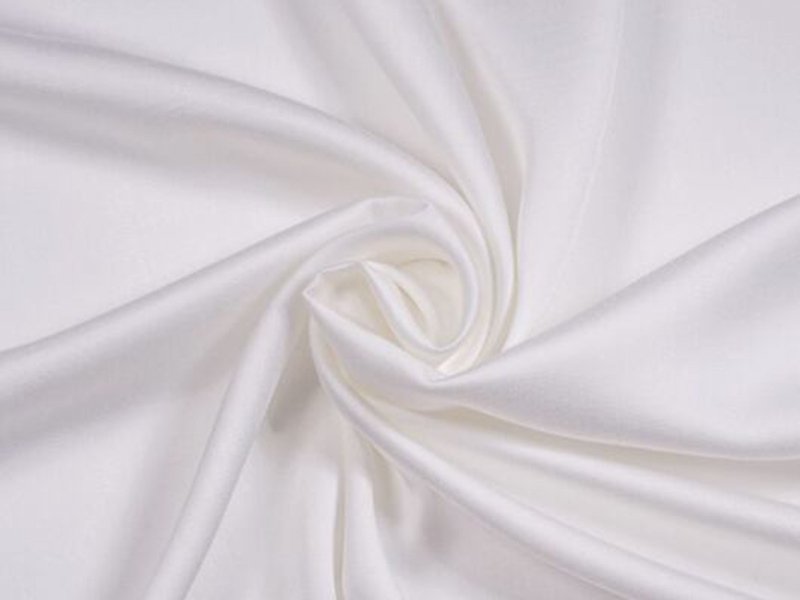
Rayon fabrics can deliver softness, fluidity and strong print clarity. The specific construction and finish must be checked because rayon qualities vary widely.
Risks include:
- Dimensional change.
- Surface marking.
- Uneven feeding.
- print distortion.
- seam movement.
- weak recovery when the skirt is heavy.

Linen Blends
Review points include:
- Creasing.
- Thickness.
- fiber slubs.
- needle marks.
- panel bulk.
- shrinkage.
- recovery after packing.
Polyester Crepe
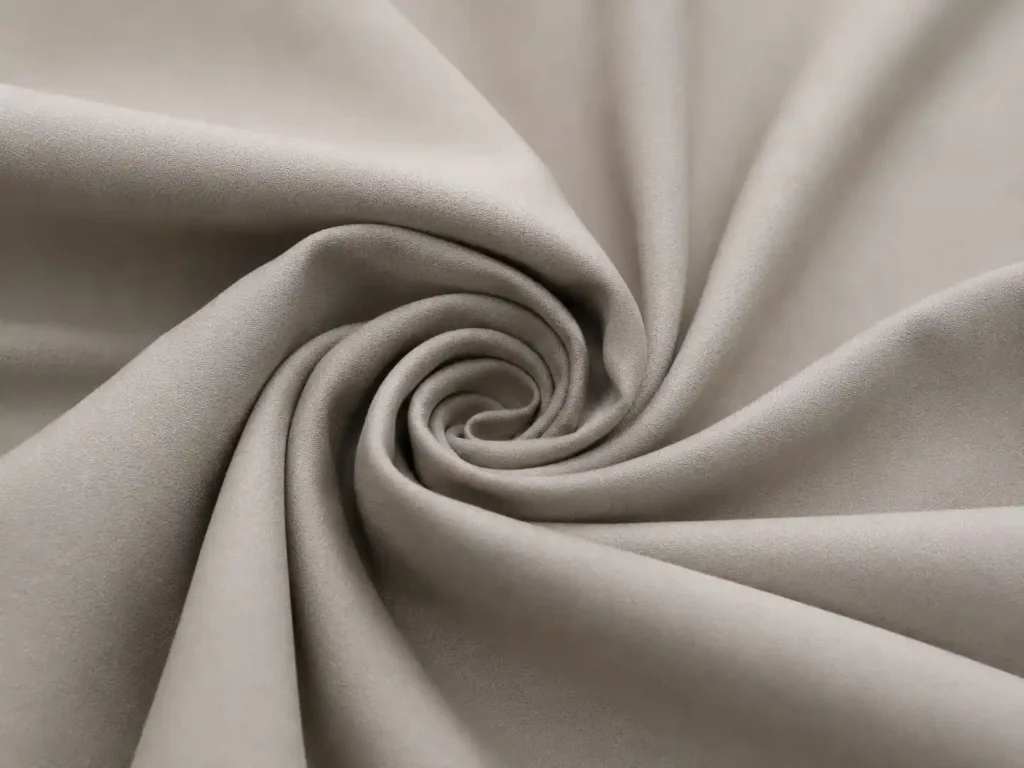
Duolan checks:
- Heat sensitivity.
- needle marks.
- surface slipping.
- row consistency.
- static.
- lining.
- pressing temperature.

Chiffon
Possible approaches include:
- Smocking a stable underlayer.
- Using a lined panel.
- Testing needle size.
- Reducing excessive tension.
- Controlling seam slippage.
- Protecting the surface during production.
Lightweight Jersey
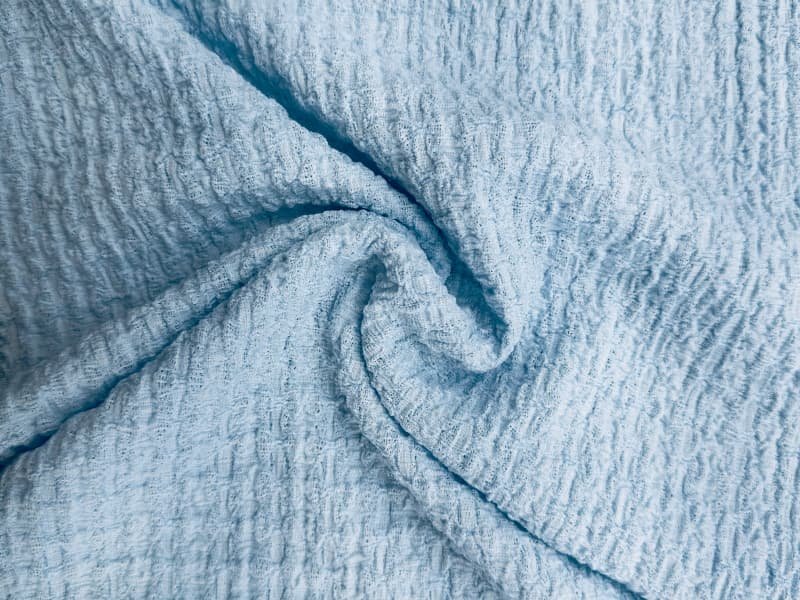
Review areas include:
- Directional stretch.
- recovery.
- edge curling.
- differential feeding.
- garment growth.
- opacity.
- seam type.
How Fabric Changes Smocking Results
Material behavior changes the required panel width, tension, stitch settings, lining and fit. Duolan reviews fabric and garment structure together before approving the development direction.
| Fabric | Smocking Definition | Stretch Response | Main Risk | Best Application | Control Direction |
|---|---|---|---|---|---|
| Cotton Voile | Fine and soft | Responsive | Transparency and shrinkage | Summer and resort dresses | Lining, shrinkage and needle review |
| Cotton Poplin | Clear and structured | Moderate | Bulk and stiffness | Mini and day dresses | Adjust row spacing and panel height |
| Viscose | Soft and fluid | Responsive | Growth and wash change | Midi and maxi dresses | Relax fabric and verify wash result |
| Rayon | Smooth and draped | Quality dependent | Feeding and dimensional change | Printed vacation dresses | Trial panel and bulk-lot confirmation |
| Linen Blend | Textured and defined | Moderate | Creasing and thickness | Resort and contemporary dresses | Balance structure and elasticity |
| Polyester Crepe | Clean and stable | Consistent when compatible | Slipping and heat sensitivity | Commercial day and occasion styles | Control feeding and pressing |
| Chiffon | Very soft | Delicate | Damage and seam slippage | Layered occasion dresses | Test lined construction |
| Lightweight Jersey | Soft and elastic | Combined with fabric stretch | Over-extension and growth | Casual fitted dresses | Review fabric recovery and pattern reduction |
A trial panel should use the intended bulk fabric whenever possible. A similar-looking substitute may react differently after smocking, washing or prolonged wear.
Elastic Components Selected for Reliable Fit
Elastic Thread Selection
- Trial-panel contraction.
- Repeated extension.
- recovery.
- sewing stability.
- wash behavior where required.
- surface appearance.
- bulk availability.
Supporting Elastic
- Width.
- stretch.
- recovery.
- thickness.
- skin contact.
- sewing method.
- color.
- heat and wash behavior.
Ties and Drawstrings
Tie straps, shoulder bows, waist ties and drawstrings add adjustability and styling. Their length, width and attachment must support real wear.
Control points include:
- Secure anchoring.
- bar-tack or seam reinforcement.
- end finishing.
- symmetry.
- bow proportion.
- wash stability.
- compatibility with smocked tension.
A tie should not be expected to correct an incorrectly developed smocked panel.
Pattern Development for Balanced Smocked Fit
Calculating the Unsmocked Panel
Pattern development considers:
- Required finished body measurement.
- Intended ease.
- panel position.
- seam allowance.
- attachment to front or side panels.
- elastic contraction.
- size grade.
- fabric shrinkage.
Controlling Bodice Balance
Duolan reviews:
- Side seams from underarm to waist.
- center-front and center-back position.
- strap direction.
- neckline level.
- bust coverage.
- under-bust placement.
- waist seam.
- skirt attachment.
Managing Garment Weight
The lower section of a midi or maxi dress can pull the smocked bodice downward. Multiple tiers, linings, heavy trims or dense fabric increase the effect.
Development may adjust:
- Strap construction.
- upper-edge elastic.
- bodice height.
- waist seam.
- panel firmness.
- skirt gathering ratio.
- fabric selection.
- lining weight.
The final decision should preserve comfort and appearance without making the bodice unnecessarily tight.

Grading Smocked Panels Across Sizes
Relaxed Measurements
- Upper bodice width.
- under-bust width.
- waist width.
- panel height.
- neckline opening.
- armhole.
- sleeve opening.
- garment length.
Extended Measurements
- Body measurement.
- fit intention.
- ease.
- entry requirement.
- neckline security.
- size chart.
- fabric and elastic recovery.
Size-Specific Proportion
- Panel width increase.
- panel height increase.
- row-count logic.
- row-spacing consistency.
- strap position.
- neckline width.
- armhole.
- skirt volume.
- total dress length.
Extended Size Review
Extended sizing may require more than numerical grading. Fit balance, pressure, support and coverage should be checked on the intended body range.
Possible adjustments include:
- Revised bodice depth.
- altered panel width.
- stronger upper-edge support.
- wider straps.
- adjusted armhole.
- different skirt gathering.
- fit testing on additional sizes.
Tech Pack Details Needed Before Development
Design Views
Provide front, back and detail drawings or clear reference images.
Mark the exact smocking area, neckline, sleeves, waist seam, skirt tiers, openings, trims and lining.
Panel Measurements
Fabric Information
Include composition, weight, stretch, handfeel, opacity, surface, color and wash requirements.
A nominated fabric or swatch reference is useful.
Size Chart
Provide the base size, garment measurements, body reference, grade rules and tolerance requirements.
Smocked areas should include relaxed and extended measurements.
Construction Details
Colorways
Label Requirements
Project Information
Tests Used to Validate Smocked Samples

Relaxed and Extended Width
- Sewing consistency.
- intended body coverage.
- usable extension.
- left-right balance.
- panel shape.
- connection to adjoining seams.

Repeated Stretch and Recovery
- Permanent loosening.
- broken elastic.
- uneven recovery.
- flattened rows.
- edge waviness.
- seam stress.
- changes in comfort.

Wash and Dimensional Review
- Fabric shrinkage.
- elastic recovery.
- panel width.
- garment length.
- color change.
- surface distortion.
- thread condition.
- lining interaction.
- pressing recovery.

Movement and Wear Review
- Raising arms.
- sitting.
- walking.
- twisting.
- dressing and undressing.
- checking neckline security.
- observing side seams.
- checking pressure points.
Workmanship Behind Clean Smocked Dresses
Even Smocking Rows
Rows should remain visually parallel and maintain the approved distance. Curved or shaped sections require a defined reference rather than irregular freehand sewing.
Inspection focuses on:
- Row direction.
- spacing.
- missed sections.
- sudden width changes.
- fabric puckering.
Stable Thread Tension
The panel should contract evenly without visible looping, skipped stitches or areas of weak gathering.
Checks include:
- Front surface.
- reverse side.
- top-thread balance.
- elastic-thread continuity.
- local tension changes.
- recovery after extension.
Clean Panel Edges
Panel edges must connect cleanly with facings, linings, necklines, sleeves or skirt seams. Excess bulk can create ridges or pressure.
Control points include:
- Edge distance.
- seam allowance.
- thread-end security.
- facing width.
- lining clearance.
- pressing method.
Straight Side Seams
Uneven smocking can pull side seams forward or backward. Side seams are reviewed on the body and while the garment is relaxed.
Corrective factors may include:
- Front-back panel balance.
- pattern adjustment.
- smocking width.
- seam alignment.
- skirt attachment.
Symmetrical Bodice
Left and right sides should align in neckline height, strap placement, armholes, panel depth and skirt seam.Symmetry is checked through: Flat measurements,mannequin review,fitting,photographic comparison,production templates where appropriate.
Secure Elastic Ends
Elastic thread ends and supporting elastic must be secured so repeated extension does not release the panel.Attention is given to: Start and finish points,seam capture,back-tacking,thread trimming,edge binding,stress areas.
Smooth Lining Join
A lining should provide coverage without restricting extension or creating visible tension.
The attachment method depends on whether the lining covers the entire bodice, only the skirt or selected areas.
Controlled Pressing
Excessive pressing can flatten smocking, mark synthetic fabrics or change elastic recovery.
Finishing uses controlled heat, pressure and garment positioning based on material behavior.
Critical Details Verified Before Full Production
Material Confirmation
First-Panel Verification
First Garment Review
Size Confirmation
Wash Confirmation
Production Release
Keeping Samples Consistent in Bulk
Locking the Approved Basis
The production basis can include:
- Approved sample.
- fabric and lining.
- elastic thread.
- trims.
- color.
- size chart.
- BOM.
- workmanship notes.
- label files.
- packaging.
- inspection requirements.
Translating Smocking Into Instructions
Production information may include:
- Cut-panel dimensions.
- finished relaxed dimensions.
- target extended dimensions.
- row count.
- row spacing.
- edge distance.
- thread direction.
- attachment points.
- grading notes.
- visual defect references.
Monitoring Production Variation
Checks can cover:
- Panel dimensions.
- tension.
- row direction.
- symmetry.
- broken elastic.
- seam alignment.
- neckline security.
- garment measurements.
- color and print.
- finishing.
Preserving Reorder Standards
Repeat orders benefit from retained patterns, measurement records, BOM details, approved workmanship, packing standards and previous production comments.
Before a reorder, Duolan reviews:
- Material availability.
- lot differences.
- pattern version.
- size chart.
- previous defects.
- brand comments.
- order quantity.
- delivery timing.
- any planned design updates.
Private Label and Retail-Ready Delivery

Main Brand Label

Size Label

Care Label

Hang Tag and Barcode

Protective Folding

Carton Preparation
Quality Control Focused on Smocking Consistency
Fabric Inspection
Elastic and Thread Check
Trial Panel Approval
First-Piece Inspection
Inline Inspection
Final Inspection
Compliance Support for Global Brand Programs
SMETA Audit Foundation
Duolan factories have completed SMETA audit requirements, including SMETA 2-Pillar audit and related social audit records.
Documentation can be reviewed during supplier evaluation.
Brand Requirement Execution
Standard Coordination
Depending on the product and market, projects can be coordinated around applicable AATCC, ASTM, OEKO-TEX®, EN, China GB, GOTS or brand-specific requirements. References to these standards describe project coordination capability and do not imply that every product carries every certification.
What Determines Smocked Dress Cost
Fabric and Lining
Smocking Area
Construction Complexity
Quantity Structure
Testing and QC
Packaging and Delivery
Smocked Dress Development and Production Cases

United States Resortwear Program
A United States resortwear brand planned a spring and summer collection containing 16 smocked mini and midi dresses. The total order covered approximately 32,000 pieces across printed cotton voile, viscose and lightweight crepe. The initial design references used full smocked bodices, tie straps, puff sleeves and tiered skirts. Development exposed two main issues. The first trial panels created excessive pressure through the upper bust. Several printed motifs also became visually compressed after smocking, making the floral artwork appear darker and denser across the bodice. Duolan adjusted the project through:
- Revised cut-panel widths.
- Separate relaxed and extended measurement standards.
- Reduced row density on selected lightweight fabrics.
- Print-scale review for smocked areas.
- Stabilized top edges for strapless and tie-strap styles.
- Separate lining directions by fabric opacity.
- Size-range review across key sizes.
- Trial panels before full revised samples.
During production, elastic thread direction, row spacing, fabric lots and first-piece measurements were locked. Inline inspection focused on bodice width, recovery, print appearance, side seams and tier balance. The program moved into production through staggered releases by material group. The brand received a consistent collection rather than 16 independently interpreted styles, and the approved bodice standards were retained for repeat color and print development.

European Ecommerce Program
A European premium ecommerce brand developed 12 smocked bodice maxi dresses with approximately 24,500 total pieces. The collection used viscose prints, solid crepe and selected linen blends. The main concern appeared during size review. Smaller sizes felt supportive, while larger sizes showed weaker upper-edge stability and inconsistent bust coverage. Using one row count and one panel height across the full size range did not produce balanced results.
Duolan reworked the size logic by:
- Separating panel width and panel height grading.
- Reviewing relaxed and extended widths at three body positions.
- Adjusting upper-edge support by size.
- Revising strap placement and width.
- Rebalancing armholes and neckline depth.
- Reducing skirt pull through revised gathering ratios.
- Checking selected larger sizes on-body.
- Recording measurement methods for production QC.
A PP reference was created for each material group because viscose, crepe and linen blends produced different contraction and recovery. Production inspection used separate standards rather than treating all fabrics as interchangeable. The final program achieved more consistent coverage and pressure across the size range. Fit information from the project was retained for later maxi and midi developments.

Australian Vacation Collection
An Australian vacation dress brand prepared 22 styles and approximately 58,000 pieces across smocked mini, midi and maxi silhouettes. The assortment included solids, tropical prints, ruffles, open backs and multi-tier skirts. The original concern came from a previous supply experience where bulk smocking felt looser than approved samples. Differences appeared after the first few production runs, suggesting material and sewing conditions had not been fully locked.
Duolan built a sample-to-bulk control path covering:
- Approved elastic-thread direction.
- Trial panels from bulk fabric.
- Defined row count and spacing.
- Relaxed and extended panel measurements.
- First-piece approval for each fabric group.
- Production-line reference photos.
- Inline tension and recovery checks.
- Separate review for maxi skirt weight.
- Packing methods designed to protect the smocked surface.
Styles were classified by complexity and released in stages. Simple back-smocked dresses moved first, while full-bodice maxi styles received additional first-piece and movement review. The structured release supported the launch calendar while keeping the highest-risk styles under closer control. Standards were preserved for replenishment after selected colors sold through.
Standards Preserved for Repeat Orders
Pattern Version Control
Material Records
Measurement Standards
Workmanship References
QC History
Reorder Planning
Frequently Asked Questions About Smocked Dresses

Start Your Smocked Dress Project
Send your current project materials to Duolan for a focused review of product direction, fabric suitability, smocking construction, fit, sample path and production requirements. A complete tech pack provides the strongest basis for quotation and development, but reference images, original sample photos, a size chart, fabric ideas or previous fit comments can also support an initial evaluation.
For a more useful response, include:
- Company and brand name.
- Website and target market.
- Product references or tech pack.
- Smocking placement and fit direction.
- Fabric, print or color references.
- Number of styles and colorways.
- Target quantity and size range.
- Required sample type.
- Target launch or delivery date.
- Label and packaging requirements.
- Existing approved sample or previous production records.
- Main fit, quality or production concerns.
After receiving the information, Duolan will review style complexity, fabric behavior, pattern and fit risks, sample requirements, production readiness and the most suitable next-step path.


