 Skip to content
Custom Social Event Dress Manufacturer
Dress-focused development and manufacturing for fashion brands building commercially structured collections for parties, celebrations, formal occasions and seasonal social events.
- Party, cocktail, prom, graduation, homecoming, wedding guest, formal and going-out dress development
- 10–30 styles commonly managed across one collection program
- 20,000–80,000 pieces across a typical established-brand order
- Satin, mesh, sequin, velvet, lace, chiffon, jersey and structured corsetry
- Reference bulk cycles of 15–20, 20–30 or 30–45 days according to construction complexity
Duolan supports design review, fabric and trim coordination, pattern development, sample refinement, production-readiness control, bulk manufacturing, quality inspection and delivery planning. Our role is to turn a defined brand direction into dresses that can be reviewed, approved, manufactured and reordered with controlled standards.
Social Event Dress Manufacturing for Established Fashion Teams
Fashion Dress Brands
Duolan works with dress-focused labels developing regular partywear, occasionwear, going-out, wedding guest and event-driven collections. Support can begin with a collection brief, tech pack, reference image, original sample or defined fabric direction.
Our team reviews:
- Brand positioning and intended retail level
- Core wearing occasions and seasonal calendar
- Silhouette balance across the collection
- Fabric mood, color direction and trim language
- Sample purpose and bulk production plan
The goal is not to create disconnected styles. Development decisions are made around a consistent visual identity, coherent price architecture and a clear path from first sample to commercial production.
Product Development Teams
Product teams need more than sewing execution. They need design intent translated into measurable, reviewable and production-ready standards.
Duolan supports:
- Feasibility review before sampling
- Pattern and measurement interpretation
- Fabric behavior assessment
- Structure, lining and closure planning
- Fit comment conversion
- Revision records and open-point tracking
- PP and bulk-readiness preparation
When a design contains fitted shaping, exposed backs, corsetry, high slits, layered mesh or decoration, development must identify where visual goals and production requirements may conflict. Early review reduces repeated sampling and unclear bulk instructions.
Buying and Sourcing Teams
Buying and sourcing teams often manage many styles, internal deadlines and several approval stakeholders. Clear documentation and disciplined production handover become as important as workmanship.
Duolan can coordinate:
- Multi-style project review
- Supplier capability information
- Sample tracking and staged updates
- Material and trim confirmations
- Production timeline planning
- Quality checkpoints
- Label, packing and shipment instructions
- Third-party inspection coordination
Each confirmed point should move into a usable file or production standard. Clear records reduce communication gaps between the brand, sample room, material suppliers, production lines and quality teams.
What Strong Social Event Dress Programs Require
Clear Occasion Direction
Commercial Collection Balance
Fabric-Silhouette Matching
Controlled Fit Standards
Production-Ready Sampling
Predictable Launch Timing
Development Risks We Control Before Bulk Production
Social-event dresses combine visual design, body-sensitive fit, delicate materials and time-sensitive selling windows. Duolan reviews risks before they become repeated sample costs, production inconsistency or late delivery.
| Project Risk | Common Result | Duolan Control Point |
|---|---|---|
| Design and sample mismatch | The sample follows the image but misses the intended proportion, mood or wearing effect | Design brief review, silhouette analysis and priority confirmation before pattern work |
| Fabric and silhouette mismatch | A dress hangs too heavily, looks transparent, loses support or appears cheaper than intended | Fabric behavior review covering drape, stretch, recovery, opacity, weight, surface and pressing response |
| Fit comments not translated | The next sample changes measurements but repeats the original wearing problem | Comment classification, pattern action list, measurement updates and revision summary |
| Decorative detail instability | Sequins fall, beads irritate the skin, rhinestones shift or embroidery distorts the base fabric | Process trial, placement confirmation, attachment review, lining protection and pilot verification |
| Sample-to-bulk inconsistency | Bulk color, fit, trims, workmanship or packing differs from the approved version | PP basis, BOM lock, measurement standard, first-piece confirmation, inline QC and final packing check |
| Launch calendar compression | Sampling, approval, production and logistics overlap without enough recovery time | Backward planning from warehouse and launch dates, with material, approval, QC and shipping buffers |
Dresses Developed for Major Social Event Categories
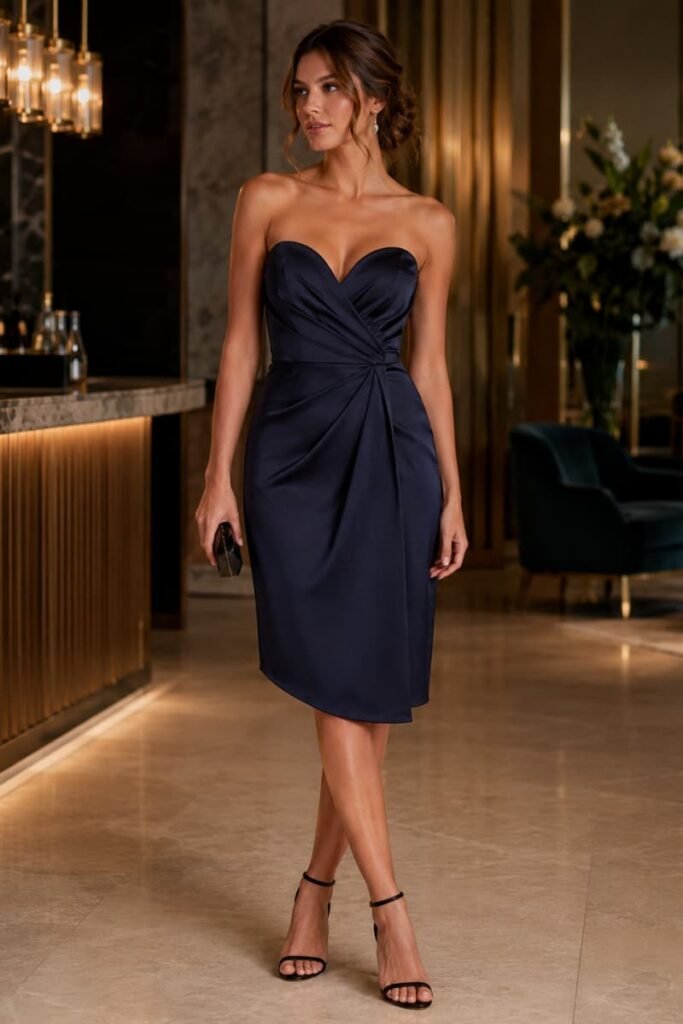
Cocktail Dresses

Party Dresses

Wedding Guest Dresses

Prom Dresses

Homecoming Dresses

Graduation Dresses

Formal Event Dresses

Going-Out Dresses
Custom Dress Styles Built Around Brand Direction

Bodycon Dresses

Corset Dresses

Bustier Dresses

Halter Dresses
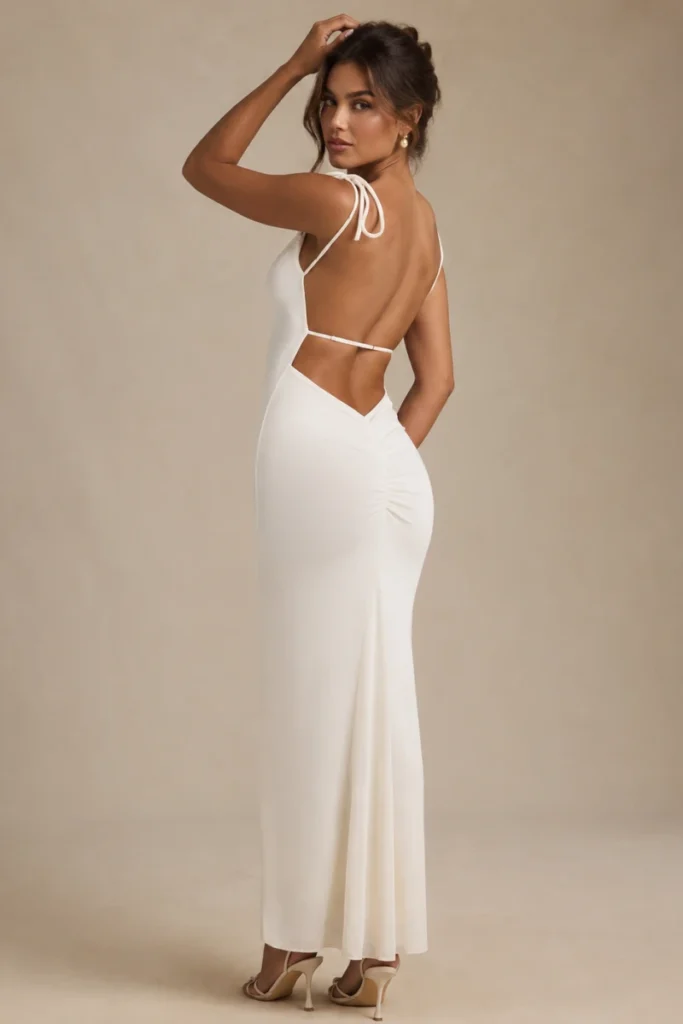
Backless Dresses

Cut-Out Dresses

Ruched Dresses

Draped Dresses

Slip Dresses

Asymmetric Dresses
One-shoulder necklines, asymmetric hems and diagonal drapes require careful balance. The garment must look intentionally uneven without twisting around the body. Pattern grain, support placement, seam tension and hem control are reviewed during fitting and pilot production.

High-Slit Dresses
Slit height influences styling, movement and wear security. Reinforcement, lining connection, seam allowance and stress distribution are planned according to fabric and dress length. The approved sample should define both the visual position and the measurement reference used in bulk.

A-Line Event Dresses
A-line dresses remain commercially important because they suit several event categories and size ranges. The quality depends on bust fit, waist placement, skirt volume, fabric fall and hem balance. Structured and fluid versions require different pattern and pressing approaches.
Building a Commercial Social Event Dress Collection
Organize Styles by Commercial Role
- Hero styles create campaign impact through stronger silhouette, surface detail or color.
- Core commercial styles translate the same identity into easier-to-wear products.
- Repeatable silhouettes provide a base for new colors, lengths or fabric updates.
- Entry products support broader conversion without weakening the collection language.
- Event-specific pieces target prom, graduation, wedding guest, holiday or party windows.
Balance Silhouette and Length
Mini, midi and maxi products should create intentional variety. A collection with too many similar fitted minis may compete with itself, while a range with unrelated silhouettes may lack brand coherence.
Duolan can review:
- Fitted versus fluid proportion
- Structured versus soft bodices
- Open-back versus covered-back options
- Strapless, halter, one-shoulder and sleeved balance
- Mini, midi and maxi distribution
- Day-to-evening progression
- Occasion coverage across the selling calendar
Silhouette planning also influences fabric allocation, pattern workload and production-line matching.
Plan Materials Across the Range
A collection built entirely around one difficult material can create unnecessary supply and production pressure.
Material architecture may include:
- Signature satin or velvet for premium visual styles
- Stretch jersey for fitted commercial designs
- Mesh and lace for layering or controlled transparency
- Sequin and embellished materials for limited statement pieces
- Chiffon or lightweight woven options for softer event categories
- Reusable lining, zipper and support specifications across related styles
Shared materials can improve color coordination and purchasing efficiency, but they should only be reused where the fabric behavior suits the silhouette.
Prepare Repeat and Extension Options
Strong sellers should not require development from zero each season. Once the pattern, fit, material direction, workmanship and QC standards are confirmed, the style can support:
- New seasonal colors
- Revised lengths
- Alternative sleeves or straps
- Surface-decoration updates
- Fabric changes with controlled re-fitting
- Coordinated styles using the same bodice block
- Repeat production with preserved technical records
The development file becomes a reusable production asset rather than a one-time sample record.
Length and Silhouette Planning for Event Collections
Mini Event Dresses
Short Cocktail Dresses
Midi Occasion Dresses
Long Formal Dresses
Maxi Social Dresses
High-Low Silhouettes
Fabrics Selected for Appearance, Fit and Production

Satin

Mesh

Sequin Fabric

Velvet

Lace

Chiffon
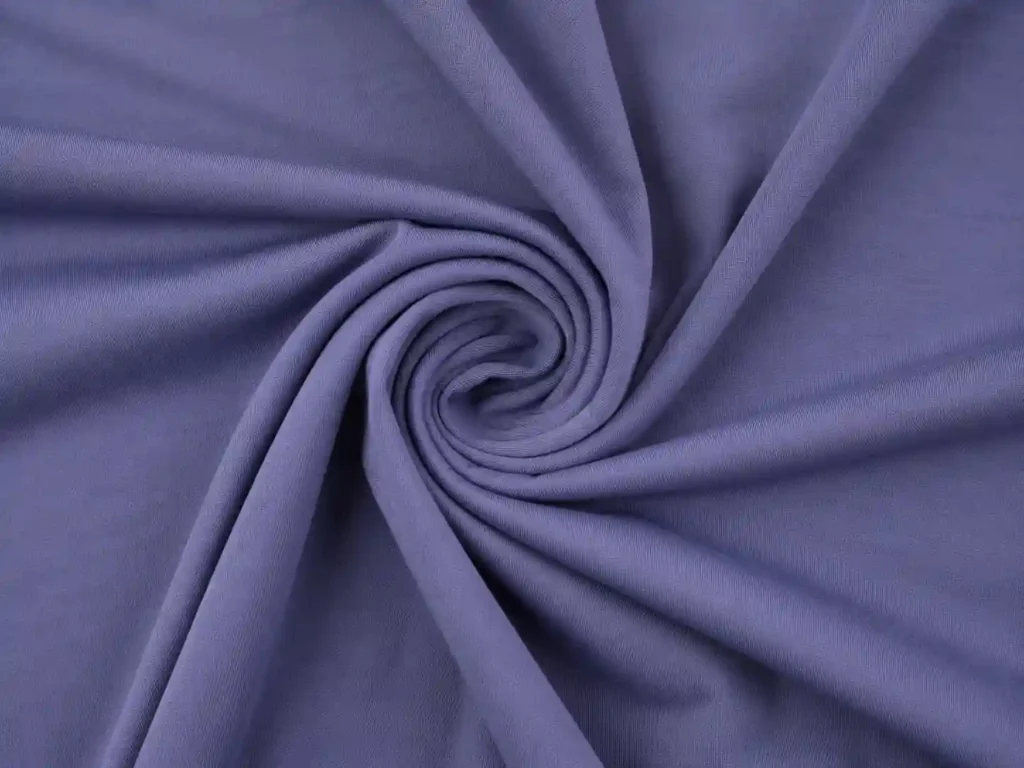
Stretch Jersey

Embellished Wovens
Material Decisions for Different Event Dress Results
The same silhouette can look refined, weak, heavy, transparent or unstable depending on material selection. The comparison below connects visual goals with production considerations before sampling begins.
| Material | Best-Suited Products | Main Strength | Key Development Risk | Recommended Control |
|---|---|---|---|---|
| Satin | Slip, draped, wedding guest, cocktail and evening dresses | Shine, fluid movement and premium visual finish | Needle marks, seam puckering, bias growth and packing creases | Weight review, stitch trial, grain planning, hanging recovery and pressing test |
| Stretch Mesh | Layered bodycon, ruched, cut-out and illusion-panel dresses | Transparency control, flexible fit and layering | Recovery loss, edge waving, shade mismatch and skin irritation | Stretch-direction check, recovery test, lining combination and seam trial |
| Sequin | Holiday, party, prom and statement dresses | Strong photography and event visibility | Weight, dropped sequins, scratchy seams and placement variation | Attachment trial, cleared seam allowances, lining protection and pilot run |
| Velvet | Holiday, formal, cocktail and winter event dresses | Depth, rich color and structured drape | Nap mismatch, pressure marks and shade variation | One-way cutting, pile inspection, low-pressure pressing and protective packing |
| Lace | Wedding guest, cocktail, formal and layered dresses | Texture, coverage and decorative value | Motif imbalance, transparency and edge inconsistency | Motif planning, lining review, placement marking and color approval |
| Chiffon | Formal, graduation, wedding guest and flowing maxi dresses | Light movement and layered softness | Cutting movement, seam distortion and uneven hems | Layer control, stabilized cutting, fine finishing and hanging before hemming |
| Stretch Jersey | Bodycon, ruched and going-out dresses | Contour, movement comfort and fit flexibility | Transparency, growth and weak recovery | Weight, opacity and recovery review with controlled pattern ease |
| Crepe | Cocktail, formal, midi and structured occasion dresses | Clean surface, balanced drape and versatile tailoring | Different weights produce very different silhouettes | Weight comparison, drape test, shrinkage review and pressing standard |
Fit Engineering for Body-Sensitive Event Dresses
Bust, Waist and Hip Balance
- Bust point and cup position
- Upper-bust and under-bust balance
- Waist location and shaping depth
- High-hip and full-hip contour
- Side-seam direction
- Front and back length relationship
- Fabric stretch and recovery
- Lining restriction or support
Neckline and Back Security
- Neckline depth and width
- Strap placement and tension
- Armhole exposure
- Side-bust coverage
- Back opening depth
- Waist anchoring
- Closure position
- Hidden elastic or grip support
- Interaction between shell and lining
Slits, Hems and Movement
- Slit start position
- Reinforcement method
- Lining opening
- Seam strength
- Walking movement
- Sitting coverage
- Hem circumference
- Fabric weight
- Shoe and styling relationship
Grading Across Sizes
A successful base-size sample does not guarantee balanced grading. Cup volume, neckline width, strap length, slit height and body length may need controlled grade rules rather than uniform increases. Duolan reviews grading according to:
- Brand size chart
- Target market
- Intended fit
- Fabric stretch
- Structural support
- Dress length
- Key exposure points
- Existing approved blocks where available
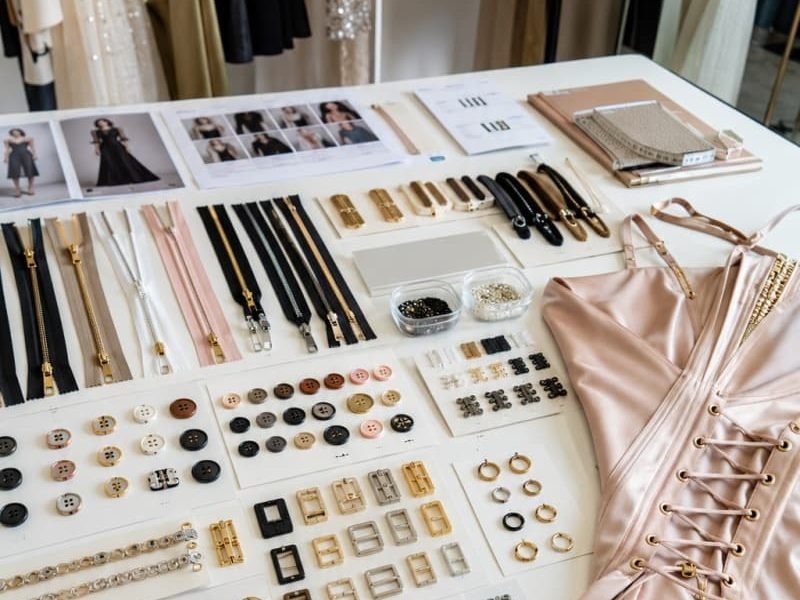
Hidden Support Systems Behind Clean Dress Design

Cups and Padding
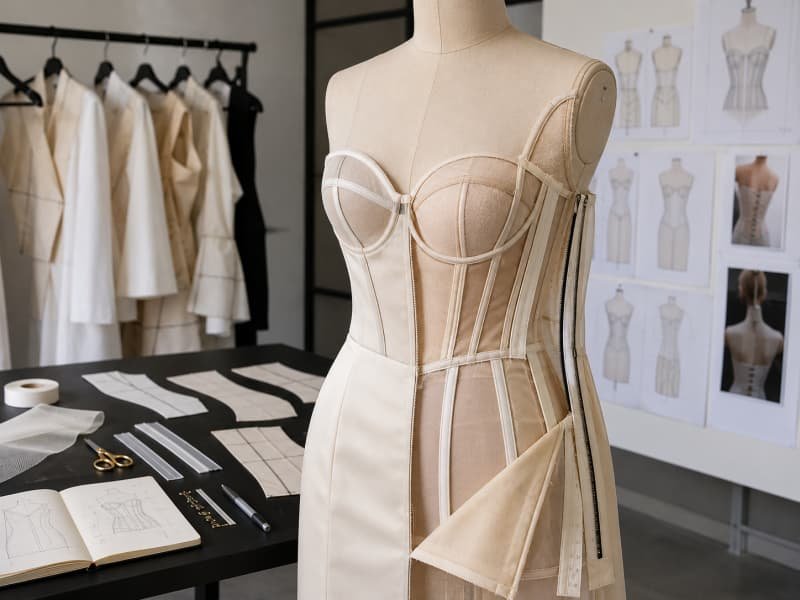
Boning Systems

Power Mesh Support

Lining Construction
Closure Selection

Anti-Slip Details
Silicone elastic, inner waist stays, hidden straps and secure neckline construction can improve stability. Functional components should remain clean, comfortable and consistent with the brand’s visual standard.
Special Processes for High-Impact Event Dresses
Decoration should strengthen the design without creating uncontrolled weight, discomfort, production variation or delivery risk. Duolan reviews every special process against the base material, placement, wear area, order quantity and bulk execution route.
Sequin Application
Beading and Pearls
Rhinestone Setting
Embroidery
Printing and Gradient Effects
Pleating and Surface Texture
Color, Trims and Private Label Coordination
Color Development
- Lab-dip submissions where required
- Main fabric and lining comparison
- Mesh and lace shade alignment
- Sequin and rhinestone color direction
- Zipper tape and thread matching
- Bulk-lot review
- Approved reference retention
Trim Coordination
- Physical sample approval
- Pull or attachment review
- Finish and plating check
- Size confirmation
- Supplier and item-code record
- Backup sourcing plan
- Bulk arrival inspection
Brand Labels
Packing Identity
Pattern, Measurement and Grading Control
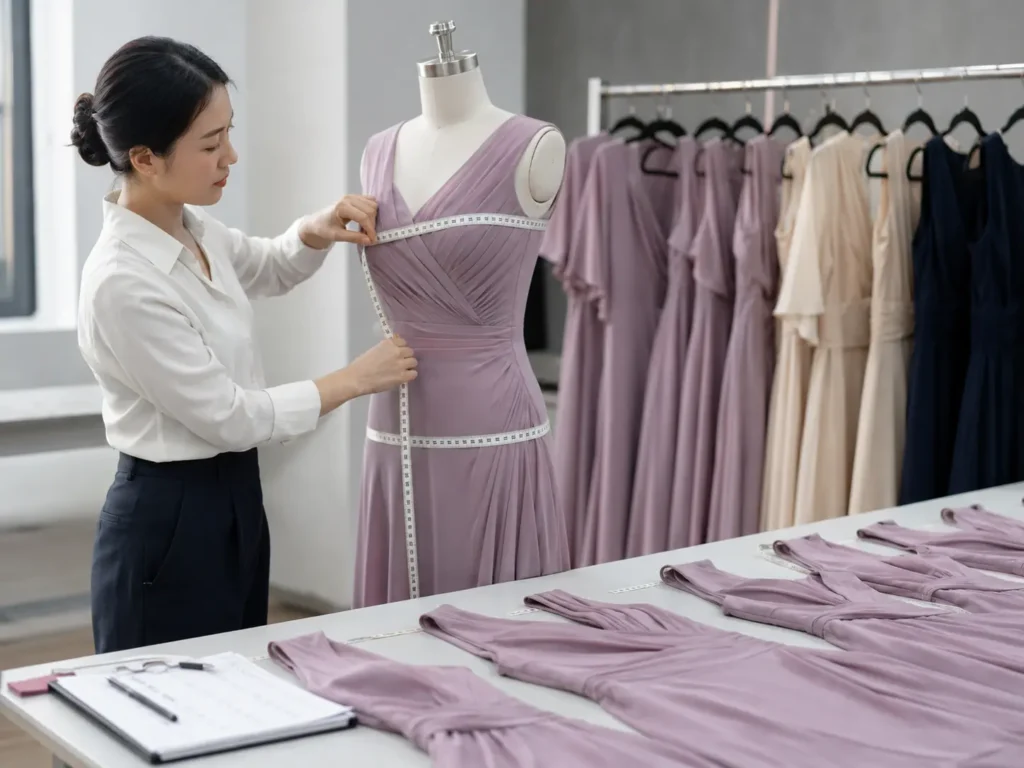
Establishing the Base Size
- Bust, waist and hip relationship
- Front and back body length
- Shoulder and strap position
- Armhole shape
- Neckline exposure
- Waist seam position
- Skirt length and sweep
- Slit level
- Intended ease or negative ease
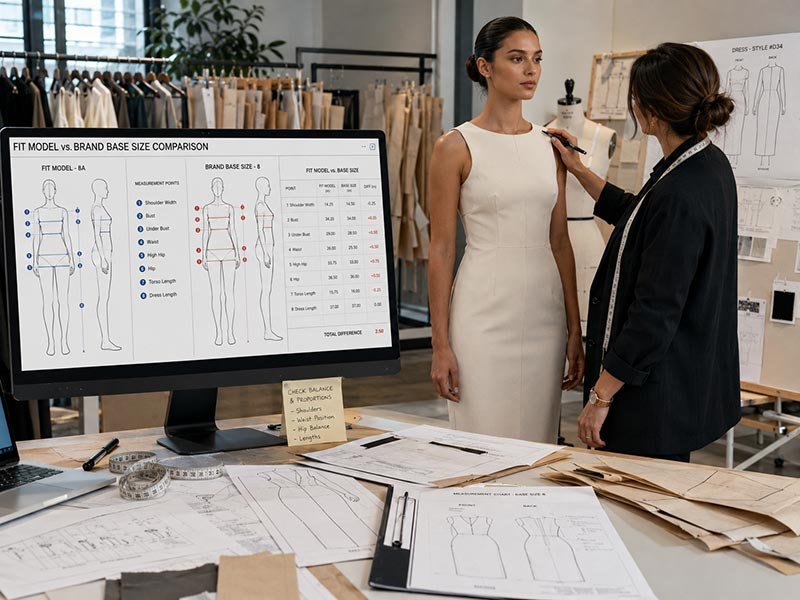
Point-of-Measure Discipline
- Measurement name
- Start and end points
- Garment position during measurement
- Whether elastic is relaxed or extended
- Whether ruching is included
- Tolerance
- Size-grade rule
- Priority level

Pattern Adjustment from Fit Comments
- Confirmed changes
- Pattern corrections
- Measurement updates
- Material changes
- Construction changes
- Visual preferences
- Open questions
- Points retained from the previous sample

Grading for Size Consistency
- Bust, waist and hip increments
- Underbust and bodice length changes
- Strap length, angle and placement
- Neckline and armhole coverage
- Open-back width and depth
- Hem length and garment proportion
- Ease and stretch distribution
Samples Developed for a Defined Commercial Purpose
Every sample should answer a specific question. Duolan separates sample stages so brands can evaluate design, fit, photography, buying presentations and production readiness without mixing different approval goals.
First Prototype
Fit Sample
Revision Sample
Photo-Ready Sample
Salesman Sample
PP Sample
Workmanship Standards for Complex Social Event Dresses
Satin Sewing and Pressing
Satin shows needle marks, tension imbalance and seam puckering more easily than many matte fabrics. Control points include:
- Needle and thread selection
- Stitch density
- Seam direction
- Fabric feeding
- Bias-panel stabilization
- Dart pressing
- Zipper installation
- Seam allowance shadow
- Final pressing temperature
- Packing pressure
A seam may meet the measurement standard yet still fail visually if the surface reflects uneven tension. Stitch and pressing trials help define the correct method before volume production.
Mesh and Layered Construction
- Stretch direction
- Layer alignment
- Edge stabilization
- Ruching ratio
- Seam elasticity
- Neckline finishing
- Illusion-panel color
- Power-mesh positioning
- Lining transition
- Thread visibility
Sequin and Embellished Seams
Decorated materials cannot always be sewn through without preparation. Sequins may need clearing from seam allowances, replacement after construction and protective finishing inside the garment.
Bulk controls may include:
- Decoration direction
- Cleared seam width
- Replacement method
- Attachment security
- Pattern placement
- Abrasion protection
- Machine suitability
- Hand-finishing points
- Final loose-decoration check
- Protective packing
Corset and Bustier Construction
Corsetry requires accuracy between pattern panels, cups, boning, lining and closure.
Key standards include:
- Symmetrical panel shape
- Correct cup placement
- Boning channel width
- Smooth boning ends
- Waist definition
- Balanced top edge
- Secure zipper or lacing
- Clean internal finishing
- No visible support shadow
- Consistent structure across sizes
Zippers, Slits and Stress Points
Invisible zippers must remain smooth without pulling the seam or catching the lining. Slits, straps, hooks, eyelets and cut-out corners require reinforcement according to fabric stress.
Stress-point checks focus on:
- Bartack or reinforcement placement
- Seam allowance security
- Zipper top closure
- Slit opening
- Strap attachment
- Hook and eye strength
- Eyelet backing
- Waist-seam load
- Heavy skirt connection
Hem, Lining and Final Finish
Long and bias-cut dresses may need hanging recovery before hemming. Linings should remain shorter than the shell without pulling the dress upward or showing during movement. Final review includes:
- Hem level
- Lining length
- Loose threads
- Pressing shine
- Decoration security
- Seam appearance
- Closure operation
- Surface cleanliness
- Size-label accuracy
- Packing condition
From Approved Sample to Controlled Bulk Production
Approval Status
Material Lock
Technical Lock
Production Path
Orders are separated by style, color, size, quantity and complexity.
Standard, complex, quick-response and high-risk-process styles may follow different lines or factory routes.
First-Piece or Pilot Review
Bulk Release
Quality Control Built Around Event Dress Risks
Quality control starts during development, not only at final inspection. Social-event dresses require checks related to fit, fabric surface, support, transparency, decoration, measurements and packing presentation.

Development Review

Fabric and Trim Control
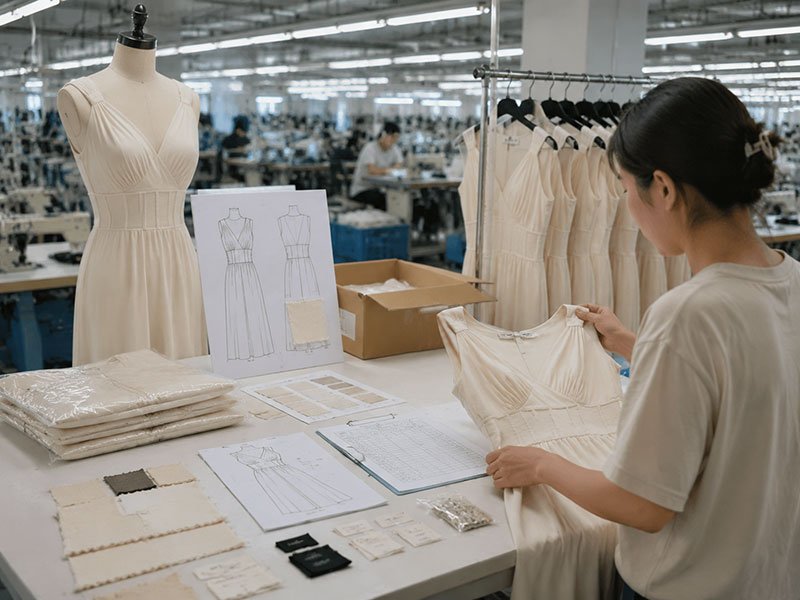
PP and Pre-Production
The approved sample, measurements, BOM, workmanship points, artwork, labels and packing direction are transferred into production references. Open deviations are recorded before line release.
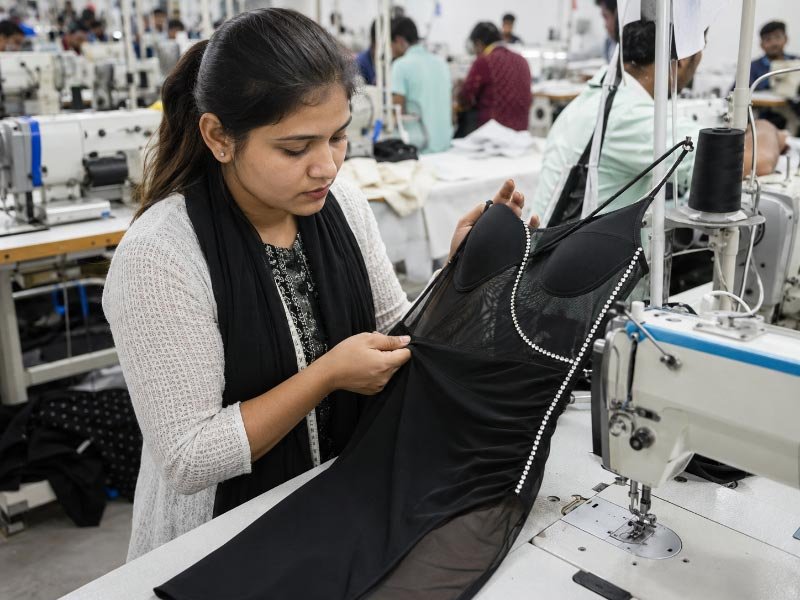
Inline Inspection
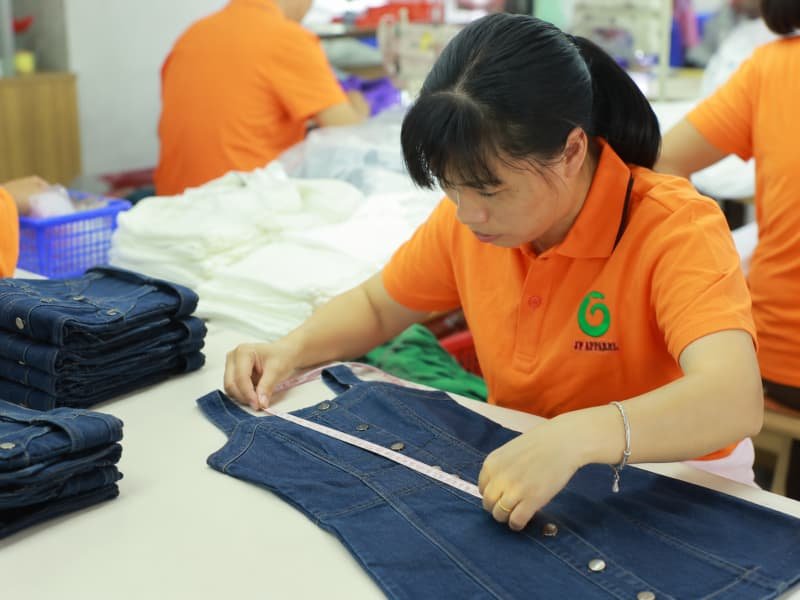
Final Inspection

Reorder Records
A Scalable Dress Manufacturing System for Brand Programs
Duolan is supported by a multi-level manufacturing network developed around fashion dresses, sample work, flexible capacity and bulk delivery. Scale is used to match project complexity and timing rather than place every order into one production route.
16 Owned Factories
20+ Satellite Factories
12,000+ Workers
300 Sewing Lines
50+ Quick-Response Lines
15,000–35,000 Samples Monthly
Audit, Testing and Documentation Preparation
Compliance requirements vary by destination market, product, material and brand manual. Duolan prepares projects around defined requirements rather than making broad claims that every standard applies to every order.
Social Audit Readiness
Material Testing
Product Standards
Label Information
Packing Standards
Shipment Documents
Launch Calendar, Production and Delivery Coordination
Plan Backward from Launch
- Target online or store launch
- Warehouse receiving date
- Shipping departure
- Final inspection
- Packing completion
- Bulk production
- PP approval
Bulk Production References
Common production references after required approvals and material readiness are:
- Simple styles: approximately 15–20 days
- Regular fashion styles: approximately 20–30 days
- Complex styles: approximately 30–45 days
Final timing depends on style count, order quantity, material readiness, embellishment, construction, approval speed, production allocation and packing requirements.
Shipping References
- Express: approximately 3–7 days
- Air freight: approximately 5–8 days
- Sea freight: approximately 20–35 days
Flexible Delivery Coordination
Available cooperation routes may include FOB, CIF, DDP, split shipment, nominated forwarder and delivery coordination with regional warehouses.
The agreed Incoterm should define responsibility for freight, customs, insurance and final delivery.
Representative Social Event Dress Project Profiles

North American Occasionwear Program
- Region: United States and Canada
- Collection: Wedding guest, cocktail and formal event dresses
- Style Count: 18 styles
- Total Quantity: 42,600 pieces
- Main Materials: Satin, crepe, chiffon, lace and stretch mesh
- Size Range: Brand-defined regular and extended sizes

European Holiday Party Collection
- Region: United Kingdom and European Union
- Collection: Holiday party, evening and going-out dresses
- Style Count: 24 styles
- Total Quantity: 68,400 pieces
- Main Materials: Sequin, velvet, metallic jersey, satin and power mesh
- Key Processes: Sequin clearing, rhinestone application, corsetry and asymmetric draping

Australian Graduation and Event Edit
- Region: Australia and New Zealand
- Collection: Graduation, birthday, formal and social-event dresses
- Style Count: 12 styles
- Total Quantity: 25,800 pieces
- Main Materials: White crepe, satin, stretch jersey, mesh and lightweight woven
- Core Concerns: Opacity, fit, photography, delivery timing and color consistency
Frequently Asked Questions About Custom Event Dresses

Start Your Social Event Dress Development Program
Send Duolan the available design and commercial information for an initial project review. Our team will assess the development basis, fabric direction, pattern and fit priorities, special-process risks, sample route, expected order structure and launch timing before confirming the next step.
Useful files and details include:
- Tech pack, flat sketch or reference images
- Original sample photos or construction references
- Target fabrics, colors and trim direction
- Base size, size chart and intended fit
- Number of styles and estimated quantity
- Sample purpose: first prototype, fit, photo, salesman or PP
- Target campaign, warehouse or launch date
- Decoration, corsetry, lining or closure requirements
- Testing, label, packing and inspection manuals
- Preferred shipment destination and delivery terms
Duolan is positioned for established fashion programs requiring clear development, controlled sampling, scalable production and long-term supply coordination. We will review what is ready, what still needs confirmation and how the project can move toward a production-ready standard.


