Skip to content
Custom Soft Tailored Dress Manufacturer
Dress-focused development and manufacturing for fashion brands seeking polished tailoring, fluid movement, measured comfort, and stable bulk execution.
- Soft tailoring developed around fabric drape, selective interlining, fit balance, clean construction, and controlled pressing.
- Typical collection programs cover 10–30 styles and 20,000–80,000 pieces across coordinated colors, sizes, and delivery stages.
- Manufacturing support includes 16 owned womenswear factories, 20+ satellite factories, 300 sewing lines, and 50+ flexible production lines.
- Reference bulk cycles are 15–20 days for simple styles, 20–30 days for standard styles, and 30–45 days for complex styles after approvals and material readiness.
Development Support for Established Fashion Teams
Fashion Brand Teams
- Silhouette and fabric direction review
- Collection-wide construction consistency
- Core style and statement style planning
- Fit priorities by market
- Sample and bulk production coordination
Product Development Teams
- Measurable pattern corrections
- Fabric and trim adjustments
- Construction changes
- Sample revision priorities
- Production-readiness standards
Buying and Sourcing Teams
Sourcing teams evaluate far more than price. They need clear documentation, predictable sample stages, controlled material approval, measurable quality checkpoints, and stable bulk execution. Project coordination covers:
- Development status
- Sample approval stage
- Production path
- QC checkpoints
- Packing and delivery preparation
Multi-brand Fashion Groups
Multi-brand groups often manage several price points, fit standards, style directions, and launch calendars at the same time. Duolan can separate projects by brand, collection, complexity, material sensitivity, and production priority.
The goal is an organized development path where multiple styles can progress without losing the individual identity of each label.
What Defines a Soft Tailored Dress?
Tailored Definition Without Excessive Rigidity
A soft tailored dress still needs visual discipline. Shoulder lines should sit cleanly, collars should roll correctly, waist shaping should remain controlled, and front openings should lie flat. The softer result comes from selective structure rather than the complete removal of structure. Interlining may be used only where necessary, such as the lapel, neckline, pocket opening, front edge, waist, vent, or closure area. The remaining body can retain movement and fluidity.
A poorly developed style often falls into one of two extremes:
- Too rigid: thick interlining, heavy lining, over-pressing, or tight pattern shaping creates a stiff garment.
- Too loose: weak pattern balance, unsuitable fabric, or insufficient reinforcement removes the tailored identity.
Successful soft tailoring sits between both extremes.
Fabric and Pattern Must Work Together
- Fabric weight
- Drape
- Stretch
- recovery
- thickness
- wrinkle response
- lining behavior
- pressing sensitivity
Built for Wearing and Production
A soft tailored dress should perform beyond a static fitting image. Wear testing should consider sitting, walking, raising the arms, fastening closures, carrying items in pockets, and repeated movement through the waist and hip.
Production feasibility also matters. Every design detail should be clear enough for pattern, cutting, sewing, pressing, QC, and repeat production teams to follow the same standard.

Key Risks in Soft Tailored Dress Development
Excessive Stiffness
Heavy interlining, thick facing, dense lining, or over-pressing can make a dress look more like rigid uniform tailoring than modern soft tailoring.
Control actions:
- Review interlining weight
- Test selective placement
- Confirm pressing response
- Compare front and back drape
- Check movement after fusing
Lost Silhouette
Removing too much structure may cause the front edge to collapse, lapels to open incorrectly, waist definition to disappear, or pockets to distort the garment.
Control actions:
- Strengthen only critical zones
- Adjust pattern shaping
- Review fabric recovery
- Confirm hanger and body appearance
- Test dress performance after movement
Fabric Mismatch
Control actions:
- Drape review
- Opacity review
- shrinkage review
- fusing trial
- seam test
- pressing trial
Unbalanced Fit
A soft silhouette still requires controlled shoulder, bust, waist, hip, sleeve, and skirt balance. Excess ease in one area can shift the entire garment.
Control actions:
- Pattern review by fabric
- Defined points of measurement
- Fit comment translation
- Side-view balance check
- Movement review
Bulky Construction
Layered facings, full lining, thick pocket bags, seam intersections, or poorly planned closures can create visible bulk.
Control actions:
- Reduce unnecessary layers
- Grade seam allowances
- Select compatible lining
- reposition seam intersections
- test closure thickness
Bulk Variation
An approved sample may lose its feel during mass production when fabric batch, interlining, seam treatment, pressing, or tolerance priorities are not locked.
Control actions:
- Material confirmation
- PP sample approval
- first-piece review
- inline measurement
- pressing standard
- final inspection
Soft Tailored Dress Styles We Develop
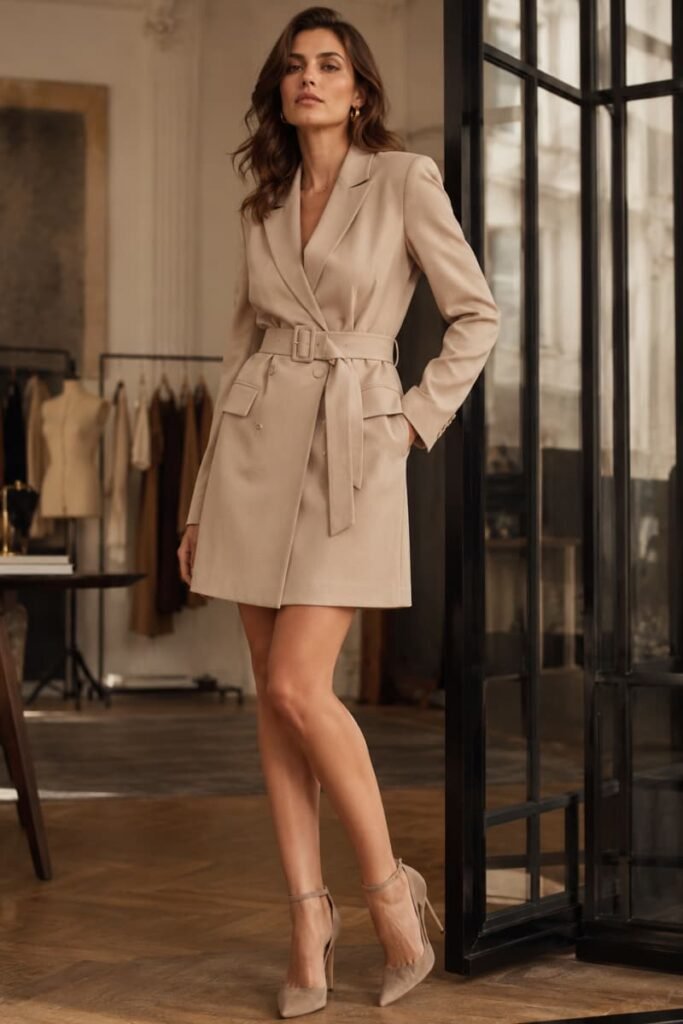
Soft Blazer Dresses

Belted Tailored Dresses

Tailored Shirt Dresses

Wrap Tailored Dresses
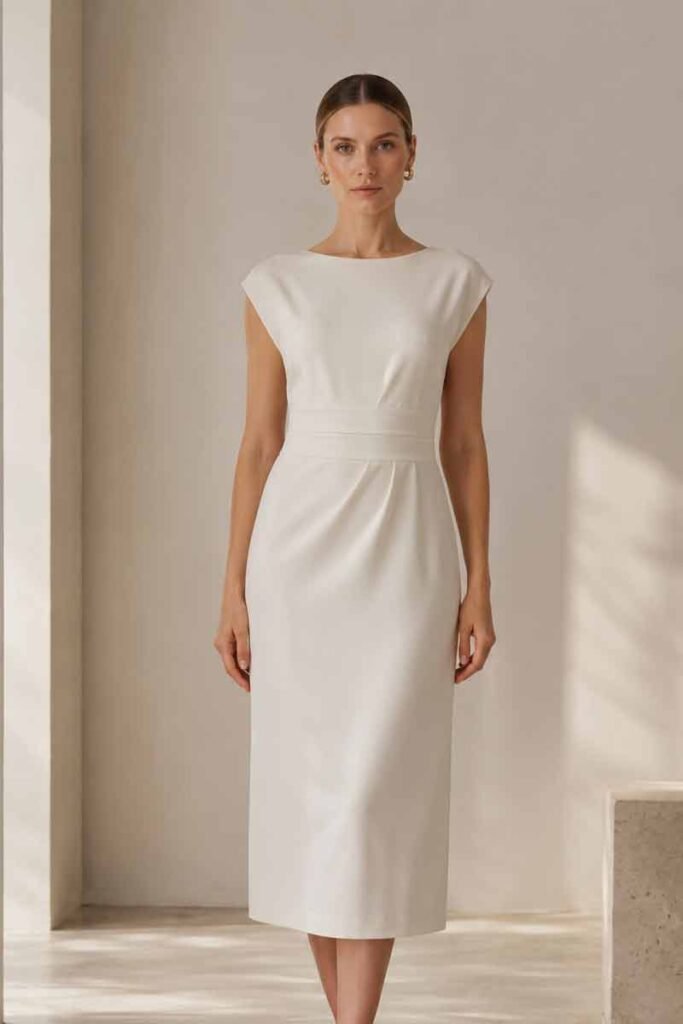
Soft Sheath Dresses

A-line Tailored Dresses

Draped Lapel Dresses

Utility Tailored Dresses

Double-breasted Dresses

Asymmetric Tailored Dresses
Asymmetry can appear through lapels, wrap fronts, necklines, hems, waist seams, or closure lines. Visual balance must be controlled even when left and right sides are intentionally different.
Pattern markings, production instructions, and QC reference images become especially important for bulk consistency.

Pleated Tailored Dresses
Pleats can add movement while preserving a refined upper structure. Pleat depth, direction, pressing, fabric recovery, waist bulk, and hem balance should be confirmed before production.
Permanent pleating, stitched pleats, inverted pleats, and soft release pleats require different construction and finishing paths.
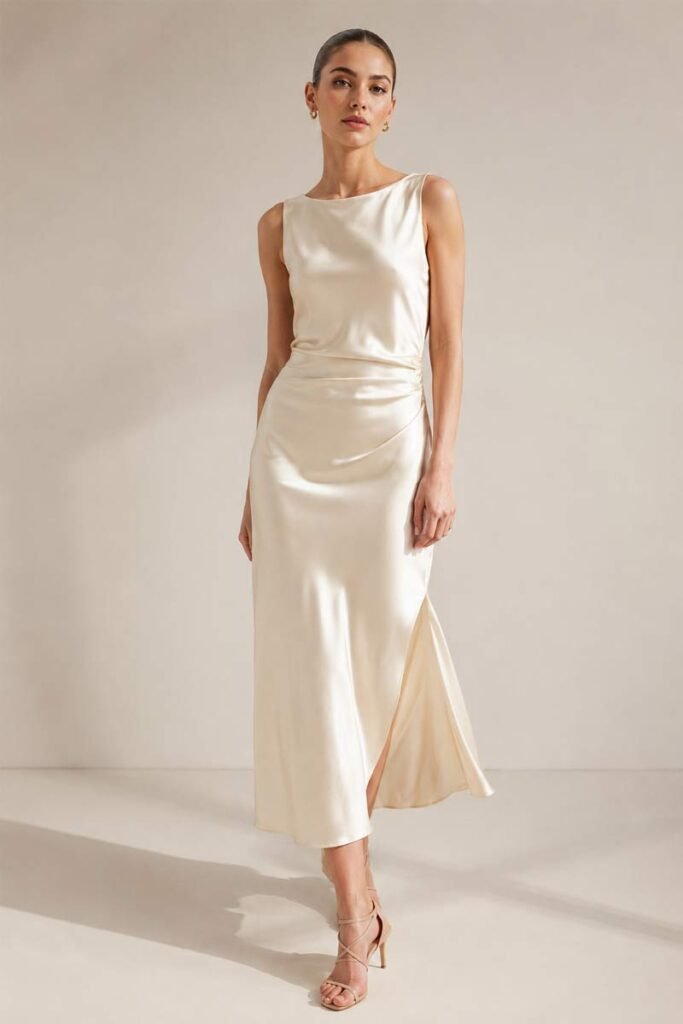
Sleeveless Vest Dresses
Vest dresses rely on clean armholes, neckline stability, front edge control, pocket placement, and waist shaping. Without sleeves, shoulder width and armhole depth become more visible.
Lining attachment and understitching should prevent the facing from rolling outward during wear.
Build a Complete Soft Tailoring Dress Program
Contemporary Office Capsule
A focused office capsule may include:
- Soft blazer mini dress
- Belted midi dress
- Tailored shirt dress
- Sleeveless vest dress
- Clean sheath dress
- Wrap day dress
Shared fabric families, coordinated colors, consistent fit blocks, and aligned hardware can create a more unified range.
Soft Occasion Collection
An occasion-focused program may combine:
- Draped lapel dress
- Asymmetric midi dress
- Satin-back crepe dress
- Soft double-breasted dress
- Controlled wrap dress
- Tailored maxi dress
Visual interest can come from proportion, neckline, waist shaping, and surface contrast rather than excessive embellishment. The range can maintain polish while improving comfort and repeat wear.
Resort Tailoring Drop
A resort tailoring program may use:
- Linen-blend vest dress
- Relaxed utility dress
- Soft wrap midi
- Belted shirt dress
- Sleeveless A-line dress
- Lightweight maxi dress
Breathability, lining coverage, wrinkling, opacity, colorfastness, and packing recovery become key development points. Fabric and construction should suit warm-weather movement without losing the tailored identity.
Fabrics That Balance Drape and Structure

Soft Suiting
Soft suiting provides a familiar tailored surface with reduced rigidity. Depending on fiber blend and construction, it can support blazer dresses, vest dresses, office midi dresses, and structured wrap shapes. Development checks include:
- Weight and thickness
- stretch and recovery
- seam impression
- wrinkle response
- color consistency

Crepe
Crepe offers controlled drape, surface texture, and good suitability for day-to-evening dresses.
It can support sheath, wrap, asymmetric, draped lapel, and A-line silhouettes. Key controls include opacity, snagging, stretch, seam puckering, pressing temperature, and hem stability.
Crepe weight should be selected according to the level of structure required.

Tencel Blends
Tencel blends create fluid movement and a refined hand feel suitable for softer shirt dresses, utility dresses, relaxed wraps, and resort tailoring.
The main concerns are shrinkage, seam slippage, color reaction, wrinkling, pressing marks, and loss of definition around collars or pockets.
Selective reinforcement may be needed.
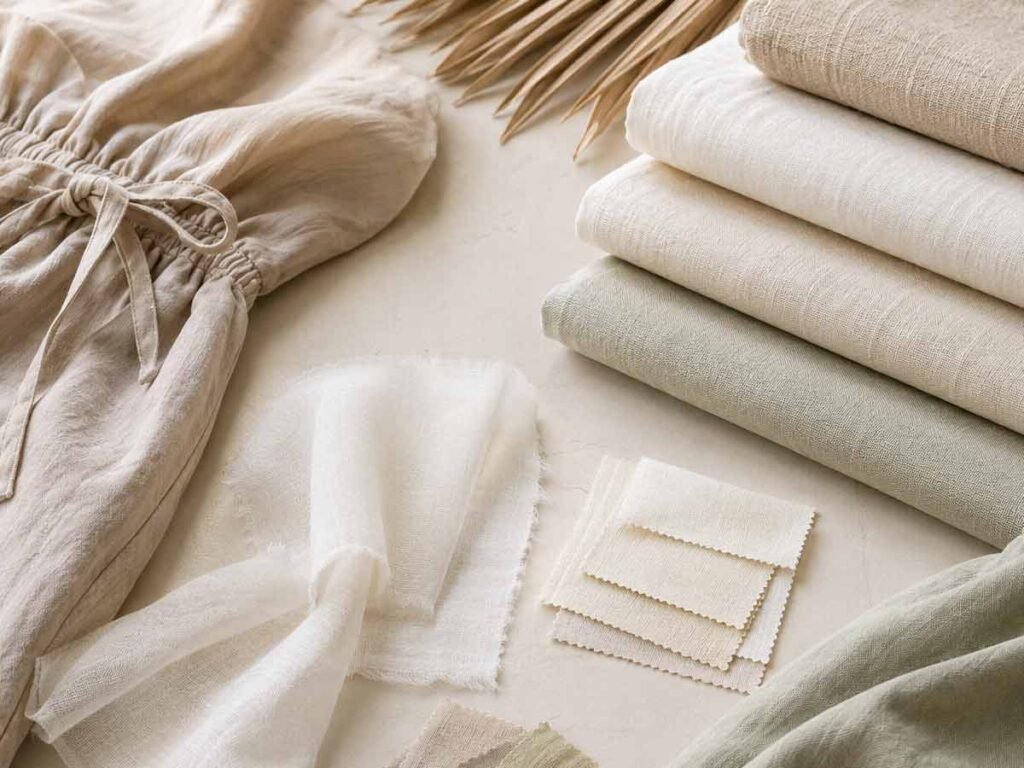
Viscose Blends
- Dimensional stability
- wet handling
- colorfastness
- opacity
- recovery
- seam strength
- pressing response

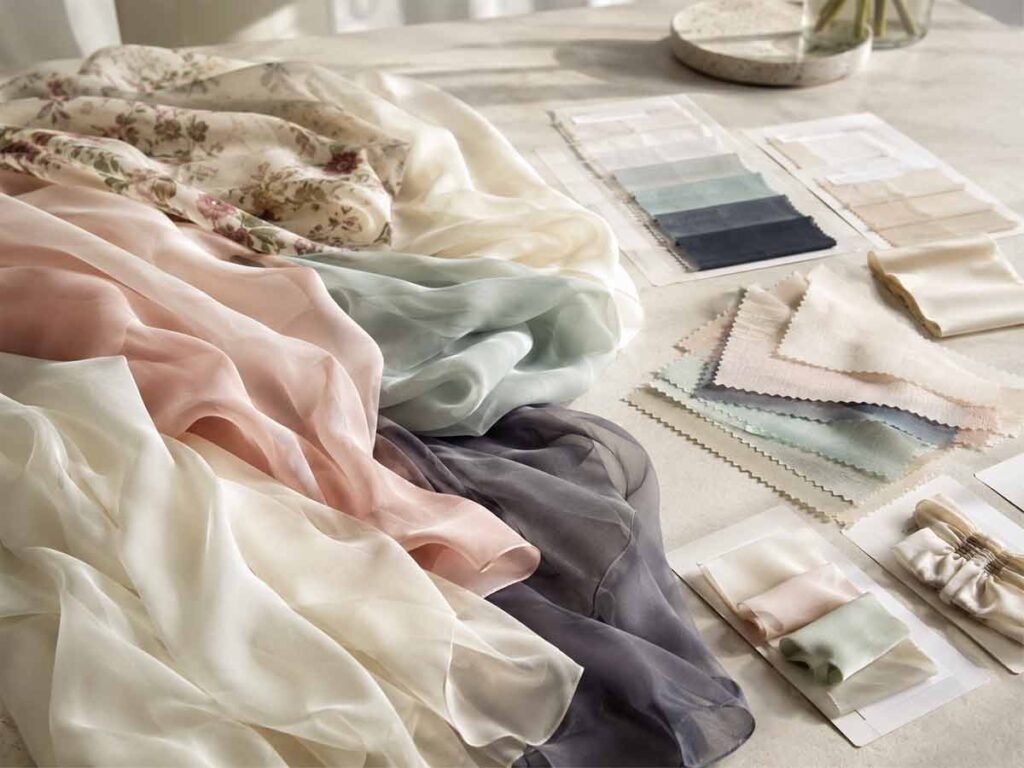
Linen Blends
Lightweight Twill
Lightweight twill can support utility dresses, work dresses, shirt dresses, and clean tailored minis. The diagonal weave often provides better body than plain-woven fabrics while remaining comfortable.
Checks include surface shine, seam bulk, fraying, shrinkage, topstitching appearance, and pocket stability.

Satin-back Crepe
Satin-back crepe gives access to two surface directions within one material family. The crepe side can create a matte tailored body, while the satin side can appear as lapel contrast, binding, paneling, or selected design details. Surface marking, pressing, seam impression, shade consistency, and packing protection require close control.
Fine Wool Blends
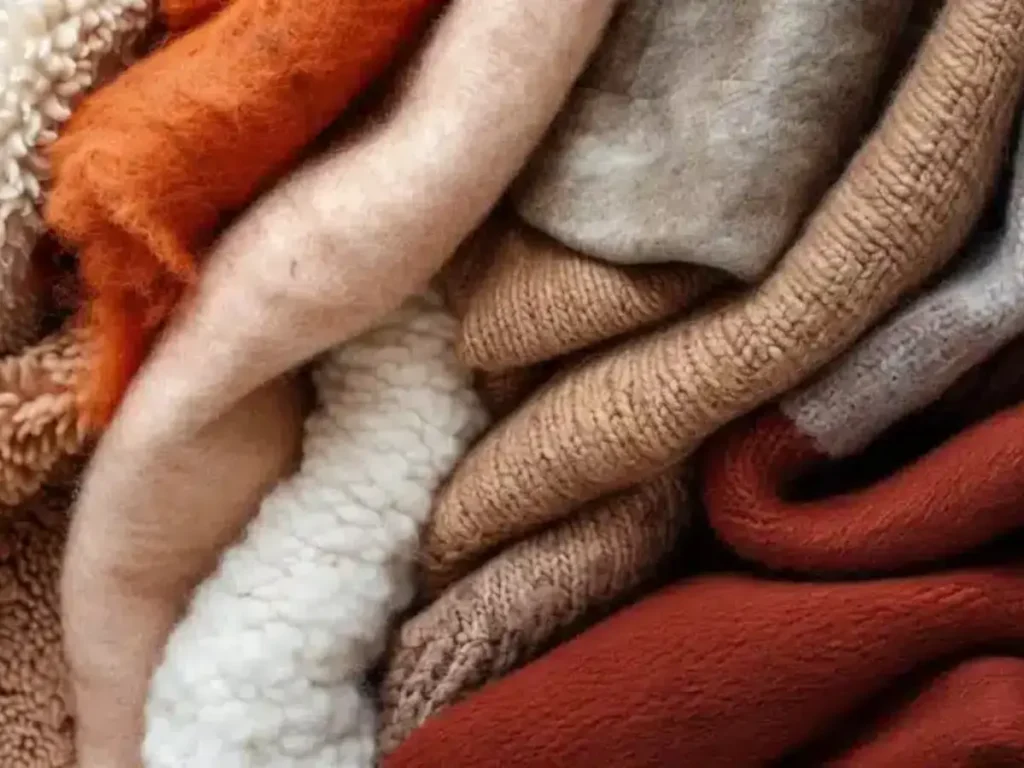
Fine wool blends suit premium autumn and winter tailoring when weight, softness, resilience, and lining are carefully matched.
Wool content, blend ratio, surface finish, steam response, fusing, and garment care requirements should be confirmed according to the intended retail market and season.
Compare Fabrics for Soft Tailored Dresses
Material selection should begin with the target silhouette, season, price position, wearing scenario, and required level of internal support.
| Fabric Direction | Drape | Shape Retention | Wrinkle Tendency | Opacity | Recommended Applications |
|---|---|---|---|---|---|
| Soft Suiting | Medium | High | Low to Medium | High | Blazer dresses, vest dresses, workwear midi dresses |
| Crepe | Medium to Fluid | Medium | Low to Medium | Medium to High | Sheath dresses, wrap dresses, asymmetric dresses |
| Tencel Blend | Fluid | Low to Medium | Medium to High | Medium | Shirt dresses, resort tailoring, relaxed utility styles |
| Viscose Blend | Fluid | Medium | Medium | Medium | Draped dresses, soft lapel styles, day-to-evening dresses |
| Linen Blend | Medium | Medium | High | Medium to High | Summer workwear, vest dresses, utility dresses |
| Lightweight Twill | Medium | High | Medium | High | Shirt dresses, utility dresses, tailored minis |
| Satin-back Crepe | Fluid | Medium | Medium | Medium to High | Occasion tailoring, contrast lapels, refined midi dresses |
| Fine Wool Blend | Medium | High | Low to Medium | High | Autumn tailoring, premium workwear, long-sleeve dresses |
Pattern Engineering for Refined Soft Silhouettes
Shoulder and Neckline Balance
- The shoulder slope is incorrect
- Front balance is too long
- Lapel shape is unsupported
- Fabric stretches during sewing
- Facing tension is uneven
Waist Definition
Waist shaping should reflect the intended fit direction: sharply defined, softly shaped, belted, adjustable, or relaxed.
Key controls include:
- Waist position
- dart intake
- side seam shape
- front-to-back balance
- belt placement
- internal stay
- lining ease
Sleeve Mobility
Sleeve cap height, armhole depth, bicep width, shoulder position, lining ease, and fabric behavior affect mobility.
Movement tests include:
- Raising arms
- reaching forward
- sitting at a desk
- putting on a jacket
- fastening a belt
- carrying a bag
Bust and Front Balance
Hip Ease and Movement
Skirt Fall and Hem Balance
The skirt should fall evenly from the body and maintain the intended front, side, and back length.
Bias behavior, fabric stretch, hip shape, pleats, vents, and asymmetric panels may change hem position after hanging. Selected styles may need hanging recovery before final hemming.
Light Structure Without Unwanted Stiffness

Selective Interlining
Interlining should be chosen by fabric, location, visual target, and required durability. One interlining grade is rarely suitable for every section. Possible application areas include:
- Lapels
- Front edges
- collars
- waist sections
- pocket openings
- cuffs
- vents
- closure zones

Lapel and Facing Control
Lapel roll depends on :
- pattern shape
- facing direction
- seam allowance
- understitching
- interlining placement
- pressing
A lapel should hold its intended line without sitting flat like a bonded panel. Facing width also affects weight. An unnecessarily wide facing can create bulk across the chest and front body.

Shoulder Balance
Soft tailoring does not always require a traditional shoulder pad.
Depending on the design, the shoulder may use:
- No pad
- lightweight pad
- sleeve-head support
- narrow stay tape
- limited interlining
The chosen method should maintain the shoulder line while matching the fluid character of the dress.

Waist Reinforcement
Waist definition can come from darts, shaped seams, panels, internal tape, belts, or selective interlining. Support should prevent stretching or collapse without creating a rigid band. For fitted styles, the waist must also remain comfortable during sitting and movement.

Lining Selection

Vent and Hem Stability
Vents should open and close cleanly without distortion. Hem weight should support the garment line without making the skirt feel heavy. Blind hems, clean facings, narrow hems, fused hems, or weighted solutions can be evaluated according to fabric and silhouette.
Measurement Discipline Behind Consistent Fit
Size Chart Review
Defined Measurement Points
Sample Measurement Report
Fit Comment Translation
Grading Rules
Bulk Tolerance Control
Design Details for Soft Tailored Dresses
Notched Lapels
Shawl Collars
Peak Lapels
Wrap Fronts
Double-breasted Closures
Self-fabric Belts
Waist Tabs
Welt Pockets
Patch Pockets
Front Vents
Back Vents
Pleated Panels
Tailored Polish With Real Wearing Comfort
Arm Movement
Sitting Ease
Waist Comfort
Lining Mobility
Vent Function
Vents should open naturally during movement and return to a clean position.
Reinforcement should protect high-stress corners.
Fabric Recovery
After sitting, bending, or wearing for several hours, the fabric should recover close to the intended line. Wrinkle behavior should match the design and market expectation.
From Design Brief to Development Feasibility
Materials Your Team Can Submit
- Complete tech pack
- Reference images
- Original garment photos
- Original sample
- Design sketch
- Fabric swatch
- Collection moodboard
- Size chart
- Previous fit comments
- Target quantity
- Launch date
What Duolan Reviews
- Intended silhouette
- market and wearing scenario
- fabric suitability
- lining and interlining
- fit priorities
- closure method
- workmanship complexity
- measurement requirements
- production risk
- bulk feasibility
Development Output
A structured development review can lead to:
- Confirmed sample purpose
- fabric direction
- trim direction
- pattern approach
- construction path
- critical risk notes
- sample schedule basis
- quotation requirements
- bulk transition plan

A Stage-based Soft Tailored Dress Sampling Process
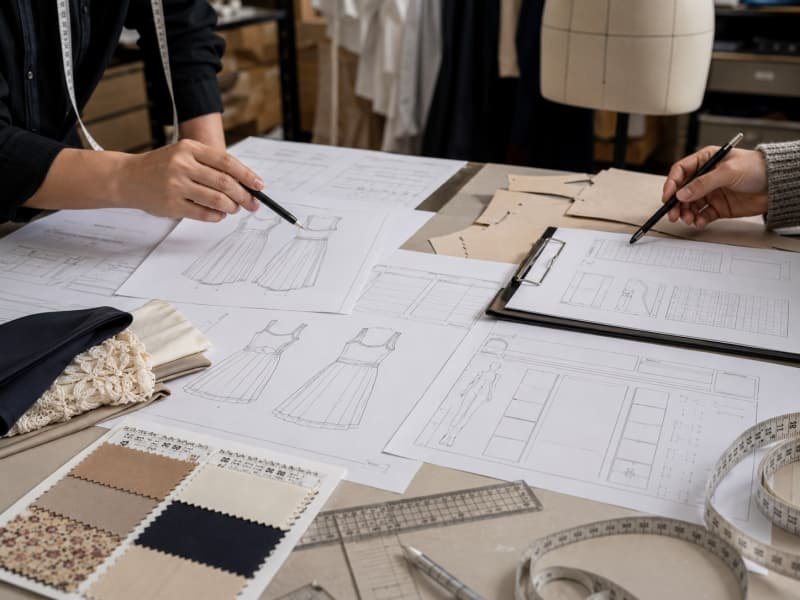
Different samples answer different questions. Defining the purpose before development improves review quality and prevents conflicting expectations. Staged updates can include development start confirmation, critical-point progress, and pre-completion photos or videos for complex styles.
Design Review

Fabric Direction

Pattern Development

First Prototype

Fit Revision

PP Sample
What a Production-ready Sample Should Confirm
Confirmed Fabric Direction
Reviewed Fit
Corrected Pattern
Locked Construction
Measurement Basis
Bulk Transition Plan
Workmanship Standards Behind Clean Tailoring
Seam Balance
Seams should lie smoothly without twisting, roping, puckering, or visible tension. Thread, stitch length, seam allowance, feed balance, and pressing should suit the fabric.Needle size, thread type, and feeding need adjustment.
Edge Control
Front edges, necklines, lapels, armholes, and facings should stay flat and clean. Understitching, seam grading, clipping, notching, edge pressing, and interlining placement support the result.
Lapel Roll
Facing Attachment
Pocket Alignment
Zipper Placement
Lining Join
Hem Finish
Pressing Control Shapes the Final Garment
Pressing Begins During Sewing
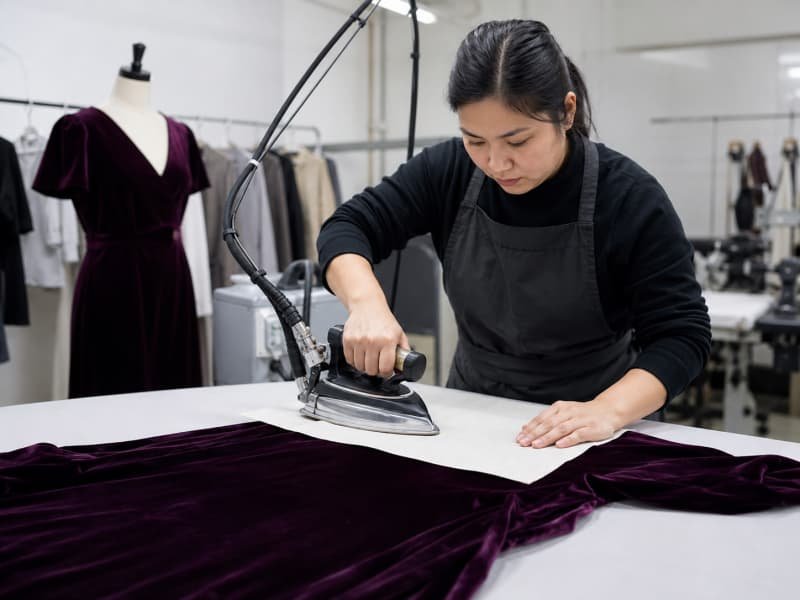
Waiting until final finishing is too late for many tailored constructions. Seams, darts, facings, pockets, collars, lapels, sleeve heads, and hems should be pressed at the correct stage.
Intermediate pressing helps:
- Set seam direction
- reduce bulk
- control shaping
- improve edge accuracy
- prepare the next operation
- prevent distortion from building across several layers
Temperature, Steam, Pressure, and Time
- Shine
- scorching
- water marks
- shrinkage
- seam impressions
- interlining strike-through
- flattened texture
- stiffness
Shape Without Over-setting
Final Recovery Check
After final pressing, the garment should be allowed to cool and recover before packing. Immediate folding may trap moisture, create marks, or distort shape. The final review should compare: Front and back balance,lapel symmetry,seam impression,waist shape,hem level,vent position,hanger appearance,body appearance.
Lock Critical Standards Before Bulk Production

Fabric and Color

Lining and Interlining

Trims and Closures

Measurements and Tolerances
Workmanship and Pressing

Labels and Packing
Keep Approved Samples Consistent in Bulk
Approved Sample to BOM Lock
Pattern and Measurement Lock
First-piece Confirmation
Fit-sensitive, material-sensitive, or construction-sensitive styles may require a first-piece review before full production volume is released.
Inline Production Control
Final Inspection
Final inspection confirms finished-garment measurements, appearance, quantity, labeling, packing, and shipment readiness against approved requirements.
Reorder Standard Preservation
Patterns, BOM records, material references, workmanship notes, PP basis, QC points, and previous project observations create a stronger base for repeat orders.
Quality Control for Fit-sensitive Tailored Dresses

Fabric Inspection

Cutting Accuracy

Fusing Quality
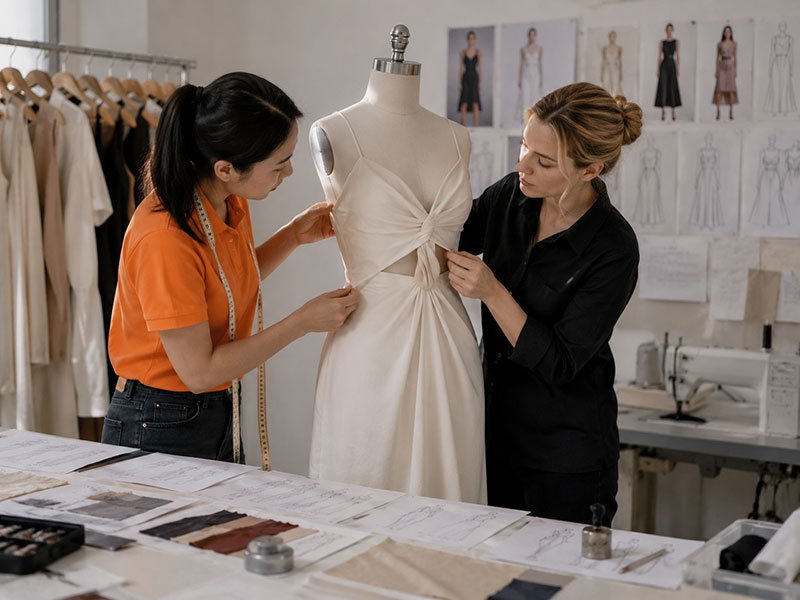
First-piece Review

Inline Measurement
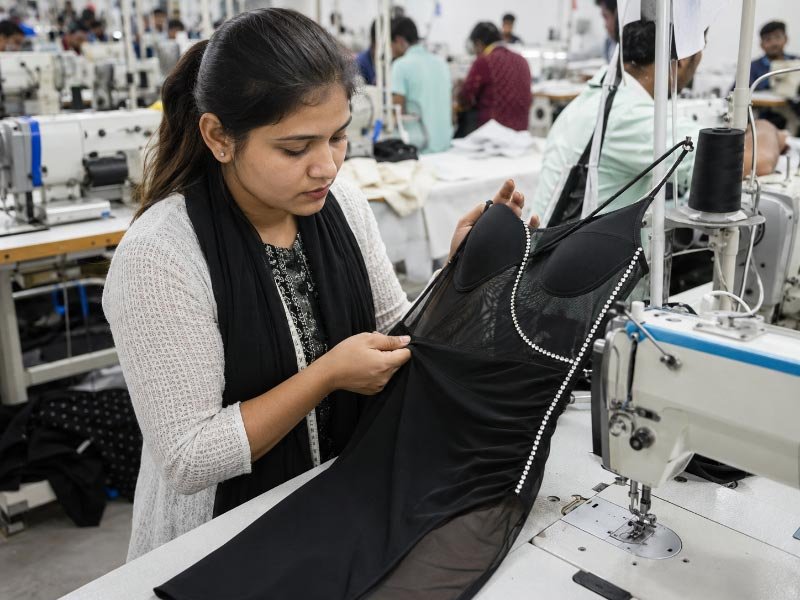
Workmanship Inspection

Pressing Appearance

Packing Verification
Manufacturing Built for Multi-style Dress Programs
16 Owned Womenswear Factories
20+ Satellite Factories
Long-term satellite factories provide additional flexibility for repeat production, capacity expansion, and selected style allocation under coordinated project control.
300 Sewing Lines
50+ Flexible Lines
Flexible and quick-response lines can support test production, launch orders, repeat replenishment, and selected time-sensitive programs where materials and approvals are ready.
12,000+ Supporting Workers
Regional manufacturing bases and coordinated production resources include more than 12,000 supporting workers across the wider network. Scale is translated into production organization rather than presented as a standalone number.
Multi-style Project Coordination
Typical established-brand programs may involve 10–30 styles and total quantities of 20,000–80,000 pieces. Styles can be classified by complexity, fabric risk, fit sensitivity, process requirement, and delivery priority before scheduling.
Brand-ready Compliance and Delivery Support
Audit Readiness
Label Preparation
Packing Instructions
Testing Coordination
Delivery Coordination
- Express: 3–7 days
- Air freight: 5–8 days
- Sea freight: 20–35 days
Commercial Delivery Terms
Supported arrangements can include FOB, CIF, DDP, split shipment, overseas warehouse coordination, and different receiving plans. A common payment structure is 30% deposit and 70% before shipment, with project-specific coordination for established rolling-order programs.
See the Development and Manufacturing Evidence
Real production evidence should show how decisions move from design input to finished garments. Each image or video should prove a specific capability. All visual materials should protect unreleased styles, brand names, BOM data, prices, order sheets, and confidential supplier information.
Fabric Review
Pattern Development
Sample Fitting
Construction Close-ups
Inline Quality Control
Packing and Shipment
Soft Tailored Dress Projects From Development to Bulk

United States Workwear Collection
Project structure:
- Region: United States
- Collection: Contemporary workwear
- Styles: 18
- Total quantity: 36,000 pieces
- Size range: Brand-specific multi-size run
- Main fabrics: Soft suiting, crepe, viscose blend
- Product mix: Blazer dresses, belted midi dresses, sheath dresses, shirt dresses
Development challenge:
The collection needed consistent waist placement, polished shoulders, comfortable hip ease, and enough movement for office wear. Several styles shared a fabric family but used different levels of reinforcement.
Duolan approach:
- Grouped styles by fit block and construction family
- Tested more than one interlining direction for lapels and front edges
- Aligned measurement methods before fit comments
- Used selective reinforcement instead of full-body fusing
- Confirmed first pieces for fit-sensitive styles
- Separated core styles from higher-risk asymmetric styles during scheduling
Project result:
The approved fit and workmanship standards were transferred across the 18-style range. Shared fabric and trim planning reduced unnecessary variation, while individual style controls protected lapel, waist, pocket, and vent execution.
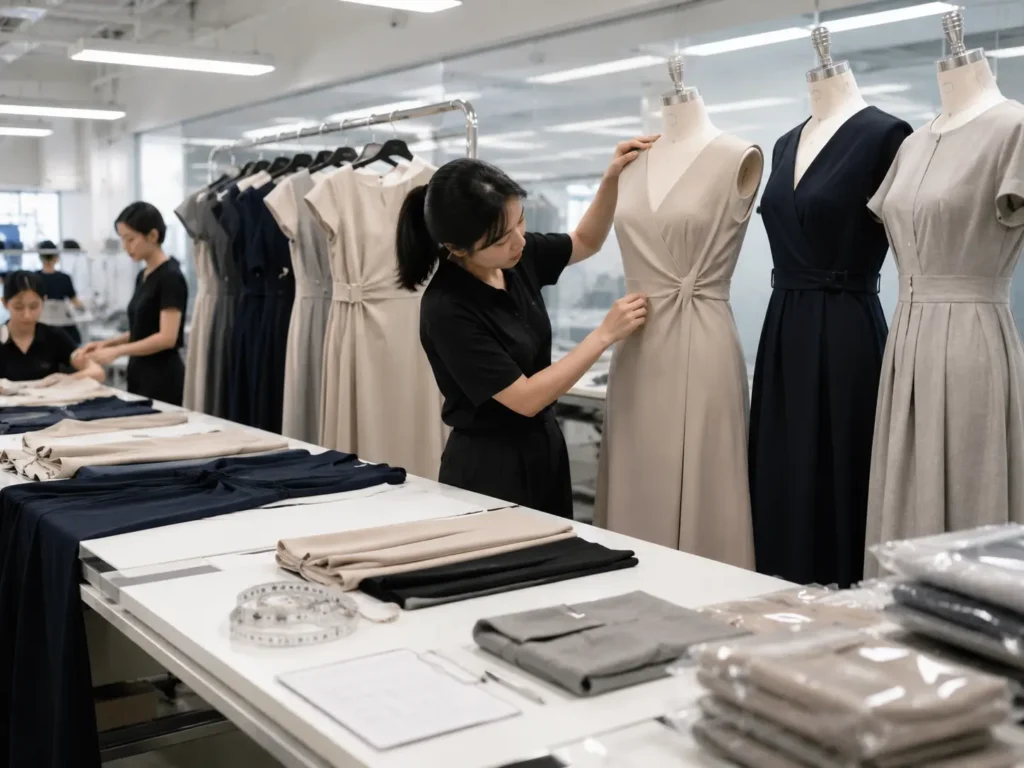
European Minimalist Collection
Project structure:
- Region: Europe
- Collection: Minimalist day-to-evening dresses
- Styles: 12
- Total quantity: 24,000 pieces
- Main fabrics: Crepe, Tencel blend, satin-back crepe
- Product mix: Wrap dresses, draped lapel dresses, A-line midis, sleeveless vest dresses
Development challenge:
The brand required a clean visual finish with minimal decoration. Fabric marks, seam impressions, uneven pressing, lining pull, or poor edge control would be easy to see.
Duolan approach:
- Completed seam, pressing, and fusing trials by fabric
- Adjusted facing width to reduce front-body bulk
- Reviewed lining weight and ease against each outer fabric
- Added hanging recovery before final hemming on fluid styles
- Confirmed edge, lapel, pocket, and vent standards through close-up references
- Organized inline checks around appearance-sensitive points
Project result:
The collection maintained a consistent visual language across matte crepe, fluid Tencel blend, and satin-back crepe. Production controls focused on surface appearance, edge quality, balance, and clean internal construction.

Australian Seasonal Dress Program
Project structure:
- Region: Australia
- Collection: Transitional day-to-evening program
- Styles: 26
- Total quantity: 68,000 pieces
- Main fabrics: Linen blend, lightweight twill, viscose suiting, crepe
- Product mix: Utility dresses, belted shirt dresses, vest dresses, asymmetric midis
Development challenge:
The program combined warm-weather comfort with tailored visual structure. Different fabrics required different shrinkage, lining, pocket, pressing, and packing methods.
Duolan approach:
- Classified styles by material sensitivity and construction complexity
- Created separate pressing directions for linen blends and viscose suiting
- Reviewed pocket reinforcement to prevent front-body distortion
- Used staged production planning across core, repeatable, and statement styles
- Locked fabric, lining, measurements, and packing standards before line start
- Coordinated split delivery according to launch priorities
Project result:
The 26-style program moved through staged production with core commercial styles prioritized for the first delivery. More complex asymmetric and structured styles followed after first-piece confirmation and focused QC review.
Why Brands Choose Duolan for Soft Tailoring
Dress-focused Expertise
Fabric-to-Silhouette Judgment
Pattern and Fit Control
Production-ready Sampling
Structured Manufacturing System
Brand-level Project Support
Frequently Asked Questions About Soft Tailored Dresses
- Simple styles: 15–20 days
- Standard styles: 20–30 days
- Complex styles: 30–45 days
- Tech pack or reference images
- Product type
- Fabric direction
- Size chart
- Target quantity
- Number of styles
- Color plan
- Sample purpose
- Launch date
- Quality requirements
- Label and packing instructions
- Shipping destination

Start Your Soft Tailored Dress Development Project
Send your soft tailored dress brief to Duolan for an initial development and production review. The team will examine the intended silhouette, fabric direction, fit priorities, internal structure, construction details, target quantity, sample stage, launch calendar, and bulk-production requirements before confirming the next path.
For a more accurate review, include:
- Tech pack, sketches, or reference images
- Original sample photos where available
- Preferred fabric or hand-feel direction
- Brand size chart and target sample size
- Number of styles and colorways
- Estimated total quantity
- Target market and launch date
- Required sample type
- Label, packaging, testing, and delivery requirements
- Main development concerns