 Skip to content
Custom Spaghetti Strap Dress Manufacturer
Dress-focused development and manufacturing for fashion brands building refined spaghetti strap collections across mini, midi, maxi, party and occasion categories.
- Development control across 6 fit-sensitive areas: straps, neckline, bust, armholes, back and waist.
- Collection support for 10–30 styles and approximately 20,000–80,000 total pieces per seasonal order.
- Custom fabric, lining, adjustable hardware, cups, labels, packaging and size specifications.
- Structured transition from first prototype and fit revision to PP approval, bulk production and repeat orders.
Dress Manufacturing Capacity Built for Brand-Level Programs
30+ Years Development Experience
16 Owned Factories
12,000+ Manufacturing Workers
The broader manufacturing network includes more than 12,000 workers across several production regions.
The network supports larger collection programs while allowing complex styles, regular commercial styles and replenishment orders to follow different manufacturing paths.
20+ Satellite Factories
Long-term satellite manufacturing partners provide additional capacity for repeat orders, seasonal volume increases and multi-style programs. Production allocation is planned around capability and project requirements instead of treating every factory as interchangeable.
300 Sewing Lines
50+ Flexible Lines
Manufacturing Support for Established Fashion Product Teams
Established Fashion Brands
Established dress brands usually manage recurring launch calendars, multiple product categories and defined internal approval procedures. They need a manufacturing partner able to understand commercial silhouettes, fabric positioning, brand fit standards and repeat-production requirements.
Duolan supports fashion brands through collection-level product review, fabric and trim coordination, pattern and fit development, sample revision management, PP sample and bulk readiness review, production planning by style complexity, quality and packaging control, and reorder standard preservation.
Buying and Sourcing Teams
Buying teams evaluate more than product appearance. They review supplier discipline, quotation accuracy, sample communication, testing support, delivery risk and the ability to manage several styles simultaneously.
Duolan can organize project information by style, color, size, material and delivery stage. Procurement teams receive clearer development notes, production checkpoints and approval requirements, allowing internal departments to review progress without relying on scattered messages.
Product Development Teams
Product teams need a factory to understand design intent before translating comments into pattern, material and workmanship changes. A request such as “more secure at the bust” may require changes to strap position, neckline tension, armhole shape, lining, elastic or internal support.
Duolan reviews comments according to their technical cause, helping turn design language into measurable pattern and construction actions while protecting the intended silhouette.
What Fashion Teams Expect from a Strap Dress Manufacturer
Accurate Design Translation
Duolan reviews silhouette, neckline, strap direction, dress length, opening method, lining and internal structure before pattern development begins.
Key review points include: Intended body fit, Bust and neckline exposure, Strap width and placement, Back height and opening, Waist and hip shaping, Skirt volume and movement.
Material Direction
Fabric selection must support the desired silhouette. A soft cowl-neck slip dress, structured corset-style mini dress and stretch bodycon cami dress require different weight, recovery, drape and lining solutions.Material review covers composition, weight, stretch, recovery, surface sensitivity, transparency, width, color availability and expected bulk consistency.
Pattern and Fit Control
Small pattern errors become highly visible on minimal-coverage dresses. Strap length, bust balance, armhole shape, side-seam position and neckline tension must work together.
Pattern development therefore evaluates the complete upper-body structure rather than adjusting each measurement separately.
Purpose-Led Sampling
A first prototype may evaluate silhouette and design translation. A fit sample may prioritize measurements and body balance. A photo sample needs visual readiness, while a PP sample must support production.Defining the sample purpose before cutting helps reduce revisions that solve the wrong problem.
Bulk Consistency
Approved samples must be converted into measurable production references.
Fabric, lining, hardware, pattern version, construction points, measurement tolerances, labeling and packaging must be locked before production release.
Brand Presentation
Labels, hangtags, care instructions, garment finishing and packaging influence final presentation. Duolan coordinates branding requirements alongside garment development so packaging decisions do not become last-minute production problems.
Custom Spaghetti Strap Dress Categories We Develop
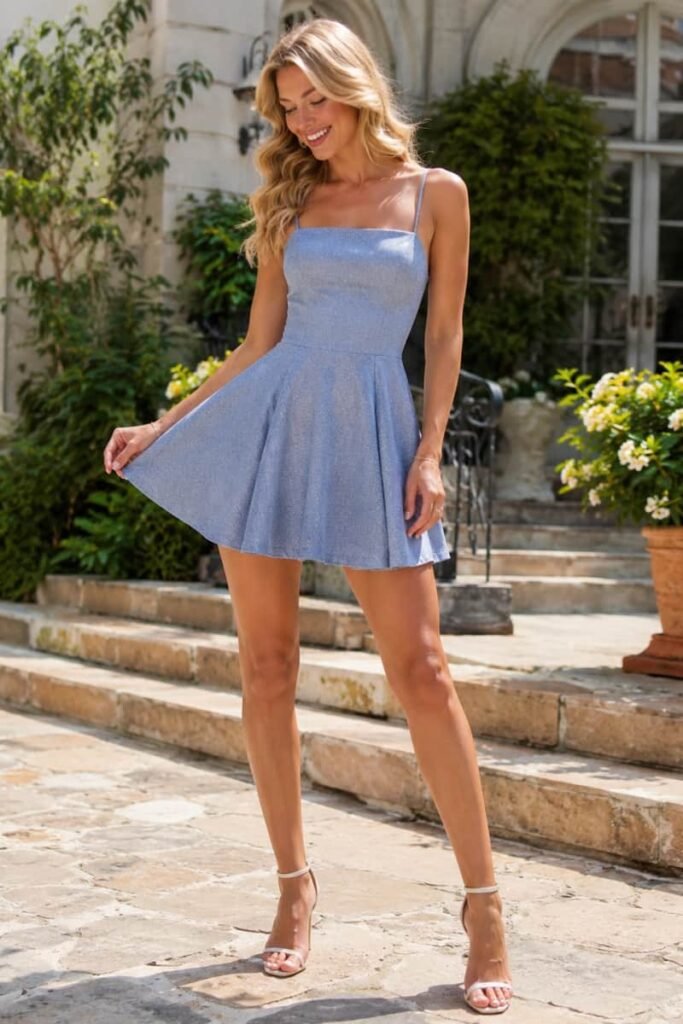
Spaghetti Strap Mini Dresses

Spaghetti Strap Midi Dresses
Midi lengths work well for contemporary occasion, cocktail, dinner and city collections. Common directions include fitted column silhouettes, bias-cut slip dresses, cowl-neck styles, ruched dresses and softly flared skirts. Longer bodies make fabric behavior more visible. Pattern balance, grain direction, side-seam control and lining length need careful review, especially when satin or lightweight woven fabrics are used.

Spaghetti Strap Maxi Dresses

Satin Slip Dresses
A successful satin slip dress requires more than a glossy surface. Fabric weight, fluidity, opacity and bias behavior influence whether the garment looks refined or unstable.
Needle selection, thread tension, seam handling, pressing, lining and packaging require controlled execution. Needle marks and seam impressions can remain visible on delicate satin, so avoidable rework must be reduced from the beginning.

Bodycon Cami Dresses

Party Strap Dresses
Party styles may include sequins, rhinestones, metallic fabrics, mesh panels, ruching, corset elements or asymmetrical details. Decoration must not interfere with strap attachment, neckline comfort or closure operation. High-risk decorative areas are reviewed before bulk production so embellishment density, seam allowance and lining protection remain workable.

Occasion Strap Dresses

Resort Strap Dresses
Resort and vacation dresses often use lightweight woven materials, prints, open backs and flowing skirts. Breathability and movement are important, but light materials can introduce transparency, seam slippage and distortion. Fabric width, print placement, lining strategy and packing recovery are reviewed before confirming the manufacturing route.
Spaghetti Strap Dresses for Distinct Selling Occasions
Going-Out Collections
Partywear Drops
Occasion Edits
Wedding Guest Lines
Resort Collections
Summer City Dresses
Design Details Available for Custom Development
A spaghetti strap silhouette can be adjusted through many structural decisions. Each decision influences fit, visual proportion, sewing difficulty, material consumption and bulk production control.

Strap Width

Strap Length

Strap Direction

Neckline Shape

Back Construction

Dress Length

Slit Placement
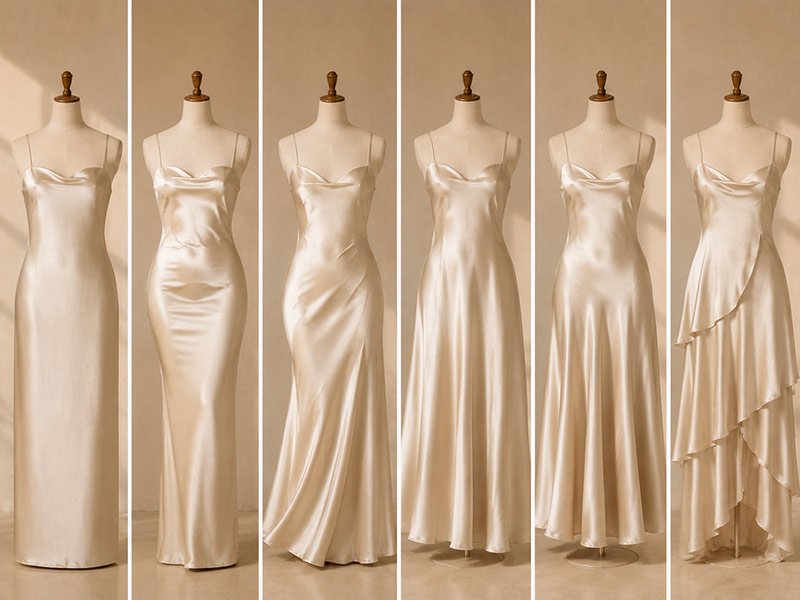
Skirt Silhouette
Strap Engineering for Fit, Strength and Stability
Positioning Straps Around the Body
Front and back attachment points determine how the bodice sits on the wearer. Moving a front strap only a few millimeters inward or outward can change bust coverage, neckline tension and armhole appearance. Back placement influences shoulder security and whether straps remain aligned during movement.
Development review normally considers six connected zones: strap length, front attachment, back attachment, neckline shape, armhole contour and bust balance. Changes are judged on the body rather than from flat garment measurements alone.
For fitted dresses, strap positioning must support the fabric tension created around the bust and waist. For fluid slip dresses, straps help suspend the neckline while allowing the body to drape naturally. For low-back styles, reduced back support may require a more precise front structure or concealed elastic.
Fit comments should identify the cause of a problem. “Strap slipping” may result from excessive length, poor back placement, a wide neckline or insufficient bodice stability. Correcting only the strap length may produce a temporary fix while leaving the underlying imbalance unresolved.
Fixed, Adjustable and Crossed Strap Options
Fixed straps create a clean appearance and avoid visible hardware. Their final length, angle and attachment position must be approved carefully because wearers cannot adjust them later. Fixed straps work well when the brand has a stable block, accurate size specifications and a clearly defined fit model.
Adjustable straps use rings and sliders made from metal, coated alloy or plastic. Hardware width must match the finished strap. Oversized components can look heavy, while undersized components may grip poorly or twist. Plating color, edge smoothness and resistance to discoloration should match brand requirements.
Crossed straps provide additional visual interest and can improve shoulder security, but they introduce more length variables. The back crossing point must sit correctly without pulling the neckline or creating pressure. Lace-up systems require controlled cord length, eyelet placement or loop strength.
Elasticated straps can increase comfort for pull-on dresses, yet elastic recovery and skin pressure require review. Elastic should not become visible through delicate outer fabric unless the design intentionally shows it.
Reinforcing Strap Attachment Points
Strap failure usually begins at the connection point rather than in the middle of the strap. Seam allowance, fabric strength, stitch density and reinforcement method determine whether the attachment can withstand dressing, movement and repeated use.
Possible reinforcement methods include enclosed seam construction, backstitching, bartacking, internal support tape or a larger hidden attachment area. The correct solution depends on fabric thickness and visual requirements. A strong bartack may suit a stretch party dress but remain too visible on delicate satin.
Bulk checks should verify strap width, twist, attachment position, left-right symmetry and reinforcement. Adjustable hardware must face the correct direction on every garment. Narrow satin straps also require controlled turning and pressing to avoid uneven width or rope-like twisting.
Strap strength should never be assessed separately from garment weight. A lined maxi dress places greater load on the bodice than an unlined mini. Internal seams, waist construction or bodice support may need to carry part of the weight, protecting the straps from becoming the sole structural support.

Neckline, Bust and Armhole Control
Controlling Neckline Shape and Coverage
A straight neckline requires stable horizontal balance and even tension across the bust. Too much tension may pull the armholes inward, while insufficient tension can produce gaping. A V-neck needs controlled depth and reinforcement at the lowest point. Scoop and sweetheart necklines require smooth curves without stretching or distortion.
Cowl necks depend on fabric drape and controlled excess. A cowl pattern developed for one satin weight may collapse or expose too much when transferred to a lighter material. The internal facing or lining must support the neckline without flattening the intended drape.
Coverage requirements should be defined through measurements and fitting notes. Important references may include shoulder-point-to-neckline depth, center-front drop, neckline width and side bust coverage. Photographs alone rarely provide enough information.
Target markets and wearing occasions also affect neckline decisions. A party mini may allow lower coverage, while a wedding guest or occasion midi may require more security. Duolan follows the brand’s fit direction rather than applying one neckline standard to every program.
Building the Required Bust Support
Not every spaghetti strap dress requires cups or internal structure. A relaxed slip dress may rely on fabric drape and accurate neckline balance. A fitted party or occasion style may need greater support through shaping seams, double layers, cups, elastic, power mesh or light boning.
Cup shape must correspond with the outer pattern. Incorrect cup placement can distort the neckline, create visible edges or move the bust point. Removable cups need a stable pocket and a controlled opening. Fixed cups require secure placement and balanced lining construction.
Power mesh can add support while remaining lighter than a full corset construction. Elastic under the bust may improve stability, but tension must be tested to avoid discomfort or visible pulling. Light boning can support side seams or neckline areas when the design requires more structure.
Support decisions also affect costing and sample timing. Internal components increase pattern pieces, sewing operations and fitting requirements. Their value should be linked to the intended wearing result rather than added automatically.
Balancing Armholes and Side Coverage
Armholes influence comfort, side bust coverage and strap alignment. An armhole cut too low may expose underwear or create gaping. An armhole cut too high can restrict movement and pull the neckline upward.
The correct contour depends on fabric stretch, lining construction and intended fit. Stretch bodycon dresses may use a closer armhole with controlled elastic recovery. Woven slip dresses need enough ease for movement while keeping the side seam stable.
Side-seam placement should remain visually straight and balanced. When the bust area is too tight, the side seam may pull forward. When the back width is excessive, the armhole may open away from the body. Corrections need to consider the full pattern rather than trimming the armhole edge alone.
Grading requires special attention. Larger sizes often need additional side coverage, bust shaping and strap adjustment. Mechanical grading without fit review may preserve measurements while losing the intended visual proportion.

Back Construction, Closures and Internal Stability
Choosing the Right Back Construction
A straight back offers the most stable platform for fixed or adjustable straps. Back height can be adjusted according to coverage, zipper length and bra compatibility. The upper back edge may use a facing, lining, elastic or stay tape to retain shape.
Low backs create a stronger fashion statement but provide less support. Strap angle, side seam height and front bodice structure become more important. Internal elastic or power mesh may help stabilize the garment without raising the visible back line.
Cross-back designs improve shoulder security and create a distinctive rear view. Strap length must account for the diagonal path across the body. Crossing positions should remain comfortable and symmetrical.
Lace-up backs introduce adjustable fit but require durable loops, eyelets or channels. Cord material should move smoothly without damaging delicate fabric. The lacing range must be defined so the dress does not distort when tightened.
Selecting Closures for the Silhouette
Invisible center-back zippers provide a familiar dressing route and can support fitted woven styles. Zipper installation must avoid rippling, especially in satin and lightweight fabrics. Seam stabilization and careful pressing are important.
Side zippers keep the back visually clean, making them useful for low-back or detailed rear designs. Their position must not interfere with the armhole, internal cups or side boning.
Pull-on constructions suit stretch fabrics and relaxed silhouettes. Stretch percentage and recovery must allow dressing without permanently opening the neckline or strap attachments.
Hook-and-eye closures, internal waist stays and concealed elastic can support more structured occasion dresses. Closure selection should be confirmed with the final fabric and lining because thickness changes zipper and seam behavior.
Building Invisible Internal Support
Clean external appearance often depends on hidden internal engineering. Stay tape can stabilize neckline edges. Power mesh can support the bust or waist. Elastic may secure the upper back. Light boning can maintain side shape. Cups can improve coverage and presentation.
Every internal element must connect logically with the outer pattern. Excessive structure can make a fluid dress rigid, while insufficient support can leave a fitted dress unstable.
Internal seams should remain comfortable against the skin. Rough edges, exposed boning ends, thick seam intersections and hardware backs require covering or finishing. For delicate fabrics, support layers should not create visible ridges.
The development goal is not to add as much structure as possible. The goal is to use the minimum effective structure required for the intended silhouette, wearing occasion and price position.

Fabrics Selected for Drape, Coverage and Production
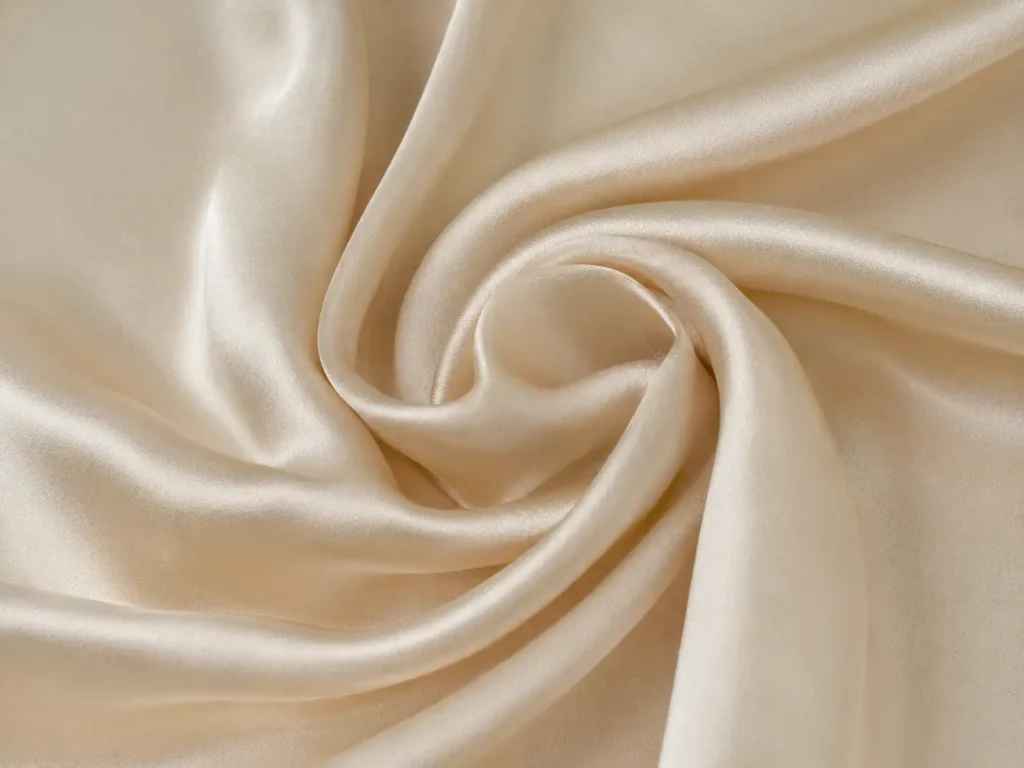
Satin and Charmeuse

Chiffon and Georgette

Stretch Jersey
Stretch jersey supports bodycon cami dresses, ruched styles and comfortable pull-on constructions. Fabric selection must evaluate stretch in both directions, recovery after extension, opacity under tension and resistance to bagging.
Main fabric and lining should have compatible stretch. A rigid lining can restrict the outer fabric, while an overly soft lining may fail to support the body. Negative ease should be defined according to material performance. One pattern cannot be transferred between fabrics with different stretch percentages without fit adjustment.

Mesh and Power Mesh

Lace

Crepe and Woven Blends
Lining, Opacity and Skin-Contact Comfort
Full Lining
Partial Lining
Double-Layer Bodices
Nude Lining Options
Power Mesh Support
Skin-Contact Finishing
Trims, Brand Labels and Packaging Components
Strap Adjusters
Rings and Sliders
Zippers
Cups and Elastics
Woven Labels
Care Labels
Hangtags
Branded Packaging
Project Review Before Pattern and Sample Development
Design Intent
Fabric Direction
Fit Priority
Construction Risk
Quantity and Colorways
Launch Timing
Pattern Development, Fit Correction and Size Grading
Developing the Base Pattern
Pattern development may begin from a tech pack, reference image, original sample, existing brand block or a combination of sources. The team establishes a base size, measurement points and silhouette before preparing the first prototype.
Reference images can communicate visual direction but rarely define seam allowance, internal structure, exact neckline depth or grading. Missing information is identified during project review so assumptions do not become hidden sample errors.
For spaghetti strap styles, the base pattern must align the bust, waist, neckline, armhole, side seam, back width and strap positions. A correction in one area often affects another. Lowering the neckline may require changes to strap position or internal support. Reducing the back height may alter side stability.
Fabric direction is considered during pattern work. Stretch jersey uses controlled negative ease. Bias satin requires grain planning and allowance for movement. Structured woven fabrics may need shaping seams, darts or internal support.

Correcting Fit Through Measurable Actions
Fit reviews should translate observations into pattern actions. “The bust feels loose” may relate to excess circumference, incorrect dart position, wide neckline, long straps or insufficient internal support. Each cause requires a different correction.
Primary evaluation zones include:
- Strap length and angle
- Neckline width and depth
- Bust balance and shaping
- Armhole contour and side coverage
- Waist placement and suppression
- Hip ease and skirt fall
- Back width and opening
- Final dress length
Comments are recorded by sample version so approved changes are not lost. Revised measurements, pattern notes and visual references should align before the next sample begins.
Fit models should represent the brand’s intended body profile. A dress approved only on a mannequin may behave differently during walking, sitting or arm movement.

Grading Without Losing the Design Proportion
Size grading should preserve the intended appearance while adding the coverage and body dimensions required for each size. Straight mathematical enlargement can produce narrow straps that sit too far apart, armholes that become too low or necklines that expose more than intended.
Brands may supply numeric sizes, letter sizes or regional specifications. Duolan can work according to the supplied size chart and point-of-measurement definitions. The base size, grading rules and tolerances should be confirmed before bulk production.
Important grading checks include strap length progression, bust shaping, neckline width, armhole height, back width, waist position and total length. High-risk sizes may require additional fitting or measurement review.
For a program covering five or more core sizes, the team should verify whether critical upper-body measurements follow the intended progression rather than relying only on total circumference changes.

Sample Stages Built Around Clear Decisions
Every sample should answer a defined question. Separating visual, fit and production purposes prevents one sample from being approved for a stage it was never designed to support.
Project Review
First Prototype
Fit Sample
Revised Sample
Sales or Photo Sample
PP Sample
Indicative development planning is normally reviewed by style. Standard first samples may be planned around 7–15 working days after material direction is ready, while complex support structures, custom fabrics or special techniques may require 15–25 working days. Revision timing is confirmed after comments are reviewed.
Production-Ready Sample Approval Checklist
A visually attractive sample is not automatically ready for production. Bulk release requires a complete set of approved references covering fit, materials, construction, measurements and brand presentation.
| Approval Area | Details to Lock | Production Purpose |
|---|---|---|
| Fit and Silhouette | Neckline, bust, armhole, waist, hip, back, straps and length | Preserves the approved on-body result |
| Main Fabric | Composition, weight, color, stretch, width, handfeel and bulk source | Prevents unapproved material substitution |
| Lining and Support | Lining type, cups, elastic, power mesh and boning | Maintains coverage, comfort and stability |
| Trims | Rings, sliders, zipper, hooks and decorative components | Keeps function and appearance consistent |
| Pattern Version | Base pattern, grading rules and approved revisions | Prevents old pattern files entering production |
| Measurements | POM chart, size set and tolerances | Creates a measurable QC basis |
| Workmanship | Seam type, edge finish, strap attachment and hem | Defines how every garment should be sewn |
| Branding | Main label, size label, care label, hangtag and barcode | Protects retail and legal presentation |
| Packaging | Folding, protection, polybag, sticker, carton quantity and marks | Controls the final delivery standard |
Workmanship Standards for Refined Strap Dresses
Producing Narrow and Consistent Straps
A narrow strap must maintain an even finished width from front to back. Uneven turning, twisted seam allowances or excessive stretching can create a rope-like appearance. Strap construction needs to match fabric thickness and stability.
Satin straps may be cut on an appropriate grain direction and turned carefully to protect the surface. Stretch-fabric straps need controlled tension so they do not grow or curl during sewing. Lined or reinforced straps may be required when the dress carries greater weight.
Attachment points should remain symmetrical. Front and back positions can be marked through production templates or controlled measurement references. Adjustable hardware must be threaded in the same direction on every garment.
Pressing should shape the strap without flattening, glazing or marking delicate fabric. Final inspection includes width, twist, length, hardware direction and attachment security.

Sewing Delicate and Surface-Sensitive Fabrics
Satin, charmeuse, chiffon and fine woven materials can show needle holes, seam puckering, feed marks and pressing impressions. Needle size, thread, stitch length, machine tension and operator handling should be selected according to the fabric.
Repeated unpicking can permanently damage satin. Accurate preparation and inline control reduce the need for visible repair. Seam allowances must remain stable without creating bulk beneath the outer surface.
Bias-cut panels require accurate grain direction. Pieces may need controlled handling before assembly because stretching during sewing can change seam length. Uneven feeding can cause one layer to grow against another.
Pressing temperature and pressure are tested before full production. Garments should be protected from dirt, scratches and water marks throughout sewing and finishing.

Finishing Necklines, Seams and Hems
Neckline edges can use lining turn-back, facing, binding or other clean-finish methods according to design and material. The edge must remain smooth without rolling outward or creating visible thickness.
Understitching or internal securing may help the lining remain inside. Stitching should stay hidden where the design requires a clean external appearance. Intersections around straps and armholes must remain flat.
Internal seams may use overlocking, binding, French seams or enclosed construction depending on fabric transparency and price positioning. Sheer dresses need a cleaner interior because seam allowances remain visible through the outer layer.
Narrow rolled hems suit lightweight skirts but require control around curved or bias areas. Lined dresses need balanced shell and lining lengths. Final hanging checks can identify uneven hems before packing.

Risk Control for Spaghetti Strap Dress Production
Small structural errors can affect wearability, while surface damage can reduce the perceived quality of an otherwise accurate garment. Duolan connects each risk with a defined development or production action.
| Production Risk | Common Cause | Control Action | Intended Result |
|---|---|---|---|
| Straps slip from shoulders | Incorrect length, angle or back position | Fit review across strap, neckline and back balance | More secure shoulder placement |
| Neckline gapes | Excess width, weak tension or poor bust shaping | Pattern correction and support review | Cleaner neckline coverage |
| Side bust exposure | Low armhole or unstable side seam | Armhole and side coverage adjustment | Better wearing security |
| Strap attachment fails | Weak fabric, small seam allowance or missing reinforcement | Reinforced attachment and production checks | Improved attachment durability |
| Satin shows needle marks | Incorrect needle or excessive rework | Material-specific sewing setup and inline control | Cleaner surface appearance |
| Bias skirt twists | Grain deviation, stretching or unstable cutting | Grain control, panel matching and handling review | Straighter skirt fall |
| Lining pulls the shell | Incorrect lining ease or incompatible stretch | Shell-lining balance review | Natural drape without restriction |
| Mesh ruching varies | Uncontrolled gathering ratio | Marked gathering zones and ratio control | More consistent visual texture |
| Hardware scratches fabric | Rough edges or poor packing separation | Hardware inspection and protective packing | Reduced surface damage |
| Bulk differs from sample | Materials, pattern or workmanship not locked | PP approval, first-piece check and inline QC | Better sample-to-bulk consistency |
Controlled Transition from Approved Sample to Bulk
Bulk production begins only after the product standard, material direction and manufacturing route have been aligned. Duolan separates approval from production release to reduce avoidable surprises.
Approved Sample Review
Material Locking
Pattern Version Control
Bulk Readiness Check
First-Piece Confirmation
Production Release
Typical bulk planning may range from approximately 25–45 working days after PP approval and bulk material readiness. Delivery timing varies with quantity, style count, fabric preparation, special processes, inspection and packing requirements. Seasonal programs are scheduled backward from the required shipping date.
Manufacturing Structure for Multi-Style Dress Programs
Owned Factory Control
Satellite Capacity
Regional Manufacturing Bases
Multi-Style Allocation
Flexible Production Lines
Special Process Coordination
From Development Brief to Finished Delivery
Every project moves through defined technical and production stages. Clear approvals allow design, material, production and quality teams to work from the same standard.
Project Review
Material Confirmation
Pattern and Sample
PP Approval
Fabric Inspection
Cutting and Sewing
Inline Inspection
Final Inspection
Packing and Delivery
Quality Control Focused on Strap Dress Risks

Fabric Condition

Strap Measurement

Hardware Direction

Neckline Shape

Bust and Armholes

Sewing Quality

Garment Balance

Packing Accuracy
Audit, Testing and Market Requirement Support
SMETA Audit Foundation
Material Test Coordination
AATCC and ASTM Requirements
OEKO-TEX and GOTS
Label Information
Brand-Specific Standards
Packaging Designed to Protect Delicate Dress Details
Strap Organization
Surface Protection
Folding Method
Label and Barcode Control
Carton Planning
Shipping Coordination
Spaghetti Strap Dress Programs Developed for Global Markets
U.S. Going-Out Collection — 18 Styles, 36,000 Pieces
A U.S. fashion brand planned an 18-style going-out collection containing satin mini dresses, stretch bodycon cami dresses and mesh-overlaid occasion styles. Total launch quantity reached approximately 36,000 pieces across several colors and a structured size range.
The primary development risk involved inconsistent bust coverage between materials. Stretch styles recovered differently from woven satin pieces, while several open-back designs had limited internal support. Applying one block across the collection would have created different neckline and armhole results.
Duolan divided the program into three fit groups: stretch bodycon, woven fitted and fluid slip silhouettes. Strap position, neckline depth and side coverage were reviewed separately for each group. Power mesh, cups and internal elastic were used only where the target silhouette required added support.
First prototypes established the visual direction, followed by focused fit revisions. PP references recorded fabric, strap width, hardware, lining, measurements and workmanship. Bulk production was allocated according to material and complexity, with higher-risk satin and mesh styles receiving first-piece confirmation.
The order moved into two planned production waves, allowing earlier commercial styles to begin while final approvals continued for more complex pieces.
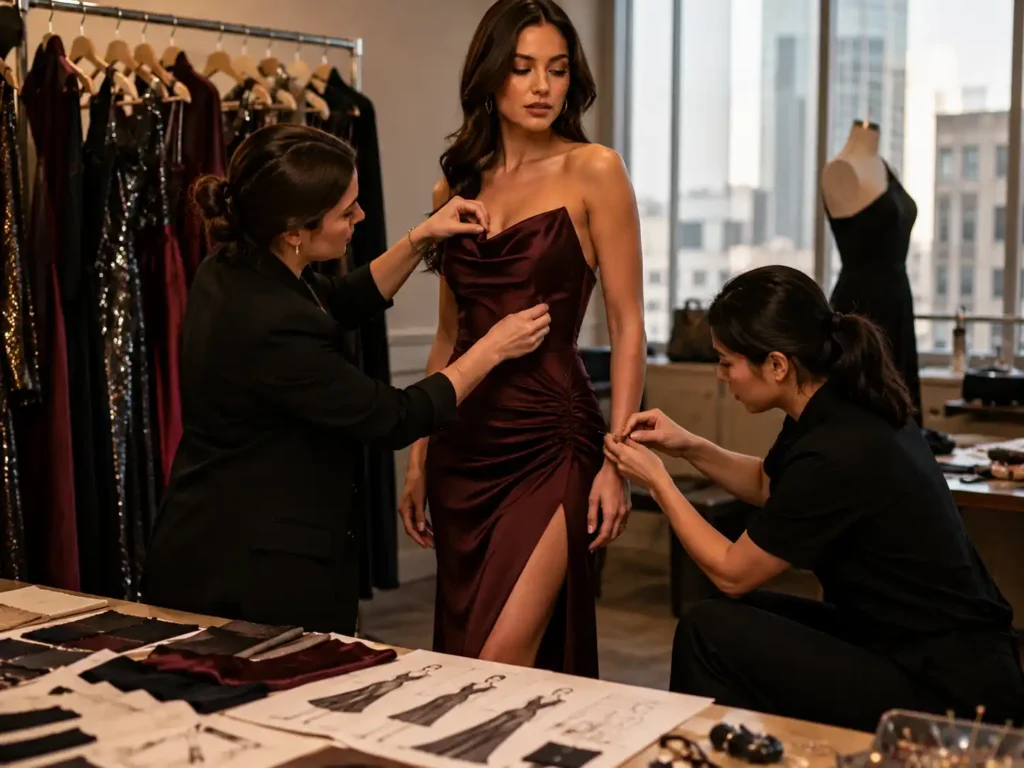
European Occasion Program — 24 Styles, 58,000 Pieces
A European occasionwear program included 24 spaghetti strap midi and maxi dresses with satin, chiffon, lace and layered mesh. Total order volume reached approximately 58,000 pieces.
The project required refined external presentation and consistent lining coverage across pale and dark colors. Early material review showed that one lightweight satin direction created excessive seam marking and insufficient opacity for the intended unlined sample concept.
Duolan reviewed alternative satin weights and introduced color-specific lining plans. Bias-cut styles received separate pattern handling from straight-grain fitted styles. Cowl necks, V-necks and straight necklines were grouped according to construction risk.
Development records identified critical points for each style, including cowl depth, strap adjustment range, lining length, slit height and back opening. PP approval locked the main fabric, lining shade, hardware finish, zipper, care label and packing method.
Production planning separated delicate satin work from layered mesh and lace styles. Inline inspection focused on needle marks, neckline shape, lining movement, strap symmetry and hem balance. Deliveries followed three scheduled shipment groups aligned with the brand’s occasion launch calendar.

Australian Resort Collection — 12 Styles, 24,000 Pieces
An Australian resort brand developed 12 printed spaghetti strap dresses across mini, midi and maxi lengths. The collection totaled approximately 24,000 pieces and combined lightweight woven fabrics, open backs, tie details and flowing skirts.
Key risks included print placement, light-color transparency, fabric movement during cutting and uneven hems on longer silhouettes. Several designs also used very low backs, increasing the need for stable front bodice construction.
Duolan reviewed print direction and panel placement before final pattern approval. Pale colorways received revised lining specifications. Maxi garments were checked for skirt balance and hem behavior after hanging, while tie-back and crossed-strap styles were reviewed for adjustment range.
The collection used a shared color and trim plan to improve visual consistency across different silhouettes. Sample comments were organized by fit, print, construction and finishing rather than combined into one general revision list.
Bulk production followed separate plans for mini commercial styles and longer, more sensitive maxi pieces. Final packing included controlled strap placement and protective folding to reduce creasing and hardware contact during transport.

Commercial Planning for Samples, Orders and Reorders
Development Planning
Sample development starts after the design basis, sample purpose and material direction are understood. Indicative timing may be:
- Standard first prototype: approximately 7–15 working days
- Complex structured or special-material sample: approximately 15–25 working days
- Revision sample: usually planned after comments and material needs are reviewed
- Photo, salesman or PP sample: scheduled according to required finishing and approved components
Timing begins from confirmed development information and material readiness rather than from an incomplete inquiry date.
Order Evaluation
- Fabric or dye minimums
- Custom print requirements
- Hardware and trim minimums
- Number of colors and sizes
- Construction complexity
- Special processes
- Testing requirements
- Packaging specification
- Delivery schedule
- Expected repeat potential
Bulk and Reorder Planning
Bulk timing is confirmed after PP approval, material readiness and production allocation. Standard planning may fall around 25–45 working days, while larger multi-style programs, custom materials or special processes require a project timeline.
Repeat orders benefit from retained pattern versions, BOM records, approved measurements, workmanship standards, label files, packing requirements and quality notes.
A strong reorder should not restart from zero. Material batch changes, color availability, component substitutions and revised quantity should still be reviewed before production release.
Frequently Asked Questions About Spaghetti Strap Dresses

Start Your Spaghetti Strap Dress Development Project
Send Duolan the information already available, whether the project begins with a complete tech pack, a reference image, an original sample, a fabric swatch or a seasonal collection brief. Our team will review the design basis, fit priorities, material direction, construction risks, target quantity and required delivery window before recommending a development route.
For a more accurate project evaluation, include:
- Brand or company name
- Product category and selling occasion
- Tech pack, sketch, reference image or original sample details
- Target fabric, colorways and lining requirements
- Required size range and measurement chart
- Estimated quantity by style and color
- Label, hangtag and packaging requirements
- Target sample date
- Required bulk delivery or launch date
- Testing, audit or inspection requirements
- Target price positioning where available
Project information, unreleased designs, tech packs, labels and brand files can be handled as confidential development materials.


