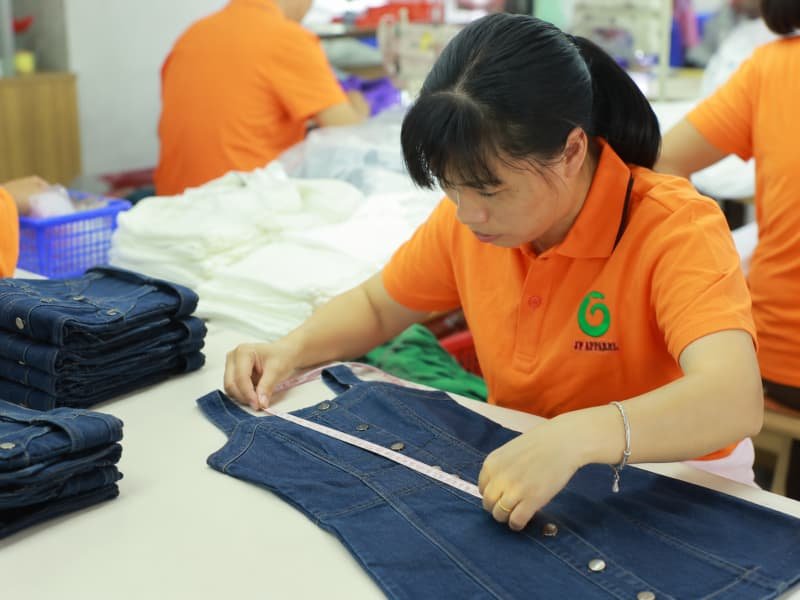
...

Custom Square Neck Dress Manufacturer

Square neck dress development built around neckline proportion, body fit, fabric behavior, production readiness and consistent bulk execution.

  • 12 square neck dress directions covering mini, midi, maxi, bodycon, occasion and corset-inspired silhouettes.
  • 13 critical measurement points reviewed around neckline, shoulder, bust, waist, armhole, length and closure.
  • 9 quality checkpoints from incoming fabric inspection to finished packing verification.
  • Manufacturing support through 16 owned factories, 20+ coordinated satellite factories and 50+ quick-response production lines.
  • Development from tech packs, reference images, original samples, sketches or structured collection briefs.

Square Neck Dress Development Built for Fashion Brands

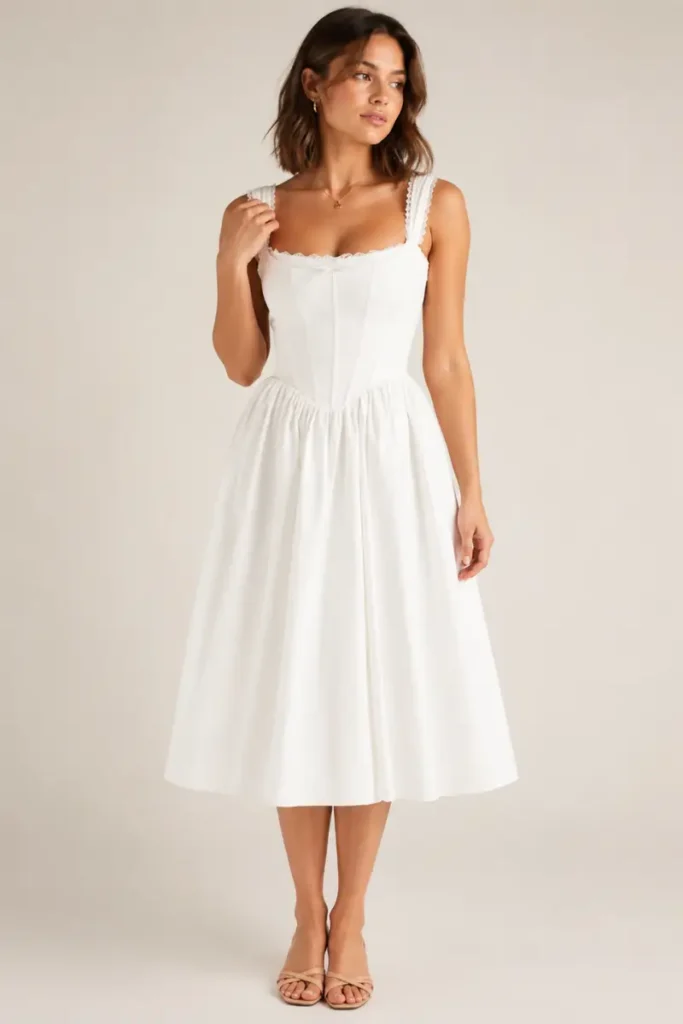
A square neckline may look visually simple, yet accurate execution depends on the relationship between neckline width, shoulder position, bust shaping, fabric stability and size grading. Duolan manages these elements through a connected development and production process.

Dress-Focused Development

Duolan focuses on fashion dresses rather than treating square neck styles as generic cut-and-sew products. Product review begins with the intended wearing occasion, target silhouette, market positioning, price structure and launch plan. Pattern, material and workmanship decisions are then aligned with the desired result.
 A satin occasion dress may need stronger neckline stabilization and lining control, while a stretch jersey style depends more heavily on recovery, negative ease and seam tension.

Neckline Fit Control

The neckline is reviewed together with shoulder width, bust volume, front-body length and armhole balance. A square neckline cannot be corrected reliably by changing only one measurement.
Our development review may cover:
  • Front neckline width and drop
  • Back neckline width and drop
  • Shoulder point and strap position
  • Bust dart or princess-seam shaping
  • Neckline corner definition
  • Lining turn-out prevention
  • Coverage across the intended size range

Fabric Coordination

Fabric selection is evaluated according to drape, stretch, recovery, opacity, edge stability, shrinkage and sewing behavior. The goal is not only to locate a similar textile, but to determine whether the material can deliver the intended neckline shape, body fit and bulk-production consistency.

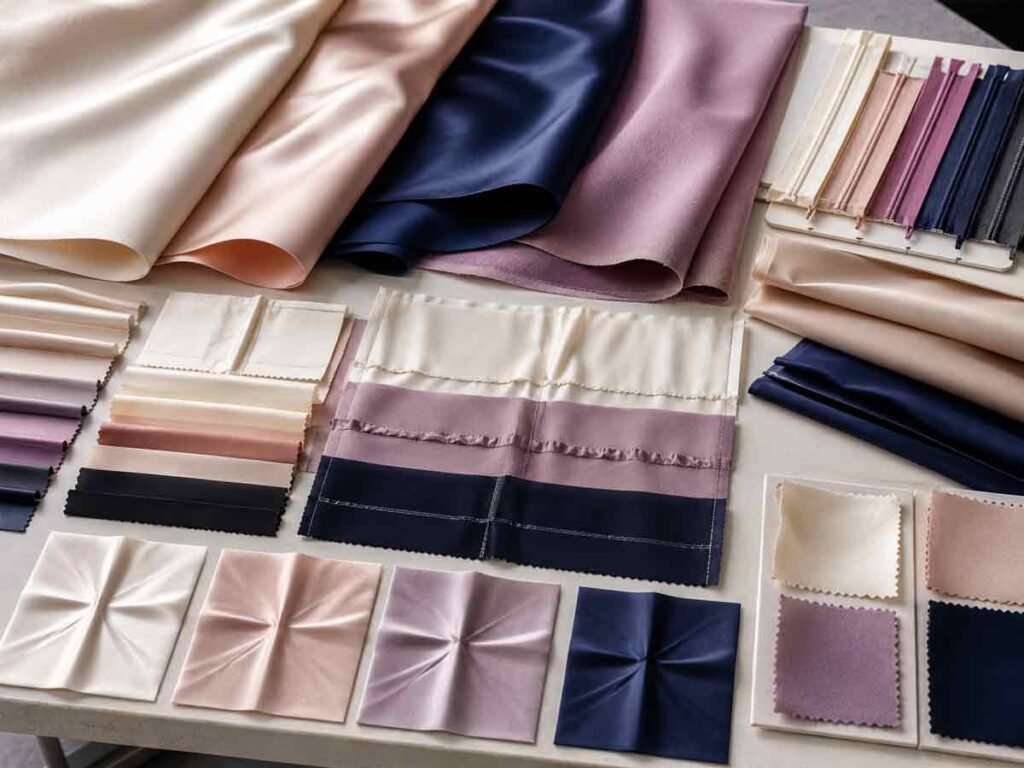
Swatches, color references, nominated materials and alternative options can be reviewed before sampling. Material approval is connected to pattern development rather than handled as a separate purchasing step.

Production-Ready Sampling

Samples are developed as decision tools for fit, proportion, fabric, workmanship and production feasibility. Depending on the project, the process can include a first prototype, fit sample, revised sample, photo sample, salesman sample and pre-production sample.
Comments are organized into pattern, measurement, material, visual and workmanship actions. Approved decisions are then carried into the specification, bill of materials and bulk-production standard.

Multi-Style Production

Square neck programs often include several silhouettes, sleeve treatments, fabrics and colorways. Duolan can separate styles by construction complexity, material behavior, finishing requirements and launch priority before assigning the appropriate development or production path.
Core styles can remain under direct factory control, while approved volume, repeat production and capacity peaks can be coordinated through the wider manufacturing network.

Controlled Delivery

Production is followed through material confirmation, cutting, first-piece review, inline inspection, measurement checks, appearance review, packing verification and shipment coordination.

The project is not considered complete when sewing ends. Garments, labels, packing details, carton marks and delivery requirements must match the approved standard before release.

Manufacturing Support for Established Fashion Product Teams
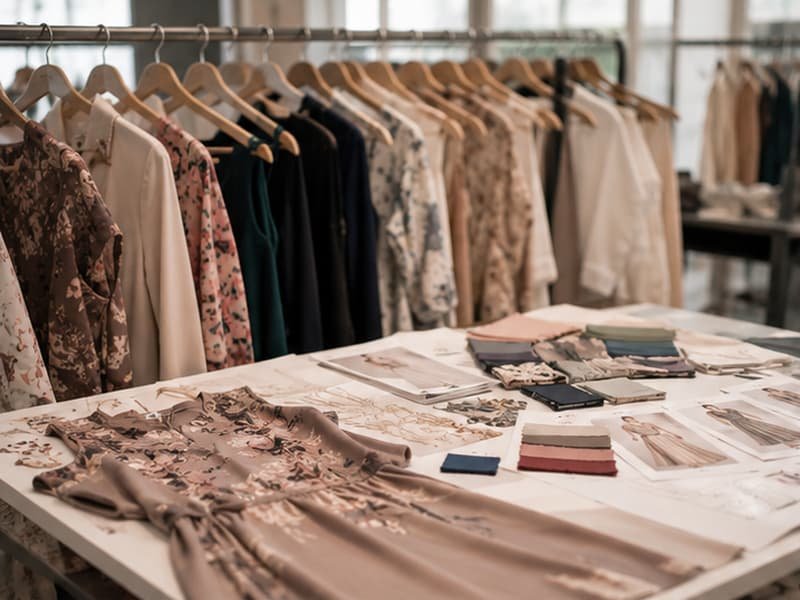
Duolan works most effectively with organizations that have a defined product direction, development calendar, quantity plan and expectation for repeatable manufacturing. Different teams receive support according to their responsibilities and internal approval process.

Fashion Brands

Established fashion brands often need more than an available production line. They need a manufacturing partner that can understand collection direction, interpret technical details, manage samples and preserve approved standards through launch and repeat orders. Square neck dress programs can be developed around a brand’s own size chart, fit model, fabric direction, color palette, labeling system, packaging standard and launch schedule. Product communication can begin from a complete tech pack or a structured design reference.

Product Development Teams

Product teams are responsible for converting creative direction into commercially workable garments. Their questions often concern neckline proportion, fabric suitability, fit priorities, sample objectives and the number of revisions required before approval. Duolan organizes development comments into clear actions. When an issue originates from the pattern, the pattern is corrected. When it originates from fabric behavior, material or construction options are reviewed rather than hiding the issue through temporary sewing adjustments.
Buying Teams

Buying and Sourcing Teams

Buying and sourcing teams need supplier discipline, costing clarity, production visibility and consistent documentation. A style must not only look correct; it must also be commercially workable within the intended quantity, timeline and quality structure. Duolan can support supplier evaluation, sample planning, quotation review, production-path planning, PP approval, QC coordination and shipment preparation. Factory and project documentation can be prepared according to the scope of the program.

Dress Collection Teams

Occasionwear, partywear, contemporary and fashion-dress teams often manage multiple square neck interpretations within one season. A collection may combine fitted jersey, woven crepe, satin, poplin and corset-inspired products. Duolan evaluates each group according to fabric, structure and production risk. Shared materials, common trims and coordinated colorways can be planned across the collection, while higher-risk styles receive separate sampling or first-piece verification.

What Strong Square Neck Dress Manufacturing Requires

Supplier selection should go beyond product photographs. Reliable development depends on how a manufacturing team translates neckline design, material behavior, size standards and approved samples into repeatable production.

Product Category Understanding

A factory experienced only in loose basics may struggle with neckline-sensitive fitted dresses. Relevant capability includes understanding contour, support, bust balance, waist fit, shoulder stability and skirt fall. Duolan’s dress-focused background supports mini, midi, maxi, bodycon, party, occasion and vacation silhouettes where upper-body proportion directly affects commercial fit.

Structured Pattern Development

A square neckline must retain clean horizontal and vertical lines without pulling, gaping or rounding at the corners. Pattern balance is reviewed before sewing begins, with attention to front-body length, shoulder placement, bust shaping and neckline stabilization. Fit corrections are returned to the pattern and specification rather than being treated as isolated sample-room alterations.

Material-to-Design Matching

Different materials produce different neckline outcomes. Stable poplin can hold a clear edge but may require bust shaping. Soft satin offers fluidity but can expose seam tension and neckline waviness. Stretch jersey may fit closely but needs recovery control. A capable manufacturer should explain these differences before bulk material is ordered.

Sample-to-Bulk Discipline

Approved appearance alone is insufficient. Production requires an approved pattern version, measurement specification, material references, trim details, construction notes, label placement and packing instructions. Duolan uses a bulk-readiness review before production starts so unresolved fit, fabric or workmanship decisions are not transferred into thousands of garments.

Scalable Production Structure

A fashion program may move from initial development into launch quantities, repeats and larger seasonal releases. Capacity must expand without losing the approved fit and construction standard. Duolan combines owned manufacturing control with coordinated production support for multi-style scheduling, repeat orders and seasonal volume.

Documented Quality Control

Quality control should start before the final inspection. Material checks, cutting control, first-piece verification, inline review, measurement inspection and packing approval all contribute to final consistency. Square neck products require dedicated checks for corner shape, neckline symmetry, shoulder placement, bust gaping, lining exposure and size-to-size proportion.

Square Neck Dress Risks and Control Actions

A square neckline concentrates several fit and workmanship risks in a small area. Identifying each risk before bulk production allows technical actions to be defined, sampled and inspected against an approved standard.

Development or Production RiskLikely CauseDuolan Control Action
Neckline appears too wideIncorrect proportion between neckline, shoulder and bustReview neckline width with shoulder point, bust volume and target coverage
Front neckline gapsInsufficient bust shaping, excess front width or unstable fabricAdjust dart, princess seam, neckline contour or stabilization method
Shoulders slip outwardShoulder placement is too wide or garment balance is incorrectReview shoulder point, strap angle, back width and front-to-back balance
Square corners become roundedStretching during sewing, weak stabilization or incorrect seam methodApply controlled reinforcement, corner sewing sequence and pressing standard
Left and right sides differPattern, cutting, sewing or pressing inconsistencyUse mirrored pattern control, cutting checks and symmetry inspection
Lining rolls outwardIncorrect turn-of-cloth, weak understitching or lining imbalanceAdjust lining pattern, understitching, edge control and pressing
Neckline waves after sewingFabric stretch, feed imbalance or excessive handlingTest seam construction, stabilize edges and control machine tension
Larger sizes lose coverageGrading rule increases neckline opening too aggressivelyReview neckline and shoulder grading separately from bust and body growth
Bulk differs from approved sampleMaterial, pattern or workmanship version changedLock pattern, BOM, approved materials, PP sample and inspection references

Custom Square Neck Dress Product Directions
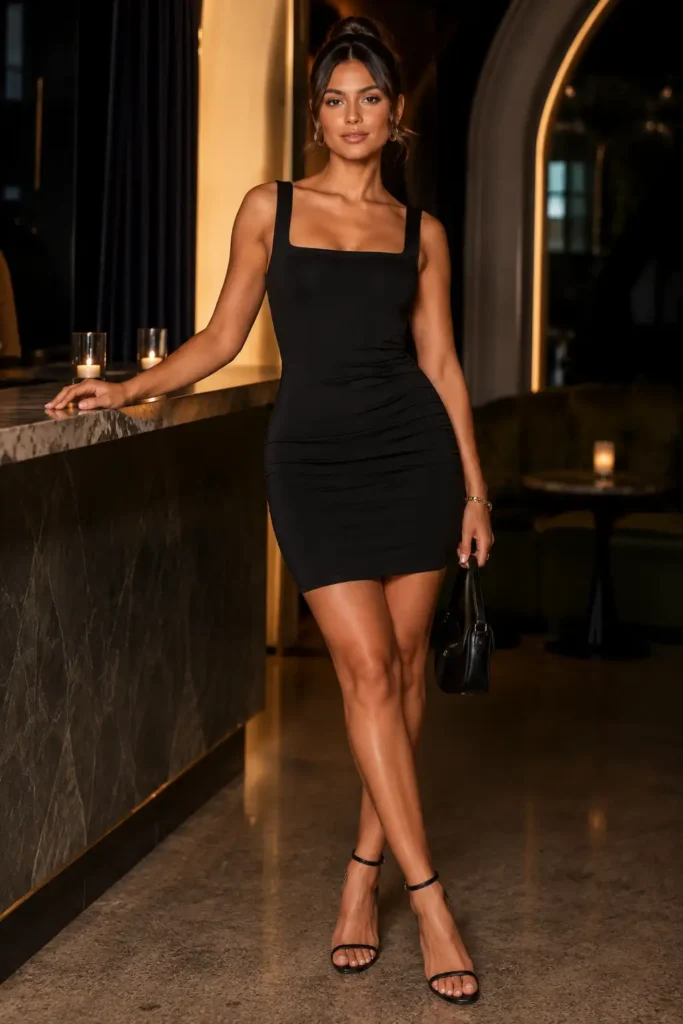
Square neck styling can support casual, contemporary, fitted and occasion collections. Each direction requires different pattern, material and production decisions. Duolan develops products according to the intended market position rather than applying one standard block to every silhouette.

Sleeveless Square Neck

Sleeveless versions place greater visual attention on the neckline, shoulder and armhole. Pattern development must balance coverage with a clean, open upper-body line. Stable woven fabrics may require bust darts, princess seams or panel shaping. Stretch constructions need controlled negative ease and recovery. Armhole depth, shoulder width and lining attachment are reviewed together to prevent gaping at the side bust or neckline. Suitable directions include structured mini dresses, fitted midi dresses, summer day dresses and occasion styles.

Puff Sleeve Square Neck

A puff sleeve changes the visual width of the upper body and increases stress around the shoulder seam. Sleeve-head volume, elastic tension, shoulder placement and neckline width must work as one composition. Lightweight poplin, cotton blends, organza, crepe and softly structured woven fabrics can create different effects. Sleeve fullness should be tested against the target size range so larger sizes retain proportion without becoming visually heavy. Production control covers sleeve symmetry, gathering distribution, elastic length and matching between neckline and sleeve opening.

Long Sleeve Square Neck

Long-sleeve square neck dresses can move from fitted contemporary products to romantic occasionwear. Sleeve cap, shoulder balance, arm mobility and cuff construction must support the neckline rather than pull it outward. Stretch jersey may use close-fitting sleeves with recovery control. Woven styles require sufficient sleeve ease and armhole shaping. For fitted bodies, the relationship between sleeve movement and neckline stability is checked during fit review. Cuff type, sleeve length, lining and closure details can be developed according to season and price position.

Square Neck Mini

Mini dresses depend heavily on body proportion. The square neckline, waist position, skirt length and hem opening must create a balanced silhouette from front, side and back views. Development can cover fitted, A-line, panelled, ruched or corset-inspired shapes. Sitting coverage, walking movement and zipper length are reviewed alongside appearance. Common fabric directions include stretch crepe, ponte, jersey, satin, poplin and novelty woven materials. Length and hem tolerance receive dedicated inspection because small variation is visually noticeable in short dresses.

Square Neck Midi

Midi lengths support contemporary, occasion, resort and daywear collections. Their commercial success depends on the relationship between neckline openness, waist definition and skirt fall. A fitted midi may need controlled stretch, slit placement and lining coverage. An A-line or gathered midi requires volume management and seam stability. Fabric weight must support the intended drape without pulling the upper body out of balance. Duolan can develop side slits, back slits, panel seams, waist seams, ruching and different sleeve combinations around the same square-neck identity.

Square Neck Maxi

Maxi square neck dresses require control across a larger garment length. Skirt weight can pull downward on the neckline, especially in soft jersey, satin or heavily gathered constructions. Pattern review covers bodice support, waist seam stability, skirt weight, lining, hem circumference and hanger or packing method. For resort and occasion products, movement and visual flow are balanced against bulk-production handling. Options include fitted bodices with flowing skirts, tiered constructions, side slits, open backs, long sleeves and coordinated lining systems.

Square Neck Bodycon

Bodycon styles depend on fabric stretch, recovery and controlled negative ease. A neckline that looks stable on a flat sample may gape or distort when worn if bust shaping and stretch distribution are not engineered correctly. Duolan reviews fabric stretch in relevant directions, garment measurements, bust-to-waist shaping, seam placement and neckline reinforcement. Size grading must preserve coverage without making the upper opening progressively wider. Ponte, double knit, stretch crepe, rib knit and lined jersey are common directions, selected according to support and price position.

Square Neck A-Line

A-line dresses combine a defined bodice with a skirt that opens gradually from the waist or high hip. The neckline and upper body should remain controlled while the skirt provides movement. Pattern decisions include waist seam placement, dart transfer, panel shaping, skirt volume and hem balance. Cotton poplin, linen blends, woven crepe and structured satin can all create different commercial effects. For multi-size production, skirt volume and bodice fit are graded separately so the silhouette remains intentional rather than becoming excessively loose in larger sizes.

Corset-Inspired Square Neck

Corset-inspired designs can include panel seams, boning, cups, under-bust shaping, lace-up details or internal support. The square neckline must connect visually and structurally with the bodice architecture. Development begins with the desired support level and wearing occasion. Boning position, cup volume, seam placement, lining, closure and neckline coverage are reviewed through fitting rather than added as decorative details. Bulk production may require first-piece confirmation and controlled operations for boning channels, cup placement, lining and zipper installation.

Satin Square Neck

Satin highlights every construction decision. Seam tension, needle marks, pressing, neckline waviness and lining turn-out become more visible under light.

The fabric is evaluated for weight, drape, shine, snag risk and color consistency. Neckline edges may require careful stabilization without creating stiffness or visible impressions.

Duolan reviews cutting direction, seam type, understitching, zipper application and pressing conditions before bulk production. Packaging must also reduce creasing and surface damage.

Jersey Square Neck

Jersey square neck dresses can deliver close fit and comfort, but neckline stability depends on fabric recovery, binding method, seam tension and garment ease.

Development includes stretch testing, recovery review, neckline construction trials and fit checks after wear. Rib, interlock, ponte and single jersey behave differently and cannot share one default method.

For size grading, bust and body measurements may increase while neckline growth remains more controlled. Bulk inspection includes neckline recovery, seam stretch and left-right symmetry.

Occasion Square Neck

Occasion styles may combine satin, crepe, mesh, lace, sequins, draping, corsetry or statement sleeves. Visual impact must be supported by reliable construction and wearer comfort.

Development focuses on neckline proportion, bust support, lining coverage, closure, movement and skin-contact areas. Decorative treatments are reviewed for weight, attachment and repeatability.

The approved sample becomes the reference for fabric, trims, workmanship, placement and final appearance. Higher-risk operations can be verified through pilot production before full release.

Square Neck Dress Customization Across Key Design Areas

Customization is not a list of isolated options. Changing neckline depth, fabric, sleeve or length affects fit, support, cost and production. Duolan evaluates connected decisions before confirming the most suitable development path.

Neckline Width

Neckline width controls shoulder exposure, visual proportion and wearing stability. Wider openings create a stronger fashion statement but increase the risk of shoulder slippage and bust gaping. Width is reviewed against shoulder point, bust shape, sleeve construction and target size range. Grading rules can limit excessive neckline growth while allowing the body measurements to increase correctly.

Neckline Depth

A shallow square neck provides stronger coverage and works well for structured daywear. A deeper neckline may suit occasion or partywear but requires careful bust shaping, lining coverage and wearer-security review. Front neckline drop is measured from a defined reference point. The intended market, fit model, cup range and garment movement are considered before approval.

Sleeve Direction

Sleeveless, short, puff, cap, long, gathered and off-shoulder-influenced sleeves can all be developed around a square neckline. Each sleeve changes stress around the shoulder and armhole. Sleeve-head volume, elastic length, cuff type and arm mobility are reviewed with the bodice. A sleeve should not pull the neckline outward when the wearer raises or moves her arms.

Dress Length

Mini, midi and maxi lengths require different proportion, movement and tolerance controls. Length changes can alter zipper requirement, lining consumption, skirt weight, slit position and packing method. Rather than extending or shortening one pattern mechanically, Duolan reviews the full silhouette and rebalances waist position, skirt volume and hem opening where required.
By Silhouette​

Silhouette Shape

Fitted, bodycon, A-line, column, fit-and-flare, corset-inspired and gathered silhouettes require different pattern foundations. The selected fabric must support the silhouette. Stretch and recovery drive close-fitting styles, while woven products depend on darts, panels, seams and closure construction. Ease is planned around the intended fit rather than added uniformly.

Fabric and Lining

Main fabric and lining are selected as a system. A lining can improve opacity, support, comfort and seam coverage, but incorrect weight or stretch may distort the outer garment. Full lining, bodice lining, skirt lining, partial lining and underlining can be reviewed. Color, shrinkage, stretch compatibility and edge behavior are confirmed before bulk.

Trim and Support Materials​

Closure and Support

Invisible zippers, back zippers, side zippers, buttons, smocking, elastic panels and lace-up systems affect fit and dressing ease. Support can include darts, princess seams, elastic, cups, boning, stay tape or internal panels. The chosen method should match the wearing occasion and price position without adding unnecessary bulk.

Branding and Packing

Main labels, size labels, care labels, hangtags, barcodes, polybags, garment bags and carton marks can follow the brand’s approved specifications. Placement is reviewed alongside construction so labels do not irritate the wearer or distort the neckline. Packing methods are chosen according to fabric, ornamentation, wrinkle sensitivity and distribution channel.

Engineering a Clean and Stable Square Neckline

Square neckline quality is determined before the garment reaches the sewing line. Proportion, body balance, corner geometry, reinforcement and grading must be aligned in the pattern and confirmed through fitting.

Balancing Neckline Proportion With the Body

A square neckline is read as a geometric frame around the upper body. Its visual success depends on the relationship between horizontal width, vertical depth, shoulder exposure and bust position.
Key development decisions include:
  • Front width: A wide opening can look modern but may move beyond the stable shoulder area.
  • Front drop: Depth affects coverage, bust shaping and the location of the horizontal neckline edge.
  • Back neckline: Back width and depth influence shoulder stability and garment balance.
  • Shoulder line: Narrow shoulders can create slippage; overly wide shoulders can make the neckline appear small or closed.
  • Body length: Incorrect front length can cause the neckline to stand away from the chest or pull downward.
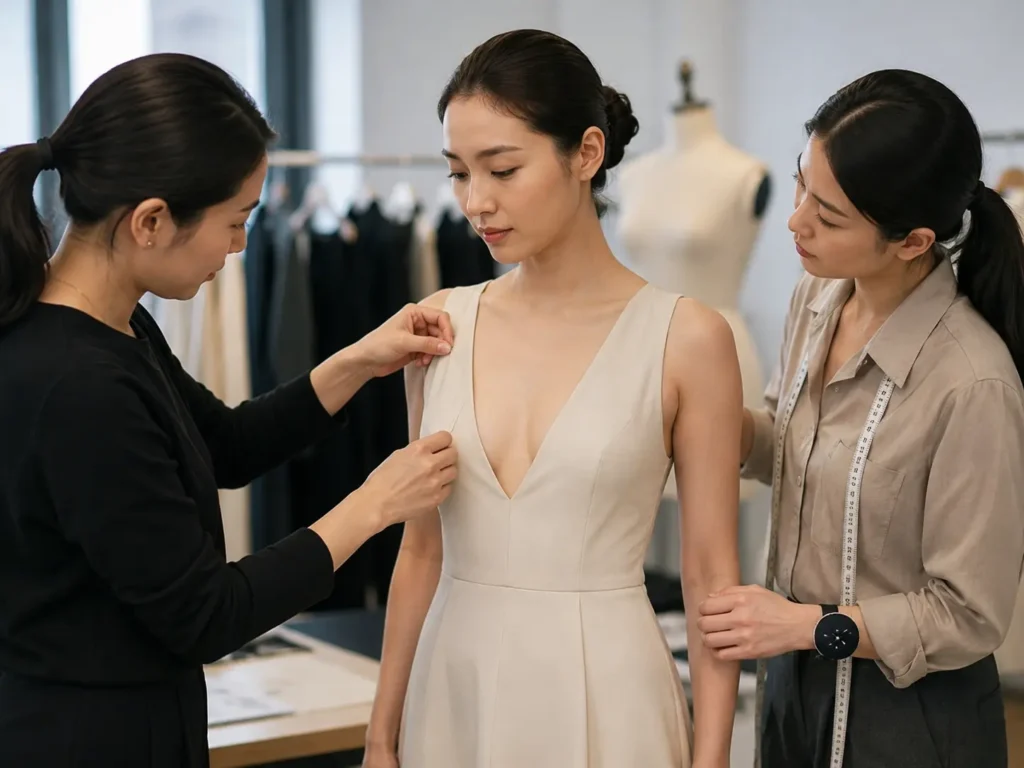
Duolan reviews the target design on a body or dress form rather than judging the neckline only from a flat sketch. The same nominal neckline dimensions can behave differently across fabrics, bust shapes and silhouettes.
When the design moves from a fitted mini to an A-line midi or structured occasion dress, the pattern foundation is reconsidered. The goal is to preserve the intended visual identity while maintaining wearable coverage and production stability.

Controlling Shoulder and Bust Balance

Shoulder placement and bust shaping determine whether the neckline stays close to the body. A front opening may gape even when the measured width appears correct because excess length, insufficient dart control or incorrect shoulder angle is present.
Development review may include:

  • Bust dart intake and direction
  • Princess-seam contour
  • Under-bust shaping
  • Shoulder slope
  • Front armhole contour
  • Front-to-back body balance
  • Strap angle or shoulder width
  • Closure tension

For fitted woven dresses, shaping is built through darts, panels or curved seams. Stretch styles use fabric recovery and controlled ease, but still require anatomical shaping. Elastic fabric cannot compensate for an incorrect pattern indefinitely.
Fit comments such as “neckline stands away,” “shoulder slips,” or “front edge pulls down” are translated into technical causes before correction. Alterations are returned to the pattern, measurement chart and next sample instructions so the approved solution can be repeated in bulk.

Preserving Sharp Corners and Edge Stability

Square corners can become rounded, stretched or asymmetric during cutting, sewing, turning and pressing. Clean geometry requires a controlled construction sequence.
Possible control methods include:

  • Stay stitching or stabilization before handling
  • Lightweight fusible or edge reinforcement where suitable
  • Accurate corner clipping without weakening the seam
  • Consistent seam allowance
  • Controlled turning technique
  • Understitching to keep lining inside
  • Pressing templates or shape references
  • Symmetry checks after pressing

Material choice determines which method is appropriate. Heavy reinforcement can create visible stiffness in satin. Weak reinforcement can allow soft jersey or bias-prone woven fabric to stretch.
The approved corner shape should be documented through the sample, construction note and close-up reference. During production, operators and inspectors need a clear visual standard rather than a general instruction such as “make the neckline clean.”

Maintaining Coverage Across the Size Range

Grading a square neck dress requires more than increasing bust, waist and hip measurements. If neckline width and depth grow at the same rate as the body, larger sizes may become overly open and lose shoulder stability.
A grading review can separate:

  • Body circumference growth
  • Shoulder-width growth
  • Neckline-width growth
  • Neckline-depth growth
  • Armhole development
  • Bust shaping
  • Strap or shoulder position
  • Front-body length

A common project may cover US 0–16 or a brand-defined XXS–XXL range, while extended sizing can be developed from an approved size strategy. Duolan follows the brand’s chart rather than imposing a generic size template.
Critical sizes can be sampled or measured separately when the style is highly fitted, low-cut or support-sensitive. The purpose is to preserve design proportion, comfort and coverage throughout the commercial size run.

Critical Measurements for Square Neck Dress Fit

A measurement specification converts visual fit into repeatable production standards. Square neck dresses require additional control around the upper body because small dimensional changes can alter coverage, symmetry and shoulder stability.

Neckline Measurement Points

The technical file should define where every neckline measurement begins and ends. Common controls include front neck width, front neck drop, back neck width, back neck drop and distance from the neckline corner to the shoulder point. Measurements must specify whether they are taken along a seam, in a straight line or from a defined high-shoulder reference. Unclear methods create different interpretations between the sample room, production line and inspection team.

Upper-Body Measurement Points

Bust, under-bust, waist, shoulder width, front-body length, back-body length and armhole depth work together. A fit comment cannot be corrected reliably without identifying which measurements and pattern areas created the issue. Fitted products may also require cross-front, cross-back, bust-point distance, princess-seam position and side-seam balance. Strap or shoulder length is critical for open-neck styles.

Length and Movement Points

Dress length, skirt length, hem opening, slit height and lining length influence proportion and movement. Measurements should state the reference location, such as high shoulder point to hem or waist seam to hem. Mini dresses require close length control. Midi and maxi styles require hem balance and consideration of fabric weight. Slit measurement should reflect walking and sitting coverage, not only flat appearance.

Measurement Tolerance

Not every point should receive the same tolerance. Neckline width, neckline drop, shoulder position and strap length usually require tighter control than a wide skirt hem. Tolerance is confirmed according to material, construction and target fit. Stretch garments may need defined measurement conditions, including whether the fabric is relaxed before inspection.

Size Grading Review

Base-size approval does not automatically confirm the full size run. Grading rules should preserve neckline coverage while increasing body dimensions appropriately. Duolan can follow a supplied grade rule or assist in reviewing how key points change between sizes. Size-set or selected-size review may be recommended for fitted and structure-sensitive styles.

Comments Into Standards

Fit comments are recorded against measurements, pattern changes and workmanship actions. A request such as “raise the neckline” should identify the amount, reference point and effect on adjacent pattern areas. Approved corrections are transferred to the specification and QC reference so production inspection follows the same decision made during fitting.

Fabrics Selected for Shape, Fit and Production Stability

The right square neck dress fabric must support the neckline, silhouette, comfort level and commercial price. Duolan evaluates material structure and production behavior rather than selecting fabric by appearance alone.

Ponte Jersey

Ponte offers body, stretch and recovery for fitted mini, midi and bodycon products. Its density can support a clean neckline without relying on heavy reinforcement. Development focuses on weight, stretch percentage, recovery, pilling, shrinkage and seam bulk. A lightweight ponte may not provide the same support as a dense double knit, even when both share a similar composition.

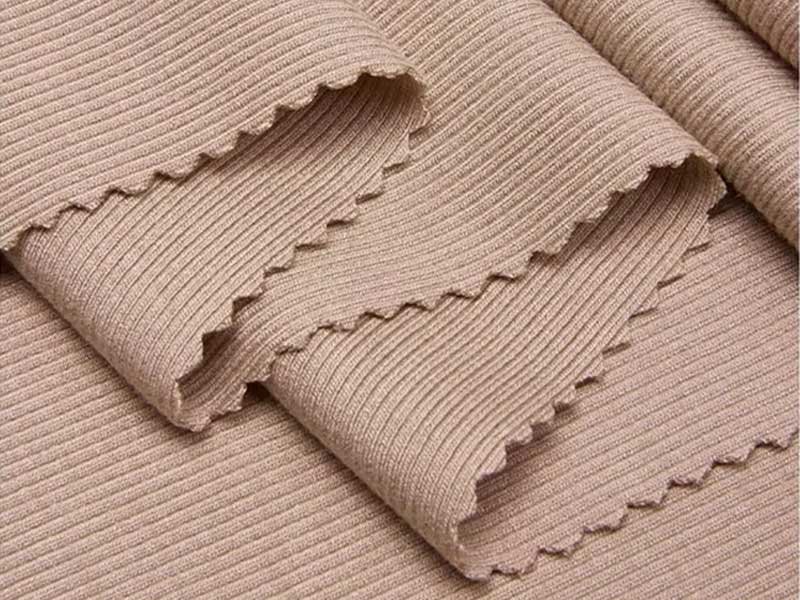
Rib Knit

Rib knit creates texture and close fit but can expand significantly across the body. Neckline width and binding construction must account for the fabric’s stretch and recovery. Sampling should evaluate wear relaxation, neckline return, vertical growth and seam waviness. Rib direction and cutting consistency are important for visual alignment.

Stretch Crepe

Stretch crepe works for fitted contemporary and occasion dresses, offering cleaner structure than lightweight jersey while maintaining movement. The material is reviewed for stretch direction, recovery, opacity and surface sensitivity. Pattern ease and lining strategy depend on weight and intended fit. Seam tension must remain controlled around sharp neckline corners.

Woven Crepe

Woven crepe can create a polished square neckline with fluid skirt movement. Since it provides limited stretch, bust shaping, closure and wearing ease must be built into the pattern. Fabric stability, shrinkage, grain direction and pressing response are checked before cutting. Lining may be used for opacity, comfort or structure.

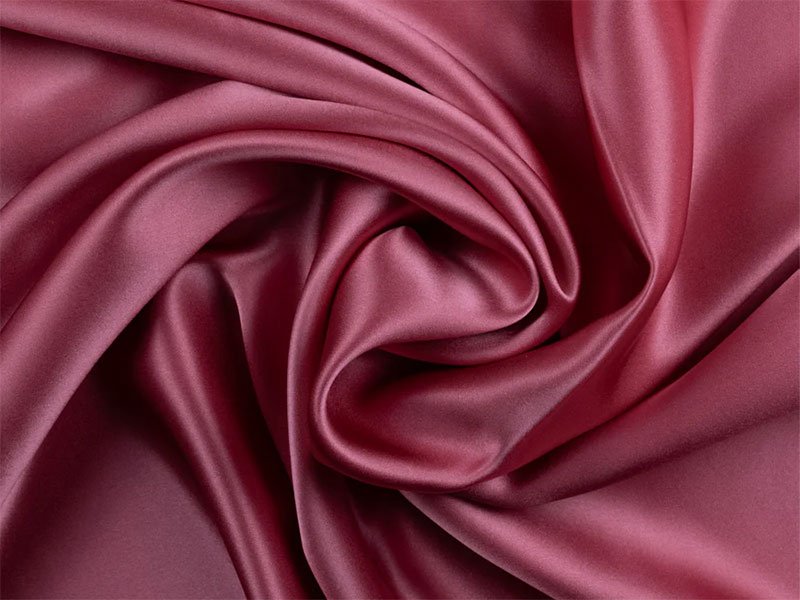
Satin

Satin supports evening, party and occasion products but reveals needle marks, seam tension and pressing errors. Its drape can make the neckline appear soft unless edge control is carefully developed. Weight, shine, snagging, color variation and bias movement are reviewed. Lining, reinforcement and packing must avoid visible impressions.
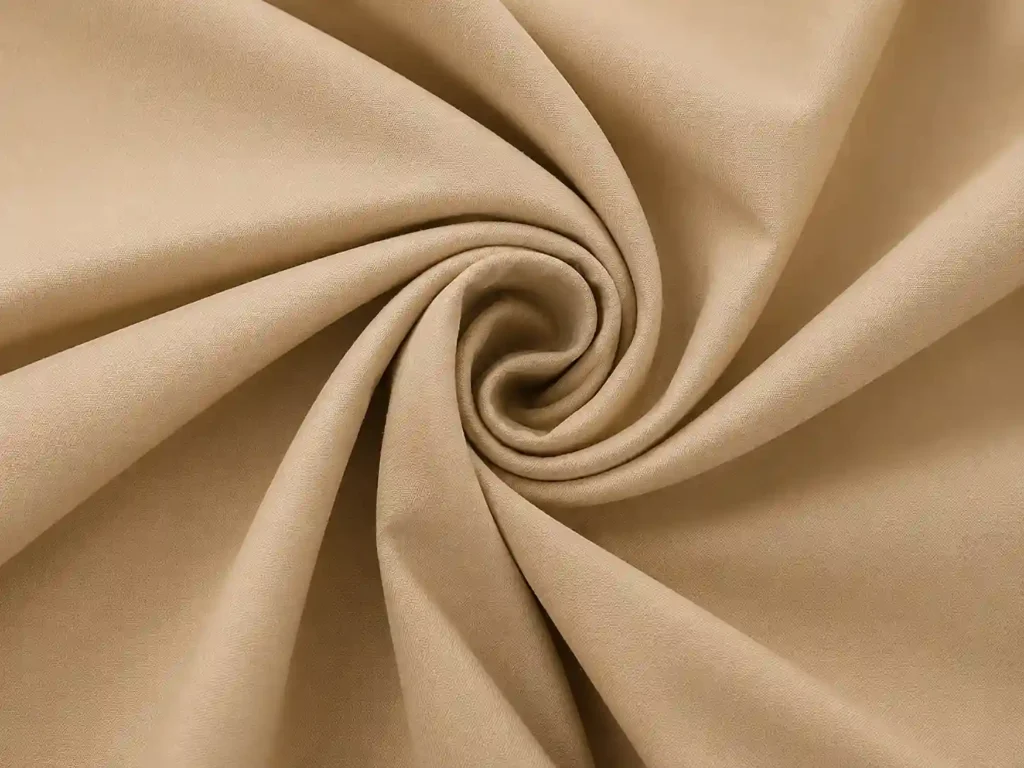
Cotton Poplin

Poplin creates crisp square necklines, puff sleeves and structured summer dresses. Its stability helps define corners, but limited stretch requires accurate bust and armhole shaping. Development reviews shrinkage, transparency, crease behavior and garment ease. Gathering and sleeve volume should remain controlled so the upper silhouette is balanced.

Linen Blend

Linen blends suit resort, vacation and warm-weather collections. Natural texture supports relaxed visual direction, while fiber blends can improve softness and crease recovery. Neckline reinforcement should remain light enough to preserve the natural hand. Shrinkage, slub variation, color consistency and seam behavior are evaluated before bulk.
Velvet or textured fabrics​

Velvet or Mesh

Velvet and mesh create distinctive fashion statements but require specialized control. Velvet has nap direction, pressure sensitivity and bulk. Mesh introduces stretch, transparency and lining challenges. Square neck products using either material need careful cutting, stabilization and skin-contact review. Mesh layering must preserve the neckline shape without visible distortion.

Lining, Support and Trims Behind Reliable Fit

Small material decisions can determine whether a square neck dress feels refined, fits securely and remains consistent in production. Outer fabric, lining, support, closure and branding components are reviewed as one garment system.

Full or Partial Lining

Full lining can improve opacity, comfort and internal appearance. Partial lining may preserve breathability or reduce cost and bulk.
The lining pattern must match the outer garment without pulling or rolling. Stretch compatibility, shrinkage, color and static behavior are checked according to the dress structure.

Stay Tape and Interfacing

Stay tape or lightweight interfacing can stabilize neckline edges and prevent stretching during construction and wear.
Selection depends on fabric weight and surface. Reinforcement should support the shape without creating stiffness, visible ridges or adhesive marks. Width and placement are confirmed in the sample.

Darts and Princess Seams

Darts and princess seams shape the bodice around the bust and waist. Their position influences neckline contact, visual proportion and comfort.
Duolan reviews intake, seam curve, bust-point placement and grading. Decorative seam lines can also become functional shaping tools when developed correctly.

Cups and Internal Support

Cups, under-bust panels, elastic, boning or internal stabilization may be used for occasion and corset-inspired products.
Support level should be defined before sampling. Cup shape, position, lining coverage and closure tension must suit the intended size range and wearing occasion.

Zippers and Closures

Invisible back or side zippers are common for fitted woven dresses. Zipper length and position affect dressing ease, side-seam balance and surface appearance.
Zipper tape, color, puller, seam allowance and insertion method are confirmed. Stretch styles may use concealed zippers, pull-on construction or elasticated back panels.

Labels and Brand Trims

Main labels, size labels, care labels, hangtags and decorative trims need approved material, color, placement and attachment.

Neck labels must not distort the back neckline or irritate the wearer. Trim placement is measured and included in the PP and packing reference.

Design Feasibility Before Pattern and Sample Development

A reference image can communicate visual direction, but production requires decisions about proportion, fabric, support, closure, construction and price. Duolan reviews these factors before development resources are committed.

Translating Creative Direction Into Product Standards

The initial review identifies the intended market, wearing occasion, silhouette, price position and launch purpose. A photo sample, fit sample and production-ready sample may look similar, yet each serves a different decision.
Available inputs can include:
  • Tech pack and flat sketch
  • Reference image
  • Original sample
  • Moodboard or collection direction
  • Fabric swatch
  • Size chart
  • Target quantity
  • Launch date
Missing information is listed before sampling so assumptions do not quietly become production standards. A square neckline described only as “wide and low” needs defined measurements, coverage and structural expectations.
The result of the review is a clearer development route rather than an immediate promise to reproduce every visual detail exactly.

Matching Fabric Behavior to the Intended Silhouette

Material and design must be assessed together. A neckline developed in structured woven fabric cannot be transferred directly to soft stretch jersey. Satin, poplin, linen, crepe and ponte all respond differently to cutting, sewing, pressing and wear.

The review considers:

  • Drape and body
  • Stretch and recovery
  • Opacity
  • Edge stability
  • Shrinkage
  • Surface sensitivity
  • Support requirements
  • Bulk availability

When the nominated fabric is unavailable, unstable or outside the target cost, alternative materials can be presented with a clear explanation of how the garment effect may change.

Identifying Structure and Wearability Requirements

Support requirements are defined according to neckline depth, bust fit, closure and intended use. Casual daywear may rely on darts and lining. Occasion products may require cups, boning or internal panels.

Wearability checks include:

  • dressing access
  • arm movement
  • shoulder security
  • sitting coverage
  • skin-contact comfort.

Decorative features should not create uncontrolled weight, scratching or distortion.Potential risks are identified before the first sample, allowing the pattern and construction route to address them from the beginning.

Reviewing Bulk Feasibility and Project Timing

A feature may be achievable in one sample but inefficient or unstable across 20,000 garments. Development therefore considers how cutting, sewing, pressing, inspection and packing can be repeated.
The assessment covers:
  • Critical operations
  • Material minimums
  • Trim development
  • Special-process scheduling
  • Quality checkpoints
  • Pilot or first-piece requirement
  • Production-line suitability
  • Shipping window
The brand receives a more realistic development and production plan before the project moves into expensive revisions or material commitments.

Information Needed to Begin Your Dress Project

Complete technical information improves costing accuracy and first-sample quality. Projects may also begin from structured references, provided key measurements, materials, quantities and commercial requirements are clarified during review.

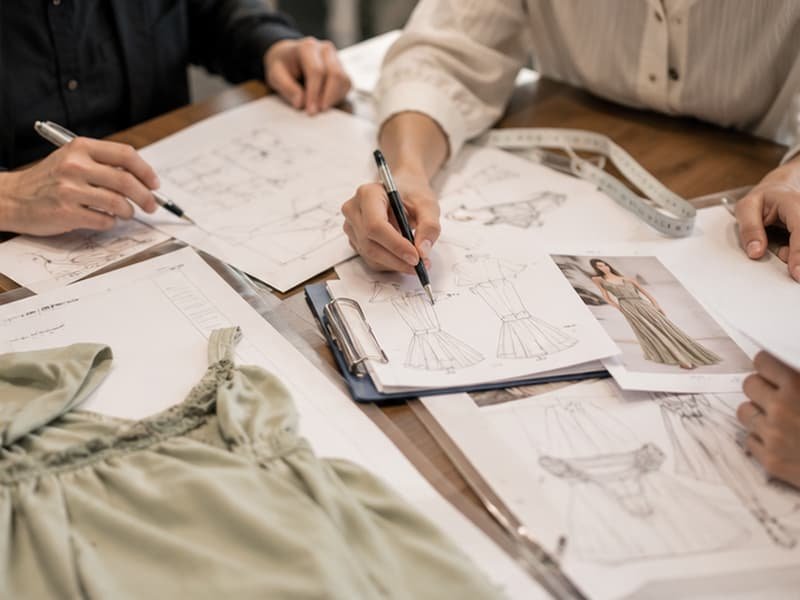
Tech Pack or Sketch

Provide flat drawings, construction notes, measurements and visible design details where available. Mark front, back and internal features clearly. A complete tech pack supports faster quotation and development. Missing items can be identified during the initial review.

Reference Images

Reference images should indicate which features are important: neckline shape, sleeve, fabric, body fit, length, trim or construction. Multiple images may represent different elements. Notes help prevent the development team from assuming every visible detail must be copied.

Original Sample

An original sample can be measured and reviewed for construction, fabric, fit and improvement opportunities. Please state whether the goal is replication, fit correction, material replacement, cost adjustment or development of a related collection.

Size Standards

Share the base size, full size chart, grade rules, fit model information and tolerance requirements when available. If only a base sample exists, the intended market and size range should be stated before grading begins.

Materials and Colors

Provide nominated fabric details, swatches, composition, weight, stretch, color references or desired hand feel. Include lining, zipper, cups, elastic, boning, labels and decorative trim requirements where relevant.

Quantity and Timeline

State planned styles, colorways, size range, quantity by style or program and target launch date. A collection of 10–30 styles requires coordinated sample priority and material planning. Early timeline visibility allows critical styles and long-lead materials to be identified.

Fit Review and Pattern Correction With Clear Actions

Useful sample comments must lead to measurable pattern, material or workmanship changes. Duolan organizes feedback by technical cause so revisions move the product toward approval rather than creating repeated trial-and-error cycles.

Separating Fit From Visual Preference

“Too open,” “not flattering” or “does not feel secure” may contain several issues. The team reviews whether the concern comes from neckline width, front length, bust shaping, shoulder position, fabric or styling preference. Separating technical fit from creative preference helps define the correct solution. A visual preference may require a design change, while a fit issue should be corrected through pattern or measurements.

Returning Corrections to the Pattern

Temporary pinning or sample-room adjustments can show a possible direction but do not become production standards automatically. Approved changes are returned to the pattern, measurement specification and construction notes. Pattern versions are controlled so old and new files are not mixed during further sampling or bulk preparation.

Organizing Revision Comments

Comments are grouped into:
  • Pattern and fit changes
  • Measurement changes
  • Fabric or trim changes
  • Construction changes
  • Visual styling changes
  • Production-readiness questions
Each comment should state the required action, reference location and approval status. Photos or annotated diagrams can support complex areas.

Confirming the Next Sample Purpose

Not every revision needs to answer every question.

A fit sample may use available color while confirming the pattern.
A photo sample may prioritize final appearance.
A PP sample must represent approved production materials and workmanship.

Defining the next stage prevents unnecessary delay and makes approval responsibilities clearer across design, product, buying and production teams.

Building a Production-Ready Square Neck Dress Standard
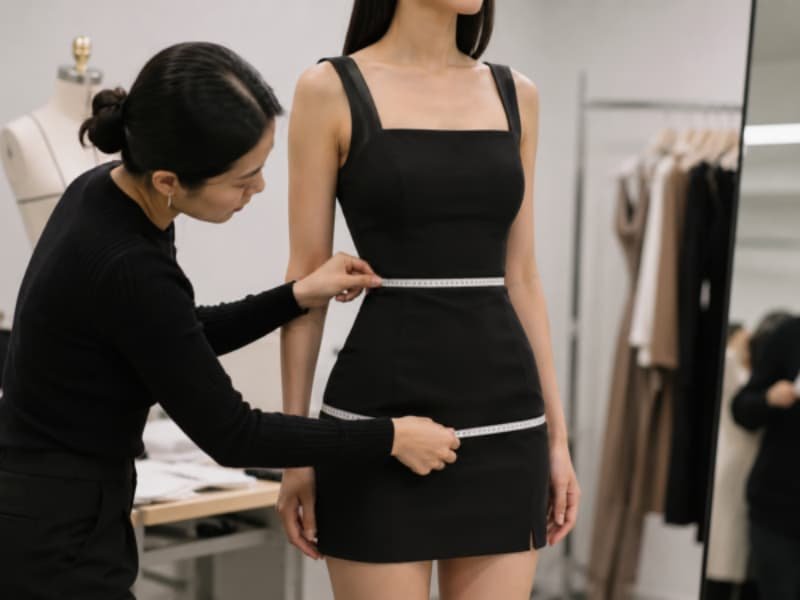
A visually approved sample must be converted into a complete manufacturing reference. Before bulk release, Duolan checks whether fit, materials, workmanship, branding and packing have reached a production-ready status.

Fit and Measurements

Approved body fit, neckline proportion and critical measurements are confirmed against the latest pattern and specification. Outstanding comments are separated from confirmed points. Production does not begin from an unclear mix of old and new measurements.

Fabric and Color

Main fabric, lining and color references are locked according to the approved source or bulk lot. Batch variation, shrinkage, stretch and hand feel are reviewed where relevant. Material changes after approval require a controlled re-evaluation.

Trims and Support

Zippers, cups, elastic, boning, interfacing, labels and decorative trims are confirmed through the BOM or equivalent material list. Supplier, color, size, placement and construction method are defined before bulk purchasing and line release.

Workmanship Standard

Critical construction points receive written or visual references. Square neckline corners, reinforcement, lining, understitching, zipper finish, seam allowance and pressing shape are included where required. The standard needs to be clear enough for production and QC teams to apply consistently.

PP or Golden Sample

The PP or golden sample represents the approved combination of fit, material and workmanship. Any remaining limitations are documented before production approval. For high-risk styles, a first-piece or pilot check may follow the PP stage before full-volume release.

Packing Requirements

Folding, hanger use, tissue, polybag, barcode, size sticker, carton quantity and carton marks are confirmed. Packing must protect the neckline, fabric surface and decorative elements while meeting warehouse or retail requirements.

Workmanship Details That Define Square Neck Dress Quality

Clean workmanship around the neckline and upper bodice creates the first impression of quality. Duolan controls visible geometry, internal construction, shaping, closure and pressing through approved references and production checks.

Clean Square Corners

Square corners should be sharp without puckering, weak seam allowance or exposed clipping. Accurate sewing, controlled trimming and careful turning preserve the geometry. The corner method is tested according to fabric thickness and reinforcement. Final shape is compared with the approved close-up reference during production.

Stable Neckline Edge

A neckline edge must remain flat against the body without stretching or becoming rigid. Stabilization can include stay stitching, tape, fusible or construction-based support. Material and reinforcement are tested together. The goal is a stable edge that retains the intended hand and visual softness.

Controlled Understitching

Understitching helps keep lining or facing inside the garment. Stitch position, seam allowance and pressing affect whether the outer edge remains clean. Satin and lightweight fabrics require particular care to avoid visible impressions or tension. Understitching coverage is defined around corners and closures.

Consistent Seam Allowance

Uneven seam allowance changes neckline shape and makes size consistency harder to control. Pattern and sewing instructions define critical allowances around the neckline, shoulder, armhole and zipper. Cutting and inline checks confirm that the production method follows the approved construction.

Balanced Lining Attachment

The lining should support the garment without pulling, twisting or rolling outward. Its pattern may require different ease from the outer shell. Attachment points, understitching, hem freedom and closure finishing are reviewed. Stretch and woven products use different lining strategies.

Accurate Bust Shaping

Darts, princess seams and panel seams need smooth curves and consistent positions. Poor shaping can create points, hollows or neckline gaping. Operators receive clear seam and pressing references. Measurement and visual review confirm left-right balance and size consistency.

Flat Zipper Finish

Invisible zippers should lie flat without rippling, twisting or creating a raised lower end. Zipper length, seam stabilization and insertion tension affect the result. The finished closure is checked while the garment is closed and relaxed, including matching at waist seams or panel lines.

Final Pressed Shape

Pressing establishes the neckline geometry and garment silhouette. Excess heat, pressure or stretching can damage satin, velvet and sensitive fabrics. Pressing conditions, tools and sequence are matched to the material. Final inspection checks shape after the garment has cooled and relaxed.

Controlled Production From Fabric Inspection to Finished Dress

Bulk manufacturing is divided into material, cutting, first-piece, sewing, finishing and inspection stages. Each stage protects a different part of the approved sample and production standard.

Material Inspection and Preparation

Bulk fabric is reviewed before cutting for color, width, visible defects, hand feel and relevant performance concerns. Shrinkage or relaxation requirements are applied according to material type. Different dye lots or batches are identified and managed to reduce shade variation within garments or delivery groups. Lining and critical trims are checked against approved references. Fabric readiness is linked to the production schedule. Cutting should not begin while key material questions remain unresolved.

Pattern, Marker and Cutting Control

The latest approved pattern version is confirmed before marker preparation. Styles, colors, sizes and quantities are separated within the production plan. Critical neckline, shoulder and panel pieces require accurate grain direction and mirrored cutting. Numbering or bundle control helps preserve matching and size identification. For satin, velvet, prints and directional surfaces, cutting orientation receives additional control. Cut panels can be checked before they move to sewing.

First-Piece and Critical Operation Verification

Structure-sensitive square neck styles may receive first-piece or pilot verification before full line release.

The review focuses on: Neckline geometry, Shoulder balance, Bust shaping, Lining and support, Zipper finish, Critical measurements, Pressing result,Sewing method repeatability.

If an operation cannot reproduce the approved sample efficiently, the production method is corrected before the issue spreads through the order.

Sewing, Finishing and Final Preparation

Production is monitored through inline checks rather than relying only on end-stage sorting. Critical operations receive targeted inspection and progress feedback.After sewing, garments move through thread trimming, pressing, measurement review, appearance inspection and packing preparation.

The approved sample, specification, workmanship references and packing standard remain available to production and quality teams. Delivery release occurs only after garment and packing status are checked against the agreed requirements.

Nine Quality Checkpoints for Square Neck Dresses

Square neck dress inspection covers materials, measurements, appearance and production execution. Dedicated checkpoints help identify issues while correction remains possible and protect the approved neckline and fit through final packing.

Fabric Inspection

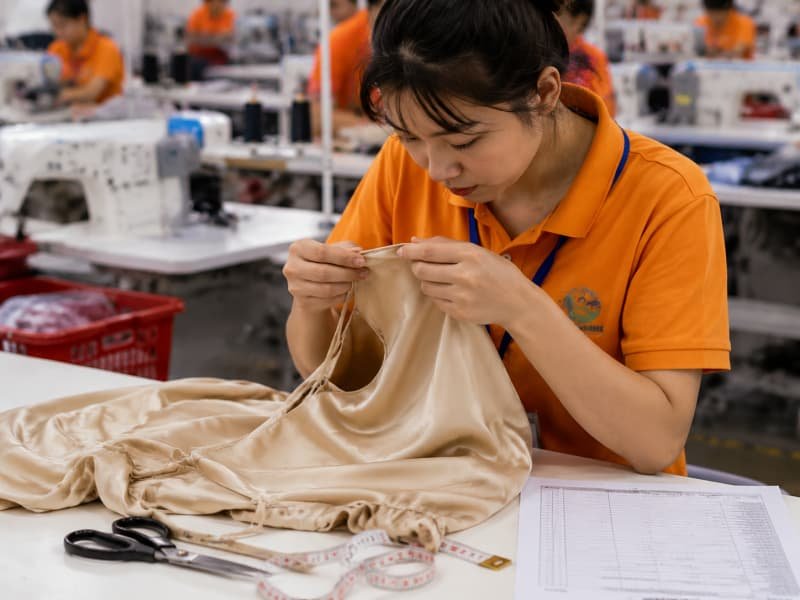
Main fabric and lining are checked for visible defects, shade, width, hand feel and approved identity before cutting. Relevant shrinkage, stretch or surface concerns are reviewed according to material and project requirements.
12. New Color Extensions for Proven Styles

Color and Batch Check

Bulk colors are compared with approved references. Different lots are identified to reduce shade mixing. Satin and other reflective materials may be reviewed under controlled lighting because visual variation can appear stronger after sewing.

Pattern Version Check

The production pattern is matched with the latest approved revision. Style, size and grading information must correspond with the current specification. Old pattern pieces are removed from active use to prevent mixed versions.

Cutting Inspection

Cut parts are checked for grain, direction, symmetry, notches and visible defects. Square neckline pieces, mirrored panels, prints, velvet nap and satin direction receive focused control.
Final Construction Confirmation​

First-Piece Confirmation

The first completed garment or pilot quantity is reviewed before full release for sensitive styles. Fit, measurements, neckline, lining, zipper, workmanship and pressing are compared with approved references.

Inline Sewing Check

Quality staff review work during production, concentrating on critical operations and repeated defects. Neckline stretch, corner shape, seam allowance, bust shaping and zipper installation can be corrected before large quantities accumulate.

Measurement Inspection

Critical POMs are checked according to the approved size specification and tolerance. Neckline width, drop, shoulder, bust, waist, body length and dress length receive attention according to style sensitivity.

Final Appearance Check

Completed garments are checked for symmetry, shape, stains, damage, loose threads, pressing, lining exposure and overall presentation. The neckline is viewed flat and on an appropriate form where required.
7 Bulk Packaging for Satin Dresses

Packing Verification

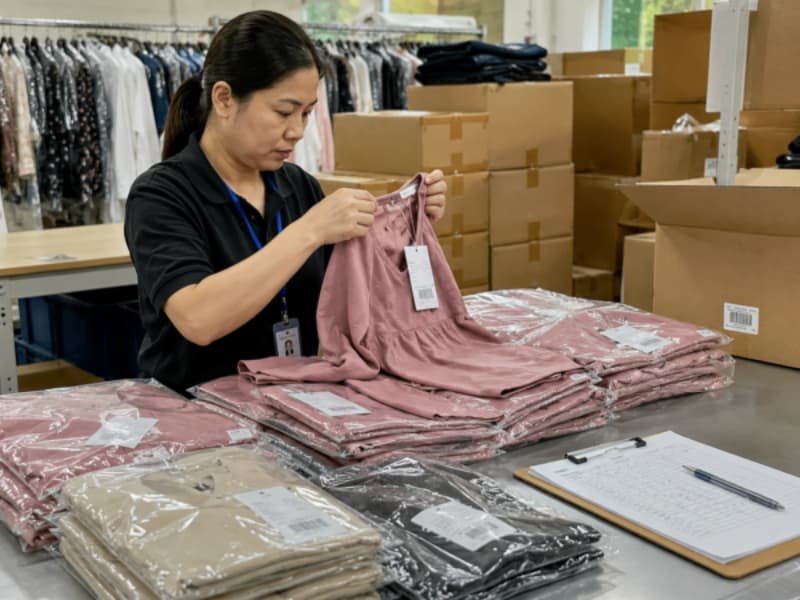
Labels, size stickers, barcodes, folding, polybags, carton quantities and marks are checked against the approved packing instructions. Sensitive fabrics or structures receive protective packing appropriate to shipment and storage.

Keeping Approved Samples Consistent Through Bulk Production

Sample approval creates a direction; production control preserves it. Duolan connects pattern, materials, measurements, construction, inspection and packing so approved decisions remain visible at every stage.

Pattern Version Locking

The latest approved pattern version is identified before marker and cutting preparation. Revision records help prevent old neckline, shoulder or body measurements from returning during bulk production or repeat orders.

Material Reference Locking

Main fabric, lining, reinforcement, zipper and support materials are linked to approved references or confirmed bulk lots. Material substitutions require review because small changes in stretch, weight or stiffness can alter neckline fit.

Measurement Standard Locking

Critical measurements and tolerance are confirmed for the production size range. Neckline and shoulder points are controlled separately from general body growth, particularly for fitted and open-neck styles.

Workmanship Reference Locking

Construction notes and close-up references define square corners, edge stabilization, lining, understitching, bust shaping, zipper and pressing. Production teams work from visible standards rather than broad descriptions such as “same as sample.”

First-Piece and Inline Control

High-risk operations are verified early. Inline checks compare production with the approved sample and specification while corrective action remains manageable. Repeated findings are traced to operation, method or material rather than sorted only at final inspection.

Reorder File Preservation

Approved pattern, specification, BOM, material references, workmanship notes and packing information are retained for repeat production. Before a reorder, current material availability and any brand updates are reviewed so the repeated style remains aligned with the original standard.

Manufacturing Capacity for Multi-Style Dress Programs

Duolan’s manufacturing structure supports collection development, launch orders, repeat production and scaled releases. Capacity is organized according to style complexity, materials, timing and approved production standards.

Owned Factory Control for Core Styles

Duolan is supported by 16 owned womenswear factories. Core products, high-priority developments and structure-sensitive styles can remain under closer manufacturing control. Owned-factory involvement supports communication between pattern, sample, production and quality teams. It is especially valuable for fitted square neck, satin, corset-inspired and workmanship-sensitive products.

Coordinated Capacity for Volume and Reorders

More than 20 long-term satellite factories provide coordinated manufacturing support for approved volume, repeat orders and seasonal capacity peaks. Production allocation is based on product type, process requirements and delivery plan. Satellite capacity is not treated as uncontrolled outsourcing; the project standard and QC requirements remain connected to the approved program.

Multi-Style Production Planning

A collection containing 10–30 styles may include different fabrics, colorways, size ranges and construction levels. The order is separated by style complexity and manufacturing path before line allocation. Common products, complex products, quick-response styles and special-process styles can be scheduled differently. Materials and approvals are prioritized according to the launch calendar.

Development and Quick-Response Support

The wider manufacturing system includes approximately 300 sewing lines and more than 50 quick-response lines. Monthly sample-development capacity is planned across a large multi-factory system rather than one small sample room. These resources support parallel development, seasonal collection work and controlled progression from samples to launch and repeat orders.

Sample, Production and Commercial Planning Reference

Timelines and commercial conditions depend on style complexity, fabric readiness, quantities, colorways, testing and approval speed. The following ranges provide an initial planning reference before a project-specific schedule and quotation are confirmed.

Project StageIndicative Planning RangeMain Factors Affecting Confirmation
Initial feasibility review1–3 working daysCompleteness of tech pack, images, size chart, quantity and material direction
Standard first sample7–12 working daysAvailable fabric, standard trims, moderate construction and clear measurements
Complex first sample12–20 working daysCorset structure, satin handling, custom trims, embellishment or special sourcing
Focused sample revision5–10 working daysExtent of pattern correction, material changes and comment clarity
PP sample7–12 working daysFinal bulk materials, labels, trims and packing references
Standard bulk production25–45 daysPP approval, material readiness, order size, color and size breakdown
Complex bulk production35–60 daysSpecial fabric, decoration, multiple processes, testing or extended approval path
Shipment planningBy route and destinationExpress, air, sea, FOB, CIF, DDP, split shipments or nominated forwarder

Brand Labels and Packing Prepared for Delivery

Brand presentation continues after garment production. Labels, packaging, barcode data and carton information are reviewed against the approved delivery standard before shipment release.

Main Label

Main-label material, dimensions, artwork, fold, attachment and placement follow the approved brand specification. For square neck products, back-label placement is reviewed carefully so stitching does not distort the neckline and the label remains comfortable during wear.

Size Label

Size labels can be separate or integrated with the main label according to the brand system. Size information must match the garment, polybag sticker, barcode record and carton breakdown. Placement and readability are checked during packing verification.

Care Label

Care labels carry fiber content, care instructions, origin and other required information according to the approved market specification. Material, print durability, language, position and attachment are confirmed before bulk production.

Hangtag and Barcode

Hangtags, strings, seals, prices, barcodes and retail stickers are prepared from approved files.

Attachment location should protect the garment and remain consistent across production. Barcode readability and style-size-color matching are verified.
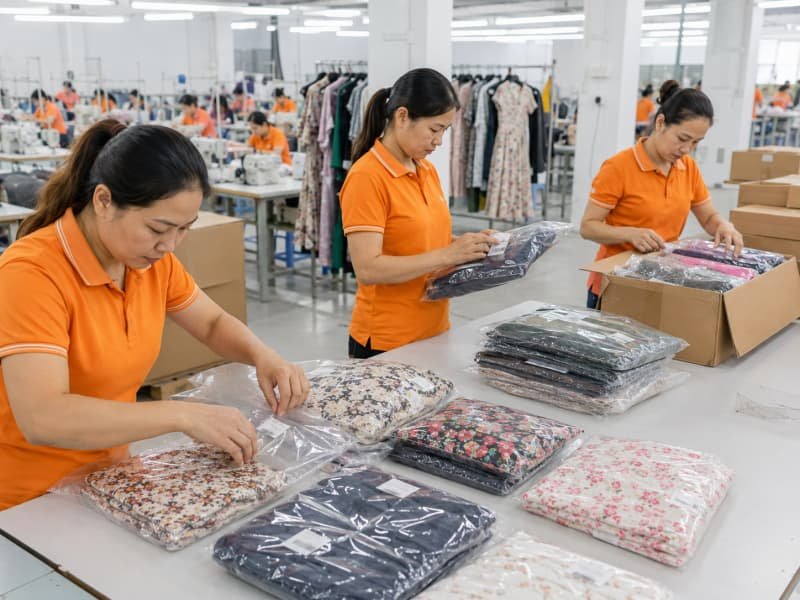
Garment Packing

Packing can include folded polybags, garment bags, tissue, hanger packing or other approved formats.
Satin, velvet, embellished and structured dresses may require additional protection against creasing, abrasion or neckline distortion.

Carton and Shipment Marks

Carton quantity, assortment, dimensions, shipping marks and destination details follow the approved packing plan. Split shipments, warehouse allocations and nominated forwarder requirements can be coordinated within the delivery schedule.

Audit, Testing and Supplier Documentation Support

Global fashion programs require manufacturing capability, social-compliance awareness, testing coordination and organized documentation. Duolan prepares the relevant scope according to the brand, market and product requirements.

SMETA Audit Record

Duolan’s supporting manufacturing system has completed SMETA and SMETA 2-Pillar audit processes and maintains a social-audit record. Current report scope, facility identity and validity can be reviewed during formal supplier evaluation.

Brand Compliance Requirements

Different organizations apply different onboarding, social-responsibility, security and quality requirements. Duolan can coordinate factory information, audit materials and corrective follow-up according to the relevant project and selected production facility.

Textile Testing Standards

Projects can be evaluated against applicable AATCC, ASTM, EN, China GB or brand-specific methods according to the target market. Test items may include dimensional stability, colorfastness, seam performance, fabric properties and product-specific requirements.

Material Documentation

Available fabric and trim documentation can be reviewed according to the selected source and required market. Where OEKO-TEX?, GOTS or nominated-material standards apply, the relevant supplier and document scope must be confirmed for the specific project rather than assumed across all materials.

Quality Documents

The project can use approved samples, specifications, BOMs, measurement records, inspection summaries, packing instructions and production-status references. Document depth is agreed according to order complexity and the brand’s internal process.

Third-Party Inspection

Third-party inspection can be coordinated when required by the brand, buying office or commercial agreement. Inspection timing, sampling level, checklist, corrective action and shipment release responsibilities should be confirmed before the production end date.

Square Neck Dress Project Experience Across Global Markets

The following anonymized project records illustrate how neckline, fabric and production risks can be managed in multi-style dress programs. Commercial names and unreleased designs remain confidential.

United States Contemporary Dress Collection

Project profile:
A United States contemporary fashion brand developed 18 square neck and related fitted-dress styles across mini and midi lengths. The total order covered 42,600 garments in 6 primary color directions, with US sizes 0–16.

Development challenge:
Early fitting showed that the wider square neckline looked correct in the base size but became increasingly open above US size 10. Several sleeveless styles also showed light gaping near the front armhole, while puff-sleeve styles pulled outward at the shoulder during movement.

Technical response:

  • The neckline grade rule was separated from general bust growth.
  • Base-size front neckline width was reduced by 8 mm on selected fitted styles.
  • Shoulder points were moved inward by 5 mm where the sleeve or strap position allowed.
  • Bust shaping was redistributed between the side dart and princess-seam curve.
  • Selected sizes were reviewed before full grading release.
  • Neckline, shoulder and front armhole became critical QC points.

Production result:
The program moved through a first sample and one structured fit revision for 15 styles. Three higher-support styles required a second targeted sample. Production was divided by fabric and construction into three controlled paths, followed by two shipment releases.
The final bulk program retained separate approved standards for stretch crepe, ponte and woven crepe rather than forcing all styles into one neckline method.

European Satin Occasionwear Program

Project profile:
A European occasionwear brand placed a 14-style dress program totaling 28,400 garments. Nine styles used square or modified-square necklines in satin and satin-crepe combinations, supported by lining, invisible zippers and shaped bodices.

Development challenge:
The first development direction exposed neckline waviness, visible seam impressions and lining roll-out under strong showroom lighting. A deeper neckline on two styles also lacked sufficient bust contact when worn without a separate bra.

Technical response:

  • Outer and lining patterns were rebalanced to control turn-of-cloth.
  • Reinforcement options were tested at different weights before one lightweight construction was selected.
  • Understitching coverage was extended around stable areas but reduced near sharp corners to prevent bulk.
  • Cup position and under-bust shaping were adjusted on two styles.
  • Zipper insertion and pressing conditions were confirmed through a first-piece trial.
  • Finished garments were reviewed after cooling rather than directly from the pressing station.

Production result:
Eleven styles reached PP readiness after one main revision. Three higher-risk styles received an additional first-piece confirmation before line release. Bulk production was divided into two delivery groups based on color and retail launch date.
The project completed 28,400 garments with separate appearance references for dark and light satin colors, where surface reflection and pressing visibility differed.

Australian Multi-Style Fast Fashion Release

Project profile:
An Australian fashion brand developed 26 styles across square neck mini, puff-sleeve midi, fitted jersey and corset-inspired party dresses. The order totaled 73,800 garments across 8 color families and a brand-defined XS–XL size range.

Development challenge:
The primary difficulty was not one style but the number of parallel decisions. Fabrics, linings, closures and support structures varied widely, while the launch calendar required three delivery windows. Using one approval route for every style would have delayed simpler commercial products.

Technical response:

  • Styles were divided into four groups: stable knit, fitted woven, satin occasion and structured corset-inspired.
  • Sample priorities followed fabric lead time and launch importance.
  • Shared zippers, linings and label components were consolidated where technically suitable.
  • Higher-risk styles used separate fit and PP paths.
  • Standard knit products moved into production only after the approved neckline recovery test and size grading review.
  • The order was divided into production paths by construction rather than by style number alone.

Production result:
Twenty styles completed the planned sample route within two rounds. Six structured products required an additional targeted confirmation. Bulk production was organized into three shipment windows, allowing earlier commercial styles to move without waiting for the most complex occasion products.
Approved patterns, material lists, packing instructions and quality points were preserved for repeat-order evaluation after launch.

A More Controlled Way to Develop Fashion Dresses

Duolan’s working method connects design interpretation, sample decisions, production readiness and delivery. The goal is not simply to make a garment, but to protect approved product standards through each commercial stage.

Structured Project Intake

Projects begin with product, market, fit, material, quantity and timeline review rather than an isolated unit-price response. Clear intake helps identify missing information and prevents early assumptions from becoming hidden production risks.

Dress-Specific Pattern Review

Pattern development considers neckline, shoulder, bust, waist and fabric as connected variables. Fitted and structure-sensitive dresses receive more focused review than loose garments, with comments returned to controlled pattern versions.

Stage-Based Sampling

Prototype, fit, photo, salesman and PP samples have different purposes. Defining each stage helps design, product and sourcing teams make the correct decisions without expecting one early sample to confirm every commercial detail.

Bulk-Readiness Confirmation

Before production, approved fit, materials, workmanship, labels and packing are reviewed together. A style still waiting for refinement is not treated as fully confirmed only because a sample has been delivered.

Multi-Point Quality Control

Quality management includes material, cutting, first-piece, inline, measurement, final appearance and packing checks. Square neckline geometry and fit receive dedicated attention rather than being grouped into general appearance inspection.

Repeat-Order Preservation

Approved patterns, specifications, BOMs and quality references are preserved for future production. Reorders still receive material-availability and change review, but the project does not restart from an undocumented sample.

Square Neck Dress Frequently Asked Questions

Yes. Please provide front and back flats, measurements, size range, fabric, lining, trims, construction notes, colorways, quantity and packing requirements. The team reviews the file for missing or conflicting information before confirming sampling and quotation. Pattern, material and workmanship concerns can be raised early so the tech pack becomes a workable development and production standard.
Yes. Reference images, moodboards, sketches or original samples can support an initial feasibility review. Please identify which details are essential, such as neckline, sleeve, body fit, fabric or length. Measurements, size standards, material direction and commercial requirements still need to be defined during development. A reference image communicates visual direction but does not replace production specifications.
Suitable options include ponte, rib knit, stretch crepe, woven crepe, satin, poplin, linen blends, velvet and mesh combinations. Selection depends on silhouette, stretch, recovery, opacity, support, drape, season and target price. A fitted bodycon product requires different fabric performance from a relaxed A-line midi dress. Swatches or nominated materials can be reviewed before sampling.
Neckline gaping is assessed through neckline width, front-body length, shoulder position, bust shaping, fabric and support. Corrections may involve pattern contour, dart or princess-seam adjustment, shoulder repositioning, reinforcement or grading changes. The issue should not be hidden through temporary stitching. Approved corrections are transferred into the pattern and measurement specification.
Yes. Duolan can develop from a brand-provided size chart, base size and grade rule. Please identify critical fit points, target fit model and intended size range. US 0–16, XXS–XXL or extended ranges can be reviewed according to the project. Square neckline width and depth may require controlled grading separate from general body measurements.
Yes. Grading can follow supplied rules or be developed from the approved base pattern and commercial size strategy. For fitted or open-neck products, selected-size review may be recommended before full production. The goal is to preserve neckline coverage, shoulder stability and silhouette across the range rather than increasing every point at one uniform rate.
A standard first sample commonly requires about 7–12 working days after the brief and materials are confirmed. More complex satin, corset, embellished or specially sourced styles may require 12–20 working days. Focused revisions commonly require 5–10 working days. Exact timing is confirmed after style complexity, fabric availability and sample purpose are reviewed.
Bulk consistency is managed through the approved pattern, measurement specification, BOM, material references, construction notes, PP or golden sample and defined QC checkpoints. First-piece or pilot verification may be used for sensitive styles. Inline checks focus on neckline, shoulder, bust shaping, lining, zipper and measurements before issues spread across the production quantity.
Yes. Main labels, size labels, care labels, hangtags, barcodes, stickers, polybags, garment bags and carton marks can follow approved artwork and specifications. Packing is reviewed according to fabric and structure. Satin, velvet, embellished and structured dresses may require protective folding, tissue, hanger packing or surface protection.
Please send the available tech pack, reference images, original-sample photos, size chart, fabric direction, colorways, quantity, launch date and label or packing requirements. Complete information improves quotation and first-sample accuracy. When some details are missing, the initial review will identify what needs confirmation before pattern or sample development begins.

Start Your Square Neck Dress Development Project

Send Duolan the product information already available, whether it is a completed tech pack, a flat sketch, reference images, an original sample, a fabric direction or a multi-style collection brief. Our team will review neckline structure, fit priorities, material suitability, sampling requirements, bulk feasibility and the information needed for accurate quotation.

For faster evaluation, include:

  • Company or brand name
  • Product or collection type
  • Tech pack, sketch or reference images
  • Base size and intended size range
  • Fabric, lining and trim direction
  • Planned styles and colorways
  • Quantity per style or total program
  • Target launch or delivery date
  • Label and packaging requirements
  • Testing, audit or inspection requirements
  • Current concerns with fit, quality or production

Unreleased designs and technical documents are used for project evaluation and manufacturing communication. After review, Duolan can recommend the appropriate path for feasibility assessment, sample development, PP preparation or bulk-production planning.


Target Price Range​

Start Your Apparel Development Project

OEM/ODM Manufacturing Support for Fashion Brands

Share your collection details, estimated quantities, target market, development timeline, and technical requirements. The production team will review your request and provide a tailored manufacturing solution based on your product category, fabric selection, construction needs, and delivery schedule.

Fashion Manufacturing Support with Scalable Production Capacity

From sample development to bulk production, Duolan supports fashion brands with confidential OEM/ODM manufacturing, stable quality management, flexible production planning, and coordinated multi-factory execution for seasonal and capsule collections.

Need Direct Assistance?

Seraphinite AcceleratorOptimized by Seraphinite Accelerator
Turns on site high speed to be attractive for people and search engines.