 Skip to content
Custom Summer Dress Manufacturer
Dress-focused development and manufacturing for established fashion brands planning summer drops, resort collections, vacation lines, and repeat production programs.Duolan supports summer dress programs from fabric and print review to pattern development, sample revision, PP approval, quality control, branded packing, delivery planning and repeat-order file preservation. The team works best with defined seasonal collections where lightweight fabrics, print placement, coverage, fit balance, launch timing and bulk consistency all need to be controlled together.
Duolan supports summer dress projects from design review to controlled bulk delivery:
- Lightweight fabric, lining, print, color, and trim development
- Pattern making, fit review, grading, and sample revision
- Mini, midi, maxi, resort, vacation, daywear and occasion-led silhouettes
- Production-readiness review before bulk cutting
- Structured quality control, packaging, shipment, and reorder coordination
Manufacturing and case facts:
- 50+ flexible and quick-response lines support selected seasonal launches, replenishment and repeat styles
- 15,000-35,000 monthly sample-development capacity supports high-density summer collection development
- A US contemporary summer drop covered 18 styles and 42,600 garments across poplin, smocking, viscose, halter and satin styles
- A UK resort print collection covered 12 styles and 27,800 garments with all-over, directional and border placement rules
- An Australian vacation program covered 26 styles and 68,400 garments, followed by a 21,200-piece replenishment program
Built for Structured Fashion Development Programs
Established Fashion Brands
- Seasonal collection coordination
- Approved material and workmanship standards
- Multi-style sampling
- Bulk production planning
- Repeat-order file preservation
Product Development Teams
- Drape and volume
- Bust and waist balance
- Strap positioning
- Opacity and lining
- Hem movement
- Production feasibility
Buying and Sourcing Teams
- Style readiness
- Material status
- Production allocation
- Inspection stages
- Shipment preparation
Multi-brand Fashion Groups
Groups managing several labels often need different product directions, quality levels, order scales, and launch calendars within one supply structure.
Duolan’s manufacturing network allows projects to be classified by complexity, material sensitivity, delivery priority, and production path.
Core dress styles can remain under closer factory control, while suitable repeat and scale-up orders receive additional capacity support.







What Strong Summer Dress Programs Need
Fabric-led Development
Pattern and Fit Control
Collection Coordination
Photo Sample Readiness
Photo samples require clean visual proportions, confirmed color, acceptable fabric behavior, balanced hems, and finishing suitable for close photography. A visually attractive prototype may still require production adjustments before becoming the PP reference.
Bulk Consistency
Seasonal Delivery Planning
Control Risks Before They Reach Bulk Production
Fabric Silhouette Mismatch
Transparency and Coverage
Shrinkage and Distortion
Strap and Neckline Instability
Print Placement Variation
Sample-to-Bulk Difference
Evaluate More Than Price and Sewing Capacity
Dress Category Focus
Material Judgment
Development Discipline
Bulk Transition
Capacity Organization
Compliance Readiness
International fashion groups often require factory audit records, social responsibility documentation, testing coordination, traceable materials, inspection access, label accuracy, and market-specific product standards.
Custom Summer Dress Styles for Seasonal Collections
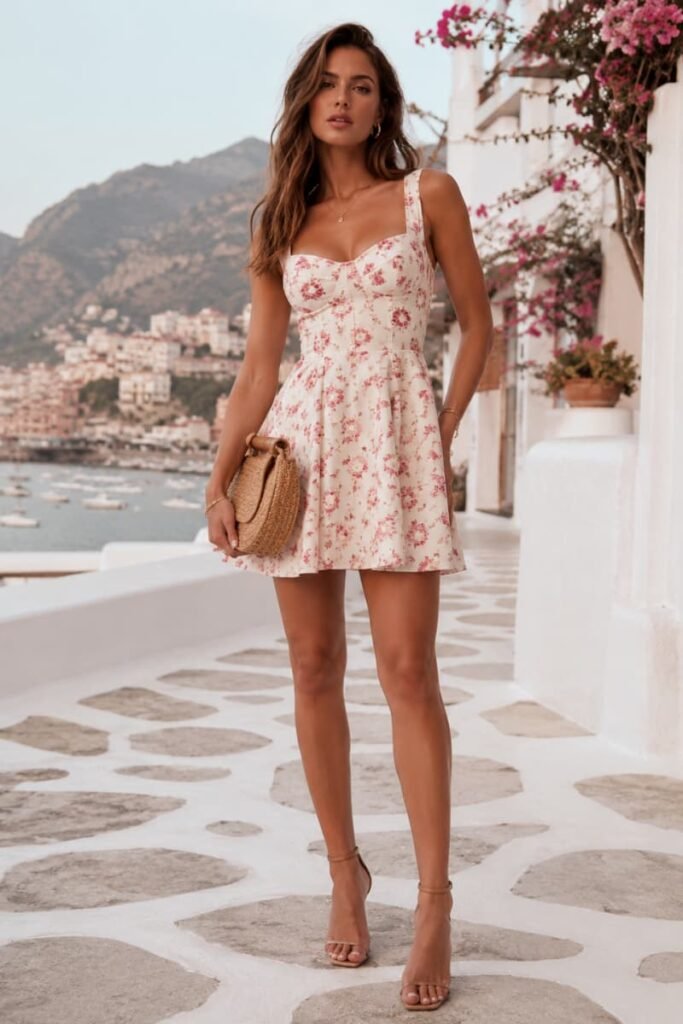
Develop coordinated summer ranges across casual, vacation, resort, daywear, going-out, and occasion-led product directions.
Summer Mini Dresses

Summer Midi Dresses

Summer Maxi Dresses

Sundresses

Slip Dresses

Halter Dresses

Backless Dresses

Smocked Dresses

Tiered Dresses

Wrap Dresses

Shirt Dresses

Cut-out Dresses
Build Summer Collections Around Real Wearing Scenarios

Resort and Vacation

Beach and Holiday

City Daywear

Weekend Casual

Going-out Summer

Summer Occasion
Fabrics Selected for Silhouette and Production Performance
Fabric selection begins with garment result, wearing environment, construction needs, care expectations, price position, and repeat production requirements.
Cotton Poplin

Cotton Voile

Linen Blends

Viscose and Rayon

Chiffon

Lightweight Crepe

Lightweight Satin
Jersey and Rib Knits
Compare Summer Fabrics by Garment Result
Material decisions should reflect silhouette, coverage, movement, care, production risk, and the planned retail position.
| Fabric | Best Applications | Drape and Structure | Coverage | Main Production Risk | Development Recommendation |
|---|---|---|---|---|---|
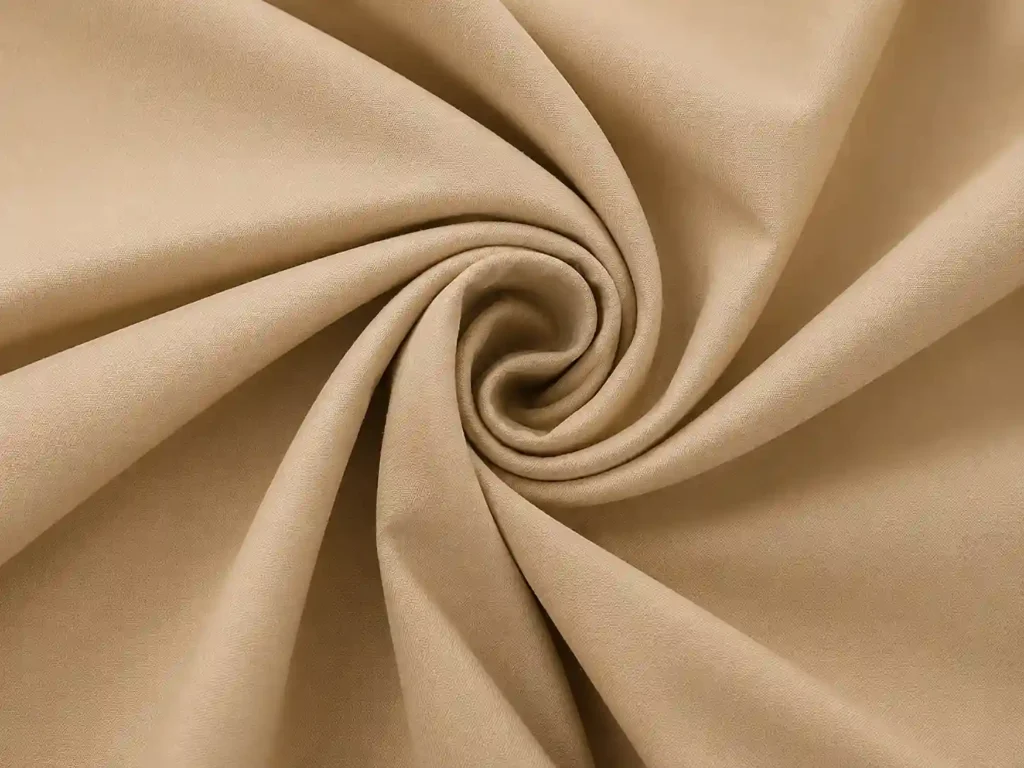
| Cotton Poplin | Shirt dresses, mini dresses, fitted sundresses | Crisp with controlled volume | Medium; light shades may need lining | Shrinkage, wrinkling, seam puckering | Confirm weight, wash response, opacity, and desired skirt volume |
| Cotton Voile | Tiered dresses, relaxed sundresses, vacation maxis | Very light and airy | Low without lining | Transparency, seam weakness, shrinkage | Plan lining, layered construction, and reinforced stress points |
| Linen Blend | Resort dresses, day dresses, shirt dresses | Natural body with moderate drape | Medium | Wrinkles, shrinkage, uneven surface | Approve blend ratio, finish, pressing standard, and care label |
| Viscose / Rayon | Printed maxis, wrap dresses, flowing midis | Fluid and soft | Varies by weight and color | Growth, shrinkage, distortion | Test fabric response before locking pattern length and width |
| Chiffon | Occasion, layered, printed, and floaty dresses | Light and floating | Low | Snagging, shifting, static, visible seams | Confirm lining, seam method, hem finish, and print scale |
| Lightweight Crepe | Day-to-evening, fitted midis, wrap dresses | Controlled fluidity | Medium to good | Surface variation, seam behavior | Select construction according to stretch, texture, and weight |
| Lightweight Satin | Slip, halter, going-out, and occasion dresses | Fluid with visible shine | Varies; pale colors often need lining | Needle marks, puckering, scratches, pressing shine | Approve handling, seam, pressing, lining, and packing standards |
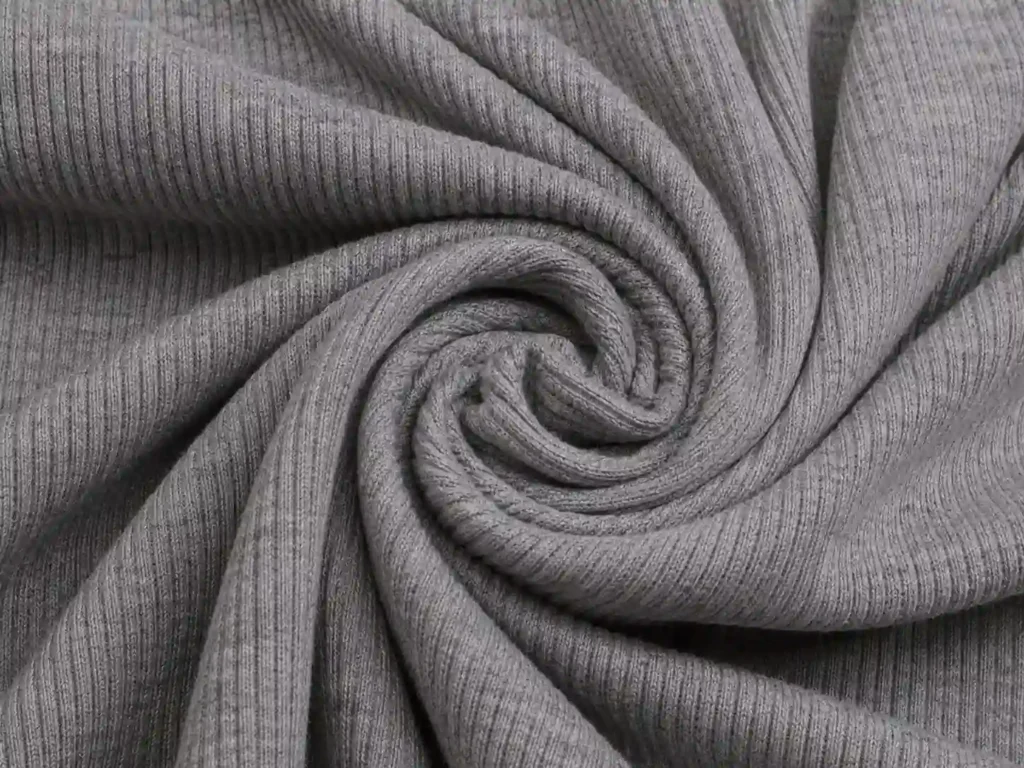
| Jersey / Rib | Fitted, casual, ruched, and body-conscious dresses | Stretch-dependent | Depends on weight and tension | Poor recovery, transparency, seam growth | Review stretch, recovery, opacity, neckline stability, and grading |
The best fabric is not automatically the most expensive option. The strongest choice supports the intended silhouette, target retail position, wearing scenario, care expectation, and production plan without creating avoidable fitting or quality risk.
Print and Surface Development for Summer Collections
Digital Printing
Digital printing supports detailed florals, gradients, multicolor artwork, photographic effects, and shorter artwork transitions. Duolan reviews the base fabric, artwork resolution, repeat dimensions, color references, print penetration, surface response, and final garment layout before strike-off approval.
Screen Printing
Placement Prints
Yarn-dyed Stripes
Embroidery Details
Smocking and Pleating
Smocking, shirring, pleating, and gathered surfaces affect stretch, volume, dimensions, and wearing comfort. Panel measurements, elastic tension, row spacing, pleat depth, recovery, steaming response, and size grading must be converted into measurable production standards.
Design Details Engineered for Wear and Production

Adjustable Straps

Neckline Stability
Bust Coverage

Smocked Panels

Waist Shaping

Side Slits

Functional Pockets

Lining Coverage

Hem Balance
Pattern and Fit Control for Summer Silhouettes
Silhouette Balance Starts with the Base Pattern
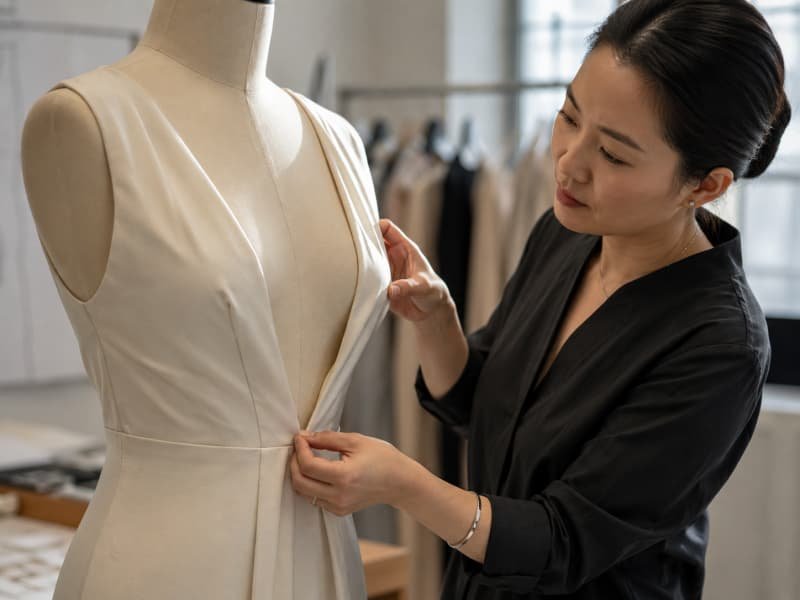
A summer dress can look simple while relying on several connected fitting decisions. Bust position affects neckline coverage and armhole shape. Waist placement changes torso proportion and skirt fall. Strap angle influences front balance, side coverage, and back opening. Hem length affects movement and visual weight.
Duolan reviews the garment according to the intended silhouette rather than applying measurements mechanically.
For fitted styles:
Bust contour, waist suppression, hip ease, seam placement, fabric stretch, closure position, and lining must work together. Excess tension can create drag lines, zipper waves, transparency, or seam distortion.
For relaxed styles:
Ease should look intentional rather than oversized or unbalanced. Shoulder position, armhole depth, neckline stability, waist definition, skirt volume, and fabric drape remain important.
For open-back and halter styles:
Front support and back exposure need balance. The pattern must control side seams, bust coverage, neckline position, waist stability, and fastening tension.
Fit review records should identify priority points rather than generating vague comments such as “make it fit better.” Measurable and visual comments create a stronger revision basis.
Fabric Behavior Changes Pattern Decisions
The same paper pattern cannot be transferred unchanged between poplin, viscose, chiffon, satin, jersey, and linen blends.
Crisp woven fabrics:
Poplin and selected linen blends hold shape, so seam position, darts, gathers, and skirt volume appear clearly. Insufficient ease may feel restrictive, while excessive volume can look stiff.
Fluid woven fabrics:
Viscose, crepe, chiffon, and satin fall closer to the body. Bias movement, seam stretching, fabric growth, and weight distribution may change length and fit after hanging.
Stretch fabrics:
Jersey and rib require decisions on negative ease, stretch direction, recovery, neckline stabilization, and opacity under tension. A fabric with high stretch but weak recovery may lose shape during wear.
Washed or shrink-sensitive fabrics:
Cotton, viscose, and linen blends may need shrinkage allowance or pre-production testing. Length, waist, chest, and seam balance can change after finishing.
Pattern corrections should follow confirmed fabric behavior. Replacing the fabric after fitting may require another review rather than a simple material substitution.
Grading Must Preserve Design Proportion
Size grading is not limited to increasing chest, waist, and hip measurements. Design proportion, coverage, support, movement, and detail placement should remain consistent through the approved range. Key grading review points include:
- Neckline depth and width
- Strap position and length
- Bust apex and dart placement
- Armhole shape
- Waist position
- Cut-out size and location
- Slit height
- Pocket placement
- Tier depth
- Finished garment length
Duolan follows the brand’s approved measurement specification and grading rules. Common commercial programs may cover XS–XL, while broader ranges can be developed from a confirmed base size and approved size chart. Each range requires evaluation according to silhouette, fabric, stretch, and target fit. For complex or fitted garments, a second-size fit sample may be advisable before bulk production. The need depends on size range, construction, material response, and brand fitting standards.

Samples Developed for Clear Commercial Decisions
Project Review Before Pattern Work
- Intended market and wearing scenario
- Sample purpose
- Target silhouette
- Fabric and trim direction
- Fitting priorities
- Construction risks
- Planned quantity
- Required size range
- Target launch timing
- Future bulk route

Sample Types Serve Different Decisions
Duolan supports several sample stages according to project needs.
First prototype: Used to evaluate overall shape, proportion, construction direction, and major design interpretation.
Fit sample: Used to review measurements, balance, coverage, support, movement, and size specification.
Revised sample: Reflects organized fitting and design comments from the previous review.
Photo-ready sample: Prepared for visual evaluation, campaign planning, product photography, or content production. Color, fabric, length, and finishing require closer alignment.
Salesman sample: Prepared for showroom, merchandising, market appointments, or internal line review. The garment should withstand handling, close inspection, and repeated presentation.
Pre-production sample: Represents the intended bulk production basis after key materials, construction, measurements, labels, and finishing are confirmed.The required path depends on brand process. Not every project needs every stage, but each submitted sample should have a defined purpose.

Timing Depends on Readiness and Complexity
Sample time is controlled by development readiness rather than speed claims alone. Fabric availability, custom color, print strike-off, trim sourcing, pattern complexity, special processes, fitting feedback, and approval speed all influence the schedule.For representative multi-style summer programs, an initial group of regular woven styles may move from confirmed material direction to first-sample review within a structured two-to-three-week development window. Complex printed, cut-out, corset-inspired, embroidered, or heavily detailed styles may require additional trial work.
Every sample plan should show:
- Input confirmation
- Material preparation
- Pattern development
- Sample sewing
- Internal inspection
- Shipment or digital review
- Comment consolidation
- Revision stage
- Next approval point
A timeline becomes more reliable when comments are consolidated, fit priorities are measurable, and material changes are communicated before revision work starts.

What a Production-ready Sample Should Establish
A completed sample stage should create clear standards for approval, revision, production preparation, and future repeat orders.
Fit-reviewed Garment
Confirmed Fabric Direction
Pattern Adjustment Record
Revision Summary
Bulk Risk Note
PP and Bulk Path
Converting Approved Samples into Bulk Standards
Production-readiness Review Before Cutting
Bulk production does not begin with a simple “sample looks good” confirmation. Duolan reviews whether the current sample is fit-approved, visually approved, suitable as a PP basis, or still pending refinement.
The review covers:
- Main fabric and lining
- Trims and closures
- Approved color or print
- Measurements and tolerances
- Pattern version
- Construction points
- Workmanship priorities
- Labels and branding
- Packing method
- Inspection requirements
- Delivery sequence
The order purpose is also considered. A launch order, repeat order, replenishment order, and scale-up order may require different production planning.
A Production Readiness Note can identify confirmed standards, pending decisions, critical risks, and the proposed manufacturing path.
Material and Construction Locking
Relevant records may include:
- Supplier and fabric reference
- Composition
- Weight
- Width
- Stretch
- Handfeel
- Color reference
- Print standard
- Lining
- Zipper
- Buttons
- Elastic
- Thread
- Label
- Packaging
Substitutions should not be made without review when a change may affect appearance, fit, performance, or cost.
First-piece, Inline, and Final Control
The first production piece provides early confirmation of approved standards transferring correctly to the selected production route.
First-piece review may cover:
- Overall appearance
- Measurement
- Fit-sensitive areas
- Main fabric and lining
- Print or stripe placement
- Construction
- Workmanship
- Labels
- Pressing
- Packing basis
Inline inspection focuses on risks before full completion. For summer dresses, priority points may include strap length, neckline shape, opacity, waist position, slit height, smocking tension, print orientation, seam puckering, hem balance, zipper operation, and lining length.
Final inspection reviews finished appearance, measurements, workmanship, labeling, packing, carton information, quantity, and shipment readiness.
Manufacturing Capacity Organized Around Dress Programs
30+ Years Development Background
16 Owned Factories
Core factories provide closer control for development-led styles, fit-sensitive garments, key seasonal products, production standards, and projects requiring stronger sample-to-bulk coordination.
20+ Satellite Factories
12,000+ Supporting Workers
50+ Flexible Lines
Specialized Process Network
Workmanship Details Protecting the Finished Garment

Fine Seam Control
Neckline Finishing

Strap Reinforcement

Smocking Consistency

Print Alignment

Invisible Zipper Finish

Lining Attachment

Hem Finishing

Pressing and Shape
Quality Control from Materials to Packed Cartons
Material and Pre-production Control
Quality begins before sewing.
Fabric and trim review may cover:
- Fabric construction and handfeel
- Weight and width
- Color or print
- Shrinkage
- Stretch and recovery
- Transparency
- Surface defects
- Lining compatibility
- Zippers and closures
- Labels and packing materials
Before production, Duolan reviews the approved sample, measurement specification, construction requirements, BOM, color or print standards, packaging instructions, and priority inspection points.
For summer dresses, high-risk areas often include neckline shape, bust coverage, strap length, waist balance, lining opacity, smocking dimensions, print orientation, slit height, and finished length.
First-piece and Inline Inspection
A first-piece check confirms whether the selected production route has transferred the approved garment standards correctly.
Inline control identifies variation while correction remains possible. Inspection frequency and focus can be adjusted according to style complexity, order size, risk level, and brand protocol.
Common summer dress checks include:
- Main measurements
- Strap and neckline position
- Lining length and coverage
- Seam appearance
- Print direction
- Gather distribution
- Smocking tension
- Zipper installation
- Slit reinforcement
- Hem balance
- Pressing condition
Findings should lead to corrective action, not remain as inspection records alone.
Final Inspection, Packing, and Documentation
Final inspection reviews finished garments against approved standards before shipment release.
Inspection can cover:
- Quantity and assortment
- Measurements
- Visual appearance
- Workmanship
- Function
- Labels and hangtags
- Barcode and SKU
- Folding
- Polybags
- Carton marks
- Carton assortment
- Packing condition
Duolan’s manufacturing system has completed SMETA audit and SMETA 2-Pillar audit. Project coordination can also support brand-specific quality, testing, social responsibility, material, and market requirements, including relevant BSCI, ISO 9001, AATCC, ASTM, OEKO-TEX?, EN, China GB, and GOTS-related requirements where applicable to the confirmed project.
Branded Delivery Managed Beyond Garment Sewing
Main Labels
Care Labels
Hangtags and Barcodes
Folding and Polybags
Cartons and Shipping
Reorder File Preservation
Representative Multi-style Summer Dress Programs
United States Contemporary Summer Drop
Program profile: A US contemporary fashion label planned an 18-style summer drop totaling 42,600 garments. The collection included fitted poplin minis, smocked midi dresses, printed viscose maxis, halter dresses, and two lightweight satin going-out styles. The approved size range was XS–XL, with two to four colors per style.
Development challenge: Several pale colors became transparent under studio lighting. The original viscose direction also showed measurable length change after finishing. Strap positions varied between fitted and relaxed bodices, while the smocked styles required different recovery standards by size.
Duolan approach:
- Reviewed outer fabric and lining combinations under daylight and strong indoor lighting
- Adjusted lining length and color for white, butter yellow, and pale blue styles
- Revised viscose pattern length after material response review
- Separated strap specifications by bodice construction
- Recorded relaxed and extended smocking measurements
- Developed the collection in two sample waves
- Locked high-volume commercial styles before image-led styles entered final revision
Production execution: Bulk production was divided by material and construction route. Poplin and smocked styles entered stable-volume lines, while satin and fit-sensitive halter styles remained under closer core-factory control. The main production cycle ran for 28 days after final material and PP approval.
Result: All 18 styles were packed under one coordinated delivery program. Four commercial styles later entered a combined 16,800-piece repeat order using retained patterns, material references, measurement standards, and packing files.

United Kingdom Printed Resort Collection
Program profile: A UK resort and vacationwear label developed 12 styles totaling 27,800 garments. The range included seven exclusive all-over prints across tiered maxis, wrap midis, halter dresses, relaxed minis, and two beach-to-evening silhouettes. The size range covered UK 6–16.
Development challenge: Large floral repeats changed visually around gathers, waist seams, and tier joins. Two border-style artworks could not use standard all-over marker placement. The brand also required photo-ready garments before the final bulk print quantity was fully allocated.
Duolan approach:
- Reviewed artwork scale against actual pattern dimensions
- Created strike-offs on the selected viscose and chiffon bases
- Adjusted repeat scale for two gathered bodices
- Defined border placement at hem and neckline areas
- Marked center-front and waist alignment standards
- Developed photo samples from approved strike-off fabric
- Separated photo approval from final PP construction approval
- Recorded approved print, color, lining, and placement standards in the production file
Production execution: Printed fabric readiness became the critical path. Sewing allocation began only after bulk print review and material inspection. The 12 styles followed separate cutting rules according to all-over, directional, and border placement requirements. Bulk production and finishing were completed within a 31-day cycle after print and PP approval.
Result: The full collection reached the planned campaign and wholesale presentation window. Print placement standards remained available for later color extensions without rebuilding the original artwork and marker logic.

Australian Vacation and Repeat Program
Program profile: An Australian fashion group placed a 26-style program totaling 68,400 garments. The order combined 16 new vacation dresses with 10 returning styles from an earlier range. Product directions included cotton day dresses, linen-blend shirt dresses, viscose maxis, jersey fitted dresses, and embroidered resort styles. Sizes covered AU 6–18.
Development challenge: The group needed returning styles to preserve their established fit while new styles followed an updated size and packaging standard. Embroidery timing, fabric availability, and different production complexities made one uniform production route unsuitable. Delivery also needed two planned shipment windows.
Duolan approach:
- Separated repeat files from new development files
- Checked earlier patterns, measurements, BOMs, and workmanship notes
- Updated labels and packaging without altering approved repeat fit
- Classified new styles as regular, material-sensitive, fit-sensitive, or special-process
- Booked embroidery trials before final bulk allocation
- Used a second-size fitting review for selected fitted styles
- Created two production and shipment groups according to launch priority
- Reserved repeat records for future replenishment
Production execution: Core factories handled fitted and embroidered styles. Stable repeat products and selected regular dresses received additional manufacturing support. The complete order ran through a 36-day production program, with final inspection and packing completed in two delivery groups.
Result: The first shipment supported the initial seasonal launch, while the second completed the wider collection release. Six returning styles moved into a later 21,200-piece replenishment program using the retained production standards.

Project Planning Based on Real Production Conditions
Order structure, material requirements, style complexity, approval stages, and launch timing determine the most suitable development and manufacturing route.
| Project Area | Planning Reference | Main Evaluation Factors |
|---|---|---|
| Style Program | Common established-brand programs may include 10–30 styles | Product mix, construction, colors, size range, sample stages, launch priorities |
| Total Order Scale | Representative program totals often range from 20,000–80,000 garments | Quantity by style, color, size, material minimums, production allocation |
| Size Development | Brand-approved specifications; common cases include XS–XL, UK 6–16, and AU 6–18 | Base size, grading rules, fit standard, fabric stretch, silhouette, second-size review |
| Sample Planning | Timeline issued after design basis and material direction are reviewed | Tech pack quality, fabric availability, print, trims, sample purpose, complexity, comments |
| Simple Bulk Styles | Approximately 15–20 days after final approvals and material readiness | Style count, fabric, sewing route, packaging, production availability |
| Regular Bulk Styles | Approximately 20–30 days after final approvals and material readiness | Multi-style planning, colors, size breakdown, inspection, packing |
| Complex Bulk Styles | Approximately 30–45 days after final approvals and material readiness | Print, embroidery, special processes, complex fit, multiple approvals |
| Repeat Production | Planned from retained approved standards and current material availability | Pattern version, BOM, color continuity, previous QC findings, updated quantity |
| Shipment | Express, air, sea, or coordinated delivery arrangements | Destination, warehouse date, carton volume, inspection, documentation, trade terms |
MOQ and final pricing are evaluated according to fabric minimums, print or dyeing requirements, trims, color allocation, size breakdown, style complexity, packaging, inspection, delivery timing, and total program value.
Duolan is best suited to defined dress development and production programs with clear commercial direction, organized sample requirements, planned order quantities, and potential for continuing supply.
Custom Summer Dress Frequently Asked Questions
Duolan develops mini, midi, maxi, sundress, slip, halter, backless, smocked, tiered, wrap, shirt, cut-out, fitted, casual, vacation, resort, going-out, and summer occasion styles. Product feasibility is reviewed according to fabric, fit, internal construction, special processes, quantity, size range, and required delivery timing.
Yes. Reference images can provide visual direction, but additional decisions may be required for measurements, fit, fabric, lining, closures, internal construction, workmanship, labels, and production standards. A tech pack, size chart, original sample, fabric reference, or construction notes can improve development accuracy.
Common choices include cotton poplin, cotton voile, linen blends, viscose, rayon, chiffon, lightweight crepe, lightweight satin, jersey, and rib knit. The right choice depends on silhouette, opacity, drape, stretch, care, print, price position, wearing scenario, and bulk production plan.
Yes. Development can cover all-over, placement, digital, screen, stripe, border, and selected specialty print directions. Required information may include artwork, repeat dimensions, color references, target fabric, garment design, print position, quantity, size range, and launch timing.
Transparency is reviewed according to fabric weight, construction, color, stretch, lighting, garment fit, and coverage area. Duolan may recommend a different outer fabric, adjusted lining color, partial lining, full lining, double layers, or construction changes according to the intended result.
Yes. Multi-style programs can be divided into development waves according to material readiness, launch priority, complexity, photo requirements, fit risk, and production route. A clear collection brief helps organize silhouette, color, fabric, sample, quantity, and timing decisions.
Sample stages may include first prototype, fit sample, revised sample, photo-ready sample, salesman sample, and pre-production sample. The required stages depend on brand procedure, project complexity, sample purpose, fitting needs, material readiness, and future bulk production requirements.
Duolan follows the approved brand size chart and grading rules. Pattern review considers neckline, bust, waist, hip, strap position, armhole, cut-outs, slit height, skirt volume, and garment length. Complex fitted styles may benefit from a second-size sample before production.
Approved samples are converted into production standards covering fabric, lining, trims, color, measurements, pattern version, workmanship, labels, and packing. PP confirmation, first-piece review, inline inspection, final inspection, and documented production requirements help control variation.
Useful information includes company name, target market, product direction, tech pack or reference images, size chart, target fabric, colors, print artwork, style count, estimated quantity, launch date, label requirements, packaging instructions, quality requirements, and current project stage.

Start Your Summer Dress Development Program
Duolan supports established fashion brands, product teams, sourcing offices, and multi-brand groups developing structured summer dress collections and continuing production programs.
Send available project information for a review of fabric direction, silhouette, pattern and fit requirements, sample stages, print or special-process feasibility, bulk production planning, quality priorities, and target delivery timing.
Useful files and details include:
- Tech packs or design sketches
- Reference images or original sample photos
- Collection brief
- Fabric and trim direction
- Print artwork and color references
- Measurement chart and grading rules
- Number of styles and colorways
- Estimated quantity by style
- Target size range
- Required sample type
- Launch or warehouse date
- Label and packaging requirements
- Testing, audit, or inspection requirements
Project files are used for development and manufacturing evaluation. Confidentiality arrangements can be discussed before detailed designs or proprietary information are shared.


