Skip to content
Custom Tube Dress Manufacturer
Dress-focused development and manufacturing for fashion brands building fitted, strapless and occasion-driven tube dress collections.
- 8 core tube dress directions covering mini, midi, maxi, bodycon, ruched, double-layer, structured and embellished silhouettes.
- 6 critical fit zones reviewed from the upper edge and bust through the waist, hip, hem and full-length balance.
- Standard jersey, rib and ponte samples are commonly planned within 7–10 working days after material direction is confirmed.
- Structured, printed or embellished designs usually require 12–18 working days, depending on fabric, support construction and trim development.
- Development support includes fabric review, pattern engineering, fit correction, PP approval, bulk production, QC, labels and retail packaging.
Manufacturing Strength Built for Brand-level Tube Dress Programs
Duolan combines long-term dress development experience with a structured manufacturing network designed for multi-style programs, seasonal launches, repeat orders and production growth.
30+ Years Development
Duolan’s dress development foundation comes from more than 30 years of work across fashion product research, fabric development, pattern interpretation and commercial womenswear manufacturing. The value lies in understanding how trend direction, fabric behavior, fit expectations, price positioning and production feasibility must work together before a tube dress can move from an image or sketch into a repeatable product.
16 Owned Factories
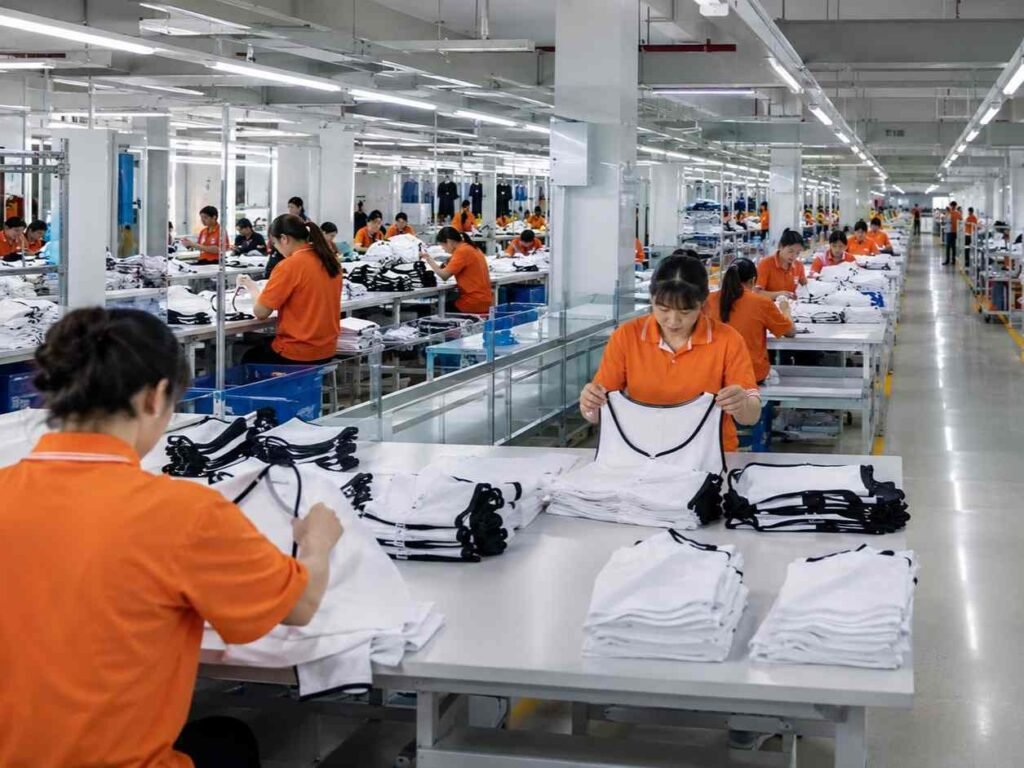
Core development, sensitive styles and priority programs can be assigned within a network of 16 owned womenswear factories. Direct manufacturing control supports closer communication between development, pattern, sampling, production and quality teams, especially when upper-edge support, stretch balance, lining, ruching or body-contour fit must remain consistent from sample approval into bulk production.
20+ Satellite Factories
More than 20 long-term satellite factories add production flexibility for repeat orders, volume expansion and seasonal peaks. Styles are not distributed randomly. Production paths are considered according to fabric type, dress structure, workmanship sensitivity, order quantity and delivery schedule, helping multi-style orders move through suitable lines without weakening approved construction standards.
12,000+ Workers
The wider manufacturing structure includes more than 12,000 workers across core and regional production resources. Scale becomes valuable when a brand must coordinate 10–30 styles, several colorways, mixed size ratios and staged deliveries rather than placing one isolated dress order. Capacity planning is connected to style complexity and approval status.
300 Sewing Lines
Approximately 300 sewing lines support different product structures and production volumes. Basic double-layer jersey styles, ruched bodycon dresses, lined woven tube dresses and embellished party versions do not require the same manufacturing path. Line matching helps protect efficiency without treating every style as an identical garment.
50+ Quick-response Lines
More than 50 quick-response and flexible lines support launch quantities, commercial tests, repeat production and urgent replenishment. Fast response does not mean removing approval controls. Material locking, PP confirmation, first-piece review and inline inspection remain part of the production path when fit or construction carries higher risk.
Tube Dress Manufacturing for Established Fashion Teams
Fashion Dress Brands
Product Development Teams
Buying Teams
Sourcing Offices
What Custom Tube Dress Manufacturing Actually Includes
Product Development
Controlled Manufacturing
Branded Delivery
Tube Dress Styles Developed Around Brand Collections
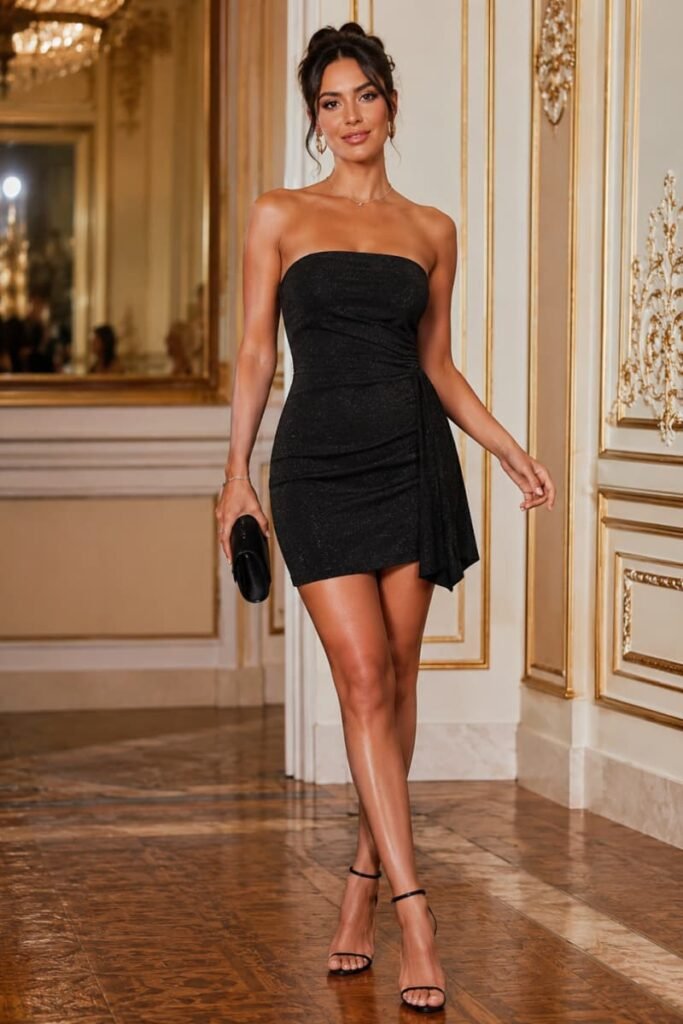
Tube Mini Dresses

Tube Midi Dresses
Tube midi dresses require controlled body shaping through the bust, waist, high hip, full hip and lower skirt. A style can look smooth on a hanger but create horizontal drag lines when negative ease, fabric weight or recovery is poorly balanced. Slits, ruching, mesh overlays and shaped seams can be added while preserving walking comfort and visual proportion.

Tube Maxi Dresses
Tube maxi dresses combine strapless stability with long-length control. Fabric weight, vertical stretch, hem growth and body movement become more important as length increases. Lightweight jersey may pull downward, while heavy double-layer fabric can increase pressure around the upper edge. Pattern length, support level and packing method must be developed as one system.

Bodycon Tube Dresses

Ruched Tube Dresses
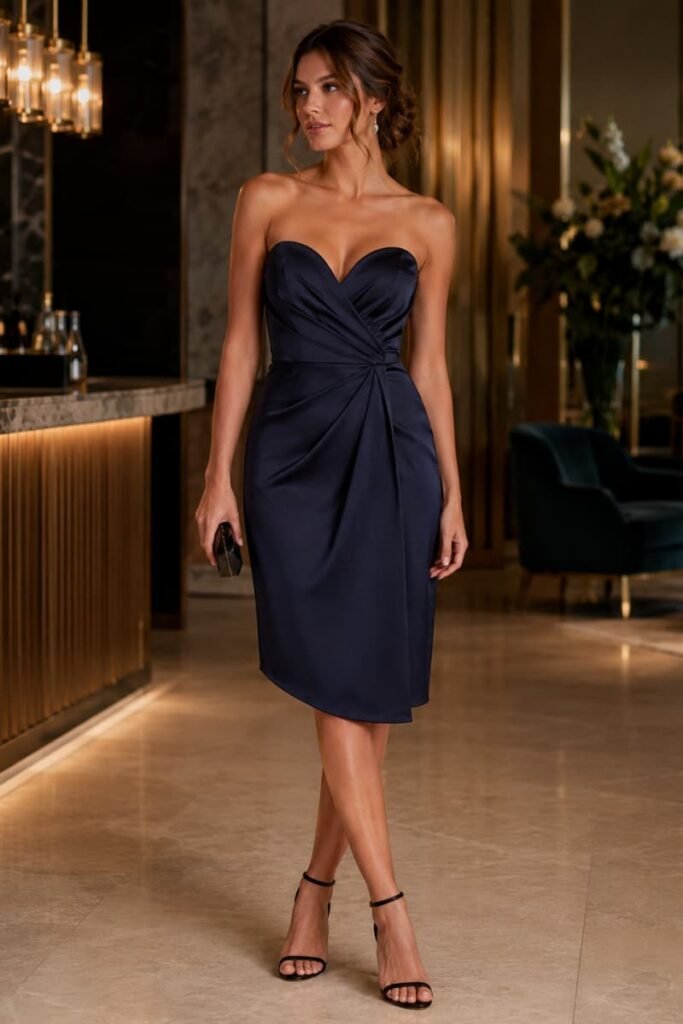
Double-layer Dresses

Structured Tube Dresses

Embellished Tube Dresses
Sequins, rhinestones, embroidery, foil, metallic surfaces and decorative mesh can turn a tube silhouette into a partywear statement. Decoration affects stretch, weight, skin comfort, seam construction, cutting loss and packing protection. Placement should be tested on the garment rather than approved only from artwork, especially around the bust, side seams, slit and hem.
Tube Dress Programs for Commercial Fashion Scenarios
Going-out Collections
Partywear Drops
Vacation Capsules
Summer Collections
Birthday Edits
Holiday Programs
Tube Dress Risks Reviewed Before Sampling Begins
Top-edge Slippage
Edge Rolling
Weak Recovery
High stretch without adequate recovery can cause the dress to loosen during wear. Recovery affects upper-edge security, knee and hip shape, hem appearance and repeat wear. Fabric testing should compare original width, stretched width and recovered width. Duolan also considers whether heat, washing, printing or special finishing may change the recovered shape.
Transparency Under Stretch
Side-seam Twisting
Twisted side seams can come from fabric skew, cutting direction, uneven stretch, incorrect pattern balance or layer movement. The problem becomes highly visible on fitted silhouettes. Fabric relaxation, grain direction, cutting consistency, notching and sewing control help preserve vertical seam position from upper edge to hem.
Uneven Compression
Grading Distortion
Bulk Variation
Fabric Systems Selected for Fit, Coverage and Recovery

Stretch Jersey

Double-layer Jersey

Rib Knit

Ponte Knit

Nylon-spandex Blend

Stretch Velvet
Stretch velvet creates depth and seasonal richness for party and holiday collections. Pile direction must remain consistent during cutting, while pressure and steaming must be controlled to avoid shine marks. Velvet weight can affect strapless stability. Lining, facing, seam bulk and packaging require early confirmation.

Stretch Satin
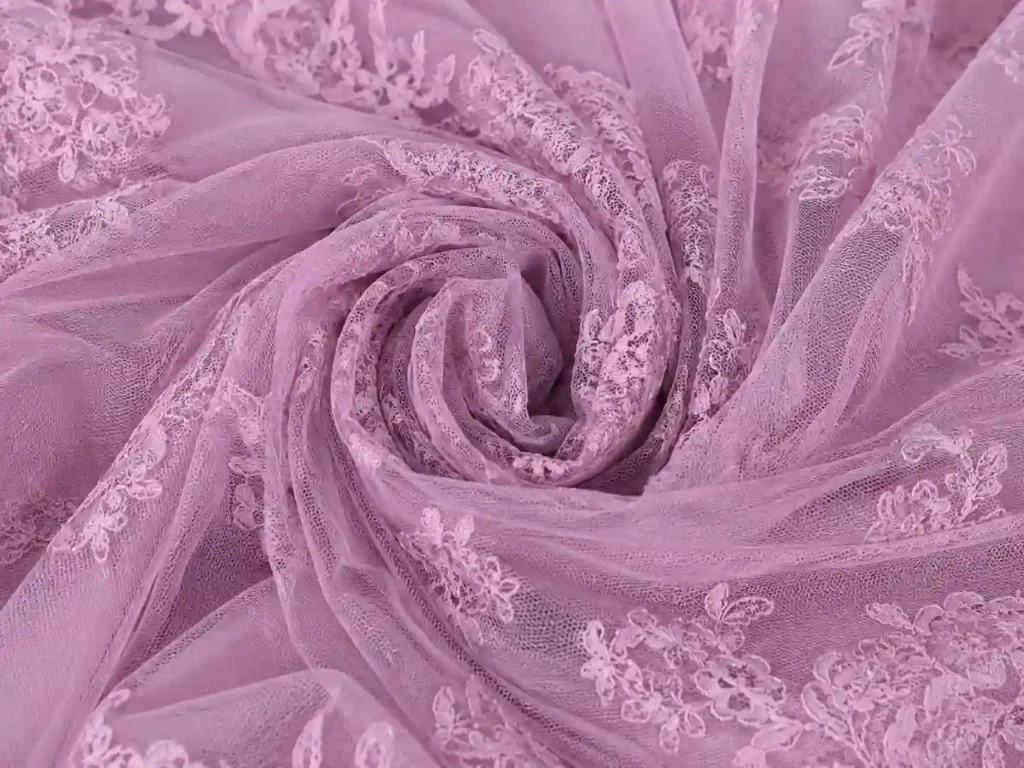
Mesh Overlay
How Fabric Choice Changes Tube Dress Performance
The comparison below provides a development starting point. Final material selection depends on silhouette, target compression, color, lining, price position, order quantity and launch schedule.
| Material | Stretch & Recovery | Coverage | Support Level | Best-suited Tube Dresses | Main Production Risk |
|---|---|---|---|---|---|
| Lightweight Jersey | High stretch; recovery varies | Low to medium | Light | Summer mini, ruched styles | Transparency, body-line exposure, edge rolling |
| Medium Jersey | Balanced stretch and recovery | Medium | Medium | Commercial mini and midi | Lot-to-lot recovery change |
| Double-layer Jersey | Stronger compression | High | Medium to high | Bodycon, premium basics | Layer twisting, extra weight |
| Rib Knit | Flexible with textured recovery | Medium | Medium | Casual fitted mini and midi | Rib widening, seam waviness |
| Ponte Knit | Controlled stretch | High | High | Structured midi, polished fits | Weight pulling on upper edge |
| Nylon-spandex | Smooth, high stretch | Medium to high | Medium | Sleek club and going-out styles | Snagging, needle marks, over-compression |
| Stretch Velvet | Medium stretch | High | Medium | Holiday and party dresses | Pile direction, pressure marks |
| Stretch Satin | Limited to medium stretch | Medium | Light without structure | Evening and occasion styles | Seam marks, slipping, insufficient support |
| Mesh Overlay | Depends on mesh and base | Controlled by lining | Base-dependent | Printed, ruched and layered styles | Layer shifting, coverage inconsistency |
Engineering Stable Tube Tops Without Visible Straps
Elastic Edge Systems
- Relaxed and extended elastic length
- Attachment method
- Seam stretch
- Recovery after wear
- Wash stability
- Skin comfort
- Bulk consistency
Silicone Gripper Systems
- Gripper width and softness
- Continuous or segmented placement
- Attachment security
- Edge visibility
- Skin-contact comfort
- Cleaning instructions
- Replacement availability for repeats
Internal Support Systems
- Cup shape and placement
- Boning length and ending points
- Power-mesh tension
- Facing depth
- Lining coverage
- Side-seam support
- Comfort at contact areas
Closure and Entry Systems
Pull-on construction works well when fabric stretch and recovery support repeated dressing. Woven or highly structured versions may require an invisible zipper, concealed hook, back opening or internal fastening. Closure choice affects pattern shape, seam placement, fitting sequence and production time. Key controls include:
- Entry opening
- Zipper length
- Hook position
- Seam reinforcement
- Lining connection
- Skin protection
- Final top-edge alignment
Pattern Control for Secure and Balanced Tube Dress Fit

Upper-edge Contour

Bust Balance

Waist Shaping

Hip Distribution

Vertical Balance

Hem Stability
Tube Dress Grading for Consistent Fit Across Sizes
Base-size Definition
Eight Core POMs
Zone-based Grading
Length Progression
Fabric-adjusted Ease
Size-set Approval
Construction Details Protecting Tube Dress Fit and Appearance
Upper-edge Finishing
Elastic Attachment
Side-seam Control
Side seams should remain vertical and balanced from upper edge to hem. Fabric skew, unmatched notches, layer movement and uneven feeding can pull the seam forward or backward. Fitted dresses make even small deviations visible. Inline checks focus on seam position, smoothness, stitch security and left-right symmetry.
Lining Connection
Lining can improve opacity, support and internal cleanliness, but poor connection causes bubbling or visible pulling. Lining stretch, recovery and length should remain compatible with the shell. Connection points may include upper edge, side seam, zipper, slit or hem depending on the structure. The lining should support movement rather than restrict it.
Ruching Anchoring
Zipper Installation
Slit Reinforcement
Hem Construction
Custom Design Options Built Around Brand Direction

Length and Silhouette

Neckline Shape

Ruching and Draping

Cut-outs and Panels

Surface Decoration

Branding and Packaging
What We Review Before Development Starts
Tech Pack
Reference Images
Original Sample
Fabric Direction
Size Standards
Commercial Plan
Turning Fit Comments into Controlled Revisions
Fit Corrections
Visual Adjustments
Material Changes
Construction Changes
Pending Decisions
Revision Summary
Locking Tube Dress Standards Before Bulk Production
Main Fabric Lock
Lining Lock
Support Components
Measurement Standard
Workmanship Standard
Brand and Packing Lock
Moving Approved Tube Dress Samples into Bulk Production
Approval Status
Order Breakdown
Production Path
First-piece Review
Inline Control
Final Inspection
Production Timing
Reorder Preservation
Manufacturing Capacity for Multi-style Tube Dress Programs
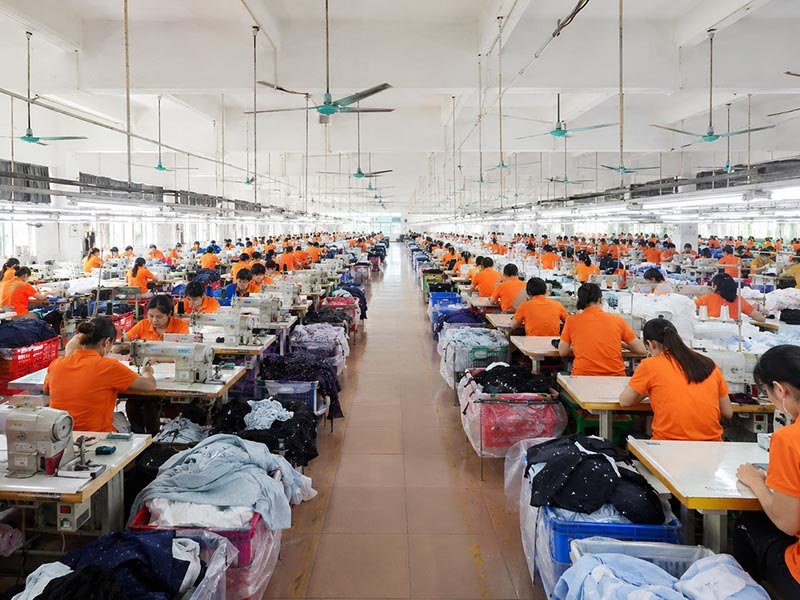
Core Factory Control
Flexible Capacity Network

Multi-style Coordination

Quick-response Support

Special Process Network
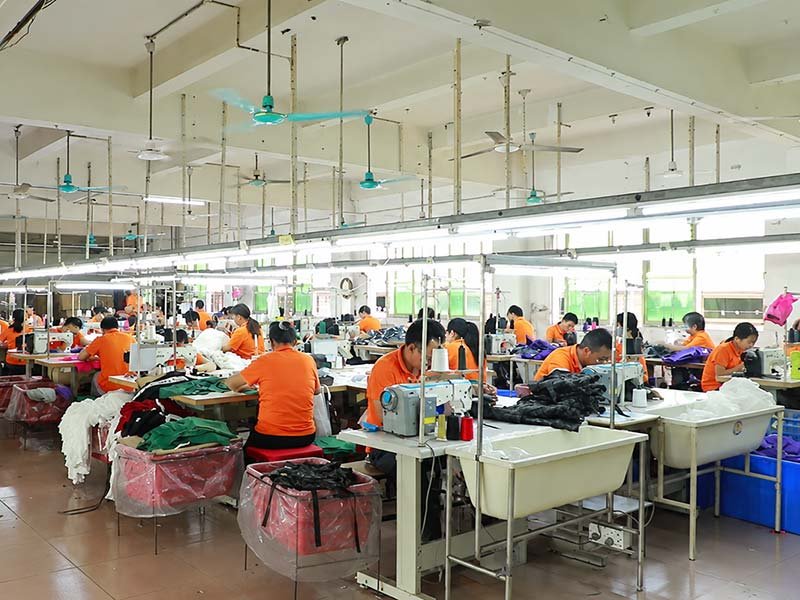
Scale-up Planning
Quality Control Focused on Tube Dress Performance
Fabric Weight Check
Stretch Recovery Check
Opacity Check
Light colors and highly stretched zones are reviewed under suitable lighting. Coverage is checked across the bust, hip and seat rather than only in relaxed fabric form. Lining or double-layer effectiveness is also verified.
Top-edge Stability
Measurement Control
Seam and Symmetry
Side seams, center lines, ruching, darts, panels, slits and hems are checked for alignment and symmetry. Twisting, puckering and uneven tension become especially visible on close-fitting silhouettes.
Appearance and Color
Packing Verification
Compliance Support for Global Fashion Brand Requirements
SMETA Audit Record
Brand Manual Execution
Testing Coordination
Standards Alignment
Third-party Inspection
Documentation Readiness
Packaging and Delivery Planned Around Launch Windows
Garment Protection
Brand Identification
Individual Packing
Carton Planning
Launch-date Planning
Shipment Coordination
Representative Tube Dress Programs for Fashion Brands
US Going-out Program
A US going-out dress brand planned an 18-style tube dress drop totaling 42,600 pieces across three color groups and a US 0–14 size range. The range included double-layer mini dresses, ruched midi styles, mesh overlays and two rhinestone hero pieces.
The main development risks were inconsistent upper-edge hold between fabrics, transparency in pale colors and horizontal drag lines across the high hip. Duolan separated the collection into three material and fit groups rather than forcing one pattern block across all styles.
Actions included:
- Medium-weight jersey for commercial core styles
- Double-layer construction for pale shades
- Separate upper-edge elastic specifications by material group
- High-hip and full-hip pattern correction
- Two focused fit-sample rounds
- PP review for one style from each construction group
- First-piece confirmation before full production release
The program moved into bulk after the second focused fit round. Production was organized by construction group, while common labels and packing standards were applied across all 18 styles.

UK Partywear Program
A UK partywear brand organized 12 tube and strapless styles totaling 24,800 pieces in UK sizes 6–16. The program included stretch velvet, shimmer jersey, stretch satin and ruched mesh-over-jersey designs.
The original brief placed heavy emphasis on visual finish but provided limited internal-construction guidance. Stretch satin styles lacked sufficient support, while mesh ruching changed position between sample sizes.
Duolan reviewed the collection by support level and introduced:
- Internal facing and concealed elastic for satin styles
- Power-mesh support for selected bust areas
- Locked ruching start and end positions
- Material-specific seam and needle guidance
- Size-set review across selected lower, middle and upper sizes
- Separate packing protection for velvet and metallic surfaces
The 12-style program was divided into four production groups. PP references, material cards and workmanship close-ups were retained for production and future repeat review.

Australian Vacation Program
An Australian vacationwear brand prepared 26 styles totaling 68,400 pieces across tube midi dresses, printed maxi dresses, light ruched minis and matching separates. The range covered five print families and AU sizes 6–16.
Major risks included vertical growth in maxi lengths, opacity in light ground colors, print scale inconsistency and launch pressure across a broad style list. Duolan prioritized hero styles, common fabric groups and early print confirmation.
The working plan included:
- Print strike-offs before full garment sampling
- Separate length review for mini, midi and maxi groups
- Double-layer construction for selected light colors
- Shared fit blocks within compatible fabric groups
- Multi-style sample tracking by priority
- Production release in approved material groups
- Staged packing and shipment preparation
The program followed a 42-day multi-style bulk plan after PP and material approval. Style files were preserved to support color extensions and repeat production after launch.

Custom Tube Dress Manufacturing Frequently Asked Questions
Yes. Reference images can establish silhouette, neckline, length, ruching and visual direction. Duolan will identify missing information such as fabric, back construction, support, lining, measurements and branding. Development begins after the sample purpose and key assumptions are clear enough to avoid uncontrolled interpretation.
Yes. Duolan can work with proprietary brand measurements, US numerical sizing, alpha sizes or market-specific specifications. The team reviews base size, POMs, grading, tolerances and measuring methods. Fabric stretch and support may require discussion before the size chart is applied to a fitted tube silhouette.
Common options include medium-weight jersey, double-layer jersey, rib knit, ponte, nylon-spandex, stretch velvet, stretch satin and mesh-layered constructions. The right material depends on compression, opacity, support, surface effect, season, price position and order structure rather than fabric name alone.
Upper-edge stability comes from pattern contour, fabric recovery, elastic, facing, silicone gripper, lining and internal support. Duolan selects the support level according to garment weight, neckline, size range and wearing occasion. Making the dress tighter is not treated as the only solution.
Not every style requires lining. Lightweight, pale or structured styles often benefit from lining or double-layer construction. Lining can improve coverage and support but may add weight, heat or movement restriction. Shell and lining stretch must remain compatible.
Standard jersey or rib tube dress samples are commonly planned within 7–10 working days after materials and requirements are confirmed. Structured, printed or embellished versions often require 12–18 working days. Focused revisions may require 5–8 working days. Final timing follows project review.
Material lead time, color development, number of styles, sample approvals, special processes, packaging, order quantity and seasonal capacity all affect timing. Many programs reserve 25–45 production days after PP and material approval, while complex multi-style programs may require 35–60 days.
Yes. Duolan is structured for multi-style collection programs. Styles are grouped by material, fit, construction, complexity and approval status. A project with 10–30 styles can be planned through prioritized samples, shared material groups, separate production paths and consolidated brand packaging.
Yes. Support may include woven labels, care labels, size tabs, hangtags, barcode stickers, individual bags, protective tissue, assortment, carton marks and packing lists. Artwork, placement, language and packing ratios should be approved before bulk completion.
Confidentiality arrangements can be reviewed before unreleased designs, technical files or original samples are shared. Project access should remain limited to relevant development and production teams. Brand names, labels and unreleased designs are not displayed publicly without permission.

Start Your Tube Dress Development Project
Share the information already available for your tube dress program. A complete tech pack is useful, but a reference image, original sample, size chart or material direction can also provide a starting point. Duolan will review the intended silhouette, fabric behavior, upper-edge support, fit priorities, sample purpose, order structure and launch schedule before recommending the next development or production path.
Clear project information helps us prepare a more relevant response instead of a generic quotation. Useful files and details include:
- Tech pack, sketch, reference image or original sample photos
- Target fabric, composition, GSM, stretch or handfeel
- Base size, size chart and expected size range
- Tube mini, midi, maxi or collection direction
- Required support, lining, cups, gripper or closure
- Colorways, prints or embellishment requirements
- Expected style count and order quantity
- Label, barcode and packaging specifications
- Target market and launch date
- Sample, quotation, supplier evaluation or bulk-production requirement