Skip to content
Custom Tuxedo Dress Manufacturer for Fashion Brands
Structured womenswear development built around sharp tailoring, feminine proportion and production-ready construction.
- 8 core tuxedo dress categories covering mini, midi, sleeved, sleeveless, single-breasted and double-breasted silhouettes
- 9 structural control zones across lapels, shoulders, front balance, waist shaping, lining and hems
- 10 quality checkpoints from fabric inspection and interlining tests to final pressing and packing review
- 30+ years of dress development experience supported by 16 owned factories and 20+ long-term satellite factories
- 300 sewing lines and 50+ flexible lines supporting multi-style collection development, launch orders, repeat programs and scaled production
What Makes a Tuxedo Dress Production Ready?
More Than a Long Blazer
A well-developed tuxedo dress needs a dedicated dress pattern. Blazer patterns usually contain wearing ease for layering, while tuxedo dresses often require closer bust, waist and hip control. Simply lengthening a jacket can create excess volume through the waist, pulling across the hips, uneven front edges or an unbalanced hem.
Duolan reviews body proportion, target fit and wearing occasion before setting the pattern direction. A going-out mini dress may require stronger waist definition and a deeper neckline. An office-to-evening midi style may need more coverage, movement allowance and a softer shoulder. Each decision influences the pattern, interlining, lining and closure system.
Tailoring Must Support Wearability
Visual structure should never create unnecessary stiffness. A sharp lapel needs enough support to hold its shape, yet the front body must still follow the wearer naturally. Shoulder pads should define the silhouette without making the garment heavy or square. Lining needs enough ease to avoid pulling the shell fabric during movement.
Production readiness means the approved appearance can be repeated through cutting, sewing, pressing and final inspection. Duolan evaluates not only whether a sample looks correct, but also whether its construction can remain stable across sizes, colors, production lines and repeat orders.
Built for Established Fashion and Product Teams
Fashion Brand Teams
For tuxedo dress collections, brand teams usually need several related silhouettes rather than one disconnected style. Product planning may combine a black double-breasted mini, a satin-lapel evening style, a sleeveless tailored dress, a softer crepe midi and a statement embellished version. Duolan helps organize shared materials, consistent shoulder language, coordinated trims and repeatable fit standards across the collection.
Product Development Teams
Duolan translates design comments into pattern, construction and material actions. A comment such as “the front looks too open” may relate to neckline depth, lapel break point, bust shaping, closure position or fabric stiffness. Identifying the real cause reduces repeated revisions and protects the original design direction.
Buying and Sourcing Teams
Sourcing teams need clear files, controlled timelines and production visibility. A visually strong sample alone is not enough. Material records, approved measurements, workmanship standards, packaging requirements and inspection points must be ready before bulk production begins.
Duolan organizes each project around defined checkpoints: project review, fabric and trim review, pattern development, sample evaluation, revision summary, production-readiness confirmation, production planning and quality updates.
Occasionwear Brands
Occasionwear brands place greater pressure on visual finish, fit and fabric performance. Satin lapels must remain smooth, metal buttons must align correctly, shoulders must hold their shape and the waist must look clean from every angle.
Duolan’s dress-focused background supports party, cocktail, wedding guest, holiday and evening collections where tailoring must feel polished rather than corporate or uniform-like.
Contemporary Fashion Labels
Duolan reviews each element against the intended market position, allowing construction quality and visual restraint to support a stronger retail presentation.
Multi-brand Fashion Groups
Duolan can separate development and production paths by brand, complexity, fabric, quantity and timing while maintaining clear project records and approval standards.
Custom Tuxedo Dress Styles for Commercial Collections
Double-Breasted Tuxedo Dress
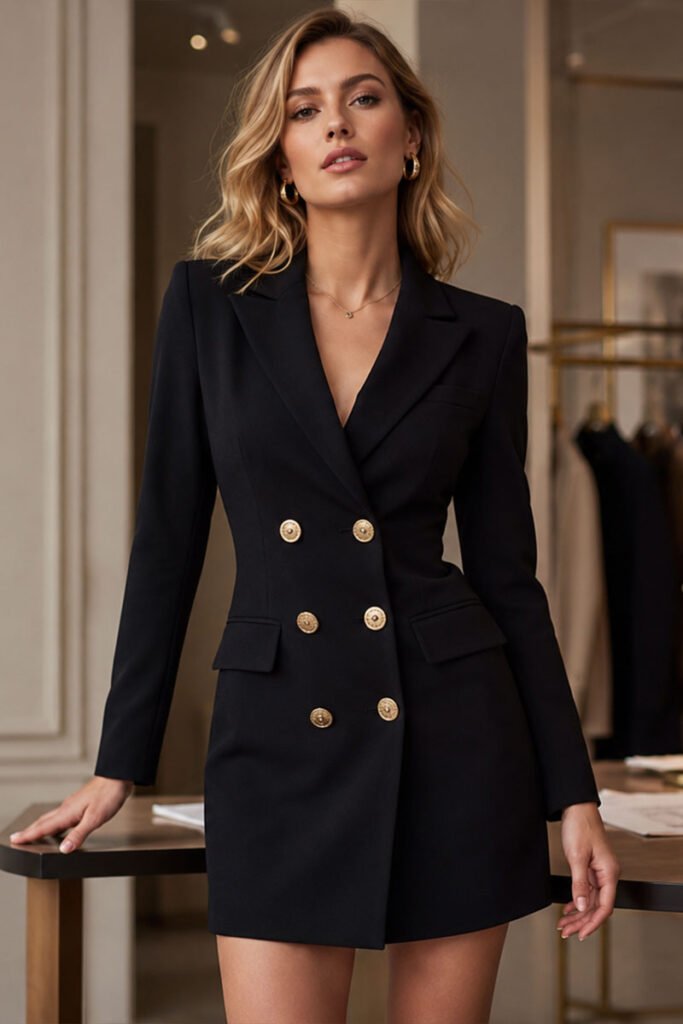
Double-breasted styles create strong visual structure through parallel button placement, overlapping fronts and defined shoulders. Development needs careful control of button spacing, overlap width, bust ease and waist suppression. Excess tension can cause the front edge to open, while excessive ease can make the silhouette look boxy. Recommended directions include structured suiting, stretch woven, crepe and compact twill. Mini and midi lengths work well for going-out, cocktail and office-to-evening collections.

Single-Breasted Blazer Dress

Belted Tuxedo Dress

Sleeveless Blazer Dress

Satin-Lapel Tuxedo Dress

Tweed Blazer Dress

Embellished Tuxedo Dress

Asymmetric Tuxedo Dress
Develop Tuxedo Dresses Around Real Wearing Occasions
Cocktail Events
Dinner and Evening
Evening styles can use deeper necklines, luxurious surfaces and stronger contrast between shell and lapel. Velvet, satin, crepe, jacquard and refined embellishment are suitable directions. Lighting reveals pressing marks, uneven lapels and surface damage quickly.
Duolan therefore reviews sheen, seam impressions, handling methods and final finishing under controlled light before packing.
Going Out
Going-out tuxedo dresses often use mini lengths, close body shaping, strong shoulders and fashion-led trims.
Commercial success depends on visual impact and confident fit. The development process needs to balance design drama with secure wear. Internal buttons, hidden snaps, anti-gaping solutions, lining and neckline stabilization may be used where appropriate.
Wedding Guest
Office to Evening
Holiday Party
Custom Design Options Beyond Fabric and Color
Lapel Type
Front Closure
Single-breasted, double-breasted, wrap, hidden snap and mixed button systems create different levels of security and visual structure. Closure height affects neckline exposure, waist position and front balance. Internal support closures may be added where the outer design needs a clean appearance.
Shoulder Shape
Natural shoulders, soft padding, structured pads and extended shoulders create different silhouettes.
Pad thickness alone does not determine the result; shoulder slope, armhole, sleeve head and shell fabric all influence the finished line.
Sleeve Design
Long sleeves, bracelet sleeves, short sleeves, split cuffs, flared sleeves and sleeveless constructions require different armhole and lining solutions.
Sleeve pitch, cap ease and mobility are checked during fitting to reduce twisting and drag lines.
Waist Shaping
Princess seams, darts, shaped side seams, panel construction, belts and internal waist support can define the silhouette.
Waist shaping is balanced against bust and hip ease so the front stays closed and side seams remain vertical.
Dress Length
Mini, short, midi and long tuxedo dresses create different movement and proportion requirements. Longer styles may need back vents, side slits or greater hem sweep. Mini styles need close control of rise coverage, sitting length and lining position.
Pocket Construction
Decorative Finish
Metal buttons, covered buttons, crystals, pearls, sequins, embroidery and contrast piping can reinforce brand direction.
Each finish is reviewed for weight, attachment, color consistency, comfort, lead time and bulk availability.
Nine Structural Controls Behind Every Tuxedo Dress

Shoulder Balance and Neckline Position

Lapel Roll and Front Stability
Bust Coverage and Closure Security
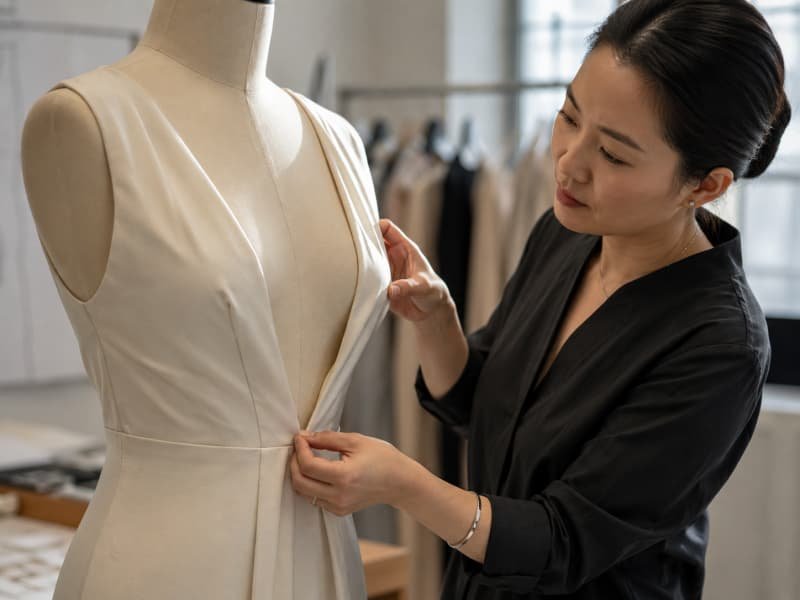
Bust coverage depends on neckline depth, lapel angle, front overlap, bust ease and button position. Fashion-led deep necklines can still require secure wear during movement. Hidden snaps, internal buttons, stay tape or pattern reshaping may be considered where appropriate.
Security solutions should remain discreet and should not distort the outer appearance.
Waist Suppression and Hip Release

Interlining and Internal Support
Interlining supports lapels, front edges, pocket openings and other shape-sensitive zones. Different shell fabrics require different adhesive strength, weight and hand feel. Fusing tests should check adhesion, bubbling, shrinkage, stiffness and surface marking.
A stable result after pressing and cooling is more important than maximum stiffness.

Lining Balance
Lining should support comfort and internal cleanliness without controlling the shell garment. Insufficient lining ease can pull sleeves, lift hems or create rippling. Excess lining can drop below the hem or bunch inside the body.
Duolan reviews lining length, pleats, armhole balance and movement allowance before bulk approval.

Button and Pocket Alignment
Hem Level and Garment Fall

Pressing and Final Shape
Lapel Engineering for Shape, Symmetry and Coverage
Lapel Proportion and Break Point
Roll Line and Internal Support
The roll line should form naturally rather than look sharply folded. Interlining weight, pad stitching or construction method, seam allowance and pressing influence the roll.
For satin-faced lapels, the internal structure must support the shape without showing adhesive texture or seam impressions. Fusing trials are evaluated on the actual shell and lapel materials before production.
Collar and Neckline Relationship
Symmetry and Surface Control
Shoulder Structure Without Unnecessary Weight or Stiffness
Shoulder Width and Slope
Shoulder width changes the entire visual proportion of a tuxedo dress. Extended shoulders create a stronger fashion statement, while natural widths provide a quieter tailored appearance. Slope must follow the intended fit block. Duolan checks both body measurements and visual direction before adjusting the pattern.
Pad Shape and Thickness
Shoulder pads vary in thickness, density, edge taper and shape. A thick pad placed on a narrow shoulder can appear heavy, while a thin pad may fail to support a structured shell fabric. Pad selection is tested with the actual pattern and sleeve construction. Placement is marked so that bulk garments maintain equal left-right shape.
Sleeve Head and Armhole
Shoulder-to-Lapel Balance
A shoulder change often requires a corresponding lapel or neckline review. Wider shoulders can make narrow lapels appear weak. Strong padding can alter the collar position or cause the upper front to pull. Duolan evaluates the complete upper body after each major correction so one adjustment does not damage another area.
Waist Shaping Built Around Female Body Proportion
Bust Ease and Front Balance
Front length must account for bust projection. If the front body is too short, the hem may lift and the waistline may rise. Duolan reviews bust shaping, front length and lapel opening together during fitting.
Waist Suppression
The approved waist should maintain a clean center front and vertical side seams. Belted styles also require accurate loop and buckle positioning so the belt reinforces rather than conflicts with the pattern shaping.
Hip Ease and Hem Fall
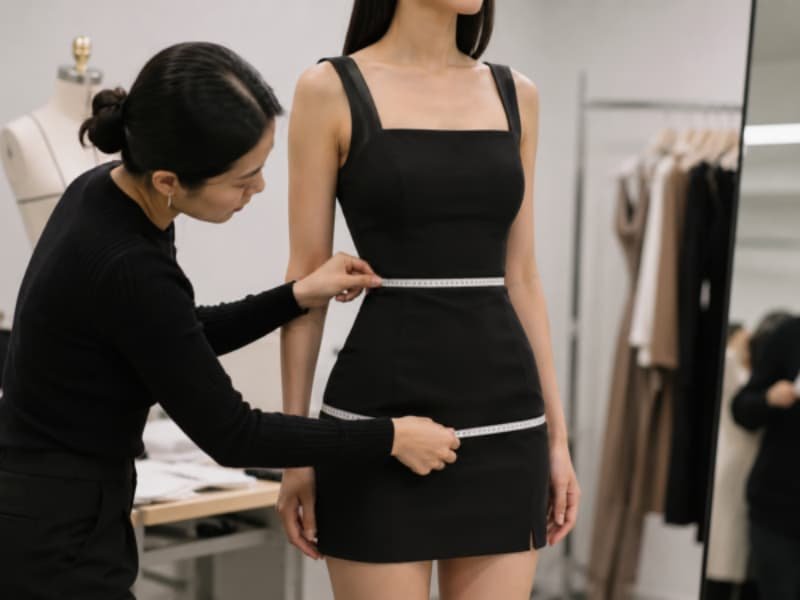
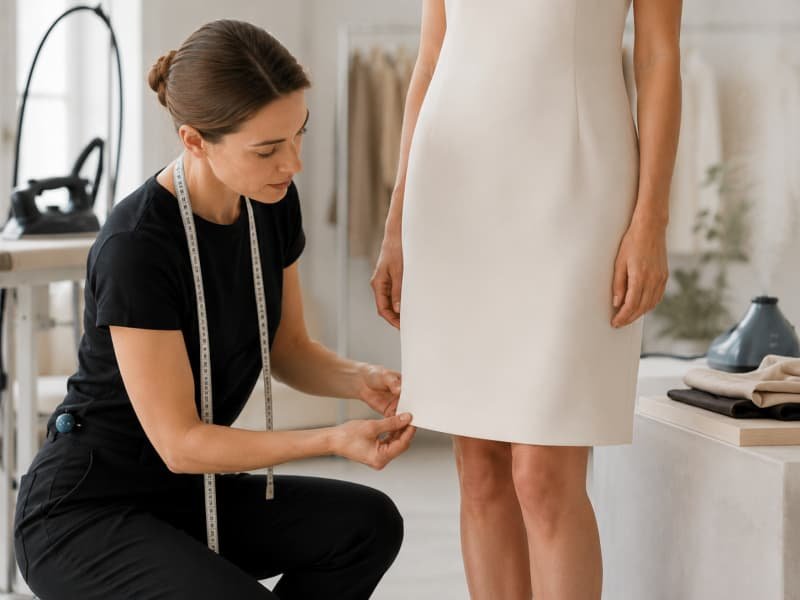
A close waist needs enough hip release below it. Limited hip ease can cause horizontal folds, pocket opening and hem lift. Excessive hip ease may weaken the intended silhouette.
Mini styles need secure movement and sitting length. Midi styles may require vents or slits. Duolan checks hip measurement, hem sweep and walking movement before approval.
Size Range and Grading
One successful sample size does not guarantee a balanced size range. Grading must protect shoulder position, lapel proportion, button placement, waist shaping and dress length across sizes.
Duolan can work from a brand’s supplied grade rules and size specifications. Where fit information is incomplete, key points are reviewed before grading begins. Product teams may use US 0–16, numeric fashion sizing or brand-specific measurements; the approved chart remains the production reference.
Fabrics Selected for Structure, Drape and Market Position

Polyester-Viscose Suiting
Polyester-viscose blends offer a balanced combination of structure, drape, crease recovery and commercial cost. They suit double-breasted, single-breasted and office-to-evening tuxedo dresses. Development should review fabric weight, surface smoothness, pilling tendency, shrinkage and fusing response.
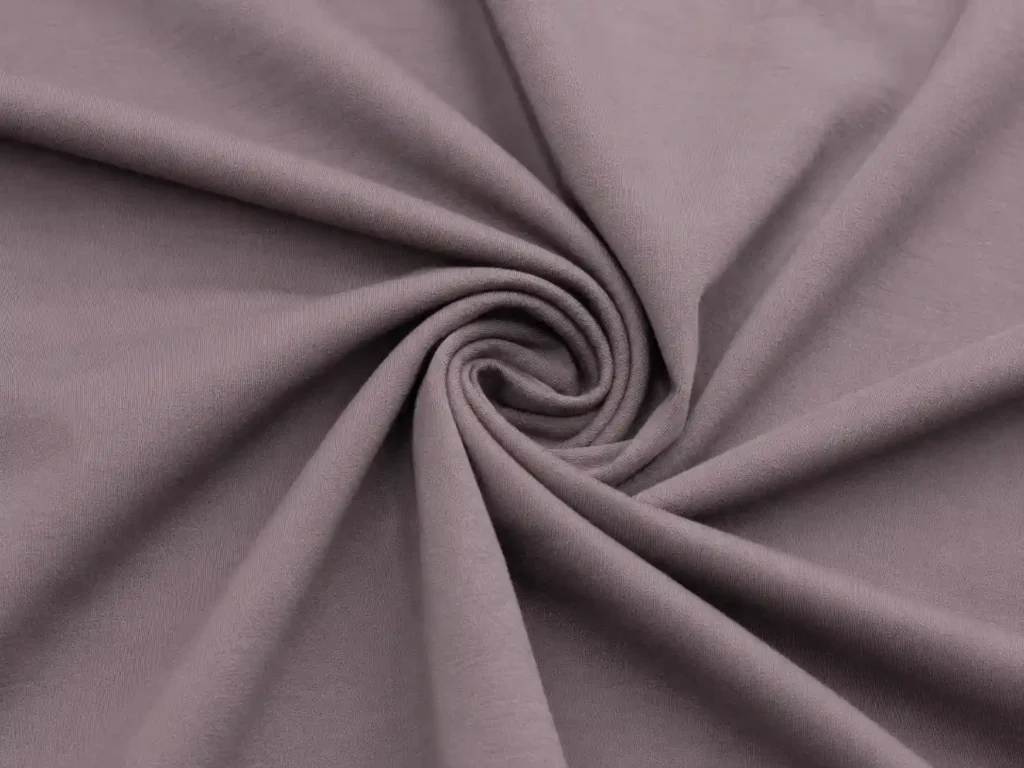
Stretch Woven
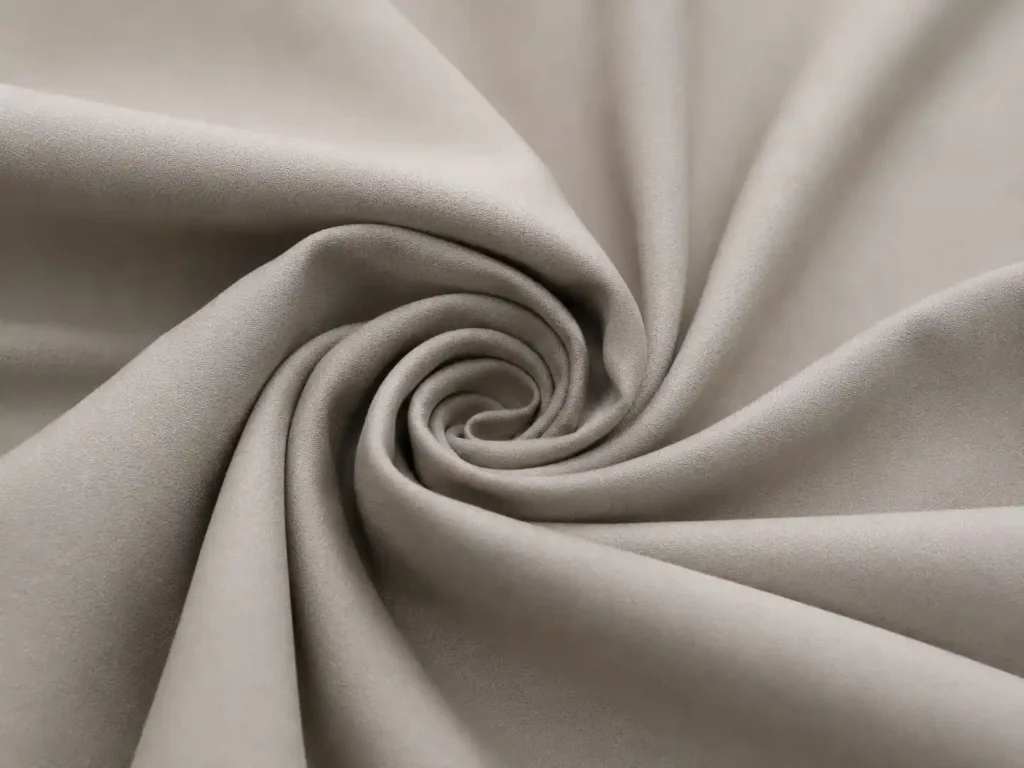
Crepe
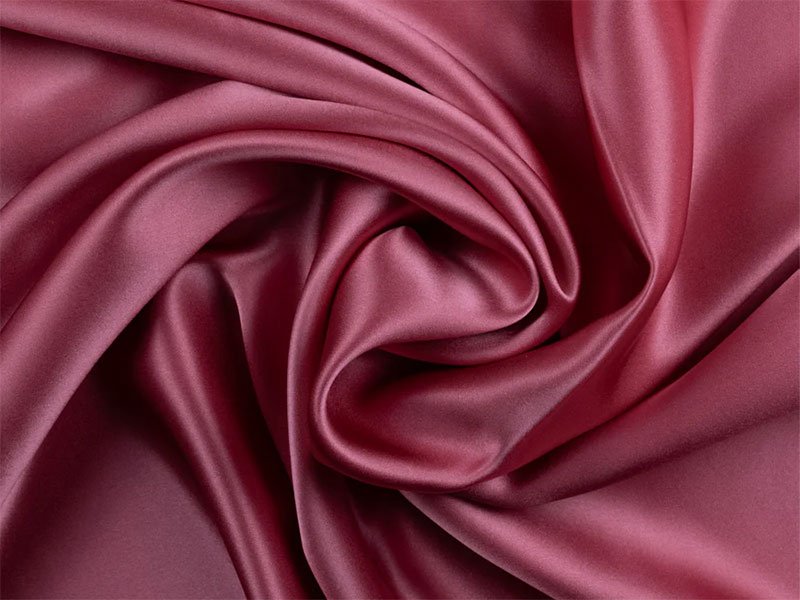
Satin

Velvet
Velvet offers depth and luxury for holiday and evening collections. Pile direction must remain consistent, and pressing requires protective methods to avoid flattening. Seam bulk, marking, needle tracking and color variation need careful review. Velvet often benefits from simplified pocket and seam construction to protect its surface.

Tweed

Jacquard

Embellished Fabric
Compare Tuxedo Dress Fabrics Before Sampling
Material choice should be based on silhouette, wearing occasion, fit, surface quality and production stability rather than appearance alone.
| Fabric Type | Best Suited Styles | Main Strength | Key Production Risk | Duolan Review Focus |
|---|---|---|---|---|
| Polyester-Viscose Suiting | Double-breasted, office-to-evening, midi styles | Stable structure with commercial drape | Lot variation, fusing response, surface shine | Weight, shrinkage, adhesion, crease recovery |
| Stretch Woven | Fitted mini and going-out styles | Movement and close body fit | Poor recovery, lapel softness, measurement variation | Stretch percentage, recovery, compatible interlining |
| Crepe | Contemporary, cocktail, wedding guest styles | Matte finish and elegant drape | Edge distortion, seam marking, soft lapels | Grain control, localized support, pressing |
| Satin | Evening, contrast lapel, statement styles | High visual impact and formal shine | Needle marks, scratches, seam impressions | Grain, handling, pressing, packing pressure |
| Velvet | Holiday and evening styles | Rich depth and premium surface | Pile crushing, marking, seam bulk | Nap direction, pressing method, protected packing |
| Tweed | Contemporary and premium structured styles | Texture and strong silhouette | Fraying, pattern mismatch, bulky seams | Matching, stabilization, seam control |
| Jacquard | Fashion-led occasion dresses | Woven pattern and shape retention | Motif mismatch, stiffness, higher consumption | Pattern placement, fusing, panel balance |
| Embellished Fabric | Party and event collections | Immediate visual distinction | Weight, detachment, scratching, seam obstruction | Base strength, attachment, comfort, repair plan |
Internal Materials Holding the Silhouette Together
Interlining Selection
Lining Construction
Shoulder Pads
Stay Tape and Reinforcement
Trims Specified for Function and Brand Consistency

Single-Breasted Buttons

Double-Breasted Buttons

Covered Buttons
Covered buttons create a refined tonal finish and work well for satin, crepe and clean occasion styles.
Fabric direction, padding, backing quality and edge finishing are checked so buttons remain consistent and do not fray.

Metal Buttons

Hidden Snaps

Welt Pockets

Flap Pockets
Flap size and position influence waist and hip proportion. Structured fabrics hold sharper flaps, while softer fabrics may need support.
Left-right alignment is measured against defined pattern points.

Brand Labels and Care Labels
Main labels, size labels, care labels, hangtags and barcode information are reviewed against final garment construction and destination requirements. Label position should remain comfortable and consistent across sizes.
Workmanship Keeping Tailored Dresses Clean and Balanced
Lapel Construction
Front Edge Control
Pocket Construction
Sleeve Setting
Lining Assembly
Lining seams should be clean, secure and free from excessive tension. Body pleats, sleeve lining, hem connection and vent areas are reviewed separately. Internal attachment points prevent the lining from twisting while allowing natural movement.
Pressing and Finishing
Pressing develops shape and cleans seam appearance. Each fabric needs appropriate temperature, pressure and moisture. Final finishing includes thread cleaning, stain review, shape recovery, button security, measurement checks and cooling before packing. Garments should be inspected after pressing effects have stabilized.
What We Review Before Tuxedo Dress Sampling
Design Basis
Construction Information
Important construction points include lapel type, closure arrangement, shoulder direction, lining, interlining, pocket type, button specification, belt details, sleeve construction and hem finish.
For complex styles, Duolan may recommend a structure review before the full sample begins.
Fit and Size Information
Commercial Information
Target quantity, color breakdown, launch date, sales market, target price position and expected reorder path influence material and production decisions. A style planned for 5,000 pieces requires different material availability and production planning from a sample created only for range review.
Pattern and Measurement Control for Structured Dress Fit
Base Size and Measurement Points
Duolan follows the supplied base size and Points of Measurement wherever available. Measurement methods should define where and how each point is taken, especially for shoulder, neckline, lapel, bust, waist and dress length. Clear diagrams and measurement descriptions reduce risk.
Pattern Correction
Fit comments are analyzed before changing the pattern. A tight bust may require more than adding width. Front length, dart intake, armhole, lapel opening and closure position may also be involved.
Pattern corrections are recorded so the next sample can be compared against the previous version.
Grade Rules
Grading should preserve design proportion across the size range. Lapel width, button placement, pocket position and shoulder extension may need controlled grade rules rather than uniform enlargement.
Duolan can follow brand-provided grade rules and review unusual size jumps before production.
Tolerance Planning
Measurement tolerance should reflect construction sensitivity. A simple hem circumference may allow more tolerance than lapel width, button position or shoulder balance.
Critical points are identified before production so inspection teams know which measurements directly affect appearance and fit.
Locking the Approved Standard Before Bulk Production
Approval Status
Material Lock
Workmanship Lock
First-Piece or Pilot Confirmation
Bulk Start Confirmation
The final review confirms what is ready, what remains open and which production path will be used. Product teams receive a clearer basis for approving bulk rather than relying on a general “ready for production” message.

From Design Brief to First Tuxedo Dress Sample
Project Review
Fabric and Trim Review
Pattern Development
Structure Testing
Sample Sewing
Internal Review
Quality Control for Tailored Tuxedo Dress Construction
Fabric and Color Inspection
Interlining Compatibility
Cutting and Bundling
First-Piece Review
The first completed unit is checked against the approved sample, pattern, measurements, materials and workmanship points.
Production continues only after key differences are understood and corrected.
Inline Measurement
Pressing Inspection
Final Garment Inspection
Packing Verification
Packing is checked against approved folding, hanger, polybag, label, barcode, assortment and carton requirements. Structured garments may require additional protection to preserve lapel, shoulder and surface condition during transport.
Compliance Support for Brand and Market Requirements
Social Responsibility Records
Product Testing Coordination
Brand-Specific Standards
Documentation Control
Test reports, material records, approval files, inspection requirements and packing instructions should remain connected to the correct style and order.
Clear version control helps reduce the risk of outdated specifications entering production.








Project Conditions for Sampling and Bulk Production
Commercial terms are evaluated from product complexity, materials, quantity structure, colors, sizes, packaging and launch timing rather than a single generic number.
| Project Area | Evaluation Basis | Information Needed |
|---|---|---|
| Sample Path | Sample purpose, construction risk, material readiness and revision needs | Tech Pack or reference, sample size, fabric direction, deadline |
| Sample Timeline | Starts after design basis, materials, fit priority and sample purpose are confirmed | Required sample type, target date, nominated materials |
| MOQ | Fabric, dyeing, trims, color split, size split, construction and production efficiency | Quantity by style and color, expected reorder plan |
| Bulk Lead Time | Material readiness, style count, complexity, quantity and factory schedule | Approved sample status, PO quantity, delivery date |
| Quotation | Shell, lining, interlining, trims, workmanship, decoration, packing and volume | BOM, construction details, quantity, incoterm |
| Size Range | Supplied measurement chart, grade rules and fit requirements | Base size, POM, tolerances, size breakdown |
| Quality Standard | Brand manual, inspection level, testing and critical workmanship points | QC guide, testing list, approved reference |
| Delivery | Final destination, incoterm, transport mode, packing and inspection timing | Warehouse date, freight method, nominated forwarder |
A Dress-Focused Manufacturing System Behind Every Project
30+ Years Development Background
Duolan’s leadership and product system draw on more than three decades of fast-fashion womenswear development experience. The foundation includes style direction, fabric development, dress pattern understanding, decorative workmanship and commercial product execution.
16 Owned Factories
Owned factories provide direct control for key styles, sensitive development and important production programs.
Core products can be assigned according to construction difficulty, delivery timing and quality requirements rather than treated as interchangeable orders.
20+ Satellite Factories
Long-term satellite factories add capacity for suitable repeat, replenishment and scale-up programs.
Allocation is based on product capability and project needs. Complex styles are not distributed only to fill capacity.
300 Sewing Lines
A broad sewing network supports multi-style programs, different production stages and recurring seasonal collections.
Production planning still depends on line suitability, material readiness and quality control rather than line count alone.
50+ Flexible Lines
SMETA 2-Pillar Audit
SMETA 2-Pillar audit records support supplier qualification discussions with global fashion groups and sourcing teams.
Project-specific compliance documents can be reviewed during supplier evaluation.
Tuxedo Dress Development and Production Case Studies
US Going-Out Collection
Region and Brand Type: United States, established online going-out and occasionwear brand.
Program Scope: 24 coordinated styles with a combined order quantity of 58,400 pieces. Products included double-breasted mini dresses, sleeveless blazer dresses, satin-lapel styles and fitted belted versions across several commercial colors.
Development Challenge: The collection required a strong shoulder and deep neckline while maintaining secure bust coverage. Initial references showed inconsistent lapel width, button position and waist proportion. Several metallic buttons were visually suitable but too heavy for the selected stretch suiting.
Duolan Approach: The upper-body structure was divided into shoulder, lapel, bust and closure checkpoints. Pad density was adjusted according to fabric weight. Internal security closures were added to selected styles. Button weight and shank length were reviewed before trim approval. A shared fit block was used for related silhouettes, while style-specific lapel and length changes remained separate.
Result: The program moved through first samples, revised fit samples and PP confirmation with a controlled standard for lapel shape, front closure and waist balance. Bulk production was divided by construction complexity rather than color alone, allowing simple and high-risk styles to follow different checkpoints.

UK Occasionwear Program
Region and Brand Type: United Kingdom, occasionwear and wedding guest brand.
Program Scope: 18 styles with a total quantity of 36,000 pieces. The range combined crepe midi tuxedo dresses, satin-faced lapels, covered buttons and several softer shoulder options.
Development Challenge: The brand wanted formal structure without a corporate appearance. Early fabric trials created excessive stiffness in the front body, while the satin lapels showed seam impressions after pressing.
Duolan Approach: Lighter localized interlining replaced full heavy support on selected crepe styles. Lapel satin was reviewed for weight, grain direction and pressing sensitivity. Protective pressing methods and a revised seam allowance arrangement reduced visible impressions. Shoulder pads were softened and tapered to support the silhouette without creating a square line.
Result: The approved range maintained a clean lapel and waist shape with improved comfort and softer movement. Material, pressing and workmanship references were locked before bulk release. Inspection points focused on satin surface condition, lapel symmetry, hem balance and lining movement.

European Contemporary Range
Region and Brand Type: European contemporary fashion group with office-to-evening and event collections.
Program Scope: 12 styles with a combined order quantity of 24,600 pieces. Styles included single-breasted midi dresses, sleeveless tailored dresses and asymmetric wrap-front designs.
Development Challenge: The range needed consistent fit across an extended size run while keeping button, pocket and lapel proportions visually balanced. One asymmetric style showed hem lift and front-edge twisting in larger sizes.
Duolan Approach: Grade rules were reviewed for shoulder width, lapel scale, closure position and waist shaping instead of applying uniform increases. The asymmetric front was corrected through front length, overlap and hip release adjustments. A first-piece review was used before full production release.
Result: The range achieved a more stable size progression and cleaner front balance. Pattern, measurement, material and workmanship records were retained for repeat development and future color extensions.

Custom Tuxedo Dress Frequently Asked Questions
The terms often overlap. A tuxedo dress usually carries stronger formal tailoring references, such as satin lapels, peak lapels, double-breasted closures or evening finishes. A blazer dress can cover a wider range of casual, contemporary and occasion styles. Both require dress-specific pattern development rather than a standard jacket pattern extended to a longer length.
Yes. Reference images can support an initial review when combined with information about intended fabric, fit, length, quantity and market position. A reference image cannot define hidden construction, measurements or material specifications, so Duolan will identify the missing decisions before confirming the sample plan and quotation basis.
Yes. Duolan can review supplied sketches, measurements, construction notes, BOM, trim references and packaging requirements. Questions or conflicts are organized before development begins. Clear Tech Packs reduce assumptions, but technical feasibility and material behavior still need to be reviewed against the intended garment.
Suitable choices include polyester-viscose suiting, compact stretch woven, crepe, satin, velvet, tweed and jacquard. Selection depends on desired structure, drape, comfort, shine, price position and production stability. Interlining, lining and pressing methods must be matched to the chosen shell fabric.
Lapel and shoulder control begins with pattern balance, fabric choice and internal support. Duolan reviews shoulder slope, pad shape, collar relationship, lapel break point, roll line and interlining. Sample checks include symmetry, surface condition, neckline position and movement before the standard is released to production.
Yes. Lining can be selected by color, weight, stretch, hand feel and market position. Interlining is evaluated by weight, adhesive performance, stiffness and compatibility with the shell. Fusing tests are recommended for fabrics sensitive to heat, shine, bubbling or surface marking.
The approved pattern, measurements, grade rules, materials, workmanship points and pressing standard are locked before bulk release. Complex styles may use a first-piece or pilot confirmation. Inline measurements and structure checks then compare production garments against the approved reference.
MOQ depends on shell fabric, dyeing, lining, trims, color split, size split, construction complexity, decoration, packaging and production efficiency. Duolan reviews the complete program rather than using one fixed number for every style. Multi-style and repeat plans can also influence material and production planning.
Yes. Duolan can work from supplied US size charts, numeric fashion sizes or proprietary brand measurements. Base size, Points of Measurement, grade rules and tolerances should be provided. Key tailoring proportions may require controlled grading rather than equal enlargement across every size.
Send available Tech Packs, reference images, original sample photos, measurement charts, fabric direction, trim references, target quantity, colorways, launch date and required delivery destination. Duolan will review the current information and identify what needs confirmation before sampling, quotation or bulk planning.

Start Your Tuxedo Dress Development Project
Send the development information currently available, whether it is a complete Tech Pack, reference image, original sample photo, measurement chart or collection brief. Duolan will review the intended silhouette, fabric direction, lapel and shoulder structure, fit priorities, order quantity and launch calendar before recommending the next development or production step.
Clear project information supports a more accurate review of sample requirements, material sourcing, MOQ, quotation and lead time. For a multi-style program, include the total number of styles, quantity by style and color, expected size range and delivery destination. For an existing sample, include comments explaining which areas are approved and which areas still need correction.
Please provide:
- Company name, website, country and sales market
- Tuxedo dress type and number of styles
- Tech Pack, design sketch, reference image or sample photos
- Fabric, lining, interlining and trim direction
- Base size, size range and measurement chart
- Quantity by style, color and size
- Sample purpose and required sample date
- Target bulk delivery or warehouse date
- Label, barcode, packaging and compliance requirements
- Preferred shipping term and final destination