Skip to content
Custom Twist Front Dress Manufacturer
Dress development built around controlled twist placement, balanced draping, reliable fit and production-ready construction.
- 30+ years of fast-fashion womenswear and dress development experience
- Twist point, fold direction, bust balance and cut-out coverage reviewed before pattern approval
- 8–12 twist-critical measurement points can be defined according to style complexity
- Knit and woven development covering mini, midi, maxi, bodycon, occasion and resort directions
- 16 owned womenswear factories supported by 20+ long-term satellite factories
- Multi-style programs commonly covering 10–30 styles and 20,000–80,000 garments per order
Developed for Established Fashion and Product Teams
Fashion Dress Brands
Product Development Teams
Sourcing and Buying Teams
Risks Hidden Inside a Twist Front Dress
Misplaced Twist Point
Unbalanced Fold Volume
Fabric Recovery Failure
Distorted Body Balance
Inconsistent Size Grading
Sample-to-Bulk Variation
Twist Front Dress Styles We Develop
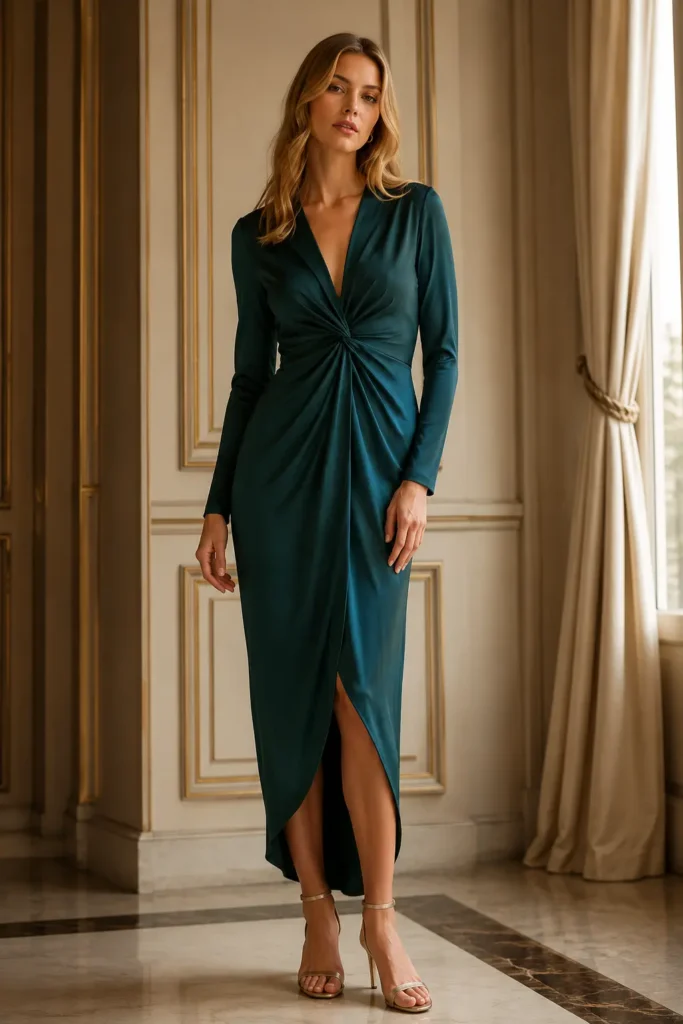
Center Twist Dress

Bust Twist Dress

Underbust Twist Dress

Twist Waist Dress
A waist-positioned twist defines the middle body and can direct folds into a slim skirt, gathered skirt or asymmetrical drape. The waistline must remain level while the twisted panel pulls fabric diagonally.
Duolan checks side seam position, waist stretch, knot bulk and skirt balance. Waist twists are suited to bodycon, cocktail, going-out and day-to-night collections where shape and visual movement need to work together.
Side Twist Dress

Twist Cut-Out Dress

Ruched Twist Dress

Twist Knot Dress
Mini, Midi and Maxi Twist Dress Programs
Length changes more than the hemline. It alters body proportion, fabric consumption, movement, fit balance and the commercial role of the style within a collection.

Twist Front Mini Dresses

Twist Front Midi Dresses

Twist Front Maxi Dresses

Twist Bodycon Dresses

Twist Fit-and-Flare Dresses

Twist Slip Dresses
Build a Commercial Twist Front Collection
Hero Visual Styles
Core Sales Styles
Premium and Repeat Styles
Engineering the Twist, Not Just Sewing a Knot
Twist Anchor and Panel Geometry
The twist anchor is the point where visual folds and physical tension meet. Its position may be set near the bust, underbust, center waist or side waist. Each location changes how the fabric moves across the body.
Reference relationship: The anchor is reviewed against bust apex, center-front length, natural waist, neckline depth and cut-out boundaries. A position that looks correct on a flat sketch may move after fabric stretch and garment tension are introduced.
Panel shape: Twist panels often require additional width or length to create controlled fold volume. Added material must be distributed through pattern geometry rather than gathered without a defined plan. Panel edges, matching points and grainline influence how the folds turn.
Internal stability: Some designs need an internal fixing point, elastic stay, lining connection or hidden reinforcement. Stability should not create a visible hard spot. The internal method is selected according to fabric weight, stretch and intended drape.
Production control: Approved anchor position is converted into notches, measurement references and sewing instructions. A visual photograph alone is not enough for repeat production. Operators need clear matching points and an approved fold direction.
Fold Direction and Gathering Ratio
Fold direction controls how the eye moves across the body. Upward folds can support the bust visually, downward folds can lengthen the torso, and diagonal folds can define the waist.
Gathering ratio: More volume does not automatically create a better twist. Excess fabric can form a thick knot, increase sewing difficulty and distort the waist. Too little volume produces weak folds and exposes construction lines. Ratio is adjusted through sampling according to fabric weight and surface behavior.
Distribution: Gathering should be concentrated where the design requires depth and reduced where the garment needs a clean transition. Random gathering often changes garment length or creates uneven tension between left and right sides.
Stitch control: Temporary gathering stitches, elastic application or permanent securing methods may be used. Stitch type and tension must suit the material. Fine satin, stretch mesh and dense jersey react differently under the same machine settings.
Wear test: The twist is observed while standing, sitting and moving. Folds should recover after normal handling and should not open the neckline, enlarge a cut-out or pull the side seam forward.
Seam Bulk and Internal Finish
Twist areas can contain several layers within a small space. Seam bulk affects appearance, comfort and production speed.
Layer planning: Pattern pieces should be arranged to avoid unnecessary overlapping seam allowances. Corners and enclosed areas may need trimming, grading or controlled turning methods.
Fabric response: Thick rib knit creates more bulk than lightweight jersey. Satin may show every internal ridge. Mesh needs a clean edge because internal construction can remain visible through the outer layer.
Comfort: Hard knots, exposed seam allowances and rough reinforcement can irritate the body. Internal finishing is checked against the wearing position. Waist and underbust twists require especially clean handling.
Pressing: Excess pressure can flatten intended folds or mark satin. Insufficient pressing leaves irregular seams. Pressing sequence is established during sampling so the twist remains dimensional without looking unfinished.

Control Twist Placement and Body Proportion
Bust and Underbust Relationship
Twist construction near the bust must work with the intended coverage and support.
Coverage: The inner edge of a twist opening should remain secure during movement. Deeper necklines may need lining extensions, hidden elastic or internal support.
Pressure: A low anchor can pull downward across the bust. A high anchor can shorten the upper torso or create tension near the neckline.
Symmetry: Center-front twists require balanced left and right panels. Minor cutting or sewing variation can produce visible asymmetry. Pattern notches and first-piece checks help keep both sides aligned.
Waistline and Side Seam Balance
A waist twist redirects tension across the front garment. Side seams and waist level reveal whether the pattern remains balanced.
Side seam position: A pulled-forward side seam often indicates insufficient front width, excessive twist tension or an unsuitable grain direction.
Waist level: The visual waistline should remain controlled even when folds move diagonally. Uneven waist placement can make the garment appear twisted rather than designed.
Skirt transition: Folds should release cleanly into the skirt. An abrupt transition creates bulk or a raised hem. Pattern volume is blended according to the silhouette.
Cut-Out Coverage and Movement
Cut-outs attached to a twist require measurable boundaries.
Critical dimensions: Width, height, distance from center front, neckline depth and underbust coverage should be defined in the specification.
Movement review: Fit approval includes raising the arms, sitting and normal walking. A cut-out may enlarge when the fabric stretches or when the twist rotates.
Grading: Cut-out growth should not follow unrestricted size increments. Larger sizes may require controlled repositioning or a different panel relationship to preserve coverage and visual proportion.
Fabrics Selected for Twist Definition and Recovery

Stretch Jersey
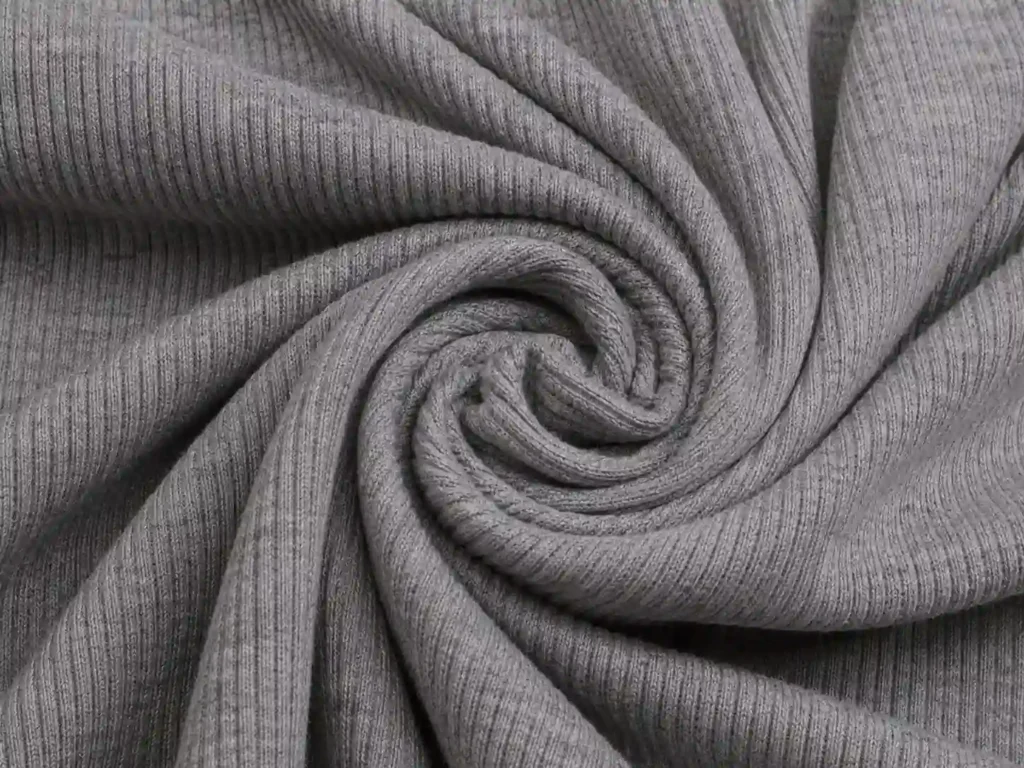
Rib Knit

Stretch Mesh

Stretch Satin

Crepe

Viscose Blends
Compare Fabrics for Twist Front Development
Material choice should be based on garment result, wearing scenario and production behavior—not fabric name alone. Final specifications depend on the approved sample, target price structure and required bulk availability.
| Fabric Direction | Drape | Stretch / Recovery | Twist Result | Main Production Risk | Recommended Use |
|---|---|---|---|---|---|
| Stretch Jersey | Soft to medium | High / medium to high | Smooth, close-fitting folds | Distortion, weak recovery, opacity | Bodycon mini, midi, going-out styles |
| Rib Knit | Medium | High / high | Textured, compact twist | Excess bulk, rib distortion | Casual mini, fitted midi, long-sleeve dresses |
| Stretch Mesh | Soft | High / medium | Layered, light gathering | Coverage, seam visibility, lining mismatch | Party, cut-out, layered occasion styles |
| Stretch Satin | Fluid | Medium / medium | Glossy, elegant drape | Needle marks, seam waviness, pressure marks | Cocktail, occasion and premium midi dresses |
| Crepe | Controlled | Low to medium / medium | Clean, refined fold definition | Rigid twist if weight is too high | Midi, work-to-evening and occasion dresses |
| Viscose Blend | Very fluid | Low / low to medium | Natural, relaxed twist | Shrinkage, bias movement, seam growth | Resort, vacation and printed maxi dresses |
The strongest material is not always the most expensive quality. The correct choice should support the intended twist depth, body fit, opacity, price range, care requirements and repeat-production plan.
Pattern Engineering Behind a Stable Twist Front
Building the Front Panels
Twist designs may use overlapping panels, extended sections, openings, loops or integrated front-body pieces.
Panel extension: Additional length or width creates fold volume. The extension must be positioned where the design needs movement, not added evenly across the complete panel.
Grain direction: Straight grain, cross grain and bias behavior produce different results. Grainline influences stretch, drape and whether the twist rotates during wear.
Matching points: Clear notches reduce variation during assembly. Matching points can identify twist entry, fold alignment, center position and connection to lining or waist seams.
Seam allowance: Allowance width around narrow openings affects bulk and turning accuracy. Heavy allowance can show through satin or create a hard edge.
Correcting Fit at Pattern Level
Sample comments should be diagnosed before changes are made.
Twist too low: The cause may involve anchor location, front length or fabric stretch—not only a sewing position.
Bust pulling: Additional bust volume, different panel shaping or reduced twist tension may be required.
Side seam moving forward: Front-body width, twist pull or grainline may be unbalanced.
Uneven hem: Diagonal tension or bias drop may be lifting one side.
Cut-out opening too wide: Panel length, elastic control or anchor rotation may need correction.
Each approved change should return to the master pattern and measurement record.
Preparing the Pattern for Production
Production patterns need more information than a sample-room pattern.
- Complete notches and drill references
- Grainline and cut direction
- Style and size identification
- Bundle and matching guidance
- Lining and outer-layer relationship
- Trim placement
- Twist anchoring reference
- Seam allowance definition
- Approved revision status
- Grading confirmation
A clear production pattern reduces operator interpretation and gives QC teams measurable reference points.

Fit and Grading Across the Size Range
Critical Points of Measure
- Bust circumference
- Underbust circumference
- Waist circumference
- Hip circumference
- Center-front length
- Twist point from high shoulder point
- Twist point from natural waist
- Neckline depth
- Cut-out width
- Cut-out height
- Distance from twist to side seam
- Strap or shoulder length
Size Grading Logic
Automatic grading can distort a twist detail.|
Small sizes: Excess fold volume can dominate the body. Twist width and gathering may need controlled reduction.
Larger sizes: Bust coverage, neckline security and cut-out dimensions require review. More body width does not always mean a proportionally larger opening.|
Vertical placement: Twist height may need adjustment according to torso length and bust position rather than one fixed grade increment.
Stretch garments: Finished measurements and body measurements should be interpreted with negative ease and fabric recovery in mind.
Woven garments: Bust shaping, closures and wearing ease need sufficient control because the fabric cannot compensate through stretch.
Fit Approval Records
Fit comments should be organized by category:
- Pattern and balance
- Measurement
- Twist construction
- Neckline and coverage
- Fabric behavior
- Workmanship
- Styling preference
- Bulk-production risk
A revision summary records what changed, why it changed and which version became the approved basis.
Clear records prevent old comments from returning during later samples or bulk production.
Customize Every Element Around the Twist
Neckline Options
Sleeve Options
Length Options
Cut-Out Placement
Back Design
Closure System
Lining and Support
Print and Surface Detail
Feasibility Review Before Sampling Begins
Information Your Team Can Provide
- Design sketch or technical drawing
- Reference images
- Original garment photographs
- Physical sample
- Size chart
- Fabric swatch or composition direction
- Color or Pantone reference
- Previous sample comments
- Target quantity
- Intended launch period
- Target market and wearing scenario
- Label and packaging requirements
What Duolan Reviews
Structure: Twist location, panel relationship, cut-out, neckline, closure, lining and internal support.
Material: Weight, stretch, recovery, opacity, drape, surface behavior, width and bulk availability.
Fit: Sample size, intended ease, bust coverage, waist shaping, size range and critical measurements.
Workmanship: Sewing sequence, gathering, internal finish, seam bulk and stabilization.
Production: Style complexity, material lead time, testing needs, special process involvement and suitable production path.
Development Output
Following the review, a project can move toward a clearer sample plan covering:
- Recommended development method
- Initial fabric direction
- Main risks requiring confirmation
- Required missing information
- Sample purpose
- Approval points
- Revision basis
- Path toward PP and bulk readiness
The aim is to make the sampling stage measurable and decision-oriented.

From Design Brief to Production-Ready Sample
Brief Review
Material Assessment
Draping and Pattern
First Sample
Fit Revision
PP and Bulk Readiness
Turning Fit Comments into Controlled Revisions
Diagnosing the Real Cause
A comment such as “the twist feels heavy” may come from several causes:
- Excess pattern volume
- Fabric weight
- Wide seam allowances
- Too many overlapping layers
- Anchor construction
- Incorrect gathering distribution
Reducing fabric without diagnosis may weaken the visual effect or change fit elsewhere. The sample is reviewed from front, side and internal views before deciding the correction.
A comment such as “the neckline opens” may involve twist rotation, insufficient neckline stabilization, bust shaping, strap position or fabric recovery. Each cause requires a different solution.
Recording the Revision
A clear revision record can include:
- Comment received
- Area affected
- Technical cause
- Pattern action
- Measurement action
- Workmanship action
- Material action
- Visual reference
- Approval status
The same record guides the pattern team, sample room and merchandising contact. The next sample should reflect agreed changes rather than introducing new interpretation.
Workmanship That Keeps the Twist Clean

Twist Anchoring

Controlled Gathering

Seam Bulk Reduction

Clean Internal Finish

Lining Integration

Zipper and Hem Control
Hidden Construction for Secure Real-World Wear
Internal Anchoring
Modesty Coverage
Power Mesh Support
Elastic Stabilization
Hidden Closures
Adjustable Elements
Locking the Approved Standard Before Bulk
Sample Approval Status
- Visually approved
- Fit approved
- Approved as PP basis
- Pending a defined final correction
Production Path Decision
Orders are broken down by style, color, size, quantity and complexity.
Complex twist styles, simple jersey styles and special-process garments may require different lines or factories.
Scheduling is planned against material readiness, approval status and delivery sequence.
Production References
The manufacturing record can include:
- Approved PP sample
- Master pattern revision
- Graded patterns
- Measurement specification
- BOM
- Twist-position reference
- Fold-distribution photographs
- Sewing sequence
- Workmanship notes
- Packing instruction
Material and Trim Locking
The bulk basis covers:
- Main fabric quality and composition
- Approved color or lab dip
- Lining
- Elastic and support materials
- Zipper and hardware
- Thread
- Labels and tags
- Packaging materials
Substitutions require review because a small change in fabric recovery or thickness can alter twist appearance.
Quality Control for Twist, Fit and Fabric
Quality control begins with material and pattern decisions, continues through production and finishes with garment and packing inspection. The approved sample remains the main visual reference.
Material Control
- Fabric composition and weight
- Width and usable width
- Color or shade consistency
- Shrinkage
- Stretch and recovery
- Opacity
- Surface defects
- Print alignment
- Lining compatibility

Construction Control
- Anchor position
- Fold direction
- Gathering distribution
- Center or side alignment
- Left-right balance
- Cut-out width and height
- Neckline stability
- Seam bulk
- Internal finish
- Lining position
- Zipper flatness
- Hem balance

Measurement and Fit Control
Critical measurements are selected from the specification. Twist height and cut-out dimensions may receive tighter attention than standard secondary measurements.
Production control may include:
- Pre-production review
- First-piece confirmation
- Inline inspection
- End-line inspection
- Final inspection
- Packing verification
Results are recorded by style, color and size where required.

Controlled Manufacturing from Brief to Shipment
Design Review
Material Coordination
Pattern and Draping
Sample Development
PP Confirmation
Cutting and Production
Inline and Final QC
Packing and Shipment
Manufacturing Capacity for Multi-Style Dress Programs
16 Owned Factories
20+ Satellite Factories
12,000+ Workers
300 Sewing Lines
50+ Quick-Response Lines
10–30 Styles Per Program
Branding and Packaging for Retail-Ready Dresses
Main and Size Labels
Care Labels
Hangtags and Tickets
Folding Protection
Polybags and Garment Bags
Carton and Shipping Marks
Carton quantities, size ratios, style separation, carton labels and shipping marks are confirmed before packing. Packing inspection checks style, color, size, barcode and quantity accuracy.
Compliance Support for Formal Supply Programs
Social and Factory Review
Available audit information can support preliminary supplier evaluation.
Factory visits, production-area reviews and document checks can be coordinated according to project stage and confidentiality requirements.
Product and Material Standards
Depending on destination and product requirements, development and production can be coordinated with standards or test methods related to BSCI programs, ISO 9001 systems, AATCC, ASTM, OEKO-TEX®, EN, China GB and GOTS-related material requirements.
Inspection and Documentation
Twist Front Dress Development Case Studies
US Going-Out Dress Program
Program scope: 18 styles and 36,000 garments across mini, midi and fitted going-out directions. Four styles used twist-front construction, representing 8,400 garments in the first production allocation.
Development challenge: The lead jersey mini dress showed a strong visual result in the reference image, but the first development fabric had high stretch and weak recovery. The twist dropped after fitting, while the front cut-out widened through movement. Size grading also moved the anchor too low in larger sizes.
Duolan action: A higher-recovery jersey was reviewed, the twist anchor was moved relative to the underbust point, and the cut-out was defined with separate width and height controls. Fold volume was reduced in smaller sizes and redistributed in larger sizes. Clear elastic was added internally along the opening without creating visible gathering.
Result: The revised sample kept the twist level stable during wear checks. The approved pattern and critical measurements were transferred into PP and first-piece records. The style entered bulk with defined anchor, cut-out and gathering references.

UK Occasionwear Program
Program scope: 12 styles and 24,600 garments covering satin midi dresses, structured cocktail shapes and evening separates. Three twist-front satin styles accounted for 6,300 garments.
Development challenge: The original twist created too much thickness at the waist, leaving visible pressure marks on the satin face. The lining pulled against the outer shell and changed the fold direction. Needle marks also became visible after revision work.
Duolan action: Panel overlap and seam allowances were reduced, while the internal anchor was repositioned away from the thickest seam area. Lining ease and attachment points were changed so the outer satin could drape independently. Sewing sequence, needle selection and pressing method were defined during revised sampling.
Result: The approved midi dress showed a cleaner waist transition and more even fold direction. Internal construction remained smooth against the body. Workmanship photographs and a sealed PP sample were used during line setup and inline checks.

Australian Resort Program
Program scope: 26 styles and 68,000 garments across printed maxi dresses, vacation minis, resort sets and lightweight woven styles. Five twist-front dresses represented 14,500 garments.
Development challenge: Printed viscose created natural movement but showed shrinkage and bias growth. One side of the maxi hem dropped after hanging, while the print moved unevenly into the twist. The first pattern also pulled the side seam toward the front.
Duolan action: Fabric shrinkage and resting behavior were incorporated into pattern preparation. Twist panels were adjusted for grain direction, and the front-body balance was corrected. Print placement was reviewed around the twist for the key colorways. Garments were rested before final hem leveling.
Result: The maxi silhouette retained fluid movement while side seams and hem balance remained controlled. Print transition around the twist became more consistent. Approved fabric, pattern, print and packing references supported the production program.

Frequently Asked Questions
Yes. Development can begin from reference images, design sketches, sample photographs, a physical garment or a collection brief. A tech pack and size chart improve accuracy, while missing construction or measurement information can be identified during the feasibility review.
Stretch jersey, rib knit, stretch mesh, stretch satin, crepe and viscose blends are common choices. Selection depends on desired drape, fit, recovery, opacity, price structure and bulk availability. Fabric behavior should be reviewed before the final pattern is approved.
Yes. Knit development focuses strongly on stretch, recovery, negative ease and stabilization. Woven development requires controlled shaping, closures, ease, grain direction and seam handling. Pattern and sewing methods are adjusted for the selected material.
Twist placement is reviewed against bust, underbust, waist, neckline and cut-out references. The approved point can be defined through pattern notches, measurements, visual references and sewing instructions for PP and bulk production.
Cut-out width, height and position are controlled separately from standard body measurements. Unrestricted proportional grading can reduce coverage, so the size range is reviewed for visual balance and movement security.
Useful information includes a tech pack, reference images, size chart, fabric direction, color, sample size, fit intention, target quantity, market, launch timing and label requirements. Available information can be reviewed before the sample plan is confirmed.
Comments are separated into pattern, measurement, material, workmanship and visual categories. Agreed actions are recorded in a revision summary and returned to the pattern or specification before the next sample is made.
The PP sample, materials, master pattern, graded patterns, measurements, BOM, sewing references and packaging instructions are locked before production. First-piece and inline checks monitor whether the approved standard is being reproduced.
Yes. Main labels, size labels, care labels, hangtags, barcode tickets, polybags, garment bags, folding methods, carton ratios and shipping marks can be produced according to supplied brand requirements.
Yes. Multi-style orders are planned by style complexity, materials, approval status, quantity and delivery priority. Duolan’s manufacturing structure supports programs commonly covering 10–30 styles and combined quantities of 20,000–80,000 garments.

Start Your Twist Front Dress Development Project
Send your available design information to Duolan for a structured review. Your submission can include a tech pack, design sketch, reference image, original garment photographs, size chart, fabric direction, color reference, previous fit comments or collection brief. Our team will review twist construction, material suitability, fit priorities, sample purpose and production requirements before confirming the proposed development path.
For a more accurate review, please include:
- Dress type and intended wearing scenario
- Twist location and preferred visual effect
- Knit or woven fabric direction
- Sample size and full size range
- Target quantity by style or color
- Required labels and packaging
- Target launch or delivery period
- Testing, audit or inspection requirements
- Available reference files
- Current project stage: development, revision, PP or bulk