Skip to content
Custom Women Clothes Factory
Custom women’s clothing development and production for established fashion brands, from project review to bulk delivery.
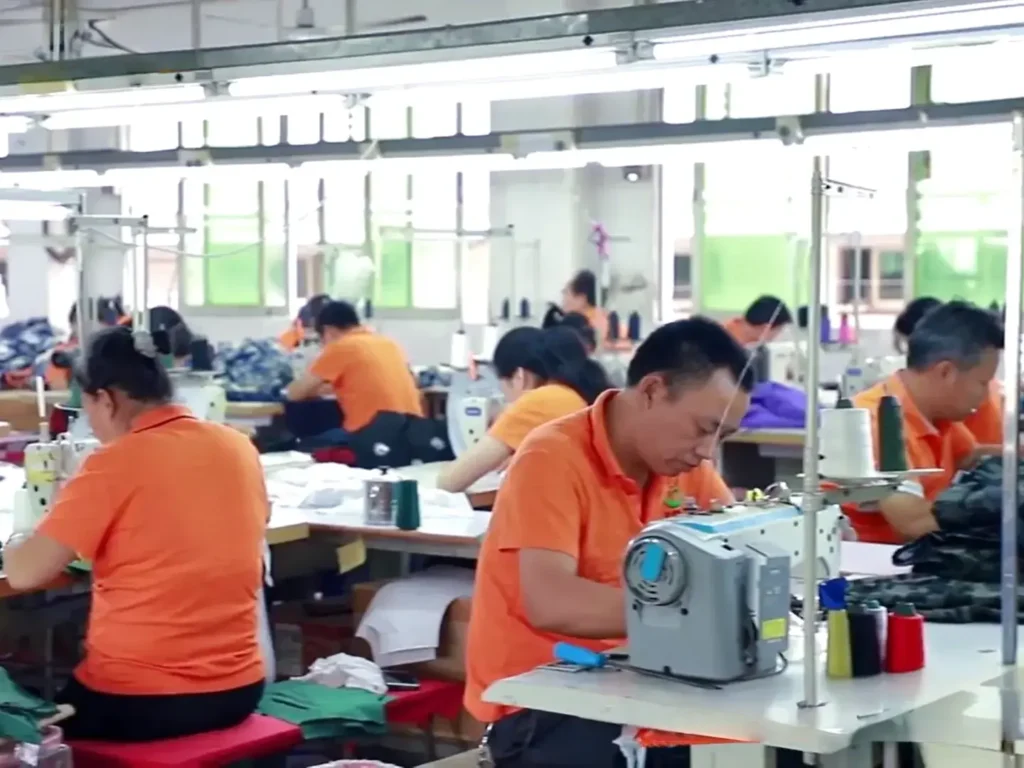
Duolan supports fashion brands that need more than a general custom clothes factory. We focus on dress-centered women’s clothing development, helping product teams review fabric, fit, patterns, samples, production feasibility, QC points and brand-ready delivery before styles move into bulk production.
- 30+ years of fashion dress development background behind Duolan’s manufacturing system
- 16 owned womenswear factories support core styles, sample control and bulk discipline
- 20+ satellite factories provide coordinated capacity for rolling orders and seasonal programs
- 4 regional production bases support Guangxi, Guizhou, Sichuan and Jiangxi capacity planning
- 12,000–20,000 equipment units support cutting, sewing, finishing, inspection and packing
- 750–1,200 development team members support pattern, sampling and product execution work
- SMETA 2-Pillar audit record supports brand-level supplier evaluation discussions





More Than a Custom Clothes Factory
The search term “custom women clothes factory” often mixes different expectations: apparel printing, private label basics, ready-made styles, one-off custom pieces and real women’s clothing development. Duolan is positioned for the last one: structured womenswear development and production for established fashion brands.
From Broad Apparel Requests to Serious Womenswear Projects
A brand may begin with a simple search for a custom clothes factory, but a serious womenswear project needs more than a factory that can sew garments or add labels. A dress, fitted top, bodysuit, skirt or two-piece set must be reviewed through fabric behavior, body fit, pattern logic, construction, trim function, sample correction, QC and packing. Without these controls, a style may look acceptable in a sample photo but fail in production, wearing comfort or repeat delivery.
Duolan treats custom women’s clothing as a development and manufacturing process. The project may start from a tech pack, reference image, original sample or collection brief, but the next step should be a feasibility review: whether the fabric supports the silhouette, whether the fit can be controlled, whether trims and labels are clear, whether the sample can become production-ready, and whether bulk production can follow an approved standard.
A Better Match for Brands With Real Product Plans
Duolan is not positioned around blank apparel decoration, ready-stock product selection or single-piece custom requests. Our best-fit projects usually have a product direction, sample purpose, order plan, target launch window or long-term supply value. That gives our team enough context to review the garment as a business product, not only as a sewing task.
For established brands, the question is rarely “Can you make clothes?” The stronger question is whether a factory can understand womenswear categories, identify risks before sampling, coordinate materials and trims, turn sample comments into production actions, and keep the approved standard visible through cutting, sewing, QC, packing and delivery. That is the level of work Duolan is built to support.
Built for Brands With Clear Womenswear Projects
Duolan works best with fashion teams that already have product direction, development needs, production targets or supplier evaluation requirements. The strongest projects involve women’s clothing categories where fabric, fit, sampling, production control and delivery standards must stay connected.
Established Womenswear Brands
Established brands need a factory that can protect product identity while moving styles from development to bulk production. Duolan supports projects where sample standards, material decisions and delivery requirements must remain consistent.
- Project need: stable development support, sample correction, fabric review, bulk control and delivery discipline across repeated styles.
- Duolan response: dress-centered production planning with pattern review, material coordination, QC checkpoints and packing confirmation.
- Strong fit: brands developing fashion dresses, occasionwear, partywear, fitted styles, tops, skirts and sets.
- Project value: the approved sample becomes a controlled production reference, not an isolated prototype.
Fashion Product Teams
Product teams need a factory that can translate design information into garment decisions. Duolan supports teams managing references, samples, fit comments, fabric direction and launch schedules.
- Project need: practical review of design intent, fabric feasibility, fit priorities, trim choices and construction risk.
- Duolan response: sample path planning, pattern interpretation, revised sample comments and production-readiness review.
- Strong fit: teams developing new dress lines, fitted products, coordinated sets or fabric-led seasonal styles.
- Project value: development comments are connected to sample revision, PP preparation and bulk execution.
Buying Teams
Buying teams need more than product photos. They need supplier clarity, factory-backed production, quality process visibility and evidence that the factory can follow brand standards.
- Project need: supplier evaluation, production capability review, QC structure, label requirements and delivery coordination.
- Duolan response: sample-to-bulk handover, material locking, inline QC, final inspection and packing checks.
- Strong fit: sourcing offices and buying teams comparing long-term womenswear production partners.
- Project value: supplier decisions can be made with stronger evidence, not only price or catalog claims.
Multi-style Collection Teams
Collection teams often manage several styles, colors, fabrics and delivery windows together. Duolan supports project review when multiple styles must move through development and production without losing control.
- Project need: style grouping, fabric planning, sample priorities, capacity review and production routing.
- Duolan response: coordinated development across dresses, tops, skirts and sets with material and QC planning.
- Strong fit: brands building seasonal drops, partywear capsules, occasionwear lines and repeatable womenswear programs.
- Project value: related styles are evaluated as a collection, not as disconnected garment requests.
Choosing the Right Womenswear Factory
Different factories serve different project types. A brand searching for a custom women clothes factory should understand whether the supplier is built for decoration, catalog supply, light private label work or real womenswear development and production.
| Factory Type | Common Offer | Common Limitation | Duolan Position |
|---|---|---|---|
| Decoration-focused factory | Print, embroidery or logo work on existing apparel | Limited original womenswear development and fit control | Not Duolan’s core role |
| Ready-style vendor | Existing products with brand finishing options | Weak control over custom pattern, fabric and sample decisions | Not Duolan’s positioning |
| Flexible workshop | Simple garment requests with informal development | Limited ability to scale, document and control production | Not ideal for brand-level programs |
| Trading-led supplier | Broad sourcing across many apparel types | Less direct control over factory execution and QC standards | Duolan is factory-backed |
| General apparel factory | Wide clothing categories and basic production capacity | May lack dress-centered womenswear product depth | Duolan is more focused |
| Custom womenswear factory | Development, sampling, bulk production, QC and delivery | Needs clear project input from the brand team | Duolan’s target position |
Dress-centered Womenswear Factory for Brands
Duolan is not a generic custom clothes factory. Our strongest position is dress-centered women’s clothing development and production for established fashion brands that need sample accuracy, fabric and fit judgment, bulk production control and brand-ready delivery.
Focused on Women’s Fashion, Not General Apparel
Custom clothes can mean many things, but Duolan’s factory focus is more specific. We support fashion dresses, occasion dresses, party dresses, going-out styles, fitted dresses, corset and structured styles, refined tops, blouses, bodysuits, skirts and coordinated sets. These products require different decision-making from basic apparel because they depend on silhouette, fabric response, body position, surface finish, support structure and final presentation.
A focused womenswear factory helps the brand reduce product uncertainty. When the project involves satin drape, mesh coverage, stretch recovery, lace placement, sequin comfort, corset support or paired-set color consistency, the factory should identify risk before the garment reaches bulk production. Duolan’s role is to connect design direction with development judgment and production execution.
From Project Review to Bulk Execution
Duolan’s value begins before production. A project can start with a reference image, tech pack, original sample, fabric idea or collection direction. The first task is to understand what the brand wants the garment to achieve, then review whether the fabric, fit, construction, trims and production path can support that result.
Once the sample direction is clear, the project can move through pattern interpretation, sample development, fit comments, production-ready approval, PP sample preparation, material confirmation, cutting, sewing, QC and packing. That full path is what separates a serious women’s clothing factory from a simple garment maker.
Women’s Clothing Categories We Evaluate and Produce
Duolan does not define capability by saying “all women’s clothes.” We focus on women’s fashion categories that need development review, sample correction and production control. Each category is evaluated by its fabric, fit, construction, QC risk and delivery requirements.
Fashion Dress Programs
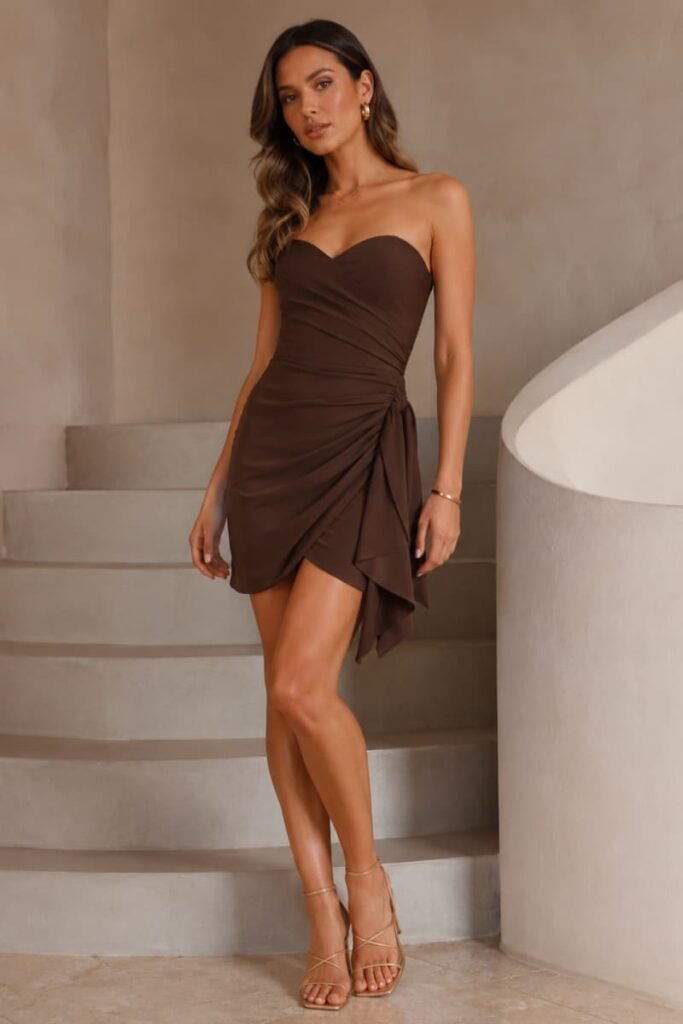
Fashion dress programs are central to Duolan’s manufacturing focus. They often include multiple silhouettes, fabrics, colorways and launch schedules that must be reviewed together.
- Project value: suitable for brands building regular dress lines, ecommerce drops and recurring fashion launches.
- Development review: silhouette, fabric direction, fit balance, sample correction, trims and production-readiness.
- Production concern: preventing sample-to-bulk drift across size range, color range and repeated orders.

Occasionwear Dresses
Occasionwear requires refined presentation and reliable wearing confidence. The garment must look polished while still being practical for bulk production.
- Project value: suitable for cocktail, wedding guest, graduation, homecoming and semi-formal product programs.
- Development review: drape, support, neckline stability, lining, slit position, pressing and final appearance.
- Production concern: controlling finish quality, structure, surface handling and packing condition.

Partywear Styles
Partywear often carries strong visual details and higher production risk. Impact fabrics must be balanced with fit, comfort and QC.
- Project value: suitable for birthday styles, holiday drops, clubwear-inspired products and campaign pieces.
- Development review: stretch, lining, cut-out placement, coverage, sequin comfort, straps and edge finish.
- Production concern: reducing transparency issues, trim failure, surface damage and unstable short-length fit.

Fitted Dresses
Fitted styles depend on fabric recovery, body balance and size tolerance. A small pattern or fabric change can alter the full wearing effect.
- Project value: suitable for bodycon dresses, ruched styles, stretch midis and curve-focused collections.
- Development review: stretch direction, recovery, opacity, side seam balance, lining and measurement tolerance.
- Production concern: controlling twist, pulling, transparency, size drift and repeat-order consistency.

Corset Structures
Corset and bustier styles depend on inside construction. The outer silhouette will not hold if cups, boning and closure are not controlled.
- Project value: suitable for corset dresses, bustier tops, strapless dresses and structured partywear.
- Development review: cup position, boning, lining, interlining, zipper stress, lace-up strength and grading.
- Production concern: maintaining bust support, comfort, symmetry and structure across sizes.

Refined Fashion Tops
Refined tops extend a dress-centered brand program and often use similar fabrics, trims and fit standards.
- Project value: suitable for corset tops, halter tops, fitted tops, refined blouses and party tops.
- Development review: neckline stability, bust coverage, strap tension, fabric behavior and inner finish.
- Production concern: avoiding weak straps, gaping necklines, twisting seams and uneven finishing.

Skirts and Sets
Skirts and coordinated sets require linked production logic. Color, fabric lot, measurement balance and packing must stay aligned.
- Project value: suitable for skirt sets, party sets, resort sets and collection extensions.
- Development review: waist fit, skirt fall, top-bottom proportion, fabric lot, color match and paired packing.
- Production concern: preventing color mismatch, proportion imbalance and separated packing confusion.

Fabric-led Capsules
Some projects are driven by material stories. Satin, mesh, lace, sequin and velvet each create a different production path.
- Project value: suitable for seasonal capsules, campaign styles and visually distinctive women’s fashion programs.
- Development review: fabric performance, surface risk, lining compatibility, trims, QC and packing method.
- Production concern: keeping material behavior stable from first sample to bulk production.
Projects Outside Our Core Factory Focus
A clear factory position protects project quality. Duolan focuses on structured women’s clothing development and bulk production for established fashion brands, not every form of custom apparel request.
| Project Type | Why It Is Not the Priority | Better-fit Duolan Project |
|---|---|---|
| One-piece apparel requests | They usually do not require structured development, PP standards or production planning | Sample-to-bulk womenswear programs |
| Blank apparel decoration | Decoration alone does not solve fit, fabric, pattern and production control | Original women’s fashion development |
| Ready-stock sourcing | Existing inventory does not build custom product standards | Custom styles from brand direction |
| Basic T-shirt programs | Usually driven by logo placement and simple construction | Refined tops, dresses, skirts and sets |
| Children’s apparel focus | Product systems and compliance requirements are different | Adult fashion womenswear |
| Sportswear as main category | Performance apparel needs a different fabric and fit system | Dress-centered women’s fashion |
| Unclear visual-only ideas | Visual direction without product details can delay sample decisions | Projects with references, files or sample goals |
| Price-only sourcing | Product standards may be sacrificed before development begins | Brand-level development and production control |
How a Custom Womenswear Project Can Start
A serious women’s clothing project can begin from different materials. Duolan reviews each starting point differently, because a tech pack, reference image, original sample, collection brief or packing requirement creates a different development path.
Tech Pack
A tech pack gives the most technical starting point, but it still needs feasibility review before sampling or bulk planning.
- You send: flat sketch, measurements, fabric standard, trims, construction notes, label details and packing rules.
- Duolan reviews: file completeness, fit risk, BOM clarity, material needs and production-readiness.
- Next step: sample development, PP preparation, costing basis or bulk discussion.

Reference Images
Reference images communicate visual direction, but they must be translated into product specifications.
- You send: front, back, detail images, fabric idea, target fit and similar product examples.
- Duolan reviews: silhouette, material match, pattern needs, construction risk and sample route.
- Next step: development suggestion, fabric review and first sample planning.
Original Sample
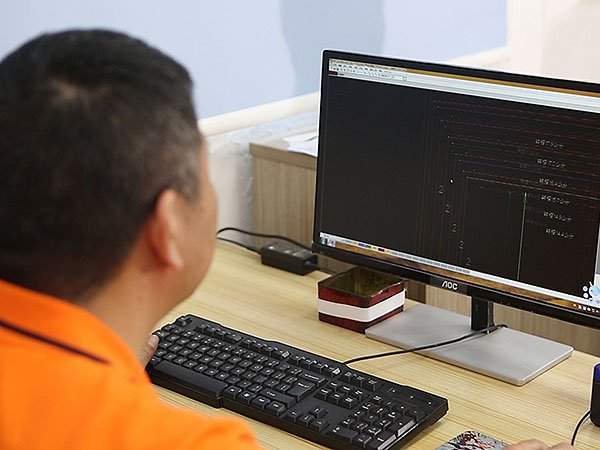
A physical sample helps review construction, fit and fabric more directly than images alone.
- You send: sample garment, required changes, size range, target quantity and brand requirements.
- Duolan reviews: pattern logic, workmanship, fabric replacement, trim match and bulk feasibility.
- Next step: revised sample, duplication review or production-readiness discussion.
Collection Brief
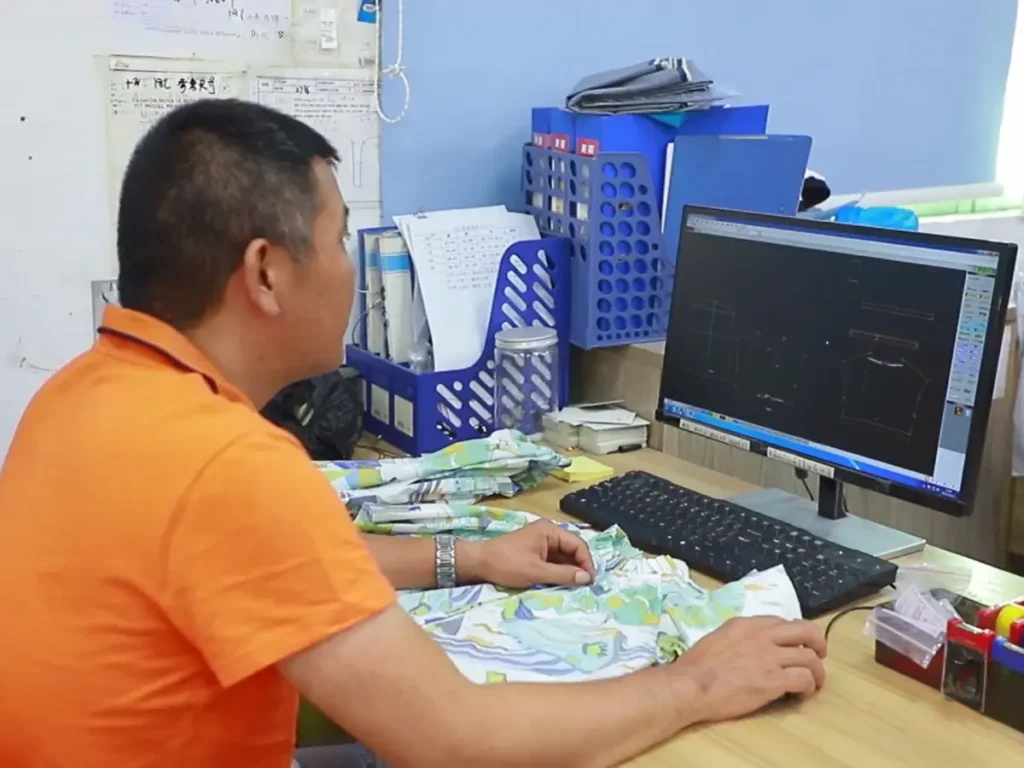
A collection brief allows multiple styles to be evaluated as one product program.
- You send: product list, moodboard, fabric direction, color plan, launch window and target market.
- Duolan reviews: style grouping, sample priority, fabric relationships, complexity and production sequence.
- Next step: sample calendar, development route and production planning discussion.

Bestseller Revision
An existing selling style may need fabric improvement, fit correction, cost review or production stabilization.
- You send: previous sample, fit comments, sales feedback, update request and target reorder quantity.
- Duolan reviews: fabric continuity, pattern adjustment, BOM changes, QC notes and packing repeatability.
- Next step: revised sample, material update or repeat production planning.
Brand Finishing
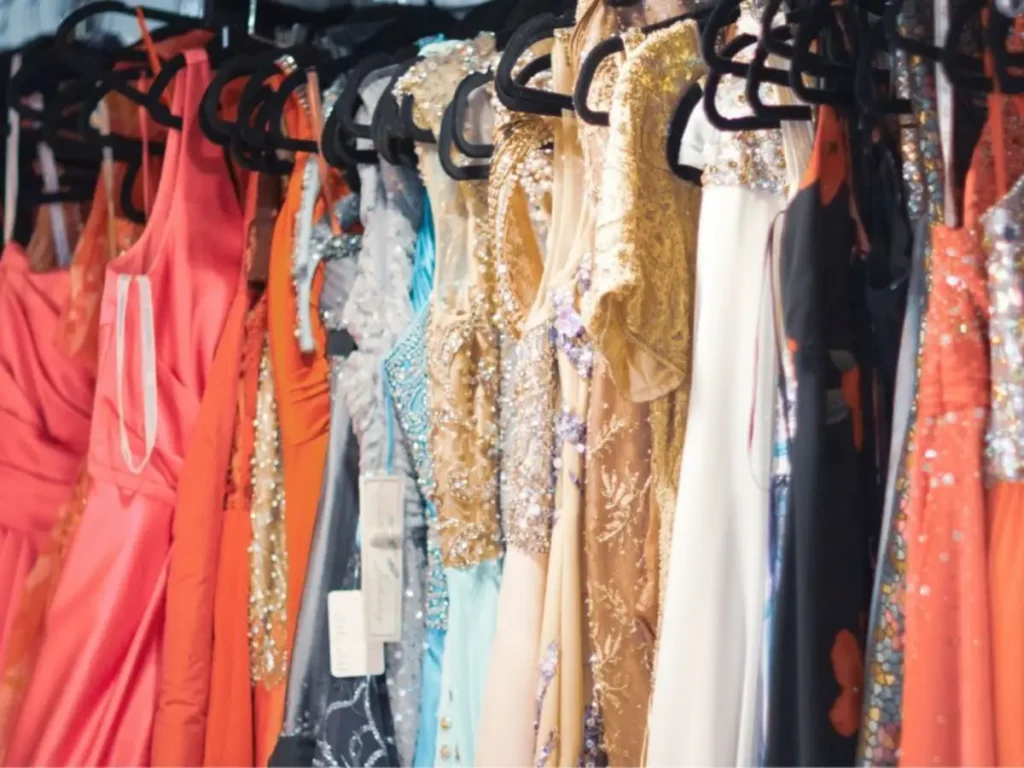
Some projects need labels, care content, hangtags, barcode stickers, polybags or carton marks confirmed early.
- You send: label artwork, care instruction, size system, barcode format, packing manual and carton rule.
- Duolan reviews: placement, attachment method, production timing, QC point and delivery feasibility.
- Next step: brand finishing confirmation through PP sample and packing standard.

Before Sampling, We Review Feasibility
A clear feasibility review prevents the project from entering the wrong sample path. Duolan reviews product category, fabric direction, construction risk, fit sensitivity, quantity logic, timeline and delivery requirements before development becomes expensive.
What Duolan Checks First
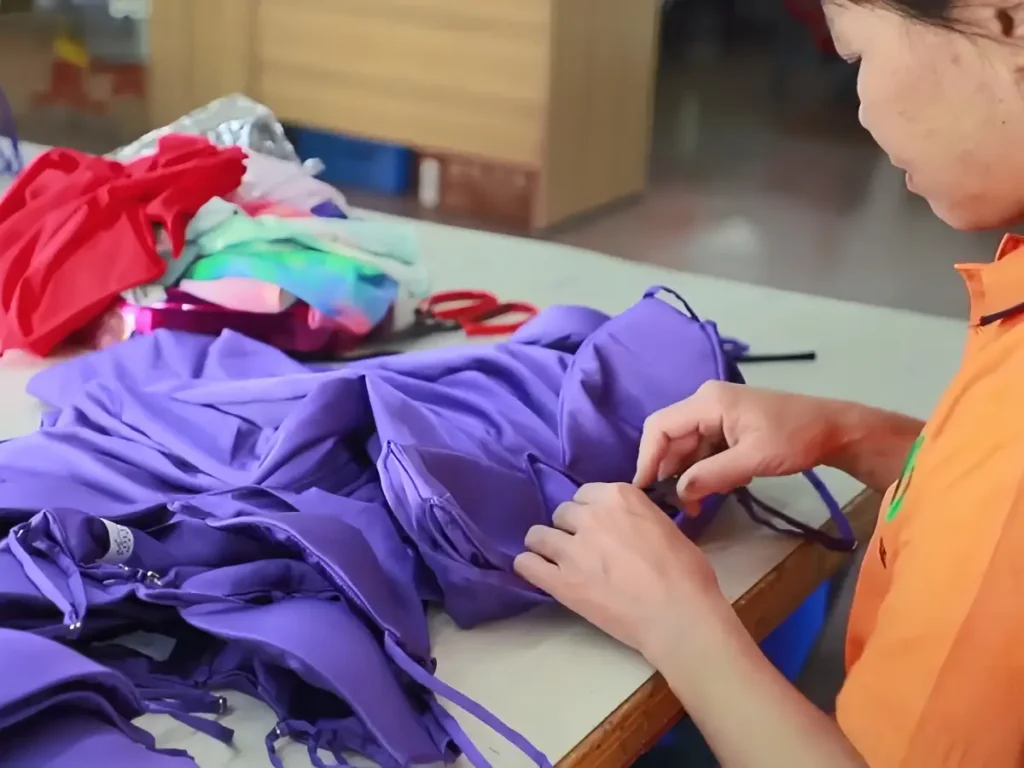
Custom women’s clothing projects often fail when sampling begins before the main risks are understood. A style may look simple in a photo, but the fabric may not hold the silhouette, the lining may change the fit, the zipper may create stress, or the packing method may damage the final surface. Duolan reviews the project early so the first sample has a clearer purpose.
- Category fit: whether the project matches Duolan’s dress-centered women’s fashion strength.
- Fabric direction: whether the material supports drape, structure, stretch, opacity and bulk stability.
- Fit sensitivity: whether bust, waist, hip, neckline, strap, length or movement needs focused review.
- Construction risk: whether lining, zipper, boning, cups, hardware, elastic or trim details affect production.
- Quantity logic: whether material sourcing, sample work and production setup match the order plan.
- Timeline feasibility: whether sample rounds, material lead time, production time and delivery window work together.
Why Feasibility Comes Before Quotation
A fast quotation is not always a useful quotation. If fabric quality, trim standards, sample purpose, size range, label requirements and packing rules are unclear, the price may change after development starts. For established brands, that creates internal planning problems and supplier trust issues.
Duolan uses feasibility review to clarify what can move quickly, what needs testing, what information is missing, and which part of the project may affect production cost or delivery time. This gives the brand a stronger basis for sample planning, costing, PP approval and bulk production discussion.
Fabric Decisions That Define Womenswear Quality
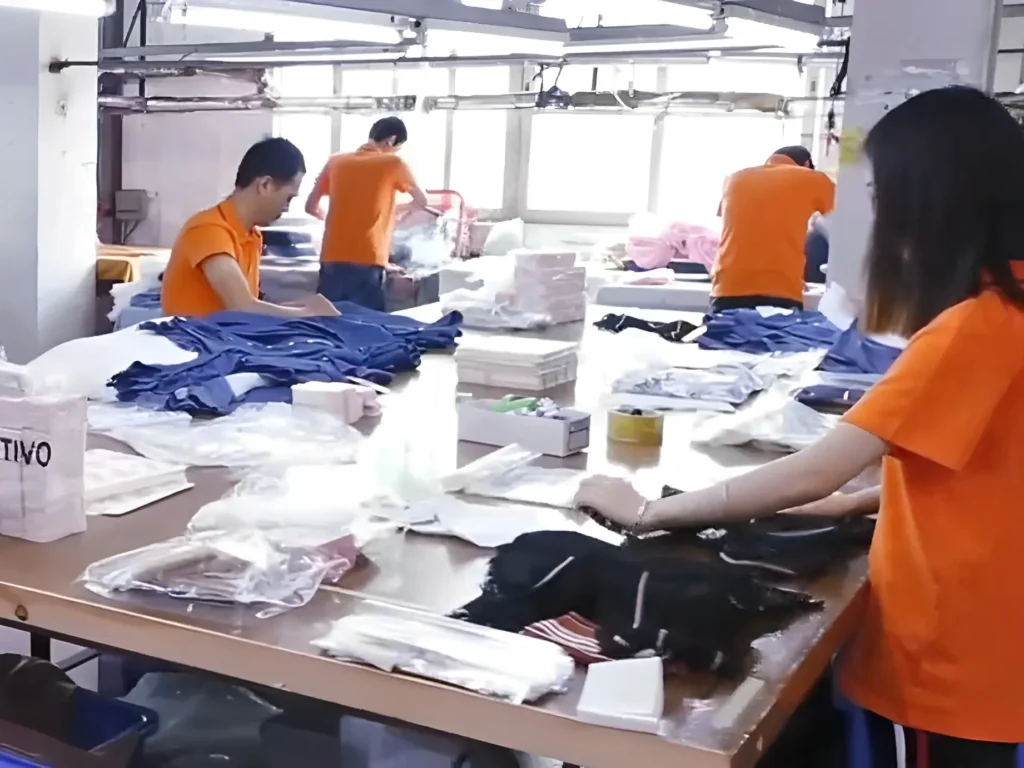
In custom women’s clothing, fabric is not just a sourcing item. It decides garment shape, fit, comfort, sample accuracy, sewing method, QC focus and packing condition. Duolan reviews materials by asking what each fabric will do to the final product.

Satin Surface
Satin creates polish, but it also exposes sewing and handling problems quickly.
- Material question: Will the chosen satin hold the target drape without showing puckering, surface pulls or heavy creasing?
- Product impact: satin affects perceived value, seam smoothness, pressing result, packing method and final garment presentation.
- Development review: Duolan checks weight, shine, handfeel, lining need, seam response and carton pressure risk.

Mesh Coverage
Mesh can create strong styling effects, but coverage must be controlled.
- Material question: Does the mesh provide the right transparency, stretch and recovery for the intended body position?
- Product impact: mesh affects confidence, lining color, seam visibility, print distortion and edge stability.
- Development review: Duolan checks opacity, lining match, stretch direction, seam allowance and lighting conditions.

Stretch Recovery
Stretch fabric can make a garment more wearable or more unstable.
- Material question: Will the fabric recover after wear and maintain the approved size balance across production?
- Product impact: stretch affects body fit, side seam stability, opacity, comfort, tolerance and return risk.
- Development review: Duolan checks recovery, thickness, stretch direction, seam elasticity and measurement control.
Lace Placement
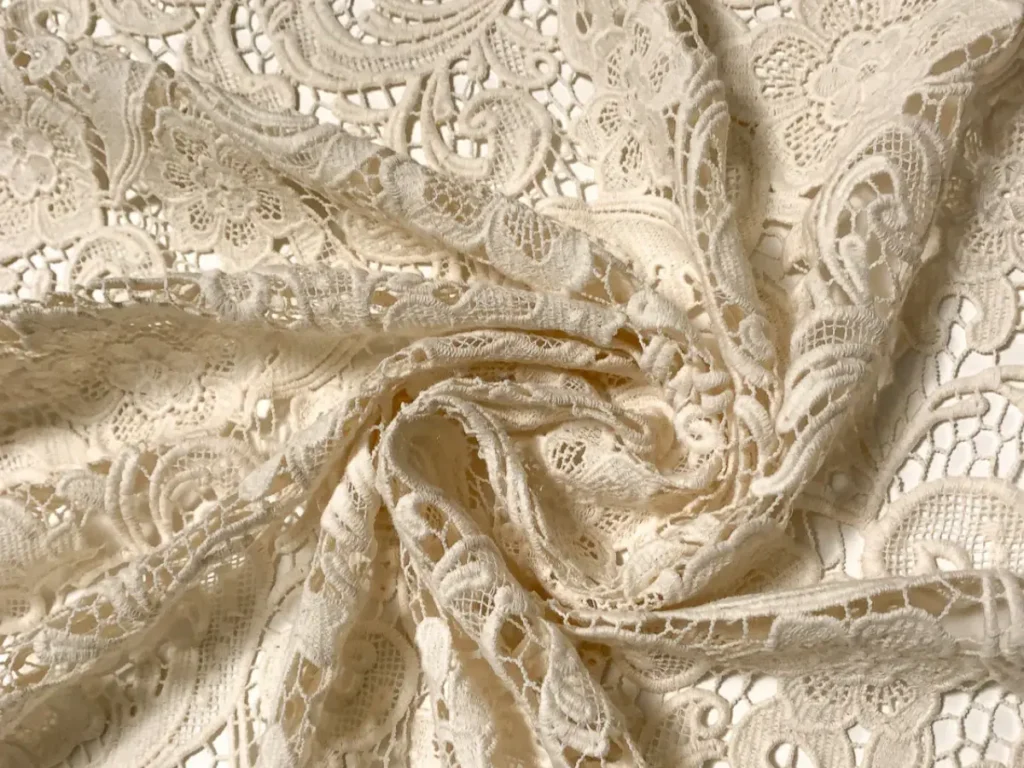
Lace needs placement planning before it reaches production.
- Material question: Can the motif, scale and edge be controlled without damaging balance or increasing excessive loss?
- Product impact: lace affects symmetry, lining choice, seam position, premium look and cutting efficiency.
- Development review: Duolan checks motif direction, lining color, edge use, joining points and visual balance.

Sequin Comfort
Sequins sell through impact, but comfort and damage control decide quality.
- Material question: Can the sequin fabric remain wearable, sewable and protected during production and shipment?
- Product impact: sequins affect weight, scratch risk, seam thickness, lining choice, QC time and packing protection.
- Development review: Duolan checks sequin density, backing, loose pieces, inner comfort and abrasion risk.

Lightweight Drape
Lightweight fabrics need careful handling because they move easily.
- Material question: Will the fabric hang cleanly without twisting, sheerness problems or unstable hems?
- Product impact: lightweight woven fabrics affect resort styles, blouses, maxi dresses and flowing silhouettes.
- Development review: Duolan checks shrinkage, drape, lining need, seam puckering, hem method and packing wrinkles.

Structured Support
Structure comes from inside the garment as much as outside shape.
- Material question: Do lining, interlining, cups, boning and support trims match the garment’s intended hold?
- Product impact: structured materials affect bust support, waist shaping, zipper stress, comfort and grading stability.
- Development review: Duolan checks support level, placement, skin contact, closure strength and sample fit response.
Trim Compatibility
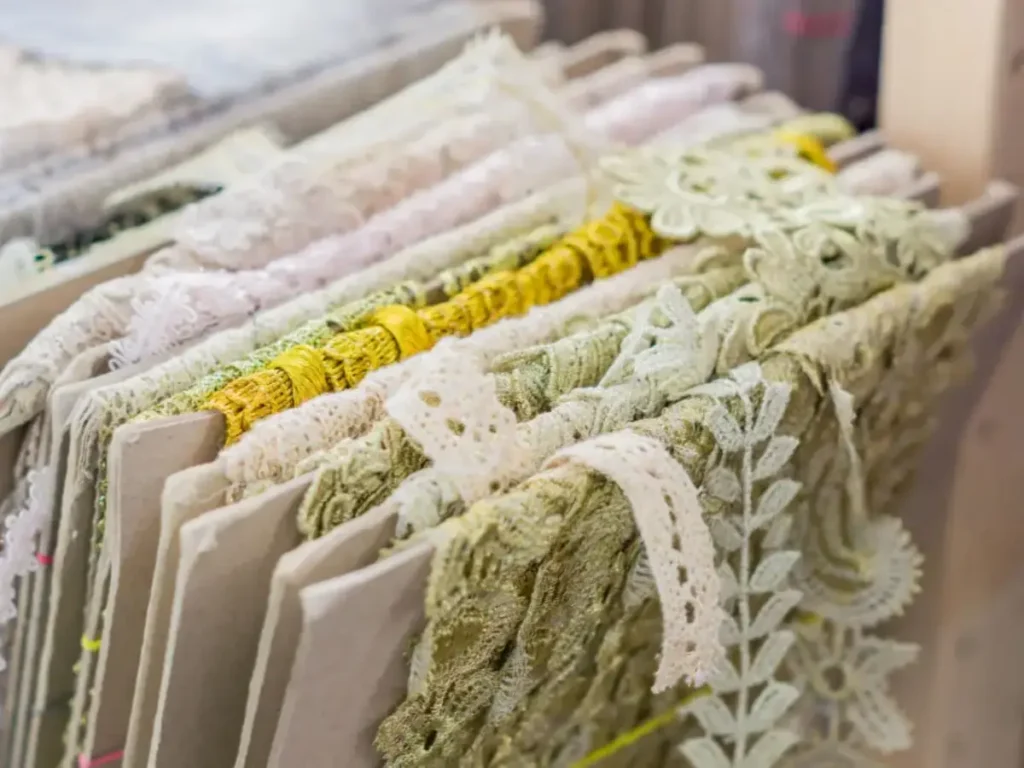
Trims must work with fabric, not just match visually.
- Material question: Can zippers, elastic, hardware, labels and packing items function with the selected fabric?
- Product impact: trims affect wearing security, brand finishing, production cost, QC and delivery readiness.
- Development review: Duolan checks trim size, color match, strength, placement, lead time and BOM clarity.
Fabric Questions Before Custom Production
Duolan reviews fabric choices against project function, not only appearance. A fabric must support the intended product, production method, QC standard, packing method and future repeat potential.
| Project Material Question | What It Affects | Duolan Review |
|---|---|---|
| Is the fabric stable for bulk? | Shade, handfeel, repeat consistency and delivery planning | Bulk availability, fabric lot, lead time and replacement risk |
| Does it support the silhouette? | Drape, body shape, structure and visual proportion | Pattern response, sample fit and garment movement |
| Does it require lining? | Coverage, comfort, opacity, structure and inner finish | Lining color, thickness, stretch and attachment method |
| Can trims work with it? | Zipper function, hardware stress, elastic recovery and label placement | BOM review, trim test and sample confirmation |
| Will surface damage appear? | Satin pulls, sequin loss, velvet pressure or lace distortion | Handling method, QC focus and packing protection |
| Does it affect measurements? | Size tolerance, shrinkage, stretch and body fit | Pre-production review, sample checking and QC measurement |
| Can it support future colors? | Color expansion, reorder planning and collection continuity | Lab dip, dye lot and repeat sourcing review |
| Does it need special packing? | Crease, surface marks, garment shape and receiving condition | Folding, hanging, polybag and carton method |
From Custom Request to Production-ready Sample
A broad custom clothes request must become a controlled womenswear development path. Duolan turns references, files, original samples or collection briefs into pattern decisions, first samples, fit comments, revised samples and production-ready standards.
Step 1: Brief Review
Duolan first reviews what the brand already has: reference images, tech packs, original samples, target fabrics, size range, product quantity, label needs, packing requirements and launch timing. The goal is not to rush into sewing, but to understand the project stage and identify which information is still missing. A clearer brief helps define whether the next step should be material review, pattern work, first sample, revised sample, PP sample or bulk feasibility discussion.
Step 2: Pattern Direction
Pattern work translates the project from visual idea into garment structure. Duolan reviews neckline, bust, waist, hip, sleeve, back, hem, lining, closure and seam placement according to the garment type and fabric behavior. A fitted dress, satin blouse, corset top or two-piece set requires different pattern decisions. The purpose is to make the first sample meaningful, not just visually close.
Step 3: First Sample
The first sample tests whether fabric, pattern and construction can support the intended product. It may reveal issues in fit, drape, support, transparency, trim position, lining or finish. Duolan treats this stage as a development check, not a final approval point. For serious brand projects, the first sample should answer questions and guide decisions before production standards are fixed.
Step 4: Fit Comment Revision
Fit comments must become practical changes. If the brand requests a higher neckline, stronger bust support, shorter lining, better waist balance, smoother zipper or more secure strap, the revision should affect pattern, construction, material or workmanship notes. Duolan reviews each comment by asking whether it changes garment fit, sample appearance, production feasibility or bulk consistency.
Step 5: Production-ready Sample
A production-ready sample gives the factory a usable standard. It should confirm fabric, fit, lining, trims, construction, labels, packing and sensitive QC points clearly enough for production planning. This sample helps connect development work with PP sample preparation, BOM confirmation, cutting, sewing, QC and final packing. The goal is to reduce uncertainty before the style moves into bulk production.
Step 6: PP Preparation
PP preparation locks the production reference before cutting and sewing begin. Duolan checks whether the approved style has clear material references, measurement tolerances, trim details, label placement, construction notes, packing requirements and inspection priorities. When the PP standard is clear, production teams and QC teams can work from the same reference instead of relying on memory or separate comments.
Fit Review for Women’s Clothing
Women’s clothing fit cannot be judged only by flat measurements. Duolan reviews how the garment sits on the body, moves with the fabric, supports key areas and stays consistent during production.
Real Fit Depends on Fabric, Body Position and Construction
A garment may match the size chart but still fail on the body. A fitted dress may twist at the side seam, a neckline may gape, a skirt may pull across the hip, a corset top may lack support, or a lightweight blouse may lose shape after pressing. These issues are not solved by measurement alone. They come from the relationship between fabric behavior, pattern balance, construction and body movement.
Duolan reviews women’s clothing fit by looking at bust support, waist position, hip balance, neckline stability, strap tension, back security, hem behavior, lining, stretch recovery and movement comfort. These control points are especially important for dress-centered womenswear, where small fit issues can affect customer confidence and brand value.
Fit Areas Duolan Reviews
| Fit Area | What Duolan Checks | Why It Matters |
|---|---|---|
| Bust and neckline | Gaping, support, coverage, cup position and strap tension | Affects wearing confidence and product return risk |
| Waist and hip | Balance, side seam direction, compression and movement | Controls garment shape and body proportion |
| Back and closure | Zipper, lace-up, hooks, open-back security and stress points | Prevents function failure and unstable wear |
| Length and hem | Coverage, slit height, hem level and movement | Important for mini, midi, maxi and event styles |
| Stretch recovery | Fabric return, opacity under tension and seam elasticity | Critical for fitted and body-conscious garments |
| Lining and comfort | Inner feel, coverage, attachment and skin contact | Protects customer experience and product quality |
Processes for Fashion-led Womenswear
Custom women’s clothing sometimes needs more than fabric and sewing. Printing, embroidery, washing, dip-dyeing, decorative trims and surface finishing must be matched to garment style, fabric behavior, delivery timing and QC risk.
Print Development
Prints can shape a collection, but placement, scale and fabric behavior need early review.
- Project use: suitable for seasonal dress capsules, resort styles, mesh prints and campaign-led products.
- Duolan reviews: print scale, color effect, fabric compatibility, shrinkage, placement and bulk repeatability.
- Production concern: preventing distortion, shade inconsistency, placement drift and poor alignment across sizes.

Embroidery Details
Embroidery adds identity when it works with fabric, garment structure and production timing.
- Project use: suitable for feminine tops, dresses, panels, trims and selected embellishment details.
- Duolan reviews: stitch density, placement, fabric support, backing, handfeel and garment balance.
- Production concern: avoiding puckering, heavy areas, rough interiors and inconsistent decoration quality.

Washing Effects
Washing can change handfeel, shrinkage, color and final appearance, so it must be tested before bulk.
- Project use: suitable for selected casual-fashion pieces, texture-driven styles and softened fabric effects.
- Duolan reviews: shrinkage, handfeel, shade change, seam response and garment shape after process.
- Production concern: controlling measurement change, color difference and unexpected fabric distortion.
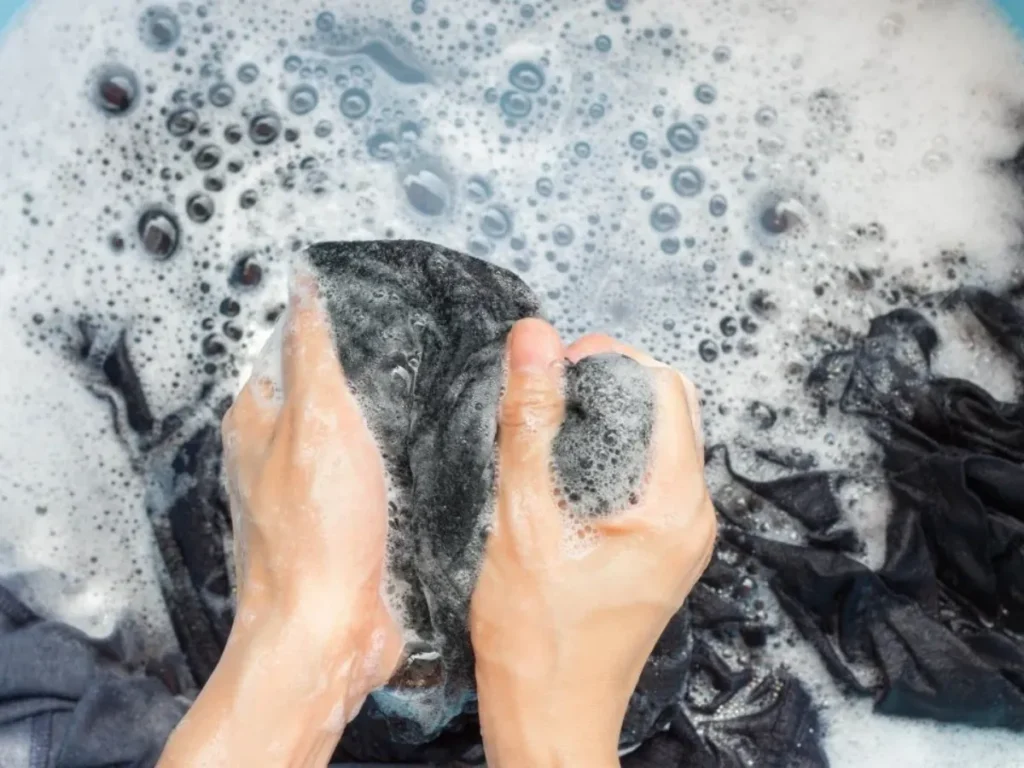
Dip-dyeing Effects
Dip-dyeing can create strong visual value, but gradient consistency and fabric reaction must be reviewed.
- Project use: suitable for fashion capsules, resort styles, statement dresses and color-led seasonal products.
- Duolan reviews: color transition, fabric absorbency, repeat effect, shrinkage and bulk process stability.
- Production concern: reducing uneven color, batch variation and unpredictable final shade results.

Decorative Trims
Decorative trims can elevate women’s fashion, but they must remain wearable and production-controlled.
- Project use: suitable for occasionwear, partywear, embellished dresses and statement tops.
- Duolan reviews: trim weight, attachment method, comfort, durability, placement and packing protection.
- Production concern: preventing loose decoration, scratch risk, heavy seams and shipment damage.
Surface Finishing
Surface finishing decides how a garment looks when it arrives, especially for satin, velvet, sequins and structured styles.
- Project use: suitable for polished dresses, event styles, campaign samples and delicate womenswear items.
- Duolan reviews: pressing method, surface marks, wrinkle recovery, garment shape and packing pressure.
- Production concern: controlling final presentation, carton creases, pressure marks and surface damage.

How Custom Styles Become Bulk-ready
A custom women’s clothing style becomes bulk-ready only when the approved sample can be translated into material, pattern, construction, QC and packing standards. Duolan connects development information with production execution.
Development Standard
| Standard Area | What Must Be Confirmed | Production Meaning |
|---|---|---|
| Fit direction | Bust, waist, hip, neckline, length and movement comments | Protects the approved wearing effect |
| Fabric reference | Quality, color, handfeel, stretch, drape and approved swatch | Reduces material mismatch |
| Construction | Seam type, lining, closure, reinforcement and edge finish | Guides sewing execution |
| Trim function | Zipper, elastic, cups, boning, hardware and label placement | Prevents function and appearance errors |
| Sample comments | Approved changes, unresolved risks and next-stage actions | Keeps revision history visible |
| Packing need | Folding, hanging, surface protection and carton method | Protects garment condition after production |
Production Handover
| Handover Item | Duolan Control Focus | Risk Reduced |
|---|---|---|
| PP sample | Final approved garment reference before production | Uncontrolled sample changes |
| BOM | Fabric, lining, trims, labels and packing items | Material and trim confusion |
| Cutting note | Direction, placement, fabric tension and numbering | Shape and size inconsistency |
| Sewing focus | Key seams, support areas, closure and trims | Repeated workmanship defects |
| QC checklist | Measurements, function, appearance and sensitive areas | Missed inspection priorities |
| Packing rule | Polybag, barcode, carton mark and surface protection | Delivery and receiving issues |
Bulk Planning for Custom Womenswear
Bulk production should be planned around product complexity, material readiness, sample status, QC focus and delivery timing. Duolan evaluates each women’s clothing project before assigning production resources.
| Planning Area | What Must Be Reviewed | Why It Matters |
|---|---|---|
| Sample approval status | First sample, revised sample, photo sample or PP sample stage | Defines whether bulk can begin or more development is needed |
| Fabric lead time | Stock, dye lot, lab dip, bulk quantity and reorder potential | Prevents material delay or shade inconsistency |
| Trim readiness | Zippers, labels, hardware, cups, elastic, hangtags and packing items | Reduces BOM gaps before production |
| Style complexity | Fit, structure, lining, decoration, surface risk and special process | Helps match the right production path |
| Production routing | Core factory, coordinated capacity or process partner involvement | Aligns complexity with execution resources |
| QC stage design | Fabric check, first-piece check, inline QC, final QC and packing check | Prevents defects from being discovered too late |
| Packing method | Folding, hanging, surface protection, barcode and carton mark | Protects finished garment condition |
| Delivery window | Sample timing, production calendar, inspection and shipment preparation | Supports launch planning and receiving schedule |
QC Points for Custom Women’s Clothing
Quality control for custom women’s clothing must follow the product risk. Duolan checks fabric, sample, cutting, sewing, fit, finishing, labels and packing according to the approved garment standard.
| QC Area | What Duolan Checks | Risk Controlled |
|---|---|---|
| Fabric shade and handfeel | Color, lot, surface, stretch, opacity and approved reference | Material mismatch before production |
| Sample fit | Bust, waist, hip, neckline, length and movement | Wrong fit standard before bulk |
| Cutting direction | Grain, stretch direction, pile direction, print or lace placement | Shape distortion and visual mismatch |
| Sewing stability | Seams, lining, closure, trims, support and edge finish | Repeated construction defects |
| Lining and trim function | Coverage, comfort, zipper, elastic, cups, boning and hardware | Wearing discomfort and function failure |
| Finishing appearance | Pressing, thread trimming, stain check, surface marks and shape | Poor final presentation |
| Label and packing | Care label, size label, hangtag, barcode, polybag and carton mark | Brand delivery and receiving errors |
| Final garment review | Measurement, appearance, function and packing condition | Shipment-level quality risk |
Brand Finishing Requires Production Data
Brand finishing is not only adding a label. Care labels, size systems, barcode stickers, polybags and carton marks carry product data that affects compliance, warehouse receiving, ecommerce handling and customer experience.
| Brand Data Item | What Should Be Confirmed | Why It Matters |
|---|---|---|
| Fiber content | Main fabric, lining, trims and care information | Supports accurate care labeling and customer use |
| Size system | Brand size scale, size label, grading logic and placement | Reduces returns, warehouse confusion and customer complaints |
| Care instruction | Wash, dry, iron, special garment handling and language | Protects garment performance after purchase |
| Product code | Style code, color code, size code and barcode format | Supports ecommerce, retail and inventory handling |
| Label placement | Brand label, care label, size label and hangtag attachment | Keeps brand presentation consistent |
| Packing method | Folding, hanging, tissue, polybag and surface protection | Protects garment shape and arrival condition |
| Carton mark | Quantity, color, size, carton number and destination mark | Helps receiving and shipment organization |
| Inspection record | Final QC status, packing confirmation and issue notes | Supports traceability and supplier communication |
Supplier Evaluation for Brand-level Production
Established brands evaluate more than samples. They look at supplier structure, audit records, quality process, material documentation, label accuracy, packing standards and inspection coordination. Duolan can support qualified brand evaluation discussions with factory-backed production information.

Production Capability Must Be Reviewable
A sample can show what a factory can make once. Supplier evaluation shows whether the factory can support a brand program repeatedly. For women’s clothing projects, that may include development files, material references, PP sample standards, QC checkpoints, packing specifications, audit-related information and customer-specific instructions. Duolan’s manufacturing system is designed to support these conversations through structured production and quality coordination.
- Audit-related basis: SMETA audit, SMETA 2-Pillar audit record and SMETA social audit record support supplier review discussions.
- Standard coordination: project needs may involve BSCI alignment, ISO 9001 quality awareness, AATCC, ASTM, EN or China GB standards.
- Material requirements: OEKO-TEX®, GOTS-related material needs or customer-specific material requirements can be coordinated by project.
- Inspection support: third-party inspection and customer-designated QC requirements can be discussed before production planning.
- Delivery documentation: labels, packing details, carton marks and shipment information can be aligned with customer requirements.
Compliance does not sit outside production. It appears in fiber content, care labels, size labels, fabric sourcing, packing warnings, test requirements, inspection reports and shipment documents. A beautiful garment can still create risk if the required product information is incomplete.
Duolan treats compliance coordination as part of project preparation. The goal is to help brand teams review requirements earlier, so labeling, material confirmation, testing discussions, QC and packing can be included before final production decisions are made.
Project Evidence from Custom Brief to Bulk
Duolan respects brand confidentiality and does not rely on unauthorized logo display. Similar project situations can be shared anonymously to show how custom women’s clothing requests are reviewed, developed and prepared for production.
Reference Image to Dress Sample
A US fashion team submitted visual references for a fitted dress direction but did not yet have complete technical information. The main challenge was converting the look into fabric, pattern and sample decisions.
- Project input: front and back references, target fit, preferred fabric handfeel and launch schedule.
- Development challenge: fabric stretch, bust balance, side seam control and lining coverage needed review.
- Duolan review: material options, pattern direction, sample purpose and key fit checking points.
- Result: the project moved into a clearer first sample plan instead of uncertain quotation-only discussion.

Original Sample Revision
A brand sent an existing sample that looked close but had fit and construction issues. The goal was not simple duplication, but improvement before production.
- Project input: original garment, fit comments, required changes, target quantity and label requirements.
- Development challenge: neckline gaping, waist balance, zipper smoothness and lining attachment needed correction.
- Duolan review: pattern adjustment, trim selection, sample revision route and production-readiness concerns.
- Result: revision priorities became clearer before the style entered PP sample preparation.

Fabric Replacement Before Production
A product team needed to replace a chosen fabric because the original material created bulk cost and stability concerns.
- Project input: approved style direction, original fabric reference, target price band and bulk plan.
- Development challenge: replacement fabric needed to keep drape, handfeel, opacity and fit close to the target.
- Duolan review: alternative fabric behavior, lining compatibility, sample impact and bulk availability.
- Result: the team could compare material options before committing to a production standard.

Multi-style Brief Review
A regional womenswear brand planned a small collection across dresses, tops and sets under one seasonal direction.
- Project input: product list, moodboard, color plan, delivery window and reference images.
- Development challenge: styles had different fabric behavior, sample complexity and QC priorities.
- Duolan review: style grouping, sample priority, material planning and production routing.
- Result: the collection moved from scattered style requests into a more organized development plan.

Custom Women Clothes Factory FAQ
Yes. Duolan is a custom women’s clothing factory focused on dress-centered womenswear for established fashion brands. We support fashion dresses, occasionwear, partywear, fitted styles, refined tops, blouses, bodysuits, skirts and sets through fabric review, pattern and sample development, bulk production, QC and brand-ready delivery.
For Duolan, custom women’s clothing means developing and producing garments from a brand’s tech pack, reference image, original sample or collection brief. It does not mean only adding a logo to existing apparel. Our work focuses on fabric, fit, pattern, sample correction, production readiness and quality-controlled bulk delivery.
Duolan focuses on dress-centered women’s fashion categories, including fashion dresses, occasion dresses, party dresses, going-out dresses, fitted dresses, corset styles, refined fashion tops, blouses, bodysuits, skirts, skirt sets and two-piece fashion sets. We are not positioned around general blank apparel or ready-style sourcing.
Yes. Reference images can be used as a starting point, but they need technical review before sampling. Duolan reviews silhouette, fabric direction, fit expectation, construction details, trims, lining, sample purpose and production feasibility before recommending the next development step.
Yes. An original sample allows Duolan to review construction, fabric, fit and finishing more directly. We can evaluate what should be kept, what should be revised, which material or trim details need confirmation, and whether the style can move toward sampling, PP preparation or bulk production.
Yes. Duolan can review fabric direction, lining, zippers, hardware, elastic, cups, boning, labels, hangtags and packing materials according to the garment type. Material decisions are reviewed for fit, appearance, comfort, production method, QC risk and bulk consistency.
Yes. Duolan can coordinate woven labels, care labels, size labels, hangtags, barcode stickers, polybags, carton marks and customer-specific packing rules. We treat brand finishing as part of production readiness, not as a surface branding add-on.
Duolan connects approved samples with PP sample preparation, material confirmation, BOM, size spec, workmanship notes, first-piece checking, inline QC and final inspection. This helps reduce the risk that a style looks correct in sampling but changes during bulk production.

Start Your Womenswear Project Review
Duolan works best with fashion brands, buying teams and product teams that need structured custom women’s clothing development and production. If your project involves dresses, occasionwear, partywear, fitted styles, refined tops, blouses, bodysuits, skirts or sets, our team can review the product from fabric, fit, sample, production and delivery perspectives before the project moves into sampling or bulk.
- Send us: tech packs, reference images, original sample photos, fabric ideas, target category, size range, target quantity, launch window, label files and packing requirements.
- We review: project fit, material feasibility, pattern and fit risk, construction difficulty, sample route, PP preparation, production planning, QC focus and delivery readiness.
- You receive: development direction, missing information notes, sample path recommendation, material and construction risk comments, quotation basis and next-step production discussion.
A stronger brief helps Duolan identify garment risks earlier, reduce unclear sampling, improve production planning and create a more realistic path from custom idea to production-ready women’s clothing. This is especially useful when the project starts from a broad reference image, original sample or collection concept and needs to become a controlled brand product.
- Name
- Company Name
- Company Website
- Email Address
- Tel / WhatsApp optional
- Product Category
- Project Starting Point
- Target Fabric
- Sample Purpose
- Target Quantity
- Size Range
- Launch Window
- Label / Packing Requirement
- Upload Tech Pack / References / Sample Photos
- Message