...

Cut-and-Sew Women's Clothing Manufacturing

Dress-focused development, controlled sewing, and scalable production for established fashion brands, buying teams, and product development departments.

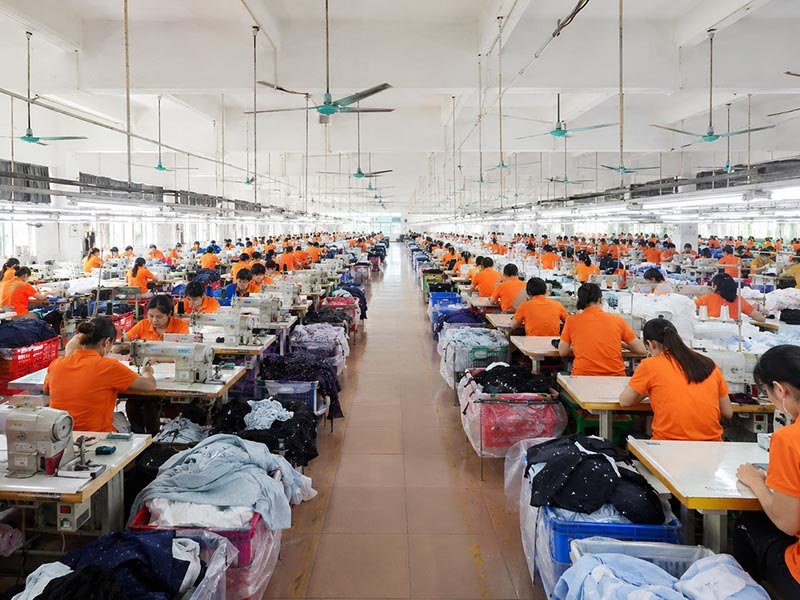
  • 30+ years of womenswear development and manufacturing experience behind the Duolan production system.
  • 16 owned factories and 20+ long-term satellite factories supporting core styles, parallel programs, reorders, and scale-up production.
  • 300 sewing lines, including 50+ quick-response and flexible lines for launch orders, trend-sensitive styles, and repeat programs.
  • Stable monthly capacity of approximately 6.5 million garments, with peak production capability reaching approximately 10 million pieces.
  • Monthly development capacity supports 3,000-8,000 styles and 15,000-35,000 sample pieces or development iterations across the wider group.

What Cut-and-Sew Manufacturing Covers

Cut-and-sew women’s clothing manufacturing begins with fabric, patterns, specifications, and product intent rather than pre-made blank garments. The working scope may start with a complete tech pack or with a less-developed collection brief, but every project must eventually become a controlled set of production instructions covering materials, pattern shape, fit, construction, workmanship, labels, packaging, quality checkpoints, and delivery requirements.

Full-Package Development

A full-package route is suitable when a brand provides a sketch, reference image, original sample, moodboard, fabric idea, or early tech pack and needs technical support before bulk production. Duolan reviews the silhouette, expected fit, material behavior, lining, closure, support structure, trims, decorative processes, target market, price architecture, and launch schedule. The purpose is not to make a visually similar prototype at any cost. The purpose is to create a garment direction that can be reviewed, revised, approved, costed, graded, and reproduced with a clear production path.

Production-Ready Manufacturing

A production-ready route is suitable when the pattern, approved sample, size chart, BOM, colors, labels, and packaging requirements are already defined. Duolan then focuses on material confirmation, production engineering, cutting control, sewing instructions, first-piece verification, inline quality checks, final inspection, packing accuracy, and shipment coordination. Existing documents are still reviewed before line release because a confirmed sample may contain details that are difficult to repeat at scale.

One Controlled Development Chain

A typical path follows: project brief, feasibility review, material direction, pattern development, first sample, fit and visual revision, production-ready sample, bulk readiness review, material and workmanship locking, first-piece or pilot confirmation, controlled production, quality inspection, packing, and delivery.
Each stage should answer a specific decision rather than simply move the garment forward.

Built for Established Womenswear Teams

Duolan is structured for brands and professional teams that manage seasonal calendars, multiple styles, controlled margins, fit standards, compliance requirements, and repeat production. The working model is centered on organized development and scalable manufacturing rather than ready-stock resale or one-off customization.

Fashion Brands

Established fashion brands need more than a factory that follows instructions. Product teams expect a manufacturing partner to understand collection identity, target price, silhouette balance, seasonal timing, fit language, material quality, and the difference between a visually strong sample and a commercially repeatable product. Duolan supports dress-led programs where design intent must survive pattern development, sample revision, line production, quality inspection, and future reorders without losing the brand’s original direction.

Buying Teams

Buying teams evaluate supplier discipline through documents, deadlines, approvals, risk reporting, and bulk consistency. They need a clear answer to what has been received, what remains open, which details affect price or timing, when approvals are required, and how production is controlled after sample sign-off. Duolan converts project information into structured actions such as feasibility notes, sample plans, revision summaries, bulk start confirmations, production path planning, and final quality or packing summaries.

Product Development Teams

Product development teams work between design ambition and manufacturing reality. Their priorities often include fabric handfeel, drape, support, coverage, proportion, fit comments, visual balance, construction feasibility, and sample readiness. Duolan reviews reference images, tech packs, original samples, size charts, material direction, and comments with pattern, sample, sourcing, and production implications in mind, helping product decisions become measurable technical changes.

Sourcing Offices

Sourcing offices need visibility across factory allocation, capacity, audit records, quotation assumptions, quality checkpoints, and delivery risk. Multi-style orders may require different production paths for regular styles, complex structures, special processes, or urgent replenishment. Duolan’s owned-factory and satellite-factory structure provides a wider manufacturing base while keeping core product decisions, material standards, quality requirements, and delivery planning under one coordinated system.

Designer-Led Labels

Designer-led labels often protect a distinctive visual language and expect a supplier to understand nuance rather than flatten every design into a standard factory solution. Important details may include a specific waist position, neckline depth, skirt fall, strap proportion, internal support, seam placement, or fabric mood. Duolan works to translate those design choices into patterns, materials, sample comments, and construction methods that remain wearable and repeatable in production.

Multi-Brand Groups

Multi-brand groups frequently manage several aesthetics, calendars, size systems, price points, and quality standards at the same time. Duolan can separate programs by brand direction, style complexity, material path, production priority, inspection requirement, and delivery window. The goal is to prevent one production system from forcing every label into the same product logic while still creating consistent documentation and reporting across the wider portfolio.

Manufacturing Risks We Control Early

Strong cut-and-sew production starts by identifying the decisions most likely to affect sample accuracy, production repeatability, and launch timing. Duolan links each risk to a specific review or control action before the issue reaches thousands of garments.

Design-to-Sample Mismatch

Reference images can hide construction, lining, closure, fabric weight, and internal support. A close visual copy may still fit poorly or become too expensive to manufacture. Duolan separates the visible design language from the technical structure, identifies uncertain areas, and confirms which result matters most: fit accuracy, drape, styling, support, coverage, or production feasibility.

Fabric-Silhouette Conflict

A strong silhouette can collapse when fabric is too soft, become rigid when fabric is too heavy, lose recovery when stretch is weak, or look inexpensive when surface behavior does not match the intended price level. Material direction is reviewed against garment shape, body movement, lining, seam construction, finish, and likely production variation before sample decisions are locked.

Fit Comments Lost in Translation

Comments such as “too loose,” “not flattering,” or “needs more support” are not production instructions. Duolan turns fit feedback into measurable actions involving pattern shape, bust-waist-hip balance, ease, neckline, armhole, strap length, cup position, boning, lining coverage, hem level, or slit height. Revision records help prevent later teams from working from an outdated sample or unclear instruction.

Sample-to-Bulk Drift

A sample can look correct because one experienced sample maker adjusts it by hand. Bulk production requires repeatable patterns, materials, machine operations, seam allowances, pressing methods, and inspection points. Duolan conducts a bulk readiness review, locks critical materials and workmanship, and uses first-piece or pilot verification for styles with higher fit, structure, embellishment, or fabric sensitivity.

Multi-Style Program Disorder

A 15-style or 25-style program cannot be managed as one undifferentiated order. Styles vary in material readiness, sample status, technical complexity, process routing, and launch priority. Duolan separates the program by style, color, size, quantity, risk class, material path, and production route, then works backward from key approval and delivery dates.

Delivery Window Compression

Late fabric, unclear comments, delayed PP approval, unfinished labels, and rushed packing can consume the production and shipping buffer. Duolan reviews the development path before confirming timing, identifies approval deadlines, and builds the production plan around the selling window rather than relying on last-minute pressure at the sewing stage.

Women's Categories We Develop and Manufacture
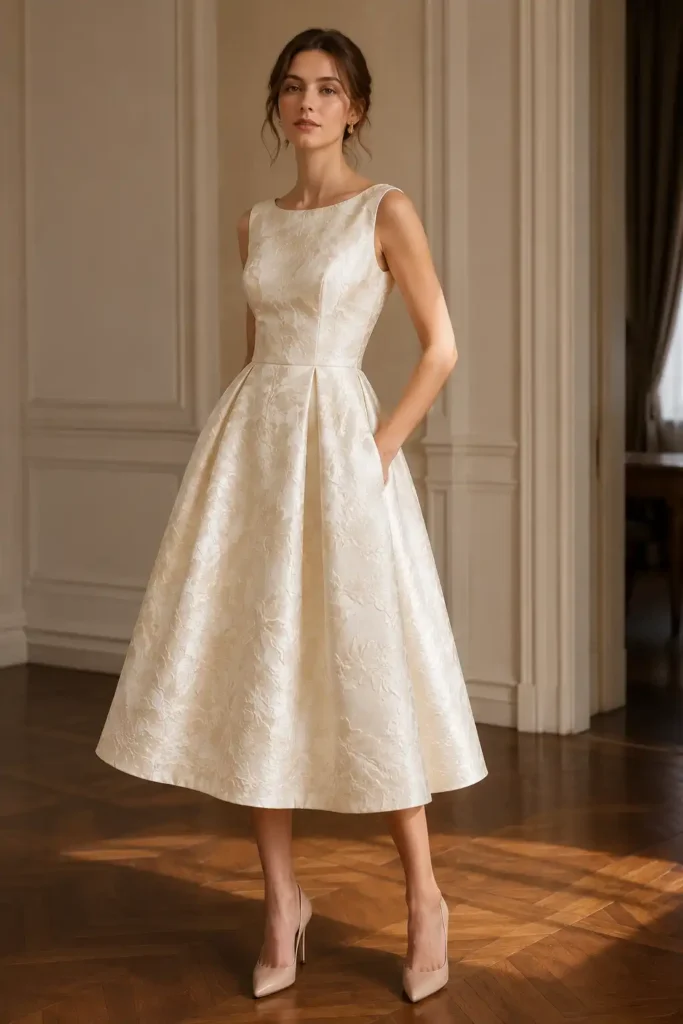
Duolan’s strongest position is dress-focused fashion manufacturing rather than a broad claim to produce every clothing category. Product development is organized around silhouettes, materials, fit, special processes, and selling scenarios common to fashion-led women’s collections.

Fashion Dresses

Fashion dresses cover mini, midi, maxi, fitted, flowing, structured, asymmetric, one-shoulder, halter, backless, drop-waist, skater, babydoll, ruffled, and two-piece directions. Development focuses on the relationship between silhouette and fabric rather than treating each dress as a styling image. Key controls include neckline and shoulder balance, bust-waist-hip proportion, skirt volume, lining coverage, closure choice, hem behavior, size grading, and the construction details required to preserve the intended look in production.

  • Typical inputs: tech pack, sketch, reference image, original sample, or collection brief.
  • Common development decisions: fabric weight, ease, support, lining, closure, and length proportion.
  • Bulk focus: repeatable pattern shape, stable material batches, size consistency, and pressing standards.

Occasion Dresses

Occasion dresses require visual polish, secure fit, refined internal finishing, and strong movement under real wear. Satin, crepe, chiffon, lace, mesh, velvet, tulle, and embellished materials all behave differently under cutting, sewing, pressing, and packing. Development may involve cups, boning, power mesh, non-slip tape, lining, hidden support, concealed closures, slit control, and carefully managed hemlines. Duolan evaluates whether the intended finish can be reproduced across colors and sizes without sacrificing comfort or creating excessive production risk.
  • Best suited to: cocktail, formal, wedding guest, graduation, homecoming, and event edits.
  • Main risks: seam impression, transparency, support, lining drag, puckering, and fit imbalance.
  • Production checks: first-piece confirmation, critical measurement review, and visual inspection under consistent lighting.

Party Dresses

Party dresses often combine close fit, exposed areas, decorative surfaces, stretch materials, and high visual expectations. Sequin, rhinestone, pearl, mesh, lace, metallic, printed, and stretch satin styles need more than decorative application. The development team reviews skin contact, backing, lining, weight distribution, seam placement, motif position, closure strength, comfort during movement, and packing protection. A dramatic sample has little commercial value if embellishment falls off, the dress twists, the lining shows, or bulk units vary noticeably.

  • Best suited to: birthday, club, dance, holiday, and going-out collections.
  • Main risks: dropped decoration, scratchy interiors, uneven placement, transparency, and weight distortion.
  • Bulk focus: process sample approval, placement reference, attachment method, and final surface inspection.

Bodycon and Fitted Dresses

Bodycon and fitted products depend on controlled stretch, recovery, opacity, negative ease, seam stability, and proportion across the full size range. A sample may appear correct in one size while larger or smaller sizes lose support, become transparent, or shift at the neckline and hem. Duolan reviews fabric stretch direction, recovery after extension, lining or power-mesh support, bust-waist-hip relationships, zipper need, seam type, hem tension, and grading rules before production standards are fixed.
  • Common materials: jersey, ponte, stretch crepe, stretch satin, mesh, and bandage structures.
  • Critical measurements: bust, underbust, waist, hip, body length, hem opening, and strap length.
  • Fit focus: secure movement, recovery after wear, balanced compression, and clean surface appearance.

Fashion Sets

Fashion sets require stronger coordination than producing two independent garments. Top and bottom pieces must align in color, fabric batch, print placement, trim tone, fit direction, and price architecture. Cropped tops, corset-inspired tops, skirts, tailored shorts, trousers, and coordinated overlays may follow different construction routes while still needing one visual result.

Duolan manages set-level BOMs, shared material references, coordinated grading, matching labels, balanced proportions, and combined packing requirements.

  • Best suited to: vacation, party, occasion, day-to-night, and seasonal capsule programs.
  • Main risks: shade mismatch, inconsistent stretch, unbalanced proportions, and separate delivery timing.
  • Bulk focus: shared material locking, linked size planning, and set-level final inspection.

Refined Fashion Tops

Refined tops support dress-led assortments with halter, corset-inspired, strapless, asymmetrical, draped, cowl-neck, mesh, lace, sequin, and fitted shapes. Small areas carry significant fit responsibility: strap length, neckline stability, bust coverage, armhole shape, zipper position, cup placement, boning, elastic, and internal finishing.

Duolan applies the same development discipline used for complex dresses so tops can coordinate with skirts, trousers, and matching sets while preserving brand-level fit and finish.

  • Development focus: neckline, bust support, shoulder balance, closure, and lining.
  • Commercial role: entry price, outfit building, repeat purchase, and collection extension.
  • Production focus: clean internal construction, consistent top length, secure straps, and stable trims.

Start From Your Existing Development Inputs

A complete tech pack is useful, but it is not the only valid starting point. Duolan first identifies the quality of available information, the purpose of the sample, the missing decisions, and the safest path toward production readiness.

Tech Pack and BOM

A developed tech pack can accelerate review when sketches, construction details, points of measurement, size specifications, colorways, fabrics, trims, labels, and packaging are clearly defined. Duolan still checks for conflicting measurements, unclear sewing instructions, missing tolerance, material availability, or sample details that may be difficult to repeat in bulk.

Fashion Sketch

A fashion sketch communicates proportion and visual direction but may not define internal structure, seam placement, closure, lining, or manufacturing method. Duolan reviews the intended silhouette, wearing scenario, fabric behavior, support, and likely construction route before a pattern or sample plan is confirmed.

Reference Images

Reference images can guide neckline, length, drape, detail placement, or overall mood. They cannot reliably show hidden structure or exact measurements. The development team identifies what should be followed, what must be interpreted, and which design features need technical confirmation to avoid building assumptions into the first sample.

Original Sample

An original sample provides valuable information on fit, material, seam construction, and proportions. Duolan can measure, analyze, replicate, or improve selected details while documenting any changes required for target fabric, brand size standards, comfort, cost, or production feasibility.

Fabric Direction

A fabric swatch, composition request, handfeel reference, weight range, stretch target, or visual mood can guide sourcing. Duolan compares the proposed material with silhouette, lining, construction, color, special process, target quantity, price level, and bulk stability before recommending the sample route.

Collection Brief

A collection brief may include target market, season, selling scenario, planned styles, color direction, price architecture, launch date, and reference brands. Duolan uses the brief to identify product priorities, material families, development sequence, sample purpose, and production risk across the wider program.

Fabric and Trim Decisions for Better Garments

Material selection determines far more than surface appearance. Drape, structure, stretch, recovery, opacity, weight, handfeel, lining, color stability, seam behavior, pressing response, and minimum material quantities all affect whether a design can become a stable production item. Duolan evaluates fabrics and trims as one garment system rather than selecting each component separately.

Material DirectionBest ApplicationsMain Control PointsBulk Production Notes
SatinSlip, occasion, cowl, bias, and formal dressesWeight, sheen, seam marks, drape, lining, snaggingRequires careful cutting, pressing, handling, and packing to control impressions and surface damage
ChiffonLayered, flowing, sleeve, ruffle, and resort stylesTransparency, slippage, grain, shrinkage, lining, hem finishCutting and sewing controls must prevent distortion; color and layer consistency require close review
Stretch JerseyBodycon, fitted, draped, and day-to-night dressesStretch ratio, recovery, opacity, weight, seam elasticityPattern ease and grading depend on actual fabric behavior rather than composition alone
MeshLayered, ruched, fitted, panelled, and illusion stylesStretch direction, recovery, transparency, lining coverage, edge stabilityPlacement and tension must remain consistent; power mesh and fashion mesh may serve different functions
LaceOccasion, cocktail, fitted, panelled, and overlay stylesMotif scale, edge finish, transparency, stretch, lining, matchingPattern placement and cutting loss influence cost; motif alignment must be defined before bulk
Sequin FabricParty, holiday, performance, and statement dressesWeight, backing, skin contact, sequin loss, motif direction, seam allowanceProcess testing, attachment checks, protected pressing, and packing controls reduce bulk variation
CrepeOccasion, work, tailored, fitted, and draped stylesWeight, grain, recovery, surface texture, color, pressingA stable option for many silhouettes, but different crepes require different pattern and pressing decisions

Fabric-to-Silhouette Matching

The most expensive material is not automatically the best material. A successful choice must support the silhouette, fit direction, wearing scenario, target price, launch timing, and expected order structure. A lightweight satin may create elegant movement in a slip dress but fail to support a structured bustier. A dense stretch fabric may improve opacity in a bodycon style but require greater attention to seam bulk, recovery, and heat sensitivity. Duolan reviews the garment result before locking a material name.

Trims as One System

Zippers, hooks, elastic, boning, cups, eyelets, straps, adjusters, buttons, lace trims, labels, care labels, hangtags, barcodes, and packing stickers influence function, fit, durability, appearance, and brand identity. Trims are recorded by specification, material, finish, size, color, supplier, placement, and approval status.
Functional parts must remain discreet and comfortable, while decorative parts must remain consistent in surface tone and attachment quality.

Color and Batch Control

Color approval should account for fabric type, surface reflection, dye method, lining, trim tone, lighting, and production batch. Satin, mesh, lace, elastic, zipper tape, thread, and lining may appear different even when a similar color code is used.

Duolan organizes swatches, lab dips, trim boards, and approval references so color decisions are transferred into material purchasing and incoming inspection rather than left as visual memory.

Commercial Feasibility

Material decisions affect cost, minimum order quantities, lead time, cutting loss, sewing difficulty, defect risk, inspection time, and future reorders. A design can often be improved through a better material route rather than simply reducing quality.

Duolan can compare original and alternative directions by appearance, structure, handfeel, production risk, and price architecture, then identify which changes protect the garment’s market value.

Design, Pattern, Size, and Fit Engineering

A fashion garment becomes production-ready only when visual intent is translated into controlled measurements, patterns, construction details, and size rules. Duolan connects design review, pattern engineering, sample fitting, specification development, grading, and production documentation so each revision has a technical reason and a measurable result.

Design Translation

Design translation begins by identifying the non-negotiable visual elements: silhouette, neckline, waist position, skirt volume, body length, drape, support, coverage, opening, decorative placement, and overall proportion. The development team then separates visual goals from technical assumptions. A low back may require hidden support, a cowl neckline may depend on fabric weight and grain, and a corset-inspired look may need boning, cups, interlining, or power mesh. Decisions are documented before they become expensive sample corrections.

Pattern Engineering

Pattern development controls shape, balance, ease, seam placement, grain direction, stretch direction, and assembly logic. Duolan can work from a supplied pattern or create and correct patterns from tech packs, reference garments, sketches, and approved samples. Pattern correction addresses the underlying geometry rather than hiding problems through temporary sample-room adjustments. Bust balance, waist shaping, hip contour, armhole, strap position, neckline stability, skirt fall, and hem level are reviewed as connected parts of one garment.

Fit Review

Fit review must identify both visual and functional issues. A fitted dress may look acceptable while creating restricted movement, unstable coverage, excessive compression, twisting seams, or hem lift. An occasion dress may hang well on a mannequin but lose balance when worn. Duolan reviews fit against sample purpose, target market, fabric behavior, and wearing scenario, then converts comments into measurable adjustments. Photo evidence, POM references, marked samples, and revision summaries help keep decisions clear.

Specifications and Tolerance

A specification sheet defines where measurements are taken, how garments are laid or tensioned, which dimensions are critical, and what tolerance is acceptable in production. Common points include bust, underbust, waist, hip, body length, strap length, armhole, neckline depth, slit height, hem opening, zipper length, sleeve length, and lining length. Tolerance should reflect garment structure and measurement sensitivity rather than applying one number to every area.

Size Chart Development

A reliable size chart reflects the target market, fit direction, fabric behavior, and product category. Sample size may be defined as S, M, US 4, UK 8, AU 8, or another brand standard. Duolan can work with an existing chart or help align a new chart with the garment type.

The same body measurement may require different ease in a stretch bodycon dress, non-stretch satin slip, corset dress, halter style, or relaxed day dress.

Layer Symmetry​ size grading

Grading Across Sizes

Grading is not simple proportional enlargement. When a style moves from sample size into XS-XL or a broader range, neckline, cup position, waist height, strap length, slit height, skirt length, support, and overall visual proportion must remain balanced. Stretch, non-stretch, lightweight, heavy, bias-cut, sequin, and layered materials each require different grading considerations. Duolan links grading rules to fit comments, specifications, PP approval, and production measurement checks.

Samples Built for Decisions and Production

Sampling is managed as a sequence of decisions rather than a race to produce one garment. Each sample should clarify fit, fabric, visual direction, construction, photography readiness, sales presentation, or bulk standard. A clear purpose reduces unnecessary revisions and creates a more reliable path to production.

First Prototype

The first prototype tests whether the design direction can become a wearable garment. It may focus on silhouette, construction, material behavior, and major proportions rather than final color, trims, or finishing. Before starting, Duolan locks the development basis, sample purpose, expected fit, target fabric, critical details, and missing information. For initial planning, conventional styles are commonly scheduled around 10-15 working days after material and technical confirmation, while highly structured or process-dependent styles may require 15-25 working days.

Fit Sample

A fit sample is built to evaluate body balance, ease, length, support, coverage, movement, and critical measurements. Final decorative details may remain secondary when the main goal is pattern correction. Fit comments should identify the wearer, sample size, intended fit, measurement evidence, and visual concerns. Duolan returns comments to pattern, specification, and construction decisions rather than making undocumented adjustments directly on the garment.

Revised Sample

A revised sample proves whether agreed comments have been understood and technically resolved. Revision timing depends on the number of pattern changes, new material requirements, special-process changes, and approval sequence. A focused revision may be planned in approximately 5-10 working days after complete comments and materials are available, while a redesign or new fabric route requires a new schedule. A revision summary records what changed and what remains open.

Salesman Sample

Salesman samples support line reviews, showroom presentation, merchandising, and internal selling. They often require closer attention to final fabric, color, labels, and visual finishing than an early fit sample. When several styles are produced together, Duolan coordinates shared materials, color approval, sample priority, and delivery dates so the sales set represents a coherent collection rather than disconnected prototypes.

Photo-Ready Sample

Photo-ready samples need stronger visual finishing because campaign, e-commerce, or lookbook images can magnify seam quality, pressing, surface marks, lining, drape, and decoration. A photo sample should not automatically become the bulk standard if hand-finished details are not repeatable. Duolan distinguishes camera-ready preparation from production-ready construction and identifies any areas that need a different bulk method.

Pre-Production Sample

A PP sample confirms the version intended for manufacturing. Fabric, lining, trims, color, measurement, workmanship, labels, and key packaging points should be aligned before approval. The PP sample becomes part of the production reference together with the pattern version, BOM, specification, workmanship notes, and approval record. Styles with sensitive fit, structure, or decoration may still require first-piece or pilot verification before full line release.

Controlled Cutting Starts Before the Cutter

Accurate cutting depends on fabric condition, inspection, marker planning, spreading discipline, grain control, and component identification. Problems introduced before sewing cannot be repaired consistently at the end of production, especially with slippery, stretch, sheer, printed, lace, sequin, or shade-sensitive materials.

Fabric Inspection

Incoming fabric is checked against the approved direction for color, shade, width, weight, handfeel, visible defects, stretch, recovery, surface condition, and relevant test requirements. Inspection criteria are adjusted for material type. Satin requires attention to surface marks and shade; mesh and jersey require stretch review; lace and printed fabrics require motif and alignment review; sequins require backing and attachment checks.

Relaxation and Shrinkage

Stretch fabrics and materials affected by tension may require relaxation before cutting. Selected fabrics may also need shrinkage review or pre-treatment according to product requirements. The cutting plan should reflect actual fabric behavior, not only supplier specifications. Ignoring relaxation, shrinkage, or heat response can create size drift, twisting, uneven hems, or inconsistent fit after pressing and wear.

Marker and Grain Planning

Marker planning balances fabric use with grain, stretch direction, motif placement, nap, shine, symmetry, stripe or print matching, and garment appearance. Saving fabric cannot override visual or structural requirements. Bias areas, cowl panels, lace motifs, placement prints, velvet nap, and sequin direction require dedicated marker decisions. Cutting loss is reviewed as part of commercial feasibility before quotation and bulk release.

Spreading and Cutting

Spreading tension, layer height, fabric stability, cutting method, and blade condition influence component accuracy. Slippery chiffon and satin need controls against layer movement. Stretch jersey must not be pulled during spreading. Sequin, lace, and special surfaces may require lower lays or adjusted cutting methods. Cut parts are checked against key pattern points before moving into bundling.

Numbering and Bundling

Shade-sensitive garments and multi-panel styles require disciplined numbering and bundle control. Components are grouped by style, color, size, shade lot, and production route so panels from different batches are not mixed.

Labels, tickets, and bundle records help protect alignment through sewing, special processes, rework, and final assembly.

Sewing Standards for Fashion-Led Womenswear

Fashion-led women’s clothing requires construction methods that support fit, movement, surface appearance, comfort, and repeatability. Duolan defines sewing standards by product structure and risk point rather than treating every seam as a general workmanship issue.

Seam Construction

Seam type, allowance, thread, stitch density, tension, reinforcement, edge finish, and pressing method must match the fabric and stress level. Fine satin needs clean tension and controlled pressing; mesh requires stable joining without distortion; stretch fabrics need elasticity without broken stitches; embellished materials need protected seam areas. Critical seams are identified before production so inspection focuses on function as well as appearance.
  • Controls include seam allowance, stitch balance, puckering, skipped stitches, slippage, stretch recovery, and internal cleanliness.
  • High-stress areas may require reinforcement, tape, elastic, stay stitching, or adjusted seam design.

Lining Attachment

Lining affects opacity, comfort, drape, recovery, internal appearance, and fit. A lining that is too tight can pull the outer fabric; a lining that is too loose can twist or appear at the hem. Stretch and non-stretch layers must be balanced.

Duolan reviews lining length, attachment points, seam allowance, underlining need, power-mesh function, hem relationship, and accessibility for closure or support elements.

  • Key checks include layer tension, color match, transparency, movement, hem control, and seam concealment.
  • Occasion and party dresses often require different lining solutions for bodice, skirt, sleeve, or transparent panel areas.

Zipper and Closure

Zippers, hooks, eyes, buttons, eyelets, lacing, snaps, invisible closures, and adjustable straps must support the intended fit without creating bulk or distortion. Zipper tape color, length, top stop, seam allowance, placement, reinforcement, and smooth operation are controlled.

Corset, halter, backless, strapless, and fitted products often combine visible styling with hidden security features.

  • Controls include zipper waviness, closure alignment, pull strength, top-hook position, eyelet security, and hidden attachment.
  • Closure selection is reviewed against fabric weight, stretch, wearer movement, and dressing convenience.

Gathering and Pleating

Gathering, ruching, tucks, and pleats create shape but can also introduce uneven density, twisting, bulk, or inconsistent lengths. Duolan defines start and end points, distribution, direction, fullness ratio, fixing method, and pressing requirement. Stretch mesh ruching requires tension control; structured pleats require stable heat or stitching; soft gathers must remain even across size ranges and production batches.

  • Visual references and measured control points reduce variation between sewing operators.
  • Pilot verification is useful when the effect depends heavily on fabric behavior or hand manipulation.

Hems and Slits

Hem construction affects garment length, movement, weight, drape, and surface finish. Narrow rolled hems, blind hems, faced hems, coverstitched hems, bonded finishes, and lined hems each suit different materials. Slits require height control, reinforcement, clean corners, secure lining, and real-wear movement review. Duolan links hem and slit standards to the size chart, grading rules, pressing method, and final measurement inspection.
  • Critical controls include hem wave, puckering, length consistency, seam show-through, slit security, and sitting or walking coverage.
  • Mini, bias, chiffon, satin, and stretch dresses require different hem planning.
Weight and Support​

Internal Support

Cups, boning, underbust seams, power mesh, elastic, non-slip tape, waist stays, hidden straps, fusible support, and interlining can make exposed or fitted designs wearable. Internal support must remain comfortable, discreet, correctly positioned, and repeatable across sizes. Duolan reviews support as part of pattern and fit engineering, not as a late trim addition.

  • Key checks include cup position, boning length, edge comfort, support tension, strap security, and visibility through the outer fabric.
  • Corset-inspired, strapless, halter, backless, and structured occasion styles receive higher pre-production attention.

Special Processes Developed for Bulk Production

Decorative processes must be evaluated for material compatibility, visual value, comfort, durability, cost, timing, and repeatability. Duolan coordinates a long-term network for printing, dye effects, embroidery, washing, pleating, rhinestone work, pearl work, sequin applications, and related finishing, with 2-3 commonly used specialist partners available in several core process categories.

Printing

Digital, transfer, screen, placement, and other printing routes are selected according to fabric composition, color depth, stretch, handfeel, artwork scale, and order volume. Strike-offs or process samples confirm color, position, edge quality, penetration, and effect before bulk. Printed panels are linked to marker and sewing plans when placement must align across seams.
  • Bulk controls: artwork version, scale, color reference, placement tolerance, fabric batch, and wash or rub performance where required.
  • Main risks: color shift, poor handfeel, misregistration, distortion, and inconsistent placement.

Embroidery

Embroidery can add surface value, texture, logo identity, or structural decoration, but density and backing must suit the base fabric. Fine mesh, lightweight satin, jersey, and lace can distort when stitch density or stabilizer is incorrect. Duolan reviews artwork, thread, backing, position, size, edge quality, skin contact, and panel shrinkage before production.
  • Bulk controls: approved embroidery sample, thread reference, placement guide, backing specification, trimming, and surface inspection.
  • Main risks: puckering, stiffness, thread damage, uneven density, and placement variation.

Sequin Application

Sequin effects may come from pre-sequined fabric, machine embroidery, stitched motifs, or hand-applied details. Each route changes weight, comfort, cutting loss, seam treatment, repair risk, and cost. Duolan reviews sequin direction, backing, attachment, seam clearance, lining, edge finishing, and packing protection before defining a bulk method.
  • Bulk controls: approved process sample, attachment method, replacement allowance, seam-zone treatment, and final shedding inspection.
  • Main risks: dropped pieces, sharp interiors, uneven shine, distortion, and excessive weight.

Rhinestone and Pearl Work

Rhinestones, pearls, studs, beads, and decorative attachments create strong visual value but require controlled density, placement, adhesion or stitching, heat exposure, and handling. The development team reviews whether the chosen method fits the fabric, wearer contact, expected care method, packing pressure, and production quantity. Placement maps and process samples are used when the design depends on precise distribution.
  • Bulk controls: attachment test, location reference, density, surface finish, replacement standard, and inspection lighting.
  • Main risks: detachment, adhesive marks, uneven spacing, fabric damage, and discomfort.

Pleating and Shape Effects

Pleating, heat-set folds, gathered shaping, draped panels, and sculptural effects depend on fabric composition, heat response, pattern shape, seam sequence, and pressing. A sample-room result may not repeat on a production line unless the process has a stable fixture, measurement, or setting method.
Duolan reviews process samples and defines which dimensions or visual references must be controlled.

  • Bulk controls: pleat width, depth, direction, start point, setting condition, panel dimensions, and final pressing.
  • Main risks: inconsistent spacing, poor recovery, skewed panels, and size variation.

Washing and Finishing

Washing, dye effects, softening, distressing, shaping, pressing, and other finishing processes can change size, handfeel, color, surface, and seam appearance. Duolan aligns finishing with pre-treatment, shrinkage review, sample approval, size specification, and bulk inspection. Final appearance must be stable enough for packing and future repeat production.

  • Bulk controls: approved wash or finish standard, recipe or process reference, shrinkage allowance, shade range, handfeel, and final measurement.
  • Main risks: batch color variation, excessive shrinkage, seam damage, uneven handfeel, and changed fit.

How Approved Samples Move Into Bulk

A confirmed sample is not automatically a complete production standard. Duolan runs a structured transition before full manufacturing begins, especially when several styles, colors, sizes, materials, or special processes must move together.

Confirm the Sample Status

The team first confirms whether the current version is fit approved, visually approved, serving as a PP basis, or still pending refinement. A sample approved for photography may not contain the same construction required for bulk. Open comments are listed before production planning so unapproved details do not become assumptions on the line.

Confirm the Order Purpose

A launch order, market test, repeat order, and scale-up order require different risk decisions. A first launch may need stronger first-piece verification and packaging review. A repeat order may focus on pattern version, material batch, color consistency, and record reuse. A scale-up order may require additional line allocation, satellite capacity, or staged delivery planning.

Lock Production-Critical Materials

Fabric, lining, zipper, elastic, boning, cups, lace, mesh, thread, decoration, labels, care labels, hangtags, barcodes, and packaging are confirmed by specification and approval reference. Material changes after sample approval are reviewed for fit, handfeel, drape, color, processing, cost, and timing impact rather than treated as purchasing substitutions.

Lock Measurements and Workmanship

Critical measurements, tolerance priorities, seam methods, support details, lining, closure, decoration, pressing, finishing, and packing points are converted into production references. Pattern version, spec sheet, BOM, approved sample, visual standards, and workmanship notes must tell the same story. Contradictions are resolved before line release.

Build the Production Path

Orders are separated by style, color, size, quantity, complexity, material readiness, process route, and delivery priority. Regular styles, complex fits, quick-response items, and high-risk decorated garments may be assigned to different lines or factories. For programs with 10-30 styles, the plan identifies which products can run in parallel, which need specialist processing, and which approvals control the whole schedule.

Verify First Piece or Pilot

Bodycon, corset, halter, backless, satin, sequin, mesh-layered, and shape-sensitive occasion dresses may receive first-piece confirmation, a short pilot, or a key-operation trial before full release. The check verifies measurements, construction, appearance, support, material behavior, and process sequence. Problems are corrected while quantities remain controlled.

Control Production in Stages

Inline inspection focuses on critical operations rather than waiting for finished garments. Early-stage checks may cover cutting accuracy, bundling, lining, closures, support, and special-process placement. Mid-line checks review measurements, workmanship, seam appearance, and assembly balance. Final checks cover overall appearance, size, labels, assortment, packing, and shipment documents.

Preserve the Production Record

Approved patterns, BOMs, material references, PP samples, measurement standards, workmanship notes, QC results, packing instructions, and issue records become production assets for reorders. A repeat style should not restart from memory. Record control helps reduce version confusion and supports consistent replenishment across future batches.

For initial planning, many bulk programs are scheduled within approximately 25-45 working days after materials, PP standard, labels, and production documents are fully approved. Complex special-process styles, multi-factory programs, or unusually large color-size structures require a project-specific timeline. Transit time is planned separately according to destination, delivery term, and freight method.

A Scalable Womenswear Manufacturing System

Duolan combines owned-factory control with a long-term satellite network so complex core styles, parallel launches, repeat orders, and scale-up programs can follow different production routes without losing central development and quality standards.

16 Owned Factories

Owned factories provide stronger control for core products, complex construction, important launches, and programs requiring close coordination between sample, pattern, sourcing, production, and quality teams. Factory allocation is based on product fit rather than sending every style to the same line.

20+ Satellite Factories

Long-term satellite factories add capacity flexibility for reorders, replenishment, seasonal peaks, and style groups suited to distributed production. Satellite allocation is supported by material, pattern, workmanship, quality, and reporting standards rather than informal outsourcing.

300 Sewing Lines

Approximately 300 sewing lines across the wider manufacturing system support large programs and simultaneous style groups. Capacity is planned by construction complexity, material handling, operator skill, special-process needs, quality risk, and timeline rather than only by available line count.

50+ Flexible Lines

More than 50 quick-response and flexible lines support launch quantities, test programs, trend-sensitive products, multi-style schedules, and repeat production. Flexible lines provide a route between sample approval and larger-scale manufacturing without positioning Duolan as a micro-order or ready-stock supplier.

6.5 Million Stable Capacity

Stable monthly output is approximately 6.5 million garments across the group, with peak capability of approximately 10 million pieces and an additional 1-2 million pieces of monthly capacity space depending on product mix and allocation. Capacity figures are reviewed against actual project complexity before commitment.

High-Volume Development Base

The wider development system supports approximately 3,000-8,000 styles and 15,000-35,000 sample pieces or development iterations each month. Scale matters because a mature brand often develops multiple styles, revisions, salesman samples, and production versions in parallel before bulk release.

Quality Control From Fabric to Shipment

Quality control begins before cutting and continues through sample approval, material locking, first-piece verification, inline production, final inspection, packing, and shipment release. The inspection plan focuses on the risks most likely to change fit, drape, visual finish, function, or brand presentation.
Control StageMain ChecksBrand Protection
Material InspectionColor, shade, width, weight, handfeel, defects, stretch, recovery, trims, approved referencesPrevents unapproved material changes and early batch variation
PP and Readiness ReviewPattern version, BOM, measurements, workmanship, labels, packing, open commentsCreates one aligned bulk standard before line release
First-Piece or Pilot CheckFit, construction, critical measurements, support, closures, special-process resultStops high-risk problems before they spread through full quantity
Inline InspectionCutting, assembly, seam quality, measurement, appearance, process placementCorrects issues while production can still be adjusted efficiently
Final InspectionOverall appearance, size, workmanship, function, labels, assortment, quantityConfirms finished goods against approved standards and inspection plan
Packing and Shipment CheckFolding, bag, hangtag, barcode, size ratio, carton, mark, destination documentsReduces warehouse, allocation, retail, and receiving errors

Critical-Point Inspection

Inspection points are selected according to product risk. Bodycon garments require stretch, recovery, seam elasticity, and measurement review. Corset and strapless styles require support position, closure security, cup balance, boning, and coverage checks. Satin requires seam appearance, surface marks, pressing, drape, and packing control. Sequin and decorated styles require attachment, skin contact, motif consistency, and surface inspection.

5.-Measurement-and-Fit-QC(尺寸与版型质检)

Measurement Discipline

Measurements are checked according to defined POM methods, garment condition, and tolerance. Critical points receive stronger attention than low-risk dimensions.

A fit comment should ultimately connect to a pattern change, specification change, or inspection point. Production teams should not be asked to interpret subjective comments during final inspection.

Inspection Method

Inspection level, AQL approach, third-party inspection, testing, and reporting format are aligned with the brand’s requirements and product risk.

Duolan can coordinate internal checks and support approved third-party inspection arrangements. Standards are confirmed by project rather than represented as one fixed method for every order.

Packing Accuracy

A correct garment can still fail at receiving when size stickers, barcodes, labels, color assortments, polybags, cartons, carton marks, or packing ratios are wrong.

Packing instructions are reviewed before bulk packing begins. Final checks compare actual packs with the approved manual, assortment, destination, and shipment documentation.

Compliance Support for Brand Requirements

Supplier qualification for an established fashion brand includes social responsibility, product standards, testing coordination, factory transparency, documentation, and confidentiality. Duolan presents verified audit facts separately from project-specific standards to avoid overstating compliance status.

Social Audit Foundation

The Duolan manufacturing system has SMETA audit experience, including a SMETA 2-Pillar audit record and social audit documentation.

Relevant records can be reviewed within the appropriate commercial and confidentiality process. Factory allocation should always be checked against the exact entity covered by the required audit.

Project-Specific Standards

Depending on product, market, material, factory, and brand manual, the team can coordinate requirements related to BSCI, ISO 9001 quality systems, AATCC methods, ASTM standards, OEKO-TEX material expectations, EN standards, China GB standards, GOTS-related requirements, and specific internal standards. Support does not mean every factory or material automatically holds every certification.

Testing and Inspection Coordination

Testing needs are confirmed before production when possible, including fabric performance, colorfastness, shrinkage, dimensional stability, seam strength, decoration attachment, restricted substances, labeling, or other market requirements. Third-party laboratories and inspection companies can be coordinated according to the approved testing plan and brand procedures.

Confidential Development

Tech packs, BOMs, size charts, patterns, artwork, samples, labels, prices, launch dates, and unreleased designs are treated as controlled project information. NDA execution, access boundaries, file naming, approval records, and sample handling can be aligned with the brand’s confidentiality process. Public case materials exclude client names, labels, and unreleased product details unless written authorization is available.

Factory Verification

Mature sourcing teams may request document review, video calls, virtual inspections, or onsite visits before nomination. Duolan supports structured capability review covering development, sample rooms, factory allocation, quality processes, production records, audit scope, packing, and shipment coordination. The purpose is to let the sourcing team verify the system rather than rely on broad claims.

Evidence From Development to Delivery

The following anonymized project profile reflects the order structure commonly handled for established fast-fashion womenswear programs. Figures are simplified to protect commercial confidentiality while showing how a multi-style cut-and-sew order can be organized from development through delivery.

Program Data

  • 19 styles across 4 product groups.
  • 5 primary colors with selected styles sharing approved material families.
  • Size range XS-XL, with two fitted styles extended to XXL after grading review.
  • Total bulk quantity: 48,600 pieces.
  • Individual style quantities ranged from 1,600 to 4,200 pieces.
  • Three controlled sample stages: first prototype, fit or visual revision, and PP sample.
  • Bulk manufacturing target: 32 working days after final material, PP, label, and packing approval.
  • Final inspection, packing verification, and shipment release window: 4 working days.

Project Background

A US fashion brand planned a seasonal going-out and occasion capsule for online and selected retail channels.
The program included fitted dresses, satin occasion dresses, mesh-panel styles, two fashion sets, and refined tops.
Development began from a mix of tech packs, reference samples, updated size standards, and a color-material direction supplied by the brand’s product team.

Development Challenge

The brand wanted a consistent collection mood while using very different materials and fit structures. Satin styles needed clean drape without seam impression. Mesh styles needed controlled transparency and stable lining coverage. Fitted dresses needed stronger recovery and grading balance. Two corset-inspired products required secure support without a visibly heavy interior. Shared colors also needed closer coordination across satin, mesh, elastic, zipper tape, lining, and thread.

Duolan Review

The team separated the 19 styles by material readiness, fit sensitivity, special-process risk, sample purpose, and launch priority. Seven styles could move through a conventional development route. Six required stronger fit and grading review. Four required process samples for mesh, decoration, or support. Two hero styles were classified for first-piece verification before full production release. A shared material and trim board was created for colors used across multiple products.

Actions Taken

Patterns were corrected around bust-waist balance, neckline stability, strap position, mesh tension, skirt length, and lining coverage. Material changes were proposed for two styles where the original direction created low recovery or visible seam pressure. Critical measurements and workmanship points were added to the PP and production files. Production was divided across suitable lines according to sewing complexity, while shared materials, labels, and packing requirements remained centrally controlled.

Bulk Control

Material and workmanship confirmations were completed before line start. Two high-risk styles went through first-piece review. Inline checks concentrated on fit-sensitive measurements, zipper and closure alignment, lining, mesh placement, seam appearance, and decorative attachment. Final inspection included appearance, measurement, function, labels, size-color assortment, barcodes, and carton marks. Records were retained for possible repeat production.

Outcome

All 19 styles moved into the planned launch order after PP approval. The program was completed within the approved production window, with corrective action handled during inline stages rather than at final inspection. Pattern versions, BOMs, material references, PP samples, workmanship notes, and packing records were organized for reorders and collection extensions. Client identity, labels, price information, and unreleased designs remain confidential.

Cut-and-Sew Manufacturing Frequently Asked Questions

Cut-and-sew manufacturing starts with fabric and production specifications rather than blank garments. The scope may include material sourcing, pattern development, grading, sampling, cutting, sewing, trims, printing or embroidery, finishing, quality control, labeling, packing, and shipment coordination. The exact service path depends on how complete the design and production documents are.
Yes. A tech pack may include sketches, construction details, BOM, measurements, size chart, colorways, labels, packaging, and workmanship requirements. Duolan reviews the pack for missing information, conflicting specifications, material availability, fit risk, production feasibility, and timeline impact before confirming the development or bulk plan.
Yes. Reference images can support silhouette, neckline, detail, length, fabric mood, or styling direction. Hidden structure and exact measurements still need interpretation. Duolan identifies which visual features should be followed, which technical decisions remain open, and what information is required before sampling.
Duolan can source fabrics, linings, zippers, elastic, boning, cups, lace, mesh, decorations, labels, hangtags, and packaging according to the project. Material recommendations consider garment result, target market, order quantity, price architecture, production risk, lead time, and repeat potential rather than only fabric composition.
Yes. Pattern work can begin from a tech pack, original sample, sketch, reference image, or supplied pattern. Grading follows the brand’s size chart, fit direction, fabric behavior, and product structure. XS-XL or broader size ranges are reviewed for proportion, support, length, coverage, and critical measurements rather than simple proportional enlargement.
Available routes include first prototype, fit sample, revised sample, salesman sample, photo-ready sample, pre-production sample, and production-ready versions. The sample purpose is confirmed before work begins because a fit sample, photo sample, and PP sample require different materials, finishing, documentation, and approval standards.
MOQ is evaluated by fabric minimums, dyeing or printing, trim requirements, color-size breakdown, construction complexity, process efficiency, packaging, quality controls, and future production plan. Duolan supports structured development, launch orders, repeat orders, and scale-up programs, but does not position production around one-piece, ready-stock, or micro-order supply.
The transition includes sample-status review, pattern and BOM confirmation, material locking, critical measurement and workmanship approval, production path planning, first-piece or pilot verification for high-risk styles, inline inspection, final inspection, packing checks, and retained production records for reorders.
Yes. Third-party inspection and testing can be coordinated according to the brand’s approved standard, inspection level, AQL requirement, laboratory, shipment stage, and reporting process. Requirements should be confirmed before production so inspection timing and documentation are included in the production plan.
NDA arrangements, controlled file access, project naming, sample handling, and approval records can be aligned with the brand’s confidentiality requirements. Public materials do not display client labels, unreleased designs, tech packs, BOMs, prices, or order details without authorization.

Send Your Womenswear Project for Review

Share the information already available, even when the project is not fully production-ready. Duolan will review the product category, design basis, material direction, size and fit requirements, sample purpose, expected quantities, launch timing, quality standards, and delivery conditions before confirming the most suitable development or manufacturing route. A stronger brief allows the team to identify missing information, technical risks, material questions, likely sample stages, factory fit, and timing dependencies earlier. Formal quotation requires enough detail to understand fabric, trims, construction, colors, sizes, quantity, labels, packaging, testing, inspection, delivery term, and destination. Files remain confidential and can be handled under an NDA when required.

Please include:

  • Company name, website, target market, and product category.
  • Tech pack, reference images, sketch, original sample photos, or collection brief.
  • Planned styles, colors, size range, and estimated quantity by style or program.
  • Fabric, lining, trim, decoration, label, and packaging direction.
  • Sample purpose, target launch date, bulk delivery window, and destination.
  • Required audit, testing, inspection, compliance, or confidentiality standards.

Start Your Apparel Development Project

OEM/ODM Manufacturing Support for Fashion Brands

Share your collection details, estimated quantities, target market, development timeline, and technical requirements. The production team will review your request and provide a tailored manufacturing solution based on your product category, fabric selection, construction needs, and delivery schedule.

Fashion Manufacturing Support with Scalable Production Capacity

From sample development to bulk production, Duolan supports fashion brands with confidential OEM/ODM manufacturing, stable quality management, flexible production planning, and coordinated multi-factory execution for seasonal and capsule collections.

Need Direct Assistance?

Seraphinite AcceleratorOptimized by Seraphinite Accelerator
Turns on site high speed to be attractive for people and search engines.