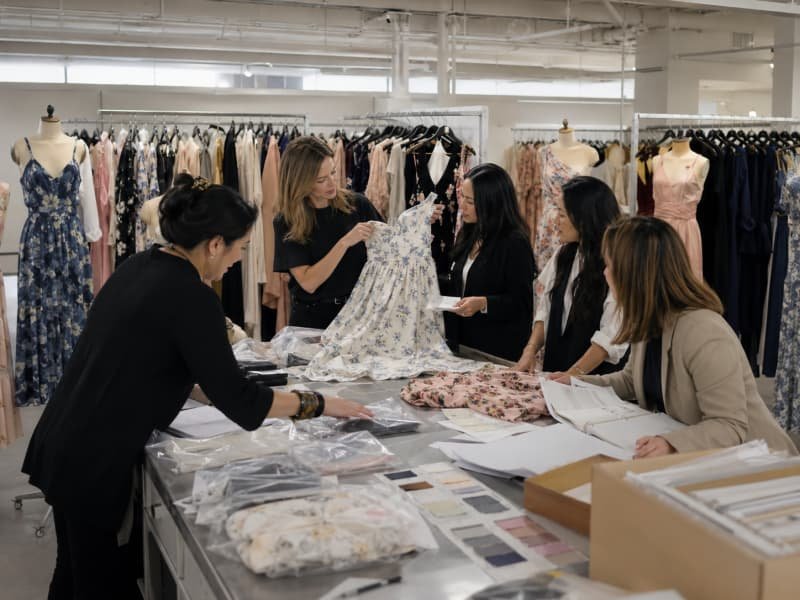
...

Digital Print Dress Manufacturer

Dress-focused artwork development, sampling and controlled bulk manufacturing for established fashion brands, product teams and sourcing offices.

Duolan converts original artwork, repeat patterns and placement concepts into production-ready fashion dresses through coordinated control of print, fabric, pattern, fit and workmanship.

  • 8 linked print controls: artwork, repeat, color, fabric, placement, pattern, strike-off and bulk standard
  • Collection programs commonly cover 10–30 styles across coordinated prints, silhouettes and colorways
  • Brand order programs commonly range from 20,000 to 80,000 garments across approved styles
  • Bulk production reference: 15–20 days for simple styles, 20–30 days for regular styles and 30–45 days for complex styles
  • Manufacturing support backed by 16 owned womenswear factories, 20+ satellite factories and 50+ quick-response production lines

A Dress Manufacturing System Built Around Print Accuracy

An effective digital print dress program requires more than a printing service. Development, pattern engineering, fabric behavior, fit, sewing and bulk execution must move under one controlled production standard.

30+ Years Development

Duolan’s manufacturing foundation is supported by nearly three decades of fast-fashion womenswear development experience. The team’s background covers dress design, fabric development, pattern interpretation, decorative workmanship and commercial product conversion for European and American fashion markets. Experience is applied before sampling, when artwork scale, silhouette, fabric behavior and production risk are still adjustable.

16 Owned Factories

Core styles, fit-sensitive dresses and technically demanding products can be assigned to owned womenswear factories where development information, pattern versions, approved samples and workmanship points remain under closer control.

Factory assignment is based on product requirements rather than placing every dress into the same production route.

20+ Satellite Factories

Long-term satellite factories provide production flexibility for collection launches, repeat orders and higher-volume programs. Each supporting factory is matched according to product category, sewing difficulty, fabric sensitivity, approved quality level and delivery schedule.

Production standards remain tied to approved samples, measurement specifications and QC checkpoints.

12,000+ Workers

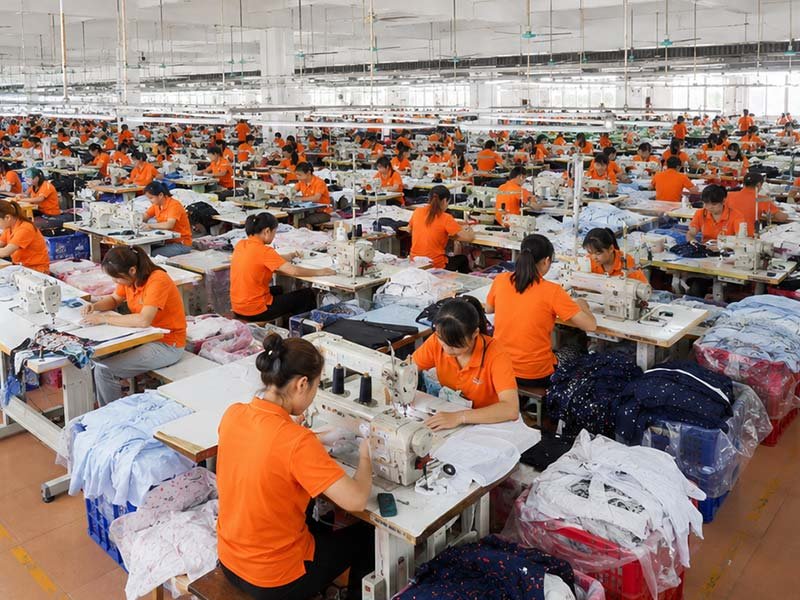
The wider manufacturing network includes more than 12,000 workers across multiple production regions. Scale supports simultaneous progress across fabric preparation, cutting, sewing, finishing, inspection and packing while allowing different dress styles to follow suitable manufacturing paths.

300 Sewing Lines

Approximately 300 sewing lines support regular production, complex dress construction and multi-style order planning. Production allocation considers fabric handling, seam construction, lining, closures, ruching, gathering, fitted structures and print-placement sensitivity.

50+ Response Lines

More than 50 quick-response and flexible lines support development programs, launch orders, test production, replenishment and repeat styles. Flexible lines are especially valuable when a printed collection contains several silhouettes, colorways and approval stages moving at different speeds.

Built for Structured Fashion Dress Programs

Duolan works most effectively with established teams managing defined product directions, launch calendars, collection structures and ongoing production plans.

Fashion Dress Brands

Fashion dress brands need more than attractive fabric. A manufacturing partner must understand how print scale, dress proportion, fit and visual hierarchy work together. Duolan supports mini, midi and maxi programs across seasonal, commercial and statement product roles.

Resortwear Brands

Resort collections often rely on strong print stories, lightweight fabric movement and coordinated silhouettes. Development may include maxi dresses, halter dresses, wrap dresses, shirt dresses and matching pieces built around one color direction or artwork family.

Occasionwear Teams

Printed occasion dresses require controlled color, refined fit and clean construction. Satin, mesh, crepe and structured woven fabrics may each reproduce the same artwork differently, making fabric evaluation and sample review essential before production.

Product Teams

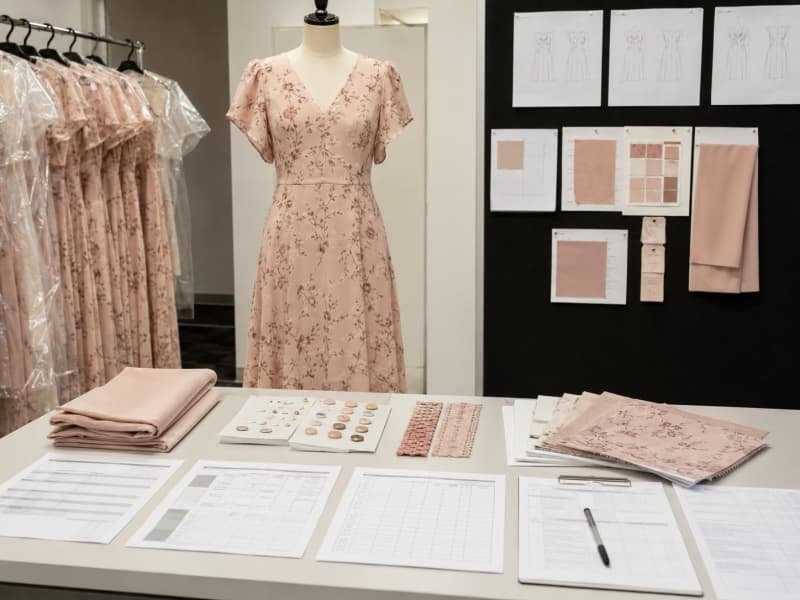
Product teams usually manage artwork, silhouette, fabric, fit, cost and launch timing at the same time. Duolan helps organize those inputs into a development route covering feasibility, strike-off, pattern, sample, revision and production readiness.

Buying Teams

Buying teams need clear production information, traceable approvals, reliable schedules and disciplined bulk control. Duolan can coordinate specifications, material records, approved samples, inspection stages, packaging requirements and delivery arrangements.

Sourcing Offices

Sourcing offices often manage several brands, styles or delivery windows. Duolan’s multi-factory system supports style-level planning, factory matching, production updates, third-party inspections and document coordination across complex dress orders.

What Professional Teams Evaluate Before Supplier Approval

A strong printed sample alone does not prove production readiness. Supplier approval depends on whether artwork, fabric, pattern, color, fit and bulk execution can remain aligned throughout the complete order cycle.

Artwork Interpretation

The production team must understand repeats, engineered motifs, border designs, gradients and placement requirements rather than treating every artwork file as a standard all-over print.

Fabric Compatibility

Print clarity, color depth, handfeel and durability change with fiber composition, surface texture, shine, transparency, stretch and finishing. Fabric selection must support both the visual target and dress silhouette.

Color Reproduction

Digital screens are not production standards. Color references need to be reviewed through physical strike-offs, approved lighting conditions and confirmed fabric bases before entering garment sampling.
Make-Print-Pattern-and-Fit-Work-Together_

Pattern Integration

Darts, seams, ruching, pleats, gathering, panels and wrap overlaps can move or distort artwork.
Pattern development must account for visual placement before cutting begins.

Fit Accuracy

Artwork should enhance the body proportion rather than exposing poor waist balance, misplaced bust points or incorrect skirt fall. Fit and print must be reviewed together.
Repeat Color Extensions​

Bulk Repeatability

Approved strike-offs, artwork versions, fabric specifications, patterns, measurements and workmanship details must be locked before full production is released.

Inspection Discipline

Printed fabric requires inspection for shade, repeat defects, stains, missing colors, skew, bowing, width, stretch, shrinkage and roll-to-roll variation before cutting.

Reorder Control

Repeat orders should reuse verified production assets, including artwork files, pattern versions, BOM records, approved standards, packing instructions and QC findings.

Print Risks Controlled Before They Reach Bulk Production

Most print failures begin during artwork, fabric or pattern decisions. Early control costs less than correcting cut panels, finished garments or an entire production batch.

Incorrect Motif Scale

A motif may look balanced on a screen yet become oversized on a mini dress or too dense across a maxi silhouette. Duolan reviews repeat dimensions against garment length, bodice width, sleeve area and skirt sweep before strike-off approval.

Color Shift on Fabric

Satin shine, mesh transparency, chiffon layers, cotton absorption and polyester brightness can change the perceived color. Physical strike-offs on the intended fabric provide a more reliable decision basis than digital artwork alone.

Broken Seam Alignment

Large motifs may be interrupted by center-front seams, side seams, waist seams or panel construction. Pattern mapping identifies which seams require alignment, controlled positioning or intentional visual separation.

Ruching Distortion

Ruching compresses and redirects printed motifs. Large faces, flowers, logos or geometric lines can become visually distorted. Artwork scale and ruching density must be evaluated together.

Grading Movement

A placement approved in one sample size may move across smaller and larger sizes. Key motifs require graded position rules rather than a single placement measurement copied across every size.

Bulk Shade Variation

Different print batches or fabric rolls may show variation in color depth and background tone. Approved physical standards, batch identification and pre-cutting shade review reduce mixed-shade garments.

Fabric Behavior Changes

Printing, washing or heat treatment can affect shrinkage, stretch, handfeel and drape. Fabric performance must be checked before final pattern and measurement standards are released.

Sample Bulk Mismatch

A good sample may still fail during mass production when artwork versions, material specifications or finishing settings are not locked. Duolan connects strike-off approval, PP sample and bulk start confirmation into one controlled record.

Digital Print Dresses Developed for Commercial Collections
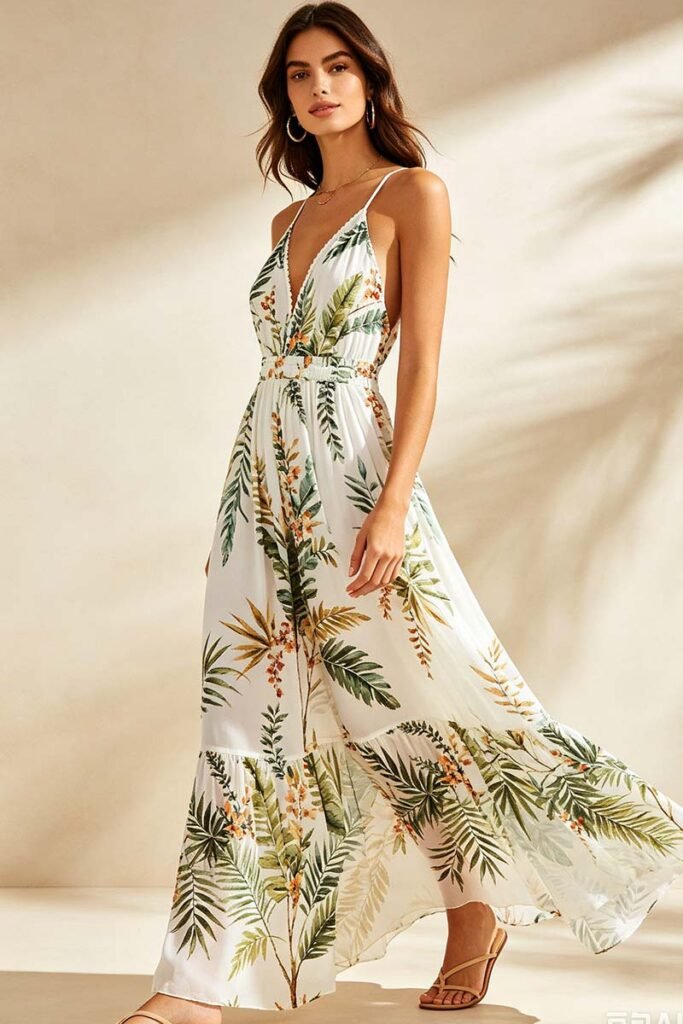
Duolan develops print-led dresses across resort, occasion, party, vacation and contemporary fashion programs. Each product direction is reviewed by fabric behavior, print scale, fit priority and bulk production risk.

Printed Maxi Dresses

Maxi dresses provide a large visual area for tropical, floral, abstract and gradient artwork. Development must consider vertical balance, skirt sweep, panel direction, hem placement, lining and movement. Large repeats require careful positioning so the strongest motifs do not disappear inside seams or gathering.

Printed Midi Dresses

Midi dresses suit commercial floral repeats, geometric designs and seasonal color stories. The length offers enough artwork visibility while remaining versatile across daywear, occasion and resort programs. Waist placement, sleeve proportion and skirt volume influence how the print reads on the body.

Printed Mini Dresses

Mini silhouettes have limited visual space, making artwork scale critical. Smaller repeats, controlled placements and simplified engineered motifs often perform better. Bust shaping, waist seams, darts and short hemlines must be considered before approving the repeat size.

Printed Slip Dresses

Slip dresses depend on clean drape, smooth seam handling and balanced motif placement. Satin or crepe surfaces can show needle marks and pressing damage, while bias-cut structures can shift pattern direction. Print and grainline decisions must be reviewed together.

Printed Wrap Dresses

Wrap dresses create overlapping front panels that can hide or repeat motifs unpredictably. Artwork planning should consider the closed wearing position, tie placement, neckline edge and front overlap across the intended size range.

Printed Shirt Dresses

Shirt dresses introduce collars, plackets, cuffs, pockets and button positions. Stripes, borders and large motifs may require controlled matching across the center front and pocket areas. Cutting efficiency must be balanced against visual continuity.

Printed Halter Dresses

Halter structures direct attention toward the neckline, bust and back. Placement artwork needs to follow narrow bodice panels and changing grain directions. Coverage, support and neck comfort remain as important as visual alignment.

Printed Bodycon Dresses

Stretch fabrics change motif width when worn. Artwork must be checked under realistic stretch so circles, faces, logos and geometric lines do not become visibly distorted. Recovery, opacity and seam strength also affect final quality.

Printed Corset Dresses

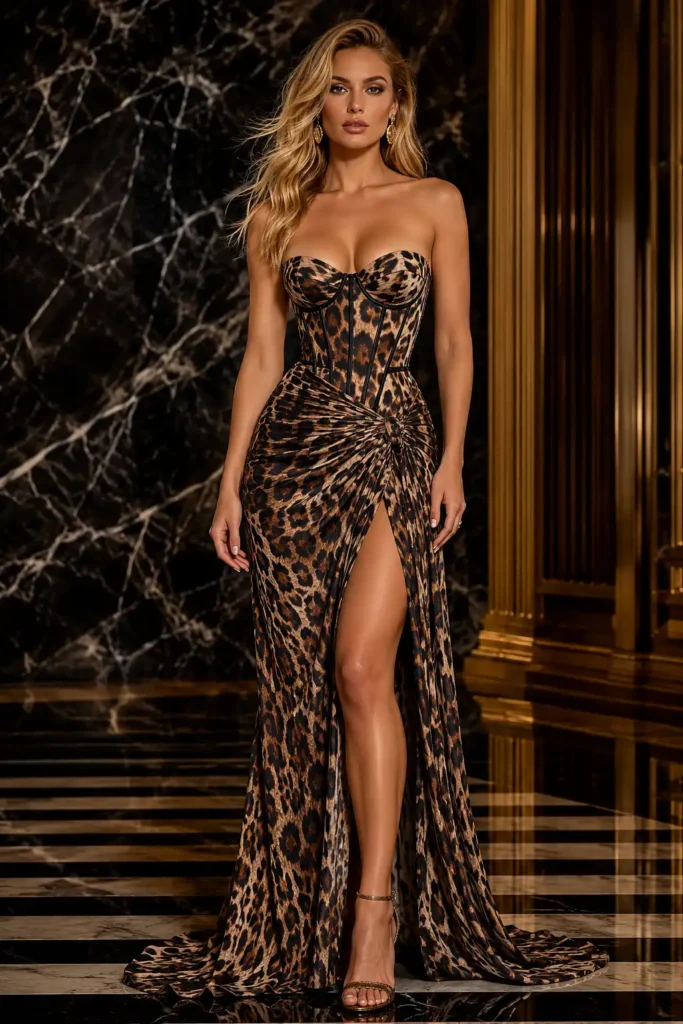
Corset and bustier panels divide artwork into narrow sections. Boning channels, cup seams and shaped waist panels can interrupt large motifs. Engineered placements require pattern-level mapping before sample cutting.

Printed Mesh Dresses

Mesh changes print density when stretched and allows lining color to influence the final appearance. Placement, opacity, stretch direction, seam recovery and lining tone must be evaluated during strike-off and sample review.

Printed Satin Dresses

Satin creates richer color but also reflects light differently across grain direction and curved seams. Print depth, surface marking, needle selection, pressing temperature and packing protection require closer control.

Printed Resort Sets

Coordinated dresses, skirts and tops can share one print family while using different scales or placements. Collection planning helps maintain visual unity without making every garment look identical.

Print Directions Developed Around Brand Identity

Artwork should support collection positioning, garment proportion and sales use. Duolan reviews every print direction as part of a complete fashion product rather than an isolated surface decoration.

Floral Prints

Floral artwork may range from micro repeats to oversized botanical compositions. Scale, density and background space should reflect the silhouette. A fitted mini dress often needs different floral engineering from a flowing maxi dress.

Tropical Prints

Tropical prints suit resort and vacation collections, especially across lightweight maxi, halter and wrap silhouettes. Leaf direction, large motif placement and color saturation require control across wide skirt panels.

Abstract Prints

Abstract artwork offers flexibility but can expose visual imbalance when cut into multiple panels. Strong color blocks and directional brush effects need deliberate pattern placement rather than random cutting.

Geometric Prints

Lines, checks and geometric repeats reveal cutting and sewing deviations quickly. Grain direction, seam alignment, stretch distortion and pattern repeat must be monitored from strike-off through sewing.

Animal-Inspired Prints

Animal-inspired designs depend on scale, density and color interpretation. Excessively large or compressed repeats can change the intended market position. Fabric texture also affects the perceived sharpness.

Gradient Prints

Gradient artwork requires controlled color transition across garment length or selected panels. Print direction, panel height, size grading and cutting position must remain consistent.

Border Prints

Border prints can define hems, sleeves, necklines or waist areas. Pattern length and placement must be coordinated with garment dimensions, seam allowances and size grading before fabric is produced.

Engineered Prints

Engineered prints are developed around specific garment panels. The artwork file and pattern must be mapped together, with approval points for center front, bust, waist, sleeves, back and hem.

Conversational Prints

Illustrative or character-based motifs require controlled orientation and spacing. Unwanted motif cutting at bust points, seams or hemlines can affect product presentation.

Scarf-Inspired Prints

Scarf compositions often combine borders, center motifs and contrasting corners. Dress pattern geometry must be considered early to preserve the intended framed effect.

Placement Motifs

Single or grouped motifs can be positioned at the neckline, bodice, waist, hip or hem. Placement rules should specify reference points and grading movement across sizes.

Coordinated Colorways

One artwork may be developed across several colorways for a collection. Each colorway requires physical review because darker backgrounds, pale tones and high-contrast combinations can behave differently on the same fabric.

Matching Print Structure With Dress Construction

Print development becomes more predictable when artwork decisions reflect the garment’s actual construction. Pattern shape, gathering, stretch and seam position determine how the finished print appears.

Dress ConstructionMain Print RiskDevelopment ControlApproval Evidence
Ruched bodycon dressMotifs compress and stretch unevenlyReview artwork under expected stretch and ruching densityStretched panel test and fitted sample
Panelled maxi dressLarge motifs break across long seamsMap motif direction and panel relationship before cuttingPattern overlay and full-length sample
Corset dressCup seams and boning divide artworkPosition key motifs away from structural interruptionBodice placement map and close-up approval
Wrap dressOverlap hides or duplicates motifsReview garment in closed wearing positionFront overlap photo and placement sheet
Shirt dressPlacket and pockets interrupt repeatsDefine alignment priorities and acceptable matching areasPlacket, pocket and collar approval photos
Border-print dressBorder moves with length and gradingSet hem and vertical reference points by sizeGraded pattern map and size-set review
Stretch-mesh dressMotif density changes when wornTest print at intended stretch and lining combinationStretch test, lining test and fit sample
Pleated dressArtwork disappears inside foldsAdjust scale and position around pleat depthPleated panel mock-up and finished sample
Asymmetric dressDirectional artwork appears unbalancedMap high and low points against motif flowFront, side and back visual review
Cut-out dressKey artwork can be removed by openingsPlace motifs after cut-out geometry is confirmedPattern-artwork overlay and sample check

Build a Commercial Collection From One Print Story

A successful print collection is not a row of unrelated garments. Product roles, print scales, colorways, silhouettes and production timing should support one clear market direction.

Establish the Hero Print

The hero print carries the strongest visual identity and usually appears on one or more statement silhouettes. Development starts by defining the main motif, background color, repeat scale and intended viewing distance. A dramatic maxi dress may use the full visual composition, while a mini or fitted style may need a reduced scale derived from the same artwork family. Hero artwork should be tested on the intended fabric before expanding across the range. Satin may deepen dark tones, chiffon may soften edges and mesh may allow the lining to alter the apparent color.

Create Commercial Repeats

Commercial styles often use simplified, smaller or more evenly distributed versions of the hero print. The goal is to maintain brand recognition while supporting easier silhouettes, broader styling use and reliable cutting.

A collection can combine one engineered hero placement with smaller all-over repeats, coordinated solids and selected trim colors. Shared fabric bases may improve material planning, but every silhouette still needs separate fit and print review.

Coordinate Colorways

Colorway development should follow the complete collection palette. Background colors, lining shades, zipper tapes, sewing threads and labels must work together. Pale colorways may require additional opacity checks, while dark colorways can expose rubbing or migration risks. Physical color approval is completed on the selected fabric. One approved color on polyester satin cannot automatically become the standard for chiffon, mesh or viscose because surface and fiber behavior change the result.

Plan Product Roles

A collection of 10–30 styles can include hero dresses, commercial core dresses, easier day-to-evening pieces, occasion crossovers and repeatable silhouettes. Product roles guide how much development time, print engineering and production control each style requires. Launch timing should be planned backward from photography, presentation, order confirmation, PP approval, production, inspection, packing and shipping. Complex engineered prints should begin earlier than straightforward repeat-print styles.

Select Printing Methods Through Fabric and Product Reality

No single printing method is correct for every dress. Duolan reviews artwork complexity, fiber composition, color depth, handfeel, order structure and required repeatability before recommending a production route.

Digital Print

Digital printing supports multicolor artwork, gradients, photographic effects, short development cycles and detailed original designs. Suitability still depends on fabric composition, pretreatment, ink system, finishing and required colorfastness. Physical strike-offs are required before garment sampling.

Reactive Digital Print

Reactive printing can be considered for suitable cellulosic fibers where soft handfeel and color penetration are important. Cotton, viscose and related fabrics may require controlled pretreatment, steaming, washing and finishing. Shrinkage and shade consistency must be assessed before pattern release.

Pigment Digital Print

Pigment systems can support several fabric types and may simplify processing, but handfeel, surface coverage and rubbing performance require evaluation. Dark grounds and heavy color areas need closer testing.

Sublimation Print

Sublimation suits compatible polyester fabrics and can deliver bright color with strong wash stability. Heat exposure, migration, shine changes and fabric behavior must be reviewed, especially for stretch materials and smooth satin surfaces.

Screen Print

Screen printing may become more efficient for suitable quantities, limited colors and repeatable artwork. Screen preparation, registration, color separation, print handfeel and production quantity influence feasibility.

Placement Print

Placement printing aligns motifs with garment panels rather than producing a continuous random repeat. Pattern files, grading, seam allowances and cutting reference points must be integrated into artwork preparation.

Fabrics Selected for Color, Drape and Silhouette

Fabric choice determines far more than print sharpness. Weight, shine, transparency, stretch, recovery and surface texture influence fit, movement, lining, workmanship and perceived product value.

Polyester Satin

Polyester satin can produce rich color and a polished surface for slip, occasion and party dresses. Grain direction, print migration, needle marks, seam puckering and pressing shine require careful control. Light colors may need lining and opacity assessment.

Polyester Chiffon

Chiffon supports flowing maxi, wrap and resort silhouettes. Transparency, layer overlap and lining tone change perceived color depth. Fine seams, controlled tension and stable hems are necessary to protect the lightweight fabric.

Polyester Crepe

Crepe offers a less reflective surface with fluid drape and stronger visual coverage. Texture may soften very fine artwork details, so strike-off review should check line clarity and background density.

Printed Mesh

Mesh suits layered, bodycon and occasion styles. Stretch changes motif density, while the lining affects color and coverage. Print, stretch, recovery and seam construction must be reviewed as one system.

Stretch Jersey

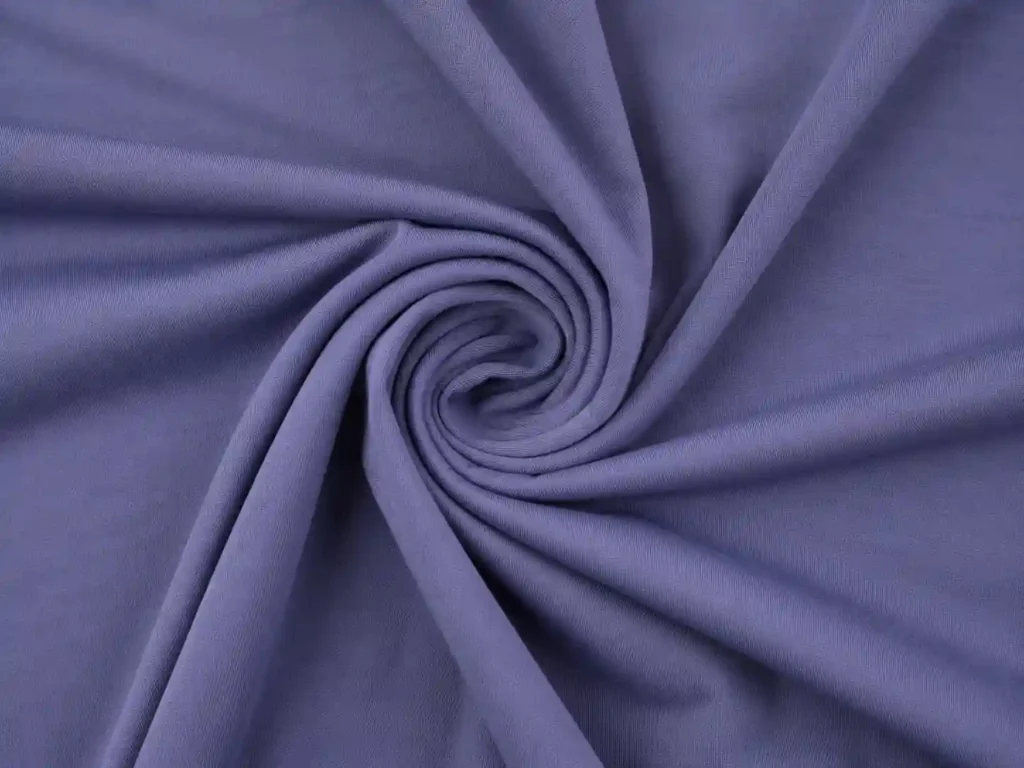
Jersey supports fitted and gathered silhouettes. Artwork is evaluated under expected body stretch to prevent distortion. Weight, recovery, opacity and edge curling influence pattern and sewing decisions.

Viscose Woven

Viscose offers fluid movement and a softer natural handfeel for resort and day dresses. Shrinkage, skew, color absorption and wet-process stability require close material control.

Rayon

Rayon can create breathable, flowing printed garments but may react strongly to washing and moisture. Fabric width, shrinkage, bowing and dimensional stability should be confirmed before bulk cutting.

Cotton Poplin

Cotton poplin supports shirt dresses, structured day dresses and clean silhouettes. Surface stability benefits detailed artwork, while reactive or pigment routes may be considered according to the target finish.

Cotton Voile

Cotton voile creates light summer dresses and layered resort pieces. Transparency, softness and shrinkage must be balanced with the intended print density and lining construction.

Lightweight Woven

Lightweight polyester or blended woven fabrics support commercial printed dresses with controlled cost and stable production. Fiber content, finish and heat response determine the suitable print route.

Recycled Polyester

Recycled polyester options can be evaluated when traceable material requirements form part of the project. Print method, handfeel, shade and certificate scope should be confirmed with the selected material source.

Silk-Like Fabrics

Silk-like fabrics can deliver a premium visual effect without using natural silk. Surface shine, snagging, print clarity and pressing response vary widely, making physical fabric approval essential.

Supporting Materials Complete the Printed Dress

Lining, zippers, threads, elastic, labels and internal structure influence how the print appears, wears and performs. Supporting materials are selected together with the outer fabric and dress construction.

Lining Selection

Lining color can brighten, mute or alter a printed outer layer. Pale chiffon and mesh require lining tests under natural and artificial light. Lining weight should support coverage without making the garment stiff.

Zipper Coordination

Concealed zipper tapes and pullers should coordinate with the garment ground color. Zipper installation must avoid shifting engineered motifs, stretching lightweight seams or creating visible puckering.

Thread Matching

Thread color is selected against the printed fabric rather than one isolated artwork color. Multicolor garments may use the dominant ground, a neutral tone or separate thread colors for visible construction areas.

Support Components

Bra cups, boning, elastic, fusible materials and stay tapes may be required for corset, halter, cut-out or fitted dresses. Internal components should support fit without creating marks through the printed surface.

Labels and Branding

Woven labels, printed labels, care labels, hangtags and branded packaging can be developed around brand specifications. Label placement should avoid damaging delicate or transparent fabrics.

Packing Protection

Satin, coated surfaces and heavy color areas may need tissue protection, controlled folding and moisture management. Packing trials help reduce transfer, abrasion, crushing and permanent fold marks.

Artwork Files Accepted for Development Review

Complete files accelerate evaluation, but Duolan can also begin with references, existing garments or print swatches when the production direction is clearly explained.

Adobe Illustrator Files

Vector AI files are preferred for repeat editing, color separation, scaling and placement development. Embedded images, fonts and linked elements should be included.

Layered PSD Files

Layered PSD files support artwork containing textures, gradients and photographic effects. Resolution should remain suitable for the intended print dimensions.

Print-Ready PDF Files

PDF files can support initial review when repeat dimensions, color references and scale information are clearly marked. Editable source files may still be requested before production.

High-Resolution TIFF

TIFF files are useful for detailed raster artwork and photographic prints. File dimensions and resolution should match the expected production scale.

Physical Print Swatches

An original fabric swatch provides information about color, handfeel, motif scale and print character. Exact replication still depends on available fabric, ink system and production process.

Existing Garment Reference

A physical garment or clear front, back and detail photographs can support print and construction review. Measurements and fabric information improve evaluation accuracy.

Pantone References

Pantone codes can guide color communication, but physical output on the selected fabric remains the approval standard. A branded physical color reference may also be supplied.

Placement Sketches

Placement sketches should identify center lines, motif positions, distances from seams and intended appearance across sizes. Pattern-based mapping follows after construction is confirmed.

Artwork Review Before Fabric Is Printed

Artwork feasibility review identifies visual and production risks while revisions remain manageable. The review connects creative intent with fabric, pattern and bulk manufacturing conditions.

File Quality and Repeat Integrity

Duolan reviews source-file quality, repeat continuity, resolution, scaling, background coverage and edge matching. A seamless repeat must connect without visible breaks in both horizontal and vertical directions. Fine lines, small text and subtle gradients may reproduce differently according to fabric texture and printing method. The team evaluates whether details should be enlarged, simplified or separated to maintain clarity.

Color and Fabric Interaction

The same file can produce different colors on satin, chiffon, mesh, cotton, viscose and jersey. Fiber content affects ink response, while shine and transparency alter visual perception. Artwork review therefore includes the intended fabric base, background color, lining and garment use. Color decisions are not finalized from the monitor image alone.

Garment Construction Impact

Pattern features are overlaid against the artwork direction. Seams, darts, pleats, gathers, cut-outs, wrap overlaps and shaped panels may divide or redirect key motifs. Where exact placement matters, artwork and pattern teams coordinate before strike-off or panel printing. Where random all-over placement is acceptable, clear cutting rules still prevent upside-down or visually awkward results.

Bulk Production Feasibility

Some highly complex artwork can be sampled digitally but may require adjustments for stable high-volume execution. Duolan reviews print width, repeat size, color system, panel layout, material usage and inspection difficulty before confirming the final route. The objective is not only to create a visually close sample. The approved artwork must also support repeatable printing, cutting, sewing and quality control.

Motif Scale Engineered for Garment Proportion

Print scale affects visual balance, material consumption, cutting flexibility and size consistency. One artwork should not be applied blindly across every silhouette.

Small Repeats for Detailed Construction

Small repeats can work well for ruched, gathered, pleated and multi-panel dresses because motif interruption is less obvious. Density still requires control; a repeat that looks refined on a swatch can become visually busy across a full maxi silhouette. Small motifs should be reviewed at realistic garment scale. The team checks whether colors blend together from normal viewing distance and whether fine details remain visible after printing and finishing.

Medium Repeats for Commercial Versatility

Medium repeats often support coordinated mini, midi and maxi programs. They provide enough visual character while allowing more efficient cutting and easier adaptation across sizes. Placement rules may still be needed for prominent flowers, faces, text or directional elements. Commercial flexibility does not mean uncontrolled cutting.

Large Motifs and Engineered Compositions

Large motifs create stronger editorial impact but require closer coordination with garment pattern and size grading. A flower centered correctly on a sample size may move toward a seam or dart in another size. Duolan develops reference points for key motifs and reviews where exact positioning adds value. Cutting consumption, panel width and production tolerance are considered before final approval.

Placement Prints Mapped to Real Dress Patterns

Placement printing turns pattern pieces into part of the artwork system. Positioning must remain controlled after seam allowances, grading, construction and wearing movement are considered.

Bodice Placement

Bodice artwork is reviewed against bust points, neckline edges, darts, cups, princess seams and center lines. Motifs placed too close to structural seams may become distorted or divided during sewing. Corset and bustier styles need panel-by-panel review because shaped seams and boning channels change the available visual area. A placement map should show both the flat pattern and intended finished appearance.

Waist and Skirt Placement

Waist seams can separate artwork into upper and lower sections. Designers may choose exact alignment, intentional contrast or a transitional motif. The selected approach must be clear before printing and cutting. Long skirts add further risk because flare, godets, gathers and panel direction change visual flow. Border artwork must follow the approved hem reference rather than a generic fabric edge.

Sleeve and Back Placement

Sleeves often use narrower or curved pattern pieces. Large motifs may require rotation or a separate artwork version. Directional elements must remain consistent between left and right sleeves unless an asymmetric effect is intended. Back placements are reviewed around zippers, cut-outs, ties and center-back seams. Photographs of front, side and back views form part of visual approval.

Graded Placement Rules

Placement cannot rely on one sample size alone. Duolan reviews how key motifs move through the brand’s graded size range. Reference points may be tied to center front, neckline, waist seam, bust level or hem. Size-level artwork or adjusted cutting markers may be required for highly engineered designs. The chosen method depends on garment structure, order quantity and acceptable visual tolerance.

A Controlled Route From Artwork to Approved Sample

Sampling is organized around clear decisions. Each stage should answer a defined question about artwork, fabric, fit, construction or production readiness. Sample timing is confirmed after reviewing artwork readiness, fabric sourcing, strike-off requirements and garment complexity. A simple all-over repeat follows a shorter path than an engineered placement print across multiple pattern panels.

Project Brief Review

The team confirms product type, artwork basis, fabric direction, intended quantity, size specification, launch timing and required sample purpose.

Print Feasibility Review

Artwork scale, repeat, color complexity, placement requirements and fabric compatibility are assessed before physical print development begins.

Fabric and Strike-Off

Suitable fabric options are reviewed and the strike-off is prepared. Color, handfeel, print clarity, stretch, transparency and drape are checked.

Pattern Development

Patterns are developed or adjusted around the selected fabric, silhouette and placement requirements. Key motif positions can be marked on the pattern.

First Sample

The first sample tests overall direction, including print appearance, proportion, fit, construction, lining and workmanship.

Fit and Print Review

Comments distinguish fit corrections from artwork corrections. Changing one area may affect the other, especially on fitted, stretch or engineered-print styles.

Revision Sample

Approved comments are translated into updated artwork, pattern or workmanship instructions. Version control prevents old files from returning to the process.

PP and Bulk Readiness

The pre-production basis confirms the final artwork, fabric, color, pattern, measurements, workmanship, labels and packing requirements before production release.

Fit Engineering Remains Essential in Printed Dresses

A strong print cannot compensate for weak fit, incorrect balance or unstable construction. Duolan reviews garment shape and artwork as connected product elements.

Bust Balance

Bust points, darts, cups and neckline shape affect both fit and motif position. Printed corset, halter and wrap dresses need adequate coverage and support while preserving artwork balance.

Waist Position

The waistline influences perceived body proportion and determines where bodice and skirt artwork meet. Incorrect waist placement can make an otherwise accurate print appear visually unbalanced.

Skirt Fall

Fabric drape, grainline, flare and panel construction determine how the printed skirt hangs. Long vertical motifs can expose twisting or uneven panel direction.

Stretch Allowance

Bodycon and stretch-mesh styles require negative ease and recovery review. Artwork is checked under worn stretch so motifs remain acceptable in actual use.

Size Grading

Duolan can follow the brand’s approved size chart and grading rules. Key construction and placement points are reviewed across the requested size range rather than assuming uniform movement.

Fit Comment Translation

Fit comments are converted into measurable pattern actions. Revised points may include bust width, waist suppression, neckline position, strap length, hip ease, skirt length and hem balance.

Workmanship Details That Protect Printed Surfaces

Printed dresses require disciplined cutting, sewing, pressing and finishing. Minor process errors become highly visible when they interrupt motifs, damage surface color or distort lightweight fabrics.

Fabric Direction Control

Panels are cut according to print and grain direction. Directional motifs, faces, leaves, lettering and gradients require clear orientation rules before spreading begins.

Shade Grouping

Printed rolls are identified and grouped before cutting. Components for one garment should come from compatible shade groups to reduce visible panel differences.

Panel Numbering

Engineered or placement panels are numbered so printed pieces reach the correct garment and size. Clear bundle control prevents left-right or front-back mixing.

Seam Alignment

Selected seams may require motif alignment, while others follow an approved visual tolerance. Alignment priorities are defined before production rather than judged randomly during sewing.

Needle Selection

Fine or smooth printed fabrics can show permanent needle damage. Needle type and size are matched to fabric structure and changed according to production control requirements.

Thread Tension

Incorrect tension can pucker satin, stretch mesh or distort fine woven fabrics. Sewing tests establish balanced tension before bulk lines are released.

Zipper Installation

Concealed zippers are inserted without pulling the fabric or shifting center-back motifs. Seam support may be added where lightweight fabrics need stabilization.

Lining Attachment

Lining is attached to support coverage and movement without twisting the printed shell. Hem freedom and seam compatibility are checked during the sample stage.

Hem Construction

Narrow hems, rolled hems, clean-finished hems or lined hems are selected according to fabric, skirt shape and intended quality level. Print borders require accurate finished length.

Pressing Temperature

Heat and pressure can change shine, transfer color or mark synthetic surfaces. Pressing tests define safe conditions before production.

Surface Protection

Printed satin, dark grounds and coated effects may require protective cloths, clean tables and controlled handling to prevent scratches, oil marks and abrasion.

Final Presentation

Loose threads, seam shape, motif direction, pressing and garment balance are reviewed before packing. Printed garments are inspected from normal viewing distance and close range.

Printed Fabric Inspection Before Cutting Begins

Bulk fabric is not released because the strike-off was approved. Delivered rolls must still be checked against the approved standard and production specification.

Shade Comparison

Bulk color is compared with the approved physical reference. Background tone and key motif colors receive particular attention because minor shifts can change the collection appearance.

Roll Variation

Roll-to-roll differences are identified before cutting. Shade grouping helps prevent mixed-tone panels within one garment.

Repeat Defects

The inspection checks broken repeats, registration errors, banding, missing colors, streaks and unexpected marks that may repeat through a roll.

Fabric Width

Usable width affects marker planning, motif placement and material consumption. Width is checked against the production requirement before cutting markers are finalized.

Shrinkage Review

Shrinkage and dimensional behavior can affect garment measurements and print placement. Results are considered before final pattern release where required.

Skew and Bowing

Directional prints and geometric repeats expose skew or bowing clearly. Fabric alignment is reviewed before long panels or borders are cut.

Stretch and Recovery

Stretch fabrics are checked in the relevant directions. Recovery performance influences fit, motif distortion and seam stability.

Surface Condition

Inspectors review stains, oil marks, holes, snags, creases, color transfer and surface damage. Defective areas are marked and excluded according to the cutting plan.

Print Testing Planned by Material and Market

Testing requirements vary by fiber, print method, garment use, destination market and brand standard. Duolan reviews an appropriate test plan instead of applying one generic checklist to every program.

Test AreaWhy It MattersCommonly Relevant ProjectsProduction Decision
Wash colorfastnessEvaluates color change and staining after care cyclesViscose, cotton, polyester and washable dressesConfirms care instruction and print route suitability
Dry rubbingChecks surface color transfer under dry frictionDark grounds, pigment systems and high-coverage printsReviews surface fixation and finishing
Wet rubbingChecks transfer when fabric is dampCellulosic fabrics and deep shadesSupports process adjustment or care guidance
Perspiration fastnessEvaluates color response to acidic and alkaline perspirationFitted, occasion and warm-weather dressesHelps assess wearing suitability
Light fastnessMeasures resistance to prolonged light exposureResort, summer and display-intensive productsSupports color and use evaluation
ShrinkageMeasures dimensional change after treatment or careCotton, viscose, rayon and washed fabricsSupports pattern allowance and size control
Dimensional stabilityReviews length, width and shape retentionStructured and fitted garmentsConfirms measurement reliability
Color migrationChecks unwanted dye movement under heat or contactPolyester, dark prints and light trimsGuides pressing, storage and packing
Print crackingReviews surface breakdown under stretch or flexingPigment prints and stretch garmentsConfirms print flexibility
Stretch recoveryMeasures return after extensionJersey and mesh bodycon dressesSupports fit and motif-distortion assessment
Chemical requirementsReviews restricted substances according to market or programRegulated markets and brand-specific programsDefines material and test documentation
Appearance after careEvaluates print, seam, drape and surface after careFinished garment validationConfirms complete garment performance

Quality Control From Development Through Final Packing

Quality is built through linked approval and inspection points. Printed dress control begins with artwork and material decisions, not only with finished-garment inspection.

Artwork Version Control

Approved artwork, repeat size, colorway and placement instructions are recorded. Old files are removed from the active production path.

Strike-Off Approval

The physical strike-off becomes the color and print reference. Comments and revision status are documented before fabric production.

Sample Standard

The approved sample or PP basis defines fit, print appearance, construction, lining, measurements and workmanship expectations.

Pre-Production Review

Material, artwork, pattern, BOM, labels, packaging and delivery requirements are reviewed before cutting and sewing begin.

First-Piece Confirmation

Complex or sensitive styles may receive a first-piece or pilot-stage review before full production is released.

Inline Inspection

Production is checked while correction remains possible. Inspectors review motif direction, seam quality, measurements, color grouping and workmanship.

Final Inspection

Finished garments are reviewed for appearance, print defects, measurements, sewing, pressing, labels, packing and carton requirements.

Shipment Records

Packing quantities, carton marks, inspection findings and shipment information are retained as part of the order record and future reorder reference.

Sample Standards Locked Into Bulk Production

The transition from sample to production is a controlled manufacturing stage. Artwork, materials, pattern, fit, workmanship and packing must become one usable bulk standard.

Production Readiness Review

Duolan reviews whether the current sample is visually approved, fit approved, ready as a PP basis or still pending refinement. The actual order purpose is also confirmed: launch order, repeat order, scale-up order or another defined production stage. Any unresolved item is listed before production begins. Starting bulk with unclear color, measurements or workmanship creates avoidable risk.

Material and Artwork Locking

The approved fabric, lining, trims, colorway, strike-off and artwork version are linked to the order. Material substitutions require review rather than silent replacement. Printed materials are checked for batch, shade, width, repeat and performance before cutting. Placement files and cutting references are controlled by version.

Pattern and Workmanship Locking

The approved pattern version, size chart, grading rule, seam construction, lining method, zipper, hem and pressing standard become production references. Critical construction points can be shown through photos, marked samples, workmanship sheets or first-piece notes. The method selected depends on product complexity and team requirements.

Production Path Planning

Orders are broken down by style, color, size, quantity, material readiness and risk level. Regular repeat-print styles, engineered placements, stretch mesh and complex corset dresses may follow different production routes. Bulk lead-time references are 15–20 days for simple styles, 20–30 days for regular styles and 30–45 days for complex styles, subject to material readiness, quantity, print approval and factory scheduling.

Reorder Standards Preserve Approved Product Knowledge

A repeat order should not begin as a new development project. Verified information from the first order becomes a reusable production asset.

Artwork Records

Approved source files, print dimensions, repeats, placements and colorways are retained under controlled version references.

Material Records

Fabric composition, construction, supplier direction, lining, trims and approved color standards are recorded for future comparison.

Pattern Records

Final patterns, grading rules, measurements and fit comments are preserved. Any later fit change receives a new version rather than overwriting the approved basis.

Workmanship Records

Seam construction, stitch details, closures, hems, pressing conditions and risk points remain available for production planning.

Quality Records

Inspection findings, approved tolerances, defect patterns and correction actions help strengthen the next production cycle.

Reorder Review

Before replenishment, Duolan checks material availability, batch differences, artwork status, quantity, delivery window and any requested product improvement.

Multi-Style Production Managed Through Structured Factory Matching
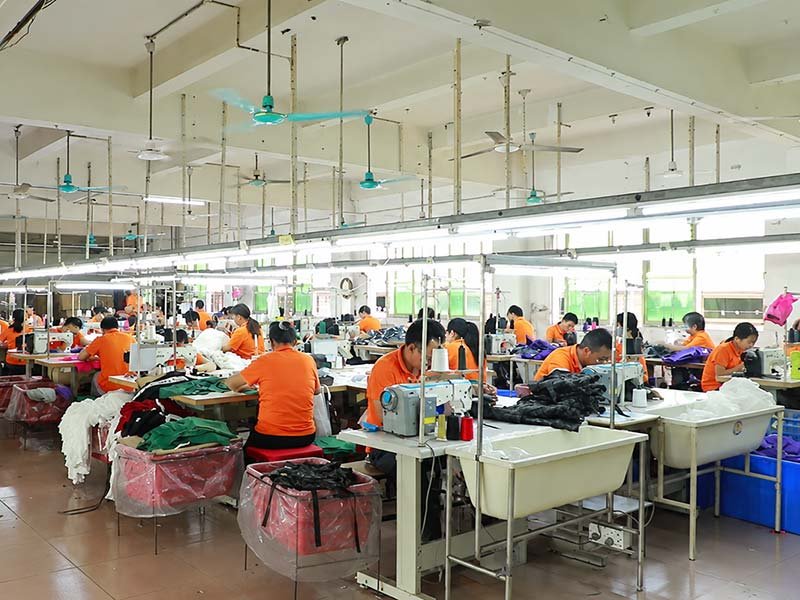
Duolan’s manufacturing network supports collection-level programs by matching each style with suitable production resources, control points and delivery priorities.

Core Factory Control

Fit-sensitive, placement-sensitive and technically complex dresses can be assigned to owned factories where pattern, sample and workmanship communication remains closely connected.

Flexible Line Support

Quick-response lines support launch orders, selected test production, repeat styles and products requiring shorter decision cycles after material approval.
Duolan garment production workshop video cover showing sewing lines and apparel production

Satellite Capacity

Long-term satellite factories support planned volume expansion and collection peaks. Assignment follows approved quality requirements and product suitability.

Special Process Coordination

Printing, embroidery, washing, dyeing and finishing resources are coordinated according to the product path. External processes remain linked to the approved sample and production record.

Parallel Style Scheduling

Collections containing 10–30 styles can be divided by material, complexity, print approval status and delivery priority. Styles do not need to wait for one single line to become available.

Unified Quality Basis

Different production locations use the same approved artwork, PP basis, measurement specifications, workmanship requirements, QC checkpoints and packing instructions.

Delivery Planning Connected to the Launch Calendar

Delivery is planned as part of the order path. Production, inspection, packing and transport choices should protect the intended launch window rather than compete for the remaining time.

Production Timing

Reference bulk lead times are 15–20 days for simple styles, 20–30 days for regular styles and 30–45 days for complex styles after required approvals and material readiness.

Express Delivery

Express shipping commonly requires approximately 3–7 days, depending on destination, carrier, customs and final address. It may suit urgent samples or selected shipment requirements.

Air Freight

Air freight commonly requires approximately 5–8 days, excluding possible customs and local handling variation. Cost, volume and launch priority are reviewed before selection.

Sea Freight

Sea freight commonly requires approximately 20–35 days according to route, port, sailing schedule and destination procedures. Adequate buffer should be included in the launch plan.

Flexible Terms

FOB, CIF and DDP arrangements can be reviewed according to project requirements. Split shipment and overseas-warehouse coordination can also be discussed.

Packing Readiness

Carton quantities, labels, marks, folding, protective materials and shipping documents are confirmed before dispatch. Final packing must protect both garment condition and print surface.

Compliance Support for International Fashion Programs

Compliance requirements are reviewed according to destination market, product type, material, print route and brand standards. Existing audits and project-specific coordination must be clearly distinguished.

SMETA Foundation

Duolan’s manufacturing system has completed SMETA and SMETA 2-Pillar auditing, supporting social-responsibility evaluation for established fashion programs.

Brand Requirements

Specific quality manuals, inspection standards, restricted-substance requirements and documentation procedures can be reviewed during supplier evaluation.

AATCC Coordination

AATCC-related textile test methods may be coordinated where required for colorfastness, dimensional performance or other textile evaluations.

ASTM Coordination

ASTM-related requirements can be reviewed according to product, market and brand specifications. Applicable tests are confirmed at project level.

Material Standards

OEKO-TEX, GOTS or other material-related requirements can be discussed according to the selected fabric source and certificate scope. Material certification is verified against the actual supplier and product.

Third-Party Inspection

Third-party inspection and testing can be coordinated according to agreed order requirements. Inspection access, standards and documentation should be confirmed before production.

Digital Print Dress Programs Delivered at Collection Scale

The following anonymized project profiles reflect the structure of collection orders Duolan is built to manage. Each program required coordinated control of artwork, fabric, fit, production and delivery.

United States Resort Collection — 18 Styles, 42,000 Pieces

A United States resortwear program included 18 maxi, midi, halter and wrap dresses across coordinated tropical and abstract print families. The total order covered 42,000 garments divided across several colorways and silhouettes.

The development challenge came from applying related artwork across different garment proportions. Large motifs that worked on maxi skirts appeared crowded on fitted mini and halter bodices. Several styles also used chiffon overlays, causing the lining color and layered fabric to alter the print depth.

Duolan separated the range into hero engineered prints, commercial all-over repeats and supporting colorways. Motif scale was adjusted by silhouette while preserving the same visual language. Strike-offs were reviewed on the intended satin, chiffon and lightweight woven bases. Lining colors were approved together with the outer fabric rather than as separate materials.

Pattern review focused on neckline placement, wrap overlap, skirt panel direction and border position. Each approved style moved through a defined sample, revision and PP path. Bulk production was divided according to material and construction sensitivity, with printed fabric shade grouping completed before cutting.

The completed program created a reusable artwork, pattern and material record for future colorway extensions and repeat production.

European Occasion Program — 12 Styles, 28,800 Pieces

A European occasionwear program covered 12 printed satin, stretch-mesh and structured dresses with a total order quantity of 28,800 pieces. Several styles combined placement motifs with fitted bodices, ruching and asymmetric skirts.

The main risk was visual movement across seams and sizes. Motifs positioned correctly on one sample size moved toward darts, cut-outs or side seams after grading. Stretch mesh also changed motif density when fitted over the body.

Duolan mapped the placement artwork against actual pattern pieces and defined reference positions for center front, neckline, waist and hem. Stretch tests were reviewed over the approved lining to confirm color, coverage and motif distortion. Satin styles received separate sewing and pressing trials to reduce puckering and surface marks.

The team separated artwork comments from fit comments during revision. Pattern changes were followed by placement rechecks, preventing an approved print file from being applied to an outdated pattern. Production began after artwork, strike-off, graded placement, PP sample and workmanship details were locked.

Inline inspection focused on motif position, shade grouping, garment measurements, ruching distribution and pressing condition. Production records were retained for planned follow-up colorways.

Australian Vacation Program — 24 Styles, 72,000 Pieces

An Australian vacation-dress program contained 24 styles and 72,000 garments across floral, gradient and scarf-inspired print stories. The collection included shirt dresses, maxi dresses, slip dresses, cut-out dresses and coordinated skirt-and-top looks.

The challenge was scheduling a large multi-style program without losing control of print approvals. Some artwork was ready for strike-off while other designs still required repeat correction. Fabric bases also included satin, chiffon, crepe and lightweight woven qualities with different print behavior.

Duolan divided the program into approval groups based on artwork readiness, fabric base and construction difficulty. Styles with standard all-over repeats entered sampling earlier, while engineered scarf and border designs followed pattern-mapping review. Each fabric received separate physical color approval.

The 24 styles were allocated across suitable production routes rather than waiting for one sequential line. Core fitted styles remained under closer factory control, while regular printed dresses moved through stable bulk lines. Unified PP references, measurement charts, artwork records and QC checkpoints were issued across the program.

Packing and shipment were planned in stages around the launch calendar. The order structure also preserved material, artwork and pattern information for repeat styles and future seasonal extensions.

Frequently Asked Questions About Digital Print Dresses

Duolan can review AI, layered PSD, print-ready PDF, high-resolution TIFF, physical swatches, original garments, placement sketches and color references. Editable source files are preferred before final production because repeat, scale, color and placement may need adjustment.
Yes. Existing repeats can be checked for seamless continuity, scale and production suitability. Artwork can also be adapted from a defined visual direction, physical swatch or reference when intellectual-property ownership and development requirements are clear.
Strike-offs form an important approval stage for digital print dresses. The selected fabric, artwork, color references and print route are reviewed before strike-off preparation. Revisions are confirmed according to physical results.
Suitable options may include polyester satin, chiffon, crepe, mesh, jersey, viscose, rayon, cotton poplin, cotton voile and other approved woven or stretch fabrics. The correct route depends on fiber content, surface, handfeel, stretch and required performance.
Yes. Placement projects are reviewed against garment pattern pieces, seam allowances, darts, panels, grading and cutting references. Exact feasibility depends on artwork, garment structure, fabric width and order requirements.
Color control uses agreed references, physical strike-offs, approved fabric bases and bulk comparison standards. Monitor colors are not treated as final production approvals.
Selected seams can be mapped and matched when garment structure, artwork and material consumption allow. Not every seam needs exact matching, so priorities and tolerances should be defined during development.
Duolan follows the approved brand size chart and grading rules. Engineered motifs may need graded placement references so critical artwork remains balanced across the requested range.
Lead time is affected by artwork readiness, strike-off approvals, fabric availability, style complexity, quantity, printing method, sample status, packing and factory scheduling. Reference bulk production periods range from 15 to 45 days according to complexity.
Consistency is supported by locking the approved artwork, strike-off, fabric, pattern, measurements, workmanship, PP basis, inspection points and packing requirements before production release.

Start Your Digital Print Dress Development Project

Send Duolan your artwork, tech pack, reference garment, print swatch or collection brief for a structured development review. Our team will evaluate print feasibility, fabric direction, motif scale, placement requirements, sample path and production readiness before confirming the next stage.

For a more accurate review, include:

  • Artwork source file or high-resolution reference
  • Repeat dimensions or placement concept
  • Pantone codes or physical color references
  • Target fabric, handfeel and garment effect
  • Dress sketches, tech pack or original sample photos
  • Sample size, size chart and grading requirements
  • Number of styles, colorways and planned quantities
  • Target sample date, launch date and delivery destination
  • Label, packaging, testing and inspection requirements
  • Current stage: artwork review, strike-off, sampling, PP approval, bulk production or repeat order


Start Your Apparel Development Project

OEM/ODM Manufacturing Support for Fashion Brands

Share your collection details, estimated quantities, target market, development timeline, and technical requirements. The production team will review your request and provide a tailored manufacturing solution based on your product category, fabric selection, construction needs, and delivery schedule.

Fashion Manufacturing Support with Scalable Production Capacity

From sample development to bulk production, Duolan supports fashion brands with confidential OEM/ODM manufacturing, stable quality management, flexible production planning, and coordinated multi-factory execution for seasonal and capsule collections.

Need Direct Assistance?

Seraphinite AcceleratorOptimized by Seraphinite Accelerator
Turns on site high speed to be attractive for people and search engines.