Skip to content

Embellishment Placement Development Solutions
Turn decorative concepts into controlled placement standards for fashion dresses, from artwork and sample fitting through PP approval and bulk production.
- 6 garment zones reviewed around neckline, bust, waist, hip, side seam and hem before placement is locked.
- 4 core embellishment families covered: embroidery, sequins, beading/pearls/rhinestones, and lace/applique combinations.
- Placement is reviewed against pattern lines, stretch direction, support structure, closures, movement and full-size grading requirements.
- 5 production control stages connect approved development to bulk: sample review, PP confirmation, first-piece check, inline control and final visual inspection.
Why Embellishment Placement Becomes a Development Problem
Visual Center Drift
Structural Interference
Symmetry Loss
Fabric Distortion
Size Scaling Changes
Bulk Position Variation
Embellishment Types Developed Around Garment Placement
Embroidery Placement

Sequin Placement

Bead and Pearl Placement

Rhinestone and Crystal Placement

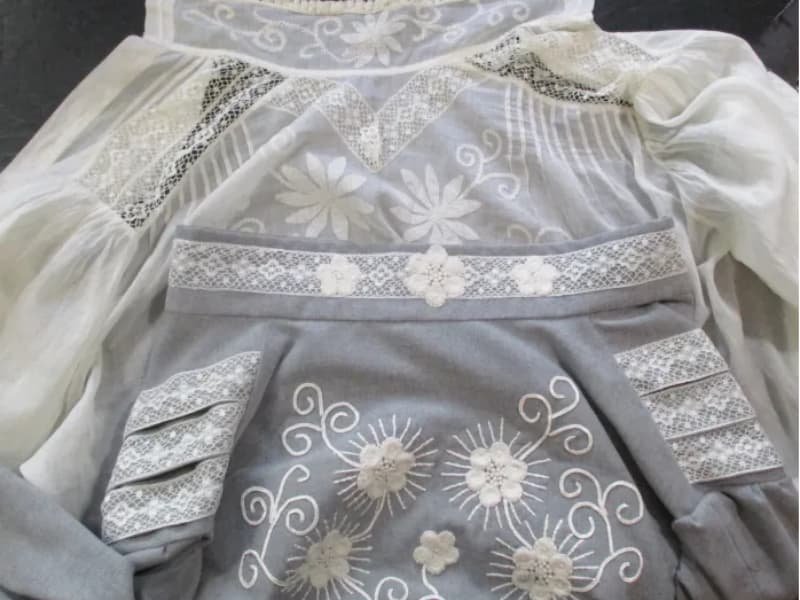
Lace and Applique Placement

Mixed Embellishment Layouts
From Design Intent to a Technical Placement Map
Define Visual Anchors Before Measuring Placement
Connect Artwork With Pattern and Construction Lines
Translate Approved Placement Into Production References
A design becomes production-ready when the approved placement can be reproduced without relying on one sample maker’s memory. The development record should identify the reference size, garment anchors, artwork orientation, key distances, symmetry rules, edge clearances and any size-dependent changes. The exact format can vary by project, but the information needs to remain clear when responsibility moves from development into production.
The sample is still important. An approved physical sample can function as a visual standard for overall balance, density and hand feel. However, a sample alone is not enough when several sizes, colors or production lines are involved. Production also needs measurable or traceable references explaining how the approved look was created. For embroidery, the artwork and panel position must align. For scattered rhinestones, application guides or controlled layouts may be required. For beadwork, the stitching area, density and local reinforcement need to match the approved standard.
Before bulk begins, Duolan connects the placement basis with PP approval and first-piece confirmation. If the final sample required a position change, the change must be reflected in the working reference rather than left only as an email comment. If size grading changes the location, the grading rule should be confirmed before multiple sizes are released. If an embellishment needs a seam clearance or attachment reinforcement, the production instruction should include it.

Fabric, Structure and Placement Must Work Together
Stretch and Lightweight Fabrics Change Visual Position
For bodycon silhouettes, the relationship between artwork and body contour is especially important. If decoration is intended to frame the waist, a flat-panel distance may not preserve the same visual effect across different body sizes. If a rhinestone pattern sits close to a cut-out, fabric stretch can narrow the gap during wear. If a beaded line follows a side waist curve, negative ease can rotate the line toward front or back. A fitting check reveals whether the design still reads from the intended viewing angle.
Lightweight woven fabrics create different risks. Satin can show needle marks and puckering around embroidery or stitched embellishment. Chiffon may not support dense beadwork without reinforcement. Fine crepe can distort if a heavy applique is concentrated on one side. Development therefore reviews both placement and the amount of structure the base fabric can carry.
The best result keeps the decoration visually strong without forcing the fabric to behave outside its natural capability.
Structured Dresses Need Placement Around Support Systems
A beaded motif placed across a boning channel may look attractive on the sketch but become bulky after reinforcement and lining are added. Crystals placed near the top edge of a strapless dress can interfere with clean edge finishing or create pressure against the skin. An applique crossing a molded cup seam can distort because the surface is three-dimensional. Dense decoration at the center front can also change how a structured panel bends during sitting and movement.
Placement review therefore uses the actual construction path. The team checks whether the decorative area remains outside critical sewing allowances, whether reinforcement is needed, whether the motif should be split at a seam, and whether the visual line should follow the garment structure instead of fighting it. When the decoration is intentionally used to emphasize structure, the placement can align with cup edges, vertical panel lines or waist shaping to make the silhouette look more controlled.
Good embellishment placement strengthens the dress design. It should not compromise support, closure performance or wear comfort.
Lining, Backing and Comfort Affect Final Placement
The reverse side of embellishment matters as much as the front. Beads, sequins, embroidery threads, heat-applied stones and applique stitching can create roughness, stiffness or local pressure. Areas near the underarm, neckline, bust edge, side waist and upper hip receive more friction during movement. A visually strong placement can become a return risk if the inside treatment is uncomfortable.
Lining decisions therefore influence placement. Full lining may isolate the wearer from beadwork or embroidery backing, but the added layer can also change drape and bulk. Partial lining may leave transparent mesh areas exposed, making backing material visible. A power-mesh support layer can stabilize a decorated area while changing stretch. In some cases, local reinforcement is more appropriate than adding a full heavy layer.
Placement around openings also needs wear testing. Rhinestones near a zipper can catch during dressing. Beads around a high slit may rub against the opposite leg. Sequins at an armhole or neckline edge can scratch unless the edge treatment is carefully planned. Decorative elements on straps need enough clearance from adjusters and attachment points.
Duolan treats these decisions as part of development, because an embellishment looking correct but wearing poorly is not a finished solution.

Compare Placement Priorities by Embellishment Type
The same garment zone can require different development rules depending on attachment method, weight, base fabric and visual role. The comparison below shows how Duolan reviews common embellishment families before sample approval.
| Embellishment Type | Main Placement Focus | Common Risk | Sample Review | Bulk Control Basis |
|---|---|---|---|---|
| Embroidery | Motif scale, orientation, seam crossing, backing | Puckering, stiffness, distorted motif | Front/back appearance, fabric stability, edge quality | Artwork position, panel reference, approved sample |
| Sequins | Direction, seam allowance, neckline/armhole/zipper clearance | Missing sequins, scratching, bulky seams | Shine direction, edge comfort, lining, construction | Approved direction, seam treatment, first-piece check |
| Beads / Pearls | Density, local weight, body stress points | Fabric sagging, drop-off, discomfort | Weight balance, attachment, reverse side, movement | Approved density, reinforcement, visual reference |
| Rhinestones / Crystals | Spacing, pattern accuracy, heat or stitch application | Misalignment, adhesion failure, stretch distortion | Worn appearance, spacing, high-contact zones | Application layout, reference points, inline checks |
| Lace / Applique | Motif direction, symmetry, seam matching, edge use | Uneven motifs, broken continuity, transparency issues | Panel alignment, lining, edge finish | Pattern placement, approved cut position, PP reference |
| Mixed Embellishment | Visual hierarchy, sequence, weight distribution | Overworked look, process conflict, uneven bulk result | Overall balance, transitions, comfort, construction | Combined craft standard, PP sample, first-piece approval |
Placement Across Sizes Requires Controlled Grading Logic
Separate Fixed, Moving and Proportional Placement Decisions
Not every embellishment should grade in the same way. A small brand mark or decorative element near a zipper may stay at a fixed distance from a construction point. A waist-framing rhinestone pattern may need to move with the waistline but keep the same artwork scale. A large embroidery motif across the front bodice may need controlled scaling so the visual coverage stays balanced as panel width increases. A hem border may remain a fixed distance from the hem while its total repeat length changes with circumference.
Development therefore starts by classifying the placement behavior rather than simply enlarging every dimension. The base-size sample establishes the intended visual relationship. The grading review then asks which relationship needs to remain constant: distance from center front, distance from neckline, relation to bust position, distance from waist seam, relation to panel edge, or overall percentage coverage.
For fitted dresses, garment stretch adds another variable. A size with more fabric width does not always create the same worn spacing because body tension can differ. A scattered crystal field across the hip may need density review even if the application template is enlarged mathematically. A motif near a cut-out may need more space from the opening in larger sizes to preserve visual balance and wear safety.
Review Critical Body Zones Instead of Scaling Blindly
Bust, waist, hip, neckline and hem areas change differently during grading. A bust motif must follow changes in bust width, cup shaping and neckline depth. Waist decoration needs to stay visually connected to the natural or designed waist position. Hip decoration can rotate around the body if panel width changes without considering where the motif should be seen from the front. Shoulder and strap embellishment must work with strap length and attachment points. Hem treatment needs to maintain intended border depth and movement.
For a typical XS-XL fashion dress range, the team can use one approved base size as the main development reference while checking critical sizes where proportion changes are more visible. The exact review plan depends on silhouette and embellishment complexity. A simple centered embroidery may need fewer checkpoints than a crystal layout traveling from bust through waist and hip. Corset styles may need separate review of cup position and boning alignment. Mesh styles may require additional checks because stretch can change the appearance of spacing.
Duolan links placement review with the garment grading system instead of treating embellishment as a separate layer added after size development. If the pattern changes, placement references are reviewed with it. If fit comments alter neckline, waist or panel shape, the embellishment map is updated before PP approval.
Lock Size Rules Before Bulk Release
Once the grading approach is approved, size-dependent placement rules need to enter the production basis. A common failure occurs when a revised sample is approved but only the garment measurements are updated, while embellishment instructions remain based on the earlier version. Bulk then reproduces an outdated position even though the final fit is correct.
The production release should therefore identify the approved base size, any sizes requiring adjusted artwork or position, and the construction references used for each rule. If one motif remains fixed while another scales, the distinction must be visible to production and QC. If an embroidery program uses separate files by size, file naming and panel assignment need to stay controlled. If rhinestone layouts use different templates, the correct template must be matched to the correct size before application.
PP review provides the final opportunity to confirm the relationship between garment size and placement before bulk. First-piece inspection then checks whether production has reproduced the approved rule. Inline checks focus on consistency, not only attachment quality.
A reliable size system protects the design from looking correct in one sample and inconsistent across the selling range.

Craft-Specific Placement Controls for Fashion Dresses

Embroidery on Mesh and Wovens

Sequins Around Construction Edges
Sequin placement becomes difficult around necklines, armholes, zippers, slits and seam allowances. Production may need local sequin removal or a controlled clear zone so seams remain clean and comfortable. Direction also matters because neighboring panels can reflect light differently if the sequin lay changes. Development checks front appearance, reverse-side comfort, lining and edge handling, then uses the approved sample to establish the expected shine, density and finishing standard.

Beads, Pearls and Rhinestones
Beads and stones are reviewed by density, weight, attachment and body contact. Heavy concentration around the bust, waist or hem can change garment drape, while scattered crystal layouts can look uneven if spacing drifts. The reverse side is checked for thread security, reinforcement and roughness. For rhinestones, placement is reviewed under garment stretch and normal light reflection. The approved layout needs enough technical reference for the same visual rhythm to be repeated in bulk.

Lace, Applique and Mixed Surfaces
Lace and applique placement often interacts with transparency, lining and panel edges. A motif can be used to frame a cup, follow a waist seam, continue across a side panel or create a controlled hem finish. The team checks motif direction, mirror balance, overlap, seam continuity and edge use. When applique is combined with embroidery, sequins or crystals, the production sequence is also reviewed so later decoration does not distort earlier placement or create unnecessary bulk.
A Controlled Workflow From Artwork to Bulk Placement
1. Project Input Review
2. Placement Mapping
3. Material and Craft Check
4. Craft Swatch or Panel Trial
5. First Sample Review
6. Placement Correction
7. PP Sample Locking
8. First-Piece and Bulk Control
Sample Review Should Explain Why Placement Is Wrong
Diagnose the Visual Error Before Moving the Artwork
A placement can appear low for several reasons. The artwork may genuinely be positioned too low from the neckline. The neckline itself may be deeper than intended. Bust shaping may push the motif downward on the body. Stretch may lengthen the panel under wearing tension. A heavy beaded area may pull the fabric after the sample hangs. Simply moving the motif upward can hide the symptom while leaving the real cause unresolved.
Duolan reviews the garment in both flat and worn states. The team compares the decoration with body landmarks, pattern seams and design references. For symmetrical layouts, left-right balance is checked from the front and on the pattern pieces. For curved motifs, the angle and visual flow are reviewed rather than only the top-point measurement. For scattered embellishment, density distribution is checked because a visually heavy area can make the placement look off-center even when the physical center is correct.
Fit comments are considered alongside placement comments. If the waistline shifts upward after pattern correction, a waist-framing motif may need to move with it. If the cup shape changes, decoration around the bust may need remapping. If a side seam rotates because of fit imbalance, a side embellishment can also rotate visually. The technical correction therefore follows the garment development change, not an isolated decoration instruction.
Correct Position, Scale, Density and Orientation Separately
Not every placement problem is solved by changing position. Sometimes the center is correct but the motif is too large for the garment zone. A crystal curve may sit in the right area but use spacing becoming visually dense across a smaller size. An embroidered motif can have correct boundaries yet feel heavy because stitch density makes the fabric stiff. Sequins can be correctly placed but reflect unevenly because neighboring panels use different direction.
Development comments therefore separate four decisions: position, scale, density and orientation. Position defines where the decoration sits. Scale defines how large the motif or covered area is. Density defines how concentrated the surface treatment becomes. Orientation defines the direction the artwork or decorative elements follow. Adjusting the correct variable prevents unnecessary rework.
A rhinestone line around a neckline may need the same position but slightly reduced density near the shoulder. A bead cluster on a corset may stay centered but move away from a boning channel. An applique may keep its scale but rotate to follow a curved waist seam. An embroidery panel may need a smaller motif in one size while keeping the same center-front anchor.
By separating the variables, the revised sample becomes a controlled comparison rather than another visual guess.
Confirm the Revision on Garment, Not Only Artwork
After correction, approval returns to the physical garment. The revised artwork may look balanced on screen but still behave differently once stitched, pressed, lined and worn. The team checks the final visual center, seam relationships, hand feel, body movement and interaction with nearby trims or closures.
For fitted or structured styles, mannequin or fit review is especially important because body curvature changes spacing. For mesh styles, transparency and backing are checked under the decorated area. For beadwork, the garment is reviewed after hanging so local weight can settle. For sequins and crystals, reflected light helps reveal uneven density or orientation not always obvious in a flat technical drawing.
Once the revision is accepted, the updated placement reference becomes the development basis for PP sample preparation. Old artwork versions, outdated measurements or superseded comments should not remain active in the production path. Clear version control avoids a common problem where production follows an earlier placement while the garment itself follows the latest pattern.Sample review therefore does more than improve one piece. It creates a cleaner technical handover into production.

What to Send Before Placement Development Starts
Artwork or Reference Images
Garment Technical Information
Material and Craft Direction
Size Range and Production Plan
Lock Approved Placement Before Bulk Production Begins
Consolidate the Latest Approved Placement Version
The team checks whether the approved sample matches the current artwork or placement map. If the neckline, waist, cup or seam shape changed during fit correction, decorative anchors are reviewed again. If the motif size changed, the production file needs to match the approved scale. If bead density or rhinestone spacing was altered during sample development, the approved arrangement should be visible in the production reference rather than left only in a message thread.
The same review applies to colorways. A placement may stay constant while material color, crystal shade or embroidery thread changes. If darker or lighter colorways create different visual contrast, the team can confirm whether the same density still produces the intended result before all colors are released.
A clean version handover reduces the chance of producing the correct garment with the wrong decoration position.
Use PP Sample as a Production Decision Point
PP approval is not only a final appearance check. It confirms whether the garment construction, material, embellishment method and placement basis are ready to move together into bulk. The review checks the relationship between decoration and critical construction points, including seams, closures, support areas, lining and finished edges.
- For embroidery, PP review confirms motif position, thread appearance, backing and panel stability.
- For sequins, it confirms direction, seam treatment, edge comfort and lining.
- For beadwork, it confirms density, attachment, local weight and reverse-side treatment.
- For rhinestones, it confirms spacing, alignment and behavior on the finished garment.
- For lace or applique, it confirms motif direction, overlap, symmetry and edge use.
Size-specific rules are also checked before release. If an artwork changes by size, PP documentation should make the distinction clear. If a motif stays fixed from a construction anchor, the team confirms production understands the anchor. If a position shifts after grading, the updated reference should be associated with the correct size group.
Confirm First Piece Before Repetition Multiplies Error
The inspection compares the garment with the approved reference and checks center, distance from key seams or edges, symmetry, orientation, density and craft quality. Construction around the decorated zone is also reviewed because a correct motif can still look wrong if a seam has shifted, the panel is stretched differently or the garment has been pressed out of shape.
Once the first piece is confirmed, inline QC focuses on consistency. The objective is not to re-design the placement during production, but to identify drift early. Final inspection then checks overall appearance, attachment, missing elements, contamination, damage and packing protection.
The approved sample becomes a production standard only when these control points make its result repeatable.

Placement QC From PP Sample Through Final Inspection
Placement QC should verify both craft quality and visual position. A secure rhinestone in the wrong place is still wrong; a perfectly centered motif with weak attachment is also unacceptable. Production checks therefore combine both dimensions.
| Control Stage | Placement Check | Craft Check | Main Reference | Evidence Produced |
|---|---|---|---|---|
| PP Sample | Visual center, boundaries, symmetry, size rule | Attachment, backing, edge treatment, hand feel | Approved development sample / latest map | PP approval notes and detail photos |
| First Piece | Position reproduction, seam/edge distance, orientation | Stitch or application method, reinforcement | PP standard and production instruction | First-piece confirmation record |
| Inline Inspection | Drift, spacing, left-right balance, correct size layout | Missing elements, loose attachment, local defects | Approved reference by style/size | Inline QC photos and defect notes |
| Final Inspection | Overall appearance, colorway consistency, visual balance | Loose beads, missing sequins, adhesion, surface damage | Final QC standard | Final inspection record |
| Packing Review | Decoration protected after folding or hanging | Abrasion, crushing, snagging risk | Packing requirement | Packed-garment and carton check |
When Duolan Recommends Adjusting Embellishment Placement
Construction Conflict
Wearability Conflict
Fabric and Weight Conflict
Heavy beadwork can pull mesh or chiffon out of balance. Dense embroidery can make a soft panel stiff. Crystal layouts on stretch fabric can open up under tension. A large applique can change drape or create local puckering. Development may change density, backing, reinforcement, motif scale or location so the base fabric can support the decoration while preserving the silhouette.
Repeat Production Conflict
Dress Categories Where Placement Control Matters Most

Party Dresses

Occasion Dresses

Corset and Bustier Dresses

Bodycon Dresses

Mesh and Sheer Dresses

Sequin and Beaded Dresses
Anonymous Placement Development Case for a Partywear Program
Project Background and Placement Risks
An established North American partywear brand developed an 18-style seasonal program totaling 42,600 pieces across 31 style-color combinations. The assortment included fitted mini dresses, corset-led silhouettes and occasion mini/midi styles using rhinestones, sequins, pearl details and localized embroidery. The selling range covered XS-XL, with several styles using stretch mesh or fitted woven constructions.
The main development risk appeared in placement consistency rather than basic craft availability. Several artworks crossed body-sensitive zones: crystal curves near bust and waist shaping, scattered rhinestones across stretch side panels, pearl accents close to corset seams, and embroidery positioned on semi-sheer mesh. Flat artwork looked balanced, but first-sample review showed three different issues. One waist crystal line rotated toward the side after the dress was worn. A pearl cluster created excess pull near a corset panel seam. An embroidery motif on mesh looked centered in the flat panel but shifted visually after the garment stretched across the bust.
The brand team needed one program-level approach rather than separate factory fixes for every style. Development therefore grouped problems by visual anchor, construction interference, fabric response and size behavior. Each style kept its own aesthetic, but the review method remained consistent so approvals could move across the program without creating disconnected standards.No brand name, label artwork or unreleased design is displayed in the public evidence set.
Development Corrections and Approval Actions
The first action was to remap critical motifs from garment construction points rather than using only flat artwork coordinates. The waist crystal line was re-anchored from center front and waist seam references, then checked on the fitted garment to stop the visual rotation. The pearl cluster was shifted away from the corset seam and its local density was reduced so the panel kept a cleaner surface without losing the intended focal point. For the mesh embroidery, the motif relationship to bust position and panel stretch was reviewed together; artwork position and local stabilization were adjusted as one decision.
Size review followed before PP locking. The team did not apply one universal grading rule. Some placements remained fixed from a seam or neckline reference. Others moved with the waist or bust relationship. Larger decorative fields used controlled scale or spacing adjustments so visual coverage remained balanced across XS-XL. The size rules were recorded alongside the garment development updates so a later pattern correction would not leave the embellishment map behind.
Craft trials and revised samples were checked for front appearance, reverse-side comfort, seam clearance and movement. Sequins close to edges received additional finishing review. Rhinestone layouts were checked on garment tension rather than only relaxed fabric. Pearl and bead areas were reviewed after hanging so local weight could settle before approval.The final PP stage consolidated placement, material, pattern and craft comments into one production basis by style.
Production Control and Program Outcome
First-piece checks were used to confirm whether the approved placement could be reproduced under production conditions. Inspection focused on visual center, symmetry, spacing, orientation and distance from critical seams, while separate craft checks covered missing elements, attachment and reverse-side finishing. Inline inspection continued the same logic so a garment could not pass simply because the decoration was secure; it also needed to sit where the approved standard required.
The 18-style program moved into bulk with the placement rules connected to each style’s pattern and craft method. Size-sensitive layouts were controlled by the approved grading approach rather than one generic template. Styles using stretch mesh received closer checks around distortion zones, while structured styles received closer checks around boning, cup seams and closures. Packing protection was adjusted for heavily decorated pieces to reduce crushing and abrasion during delivery.
The useful outcome was not a claim every style needed the same correction. The program established a repeatable decision process: identify the visual anchor, check structure and fabric response, correct the right variable, lock the approved sample, then verify first-piece and inline reproduction. The approach allowed a multi-style order of 42,600 pieces to move from individual decorated samples into a more controlled program-level production standard.

Evidence Making Placement Development Easier to Verify
Annotated Artwork
Show the artwork with center lines, garment anchors, boundaries and orientation. A useful annotation explains where the design is supposed to sit and which construction point controls the position instead of showing an isolated decorative image with no garment relationship.
Pattern Overlay
Craft Swatches
First Sample Details
Revision Comparison
PP Approval Reference
First-Piece QC
Inline and Final Evidence
Why Duolan Fits Embellishment-Heavy Dress Programs
Dress-Focused Development Experience
Decorative Craft Development Depth
Development-to-Production Organization
Brand-Level Quality and Compliance Readiness
Frequently Asked Questions About Embellishment Placement Development

Send Your Placement Project for Development Review
Share the material you already have – artwork, reference images, tech pack, original sample photos or marked fitting comments. Duolan will review the garment zone, intended visual effect, base fabric, construction lines, size range and planned embellishment method before recommending the most suitable development path. Along with visual position, the review considers seam clearance, local weight, stretch response, lining or backing, reverse-side comfort and whether the approved result can be repeated through PP and bulk production. The review is designed for established fashion programs needing a clear transition from decorated sample to repeat production, especially party, occasion, fitted, corset, mesh, sequin, beaded and rhinestone dress projects. For multi-style programs, indicate which styles share artwork, materials or construction so common placement rules can be reviewed together. If placement information is incomplete, send the available files first; the team can identify which anchors, size rules, craft trials or sample checks need to be confirmed before development moves forward.
Please include where available:
- Product type and target market
- Artwork, reference image or tech pack
- Base fabric and lining direction
- Embellishment type and target visual effect
- Base sample size and planned size range
- Number of styles, colorways and target quantity
- Fit comments or previous placement issues
- PP or bulk timeline if already planned