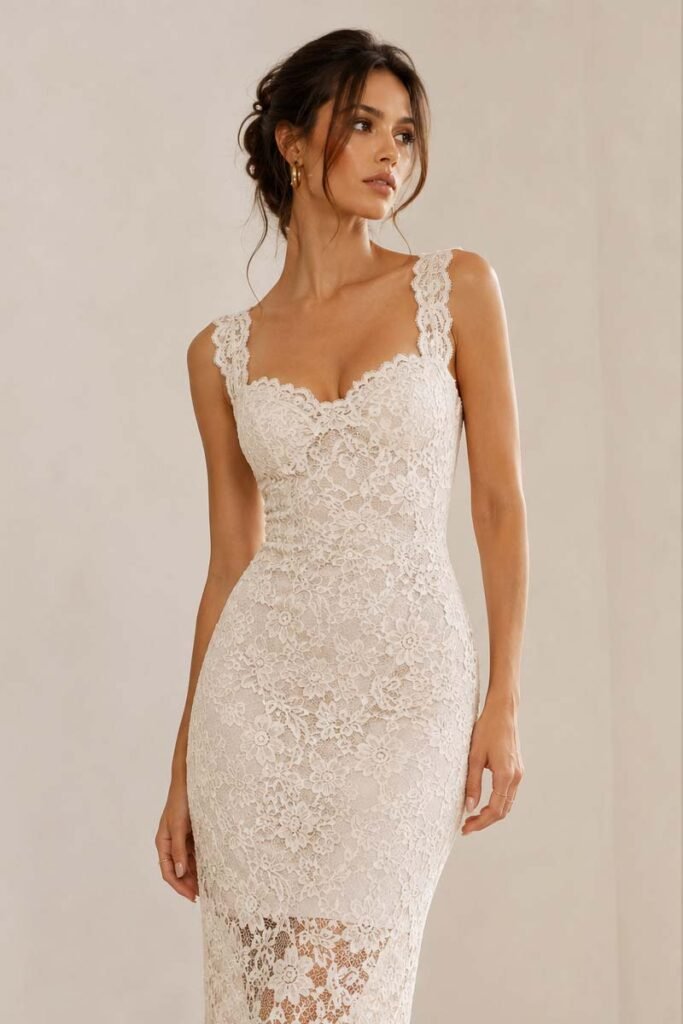
...

Fashion Brand Compliance Support

Manufacturer-side compliance coordination for established fashion brands, from supplier evaluation and product development through controlled bulk production and shipment release.

  • SMETA 2-Pillar audit record available for qualified supplier evaluations
  • 16 owned womenswear factories supported by 20+ long-term satellite factories
  • 300 sewing lines, including 50+ quick-response and flexible production lines
  • Stable monthly capacity of approximately 6.5 million garments
  • Monthly sample-development capacity of approximately 15,000-35,000 pieces or development iterations
  • Reference bulk lead times: 15-20 days for simple styles, 20-30 days for regular styles, and 30-45 days for complex styles after approvals and materials are locked

Compliance Support Built for Established Fashion Teams

Duolan works with organizations that need product development, manufacturing discipline, documented controls, and repeatable execution across collections rather than a one-off garment transaction.
Category Balance for Fashion Brands​

Global Fashion Brands

Global labels need a manufacturing partner capable of entering established vendor systems without slowing product calendars. Duolan supports supplier information requests, audit-document preparation, approved testing workflows, brand manuals, labeling rules, quality checkpoints, and shipment records. The manufacturing network can allocate core styles to owned factories while coordinating suitable capacity for multi-style programs. Project communication remains tied to style, color, size, quantity, approval status, and delivery milestones so compliance requirements stay connected to the actual order rather than sitting in a separate file.

Sourcing Offices

Sourcing offices often manage several brands, factories, test protocols, inspection dates, and approval chains at once. Duolan organizes project inputs into a clear manufacturing path: supplier evaluation, product feasibility, material and trim confirmation, sample review, bulk readiness, in-line control, final inspection, and packing release. Documentation can be shared in a controlled manner, including factory profiles, relevant audit records, production-flow summaries, quality procedures, and project-specific status records. The aim is fewer missing documents, fewer late-stage surprises, and clearer accountability across development and production.

Compliance and Quality Teams

Compliance and quality teams need evidence, not broad promises. Duolan can receive brand-specific vendor manuals, restricted substance requirements, testing protocols, quality standards, social-audit requirements, label rules, packaging instructions, and third-party inspection procedures. Each requirement is translated into manufacturing checkpoints and assigned to the relevant development, sourcing, production, quality, or shipment stage. Independent laboratories and audit organizations remain responsible for formal reports and certifications, while Duolan supports sample preparation, records, access, corrective action, and production implementation.

Product Development Teams

Development teams need compliance considered before a style is locked. Fabric behavior, trim construction, skin contact, support structure, transparency, stretch recovery, embellishment security, care instructions, and future bulk reproducibility can all affect approval. Duolan reviews these factors while the pattern, materials, sample purpose, and workmanship route are still adjustable. The result is a more decision-ready sample and a clearer path toward pre-production approval, testing, and bulk manufacture, especially for fitted, structured, satin, mesh, sequin, halter, and backless dresses.

Compliance Risks That Disrupt Fashion Production

Most costly failures begin before the final inspection. Early control links brand requirements to materials, samples, production decisions, labels, packing, and release records.

Supply RiskHow It Usually StartsDuolan Control Point
Late supplier approvalFactory records, audit evidence, or ownership details arrive after development beginsPrepare a controlled supplier evaluation pack before project launch
Missing material evidenceFabric or trim documents cannot be matched to the approved styleLink material records to style, color, supplier, and approval status
Testing arranged too lateA failed report delays production or forces material replacementConfirm the test plan during material and sample review
Label or barcode errorsApproved artwork, placement, or code data is not locked before packingRun artwork, placement, first-piece, and packing-sample checks
Sample-to-bulk driftApproved fit, fabric, color, or workmanship changes during scale-upLock the PP basis, material direction, tolerances, and critical workmanship points
Inspection findings remain openDefects are recorded without containment, root-cause work, or closure evidenceUse documented containment, correction, recheck, and reinspection support

Clear Responsibilities Prevent Compliance Gaps

Duolan provides manufacturing-side support and documented execution. Formal legal advice, independent audits, laboratory reports, certifications, and final brand approvals remain with the appointed parties.

Compliance AreaBrand TeamDuolanIndependent Party
Applicable laws and market scopeShares target markets and internal policyProvides manufacturing information when requestedLegal counsel, authority, or appointed specialist advises where required
Supplier social auditDefines accepted scheme and risk thresholdProvides access, records, responsible contacts, and corrective-action supportApproved audit body performs and issues the audit result
Product testingApproves protocol, laboratory, and acceptance criteriaPrepares samples, identifies materials, tracks reports, and implements correctionsQualified laboratory conducts tests and issues reports
Material claimsApproves claim language and evidence requirementsCollects available supplier records and links approved materials to the orderCertification body or platform validates claims where applicable
Labels and packagingApproves wording, artwork, legal content, and warehouse rulesCoordinates production, position, first-piece checks, barcode checks, and packing executionExternal verifier may inspect if appointed
Final shipment releaseConfirms acceptance route and any waiver authorityCompletes internal checks, supports inspection, closes findings, and prepares shipment recordsThird-party inspector verifies independently when required

Compliance Support Across the Manufacturing Lifecycle

Requirements enter the project before sampling and remain visible through material approval, bulk production, inspection, packing, shipment, and repeat-order preparation.

Supplier Evaluation

The first stage covers factory identity, manufacturing scope, audit status, product focus, production structure, quality procedures, and document availability. Duolan can prepare a controlled supplier information set for qualified evaluations, including relevant SMETA records, factory profiles, production-flow summaries, and quality-control outlines. Sensitive records can be shared after qualification or under an NDA.
2. United Kingdom|Occasion Dress Centralized Sample Review (1)

Requirement Review

Vendor manuals, RSL documents, testing protocols, labeling rules, packaging guides, quality tolerances, inspection procedures, and delivery instructions are reviewed before the development path is finalized. Requirements are divided by owner and timing, creating an actionable checklist rather than an unread reference folder. Missing inputs are raised while changes are still manageable.

Material Alignment

Fabric, lining, zipper, boning, elastic, hooks, stones, sequins, embroidery threads, prints, and packaging materials are checked against the approved design and relevant brand requirements. Available supplier records are linked to the style. Test samples can be prepared before materials are released for bulk use.

Sample Validation

The sample stage checks fit, coverage, support, fabric behavior, trim application, care implications, and the feasibility of reproducing the approved appearance in quantity. Comments are converted into pattern, material, workmanship, and measurement actions. Pre-production readiness is evaluated before the production line is released.

Bulk Control

Approved sample references, material standards, color direction, workmanship details, tolerances, label files, and packing instructions are locked before production. First-piece or pilot verification is used for fit-sensitive, structure-sensitive, and embellished styles. In-line checks focus on risks that can grow quickly during volume production.

Release and Records

Final dimensions, appearance, workmanship, needle detection where applicable, labels, barcodes, packing, carton marks, and shipment requirements are reviewed before release. Third-party inspection can be coordinated. Reports, packing lists, inspection records, corrective-action evidence, and shipment documents form a usable project record for future repeats.

Supplier Evaluation Evidence Prepared for Brand Review

Procurement decisions move faster when factory identity, audit status, manufacturing scope, quality discipline, and project ownership are presented in a structured and verifiable format.

A Supplier Pack Built Around Decision Needs

A useful supplier pack should help a brand decide whether a manufacturing partner is suitable for development, qualification, and production. Duolan can organize available information into a clear evaluation set rather than forwarding unrelated files. The pack can include company identity, product focus, factory structure, relevant production locations, owned and satellite capacity, development resources, quality-control flow, social-audit status, and the responsible contact for compliance coordination.
Duolan’s manufacturing system includes 16 owned womenswear factories and more than 20 long-term satellite factories. The broader supporting network includes more than 12,000 workers, 300 sewing lines, and over 50 quick-response or flexible lines. These figures matter because supplier evaluation should connect stated capability to the planned collection. Core styles and higher-risk programs can be assigned to owned facilities, while suitable capacity can support multi-style production and repeat orders.
A supplier evaluation should also show product relevance. Duolan focuses on fashion dresses, occasion dresses, party dresses, fitted silhouettes, fashion sets, and refined fashion tops. Development evidence can include sample-room work, pattern review, fabric and trim boards, construction details, quality checkpoints, and controlled packing records. The objective is a credible manufacturing picture, not a generic factory presentation.

Controlled Sharing Protects Sensitive Information

Audit reports, workforce records, production layouts, client manuals, testing files, and order documents may contain sensitive information. Duolan can share appropriate records after the receiving organization and project scope are confirmed. An NDA can be used before detailed audit materials, production files, or brand-specific records are released. Redacted summaries can support early evaluation, while full supporting records can be made available during formal onboarding where appropriate.
Document control should identify the file owner, issue date, applicable facility, current version, and project relevance. A social-audit record from one facility should not be presented as coverage for every site. A material certificate should not be treated as evidence for a style unless the material, supplier, color, and order can be matched. Duolan’s role is to keep manufacturing evidence linked to the actual project and to avoid broad claims unsupported by current records.
Procurement teams can request a tailored pack covering supplier information, SMETA 2-Pillar status, quality flow, production path, sample-development capacity, factory allocation, third-party inspection cooperation, and available compliance contacts. The format can be aligned with a brand questionnaire or vendor portal to reduce duplicated work.

Controlled Sharing Protects Sensitive Information

Audit reports, workforce records, production layouts, client manuals, testing files, and order documents may contain sensitive information. Duolan can share appropriate records after the receiving organization and project scope are confirmed. An NDA can be used before detailed audit materials, production files, or brand-specific records are released. Redacted summaries can support early evaluation, while full supporting records can be made available during formal onboarding where appropriate.

Document control should identify the file owner, issue date, applicable facility, current version, and project relevance. A social-audit record from one facility should not be presented as coverage for every site. A material certificate should not be treated as evidence for a style unless the material, supplier, color, and order can be matched. Duolan’s role is to keep manufacturing evidence linked to the actual project and to avoid broad claims unsupported by current records.

Procurement teams can request a tailored pack covering supplier information, SMETA 2-Pillar status, quality flow, production path, sample-development capacity, factory allocation, third-party inspection cooperation, and available compliance contacts. The format can be aligned with a brand questionnaire or vendor portal to reduce duplicated work.

Qualification Continues Into Project Launch

Passing an initial review does not remove production risk. Once a brand accepts Duolan for development, the compliance work moves into a style-level launch process. The team confirms product category, target markets, testing route, material evidence, label responsibilities, packaging rules, inspection expectations, shipment records, and any approved third-party providers. Requirements are converted into checkpoints with clear timing and ownership.

Duolan’s monthly development system can support approximately 15,000-35,000 sample pieces or development iterations and 3,000-8,000 style-development workflows. Capacity alone does not guarantee control, so each project still needs a defined development basis, sample purpose, risk note, and production-readiness review. Complex fitted, structured, sheer, satin, or embellished dresses require a more detailed route than a straightforward woven style.

A qualified supplier relationship becomes valuable when the evaluation evidence remains consistent with daily execution. Duolan connects the initial supplier pack to material approvals, sample records, bulk controls, inspection support, packing checks, and shipment documentation, creating a continuous record from onboarding to repeat production.

Factory and Social Compliance Readiness

Duolan maintains an established social-audit foundation and supports brand-specific evaluation, document preparation, site access, corrective action, and follow-up verification where required.

SMETA Audit Record

Duolan’s manufacturing system has completed a SMETA audit and a SMETA 2-Pillar audit, with a social-audit record available for qualified evaluations.

Relevant documents can be shared through a controlled review process. The record supports supplier onboarding, but project teams should still confirm the applicable facility, report date, scope, and any follow-up requirements before relying on it for a specific order.

Brand-Specific Assessments

Many established labels use their own vendor questionnaire, code of conduct, facility risk screen, or approved audit route. Duolan can prepare responsible contacts, facility details, production information, available employment and health-and-safety records, quality procedures, and access for an appointed assessment. Requirements related to BSCI, ISO 9001, AATCC, ASTM, OEKO-TEX, EN, China GB, GOTS, or other brand standards are handled as alignment and execution requirements, not presented as universal Duolan certifications.

Corrective Action Support

Audit findings require clear ownership and evidence. Duolan can support containment, responsibility assignment, corrective-action planning, document updates, workplace or process changes, photo evidence, training records, and follow-up access.

Closure remains subject to the appointed audit body or brand approval. A finding is not treated as closed merely because a response was sent; the action and evidence must address the stated requirement.

Brand Standards Translated Into Manufacturing Actions

Compliance manuals become useful only after each requirement is assigned to a material, development, production, quality, packing, or shipment checkpoint.

Vendor Manual

Supplier policies, approval routes, subcontracting rules, communication requirements, escalation paths, and record-retention expectations are summarized into a project checklist. Facility allocation and any external process partners are reviewed before production. Changes that affect the approved manufacturing path are raised rather than handled informally.

Restricted Substances

A brand RSL or chemical protocol is reviewed against the intended fabric, lining, print, coating, adhesive, metal trim, stone, sequin, elastic, zipper, and packaging components. Required tests are identified with the nominated laboratory or approved route. Materials are not described as compliant without applicable evidence.

Testing Protocol

Test scope, sample quantity, color coverage, component grouping, report format, acceptance criteria, and retest rules are confirmed before submission. Duolan prepares traceable test samples, tracks outstanding reports, and links approved results to the material and style record used for production.

Quality Standard

Measurement tolerances, visual criteria, seam and workmanship expectations, shade limits, embellishment security, appearance standards, inspection level, defect classification, and approval references are converted into production and QC checkpoints. High-risk points receive additional checks during pilot and in-line stages.

Labeling Rules

Approved content, artwork, language, size presentation, care symbols, fiber information, country-of-origin information, brand labels, hangtags, barcode data, and placement instructions are managed through an approval route. Duolan executes the approved version rather than independently determining legal wording.

Packing Guide

Folding, tissue, hanger, polybag, warning text, barcode position, ratio packing, carton quantity, carton marks, weight limits, assortment, and warehouse routing are confirmed before the packing line begins. A packing sample or first packed piece can be reviewed before full release.

Compliance Controls Matched to Fashion Dress Risks

Different silhouettes fail in different ways. Product-specific controls improve fit, safety, durability, comfort, test planning, and sample-to-bulk consistency across fashion collections.

Bodycon Dresses

Bodycon compliance work begins with stretch direction, recovery, opacity, seam extension, negative ease, and size grading. A fabric can pass a basic specification yet still create transparency, seam grin, distortion, or poor recovery in the finished garment. Duolan reviews lining need, panel direction, stitch elasticity, measurement priority, and test-sample conditioning before bulk. Approved stretch and handfeel references should be linked to the production lot.

Corset Dresses

Corset and bustier styles need controlled cup position, boning length, channel construction, edge finishing, closure strength, under-bust balance, and skin-contact comfort. Decorative structure cannot replace functional support. Pilot or first-piece review is especially important because small placement errors can become major fit failures across a size range. Boning, cups, hooks, zippers, elastic, and lining should be confirmed as part of the approved trim set.

Satin Dresses

Satin exposes needle marks, seam puckering, pressure shine, shade variation, snagging, and poor pressing. Material evaluation should consider weight, drape, surface sensitivity, seam construction, lining, cutting direction, and care route. Production control needs protected handling, consistent machine settings, clean work surfaces, controlled pressing, and appearance checks under suitable lighting. Bulk fabric shade and handfeel should be compared with the approved sample reference.

Mesh and Lace

Mesh and lace require coverage planning, stretch alignment, seam placement, edge treatment, motif positioning, lining compatibility, and attachment security. Sheer areas must match the approved design and intended wearing context. Layer tension can distort fit even when the base pattern is correct. Duolan reviews overlap, support, bra coverage, reinforcement, and skin-contact points during sampling, followed by pilot verification for bulk-sensitive constructions.

Sequin Dresses

Sequin garments carry risks involving sharp edges, skin irritation, weight, stitch security, shedding, seam bulk, broken decoration, and packing abrasion. Sequin density and base-fabric strength must support the silhouette. Cutting and seam areas may require clearing or controlled trimming. Duolan evaluates application direction, reinforcement, lining coverage, repair standards, needle control, and protective packing before volume production.
Halter and Backless Dresses

Halter and Backless

Halter and backless designs depend on strap strength, neck pressure, bust support, edge stability, closure placement, modesty coverage, and recovery after wear. A visually accurate sample can still fail during movement. Duolan checks support routes, elastic or tape application, reinforcement points, seam balance, and grading logic. Fit comments are translated into pattern and construction changes rather than treated as isolated measurements.

Occasion Dresses

Occasion and party dresses often combine shape-sensitive fit with satin, mesh, boning, pleating, draping, stones, sequins, or structured linings. Compliance control must integrate material testing, comfort, attachment security, finish quality, and delivery timing. A clear hierarchy of critical points helps production teams protect the visual result without losing repeatability. Complex styles should follow a first-piece or pilot route before the full production release.
Fashion Sets​

Fashion Sets

Coordinated sets require shade matching, compatible shrinkage, consistent handfeel, balanced size grading, and correct packing as linked pieces. Tops and skirts or trousers may use different construction routes while still needing one visual standard. Duolan manages component approvals, set identification, ratio packing, barcode logic, and final pairing checks so the collection reaches the warehouse as the approved coordinated product.

Fabric and Trim Compliance Starts Before Cutting

Material approval must connect composition, performance, chemical requirements, visual standards, supplier records, and production lot control to the exact style and color entering manufacture.

Composition, Identity, and Lot Control

Material control begins with accurate identification. Fabric name alone is not enough; the project record should connect fiber composition, construction, weight or range where relevant, stretch direction, finish, color, supplier, approval status, and applicable lot. Lining, interlining, elastic, zipper tape, boning, cups, hooks, stones, sequins, lace, mesh, and labels also need clear identification when they affect compliance or performance. Duolan’s fabric and trim development resources can compare drape, handfeel, opacity, recovery, surface sensitivity, color, and construction suitability before the sample direction is locked. The goal is not merely to locate a visually similar textile. The approved material must support the silhouette, required workmanship, care route, test plan, and bulk consistency. A satin selected for a bias-cut slip dress needs a different control focus from a high-recovery knit selected for a bodycon dress. Before cutting, production references should confirm the approved material and relevant color or lot direction. Shade, handfeel, width, weight where specified, visible defects, shrinkage information, and test status are reviewed according to project needs. Any material change after approval should return to the responsible review route rather than being substituted on the line.

Restricted Substances and Laboratory Evidence
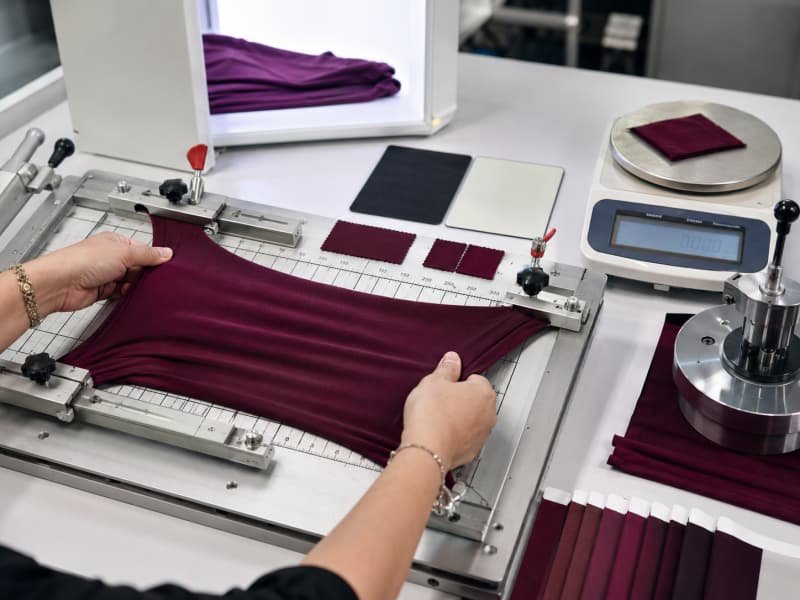
Chemical requirements vary by target market, product type, material, finish, print, coating, adhesive, metal component, and brand policy. Duolan can receive a brand RSL, testing protocol, or component-specific instruction and coordinate the manufacturing inputs needed for an approved laboratory submission. Formal test selection and acceptance criteria remain with the brand or appointed specialist. Test samples need traceability. A report is useful only when the submitted material can be linked to the supplier, color, component, style, and production plan. Duolan can prepare fabric swatches, trim sets, printed panels, decorated components, or finished garments as required by the approved protocol. Report status, failed items, retest actions, and material replacement decisions can be recorded within the project file. A passed report does not replace production control. Approved material identity still needs to be maintained during sourcing, receiving, cutting, and bulk release. When a component changes, the test route may need review. Duolan avoids broad statements such as ‘all materials are certified’ unless the applicable evidence and scope support the claim.

Performance, Color, and Care Behavior

Fashion garments must survive the use and care conditions promised by the label. Depending on the product and approved protocol, performance work may address dimensional change, colorfastness, pilling, abrasion, seam strength, stretch and recovery, appearance after care, print durability, embellishment security, or other agreed properties. The correct selection depends on product construction and market requirements. Duolan uses development and sample review to identify the tests most likely to influence fit and appearance. A knit with poor recovery can change bodycon measurements after wear. A dark lining with weak colorfastness can transfer to a pale shell. A pleated or embellished dress may require a care route that protects its finish. Label artwork should follow the approved evidence and brand decision rather than being drafted before performance is understood. Color control also needs more than a name. Lab dips, swatches, approved samples, bulk shade, lining, thread, zipper, and decorative components should be visually coordinated. Lighting, surface texture, and material direction can change perceived color, especially on satin, velvet, sequins, and metallic trims.

Trims, Embellishments, and Skin Contact

Trims can create more risk than the main fabric. Metal parts may affect chemical testing, corrosion performance, edge safety, and skin contact. Boning can split, migrate, or create pressure. Zippers can wave or catch. Stones, pearls, beads, and sequins can detach, scratch, or add weight that distorts the garment. Adhesives and heat-applied decoration need suitable bonding and care behavior. Duolan reviews trim selection together with placement, support, stitch method, backing, lining coverage, repair tolerance, and future production route. Decorative density should match the strength of the base material and the intended silhouette. High-load points such as straps, hooks, side seams, zippers, and waist joins receive reinforcement appropriate to the design. Approved trim boards or component records can be linked to the pre-production sample and bulk order. Where testing is required, samples are prepared through the agreed laboratory route. During production, line checks focus on attachment consistency, sharp or exposed areas, missing pieces, repair quality, and packing protection.

Third-Party Testing Coordinated Without Production Delays

A controlled testing route confirms scope, sample identity, reporting, correction, and material release before unresolved issues reach bulk production or shipment.

Confirm Test Scope

The brand or appointed specialist confirms the target market, product category, required method, acceptance criteria, laboratory, color coverage, component grouping, and report format. Duolan reviews the request against the material and style plan, highlights missing inputs, and builds the testing step into the development schedule.

Prepare Traceable Samples

Fabric swatches, trim sets, printed panels, decorated pieces, or finished garments are prepared according to the approved protocol. Each submission is identified by style, color, component, supplier, and relevant approval reference. Untraceable samples can produce reports that are difficult to apply to the production order.

Coordinate the Laboratory

Duolan can work with a brand-nominated or qualified third-party laboratory, arrange sample dispatch, provide manufacturing information, answer technical queries, and track report timing. The independent laboratory performs the tests and issues the formal report.

Review Report Status

Reports are checked for the correct sample identity, scope, result status, missing items, or conditions requiring clarification. The project team records which material or garment reference is approved, pending, failed, replaced, or subject to a retest.

Correct Failed Items

A failed result leads to containment and technical review. Possible actions include material replacement, finish adjustment, trim change, construction change, supplier correction, or a new submission. Duolan supports the manufacturing action and evidence; final acceptance remains with the responsible brand team or appointed party.

Lock Approved Materials

Approved results are linked to the relevant material and production reference. Purchasing, receiving, sample, and bulk teams need the same approved basis. Any substitution, color change, finish change, or supplier change should trigger review before use.

Compliance Built Into Design and Sample Development

Early design decisions determine coverage, support, attachment security, care behavior, test scope, and bulk reproducibility. Duolan resolves these points while the product remains adjustable.

Start With a Structured Development Brief

A sample request becomes more efficient when the development basis and approval purpose are clear. Duolan confirms whether the style is based on a tech pack, reference image, original sample, sketch, or mixed input. The brief records target product category, key silhouette, fit priority, fabric direction, support needs, coverage, decorative finish, target market, testing route, label route, intended order stage, and required timing.
The sample purpose also matters. A visual sample, fit sample, testing sample, sales sample, pre-production sample, and production-ready reference may need different materials and decisions. Mixing these purposes can create unnecessary revisions. Duolan identifies the decision expected from each sample and prepares the development path accordingly.
The group can support approximately 3,000-8,000 style-development workflows per month, backed by a broader sample-development capacity of approximately 15,000-35,000 pieces or iterations. Project order still depends on clear inputs, controlled comments, and defined approvals. Capacity should shorten coordination, not encourage uncontrolled sampling.

Review Design Feasibility Before Sewing

Pattern, fabric, construction, trim, and compliance risks are reviewed before the first sample begins. Duolan examines whether the proposed fabric can support the intended drape, stretch, opacity, body fit, support structure, and decoration weight. High-risk areas may include bust support, waist balance, boning position, neckline stability, backless support, slit control, mesh coverage, zipper placement, seam bulk, or skin-contact embellishment.
Some design details look attractive in a single handmade sample but become unstable in volume. A narrow satin edge can pucker. A heavy stone layout can stretch mesh. A corset channel may twist after grading. A deep back can lose support in larger sizes. Duolan raises these issues with an adjustment route rather than silently changing the design or waiting for bulk production to expose the problem.
Feasibility notes can identify which points require a material decision, pattern correction, workmanship test, laboratory submission, pilot run, or explicit brand approval. The design direction remains with the brand; Duolan contributes manufacturing judgment and production-readiness analysis.

Turn Sample Comments Into Controlled Actions

Sample comments need translation into specific technical actions. ‘Too loose at bust’ may involve cup position, neckline tension, back width, strap angle, fabric recovery, or measurement. ‘More premium finish’ may involve seam type, lining, pressing, edge construction, stitch visibility, embellishment density, or trim quality. Duolan separates fit, material, visual, workmanship, and compliance comments so each action reaches the responsible team.
Review records can include annotated photos, measurements, pattern notes, fabric status, trim status, pending approvals, and revision priorities. Changes that affect testing, care labeling, safety, or bulk feasibility are flagged rather than treated as aesthetic comments only. The updated sample is checked against the agreed decision points before shipment or internal approval.
Sample delivery should provide more than a garment. Duolan can prepare clear photos, measurement records, development notes, and outstanding-item summaries so the receiving team understands what has been achieved and what still needs confirmation.

Build a Production-Ready Approval Basis

Before bulk production, Duolan confirms whether the current sample is approved for fit, visual direction, material, workmanship, testing, labels, packing, or only selected elements. A production-readiness review prevents an early sample from being treated as a complete production standard. Remaining decisions are listed with owners and deadlines.
For complex styles, a pre-production sample, first-piece check, or pilot stage may be required. The approved basis should connect the style specification, measurements and tolerances, fabric and trim references, critical workmanship points, color, label artwork, packing rules, test status, and inspection method. The same basis then guides production, in-line quality control, final inspection, and repeat orders.
A strong sample process protects both creative intent and compliance. The goal is a garment that can be reviewed, approved, tested, reproduced, packed, and delivered under a controlled manufacturing plan.

Label, Barcode, and Packaging Requirements Executed Precisely

Approved content and artwork must reach the correct garment, position, color, size, polybag, carton, and warehouse route without late substitutions or packing-line guesswork.
Care Label​

Fiber and Care Labels

Duolan receives the approved fiber content, care wording or symbols, language, country-of-origin information, responsible entity details where applicable, and final artwork. The factory checks material, size, print clarity, fold, cut edge, attachment method, and approved placement. Legal wording remains subject to the brand’s approved source.

Brand and Size Labels

Main labels, size labels, woven labels, printed labels, heat-transfer marks, and special branding are matched to the style and size range. Position, orientation, stitch appearance, backing, skin comfort, and visibility are checked during sampling and first-piece review.

Hangtags and Tickets

Hangtag version, price-ticket route, attachment point, string or fastener, warning text, sustainability claims, promotional inserts, and destination-specific information are controlled through approved artwork and packing instructions. Old versions are removed from the active production set.

Barcode Verification

Barcode data is linked to style, color, size, destination, and packing ratio. Printed quality, scannability, placement, duplication risk, and carton-level information are checked before full packing. A barcode list without a clear style-size mapping is not released to the packing line.

Polybag and Packing

Folding method, tissue, hanger, protective film, polybag dimensions, warning text, sealing, ventilation holes, barcode position, garment orientation, and embellishment protection are confirmed through a packing sample or first packed piece where required.

Cartons and Marks

Carton quantity, assortment, ratio, dimensions, weight limits, destination marks, PO data, style data, carton sequence, warehouse instructions, and pallet requirements are checked against the approved packing guide. Final carton records support inspection and shipment documentation.

Bulk Production Controls Protect the Approved Standard

Compliance remains effective only when approved materials, construction, measurements, labels, packing, inspection, and records are maintained throughout production rather than checked at the end.

Confirm Bulk Readiness Before Line Release

Bulk production does not begin with a simple handover from sample room to factory. Duolan conducts a production-readiness review to confirm the approved sample status, product purpose, material and trim direction, measurement priorities, critical workmanship points, test status, label approvals, packing requirements, inspection plan, and any unresolved decisions. The order is broken down by style, color, size, quantity, complexity, and delivery sequence. Styles may be classified as regular, complex, quick-response, or high-risk workmanship programs. The production path is selected according to material behavior, construction difficulty, special processes, quantity, timing, and required controls. Core projects can be assigned to owned factories, while the wider network supports suitable multi-style capacity and repeat-order needs. Reference production lead times after materials and approvals are locked are approximately 15-20 days for simple styles, 20-30 days for regular styles, and 30-45 days for complex styles. Final timing depends on fabric, trim, testing, process, quantity, approval speed, and production allocation.

Lock Materials, Workmanship, and Packing

Before the line starts, Duolan confirms fabric color or lot direction, lining, zipper, boning, cups, elastic, straps, hooks, thread, labels, decoration, and other critical components. Special processes such as printing, embroidery, heat application, pleating, washing, or finishing are linked to the approved sample and process standard.
Critical measurements and tolerances are highlighted. Workmanship points may cover seam type, stitch elasticity, reinforcement, boning channels, neckline support, slit construction, mesh overlap, sequin clearing, lining coverage, zipper insertion, edge finishing, pressing, and visible appearance. Packing standards are included in the same production release so garment and warehouse requirements do not separate late in the order.
Changes are managed through approval rather than verbal substitution. A material or process change can affect fit, appearance, testing, care instructions, cost, and delivery, so the responsible brand team receives the relevant impact before release.

Verify First Piece or Pilot Production

Fit-sensitive, structure-sensitive, surface-sensitive, and embellished styles benefit from first-piece or pilot verification before the full run. Duolan can check the actual bulk material, production pattern, operator method, machine setting, pressing route, measurement result, decoration application, labels, and packing execution under the planned factory conditions.
Bodycon, corset, bustier, halter, backless, satin, sequin, mesh-layered, and shape-sensitive occasion dresses often require extra care. A pilot stage can reveal stretch change, support imbalance, seam puckering, shade reaction, decoration loss, lining exposure, pressing marks, or packing abrasion before the issue reaches thousands of units.
Pilot findings are translated into corrected process instructions, pattern updates, operator guidance, QC checkpoints, or revised approval requests. Full production is released only after the required basis is clear.

Monitor Production and Final Release

Production control covers incoming materials, pre-production checks, in-line workmanship, measurements, appearance, critical construction, process status, and packing readiness. Higher-risk styles receive additional patrol points. Problems are contained and corrected during the run rather than collected for a final report after the goods are complete. At the final stage, Duolan reviews dimensions, appearance, workmanship consistency, needle detection or safety checks where applicable, label accuracy, barcode accuracy, packing method, carton marks, and project-specific requirements. Independent inspection can be supported when appointed. Shipment is not treated as ready until agreed release conditions and open findings have been addressed. Internal records can include inspection summaries, defect and correction notes, packing status, carton data, and shipment files. These records create a stronger basis for repeat production because approved points and known risks remain available for the next order.

Workmanship Controls for Fit-Sensitive and Embellished Dresses

Fashion compliance includes safe, durable, comfortable, and repeatable construction. Workmanship standards must protect the approved silhouette and visual finish under real production conditions.
Structural Description

Structured Fit and Support

Corset, bustier, fitted, halter, and backless dresses rely on structure that is often hidden from view. Boning position, cup placement, channel width, elastic tension, stay tape, lining, closures, seam balance, strap angle, and reinforcement determine whether the garment remains supportive and comfortable across sizes. A small error at the sample stage can become a repeated defect during grading and bulk manufacture. Duolan evaluates support routes against fabric stretch, garment weight, neckline shape, back exposure, and intended movement. Critical points are marked in the sample and production instructions. High-load joins such as straps, hooks, side zippers, waist seams, bust seams, and slit ends receive suitable reinforcement without creating visible bulk. Pilot checks can compare the production piece with the approved fit and structure reference. Measurements alone are not enough; neckline stability, bust position, waist balance, symmetry, closure behavior, and recovery after handling also need review.

Satin, Mesh, and Surface-Sensitive Materials

Satin and other smooth surfaces show every handling error. Needle size, thread, stitch balance, feed control, seam allowance, pressing temperature, protective cloth, hanging method, and clean work surfaces affect the final appearance. Mesh and lace introduce different risks involving layer tension, motif placement, transparency, seam visibility, edge finishing, and support under decoration. Duolan selects construction routes during development and confirms them again during first-piece review. Satin seams are checked for puckering, needle marks, shine, and distortion. Mesh joins are checked for stretch mismatch, exposed edges, coverage, and wave. Lace placement is reviewed for visual balance and repeatability. Pressing and hanging methods are controlled to protect the silhouette before packing. Surface-sensitive garments also need suitable movement and packing protection. Interleaving, tissue, hanger use, garment orientation, folding points, and carton pressure can affect a dress after it leaves the sewing line.

Sequins, Stones, Pearls, and Decorative Work

Decorative dresses require a controlled balance between visual density, garment weight, material strength, skin comfort, and production repeatability. Sequin direction, bead spacing, stone placement, embroidery density, attachment method, backing, lining, seam clearing, repair method, and edge protection all influence quality and safety. Duolan’s long-term womenswear development experience includes pearl, bead, stone, sequin, print, embroidery, and combined decorative processes. The work is reviewed as a construction system rather than a surface add-on. Heavy decoration may require stabilizing layers or revised seam support. Decoration near zippers, necklines, armholes, or skin-contact areas may need clearing, backing, or lining coverage. Production standards define acceptable missing pieces, alignment, loose threads, exposed edges, repair appearance, and packing protection. In-line checks reduce the cost of correcting decorative defects after the garment is fully assembled.

Seam Integrity, Comfort, and Finish

Seam construction should match fabric behavior and garment use. Stretch garments require elastic stitch performance and suitable thread. Fine woven dresses need controlled seam tension and clean finishing. Slits, cut-outs, waist joins, armholes, necklines, zippers, hooks, and strap attachments need reinforcement appropriate to the load and visual design. Comfort checks focus on scratchy decoration, exposed boning, rough label edges, bulky seams, hard zipper ends, unstable neckline edges, and internal components that can migrate. Lining should cover the areas approved for opacity, comfort, and structure without pulling the shell or changing drape. Final appearance includes symmetry, pressing, seam direction, hem level, pleat consistency, drape, decoration balance, thread cleanliness, and hanging shape. Duolan links these visual points to measurable or observable production criteria so quality is not reduced to personal opinion at the end of the line.

Inspection Findings Managed Through Documented Closure

Independent inspection, internal containment, technical correction, evidence, and reinspection support create a controlled release path when findings require action.

Inspection Coordination

Duolan can coordinate dates, production readiness, approved samples, specifications, measurement charts, packing lists, carton access, facility access, and responsible contacts for a brand-appointed or qualified third-party inspection. The agreed inspection level, defect classification, sample plan, and release authority should be confirmed before the visit. Independent inspectors remain responsible for their findings and report.

Corrective Action

When an issue is found, affected goods are identified and contained. The team reviews the defect pattern, root cause, process stage, material or operator impact, and risk to other units. Corrective work may include sorting, rework, replacement, process adjustment, retraining, document revision, or material review. Evidence is recorded for brand review rather than relying on a verbal assurance.

Recheck and Release

Corrected goods are rechecked against the agreed criterion. A formal reinspection can be arranged when required. Final release depends on the approved authority and open-issue status. Duolan can provide correction summaries, inspection records, packing status, and shipment documentation so the receiving team has a clear record of what was checked and closed.

Manufacturer-Side Traceability and Compliance Records

Duolan supplies manufacturing records that can feed a brand’s ERP, PLM, vendor portal, traceability program, audit file, or product-level evidence system.

Style and PO Records

Style number, purchase order, color, size range, quantity, revision status, approval basis, factory allocation, and delivery sequence create the central order reference. Records are organized so material, sample, inspection, packing, and shipment files can be tied to the correct program rather than stored as unrelated documents.

Material References

Available fabric and trim supplier information, color or lot references, swatches, trim boards, composition records, certificates, and test reports can be linked to the approved style. Depth depends on the material chain and available evidence; full fiber-to-farm traceability is not claimed without supporting data.

Approval History

Sample versions, fit comments, material approvals, testing status, label artwork, packing approval, PP basis, first-piece notes, and change decisions form an approval history. A clear version trail reduces the risk of an old file returning to the production line.

Production Records

Factory allocation, production path, critical workmanship points, in-line checks, measurement checks, defect actions, and final status can support project visibility.
The record level can be aligned with the brand’s reporting or portal requirements.

Packing and Shipment

Packing lists, carton data, barcode references, carton marks, inspection status, shipment mode, commercial documents, and logistics records create the final link between manufacturing and receipt. Reference transit times are approximately 3-7 days by express, 5-8 days by air, and 20-35 days by sea, subject to route and service conditions.

Repeat-Order Continuity

Completed project records help retain approved materials, fit priorities, workmanship cautions, label versions, packing rules, and known risks for repeat styles or future collections. Any change in material, supplier, process, market, or brand requirement is reviewed before the previous record is reused.

Representative U.S. Occasionwear Compliance Program

An anonymized program model based on Duolan’s normal cooperation range shows how compliance inputs can remain connected across a multi-style order rather than being managed after production.

Program Profile and Initial Requirements

The program covered 18 occasion and party dress styles with a combined order quantity of 42,600 garments. The assortment included fitted knit dresses, corset-led silhouettes, satin dresses, mesh-layered styles, sequin pieces, and coordinated fashion sets. Several designs used multiple colorways and destination-specific label or ticket requirements.

The U.S. brand supplied a vendor manual, social-compliance questionnaire, RSL, product-testing protocol, measurement and quality standard, label artwork route, barcode file structure, packing guide, and third-party inspection procedure. Duolan prepared a supplier evaluation set containing factory information, relevant SMETA 2-Pillar documentation, manufacturing scope, quality flow, production structure, and responsible project contacts.

The order was treated as a collection program rather than 18 unrelated styles. Risk classification separated fit-sensitive, structure-sensitive, surface-sensitive, decorated, and regular products. Each style received a development basis, material status, sample purpose, test status, label route, packing route, and bulk-readiness status.

Material, Sample, and Production Control

Material work focused on stretch recovery and opacity for fitted styles, boning and closure systems for corset silhouettes, surface handling and shade direction for satin, coverage and layer tension for mesh, and attachment security plus packing protection for sequin garments. Test submissions were grouped according to the brand’s approved protocol and linked to the relevant fabric, trim, color, or finished garment reference.

Sample reviews separated fit, visual, material, workmanship, and compliance comments. Higher-risk styles moved through a pre-production or first-piece check before full release. Label files were linked by style, color, size, and destination; packing samples were used for embellished and surface-sensitive products. Production was divided into suitable paths based on complexity and delivery sequence.

Reference production windows followed Duolan’s standard complexity ranges: 20-30 days for regular styles and 30-45 days for complex styles after material, test, sample, and artwork approvals were complete. In-line control concentrated on the critical points established during development rather than applying one generic checklist to every dress.

Inspection, Shipment, and Repeat-Order Records

The release file brought together approved sample references, material status, test reports, label and barcode approvals, first-piece notes, in-line findings, final quality status, packing records, and third-party inspection support. Findings requiring action were contained, corrected, documented, and rechecked before the relevant shipment group moved forward.

The order was prepared in planned shipment waves according to style readiness and the receiving schedule. Express, air, sea, FOB, CIF, DDP, split shipment, and overseas-warehouse coordination are available routes depending on timing and commercial terms. The final project record retained fit priorities, material references, workmanship cautions, label versions, packing instructions, and known risks for the next collection or repeat order.

The most important result was operational clarity. Compliance requirements remained part of design review, sampling, sourcing, production, inspection, and packing instead of becoming a separate document exercise near shipment.

Fashion Compliance Frequently Asked Questions

Yes. Duolan’s manufacturing system has completed a SMETA audit and a SMETA 2-Pillar audit. Relevant records can be shared with qualified organizations during supplier evaluation, subject to document scope, facility applicability, confidentiality, and current availability.
Yes. Vendor manuals, codes of conduct, testing protocols, RSL documents, quality standards, label rules, packing guides, inspection procedures, and portal requirements can be reviewed and translated into manufacturing checkpoints.
No. Independent audit bodies, laboratories, certification organizations, or authorities issue formal reports and certificates. Duolan provides manufacturing information, samples, records, access, corrective action, and implementation support.
Yes. Duolan can prepare traceable samples, work with a nominated or qualified laboratory, track report status, support failed-item correction, arrange retesting, and link approved results to the relevant material and order.
Yes, when required by the approved protocol. Fabric swatches, trim sets, printed panels, decorated components, or finished garments can be submitted before production release. Scope and acceptance criteria should be confirmed by the responsible brand team.
Yes. A brand RSL can be reviewed against fabrics, linings, prints, coatings, adhesives, metal parts, stones, sequins, zippers, elastics, labels, and packaging. Formal laboratory evidence is arranged through the approved testing route.
Approved artwork and data are linked to style, color, size, destination, and packing requirements. First-piece, placement, print, scan, packing-sample, and carton checks can be built into the production and release process.
Yes. Duolan can coordinate access, timing, approved references, specifications, packing lists, carton access, and responsible contacts for an appointed third-party inspection. The inspector remains independent and issues its own report.
Affected materials or goods are contained, the root cause is reviewed, corrective action is implemented, evidence is recorded, and recheck or reinspection is supported where required. Final acceptance remains with the authorized party.
Yes. Sensitive factory, audit, product, or project records can be shared through a controlled review after the organization and project are qualified. An NDA can be arranged before detailed documents are released.

Send Your Compliance and Production Requirements

A useful evaluation starts with the actual collection, target market, product risks, and approval route. Share the documents already used by your sourcing, quality, compliance, and product teams. Duolan will review the manufacturing scope, identify missing inputs, outline the suitable sample and bulk path, and confirm which records or third-party steps can be supported. Confidential files can be handled under an NDA. A structured submission helps the team assess factory fit, material and trim risk, testing needs, sample purpose, production complexity, inspection planning, packing requirements, and delivery timing before a project begins.

  • Company name, brand profile, and target sales markets
  • Product categories, style count, color count, size range, and planned order quantity
  • Tech packs, reference samples, sketches, or collection brief
  • Vendor manual, code of conduct, audit questionnaire, or required audit scheme
  • RSL, testing protocol, quality manual, measurement tolerances, and inspection procedure
  • Label artwork, barcode structure, packing guide, warehouse instructions, and target delivery date
  • Preferred factory evaluation documents and any vendor-portal format

Form Fields

  • Name
  • Tel/WhatsApp (optional)
  • Email address
  • Message
  • Upload your files
  • Submit: Send Request

Start Your Apparel Development Project

OEM/ODM Manufacturing Support for Fashion Brands

Share your collection details, estimated quantities, target market, development timeline, and technical requirements. The production team will review your request and provide a tailored manufacturing solution based on your product category, fabric selection, construction needs, and delivery schedule.

Fashion Manufacturing Support with Scalable Production Capacity

From sample development to bulk production, Duolan supports fashion brands with confidential OEM/ODM manufacturing, stable quality management, flexible production planning, and coordinated multi-factory execution for seasonal and capsule collections.

Need Direct Assistance?

Seraphinite AcceleratorOptimized by Seraphinite Accelerator
Turns on site high speed to be attractive for people and search engines.