Skip to content
Full-Package Women's Clothing Manufacturing
Dress-focused product development and manufacturing for established fashion brands, buying teams, sourcing offices, and multi-style collection programs.
- 30+ years of fast-fashion womenswear development experience behind the Duolan manufacturing system.
- 16 owned factories and 20+ coordinated satellite factories support development, production allocation, repeat orders, and seasonal volume changes.
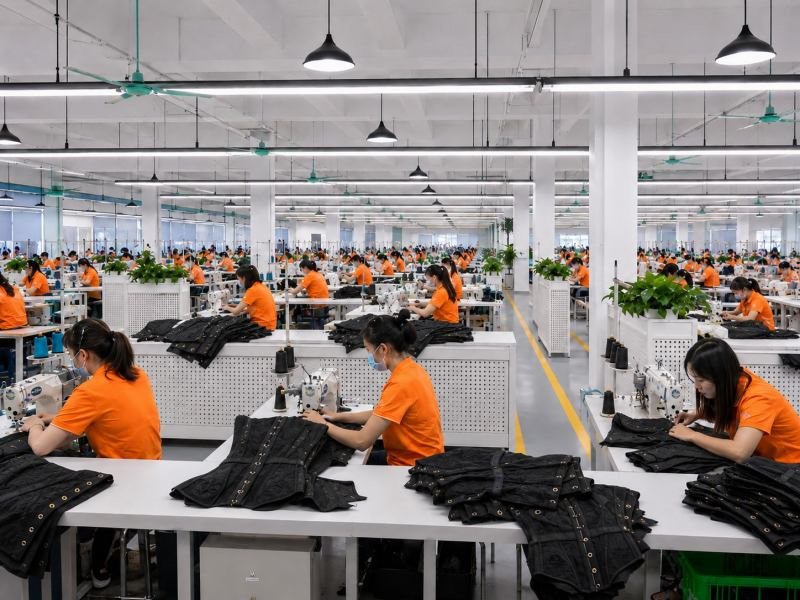
- 300 sewing lines plus 50+ quick-response and flexible lines support multi-style programs, launch orders, and replenishment planning.
- Stable monthly capacity is approximately 6.5 million garments, with higher peak capacity available through coordinated production planning.
- SMETA and SMETA 2-Pillar audit records support brand-level supplier evaluation and social compliance review.
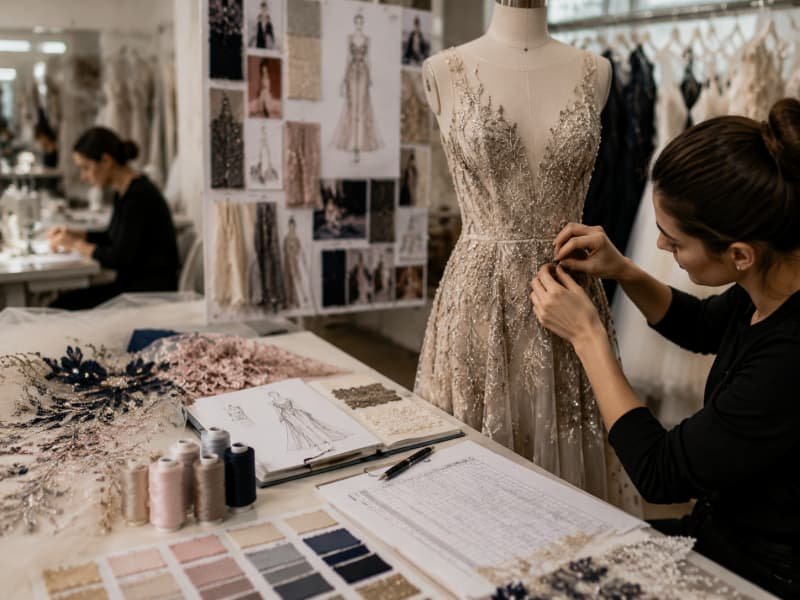
From collection briefs, tech packs, reference garments, or approved design directions, Duolan coordinates fabric and trim development, pattern making, sampling, production readiness, bulk manufacturing, quality control, branded packing, and shipment preparation through one managed project path.
What Full-Package Manufacturing Includes
Project Review
Product Development
Material Sourcing
Pattern Making
Sample Development
Bulk Production
Quality Control
Quality control starts before sewing. Fabric behavior, shrinkage, color, support materials, trim function, sample standards, PP approval, first-piece checks, inline inspection, final inspection, pressing, labeling, barcode accuracy, packing, and carton details form one connected control path.
Delivery Preparation
Built for Structured Fashion Programs
Duolan is best matched with organizations that already have a clear market position, defined product direction, planned development activity, and a need for reliable movement from concept to commercial production.
Established Fashion Brands
Buying and Product Teams
Sourcing Offices and Groups
Control Risks Before They Reach Bulk
Full-package service creates value when unclear decisions become confirmed standards before cost, quality, or timing problems spread across a multi-style order. Duolan links each common risk to a defined review point and a visible project output.
| Risk Area | What Can Go Wrong | Duolan Control Point | Visible Output |
|---|---|---|---|
| Design translation | Visual direction is interpreted differently by design, pattern, sampling, and production teams. | Design intent and feasibility review before pattern or material commitment. | Development review note |
| Fabric mismatch | Drape, stretch, opacity, recovery, or weight cannot support the target silhouette. | Fabric behavior review, swatch comparison, lining check, and alternative recommendation. | Material direction and swatch board |
| Fit drift | Comments are discussed visually but not converted into measurement or pattern actions. | Comments classified by fit, measurement, structure, and visual preference. | Revision summary and updated spec |
| Sample-to-bulk gap | A sample looks correct but lacks locked materials, workmanship, and production references. | Bulk readiness review with PP basis, BOM, measurements, trims, workmanship, and packing. | Production readiness note |
| Complex workmanship | Boning, lining, drape, sequin attachment, mesh coverage, or closures vary in production. | First-piece or pilot verification before full line release. | Pilot or first-piece confirmation |
| Multi-style delay | Materials, comments, approvals, and line priorities move at different speeds. | Style-level scheduling and critical-path planning by complexity and material readiness. | Production path and timeline plan |
| Quality discovered late | Defects are found only during final inspection, leaving little correction time. | Pre-production, first-piece, inline, final, and packing checkpoints. | QC updates and inspection records |
| Reorder inconsistency | Original material, pattern, fit, or production settings are not preserved. | Archive approved pattern, BOM, workmanship, QC, packaging, and issue records. | Reorder reference file |
One Workflow from Brief to Shipment

Brief Review

Direction Check
Evaluate silhouette, fabric behavior, fit, support, construction, special processes, and commercial feasibility. Decisions likely to affect cost, timing, or bulk repeatability are raised before pattern work advances.

Material Plan

Pattern Development

Sample Rounds

Bulk Readiness
Production Control

Packing and Delivery
Full Package, CMT, or Private Label
The right manufacturing model depends on how much product development, material management, and production coordination already exists inside the brand. Duolan can review available files and recommend the route with the clearest responsibility split.
| Responsibility | Full Package | CMT / Cut-and-Sew | Private Label |
|---|---|---|---|
| Product direction | Reviewed and translated with the manufacturer | Normally defined by the brand | Selected from an existing product base |
| Tech pack and pattern | Developed, completed, or refined as required | Usually supplied and production-ready | Existing blocks with limited changes |
| Fabric and trims | Sourced and coordinated against design, cost, and lead time | Often supplied or nominated by the brand | Chosen from preset options |
| Sampling | Stage-based development through fit and production readiness | Execution against supplied standards | Limited fit and detail changes |
| Bulk standard | Approved sample, BOM, measurements, workmanship, and packing locked together | Brand supplies most production references | Standardized factory references |
| Project management | One managed path across development, materials, production, QC, and delivery | Brand coordinates more external inputs | Simplified prebuilt route |
| Best fit | Multi-style fashion programs requiring development and manufacturing support | Technically prepared teams with established sourcing resources | Programs prioritizing speed through standardized products |
Three Ways to Start Development
Complete Tech Pack
Suitable for teams with established technical development.
Duolan reviews whether the files are ready for sourcing, pattern execution, sampling, costing, and production planning.
- Measurements and grading rules
- BOM and construction details
- Fabric and trim specifications
- Labels, packing, quantity, and launch date
Reference Garment
- Silhouette and fit priorities
- Materials and internal structure
- Construction and finishing
- Required changes and authorization boundaries
Collection Brief
Suitable for a planned drop, capsule, occasion line, or seasonal dress program. A clear brief helps coordinate the relationship between image styles, commercial styles, materials, price levels, and development timing.
- Brand and target market
- Moodboard and product categories
- Target price position
- Style count, quantities, and launch calendar
Women's Fashion Categories We Develop
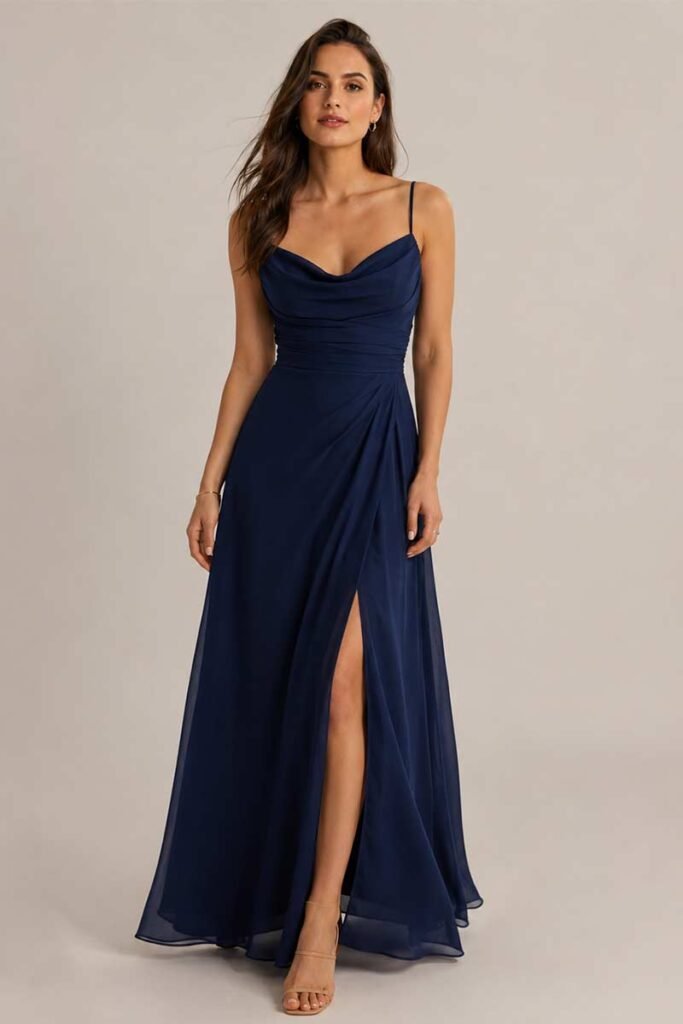
Duolan’s full-package system is centered on fashion-driven dresses and coordinated womenswear. Product development decisions change by silhouette, wearing occasion, material behavior, internal structure, and expected production volume.
Fashion Dresses

Occasion Dresses

Party Dresses

Fitted Dresses

Fashion Sets

Refined Fashion Tops
Design Decisions Built for Production
Interpreting the Product Direction
Turning Ideas into Specifications
Balancing Appearance and Repeatability

Fabric and Trim Sourcing with Technical Control
Matching Fabric to Silhouette
Building the Complete Material System
Alternatives, Color, and Bulk Locking

Pattern, Fit, Size, and Sample Development
Pattern Development Around Real Materials
Fit Comments Converted into Actions
Sample Stages and Lead-Time Control

Workmanship Standards for Fashion-Driven Garments

Seams and Stretch

Lining and Interior

Support and Closures

Hems and Drape
Decorative Attachment

Pressing and Presentation
From Approved Sample to Bulk Standard
Bulk Readiness Review
First-Piece and Pilot Verification
Locking the Production Reference
Production references need to be usable on the factory floor and at inspection. The approved PP or golden sample is aligned with the BOM, measurement specification, grading rules, fabric and trim cards, construction details, workmanship sheet, placement references, label files, barcode information, folding method, polybag details, and carton requirements. Critical points are translated into checkpoints for first-piece, inline, final, and packing inspection. For multi-style programs, each style receives its own controlled reference while shared materials and processes remain linked across the collection. Approved patterns, material details, production notes, quality issues, and correction records can be archived for repeat orders. The result is not merely an attractive sample; it is a documented standard that can be taught, produced, checked, and reused.

Project Management with Visible Milestones
Inquiry Review
Development Brief
Material Coordination
Sample Tracking
Bulk Preparation
Production Timeline
Quality Updates
Reorder Record
Scale for Multi-Style Brand Programs
16 Owned Factories
20+ Satellite Factories
300 Sewing Lines
50+ Flexible Lines
6.5M Monthly Capacity
High Sample Throughput
Special Processes Managed as Production Systems
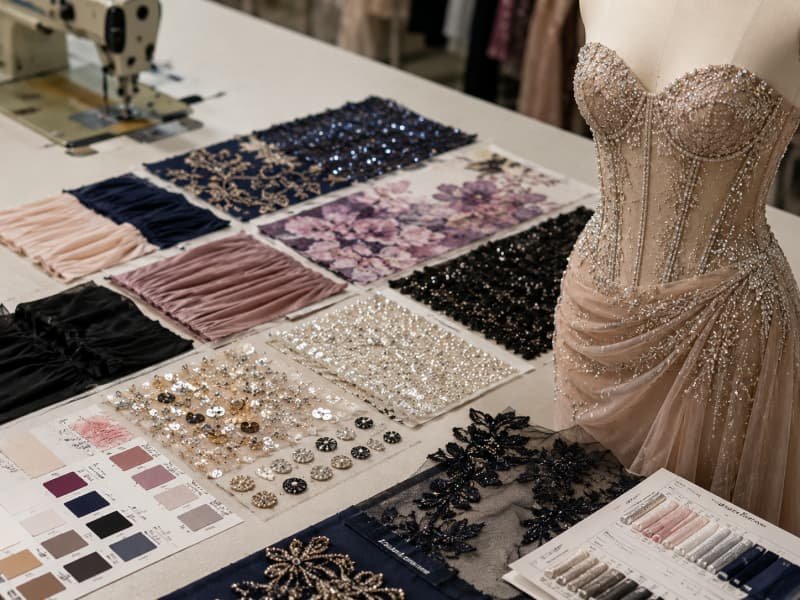
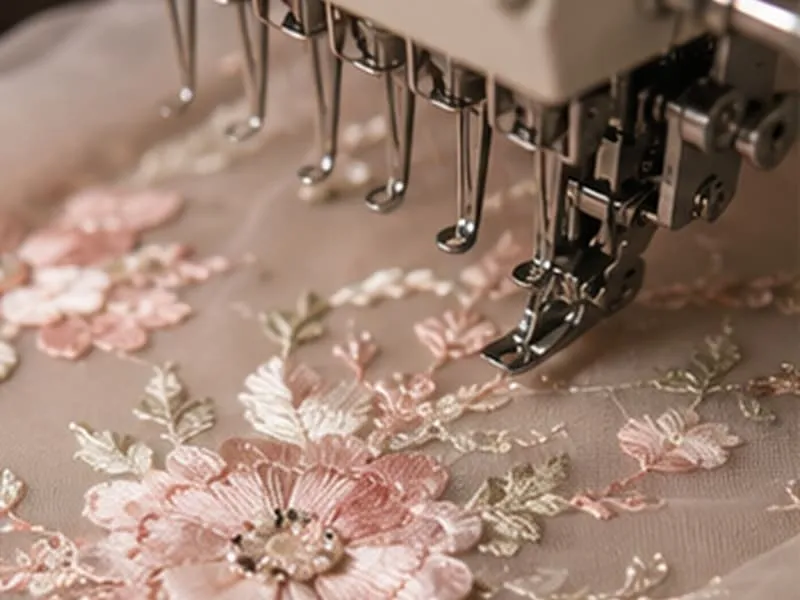
Decorative and finishing processes create value only when material, placement, construction, loss, testing, timing, and inspection are planned together. Duolan coordinates specialist resources around the garment rather than adding processes after the sample direction is fixed.

Print Development
Embroidery

Sequin and Beading

Dyeing and Wash

Pleating and Setting

Decorative Finishing
Quality, Compliance, and Delivery Control
Quality is built through connected decisions from development to packing. Duolan uses product-specific checkpoints so fit, materials, workmanship, branding, and final presentation remain aligned with the approved production standard.
Development Review
Material Inspection
Pre-Production
First-Piece Check
Inline Inspection
Final Inspection
Packing Control
Compliance Support
Duolan factories have completed SMETA and SMETA 2-Pillar audits. Project requirements can be reviewed against applicable brand standards and relevant frameworks such as BSCI, ISO 9001, AATCC, ASTM, OEKO-TEX, EN, China GB, GOTS, or specific testing instructions.
Anonymous Full-Package Project Profiles
The following anonymized profiles reflect the style counts and order scales commonly managed in established fashion programs. Brand names, labels, unreleased designs, and proprietary documents are not displayed. The examples focus on development logic, production control, and commercial order structure.
US Occasionwear Collection

Going-Out Multi-Style Program

Partywear Repeat Order
A repeat partywear program covered 12 proven styles and approximately 26,000 garments, including new color extensions and updated decorative details. The commercial priority was speed without losing the fit and workmanship established in the original launch. Duolan retrieved approved pattern, measurement, BOM, material, construction, packing, and quality references, then reviewed which components remained available and which needed replacement. Color work and trim finish were confirmed before production. Updated decoration was tested for placement, attachment, skin contact, and packing abrasion. The repeat order used familiar production references and selected lines, while first-piece checks verified the new color and surface details. Reusing controlled standards reduced unnecessary redevelopment and kept attention on the changes that could alter the approved result. The case illustrates how full-package manufacturing continues after the first order through record preservation, material review, controlled modification, and repeat production planning.

Full-Package Manufacturing Frequently Asked Questions

Start Your Full-Package Manufacturing Project
Share the information already available, whether the project is at collection planning, sample development, PP confirmation, first production, scale-up, or repeat-order stage. Duolan will review product fit with the dress-focused manufacturing system, identify material and technical questions, assess the likely sample or bulk path, and outline the information needed for a useful quotation and timeline. A complete brief allows faster evaluation, but an early-stage project can begin with reference images and a clear commercial direction.
- Company and brand website
- Product category and number of styles
- Tech packs, original samples, or reference images
- Target quantity by style, color, and size
- Base-size chart, grading rules, or fit standard
- Fabric, lining, trim, label, and packaging direction
- Required quality, testing, audit, or compliance information
- Target launch date, delivery date, and destination
Recommended form fields: Name, Company, Work Email, Tel / WhatsApp, Brand Website, Project Stage, Product Category, Target Quantity, Target Timeline, Message, and Upload Your Files. The submit button can use: Send Project.