Skip to content

Going-Out Dress Manufacturing Solutions
Development-led manufacturing for fitted, corset, cut-out, mesh, satin and statement dresses built around demanding fashion launch programs.
- Going-out programs commonly involve 10-30 styles and 20,000-80,000 pieces per brand order, requiring coordinated development rather than isolated garment production.
- Bodycon, corset, cut-out, ruched, halter, backless, mesh and statement dresses are reviewed around fit, support, stretch, coverage, workmanship and bulk repeatability.
- Bulk production references are 15-20 days for simpler styles, 20-30 days for regular styles and 30-45 days for complex styles, after production-critical approvals are locked.
Manufacturing Support Built for Established Going-Out Dress Programs
Going-out collections move quickly, but mature fashion programs still require disciplined development, repeatable fit, material control and reliable production planning. Duolan works around established product calendars where several styles, fabrics, colors and approval stages often move at the same time.
Going-Out Fashion Brands
Brands with recurring bodycon, corset, mini, ruched, cut-out, mesh, satin or statement dresses need more than sewing capacity.
Each launch has to maintain a recognizable silhouette language while individual styles may use very different fabrics and support structures.
Duolan approaches the range as a connected product program, helping development teams review style difficulty, fabric behavior, fit priorities, sampling stages and production readiness before bulk quantities are released.
Product and Buying Teams
Multi-Style Ecommerce Programs
Established ecommerce fashion businesses often work across frequent drops, campaign samples, replenishment and color extensions. One delivery can contain multiple silhouettes with different fit sensitivities and material risks. A satin mini cannot be controlled like a double-layer jersey bodycon, while a corset dress cannot follow the same construction sequence as a ruched mesh style. Duolan coordinates development and production according to each style’s manufacturing demands while keeping the wider collection schedule visible.
Why Going-Out Dresses Require More Manufacturing Control
Fit Sensitivity
Exposure and Support
Stretch and Recovery
Material Behavior
Complex Visual Details
Bulk Repeatability
A strong first sample proves only the development direction. Production has to reproduce fabric behavior, tension, measurements, construction, trim placement, pressing and packing across thousands of garments. Going-out styles are especially sensitive because a small difference at the bust, waist, ruching, slit or cut-out can change how the entire garment looks. Duolan links the approved sample with material records, workmanship points, measurement standards, PP confirmation and production checkpoints before releasing larger quantities.
Going-Out Dress Styles Developed Around Real Product Risks
Duolan focuses on fashion-driven dresses where silhouette, body fit, fabric response and visual details determine the commercial result. Each style direction follows a different development and manufacturing control logic rather than a shared generic dress standard.
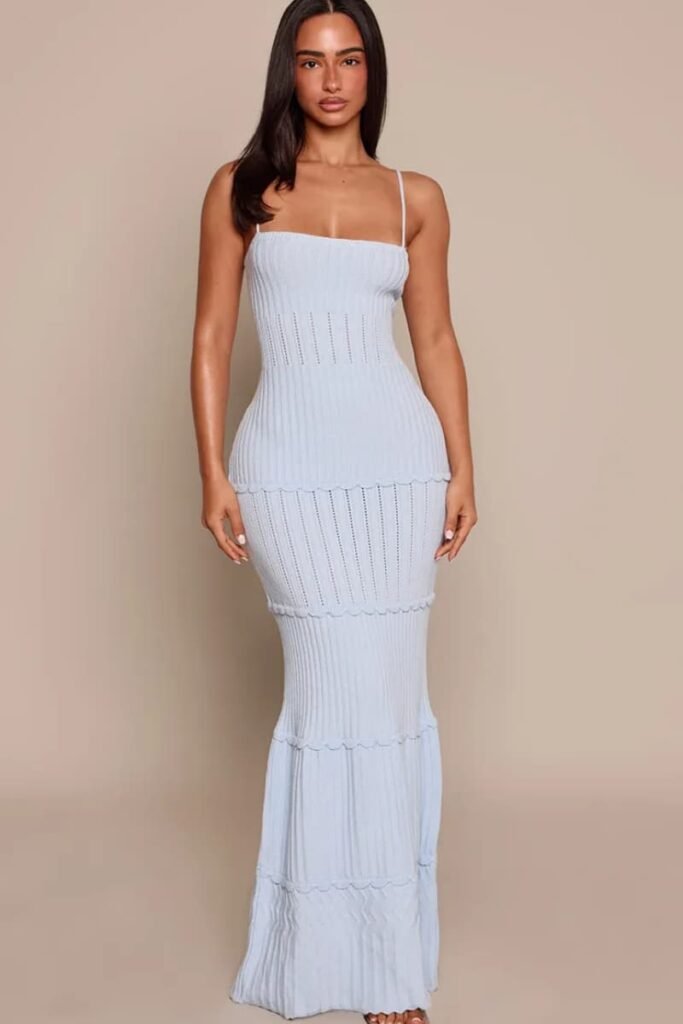
Bodycon and Fitted Dresses
Bodycon development begins with fabric extension, recovery, weight and opacity. Pattern dimensions are then balanced around bust, waist, abdomen, hip and hem pressure instead of simply reducing a standard dress block.
Double layers, power mesh panels or selected lining may change compression and recovery again. During fitting, Duolan reviews side-seam position, waist definition, hip tension, hem movement and surface smoothness so the final silhouette stays close to the intended body line without uncontrolled strain.
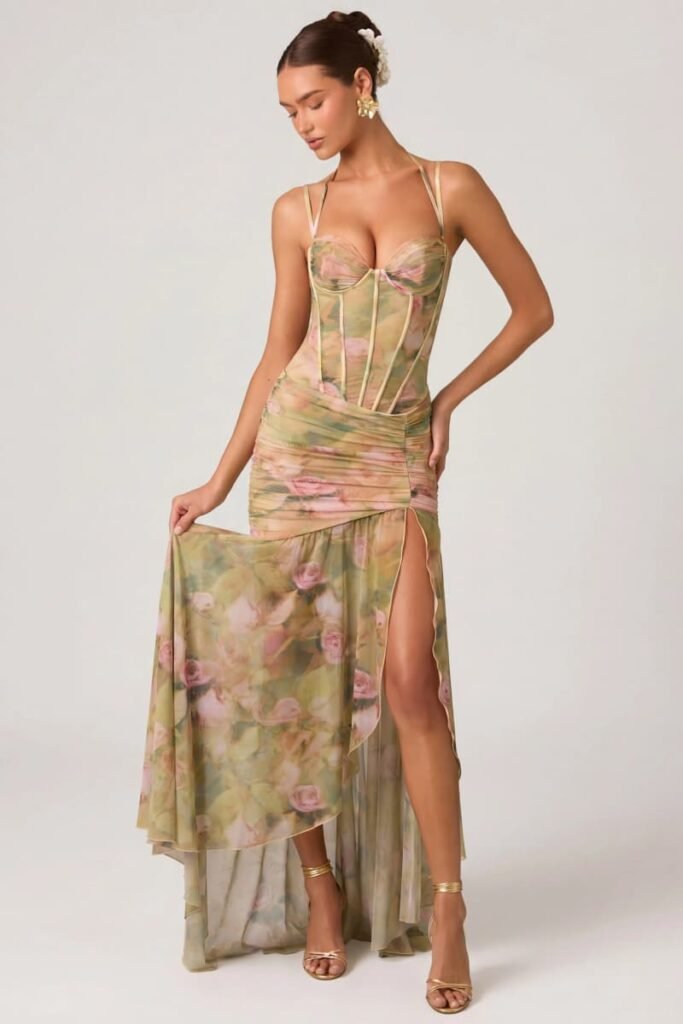
Corset and Bustier Dresses

Cut-Out Dresses

Ruched Dresses
Ruching can soften fit, build visual texture and control coverage, but bulk results depend on repeatable gathering. Development needs a defined gathering ratio, seam length, elastic length or drawcord method rather than relying on operator judgment.
Duolan evaluates where volume should begin and end, whether the ruching affects side-seam balance, and how the construction behaves after stretching. Production references can specify distribution points so one garment does not appear heavily gathered while another looks comparatively flat.

Halter and Strapless Dresses

Backless Dresses
A low or open back removes fabric from an area which often helps stabilize the front body. Backless development therefore has to consider how shoulder, neckline, side seam, bust and waist remain controlled after the back structure changes. Tie backs, lace-up systems, elasticized sections, narrow straps and low-back zippers create different tension paths. Duolan evaluates back opening depth, strap length, closure position, lining and movement so the dramatic rear view does not create front-neckline gaping or unstable bust coverage.

Mesh and Sheer Dresses

Satin and Statement Dresses
Build a Going-Out Collection Instead of Isolated Styles

Core Fitted Styles

Statement Going-Out Styles

Elevated Evening Styles

Seasonal and Event Styles
Birthday, holiday, graduation, party-season and social-event capsules often have fixed selling windows. Product decisions need to reflect campaign sample timing, material readiness, embellishment lead times and bulk scheduling. Duolan can divide a multi-style range into priority groups based on launch importance and development difficulty. Styles requiring custom trims or complex workmanship can begin earlier, while stable repeat silhouettes can follow established standards, helping the collection move toward the planned delivery window in a controlled sequence.
Match Fabric Performance to the Intended Going-Out Silhouette

Stretch Jersey for Bodycon and Ruched Silhouettes
- Stretch direction: pattern orientation has to match the required body extension.
- Recovery: the fabric should return after repeated stretching without creating a loose waist or bagged seat.
- Opacity: light colors and high-tension zones need assessment at realistic wearing extension.
- Seam behavior: stitch type and tension should move with the garment without rippling or breaking.
- Lining interaction: a less elastic lining can restrict an otherwise flexible shell.

Mesh and Power Mesh for Sheer, Layered and Contoured Styles
Mesh can create sheer panels, layered color, printed surfaces or controlled compression. Standard fashion mesh and power mesh behave very differently. A soft open mesh may stretch easily with limited recovery, while denser power mesh can provide stronger shaping and support. Opacity must be reviewed under tension. A swatch which appears acceptable on a table may become much more transparent across the bust, hip or seat. Lining placement therefore needs to be evaluated together with the outer layer. Partial lining, double mesh and contrast lining each produce a different visual effect.
Critical checks include:
- stretch and recovery in both directions;
- color appearance over skin and lining;
- edge stability around cut-outs;
- seam elasticity;
- print distortion after extension;
- panel alignment;
- lining length and coverage.
For ruched mesh, gathering also changes local opacity and weight. For cut-out mesh panels, surrounding tension can alter the opening shape. Material, pattern and construction are reviewed together before the final sample standard is approved.

Satin for Draped, Corset and Elevated Going-Out Dresses
Satin creates strong visual value through sheen and drape, yet the same smooth surface makes manufacturing mistakes easier to see. Needle marks, puckered seams, pressing shine, water spots and packing creases can remain visible on the finished dress. Different satin constructions also behave differently. A fluid satin can work well for draped or slip silhouettes but may lack the stability needed around structured bust areas. Stretch satin offers greater movement but can expose seam tension or grow during handling. Structured satin can hold corset shapes more effectively but changes drape. Development should review:
- drape and bias behavior;
- seam appearance under tension;
- lining weight and slip;
- zipper insertion;
- bust and waist support;
- pressing temperature and pressure;
- cutting direction;
- packing method.
A visually premium satin dress depends on controlled handling from cutting through final packing. Fabric selection therefore includes production behavior, not only handfeel and shine.

Sequin, Velvet and High-Impact Materials
Statement fabrics bring a stronger visual signal, but weight, surface direction and finishing can influence comfort and production repeatability. Full-sequin materials can become heavy, alter drape and require protection around seam allowances. Certain sequins may scratch the wearer if edge zones are not managed carefully. Velvet has nap direction and can show pressure marks if cutting, pressing or packing is inconsistent. Rhinestone or sparkle materials need placement and attachment decisions before production. Large embellishment zones can change stretch, surface weight or folding behavior. Duolan reviews:
- surface direction;
- embellishment density;
- garment weight;
- lining and skin-contact areas;
- cutting waste around decorated surfaces;
- edge finishing;
- attachment security;
- pressing restrictions;
- packing protection.
Material substitution is assessed against visual effect, fit, manufacturing stability, lead time and cost together. A cheaper or faster fabric is not useful when the replacement changes silhouette, coverage or perceived quality.
Engineering High-Impact Details Before They Reach Bulk Production
Going-out designs often concentrate commercial value in a few high-visibility areas. Development review identifies how each feature affects fit, movement, workmanship and repeatability before production methods are confirmed.
| Design Feature | Main Manufacturing Risk | Development Decision | Production Control |
|---|---|---|---|
| Deep Neckline | Gaping or excess exposure | Neckline curve, support, lining | Edge tension and measurement checkpoints |
| Corset Bust | Incorrect cup or bust position | Cup shape, boning, seam placement | Approved internal construction reference |
| Cut-Out | Opening distortion | Position, reinforcement, stretch balance | Template, edge method and size review |
| Ruching | Uneven fullness | Gathering ratio and endpoints | Marked distribution references |
| High Slit | Movement exposure | Slit height and opening stability | Measurement and movement check |
| Backless Detail | Front or back instability | Strap path, closure and tension | Strap length and attachment standard |
| Lace-Up Detail | Uneven tension or eyelet stress | Reinforcement and spacing | Fixed eyelet positions and pull check |
| Rhinestone / Sequin | Detachment or uncomfortable edges | Application method and protected zones | Placement reference and attachment QC |
Fit Engineering for Body-Defining Going-Out Dress Silhouettes

Bodycon Fit Is More Than Making the Pattern Smaller
- fabric extension and rebound;
- side-seam position;
- waist suppression;
- hip and seat shape;
- front-to-back balance;
- neckline and armhole stability;
- lining tension;
- hem behavior during movement.

Corset and Bustier Fit Starts at Bust Position
Corset-inspired dresses can look dramatically different when bust point, cup volume or waistline moves by a relatively small amount. Support comes from several elements working together: seam geometry, cup shape, boning, lining, neckline, back closure and fabric stability. The development sequence begins by defining the visual bust position and desired waist shape. Pattern lines are then reviewed against the selected fabric. A softer outer material may require stronger internal support, while a structured shell may hold shape differently. Fit review focuses on:
- bust point and cup coverage;
- neckline pressure;
- center-front stability;
- princess-seam shape;
- boning length and termination;
- waistline height;
- back closure tension;
- underarm coverage;
- movement and sitting comfort.
Changes are not limited to circumference. A bustier with correct chest measurement can still look wrong if cup height, spacing or seam position fails to match the intended proportion. Fit comments therefore need to translate into pattern and construction changes before the next sample.

Halter and Backless Fit Requires a Controlled Tension Path
- neck pressure;
- bust coverage;
- side-body containment;
- back opening;
- strap length;
- tie or lace-up position;
- elastic or lining support;
- closure security.

Cut-Out and High-Slit Fit Needs Movement Review
Cut-outs and high slits are highly dependent on placement. A cut-out which looks balanced on a flat pattern can move when surrounding fabric stretches across the body. A slit can appear controlled when standing yet open significantly during walking or sitting. Development therefore uses body landmarks and movement rather than dimensions alone. For cut-outs, the team reviews the opening against waist, rib, hip or bust position, then checks whether edge reinforcement or elastic support is required. For slits, height, overlap, seam stability and lining are reviewed together. Important fit points include:
- opening location across sizes;
- edge tension;
- exposed skin area;
- reinforcement at corners;
- slit height;
- walking stride;
- seated coverage;
- hem and side-seam balance.
The approved result should preserve the intended visual impact without creating unpredictable exposure or distortion when the garment moves.
Sample Development Built to Reach a Production-Ready Decision
Start by Defining the Sample Purpose
- intended product category;
- reference material;
- target fabric;
- size specification;
- critical fit points;
- construction requirements;
- trim direction;
- intended sample use;
- approximate order quantity;
- launch timing.
Pattern and Material Development Move Together
Pattern work begins with the intended silhouette, but material behavior can require substantial adjustment. Stretch jersey, mesh, satin and corset materials should not share identical development logic. For a fitted jersey dress, the pattern may be adjusted according to extension and recovery. A corset dress may require cup, boning and internal support decisions. A satin drape can require a different grain direction and seam treatment. A mesh cut-out may need reinforced edges or altered panel tension.
Sample development therefore combines:
- base pattern creation or adaptation;
- fabric evaluation;
- trim selection;
- lining direction;
- initial construction method;
- critical measurement control;
- visual proportion review.
Local test pieces can be used when a detail carries higher risk than the remaining garment. Testing a cut-out edge, lace-up reinforcement, sequin seam or corset channel before completing the full garment can expose problems earlier and reduce avoidable sample rework.
Fit Comments Become Measurable Pattern Corrections
Fit review needs more precision than comments such as “make it tighter” or “raise the bust.” Duolan translates comments into defined pattern or construction changes.
A fit review can evaluate mannequin appearance, live movement, photographs and measurements together. Depending on the style, comments may address bust point, neckline curve, waist height, hip ease, strap length, side-seam position, slit height, lining, cup or boning.
Each correction should answer three questions:
- Where is the visible problem?
- What is causing the problem?
- Which pattern, material or construction change will correct it?
A side seam moving forward, for example, should not automatically be corrected by shifting the seam line. The root cause may be back width, hip tension, fabric growth or front-to-back balance. Better sample accuracy comes from correcting the cause rather than hiding the symptom.
Approval Moves Into a Production Standard
Once silhouette, fit and materials are close to the intended result, the sample path needs to connect with production. An attractive sample without documented measurements, materials or construction remains difficult to reproduce.
Before a style moves toward PP or bulk, Duolan aligns:
- approved fit direction;
- garment measurements;
- main fabric;
- lining;
- trims;
- color references;
- construction points;
- visual placements;
- labeling requirements;
- packing direction;
- BOM and technical information.
Develop Going-Out Dresses for Strong Ecommerce Presentation
Silhouette Readability
Surface and Texture
Movement and Coverage
Sample-to-Bulk Appearance
Photography creates a visible reference which later production has to match. Color, shine, ruching, embellishment placement, neckline shape and garment proportion should remain controlled after the photo sample is approved. Duolan connects photo-ready development with PP confirmation and production standards so the bulk garment follows the visual direction already used by the brand’s merchandising and campaign teams.
Construction Details Which Define Going-Out Dress Quality

Corset Boning

Bust Cups

Ruching Control

Cut-Out Edges

Mesh Joining

Invisible Zippers

Back Straps and Lace-Up

Sequin and Rhinestone Attachment
Embellishments can define the visual value of a party dress, but attachment needs to survive handling and wear. Sequin direction, backing, edge trimming and skin-contact areas are reviewed before production. Rhinestone applications require controlled placement and secure bonding or stitching according to the selected method.
Lock the Sample Before Going-Out Dress Bulk Production
A production-ready sample gives development, materials, sewing, quality and packing teams a shared reference. Each item below should be confirmed to the level required by the specific style before larger quantities move into production.
| Production Standard | What Needs to Be Locked |
|---|---|
| Fit | Bust, waist, hip, neckline, strap, back, dress length and movement priorities |
| Fabric | Composition, weight, stretch, recovery, opacity, drape, color and approved handfeel |
| Lining | Material, color, coverage, stretch compatibility and attachment |
| Trims | Zipper, cup, boning, elastic, eyelet, drawcord, hardware and decorative components |
| Construction | Seam method, edge finish, support, gathering, panel joining and internal structure |
| Measurements | Approved specifications, tolerances and critical control points |
| Visual Placement | Cut-outs, ruching, embellishment, slit, lace-up and asymmetric detail positions |
| Technical Alignment | BOM, technical notes, pattern version and approved sample status |
| QC Reference | Measurement, appearance, attachment, fit-sensitive and workmanship checkpoints |
| Packing | Label, care label, barcode, folding, polybag, protection and carton requirements |
Protect Approved Going-Out Samples Through Bulk Production
Control Material Batch and Trim Changes Before Cutting
Bulk materials can differ from sample materials even when supplier references appear similar. Color, handfeel, weight, stretch, recovery, shine and surface texture can change by batch. A bodycon fabric with slightly lower recovery can alter waist and hip fit. Satin with different surface tension can show more seam puckering. Mesh with another density can change both opacity and compression.
Before production, material review should confirm the production lot against the approved direction. Important trims such as zippers, cups, boning, elastic, eyelets, straps and embellishments also need alignment.
Duolan’s pre-production control can cover:
- fabric batch and color;
- weight and handfeel;
- stretch and recovery;
- lining compatibility;
- zipper specification;
- cup and boning;
- decorative trims;
- special-process references.
Unapproved substitution creates unnecessary risk. When an original material becomes unavailable, the replacement should be evaluated as a product development decision rather than a purchasing shortcut.
Transfer Sample Workmanship Into Production Instructions
Going-out dresses often need detailed control over:
- cup and boning position;
- neckline stabilization;
- ruching distribution;
- cut-out edge method;
- mesh joining;
- slit height;
- zipper insertion;
- strap length;
- embellishment placement;
- pressing and final shape.
The objective is not to create unnecessary paperwork. The objective is to make the method visible enough for production and QC teams to recognize when a garment begins drifting away from the approved result.
Verify First Pieces Before Full Production Release
Higher-risk products can benefit from first-piece or pilot confirmation after bulk materials and line conditions are available. The stage provides a last opportunity to find process-level problems before thousands of pieces are affected.
A first-piece check can compare:
- measurements against the approved specification;
- fit-sensitive areas against the sample;
- seam and edge construction;
- fabric response after sewing;
- trim and embellishment placement;
- pressing result;
- visual proportion;
- workmanship around difficult details.
For a ruched mesh dress, distribution and transparency can be reviewed. For a corset mini, cup, boning and zipper behavior can be checked. For satin, seam puckering and pressing can be examined.
Production should be corrected at source when the first pieces show a consistent issue. Waiting for final inspection may leave rework as the only remaining option.

Control Going-Out Production Risks Before Defects Multiply
Material Risk
Fit Risk
Construction Risk
Process Risk
Visual Consistency Risk
Delivery Risk
Quality Checks Focused on Going-Out Dress Failure Points
Fit and Measurement
Stretch and Recovery
Coverage and Opacity
Support and Closures
Corset, strapless, halter and backless dresses depend on cups, boning, zippers, hooks, ties, elastic or lace-up systems. QC checks placement, attachment, symmetry and function.
Zippers should operate smoothly without visible rippling or surrounding seam distortion. High-load strap and eyelet areas require secure reinforcement, especially when the closure helps support the garment.
Workmanship and Placement
Ruching, seams, cut-outs, lace panels, sequins, rhinestones and hardware require visual consistency in addition to basic attachment quality. Inspection follows approved placement references where relevant. Uneven gathering, asymmetric cup position or shifted embellishment can materially change the garment even when stitches remain secure. High-visibility zones receive greater attention than low-impact internal areas.
Finishing and Packing
Pressing and packing can damage an otherwise acceptable dress. Satin can crease or develop shine. Velvet nap can flatten. Sequins and rhinestones can mark adjacent surfaces. Structured cups can collapse under pressure. Finishing checks therefore include garment shape, stains, thread cleaning, surface condition and protective packing. Folding methods are selected according to material and construction risk rather than using one universal packing approach.
Plan Multi-Style Going-Out Production Around Product Complexity
Classify Styles Before Scheduling Production
A 20-style collection can include radically different manufacturing demands. A repeat jersey bodycon, new corset mini, full-sequin dress and satin draped midi should not receive identical scheduling assumptions. Before production routing, each style can be assessed for:
- fit sensitivity;
- fabric sensitivity;
- structural complexity;
- embellishment requirements;
- custom trims;
- sample approval status;
- material readiness;
- quantity;
- planned delivery window.
Stable repeat styles may move efficiently through familiar materials, patterns and construction. New high-risk styles may need extra first-piece confirmation. Special-process garments can depend on embroidery, printing, pleating or embellishment capacity outside the main sewing sequence. Classifying work early allows production planning to reflect actual manufacturing difficulty.
Match Each Style to the Right Production Path
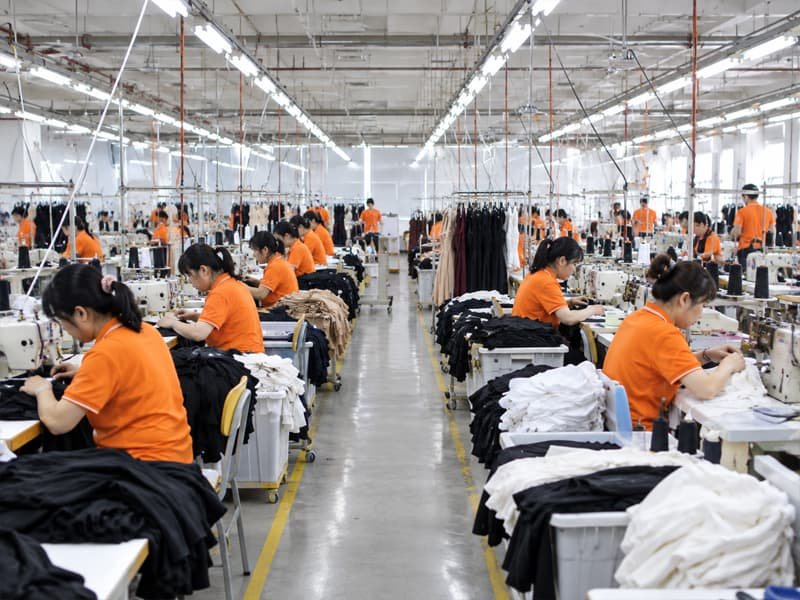
Duolan operates through a multi-factory womenswear manufacturing structure rather than treating every garment as a fit for one line. The group includes 16 owned womenswear factories, 20+ long-term satellite factories, 300 sewing lines and 50+ flexible quick-response lines.
Scale matters only when production resources are organized intelligently.
A complex corset or sensitive satin style can be matched with teams familiar with the required construction.
Repeat styles can reuse proven production routes where appropriate. Multi-style programs may run on several lines or facilities while project coordination maintains shared approvals, material references, QC standards and delivery priorities.
Special processes such as embroidery, printing, washing or finishing are integrated into the schedule according to their own lead requirements.
The goal is not to maximize the number of lines used. The goal is to match product difficulty with suitable production resources while protecting the brand’s launch plan.
Manage Production Against the Launch Calendar
Production timing needs to connect with commercial milestones. Campaign photography, ecommerce launch, party season, holiday drops and replenishment dates can require different delivery priorities across one program.Duolan can separate:
- campaign-critical styles;
- core launch styles;
- higher-risk development styles;
- repeat or replenishment styles;
- later color extensions.
Material and approval status should remain visible throughout planning. A confirmed production date is more reliable when fabric, trims, PP direction, packaging and QC requirements are already clear.
Shipping is planned separately from production time. Depending on destination and chosen method, company references include 3-7 days by express, 5-8 days by air and 20-35 days by sea, allowing production and transport timing to be evaluated as two different parts of the launch calendar.
Keep Bestselling Going-Out Styles Stable Across Repeat Orders
Preserve Production Memory
Extend Proven Silhouettes
Recheck What Changed
Repeat production does not mean skipping approval. Fabric batches, trim suppliers, color, quantities or production resources may change. Duolan reviews relevant differences before a repeat order moves forward and determines whether previous standards can be reused directly or whether a new sample, swatch, lab dip or first-piece check is needed. Stable repeat production comes from knowing what can remain unchanged and what requires fresh verification.
Manufacturing Scale for Multi-Style Going-Out Dress Programs
16 Owned Factories
20+ Satellite Factories
300 Sewing Lines
50+ Flexible Lines
15,000-35,000 Sample Capacity
The manufacturing system reports monthly sample-development capacity of approximately 15,000-35,000 styles or sample pieces, supporting a large volume of concurrent development activity across the group.
6.5 Million Stable Capacity
Regular stable monthly production capacity is approximately 6.5 million garments, with higher peak capacity available across the wider manufacturing system. Scale supports multi-style routing when combined with material, technical and production coordination.
Compliance Support for Established Fashion Supply Programs
Product development alone is not enough for established fashion groups. Production also needs social-audit awareness, testing coordination and disciplined execution of brand-specific standards across materials, labels, packing and inspection.
Social Audit Readiness
Duolan’s manufacturing system has completed SMETA audit activity, including SMETA 2-Pillar social audit records.
Social-responsibility documentation can be reviewed during supplier evaluation according to program requirements.
Testing Coordination
Brand-Specific Execution
Care labels, main labels, hangtags, barcodes, packaging, inspection requirements and designated documentation need to follow approved instructions. Duolan treats these requirements as production standards which have to stay aligned with the garment rather than as administrative work added at shipment.
Representative Going-Out Program From Development to Bulk Production
Program Mix and Development Priorities
The program included fitted jersey minis, ruched dresses, corset silhouettes, mesh-panel styles, backless dresses, satin pieces and selected statement details. Product difficulty varied substantially even though all styles belonged to the same going-out range.
Development priorities were separated by construction risk.
Bodycon styles concentrated on fabric recovery, hip tension, side-seam position and opacity. Corset styles concentrated on bust point, cup shape, boning, neckline and zipper behavior. Mesh styles required lining and transparency review. Satin styles required greater attention to seam appearance, drape and pressing.
Instead of moving all sixteen styles through an identical sequence, development work was grouped by fit sensitivity, material risk and construction difficulty.
The approach allowed stable styles to progress efficiently while more sensitive silhouettes received additional technical review.
Fit and Sample Corrections Before Production
- fit and proportion;
- selected fabric behavior;
- construction method;
- visual placement;
- key measurements;
- movement and coverage;
Bulk Preparation Across Multiple Style Types
- jersey stretch and recovery;
- mesh and lining combination;
- corset cups and boning;
- satin surface handling;
- ruching distribution;
- zipper installation;
- back-strap length;
- selected decorative placement;

Going-Out Dress Manufacturing Frequently Asked Questions

Send Your Going-Out Dress Program for Development Review
If your team is planning a new going-out collection, moving approved samples into bulk production, evaluating an additional manufacturing partner or preparing repeat production, send the product information already available. A complete technical package is useful, but an initial review can also begin from reference images, existing samples, measurements or a defined collection direction.
Duolan will review the product mix, style complexity, fabric direction, fit-sensitive areas, sample requirements, production feasibility and timing before proposing the next development or manufacturing step. Clear project information helps the team provide a more accurate path for sampling, quotation and production planning instead of a generic garment price.
Please include available information such as:
- Product styles or collection brief
- Tech pack, sketch or reference images
- Target fabric and lining direction
- Size range and measurement standard
- Quantity by style or color
- Sample purpose or current approval stage
- Main labels, care labels and packaging requirements
- Target bulk delivery or launch window
- Any fit, construction or quality concerns