Skip to content

Occasion Jumpsuit Manufacturer
Occasion-focused jumpsuit development and manufacturing for fashion brands building polished party, cocktail, evening and event-driven collections.
- Full-body fit review across 8 critical zones: shoulder, bust, waist, hip, front rise, back rise, thigh and leg opening.
- Development coverage across 6 core material families: satin, crepe, stretch woven, mesh or lace, velvet and sequin or embellished fabrics.
- Sampling is managed as a decision path: development basis, first sample, fit review, revision, PP approval and controlled bulk release.








What Makes an Occasion Jumpsuit a Different Product
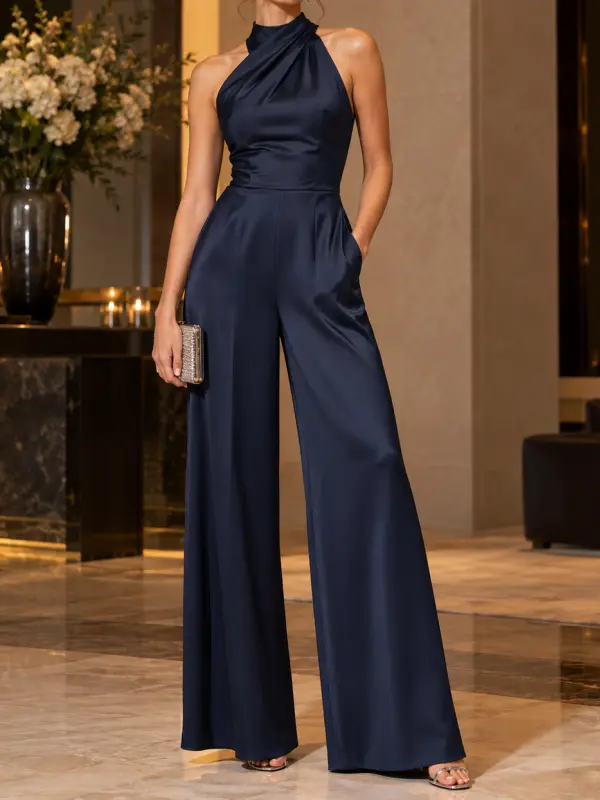
Cocktail and Evening

Wedding Guest Dressing

Party and Holiday

Formal Social Events
What Fashion Brands Should Evaluate Before Selecting a Manufacturer
An occasion jumpsuit supplier should be evaluated on more than sewing capacity. Product teams need evidence that fit, material behavior, internal structure, sample approval and bulk standards can be controlled together, because a connected full-body garment magnifies errors that might stay hidden in separates.
| Evaluation Area | Why It Matters | What to Review Before Development |
|---|---|---|
| Occasionwear Product Understanding | Formal and party jumpsuits require a different visual standard from casual one-pieces. | Target occasion, silhouette, price position, fabric mood, level of structure and visual finish. |
| Full-Body Fit Engineering | Upper body, waist, hip, rise and leg shape are connected in one pattern system. | Torso length, bust balance, waist position, front/back rise, hip ease, thigh room and leg opening. |
| Fabric-to-Silhouette Matching | Material behavior determines drape, support, surface quality and movement. | Weight, stretch, recovery, opacity, handfeel, shine, lining compatibility and pressing risk. |
| Bodice and Closure Construction | Strapless, corset, halter and backless styles can fail without correct internal support. | Cup position, boning, elastic support, gripper, zipper, hook-and-eye, back opening and wearing security. |
| Pattern and Grading Discipline | Jumpsuit sizing requires vertical and horizontal grading to remain balanced together. | Measurement points, tolerance, torso grading, rise grading, hip ease and fit-critical points by size. |
| Sampling and Revision Control | A first sample should help the brand make decisions, not create another round of uncertainty. | Development basis, fit comments, revision history, photos, measurement review and PP path. |
| Sample-to-Bulk Consistency | Approved visual and fit standards can be lost during material or process changes. | PP sample, BOM, material lock, workmanship points, first-piece review, inline QC and packing standard. |
| Production and Compliance Readiness | Larger programs need organized capacity, inspection support and documented execution. | Production path, timeline, audit records, third-party inspection support, label execution and delivery controls. |
Occasion Jumpsuit Styles Built Around Fit and Event Dressing
A strong occasion collection needs more than one silhouette. Each direction below creates a different visual role, but every style also introduces a distinct fit, material and bulk-production challenge. Development should begin with the product function, not a generic jumpsuit block.

Structured Wide-Leg
A structured wide-leg jumpsuit creates a long, polished line and works well for cocktail, wedding guest and formal social dressing. The upper body may be clean and minimal while the trouser section carries volume and movement. Development needs to balance waist placement with front and back rise so the leg begins from the correct visual point rather than dropping from an oversized torso.
- Best with crepe, compact stretch woven or structured satin.
- Control side-seam balance, seat shape and hem level.
- Review leg width while walking and standing.
- Keep waistband or waist seam stable without restricting the rise.

Satin Draped
- Review satin weight and bias behavior before pattern finalization.
- Control seam tension, needle marking and pressing temperature.
- Match lining so it supports without killing drape.
- Protect the surface during production, packing and transport.

Corset and Bustier
Corset and bustier jumpsuits combine a fitted occasion bodice with a connected trouser base, so upper-body support cannot be developed independently from torso length and rise. Cup position, underbust placement, boning length and waist balance all affect whether the garment stays secure while sitting or moving.
The style should create shape without forcing the wearer into a rigid posture.
- Lock cup shape and bust coverage early.
- Balance boning with movement and comfort.
- Reinforce zipper or lace-up stress points.
- Test torso pull when sitting and raising the arms.

Strapless Occasion
Strapless jumpsuits need internal security without visible straps carrying the load.
Gripper elastic, boning, cup placement, neckline tension and side-seam stability work together to prevent slipping or gaping.
Because the trouser section pulls downward, the bodice cannot be treated like a strapless top attached to pants after the fact.
- Review top-edge tension and body contact.
- Build support through internal structure, not excessive tightness.
- Check vertical pull from neckline to crotch.
- Test sitting, walking, dancing and repeated movement.

Halter and Backless
- Control neck strap length and load.
- Secure side-bust coverage during movement.
- Stabilize low-back edges and zipper points.
- Grade torso and strap lengths carefully across sizes.

One-Shoulder Asymmetric
- Keep neckline tension even from front to back.
- Prevent the unsupported side from gaping.
- Review arm mobility and underarm coverage.
- Align waist and leg balance despite asymmetric upper construction.

Sequin and Embellished
- Control shedding, sharp edges and seam bulk.
- Keep embellishment density balanced across panels.
- Reinforce high-stress closure and waist areas.
- Use protective packing to reduce abrasion and surface damage.

Tailored Crepe
- Match interfacing to fabric weight and stretch.
- Control shoulder, lapel and waist shaping.
- Keep trouser crease, side seam and hem level consistent.
- Review lining and pocket construction so the body stays clean.
Full-Body Fit Engineering for Occasion Jumpsuit Development
Torso Length Controls the Entire Vertical Balance
Torso length is one of the most important measurements in jumpsuit development because the garment connects shoulder or neckline to the crotch without a natural break. If the vertical body length is too short, the wearer can feel pulling at the shoulder, neckline, waist or crotch. If it is too long, the waist may drop, the seat can look loose and the upper body may collapse instead of staying polished.
For strapless and corset styles, the vertical balance is even more sensitive. A bodice can appear secure on a mannequin yet pull downward once the trouser section adds weight. Halter designs may transfer excessive pressure to the neck if the body length is short, while backless styles can lose tension along the side body when the torso is long.
A controlled review should include shoulder-to-waist or neckline-to-waist length, waist-to-crotch depth, front and back body length, rise balance and the way the garment reacts when the wearer sits. The goal is not to add excess ease. The goal is to give enough vertical length for movement while keeping the waist and upper silhouette in the intended position.
For collection development, torso fit should also be assessed against the target market and size range. A single sample size cannot prove the grading logic. The approved base size should establish a clear vertical relationship that can be translated into graded measurements and pattern rules for larger and smaller sizes.

Bust, Waist and Hip Must Work as One Shape System
Occasion jumpsuits often use fitted upper bodies because the design relies on a defined waist and long leg line. Bust, waist and hip therefore need to be reviewed as a continuous contour. Tightening one area without adjusting the rest can create diagonal drag lines, zipper stress, side-seam movement or a rise problem that appears unrelated to the original change.
The bust review should consider volume, cup placement, neckline coverage and the amount of support created by lining, cups, boning or elastic. The waist should sit at the intended visual level and remain stable when the wearer bends or sits. The hip and seat require enough room for movement without creating an oversized lower torso. In fitted satin or crepe styles, surface tension makes imbalance more visible because the fabric reflects every pull line.
Pattern work should separate visual shaping from functional ease. A narrow waist can still feel comfortable when the rise, seat and hip are developed correctly. Conversely, adding general ease everywhere may solve one restriction while destroying the sleek occasion silhouette.
During fit review, Duolan’s development approach focuses on where tension originates rather than simply pinning or releasing fabric on the sample. Comments should be translated back into pattern balance, seam position, dart or panel shaping, rise, and measurement specifications so the next sample tests a technical correction rather than a temporary alteration.

Front Rise, Back Rise and Crotch Shape Decide Movement
Rise and crotch shape determine whether a jumpsuit can be worn for several hours without restriction. A garment may look correct while standing still and still fail during sitting, walking, stepping into a car or dancing. Front rise, back rise, crotch extension and hip ease should therefore be developed together with the torso and waist rather than copied from a trouser block without adjustment.
A short front rise can create pulling across the lower abdomen or front crotch. Insufficient back rise can restrict sitting and create tension through the seat. Too much rise can make the garment look dropped or oversized and can lower the visual waist. The crotch curve also changes according to fabric behavior: a compact woven needs enough shaped ease, while a stretch woven may allow a closer fit but still requires recovery so the garment does not bag after wear.
Movement checks should include standing, sitting, walking, bending and raising the arms. For fitted occasion styles, the review should also look at whether the bodice is being pulled down when the lower body moves. One movement problem can reveal a vertical balance issue that is not visible in static photos.
The approved pattern should document the rise logic so grading does not simply add width. Vertical changes need their own rules. This is especially important for US and European size ranges where body height, torso length and hip depth can vary significantly across the target fit profile.

Leg Shape Completes the Occasion Silhouette
The trouser section determines much of the final fashion impression. Wide-leg, straight, tapered and flare shapes all need a clean relationship with the waist and hip so the garment looks intentional rather than like a top sewn to unrelated pants. Leg balance also affects movement, camera appearance and the way satin, crepe or sequin fabrics fall.
Wide-leg styles should be checked for side-seam verticality, inseam balance, front and back crease behavior and hem level. The leg should move from the hip cleanly without excess fabric collapsing around the crotch. Straight and tapered styles need enough thigh and knee ease for sitting while preserving a narrow visual line. Flared shapes need knee placement and hem width aligned with the overall body proportion.
Fabric choice changes the same pattern dramatically. Fluid satin exaggerates drag lines and can twist when grain direction is inconsistent. Crepe offers more body but can still show uneven hem balance. Sequin fabrics add weight and may require more support through the waist or internal structure. Velvet highlights directional changes through nap and light.
A finished occasion jumpsuit should hold a composed front, side and back view while allowing natural motion. The fit standard is therefore not a single circumference measurement. It is the combined result of torso, rise, waist, hip, leg balance and material behavior.

Pattern, Measurement and Grading Standards for Connected Fit
Build the Pattern Around Fit-Critical Relationships
For structured occasion styles, upper-body pattern work may include princess seams, bust darts, cup panels, corset sections, waist seams, side panels or asymmetric necklines. Each construction line should support both shape and production repeatability. A corset panel that looks attractive on the first sample may still need adjustment if boning direction, cup placement or seam allowance causes bulk at the waist. Strapless styles also need a stable upper edge that works with internal elastic and support materials.
Lower-body pattern development should control seat shape, front and back crotch extension, side seam, inseam and leg balance. Wide-leg styles require enough volume without excessive fabric around the upper thigh. Tapered styles need movement allowance at the seat and knee. Pattern corrections should be recorded after each fit round so approved changes remain traceable for PP and repeat production.
The objective is a pattern system capable of reproducing the approved silhouette, not a sample that has been manually altered until it looks acceptable.
Define Measurement Points Before Fit Comments Become Production Rules
Torso-related measurements need particular care. A general “body length” number is not enough if a style has an asymmetric neckline, halter neck, strapless top or deep back. The specification may need separate front and back reference lengths, strap lengths or waist-position measurements so the production team can check the same points used during fitting.
Tolerance should also reflect function. A small variation at leg opening may have little effect on wear, while the same variation at cup position, neckline, waist seam or rise can materially change fit. Critical POMs should therefore receive tighter review and clearer QC instructions.
When fit comments are approved, the change should be reflected in the pattern and specification sheet together. A comment such as “raise the waist 1 cm” can affect torso length, rise and leg proportion; documenting the connected changes prevents one department from correcting only part of the problem.
Grade Width and Vertical Length With Separate Logic
For a fitted occasion jumpsuit, over-grading torso length can create a dropped waist and excess fabric through the seat, while under-grading can make larger sizes feel vertically restricted even when circumference measurements are correct. Strapless or corset styles may also require careful cup and underbust progression so support remains aligned with the body. Halter styles need strap grading that does not push excess load onto the neck.
A useful grading review compares more than measurement increments. The team should evaluate whether each size maintains the same visual waist position, bust coverage, hip balance, rise comfort and leg proportion. Selected size-set samples or measurement checks can be used when the style carries higher fit risk.
US-market grading may also require attention to the intended fit model and brand block rather than assuming a universal size standard. If an existing brand fit block is available, Duolan can develop around the supplied specification and use comments to protect the established fit identity across the jumpsuit range.
Convert Approved Fit Into QC Checkpoints
Once the PP sample is approved, measurement and pattern information should become part of the production control system. Fit-critical POMs, tolerance, seam positions, support construction and visual references need to be accessible to both production and QC teams. Without that conversion, an approved sample remains an isolated object rather than a repeatable standard.
For jumpsuits, production checks should not focus only on bust, waist and hip. Torso length, waist position, front/back rise, inseam, leg opening, strap length and key bodice points can materially affect wear. Structured styles may also require checks on cup placement, boning position and neckline stability. A slight shift in a waist seam or zipper can change both the upper and lower fit because the garment is connected.
QC measurement should follow the same method defined in the specification sheet. If a garment is measured differently from the development stage, the numbers can appear compliant while the fit result changes. Critical dimensions should therefore have clear diagrams or notes, especially where curved seams, asymmetric necklines or adjustable straps are involved.
A disciplined pattern-to-spec-to-QC path allows approved fit comments to remain visible from sample revision through bulk production and later repeat orders.
Support, Lining and Closure Systems Behind Occasion Jumpsuits
Cup and Bust Support
- Match cup form to the intended bust profile.
- Stabilize the cup with seams, lining or support panels.
- Check coverage during sitting and arm movement.
- Grade cup position and surrounding pattern together.
Boning and Internal Structure
- Align boning with panel seams and body shape.
- Stop lengths before they interfere with sitting.
- Cover ends to avoid sharp pressure points.
- Test whether lower-body movement pulls against the structured bodice.
Gripper and Elastic Support
Strapless and off-shoulder jumpsuits often need controlled grip at the upper edge. Silicone elastic, enclosed elastic or internal support bands can improve stability when applied with the correct tension. Too little grip allows slipping; too much creates visible digging and can distort satin, crepe or lace surfaces. Elastic should support the neckline rather than compensate for an incorrect bodice pattern.
- Match elastic width and recovery to fabric weight.
- Test tension on the intended body position.
- Prevent wavy edges after sewing.
- Review comfort after extended wear and repeated movement.
Lining and Coverage
Lining protects both the outer material and the wearer. In occasion jumpsuits it can control opacity, soften sequin or lace contact, support a structured bodice and improve the finish around zippers or internal seams. Lining should not be chosen only by cost; weight, stretch, color, handfeel and compatibility with the shell influence drape and movement.
- Match stretch direction where movement is required.
- Keep lining length from restricting the trouser leg.
- Control nude or tonal colors under mesh and lace.
- Review static, friction and skin contact for long-wear events.
Zippers and Hidden Closures
- Stabilize zipper seams in satin or stretch fabrics.
- Check zipper length for comfortable dressing.
- Prevent puckering or seam distortion around the waist.
- Test closure strength after repeated opening and wearing.
Back, Neck and Lace-Up Closures
Halter, open-back and corset-style jumpsuits may use neck ties, buttons, hooks, loops or lace-up systems as both design and fit tools. Each point carries load and needs reinforcement. Lace-up backs can add adjustability, but eyelet position, channel strength and lacing tension must stay consistent in bulk. Small loop closures need secure attachment and enough opening for dressing.
- Reinforce high-stress eyelets, loops and neck points.
- Check adjustability without exposing underlayers.
- Match metal finishes and cord materials to the collection.
- Record placement and spacing in the construction standard.
Fabric Choices That Shape Occasion Jumpsuit Performance

Satin
- Review drape, opacity and bias behavior.
- Control seam tension and stitch length.
- Protect the surface during pressing and packing.
- Lock shade and handfeel before bulk cutting.

Crepe
- Match weight to the desired leg fall.
- Check recovery around seat, knee and elbow areas.
- Review pressing response and seam appearance.
- Select lining that moves with the shell rather than fighting it.

Stretch Woven
Stretch woven fabrics can create close-fitting occasion jumpsuits with stronger movement comfort, especially in corset-inspired, tailored or slim-leg styles. Stretch percentage is only one factor; recovery determines whether the garment keeps its shape after sitting and walking. Excessive stretch can reduce structure, while low recovery may cause bagging at the seat or knee.
- Test stretch and recovery in both directions.
- Adjust pattern ease to actual fabric behavior.
- Stabilize zippers, waist seams and structured panels.
- Check whether lining or interlining restricts the intended stretch.

Mesh and Lace
- Define transparent and covered zones before sampling.
- Match lining color to the intended visual depth.
- Reinforce stress points around openings and zippers.
- Control motif placement or panel symmetry where visually important.

Velvet
Velvet suits holiday, winter evening and formal occasion jumpsuits because its surface depth creates strong color and a richer visual mood. Nap direction must remain consistent across all cut panels; otherwise the garment can appear to have different shades under light.
Pressure marks, steaming, storage and packing also require more care than ordinary woven fabrics.
- Lock nap direction before marker planning.
- Avoid crushing around seams, waist and packing folds.
- Review zipper and pocket areas for surface distortion.
- Protect finished garments from friction during transport.

Sequin and Embellished Fabrics
- Check embellishment density and total garment weight.
- Reduce sharp edges or loose components near the skin.
- Reinforce seams and closures under added load.
- Use protective folding and packing to reduce abrasion.
Workmanship Details That Decide the Final Occasion Standard
Invisible Zippers Need a Stable, Flat Installation
Lining Construction Must Support Movement Without Adding Bulk
Waist and Rise Seams Need Strength Without Visible Heaviness

Wide-Leg Balance Requires Cutting, Sewing and Pressing Discipline
Pressing and Surface Protection Are Part of Manufacturing
Occasion fabrics often carry surfaces that remember pressure, heat or friction. Satin can develop shine changes or press marks; velvet can crush; sequins can scratch adjacent panels; metallic or coated trims can react to heat. Finishing should therefore be planned as a product-specific operation rather than a generic final ironing step. Pressing temperature, steam level, protective cloth, iron pressure and contact time should be matched to the shell, lining and internal materials. Structured bodices need shape without visible impressions from boning, seam allowances or cups. Satin seams may require careful directional pressing to avoid creating permanent ridges. Velvet often needs steaming and surface recovery rather than direct pressure. Packing is part of the same control chain. A perfectly finished jumpsuit can arrive with fold lines, crushed velvet or scratched embellishment if the folding method is not adapted to the garment. Wide-leg styles may need larger folds or tissue support, while heavily embellished garments need separation between decorated surfaces. Final appearance review should therefore include pressing quality, surface cleanliness, seam impressions, fold placement and packing protection. For occasionwear, presentation at unpacking is part of the product standard.
Start Development From the Materials Your Team Already Has
Complete Tech Pack
When a tech pack is available, development begins by reviewing style sketch, measurement specification, BOM, fabric, trims, construction notes, stitching, labels, packaging, colorways, size range and target quantity. The objective is accurate execution with early identification of conflicts or missing details. If a specified satin weight does not support the intended corset structure, or the drawing and measurements create different waist positions, the issue should be clarified before cutting a sample.
- Review specification conflicts before pattern work.
- Confirm fit-critical POMs and tolerance.
- Check material and trim availability.
- Record approved deviations before sampling.
Reference Images
- Identify the silhouette and support logic.
- Recommend suitable material direction.
- Define measurements and construction instead of copying unseen details.
- Clarify which visual features are essential to preserve.
Original Sample
- Record key measurements and construction details.
- Review fit on the intended body standard.
- Identify material or workmanship risks.
- Build a controlled pattern and specification for redevelopment.
Sketch, Mood and Fabric Direction
Early-stage collections may begin with sketches, a moodboard, color direction or a hero fabric rather than finished technical files. The first task is to translate the concept into a development-ready product definition: occasion, silhouette, neckline, support, leg shape, target fit, fabric behavior and production complexity. For a capsule range, multiple jumpsuits can also share material, color or fit logic to reduce unnecessary development variation.
- Clarify hero style versus commercial extension styles.
- Match fabric mood to achievable structure.
- Define sample priorities and missing information.
- Create a path from concept review to pattern and first sample.
Occasion Jumpsuit Sampling From First Pattern to Approval

Development Brief Review

Fabric and Trim Direction

Pattern and First Sample

Fit Review and Comments

Revised Sample Verification

PP Sample and Release Basis
Fit Review Turns Sample Problems Into Controlled Corrections
Pulling Through the Torso or Crotch
Gaping, Slipping or Unstable Bodice Fit
Twisted Legs, Uneven Hems or Poor Leg Fall
Fit Comments Must Become a Revision Record
Large brand programs often involve comments from design, technical and merchandising teams. A jumpsuit can accumulate changes quickly: raise neckline, reduce cup, move waist, release hip, extend rise, narrow leg, change zipper and replace fabric. Without a structured revision record, one approved change can be lost when another is added. A useful revision summary links each comment to an action and verification point. For example: “Back crotch feels tight when seated” becomes “increase back rise and reshape crotch extension; recheck seat appearance and waist level.” “Strapless top slips” becomes “review upper-edge shape, gripper tension and boning; retest during arm movement.” The record should also identify which changes affect the tech pack, pattern, BOM or workmanship notes. When the revised sample is returned, review begins from the previous unresolved points before adding new styling comments. Version discipline is especially important when several colorways or related styles are being developed in parallel. Clear records reduce conflicting instructions and help the approved sample move into PP preparation without losing the fit decisions established during development.
From Approved Sample to a Controlled Bulk Standard
Bulk production should begin only after the approved garment has been translated into measurable, material and workmanship controls. The PP sample is supported by documents and checkpoints so production and QC teams can reproduce the same fit, appearance and packing direction.
| Bulk Locking Area | What Should Be Confirmed | Why It Matters for Occasion Jumpsuits |
|---|---|---|
| Approved Pattern | Final pattern version, grain direction, critical seam positions, grading basis. | Preserves torso, rise, waist, hip and leg balance across the size range. |
| Measurement Standard | POM method, fit-critical dimensions and tolerance. | Prevents a garment from passing measurement while losing the approved body proportion. |
| Shell Fabric | Composition, weight, stretch, recovery, color, handfeel and approved swatch. | Fabric changes can alter drape, support, fit pressure and surface appearance. |
| Lining and Support | Lining, cups, boning, elastic, gripper and interlining. | Hidden components control coverage, comfort and bodice stability. |
| Trims and Closures | Zipper, hook-and-eye, buttons, eyelets, cord, metal finish and placement. | Small substitutions can change function, appearance and stress performance. |
| Workmanship | Seam type, stitch quality, zipper finish, waist construction, hemming and pressing. | Keeps the approved visual standard repeatable across production lines. |
| Surface Decoration | Sequin direction, embellishment density, attachment and skin-contact handling. | Controls shedding, weight balance, irritation and batch consistency. |
| Label and Packing | Main label, care label, size, barcode, folding, tissue and protective packing. | Protects brand execution and reduces surface damage before delivery. |
| First-Piece Approval | Early production garment compared with PP reference and specification. | Detects line-level drift before full quantity is released. |
| QC Reference | Inline and final checkpoints linked to the PP sample and approved documents. | Gives inspection teams one consistent basis for measurement and appearance. |
Verify Complex Styles Before Full Production Is Released

First-Piece Measurement Check
- Compare against the same POM method used during sampling.
- Confirm waist seam and closure alignment.
- Check symmetry on asymmetric or panelled styles.
- Record any correction before full release.

Critical Operation Trial
Certain operations carry more risk than ordinary assembly. Invisible zipper installation in satin, corset panel construction, boning insertion, sequin seam preparation, mesh-to-lining joins and wide-leg hemming can all change the final look if production methods differ from the sample room. A short process trial allows the line to confirm machine settings, handling sequence, reinforcement and pressing before the operation becomes repetitive.
- Identify the operations most likely to affect appearance or function.
- Confirm stitch, tension and reinforcement methods.
- Review surface handling for satin, velvet or sequins.
- Use approved samples or workmanship notes as the visual reference.

Wear and Movement Recheck
- Confirm bodice security after line construction.
- Check rise comfort and seat movement.
- Review zipper function under body tension.
- Verify leg fall and hem clearance while walking.

Bulk Release With Clear Actions
Pilot review should end with a decision, not a vague observation. If the first piece matches the PP standard, the line can be released with the approved method. If an issue is found, the team should define whether the correction belongs to pattern, sewing, pressing, material handling or QC. The revised action becomes part of the production instruction so later operators do not return to the original problem.
- Document confirmed method and any approved adjustment.
- Update QC focus points when a new risk is identified.
- Keep the PP sample and first-piece record available to production.
- Release volume only after critical issues are closed.
Control the Risks That Commonly Disrupt Occasion Jumpsuit Production
Torso Length Risk
Rise and Seat Risk
Bodice Security Risk
Satin Surface Risk
Mesh and Coverage Risk
Sequin and Embellishment Risk
Heavy sequins, beads or rhinestones add weight and can alter the body balance of a jumpsuit. Decoration near seams may increase bulk, while rough edges can irritate the skin.
During bulk production, missing or loose elements need a defined inspection approach rather than random visual checking. Packing also matters because decorated panels rubbing against each other can create scratches, snagging or surface loss before the garment reaches the warehouse.
Size Grading Risk
Sample-to-Bulk Drift
Production Planning for Multi-Style Occasion Jumpsuit Programs
Style Complexity Routing
Material and Trim Coordination
Multi-Style Timeline Control
Quality Checkpoint Planning
Reorder Standard Preservation
Delivery Path Coordination
Packing, inspection and shipment need to be linked with the launch calendar. Different styles may finish at different times, but final delivery should still follow the agreed packing, labeling and documentation standard. For time-sensitive programs, production status can be organized around the required shipment window and inspection plan. The objective is a controlled handoff from development to production and from production to delivery, with fewer last-minute decisions at the end of the order.
Compliance and Inspection Support for Brand-Level Production
Social Compliance Support
Product and Material Standards
Third-Party Inspection Coordination
Established sourcing teams may appoint independent inspection companies or internal representatives for pre-shipment checks. Duolan can support inspection scheduling, approved sample reference, measurement documents, packing information and on-site access needed for the review. When issues are found, the production and QC teams can identify corrective actions and recheck affected goods before release. Third-party inspection is treated as part of the delivery process rather than an obstacle added at the end of production.
Representative Occasion Jumpsuit Program From Development to Bulk
Project Scope and Product Mix
Sampling and Fit Decisions


Bulk Planning and Quality Control
Commercial Continuity After the First Launch
A successful occasion jumpsuit order should create reusable production assets. Approved patterns, fit comments, color references, BOM versions, workmanship notes and QC records can support repeat orders, seasonal color extensions or related styles. If one wide-leg shape performs strongly, the same approved balance can inform a new neckline or fabric version while the changed areas are re-evaluated. If a corset style is repeated, cup, boning and waist standards can remain traceable rather than being rebuilt from memory. For a brand working through seasonal drops, the first 43,200-piece program can therefore become the technical base for later launches instead of a one-off manufacturing event. Reorders still require material rechecks and production review, especially when fabric batches, trims or colorways change, but the team begins from an approved standard rather than a blank project. The commercial benefit is consistency across time. A product team can preserve the fit and visual qualities that made the original style successful while using new color, surface or neckline directions to refresh the range without resetting every technical decision.
Real Evidence Behind Development, Production and Quality Control
Pattern and CAD Review
Fit Mannequin Review
Fabric and Swatch Control
Internal Support Construction
Sample Revision Evidence
PP and First-Piece Check
Sewing and Critical Operations
Inline and Final QC
Packing and Delivery Preparation
Show folded garments, tissue or protective layers, hangtags, barcodes, polybags, cartons and final shipment preparation without exposing client identity. Surface-sensitive satin, velvet or embellished jumpsuits may require more protective folding than ordinary garments, so packing images can demonstrate product-specific care. Carton marks, addresses, PO numbers and brand labels should be masked. Delivery proof completes the story from design review through production and gives established sourcing teams confidence that execution continues after sewing is finished.
Occasion Jumpsuit Manufacturer Frequently Asked Questions
Duolan can support fashion-led occasion directions including structured wide-leg, satin draped, corset or bustier, strapless, halter, backless, one-shoulder, tailored crepe and selected sequin or embellished jumpsuits. Development is evaluated around the intended event setting, silhouette, fabric, fit and production complexity rather than a fixed catalog of ready-made styles. The strongest projects usually begin with a tech pack, reference, original sample or clear collection direction.
Yes. Reference images can establish silhouette, neckline, leg shape and visual direction, but they do not provide reliable hidden construction or measurements. Duolan can review the reference together with target market, size range, fabric direction and quantity, then define a development basis before sampling. The team may ask for missing fit priorities or measurements so the first sample is built around the brand’s product requirements rather than assumptions taken from an image.
Torso length, waist position, front rise, back rise, hip ease and crotch shape are reviewed as connected measurements. Fit is checked while standing, sitting, walking, bending and raising the arms because a jumpsuit can appear correct in static photos and still restrict movement. Approved comments are translated back into the pattern and specification so corrections remain traceable through revised samples, grading, PP approval and bulk QC.
Common directions include satin for fluid evening silhouettes, crepe for polished structure, stretch woven for fitted movement, mesh or lace for controlled sheer details, velvet for holiday depth and sequin or embellished fabrics for high-impact party styles. Selection depends on drape, structure, support, stretch, recovery, opacity, surface behavior and price position. The same design may need pattern or internal-support changes when the fabric changes.
Security comes from the pattern and internal structure working together. Depending on the design, development may use cups, boning, gripper elastic, internal support bands, lining, interlining, waist stability and reinforced closures. The full garment is tested because trouser weight and torso length can pull downward on the bodice. Tightening the upper edge alone is not a reliable solution if the underlying body balance is incorrect.
Sampling time depends on information completeness, fabric sourcing, construction complexity and the number of fit decisions required. A straightforward style can move faster than a corset, strapless, heavy sequin or complex satin jumpsuit. Duolan normally defines the sample purpose and development basis first, then moves through first sample, fit review, revision where needed and PP preparation. A faster sample is useful only when it is accurate enough for a real approval decision.
MOQ is evaluated by project rather than promoted as a single low number. Fabric minimums, custom colors, trims, embellishment, size and color split, construction complexity, production routing and future order plan all influence the workable structure. A repeat program with locked patterns, BOM and materials can have a different production logic from a first-time development. Share the style, quantity, colorways and material direction for a more accurate assessment.
The approved sample is translated into production controls including final pattern, measurements and tolerance, fabric and lining references, trims, support materials, workmanship notes, labels and packing. The PP sample becomes a key reference for production and QC. Higher-risk styles can also receive first-piece or pilot checks before full release. Inline and final inspections then compare production against the same approved standard rather than relying on verbal comments or memory.
Yes. Duolan’s manufacturing system includes SMETA-audited resources and can support supplier documentation, customer-specific quality requirements and third-party inspection coordination according to the project. Inspection preparation can include approved sample references, measurement documents, packing information and on-site support. Product or material testing requirements should be identified early because the relevant standard depends on the destination market, fabric, product construction and brand policy.
Send the strongest information already available: tech pack, reference images, original sample photos, target fabric, size range, colorways, expected quantity, target market and launch date. Label, packaging or compliance requirements can also be included. If some information is still open, the development team can review the current material and identify what needs to be confirmed before sampling, costing or bulk planning can be evaluated accurately.

Start an Occasion Jumpsuit Project With a Clear Development Basis
Share the information your team already has and Duolan can review the product direction before the next development step. A useful project brief can include a tech pack, reference images, original sample photos, target fabric, size range, colorways, expected quantity and required launch date. For structured or fit-sensitive styles, include the areas your team considers most important – torso balance, bust support, waist position, rise, leg shape, coverage or movement.
A stronger brief allows the development team to respond with more than a generic quotation. The review can identify the likely sample path, material questions, fit risks, construction points and production considerations that should be confirmed before the program moves forward.
- Product type and occasion direction
- Tech pack, reference or original sample
- Target fabric and color direction
- Size range and fit basis
- Expected quantity by style or color
- Required launch or delivery window
- Label, packaging and inspection requirements
- Any previous fit or production issue to avoid