Skip to content
ODM Apparel Manufacturer
Dress-focused ODM apparel development for established fashion brands, from product direction and references to samples, PP standards and bulk production.
Duolan helps fashion brands turn apparel direction into production-ready womenswear collections. Our ODM work focuses on fashion dresses, occasionwear, partywear, fitted styles, fashion sets and refined women’s products, supported by development teams, fabric resources, sampling capacity, factory execution and QC-controlled delivery.
- 30+ years of womenswear development background support product interpretation and manufacturing decisions.
- 16 owned womenswear factories connect ODM sampling with controlled bulk production execution.
- 20+ satellite factories support category routing, repeat production and seasonal volume planning.
- 750–1,200 development team members support design, fabric, pattern, sample and process work.
- 15,000–35,000 monthly sample capacity supports active collection development and revision cycles.
- 3,000–8,000 monthly style workflows support multi-category womenswear development programs.
- SMETA 2-Pillar audit record supports brand-level supplier evaluation and sourcing review.





ODM Apparel Means Development-to-Production
ODM apparel manufacturing is not a catalog of ready styles. For established fashion brands, ODM means the manufacturer helps translate product direction, market need, reference concepts, fabric ideas and category goals into developed samples that can later move into PP standards and bulk production.

From Apparel Direction to Development Path
A serious ODM project begins before pattern making. The brand may have a seasonal concept, reference images, sales channel target, price position, fabric mood or category expansion idea. Those inputs are useful, but they are not yet production-ready. Duolan reviews whether the direction can become a real garment: what silhouette fits the brand, what fabric supports the intended body effect, what construction risks exist, what sample path is reasonable, and what should be tested before bulk production.
This is where ODM differs from simple apparel sourcing. A style that looks attractive online may fail if the fabric lacks recovery, the lining changes drape, the neckline cannot stay stable, or the construction is too complex for the target delivery window. Duolan’s role is to help turn direction into a development route with clearer decisions before sample work begins.

From Development Path to Bulk Manufacturing
ODM value is proven only when a developed style can move beyond the first sample. A strong sample must become a confirmed PP standard with fabric, trims, pattern, measurements, BOM, construction notes, labels, packing method and QC checkpoints. Without that conversion, ODM becomes a design exercise instead of a manufacturing system.
Duolan connects development work with factory execution. Product direction is reviewed through sampling feasibility, production risk, material availability and repeat potential. When a style is approved, the project moves toward bulk readiness instead of restarting from uncertainty. For brands building fashion apparel collections, this connection helps protect launch timing, cost logic, sample-to-bulk consistency and long-term reorder value.
Why Apparel Narrows to Womenswear
The word apparel is broad, but Duolan’s strongest ODM value is not generic apparel. Our manufacturing system is built around fashion womenswear, especially dress-led categories that require fabric judgment, fit control, sample correction, structure planning and bulk production discipline.
Apparel Search, Womenswear Strength
Many brands search for an ODM apparel manufacturer because they need a development-led manufacturing partner, not because they need every possible garment category. Apparel can include many directions, but Duolan’s strongest value is concentrated in women’s fashion products where development decisions directly affect fit, style value and production stability.
Duolan does not need to present itself as a general supplier for all apparel categories. The better positioning is more precise: dress-focused womenswear ODM for fashion brands. This allows the page to answer the broad search intent while still showing a clear category strength. For established brands, a focused supplier is often more useful than a factory that claims to do everything. The strongest ODM cooperation happens when product focus, development capability and manufacturing route match the brand’s real category needs.
Dress-led Development Logic
Dress-led womenswear requires stronger technical and commercial judgment than many basic apparel categories. A satin dress, corset style, bodycon silhouette, mesh panel garment, sequin party piece or resort maxi may involve drape, coverage, recovery, lining, support, surface finish and packing protection. These details must be evaluated before the first sample and protected before bulk production.
Duolan’s strength is built around this kind of development logic. The team can review reference styles, fabric direction, fit expectation and category purpose, then turn them into more practical development steps.
A dress-led apparel collection may also include refined tops, skirts, fashion sets and selected jumpsuits, but the same principle remains: every style must be judged through fabric, fit, construction, sample feasibility and production readiness.
Not a Generic Apparel Factory
A generic apparel factory often competes on broad categories and basic production claims.
That is not the best way to position Duolan for global fashion brands. Duolan’s value is clearer when the project requires development depth, sample-to-bulk control, category specialization and supplier reliability.
This page should help brands understand where Duolan fits best. If the project is a fashion dress line, occasionwear capsule, partywear direction, fitted womenswear series, resort drop, two-piece set program or refined women’s fashion extension, Duolan has a stronger reason to be considered. The focus is not “all apparel.”
The focus is fashion apparel development where womenswear expertise, material judgment and production control make a measurable difference.
Built for Established Fashion Brands
Duolan works best with fashion brands that have brand direction, market position, category goals and real production intent. ODM apparel development requires more than inspiration; it needs product judgment, sampling discipline, manufacturing readiness and a clear path toward bulk production.
Global Fashion Brands
Global fashion brands need ODM apparel partners that can respect established brand standards while supporting new seasonal directions or category development. The supplier must understand product direction, material expectation, fit logic, sample approval and production execution as one connected workflow.
- Duolan supports development where reference concepts, fabric direction, fit requirements and production feasibility must be evaluated before sampling.
- ODM work can include style direction review, fabric and trim sourcing, pattern development, first sample, revision, PP sample and bulk execution.
- Global teams benefit from a supplier that can keep development records, material decisions and QC standards aligned across several styles and repeated orders.
Regional Leading Brands
Regional leading brands often have strong channels but need sharper product development support when expanding categories, updating seasonal lines or increasing launch frequency. Their ODM need is not random style creation; it is commercial product development with manufacturing logic.
- Duolan helps convert market direction into practical fashion apparel styles that can be sampled, revised and produced.
- Development can support dresses, occasionwear, partywear, refined tops, skirts, sets and selected jumpsuits.
- Stronger inputs such as target customer, price position, reference styles and launch timing allow Duolan to build more accurate development suggestions.
Dress-led Brands
Dress-led womenswear brands need an ODM supplier that understands body effect, fabric behavior, lining, support, fit and sample-to-bulk consistency. Dresses are unforgiving: small changes in length, neckline, waist placement or fabric recovery can change the entire product result.
- Duolan focuses on fashion dresses, occasion dresses, party dresses, bodycon styles, satin pieces, mesh garments, corset structures and resort dresses.
- Development review covers silhouette, fabric, lining, zipper, support, surface finish, packing and production repeatability.
- The best projects move from direction to sample with future bulk production already considered.
Development Teams
Product development teams need a supplier that can enter the project before complete technical files are ready.
They may have references, fabric ideas, previous bestsellers, fitting comments or seasonal goals, but still need support turning those inputs into sample-ready decisions.
- Duolan reviews incomplete development inputs and identifies the missing information needed before sampling.
- The team can support material direction, construction feasibility, sample route, revision planning and PP standard preparation.
- Development teams get stronger results when the supplier can discuss both product logic and factory execution.
Expansion Teams
Category expansion teams may already have a successful product line and want to extend into dresses, sets, occasionwear, resortwear or refined women’s fashion categories.
ODM support helps reduce risk when entering unfamiliar silhouettes, materials or fit logic.
- Duolan reviews whether a new category matches the brand’s customer, channel, price range and visual identity.
- Expansion projects are evaluated through fabric direction, fit risk, sample complexity, production route and repeat potential.
- The goal is to build new categories from brand strength, not chase disconnected product ideas.
Sourcing Offices
Sourcing offices evaluate ODM suppliers through development ability, factory structure, quality process, compliance record and delivery discipline. They need evidence that a manufacturer can support real projects, not only present attractive design language.
- Duolan supports supplier evaluation with development capacity, owned factories, satellite cooperation, sampling workflow, QC process and audit record.
- ODM discussions can include design direction, material sourcing, sampling stages, production feasibility and inspection preparation.
- The goal is to help sourcing teams judge Duolan as a development-backed manufacturing partner for dress-focused womenswear.
Choose the Right Development Path
ODM apparel is one cooperation path, not a quality level. The best route depends on how complete the brand’s files are, how much development support is needed, and whether the final goal is sample development, private label execution, full custom creation or bulk manufacturing.
| Cooperation Path | Brand Already Has | Duolan Adds | Best Fit |
|---|---|---|---|
| ODM Apparel | Brand direction, reference concepts, market target, fabric ideas or incomplete files | Style direction review, fabric suggestion, sample development, fit correction, PP standard and production path | Brands needing development support before complete production files |
| OEM Apparel | Complete tech pack, BOM, spec sheet, approved sample, label file and packing instruction | File review, sample execution, PP confirmation, bulk production, QC and delivery | Brands with confirmed technical documentation |
| Private Label | Product direction, label system, hangtag files, packaging rules and sales channel requirements | Brand labels, hangtags, packing, garment execution, QC and delivery | Brand-owned product programs needing retail-ready execution |
| Full Custom | Original concept, sketch, creative direction, design intent or proprietary silhouette | Full development path from feasibility, pattern and sample to production readiness | Brands creating unique fashion products from concept stage |
| Collection Review | Product line idea, category target, bestseller data or seasonal goal | Category fit review, material questions, sample route and risk notes | Brands planning a new drop, category extension or seasonal program |
What Brands Can Bring
ODM does not require a complete tech pack at the first conversation, but it does require meaningful direction. The clearer the brand position, target category, reference style and launch goal, the more accurately Duolan can evaluate the development path and production risk.
Brand Direction Inputs
| Input Type | Useful Details | Why It Helps |
|---|---|---|
| Brand Aesthetic | Visual mood, fit preference, fabric language, color style and current product image | Helps Duolan avoid generic development and stay aligned with the brand identity |
| Target Customer | Age range, wearing occasion, body expectation, price sensitivity and channel behavior | Helps judge whether the product should be refined, fitted, relaxed, structured or event-driven |
| Sales Channel | Ecommerce, retail, multi-brand store, regional chain, social commerce or wholesale channel | Helps align sample presentation, packing, barcode and delivery expectations |
| Price Position | Target retail price, expected fabric quality, workmanship level and cost boundary | Helps balance material choice, construction detail and production feasibility |
Development Inputs
| Input Type | Useful Details | Why It Helps |
|---|---|---|
| Brand Aesthetic | Visual mood, fit preference, fabric language, color style and current product image | Helps Duolan avoid generic development and stay aligned with the brand identity |
| Target Customer | Age range, wearing occasion, body expectation, price sensitivity and channel behavior | Helps judge whether the product should be refined, fitted, relaxed, structured or event-driven |
| Sales Channel | Ecommerce, retail, multi-brand store, regional chain, social commerce or wholesale channel | Helps align sample presentation, packing, barcode and delivery expectations |
| Price Position | Target retail price, expected fabric quality, workmanship level and cost boundary | Helps balance material choice, construction detail and production feasibility |
Apparel Categories We Develop Best
Duolan’s ODM apparel strength is focused on dress-led womenswear and related fashion categories where material, fit, construction and production readiness matter. Each category below is treated as a development task, not just a product label.
Fashion Dresses
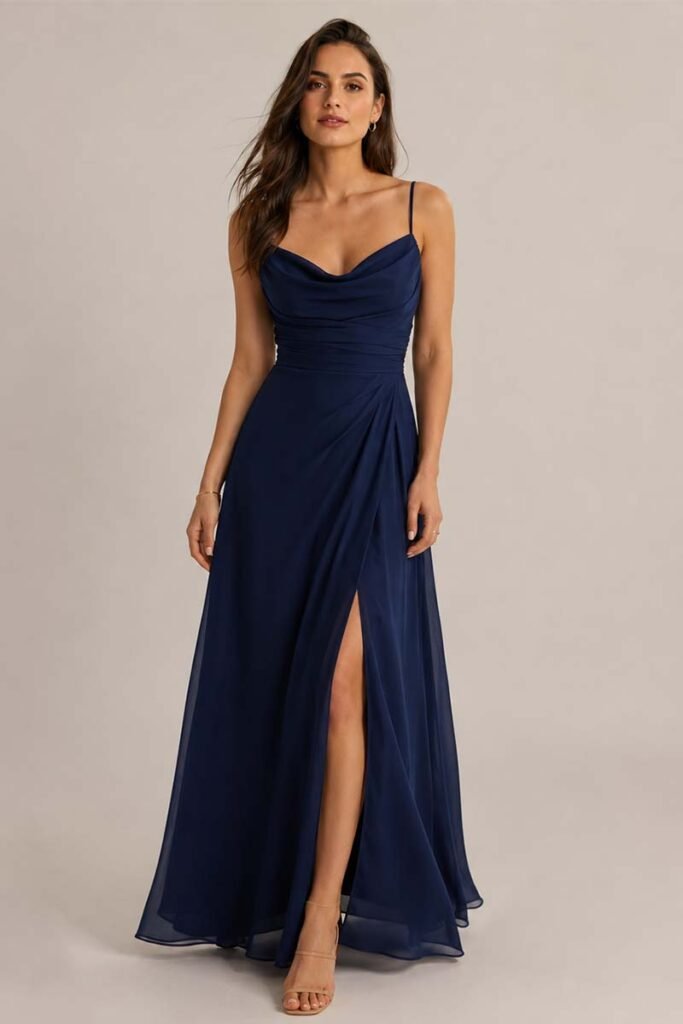
Fashion dresses are the center of Duolan’s ODM apparel work because they combine silhouette, fabric, fit, finish and brand identity in one product. A strong dress direction must be judged through body proportion, material behavior, lining, construction route and final presentation.
- Duolan reviews references through length, neckline, waist position, skirt shape, lining, closure and wearability.
- Development can move from moodboard or image reference into fabric suggestion, pattern basis, first sample and revision path.
- The goal is a production-ready dress standard, not only an attractive first sample.

Occasion Dresses
Occasion dresses serve visible social settings and require polished finishing, reliable fit and careful material choice. ODM development must balance visual impact, wearing comfort and production consistency.
- Duolan reviews fabric shine, lining coverage, bust support, color consistency, hem finish and packing protection.
- Development may include wedding guest, cocktail, graduation, semi-formal, holiday and social-event dress directions.
- Strong occasionwear ODM connects trend direction with sample approval, PP sample and delivery preparation.

Party Dresses
Party dresses often include fitted silhouettes, mesh, sequins, cut-outs, ruching, halter necks or corset structures. Visual strength matters, but the garment must remain wearable, stable and producible.
- Duolan reviews stretch recovery, transparency, seam strength, lining comfort, zipper durability and support points.
- Development decisions are checked against production risk before the style becomes a bulk candidate.
- Hero styles, repeat commercial styles and seasonal statement pieces should be planned with different risk levels.

Bodycon Dresses
Bodycon development depends on stretch rate, recovery, pattern tension, seam elasticity and size grading. A fitted style is not successful simply because it is tight.
- Duolan reviews fabric recovery, opacity, lining need, side seam balance and bust-waist-hip proportion during sample development.
- Development notes must protect comfort and body shaping across sizes, not only sample appearance.
- Repeatable bodycon styles benefit from fabric records, critical measurements and PP sample control.

Satin Dresses
Satin styles require precise material and production judgment because surface shine reveals seam marks, pressing lines and packing creases. ODM development should choose satin based on final garment behavior, not only color and shine.
- Duolan reviews satin weight, drape, opacity, lining, seam tension and pressing method before sample approval.
- Sample development should check surface quality under realistic light and photo conditions.
- A satin style is production-ready only when sewing, finishing and packing risks are controlled.

Mesh Dresses
Mesh development requires planning around transparency, lining, stretch, print placement, panel position and edge finishing. A mesh concept can look strong but fail if coverage and comfort are not controlled.
- Duolan reviews whether mesh is used as outer layer, insert, sleeve, printed surface or full garment panel.
- Key decisions include lining tone, coverage zone, binding, seam visibility and skin contact.
- The final ODM sample should make transparency look intentional and brand-appropriate.

Corset Dresses
Corset and bustier dresses require internal structure, not only outside seam lines. ODM development must consider cup position, boning, lining, closure, back structure and size grading from the beginning.
- Duolan reviews bust support, waist shaping, boning channel, closure strength, inner layer and wearing stability.
- Structure-sensitive styles may need more disciplined sample review before bulk readiness.
- A corset direction becomes valuable only when the inside construction supports the outside silhouette.

Resort Dresses
Resort dresses depend on lightweight fabric, print mood, color, drape, movement and seasonal presentation. ODM development must consider how the garment looks in campaign images and how it survives packing and delivery.
- Duolan reviews print scale, fabric transparency, lining, hem balance, color behavior and folding method.
- Resort direction may include maxi dresses, halter dresses, slip dresses, sundresses and coordinated sets.
- Development should connect vacation mood with material reality and launch timing.

Fashion Sets
Fashion sets extend a brand’s product story beyond single garments. ODM development must coordinate top-bottom proportion, color, fabric lot, size pairing, label placement and packing logic.
- Duolan reviews whether pieces are sold together, packed together or replenished separately.
- Fabric and color consistency must be managed carefully so the set feels intentionally developed.
- Sets work well when the brand wants a complete seasonal or campaign look.

Refined Tops
Refined tops can support dress-led womenswear lines when the brand needs elevated styling pieces. ODM development should focus on neckline, sleeve, armhole, trim, fabric and inside finish rather than basic top construction.
- Duolan reviews fabric handfeel, edge finish, trim placement, label position and fit balance.
- Tops may connect with skirts, sets, resort stories or occasion capsules.
- The goal is to develop tops that support the brand’s fashion direction, not generic basics.

Skirts
Skirts are useful for extending dress fabrics, seasonal colors and silhouettes into a broader product line. ODM skirt development requires attention to waist fit, length, lining, slit, hem and movement.
- Duolan reviews mini, midi, maxi, fitted, satin, mesh, pleated, sequin and resort-oriented skirt directions.
- Waistband stability, zipper placement, lining length and hem balance are key sample review points.
- Skirts can help a brand turn one material direction into a more complete collection.

Selected Jumpsuits
Jumpsuits are high-fit-risk womenswear products because upper body, waist, rise, hip and leg movement must work together. ODM development must review body length and comfort early.
- Duolan checks bust coverage, waist position, rise, inseam, closure method, shoulder or strap position and fabric movement.
- Size grading requires careful attention because vertical fit changes affect wearing comfort.
- Jumpsuits are best developed when the brand wants a structured fashion piece within a broader collection.
What ODM Apparel Should Avoid
A mature ODM apparel project needs direction, customer understanding, sample goals and production intent. Duolan’s positioning is based on brand-aligned development, not catalog selection, trend copying or unclear requests without commercial context.
| Not Our ODM Position | Why It Weakens Development | Duolan’s Better Fit |
|---|---|---|
| Ready-style catalog | It reduces ODM into product selection and weakens brand differentiation | Brand-aligned development based on target customer and product direction |
| Hot-style copying | It may create similar-looking products without strong brand ownership | Direction-based style translation with fabric, fit and production review |
| Generic all-category apparel | It dilutes technical focus across unrelated products and production standards | Dress-focused womenswear, refined tops, sets and selected fashion categories |
| File-free vague requests | It creates inaccurate sampling, weak quotation and unclear development responsibility | Structured development brief with references, category goals and market direction |
| Design-only output | It stops before fabric, sample, fit, construction and production feasibility | Development-to-bulk manufacturing with PP sample and QC planning |
| One-off idea testing | It limits production memory and long-term supplier value | Seasonal, collection or category-extension development with repeat potential |
Brand Direction Review
A stronger ODM project starts with a real review of brand direction. Duolan does not treat reference images as instructions to copy. We use them to understand aesthetic, customer, market position, fabric mood, category fit and production feasibility.
Brand Aesthetic Review
Brand aesthetic is not only a moodboard. It includes silhouette preference, fabric language, color rhythm, styling attitude, fit expectation and customer perception. Duolan reviews whether the desired direction feels refined, fitted, romantic, structured, party-driven, resort-oriented or contemporary. The goal is to translate visual identity into products that can be sampled and produced.
- Visual language: We review whether the brand favors clean lines, feminine drape, body-conscious fit, structured bodices, lightweight resort mood or occasion polish.
- Fabric mood: Satin, mesh, lace, jersey, chiffon, crepe, sequins and lightweight woven fabrics each communicate a different product position.
- Development value: A clear aesthetic helps Duolan suggest styles that feel brand-relevant rather than generic.
Market and Channel Review
ODM development must match how the product will be sold.
An ecommerce fashion brand, occasionwear label, regional retail brand and multi-brand group may need different sample standards, packing logic, fit tolerance and launch planning.
Duolan reviews the market and channel before suggesting product direction.
- Channel needs: Ecommerce products must photograph well, fit consistently and pack accurately for warehouse handling.
- Market expectation: US, UK, EU and AU customers may require different size logic, care label formats and product fit assumptions.
- Timing pressure: Seasonal launches need earlier fabric confirmation, sample review and production readiness planning.
Commercial Product Review
Not every attractive reference should become a product.
Duolan reviews whether a direction can work as a hero style, commercial core item, repeatable bestseller, category extension or fabric-led seasonal piece.
This makes ODM development more useful for brand growth.
- Hero styles: Strong visual styles can support campaigns but may need more construction and sample control.
- Commercial core: Cleaner repeatable pieces should protect fit, fabric consistency and reorder efficiency.
- Category extension: New styles should connect with the brand’s existing product strength and customer expectation.
Trend Direction to Sellable Apparel
Trend interpretation becomes valuable only when it can be converted into brand-relevant, sample-ready and production-feasible apparel. Duolan helps brands filter trend direction through fabric, fit, construction, price position and bulk execution.
Trend Filtering
Not every trend belongs in every brand’s collection. Duolan reviews whether a trend fits the brand’s customer, price point, fabric language, channel and launch timing. A social-media detail may look strong in a reference image, but if it increases return risk, production instability or price mismatch, it needs to be adjusted before development.
- Brand fit: A trend must strengthen the brand’s identity instead of creating disconnected one-season products.
- Category fit: Satin, mesh, corset, resort, fitted and occasion directions all require different technical judgment.
- Production fit: A trend should be checked for fabric availability, workmanship feasibility and bulk repeatability.
Style Translation
Style translation turns inspiration into specific product decisions. Duolan reviews length, neckline, sleeve, waistline, skirt shape, fabric, trim, lining, closure, detail placement and wearing scenario. The purpose is not to duplicate a reference style, but to develop a product direction that matches the brand’s commercial and aesthetic needs.
- Silhouette decision: Mini, midi, maxi, fitted, relaxed, structured and draped shapes serve different customer needs.
- Detail decision: Cut-outs, ruching, pleats, straps, boning, sequins and mesh panels must be placed with production logic.
- Fabric decision: Material choice determines whether the style feels premium, wearable and suitable for bulk production.
Production Feasibility
A trend becomes a sellable style only when sample and production feasibility are clear.
Duolan checks whether the fabric can support the intended silhouette, whether the construction can be repeated, whether size grading will stay stable and whether the garment can be finished and packed properly.
- Sample feasibility: The first sample should verify the most important visual and fit assumptions.
- Bulk feasibility: PP sample standards, BOM, measurements and QC points must be clear before production.
- Delivery feasibility: Packing, labeling and carton details should support the brand’s launch and warehouse needs.
Fabric and Trim Development
Fabric and trim choices decide whether an ODM apparel direction can become a real product. Duolan reviews material behavior, trim function, surface effect, comfort, production risk and cost logic before sample approval.
| ODM Direction | Material Decision | Development Risk | Duolan Review |
|---|---|---|---|
| Satin Direction | Weight, shine, drape, opacity, lining and pressing behavior | The garment may look thin, show seam marks or lose premium surface quality | Drape review, surface check, lining choice, seam test and packing method |
| Mesh Direction | Transparency, lining tone, stretch, print behavior and edge finishing | The style may expose too much, distort on body or feel unfinished | Coverage planning, recovery check, lining match and panel placement review |
| Corset Direction | Boning, cup shape, closure, eyelets, lining and support layer | The bodice may lose support or become uncomfortable across sizes | Structure review, inner-layer planning, fit check and PP sample control |
| Resort Direction | Print, lightweight fabric, color, drape, opacity and wrinkle behavior | The style may lose visual mood or arrive poorly after packing | Print scale review, fabric movement check, lab dip review and folding method |
| Party Direction | Sequin, metallic surface, stretch fabric, lining and zipper | The garment may feel heavy, scratchy or unstable in bulk production | Comfort check, durability review, seam planning and packing protection |
| Set Direction | Shared fabric, paired trims, top-bottom proportion and label pairing | Pieces may mismatch in color, size, proportion or packing | Fabric lot control, paired measurement review and set-packing confirmation |
ODM Sample Development Path
ODM sampling should help a brand move from direction to decision. Duolan’s sample path connects brand brief, reference review, fabric and trim suggestion, pattern development, sample correction and PP sample planning.

Step 1|Direction Intake
Duolan begins by reviewing the brand’s product direction, reference images, target customer, category goal, fabric mood, color direction, price position and launch timing. The first objective is to understand what the brand wants to build and why the product should exist in the collection. This stage also identifies whether the project needs style refinement, fabric sourcing, sample development, category expansion or production feasibility review.

Step 2|Reference and Market Review
Reference styles are reviewed for product logic, not copied directly. Duolan studies silhouette, length, neckline, fabric behavior, construction detail, target wearing scenario and commercial fit. We also consider whether the direction matches the brand’s sales channel and customer expectation. A strong reference review helps avoid samples that look close to an image but do not fit the brand, price position or future production path.

Step 3|Fabric and Trim Suggestion
Fabric and trim decisions shape the product before the first sample is sewn. Duolan reviews drape, stretch, recovery, opacity, handfeel, color, lining, zipper, elastic, boning, lace, sequins, hardware and labels where relevant. The goal is to match the material with silhouette and production reality. For women’s fashion products, the wrong fabric can change the entire fit, appearance and customer experience.

Step 4|Pattern and First Sample
Once direction and material basis are clear, Duolan moves into pattern and first sample development. The sample verifies silhouette, fabric behavior, construction route, body proportion and initial fit. It also reveals whether details such as straps, lining, slit, closure, hem, mesh panels or support structures need adjustment. The first sample is used as a development tool, not treated as the final production standard.

Step 5|Revision and Fit Correction
Brand comments are translated into technical changes. A request for a cleaner neckline may involve pattern shape, lining, seam method or support; a request for better movement may involve slit, hem, fabric or measurement adjustment.
Duolan reviews comments against production feasibility, so the revised sample moves closer to a bulk-ready garment instead of becoming only a prettier prototype.

Step 6|PP and Bulk Readiness
When the sample direction is approved, Duolan helps move the project toward PP sample and production readiness. Fabric, trims, pattern, measurement tolerance, BOM, construction notes, label details, packing method and QC checkpoints must be confirmed.
ODM value is proven when the developed style can enter bulk production with a clear standard and repeatable execution path.
Design-to-Sample Risk Control
ODM development carries risk when visual direction moves faster than fabric, fit and production feasibility. Duolan helps identify the points where reference styles, material selection, sample correction and production reality can disconnect.
| Development Risk | Common Problem | Duolan Control |
|---|---|---|
| Reference Image Mismatch | The sample looks similar in outline, but fit, fabric and proportion do not match the brand expectation | Pattern review, fabric behavior check, fit correction and sample purpose clarification |
| Fabric Mismatch | The chosen fabric changes the mood, drape, opacity or recovery of the intended style | Fabric swatch review, drape test, stretch check, lining suggestion and alternative sourcing |
| Over-designed Detail | Too many details make the garment expensive, unstable or difficult to repeat in bulk | Feasibility review, detail prioritization and production-risk feedback before sampling |
| Weak Support | The dress looks attractive but fails around bust, neckline, strap, waist or back structure | Support structure review, lining plan, boning or reinforcement check and fit sample correction |
| Poor Size Logic | The sample works in one size but loses proportion across the size range | Grade rule review, critical measurement list and PP sample confirmation |
| Unclear Target Customer | The style does not match the brand’s channel, price position or consumer expectation | Brand direction review, category fit analysis and commercial product planning |
Collection Development Structure
ODM apparel development becomes more valuable when it supports a full collection, not only one isolated garment. Duolan helps brands organize style direction into commercial layers that can support launch, repeat, extension and seasonal planning.
Hero Styles
Hero styles carry the strongest visual identity of a collection. They may include corset dresses, satin midis, embellished party styles, mesh statements, resort maxis or structured fashion pieces.
- Duolan reviews hero styles for construction feasibility because high-impact designs often carry higher sampling and bulk risks.
- These styles should support campaign images, lookbook direction and brand storytelling without becoming impossible to produce.
- A hero style can be visually stronger, but it still needs fabric, fit, lining, trim and production controls.
Commercial Core
Commercial core styles are the pieces most likely to generate stable sales and repeat orders. They may be cleaner dresses, fitted essentials with elevated fabric, refined tops, skirts or wearable fashion sets.
- Duolan helps brands identify which directions should be simplified for repeat production and broader customer use.
- Core styles need stable fabric supply, reliable fit, manageable construction and clear packing standards.
- These pieces often become the production memory foundation for future color extensions.
Repeatable Styles
Repeatable styles turn one successful development into a long-term product asset. A strong black midi, fitted dress, satin slip, mesh style or fashion set can support multiple seasons when standards are properly recorded.
- Duolan helps preserve pattern version, fabric lot, measurement tolerance, trim files and packing details.
- Repeatability is considered during development, not only after the first production is completed.
- This reduces avoidable redevelopment when the brand wants reorder or color updates.
Seasonal Fabrics
Seasonal fabrics create freshness across collections. Satin, mesh, lace, chiffon, velvet, sequins, lightweight woven and stretch jersey each bring different selling moods and production requirements.
- Duolan reviews whether a fabric direction supports the intended silhouette, price position and bulk quality.
- Seasonal fabric decisions must be tested for drape, shrinkage, color, recovery, opacity and finishing behavior.
- Fabric-led ODM development helps brands refresh products without losing fit or production control.
Color Extensions
Color extensions work only when the base style is stable. A proven silhouette can be expanded into seasonal colors, but each color may change opacity, shine, visual thickness and customer perception.
- Duolan reviews lab dips, fabric lots, colorfastness concerns and label or barcode updates before production.
- Light colors may require lining review, while deep colors may require colorfastness attention.
- Color extension should feel like controlled brand development, not a rushed production change.
Category Extensions
Category extensions help brands move from one proven direction into new product groups, such as dresses to sets, partywear to occasionwear, tops to skirts, or resort dresses to coordinated looks.
- Duolan reviews whether the new category fits the brand’s existing customer, price range and selling channel.
- Development risk is checked through fabric, fit, sizing, construction and production route.
- Category extension works best when it builds on existing brand strength rather than chasing unrelated trends.
Category Expansion Support
For established fashion brands, ODM often begins when a team wants to expand beyond its current product strength. Duolan helps evaluate whether a new category can match brand identity, customer demand, fabric capability and production feasibility.
From Tops to Dresses
A brand that already sells tops may understand neckline, fabric and styling, but dresses introduce new fit challenges: bust, waist, hip, length, lining, movement and body proportion. Duolan reviews whether the brand’s existing aesthetic can be translated into mini, midi, maxi, fitted or occasion dress structures.
- Product logic: A top-focused brand needs to decide whether its dress direction should feel refined, fitted, casual, resort-oriented or event-ready.
- Fit logic: Dresses require stronger measurement control across bust, waist, hip, length and lining.
- Production logic: Fabric choice must support body coverage, drape, hem balance and sample-to-bulk consistency.
From Dresses to Sets
A dress-led brand may expand into fashion sets to increase styling options and collection depth. Sets require top-bottom proportion, paired sizing, color consistency, fabric-lot control and packing decisions that are different from single garments.
- Styling value: Sets can create a stronger campaign look and increase product pairing opportunities.
- Technical value: Top and bottom pieces must align in fabric behavior, color tone, measurement balance and label logic.
- Delivery value: Packing must confirm whether pieces are sold together, labeled together or handled as separate product units.
From Partywear to Occasionwear
A partywear brand may expand into occasionwear when it wants a more refined, event-ready line. The product language shifts from high visual impact toward polished fabric, stable fit, refined finish and longer wearing comfort.
- Material shift: Sequins, mesh and stretch may still be used, but satin, crepe, lace, lining and structure often become more important.
- Fit shift: Occasionwear needs confidence, comfort and body balance, not only dramatic appearance.
- Production shift: Pressing, packing, final inspection and photo-ready presentation become more sensitive.
Development Capacity Behind ODM
Duolan’s ODM strength is not a creative claim. It is supported by development people, sampling density, factory connection, equipment resources and production coordination that allow style ideas to move toward real garments.
Development Team Scale

Duolan’s wider group system includes approximately 750–1,200 development team members across trend research, product planning, design, fabric and trim development, pattern making, sample sewing, process engineering and development follow-up. ODM requires cross-functional judgment, not one designer’s sketch.
- Product planning supports category direction, commercial style grouping and development priorities.
- Fabric and trim development helps translate visual ideas into physical product options.
- Pattern and sample teams turn selected direction into garments that can be reviewed, corrected and produced.
Sample Development Density
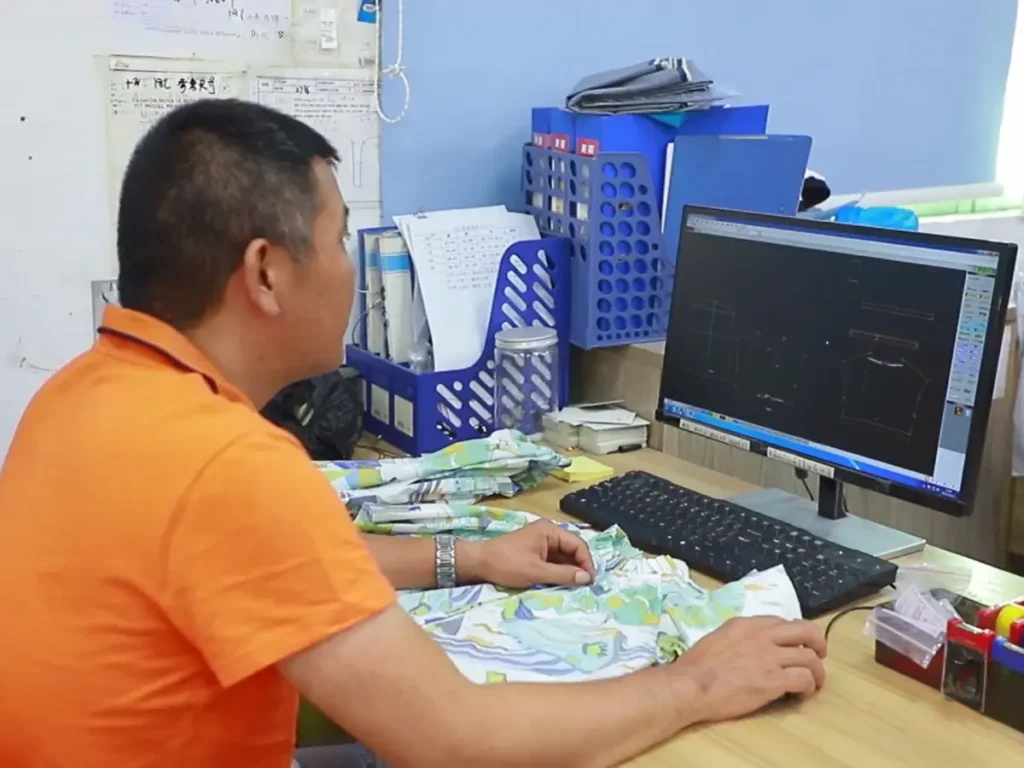
Monthly sample development capacity reaches approximately 15,000–35,000 pieces or style attempts, with support for approximately 3,000–8,000 style development and sampling workflows. For ODM apparel, sample density matters because collections often require several directions, fabric tests, fit corrections and revised samples before approval.
- Multi-style development can move in parallel rather than waiting for one sample at a time.
- Brands can evaluate fabric, silhouette, fit and construction through physical samples.
- Higher sampling density supports active launch calendars and repeated revision cycles.
Factory-backed Development
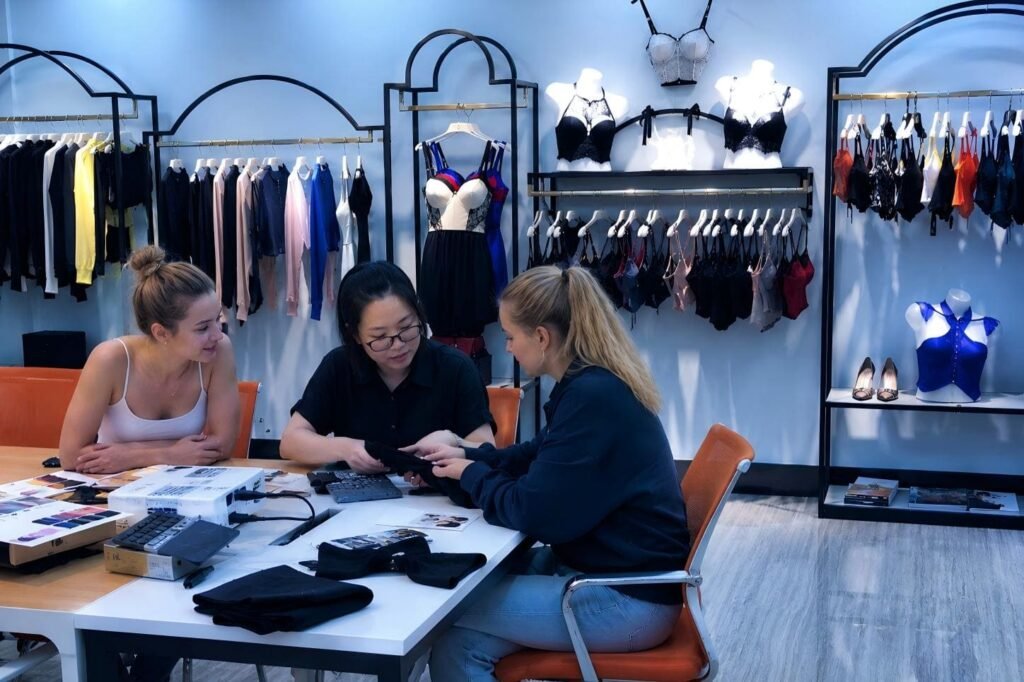
Duolan is supported by 16 owned womenswear factories and 20+ long-term satellite factories.
This allows ODM development to remain connected to production reality.
A style is not only developed for appearance; it is reviewed for bulk route, workmanship, QC and repeat delivery.
- Owned factories support core styles that need stronger development and production control.
- Satellite cooperation creates routing flexibility for repeat, volume or complexity-matched production.
- Development decisions are checked against actual manufacturing feasibility, not only design preference.
Equipment-backed Execution

The wider equipment base includes approximately 12,000–20,000 sets of machinery across fabric inspection, cutting, CAD pattern systems, sample development, sewing, printing, embroidery, finishing, inspection, packaging and logistics support. These resources help ODM styles move beyond idea and sample into production.
- CAD and sample systems support pattern development and sample iteration.
- Printing, embroidery, washing and finishing resources support visual and material effects.
- Inspection and packaging equipment help convert approved samples into brand-ready delivery.
Complex Fashion Apparel Development
Complex fashion apparel development requires fabric judgment, structure planning, fit review and production feasibility. Duolan evaluates sensitive styles before bulk so ODM ideas can become stable products, not only attractive samples.

Satin Development
Satin can look premium or weak depending on weight, drape, lining, seam control and finishing. ODM satin development must evaluate how shine, color and surface quality behave in real garment form.
- Duolan reviews satin weight, opacity, drape, lining, seam tension, pressing behavior and packing protection.
- Sample review checks whether the surface photographs smoothly and whether seams remain clean under light.
- Satin styles should enter bulk only after sewing, finishing and packing risks are understood.

Mesh Development
Mesh creates visual interest but requires coverage, lining, stretch and edge control. A mesh concept can become uncomfortable or inconsistent if transparency and panel placement are not managed.
- Duolan reviews mesh stretch, opacity, lining color, print behavior, binding, panel placement and skin-contact areas.
- Coverage zones are planned according to the brand’s market, product image and wearing confidence.
- ODM mesh samples must confirm both visual effect and production repeatability.
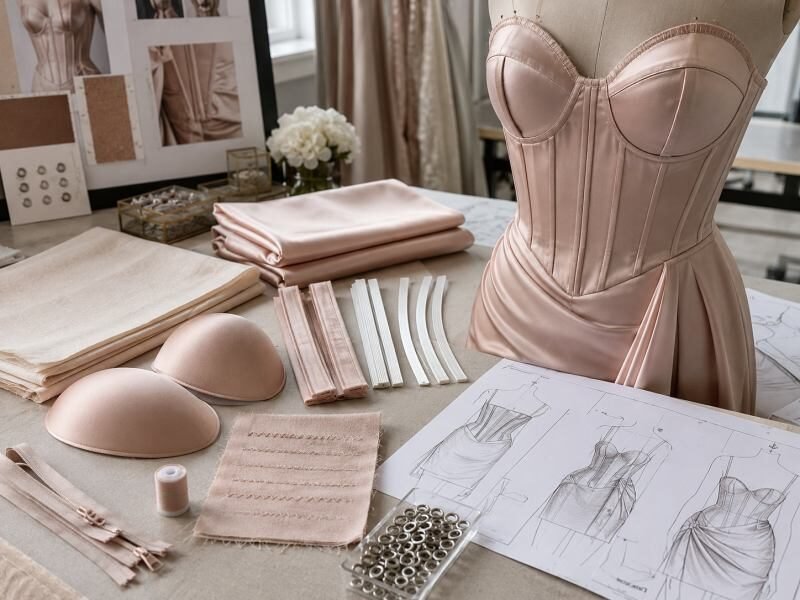
Corset Development
Corset styles depend on internal structure. Cup shape, boning, lining, closure, eyelets, zipper and back tension must work together to support the final silhouette.
- Duolan reviews bust support, waist shaping, inner layer, boning channel, closure strength and size grading.
- Structural details are evaluated in sample stage before the style is approved for production.
- A corset direction becomes production-ready only when inside construction supports outside appearance.

Sequin Development
Sequin styles need shine, but they also need comfort, durability and packing protection. Development must consider weight, shedding, seam thickness, lining comfort and surface damage.
- Duolan checks sequin direction, density, base fabric, seam allowance, zipper area and skin-contact surfaces.
- Lining is reviewed to reduce scratching and friction during wear.
- Packing decisions are planned early to prevent pressure marks, abrasion and surface damage.

Bodycon Development
Bodycon development is controlled by fabric recovery, pattern tension and seam elasticity. A bodycon direction can fail if stretch is strong but recovery is weak, or if the fit works only on one sample size.
- Duolan reviews stretch rate, recovery, opacity, side seam balance, stitch type and bust-waist-hip proportion.
- Fit comments are translated into pattern, measurement and construction updates.
- Repeatable bodycon products need fabric and measurement records for color extension and reorder.

Resort Development
Resort styles depend on lightweight comfort, print mood, color, movement and seasonal timing. ODM resort development must balance visual freshness with fabric and packing reality.
- Duolan reviews print scale, fabric drape, transparency, lining, color behavior, hem balance and folding method.
- Long, lightweight and printed garments require careful cutting, lining and packing decisions.
- Resort development works best when brand direction, launch timing and material selection are reviewed together.
From ODM Sample to Bulk
ODM success is proven when a developed sample can move into bulk production. Duolan connects sample confirmation, material records, PP sample, BOM, production notes, QC checklist and delivery preparation before manufacturing begins.
Sample Confirmation
| Confirmation Point | What to Review | Why It Matters |
|---|---|---|
| First Sample | Silhouette, fabric behavior, fit direction, construction route and first visual result | Confirms whether the development direction is close enough for brand review |
| Revised Sample | Fit comments, neckline, waist, length, lining, closure, trim and surface corrections | Turns brand feedback into technical improvement |
| Fabric Confirmation | Final fabric, color, stretch, opacity, handfeel, drape and shrinkage behavior | Protects the style from changing during bulk production |
| Trim Confirmation | Zipper, lining, boning, elastic, lace, sequin, hardware, label and thread | Prevents incorrect substitutions and production misunderstanding |
Bulk Readiness
| Confirmation Point | What to Lock | Why It Matters |
|---|---|---|
| PP Sample | Final garment reference for production floor and inspection team | Becomes the approved bulk production standard |
| BOM and Spec | Material list, construction notes, measurement tolerance and grade rule | Gives production teams clear execution information |
| QC Checklist | Fabric, cutting, sewing, measurement, label, packing and final inspection points | Controls deviation before shipment |
| Packing File | Polybag, hanger, folding, tissue, barcode, carton ratio and carton mark | Supports warehouse-ready delivery and receiving accuracy |
Manufacturing System Behind ODM
Duolan’s ODM capability is supported by a manufacturing system, not only a development team. Styles are reviewed for production route, factory fit, material readiness, QC requirements and delivery preparation before bulk production begins.
Owned Factory Control

Owned factories help keep core ODM projects closer to sample correction, PP confirmation and bulk quality control. This is important for styles with sensitive fabric, fitted construction, lining, support, surface finish or complex workmanship.
- Core style control: Owned factories can support projects where sample-to-bulk consistency requires stronger management.
- Development feedback: Factory teams can provide practical production input during sample refinement.
- Quality discipline: Approved standards can be translated into production notes, QC points and final inspection requirements.
Satellite Factory Flexibility

Satellite factory cooperation gives Duolan additional flexibility for selected repeat orders, seasonal volume and complexity-matched production. The value is not uncontrolled outsourcing, but production routing under project coordination.
- Production routing: Styles can be matched according to fabric sensitivity, workmanship difficulty and order schedule.
- Volume support: Repeat and seasonal programs can be planned with wider capacity options.
- Coordination control: Material files, sample standards, labels, packing and QC expectations must remain centralized.
Regional Production Buffer

Production support across Guangxi, Guizhou, Sichuan and Jiangxi adds capacity buffering for different order scales and timing needs. For ODM projects that move into bulk, this helps with planning beyond one production point.
- Capacity buffer: Regional resources support production flexibility during concentrated seasonal periods.
- Category matching: Different product types can be considered according to workmanship, timeline and capacity fit.
- Delivery planning: Bulk routing must connect with QC, packing and logistics preparation before shipment.
Special Process Support

Duolan can coordinate mature resources around printing, dip dye, embroidery, washing and other special processes. These capabilities help ODM womenswear projects create distinctive visual effects without ignoring production control.
- Print and dye: Resort, vacation and seasonal styles may need color, print scale and placement review.
- Embroidery and embellishment: Decorative effects must be evaluated for density, weight, comfort and bulk stability.
- Finishing support: Pressing, washing and surface finishing are reviewed according to fabric and product type.
QC and Sample-to-Bulk Control
ODM development must lead to bulk consistency. Duolan controls the path from fabric review to final inspection so developed styles do not lose their intended quality during production.
| Stage | What We Control | Why It Matters |
|---|---|---|
| Fabric Review | Handfeel, drape, shrinkage, stretch, opacity, color and surface behavior | Protects the original development direction and reduces bulk material surprises |
| Pattern Review | Fit, proportion, support, movement, lining and key measurement points | Keeps the sample aligned with body effect and brand expectation |
| First Sample | Silhouette, construction, fabric behavior, inside finish and visual result | Validates whether the direction can become a real garment |
| Revision Stage | Fit comments, construction updates, material changes and trim adjustments | Improves the product standard before PP confirmation |
| PP Sample | Final garment, BOM, measurements, trims, label and packing basis | Locks the reference for bulk production and QC |
| Inline QC | Sewing quality, construction sequence, measurements, trims and process deviation | Controls problems while production is still adjustable |
| Final QC | Appearance, measurement, workmanship, labels, packing and carton information | Protects shipment quality and warehouse receiving accuracy |
Compliance and Supplier Evaluation
Established fashion brands evaluate ODM suppliers not only by style ideas, but also by supplier readiness, quality system awareness, inspection cooperation and documentation discipline. Duolan supports development with manufacturing and compliance foundations.
SMETA Record
Duolan’s factory system has completed SMETA audit and SMETA 2-Pillar audit record, supporting brand-level sourcing discussions and social responsibility review.
- Audit record helps sourcing teams assess supplier background before formal cooperation.
- Social responsibility awareness supports conversations with brand compliance and vendor approval teams.
- Accurate supplier information gives ODM projects a stronger foundation than style development alone.
Quality System Awareness
ODM quality requires product-stage control, not only final inspection.
Fabric, pattern, sample, PP standard, production process, measurement, labels, packing and shipment details must be connected.
- Duolan reviews quality risk according to product type, such as satin surface, mesh coverage, bodycon recovery or corset support.
- QC points are built from development stage and confirmed before bulk production.
- Quality awareness helps developed styles remain consistent after approval.
Testing Coordination
Some brands require testing related to fabric composition, shrinkage, colorfastness, seam strength, trims, care labels or market-specific standards.
- Duolan can coordinate with requirements related to BSCI, ISO 9001, AATCC, ASTM, OEKO-TEX®, EN, China GB standards, GOTS and customer-specific standards where applicable.
- Testing needs should be shared early so material choice and label content can be aligned.
- ODM development becomes more reliable when testing requirements are considered before final fabric approval.
Third-party Inspection
Third-party inspection should be prepared through clear production standards. Approved samples, measurements, labels and packing files need to be ready before inspection teams review finished goods.
- Duolan supports inspection preparation with sample records, measurement information, label files and packing instructions.
- Inline checking helps reduce final-stage surprises.
- Inspection should verify both garment quality and customer-specified execution details.
Label Requirement Support
ODM projects may later move into branded production, so labels and care content should not be treated casually. Label accuracy affects compliance, comfort, brand presentation and warehouse handling.
- Duolan checks main label, care label, size label, content, placement and attachment method where required.
- Care information is reviewed against actual fabric, lining and trim details.
- Label requirements are best discussed before bulk preparation, not after garments are finished.
Supplier Capability Pack
Sourcing teams often need supplier information beyond samples. Duolan can support discussions around product focus, factory system, sampling capacity, production lines, audit record, QC process and project workflow.
- Supplier materials help brand teams evaluate development and manufacturing capability together.
- Duolan’s strength is strongest when the project aligns with dress-focused womenswear development and production.
- Clear supplier evaluation reduces time between initial inquiry and serious project discussion.
ODM Apparel Readiness Checklist
A strong ODM inquiry gives Duolan enough information to evaluate development direction, sample path, material needs, production feasibility and bulk readiness. The checklist below helps brands prepare more useful project materials before starting a development discussion.
Before Development
| Checklist Item | What to Prepare | Why It Helps |
|---|---|---|
| Brand Positioning | Brand aesthetic, customer profile, current product strength and price position | Helps guide style direction and avoid generic development |
| Category Direction | Dresses, sets, tops, skirts, jumpsuits, occasionwear, partywear or resortwear | Helps identify product-specific development risks |
| Reference Styles | Images, samples, competitor references, moodboard or previous bestselling products | Helps translate visual direction into fabric, pattern and sample decisions |
| Fabric Ideas | Swatches, compositions, target handfeel, color direction, drape or similar garments | Helps judge whether the product can achieve the intended look and fit |
| Launch Plan | Season, campaign date, sample deadline, bulk timing and channel needs | Helps prioritize sample path and material confirmation |
Before Bulk
| Checklist Item | What to Confirm | Why It Helps |
|---|---|---|
| Approved Sample | Final sample, fit comments, measurements and visual standard | Becomes the basis for PP sample and production execution |
| Final Materials | Fabric lot, lab dip, lining, trims, zipper, thread, hardware and special process | Reduces substitution risk and production instability |
| Technical Files | BOM, spec sheet, construction notes, size range and measurement tolerance | Gives factory and QC teams a shared production standard |
| Brand Details | Labels, care content, hangtags, barcodes, packaging and carton marks | Prepares the product for branded delivery and warehouse receiving |
| QC Standard | Inspection points, tolerance, packing checks and shipment requirements | Helps protect quality before final delivery |
ODM Apparel Project Evidence
Duolan respects customer confidentiality. Project experience can still be shown through country, product type, initial information, development challenge and production control without exposing client logos or protected designs.
US Dress-led Development
A US ecommerce fashion brand wanted to build a dress-led apparel line from reference images and fabric direction, but did not have complete technical files for every style. The challenge was translating visual ideas into sample-ready products with fit, lining and production logic.
- Duolan reviewed silhouettes, fabric behavior, length proportion, neckline stability and construction risk before sampling.
- The project moved through fabric suggestion, first sample, fit comments, revised sample and PP sample planning.
- The development value came from turning references into production-ready dress standards.

Australian Partywear Direction
An Australian partywear brand needed fitted, mesh and sequin styles for a seasonal launch. The brand had strong visual direction, but production risk was high because the styles involved stretch, transparency and embellished surfaces.
- Duolan reviewed stretch recovery, mesh coverage, lining comfort, sequin seam handling and zipper placement.
- Each style received separate construction notes rather than being treated as one generic partywear group.
- The project focused on creating samples that could later move into controlled bulk production.

UK Satin and Mesh Capsule
A UK fashion brand explored a satin and mesh capsule for an elevated ecommerce drop.
The core development challenge was balancing soft visual mood with real garment stability.
- Duolan helped compare fabric options, adjust lining, review mesh coverage and refine sample construction.
- Satin styles were reviewed for surface quality, seam behavior, pressing and packing protection.
- Mesh styles were evaluated for transparency, lining tone, edge finishing and comfort.

Regional Category Extension
A regional fashion brand wanted to extend from existing fashion tops into dresses and sets. The brand had customer data and reference direction, but needed support translating that direction into new product categories.
- Duolan reviewed existing product language, target customer, fabric direction and suitable category expansion path.
- Dresses were reviewed for fit, length, lining and body proportion; sets were reviewed for paired sizing and fabric consistency.
- The project helped the brand move from product inspiration to a more structured development plan.

ODM Apparel Manufacturer FAQ
An ODM apparel manufacturer helps brands develop products before complete production files are ready. The work may include direction review, reference style analysis, fabric and trim suggestions, pattern development, sample making, fit correction and production planning. For Duolan, ODM must connect development with bulk manufacturing reality.
ODM begins earlier than OEM. ODM supports brands with direction, references, fabric ideas or incomplete files. OEM is more suitable when tech packs, BOM, specifications and approved samples are already prepared. A project may begin as ODM and later move into OEM-style production execution once standards are confirmed.
Duolan is not positioned as a generic all-category apparel factory. Our strongest ODM work is focused on dress-led womenswear, including fashion dresses, occasionwear, partywear, fitted styles, fashion sets, refined tops, skirts and selected jumpsuits where fabric, fit, sample and production control matter.
Yes. Duolan can review reference images and translate them into style direction, fabric choices, construction logic and sample development. We do not treat references as simple copying instructions. The goal is to create brand-aligned apparel that fits the customer’s market, product position and production requirements.
Yes. Duolan can suggest fabrics and trims based on target silhouette, fit, handfeel, opacity, drape, stretch, structure, surface effect and cost logic. Material suggestions are reviewed against sample feasibility and bulk production stability, especially for satin, mesh, lace, sequins, corset and bodycon styles.
Yes. ODM styles can move into bulk production after sample approval, fabric confirmation, BOM preparation, measurement standard, PP sample and QC checklist are confirmed. Duolan’s value is not only developing samples, but helping approved styles become production-ready garments with repeatable standards.
Duolan controls sample-to-bulk consistency through PP sample confirmation, fabric and trim records, measurement tolerance, construction notes, BOM, QC checkpoints and packing instructions. Development decisions are reviewed with production feasibility in mind, so approved samples can move into bulk with clearer standards.
Yes. Duolan can support labels and packaging when the ODM project moves toward branded production. Main labels, care labels, size labels, hangtags, barcode stickers, polybags, carton marks and packing instructions should be confirmed before bulk so product and delivery standards stay aligned.
Useful materials include brand positioning, target customer, product category, reference images, moodboard, fabric ideas, previous bestsellers, target price position, launch timing and expected production direction. These materials help Duolan evaluate style direction, sample path, material feasibility and production risk more accurately.
Duolan is positioned for brand-aligned ODM apparel development, not generic catalog selection. Our strongest fit is with fashion brands that have clear product direction, market needs, sample goals and production intent, and want to turn those inputs into developed samples and bulk-ready products.

Send Your ODM Apparel Direction
Send your ODM apparel direction to Duolan if your brand has a clear product goal, reference styles, market need, fabric idea or category expansion plan that needs to move into development, sampling and production readiness. The strongest ODM inquiries help our team understand the brand identity, target customer, sales channel, preferred fabric mood, product category, launch timing and expected production direction.
A complete tech pack is not required at the first conversation stage. You can share moodboards, reference images, original samples, previous bestsellers, fabric swatches, color direction, target price position, sample expectations, size range, label requirements, packaging needs and launch schedule. For dress-led apparel such as satin dresses, mesh styles, corset structures, fitted pieces, partywear, resort dresses, fashion sets and refined tops, clear direction helps Duolan identify the right sample path and production risks earlier.
Duolan will review whether the project needs direction refinement, fabric and trim sourcing, first sample development, fit correction, PP sample planning or bulk production readiness. Our response can help clarify development feasibility, material suitability, construction concerns, sample direction, QC checkpoints and the next practical step toward production.