Skip to content
ODM Dress Manufacturer
Dress concept development, sample refinement and production-ready manufacturing for established fashion brands.
Duolan helps fashion brands turn dress ideas, references, moodboards, fabric directions and collection plans into refined samples and bulk-ready products. Our ODM dress work connects style direction, material judgment, pattern development, sample correction, production control, QC and brand-ready delivery.
- 30+ years of fashion dress development background supports concept-to-product judgment.
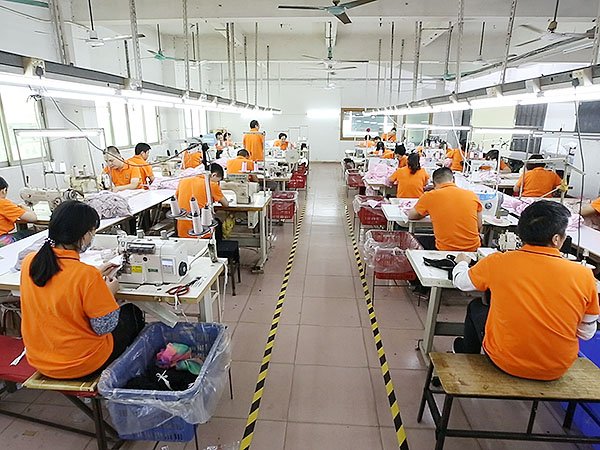
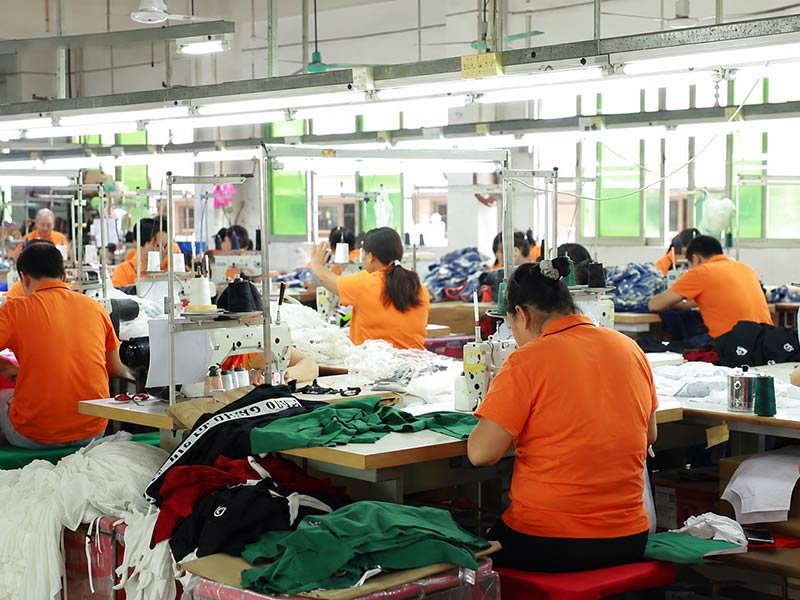
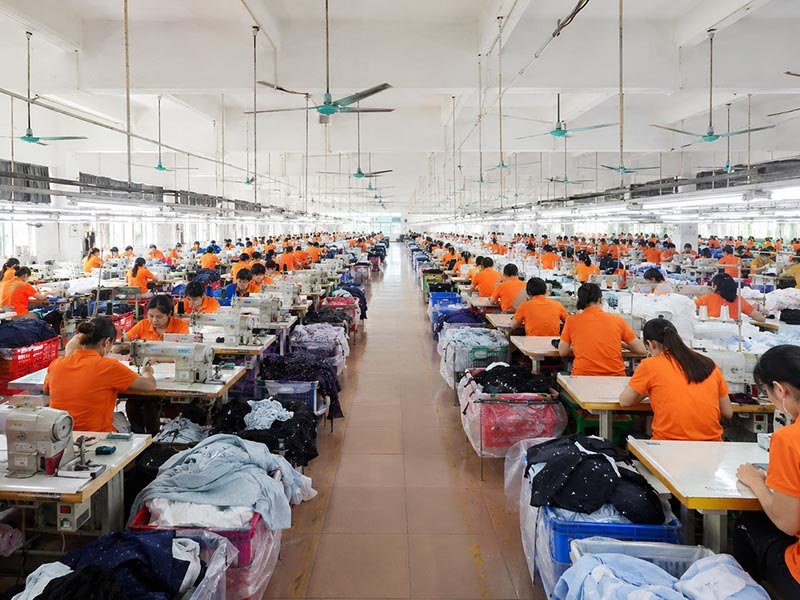
- 16 owned womenswear factories connect sample standards with controlled dress production.
- 20+ satellite factories support coordinated capacity for multi-style ODM dress programs.
- 4 regional bases support production planning across Guangxi, Guizhou, Sichuan and Jiangxi.
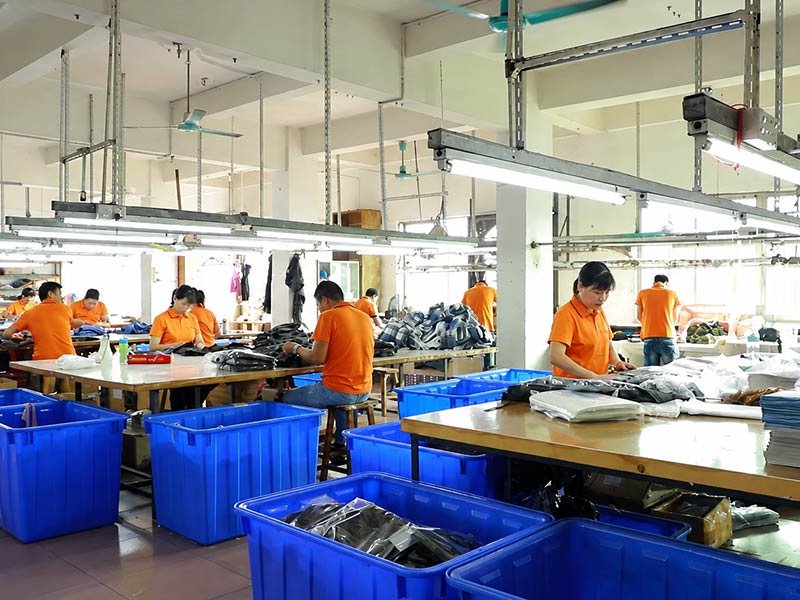
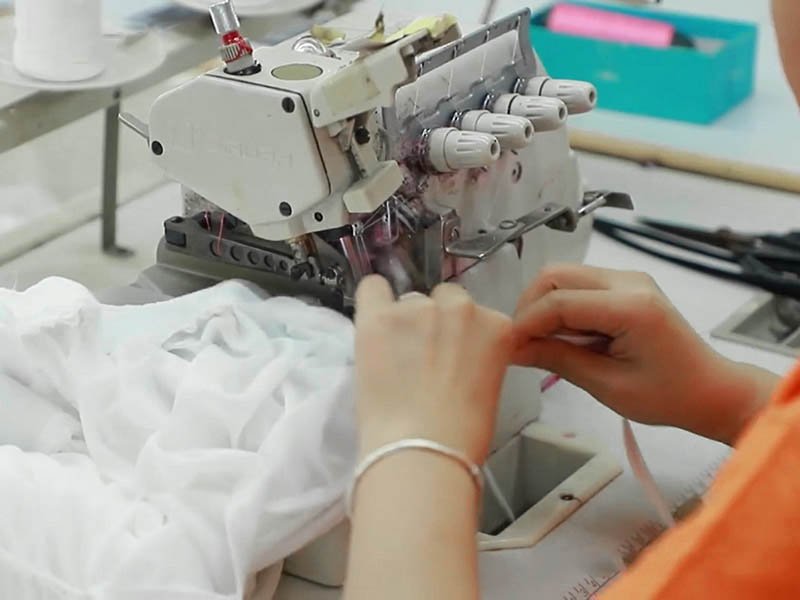
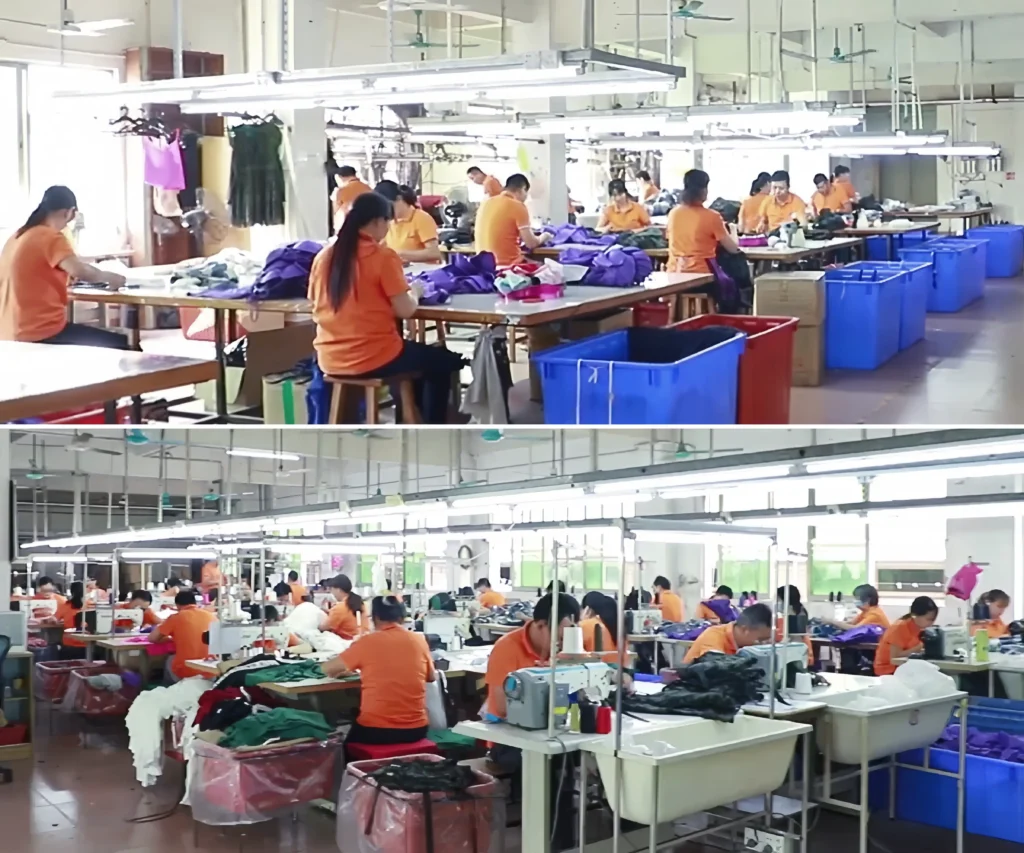
- 12,000–20,000 equipment units support cutting, sewing, finishing, QC and packing.
- 750–1,200 development staff support pattern work, sample refinement and fit correction.
- 2–3 mature partners per key process support print, embroidery, dip-dyeing and washing.





ODM Dress Manufacturing Starts Before Tech Packs
ODM dress manufacturing is different from OEM execution. It begins when a brand has a direction, reference, moodboard, market idea or fabric concept, but still needs development judgment before the dress becomes a sample, production standard and bulk product.
ODM Turns Direction Into Product
A mature dress brand may not always begin with a complete tech pack. Sometimes the starting point is a moodboard, a target occasion, a fabric feeling, a bestselling silhouette, a reference image, a market gap or a seasonal collection plan. ODM dress manufacturing helps convert that direction into a development route: what the style should become, which fabric can support it, how the silhouette should be interpreted, where fit risks may appear, and what sample stage should happen first.
Duolan does not treat ODM as “selecting available styles.” Our ODM role is to help product teams refine dress ideas into workable garments. That means reviewing style direction, fabric suitability, trim options, pattern feasibility, fit logic, sample purpose, commercial wearability and future bulk production risk before the project becomes a production order.
ODM Needs Commercial and Manufacturing Judgment
A dress idea can look strong in a reference image but fail in sampling if fabric, structure, comfort and production method are not considered early. A cut-out party dress may need coverage review. A satin occasion dress may need pressing and packing control. A vacation dress may need fabric that drapes well and travels well. A corset dress may need cups, boning, lining and closure strength that can work across sizes.
Duolan’s ODM development focuses on this bridge between creative direction and production reality. The goal is to help brands create dresses that are not only attractive in concept, but also wearable, refinable, manufacturable and suitable for brand-level delivery.
Built for Brands With Dress Development Direction
Duolan works best with established fashion teams that already understand their market, customer profile, product direction or collection goal. Strong ODM projects do not need perfect files at the beginning, but they do need a clear brand direction and a serious production plan.
Established Dress Brands

Established dress brands often need new styles without rebuilding every development process from zero. Duolan helps translate brand identity, target occasions and product direction into sample-ready dress development.
- Brand input: style direction, reference dresses, seasonal theme, target customer, preferred fabrics and launch window.
- Development need: convert ideas into practical dress shapes, material choices, fit logic and sample priorities.
- Duolan review: occasion, silhouette, fabric behavior, commercial wearability, construction risk and bulk feasibility.
- Strong fit: brands developing occasion dresses, partywear, going-out styles, vacation dresses and fitted dress programs.
Product Development Teams

Product development teams need ODM support when the direction is clear but the technical route is not fully fixed. Duolan helps define what should be sampled, revised and prepared for production.
- Brand input: moodboard, partial sketches, reference images, fabric ideas, sample photos or collection direction.
- Development need: practical feedback before sampling, including fit, materials, trims, pattern route and risk points.
- Duolan review: neckline, length, body proportion, support structure, fabric compatibility and sample sequence.
- Strong fit: teams turning seasonal ideas into production-ready dress samples and related product extensions.
Buying Teams

Buying teams need suppliers that can support development decisions while still maintaining factory discipline. ODM should not become uncontrolled style exploration.
- Brand input: category plan, target price band, delivery calendar, product mix and approved brand quality direction.
- Development need: evaluate whether a dress concept can be sampled, costed, adjusted and produced reliably.
- Duolan review: commercial feasibility, fabric sourcing, sample rounds, production route, QC points and packing needs.
- Strong fit: buying teams comparing development-capable dress manufacturers for long-term supplier cooperation.
Collection Teams

Collection teams often need several related dress ideas developed together. Duolan supports ODM development when a single direction needs to become a capsule, drop or series.
- Brand input: collection mood, style count, fabric story, color plan, launch date and category priority.
- Development need: group ideas by fabric, complexity, sample urgency, production risk and commercial role.
- Duolan review: hero styles, core styles, fabric-linked extensions, sample sequence and bulk readiness.
- Strong fit: brands building occasionwear lines, partywear capsules, resort drops and going-out dress collections.
Dress Development Partner for Fashion Brands
Duolan’s ODM dress work is built for brands that need development support before technical standards are fully locked. The focus is not selling existing dress designs, but turning brand direction into workable samples and production-ready standards.
ODM Is Development Support, Not a Style Library
Many suppliers use ODM to mean “choose from our existing styles.” That may help a brand move quickly, but it does not always create a product that fits the brand’s customer, fabric direction, body fit, quality expectation or future reorder plan. For established fashion brands, ODM should be more than picking a dress and adding a label.
Duolan’s ODM approach starts from brand direction. We review the target market, occasion, silhouette, fabric idea, selling season, desired handfeel, fit expectation and production target. From there, we help define a sample route: which details should be developed first, which materials need testing, which construction areas may create risk, and how the style can eventually become a production-ready garment.
Dress-focused Development With Production Awareness
A development idea is only useful if it can move toward production. A party dress may need visual impact, but the factory still needs to control lining, trims, stretch, coverage and packing. A satin dress may look clean, but sampling must test seam smoothness, surface behavior and pressing. A corset dress may express a strong brand identity, but it cannot move forward without support materials and fit review.
Duolan connects ODM development with manufacturing judgment. We do not separate style advice from production feasibility. Each dress direction is reviewed through fabric, pattern, fit, construction, sample refinement, cost influence, QC and delivery condition, so the final sample has a clearer route into bulk production.
What Brands Can Start With
An ODM dress project can begin from different inputs. Duolan reviews each input as a development signal, then turns it into a practical route for fabric selection, silhouette review, sample development, style refinement and production preparation.
Reference Images
Reference images help communicate the visual direction, but they do not replace product development. Duolan reads references for silhouette, fabric type, neckline, length, fit, trim position and construction difficulty.
- Brand sends: front, back and detail images, preferred changes, target occasion and similar selling references.
- Duolan reads: visual intention, body proportion, construction clues, material direction and likely sample risks.
- Next step: define fabric questions, pattern direction, first sample purpose and development priority.
Moodboards
A moodboard communicates brand feeling, customer expectation and seasonal language. It is useful when the product team wants a cohesive collection rather than one isolated dress.
- Brand sends: color mood, occasion setting, lifestyle references, fabric mood and styling direction.
- Duolan reads: target product emotion, material family, silhouette range and commercial product role.
- Next step: convert the mood into 4–6 development directions with fabric and sample priorities.
Existing Bestsellers
A proven selling style can become a base for new dress development. ODM work helps extend it without losing the reasons it performed well.
- Brand sends: previous sample, sales feedback, customer comments, color history and requested updates.
- Duolan reads: what should stay, what can change, where fit or fabric should be improved.
- Next step: suggest length, neckline, fabric, trim, colorway or matching-set extensions.
Fabric Direction
Sometimes the project begins with fabric: satin, mesh, sequin, stretch jersey, lace, velvet or lightweight woven. The fabric can shape the entire dress direction.
- Brand sends: swatch, material reference, handfeel target, season, color direction and price band.
- Duolan reads: silhouette suitability, lining need, structure, stretch, surface risk and bulk feasibility.
- Next step: match fabric to dress types, sample route and production risk review.
Market Position
A market position gives development boundaries. It tells the manufacturer whether the dress should feel refined, party-led, resort-ready, body-conscious, premium or commercially repeatable.
- Brand sends: target customer, selling channel, price level, product role and expected launch window.
- Duolan reads: commercial fit, fabric expectations, construction level, packing needs and delivery sensitivity.
- Next step: develop sample options that match brand positioning and production reality.
Collection Brief
A collection brief helps Duolan evaluate several dresses as one program. It is useful for brands planning a seasonal drop, party capsule or occasionwear line.
- Brand sends: product list, theme, style count, fabric story, color plan, delivery window and quantity direction.
- Duolan reads: style grouping, sample order, material overlap, complexity split and production route.
- Next step: build a development map from concept to sample review and bulk planning.
Evaluate the Dress Idea Before Sampling
A strong ODM process does not send every reference directly to sampling. Duolan first evaluates whether the dress idea can become a wearable, sellable and manufacturable product for the brand’s target market.
Development Questions Before First Sample
A dress concept should pass several practical checks before sample cost and time are invested. The first question is not only whether the style looks attractive, but whether the fabric, fit, construction and production route can support the intended result.
- Occasion clarity: whether the dress is meant for partywear, occasionwear, going-out, vacation, resort, formal or everyday fashion use.
- Silhouette logic: whether the neckline, waist, hip, length, slit, sleeve, back and body proportion work together.
- Fabric compatibility: whether the intended material can support drape, stretch, opacity, structure and surface finish.
- Construction difficulty: whether cups, boning, lining, zipper, cut-outs, mesh panels or decoration require extra control.
- Commercial repeat value: whether the idea can become one style, a color extension, a capsule or a repeatable product family.
- Production feasibility: whether the style can be refined into sample standards, BOM items, QC points and packing requirements.
Sampling without evaluation often creates avoidable revisions. A dress may fail because the fabric is too light, the lining is wrong, the neckline does not hold, the zipper cannot sit smoothly, or the reference detail is not production-friendly. Duolan’s early review helps identify these issues before the first sample becomes an expensive experiment.
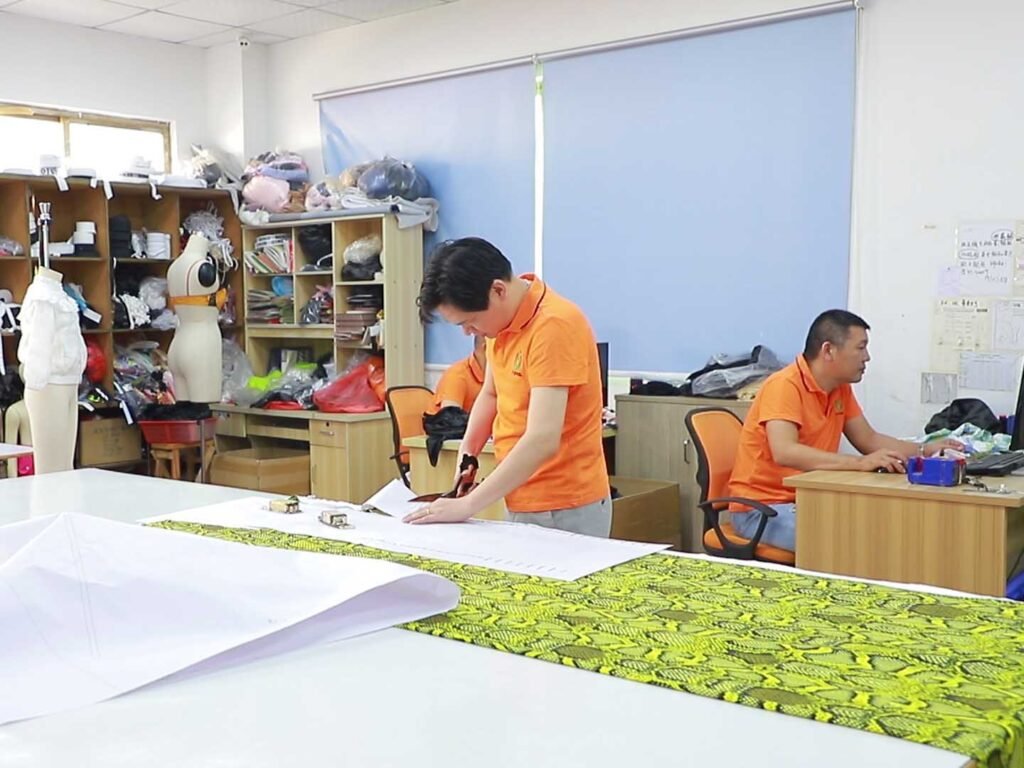
Dress Ideas Developed Into Product Lines
Duolan develops ODM dress projects through product logic, not random style selection. Each dress direction is reviewed by occasion, fabric, body fit, construction, sample route, production feasibility and brand extension value.

Occasion Concepts
Occasion dress concepts require refined appearance, comfort and event-ready presentation. The development process should connect the intended occasion with fabric, structure and final delivery condition.
- Development question: what event does the dress serve, and how refined should the final presentation feel?
- Fabric direction: satin, crepe, lace, soft woven, structured materials or selected embellished surfaces.
- Sample focus: drape, support, neckline stability, slit safety, lining and pressing response.
- Bulk concern: surface finish, label accuracy, packing condition and consistency across colors or sizes.

Partywear Concepts
Partywear concepts rely on impact, but impact must be balanced with fit, coverage and production control. A strong party dress must still be wearable.
- Development question: which visual details create selling power without damaging comfort or production stability?
- Fabric direction: mesh, sequin, stretch jersey, satin, metallic surfaces, cut-out panels or decorative trims.
- Sample focus: body coverage, stretch recovery, lining, strap tension, edge finish and movement security.
- Bulk concern: transparency, sequin loss, trim breakage, size tolerance and protective packing.

Going-out Concepts
Going-out dress concepts often need a confident body fit, strong neckline and modern styling. They should feel fashion-forward without becoming unstable.
- Development question: how should the dress shape the body while remaining comfortable and repeatable?
- Fabric direction: stretch jersey, mesh, satin, compact knit, double-layer materials or structured blends.
- Sample focus: bust support, waist position, back security, side seam balance and hem coverage.
- Bulk concern: fit drift, fabric recovery, lining placement and final visual consistency.

Vacation Concepts
Vacation dress concepts need softness, movement, easy packing and strong visual appeal. The garment should travel well and photograph well.
- Development question: can the style stay light, comfortable and sellable without losing production stability?
- Fabric direction: lightweight woven, soft rayon blends, printed mesh, chiffon-like fabrics or breathable textures.
- Sample focus: drape, transparency, shrinkage, print scale, hem method and wrinkle behavior.
- Bulk concern: fabric twisting, uneven hems, packing creases, shade consistency and print placement.

Fitted Concepts
Fitted dress concepts depend on recovery, opacity and tolerance. ODM development should test how the fabric behaves on the body before production.
- Development question: can the dress create the intended shape without transparency, twisting or weak recovery?
- Fabric direction: stretch jersey, rib, double-layer knits, compact stretch woven or mesh combinations.
- Sample focus: stretch direction, recovery, bust/waist/hip balance, side seams and movement comfort.
- Bulk concern: measurement drift, opacity under tension, size grading and reorder consistency.

Corset Concepts
Corset dress concepts require internal engineering. The style cannot be developed only from an outside image.
- Development question: what level of support should the garment provide, and how should the structure feel on body?
- Fabric direction: satin, structured woven, mesh, lace, interlining, cups, boning and support trims.
- Sample focus: cup shape, boning placement, waist hold, zipper stress, lining and comfort.
- Bulk concern: size grading, support consistency, closure strength and pressure points.

Satin Concepts
Satin dress concepts need careful material judgment because the fabric shows surface and seam problems easily.
- Development question: should the satin style feel fluid, structured, minimal, formal or sensual?
- Fabric direction: soft satin, heavier satin, stretch satin, satin-backed materials or lined satin combinations.
- Sample focus: seam smoothness, drape, cowl or bias behavior, lining, pressing and hem control.
- Bulk concern: surface pulls, puckering, color variation, carton creases and final presentation.

Extension Concepts
A strong ODM direction can become more than one style. Duolan helps brands review whether a dress idea can extend into related products.
- Development question: can the same design language become a top, skirt, set, longer dress or new color story?
- Fabric direction: materials that can support related silhouettes without losing brand consistency.
- Sample focus: proportion transfer, fit balance, fabric consumption, construction changes and styling unity.
- Bulk concern: color continuity, fabric lot control, paired packing and production sequence.
Turning Trend Direction Into Dress Samples
ODM development should translate trend direction into real product decisions. A trend image or market reference is useful only when it becomes a clear dress structure, fabric direction, sample purpose and production route.
Trend Images Are Not Production Instructions
A trend image may show a neckline, color, silhouette or mood, but it rarely explains fabric weight, lining, closure, measurement tolerance, support structure or packing risk. If a manufacturer copies the appearance without analyzing the product logic, the first sample may feel disconnected from the brand’s commercial target.
Duolan reviews trend direction by separating visual value from production risk. The team identifies which elements should be preserved because they carry the brand look, which elements need modification for wearing comfort, and which elements may create bulk production problems. A mesh detail may need lining. A satin drape may need a different weight. A cut-out may need coverage review. A corset shape may need stronger support materials.

The Goal Is Brand-relevant Product Development
ODM development is not about chasing every market image. It is about creating dress products that match the brand’s customer, price position, selling season and production plan. A stronger ODM partner helps the brand turn inspiration into a product direction that can be sampled, corrected and manufactured.
For Duolan, trend-to-product work usually means converting a moodboard into silhouette options, fabric choices, sample routes, fit review points and bulk feasibility notes. This keeps creative development connected to factory execution from the beginning.
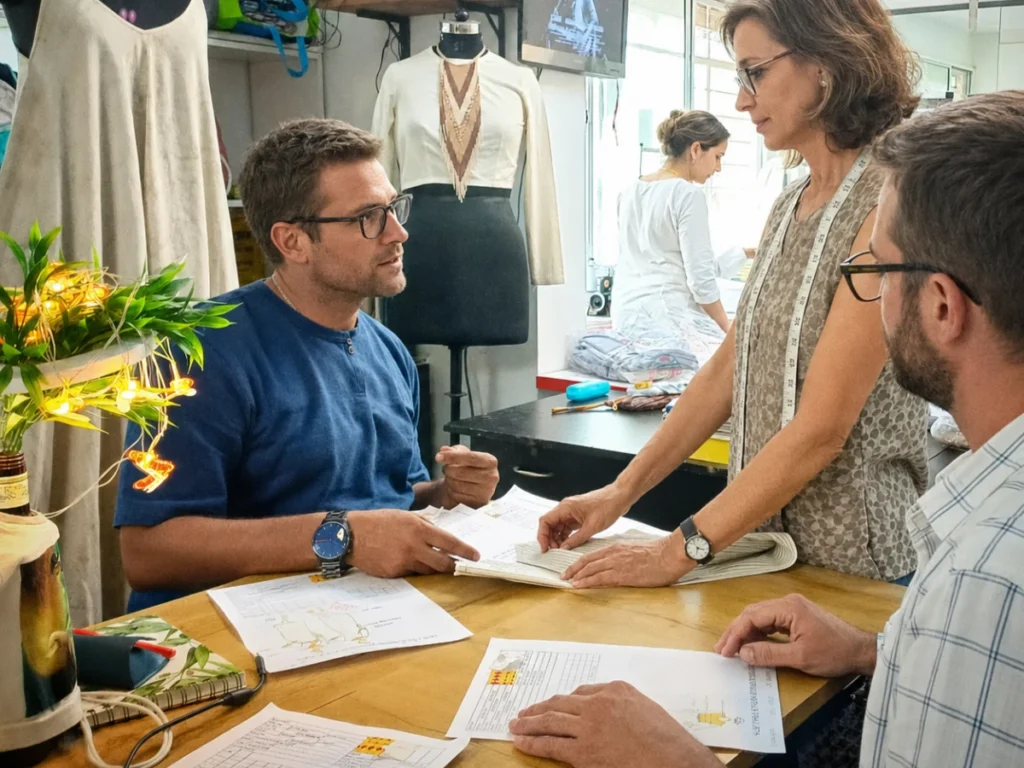
Fabrics That Shape ODM Dress Development
Fabric is one of the strongest decisions in ODM dress development. It does not only affect cost. It changes silhouette, comfort, sample accuracy, construction method, QC focus, packing condition and future style extension.

Satin Direction
Satin gives ODM dresses a polished and elevated direction, but the sample must prove whether the shine, weight and drape support the intended look.
- Style direction: occasion dresses, slip dresses, cowl neck styles, satin minis and refined evening-inspired pieces.
- Sample question: does the satin create clean drape without seam puckering, surface marks or heavy creasing?
- Fit risk: satin does not hide construction problems, so pattern, lining and pressing must be tested early.
- Development decision: choose weight, lining, seam method and packing approach before bulk discussion.

Mesh Direction
Mesh creates modern styling and body-focused effects. ODM development must balance transparency, coverage and movement.
- Style direction: sheer overlays, bodycon panels, printed mesh, party dresses and layered going-out styles.
- Sample question: can the mesh achieve the intended visual effect while protecting comfort and coverage?
- Fit risk: stretch, seam visibility and lining color may change the body appearance significantly.
- Development decision: define opacity, lining, seam position, edge finish and light-condition review.

Stretch Jersey
Stretch jersey is useful for commercial fitted styles, but recovery and opacity determine whether the product can repeat well.
- Style direction: bodycon dresses, ruched styles, fitted midis, going-out dresses and coordinated sets.
- Sample question: does the fabric recover after wear and maintain shape across size range?
- Fit risk: poor recovery creates size drift, side seam twist and customer fit issues.
- Development decision: test stretch direction, thickness, opacity, lining need and tolerance points.
Lace Direction
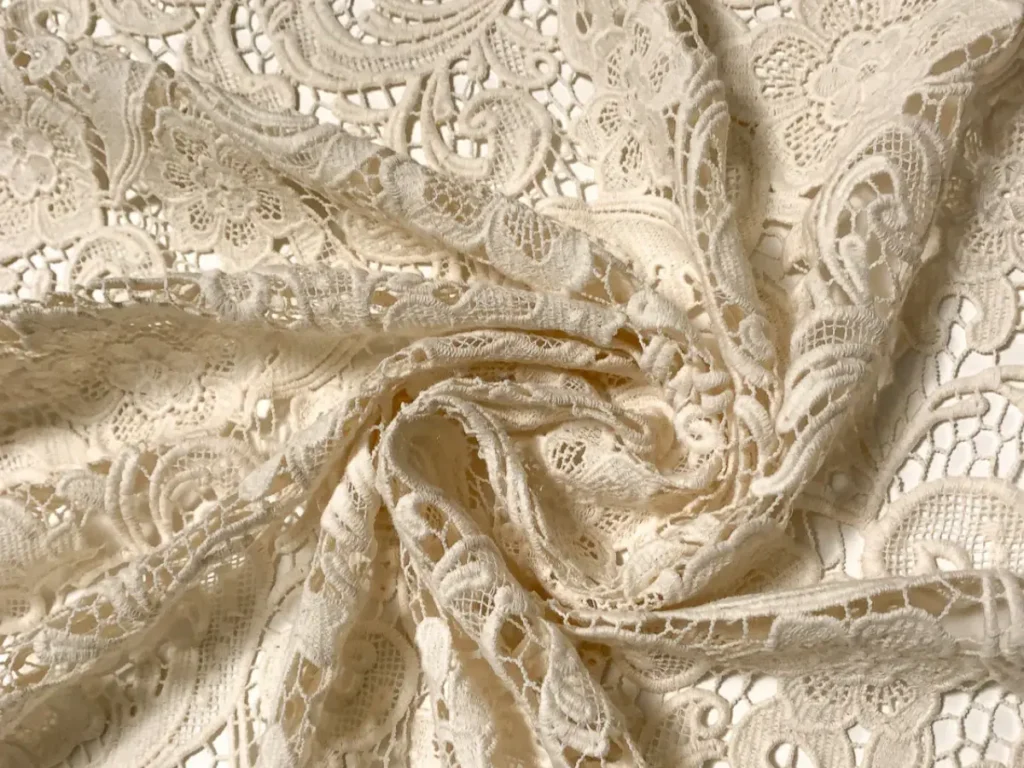
Lace can add feminine and occasion value, but motif, lining and placement decide whether the product looks refined.
- Style direction: occasion dresses, feminine partywear, lace panels, corset dresses and premium details.
- Sample question: does the motif scale match the garment shape and the brand’s visual direction?
- Fit risk: wrong lining or placement can make the style look cheaper or unbalanced.
- Development decision: review motif direction, cutting plan, lining color, edge use and seam placement.

Sequin Direction
Sequin fabrics bring strong impact but require comfort and damage control from the first sample.
- Style direction: holiday dresses, birthday drops, party capsules, campaign pieces and statement looks.
- Sample question: can the fabric deliver shine without becoming scratchy, heavy or difficult to pack?
- Fit risk: seam thickness, weight and inner comfort may affect wearing confidence.
- Development decision: confirm lining, seam cleaning, QC time, surface handling and packing protection.

Lightweight Woven
Lightweight woven fabrics are strong for vacation and resort directions, but they need control over drape and shrinkage.
- Style direction: resort dresses, vacation minis, printed maxis, soft blouses and relaxed dress capsules.
- Sample question: does the fabric move cleanly without twisting, transparency or unstable hems?
- Fit risk: lightweight fabrics may shift during cutting and create uneven final appearance.
- Development decision: check shrinkage, lining, hem method, print scale and packing wrinkles.
Velvet Direction
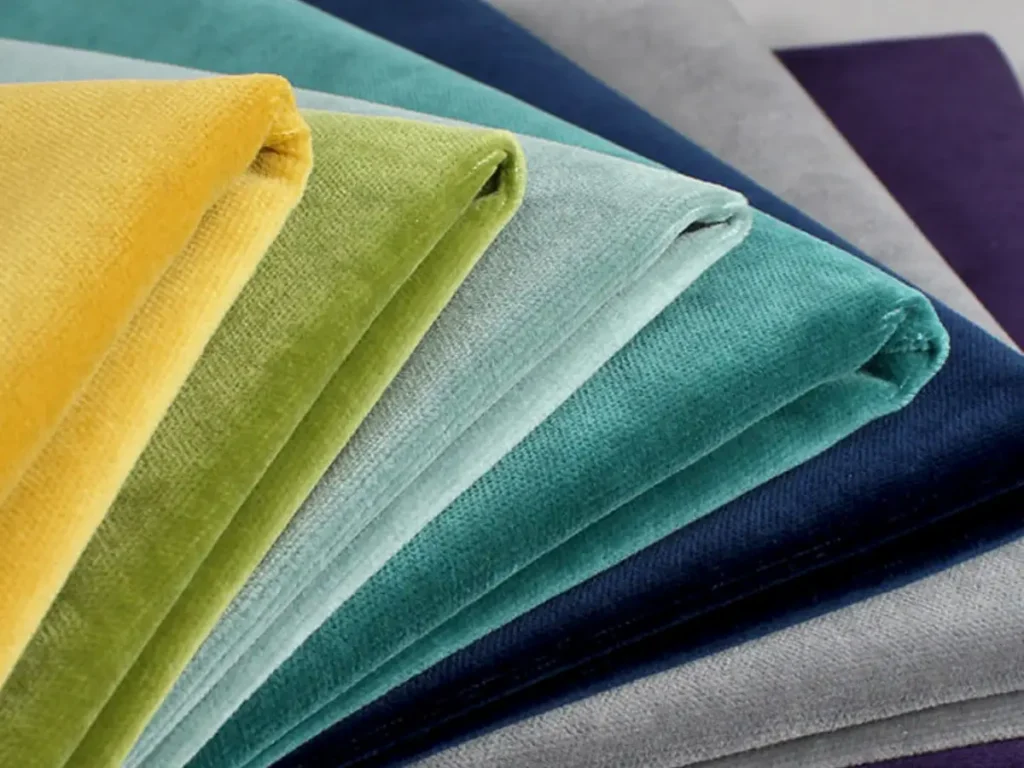
Velvet can support seasonal premium capsules, but pile direction and surface pressure must be planned early.
- Style direction: winter dresses, evening pieces, holiday capsules, rich colorways and premium sets.
- Sample question: can the surface remain consistent under cutting, sewing, pressing and packing?
- Fit risk: pile mismatch and pressure marks can make the same garment look inconsistent.
- Development decision: define one-way cutting, surface handling, steaming and packing protection.

Structural Materials
Structural materials define the success of corset and bustier-inspired ODM styles. They must be developed with the silhouette.
- Style direction: corset dresses, bustier tops, strapless styles, structured occasionwear and fitted partywear.
- Sample question: what level of support does the garment need, and where should structure sit on body?
- Fit risk: weak support or wrong placement can ruin the style even when the outer fabric looks correct.
- Development decision: test cups, boning, lining, interlining, zipper stress and grading impact.
Fabric Questions Before ODM Sampling
ODM fabric review should answer development questions before the first sample is made. Duolan checks whether the fabric can support the intended silhouette, fit, sample route, commercial position and future production
| Fabric Question | Development Meaning | Duolan Review |
|---|---|---|
| Does it create the right silhouette? | Decides whether the dress feels fluid, structured, fitted or relaxed | Drape, weight, stretch, thickness and pattern response |
| Can it support the target occasion? | Affects whether the style feels party-led, refined, resort-ready or commercial | Fabric look, surface, comfort and finishing method |
| Does it need lining or support? | Impacts opacity, inner comfort, shape and construction complexity | Lining color, thickness, stretch, cups, boning or interlining |
| Is it commercially repeatable? | Affects color extension, reorder planning and collection continuity | Bulk availability, dye lot, MOQ at fabric level and supplier stability |
| Does it match the price band? | Determines whether the design direction can become a real business product | Fabric cost, consumption, workmanship and process complexity |
| Will it create QC risk? | Affects sample revision, production inspection and packing method | Surface damage, shrinkage, stretch, transparency and crease risk |
| Can trims work with it? | Determines zipper, hardware, elastic, label and decoration compatibility | Trim strength, color match, placement and BOM clarity |
| Can it extend into related styles? | Helps one fabric story become a capsule or product family | Dresses, tops, skirts, sets and length variations |
How One Direction Becomes Multiple Styles
ODM value increases when one strong product direction can become a controlled series. Duolan reviews how a dress idea can extend through length, neckline, sleeve, fabric, color and matching products without losing brand identity or production control.

Length Variation
Length variation can change the entire product role. A mini may become partywear, a midi may become occasionwear, and a maxi may become resort or evening.
- Development use: create mini, midi, long or maxi versions from one core dress concept.
- What changes: fabric consumption, hem control, lining length, movement, slit position and packing.
- Duolan review: whether the pattern can adapt without changing fit balance or losing the original style identity.

Neckline Variation
Neckline changes can refresh one silhouette, but they also affect support, coverage and pattern structure.
- Development use: create halter, strapless, cowl, square neck, sweetheart or high-neck versions.
- What changes: bust support, strap tension, neckline stability, lining and customer wearing confidence.
- Duolan review: whether the variation needs new sample work or can use the existing pattern base.

Sleeve Variation
Sleeve variation can shift the same dress direction across seasons and occasions.
- Development use: develop sleeveless, cap sleeve, long sleeve, off-shoulder or one-shoulder versions.
- What changes: armhole balance, shoulder support, fabric stretch, movement and production complexity.
- Duolan review: whether the sleeve affects fit, fabric behavior, construction method or sample sequence.

Fabric Variation
Changing fabric can make the same silhouette feel like a new product, but it can also change the fit completely.
- Development use: test satin, mesh, stretch jersey, lace, velvet or lightweight woven in related designs.
- What changes: drape, opacity, recovery, support, seam behavior, surface finish and packing risk.
- Duolan review: whether the pattern needs adjustment before the fabric variation becomes a production style.

Colorway Extension
Colorway extension is often commercially efficient, but only if fabric and dye consistency can be controlled.
- Development use: extend an approved style into seasonal colors, core colors or campaign colors.
- What changes: lab dip, bulk shade, lining match, trim color, packaging label and reorder tracking.
- Duolan review: whether color changes affect fabric availability, delivery time or visual consistency.

Set Extension
Some dress ideas can become tops, skirts or sets. This can help brands build a stronger collection story.
- Development use: turn a dress detail into a corset top, skirt set, matching separate or capsule extension.
- What changes: proportion, measurement, fabric consumption, label placement and paired packing.
- Duolan review: whether the extension keeps the same brand identity while remaining production-feasible.
From Dress Direction to Refined Sample
ODM sampling is a decision path. Duolan uses each stage to clarify style direction, fabric behavior, fit logic, construction method and production readiness before the dress enters bulk planning.
Direction Review
Duolan begins by reviewing the brand direction, target occasion, customer profile, reference images, fabric ideas, launch window and commercial expectation. The goal is to understand what the dress should become before the first sample is planned. At this stage, Duolan identifies the strongest development route: reference-led sampling, fabric-led development, sample-based redevelopment, collection-led planning or specification-based sampling.
Fabric and Trim Proposal
Fabric and trims are proposed according to the intended dress effect, not only availability. Duolan reviews handfeel, drape, stretch, opacity, lining, zipper, hardware, support materials and process options. A material proposal should explain what the fabric can do for the style and what risks it may create. This helps the brand decide whether to prioritize appearance, comfort, speed, structure, price band or repeat potential.
Prototype Sample
The prototype sample tests the first development direction. It should not be judged as final bulk quality. Its job is to reveal whether the silhouette works, whether the fabric supports the style, whether the construction route is realistic, and which fit or detail points need revision. For ODM projects, the prototype is a working tool that helps the brand and Duolan make better product decisions
Fit and Style Comments
After the prototype, comments should be organized by function. Some comments affect style identity, such as neckline, length, color or surface detail. Others affect fit and production, such as bust support, hip balance, lining, closure, seam tension or measurement tolerance. Duolan helps separate visual comments from technical changes, so revisions move the sample closer to a sellable and manufacturable dress.
Revised Sample
The revised sample should prove that key comments have been resolved. It may confirm fabric change, improved fit, adjusted length, better lining, cleaner closure, stronger support or a more commercial silhouette. Duolan reviews whether the revised style is still aligned with the original brand direction and whether it can move toward production-ready approval. This stage is where ODM development becomes more controlled.
Production-ready Approval
A production-ready ODM sample should confirm the final style direction, fabric, trims, construction, fit, labels, packing and sensitive QC points. It becomes the base for PP sample preparation, BOM confirmation, production planning and bulk QC. The purpose is to turn a developed idea into a real product standard that the factory can repeat.
Prototype Samples Are Built for Decisions
In ODM dress development, the first prototype is not the final production sample. It is a structured test to confirm whether a direction deserves revision, replacement, extension or production preparation.
The First Sample Should Answer Key Questions
A prototype sample should be used to test assumptions. Does the fabric hold the intended shape? Does the neckline sit correctly? Is the dress wearable when moving? Does the lining protect coverage? Does the zipper or support structure work? Does the style feel aligned with the brand’s market position? These are more important than expecting the first sample to be perfect.
For Duolan, prototype development is a practical tool. It helps brand teams see what needs to be changed, what should be kept, and what may affect bulk production. A prototype that exposes risks early is more valuable than a visually polished sample that hides problems until later.

Prototype Review Points
- Silhouette: whether the dress shape matches the brand direction and intended customer body profile.
- Fabric behavior: whether drape, stretch, opacity, surface and handfeel support the visual target.
- Fit logic: whether bust, waist, hip, back, length and movement feel commercially wearable.
- Construction route: whether lining, closure, support, trims and seam details can be repeated in production.
- Commercial adjustment: whether the style needs simplification, fabric replacement, stronger details or collection extension.
- Bulk feasibility: whether the prototype can become a revised sample, production-ready sample and repeatable product standard.
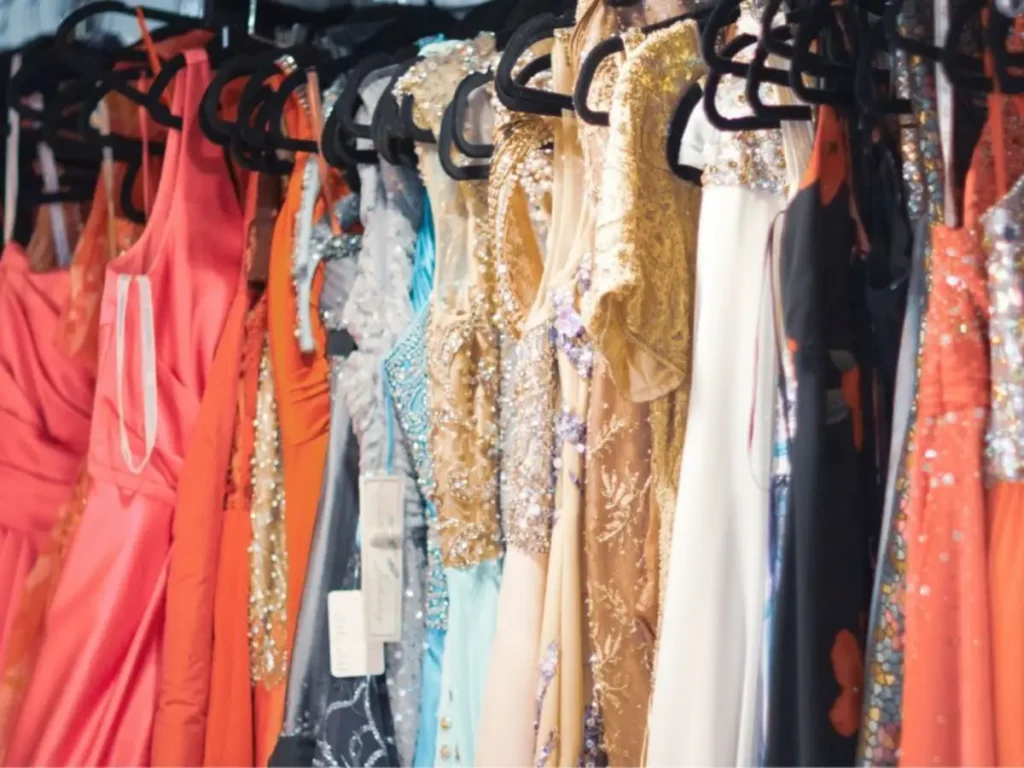
Refining Fit Without Losing Style
ODM refinement must improve the garment without weakening the original brand direction. Duolan reviews fit changes, material changes and construction changes together so the dress remains stylish, wearable and production-feasible.
Every Revision Should Have a Purpose
A sample revision should not become random correction. If the neckline is changed, it may affect bust support. If the fabric is changed, it may affect drape, size and seam behavior. If the length is shortened, it may affect coverage and movement. If lining is added, it may affect comfort and fit. Duolan reviews these relationships before recommending the next sample direction.
The strongest ODM development keeps style identity and fit practicality connected. A dress should not lose its original visual appeal during technical correction, but it also cannot remain only a nice image. Duolan helps brands refine the garment until the sample has clearer body fit, material logic, construction route and production potential.
| Refinement Area | What Can Change | Development Risk Controlled |
|---|---|---|
| Neckline | Coverage, shape, strap angle, bust exposure and support | Gaping, weak hold and poor wearing confidence |
| Waist and Hip | Position, compression, side seam and proportion | Unbalanced body fit and size grading risk |
| Length | Mini, midi, long, maxi, slit and lining length | Coverage issues, hem problems and movement restriction |
| Fabric | Weight, stretch, drape, opacity and handfeel | Wrong silhouette and poor sample-bulk transition |
| Lining | Color, thickness, coverage and attachment method | Transparency, discomfort and structure failure |
| Trims | Zipper, hardware, cups, boning, elastic and decoration | Function failure and production instability |
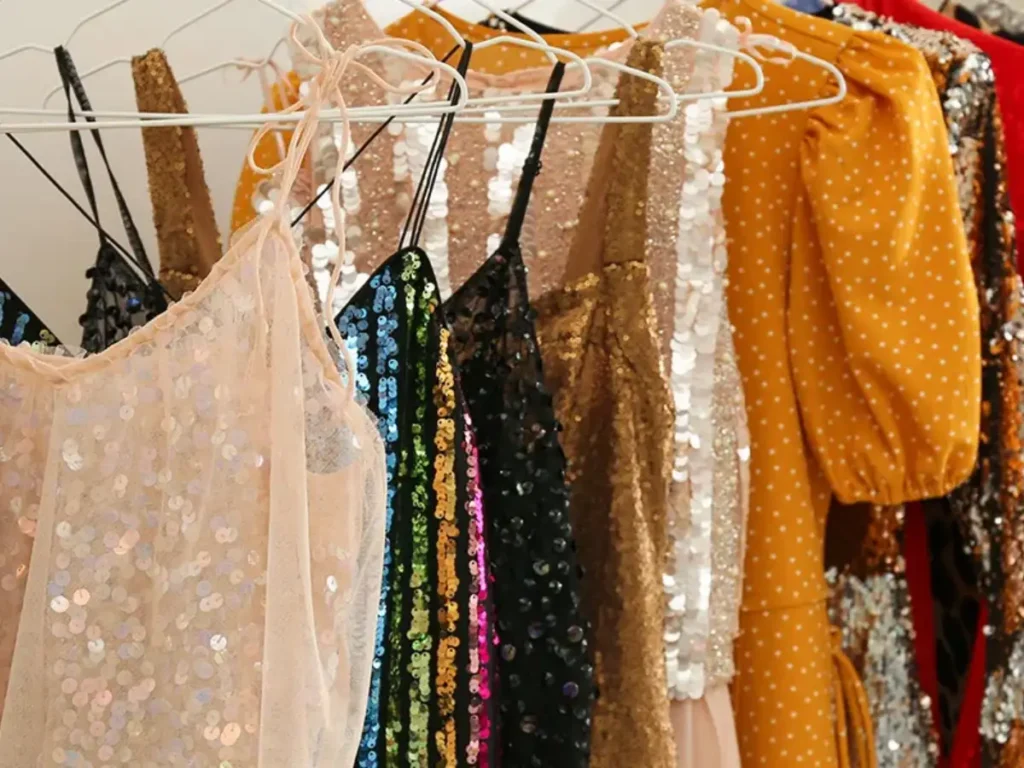
How ODM Samples Become Production-ready
ODM development becomes valuable when a refined sample can be converted into production instructions. Duolan helps turn approved dress direction into material standards, construction details, QC points, packing rules and bulk preparation.
Development Approval
| Approval Area | What It Confirms | Why It Matters |
|---|---|---|
| Style Direction | Final silhouette, occasion, product role and visual identity | Protects the brand look before production |
| Fabric Direction | Approved quality, color, drape, stretch and surface | Prevents material changes from changing the style |
| Fit Direction | Bust, waist, hip, length, movement and wearing comfort | Keeps the product wearable and commercially realistic |
| Trim Direction | Zipper, lining, cups, boning, hardware and decoration | Connects design details to function and quality |
| Construction Direction | Seams, closure, support, edge finish and reinforcement | Gives production a clear workmanship route |
| Brand Direction | Label, hangtag, barcode, packing and presentation needs | Makes the developed style brand-ready |

Production Preparation
| Preparation Item | Duolan Control Focus | Risk Reduced |
|---|---|---|
| PP Sample | Final approved garment reference before production | Sample interpretation drift |
| BOM | Fabric, lining, trims, labels and packing items | Material and sourcing confusion |
| Size Spec | Sample size, size range, POM and tolerance | Inconsistent measurements |
| QC Points | Fit, fabric, construction, trims, surface and packing | Missed inspection priorities |
| Packing Rule | Fold, hang, polybag, barcode and carton mark | Delivery and receiving problems |
| Bulk Route | Factory routing, sample status, capacity and delivery timing | Production delay and disorganized handover |
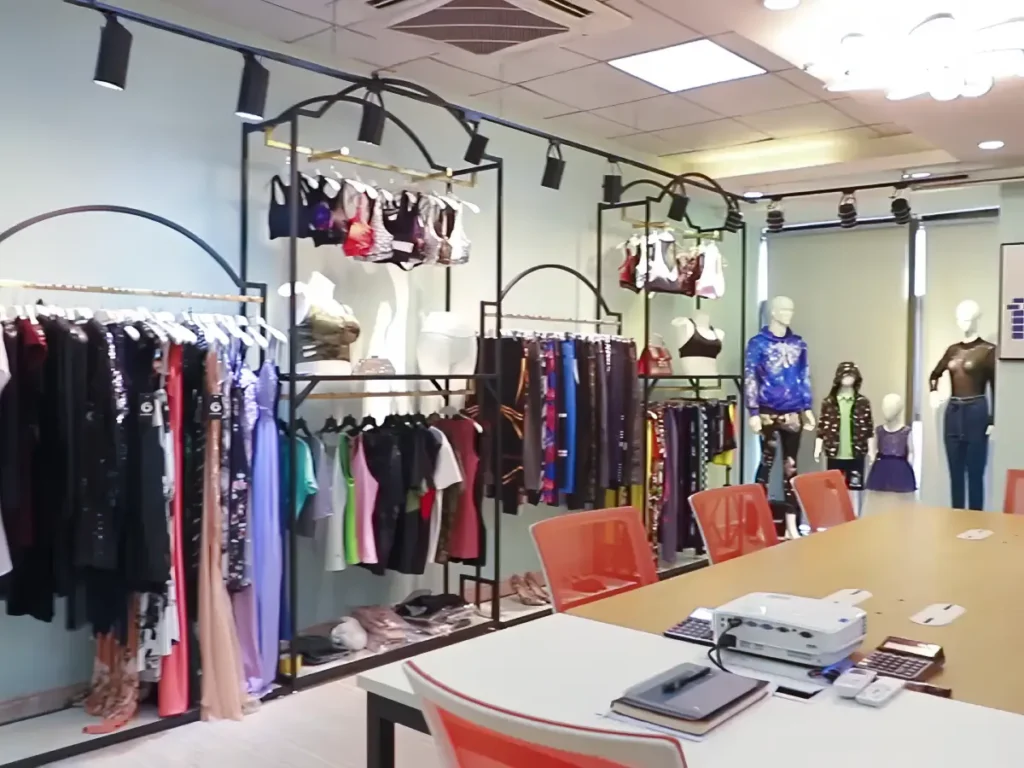
Factory System Behind ODM Dress Development
Duolan’s ODM dress capability is supported by development teams, owned factories, coordinated capacity, fabric and trim resources, process partners and QC coordination. The system is valuable because development decisions can move into production execution.
Development Coordination
Development coordination helps connect brand direction with sample decisions. It is where references, moodboards, fabric ideas and product goals are converted into a controlled project path.
- Data basis: 750–1,200 development staff support pattern, sample, fit and garment execution work.
- ODM use: suitable for reference-led, fabric-led, sample-based and collection-led dress development.
- Brand value: development direction becomes clearer before sample cost, revision time and production resources are used.
Sample Room
The sample room tests whether a dress idea can become a real garment. It helps validate silhouette, material behavior, fit, structure and construction method.
- Data basis: development work is supported by pattern, sample, adjustment and garment execution teams.
- ODM use: useful for prototype samples, revised samples, production-ready samples and PP preparation.
- Brand value: sample stages become decision checkpoints instead of random trial-and-error sewing.
Fabric Resources
Fabric resources help ODM development move faster and more accurately. Material choice can define the entire dress direction.
- Data basis: South China fabric market access supports broader material comparison and sourcing speed.
- ODM use: useful for satin, mesh, stretch jersey, lace, sequin, velvet and lightweight woven development.
- Brand value: fabric ideas can be tested against silhouette, cost, availability, bulk risk and future extension.
Core Factories
Owned production facilities support critical styles and sensitive development-to-bulk transitions.
- Data basis: 16 owned womenswear factories support core production control and sample-to-bulk discipline.
- ODM use: suitable for refined dress styles, structured garments, fitted products and development-sensitive programs.
- Brand value: approved samples can move into production with stronger control over key standards.
Coordinated Capacity
Coordinated capacity supports multi-style programs, seasonal launches and repeat product lines.
- Data basis: 20+ long-term satellite factories support coordinated production capacity under Duolan standards.
- ODM use: useful when a developed capsule needs multiple styles, fabric groups or parallel production routes.
- Brand value: capacity flexibility supports growth while maintaining project coordination and QC alignment.
QC and Delivery
QC and delivery coordination keep ODM-developed styles aligned with final product standards.
- Data basis: 1,200–1,500 coordination staff support order follow-up, production communication and delivery tracking.
- ODM use: suitable for moving approved samples into bulk production, inspection, packing and shipment preparation.
- Brand value: the developed product has a clearer route from sample approval to brand-ready delivery.
Processes for Fashion-led ODM Dresses
Special processes help ODM dresses carry stronger identity. Duolan coordinates process resources according to fabric behavior, design direction, sample result, bulk repeatability, QC needs and delivery timing.
Print Development
Print development can turn a simple silhouette into a strong brand product when scale, placement and fabric reaction are controlled.
- Development use: resort dresses, vacation styles, mesh dresses, capsule prints and seasonal visual stories.
- Duolan review: print scale, color effect, fabric compatibility, shrinkage, placement and bulk repeatability.
- Production concern: distortion, shade mismatch, placement drift and inconsistent effect across size range.
Embroidery Details
Embroidery can add value when it supports the garment rather than overpowering it. Density, placement and backing must suit the fabric.
- Development use: occasion dresses, feminine panels, neckline details, cuffs, hem areas and statement accents.
- Duolan review: stitch density, backing, weight, handfeel, placement and garment balance.
- Production concern: puckering, rough interior, slow production, inconsistent decoration and fabric distortion.
Dip-dyeing Effects
Dip-dyeing can create a distinctive dress effect, but it requires careful control of color transition and repeatability.
- Development use: resort capsules, statement dresses, soft occasionwear and color-led seasonal concepts.
- Duolan review: color gradient, fabric absorbency, shrinkage, bulk process stability and final handfeel.
- Production concern: uneven shade, batch variation, unpredictable fabric reaction and QC difficulty.
Washing Effects
Washing can change handfeel, texture and garment look. It should be tested before it becomes part of the bulk standard.
- Development use: selected casual dresses, softened fabrics, texture-led styles and relaxed capsule concepts.
- Duolan review: shrinkage, handfeel, color change, seam response and garment shape after process.
- Production concern: measurement change, color inconsistency, twisting and unexpected surface results.
Decorative Trims
Decorative trims can elevate partywear and occasionwear, but they must remain wearable and production-controlled.
- Development use: embellished dresses, party styles, holiday capsules, neckline details and statement panels.
- Duolan review: trim weight, attachment method, comfort, durability, placement and packing protection.
- Production concern: loose decoration, scratch risk, heavy seams, uneven placement and shipping damage.
Surface Finishing
Surface finishing affects how the dress looks when it reaches the brand, especially for satin, velvet, sequin and structured styles.
- Development use: polished occasionwear, premium dresses, campaign styles and delicate fabric products.
- Duolan review: pressing method, steam response, surface marks, garment shape and carton pressure.
- Production concern: weak presentation, creases, pressure marks, surface damage and inconsistent final finish.
Bulk Planning After ODM Approval
ODM development does not end with a refined sample. Once a style is approved, Duolan reviews material status, production route, size range, QC points, packing needs and delivery schedule before bulk production.
| Planning Area | What Changes After ODM Approval | Duolan Review |
|---|---|---|
| Approved Style | Prototype becomes a production reference | Sample comments, construction details and production-ready standard |
| Fabric Direction | Selected material becomes bulk material | Availability, dye lot, lead time, shrinkage and replacement risk |
| Trim Direction | Development details become BOM items | Zippers, labels, hardware, decoration, packing and sourcing status |
| Size Range | Sample fit becomes grading requirement | Key POM points, tolerance, size extension and fit-sensitive areas |
| Production Route | Developed style enters factory planning | Complexity, capacity route, process partner needs and schedule |
| QC Focus | Development risks become inspection points | Fabric behavior, fit, trims, finishing, packing and final appearance |
| Packing Method | Visual sample becomes delivery product | Folding, hanging, surface protection, barcode and carton rules |
| Reorder Potential | Development style becomes repeat product | Standard memory, color extension, fabric continuity and BOM record |
QC Points for ODM Dress Production
ODM QC must protect the style that was developed, not only check general workmanship. Duolan inspects whether the approved concept, fabric, fit, construction and brand finishing remain consistent in bulk production.
| QC Area | What Duolan Checks | ODM Risk Controlled |
|---|---|---|
| Style Identity | Silhouette, proportion, fabric look, key details and final presentation | Concept drift from approved sample |
| Fit Balance | Bust, waist, hip, back, length, movement and comfort | Poor wearability and size inconsistency |
| Fabric Behavior | Drape, opacity, stretch, surface, shrinkage and shade | Sample-bulk material difference |
| Construction | Lining, seams, closure, support, reinforcement and edge finish | Unstable workmanship and function failure |
| Trims | Zipper, hardware, cups, boning, labels and decoration | Visual mismatch and functional problems |
| Finishing | Pressing, shape, surface marks, stains and thread trimming | Weak final garment presentation |
| Packing | Folding, hanging, protection, polybag, barcode and carton | Delivery condition and receiving risk |
| Final Review | Appearance, function, measurement and packing accuracy | Shipment-level quality risk |
Turning ODM Styles Into Brand Products
ODM development creates the garment direction. Brand finishing turns that developed style into a brand-owned product ready for ecommerce, retail, warehouse receiving and customer delivery.
| Brand Finishing Item | ODM Meaning | Duolan Review |
|---|---|---|
| Woven Label | Makes the developed dress belong to the brand’s product system | Size, color, placement, stitch method and approved sample |
| Care Label | Converts fabric and process decisions into customer instructions | Fiber content, care method, language and attachment position |
| Size Label | Connects the developed style to the brand’s fit system | Size scale, placement, readability and size-range consistency |
| Hangtag | Communicates brand presentation and product identity | Paper, print, string, attachment point and collection match |
| Barcode | Links the ODM style to inventory and ecommerce systems | Style code, color code, size code and sticker location |
| Polybag | Protects the finished dress during storage and fulfillment | Bag size, warning text, folding, surface protection and sticker |
| Carton Mark | Supports warehouse receiving and shipment organization | Quantity, carton number, destination, size mix and product code |
| Special Packing | Protects delicate fabrics or presentation-sensitive garments | Hanging, tissue, surface protection, fold method and carton pressure |
Supplier Evaluation for ODM Dress Programs
Established brands evaluate ODM manufacturers by development capability and production discipline together. A supplier must show that style development, sampling, bulk manufacturing, QC, compliance coordination and delivery can operate in one controlled system.
Development Capability Must Be Auditable
For ODM dress programs, supplier evaluation should not rely only on attractive samples. A brand team needs to understand how the manufacturer reviews references, selects materials, develops prototypes, records revisions, confirms production-ready samples, manages bulk production, inspects garments and prepares brand delivery. Development without production control creates risk; production without development judgment limits product value.
Duolan supports qualified supplier evaluation by connecting creative development with factory evidence. The team can discuss manufacturing structure, sample process, QC stages, packing requirements, audit-related records, third-party inspection support and project documentation according to the brand’s evaluation needs.
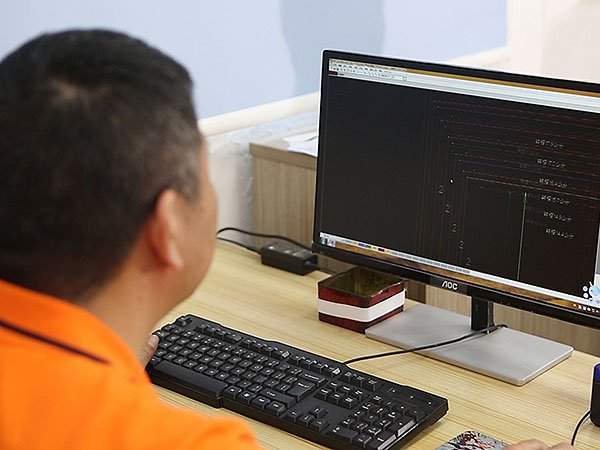
Evaluation Support Areas
- Audit-related basis: SMETA audit, SMETA 2-Pillar audit record and SMETA social audit record support supplier review discussions.
- Quality alignment: project needs may involve BSCI alignment, ISO 9001 quality awareness, AATCC, ASTM, EN or China GB standards.
- Material requirements: OEKO-TEX®, GOTS-related material needs or customer-specific requirements can be coordinated by project.
- Inspection support: third-party inspection and customer-designated QC requirements can be reviewed before production planning.
- Development evidence: moodboard review, fabric proposal, sample revision, approved sample records and QC notes can support project discussion.
- Delivery preparation: label content, packing rules, carton marks and shipment-related details can be aligned with brand requirements.

ODM Dress Development Evidence Without Exposing Brands
Duolan respects brand confidentiality and does not rely on unauthorized logo display. These anonymous project patterns show how dress ideas can move from direction, reference or fabric story into refined samples and production-ready planning.
Reference to Prototype
A fashion team provided several visual references for a fitted going-out dress direction. The goal was to develop a product that kept the visual mood while improving fit, fabric and construction logic.
- Project direction: fitted dress references with open neckline, stretch fabric and social-event styling.
- Development challenge: reference images did not define stretch recovery, bust support, lining or movement comfort.
- Duolan review: fabric behavior, pattern direction, prototype sample purpose and key fit checking points.
- Result: the project entered prototype sampling with clearer fabric and fit priorities.
Moodboard to Capsule
A brand shared a partywear moodboard and wanted several related dress styles under one drop. The main task was turning the visual mood into a balanced product capsule.
- Project direction: partywear capsule with mesh, satin, cut-out, fitted and short-length ideas.
- Development challenge: styles needed different fabric, coverage, lining and QC priorities.
- Duolan review: style grouping, fabric story, sample sequence, construction sensitivity and bulk feasibility.
- Result: the capsule was organized into hero styles, core styles and fabric-linked extensions.
Fabric-led Vacation Dress
A product team began with lightweight fabric and resort-market direction rather than a completed design. The fabric needed to guide the silhouette and sample route.
- Project direction: vacation dress concept using soft drape, print potential and easy-packing fabric.
- Development challenge: fabric transparency, shrinkage, hem stability and print scale needed early review.
- Duolan review: drape test, lining options, silhouette suggestions, hem method and packing risk.
- Result: the fabric direction became a clearer resort dress development plan.
Bestseller Extension
A brand wanted to extend a proven dress into new versions without losing the original commercial value. The project needed controlled variation, not a completely new product.
- Project direction: bestseller dress extension into new colors, neckline adjustment and related set idea.
- Development challenge: changes needed to preserve fit, fabric performance and brand identity.
- Duolan review: approved style memory, variation risk, fabric continuity, sample revision and production route.
- Result: the extension plan clarified which changes could move quickly and which required new sampling.
Prepare Your ODM Dress Development Brief
A clear ODM brief helps Duolan understand the brand’s product direction before sampling begins. The goal is to turn visual inspiration into a development basis that can guide fabric selection, sample planning, fit review, production feasibility and future bulk discussion.
Information That Improves ODM Review
ODM projects do not need to begin with perfect technical files, but they should begin with enough direction for professional review. The more context a brand provides, the faster Duolan can identify sample route, fabric questions, style risks and production feasibility.
- Brand positioning: target customer, price level, market region and product identity.
- Dress occasion: partywear, occasionwear, going-out, vacation, resort, formal or seasonal capsule.
- Reference images: front, back, detail, fit and fabric references that explain the desired product language.
- Moodboard: color, styling, texture, campaign feeling, lifestyle setting or seasonal direction.
- Fabric direction: preferred handfeel, stretch, drape, opacity, shine, texture, print or surface effect.
- Desired silhouette: neckline, waist, hip, length, sleeve, back, slit, closure and body fit expectation.
- Commercial plan: number of styles, target quantity, launch window, color plan and repeat potential.
- Brand finishing: labels, hangtags, barcodes, polybags, carton marks and packing expectations.
This checklist can become an internal lead-quality tool for sales and development teams. It helps distinguish serious ODM dress development projects from vague style requests, and it gives Duolan’s team a clearer basis for sample direction, material review, quotation discussion and production planning.
ODM Dress Manufacturer FAQ
An ODM dress manufacturer helps develop dresses from brand direction, references, moodboards, fabric ideas or collection goals before final technical files are complete. The manufacturer participates in style development, fabric suggestion, sample planning, fit refinement, production-ready approval, bulk manufacturing, QC and brand finishing.
OEM usually starts from brand-owned tech packs, BOM files, approved samples and clear production standards. ODM starts earlier, when the brand has a product direction but still needs development support. Duolan can support both, but ODM dress work focuses more on concept review, fabric direction, prototype samples and refinement before production
Yes. Reference images can be used to explain silhouette, neckline, fabric feeling, length, fit and styling direction. Duolan reviews what should be kept, what needs adjustment, and what may create production risk before recommending a sample route.
Yes. Fabric direction is central to ODM dress development. Duolan can review satin, mesh, stretch jersey, lace, sequin, lightweight woven, velvet and structural materials according to the desired style, fit, comfort, sample accuracy, production feasibility and packing risk.
ODM development is suitable for fashion dresses, occasion dresses, party dresses, going-out dresses, vacation dresses, fitted dresses, corset dresses, satin dresses, mesh dresses, sequin styles and related tops, skirts or sets when the brand has clear product direction and commercial planning.
Sample stages depend on project complexity. A typical ODM path may include concept review, fabric and trim proposal, prototype sample, fit and style comments, revised sample and production-ready approval. Complex fabrics, structures, fit requirements or multiple style variations may need more review.
Yes. Once the ODM style is refined and approved, brand finishing can be added through woven labels, care labels, size labels, hangtags, barcode stickers, polybags and carton marks. Duolan treats brand finishing as part of production readiness, not only surface branding.
Duolan turns the approved ODM sample into production standards through PP sample preparation, BOM confirmation, size spec, fabric and trim approval, construction notes, QC points and packing rules. This helps the developed style move from sample approval into controlled bulk production.
Duolan can support qualified supplier evaluation discussions with factory information, SMETA-related records, sample process explanation, QC stages, material coordination, packing requirements and inspection support. Evaluation details should be discussed according to the brand’s project and documentation needs.
Please send reference images, moodboards, brand positioning, target customer, dress occasion, fabric direction, desired silhouette, collection plan, sample goal, target quantity, launch window and label or packing needs. Clear direction helps Duolan review development feasibility more accurately.

Send Your ODM Dress Brief
Duolan reviews ODM dress briefs for established fashion brands, product teams and sourcing offices that need development support before the final production standard is fully defined. Share your references, moodboards, target occasion, fabric direction, desired silhouette, collection plan, sample goal and launch window so our team can evaluate whether the idea can become a refined sample and production-ready dress.
Our review focuses on product development quality, not quick style selection. We look at whether the dress direction matches your brand positioning, whether the fabric can support the intended silhouette, whether the sample route is realistic, whether fit and construction risks need early attention, whether the style can extend into related products, and whether the final sample can move toward bulk production, QC and brand-ready delivery.
After review, Duolan can provide ODM development comments, missing-information notes, fabric and trim direction, sample route suggestions, fit and construction risk feedback, production-readiness comments and next-step discussion. A stronger brief helps reduce vague sampling, avoid unsuitable material choices and create a more practical route from dress idea to sellable product.
- Name
- Company Name
- Company Website
- Email Address
- Tel / WhatsApp optional
- Dress Direction
- Target Occasion
- Reference / Moodboard Available?
- Fabric Direction
- Desired Silhouette
- Number of Styles
- Sample Goal
- Target Quantity
- Launch Window
- Upload References / Moodboard / Sample Photos
- Message