Skip to content
OEM Clothing Manufacturer
OEM womenswear and dress manufacturing for established fashion brands with tech pack, sample and bulk production standards.
Duolan supports OEM clothing manufacturing for fashion brands that need more than sewing capacity. We help product teams turn tech packs, reference samples, fabric directions and brand specifications into production-ready womenswear through material review, sample development, PP sample locking, BOM control, bulk production, QC and brand-ready delivery.
- SMETA 2-Pillar audit record
- 4 regional production bases
- 6,500,000 pcs stable monthly capacity
- 10,000,000 pcs peak monthly capacity
- 2–3 mature partners for printing, embroidery, washing and dyeing
OEM Clothing Manufacturing Beyond Sewing
OEM Means Brand Standards Become Production Standards
In a serious OEM clothing project, the brand already has ownership of the design direction, technical file, sample reference, fabric expectation or quality standard. The manufacturer’s role is not to invent a random product, but to interpret the brand’s requirements accurately and convert them into sample, material, pattern, BOM, workmanship, QC and packing standards. This is why OEM manufacturing requires disciplined review before production begins.
Duolan approaches OEM clothing manufacturing as a sample-to-bulk execution system. A tech pack is reviewed for measurement, fabric, trims, lining, construction and packing clarity. A sample is developed to test the garment’s fit and production feasibility. A PP sample is used to lock the approved standard. Bulk production then follows the confirmed material, size specification, workmanship notes and inspection points. The result is a more controlled path from brand design to finished delivery.
Not White Label, Not Ready Stock
OEM is different from white label or ready-stock supply. White label usually starts from pre-made products that can be relabeled. Ready-stock supply focuses on available inventory. OEM production starts from the brand’s product requirement and requires the manufacturer to execute the brand’s standard. For mature fashion brands, this distinction is important because the goal is not to buy existing garments, but to produce controlled products under the brand’s own direction.
Duolan is best suited for brands that already have product direction, reference samples, tech packs, design files, launch targets or repeat production goals. We are not positioned as a lowest-MOQ startup supplier or generic marketplace apparel factory. Our OEM strength is dress-centered womenswear manufacturing, where fabric behavior, fit, sample review, production readiness and quality control are all connected.
OEM Support for Fashion Brand Teams
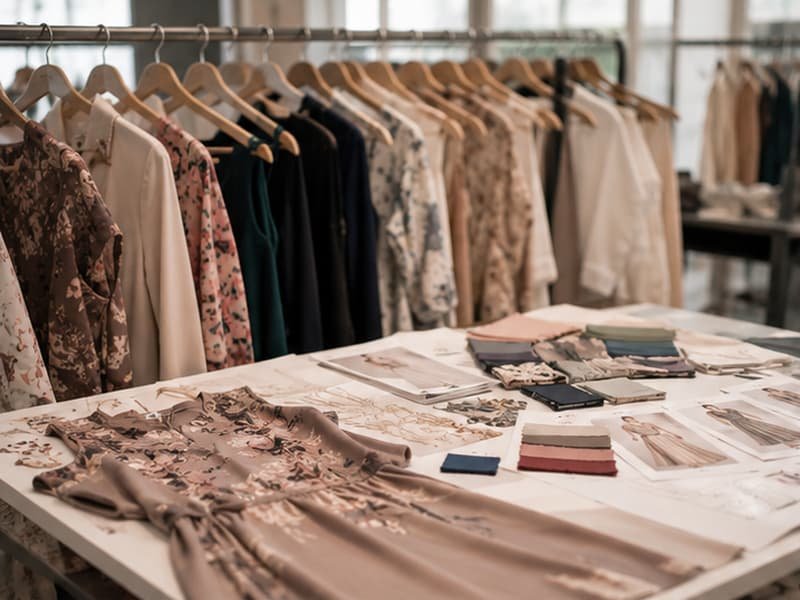
Established Fashion Brands
- They already have: product direction, past selling experience, launch planning, quality standards and expectations for repeat production.
- OEM needs: accurate tech pack interpretation, fabric and trim confirmation, sample development, bulk production and quality-controlled delivery.
- Duolan supports: dress-centered womenswear production with fit review, material control, BOM alignment and QC checkpoints.
- Good fit for: brands developing dresses, occasionwear, partywear, refined tops, skirts and fashion sets.
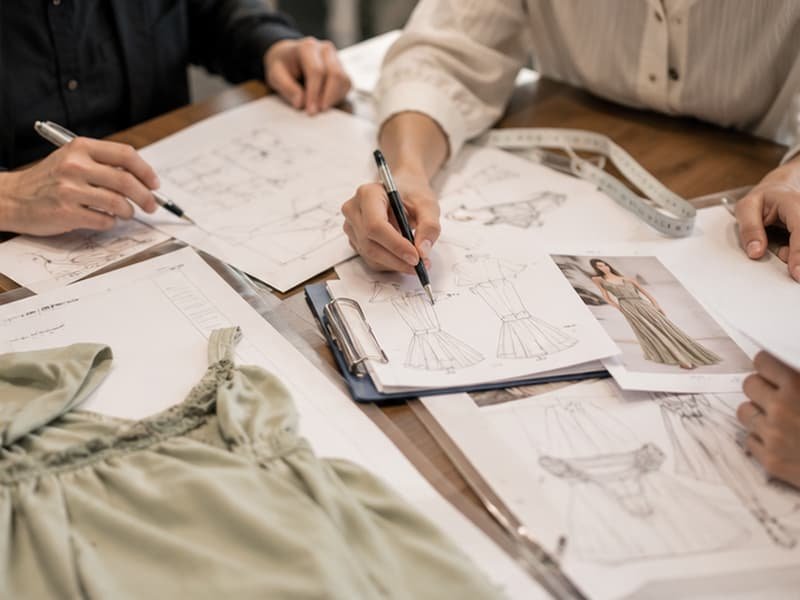
Product Development Teams
- They already have: sketches, tech packs, size specs, material direction, sample photos or clear collection development targets.
- OEM needs: development review, fit correction, pattern interpretation, revised samples and PP sample preparation.
- Duolan supports: sample route planning, material review, workmanship clarification and production feasibility discussion.
- Good fit for: teams managing seasonal collections, fitted dresses, structured styles, fabric-led programs and repeatable product lines.

Buying Teams
- They already have: supplier evaluation criteria, brand quality requirements, delivery expectations and production approval procedures.
- OEM needs: clear production capability, reliable sample process, approved standard transfer and inspection support.
- Duolan supports: PP sample locking, BOM control, inline QC, final inspection and brand-ready packing confirmation.
- Good fit for: buying offices, sourcing offices, regional brand teams and multi-brand fashion groups.
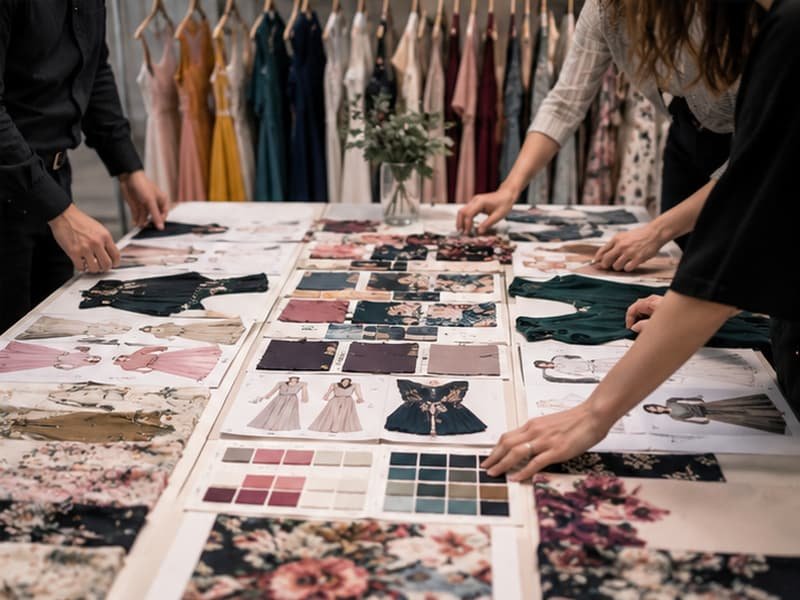
Multi-brand Groups
- They already have: several brands, product calendars, different price bands, category expansion plans or repeated production needs.
- OEM needs: style grouping, fabric planning, sample scheduling, capacity review and consistent project communication.
- Duolan supports: category-focused development, production routing, QC record keeping and reorder standard maintenance.
- Good fit for: fashion groups developing dresses, partywear, occasionwear, tops, skirts and coordinated sets.
OEM, ODM and Private Label Compared
Many fashion brands compare OEM, ODM, private label and white label services during supplier selection. Duolan supports OEM projects as the main focus and can also support ODM-style development or brand finishing when it fits a serious womenswear program.
| Manufacturing Model | Who Owns the Design | Best For | Duolan Position |
|---|---|---|---|
| OEM | Brand owns the design, tech pack or sample standard | Mature brands with clear product requirements | Strong focus for dress-centered womenswear |
| ODM | Supplier helps develop from concept, reference or direction | Brands needing development support before final design | Supported when project direction is clear |
| Private Label | Brand finishing is added to produced garments | Brands needing labels, tags and packing under their standard | Supported as part of production readiness |
| White Label | Pre-made products are relabeled | Fast sellers using existing products | Not Duolan’s core positioning |
| CMT | Brand provides material and factory handles cut-make-trim | Brands with controlled supply chain resources | Reviewed by project feasibility |
| Full Package OEM | Supplier supports material, sample, production and packing | Brands needing integrated manufacturing execution | Strong fit for Duolan’s service model |
Dress-focused OEM Womenswear Manufacturing
A Focused OEM Partner, Not a Generic Apparel Factory
This focus includes fashion dresses, occasion dresses, party dresses, going-out dresses, fitted dresses, corset and bustier styles, satin, mesh and sequin dresses, refined tops, blouses, bodysuits, skirts and sets. These categories need more than sewing capacity. They require fabric judgment, pattern understanding, sample-stage discipline, trim confirmation, PP sample locking and QC standards that can be repeated in production.
OEM Built Around Repeatable Brand Standards
Duolan’s OEM approach supports repeatable standards. Approved samples, BOM details, fabric references, trim records, size specs, workmanship notes, QC points and packing requirements can all become part of a clearer production record. This helps brands work more efficiently when moving from first production to reorder, from single style to capsule, and from test order to long-term supply.
OEM Womenswear Categories Duolan Supports

Fashion Dresses
- OEM input: tech pack, reference sample, fabric direction, measurement spec, trim requirement and launch quantity.
- Development focus: fit balance, fabric suitability, pattern interpretation, sample revision and production-ready details.
- Duolan control: approved standards are transferred into PP sample, BOM, workmanship notes and QC points.
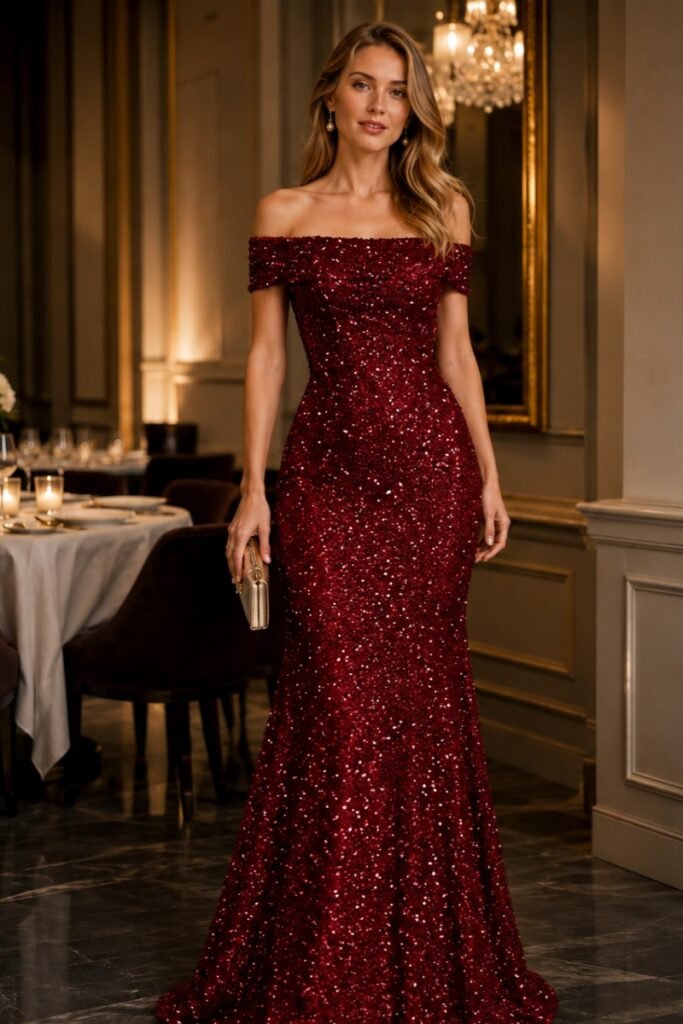
Occasion Dresses
- OEM input: event style direction, fabric standard, lining requirement, size range, finish level and packing expectation.
- Development focus: drape, support, neckline stability, lining length, slit safety, pressing and presentation.
- Duolan control: sample appearance and production feasibility are reviewed before PP sample locking.

Party Dresses
- OEM input: style references, fabric direction, body fit target, trim details, sample purpose and delivery plan.
- Development focus: stretch recovery, coverage, lining, sequin comfort, edge finish, zipper position and packing protection.
- Duolan control: high-risk details are reviewed before bulk production so attractive styles remain production-ready.

Going-out Dresses
- OEM input: body fit expectation, neckline direction, back design, fabric standard, size range and campaign timing.
- Development focus: bust balance, waist position, strap tension, coverage, support and movement comfort.
- Duolan control: fit comments are converted into revised sample, PP standard and production notes.

Length-based Dresses
- OEM input: target length, size range, body coverage expectation, hem finish, fabric type and sales channel.
- Development focus: proportion, skirt fall, lining length, hem balance, slit safety and packing crease control.
- Duolan control: length-related details are checked during sample development and final QC.

Fitted Dresses
- OEM input: stretch fabric standard, fit reference, measurement tolerance, lining requirement and size grading expectation.
- Development focus: recovery, opacity, side seam balance, body contour, seam elasticity and movement comfort.
- Duolan control: sample fit and fabric behavior are reviewed before the PP standard is approved.

Corset Dresses
- OEM input: bodice construction notes, cup requirement, boning type, eyelet details, zipper standard and lining plan.
- Development focus: bust support, waist shaping, back tension, size grading, comfort and structural symmetry.
- Duolan control: internal structure is recorded through sample review, PP sample and production checkpoints.

Fabric-led Dresses
- OEM input: fabric quality standard, color direction, composition, weight, surface effect and approved material reference.
- Development focus: drape, transparency, stretch, motif placement, sequin comfort, surface handling and packing.
- Duolan control: material behavior is connected to sample review, workmanship standard and QC plan.

Refined Tops
- OEM input: neckline design, bust coverage, fabric standard, trim details, label placement and size range.
- Development focus: strap strength, neckline stability, inner finish, fabric behavior and brand styling consistency.
- Duolan control: top construction is reviewed through the same fit and production logic used for dresses.

Blouses and Bodysuits
- OEM input: fabric direction, closure detail, sleeve design, body fit expectation, lining need and label position.
- Development focus: seam smoothness, drape, neckline finish, snap function, stretch recovery and wearing comfort.
- Duolan control: construction details are checked before production standards are released.

Skirts and Sets
- OEM input: top-bottom relationship, waist fit, fabric lot, color plan, label requirement and packing method.
- Development focus: proportion, waist stability, skirt fall, color consistency, matching standards and size balance.
- Duolan control: paired products are reviewed as one linked brand program, not separate unrelated garments.

Two-piece Sets
- OEM input: set structure, top fit, bottom fit, color matching, fabric standard and packing requirement.
- Development focus: proportion, movement, fabric performance, measurement balance and style continuity.
- Duolan control: linked standards help protect consistency during sampling, production and final packing.
OEM Projects Duolan Does Not Prioritize
A focused OEM supplier should have clear boundaries. Duolan is not positioned as a lowest-price all-category apparel factory. The strongest match is fashion womenswear production with clear technical information, sample needs, quality expectations and long-term brand value.
| Not a Core OEM Focus | Why It Is Not the Priority | Duolan’s Better Fit |
|---|---|---|
| Lowest-price basics | Price-only projects rarely value sample discipline or production standards | Dress-centered womenswear with clear brand requirements |
| Generic T-shirts and hoodies | Too broad and often driven by logo printing and low unit cost | Refined tops, dresses, skirts and fashion sets |
| Ready-stock wholesale | Inventory sourcing does not require OEM development standards | Custom production from tech pack or approved sample |
| One-piece dropshipping | Not aligned with OEM manufacturing or PP sample control | Planned sample and bulk production programs |
| Pure logo printing | Reduces OEM to surface decoration | Fabric, fit, BOM, sample, QC and brand finishing control |
| Children’s apparel focus | Requires different compliance and product systems | Adult fashion womenswear |
| Bridal gown specialization | Bridal has different order economics and production structure | Occasionwear, partywear and wedding guest styles |
| Unclear startup ideas | Often lack files, target quantities and production readiness | Brands with direction, samples, specs or launch plans |
Tech Pack Review Before OEM Production
01: File Review
Duolan first reviews the technical file to understand the product category, design details, fabric direction, size range, construction notes, trims, labels and packing expectations. If the tech pack is incomplete, we identify the missing information that may affect sampling, quotation or production feasibility. This helps avoid early misunderstandings before the first sample is made.
02: Measurement Check
The measurement spec is reviewed according to garment type, fabric behavior and intended fit. A fitted dress, woven blouse, skirt set or corset style may require different tolerance thinking. Duolan checks whether key measurements, size grading and fit expectations are clear enough for sample development and later bulk production.
03: Material and Trim Review
Fabric, lining and trims are reviewed before the project moves too far into sampling. Duolan checks whether the required material is suitable for the style and whether trim items such as zippers, boning, elastic, labels, hangtags or hardware need clearer references. This step helps align the BOM with the approved sample and future production.
04: Production Feasibility
After the file, measurement and material review, Duolan evaluates whether the style is ready for sampling, revision or production planning. The goal is to define the next practical step: first sample, fit sample, revised sample, PP sample, costing update or bulk feasibility discussion. A better file review creates a stronger OEM production path.
What an OEM Tech Pack Should Include
A complete tech pack helps the manufacturer evaluate sampling, costing, material sourcing and production feasibility more accurately. When key information is missing, the OEM process may slow down or create avoidable sample revisions.
| Tech Pack Area | What Should Be Included | Why It Matters |
|---|---|---|
| Flat Sketch | Front view, back view, detail sketches and design lines | Helps pattern and construction interpretation |
| Measurement Spec | Size chart, sample size, grading rule and tolerance | Supports fit control and bulk consistency |
| Fabric Standard | Composition, weight, stretch, color, finish and reference | Prevents material mismatch and sample confusion |
| Trim Details | Zippers, buttons, eyelets, elastic, boning, labels and hardware | Supports BOM accuracy and costing |
| Construction Notes | Seam type, lining, edge finish, reinforcement and closure method | Gives production a clearer sewing standard |
| Print or Embellishment | Placement, artwork, scale, color and process requirement | Reduces production and visual placement errors |
| Label Information | Brand label, size label, care label and placement | Supports brand and compliance requirements |
| Packing Requirement | Folding, polybag, barcode, carton mark and special protection | Prepares garments for delivery and receiving |
Fabric Sourcing for OEM Womenswear

Satin
- What we review: fabric weight, shine level, drape, lining need, seam response, pressing behavior and packing risk.
- OEM risk: a satin substitute may change the garment’s perceived value, fit, surface finish and bulk appearance.
- Best used for: satin dresses, slip dresses, corset dresses, occasionwear and refined party styles.

Mesh
- What we review: transparency, stretch, recovery, lining color, print distortion, seam visibility and edge finish.
- OEM risk: uncontrolled opacity or weak edge construction can create unwanted exposure and production instability.
- Best used for: mesh dresses, sheer tops, cut-out panels, layered bodycon dresses and partywear.

Stretch Jersey
- What we review: stretch direction, recovery, opacity, GSM, handfeel, wash behavior and elastic seam response.
- OEM risk: small fabric changes can alter fit, sizing, comfort and garment recovery in bulk production.
- Best used for: bodycon dresses, ruched styles, fitted tops, bodysuits and stretch fashion sets.

Lace
- What we review: motif scale, direction, symmetry, lining color, transparency, cutting loss and edge use.
- OEM risk: mismatched motifs, wrong lining color or visible joining can weaken the finished garment.
- Best used for: lace dresses, corset styles, occasionwear, feminine tops and premium partywear.

Sequin Fabric
- What we review: sequin density, direction, backing fabric, garment weight, scratch risk, cutting loss and reflection.
- OEM risk: missing sequins, heavy weight, thick seams or scratchy interiors may increase quality complaints.
- Best used for: party dresses, holiday collections, birthday styles and high-impact campaign pieces.

Velvet
- What we review: pile direction, shade consistency, surface pressure, stretch, lining need and packing method.
- OEM risk: shade variation, surface crushing or inconsistent pile direction can affect production appearance.
- Best used for: winter dresses, party styles, eveningwear, skirts and premium seasonal capsules.

Lightweight Woven
- What we review: sheerness, drape, shrinkage, seam stability, lining need, hem behavior and packing wrinkles.
- OEM risk: uneven hems, twisting, seam puckering or transparency issues may appear after production.
- Best used for: resort dresses, vacation styles, blouses, maxi dresses and soft feminine collections.

Structured Materials
- What we review: lining, interlining, boning, cups, anti-slip tape, closure strength and structural compatibility.
- OEM risk: weak support, uncomfortable interiors, zipper stress or size grading instability may damage the product.
- Best used for: corset dresses, bustier tops, strapless styles and structured fitted womenswear.
Fabric Requirements Must Match Product Function
A tech pack may specify a fabric type, but the material still needs to match the garment’s function, fit and production route. Duolan reviews fabric requirements against the intended silhouette and OEM production risk.
| Fabric Requirement | OEM Risk | Duolan Review Focus |
|---|---|---|
| Stretch Percentage | Fit changes, poor recovery, size inconsistency | Stretch direction, recovery, opacity and pattern tension |
| Satin Weight | Puckering, static, crease marks, weak drape | Weight, drape, seam behavior, pressing and packing |
| Mesh Opacity | Unwanted exposure, visible seam allowance | Lining coverage, transparency and edge construction |
| Lace Motif | Mismatched placement, high cutting loss | Motif direction, symmetry, lining and seam position |
| Sequin Density | Scratch risk, heavy garment, missing sequins | Backing, lining, seam cleaning and packing protection |
| Velvet Pile | Shade variation and surface pressure marks | Direction control, cutting plan and packing method |
| Lightweight Woven | Twisting, sheerness and uneven hem | Lining, shrinkage, drape and hem finish |
| Structured Materials | Weak support and unstable silhouette | Boning, cup position, interlining and closure strength |
From Tech Pack to OEM Sample
Pattern Interpretation
First Sample
Fit Comment Revision
Production-ready Sample
PP Sample Locking
Sample Types in OEM Production
Development Sample
- Used for: checking whether the design, fabric, silhouette and construction route are generally workable.
- Not used for: final bulk approval when fit, material, trims or workmanship still need revision.
- Duolan focus: clarifying development risk and identifying what should be corrected in the next stage.
Fit Sample
- Used for: reviewing bust, waist, hip, neckline, sleeve, length, side seam and movement comfort.
- Not used for: final production approval if fabric, trim or workmanship standards are still open.
- Duolan focus: translating fit comments into pattern and sample adjustments.
Revised Sample
- Used for: checking whether fabric, fit, lining, trims, pattern or construction changes have been correctly applied.
- Not used for: restarting the project without clear comment history or comparison to the previous sample.
- Duolan focus: making each revision more production-relevant and easier to approve.
Photo Sample
- Used for: photography, lookbook review, ecommerce presentation or internal sales discussion.
- Not used for: bulk production approval unless PP standards are also confirmed.
- Duolan focus: clarifying whether the sample is for visual use, fit approval or production locking.
Pre-production Sample
- Used for: reviewing fabric, trims, measurements, workmanship, labels, packing and QC focus before production.
- Not used for: casual style review after production decisions are already fixed.
- Duolan focus: reducing sample-to-bulk gaps before cutting and sewing begin.
PP Sample
- Used for: locking material, fit, BOM, size spec, construction, workmanship, labels and packing.
- Not used for: major design changes unless the project timeline and costing are updated.
- Duolan focus: making the approved standard repeatable in production and inspection.
Fit and Pattern Control for OEM Womenswear
Measurements Alone Do Not Create Fit
Pattern Corrections Must Reach Production
Premium Dress OEM Manufacturing Capability
Premium Dress Risks Are Specific
Dress Expertise Strengthens OEM Production
Trims and BOM Control for OEM Orders
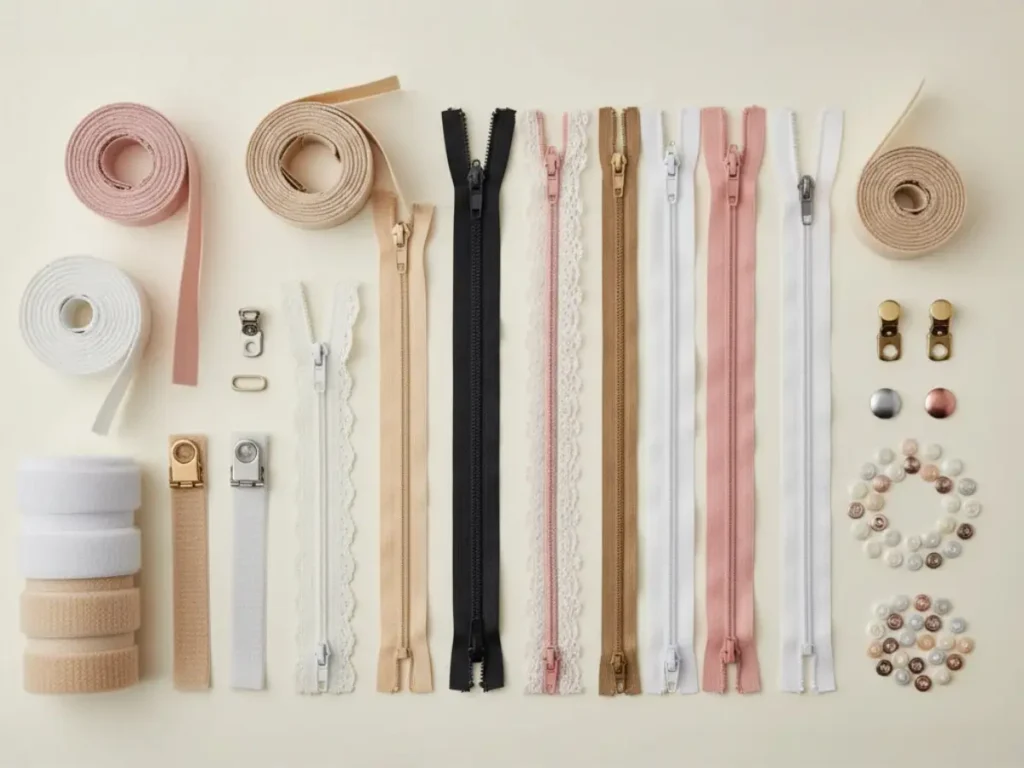
Zippers
- BOM focus: zipper type, length, tape color, puller style, placement and reference quality should be clearly recorded.
- OEM risk: wrong zipper selection can create waves, stiffness, weak closure, poor color match or fit distortion.
- Duolan control: zipper details are reviewed through sample fitting, PP approval and final QC.

Boning and Cups
- BOM focus: boning type, cup shape, placement, lining layer, support level and size grading impact.
- OEM risk: weak or misplaced support can cause poor bust coverage, discomfort and unstable wearing.
- Duolan control: support components are tested in sample and transferred into production notes.

Lining and Interlining
- BOM focus: lining composition, color, thickness, stretch, handfeel, coverage and attachment method.
- OEM risk: wrong lining can change fit, create transparency, add bulk or reduce wearing comfort.
- Duolan control: lining standards are reviewed in development and confirmed before production.

Hardware and Eyelets
- BOM focus: metal finish, size, placement, color match, reinforcement method and stress point requirement.
- OEM risk: weak hardware can create breakage, poor adjustment, surface mismatch or customer complaints.
- Duolan control: hardware is checked for both appearance and functional stability.

Elastic and Support
- BOM focus: elasticity, width, recovery, skin contact, placement and stitching method should be approved.
- OEM risk: poor elastic choice may create pressure, deformation, weak support or inconsistent fit.
- Duolan control: support trims are matched with fabric behavior and garment function.

Labels and Tags
- BOM focus: woven label, size label, care label, hangtag, barcode sticker and carton mark references.
- OEM risk: label mistakes can affect compliance, warehouse handling, customer experience and brand presentation.
- Duolan control: label items are checked during PP sample, final QC and packing confirmation.
BOM Items That Must Be Locked
BOM control is central to OEM production. If fabric, trims, labels, lining or packing items are not locked clearly, the bulk order may drift away from the approved sample and create avoidable quality or delivery problems.
| BOM Item | What Must Be Locked | OEM Risk Controlled |
|---|---|---|
| Main Fabric | Quality, color, weight, stretch, composition and approved reference | Bulk fabric difference and fit inconsistency |
| Lining | Color, thickness, coverage, handfeel and attachment method | Transparency, discomfort and interior quality issues |
| Zipper | Type, length, tape color, puller style and placement | Function problems, waves and appearance mismatch |
| Boning / Cups | Type, size, position, support level and size grading rule | Weak structure and unstable wearing |
| Hardware | Metal finish, size, placement and reinforcement | Breakage, poor adjustment and color mismatch |
| Labels | Content, placement, size, language and sewing method | Brand and compliance errors |
| Hangtags / Barcode | SKU, color, size, barcode, string and placement | Warehouse, retail and ecommerce handling confusion |
| Packing | Polybag, folding, carton, mark and protection method | Shipment damage and receiving errors |
Brand-ready Labeling and Packaging
OEM brand finishing should not be treated as simple logo customization. Labels, hangtags, barcodes, polybags and cartons are part of production readiness and delivery discipline. Duolan helps align brand finishing with PP sample, BOM, QC and packing requirements.
| Brand Finishing Item | What Should Be Confirmed | Production Value |
|---|---|---|
| Woven Label | Size, color, placement, stitch method and approved sample | Keeps brand identity consistent across bulk |
| Care Label | Fiber content, care instruction, language and placement | Supports compliance and customer use |
| Size Label | Size system, placement and readability | Reduces warehouse and customer confusion |
| Hangtag | Paper, print, string, attachment point and collection match | Supports brand presentation and product identification |
| Barcode Sticker | SKU, size, color, barcode and sticker location | Supports ecommerce, warehouse and retail handling |
| Polybag | Size, material, warning text, sticker and folding method | Protects garment and supports fulfillment |
| Carton Mark | Item code, quantity, destination, carton number and mark format | Supports receiving and shipment organization |
| Special Packing | Hanging, tissue, surface protection or delicate garment handling | Protects satin, sequin, structured and delicate styles |
Manufacturing System for OEM Womenswear
Factory Control
- OEM value: factory control helps protect approved standards when styles move from sample to bulk.
- Production value: suitable teams can be matched to dresses, fitted styles, structured garments and collection orders.
- Brand value: stronger manufacturing organization supports long-term cooperation and reorder consistency.
Flexible Capacity
- OEM value: production planning can be reviewed according to product type, complexity and timeline.
- Production value: flexible resources help support test orders, repeat styles and seasonal expansion.
- Brand value: capacity support becomes more useful when connected to sample and QC standards.
Regional Support
- OEM value: regional capacity supports more structured production routing and volume planning.
- Production value: products can be evaluated by workmanship, fabric, process and delivery requirement.
- Brand value: regional support helps larger brands plan multi-style or seasonal programs more confidently.
Quick-response Lines
- OEM value: fast response is most valuable when the product standard is already clear.
- Production value: quick-response lines help connect approved samples with controlled small-batch or repeat production.
- Brand value: brands can test, adjust and repeat styles without losing production discipline.
Material Resources
- OEM value: material access helps brands review fabric feasibility, trim matching and development options.
- Production value: printing, embroidery, washing and finishing resources can be coordinated by project need.
- Brand value: stronger material coordination reduces development friction and improves production readiness.
Sample Coordination
- OEM value: sample stages help brands confirm design, fit, material, trims and production standards.
- Production value: approved samples become references for line setup, QC and packing.
- Brand value: clearer sample coordination supports fewer avoidable revisions and stronger bulk execution.
How OEM Capacity Is Planned
OEM capacity should be evaluated by product complexity, material readiness, workmanship requirements, quantity, timeline and QC standard. Duolan reviews capacity by project instead of giving one fixed promise for every garment type.
| Product Type | Capacity Factor | Duolan Review |
|---|---|---|
| Fitted Dresses | Stretch, recovery, tolerance and size consistency | Fit sample, fabric behavior and measurement control |
| Satin Dresses | Seam smoothness, pressing and surface protection | Cutting direction, sewing method and packing risk |
| Sequin Dresses | Workmanship, lining, inspection and packing | Sequin loss, scratch risk and damage control |
| Corset Styles | Boning, cups, support and grading | Structure test, PP sample and production notes |
| Mesh Styles | Transparency, edge stability and lining | Opacity, seam visibility and coverage review |
| Refined Tops | Neckline, sleeve, closure and label placement | Construction, fit and finish checking |
| Skirts and Sets | Color match, proportion and paired packing | Fabric lot, waist fit and set coordination |
| Repeat Orders | Previous standard and issue record | Material record, QC notes and reorder alignment |
How OEM Samples Become Bulk Standards
Approved Sample Transfer
| Standard Area | What Must Transfer | Production Impact |
|---|---|---|
| Fit | Measurements, balance, tolerance and size grading | Keeps the approved silhouette consistent |
| Fabric | Quality, color, weight, stretch and reference sample | Protects material performance and appearance |
| Trims | Zipper, lining, hardware, labels and support items | Prevents mismatch between sample and bulk |
| Construction | Seam type, lining, edge finish and reinforcement | Helps sewing teams repeat approved workmanship |
| Brand Finishing | Labels, hangtags, barcode and packing method | Supports brand-ready delivery |
| QC Points | Risk areas, inspection method and tolerance | Gives inspectors a clear control basis |
Production Handover Control
| Production Stage | Handover Focus | OEM Risk Reduced |
|---|---|---|
| PP Approval | Final sample, BOM, specs and packing standard | Uncontrolled changes before production |
| Material Locking | Fabric lot, trim match and label confirmation | Color, handfeel and trim variation |
| First-piece Check | Early production garment against PP sample | Repeated defects before volume increases |
| Inline QC | Measurements, sewing and key details | Large-scale production mistakes |
| Final QC | Appearance, function, packing and labels | Shipment quality and receiving issues |
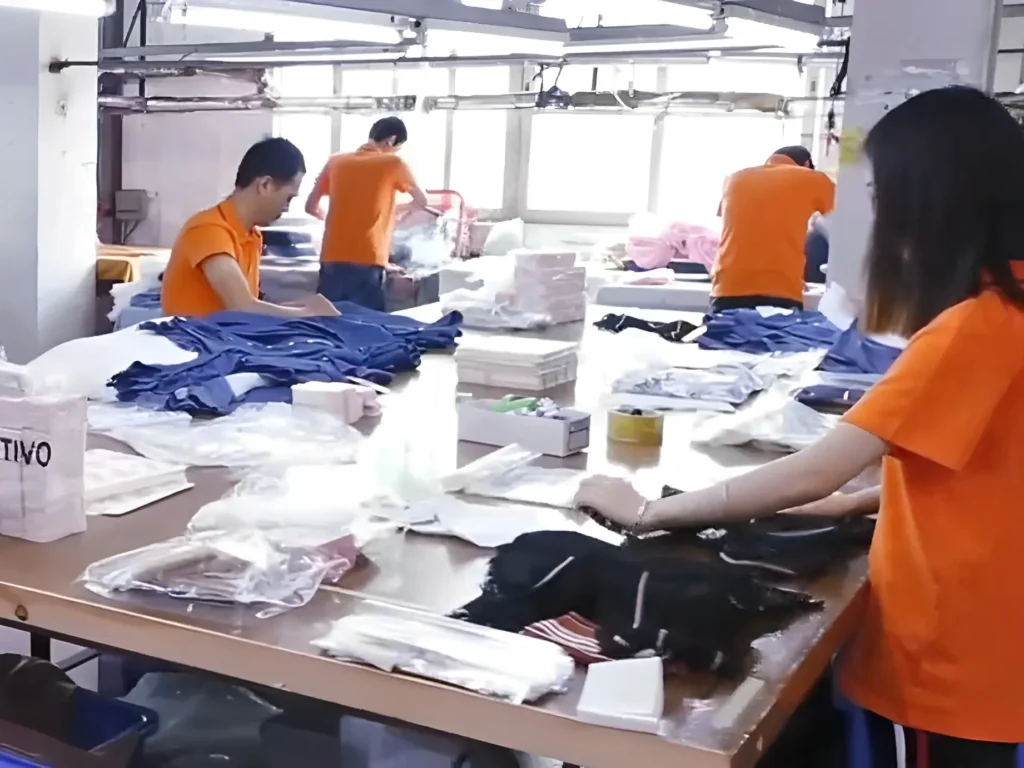
Bulk OEM Production with Clear Controls
Material and Trim Preparation
Cutting and Line Setup
Sewing and Inline Control
Finishing and Final QC
Packing and Shipment Coordination

OEM Quality Control from File to Delivery
OEM quality control should start before production. Duolan reviews risk from tech pack, material, sample, PP standard, cutting, sewing, finishing, final inspection and reorder feedback, so quality is managed across the full production path.
| QC Stage | What Duolan Checks | OEM Risk Reduced |
|---|---|---|
| Tech Pack Review | Measurements, fabric, trims, construction and packing | Wrong sample direction and unclear costing |
| Material Check | Color, weight, stretch, opacity, handfeel and trim match | Fabric mismatch and bulk inconsistency |
| Sample Review | Fit, workmanship, lining, trims and surface finish | Sample failure before PP approval |
| PP Locking | Final standard, BOM, tolerance, labels and packing | Sample-to-bulk gap |
| Cutting Check | Direction, placement, batch, size and numbering | Fit shift and material placement errors |
| Inline QC | Sewing, measurements, trims and key risk points | Repeated defects before completion |
| Final QC | Appearance, function, measurement, labels and packing | Shipment quality issues |
| Reorder Record | Previous issues, standards and correction notes | Repeat-order drift and recurring mistakes |
Compliance Support for OEM Brand Supply
Established fashion brands often evaluate OEM suppliers through audit records, quality processes, material documentation, inspection support and customer-specific standards. Duolan can support supplier evaluation discussions and compliance coordination for brand-level womenswear programs.
Supplier Evaluation Needs More Than Samples
A strong sample can open a conversation, but established brands also need supplier information, audit readiness, quality process visibility, material documentation, label accuracy and inspection support. These requirements are part of the OEM supply decision, not paperwork after production is finished. Duolan understands that brand teams need both product execution and supplier evaluation confidence.
- Audit support: Duolan’s factory system has SMETA 2-Pillar audit record and social audit record for supplier evaluation discussions.
- Standard coordination: project needs may involve BSCI alignment, ISO 9001 quality awareness, AATCC, ASTM, EN or China GB standards.
- Material requirements: OEKO-TEX?, GOTS-related material needs or customer-specific material requirements can be coordinated by project.
- Inspection support: third-party inspection and customer-designated QC requirements can be discussed according to the project.
Compliance Connects to Production Details
Compliance is not separate from OEM production. It connects to fabric content, care labeling, size information, packaging, testing, trims, documentation and final inspection. A garment may be beautiful, but if label information, material record, packing standard or inspection requirement is unclear, the shipment can still create risk.
- Label control: care label, size label, brand label, barcode and carton mark must match customer requirements.
- Material control: fabrics, linings, trims and special finishes may require records or testing coordination.
- Packing control: polybag, warning text, carton marking and customer packing standards should be confirmed before delivery.
- Brand value: production discipline and documentation support help reduce supplier-evaluation and shipment-preparation friction.
Project Communication for OEM Teams
Tech Pack Clarification
- What we clarify: flat sketch, size spec, fabric standard, trims, construction, labels, packing and sample purpose.
- Why it matters: unclear information can create inaccurate quotation, wrong sample direction or production delay.
- Brand value: better file clarification gives the OEM project a stronger starting point.
Sample Comments
- What we clarify: fit issues, visual updates, construction changes, material adjustment and revised sample purpose.
- Why it matters: vague comments may not improve the sample or prepare the garment for bulk production.
- Brand value: each revision becomes more useful when comments are tied to clear actions.
Material Confirmation
- What we clarify: fabric quality, color, handfeel, stretch, opacity, lining, zipper, hardware, labels and packing materials.
- Why it matters: material changes can affect fit, cost, timeline, QC and final appearance.
- Brand value: confirmed material references create a stronger base for PP sample and production.
Timeline Updates
- What we clarify: sample schedule, revision timing, material lead time, production plan and packing preparation.
- Why it matters: brands need to plan launches, shoots, selling windows and receiving schedules.
- Brand value: timeline updates help reduce last-minute surprises and internal planning pressure.
Production Status
- What we clarify: material status, cutting progress, sewing progress, inline QC, finishing, final inspection and packing.
- Why it matters: status visibility helps catch issues before shipment becomes the only discussion.
- Brand value: clearer updates build stronger trust during production execution.
Delivery Coordination
- What we clarify: carton marks, barcode labels, packing method, shipment timing, forwarder details and document needs.
- Why it matters: delivery errors can affect warehouse receiving, ecommerce processing and retail handling.
- Brand value: organized delivery support helps finished goods move into the brand’s system smoothly.
OEM Case Stidies Built Around Files and Standards
Incomplete Tech Pack Review
- Project context: the brand had a clear design direction, but the tech pack did not fully define fabric quality, lining, trims, tolerance, label placement or packing method.
- OEM challenge: if production moved forward too early, the first sample might look close but still fail in BOM accuracy, construction and bulk-readiness.
- Duolan action: reviewed the file, identified missing production information, clarified material and trim requirements, and suggested what needed confirmation before sampling.
- Evidence value: this case shows how Duolan treats OEM files as production instructions, not only reference documents.
BOM Locking Project
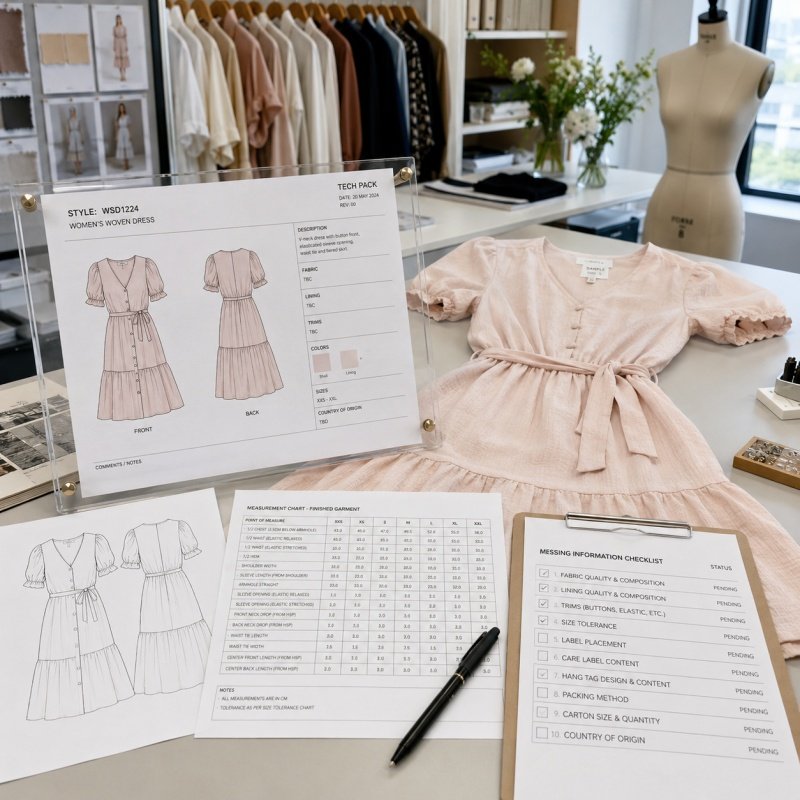
A womenswear brand needed OEM production for a refined dress line, but the material list was not fully locked. Fabric, lining, zipper, cup, label and packing items had to be confirmed before PP sample approval.
- Project context: the brand had approved design direction, but several components still needed final confirmation for bulk consistency.
- OEM challenge: even small changes in lining, zipper, label size or fabric weight could affect fit, comfort, costing and production control.
- Duolan action: helped organize the BOM items, reviewed compatibility between fabric and trims, and connected material locking with PP sample preparation.
- Evidence value: this case proves that Duolan’s OEM process focuses on material control before bulk production, reducing uncontrolled sample-to-bulk changes.

PP Sample Transfer
- Project context: the product had already passed visual approval, but the brand needed stronger control over measurements, fabric, lining, trims and workmanship.
- OEM challenge: production teams needed a clear standard, not only a sample garment, to avoid fit drift and detail inconsistency.
- Duolan action: connected the PP sample with size spec, BOM, workmanship notes, first-piece checking, inline QC and final inspection requirements.
- Evidence value: this case shows how Duolan turns approved samples into OEM production standards that can guide bulk execution.

Repeat OEM Order
A mature brand wanted to repeat a successful OEM style with new colors and minor production updates. The priority was consistency, not redesign.
- Project context: the brand had an existing approved garment and wanted to keep the same fit, construction and packing standard across a new reorder.
- OEM challenge: repeat orders can still drift if previous fabric, trim, measurement, QC and packing records are not reviewed carefully.
- Duolan action: checked the previous sample standard, reviewed color and material availability, confirmed trim consistency and updated production notes for the new order.
- Evidence value: this case demonstrates Duolan’s OEM value for brands that need repeat production discipline, not only first-time sample development.

Download the OEM Supplier Capability Pack
An OEM supplier capability pack helps fashion brands evaluate whether a manufacturer can support tech pack review, sample development, production standards, QC, brand finishing and repeat production. Duolan can provide structured information for serious supplier evaluation.
What the Pack Helps You Review
- OEM fit: understand Duolan’s dress-centered womenswear positioning, target customer types and product category focus.
- Technical process: review how tech packs, samples, BOM, PP standards and QC points connect before bulk production.
- Production support: understand manufacturing resources, capacity evaluation, brand finishing, packing and delivery coordination.
- Supplier evaluation: prepare stronger questions around samples, materials, compliance, inspection and repeat production.
What to Prepare Before Inquiry
Clear project information helps Duolan respond with more useful OEM feedback.
- Send us: tech pack, reference sample, fabric standard, size spec, trim details, label requirement and target quantity.
- Tell us: current project stage, sample purpose, launch date, target market, packing expectation and QC requirement.
- We review: OEM fit, material risk, pattern needs, sample route, BOM clarity and production feasibility.
- You receive: a clearer development discussion, quotation basis, timeline direction and supplier-fit evaluation.
OEM Clothing Manufacturer FAQ

Submit Your OEM Production File
Duolan works best with fashion brands that already have a clear design direction, tech pack, reference sample, material standard or production requirement. If your team is looking for an OEM clothing manufacturer to execute womenswear styles according to your brand standard, we can review your files before sampling or bulk production begins.
This review is designed for brands that need technical execution, not generic product sourcing. Our team will check whether your tech pack, fabric direction, trims, size spec, BOM, labels, packing requirements and production timeline are ready for OEM development or bulk discussion.
- Send us: tech packs, flat sketches, measurement specs, BOM, fabric references, trim details, sample photos, approved samples, label files, packing manuals and target quantities.
- We review: file completeness, material feasibility, measurement risks, BOM gaps, sample route, PP sample needs, bulk production readiness and QC requirements.
- You receive: OEM file review comments, missing information list, sample or PP sample direction, production feasibility notes, quotation basis and timeline discussion.
A stronger OEM file allows Duolan to evaluate your project more accurately before production starts. This helps reduce unclear sampling, material mismatch, BOM confusion, sample-to-bulk drift and avoidable production delays.