...

OEM Dress Manufacturer

Dress OEM execution for established fashion brands, from technical files and PP samples to inspected bulk delivery.

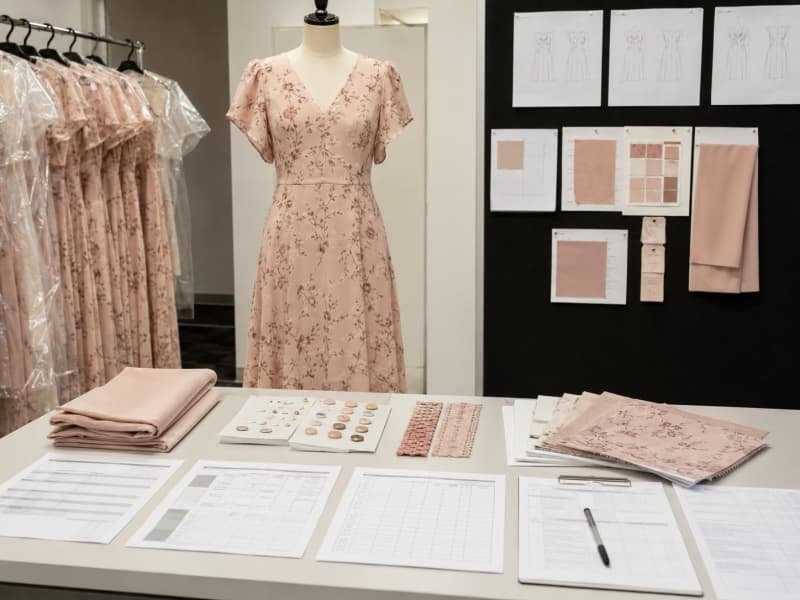
Duolan manufactures brand-owned dress designs through controlled OEM workflows. We review tech packs, fabric standards, BOM details, measurement specs, approved samples, PP requirements, dress construction risks, QC points and packing rules before bulk production moves forward.

  • 30+ years of fashion dress development background supports dress-specific OEM execution.
  • 16 owned womenswear factories help control samples, PP standards and core production.
  • 20+ satellite factories support coordinated multi-style dress programs and seasonal capacity.
  • 4 regional bases help route production across Guangxi, Guizhou, Sichuan and Jiangxi.
  • 12,000–20,000 equipment units support cutting, sewing, finishing, inspection and packing.
  • 750–1,200 development staff support pattern interpretation, sampling, grading and fit correction.
  • 1,200–1,500 coordination staff support order follow-up, QC communication and delivery tracking.

OEM Production Built Around Brand Standards

OEM womenswear manufacturing is not a lower-level version of custom production. For established fashion brands, OEM means the product direction has already been defined by the brand, and the manufacturer must respect that definition with disciplined execution. A mature OEM project usually starts with a tech pack, original sample, measurement spec, BOM, fabric standard, trim details, label instruction, packaging requirement, target quantity and quality expectation. The supplier’s role is not to freely reinterpret the design, but to convert the approved brand standard into a sample, a PP benchmark, a production file and a repeatable bulk process.

Duolan approaches OEM womenswear as a controlled execution system. Before sampling, our team reviews style construction, fabric behavior, measurement logic, trim feasibility, label placement, packing impact and production risk. If a satin dress may show seam puckering, a bodycon style may lose recovery, a corset dress may require stronger support, or a mesh dress may create coverage concerns, these issues are discussed before they become bulk problems. The goal is practical: help the brand move from approved design to production-ready garment with fewer blind spots.

Our supported women's apparel OEM customization partners

Duolan is structured for established womenswear brands, product teams, buying teams and sourcing offices that already understand product development and need reliable manufacturing execution. The strongest OEM projects usually come with clear design intent, defined quality expectations, planned quantities and a need for repeatable delivery across styles, colors or seasonal launches.

Global Fashion Brands

Global brands need more than garment sewing. They require a supplier that can understand development files, protect product consistency, coordinate multiple style directions and maintain discipline across samples, PP approval, bulk production and repeat orders. Duolan supports OEM womenswear programs where the brand already has defined product standards and needs a factory system capable of turning those standards into controlled output. Our role is to help keep silhouette, fabric direction, size tolerance, workmanship and packing requirements consistent from development to shipment.

Established Regional Brands

Regional fashion brands in the US, UK, Australia and Europe often need faster development cycles while still maintaining brand-level product discipline. Their OEM challenge is not simply finding a factory that can make one style; it is finding a manufacturer that can support launch calendars, commercial styles, core repeat items and seasonal extensions. Duolan is suitable for established regional brands that need womenswear samples, production-ready approvals and bulk delivery support for dresses, fashion sets, fitted silhouettes and refined fashion categories.

Product Development Teams

Product teams already know that a tech pack is only useful when a factory can interpret it correctly. Measurement specs, construction notes, fabric details, lining instructions, trim callouts and packing standards must all be checked before sampling and locked before bulk production. Duolan supports product teams by reviewing technical files, identifying unclear points, preparing samples for evaluation and connecting approved sample details to BOM, PP standard, production notes and QC checkpoints.

Brand Buying Teams

Buying teams usually evaluate suppliers through cost, reliability, communication, compliance, sample accuracy and bulk consistency. For OEM womenswear projects, they also need confidence that production can follow the approved style without uncontrolled interpretation. Duolan supports buying teams with structured project review, sample-to-bulk handover, fabric and trim confirmation, production coordination, QC tracking and delivery preparation. The cooperation is designed around project clarity, not informal order handling.

Sourcing Offices

Sourcing offices need suppliers that can respond with organized information, realistic risk feedback and factory-level execution capacity. They often compare several manufacturers by development capability, audit readiness, MOQ logic, lead time, material sourcing and order follow-up discipline. Duolan can support sourcing offices with supplier evaluation information, SMETA-related records, product capability details, development process explanations and project-based communication for OEM womenswear production.

Multi-brand Groups

Multi-brand groups need manufacturing partners that can manage parallel programs without mixing standards between brands, lines or seasons. One group may operate different dress lines, pricing tiers, style directions and delivery windows at the same time. Duolan’s owned factory system, satellite factory coordination, product development resources, material sourcing network and order follow-up teams support multi-style OEM programs where brand identity, quality level and production route must remain clearly separated.

Choose the Right Cooperation Path

OEM, ODM, private label and full custom are not quality levels. They are different cooperation paths based on how complete the brand’s product information is, how much development support is needed, and how much responsibility the supplier should take before production begins.

Cooperation PathBest ForBrand ProvidesDuolan SupportsMain Output
OEM ProductionBrands with defined designs and production filesTech pack, original sample, size spec, BOM, fabric direction, label and packing requirementsFile review, feasibility check, sample execution, PP locking, material control, bulk production and QCProduction-ready OEM garments based on approved standards
ODM DevelopmentBrands with a clear market direction but incomplete product developmentReference styles, moodboard, target customer, price range, fabric direction and launch planStyle development, fabric suggestion, pattern, sample, revision, production planning and bulk supportDeveloped styles aligned with brand direction
Premium Private LabelBrands needing controlled branding executionProduct direction, label requirement, packaging standard, channel requirement and quality expectationMain label, care label, hangtag, barcode, polybag, carton, QC and retail-ready packing coordinationBrand-ready products with controlled label and packaging system
Full Custom DevelopmentBrands needing deeper development from concept to bulkDesign idea, reference image, sample target, fabric concept, quantity and timelineDesign review, material development, pattern, sample, revision, PP sample, bulk production and shipment supportFully developed womenswear program from concept to delivery

OEM Project Files Brands Should Prepare

A stronger OEM project starts with clearer information. Complete files help both teams reduce repeated clarification, avoid wrong assumptions and prepare a more accurate sample, cost review and production path. When some information is missing, Duolan can still review the project, but the development timeline and risk assessment will depend on how much is already confirmed.

Project File or InformationWhy It Matters in OEM Production
Tech pack or design fileDefines sketch, construction, measurement, seam details, fabric, trims, labels and production expectations.
Original sample or reference garmentHelps verify fit, proportion, fabric behavior, workmanship level and finishing direction beyond drawings.
Size chart and toleranceControls fit consistency, grading logic, production measurement checks and final inspection standards.
BOM and material directionLinks fabric, lining, trims, elastic, zipper, hardware, label and packaging items to production execution.
Fabric swatch or target fabricHelps Duolan evaluate drape, stretch, opacity, recovery, weight, handfeel and bulk sourcing feasibility.
Trim and hardware detailsClarifies zipper, button, hook, eyelet, boning, elastic, strap adjuster, label and decorative component standards.
Label and packaging instructionSupports main label, care label, hangtag, barcode, polybag, folding, carton mark and packing ratio execution.
Quantity, size range and colorwaysAffects material sourcing, MOQ assessment, production planning, cutting efficiency and delivery scheduling.
Target launch or delivery dateAllows sample, PP approval, material booking, production and shipment timing to be evaluated realistically.

OEM Womenswear Product Range

Duolan’s OEM womenswear capability is focused on fashion-led categories rather than generic mass-market garments. The strongest fit is dress-centered womenswear, occasion-driven styles, fitted silhouettes, fashion sets and refined tops that require fabric judgment, fit control, sample accuracy, workmanship discipline and production consistency.

Fashion Dresses

Fashion dresses require more than basic cutting and sewing because brand identity is often carried through silhouette, fabric movement, neckline shape, waist position, hem balance and finishing details. Duolan supports OEM fashion dress projects where the brand provides a tech pack, reference sample or approved direction, and needs disciplined execution from sample to bulk. We review fabric suitability, lining requirements, stitch quality, size tolerance, label position and packing effect so the final garment can remain aligned with the brand’s intended look and sales channel.

Occasion Dresses

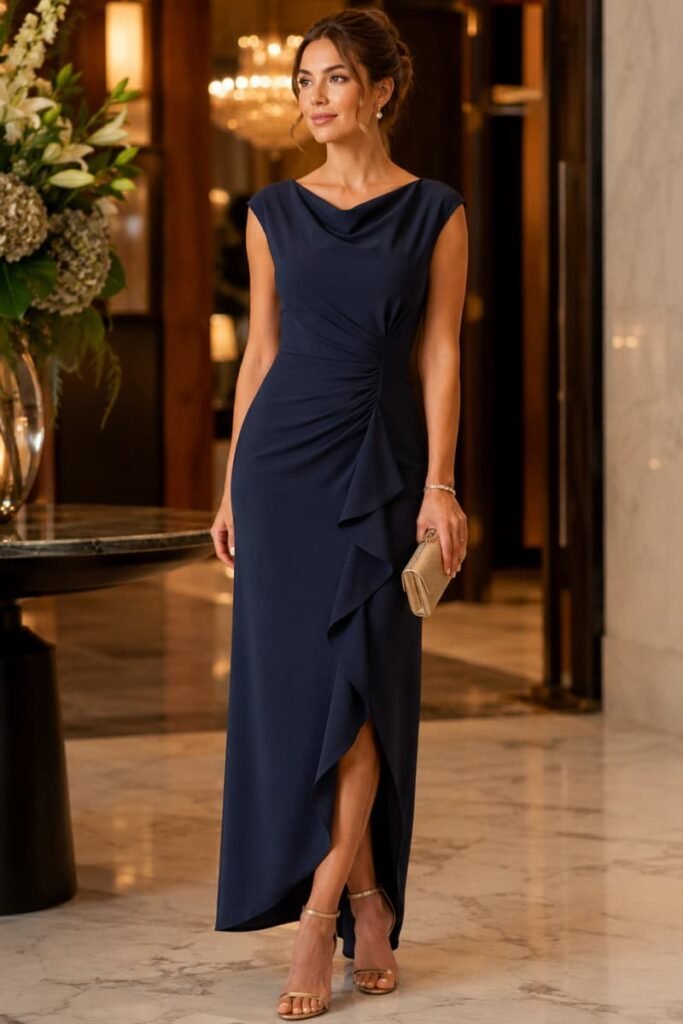
Occasion dresses need to look polished in social settings, photography, retail presentation and customer wear. OEM production for this category must consider structure, comfort, opacity, drape, zipper strength, neckline stability and finishing quality. Duolan supports occasion dress projects such as cocktail, graduation, wedding guest, semi-formal and event-driven styles, while keeping the positioning separate from bridal gown production. The focus is to help brands execute occasion-ready products that can move from approved sample to production with clear PP standards and QC checkpoints.

Party Dresses

Party dresses often combine high visual impact with high production risk. Body-hugging cuts, stretch fabrics, mesh panels, cut-outs, sequins, shine, lining decisions and zipper placement can all affect customer comfort and return risk. Duolan supports OEM party dress production by reviewing construction, support points, fabric recovery, inner finishing, embellishment durability and packing protection before bulk. The goal is not to make the style more complicated, but to keep the visual result wearable, stable and repeatable.

Bodycon Dresses

Bodycon dresses succeed only when fabric recovery, pattern tension, seam elasticity and measurement tolerance work together. A size chart alone cannot guarantee the right fit if the fabric stretches too much, recovers poorly or becomes transparent under tension. Duolan reviews stretch direction, recovery, lining, side seam balance, hem stability and waist-hip proportion before bulk production. This makes OEM bodycon projects more controlled for brands that need consistent fit across colors, sizes and repeat orders.
5.Mini Dresses (1)

Mini Dresses

Mini dresses may look simple, but their production control is sensitive because length, coverage, strap position, hem balance and fit tolerance are more visible on the body. Duolan supports OEM mini dress projects by checking bust support, inner finishing, side seams, lining length, hem safety, zipper position and packing method. For fitted or party mini styles, we also review fabric recovery, body movement, opacity and seam strength so the garment remains wearable and commercially stable.

Midi Dresses

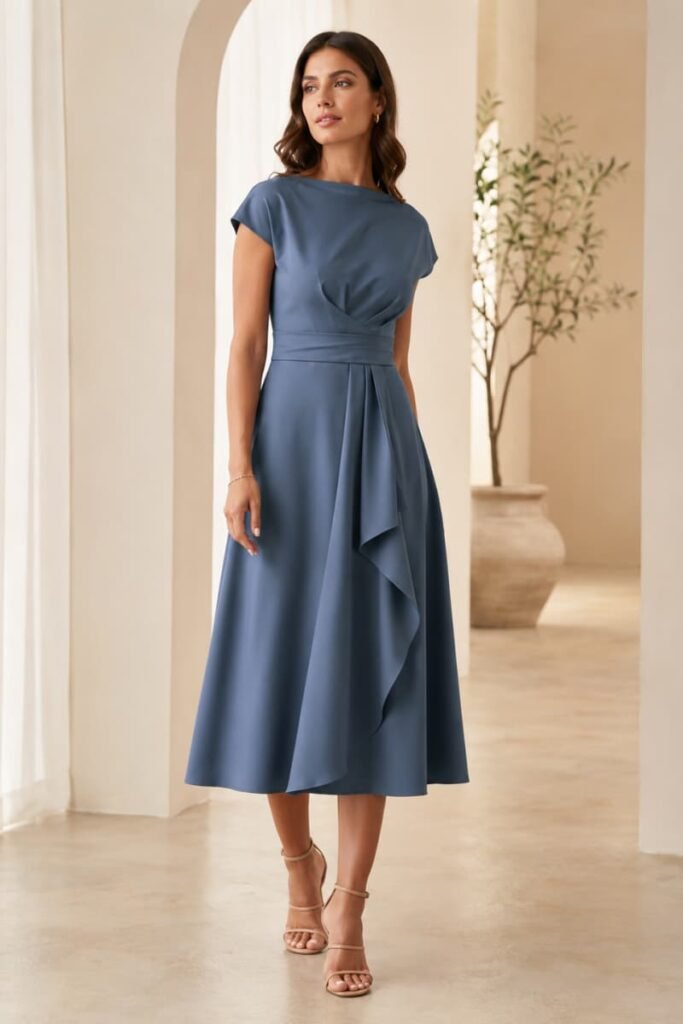
Midi dresses depend on proportion, fabric fall, waist placement, skirt shape and length consistency. A small change in drape or cutting direction can affect how the garment photographs and moves. Duolan supports OEM midi dress production by reviewing fabric behavior, waist construction, lining length, hem finish, slit position, pleat stability and size grading. For mature brands, this helps preserve a refined silhouette while allowing the product to move into planned bulk production.

Maxi Dresses

Maxi dresses require careful control of length, hem balance, fabric weight, lining, print placement and packing. Long skirts easily expose cutting distortion, uneven hem lines, poor drape or unstable fabric batches. Duolan supports OEM maxi dress production by checking fabric width, shrinkage, print direction, lining structure, skirt panel balance, hem finish and final pressing. The aim is to help brands achieve graceful movement and stable bulk consistency across colorways and sizes.

Vacation Dresses

Vacation dresses and resort styles often rely on lightweight fabrics, prints, easy movement and visual softness. OEM execution must control transparency, lining coverage, print position, color consistency, seam delicacy, hem finish and packing wrinkles. Duolan supports vacation dress programs for brands that need lightweight, campaign-ready and production-ready garments. We can coordinate fabric sourcing, print or dyeing resources, sample review and bulk preparation around the brand’s seasonal launch calendar.

Going Out Dresses

Going out dresses sit between daily fashion and eventwear. They often require stronger visual identity, but still need comfort, movement and reliable fit. Duolan supports OEM going-out styles such as ruched, mesh, fitted, cut-out, halter, backless and one-shoulder dresses. We review support, coverage, stretch, inner finish, shoulder or neck load, zipper function and finishing quality so the approved design can be executed without losing its commercial appeal in bulk production.

Fashion Sets

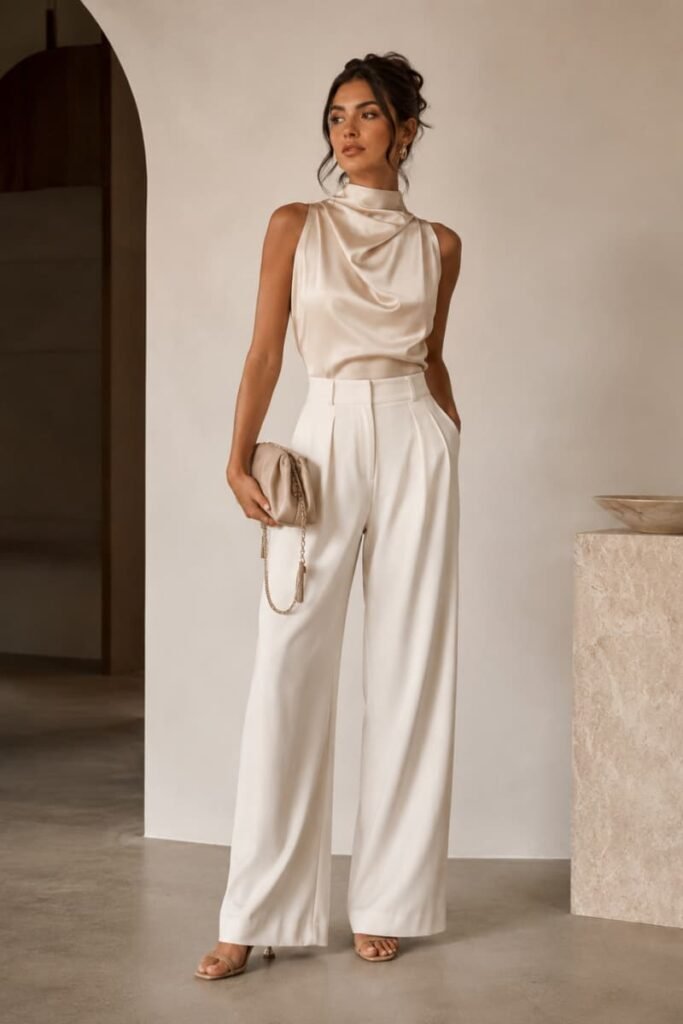
Fashion sets require consistency between top and bottom pieces. Fabric batch, color, print direction, size balance, elastic behavior and packing ratio must be controlled together. Duolan supports OEM skirt sets, fitted sets, resort sets and fashion co-ords for brands that want collection-ready products rather than isolated pieces. We review the relationship between garments, including proportion, fabric direction, waistband, closure, label placement and size matching, so the set can be delivered as a complete product.

Refined Fashion Tops

Refined fashion tops support womenswear collections by extending a brand’s fabric, color, silhouette and styling language. These products may include corset tops, halter tops, satin tops, mesh tops, blouse styles and fitted statement tops. Duolan supports OEM top production where construction, neckline stability, lining, strap position, seam quality and label placement matter. This category is especially useful for brands building coordinated drops with dresses, skirts or fashion sets.

Structured Dresses

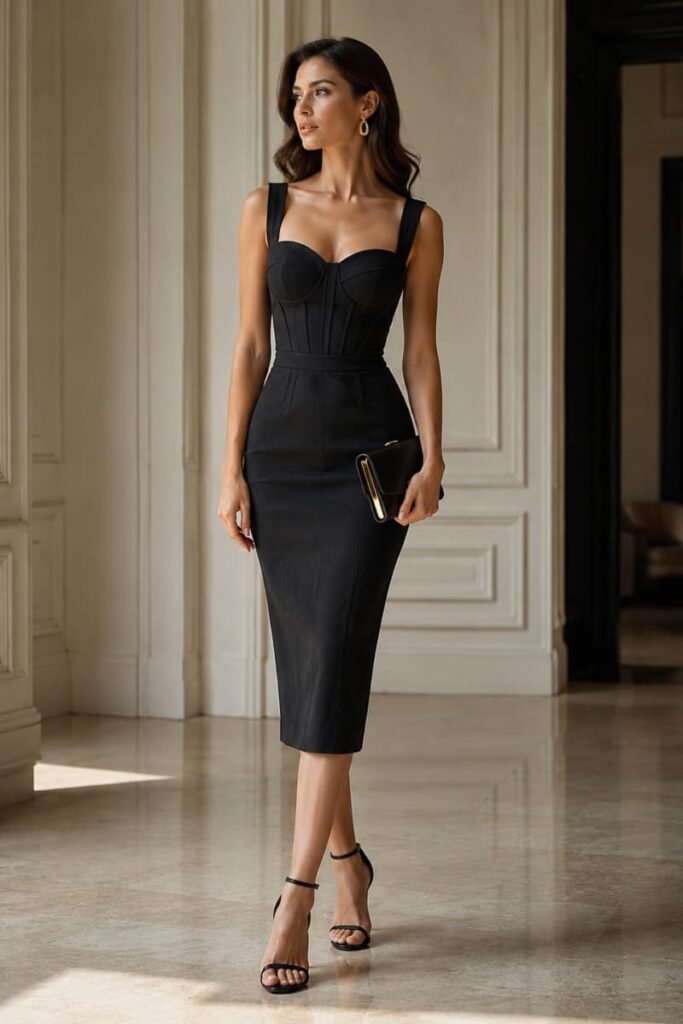
Structured dresses, including corset, bustier, bandage-inspired and fitted support styles, need stronger production engineering than ordinary dresses. Internal support, boning, cup position, lining, zipper, eyelets, back structure and seam balance must work together. Duolan supports OEM structured dress projects by reviewing the inside construction as carefully as the outside silhouette. The goal is to protect the brand’s design intent while making the garment wearable, stable and suitable for repeatable production.

From Tech Pack to Production-ready Sample

OEM production should not jump from file review directly into bulk. A production-ready sample gives the brand a physical decision tool and gives the factory a controllable benchmark for PP approval, material locking, workmanship standard and production planning.

Technical File Review

Duolan begins by reviewing the tech pack, style sketch, measurement spec, BOM, fabric direction, trim details, construction notes, label instruction, packaging request, size range, colorways and target quantity. The purpose is not only to understand the file, but to identify information that may affect sampling, quotation or production stability. If a measurement conflicts with a sketch, a fabric weight is unclear, a lining length is missing, or a trim specification may affect lead time, we clarify these points before sample execution.

Fabric and Trim Feasibility

After file review, the project moves into material feasibility. Fabric behavior can change the entire outcome of a womenswear style. Satin may show seam marks, mesh may raise coverage questions, stretch fabric may affect fit, lace may require placement control, and sequin fabric may need special lining or packing. Duolan reviews fabric drape, stretch, opacity, recovery, weight, handfeel, color consistency and trim compatibility, then gives practical feedback before sample development proceeds.

Sample Development

The first sample is developed to test the design direction, construction method, fabric behavior and measurement logic. For OEM projects, the sample is not treated as a creative experiment outside the brand’s standards. It follows the approved file as closely as possible while recording necessary clarifications or deviations. If fit, structure, fabric or workmanship requires adjustment, the issue is discussed through comments, revised sample planning or PP sample preparation.

PP Sample Locking

The PP sample becomes the production benchmark. At this stage, the brand and Duolan confirm material, measurement tolerance, workmanship, trim, label, packing, finishing and key quality points. For complex womenswear, PP locking is especially important because the approved visual sample must be translated into production instructions. Duolan connects the PP standard to BOM, production notes, cutting instructions, QC checklist and packing requirements so bulk production has a clear reference.

Bulk Readiness Confirmation

Before bulk production begins, Duolan checks whether the style is ready for controlled production. Material availability, color approval, cutting direction, special process, production route, QC stages, packing requirement and delivery timing are reviewed together. The goal is to avoid the common gap between sample approval and bulk execution. Once readiness is confirmed, the project can move into production planning with clearer responsibilities, fewer assumptions and stronger production discipline.
Material Bulk-Readiness-Confirmation

OEM Risk Review Before Sampling

The most expensive OEM problems often begin before sampling. Duolan reviews key womenswear risks early so brands can make better decisions on fabric, construction, support, lining, trims, production method and sample expectations.

Brand InputPossible Production RiskDuolan Review Before Sampling
Satin dress tech packSeam puckering, needle marks, pressing shine, packing creasesReview fabric thickness, seam position, stitching method, pressing temperature and packing protection.
Bodycon dress designPoor recovery, transparency, side seam twisting, uncomfortable tightnessCheck stretch direction, recovery rate, lining need, negative ease and measurement tolerance.
Corset or bustier styleWeak bust support, unstable neckline, poor cup symmetry, uncomfortable boningReview cup shape, boning position, lining structure, back closure and support distribution.
Mesh panel dressCoverage issue, visible seam bulk, unstable panel edge, lining mismatchMap transparency zones, lining coverage, seam finish, edge binding and stretch compatibility.
Sequin party dressDropped sequins, skin irritation, heavy garment, zipper difficultyCheck sequin direction, seam allowance cleaning, lining, edge treatment, packing and weight.
Print vacation dressPattern imbalance, color shift, poor placement, uneven repeat across sizesReview print scale, paper pattern, placement position, color reference and size grading impact.
Halter or backless dressNeck load, bust instability, strap stretching, poor wear confidenceCheck strap strength, bust support, back structure, closure position and lining anchoring.

Fabric and Trim Sourcing for OEM Womenswear

OEM projects often start with a brand’s fabric direction, swatch, approved material or required handfeel. Duolan’s role is to help connect that direction to bulk-available materials, workable trims and production-safe alternatives. The strongest material choice is not always the most beautiful swatch; it is the material that can support the silhouette, quality target, cost logic, delivery timing and repeat production requirement.

Fabric Matching

Duolan reviews the brand’s target fabric by drape, weight, stretch, opacity, recovery, surface finish, shrinkage, color behavior and construction compatibility. When the exact fabric is unavailable or not production-friendly, we can suggest alternatives with clear explanation. The purpose is not to change the brand’s design direction, but to protect the final garment from poor fit, unstable bulk quality or avoidable production risk.

Trim and Hardware Coordination

Womenswear trims can directly affect quality perception and wearing performance. Zippers, hooks, eyelets, boning, elastic, straps, sliders, metal plates, buttons and decorative components must be matched to the garment structure and brand standard. Duolan checks trim size, color, plating, skin contact, strength, lead time and batch consistency before bulk confirmation, especially for fitted, structured, backless or partywear styles.

Special Process Resources

Some OEM womenswear projects require print, embroidery, dyeing, washing, sequin, beading or other visual processes. These details must be reviewed before production because they affect cost, lead time, fabric behavior, quality inspection and packing. Duolan coordinates with mature process resources and reviews whether the chosen technique supports the intended garment, rather than adding complexity that may weaken wearability or bulk stability.

Material-to-BOM Control

Once materials and trims are confirmed, they must be recorded into a production-ready BOM. Fabric, lining, zipper, elastic, label, packaging, thread, hardware and process details need clear references so sampling, PP approval, purchasing, cutting, sewing and QC work from the same standard. This connection between sourcing and BOM control is one of the key differences between casual sampling and mature OEM production.

Material Locking and BOM Control

OEM bulk consistency depends on what gets locked before production. A beautiful approved sample is not enough if the production team cannot identify the exact fabric, lining, trim, label, thread, color reference, packing requirement and process standard that created it.

BOM AreaWhat Should Be LockedWhy It Matters
Main FabricQuality, composition, weight, color, width, shrinkage, batch and approved supplierControls drape, fit, color consistency, cutting yield and repeat order stability.
LiningColor, stretch, handfeel, opacity, length, attachment method and comfort levelAffects coverage, comfort, outer fabric behavior and premium garment feel.
TrimsZipper, button, hook, eyelet, elastic, boning, strap adjuster and hardwareImpacts function, wearing security, production efficiency and customer return risk.
Thread and StitchingThread color, seam type, stitch density, elastic stitch and reinforcement pointsControls seam appearance, stretch, strength and workmanship consistency.
Label SystemMain label, care label, size label, side label and country or compliance informationSupports brand identity, product information and channel requirements.
PackagingFolding, polybag, barcode, hangtag, carton mark, ratio and packing protectionEnsures products arrive in a sellable, trackable and channel-ready condition.
Process NotesPrint, embroidery, washing, dyeing, pleating, sequin, beading or pressing requirementsPrevents special processes from being treated as informal decoration during bulk production.

Production Engineering for Complex Womenswear

Production engineering turns an approved womenswear sample into a production route that the factory can understand, execute and inspect. This step is especially important for dresses and fashion styles with support structures, stretch fabrics, sheer panels, sequins, lace placement, pleating, ruching, cut-outs, halter straps or backless construction. Without production engineering, a sample may look acceptable in one piece but fail when repeated across sizes, colors and bulk quantities.
For OEM projects, Duolan reviews the garment by structure, material behavior, wearing position, visual priority and production risk. A corset dress may need cup symmetry, boning channel control and stable back closure. A satin slip dress may need seam and pressing protection. A mesh dress may need lining and edge strategy. A sequin style may need seam allowance cleaning and anti-scratch finishing. These details are translated into process notes, production sequence, PP standard, first-piece confirmation and QC checkpoints.

OEM Production Process

A controlled OEM production process helps brands move from approved sample to shipment without losing standards between departments. Duolan connects sample approval, material preparation, production execution, QC and packing through a structured sequence.

Approved Sample and PP Confirmation

Before production starts, the approved sample and PP sample are reviewed as physical standards. Measurements, fabric, lining, trims, label, workmanship, finishing, packing and critical construction details are confirmed. For fitted, structured or embellished womenswear, this stage is essential because the production team needs more than a visual reference. The PP standard becomes the bridge between brand approval and factory execution, helping reduce interpretation gaps during bulk manufacturing.

Material Preparation and Cutting

Material preparation includes fabric inspection, batch control, color reference, shrinkage review, trim matching and cutting planning. Cutting affects fit, symmetry, print placement, fabric direction and production consistency before sewing begins. Duolan pays attention to stretch direction, satin shine direction, lace or print placement, panel balance, size numbering and material handling. This step helps prevent problems that cannot be fully corrected after sewing.

Sewing and Special Process

The sewing stage follows the approved construction and process notes. Different womenswear styles require different sewing decisions. Stretch garments need elastic seam control, satin requires careful stitch and pressing handling, mesh and chiffon need clean edges, corset styles need support structure, and sequin garments need seam and lining protection. If special processes such as embroidery, print, washing or beading are involved, they are coordinated according to the confirmed production route.

Inline QC and First-piece Confirmation

Duolan uses first-piece confirmation and inline checks to reduce production drift. Key measurements, seam quality, trim position, lining, zipper function, support points, color, workmanship and appearance are checked during production rather than waiting until the final stage. For multi-style programs, this helps maintain consistency across lines and prevents small issues from expanding into shipment-level problems. Inline control is especially important for repeat orders and seasonal launches.

Final Inspection, Packing and Shipment Preparation

Final inspection checks product appearance, measurements, defects, labels, trims, finishing, pressing, packing and carton requirements. For premium womenswear, the final state of the garment matters: it should be ready for the brand’s channel, not merely completed on a sewing line. Packing protects surface quality, shape, embellishment, satin finish, pleats or structured details. Shipment preparation then aligns carton information, packing ratio and document coordination with the customer’s delivery requirements.

Manufacturing Capability for Repeatable Bulk

Duolan’s OEM manufacturing strength is built around repeatable execution, not just production volume. A brand-approved sample must become a product that can be cut, sewn, finished, inspected, packed and reordered under controlled standards. This is where factory structure, production lines, development resources, QC discipline and order coordination become important to established fashion brands.

Owned Factory Control

Owned womenswear production facilities support key project control, PP sample transfer, sensitive style execution and repeat order consistency. This matters for OEM projects where the brand cannot afford a gap between approved sample and bulk output. Duolan uses owned factory control to support production discipline, accountability and clearer execution of sample standards, BOM details, workmanship notes and QC requirements.

Satellite Factory Coordination

Long-term coordinated satellite factories support flexible scale, parallel order handling and production route matching. Satellite resources are not treated as uncontrolled outsourcing. They are coordinated under Duolan’s project management, production standard transfer, PP sample reference and QC requirements. This structure helps support rolling reorders, seasonal volume increases, multi-style launches and category programs that may require different production routes.

Production Line Support

With 300 sewing lines and 50+ quick-response lines, Duolan can support both planned bulk production and development-linked launch programs. Quick-response lines are especially useful for sample-to-test-order transitions, urgent style confirmation and controlled first production. Standard sewing lines support more stable bulk output once PP standards, materials, production notes and QC checkpoints are confirmed.

Sample Development Density

Duolan’s monthly sample development capacity of 15,000–35,000 pieces and 3,000–8,000 style development flows supports brands with frequent launches and multiple product directions. For OEM womenswear, this means the system is used to handling many styles, revisions, comments, material checks and sample decisions. Development capacity is valuable only when it connects to production readiness, PP approval and bulk handover.

Equipment Coverage

The broader manufacturing system includes cutting, sampling, sewing, printing, embroidery, finishing, inspection, packing and auxiliary equipment. For OEM womenswear, this equipment base supports different materials, structures and finishing needs across dresses, tops, sets and fitted styles. It also helps production teams manage process-sensitive garments such as satin, mesh, sequin, lace, structured and stretch womenswear.

Bulk and Repeat Capacity

Duolan’s stable monthly capacity of about 6,500,000 pieces, with peak capacity up to 10,000,000 pieces, supports brands that need planned bulk production, repeat orders and scalable supply coordination. The purpose of this capacity is not to attract every order size, but to support mature brands with defined production needs, multi-style programs and long-term supply value.

QC Standards for OEM Womenswear

Quality control in OEM womenswear should begin before production and continue through material, cutting, sewing, finishing, packing and final inspection. Duolan treats QC as a production discipline connected to approved samples, BOM, measurement tolerance, workmanship standard and brand requirements.

QC StageWhat We CheckRisk Controlled
Material InspectionFabric defects, color shade, weight, shrinkage, stretch, opacity and batch consistencyPrevents fabric mismatch, poor drape, color variation and cutting instability.
Cutting CheckFabric direction, panel balance, numbering, print or lace placement and size accuracyControls fit variation, asymmetry, pattern imbalance and production confusion.
First-piece ConfirmationMeasurements, construction, seam quality, trims, lining, zipper and critical detailsConfirms the production line understands the PP sample before bulk continues.
Inline QCWorkmanship, seam strength, trim position, measurement drift and process consistencyReduces repeated defects and catches issues before they become shipment-level problems.
Final InspectionAppearance, measurement, stain, thread, defect, label, packing and finishing conditionProtects shipment quality and reduces customer complaint or rejection risk.
Packing QCFolding, polybag, barcode, hangtag, carton mark, packing ratio and surface protectionSupports channel-ready delivery and protects garments during transport.

Brand Label, Care Label and Packaging Execution

OEM womenswear projects often include brand label and packing requirements. Duolan treats these details as part of product execution, not as simple decoration. Labels, hangtags, barcodes, polybags and carton marks must match the brand’s sales channel, compliance needs, visual identity and delivery requirements.

Main Label

Main labels should support the brand’s identity without damaging the garment’s comfort, construction or premium appearance. Duolan reviews label size, placement, attachment method, stitch visibility and skin-contact position before production. For satin, mesh, lace, bodycon or structured garments, label placement must avoid distortion, irritation or visual interference. A label is small, but a poorly executed label can weaken the perceived quality of the entire garment.

Care Label

Care labels carry fabric, wash, fiber, country and product information that may be required by the brand or market. Duolan can execute care label placement according to customer instructions and garment construction. For fitted dresses, sheer styles, lightweight fabrics or lined garments, care label position should be chosen carefully so it does not show through, twist, scratch the wearer or affect the garment’s appearance.

Hangtag

Hangtags support brand presentation, product information, price communication and channel requirements. Duolan coordinates hangtag position, string type, attachment point and packing relationship according to the brand’s standard. For premium womenswear, hangtags should be secure and clean without damaging delicate fabrics, sequins, satin surfaces, mesh panels or structured details. The goal is a retail-ready presentation that still protects the garment.

Barcode and Channel Label

For brands selling through ecommerce, retail or marketplace channels, barcode and channel labels must be accurate and consistent. Duolan can follow customer instructions for barcode placement, SKU information, size marking, color reference, carton relationship and packing ratio. Accuracy in this area reduces receiving errors, inventory confusion and channel-level delays. OEM production should support the brand’s downstream operation, not create extra work after delivery.
Packaging polybag

Polybag and Folding

Polybag and folding requirements affect how garments arrive, photograph, store and move through the brand’s warehouse. Satin may need surface protection, structured garments may need shape consideration, sequins may need anti-scratch protection, and lightweight dresses may require wrinkle control. Duolan reviews folding, bag size, sticker placement and packing method according to garment type and customer requirement, especially for channel-ready womenswear shipments.

Carton and Shipment Mark

Carton information helps receiving teams, warehouses, freight forwarders and brand operations manage shipment efficiently. Duolan can follow customer requirements for carton mark, size ratio, color ratio, style reference, quantity, gross weight, net weight and packing list coordination. For multi-style OEM programs, clear carton standards reduce operational confusion and support smoother delivery into the brand’s distribution system.

Compliance and Supplier Evaluation Support

Established fashion brands often evaluate suppliers through compliance readiness, social responsibility records, quality awareness, testing coordination and ability to follow customer-specific standards. Duolan supports supplier evaluation by providing relevant capability information and aligning production execution with brand requirements.

Evaluation AreaDuolan SupportBrand Value
Social ComplianceSMETA audit and SMETA 2-Pillar audit record support supplier evaluation discussions.Helps procurement teams assess whether the supplier can enter a more formal vendor review process.
Quality System AwarenessProduction, QC, material inspection, sample approval and final inspection are connected to project standards.Reduces risk of informal execution and supports more controlled OEM cooperation.
Testing CoordinationCan work with customer requirements related to AATCC, ASTM, EN, China GB and other standards.Supports market-specific product requirements and clearer quality communication.
Material Requirement SupportCan coordinate with OEKO-TEX?, GOTS or customer-specified material requirements when applicable.Helps brands manage fabric, sustainability or product requirement discussions more clearly.
Brand-specific RequirementsCan follow specific customer instructions for labels, packaging, QC, inspection and production documents.Makes OEM production more compatible with mature brand workflows.
Third-party Inspection SupportCan coordinate product preparation, QC records and inspection readiness according to project needs.Helps reduce inspection friction before shipment and improves delivery confidence.

Capacity System for Multi-style OEM Programs

Mature womenswear brands rarely develop only one style at a time. A launch may include fitted dresses, satin styles, mesh styles, fashion sets, tops, core colors, seasonal colors and repeatable commercial pieces. The real manufacturing challenge is not only quantity, but keeping multiple product routes, material standards, sample approvals and delivery windows organized.

Program RequirementDuolan Control Logic
Several styles in one launchGroup styles by fabric, construction, production route and delivery priority.
Multiple colorwaysConfirm lab dip, bulk color, fabric batch and color-to-style relationship before production.
Different fabric categoriesMatch satin, mesh, stretch, lace, print or structured styles to suitable production handling.
Reorder potentialLock BOM, PP standard, color record, trim reference and QC notes for future repeat orders.
Seasonal delivery windowPlan sampling, material booking, production slot, QC and shipment preparation around launch timing.

Duolan’s manufacturing system is designed to support this type of multi-style OEM program. Owned factories provide core control for key products, PP standards and sensitive styles. Long-term satellite factories support capacity flexibility and order distribution under Duolan’s project coordination. Regional production bases create additional capacity buffering. Material and special process resources support fabric selection, trim coordination, print, embroidery, dyeing, washing and finishing. Order coordination teams help connect purchasing, production, QC and shipment preparation.

MOQ and Cost Logic for Mature OEM Projects

MOQ is part of project planning, not a low-price attraction. For OEM womenswear, realistic quantity depends on fabric sourcing, trim availability, colorways, size range, construction complexity, special process, cutting efficiency, production route, packing requirement and future repeat potential. Duolan discusses MOQ through production logic and brand planning rather than using it as a generic marketing hook.

Cost or MOQ FactorWhy It Affects OEM ProductionPractical Brand Decision
Fabric TypeCustom fabric, special color, stretch material, lace, sequin or print may require supplier minimums.Confirm whether the style should use existing quality, custom fabric or approved alternative.
ColorwaysMore colors can increase dyeing, fabric purchase, lab dip and batch control complexity.Plan core colors first when production stability and repeat orders matter.
Trim and HardwareZipper, boning, elastic, eyelet, metal parts and labels may have separate minimums.Lock trims early and avoid changing hardware after PP approval.
Special ProcessPrint, embroidery, dyeing, pleating, sequin or beading can affect cost, lead time and defect risk.Decide whether the process adds real product value before bulk commitment.
Construction ComplexityCorset, fitted, lined, backless, mesh or embellished garments need more sampling and QC attention.Allow enough time for sample correction and production engineering.
Repeat Order PotentialReorderable styles can justify stronger material locking and production preparation.Treat core commercial styles differently from one-off campaign pieces.

Anonymous OEM Project Experience

Duolan respects brand confidentiality, so project experience should be explained through anonymous project types rather than unauthorized logo display. These examples show the kind of OEM womenswear problems our team is structured to control: sample interpretation, fabric behavior, fit stability, PP locking, bulk consistency and repeat order preparation.

US Occasionwear Program

A US occasionwear brand required fitted and semi-formal dress styles based on approved design files and reference samples. The project focus was not only visual similarity, but fit, lining, zipper position, satin surface control and PP sample clarity. Duolan reviewed fabric behavior, sample comments, measurement tolerance and production notes before bulk preparation. The key value was helping the brand move from development sample to production-ready standard with fewer open questions.

Australian Partywear Styles

An Australian partywear label needed OEM support for bodycon, mesh and sequin-influenced styles. These garments required control over stretch recovery, lining coverage, seam comfort, sequin edge treatment, inner finishing and packing protection. Duolan reviewed material risk before production and connected approved details to QC checkpoints. The project showed why partywear OEM production needs structure, not just speed: high-impact garments must still be wearable and repeatable.

European Dress Collection

A European dress brand worked on satin, midi and vacation-oriented styles where drape, color consistency, hem balance, lining length and final pressing were important. Duolan focused on material confirmation, sample review, BOM recording and production route preparation. For this type of program, the strongest evidence is not dramatic complexity, but controlled execution across multiple refined styles that must maintain the brand’s product tone.

Sample-to-Bulk Evidence

For OEM projects, sample approval only becomes meaningful when it can be transferred into production. Duolan records approved materials, measurements, trims, construction notes, special process requirements and packing details. This creates a clearer handover from sample room to production team. Brands benefit because the approved style is not left to memory or informal interpretation during bulk manufacturing.

Material Risk Feedback

In several womenswear project types, Duolan’s value comes from early material feedback. If a fabric is too thin for a structured dress, too stiff for a flowing maxi, too unstable for a bodycon fit or too delicate for heavy embellishment, our team raises the concern before the problem becomes a bulk defect. This practical feedback supports better brand decisions during OEM production planning.

Repeat Order Preparation

Repeat orders are easier when the first production run is documented correctly. Duolan supports reorder preparation by retaining BOM reference, PP standard, fabric and trim details, production notes, QC points and packing requirements. For brands with recurring bestsellers or seasonal extensions, this helps protect consistency across batches and makes future production discussions more efficient.

OEM Production Readiness Checklist

A good checklist does not replace communication. It helps both teams start with clearer information and reduces avoidable assumptions before sampling, quotation or bulk production. Duolan recommends using an OEM production readiness checklist before sending a project for review.

Checklist SectionWhat It Helps Confirm
Product InformationCategory, style name, target market, launch timing, channel requirement and intended price position.
Technical FileTech pack, sketch, size spec, construction notes, measurement tolerance and grading logic.
Fabric and TrimFabric direction, lining, zipper, elastic, hardware, thread, buttons, labels and approved references.
Sample RequirementOriginal sample, first sample target, fit sample need, PP sample expectation and revision plan.
Bulk PlanningTarget quantity, colorways, size range, delivery window, repeat order potential and packing requirement.
Quality FocusFit, seam, opacity, stretch, support, finishing, inspection, packing and special risk points.
Brand ExecutionMain label, care label, hangtag, barcode, polybag, carton mark and channel-specific instruction.
Next StepSubmit files for Duolan’s project review and receive feedback on feasibility, sample path and production preparation.

OEM Womenswear Manufacturer FAQ

OEM womenswear manufacturing means the brand provides the product direction and technical standards, while the manufacturer executes development and production according to those approved requirements. In practice, this may include tech packs, original samples, measurement specs, BOM, fabric direction, trim details, labels, packaging and quality standards. For Duolan, OEM is not casual “make from picture” production. It is a controlled process that connects brand files to sample development, PP approval, bulk manufacturing and QC.
The strongest OEM projects usually include a tech pack, design sketch, measurement spec, BOM, fabric swatch, trim information, label and packing requirements, target quantity, size range, colorways and delivery timeline. An original sample or reference garment is also useful when fit, fabric handfeel, proportion or workmanship level is difficult to explain through drawings. If some information is incomplete, Duolan can still review the project and identify what must be clarified before sampling or bulk production.
Yes. Duolan can review tech packs and translate them into sampling, PP confirmation and production preparation. Our team checks style sketches, measurement specs, BOM, fabric, trims, construction notes, labels, packaging, colorways, size range, tolerance and bulk quantity. When a file has unclear or conflicting details, we raise questions before execution. The goal is to follow the approved specification while also reviewing potential risks that may affect fit, fabric behavior, workmanship or production consistency.
Yes. Original samples can help clarify fit, structure, fabric behavior, finishing and workmanship level. Duolan can review an original sample together with the brand’s tech pack, measurement spec, fabric direction and target production requirements. For OEM production, the sample should not be copied blindly without confirming construction, materials, tolerance and bulk feasibility. We use the sample as a reference for production-ready development, PP confirmation and controlled bulk execution.
Duolan focuses on dress-centered womenswear and fashion-led categories, including fashion dresses, occasion dresses, party dresses, bodycon and fitted dresses, mini dresses, midi dresses, maxi dresses, vacation dresses, going-out dresses, fashion sets, refined fashion tops and structured dresses. The strongest fit is not generic low-price apparel, but womenswear that requires fabric judgment, fit control, sample accuracy, production engineering, finishing quality and brand-level bulk consistency.
Duolan connects sample approval to production through PP sample confirmation, BOM locking, material control, construction notes, measurement tolerance, QC checkpoints and packing requirements. For production-sensitive womenswear, we also review fabric behavior, lining, stretch recovery, support points, trims, seams, special processes and final finishing. The approved sample must become a clear production standard, not just a visual reference. This reduces the risk of bulk garments drifting away from the approved version.
Yes. Duolan can execute brand labels and packaging according to customer requirements, including main labels, care labels, size labels, hangtags, barcodes, polybags, folding methods, carton marks and packing ratios. For premium womenswear, these details must be handled carefully because label placement, folding, surface protection and carton packing can affect comfort, presentation and delivery quality. We treat label and packaging execution as part of the OEM production standard.
MOQ depends on fabric sourcing, colorways, trims, size range, construction complexity, special processes, production route and repeat order potential. Duolan does not position OEM production around a low-MOQ attraction. Instead, we evaluate whether the quantity, material plan and production method make sense for the brand’s project. Some styles require higher material or trim minimums, while repeatable commercial styles may justify stronger material locking and production preparation.
Yes. Repeat production is stronger when the first order is documented properly. Duolan supports repeat orders by recording approved materials, color references, trims, measurements, PP standards, production notes, QC points and packing requirements. For fashion brands with bestsellers, seasonal extensions or ongoing product lines, this documentation helps protect consistency across batches. Reorder preparation is one of the reasons OEM production should be managed as a system rather than one-time sewing.
A brand can start by sending its tech pack, design file, original sample photos, fabric direction, target quantity, size range, colorways, label requirements and delivery timeline. Duolan will review the project information and provide feedback on feasibility, sample development path, material and trim concerns, production risk and next steps. The more complete the information, the more accurate the evaluation will be for sampling, quotation and bulk production planning.

Send Your OEM Womenswear Project for Review

If your womenswear brand already has a defined design direction, tech pack, original sample, BOM, fabric standard, label requirement or production plan, Duolan can review the project from an OEM manufacturing perspective. Our team will look at product category, construction, material feasibility, trim requirements, measurement tolerance, sample purpose, PP approval needs, production route, QC focus and delivery planning before recommending the next step.

Duolan is best suited for established fashion brands, product teams, buying teams, sourcing offices and multi-brand groups that need reliable execution rather than generic low-price garment supply. You can send a single production-ready style, a group of upcoming launch styles, a repeat order plan or a multi-style womenswear program. The more complete your project information is, the more clearly we can evaluate sample development, material sourcing, MOQ logic, production timing and bulk readiness.

Please Share

  • Product category: dresses, fitted styles, fashion sets, refined tops or structured womenswear.
  • Project stage: tech pack review, sample development, PP approval, bulk production or repeat order.
  • Key files: tech pack, original sample photos, BOM, fabric swatch, size chart or label instruction.

Useful Details

  • Target quantity, colorways and size range.
  • Fabric direction, trim details and special process requirements.
  • Target launch date, delivery window and packing standard.

Duolan Will Review

  • Fabric, fit, construction, trim and production feasibility.
  • Sample path, PP confirmation and bulk readiness.
  • QC focus, packing requirement and repeat production preparation.
Start Your Apparel Development Project

OEM/ODM Manufacturing Support for Fashion Brands

Share your collection details, estimated quantities, target market, development timeline, and technical requirements. The production team will review your request and provide a tailored manufacturing solution based on your product category, fabric selection, construction needs, and delivery schedule.

Fashion Manufacturing Support with Scalable Production Capacity

From sample development to bulk production, Duolan supports fashion brands with confidential OEM/ODM manufacturing, stable quality management, flexible production planning, and coordinated multi-factory execution for seasonal and capsule collections.

Need Direct Assistance?

Seraphinite AcceleratorOptimized by Seraphinite Accelerator
Turns on site high speed to be attractive for people and search engines.