Skip to content
Private Label Women Clothing Solutions
Dress-led private label womenswear solutions for established fashion brands building branded collections, seasonal programs and repeatable product lines.
Duolan helps fashion brands turn womenswear direction into private label products through collection planning, fabric and trim sourcing, sample development, label and packaging execution, bulk production, QC, retail-ready delivery and repeat production records. Our strength is broad enough for womenswear programs and focused enough for dress-led fashion categories.
- 30+ years of womenswear development background behind fashion dress production.
- 16 owned womenswear factories support core style control and production discipline.
- 20+ satellite factories provide flexible routing for seasonal and repeat programs.
- 12,000+ regional production workers support wider manufacturing coordination.
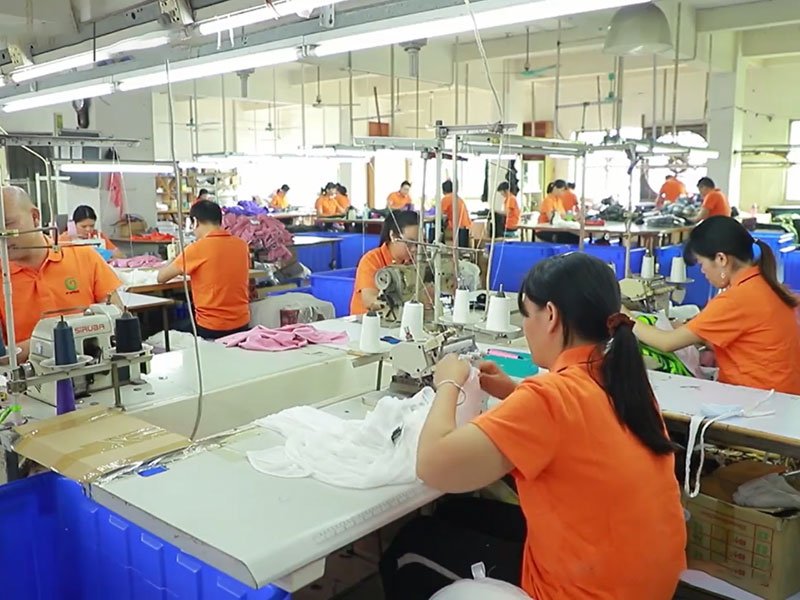
- 300 sewing lines support multi-style private label womenswear production.
- 50+ quick-response lines support development, trial production and reorder flexibility.
- 15,000–35,000 monthly sample capacity supports active collection calendars.






Private Label Womenswear Is Not a Shortcut
Private label women’s clothing solutions should not begin with a logo file or a stock catalog. They begin with a product system question: what kind of womenswear line should the brand build, which categories should carry the brand identity, how should fabrics and fit standards be controlled, and how can the final products be delivered with correct labels, packaging, QC and repeat production records?
For mature fashion brands, private label work is not a shortcut to launch generic garments. A satin dress needs surface and packing control. A fitted style needs stretch recovery and size grading. A fashion set needs color and size pairing. A refined top needs neckline and seam stability. A care label must match fabric reality. A barcode must match warehouse receiving. A repeat order must restart from approved production records, not from memory. Duolan treats private label womenswear as a brand-owned product system that must be developed, produced, inspected, delivered and repeated with discipline.
Who Needs This Womenswear Solution
Private label women’s clothing solutions are built for brands that already have product direction, sales channels, launch rhythm and quality expectations. Duolan is best matched with teams that need structured development and production control, not ready-stock relabeling.
Established Womenswear Brands
Established womenswear brands need a supplier that can support product direction, material sourcing, sampling, label execution, production control and repeat delivery as one connected workflow.
- Duolan helps convert brand direction into fabric, fit, construction, label and packing decisions.
- Development is organized around real selling needs, not isolated sample making.
- The goal is private label womenswear that can become a repeatable product asset.
Regional Fashion Brands
Regional fashion brands in the US, UK, Australia and Europe often need stable partners for dress-led collections, seasonal capsules and repeat production.
- Duolan supports category-focused womenswear programs with stronger fit, fabric and QC discipline.
- Product records help reduce repeated development uncertainty across seasons.
- The cooperation is built for brands with collection plans and long-term supply value.
Premium Ecommerce Brands
Premium ecommerce teams need garments that photograph well, fit predictably, scan correctly and arrive ready for warehouse handling.
- Duolan aligns garment quality with barcode stickers, polybags, size labels and carton marks.
- Packing and labeling are reviewed as part of the product standard.
- This reduces avoidable receiving errors and protects launch schedules.
Dress-led Fashion Labels
Dress-led brands need deeper control over fit, lining, support, drape, surface finish and sample-to-bulk consistency.
- Duolan’s strongest advantage is fashion dress and dress-led womenswear development.
- Satin, mesh, bodycon, corset, party and occasion styles are reviewed by category risk.
- This makes Duolan suitable for brands where dresses are a major revenue category.
Buying Teams
Buying teams need suppliers that can support internal review, supplier evaluation, sample progress, production planning, compliance and QC discussions.
- Duolan works with briefs, technical files, reference images, comments and inspection expectations.
- Project stages are documented from sample development to bulk and shipment preparation.
- This gives brand-side teams clearer production evidence for decision-making.
Multi-brand Groups
Multi-brand groups often manage several product lines, label systems, packaging rules and launch calendars at the same time.
- Duolan supports multi-style coordination through production routing and development records.
- Different brand lines can keep separate fit standards, label files and packing methods.
- This helps group-level teams manage complexity without treating every project the same.
What a Solution Must Solve
A private label women’s clothing solution must solve more than production. Mature brands are not only asking whether a supplier can sew garments. They are asking whether the supplier can organize a product line, reduce development uncertainty, control materials, convert samples into bulk standards, execute private label details, prepare goods for receiving and protect future repeat production.
Product Line Clarity
A womenswear solution should first define what the collection is supposed to achieve. Hero styles, commercial core styles, seasonal capsules and repeatable products have different development priorities.
- Campaign pieces may carry stronger details, but they need early risk review.
- Core styles need stable fabric, fit, trims and repeat production records.
- Seasonal drops need synchronized sample timing, material readiness and packing planning.
Fabric and Trim Feasibility
A private label product cannot be separated from its material reality. Fabric behavior controls drape, stretch, opacity, surface effect, cost, production risk and customer experience.
- Duolan reviews main fabric, lining, trims, support materials and special processes before sampling.
- Satin, mesh, jersey, lace, sequin and structured styles require different controls.
- Material decisions are evaluated against product use, not only visual reference.
Sample Development Path
Samples should help the brand make production decisions. A good sample path should clarify silhouette, material behavior, fit, construction and bulk feasibility.
- Duolan reviews whether the project should follow OEM, ODM, full custom, sample-to-bulk or repeat support.
- First samples are treated as decision tools, not final production standards.
- Revised samples move toward PP standard, label confirmation and packing readiness.
Brand Execution System
Private label identity includes more than the main label. Hangtags, care labels, barcodes, size labels, polybags and carton marks all affect the final product.
- Duolan checks brand files together with garment structure and packing instructions.
- Care labels must match confirmed fabric, lining and buyer requirements.
- Barcode and carton information should support warehouse receiving and selling.
Bulk Production Control
The approved sample must become a controlled production standard before bulk starts. Otherwise, fit, fabric, trims, labels and packing can drift during production.
- Duolan confirms PP sample, pattern version, fabric lot, trim board and QC checklist.
- Production routing is planned according to category complexity, quantity and delivery window.
- QC checks include garment quality and private label execution.
Repeat Production Logic
A private label womenswear solution becomes more valuable when future orders become easier to control. Repeat styles should not restart from scattered files or chat history.
- Pattern version, BOM, fabric reference, trim records and packing methods should remain traceable.
- New colors or fabric updates should be checked against the approved product standard.
- Bestseller extension should protect the original fit, construction and brand presentation.
Solutions Are Different From Manufacturing
A manufacturer page answers who can make private label women’s clothing. A solutions page answers how a private label womenswear line should be planned, developed, produced, branded, delivered and repeated. Duolan’s role is not limited to sewing garments; it is to connect the product, brand and production system.
Production Capability
Manufacturing capability proves whether a supplier can make garments. It includes factories, sewing lines, equipment, workers, materials and bulk production capacity.
- Production capability matters when the brand needs stable output, not just a successful sample.
- Duolan’s factory network supports different product complexity, repeat orders and seasonal routing.
- Capacity becomes valuable only when it is connected with product standards and QC checkpoints.
Development Organization
Solutions require development organization before production. A brand may have tech packs, references, original samples, moodboards or only a category direction.
- Duolan reviews available files and decides whether the path is OEM, ODM, full custom or sample-to-bulk.
- Development priorities are set according to product risk and launch timing.
- High-risk styles such as satin, mesh, bodycon and corset products are reviewed earlier.
Brand Execution
A manufacturer may finish garments, but a private label solution must prepare products for the brand’s sales and receiving system.
- Labels, hangtags, barcodes, polybags and carton marks should be confirmed before shipment.
- Care label information should match material and market requirements.
- Packing should protect the garment and support the brand’s warehouse operation.
Product Continuity
Solutions continue after one shipment. A private label partner should help brands repeat, extend and improve proven styles.
- Duolan preserves production memory through pattern, BOM, material, label and packing records.
- Reorder production can start from the approved standard instead of restarting development.
- Collection extensions are reviewed for fit, fabric and brand consistency.
Choose the Right Project Path
Private label womenswear can follow different development paths. The right path depends on how much product information the brand already has and what still needs to be built before bulk production.
| Project Situation | Suitable Path | Duolan’s Role | Best Result |
|---|---|---|---|
| Complete tech packs are ready | OEM + private label execution | Review files, confirm materials, sample, produce and execute brand labels | Accurate production under confirmed brand standards |
| References or moodboards are ready | ODM + private label development | Translate direction into fabric, fit, sample and production route | Brand-owned womenswear developed for production |
| Original design concept exists | Full custom development | Build from sketch, original sample, concept or capsule direction | Proprietary womenswear with controlled development path |
| Approved sample exists | Sample-to-bulk solution | Convert sample into PP standard, BOM, label files, packing and QC | Bulk production aligned with approved garment standard |
| Proven bestseller needs extension | Reorder / lifecycle solution | Preserve pattern, materials, labels and packing records | Faster color extension and repeat production |
| Only stock relabeling is needed | Not Duolan’s main fit | Better handled by ready-stock or wholesale channels | Avoids mismatch with premium private label positioning |
Private Label Womenswear Solution Map
A strong private label womenswear program moves through connected stages. Duolan helps brands organize each stage so decisions made during development can still support bulk production, delivery and future reorders.
Brand Direction Review
Before product development starts, Duolan reviews the brand’s target customer, sales channel, price position, launch timing and product category plan. This prevents the project from entering sampling with unclear product expectations.
- The output is a clearer project direction, including product type, development priority and risk level.
- Dress-led categories are reviewed for fabric, fit, lining, structure and presentation needs.
- This stage helps align commercial intention with manufacturing reality.

Womenswear Line Planning
A private label womenswear line should have structure. Hero pieces, commercial core styles, seasonal drops, capsule groups and repeatable products should not be developed with the same priority.
- Duolan helps brands organize style groups by category, fabric, risk and launch timing.
- Core products can be built for repeat, while campaign products can be reviewed for technical feasibility.
- This makes the collection easier to develop, sample, produce and extend.
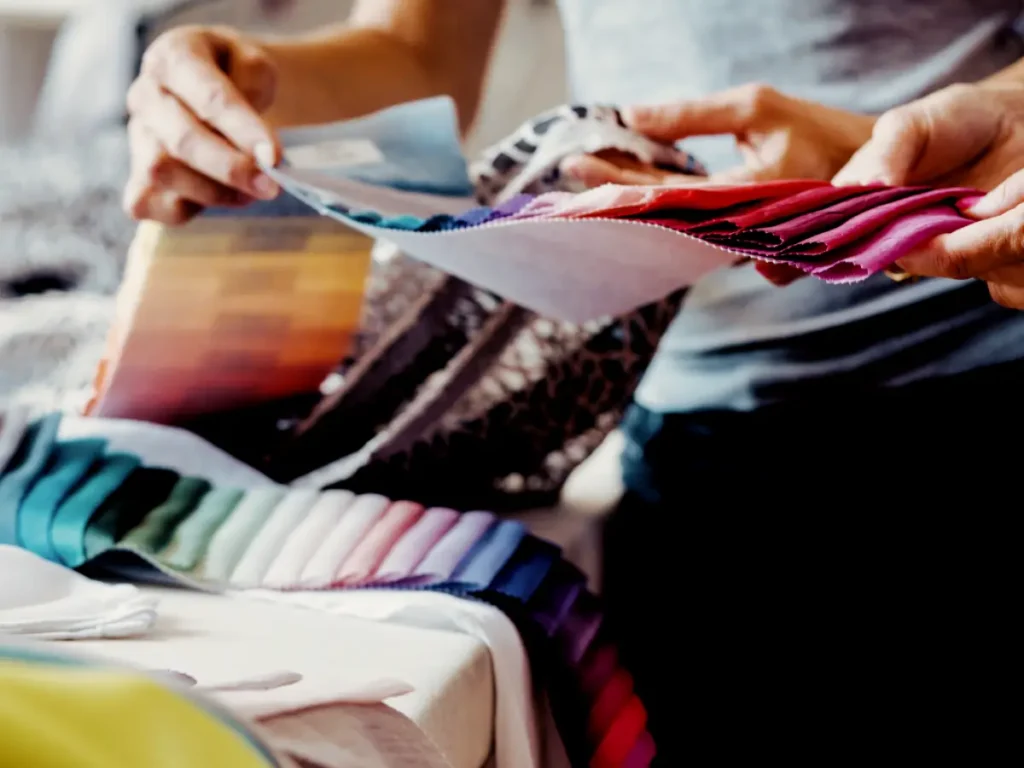
Fabric and Trim Solution
Material decisions determine whether the garment can achieve the target fit, drape, comfort, cost and production stability. Duolan reviews main fabric, lining, trims and process compatibility.
- Fabric sourcing is connected with garment type, not treated as a separate purchasing step.
- Trims such as zippers, boning, elastic, eyelets and hardware are reviewed by function and appearance.
- Special processes are matched to style purpose and bulk risk.
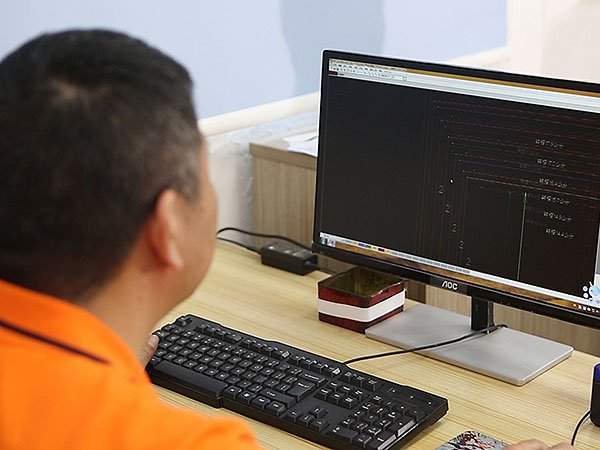
Sample Development
Samples are used to verify fit, material effect, construction and production direction. Duolan supports first sample, revision, fit comments and production-ready sample confirmation.
- A sample should help the brand make a decision, not simply show a concept.
- Comments are translated into technical changes in pattern, fabric, support, seam or finishing.
- Private label details are considered before PP sample locking.
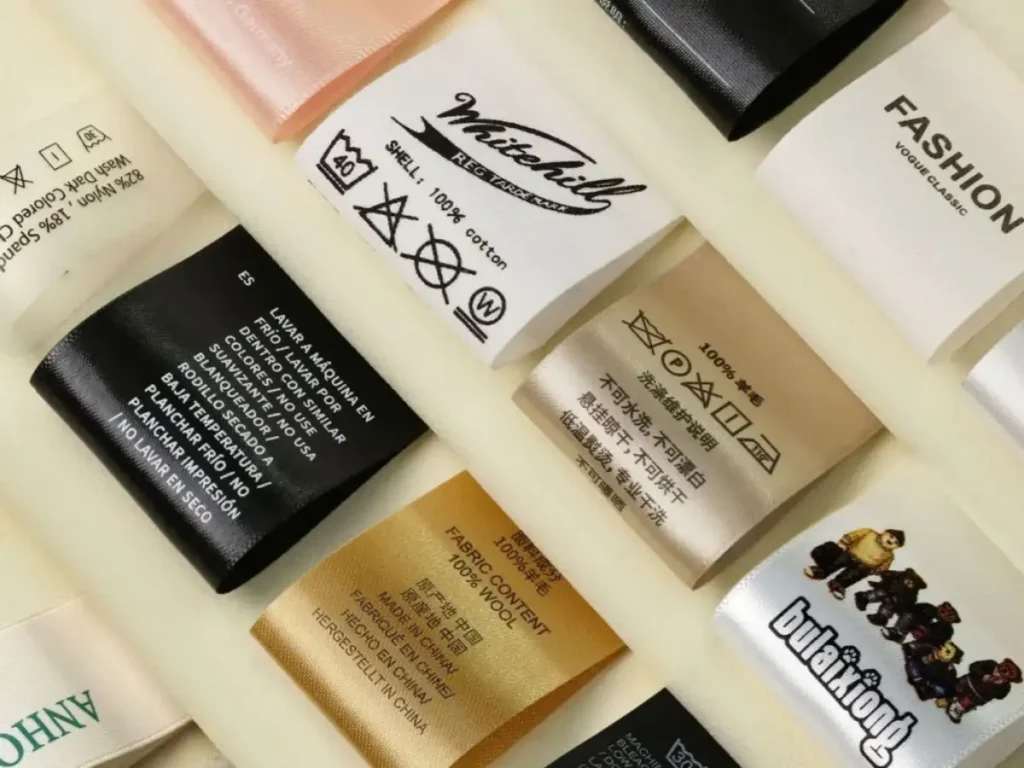
Private Label Branding
Branding is connected with garment construction and delivery. Main labels, care labels, size labels, hangtags, barcodes, polybags and carton marks must be planned as part of the product standard.
- Label placement is reviewed according to garment structure and wearing comfort.
- Hangtags and barcode files are checked against warehouse needs.
- Packing instructions are confirmed before bulk packing.
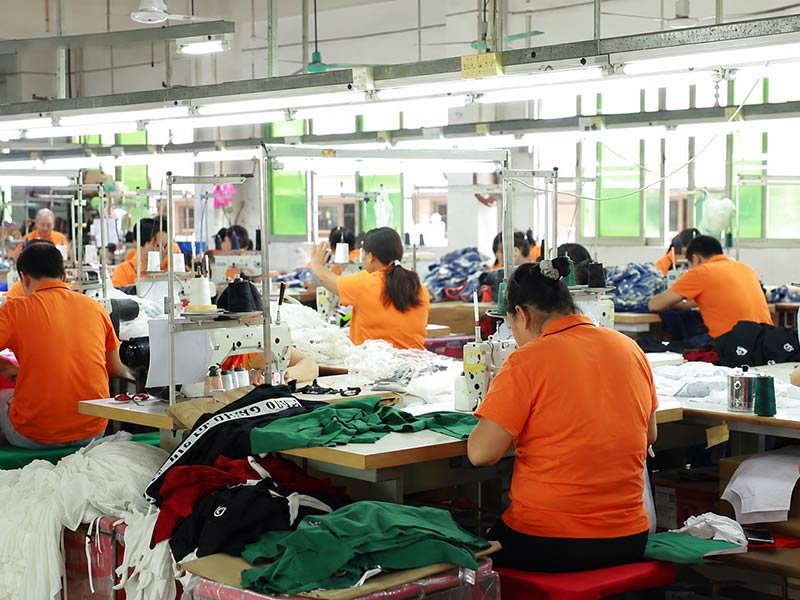
Bulk Production
Bulk production begins only after the approved standard is clear enough to repeat. Duolan connects material preparation, cutting, sewing, special process coordination, inline QC and packing checks.
- Production routing is planned according to style complexity, quantity and deadline.
- High-risk materials and structures are checked at earlier production stages.
- QC covers garment quality and private label execution together.

Retail-ready Delivery
Finished womenswear must be ready for receiving, scanning, inspection and selling. Duolan reviews unit packing, warehouse labels, carton information, shipment method and documentation.
- Sensitive fabrics receive packing protection based on material risk.
- Barcode and carton data help reduce warehouse errors.
- Delivery planning supports the brand’s launch and receiving schedule.

Reorder and Extension
A private label solution should make future production easier. Duolan helps preserve pattern versions, BOM details, fabric references, trims, label artwork, packing methods and QC notes.
- Repeat orders can restart from approved records.
- Color extensions can be checked against the original product standard.
- Proven styles can become longer-term product families.
Program Diagnosis Before Development
A clear brief helps Duolan evaluate the right development path, material risk, sampling priority, production complexity and delivery plan. The more structured the project information, the more accurate the solution assessment becomes.
| Diagnosis Area | Information to Prepare | Why It Matters |
|---|---|---|
| Brand Position | Brand level, target customer, sales channel and price range | Helps define material, fit, quality and presentation expectations |
| Product Categories | Dresses, tops, sets, resortwear, occasionwear or fitted styles | Helps decide development priority and production complexity |
| Style Count | Number of styles, colors and product groups planned | Helps organize sample calendar and bulk routing |
| Design Basis | Tech packs, reference images, sketches, original samples or moodboards | Helps decide OEM, ODM, full custom or sample-to-bulk path |
| Fabric Direction | Swatches, handfeel, composition, color references and lining ideas | Helps evaluate drape, opacity, stretch, cost and production risk |
| Trim Needs | Zippers, buttons, elastic, boning, eyelets, hardware or special details | Helps control construction feasibility and cost logic |
| Brand Files | Main label, care label, size label, hangtag, barcode and packaging artwork | Helps plan private label execution before production |
| Project Stage | Concept, sample, revision, launch order, bulk or reorder | Helps define the next practical action |
| Launch Timing | Sample deadline, bulk delivery date and shipping window | Helps plan development and production backwards |
| Compliance Needs | Testing, inspection, audit or buyer-specific standards | Helps integrate requirements before material and production decisions |
Womenswear Line Architecture
A private label women’s clothing solution should help the brand organize product roles, not simply add more styles. Mature brands usually need different product layers for image, selling, seasonal relevance and repeat growth.
Hero Styles
Hero styles create visual identity for campaigns, lookbooks and launch storytelling. They may include corset dresses, satin midis, dramatic mesh styles, refined tops or high-impact fashion sets.
These styles can carry stronger design value, but they still need production feasibility. Duolan reviews fabric, construction, support, label position and packing protection before bulk.
Commercial Core Styles
Commercial core styles support regular sell-through and repeat production. They are often cleaner, more wearable and easier to scale than campaign pieces.
Duolan helps brands identify which styles should become repeatable assets. Pattern, fabric, trims, labels, packing and QC records are preserved for future orders.
Dress-led Capsules
Dress-led capsules may include party, occasion, resort, going-out or seasonal dresses. These product groups require stronger fit, surface finish, lining and presentation control.
Duolan organizes capsules around fabric, silhouette, technical risk, PP sample standard and delivery readiness. This helps the group feel coherent instead of random.
Fashion Sets
Fashion sets extend a womenswear line beyond single garments. They require color consistency, size pairing, top-bottom proportion and packing coordination.
Duolan reviews fabric lots, paired measurements, label placement and unit packing. A set should be delivered as a controlled product unit, not two unrelated garments.
Seasonal Drops
Seasonal drops may combine dresses, tops, sets and resort pieces within one launch calendar. Different fabrics, labels and packing rules may run at the same time.
Duolan helps manage sample timing, material grouping, production routing and delivery windows so the drop can move through development and bulk with fewer gaps.
Reorder Families
Reorder families grow from proven commercial products. A successful style may extend into new colors, lengths, fabrics or related silhouettes.
Duolan supports lifecycle planning through pattern version control, BOM reuse, label records, packing records and QC notes. This turns one product into a longer-term product family.
Dress-led Womenswear Focus
Private label women’s clothing is broad, but Duolan’s strongest advantage is dress-led womenswear. This focus helps brands that need more than basic garment assembly: they need fabric behavior, body fit, lining, support, finishing and sample-to-bulk control.
Fashion Dresses as the Core
Fashion dresses are central to Duolan’s womenswear capability. Mini, midi, maxi, party, occasion, satin, mesh, bodycon, corset, halter and backless styles require more technical attention than simple apparel basics.
- Dress development involves fabric fall, body proportion, closure, lining, support and hem control.
- Small issues in fit or surface finish can affect the whole product perception.
- Duolan reviews dress categories by style risk before sampling and bulk.
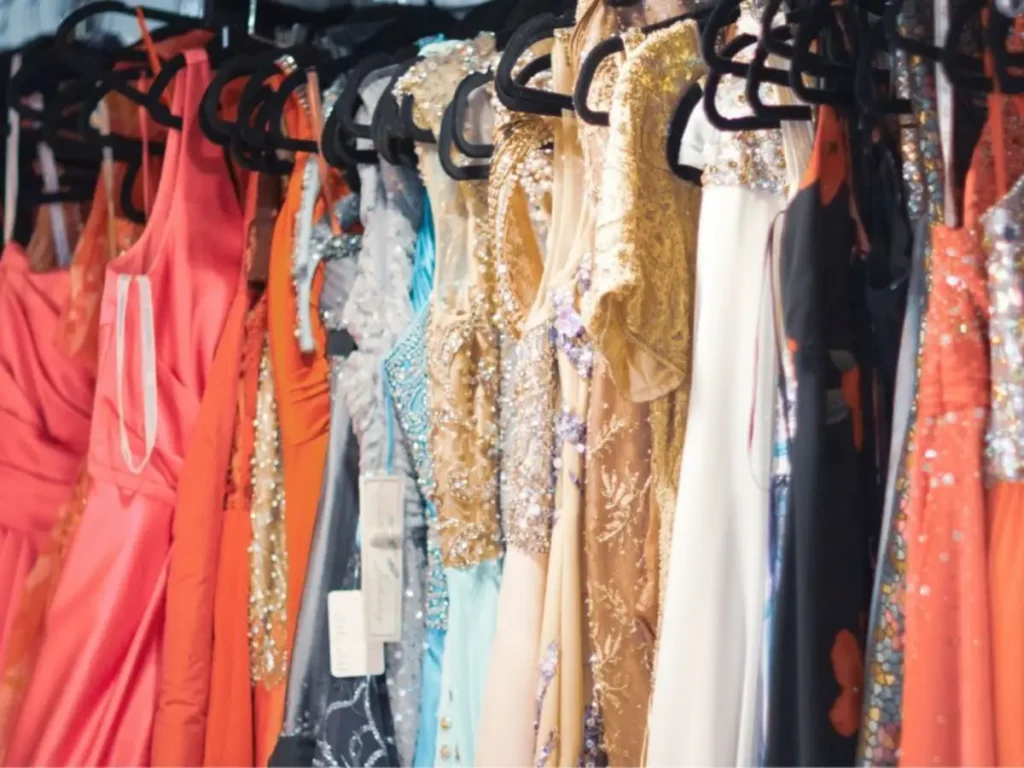
Collection Support Categories
A dress-led line often needs supporting products such as refined tops, fashion sets, skirt sets or selected jumpsuits. These products should extend the brand’s womenswear story, not dilute the collection.
- Refined tops require neckline, armhole, seam and fabric stability.
- Fashion sets require matched fabric lots, size pairing and packing control.
- Selected jumpsuits or bodysuits require torso fit, stretch and closure review.

Clear Category Boundary
Duolan does not position private label solutions around blank apparel, POD products, ready-stock relabeling or generic low-price basics. The page should attract brands with product development needs and repeat potential.
- The focus is brand-owned womenswear with sampling and production control.
- Categories are selected by Duolan’s strengths, not by trying to cover every apparel product.
- This boundary helps improve inquiry quality and supplier fit.

Womenswear Categories Covered
Duolan supports private label womenswear categories that align with dress-led fashion collections. Each category has its own solution focus, risk points and production controls.
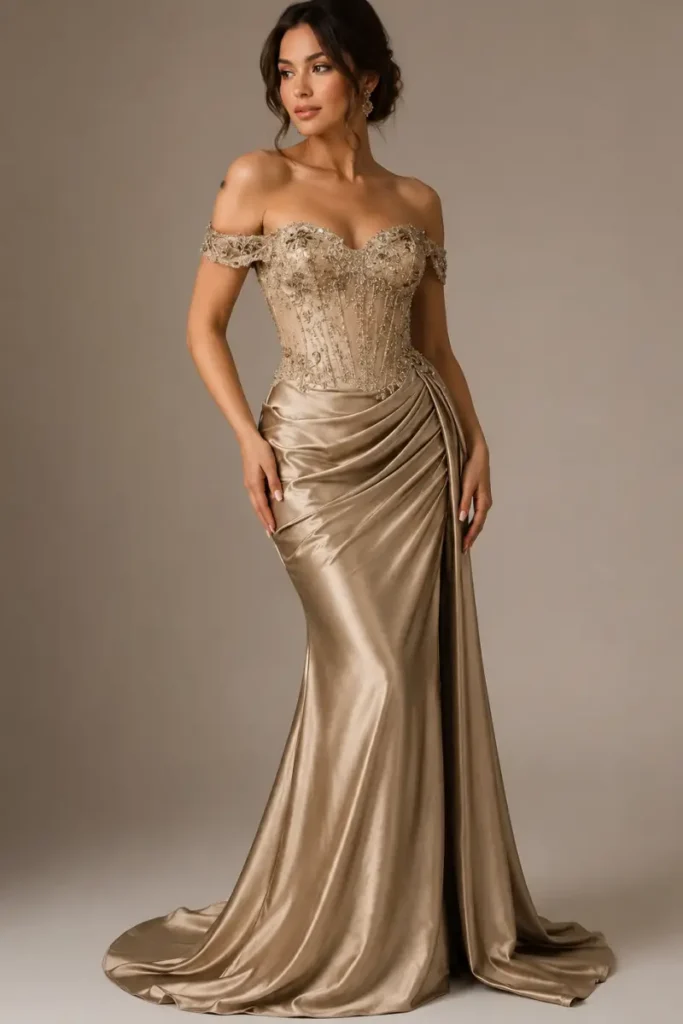
Fashion Dresses
Fashion dresses are the center of Duolan’s private label womenswear work. They may include mini, midi, maxi, satin, mesh, fitted, halter, backless and seasonal silhouettes.
For brands, the challenge is not only style development. The garment must carry correct fit, fabric, lining, label position, packing method and sample-to-bulk standard.

Occasion Dresses
Occasion dresses must look refined in visible social settings and campaign photography. Fabric, lining, hem, support, color and final presentation all affect customer perception.
Duolan reviews dress structure, surface finish, internal comfort, PP sample standard and packing protection so occasion products feel polished in bulk.

Party Dresses
Party dresses often involve sequins, mesh, bodycon fit, cut-outs, ruching, halter necks or backless structures. These details create visual value but raise production risk.
Duolan checks stretch recovery, coverage, seam strength, zipper quality, lining comfort and surface protection before production scale-up.

Button Plackets
Bodycon styles depend on fabric recovery, pattern tension and seam elasticity. Tightness alone does not create good fit.
Duolan reviews stretch rate, opacity, recovery, side seam balance, size grading and wear movement to keep fitted products stable across sizes.

Satin Styles
Satin styles require careful handling because the fabric quickly exposes seam puckering, pressing marks, scratches and packing creases.
Duolan reviews satin weight, shine, cutting direction, lining, seam testing, pressing method and packing protection before bulk production.

Mesh Styles
Mesh products require transparency control. Sheerness can be part of the design, but coverage, lining, edge finish and seam visibility must be planned.
Duolan reviews mesh type, lining tone, panel placement, binding, stretch behavior and skin comfort to prevent uncontrolled bulk results.

Corset Styles
Corset and bustier styles rely on inner structure. Cup position, boning channels, eyelets, lining, zipper and back closure must work together.
Duolan reviews structure, support materials, stress points and size grading so corset styles remain wearable and repeatable.
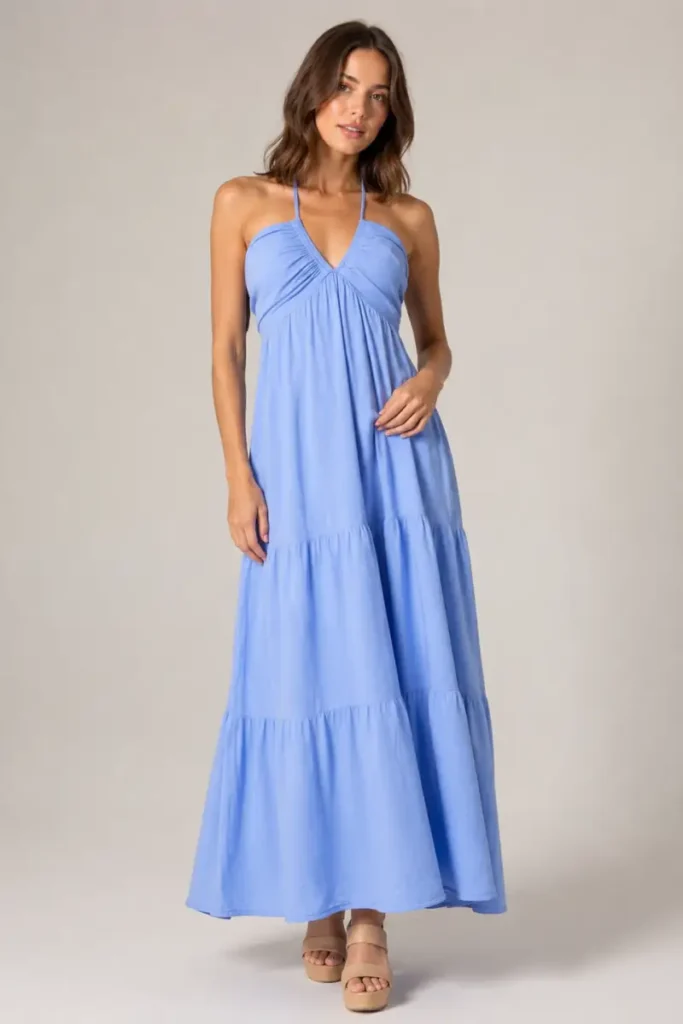
Resortwear
Resortwear depends on lightweight fabric, print mood, color, drape, transparency and travel-ready presentation. Wrinkle-sensitive packing also matters.
Duolan supports print scale, lab dips, lining, hem balance, fabric movement and packing methods for seasonal launch needs.
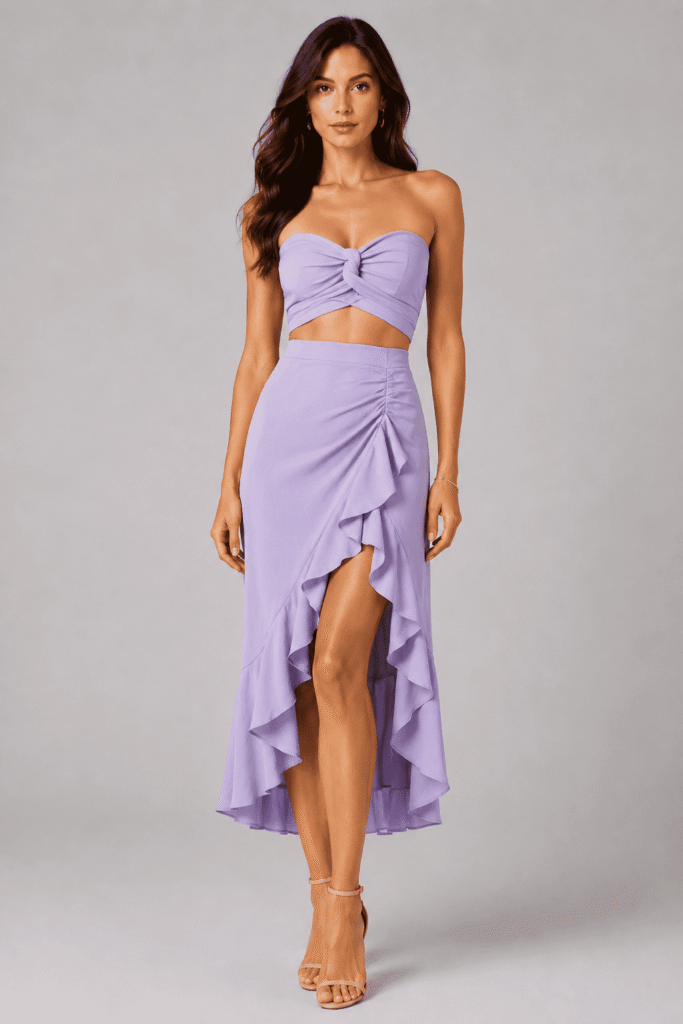
Fashion Sets
Fashion sets require top-bottom coordination. Fabric lots, color tone, size pairing, label placement and packing ratio must match.
Duolan manages sets as complete product units, reducing mismatch risk and supporting ecommerce or retail presentation.

Refined Tops
Refined tops support dress-led collections through blouse, halter, corset top, fitted top or elevated fashion top options.
Duolan reviews neckline, armhole, seam finish, fabric behavior, label placement and packing so tops align with the brand’s womenswear quality.

Skirt Sets
Skirt sets combine silhouette, waist control, top proportion and paired packing. They can support party, occasion, resort or ecommerce capsules.
Duolan checks color lot, size pairing, fabric behavior, waistband, label execution and set packing instruction.

Selected Jumpsuits
Selected jumpsuits and bodysuits can fit private label womenswear programs when they support the brand direction.
Duolan reviews torso length, stretch, closure, seam placement and movement comfort before confirming production feasibility.
Fabric-to-Fashion Material Solution
Material decisions shape the success of a private label womenswear program. Duolan does not treat fabric sourcing as a separate purchasing task. Fabric, lining, trims, special process and product category are reviewed together.
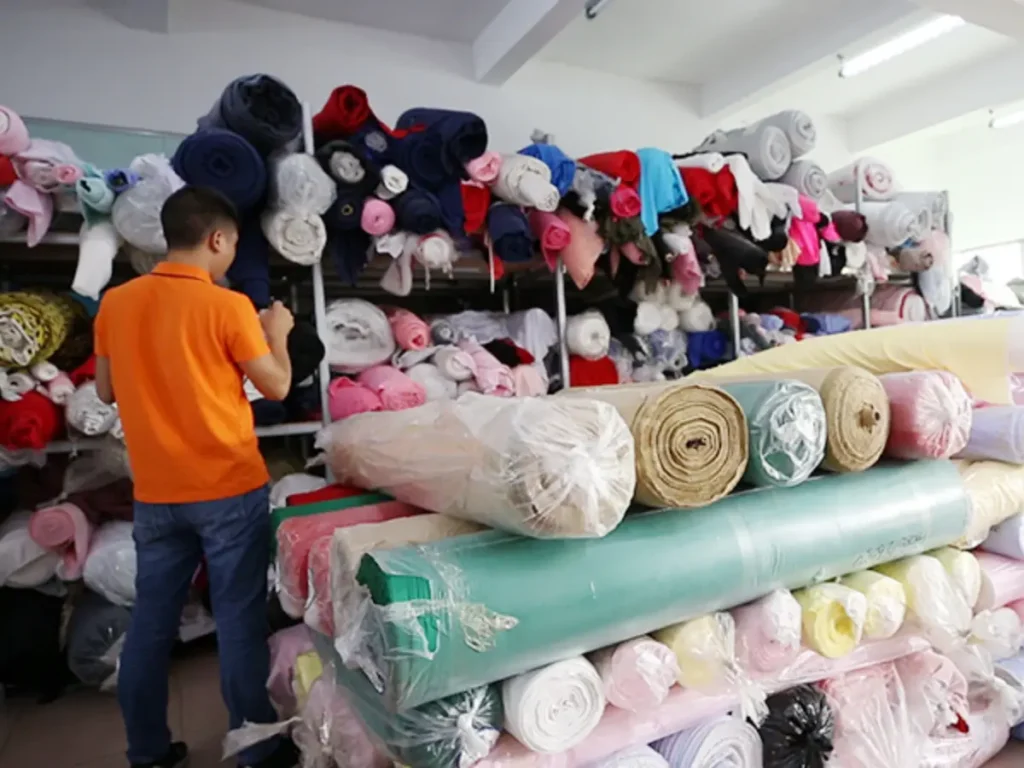
Main Fabric Direction
The main fabric determines drape, fit, surface effect, cost, comfort and production risk. Duolan reviews material according to garment type and selling purpose.
- Satin is reviewed for shine, weight, opacity, seam behavior and crease risk.
- Jersey and stretch fabrics are checked for recovery, thickness, transparency and size stability.
- Chiffon, mesh and lightweight fabrics are reviewed for drape, lining, transparency and edge control.

Lining and Support Materials
Lining and support materials often decide whether womenswear feels premium in real wear. These decisions are especially important for dresses, fitted styles and structured products.
- Lining is selected for coverage, comfort, static control, stretch relation and movement.
- Corset and structured styles may require boning, cup pads, interlining or reinforced closures.
- Sequin, lace and mesh styles need skin-contact protection and clean inside finishing.

Special Process Coordination
Private label womenswear often needs printing, dyeing, embroidery, washing or surface treatments. Duolan coordinates these processes according to product category and bulk risk.
- Printed resortwear requires print scale, color approval and fabric behavior review.
- Embellished styles need density, backing, comfort and packing protection.
- Dyed or washed products require shrinkage, color fastness, handfeel and batch consistency.
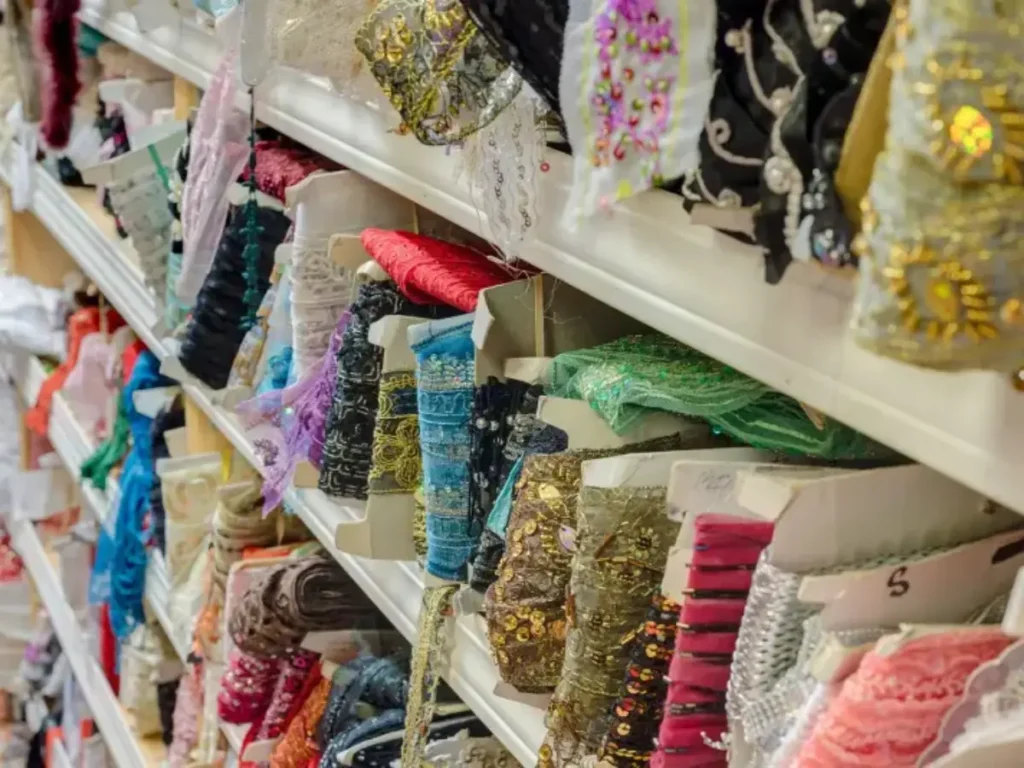
Trim and Hardware Matching
Trims should support both product function and brand appearance. A zipper, elastic, eyelet, strap, hook or hardware piece can change the final wearing experience.
- Zippers are checked for smoothness, strength, color and fabric compatibility.
- Elastics and straps are reviewed for tension, recovery, comfort and reinforcement.
- Hardware is checked for weight, plating, edge smoothness and attachment strength.
Fabric and Category Risk Matrix
Different womenswear categories fail in different ways. Duolan reviews material, construction and packing risks according to product type before bulk production begins.
| Category | Material or Fit Risk | Duolan Control |
|---|---|---|
| Satin Dresses | Seam puckering, pressing marks, surface scratches and packing creases | Fabric review, seam trial, pressing protection and packing method check |
| Mesh Dresses | Transparency, exposed seams, unstable stretch and weak coverage | Coverage planning, lining selection, binding control and panel placement review |
| Bodycon Styles | Weak recovery, twisting, over-compression and transparency | Stretch recovery test, pattern tension review and critical measurement control |
| Corset Styles | Poor support, cup imbalance, inner discomfort and size grading failure | Structure review, boning channel control, lining planning and PP sample lock |
| Fashion Sets | Color mismatch, top-bottom pairing errors and inconsistent packing | Fabric lot control, paired measurement check and unit packing review |
| Resortwear | Print imbalance, transparency, uneven hem and packing wrinkles | Print placement review, lab dip check, lining plan and folding method control |
| Refined Tops | Neckline distortion, armhole issues, seam puckering and poor inside finish | Pattern review, seam control, neckline stability check and finishing standard |
| Sequin Styles | Scratching, dropped sequins, heavy seams and surface damage | Lining protection, seam allowance cleaning, surface QC and packing pressure control |
Private Label Branding
Private label branding is a product execution system. Labels, hangtags, barcodes and packaging must identify the brand, support compliance, guide care, help warehouse receiving and protect the garment during delivery.

Main Labels
Main labels should match garment construction and brand positioning. A backless dress, lined blouse, stretch bodycon piece and satin midi may require different placements or label materials.
Duolan reviews label softness, fold type, sewing method, size, color, placement and skin-contact comfort. Brand identity should be visible without damaging appearance or wearability.

Care Labels
Care labels carry fiber content, lining composition, origin information, size, washing instructions and care symbols. For mature brands, care label accuracy is part of product responsibility.
Duolan checks care label content against confirmed fabric, lining and buyer instructions. Placement is reviewed so the label does not show through, twist the garment or irritate the wearer.
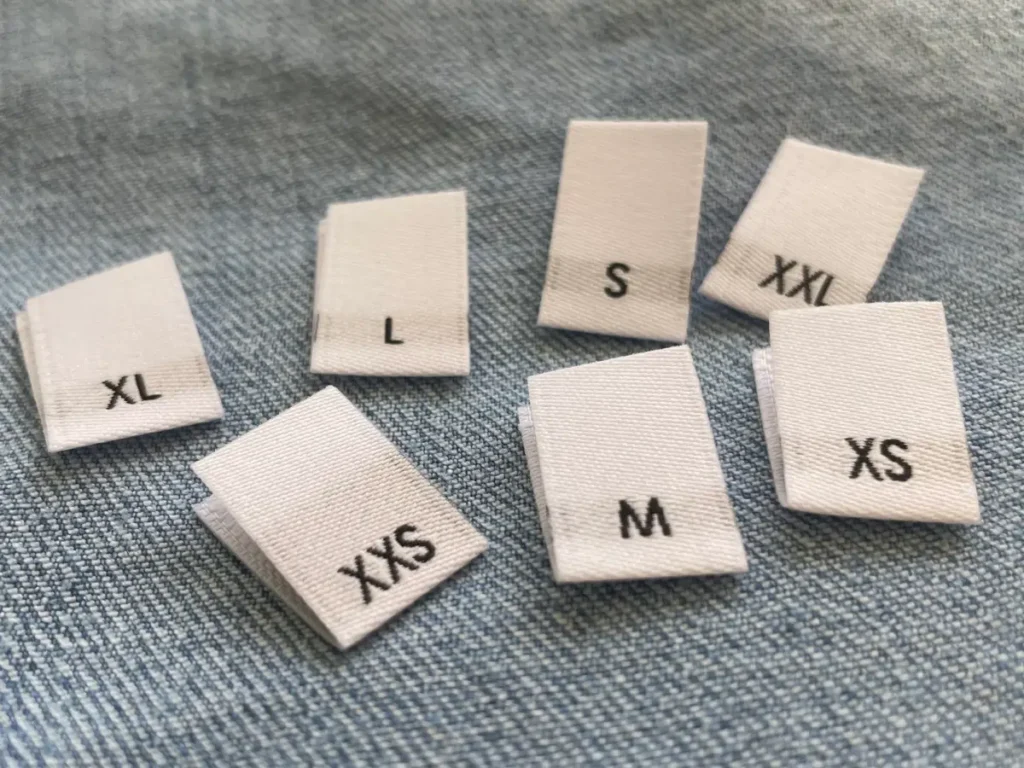
Size Labels
Size labels must remain consistent across product categories, sizes and markets. Wrong size information can create warehouse confusion and customer service problems.
Duolan reviews size code, placement, sewing method and relation to main label or care label. Size information should stay readable without adding unnecessary bulk.

Hangtags
Hangtags support retail presentation and product identification. They may include brand tag, barcode tag, price tag, material note, campaign card or category-specific information.
Duolan helps align tag artwork, string, safety pin, barcode readability and attachment position. The hangtag should look brand-consistent while supporting scanning and receiving.

Barcode Stickers
Barcode stickers and SKU references are important for ecommerce, retail and warehouse handling. They must match style, color, size, polybag position and carton information.
Duolan checks barcode file, sticker size, color code, size code and scanning-related placement. These details reduce receiving errors and support launch operations.
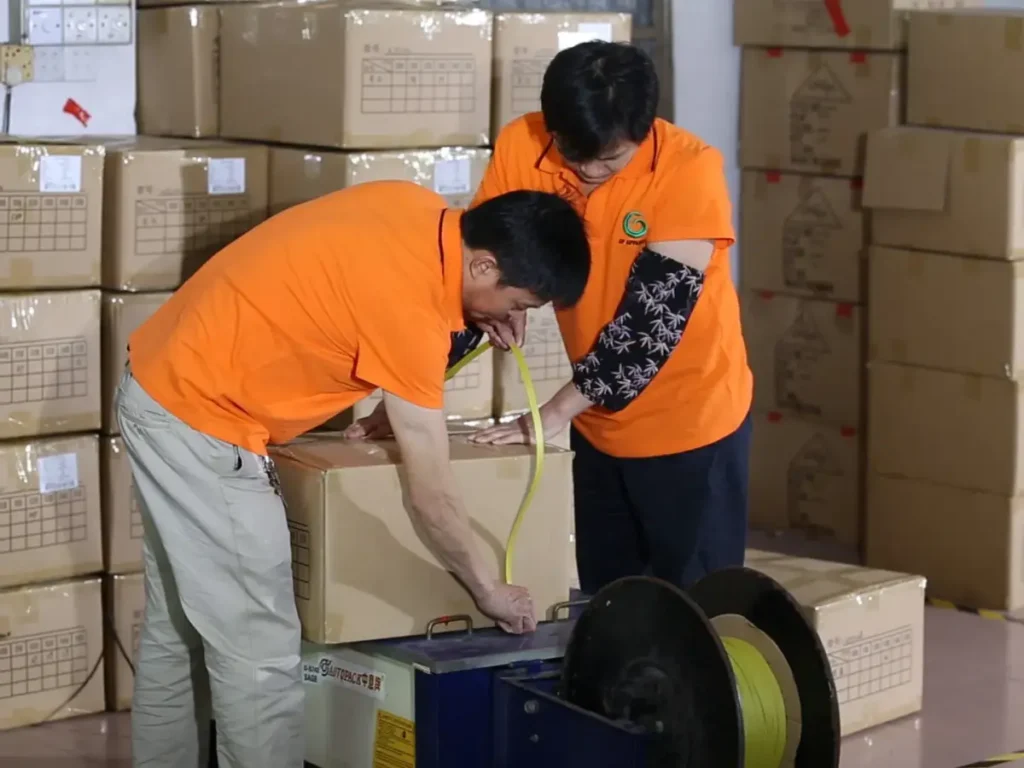
Packaging Marks
Packaging includes polybags, stickers, carton marks, packing lists, folding method, hanger options and garment protection. It should protect the garment and help the brand receive the order accurately.
Duolan reviews unit packing, carton ratio, product sensitivity and warehouse rules before shipment. This turns finished garments into retail-ready private label products.
Packaging and Retail-ready Standards
Packaging should protect the garment, support brand presentation and help the customer receive the order correctly. For private label women’s clothing, packing is not a final warehouse action. It is part of the product standard.

Unit Packaging
Unit packaging should be chosen according to garment sensitivity. A satin dress, sequin mini, mesh top and structured set do not need the same packing method.
- Satin styles may need crease control, tissue and folding review.
- Sequin and embellished products need friction protection and surface separation.
- Lightweight mesh and lace pieces need snag prevention and clean folding.

Product Identification
Private label goods must be easy to identify after shipment. Barcode, size sticker, color sticker, SKU and polybag position should match customer requirements.
- Incorrect stickers can create receiving delays and inventory errors.
- Style, color and size information should match hangtags, carton marks and packing lists.
- Ecommerce programs need stronger unit-level accuracy than generic bulk shipments.

Carton Planning
Carton planning affects warehouse receiving and stock handling. Size-color ratio, carton mark, quantity, gross weight, net weight and packing list should be aligned before shipment.
- Mixed-size cartons must follow buyer instructions.
- Carton marks should match order, style, color and destination requirements.
- Packing ratio should support the brand’s warehouse or retailer receiving process.

Sensitive Product Protection
Dress-led womenswear often needs special protection. Surface damage, wrinkles, snagging and shape distortion can reduce final selling quality.
- Satin, lace, mesh, sequin and structured garments require different packing controls.
- Final packing QC should check garment, label, hangtag, polybag and carton information together.
- The shipment should arrive closer to the approved presentation standard.
OEM, ODM and Custom Project Paths
Different private label womenswear projects start from different levels of readiness. Duolan helps brands choose the correct path before sample investment and production planning begin.
OEM With Confirmed Files
When the brand already has complete tech packs, BOM, size charts, fabric standards, label files and packing instructions, Duolan can support an OEM-led private label path. The work focuses on technical review, material confirmation, sample development, PP standard locking, production and QC execution. This path works best for mature teams that already know exactly what the product should be and need disciplined manufacturing.
ODM With Brand Direction
When the brand has reference styles, trend direction, moodboards or target categories but not full technical files, Duolan can support ODM-style development. The process may include fabric suggestions, style interpretation, pattern development, first samples and production feasibility review. The final product still belongs to the brand’s private label system, but Duolan helps convert commercial direction into a garment that can be sampled and produced.
Full Custom Development
Some brands need proprietary womenswear built from sketches, original samples, design concepts or capsule ideas. Duolan supports a structured custom path from project review to material direction, pattern, sample, fit correction, PP sample and bulk readiness. This path is suitable for dress-led brands, designer-led labels and commercial product teams that want products built around their own brand language.
Sample-to-Bulk Transfer
A brand may already have an approved sample but need a stronger production partner. Duolan reviews the sample, fabric, trims, pattern logic, label files, packing method, measurements and QC requirements before bulk. The goal is to convert the physical sample into a clear production standard, reducing the risk of bulk drift, incorrect trims or incomplete private label execution.
Reorder and Extension
When a style has already sold well, repeat production should not start from zero. Duolan helps preserve pattern versions, fabric references, trims, labels, packing methods and QC notes so future orders can restart from approved records. This path is valuable for brands that want to expand colors, adjust quantities, extend product families or improve efficiency across seasons.

Sample Development Solution
Samples should help a brand make production decisions. Duolan treats sample development as a structured path from brand direction to bulk readiness, not as a one-off prototype.
Step 1|Project Brief Review
The first step is reviewing what the brand wants to build: product categories, style count, target market, channel, price position, reference images, tech packs, original samples, fabric direction, size range and launch timing. Duolan checks whether the project should follow OEM execution, ODM development, full custom development, sample-to-bulk transfer or repeat production support. Private label information such as labels, hangtags, barcodes and packaging is also noted early.
Step 2|Fabric and Trim Feasibility
Before the first sample, Duolan reviews whether the fabric and trims can support the intended product. Satin may need surface testing, mesh may need coverage planning, bodycon fabric needs recovery checks, corset styles need support materials, and refined tops need neckline and seam control. This step prevents blind sampling and helps the brand understand which risks should be addressed before sample investment increases.
Step 3|Pattern and First Sample
Pattern and first sample work turns direction into a physical garment. Duolan develops the sample according to product type, fit priority, material behavior and construction logic. The first sample helps confirm silhouette, proportion, fabric effect, fit direction and workmanship route. It is not treated as final until comments are reviewed and translated into technical changes.
Step 4|Fit Comment Translation
Brand comments must become clear technical actions. “More secure bust” may involve neckline adjustment, support, lining or strap angle. “Cleaner waist” may involve pattern balance, seam placement or fabric tension. “More premium finish” may involve lining, pressing, zipper or inside finish changes. Duolan reviews comments in relation to production feasibility, not only sample appearance.
Step 5|Production-ready Sample
Before bulk production, the approved sample must become a standard. Duolan confirms final fabric, trims, pattern version, size tolerance, construction details, label placement, care label information, hangtag position, packing instruction and QC checkpoints. This step turns the sample into a production-ready private label womenswear product.
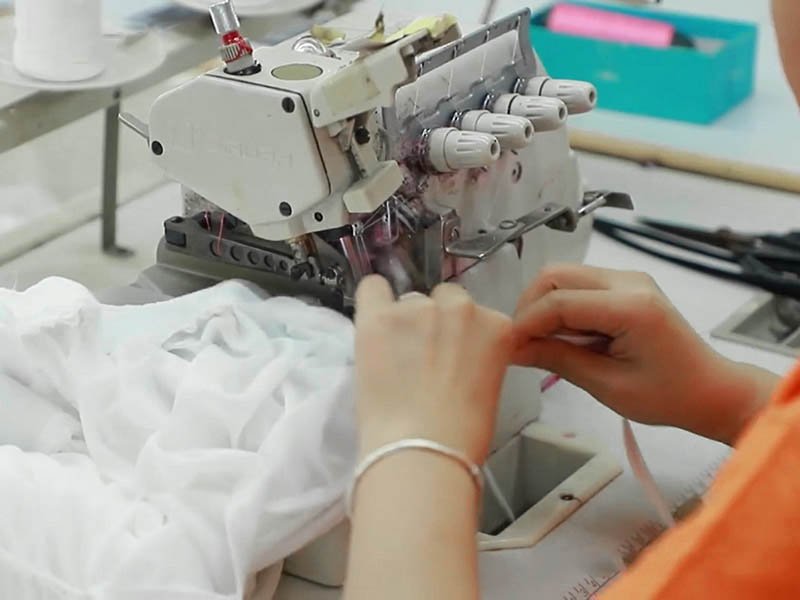
Fit, Pattern and Size Solution
Fit is one of the strongest reasons mature brands need a specialized womenswear partner. A garment can match a measurement chart and still fail if fabric tension, body balance, lining, seam placement or grade rules are not suitable for the product type.
Body Balance
Womenswear fit depends on how bust, waist, hip, shoulder, neckline and length work together. Duolan reviews body balance according to product category.
- Dresses require attention to bust support, waist position, hip balance, skirt fall and hem length.
- Refined tops require neckline, armhole, sleeve, shoulder and hem proportion control.
- Fashion sets require top and bottom pieces to work together in size, length and wearing proportion.

Stretch and Recovery
Fitted products need more than elastic fabric. Stretch rate, recovery, thickness, opacity and seam elasticity must be reviewed together.
- Bodycon dresses and fitted tops are checked for side seam twisting, transparency and shape retention.
- Stretch mesh and jersey require washing and wear recovery review when the style is close-fitting.
- The pattern must match the fabric’s recovery, not only the size chart.

Grading and Tolerance
A strong sample in one size does not guarantee a strong size range. Duolan reviews grade rules, critical measurements and tolerance according to target market.
- Bust, waist, hip, length, strap, armhole and neckline measurements are prioritized differently by product.
- Size grading should protect the original silhouette rather than simply adding measurements.
- Measurement tolerance is linked to fabric behavior and garment construction.

Sample-to-Bulk Standard Lock
Sample approval is not the same as production readiness. Duolan helps brands lock the information that allows a private label womenswear sample to become repeatable bulk production.
| Sample Standard | Bulk Lock | Risk Controlled |
|---|---|---|
| Approved Sample | PP sample or golden sample reference | Prevents visual drift between sample approval and bulk production |
| Fabric Swatch | Bulk fabric lot, color standard and handfeel reference | Prevents color, drape, stretch or opacity mismatch |
| Trim Board | Zipper, lining, elastic, boning, thread, hardware and labels | Prevents unapproved material or trim substitution |
| Pattern Version | Sample size pattern, grade rule and critical measurement list | Prevents fit distortion across sizes |
| Label Artwork | Main label, care label, size label and placement instruction | Prevents wrong branding, wrong information or uncomfortable label placement |
| Hangtag Files | Barcode, SKU, color code, size code and tag attachment | Prevents warehouse and retail identification errors |
| Packing Method | Polybag, folding, hanger, tissue, sticker and carton ratio | Prevents packing inconsistency and product damage |
| QC Checklist | Measurement, sewing, label, hangtag, packing and final inspection points | Prevents incomplete shipment control |
MOQ and Cost Logic
MOQ should not be used as a low-price attraction for serious private label women’s clothing programs. A realistic starting point depends on fabric availability, color plan, size range, construction complexity, trims, labels, packaging, production routing and delivery timing.
Development Stage
At the development stage, the main investment is not only sample sewing. The project may require fabric sourcing, pattern development, lining selection, trim review, sample correction, label placement and packaging consideration.
- A satin dress may need surface tests and pressing review before the sample standard is trusted.
- A corset style may need structure checking before bulk cost can be estimated accurately.
- A private label project with incomplete label and packing files may need additional confirmation time.
Launch Order Stage
A launch order should match the brand’s confidence level, selling plan and product complexity. Instead of starting with too many styles, a mature brand may choose focused silhouettes, controlled colors and clear size runs to reduce production uncertainty.
- Core styles should use more stable fabric and construction when repeat potential is high.
- Campaign styles can carry stronger visual detail but need earlier risk review.
- Launch planning should include sample time, revision time, label production, packing confirmation and shipping method.
Repeat Order Stage
Repeat orders become more efficient when the first order creates usable production records. Pattern version, BOM, fabric lot, trim standard, label files, packing method and QC notes reduce uncertainty in the next run.
- Reorders should not restart from memory or scattered chat history.
- New colors should be checked against fabric behavior, lab dip and lining effect.
- Packing and barcode changes should be reviewed before production restarts.
Scale-up Stage
Scale-up should happen after the product standard is stable. When quantities increase, production routing, material allocation, inspection planning, packing schedule and shipment method become more important.
- Duolan’s multi-factory system helps route different complexity levels more carefully.
- Core repeat styles and seasonal volume can be planned with better production discipline.
- The goal is controlled growth, not uncontrolled order expansion.
Manufacturing System Behind Solutions
Duolan’s solution capability is supported by manufacturing structure, development density and scalable coordination. The value is not only having factories; it is connecting development, sampling, bulk routing, QC, packing and repeat production for brand-level womenswear programs.
Factory Network
Duolan is supported by 16 owned womenswear factories and 20+ long-term satellite factories. Owned factories help control core styles and development-sensitive projects, while satellite cooperation creates flexibility for repeat orders and seasonal production pressure.
- Core private label styles can stay under tighter control when fit, fabric or approval standards are sensitive.
- Repeat and volume-sensitive orders can be routed through coordinated production resources.
- Different garment complexity levels can be matched with different production paths.
Development Capacity
Duolan’s wider development structure includes product planning, trend research, design, fabric and trim development, pattern making, sample sewing, process engineering and development follow-up teams. Monthly sample development capacity reaches approximately 15,000–35,000 pieces or style attempts.
- This supports active collection calendars with multiple styles, fabrics, colors and revisions.
- Development density is useful when brands build capsule, seasonal, occasion or partywear programs.
- Sample work is connected with production readiness instead of isolated prototyping.
Production Scale
The wider production system includes 300 sewing lines and 50+ quick-response and flexible lines. Regular monthly capacity is approximately 6,500,000 pieces, with peak capacity up to approximately 10,000,000 pieces and additional monthly capacity space of 1,000,000–2,000,000 pieces.
- Scale helps when brands move from development to launch quantity, repeat order and larger programs.
- Quick-response lines support development, trial orders and reorder flexibility.
- Production routing can be planned by category complexity and delivery window.
Supply Chain Support
Duolan’s system is supported by fabric, trim, accessory and special process resources. Printing, dip dyeing, embroidery and washing each have mature cooperating resources for different product needs.
- Printed resortwear can be supported through print and color review.
- Embellished partywear can be reviewed for surface durability and packing protection.
- Washed or dyed garments require shrinkage, color and handfeel control before production.
Multi-style Production Coordination
Private label women’s clothing programs often contain more than one product type. A brand may develop dresses, refined tops, sets and resort pieces at the same time. Duolan helps organize these projects through category routing, material planning, sample scheduling and bulk coordination.
Collection Breakdown
Duolan first separates the collection by product type, fabric risk, construction difficulty and delivery priority. A satin dress, fitted top, skirt set and resort maxi cannot follow the same development and production path. This breakdown helps decide which styles need earlier sample testing, which materials need confirmation, and which products should be prioritized for launch timing or repeat potential.
Material and Trim Grouping
Collections often use shared fabrics, colors, zippers, linings, labels or packing components. Duolan reviews where materials can be grouped and where they must remain separate. This helps improve consistency and reduce avoidable confusion. A satin capsule may share color standards, while a mesh dress and a stretch set may require different lining and seam decisions.
Sample Calendar Planning
Multi-style development requires sample timing control. Duolan helps brands organize first samples, revised samples, fit reviews, label confirmation and PP sample preparation according to launch needs. The objective is not to rush every style equally, but to create a practical sequence where high-risk styles are reviewed earlier and commercial core styles move steadily toward production.
Bulk Routing and QC
Once styles are approved, production routing is planned according to complexity, quantity and delivery window. Core styles, structured styles, embellished styles and lightweight styles may require different production handling. Duolan connects cutting, sewing, special processes, inline QC, label checks, packing checks and shipment preparation so the collection can move through bulk without losing control.
Packing and Shipment Coordination
Final delivery is coordinated by product sensitivity, carton plan, warehouse instruction and launch timing. Duolan reviews unit packing, barcode placement, carton marks, packing lists, split delivery needs and shipment method. This helps the brand receive products accurately and keep launch preparation on schedule.
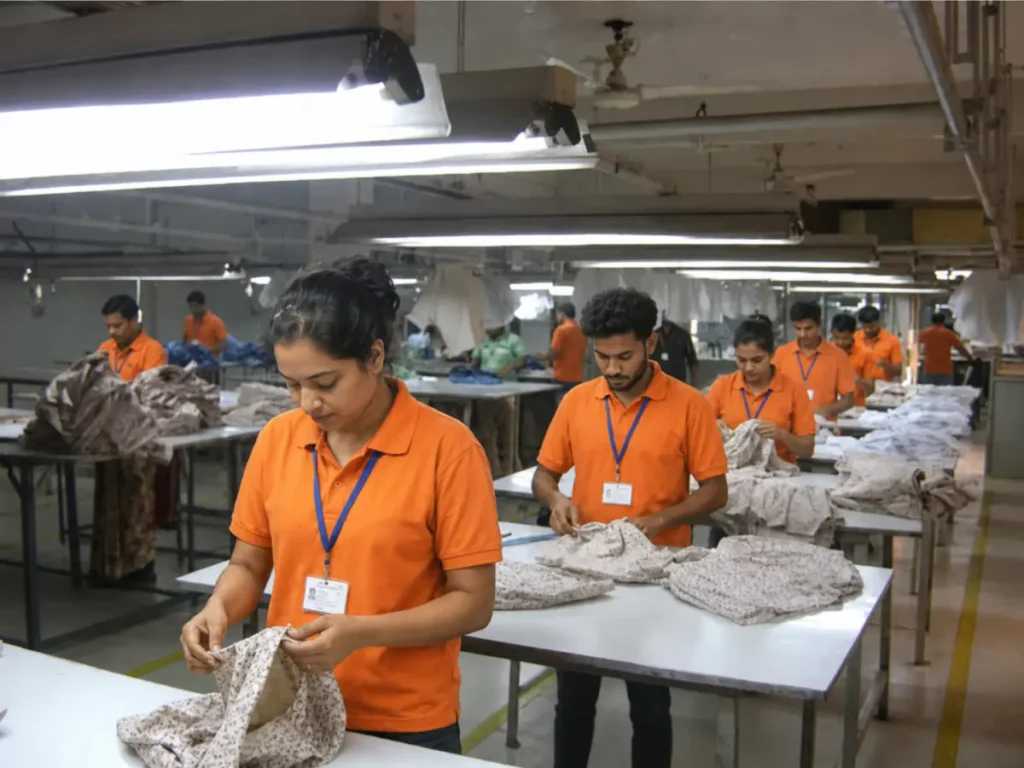
QC Solution for Womenswear Programs
Private label QC must check both garment quality and brand execution. Duolan reviews each product as a branded womenswear item that must be worn, received, scanned, inspected and sold.
| QC Layer | What We Check | Brand Risk Reduced |
|---|---|---|
| Fabric QC | Color, defects, handfeel, shrinkage, stretch, weight and batch consistency | Material inconsistency before cutting |
| Cutting QC | Direction, shade grouping, print placement, lace symmetry and size panels | Fit distortion and visual imbalance |
| Sewing QC | Seam quality, zipper, lining, straps, boning, slit, edge finish and trim attachment | Workmanship failure and wearing discomfort |
| Measurement QC | Bust, waist, hip, length, shoulder, armhole, strap and hem tolerance | Size complaints and fit inconsistency |
| Surface QC | Stains, thread ends, pressing marks, sequin loss, lace damage and mesh pulls | Poor final presentation |
| Label QC | Main label, care label, size label, placement, artwork and sewing quality | Brand and compliance mistakes |
| Packing QC | Polybag, sticker, folding, hanger, tissue, carton ratio and carton mark | Warehouse receiving errors and product damage |
| Final Review | Garment, measurement, labels, hangtags, packing and carton information | Shipment-level quality risk |
Audit and Supplier Evaluation
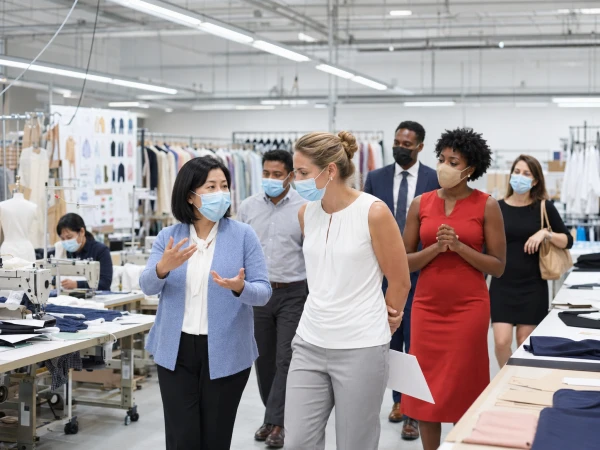
Established brands often evaluate private label partners through supplier readiness, not only product samples. Duolan’s manufacturing background supports brand-level review, especially for sourcing offices, buying teams and companies that require structured vendor evaluation.
Audit Readiness
Duolan’s factory system has completed SMETA audit and SMETA 2-Pillar audit record. For mature brand teams, this gives a stronger evaluation basis than a general claim of production experience.
- Audit readiness supports formal supplier screening and vendor-list consideration.
- It helps brands evaluate social responsibility awareness and production management discipline.
- It is especially relevant for buyers that require more than sample photos before cooperation.
Standards Coordination
Duolan can coordinate with buyer and market requirements related to BSCI, ISO 9001, AATCC, ASTM, OEKO-TEX®, EN, China GB standards, GOTS and customer-specific requirements where applicable.
- These requirements may affect fabric selection, trims, care label information, testing and inspection.
- Standards should be discussed before bulk production, not after goods are finished.
- Private label womenswear becomes more reliable when compliance is connected with product files.
Inspection Preparation
Third-party inspection works better when approved samples, measurement specs, label files, packing instructions and carton details are clear.
- Duolan supports inspection preparation through PP samples, tolerance lists and QC checkpoints.
- Garment inspection and brand execution inspection are treated together.
- This helps reduce disputes caused by vague standards or incomplete packing information.
Requirement Execution
Each brand may have its own packaging format, care label layout, warehouse code, carton mark, inspection level and documentation request.
- Duolan reviews buyer-specific requirements before production and packing.
- Correct garments must also carry correct label, tag, barcode and carton information.
- This execution discipline is critical for retail, ecommerce and multi-brand programs.
Womenswear Solution Projects case studies
Duolan respects client confidentiality. Project experience can still be shown through product type, development challenge, control method and practical production result without exposing customer names, logos or unreleased designs.
US Occasionwear Capsule
A US fashion brand needed a private label occasionwear capsule covering satin dresses, fitted silhouettes and refined event styles. The project required polished surfaces, stable lining, correct brand labels and packing protection for ecommerce fulfillment.
- Project range: Satin midi dresses, fitted occasion styles and refined party-ready silhouettes.
- Duolan control: Fabric review, lining adjustment, PP sample lock, label file alignment and packing check.
- Practical result: Garments, hangtags, care labels, polybags and carton information were reviewed as one delivery standard.

Australian Partywear Program
An Australian brand developed a private label partywear program with bodycon, mesh and sequin styles. The risk was not the visual concept, but the different material behaviors across stretch, transparency and embellished surfaces.
- Project range: Bodycon dresses, mesh panels, sequin surfaces and fitted party silhouettes.
- Duolan control: Stretch recovery review, coverage planning, lining protection, seam allowance and zipper check.
- Practical result: Each product used category-specific construction notes instead of one generic production method.

UK Satin and Tops Development
A UK womenswear brand needed satin dresses and refined tops developed from references and early product direction. The project required fabric comparison, fit interpretation, neckline control and private label execution.
- Project range: Satin dress styles, elevated tops and collection-support pieces.
- Duolan control: Fabric selection, sample revisions, neckline and seam review, care label placement and packing method.
- Practical result: The brand moved from reference direction to production-ready private label versions with clearer material and fit standards.

Regional Reorder Extension
A regional ecommerce brand extended a proven private label style into new colors and related product pieces. The project relied on existing production memory rather than restarting development from the beginning.
- Project range: Bestseller color extension, related fitted style and updated packing information.
- Duolan control: Lab dip review, fabric behavior check, barcode update, size-color ratio and carton mark confirmation.
- Practical result: The reorder used previous pattern, material, label and QC records to reduce uncertainty.

Private Label Women Clothing Solutions FAQ
Private label women clothing solutions combine collection planning, fabric sourcing, sample development, brand labels, hangtags, packaging, bulk production, QC, delivery and repeat production records. For established brands, the goal is not stock relabeling. The goal is to build brand-owned womenswear products that can be developed, produced, delivered and repeated with controlled standards.
A manufacturer proves production capability. A solution organizes the entire project path from brand direction to delivery. Duolan helps brands evaluate product categories, development path, fabric and trim decisions, sample readiness, labels, packaging, QC, compliance, shipment and reorder records, so the project works as a connected private label product system.
Duolan is not positioned around ready-stock relabeling, blank apparel, POD or generic low-price private label programs. Our strongest fit is custom-developed or production-controlled womenswear for established fashion brands with clear product direction, quality standards, launch plans and repeat production potential.
Duolan is strongest in fashion dresses, occasion dresses, party dresses, bodycon styles, satin styles, mesh styles, corset styles, resortwear, fashion sets, refined tops, skirt sets and selected jumpsuits or bodysuits. The best projects require fabric, fit, sample, production and brand execution control.
Dress-led womenswear requires deeper technical control than basic apparel. Dresses and fitted fashion products depend on fabric drape, body balance, lining, support, surface finish, hem control and sample-to-bulk consistency. Duolan’s experience is strongest in fashion dress development and related womenswear categories.
Yes. Duolan can support OEM when the brand provides complete tech packs, BOM, measurements and artwork. We can support ODM when the brand has references, market direction or product goals but needs development assistance. Both paths can include private label execution, including labels, hangtags, packaging, QC and bulk production.
Yes. Duolan supports main labels, care labels, size labels, hangtags, barcode stickers, polybags, folding methods, hanger options, carton marks and packing instructions. Labels and packaging are planned together with garment quality, so the final shipment supports both brand presentation and warehouse receiving.
Duolan uses approved samples, PP samples, fabric standards, trim boards, pattern versions, measurement tolerances, label files, packing instructions and QC checkpoints. The purpose is to make sure the approved sample is not only visually accepted, but ready to be repeated through bulk production and delivery.

Build a Private Label Womenswear Program
Duolan supports established fashion brands that need private label women’s clothing solutions with dress-focused development depth and structured production control. We help organize womenswear projects from product direction to fabric and trim sourcing, sampling, brand label execution, bulk production, QC, delivery preparation and repeat production records. A strong project brief allows our team to understand what kind of womenswear line you want to build, what stage the project is currently in, and what brand standards must be protected before shipment.
Please send any available project materials, even if your internal files are not fully complete yet. Tech packs, reference images, original samples, sketches, fabric swatches, label artwork, hangtag files, packaging instructions, size ranges, expected quantities and launch windows can all help us evaluate the right development path. For dresses, fitted styles, satin pieces, mesh garments, corset structures, fashion sets or refined tops, early information about fabric, fit, lining, trims and packing expectations can prevent avoidable sample and bulk risks.
Project details to share
- Target categories, such as dresses, tops, sets, occasionwear, partywear, resortwear or fitted womenswear.
- Tech packs, references, original samples, sketches, fabric swatches, trim ideas or collection moodboards.
- Target market, selling channel, size range, color plan, launch timing and expected production stage.
Private label details to prepare
- Main label, care label, size label, hangtag, barcode sticker, polybag, carton mark and packing method.
- Warehouse or retail requirements, including SKU codes, size-color ratio, folding, hanger and carton instructions.
- Brand presentation standards for sensitive products such as satin, lace, mesh, sequin or structured garments.
What Duolan will evaluate
Whether the project is better handled as OEM, ODM, full custom development, sample-to-bulk or reorder support.
Fabric suitability, fit risk, construction complexity, sample path, PP standard and bulk production feasibility.
Label execution, packaging protection, QC checkpoints, compliance needs, delivery preparation and repeat order records.
- Name
- Tel / WhatsApp (optional)
- Email address
- Message
- Upload your files