Skip to content

Prom & Homecoming Dress Manufacturing Solutions
Dress-focused development and manufacturing support for established fashion brands building seasonal prom and homecoming collections for the US market.
- Seasonal programs commonly involve 10-30 styles and 20,000-80,000 pieces across multiple colors, sizes, and construction levels.
- Prom development may combine long gowns, structured corsetry, satin, tulle, sequin, beading, and formal finishing.
- Homecoming programs often require short, fitted, photo-ready styles with stronger pressure on length, movement, coverage, and rapid assortment decisions.
- Duolan connects product review, fabric sourcing, pattern development, sampling, PP approval, bulk production, QC, packing, and repeat-order planning. Fit, decoration, and seasonal timing are reviewed before production commitments are finalized.
Built for Established Prom and Homecoming Product Teams
Seasonal Occasionwear Brands
Product Development Teams
Multi-Channel Fashion Groups
Fashion groups selling through ecommerce, retail, wholesale, showroom, or regional distribution often need the same style to remain visually consistent across larger size runs and repeated production. Duolan is suited to programs where a brand expects multi-style development, seasonal launches, controlled bulk, and later color or size replenishment. Production planning can separate complex corset or embellished styles from simpler commercial dresses while keeping common material, labeling, packing, and quality rules visible across the program. The focus stays on repeatable standards, not one-off sample success.
Prom and Homecoming Require Different Product Development Decisions
Both categories belong to occasionwear, but the commercial role, fit priority, construction level, and launch calendar differ. Treating them as one generic formalwear group creates avoidable problems in style selection, sample review, costing, and bulk execution.
| Development Factor | Prom Direction | Homecoming Direction | Manufacturing Implication |
|---|---|---|---|
| Core occasion | Formal spring events and major milestone dressing | Fall school social events and shorter event windows | Separate development calendars and approval priorities |
| Typical length | Long, floor-length, mermaid, column, ball-gown proportions | Mini, short A-line, bodycon, fit-and-flare | Different balance, hem control, movement, and coverage checks |
| Structure | Corset, bustier, boning, cups, fitted waist, formal support | Corset mini, fitted bodice, lighter support, dance-ready construction | Fit review must match support level and wearing activity |
| Key materials | Satin, tulle, lace, sequin, beaded mesh, structured woven | Stretch satin, sequin, lace, mesh, tulle, fitted woven | Fabric choice must match drape, recovery, opacity, and silhouette |
| Visual priority | Formal impact, shape, shine, embroidery or embellishment | Youthful proportion, color, body line, movement, photo appeal | Sampling criteria change by selling role |
| Sample priority | Fit, structure, decoration, drape, floor-length balance | Fit, mini length, movement, coverage, commercial appearance | Review notes should separate visual approval from production readiness |
| Bulk risk | Decoration weight, satin marking, corset balance, hem variation | Length variation, stretch recovery, neckline security, sequin comfort | QC points must follow style-specific risk |
| Reorder pattern | Selected winning gowns, color extensions, size replenishment | Faster color refresh, size replenishment, short repeat windows | Reusable patterns, BOMs, and QC standards improve reorder speed |
Core Prom and Homecoming Dress Directions We Develop
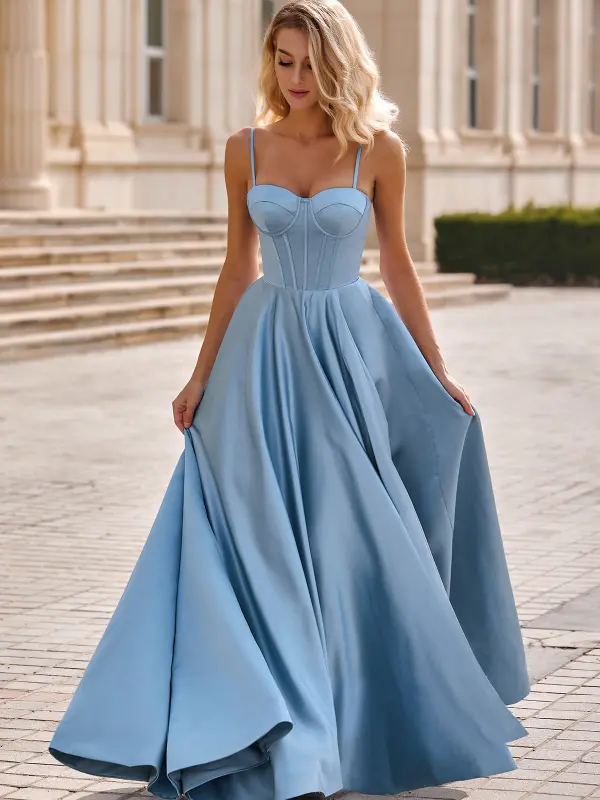
Corset Prom Gowns

Satin Column Gowns

Sequin Statement Gowns
Sequin gowns create visual value only when decoration remains controlled from cutting through wear. Fabric weight, sequin density, backing, edge handling, seam allowance cleaning, lining, zipper areas, underarm comfort, slit edges, and hem finishing all need review before a style is released. Duolan evaluates how decoration affects drape, weight distribution, pattern placement, skin contact, sewing speed, and repair requirements. For statement prom styles, the sample should also confirm how the garment photographs under direct light and how the weight changes fit at shoulder, bust, waist, or hip.

Layered Tulle Gowns

Corset Mini Dresses
Corset homecoming minis carry the same support risks as longer structured dresses, while short length adds another fit variable. Cup position, waist shaping, back closure, hip clearance, hem width, and sitting coverage must work together. A bodice that looks secure on a mannequin can still lift, gape, or shift during movement if the pattern and support system are not balanced. Duolan develops the structure around the intended fabric, size range, and target fit, then checks how the mini behaves when standing, walking, sitting, and turning. Production standards should lock boning, cup, lining, closure, critical lengths, and grading rules rather than relying only on a finished-garment photo.

Satin Homecoming Minis

Sequin Bodycon Minis

Fit-and-Flare Homecoming
Protect the Selling Window With Back-Planned Seasonal Production
Prom Programs Need Earlier Fit and Embellishment Locking
Prom development often carries a longer technical path because formal silhouettes, corsetry, layered skirts, satin, sequin, lace, beading, or rhinestone work require more decisions before a style can safely enter bulk. Duolan starts by identifying the intended launch date, campaign or showroom date, internal sample review date, target production quantity, and shipment method. The development calendar then works backward through fabric sourcing, first sample, fit correction, revised sample, photo or salesman sample where needed, PP approval, material readiness, bulk production, inspection, packing, and freight.
Sample timing depends on complexity. Simple styles may be developed in about 5-7 days, standard fashion dresses commonly need around 7-10 days, and complex structured or embellished styles may require about 10-15 days before review. Bulk reference timing follows the same logic: simple styles around 15-20 days, regular programs around 20-30 days, and complex styles around 30-45 days after approvals and material readiness. Those ranges are planning references, not promises detached from the product.
Prom programs benefit from early locking of cup position, boning, fitted waist, long hem balance, embellishment placement, lining, zipper or lace-up construction, and sensitive satin handling. A delay in fit approval or decoration confirmation can move every later stage. Calendar control therefore focuses on decision points, not only sewing days. When the brand team shares a target launch and warehouse date early, Duolan can flag which styles need priority sampling, which materials need earlier booking, and which complex details need pilot verification before full production.
Homecoming Programs Need Faster Commercial Read-and-React
Homecoming assortments usually carry a shorter product cycle, more short fitted silhouettes, stronger color sensitivity, and faster decisions around commercial winners. The development plan should therefore separate styles that need deeper fit engineering from styles that can move quickly after material and visual approval. Corset minis, strapless fits, sequin bodycon dresses, and short satin dresses still require controlled development, but the approval sequence can be organized around launch priorities rather than treating every style identically.
Duolan can map first sample, fit review, photo-ready sample, PP approval, material readiness, production, QC, packing, and freight against the brand’s fall selling window. For ecommerce-led programs, campaign samples and product imagery may need to move earlier than full production. For showroom or wholesale programs, salesman samples may carry a different priority. For repeat styles, an approved pattern, BOM, material history, and QC record can shorten the preparation stage without removing quality checkpoints.
A homecoming calendar should also reserve space for replenishment. A style that performs well may need size recovery, additional color, or a repeat run while the event window is still open. Reorder speed depends on whether fabric, trims, pattern, grading, workmanship, labels, packing, and QC standards were recorded correctly during the first order. Duolan treats the first seasonal run as the technical base for later decisions, allowing the brand team to respond to sales without rebuilding the product from zero.
Material Decisions Shape Fit, Shine, Movement and Bulk Stability
Prom and homecoming fabrics carry visual and technical consequences at the same time. Duolan reviews fabric by silhouette, support, drape, stretch, recovery, opacity, surface sensitivity, decoration method, sewing behavior, packing risk, and repeat availability.

Satin, Tulle, Mesh and Lace Must Match Silhouette
Satin should be selected by more than color and shine. Lightweight satin can create fluid drape but may show seam tension, body lines, needle marks, or transparency. Heavier satin can improve structure but may feel too rigid for a bias or soft-drape shape. Stretch satin changes fit logic again because recovery, negative ease, lining, and zipper construction affect how the dress sits across bust, waist, and hip. Duolan reviews surface appearance, stretch, handfeel, weight, opacity, drape, wrinkle sensitivity, and bulk availability before the style is treated as production-ready.
Tulle and mesh need equal discipline. A prom gown may use multiple tulle layers for volume, while a homecoming style may use a lighter mesh panel for transparency or shaping. Layer count, gather ratio, lining color, edge treatment, seam visibility, stretch direction, and skin contact can change the result. Lace adds another set of decisions around motif direction, placement, scallop use, transparency, backing, seam joining, and color consistency.
Material selection should always connect to the intended silhouette. Corset structures need a stable relationship between outer fabric, lining, interlining, cup, and boning. Fitted minis need predictable stretch or controlled woven ease. Long gowns need drape and hem behavior that survive production and packing. Duolan can source fabric, match trims, coordinate lab dips or color review, and propose alternative materials when the original direction creates unstable cost, lead time, or bulk performance. Material substitution is evaluated by visual result and garment behavior, not by composition name alone.

Sequin and Embellished Fabrics Need Production-First Review
Sequin, glitter, beaded mesh, rhinestone surfaces, and decorative lace can transform a seasonal assortment, but decoration also changes cutting, sewing, fit, weight, comfort, finishing, inspection, and packing. A heavily decorated fabric may need seam allowances cleared before sewing. A lighter sequin mesh may require full lining or reinforcement. Beading can pull a neckline or alter drape. Rhinestone placement can fail near high-stretch or high-friction zones. Glitter surfaces may shed or mark adjacent garments during packing.
Duolan reviews decorative material before the full style is committed. The review covers backing stability, stretch direction, decoration density, placement repeat, edge behavior, seam construction, lining requirement, skin-contact points, repairability, and expected production handling. For styles with high decoration sensitivity, small tests or a first-piece check can identify problems before several thousand garments repeat the same defect.
Bulk consistency also depends on material batch control. Color, shine, sequin tone, lace motif, mesh transparency, and stretch can vary between lots. Production standards should therefore record the approved fabric reference, color direction, trim board, decoration sample, and workmanship method. Packaging must protect the same surface quality approved at sample stage. A prom or homecoming dress should not arrive with flattened tulle, scratched satin, broken beadwork, or transferred glitter simply because packing was treated as a separate task.
Fit Engineering for Corset, Strapless and Fitted Occasion Dresses

Support Starts at Cup Position, Boning and Waist Balance
Corset and bustier dresses succeed or fail at the relationship between bust, underbust, waist, boning, cup shape, neckline, back closure, and fabric structure. A cup set too high can distort the neckline; a cup set too low can reduce support and change the visual proportion. Boning that is too short may not control the waist, while boning that is too rigid or badly placed can create pressure points, twisting, or visible ridges. Back lace-up panels need enough adjustment range without destroying the intended waist shape. Zipper versions need equally careful control of center-back balance and seam strength.
Duolan starts from the brand’s target fit and base size, then reviews how outer fabric, lining, interlining, cups, boning, elastic, straps, and closures contribute to support. Pattern work considers bust balance, waist suppression, torso length, side-seam position, neckline shape, and transition into the skirt. Fit comments should then return to the pattern and spec sheet instead of being solved only by temporary sample alterations.
Strapless prom and homecoming dresses add another risk: the garment must stay secure without visible shoulder support. Neckline tension, bust shaping, internal support, waist anchoring, grip or elastic decisions, boning, and closure all affect security. The right solution depends on silhouette and fabric. A structured satin corset, stretch mini, lace bustier, and sequin fitted dress cannot use the same support formula. Production readiness means the approved support system is recorded clearly enough for pattern, sewing, QC, and repeat production teams to follow the same standard.

Movement and Coverage Matter as Much as Static Measurements
Prom and homecoming dresses are worn while walking, sitting, dancing, turning, taking photographs, and moving through crowded event settings. A garment can measure correctly on a table and still fail in use. Mini dresses may ride up. High slits can open too far when walking or sitting. Halter straps can pull at the neck. Open backs can shift the front neckline. Fitted stretch dresses can grow after wear if recovery is weak. Long mermaid shapes can restrict stride if knee and hem volume are not balanced.
Duolan reviews movement as part of fit development. Critical points can include bust coverage, underarm height, waist position, hip ease, mini front and back length, hem opening, slit height, strap length, neckline drop, back opening, skirt sweep, and lining length. The required checks change by style. A short bodycon homecoming dress needs a different movement review from a long satin prom gown or layered tulle ball silhouette.
Grading also needs fit logic rather than proportional enlargement. As sizes change, cup position, strap length, neckline depth, waist-to-hip balance, slit height, and garment length may require controlled rules. A seven-size program, for example, should preserve the visual silhouette while allowing enough coverage and movement at each size. Duolan can work from brand-specific specs and fit comments, then align pattern correction, grading, PP measurements, and QC checkpoints. The aim is a consistent wearing result, not merely a set of numbers that fall inside tolerance.
US Size Development Without Losing the Intended Silhouette
Base Size Definition
Critical Measurement Points
Controlled Grading Logic
Stretch and Ease Control
Coverage and Length Review
Fit Feedback Loop
Useful fit comments need to create technical change. Notes such as “gaping neckline,” “tight at hip,” “cup too high,” or “back feels loose” should be translated into pattern corrections, spec adjustments, support changes, or material decisions. Duolan records revision direction so each sample round moves closer to a stable production reference. Once the revised fit is approved, the same information should flow into the spec sheet, grading, PP sample, measurement tolerance, and QC method. Such discipline reduces repeated mistakes and keeps later colorways or repeat orders aligned with the approved fit identity.
Design Details That Need Engineering Before Sampling Starts

Lace-Up Corset Backs

Strapless Necklines

High Slits

Open-Back Construction
Open backs shift support toward the front bodice, side seams, straps, waist, and closure system. A low back can cause the front neckline to spread, straps to slip, or the bodice to lose tension if the pattern is not balanced. Duolan reviews back depth, strap path, side-body tension, bust coverage, waist hold, closure, lining, and elastic support where required. Fit approval should include movement because open-back shapes often change when the wearer turns or sits. Bulk checks need defined back opening measurements, strap lengths, attachment strength, symmetry, and front neckline stability.

Ruched Body Panels

Layered Tulle Volume
Tulle volume comes from layer count, stiffness, width, gathering, cutting shape, lining, and joining method. Adding another layer is not a neutral decision; it changes waist thickness, skirt weight, transparency, cost, packing volume, and movement. Duolan reviews the desired silhouette first, then builds the layer structure around the effect. Soft romantic volume, crisp ball-gown volume, and short flared homecoming volume require different material combinations. Production instructions should record layer count, tulle type, gather method, seam position, lining length, and hem treatment so volume does not fluctuate from one garment to another.

Draped Satin Details

Rhinestone Placement
Rhinestones can support a premium visual story when placement, adhesion or setting method, weight, stretch compatibility, spacing, and edge distance are controlled. High-stretch areas, fold lines, seam allowances, or friction zones may cause loss or discomfort. Duolan reviews decoration maps against pattern pieces and intended movement before production. Small tests can confirm attachment strength and surface behavior. For bulk, placement references, density, setting conditions, missing-stone tolerance, reverse-side comfort, and packing protection should be documented. The goal is consistent visual impact across the run, not a strong first sample followed by uneven decoration in production.
Decoration Must Survive Sampling, Production, Packing and Wear

Sequin, Beading and Rhinestones Need Controlled Attachment Standards
Sequin and beadwork should be developed as part of garment construction, not as a final surface layer. The development review starts with the base fabric and backing because stretch, weight, transparency, and stability affect every later decision. Dense sequin can stiffen a bodice or pull down a strap. Heavy beading can distort neckline shape or skirt drape. Large stones placed near side seams or underarms can create abrasion. Decorative mesh may need lining to protect skin and control transparency.
Duolan reviews placement, density, attachment method, seam allowance, edge cleanup, lining, reinforcement, and repair access before bulk. For sequin panels, cutting and sewing methods should avoid trapping hard decoration inside seam allowances where possible. For beaded or rhinestone areas, critical attachment points may need pull or handling checks depending on construction. Decoration maps should relate to pattern pieces rather than only a finished-garment photograph, especially where mirrored placement or repeating motifs are important.
Quality checks need clear acceptance rules. Missing or loose decoration, exposed sharp edges, inconsistent density, reversed placement, poor motif alignment, and damaged surfaces should be identified before packing. Packaging also matters because heavy decoration can scratch satin, catch mesh, flatten tulle, or press into adjacent garments. Protective tissue, folding direction, hanger use, or individual wrapping can be selected according to the style. The objective is to protect the same visual and tactile standard approved at sample stage all the way to warehouse receiving.

Lace, Applique and Finishing Need Placement Discipline
Lace and applique create a different form of complexity because motif direction and edge use often carry more visual importance than raw material cost. A lace panel can look misaligned even when measurements are correct if floral motifs do not balance across center front, cups, waist, or skirt seams. Scalloped edges may need to follow necklines, hems, or slit openings with controlled symmetry. Applique can add local weight or stiffness, changing drape around the bust, hip, or shoulder.
Duolan reviews motif scale, usable edge, placement direction, mirror requirements, seam joining, backing, lining, transparency, and attachment method during development. For corset or fitted styles, lace must also work with structural seams rather than hiding or distorting the fit. A lace-up or eyelet detail needs reinforcement underneath the decorative surface. Mesh-based applique may require additional support where the garment carries tension.
Finishing decisions complete the craft standard. Satin pressing, tulle steaming, lace edge trimming, loose-thread cleanup, sequin seam clearing, beading repair, and final shaping affect how the garment appears in photographs and at retail. Bulk instructions should therefore combine construction and finishing notes instead of separating them. Duolan can use first-piece or pilot verification on higher-risk styles before a full run is released. The aim is controlled craft density: enough detail to support the intended product value, with methods stable enough for repeated manufacturing.
Sampling Built Around Decisions, Not a Single Prototype

Choose the Sample Type by the Decision Required
A first prototype is useful for checking overall silhouette, proportion, material direction, and major construction choices. A fit sample goes deeper into bust, waist, hip, torso length, straps, neckline, coverage, support, skirt balance, and movement. A revised sample should prove the previous comments were translated into pattern, spec, material, or workmanship changes. A photo-ready sample prioritizes visual presentation for campaign or ecommerce needs. A salesman or showroom sample may need representative color, material, and finish for internal or wholesale review. A PP or golden sample needs the strongest connection to bulk because it becomes the approved production reference.
Duolan can work from tech packs, reference images, original samples, or mixed development inputs. Before sampling begins, the team reviews sample purpose, target fabric, critical fit points, design details, intended size, delivery date, and future production plan. Complex corset, satin, sequin, mesh, tulle, or heavily embellished styles may need extra confirmation before cutting because a wrong material or support decision can make the first sample visually misleading.
Sampling time is planned by complexity rather than a single headline number. Simple styles can often move in about 5-7 days, regular styles in roughly 7-10 days, and complex structured or decorated pieces in around 10-15 days. Revision timing depends on whether comments require pattern correction, new fabric, new trim, decoration testing, or only localized adjustment. A useful sample proposal therefore includes what is being reviewed, which inputs are still open, which approvals may affect timing, and how the sample can move toward production readiness.

Each Revision Must Move the Style Closer to Production
A revision round should not restart the garment. Duolan separates comments into fit, visual, material, construction, workmanship, and production-related groups so each action has a technical destination. “Waist too loose” becomes a pattern or spec adjustment. “Neckline feels insecure” may require pattern, support, elastic, cup, boning, or strap review. “Satin looks cheap” may lead to a fabric, weight, shine, lining, or pressing decision. “Sequin feels uncomfortable” can require edge clearing, lining, placement, or backing changes.
During development, staged updates can be used for high-risk styles. Fabric arrival, pattern progress, key construction details, partial sewing, mannequin checks, and decoration tests can be shared before the sample is fully finished when an early decision can prevent wasted work. The finished sample should then arrive with enough review context for the brand team to judge the correct points. Front, side, back, close-up, measurement references, and a concise review note can separate what is already approved from what still needs attention.
Once the direction is stable, comments should flow into the production system. Pattern changes, spec revisions, BOM details, trim references, construction notes, PP sample status, and QC checkpoints need to stay aligned. A sample has commercial value when it helps the brand make a decision and gives production a reliable basis. Duolan therefore treats sampling as a controlled path from design intent to repeatable manufacturing rather than a sequence of attractive prototypes.
Photo-Ready and Production-Ready Samples Serve Different Jobs
Photo-Ready Sample
A photo-ready sample is judged primarily by how the garment presents on camera: silhouette, color, shine, drape, decoration, neckline, hem, and overall proportion. Small internal construction points may still be open if they do not affect photography or wearer safety. The risk comes when a visual sample is automatically treated as the bulk reference. A beautiful campaign sample may use an unavailable fabric lot, temporary trim, hand-adjusted drape, non-final lining, or localized fit correction.
Duolan identifies those open points so the brand team knows which elements are approved for visual work and which still need production confirmation.
Production-Ready Sample
A production-ready sample needs a stronger technical base. Fit and critical measurements must be aligned; fabric and color direction need confirmation; trims, cups, boning, zipper, lining, decoration, labels, and packing references should be defined; construction and workmanship need repeatable instructions; the BOM and tech information should match the approved version; and the PP or golden sample status must be clear. The value is shared reference. Pattern, sourcing, sewing, QC, packing, and the brand team should all be working from the same standard before bulk begins. Duolan uses the production-ready stage to reduce sample-to-bulk drift rather than relying on memory or photographs.
What Must Be Locked Before Bulk Production Starts
Fit and Measurements
Fabric and Color
Trims and Structure
Construction and Workmanship
BOM and PP Reference
Labels and Packing
Brand labels, care labels, size labels, hangtags, barcode requirements, polybags, tissue, hanger use, folding direction, carton marks, size stickers, and protective packing need confirmation before the final production stage. Prom and homecoming garments can be sensitive to packing: satin can crease or mark, rhinestones can press into fabric, beadwork can catch mesh, and tulle can flatten. Duolan reviews packing with the garment risk in mind. Locked instructions help prevent a finished dress from losing its approved appearance during warehousing and shipment, and they support consistent execution across multi-style seasonal programs.
Managing Multi-Style Seasonal Programs Without Mixing Standards

Style Complexity Routing

Production Capacity Base

Material Readiness Control

Priority Scheduling

Factory Coordination

Status Visibility
Brand teams need more than a final completion date. Duolan can organize updates around material readiness, PP status, cutting, production, key QC points, packing, and shipment preparation according to project scale. Risk-sensitive styles can receive closer tracking. Clear status structure helps internal teams understand what is completed, what is pending, which approval is blocking the next stage, and whether the launch calendar still holds.








Preventing the Most Common Sample-to-Bulk Prom Dress Failures
Fabric Batch Drift
Trim Substitution
Measurement Deviation
Construction Drift
Placement Variation
Packing Damage
Workmanship Standards for Brand-Ready Prom and Homecoming Dresses

Internal Construction Must Protect Fit, Comfort and Appearance
Workmanship starts inside the garment. Corset and bustier styles need clean boning channels, stable cup placement, secure lining, smooth zipper or lace-up construction, reinforced stress points, and seams that support the approved body shape. Strapless styles need internal support to work without creating visible ridges or uncomfortable pressure. Open-back and halter styles require secure strap attachment and controlled edge finishing because their support is concentrated in fewer points.
Satin dresses demand smooth seams, controlled tension, clean pressing, minimal needle marking, straight hems, and lining that does not pull the outer shell. Sequin and beaded garments need seam allowances cleared or protected where necessary, secure decoration, comfortable backing or lining, and clean edges around underarm, neckline, slit, and zipper areas. Tulle and lace need tidy joining, balanced motifs, consistent layer handling, and edges that remain soft and visually intentional. Ruching, pleating, and draping need consistent quantity and position across the production run.
Duolan treats internal construction as part of the visible brand result. A smooth outer surface often depends on hidden decisions: seam allowance control, stabilizing tape, interlining, lining tension, zipper preparation, cup shape, boning position, and pressing sequence. Workmanship standards therefore focus on the details that influence fit, appearance, comfort, and repeatability. For higher-risk styles, first-piece or small pilot verification can confirm the approved method before the full production quantity is released.

QC Follows the Risk Profile of Each Style
Quality control should ask different questions for different silhouettes. A corset gown needs checks around cup position, boning, waist, back closure, neckline, seam balance, and fit-related measurements. A satin column gown needs seam smoothness, drape, zipper, hem level, surface marks, pressing, and packing protection. A sequin mini needs measurement, stretch recovery, decoration security, skin-contact comfort, zipper or neckline stability, and missing-sequin inspection. Layered tulle needs layer count, volume, lining, hem, symmetry, and packed recovery.
Duolan can use pre-production review, first-piece or pilot checks, inline inspection, measurement checks, workmanship review, final inspection, and packing verification according to project need. Higher-risk points are monitored earlier so correction can happen before the issue becomes a finished-goods problem. Final inspection then compares appearance, measurements, construction, decoration, labels, packing, and agreed brand requirements against the approved basis.
Third-party inspection can be coordinated when required. Internal QC should not be replaced by an external visit; the goal is to arrive at third-party inspection with the product already controlled. Packing and labeling are checked as part of the finished-goods state because wrong barcodes, size stickers, care labels, or carton marks can block a commercially acceptable shipment even when the dress itself is well made. Quality is complete only when the garment is ready to enter the brand’s supply chain in the agreed condition.
Build Reorders From Reusable Standards, Not From Memory
Repeat Best-Selling Styles
Color and Size Replenishment
Seasonal Style Extension
A validated fit block or construction system can support later style extensions without turning every idea into a full restart. A corset mini can become a longer occasion style; a satin fitted shape can move into new necklines or colors; a successful homecoming silhouette can return with different decoration; a prom gown can use a new surface treatment while keeping the core fit. Duolan reviews which parts of the previous standard can be reused and which parts need new development. Controlled extension helps mature brands build continuity while still refreshing the seasonal assortment.
Compliance and Inspection Support for Formal Brand Programs
SMETA and Audit Basis
Project-Specific Testing
Duolan can coordinate requirements related to BSCI, ISO 9001, AATCC, ASTM, OEKO-TEX, EN, China GB, GOTS, and specific brand standards when relevant to the project. Such references do not mean every material or production site automatically carries every certificate.
Fabric, trim, color, care label, composition, performance, and documentation needs should be reviewed according to the chosen material, destination market, testing scope, and brand manual before production commitments are made.
Inspection and Packing Support
Third-party inspection can be coordinated when required, while internal quality checks continue before the external visit. Final readiness can include measurement, workmanship, appearance, decoration, labels, care information, barcodes, packing, carton marks, and agreed shipment requirements. Duolan can also coordinate designated forwarders, split shipments, and brand-specific packing structures where needed. Compliance and inspection work is most effective when requirements are introduced early enough to influence materials, labels, PP approval, and production planning.
Seasonal Occasionwear Case: 18 Styles, 46,800 Pieces

Challenge: Keep Fit, Decoration and Deadlines Aligned Across 18 Styles
The program covered 18 styles and 46,800 pieces across seven sizes and 31 style-color combinations. The assortment mixed structured corset gowns, satin long dresses, sequin statement styles, fitted homecoming minis, layered tulle, and commercial fit-and-flare shapes. Six material families were involved, including satin, stretch satin, tulle, mesh, lace, and sequin surfaces. The brand required three sample levels across the program: fit-focused samples for shape-sensitive styles, photo-ready samples for campaign timing, and PP samples for bulk release.
The main difficulty was not total quantity. Risk came from different approval paths inside one seasonal calendar. Corset styles needed cup, boning, waist, back closure, and grading review. Satin styles needed seam, drape, lining, pressing, and packing control. Sequin styles needed placement, comfort, edge treatment, and decoration stability. Short homecoming styles needed extra attention to body length, coverage, hem opening, and movement. Several styles shared colors or trim directions, but forcing all materials into a single sourcing solution would have created fit and surface differences.
Duolan separated the program by construction risk and sample purpose before bulk planning. High-risk styles received earlier fit and material review, while simpler commercial styles moved faster once the fabric and measurements were confirmed. Comments were grouped by fit, visual, material, and workmanship categories, making it easier to prevent a photo-related adjustment from being mistaken for a production standard. The collection calendar was then linked to PP approval, material readiness, production sequence, QC points, packing, and planned shipment stages.

Execution: Three Sample Levels, Locked Standards and Staged Production
Each approved style moved into a production-readiness check before line release. Fit and critical measurements were aligned to the latest sample version. Fabric and color direction were confirmed by style. Cups, boning, zippers, lining, lace, sequin surfaces, and other production-critical trims were recorded. Construction notes covered corset support, satin seam handling, tulle layer count, ruching quantity, slit reinforcement, decoration placement, and style-specific finishing. A PP reference was maintained for each style before full production.
The 46,800-piece order was then staged by complexity rather than started as one block. Structured and heavily decorated styles entered first-piece or pilot verification before wider release. Commercial satin and fitted styles moved through separate production paths based on material readiness and line suitability. Inline checks focused on the risk points defined during development instead of applying one generic checklist to all 18 styles. Final inspection included measurements, appearance, decoration, labeling, packing, and carton requirements.
The operating result was a clearer handover from development to production across a dense seasonal assortment. The program created reusable standards for later color, size, and repeat decisions: approved patterns, grading basis, BOM records, material references, workmanship notes, QC checkpoints, and packing requirements. The project demonstrates the manufacturing discipline Duolan aims to bring to prom and homecoming work: complex styles receive deeper control, commercial styles keep momentum, and every approved sample leaves a production standard behind.
What Procurement Teams Should Verify Before Approving a Supplier
Category Depth
Fit Capability
Sample System
Bulk Control
Seasonal Delivery
A credible supplier should plan from launch and warehouse dates backward instead of quoting only sewing time. Sample approval, material lead time, complex decoration, PP status, inspection, packing, freight, and replenishment windows all affect prom and homecoming results. Duolan separates sample and bulk timing by style complexity and uses the launch calendar to decide which development and production actions need priority.
Repeatability and Compliance
Long-term supply depends on reusable patterns, grading, BOMs, material history, workmanship standards, QC records, labels, packing, and prior production learning. Supplier evaluation should also include social-audit records, project-specific testing, inspection support, and brand manual alignment. Duolan maintains a SMETA audit basis and can coordinate relevant testing, documentation, third-party inspection, designated forwarders, and repeat-production requirements according to each qualified program.
Prom & Homecoming Manufacturing Frequently Asked Questions
Yes. Development can cover long prom silhouettes such as corset, mermaid, column, satin, tulle, sequin, and embellished gowns, alongside short homecoming directions including corset minis, fitted satin, sequin bodycon, lace, mesh, and fit-and-flare shapes. Each category follows different fit, material, movement, sample, and QC priorities rather than one generic formalwear standard.
Common directions include satin, stretch satin, tulle, mesh, lace, crepe, jersey, sequin surfaces, beading, rhinestones, embroidery, applique, and related dress trims. Material selection is reviewed by drape, support, stretch, recovery, opacity, handfeel, surface sensitivity, sewing behavior, cost, lead time, and bulk availability. Final capability depends on the specific design, material source, decoration method, and production plan.
Simple styles may take about 5-7 days, regular fashion dresses about 7-10 days, and complex structured or embellished styles around 10-15 days before review. Timing can change when a style requires special fabric sourcing, new decoration tests, corset development, pattern correction, lab dips, or multiple approval steps. Duolan prefers to confirm the sample purpose and open development points before committing to a working timeline.
Yes. Duolan can develop from tech packs, reference images, original garments, material direction, or a combination of inputs. Early review focuses on design intent, silhouette, target fit, fabric behavior, structure, sample purpose, size, quantity, and launch timing. When information is incomplete, the team identifies the decisions that need confirmation before pattern, sourcing, or sampling moves forward.
Corset and strapless development reviews cup position, bust and underbust balance, waist shaping, torso length, boning, neckline stability, back closure, lining, interlining, elastic or grip support where appropriate, and garment movement. Fit comments are translated into pattern and spec adjustments. Production-ready standards then record the approved support materials, critical measurements, construction method, grading direction, and PP reference.
Yes. Duolan can work from brand-specific size charts, base sizes, grading rules, and fit standards. Development can track critical POMs beyond bust, waist, and hip, including underbust, cup position, strap length, neckline, back opening, slit, body length, hem opening, and lining length. Grading is reviewed against silhouette, fabric behavior, support, coverage, and movement so larger sizes preserve the intended product identity.
Before bulk starts, Duolan aligns fit, critical measurements, fabric, color, trims, structure, construction, workmanship, BOM information, PP reference, labels, packing, and QC checkpoints. Higher-risk styles can use first-piece or pilot verification. Inline and final checks then focus on the risk points defined during development, reducing drift caused by material batches, trim substitution, measurement change, construction interpretation, decoration placement, or packing.
Reference production timing is about 15-20 days for simple styles, 20-30 days for regular styles, and 30-45 days for complex styles after approvals and material readiness. Corsetry, heavy decoration, new materials, large multi-style programs, special testing, or tight seasonal coordination can change the schedule. Prom and homecoming timing is best planned backward from launch, warehouse, and campaign dates rather than from sewing time alone.
Yes. Duolan’s manufacturing system has a SMETA audit basis, including SMETA 2-Pillar records, and can coordinate project-specific requirements involving material documents, testing, care labels, packing, QC records, or third-party inspection. References such as BSCI, ISO 9001, AATCC, ASTM, OEKO-TEX, EN, China GB, GOTS, and brand manuals are handled according to the actual material, market, testing scope, and supplier documentation available for the project.
Repeat production starts from the approved pattern, grading, BOM, material reference, workmanship, QC, labels, packing, and prior production records. Duolan then rechecks variables such as fabric lot, color, trim availability, decoration tone, size ratio, and any brand feedback. Existing standards can reduce repeated development work while preserving quality checkpoints. Color or size replenishment can be prioritized according to material readiness and the remaining seasonal selling window.

Start Your Prom or Homecoming Development Review
Send the development information your team already has, and Duolan will review the product direction before proposing a sampling or production path. A useful first review normally covers silhouette, fabric and decoration direction, target fit, size range, quantity, sample purpose, launch timing, and any brand-specific compliance or packing requirements. Complete information helps the team identify fit risks, material questions, sample priorities, production complexity, and timing dependencies before work begins.
Please include where available:
- Tech pack, reference images, sketches, or original-sample photos
- Target prom or homecoming launch date and warehouse receiving date
- Planned styles, colors, size range, and estimated quantity
- Preferred fabrics, trims, corset structure, decoration, or finishing direction
- Sample purpose: fit, photo, showroom, salesman, PP, or bulk approval
- Brand size chart, grading rules, fit comments, testing, labeling, and packing requirements
Duolan can then return a clearer development route, sample plan, risk review, and bulk-readiness direction instead of a generic quotation without product context.