Skip to content
Sorority Rush Dress Manufacturing
Dress-focused development and manufacturing for established fashion brands planning coordinated sorority recruitment collections across multiple rounds, silhouettes, materials, sizes, and launch dates.
- 5 recruitment moments planned as one coordinated product program
- 8 core dress directions spanning daywear, sisterhood, and preference looks
- 10-30 styles commonly managed within a seasonal brand program
- 20,000-80,000 total pieces across a typical multi-style brand order
- 16 owned factories, 20+ satellite factories, and 300 sewing lines
- Production-ready sampling, PP approval, inline control, and shipment preparation
Built for Established Fashion and Product Teams
Established Fashion Brands
Product and Buying Teams
For design, merchandising, development, and purchasing teams coordinating many styles at the same time. Duolan works from tech packs, reference images, original samples, line plans, size standards, or collection briefs. Project decisions are organized around fabric behavior, fit priorities, construction risk, sample purpose, approval stages, production readiness, quality checkpoints, and shipment preparation rather than a single quotation number.
Sourcing Offices and Groups
What Sorority Rush Dress Manufacturing Covers
A Collection Program, Not Greek-Letter Merchandise
The manufacturing scope centers on fashion dresses worn during recruitment activities, including relaxed open-house looks, philanthropy day dresses, refined sisterhood styles, preference-round cocktail dresses, and energetic bid-day pieces. Greek-letter T-shirts, one-off chapter uniforms, ready-stock resale, and individual consumer customization follow a different supply model. Duolan focuses on branded fashion collections developed for retail, ecommerce, and multi-channel distribution. A project may include mini, midi, sundress, babydoll, skater, halter, one-shoulder, fitted, satin, mesh, floral-print, white, pastel, or structured occasion styles. Product planning begins with the target campus market, price band, release date, style count, color strategy, size standard, and expected order structure. The goal is a coherent dress line with clear commercial roles, not a random group of fashionable references.
From Design Direction to Repeatable Bulk Standards
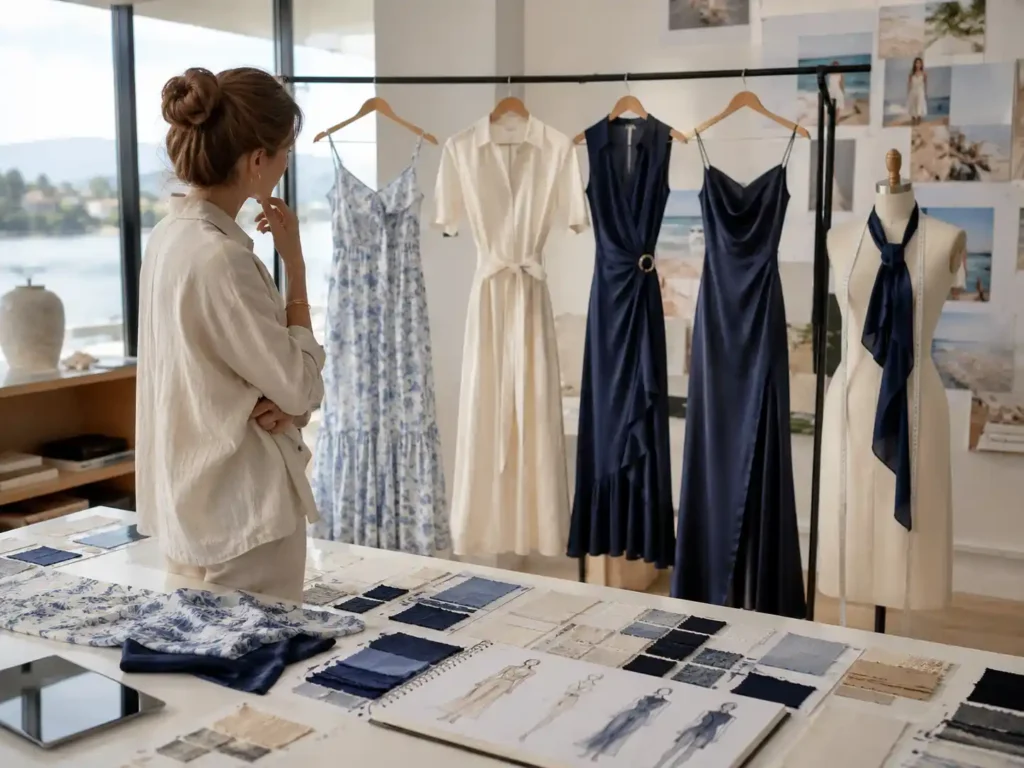
Development can start from a complete tech pack, a reference image, an original sample, a moodboard, a seasonal line plan, or a combination of materials and silhouettes. The initial review identifies missing specifications, fabric and trim risks, fit-sensitive areas, sample stages, likely production routes, and approval points. After the sample direction is accepted, the team aligns measurements, material details, lining, closures, construction methods, labels, packaging, and workmanship references before bulk release. Approved information is carried into BOM records, pattern files, sample comments, PP references, production notes, QC checkpoints, and reorder files. A reliable sorority rush program therefore depends on collection logic, technical translation, controlled approval, and manufacturing discipline working together.
Control Rush-Season Risks Before They Reach Bulk
Round Mismatch

White-Dress Transparency

Fit Drift

Sample-Bulk Difference

Multi-Style Confusion
A 10-30 style rush program may include several fabrics, print routes, lining systems, closures, and fit levels.
Treating every style as one production block creates avoidable delays. Orders are divided by style, color, size, quantity, material readiness, construction sensitivity, and launch priority, then matched to suitable sample and bulk paths with clear approval dependencies.

Launch-Window Delay
Develop Styles Around Recruitment Rounds
Recruitment rules vary by university and chapter, so the product line should be built around a defined target market rather than one universal dress code. The matrix below gives a commercial planning framework for brand teams.
| Recruitment Moment | Recommended Product Direction | Development Priorities | Commercial Role |
|---|---|---|---|
| Open House | Relaxed mini dresses, sundresses, clean A-line shapes | Breathability, easy movement, daylight coverage, youthful polish | Entry commercial styles and accessible opening-price pieces |
| Philanthropy | Floral, pastel, babydoll, skater, and day dresses | Comfort through long activities, non-restrictive fit, stable straps, easy care | Fresh visual stories with broad wearability |
| Sisterhood | Refined mini or midi dresses, one-shoulder and halter shapes | Balanced neckline, waist definition, photography, seated comfort | Elevated commercial styles and campaign-supporting looks |
| Preference | Cocktail, satin, fitted, structured, or lined mesh dresses | Drape, support, lining, closure quality, hem control, visual finish | Higher-value statement pieces and occasionwear crossover |
| Bid Day | Bright color, playful silhouette, easy-to-move styles and sets | Energy, comfort, color consistency, social-media performance | Celebration styles, color extensions, and fast-moving add-ons |
Build a Commercial Rush Collection
Hero Style
Commercial Core
Repeatable Style
Photo-Ready Style
Easy-Wear Style
Extension Style
Sorority Rush Dress Styles Duolan Can Develop

White Mini Dresses
White mini dresses can serve preference, bid-day, or chapter-specific retail edits, but clean appearance depends on fabric opacity, lining shade, seam allowance control, pocket placement, closure choice, and hem depth. Suitable directions include A-line, fitted, skater, corset-inspired, halter, and refined day silhouettes. Development should test the garment under strong light and photography, not only under factory-room lighting.

Floral Sundresses
Floral sundresses are well suited to open-house and philanthropy moments, especially in warm climates. Product decisions include print scale, repeat direction, neckline, strap width, smocking or shirring, skirt volume, lining, and wrinkle behavior. Print strike-offs should be reviewed against the full garment proportion because an attractive swatch can become visually crowded or weak after cutting. Commercial value improves when the same print supports two or three complementary silhouettes.

Pastel Day Dresses
Pastel dresses create a soft, polished daytime mood but require disciplined color management. Lab dips, fabric composition, dye lot, lining shade, thread color, zipper tape, and trims should be aligned before approval.
Crepe, cotton blends, light woven fabrics, and textured materials can produce very different levels of formality. A pastel program often benefits from a controlled color family rather than unrelated shades across every style.
Babydoll Dresses

Skater A-Line Dresses

Halter Shoulder Styles
Fitted Bodycon Dresses

Preference Cocktail Dresses
Turn Rush Trends Into Commercial Dress Design
Silhouette Planning

Color and Print System

Commercial Role Balance

Coverage and Wearability
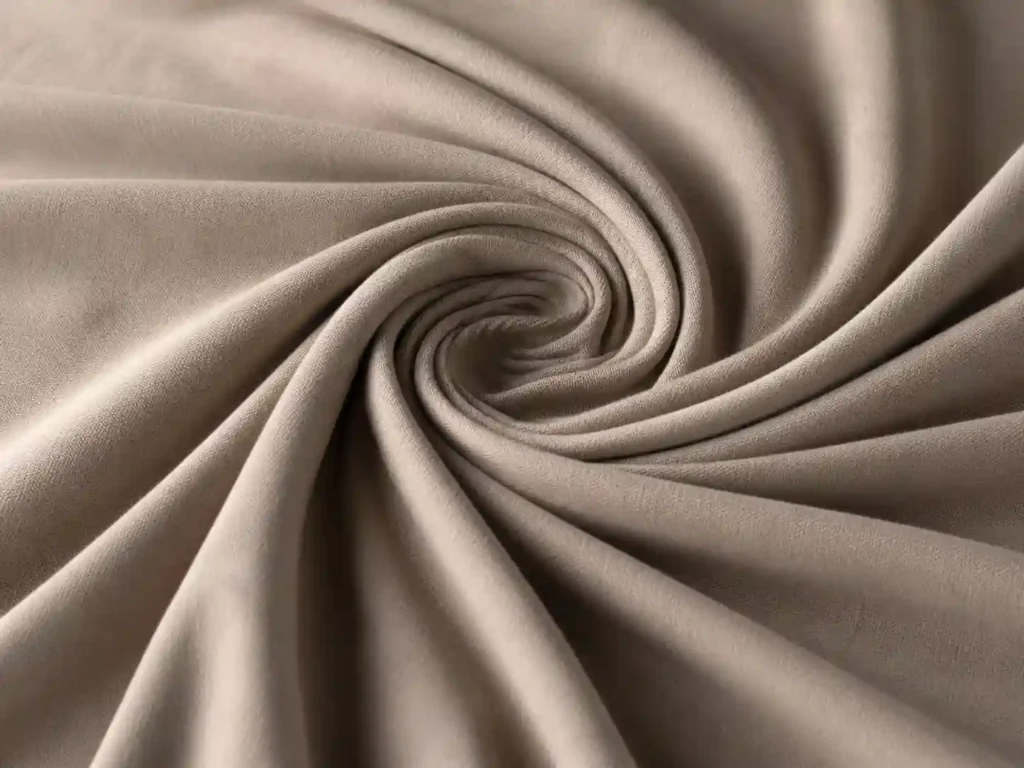
Choose Fabrics by Climate, Drape and Coverage

Lightweight Wovens
Cotton Blends

Crepe Textures

Chiffon Layers

Satin Directions

Stretch and Mesh
Control White, Pastel and Printed Dress Results
Light colors and prints create much of the visual identity in rush collections, yet they also expose material, color, and cutting inconsistencies. The control plan begins before sample approval and continues through bulk material release.
White Opacity Control
Pastel Color Matching
Floral Print Development
Bulk Shade Consistency
Engineer Fit, Size and Pattern Balance
Base-Size Fit Before Commercial Grading
The base sample size should be confirmed by the brand, for example US 4, UK 8, EU 36, AU 8, or an internal equivalent. Duolan can follow an existing specification or help organize measurement logic when the file is incomplete. Fit review focuses on bust and under-bust balance, waist position, high and low hip, body length, strap length, neckline, armhole, skirt length, slit height, hem width, and movement allowance. The pattern is adjusted according to the selected fabric rather than treated as a fixed geometric template. Stretch and recovery affect negative ease; satin drape affects bias and seam behavior; lightweight wovens affect transparency and seam stability; structured crepe affects contour and pressing. Commercial grading normally begins after the base-size fit, proportions, and critical measurements are accepted. A typical program may use five to seven sizes, while extended or size-inclusive ranges require separate proportion review and additional fit validation.
Critical Fit Points by Sorority Dress Type
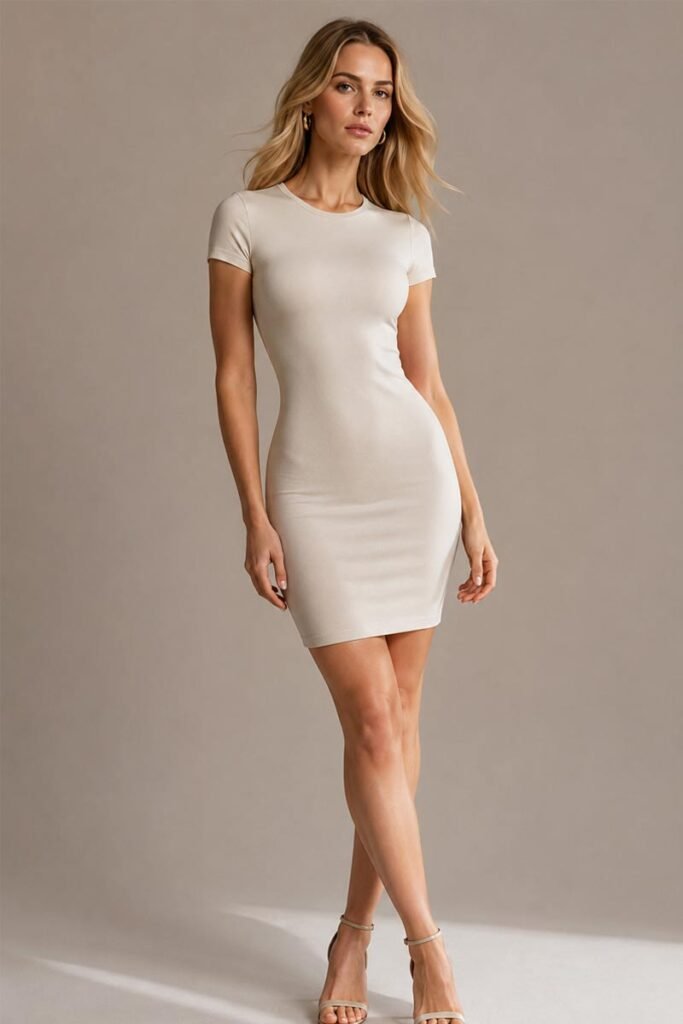
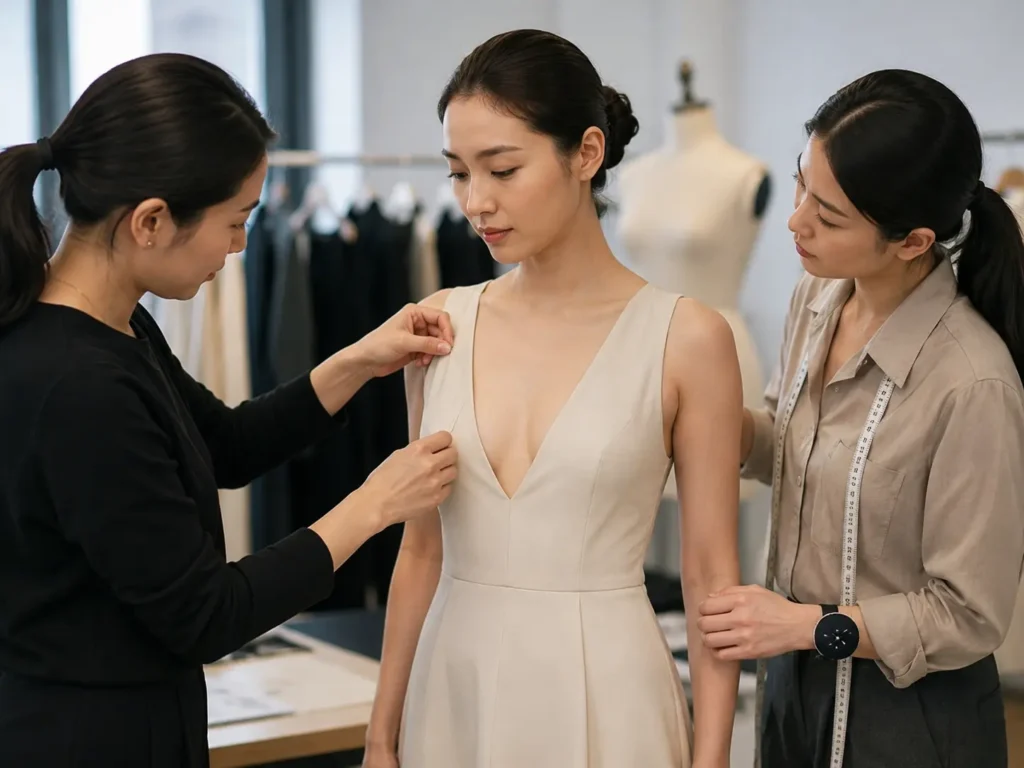
Mini dresses require hem and body-length control so the garment remains balanced while standing, walking, and sitting. Halter and one-shoulder styles need secure neckline geometry, stable strap angles, and controlled underarm exposure. Babydoll shapes depend on seam placement, gathering, bust ease, and skirt volume. Fitted and bodycon dresses need consistent stretch assumptions across sizes, while corset-inspired or structured styles require cup position, boning placement, waist contour, and back-closure alignment. White and light dresses add an opacity dimension to fit because fabric tension can increase show-through. Before approval, the review may include front, side, and back images, garment measurements, movement checks, and written comments linked to pattern corrections. The objective is not a visually attractive sample in one pose; it is a fit direction that can be graded, inspected, photographed, and repeated in bulk.
Construction Details That Protect Comfort and Appearance
Neckline Stability

Bust and Waist Shape

Lining and Coverage

Closures and Access

Seams and Hems

Gathering and Detail
Develop Production-Ready Sorority Rush Samples
Project Review
Material Direction
Pattern Development
First Sample
Fit and Revision
PP Readiness
Lock the Standard Before Bulk Production
Approved appearance alone is not enough for a 20,000-80,000 piece multi-style order. Production starts after critical materials, measurements, workmanship, labeling, and packaging references are aligned and traceable.
| Control Area | What Must Be Confirmed | Working Reference |
|---|---|---|
| Approved Sample | Fit-approved, visual-approved, PP basis, or clearly noted pending items | Sample approval record and reference photos |
| Fabric and Color | Composition, weight, stretch, opacity, drape, shade, print, shrinkage | Swatch, lab dip, strike-off, bulk lot reference |
| Lining and Trims | Lining quality, zipper, hooks, buttons, elastic, cups, boning, labels | BOM and trim approval board |
| Measurements | Critical POMs, base-size spec, grading, tolerance, garment length | Approved measurement chart |
| Construction | Seam, hem, lining method, reinforcement, gather ratio, closure method | Tech pack and workmanship notes |
| Pilot or First Piece | Fit-sensitive, structure-sensitive, print-sensitive, or complex details | First-piece or pilot confirmation note |
| Quality Checkpoints | Fabric, inline, measurement, workmanship, appearance, packing | Inspection checklist and client protocol |
| Labels and Packing | Main label, care label, hangtag, barcode, bag, carton, carton mark | Packing guide and shipment preparation file |
Plan Multi-Style Production by Complexity and Timing

Order Breakdown

Production Path

Material Coordination

Pilot Verification

Line and Factory Allocation

Reorder Preservation
Quality Control for Rush Dress Programs
Fabric Inspection
Cutting Control
Inline Inspection
Measurement Control
Final Garment Check
Packing Verification
Work Backward From the Rush Launch Window
Development and Approval Timing
Straightforward first samples are commonly planned at 10-15 working days after specifications, fabric, and trims are ready. Structured, fitted, print-dependent, or detail-sensitive styles are commonly planned at 15-25 working days. One clear revision round may require approximately 5-10 working days, depending on the amount of pattern change, material replacement, or new construction testing. These ranges are planning references rather than automatic promises. Nominated fabrics, custom colors, print strike-offs, custom trims, incomplete tech packs, delayed comments, or multiple fit rounds can extend the schedule. A 10-30 style program is often divided into sample waves so the brand can review the highest-priority styles first and keep development moving while later styles are still being prepared.
Bulk, Inspection and Shipping Timing
A common bulk-planning reference is 30-45 days after PP approval, material readiness, and final order confirmation. Complex embellishment, multiple custom prints, extensive structure, large color counts, or split-factory allocation may require additional time. Final inspection, packing, carton preparation, and shipment booking should be included in the backward plan rather than added after sewing is complete. Air freight can protect a limited launch quantity or urgent replenishment, while sea freight supports the main volume when the calendar allows. Split shipment may be considered when launch priorities differ by style or color. The final schedule should show approval deadlines, material dependencies, bulk release, inspection, packing, transport mode, and the required brand-warehouse date.
Scale, Equipment and Compliance for Brand Programs
Manufacturing Network
Sewing Capacity
Development Resources
Relevant Equipment
Audit Readiness
Supply-Chain Support
Representative Sorority Rush Collection Program
Program Scope and Commercial Structure
A U.S. fashion brand planned an 18-style sorority rush edit covering open house, philanthropy, sisterhood, preference, and bid-day selling moments. The range included six floral or pastel day dresses, four white mini dresses, three refined halter or one-shoulder styles, three fitted preference dresses, and two bright celebration styles. The order totaled 48,000 pieces across four color families and six commercial sizes, with individual style quantities adjusted according to expected demand and retail role. The line used five principal material systems: lightweight printed woven, cotton-blend poplin, textured crepe, satin, and stretch mesh with lining. Shared colors, linings, zippers, and selected fit blocks reduced unnecessary variation while preserving clear visual differences across the collection.
Development, Risk Control and Timing
Sampling was divided into three waves of six styles. Day dresses moved first because their fabrics and construction were ready, followed by white styles requiring opacity and lining confirmation, then fitted and structured preference pieces requiring more fit review. Straightforward first samples averaged about 12 working days after material readiness; fitted or structured styles averaged about 19 working days. Two white styles changed lining shade and one fitted style revised waist contour and strap angle before grading. The production-readiness review locked fabrics, lab dips, print strike-offs, measurements, lining, zippers, workmanship, labels, barcodes, and packing. Higher-risk styles completed first-piece verification before full line release.
Bulk Allocation and Delivery Result
Bulk production was divided by material and construction complexity rather than evenly by style count. Printed day dresses and cotton-blend styles moved through separate suitable lines; fitted mesh and satin styles received closer inline measurement and workmanship checks. The main production window was planned at 38 days after final material and PP approval, followed by final inspection, packing verification, and shipment preparation. Reorder files preserved patterns, BOM information, color references, size specifications, workmanship notes, labels, packing standards, and production feedback. The program structure allowed later replenishment decisions to focus on proven styles and colors rather than restarting development from the beginning.
What the Program Demonstrated
The strongest outcome was not the number of garments alone. The project created one controlled reference system for eighteen styles while respecting different fabrics, fit risks, and commercial roles. Sampling waves gave the brand earlier visibility into core products. White-dress checks prevented opacity decisions from reaching bulk. Fit approval preceded grading on sensitive styles. Production allocation followed construction needs. Reorder data remained usable after shipment. The same operating logic can be adapted for programs ranging from 10 to 30 styles and approximately 20,000 to 80,000 pieces, subject to material, complexity, size range, and delivery review.

Sorority Rush Dress Manufacturing Frequently Asked Questions

Start Your Sorority Rush Dress Program
Share enough project information for a focused development and manufacturing review. Duolan will assess the style mix, materials, fit priorities, sample stages, quantity structure, production route, compliance needs, and launch calendar before confirming the next step. Complete files support a faster review, while reference-led projects can begin with a clear collection brief and supporting images. Confidential materials can be submitted with your preferred NDA or document-control requirements.
- Company and brand name, website, target market, and sales channel
- Recruitment season, launch date, number of styles, and commercial role of each group
- Tech packs, sketches, reference images, original sample photos, or collection moodboard
- Target fabrics, colorways, print artwork, lining, trims, and special-process requirements
- Base sample size, complete size range, fit priorities, and brand measurement standard
- Target quantity by style or total program, including launch, repeat, or scale-up plan
- Label, barcode, polybag, carton, warehouse, inspection, testing, and compliance requirements
- Known risk points such as white opacity, fitted silhouettes, custom prints, or urgent delivery