...

Sustainable Dress Development Solutions

Dress-focused material, design, sampling, and production decisions for responsible collections built to perform commercially at scale.

  • Nearly 30 years of fashion dress development experience behind the Duolan manufacturing system.
  • 16 owned apparel factories, 20+ coordinated satellite factories, 300 sewing lines, and 50+ flexible production lines.
  • Typical brand programs cover 10-30 styles and approximately 20,000-80,000 total garments per order cycle.
  • Development support spans fabric and trim review, pattern engineering, fit correction, sample stages, PP confirmation, bulk production, QC, packing, and delivery coordination.
  • Focus categories include occasion, party, bodycon, corset, satin, mesh, sequin, resort, wedding guest, and refined fashion dress programs.
  • SMETA audit and SMETA 2-Pillar audit foundation, with project-based coordination for material documents, testing, and brand-specific requirements.

What Is Sustainable Dress Development?

Sustainable dress development brings material responsibility, product performance, efficient sampling, production feasibility, quality control, and supporting documentation into one development path. A fabric label alone cannot make a dress program responsible. Main fabric, lining, interlining, trims, construction, fit, testing, packaging, production scale, and expected product life must work together without weakening the intended silhouette or market position.

Material Responsibility

Material decisions begin with more than fiber names. Composition, supplier documentation, color process, handfeel, stretch, recovery, opacity, drape, durability, bulk availability, and replacement risk all influence the result. A recycled satin may support one occasion dress but fail on another because surface shine, seam marking, snagging, or weight differs from the approved concept. Responsible selection means choosing a material with credible documentation and enough performance stability for the garment structure.

Commercial Product Responsibility

A dress also needs to fit, wear, sell, and reproduce consistently. Excess sample rounds, unstable trims, unclear construction, weak seams, poor opacity, and unapproved bulk substitutions can create more waste than a well-planned development process. Duolan treats fit review, pattern correction, sample purpose, PP approval, BOM control, and QC checkpoints as part of responsible development because product failure, returns, rework, and short usable life carry environmental and commercial costs.

Built for Brand-Level Sustainable Dress Programs

Duolan supports established fashion organizations that need product development discipline, dress-category knowledge, clear documentation, and scalable manufacturing. Each project begins with brand position, target market, product purpose, material goals, order structure, and launch timing rather than a generic fabric list or an isolated price request.

Global Fashion Brands

Large brand programs often combine sustainability policies with vendor manuals, testing protocols, seasonal calendars, approved supplier requirements, and strict product standards. Duolan can review those requirements against the selected dress category, material direction, construction complexity, order quantity, and manufacturing path. The objective is to turn broad policy goals into confirmable product decisions before sampling and bulk production, while keeping communication aligned across design, sourcing, technical, quality, and logistics teams.
Product and Development Inputs​

Product Development Teams

Product teams need more than access to certified materials. They need a manufacturing partner able to judge how a fabric behaves on a fitted bodice, gathered skirt, corset structure, bias-cut panel, layered mesh body, or embellished surface. Duolan works from tech packs, reference images, original samples, fabric ideas, and collection moods, then identifies where material, pattern, lining, support, trim, or workmanship choices require development before approval.

Buying and Sourcing Offices

Sourcing teams must compare factories on traceability readiness, sample accuracy, production discipline, quality controls, audit foundation, and order scalability. Duolan provides a structured route from project review to fabric and trim coordination, sample stages, PP approval, bulk readiness, production planning, inspection, packing, and shipment support. Clear project information helps define which documents, tests, factory resources, and approval points are required for the intended market.
Established Dress Brands

Established Dress Brands

Dress-focused brands often work with satin, mesh, jersey, crepe, chiffon, lace, sequin bases, boning, cups, lining, elastic, zippers, and decorative trims in one collection. Responsible development must protect visual impact while avoiding weak material substitutions or unnecessary construction. Duolan’s category experience is especially relevant for occasion, party, bodycon, corset, resort, wedding guest, cocktail, graduation, homecoming, and going-out programs requiring both fashion detail and production repeatability.

Where Sustainable Dress Projects Commonly Lose Control

Responsible goals become difficult when material claims, garment performance, sample approvals, and production standards are handled separately. Six recurring risks deserve attention before a collection moves into bulk production.

Unverified Material Claims

A material may be described as recycled, organic, responsible, eco, or certified without enough project-level evidence. The brand should confirm exact composition, supplier identity, certificate scope, validity, transaction documentation when applicable, and whether the selected color or finish remains within the claimed program. Duolan coordinates the review around the actual fabric and order rather than assuming a general supplier certificate automatically covers every quality, color, or shipment.
  • Confirm composition and supplier reference.
  • Check certificate scope and validity.
  • Define required transaction or testing records.

Performance Mismatch

A responsible fiber choice can still fail on the garment. Stretch satin may grow at the waist, recycled mesh may recover differently after sewing, a cellulosic fabric may become too soft for a corset bodice, and an organic cotton blend may not provide the drape expected for a fluid maxi dress. Duolan compares the material with silhouette, support, opacity, skin contact, seam behavior, and bulk consistency before recommending a development path.
  • Review drape, stretch, recovery, weight, and opacity.
  • Test construction-sensitive areas before full sampling.
  • Compare alternatives by garment result, not fiber name alone.

Excessive Sample Rounds

Unclear sample purpose often creates avoidable repetition. A visual prototype, fit sample, photo sample, salesman sample, and PP sample do not serve the same decision. Duolan defines the sample objective, material status, fit priorities, and approval criteria before work starts. Swatches, lab dips, trim cards, partial mock-ups, or construction trials may be used first when a specific fabric, color, support detail, or decorative process carries higher risk.

  • Set sample purpose before pattern work.
  • Separate visual approval from production approval.
  • Record comments and revision priorities by stage.

Complex Material Mixing

Occasion and party dresses commonly combine main fabric, lining, interlining, cups, boning, elastic, zippers, hooks, lace, mesh, sequins, beads, metal parts, labels, and packaging. Mixed systems may improve shape and appearance, yet they also increase sourcing, traceability, testing, durability, and end-of-life complexity. Duolan reviews which layers are structurally necessary, which details can be simplified, and which materials must remain separate to protect fit, comfort, and production stability.

  • Identify essential and non-essential layers.
  • Standardize trims where appearance permits.
  • Lock every approved component into the BOM.

Sample-to-Bulk Drift

A successful sample has limited value if bulk fabric, color, handfeel, trims, measurements, or workmanship move away from the approved standard. Duolan uses approved swatches, lab dips, trim boards, size specifications, workmanship notes, PP samples, and bulk readiness checks to translate development decisions into production controls. Incoming material inspection and first-piece confirmation help identify variation before the entire quantity enters sewing.
  • Compare bulk arrivals with approved references.
  • Check roll-to-roll and lot variation.
  • Release full production only after critical points are confirmed.

Late Compliance Review

Testing, fiber labeling, care instructions, packaging marks, restricted substance requirements, social audit records, and market-specific documentation should not be left until shipment. Late review can force material changes, label rework, repeat tests, or delivery delays. Duolan recommends defining the target market, test protocol, material documentation, label content, inspection method, and packing requirements during development so the production file reflects the expected delivery standard.
  • Confirm target market and test plan early.
  • Align labels and packaging with approved materials.
  • Reserve time for third-party testing or inspection when required.

Our Sustainable Dress Development Framework

A responsible dress program needs one connected operating path. Duolan combines material judgment, dress engineering, controlled sampling, production preparation, manufacturing coordination, and delivery records so each decision can move from concept to repeatable production.

From Sustainability Brief to Material Feasibility

Project foundation: Development begins with target market, dress category, collection role, expected price position, quantity, size range, colorways, launch date, material restrictions, desired certifications, test protocol, packaging requirements, and available design information. Tech packs, original samples, reference images, mood boards, or a collection list can all serve as a starting point, but the next action depends on how complete the product direction is.

Material feasibility: Fabric selection is reviewed against drape, stretch, recovery, opacity, handfeel, support, seam behavior, color process, bulk availability, documentation, and expected order scale. Main fabric cannot be judged separately from lining, interlining, cups, boning, zippers, elastic, lace, mesh, decorative elements, labels, and packaging. Where a nominated material creates performance or sourcing risk, alternative directions can be compared before full sample investment.

Decision output: A useful early-stage result is not a generic promise. It is a clearer material route, a list of missing information, identified garment risks, and a recommended sample path. Brands can then decide which options deserve swatches, lab dips, partial trials, or first samples.

From Design Direction to Production-Ready Sample

Design translation: Reference imagery is interpreted through garment construction. Neckline balance, bust shape, waist position, hip ease, skirt fall, slit placement, back exposure, strap tension, cup position, boning direction, lining coverage, and trim location all influence whether the intended look will work on the body. Pattern engineering and fit correction are adjusted around material behavior rather than copied mechanically from a flat image.

Controlled sample stages: Duolan can support first proto, fit sample, revised sample, photo-ready sample, salesman sample, and pre-production sample according to project needs. Each stage should answer defined questions. A first proto may confirm proportion and construction; a fit sample may focus on body balance and measurements; a PP sample should represent the approved production basis. Clear comments are converted into pattern, measurement, material, and workmanship changes, with revision summaries keeping the project organized.

Production readiness: Before bulk release, the approved sample, pattern, graded size specification, BOM, fabric, lining, trims, color standards, workmanship details, label content, packaging, and inspection points must agree. Complex styles may require a first-piece or pilot run before full production.

From Bulk Planning to Delivery Records

Production path: Orders are broken down by style, color, size, quantity, material, workmanship sensitivity, and delivery timing. A program containing 10-30 styles may include regular styles, high-risk fitted styles, embellished products, and fast-reorder candidates. Duolan matches those differences to suitable owned factories, production lines, special-process resources, and internal milestones rather than treating the order as one undivided block.

Quality controls: Fabric inspection, cutting controls, first-piece confirmation, inline QC, measurement checks, appearance review, workmanship checks, packing verification, and final inspection protect the approved standard. Critical points vary by category: seam marking for satin, recovery for bodycon, cup and boning positions for corset products, coverage for mesh, and attachment security for sequins or beads.

Delivery and continuity: Final garment, packing, barcode, label, carton, and shipment requirements are checked before release. Approved patterns, BOMs, swatches, QC notes, and packing standards can be retained for repeat production, helping later reorders follow the same confirmed basis.

SMETA Record​

Dress Categories Developed Around Responsible Product Decisions

Responsible development changes by silhouette and material system. Duolan focuses on fashion-led dresses where fabric behavior, fit, support, lining, workmanship, and bulk consistency have a direct effect on commercial performance.

Satin Occasion Dresses

Satin programs require control of luster, drape, surface marking, seam impression, puckering, snagging, pressing, and color consistency. A responsible option must still support the intended flow and price position. Duolan reviews fiber composition, weight, construction, stretch level, lining, interlining, cutting direction, needle and thread choices, seam type, pressing method, and bulk lot variation before the style is considered production-ready.

Bodycon Dresses

Bodycon products depend on stretch, recovery, thickness, opacity, compression, seam strength, and size grading. Recycled or certified material options can be evaluated, but the fabric must recover after wear and sewing without becoming transparent, wavy, or loose at the waist and hip. Pattern reduction, negative ease, lining strategy, elastic support, zipper selection, and stress-point reinforcement are developed together rather than decided independently.

Corset and Bustier Dresses

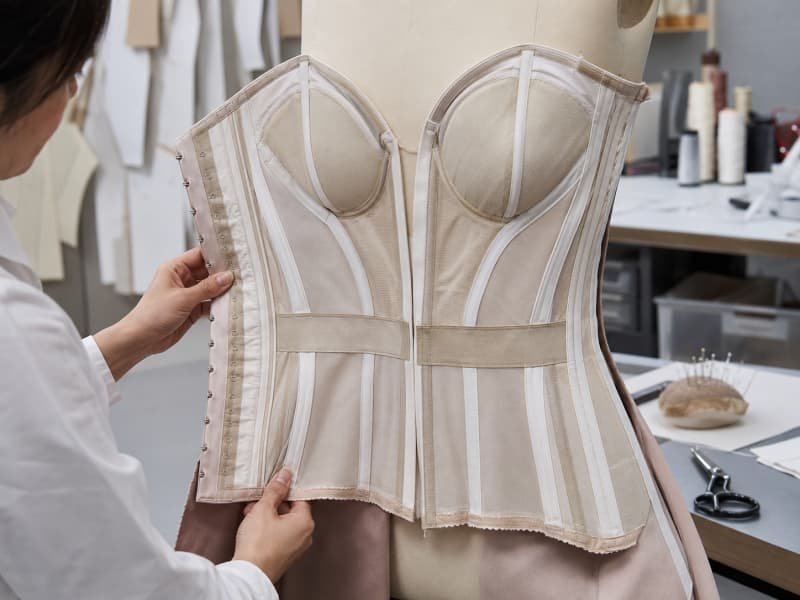
Corset-inspired dresses combine fashion fabric with structural layers. Cups, boning, interlining, waist support, elastic, hook-and-eye, zipper, lace-up parts, lining, and seam placement must be reviewed as one system. Material simplification is considered where it does not weaken support or comfort. Duolan checks bust balance, cup position, boning channels, neckline security, waist shaping, closure strength, internal finishing, and first-piece stability before full production.

Mesh Layered Dresses

Mesh development requires decisions on transparency, stretch direction, recovery, softness, edge finishing, seam visibility, lining coverage, print or embroidery compatibility, and color matching across layers. A responsible mesh cannot be judged by composition alone. Duolan compares mesh with the intended base, lining, body zones, gathering, drape, and fit so coverage and visual lightness remain controlled from sample through bulk.

Sequin and Embellished Dresses

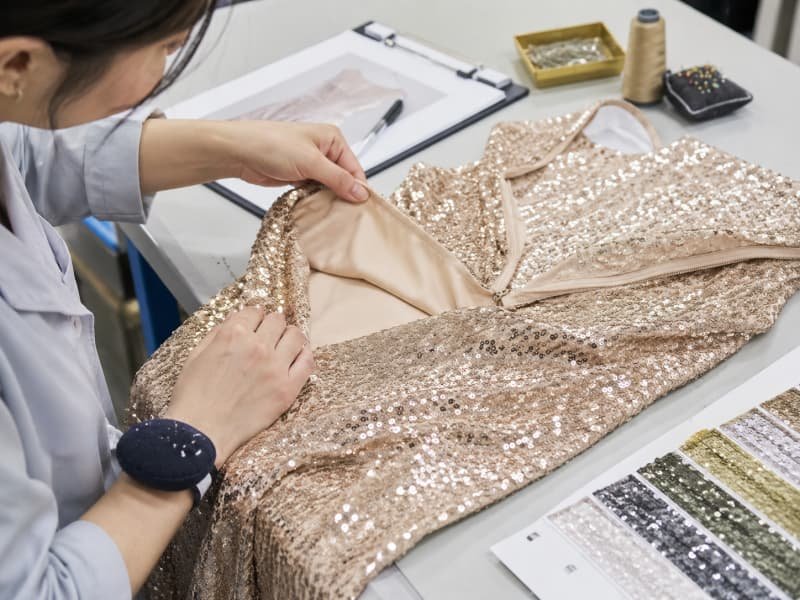
Sequins, beads, pearls, rhinestones, embroidery, and combined decorative processes create visual impact but introduce weight, abrasion, shedding, attachment, skin comfort, cleaning, and material-mixing concerns. Duolan reviews decoration density, placement, backing fabric, seam allowance clearance, lining, edge protection, repair access, testing, and bulk workmanship standards. Where a lighter or simplified arrangement can preserve the design, options may be reviewed before approval.

Resort and Vacation Dresses

Resort dresses often use chiffon, lightweight woven fabrics, prints, mesh, cotton blends, cellulosic options, or fluid synthetics. Development focuses on breathability, opacity, wrinkle recovery, drape, print placement, colorfastness, lining, strap stability, and packing performance. Maxi lengths, halter constructions, open backs, cut-outs, and tiered skirts also affect marker planning and material consumption, so style architecture and fabric choice should be reviewed together.

Cocktail and Wedding Guest Dresses

Cocktail and wedding guest collections need polished appearance, secure fit, comfortable movement, and strong visual finish across varied body shapes. Satin, crepe, lace, mesh, embellishment, asymmetric necklines, fitted waists, slits, and layered skirts may appear in one program. Duolan coordinates material direction, pattern balance, support details, size range, sample approvals, and production standards to keep the collection commercially coherent.

Fashion Sets and Coordinated Looks

Coordinated dress-and-layer or top-and-skirt programs can improve collection flexibility but require accurate color, fabric, trim, and size alignment across pieces. Responsible planning may include shared fabrics, standardized trims, coordinated labels, efficient marker planning, and repeatable color standards. Duolan organizes the set as one product system so separate production lines do not create mismatched shades, handfeel, measurements, or packaging.

Compare Responsible Materials by Dress Performance

A responsible material should be selected by garment result, evidence, production stability, and order suitability. No fiber direction is automatically correct for every dress. The table below shows the type of review needed before sampling or bulk commitment.

Material DirectionBest ForPerformance FocusSustainability OpportunityMain RiskRequired Duolan Review
Recycled polyester satinOccasion, cocktail, bridesmaid, partyLuster, drape, seam marking, snagging, colorRecycled content with project-level documentationHandfeel and shine may vary by supplier or lotComposition, certificate scope, weight, surface, lining, sewing and pressing trial
Recycled stretch jerseyBodycon, fitted midi, going-out dressesStretch, recovery, opacity, compressionRecycled content in a performance fabricGrowth, transparency, spirality, weak recoveryGSM, stretch ratio, recovery, wash response, pattern reduction, seam trial
Certified cellulosic wovenResort, day, fluid midi and maxi stylesDrape, softness, shrinkage, wrinkle behaviorCertified or traceable cellulosic sourcingExcess shrinkage, low structure, color variationSupplier documents, shrinkage, colorfastness, structure, lining and finishing
Organic cotton blendsDay, casual, shirt, summer and structured stylesBreathability, stability, handfeel, shrinkageOrganic fiber content and responsible sourcingLimited drape for fluid silhouettes; shrinkage riskBlend ratio, weave, weight, pre-treatment, shrinkage, pressing and fit review
Certified or recycled meshLayered, ruched, sleeve, panel and overlay dressesTransparency, stretch, recovery, softnessDocumented content in lightweight overlaysRecovery, snagging, edge distortion, shade mismatchStretch direction, recovery, color match, lining coverage, seam and edge trial
Mono-material conceptSelected simple dresses with compatible trimsConstruction simplicity and material compatibilityEasier material identification and possible end-of-life handlingOften unsuitable for corset, sequin or multi-layer support systemsStructural feasibility, closure options, opacity, durability, comfort and bulk availability

Designing Dresses for Fit, Wearability and Longer Use

Product life depends on more than fiber content. Fit stability, structural support, comfortable finishing, and repair-conscious detail choices help a dress remain wearable and reduce avoidable returns, damage, and early disposal.
Womenswear Fit Points​

Fit Stability

A fitted dress should maintain body balance after movement, wear, pressing, and cleaning. Duolan reviews bust, waist, hip, length, rise, slit, hem sweep, strap tension, neckline position, and side-seam balance against the selected material. Stretch and recovery are translated into pattern ease rather than treated as fabric specifications only. Size grading is checked so the approved shape remains credible across the intended US, UK, EU, or brand-specific size range.

Support Architecture

Strapless, corset, bustier, halter, backless, one-shoulder, and cut-out styles need internal support appropriate to the silhouette. Cups, boning, elastic, stay tape, gripper, interlining, lining, hook-and-eye, zipper, and lace-up sections are evaluated for placement, strength, comfort, and repeatability. Removing a layer may reduce material complexity, but only when shape retention and wearer security remain acceptable. Support decisions are confirmed through fitting and first-piece review.

Lining and Opacity

Lining is often essential for coverage, comfort, structure, seam protection, and garment movement. Duolan checks whether full lining, partial lining, double layers, modesty panels, cup coverage, or targeted reinforcement can achieve the result with fewer unnecessary layers. Main fabric and lining are compared for color, stretch compatibility, shrinkage, static behavior, handfeel, and recovery so the garment does not twist, pull, show through, or feel heavier than intended.
Construction Details​

Serviceable Details

Closures and decorative parts affect product life. Zippers should run smoothly without catching lining; buttons and hooks need secure attachment; lace and mesh edges should resist fraying; sequins and beads should avoid high-friction zones; labels should not irritate skin; and hems should suit the fabric weight and wearing scenario. Duolan translates small details into measurable specifications for size, material, finish, placement, attachment, and QC so later replacements or reorders remain possible.

A More Controlled and Efficient Sampling Path

Sample speed becomes meaningful only when the result answers the correct development question. Duolan organizes sample work around material readiness, style complexity, fit priority, decision stage, and launch calendar rather than promising one fixed number of days for every dress.

Confirm the Development Basis First

Before pattern work, the team reviews the available tech pack, reference image, original sample, size chart, fabric direction, color target, trim requirements, sample purpose, order estimate, and launch date. Missing information does not prevent an initial review, but it changes the next step. A vague visual direction may need feasibility feedback and fabric options, while a complete tech pack may move directly into technical review and sample planning. Complex dresses need early risk mapping. A satin bias-cut dress may need grain, drape, and seam tests. A corset dress may require cup, boning, interlining, and closure trials. A mesh bodycon style may need opacity, stretch, recovery, and lining checks. Defining those risks before sewing helps avoid full samples that cannot answer the main question.

Use the Right Sample for Each Decision

Duolan can organize sample stages as first proto, fit sample, revised sample, photo-ready sample, salesman sample, pre-production sample, or another brand-defined stage. The stage name matters less than its approval purpose. A visual sample can confirm proportion and styling while using provisional materials; a fit sample needs reliable measurements and fabric behavior; a PP sample should represent the final production basis. Swatches, lab dips, trim boards, strike-offs, partial mock-ups, and construction trials can be scheduled ahead of a full garment when one decision controls the project. Comments are summarized by material, fit, pattern, workmanship, trim, color, and packaging, helping technical teams see which points changed and which standards remain approved.

Build a Timeline Around Approvals

A reliable timeline starts after design basis, sample purpose, and material direction are clear. Standard projects usually move through document review, fabric and trim preparation, pattern making, sample sewing, internal inspection, shipment, brand review, and revision. Complex materials, custom colors, embellishment, special dyeing, or multiple fit rounds add time because each approval affects the next operation.
For planning purposes, Duolan recommends setting calendar checkpoints rather than relying on a single sample-day promise. A representative 10-30 style program may stagger priority styles, photo samples, PP approvals, and lower-risk styles so the collection does not wait for every item to reach the same stage. Final timing is evaluated from actual style complexity, material readiness, quantity, approval speed, and shipment method.

Material Yield Planning Before Bulk Cutting

Material efficiency is shaped by dress length, skirt volume, grain direction, print placement, nap, lace edge, sequin direction, fabric width, color-size ratio, and defect allowance. Duolan uses pattern, marker, spreading, and cutting controls to improve planning before fabric is committed to bulk production.

Pattern and Width Review

Pattern engineering begins with confirmed fit, seam allowance, construction, and material behavior. The same dress can consume very different yardage at 140 cm and 150 cm usable widths, or when a print, pile, shine direction, border lace, or one-way sequin base prevents pieces from rotating. Duolan reviews the pattern against actual usable width and cutting restrictions before final consumption is released. Bias-cut panels, full-circle skirts, asymmetric hems, tiered maxi dresses, and oversized ruffles require special attention because visual effect can conflict with marker efficiency. The aim is not to force the lowest possible consumption. The aim is to establish a reliable marker that protects grain, fit, print direction, and bulk repeatability while avoiding preventable waste.

Marker and Spreading Controls

The group manufacturing system includes approximately 1,100-2,000 fabric inspection, spreading, cutting, and related processing units, including automatic spreading, automatic cutting, computerized cutting, inspection, color light boxes, numbering, and handling equipment. Equipment alone does not guarantee yield. Fabric relaxation, roll grouping, shade control, usable width, defect mapping, ply height, and size-color ratio must be managed around each order. Markers are reviewed according to the approved size breakdown rather than an artificial equal-size ratio. For printed, striped, directional, shiny, lace, velvet, or sequin fabrics, matching and orientation rules are documented before spreading. Cut components are numbered or grouped where shade and lot control are important.

Cutting Release and Record Control

Bulk cutting should start only after fabric approval, shrinkage or relaxation requirements, marker basis, size ratio, shade grouping, and critical placement are confirmed. Incoming material differences can change usable width, shade, handfeel, or defect allowance, so final marker release should reflect the actual bulk lot.

Duolan links cutting records with order, style, color, size, and production path. For repeat orders, retained patterns, marker references, approved swatches, and material notes help the next production cycle start from a known standard. Any new fabric lot still requires review rather than automatic reuse of an old consumption figure.

Processes and Trims Evaluated Before They Add Risk
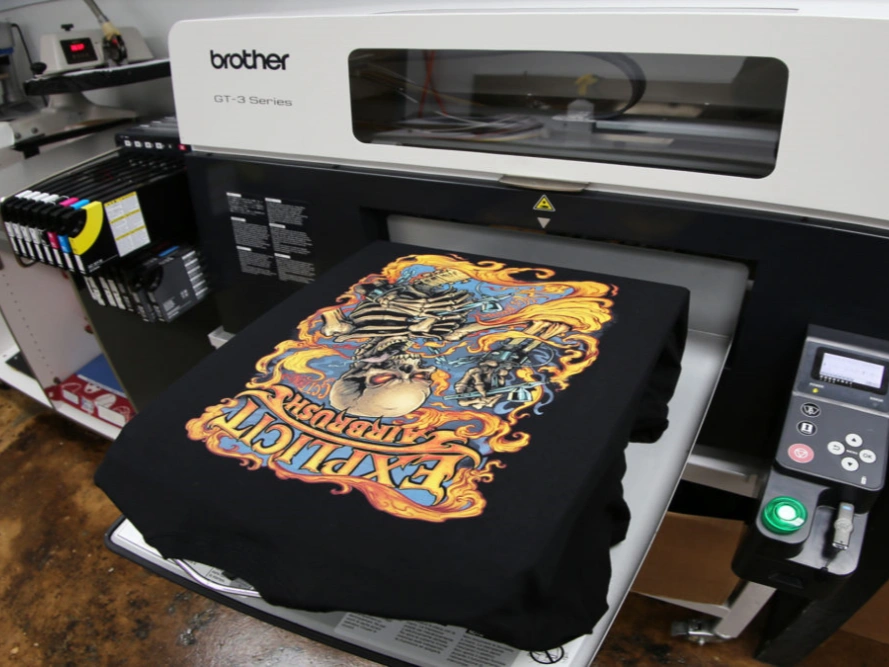
Duolan coordinates established resources for printing, dip-dyeing, embroidery, washing, accessories, and decorative dress processes. In printing, dip-dyeing, embroidery, and washing directions, 2-3 regularly cooperating facilities are available per process category. Selection depends on material, effect, order quantity, test requirement, and delivery timing.

Printing and Dyeing

Print and color processes are reviewed for fabric compatibility, artwork scale, repeat, placement, handfeel, colorfastness, shade tolerance, and production method. Digital, screen, transfer, garment, or other processes create different surface and durability results. Before bulk release, strike-offs, lab dips, or process trials may be required. The approved color standard and process route are recorded so later lots do not rely on visual memory alone.

Embroidery Systems

Embroidery can strengthen brand identity but affects weight, stiffness, stretch, skin feel, seam behavior, and fabric distortion. Duolan reviews stitch density, backing, thread, placement, edge distance, stretch compensation, panel size, and reverse-side comfort. Mesh, satin, jersey, and lightweight woven bases need different stabilization. A responsible embroidery plan balances visual density with garment movement, wash performance, production time, and the possibility of repair or replacement.

Sequins and Beading

Sequins, pearls, beads, rhinestones, and mixed decoration require secure attachment, controlled density, lining protection, seam allowance clearance, and abrasion review. Duolan’s development background includes pearl dresses, beadwork, rhinestone applications, sequin processes, and combined decorative techniques. The team evaluates whether decoration should be machine-applied, hand-finished, panel-based, or simplified, then defines placement templates and inspection points before bulk sewing.

Pleats, Ruching and Draping

Pleating, gathering, ruching, twisting, and draped panels influence material consumption, body balance, stretch, and repeatability. The design is translated into pattern notches, gathering ratios, placement measurements, stitch controls, pressing direction, and first-piece references. Lightweight and shiny fabrics reveal uneven tension quickly, while stretch materials can grow during sewing. Process trials help confirm whether the intended texture can be reproduced across all sizes and production lines.

Corset Components

Boning, cups, interlining, stay tape, elastic, gripper, eyelets, lace-up cords, hooks, zippers, and lining create a structural system. Each component needs size, material, finish, strength, placement, and supplier confirmation. Eyelet areas may need reinforcement; boning ends require protection; cups must match neckline and grading; zippers must support tension; and lining should cover internal structure without adding unnecessary bulk. All approved parts enter the BOM.
Labels and Packaging

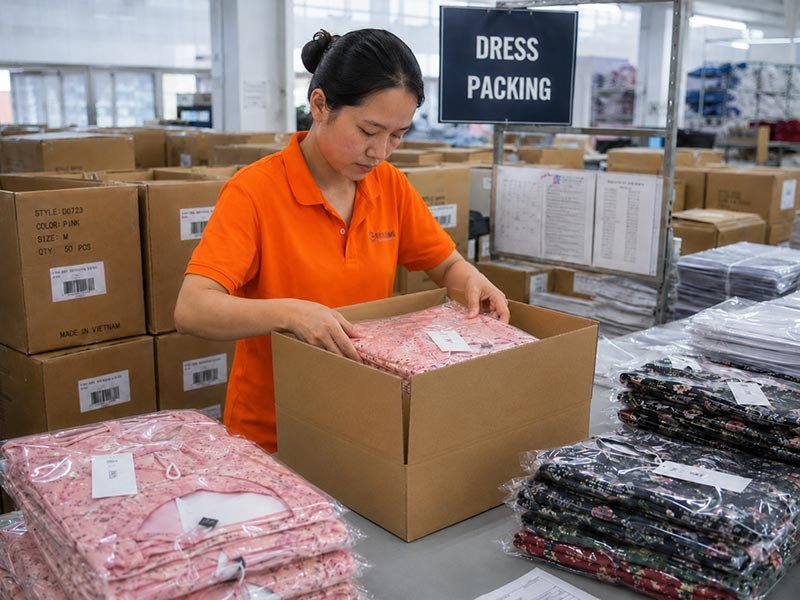
Main labels, care labels, size labels, hangtags, barcodes, polybags, tissue, inserts, cartons, and shipping marks form part of the final product record. Fiber content and care instructions must match the approved material. Packaging options are reviewed against brand presentation, product protection, destination, warehouse needs, and documentation goals. Barcodes, carton ratios, label placement, and packing methods are checked before shipment rather than treated as final-hour details.

Material Traceability and Compliance Documentation Support

Documentation should follow the actual material, supplier, production lot, destination, and brand protocol. Duolan coordinates available records and testing requirements by project, while avoiding unsupported claims that every fabric automatically carries every certificate.

Material Identity Records

Development records can include supplier information, fiber composition, fabric specification, weight, width, color reference, handfeel standard, stretch data, shrinkage result, swatch reference, lab dip, trim card, and internal material code. The exact record set depends on the product and brand system. Material identity should remain connected to the approved sample and BOM so production teams can verify what was selected rather than relying on a descriptive fabric name.

Approval and Production Records

Production files may include approved BOM, pattern version, size specification, color standard, workmanship notes, PP sample status, label information, packing instructions, inspection points, and change history. Material substitutions should be reviewed before use. When several styles share the same fabric or trim, cross-style references can help coordinate shade, supplier, lead time, and reorder planning across the collection.

Certification and Testing Support

Duolan’s manufacturing foundation includes SMETA audit and SMETA 2-Pillar audit records. Depending on the selected material, supplier, target market, and brand protocol, projects may require coordination related to OEKO-TEX, GOTS, AATCC, ASTM, EN, China GB, restricted-substance requirements, fiber composition, colorfastness, dimensional stability, seam performance, or other specified tests. Certificate scope, validity, and order applicability must be confirmed for each qualified project.

Delivery and Reorder Files

Final records can include inspection summaries, packing status, barcode and label checks, carton information, shipment documents, and retained approval references. For repeat orders, approved patterns, BOMs, swatches, color standards, workmanship notes, and packaging requirements provide a controlled starting point. A new production lot still requires material and quality verification because supplier batches, color lots, and production conditions can change.

Lock Sustainable Decisions Before Bulk Production

Responsible intentions must become production standards. Duolan performs a bulk readiness review before release, checking whether the approved sample, material direction, construction, measurements, quality points, packing, and launch requirements are sufficiently aligned for manufacturing.

Lock the Product File

The production basis should identify the approved fabric swatch, lab dip or color reference, lining, interlining, trims, pattern version, graded measurements, workmanship notes, label content, packaging, and inspection method. Sample status is also defined: fit confirmed, visual confirmed, PP basis, or still pending refinement. A product cannot be treated as bulk-ready when key decisions remain provisional.
Order purpose influences control depth. A launch order, repeat order, and scale-up order may use the same silhouette but carry different quantity, line allocation, timing, and inspection needs. Duolan reviews whether the style can move directly into production or requires a small correction, process trial, first-piece confirmation, or pilot run.

Verify Materials and First Pieces

Incoming fabric is compared with approved references for color, surface, handfeel, width, weight, stretch, recovery, opacity, shrinkage, and visible defects as applicable. Lining and trims are checked against the BOM. Roll and lot grouping is important for shades, shiny surfaces, prints, lace, mesh, and other visually sensitive materials.
For bodycon, corset, halter, backless, satin, sequin, mesh-layered, and shape-sensitive occasion styles, Duolan prefers first-piece or pilot verification before the full run. Critical measurements, support positions, seam appearance, lining, closure, decoration, pressing, and wearer-facing comfort are reviewed while changes remain manageable.

Control Production and Reorders

Production is organized by style complexity, materials, critical construction points, and timing. Inline QC checks selected operations before problems spread through the quantity. Final quality review covers measurements, appearance, workmanship, trim security, labels, packaging, and client-specified requirements. Third-party inspection can be coordinated when included in the project plan.

For repeat orders, retained standards support continuity, but the new material lot and production path still require confirmation. The objective is to reproduce an approved product basis, not to assume previous success removes the need for inspection.
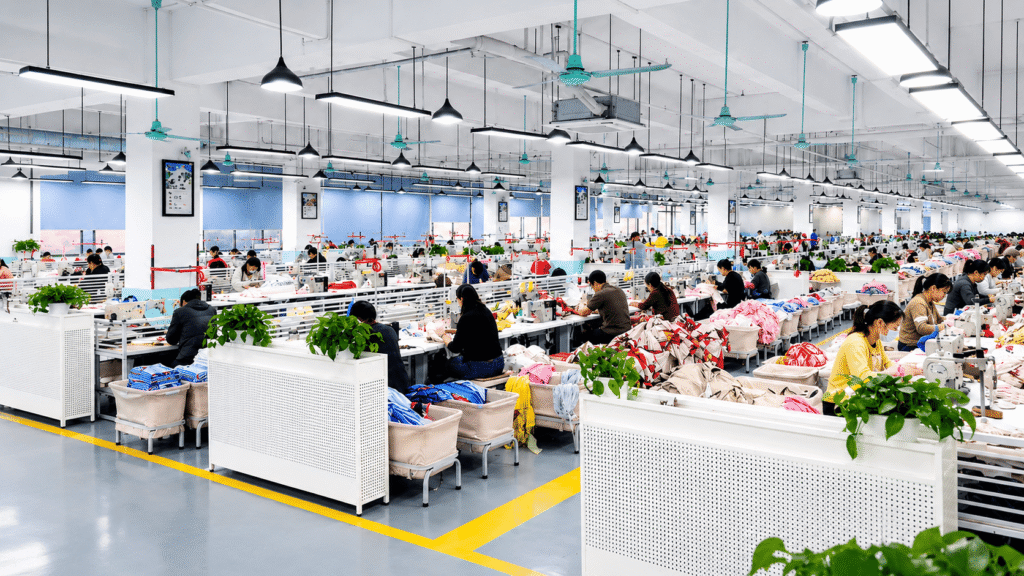
Duolan garment production workshop video cover showing sewing lines and apparel production

Quality Controls Protecting Product Life and Brand Value
Quality management is part of responsible production because avoidable defects, rework, returns, and inconsistent reorders consume materials and time. Duolan focuses inspection on the points most likely to change fit, appearance, durability, and delivery readiness.

Fabric Inspection

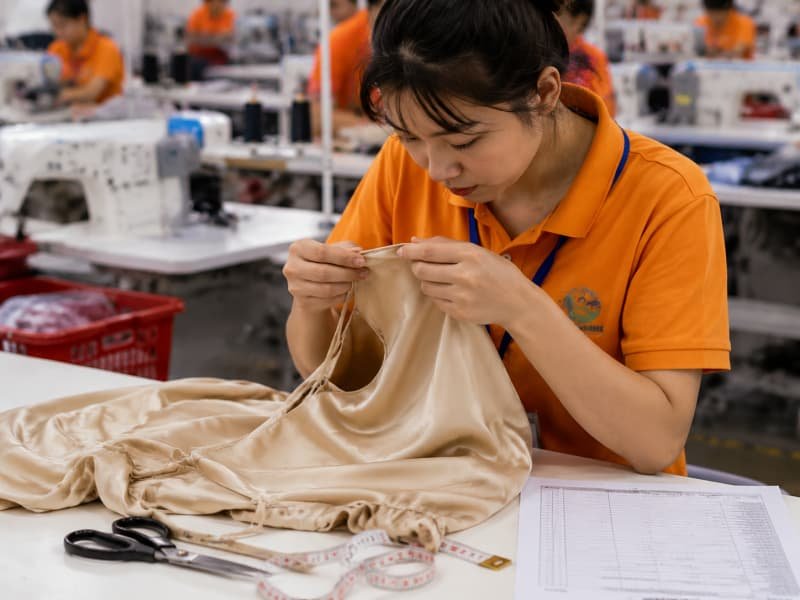
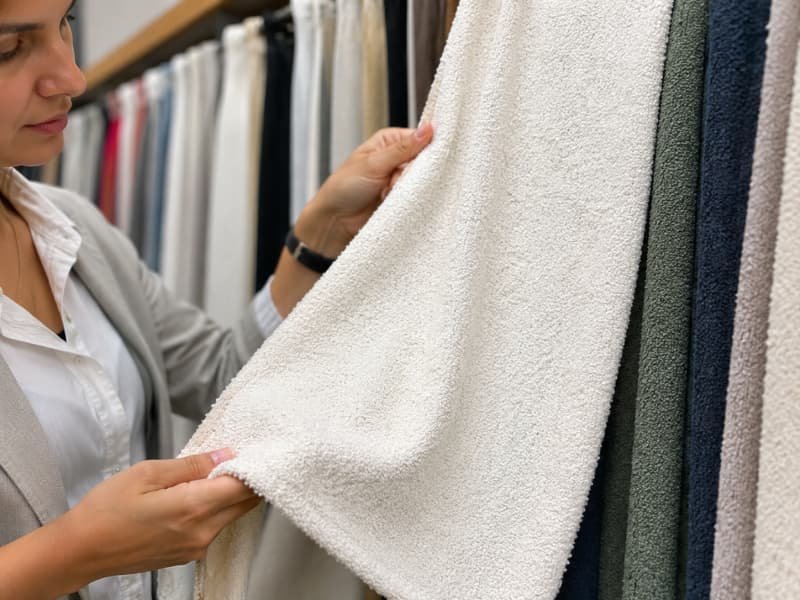
Fabric is reviewed before cutting for visible defects, shade variation, usable width, handfeel, weight, stretch, recovery, opacity, shrinkage, and directionality as required by the style. Satin surface marks, mesh recovery, jersey growth, lace edges, print alignment, sequin direction, and pile direction need category-specific handling. Approved swatches and color references provide the comparison basis.

Pattern and Measurement

Critical measurements are selected according to silhouette. Bust shape, waist, hip, neckline, cup position, strap length, center front, center back, slit height, skirt length, hem sweep, and support placement can all affect fit. Pattern revisions and graded size specifications are version-controlled so cutting and sewing teams work from the approved file rather than mixed comment sets.

Sewing Workmanship

Workmanship review includes stitch type, seam allowance, seam strength, puckering, gathering ratio, edge finishing, lining attachment, zipper installation, hook and button security, boning channels, cup placement, lace alignment, sequin clearance, hem finish, pressing, and loose-thread control. Standards are adapted to fabric and garment type instead of applying one generic checklist to every dress.

Inline Checkpoints

Inline QC targets operations where correction is still possible. Early checks may focus on bodice balance, structural assembly, stretch seams, zipper insertion, decoration placement, lining, and high-risk measurements. Production teams receive clear references from the approved sample, BOM, workmanship notes, and first-piece result. Repeated problems are escalated before the entire quantity reaches finishing.
Third-party Inspection​..

Final Inspection

Final review covers measurements, visual appearance, workmanship consistency, stain and damage checks, trim security, pressing, labeling, barcode, packing ratio, polybag, carton, and shipping marks. Needle or safety checks are applied where required by product and market protocol. Inspection level and third-party participation are defined with the brand rather than assumed.

Reorder Consistency

Reorders use retained patterns, BOMs, swatches, color standards, workmanship notes, QC points, and packing requirements. New fabric and trim lots are still compared with the approved basis. Changes in supplier, color, width, weight, handfeel, construction, or production line are reviewed before release, helping the repeated product remain recognizable and commercially consistent.

A Dress-Focused Development and Manufacturing System

Duolan’s manufacturing network combines owned factory control, coordinated capacity, dress development resources, and special-process support. Equipment figures below describe group-wide ranges relevant to fabric control, sample development, sewing, decoration, and finishing.

Fabric and Cutting Base

Approximately 1,100-2,000 units support fabric inspection, shrinkage and handling, spreading, computerized or automatic cutting, color review, numbering, and cutting-room movement. Relevant equipment includes inspection machines, color light boxes, automatic spreaders, automatic cutters, computerized cutting tables, straight-knife cutters, end cutters, drilling and numbering systems. Equipment is combined with fabric relaxation, shade grouping, defect review, marker control, and cutting release standards.

Pattern and Sample Base

Approximately 650-1,200 units support CAD pattern work, marker planning, pattern plotting, sample sewing, overlocking, cover stitching, cutting, pressing, and development-room operations. Duolan’s broader group development organization covers product planning, design, fabric and trim development, pattern engineering, sample making, workmanship engineering, project coordination, and sample quality review. Monthly capability supports several thousand style-development and sampling workflows across the group.

Core Sewing Capacity

The manufacturing system includes approximately 7,000-9,000 core sewing machines across single-needle, double-needle, overlock, coverstitch, multi-needle, bartack, buttonhole, button attachment, specialty sewing, elastic, pattern sewing, blind stitch, chain stitch, and automated template applications. Those resources support 300 garment sewing lines and more than 50 flexible or fast-response lines for different style, quantity, and timing requirements.

Printing Resources

Approximately 150-400 printing-related units support digital, heat transfer, screen, plate, curing, cutting, and press operations across the wider group network. Process selection depends on fabric, artwork, handfeel, color, durability, quantity, and delivery schedule. Printing trials, strike-offs, and bulk standards are coordinated with the garment because surface treatment can change drape, stretch, opacity, or sewing performance.

Embroidery Resources

Approximately 150-300 embroidery units support single-head, multi-head, garment, sequin, towel, and related embroidery applications, with supporting laser or cutting processes where applicable. Development considers stitch density, stabilizer, thread, placement, panel size, stretch compensation, reverse-side comfort, and bulk repeatability. Embroidery capacity is matched to garment timing rather than added after the sewing plan is fixed.

Finishing and Inspection Base

Approximately 1,000-1,800 finishing units support washing, drying, pressing, fusing, stain removal, shaping, and garment finishing. A further 3,000-6,000 inspection, packing, handling, barcode, weighing, carton, and material-movement units support final delivery preparation across the group. Those figures sit within a system of 16 owned factories, 20+ satellite factories, and multi-region manufacturing coordination.

How Responsible Decisions Move Through Real Programs

The following anonymized program scenarios reflect Duolan’s normal cooperation range of 10-30 styles and approximately 20,000-80,000 total garments per brand order. Figures illustrate realistic planning structures rather than fixed commitments for every project.

ProgramStylesTotal UnitsSize RangeSample and Approval WindowBulk, QC and Packing Window
Responsible Occasion Capsule1836,000US 0-1434 calendar days45 calendar days
Multi-Style Party and Going-Out Program2672,000XS-XL39 calendar days52 calendar days

Responsible Occasion Capsule

Program structure: Eighteen styles covered satin midi dresses, crepe cocktail dresses, mesh-overlay styles, fitted wedding guest dresses, and two corset-led statement pieces. The total order was 36,000 garments across US sizes 0-14. Materials included recycled-content satin options, certified cellulosic directions, stretch lining, mesh, zippers, cups, boning, hooks, labels, and branded packaging.

Development route: Priority styles entered fabric and construction review first. Satin surface, mesh recovery, lining coverage, and corset support were tested through swatches, partial trials, first samples, fit review, and PP confirmation. The 34-day sample and approval window used staggered priorities rather than waiting for all eighteen styles to finish together.

Production control: Bulk was organized by material and construction sensitivity. High-risk fitted styles received first-piece confirmation before full release. The 45-day production, QC, and packing window included incoming material review, inline checkpoints, final measurement and appearance inspection, label and barcode verification, and carton preparation. Project records retained approved patterns, BOMs, swatches, and packing requirements for potential repeat orders.

Multi-Style Party and Going-Out Program

Program structure: Twenty-six styles covered bodycon minis, ruched mesh dresses, sequin party dresses, halter silhouettes, cut-out midis, and coordinated fashion sets. Total quantity reached 72,000 garments across XS-XL, with multiple colorways and different decoration levels. The order was divided by material, decoration, fit sensitivity, and required production route.

Development route: Stretch and recovery were reviewed for bodycon styles; mesh opacity and lining were confirmed for layered products; sequin placement, backing, skin comfort, and seam clearance were checked for embellished items. Sample approvals were sequenced across 39 calendar days, including first proto, fit or visual revision where needed, and PP confirmation for production-sensitive styles.

Production control: Selected products ran through specialized decoration resources before garment assembly. First pieces and inline checks focused on fit, ruching ratio, zipper, lining, sequin attachment, and measurement stability. The 52-day bulk, QC, and packing window included line allocation across suitable owned-factory resources, final inspection, barcode and packing review, and split shipment preparation based on launch priorities.

Evaluate a Sustainable Dress Development Supplier

A strong supplier review should examine dress expertise, material evidence, sample discipline, production readiness, quality controls, compliance support, scalability, and continuity. Eight questions help separate a genuine development partner from a fabric-label sales pitch.

Dress Category Depth

Verify whether the supplier understands the exact silhouettes and materials in the collection. Ask for evidence involving fitted dresses, satin, mesh, corset structure, embellishment, resort, occasion, or other relevant categories. Strong answers should cover fabric behavior, pattern, support, lining, workmanship, grading, and bulk risks rather than showing unrelated basic garments.

Material Evidence

Ask how composition, supplier, certificate scope, color, finish, bulk availability, and replacement risk are confirmed. A supplier should distinguish between a general mill certificate and documentation applicable to the selected order. Request the process for swatches, lab dips, alternative materials, test requirements, and approval records before production.

Sample Discipline

Review how the supplier defines first proto, fit, visual, photo, salesman, and PP stages. Ask how comments are recorded, how pattern versions are controlled, and which sample becomes the production basis. A short sample promise means little without fabric readiness, fit priorities, internal inspection, and a clear approval route.

Production Readiness

Check whether bulk release requires approved fabric, color, lining, trims, pattern, graded measurements, BOM, workmanship notes, PP sample, label, packaging, and QC points. Ask whether complex styles receive a first-piece or pilot review and how material substitutions or late changes are controlled.

Quality and Durability

Ask for fabric inspection points, critical measurements, inline checkpoints, final inspection scope, trim security, packing review, and reorder controls. The checklist should change by product. Satin, bodycon, corset, mesh, and sequin dresses do not share the same failure modes, so one generic QC statement is not enough.

Compliance Readiness

Verify social audit status, material documentation process, testing coordination, restricted-substance awareness, fiber and care labeling support, packaging requirements, and third-party inspection cooperation. Confirm which certificates belong to the factory, which belong to material suppliers, and which records must be issued for the specific order.

Scale and Timing

Evaluate whether the supplier can support multi-style programs, different process routes, launch priorities, repeat orders, and volume increases. Ask how orders are split by style complexity, material, line, factory, and delivery date. Capacity figures should connect to a visible production path rather than stand alone as marketing numbers.

Continuity and Confidentiality

Ask how tech packs, patterns, artwork, samples, BOMs, fit comments, and brand information are handled. Review the process for NDA support, project access, retained approval files, change control, and repeat production. Long-term cooperation depends on confidentiality and organized records as much as initial sample quality.

Sustainable Dress Development Frequently Asked Questions

It includes material and trim review, supplier documentation, garment design decisions, pattern and fit engineering, controlled sample stages, production-ready standards, quality control, labeling, packaging, and delivery records. The goal is to develop a dress that meets responsible material objectives without losing fit, visual quality, durability, commercial price position, or bulk feasibility.
Duolan can review and source project-relevant material directions through its fabric and trim network. Availability depends on composition, construction, color, finish, quantity, supplier, certificate scope, lead time, and target market. Material options and supporting documents should be confirmed for the specific order before a claim is approved or production begins.
No. Terms such as recycled, organic, responsible, or eco do not automatically prove certification or order-level traceability. Some materials may have supplier certificates, transaction documents, test reports, or other records, while others may only have composition information. Duolan reviews available evidence and identifies what still needs confirmation for the intended brand protocol.
Yes, provided the selected fabric meets the required luster, drape, handfeel, seam appearance, color, snag resistance, lining compatibility, and production stability. Recycled content alone does not guarantee the desired garment result. Duolan recommends comparing swatches, conducting relevant sewing or pressing trials, and confirming the approved bulk reference before release.
Verification may include supplier identity, fiber composition, valid certificate scope, transaction documentation when applicable, material specifications, purchase records, testing, and internal swatch or lot references. Required evidence varies by brand and market. The project should define acceptable documents before material approval so the claim can be supported at production and delivery stages.
Yes. Fiber, yarn, knit or weave construction, finish, weight, stretch, recovery, shrinkage, and surface behavior affect fit and drape. A pattern developed for one material may need adjustment when the material changes. Duolan reviews the fabric together with silhouette, lining, support, seam type, and size standard before confirming the sample route.
Define sample purpose, confirm material direction early, use swatches or partial trials for high-risk details, supply clear fit and visual priorities, consolidate comments, and keep pattern and BOM versions organized. Duolan separates first proto, fit, revised, photo, salesman, and PP decisions so each sample has a clear approval function.
Duolan can coordinate project-specific testing and documentation with material suppliers, internal teams, and third-party laboratories according to the brand protocol and target market. Testing scope may include composition, colorfastness, shrinkage, seam performance, dimensional stability, restricted substances, or other specified items. Requirements should be defined during development rather than after bulk completion.
Approved fabric swatches, lab dips or color standards, lining, interlining, trims, BOM, pattern, size specification, workmanship notes, PP sample, labels, packaging, and inspection points are reviewed during bulk readiness. Incoming lots are compared with approved references, and complex styles may receive first-piece or pilot confirmation before full release.
Useful information includes company and brand details, target market, style list, tech packs or reference images, material direction, restricted materials, certification or testing needs, size range, colorways, quantity, launch date, label and packaging requirements, and available samples. Duolan can review incomplete material as well and identify the next information needed.

Submit Your Sustainable Dress Project for Review

Share the available project information and Duolan will evaluate the material direction, dress structure, sample route, production feasibility, documentation needs, quality controls, and manufacturing path. A complete tech pack is helpful but not mandatory. Reference images, original-sample photographs, a collection list, fabric ideas, sustainability requirements, target quantities, size standards, and launch timing can provide enough foundation for an initial review.

Please include:

  • Company or brand name, website, country, and target market.
  • Dress categories, number of styles, colorways, size range, and estimated quantities.
  • Tech packs, reference images, original-sample photos, or collection mood boards.
  • Preferred fabric composition, performance needs, restricted materials, and acceptable alternatives.
  • Required certificates, test protocols, social-compliance documents, or vendor-manual requirements.
  • Target sample stage, photo or sales milestone, launch date, and bulk delivery window.
  • Main labels, care labels, hangtags, barcode, packaging, warehouse, and shipment requirements.
  • Fit, quality, traceability, durability, or sample-to-bulk concerns requiring special attention.

Project files can be handled under confidentiality arrangements. After review, the team can outline missing information, suitable material and sample steps, main risk points, production-readiness requirements, and the next commercial action.


Start Your Apparel Development Project

OEM/ODM Manufacturing Support for Fashion Brands

Share your collection details, estimated quantities, target market, development timeline, and technical requirements. The production team will review your request and provide a tailored manufacturing solution based on your product category, fabric selection, construction needs, and delivery schedule.

Fashion Manufacturing Support with Scalable Production Capacity

From sample development to bulk production, Duolan supports fashion brands with confidential OEM/ODM manufacturing, stable quality management, flexible production planning, and coordinated multi-factory execution for seasonal and capsule collections.

Need Direct Assistance?

Seraphinite AcceleratorOptimized by Seraphinite Accelerator
Turns on site high speed to be attractive for people and search engines.