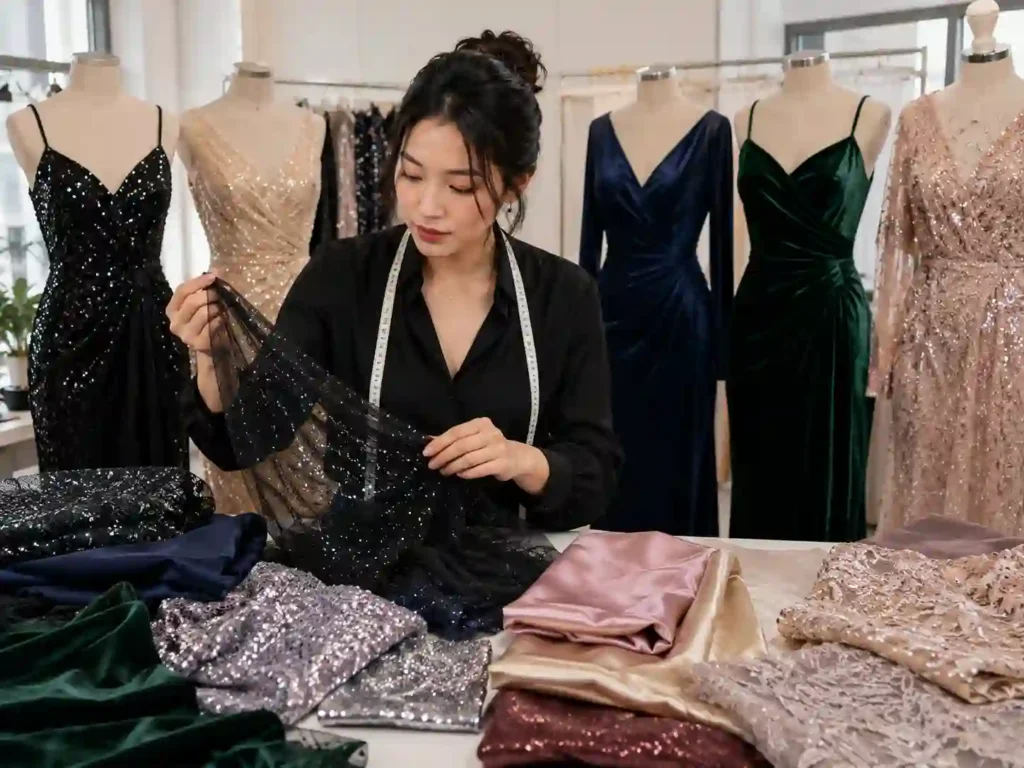
...

UK Apparel Compliance Solutions for Fashion Brands

Manufacturing-led support for compliant materials, tested samples, accurate labels, controlled bulk production, and shipment-ready records for UK fashion programs.

  • 30+ years of fashion-dress development experience supporting demanding European and international product programs.
  • 16 owned fashion factories, 20+ satellite factories, 300 sewing lines, and 50+ flexible response lines across the manufacturing network.
  • SMETA audit completed, including SMETA 2-Pillar audit and a current social audit record within the factory system.
  • 15,000-35,000 sample pieces or development iterations supported monthly across the wider group, with 3,000-8,000 styles moving through development workflows.
  • Third-party testing can be coordinated with a brand-appointed or mutually agreed independent laboratory before bulk release.
  • UK-market requirements are translated into controlled materials, approved samples, label files, QC checkpoints, packing instructions, and reorder records.

Duolan is a dress-focused development and manufacturing partner rather than a legal consultancy or certification body. Regulatory scope remains subject to product category, sales route, Great Britain or Northern Ireland destination, and the final requirements approved by the brand, importer, appointed compliance adviser, and laboratory. Our role is to make the approved standard executable throughout development, sampling, production, inspection, packing, and shipment preparation.

Built for Established Fashion and Technical Teams

UK compliance becomes easier to control when product, sourcing, technical, quality, and production teams work from the same approved standard. Duolan supports structured apparel programs with defined product calendars, testing protocols, label manuals, and repeat-production expectations.

Fashion Brand Teams

For established labels developing Mini, Midi, Maxi, Party, Occasion, Vacation, Going Out, Bodycon, Corset, Satin, Mesh, Lace, Sequin, and Fashion Set programs for the UK market. Support begins with a clear development brief and continues through material review, sample approval, testing coordination, label execution, bulk production, final inspection, and shipment records. Collection consistency receives equal attention to individual style accuracy, especially when 10-30 styles move in parallel across several colours, fabrics, and construction routes.

Buying and Sourcing Teams

For procurement teams and sourcing offices responsible for supplier qualification, development calendars, product costs, factory audits, laboratory coordination, quality manuals, and warehouse deadlines. Duolan converts formal requirements into production actions: BOM control, material confirmation, sample-stage definitions, PP approval, line allocation, inspection checkpoints, packing instructions, and document completion. Multi-factory and multi-line planning is used only when product complexity, volume, or delivery windows justify a controlled split.

Technical and Quality Teams

For product developers, garment technologists, compliance managers, and quality teams reviewing fit, construction, fibre declarations, chemical restrictions, care information, labels, packaging, inspection criteria, and corrective actions. Fit comments are converted into measurable pattern or workmanship changes rather than informal notes. Approved files remain linked to the relevant sample, material batch, production route, QC record, and shipment, giving technical teams a clearer basis for sign-off and repeat orders.

What UK Apparel Compliance Readiness Covers

A compliant garment program is built from connected decisions rather than a single certificate. Product route, safety, fibre information, materials, labels, packaging, production evidence, and final responsibility must be aligned before shipment.

Market Route

Confirm England, Scotland, Wales, Northern Ireland, or a combined UK and EU route before development begins. Product safety and chemical frameworks can differ by destination, so market assumptions should never remain hidden inside a general “UK” brief.

Product Safety

Review foreseeable wear, sharp or rigid components, detachable trims, drawcord or entrapment concerns, skin-contact surfaces, structural support, closure security, and any category-specific safety requirement. Fashion styling should remain compatible with safe construction and intended use.

Fibre Information

Align declared fibre content with the approved main fabric, lining, contrast panels, and significant components. Substitutions require renewed review because a material change can alter the fibre declaration, care instruction, appearance, shrinkage, and testing position.

Chemical Controls

Follow the brand RSL, UK-market restrictions, material declarations, and laboratory test plan for relevant fibres, dyes, finishes, coatings, prints, metals, adhesives, and embellishments. Risk-based testing is more efficient than applying one generic test package to every style.

Labels and Packing

Control fibre labels, care labels, size labels, brand labels, country-of-origin information, hangtags, barcodes, stickers, polybags, carton marks, and warehouse labels through approved artwork and version numbers before bulk release.

Evidence and Records

Maintain the development brief, BOM, material approvals, sample comments, test reports, PP sample basis, inspection records, packing confirmation, and shipment documents. A complete record protects launch orders, repeat production, and future investigations.

Clear Responsibility Across Every Compliance Decision

A reliable program separates legal interpretation, testing, manufacturing execution, and final market approval. Clear ownership prevents a factory report, laboratory result, or label proof from being treated as a substitute for the full compliance decision.

Brand and Importer

Define the sales destination, product category, risk tolerance, restricted-substance requirements, labelling manual, packaging rules, responsible economic operator, and final release authority. The brand or importer approves the applicable legal pathway and remains responsible for market placement decisions.
Supplier Evaluation and Compliance

Compliance Adviser

Interpret current UK requirements, identify category-specific obligations, prepare or validate the compliance matrix, and advise on changes affecting Great Britain, Northern Ireland, online sales, sustainability claims, or special product categories. Legal interpretation should come from a qualified specialist.

Independent Laboratory

Perform agreed physical, chemical, fibre-content, colourfastness, dimensional, performance, or safety tests under an appropriate scope. The report records tested specimens, methods, results, and conclusions; it does not replace correct production, labelling, or document control.
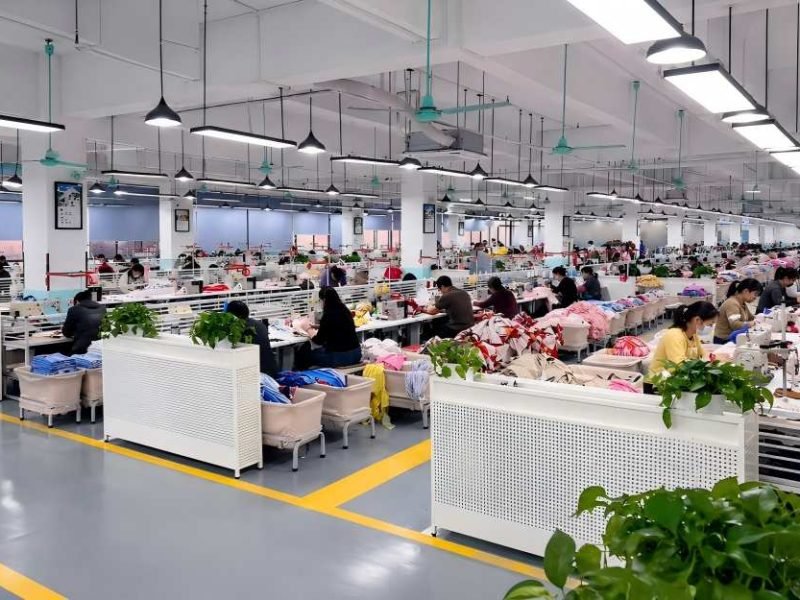
JF Apparel sewing line 4

Duolan Manufacturing

Translate approved requirements into fabric and trim selection, sample construction, test-sample preparation, label artwork implementation, PP sample standards, production instructions, inline checks, packing controls, and shipment records. Duolan does not issue legal opinions or independent certificates.

Where UK Fashion Programs Commonly Lose Control

Most failures start before final inspection. Delayed testing, unrecorded substitutions, weak sample standards, and uncontrolled artwork versions can create avoidable cost after fabrics, trims, labels, or production capacity have already been committed.

Late Test Planning

Testing begins after material booking or bulk cutting, leaving little room for replacement, process adjustment, or retesting. Duolan links the test plan to material confirmation and sample status so high-risk components are reviewed before irreversible production steps.

Composition Mismatch

Fabric declarations, supplier records, lining content, contrast panels, or finished-garment analysis do not match the final label. BOM control and material verification reduce the chance of an inaccurate fibre statement moving into bulk labels.

Material Substitution

A supplier changes fibre blend, weight, finish, coating, elastic, zip, metal trim, adhesive, or decorative component after approval. Any change with compliance, fit, care, or appearance impact must return to a controlled approval route.

Artwork Version Error

Old care labels, size labels, barcodes, country information, or warehouse stickers remain in production folders. Approved artwork is stored by style, colour, market, and version, then checked at PP stage and during packing inspection.

Sample-Bulk Drift

Bulk differs from the approved sample in material handfeel, colour, stretch, support, lining coverage, trim position, measurements, workmanship, or packing. PP standards, first-piece checks, inline inspection, and final comparison provide a stronger control chain.

Incomplete Evidence

Reports, approvals, corrective actions, inspection records, and packing confirmations are scattered across emails or suppliers. A structured project record links each decision to the relevant style and shipment, supporting release and repeat-order review.

A Manufacturing-Led Compliance Readiness System

Duolan turns approved market requirements into a production path with named inputs, checkpoints, records, and release conditions. Six connected controls reduce avoidable rework without creating a rigid one-size-fits-all process.

Requirement Intake

Collect target market, product category, style list, tech packs, BOMs, size standards, brand RSL, test manual, label guide, packing guide, nominated laboratory, and delivery calendar. Missing decisions are logged before sample or bulk release.

Material Review

Assess fibre content, weight, stretch, recovery, drape, opacity, lining compatibility, colour route, surface finish, embellishment, metal parts, adhesives, and care behaviour against the desired silhouette and approved test plan.

Testing Coordination

Prepare representative specimens, identify colour or material variants, submit documents to the appointed laboratory, monitor reports, separate failures from documentation gaps, and manage corrective actions or retesting before bulk release.

Label Execution

Convert approved fibre, care, size, origin, brand, barcode, and warehouse information into production files. Physical label samples and placement are reviewed at PP stage before the bulk issue is released to the relevant line.
BOM Reuse​

Bulk Control

Lock the approved pattern, BOM, material direction, workmanship points, size tolerances, artwork versions, packing method, and inspection plan. First-piece and inline records verify whether production remains aligned with the approved basis.

Record Preservation

Store sample comments, pattern version, BOM, reports, approvals, inspection evidence, packing confirmation, and shipment details as reusable production assets. Repeat orders begin with a controlled review rather than rebuilding the standard from memory.

Compliance Risks Change by Dress Construction

Fashion dresses carry different material, structure, surface, and wear risks. Product-specific control is more credible than a generic claim covering every garment in the same way.

Dress ConstructionPrimary Compliance and Quality RisksDuolan Manufacturing Controls
Satin DressesSnagging, seam impression, shade direction, water marking, pressing shine, fibre declaration changes after substitutionsBatch shade control, cutting direction, needle and seam trials, controlled pressing, approved care route, material record
Mesh DressesOpacity, lining coverage, seam stress, skin contact, stretch distortion, edge stabilityCoverage mapping, lining confirmation, stretch seam trial, reinforcement, fit review, approved material combination
Lace DressesMotif placement, open structure, fraying, contrast composition, skin irritation, seam visibilityPanel planning, edge finish trials, lining and binding review, motif matching, skin-contact assessment
Sequin DressesSequin loss, sharp backing, garment weight, abrasion, snagging, broken threads, restricted substances in decorative partsAttachment trial, lining coverage, surface contact review, pull and rub checks, component records, packing protection
Corset DressesBoning ends, cup position, support failure, underwire exposure, rigid edge contact, zipper stressBoning encapsulation, support mapping, fit sample, movement review, bartack and closure reinforcement, first-piece approval
Bodycon DressesOpacity, stretch recovery, seam cracking, size variation, colour show-through, heat sensitivityFabric weight and stretch review, recovery checks, graded measurement control, stretch seam specification, shade consistency
Bandage DressesHigh garment tension, panel distortion, seam load, zipper strain, finished measurement instabilityPanel-by-panel pattern control, recovery testing, seam engineering, fit verification, controlled finishing and resting time
Backless or HalterSupport balance, neck pressure, strap security, closure strength, exposure beyond design intentSupport route review, strap and hardware pull checks, fit movement review, lining and facing control, placement tolerance
Ruched or DrapedUneven distribution, asymmetry, added bulk, seam torque, inconsistent finished lengthReference-point marking, stitch-density control, drape trial, finished measurement method, side-by-side first-piece review
Embellished SetsDifferent fibre declarations, mixed-material care needs, decoration damage, barcode or packing mismatch between piecesCoordinated BOM, component-level labels where required, set packing check, paired inspection, complete style-level record

Fabric, Trim, and Testing Decisions Before Bulk

Material compliance cannot be separated from silhouette, fit, workmanship, cost, and lead time. Duolan reviews each material as part of the finished dress rather than as an isolated swatch.

Fabric Behaviour and Fibre Control

A fibre name alone does not predict how a dress will perform. Development review covers composition, construction, weight, stretch, recovery, drape, opacity, surface finish, shrinkage direction, colourfastness risk, heat sensitivity, pressing behaviour, and lining compatibility. Satin may require shade-direction and needle trials; stretch jersey needs recovery and opacity checks; mesh requires coverage mapping; lace requires edge and motif planning; coated or metallic fabrics can introduce chemical, care, and abrasion concerns. Supplier declarations, fabric headers, internal BOM records, approved swatches, and laboratory specimens must refer to the same material route. Any change after approval is assessed for label, care, fit, test, cost, and delivery impact before release.

Trim and Embellishment Control

Zippers, sliders, hooks, rings, chains, boning, underwire, cups, elastic, shoulder straps, heat transfers, printing ink, sequins, beads, pearls, rhinestones, adhesives, and decorative metal parts can carry risks beyond visual appearance. Review covers attachment method, skin contact, sharp edges, corrosion or plating concerns, colour migration, pull strength, heat resistance, wash compatibility, replacement availability, and batch consistency. The wider supply chain includes stable resources for fabrics, trims, accessories, printing, embroidery, dyeing, washing, and special processes, with 2-3 mature partner facilities commonly used in several specialist process categories. Component selection remains linked to the approved dress structure and laboratory plan.

Risk-Based Laboratory Coordination

Testing is arranged through the brand-appointed or mutually agreed independent laboratory. The program can include fibre analysis, dimensional stability, appearance after care, colourfastness, seam or attachment performance, restricted-substance testing, pH, formaldehyde, azo dyes, metal-related tests, or other methods named in the brand manual. Test scope depends on destination, product category, material risk, colour route, and sales channel. Duolan prepares representative specimens, confirms material and colour references, submits supporting documents, tracks the report, and coordinates corrective actions. A failed result leads to root-cause review, material or process correction, renewed sampling where needed, and retesting before bulk release.

test

Design Details Engineered for UK-Market Production

Compliance readiness begins while the dress is still a design decision. Pattern, support, coverage, trim placement, seam route, label location, and care behaviour must remain compatible with the intended look and approved production method.

Design Brief Translation

Development starts from a tech pack, reference garment, original sample, sketch, image direction, material concept, or collection brief. The team clarifies silhouette, target fit, body coverage, support needs, fabric handfeel, colour direction, closure, lining, decoration, intended retail positioning, and sample purpose. A photo sample, fit sample, salesman sample, and PP sample do not carry the same decision standard. Early clarification prevents aesthetic comments from being interpreted as production instructions. Across the wider group, 115-220 design roles and 300-400 pattern and sample-development roles support collection work, while product planning, fabric development, process engineering, cost analysis, and project coordination connect design intent to a controlled manufacturing route.

Pattern, Fit, and Size Logic

Pattern engineering considers balance, bust and waist placement, rise or hip position, neckline and armhole shape, strap length, sleeve mobility, hem level, lining ease, zip stress, support structure, and fabric stretch. Standard programs often begin with a brand base size, followed by one or more fit-review rounds and graded measurement control before bulk. Size ranges can be developed to the brand chart, including XS-XL or broader runs where fit data and product construction support the range. Complex corset, bodycon, bandage, halter, backless, asymmetric, or draped styles may require additional movement checks, fit photos, measurement maps, and construction notes before grade release.

Compliance-Aware Detailing

Decorative impact must remain compatible with safe wear, durable attachment, accurate labelling, approved care, and repeatable bulk workmanship. Boning ends are enclosed; underwire and cup structures are secured; embellishment backing is covered where skin contact is possible; straps and closures are reviewed for load; lining coverage is mapped; printed or coated areas are assessed for care and surface change; labels are positioned without damaging comfort or appearance. Development notes identify which details require test evidence, which require a client decision, and which require a production trial. Duolan avoids a blanket “yes” when a design detail needs a different material, structure, tolerance, or production route.
Critical Detail Mapping​

Production-Ready Sampling With Controlled Approval Stages

A sample should help a fashion team decide fit, material, structure, workmanship, labels, testing, cost, and bulk readiness. Speed matters, but an unclear fast sample often creates slower production later.

Stage-Based Sample Development

The sample route is defined before work starts. A first prototype checks shape and construction direction; a fit sample verifies body balance and measurements; a revised sample closes comments; a photo or salesman sample supports presentation needs; a PP sample becomes the manufacturing reference. Standard fashion-dress samples are commonly planned around a 10-15 day first-sample window after materials and instructions are sufficiently confirmed. Highly embellished, moulded, corseted, printed, washed, or specially dyed styles may require a longer route because process trials, material booking, or external treatment must be completed first. Timing is confirmed by style rather than promised as one fixed number.

Fit Comments Become Measurable Actions

Comments are converted into pattern, measurement, construction, material, or workmanship actions. “Tighter waist” requires a defined measurement and distribution; “more support” requires cup, boning, lining, strap, or closure decisions; “better drape” may require fibre, weight, bias direction, panel shape, seam route, or pressing changes. Each revision records what changed, why it changed, and what still needs approval. Complex styles receive staged photo or video updates when fabric behaviour, support, decoration, or fit direction could affect the final result. The next sample is reviewed against the previous comments rather than treated as a new interpretation.

Bulk Readiness Before Production Release

Before bulk, Duolan reviews the approved sample status: fit confirmed, visual confirmed, PP basis, or still pending refinement. Fabric, lining, trims, colour, measurements, workmanship points, labels, packing, testing status, and delivery needs are checked together. The order is then broken down by style, colour, size, quantity, construction risk, special process, and timing. A production route may use a dedicated line, trial run, special-process partner, or controlled multi-line allocation. The release basis is summarised in a Production Readiness Note so the approved sample is converted into a repeatable standard rather than left as a showroom object.

Label and Packaging Files Controlled Before Production

Artwork accuracy depends on approved content, physical sampling, version control, and packing inspection. Each item below follows a named approval route rather than informal copying from a previous order.

File or ComponentApproval OwnerDuolan Control Point
Fibre Content LabelBrand or compliance team approves wording and market languageMatched to final BOM, main fabric, lining, contrast parts, and approved test position
Care LabelBrand approves symbols or text and any authorised symbol useReviewed against fabric, trims, embellishment, wash or dry-clean route, and test evidence
Size LabelBrand size standard and market formatPosition, size code, colour, and style mapping checked at PP and packing stages
Country InformationBrand/importer confirms required wordingArtwork version and placement controlled by style and destination
Brand LabelBrand artwork and quality specificationMaterial, colour, dimensions, fold, attachment, and placement approved before bulk
HangtagBrand supplies or approves content, claims, and artworkStyle, colour, size, price, claim, and attachment route checked against the order
Barcode StickerBrand or retailer supplies code structureScan verification, style-colour-size mapping, placement, and quantity checks during packing
Polybag and WarningBrand defines material, warning, recycling, and size requirementsBag dimensions, ventilation, print, adhesive seal, and garment fold confirmed
Carton MarkWarehouse or logistics guide supplies formatPO, style, colour, size ratio, quantity, destination, dimensions, and gross/net weight checked
Warehouse LabelRetailer or fulfilment centre supplies templateApplied by carton, pack, or garment level with scan and placement control

Workmanship Controls for Complex Fashion Dresses

Process capability is measured by suitability, repeatability, and inspection method, not by a long list of available techniques. Duolan links each decorative or structural process to material behaviour, production risk, cost, and QC evidence.

Corset and Support

Boning, cups, underwire, power mesh, fusible layers, waist stay, lining, hook-and-eye, and zipper routes are selected as a system. Trials verify support, edge coverage, movement, closure stress, and seam bulk. PP approval records boning position, cup placement, reinforcement, stitch route, and finished measurement points.

Sequin and Beading

Embroidery mapping, sequin direction, bead density, thread type, backing, seam allowance clearance, lining coverage, and repair method are defined before bulk. Surface rub, attachment security, skin contact, garment weight, fold method, and protective packing receive dedicated checks.

Printing and Surface Finish

Digital print, heat transfer, screen print, foil, coating, dyeing, washing, pleating, or heat setting are reviewed for colour, handfeel, registration, cracking, migration, dimensional change, and care compatibility. Production swatches and first-piece approval help control process variation.

Stretch and Bodycon

Four-thread overlock, coverstitch, stretch lockstitch, elastic application, seam allowance, thread stretch, panel tension, resting time, and final pressing influence fit and durability. Fabric stretch and recovery are considered with graded measurements rather than handled as a sewing issue alone.

Sheer and Delicate

Mesh, chiffon, lace, organza, satin, and lightweight woven fabrics require needle selection, seam finish, handling, panel marking, lining, pressing, and packing controls. Trial seams reveal puckering, slippage, shine, holes, fraying, or distortion before the risk reaches a full production run.
Pressing and Final Finishing​

Final Finishing

Thread trimming, stain removal, pressing temperature, shape setting, embellishment repair, measurement conditioning, metal detection where required, folding, bagging, and carton loading complete the garment standard. Finishing instructions follow material and decoration limits rather than a single factory routine.

Across the wider group, the manufacturing system includes approximately 7,000-9,000 core sewing machines, 150-400 printing units, 150-300 embroidery units, and 1,000-1,800 finishing and pressing units. Equipment scale supports capacity; process sheets, approved samples, skilled operation, and inspection discipline determine product consistency.

Approved Samples Preserved Through Bulk Production

A good PP sample has value only when the same material, pattern, workmanship, labels, and packing instructions remain controlled across every line and shipment.

Locked Production Basis

The approved basis includes pattern version, graded measurements, BOM, main fabric, lining, trims, colour standard, artwork, construction notes, decoration placement, tolerance, care information, label files, packing method, test status, and reference sample. Changes are logged and routed for approval rather than passed verbally to production. High-risk points are marked on the process sheet and first-piece checklist. Reorders refer back to the same controlled assets, followed by a review for material batch, colour, regulation, label, or packaging changes.

Order Breakdown and Line Allocation

Bulk orders are separated by style, colour, size, quantity, complexity, material route, special process, and delivery sequence. A typical established-brand program can contain 10-30 styles and 20,000-80,000 total pieces. Core styles and high-risk constructions may remain in owned factories, while planned satellite capacity supports controlled scaling or replenishment. Line allocation considers machinery, skill, process sequence, bottlenecks, testing status, and inspection access. Multi-line production is not used as a substitute for planning; it is used only when standards and communication can remain consistent.

Timeline Discipline

Production timing is built backward from the required warehouse or freight handover date. Material arrival, lab result, PP approval, cutting, first-piece confirmation, sewing, special processes, finishing, final inspection, packing, and shipment documentation receive separate milestones. Standard lead time depends on fabric availability, style complexity, approval speed, order volume, test scope, and line plan. The schedule preserves a QC and packing buffer rather than assuming every stage will finish at the last possible moment. Deviations are assessed against the launch calendar so corrective decisions are made while options still exist.

Quality Checkpoints From Materials to Shipment

Inspection follows the product risk and approved standard. Measurement, appearance, construction, labels, packing, and evidence are checked at different points because final inspection alone cannot reveal every production cause.

Incoming Material

Verify fabric and trim identity, colour, quantity, width or specification, visible defects, shade risk, and supporting records before cutting or issue.

Pre-Production

Review PP sample, pattern, BOM, measurements, process sheet, high-risk construction points, labels, packing, test status, and line responsibilities.

First-Piece Check

Compare the first completed garment with the approved basis for fit-related measurements, construction sequence, trim placement, support, decoration, labels, and pressing.

Inline Inspection

Inspect work in progress for recurring defects, seam quality, measurements, panel balance, colour control, attachment strength, and corrective-action closure before a large quantity is completed.

Final Garment

Assess workmanship, appearance, measurements, symmetry, closures, lining, embellishment, cleanliness, pressing, labels, and style-colour-size identity under the agreed inspection plan.

Packing and Shipment

Confirm fold, polybag, sticker, barcode scan, assortment, carton mark, quantities, carton dimensions and weights, shipment files, and final release status.

The inspection and packing network includes approximately 3,000-6,000 units of inspection, packaging, handling, and auxiliary equipment across the wider group, including needle detectors, tensile-test equipment, light inspection tables, measurement tables, folding and bagging equipment, barcode printers, sealing equipment, weighing systems, and carton marking equipment. Actual use depends on product and project requirements.

Documentation Linked to Every Production Decision

A clear record supports release, investigation, repeat production, and supplier review. Documents are organised by stage and style rather than stored as an unconnected folder of reports.

Development Record

Tech pack, reference images, BOM, material direction, target fit, size chart, design clarifications, risk notes, cost assumptions, and sample-purpose definition.

Sample Record

Pattern version, sample stage, measurements, fit comments, revision summary, material changes, construction notes, photos, approvals, and remaining actions.

Testing Record

Laboratory request, specimen identity, material and colour reference, method or protocol, report, failure analysis, corrective action, and retest result.

PP and Bulk Record

Approved sample basis, BOM lock, production instructions, first-piece confirmation, inline findings, measurement evidence, corrective actions, and final inspection result.

Packing Record

Approved labels, barcode mapping, fold, polybag, sticker, assortment, carton mark, carton data, packing photos, quantity reconciliation, and warehouse instructions.

Reorder Record

Approved pattern, material and trim history, colour standard, workmanship points, tolerance, QC history, packaging route, previous issues, and any new requirement review.

Representative UK Occasionwear Compliance Program

An anonymised program structure below reflects the scale and complexity commonly managed for established fashion brands. Figures illustrate a realistic compliance and production route rather than identifying a confidential brand.

Program Profile

The collection contained 18 styles and 48,600 garments across XS-XL, six principal colour directions, and three product drops. The mix included satin mini and midi dresses, mesh-lined bodycon styles, corset dresses, sequin party dresses, draped occasion dresses, and coordinated fashion sets. Total volume per style ranged from 1,200 to 4,800 pieces. UK online and retail distribution required controlled fibre labels, care information, barcodes, warehouse labels, brand RSL testing, PP approval, final inspection, and shipment documentation. One nominated laboratory handled chemical and performance testing while Duolan managed materials, samples, production, QC, packing, and records.

Development and Risk Control

Initial review identified seven high-risk styles: three corset constructions, two all-over sequin styles, one stretch mesh dress, and one satin draped style with colour-sensitive panels. The sample plan covered first prototype, fit revision, and PP sample. Standard styles reached first-sample review in approximately 10-15 days after material confirmation, while the most complex sequin and corset routes used extra process trials. Testing specimens were prepared by material and colour risk rather than by style count alone. Two trim substitutions were rejected because they changed surface contact and test status; one satin colour was rescheduled after shade consistency concerns appeared during bulk material review.

Bulk Production and Delivery

Production was divided into controlled paths by material and construction complexity. Owned factories handled corset, satin, and major sequin styles; selected lines supported repeatable bodycon and coordinated-set production. The main bulk window ran for 34 days after PP and material release, followed by a seven-day inspection, packing, and shipment-document period. First-piece checks were completed for all 18 styles. Inline findings focused on sequin repair, corset boning ends, mesh lining coverage, zipper stress, drape balance, and barcode mapping. 

Measured Outcome

All three drops were released against the planned warehouse sequence. The brand received one consolidated program tracker, 18 production-readiness summaries, laboratory reports and corrective-action records, PP approvals, inline and final inspection evidence, label and barcode confirmations, and packing documentation. Reorder assets were preserved for six styles selected for replenishment. The strongest result was not a single pass statement; it was a controlled chain from approved requirement to material, sample, production, inspection, shipment, and reorder preparation.

UK Occasion Dress Program

Manufacturing Infrastructure for Brand Compliance Programs

Scale becomes useful only when development, materials, production, quality, and documentation move under the same project standard. Duolan combines owned-factory control with planned capacity flexibility and specialist supply-chain access.

Owned Factory Control

16 owned fashion factories support core style development, high-risk production, process control, and stable bulk execution. Key projects can remain within a directly managed route from sample through shipment.

Satellite Capacity

20+ long-term satellite factories provide planned capacity for volume, replenishment, and style segmentation. Allocation is based on capability and controlled standards rather than last-minute outsourcing.

Production Scale

300 sewing lines and 50+ flexible response lines support multi-style collection calendars, test launches, repeat programs, and large seasonal orders. Stable monthly capacity is approximately 6.5 million garments across the wider group, with higher peak capacity available.

Development Scale

Approximately 750-1,200 development roles across the wider group cover product planning, design, fabric, trims, pattern, samples, process engineering, cost, risk, and project coordination.

Equipment Base

The wider group operates approximately 12,000-20,000 equipment units, including 1,100-2,000 fabric inspection and cutting units, 650-1,200 pattern and sample units, and 7,000-9,000 core sewing machines.

Audit Readiness

The factory system has completed SMETA audit and SMETA 2-Pillar audit and holds a SMETA social audit record. Additional standards, tests, or audits are handled according to the brand program and verified scope.

UK Apparel Compliance Frequently Asked Questions

No. Duolan is a fashion-dress development and manufacturing partner. Legal interpretation and final market decisions remain with the brand, importer, and appointed specialist. Duolan implements approved requirements through materials, samples, testing coordination, labels, production, QC, packing, and records.
Duolan can identify manufacturing questions and request missing market information, but final applicability should be confirmed by the brand, importer, or qualified adviser. Great Britain, Northern Ireland, product category, materials, claims, and sales route can change the required pathway.
Yes. Duolan can prepare specimens and documents, coordinate submissions, track reports, support corrective actions, and arrange retesting with a nominated laboratory or a mutually agreed independent facility.
The approved BOM, supplier material records, relevant test position, lining, contrast components, and final artwork are reviewed together. Substitutions with a composition or labelling impact require renewed approval before bulk labels are issued.
Care information is reviewed against the fabric, lining, trims, embellishment, finish, and approved test route. The brand approves final wording or symbols and any required symbol authorisation. Duolan controls artwork, placement, and bulk version use.
Programs can include first prototype, fit sample, revised sample, photo or salesman sample, PP sample, size set, and reference sample. The route depends on product risk, collection calendar, fit standard, testing needs, and bulk-release requirements.
Standard fashion-dress first samples are commonly planned around 10-15 days after adequate instructions and materials are confirmed. Complex corset, sequin, print, wash, dye, moulded, or special-process styles may require additional time. A style-specific plan is issued before development begins.
Duolan locks the approved pattern, BOM, material direction, measurements, workmanship, labels, packing, and test status. First-piece, inline, final, and packing checks compare production with the approved basis. Changes are recorded and routed for approval.
The document pack can include BOM and material approvals, sample and revision records, test reports, PP approval, first-piece and inline evidence, final inspection, label and barcode confirmation, packing records, packing list, carton data, and shipment files.
Yes. Pattern versions, BOM, material and trim history, measurements, workmanship points, label files, packing, test history, and QC records can be preserved. Each reorder still receives a review for new materials, colours, rules, labels, quantities, and delivery needs.

Share Your UK Compliance and Production Requirements

Send the target market, product categories, style count, expected quantities, size range, launch or warehouse date, tech packs, BOMs, fabric composition, brand RSL, test manual, label guide, packing guide, QC standard, and nominated laboratory information. A complete pack is helpful but not required for the first review. At minimum, include the garment categories, intended UK destination, current development stage, and the decisions still open. Duolan will organise the information into material, sample, testing, label, production, quality, packing, and document workstreams, then identify missing approvals or high-risk points before quotation, sampling, or bulk planning. For collections containing 10-30 styles or 20,000-80,000 total pieces, also provide style priorities, launch drops, colour count, size ratio, repeat-order expectations, and any styles requiring special process trials. Confidential files can be reviewed under an agreed NDA route.

  • Name
  • Company
  • Business email
  • Tel / WhatsApp (optional)
  • Target market: Great Britain, Northern Ireland, or both
  • Product categories and style count
  • Project stage and target delivery date
  • Message
  • Upload tech packs, manuals, or sample comments

Start Your Apparel Development Project

OEM/ODM Manufacturing Support for Fashion Brands

Share your collection details, estimated quantities, target market, development timeline, and technical requirements. The production team will review your request and provide a tailored manufacturing solution based on your product category, fabric selection, construction needs, and delivery schedule.

Fashion Manufacturing Support with Scalable Production Capacity

From sample development to bulk production, Duolan supports fashion brands with confidential OEM/ODM manufacturing, stable quality management, flexible production planning, and coordinated multi-factory execution for seasonal and capsule collections.

Need Direct Assistance?

Seraphinite AcceleratorOptimized by Seraphinite Accelerator
Turns on site high speed to be attractive for people and search engines.